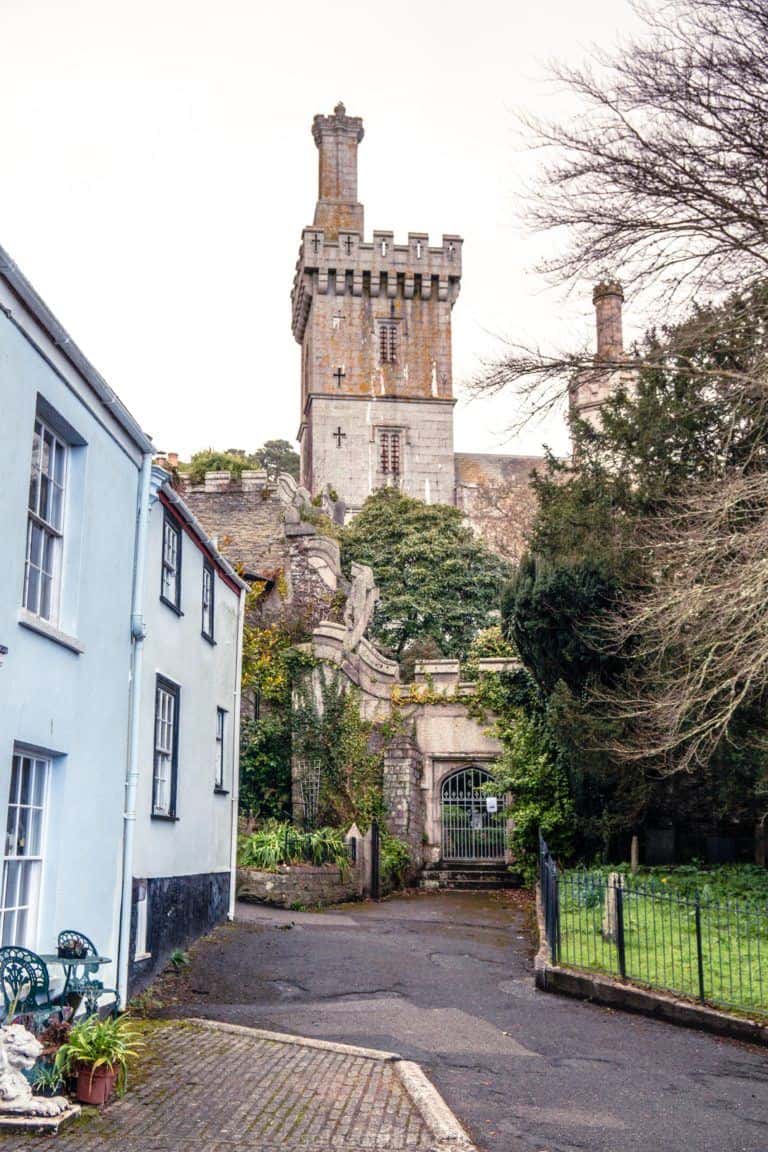

Medieval Europe: 15+ Places That Still Feel Like the Middle Ages
Last Updated on 5th September 2026 by Sophie Nadeau
This post may contain affiliate links. Please check out my privacy policy for more information.
Slow travel has been redefining the way we think about visiting places, and it’s easy to see why. After all, who doesn’t love the idea of time-travelling to another era, particularly one of magnificent art, towering castles and stunning architecture? Though I’ll admit, it’s rather nice to live in an age with modern plumbing and slightly better hygiene standards!
Built long before cars and characterised by winding alleyways, cobbled streets and defensive walls, Europe’s medieval settlements have been encouraging slow exploration for centuries. Here’s your ultimate guide to places in Europe that still feel like the Middle Ages.

What was the medieval Europe?
Medieval Europe, also known as the Middle Ages, was a specific period in European history which lasted from around the 5th century to the late 15th century (AD 500 to 1500), spanning roughly 1,000 years between the collapse of the Western Roman Empire and the rise of the Renaissance.
Medieval settlements often developed around a few key features: defensive fortifications, places of worship, markets and centres of trade. Many grew organically over time, with streets and buildings gradually spreading around these important sites.
In terms of which country is the “most medieval”, France and Germany usually take top place for their high concentration of medieval architecture and countless surviving fortresses.
France
Carcassonne
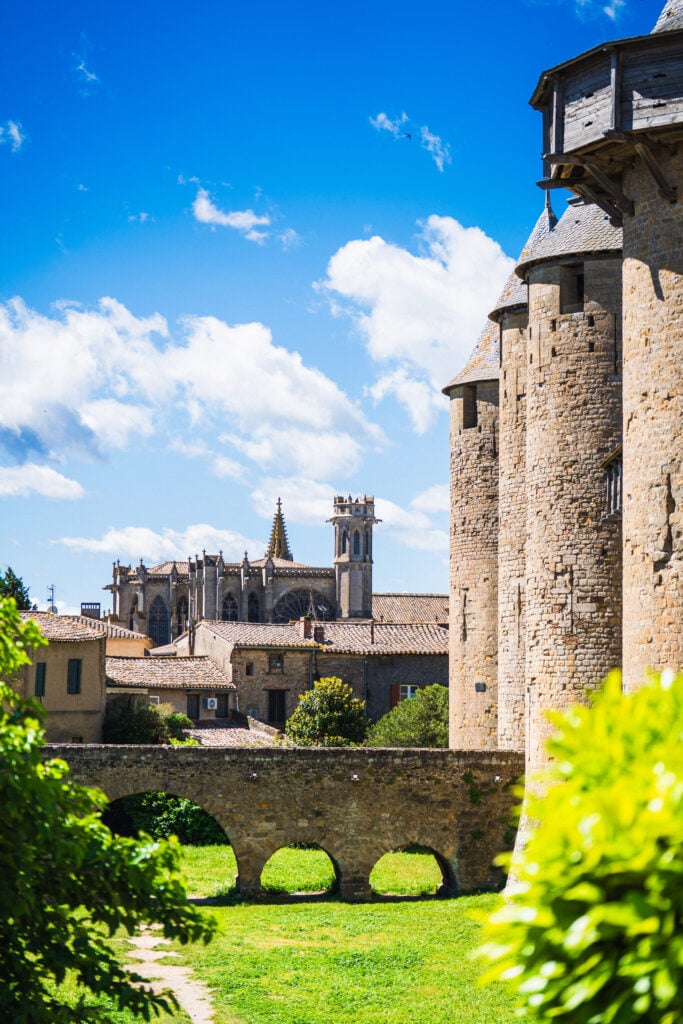
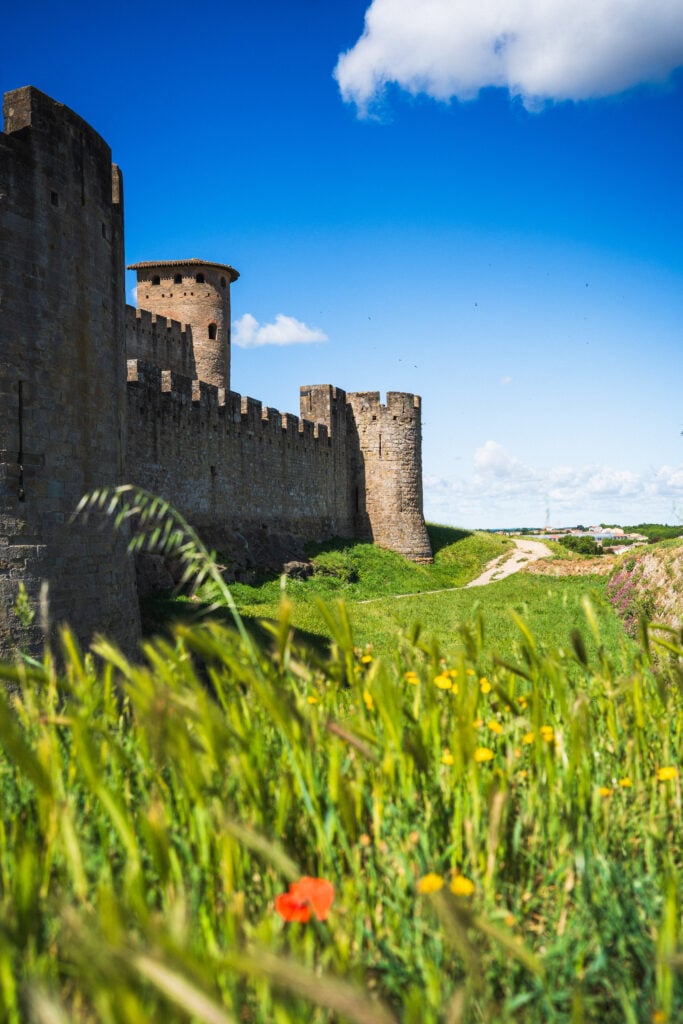
We’ll start with France’s perhaps most controversial medieval city: Carcassonne. Its spectacular medieval appearance is also the subject of some debate, thanks to the extensive restoration work carried out in the 19th century.
Widely regarded as one of Europe’s largest and best-preserved medieval walled cities, Carcassonne is also sometimes dismissed as “fake”. This is because its spectacular appearance owes much to a 19th-century romantic restoration, rather than being an entirely untouched medieval city. That being said, the fifty-two turrets that pierce the sky and 3 km of fortified walls can’t help but leave you as though you stepped into the Middle Ages…even if it is romanticised.
Dijon
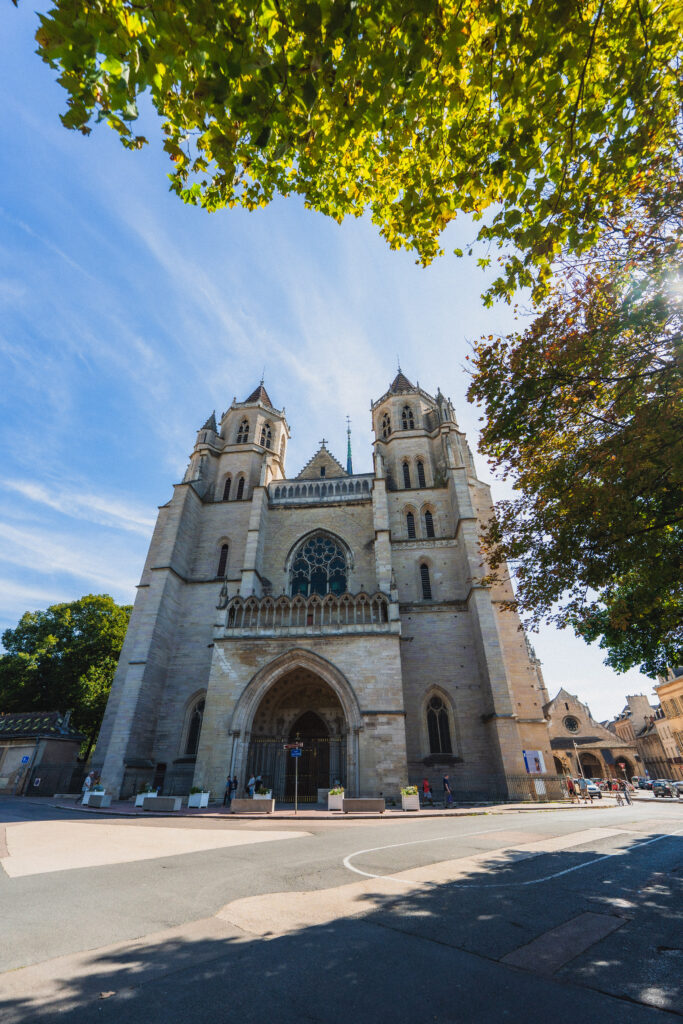
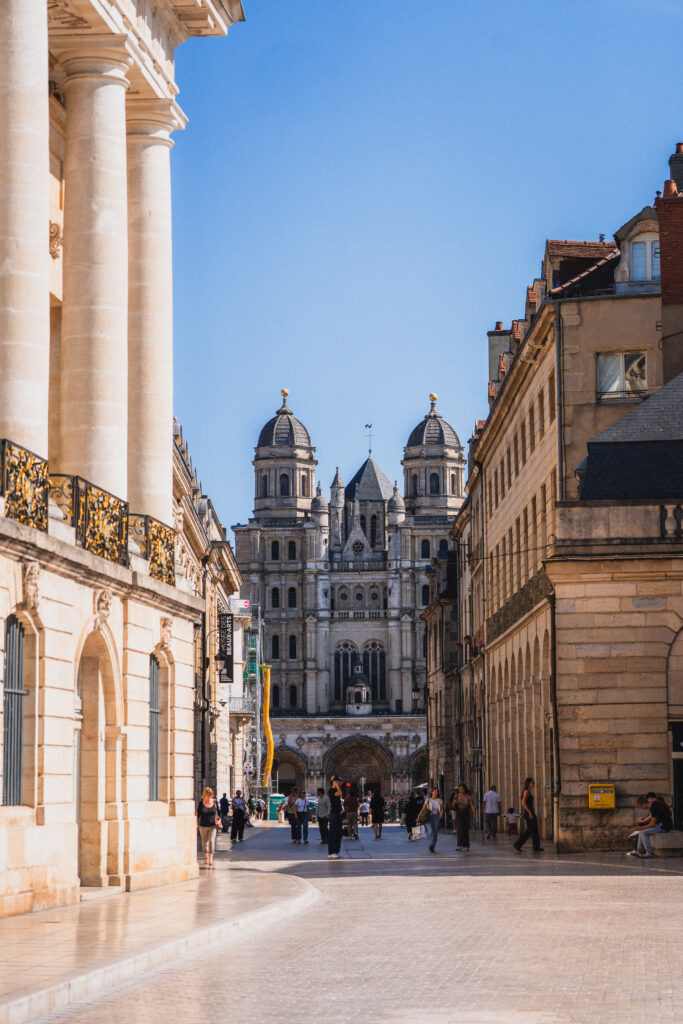
Medieval to its core, Dijon served as the capital of the Duchy of Burgundy during the Middle Ages. The city reached its height in the 14th and 15th centuries under the powerful Valois Dukes, whose influence rivalled that of the French crown.
Much of Dijon’s medieval layout remains intact; you can see this in its narrow streets that wind between quaint timber-framed houses. At the heart of the city’s old town sits the Palais des Ducs et des États de Bourgogne (the main residence for the powerful Dukes of Burgundy). The 13th-century Church of Notre-Dame is famed for its medieval gargoyles and the beloved La Chouette (the owl of Dijon) – one of many hidden gems in Dijon.
Avignon
Located in the south of France, Avignon is one of those cities where its medieval past is quite literally palpable…which feels rather fitting for a city with such strong papal connections. In the 14th century, Avignon served as the seat of the Catholic papacy and the centre of Western Christianity. Indeed, seven successive popes lived here rather than in Rome, from 1309 to 1377. The city itself is encircled by 14th-century ramparts, with its historic centre dominated by the Palais des Papes.
And, if you head just across the Rhône River, you’ll find Villeneuve-lès-Avignon, which offers a quieter alternative to the bustling centre of Avignon.


Éze
Perched high up in the mountains, Éze is a charming walled medieval city that overlooks the French Riviera and the Mediterranean Sea. The settlement has often been referred to as an “eagle’s nest” thanks to the way it clings to a sheer rocky cliff and its strategic positioning. Indeed, its cobblestoned streets and narrow lanes that weave in between old limestone houses truly transport you to a bygone era.
Semur-en-Auxois
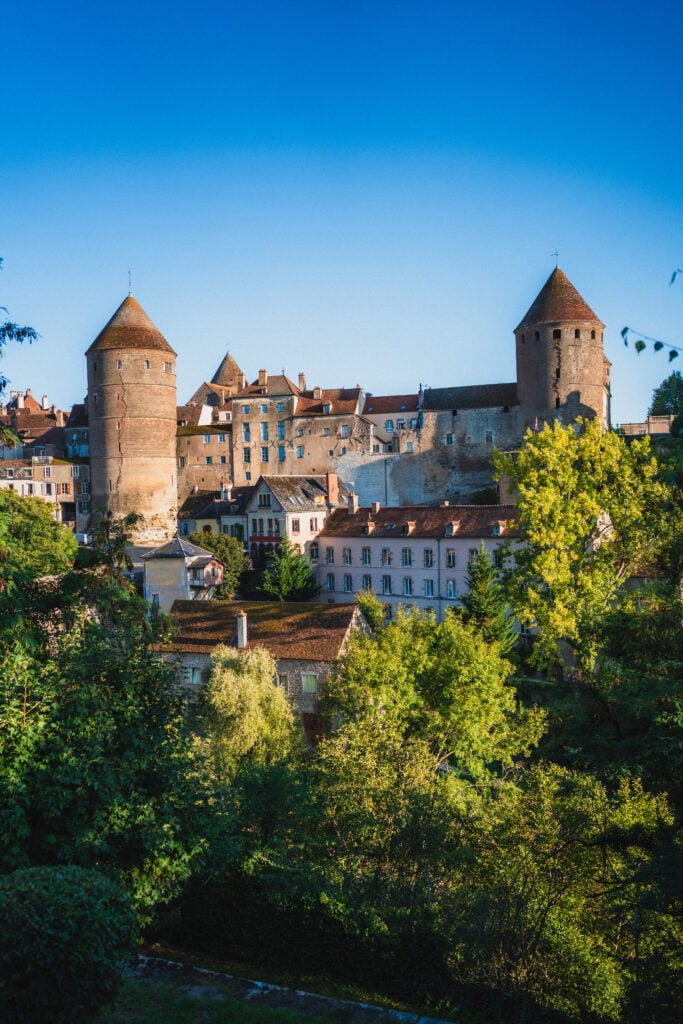
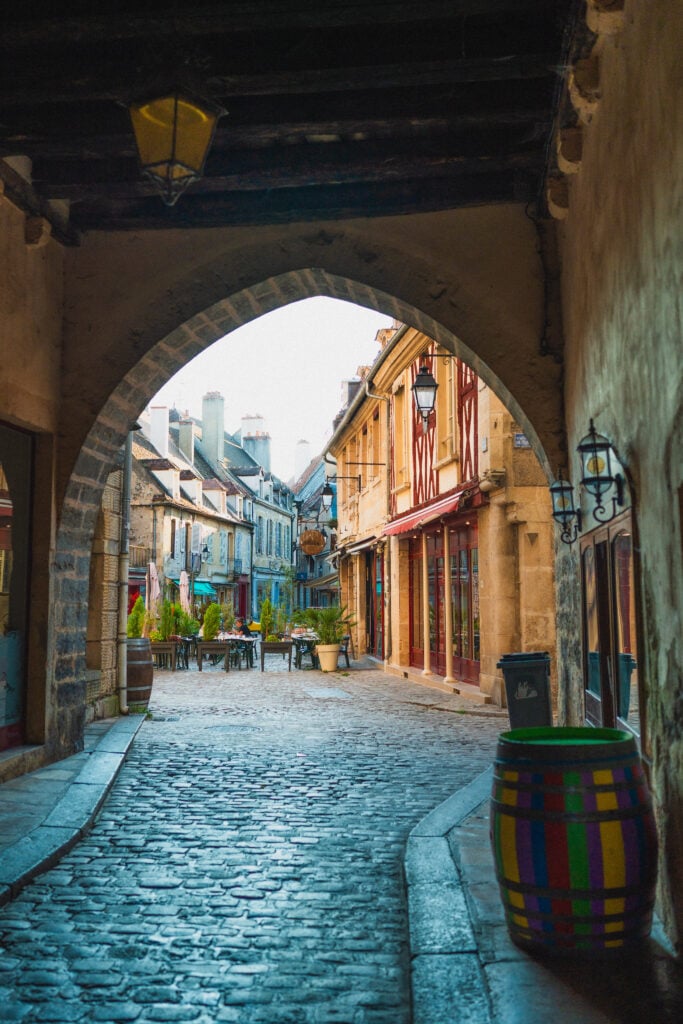
This hidden medieval gem can be found in Burgundy. Much of its 14th-century fortifications remain remarkably well preserved, while the town itself is perched atop a naturally pink granite cliff, half-encircled by the Armançon River. Beyond its dreamy first impression, wander through vine-draped streets or visit the Gothic Collégiale Notre-Dame, and the fairy-tale charm is palpable.
Provins
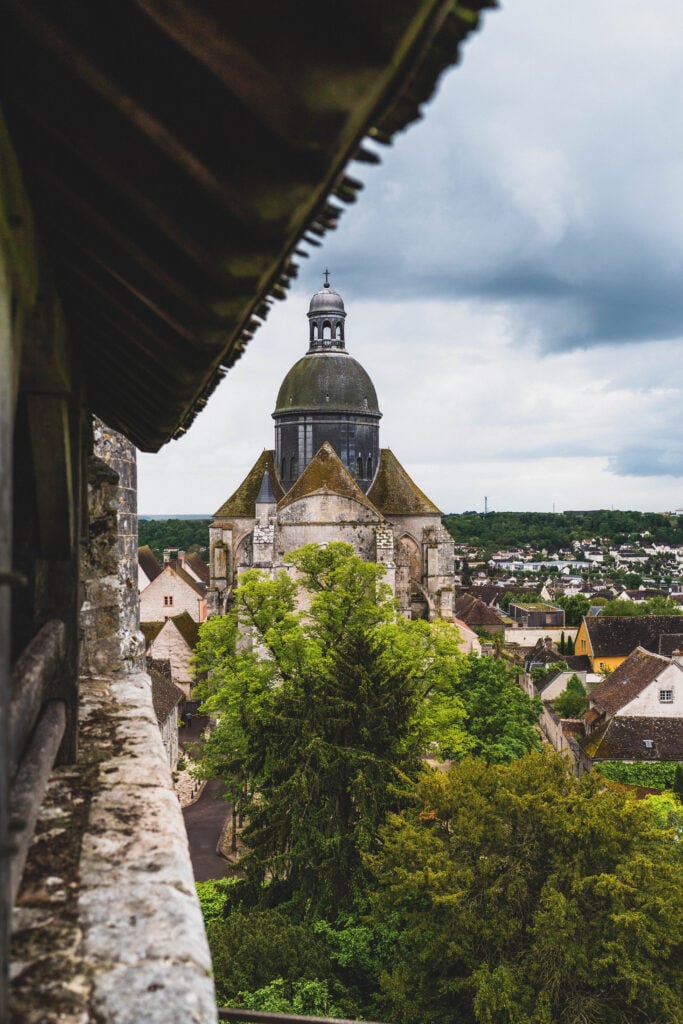
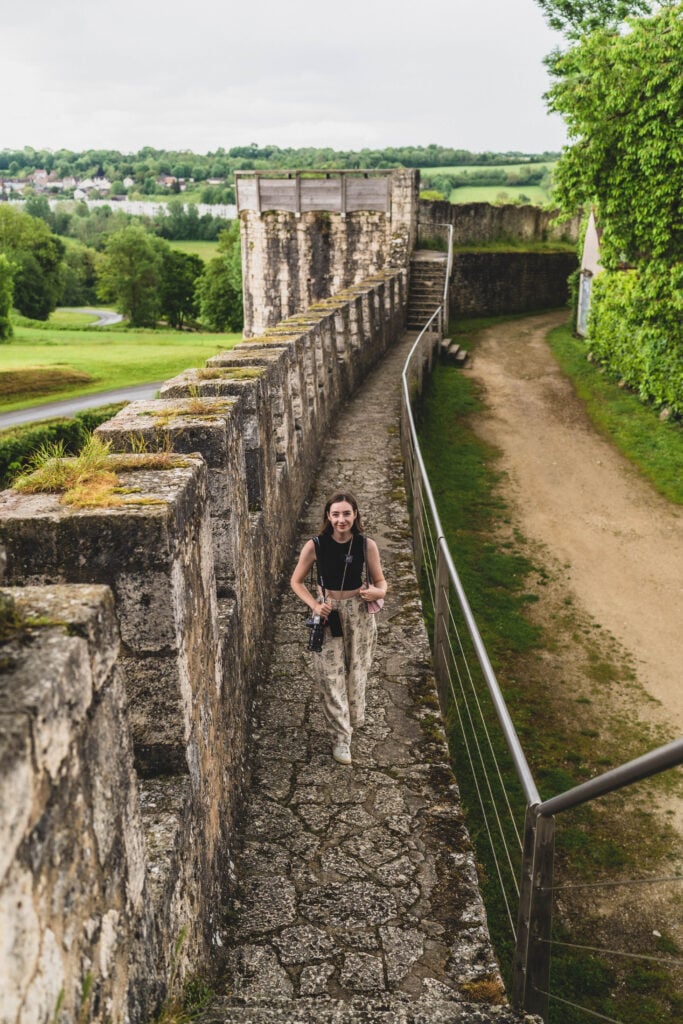
As soon as you step into Provins, it feels akin to another time. The commune is actually a dedicated UNESCO World Heritage Site thanks to its authentic layout and remarkably well-preserved architecture. One of the best things to do while exploring Provins is to wander along the Ramparts of Provins. The ramparts are open all year round (completely free!) and boast sweeping views overlooking the surrounding landscape and Île-de-France region.
Moret-sur-loing
Punctuated by a gently flowing stream and boasting several medieval keeps, Moret-sur-Loing is a dreamy medieval village that you can easily visit as a day trip from Paris. The huge stone gateways, Porte de Bourgogne and Porte de Samois, still stand at the edges of the town. Something truly unique about this medieval destination is that it has been immortalised by Impressionist painter Alfred Sisley.
Indeed, the Paris-born painter was captivated by the dreamy landscape of medieval structures alongside the gentle flow of water. And looking at Moret today, it’s easy to see why, as remarkably little has changed visually since the Middle Ages.

Locronan
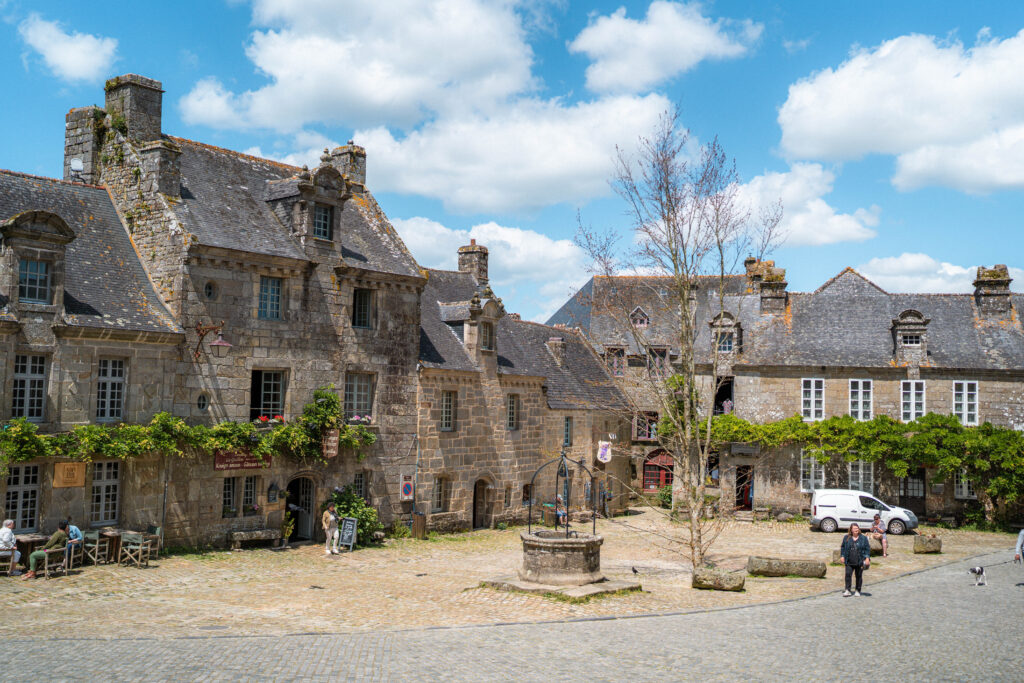
Locronan is one of the most beautiful towns in Brittany. This well-preserved settlement dates back nearly 2,000 years. It was first established sometime in the 6th or 7th centuries by Saint Ronan, an Irish monk and hermit. To this very day, a walk in the ‘footsteps of St Ronan’ is done in silence and reflects forgiveness and meditation.
The best things to do in Locronan are simply to uncover its quiet medieval charm. Full of character and traditions, the quaint granite houses reside sleepily alongside the coast. Head to the Church of Saint Ronan to truly soak up the medieval era; this 15th-century church still stands flamboyant as ever in its Gothic style.
Dinan
Dinan is home to over 100 timber-framed houses that have survived and remained largely unchanged since the Middle Ages. This mystical, fortified French city sits in the heart of Brittany and is best known for its well-preserved medieval ramparts, castle complete with a 14th-century keep, and Gothic-style Saint Malo church.

Mont Saint-Michel
It doesn’t get more Disney than this…Mont Saint-Michel is a tidal island with a storybook medieval fortress set atop a rocky outcrop. In fact, it’s said that this French city served as the primary inspiration for the Kingdom of Corona in Disney’s 2010 film Tangled.
Medieval to its core, Mont Saint-Michel retains much of its original architectural layout. In fact, during the Middle Ages, it was considered an impenetrable stronghold thanks to its powerful natural tides and the treacherous quicksand that surrounded it. Luckily, that’s no longer the case, and today you can wander across the causeway without quite the same fear of being swallowed by the sands.

Nemours
Located along the Loing River, Nemours is a small French town with a surprisingly medieval centre. At its heart is the Château de Nemours, which was built between 1160 and 1190. Alongside this, you’ll find old bridges, narrow streets and charming reminders of Nemours ‘ medieval past. It also makes for an incredibly easy day trip from Paris.
La Roche-Guyon
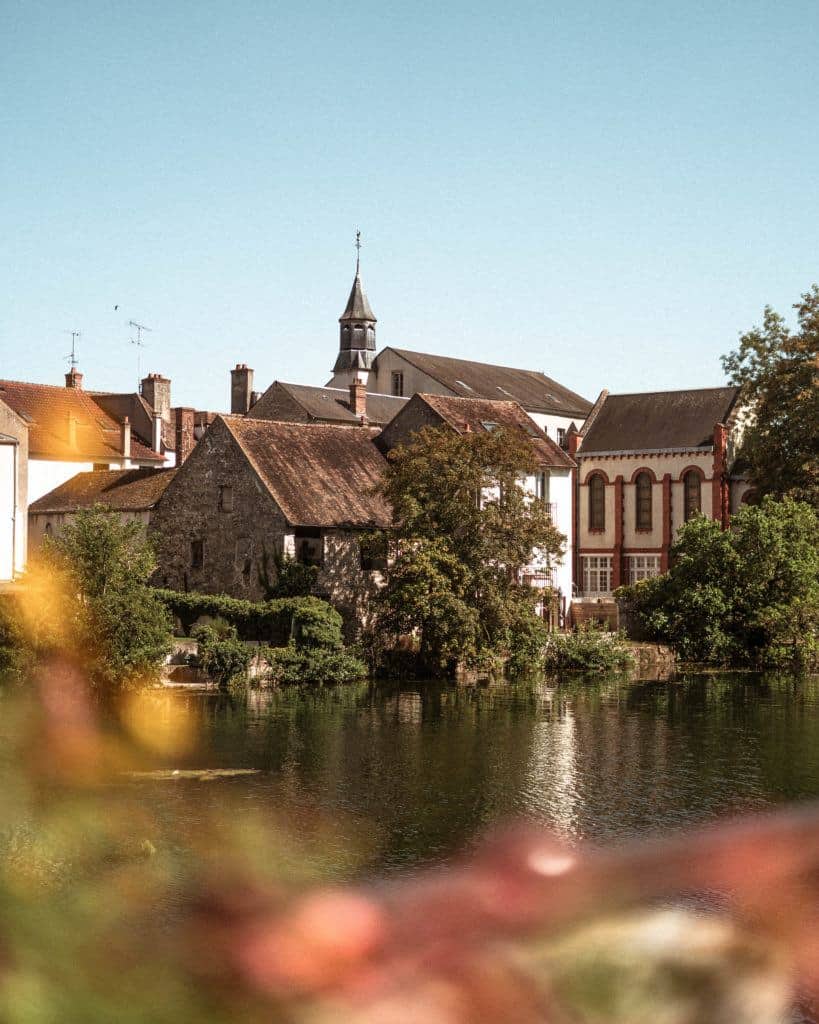
Nestled within the Vexin National Park, La Roche-Guyon is pretty unique in that its medieval history is carved directly into the rock face. The buildings, which are known as troglodyte buildings, are built directly into the chalk cliffs, with some of the rock-carved spaces dating back centuries. The village is crowned by a 12th-century keep, which sits directly above the River Seine and a network of tunnels and defensive structures.
Moustiers-Sainte-Marie
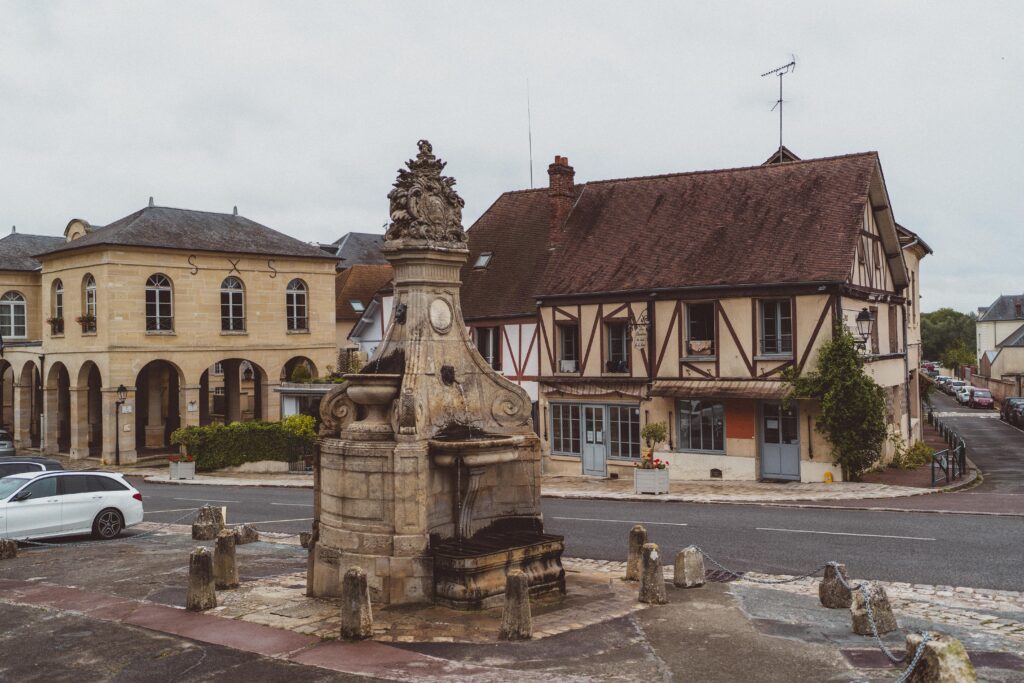
Moustiers-Sainte-Marie, which is often referred to as simply ‘Moustiers,’ is easily one of the most beautiful places to visit in the South of France. This cliff-hugging medieval village is split by a rocky gorge, and its narrow streets weave between the cliffs, with a 12th-century church that sits high above the rest of the town. Be sure to look up, and you’ll also spot the famous golden star suspended between the two cliffs, which has become one of the village’s most recognisable features!

Rouen
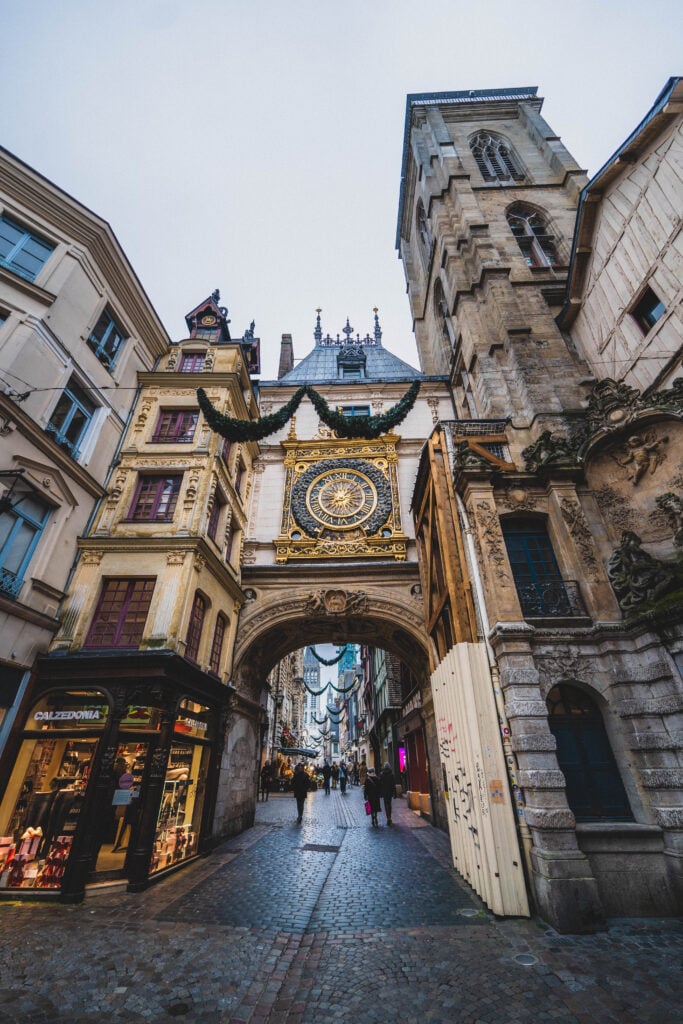
Rouen is the capital of Normandy and can best be described in three words: ancient, magical and medieval. The French city is deeply medieval, and this can be traced through its Gothic cathedral, half-timbered houses, and the stunning Palais de Justice, which once served as the Parliament of Normandy. One of my favourite pieces of medieval history in Rouen has to be its clock tower, Le Gros-Horloge.
While the clock tower facade and archway were added during the Renaissance, the inner clock itself has been ticking along since the Middle Ages. Indeed, this great astronomical clock has been the beating (or ticking) heart of the city since 1389.
Vézelay
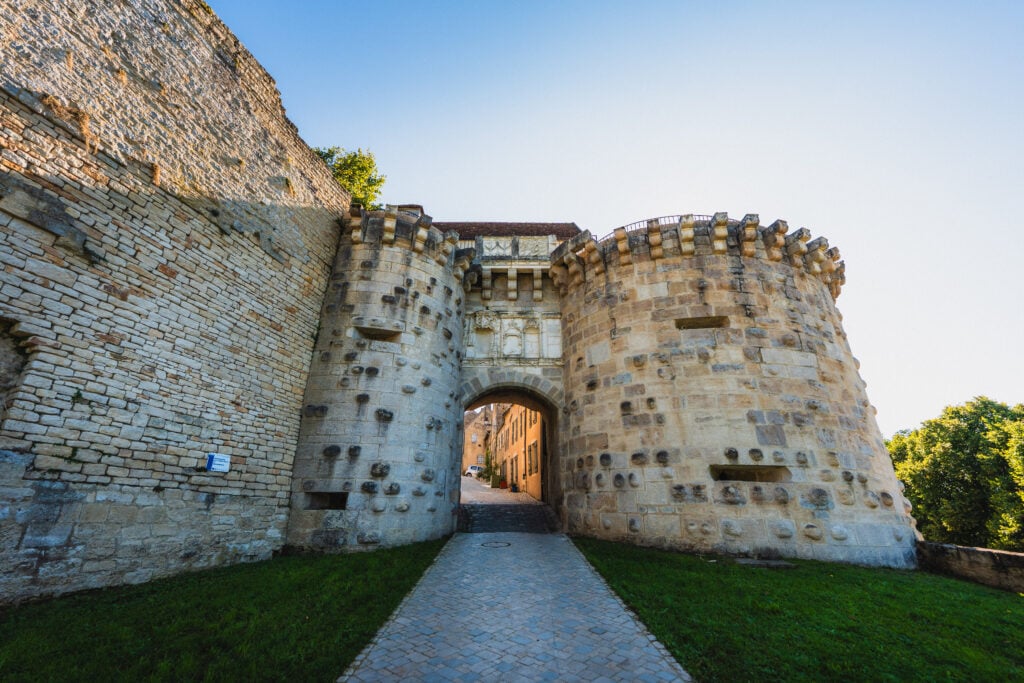
Vézelay is a small medieval hilltop village full of history and one of the most important pilgrimage sites in France. The village is one of the four historic starting points of the Camino de Santiago, and its main street leads up towards the magnificent Basilica of Sainte-Marie-Madeleine, built between 1120 and 1150.
Riquewihr
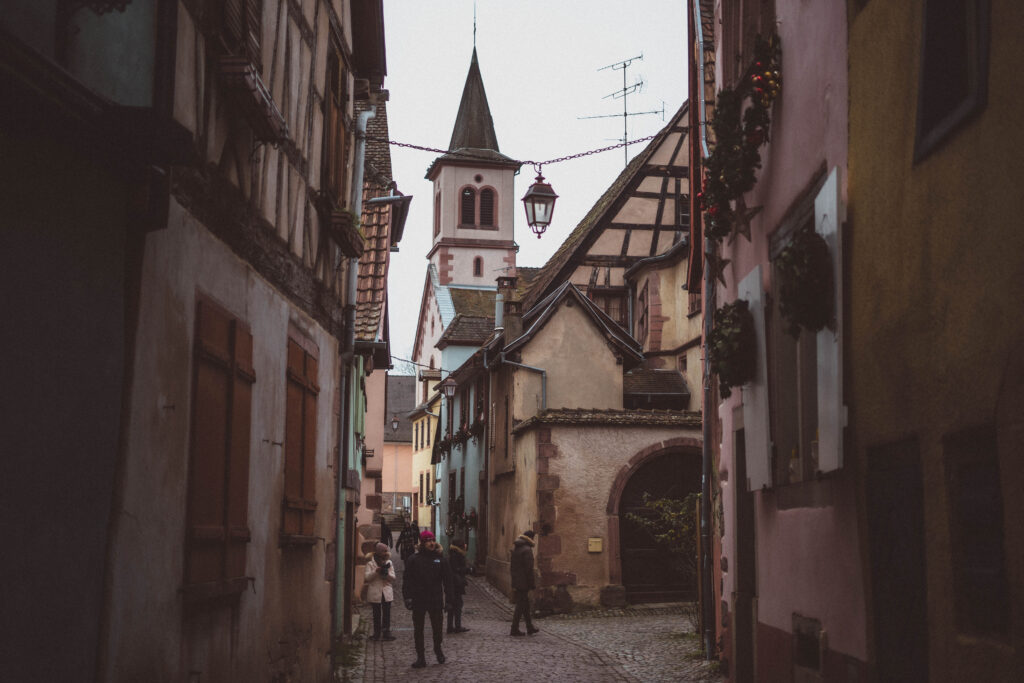
Decorated by colourful, pastel-hued, half-timbered houses that line the cobbled streets and medieval walls, Riquewihr truly is straight out of a storybook. And, looking at it today, it’s not hard to see why Riquewihr is often said to have inspired Beauty and the Beast. This Alsatian village is scattered with well-preserved medieval buildings, many of which date back to the 13th and 14th centuries. It’s also one of the most magical places to visit come Christmastime in Alsace!
UK
Saint Michael’s Mount
One of the most magical medieval places in the UK has to be that of Cornwall’s tidal island, St Michael’s Mount. Cut off from the rest of England by the salty tides, this iconic islet is crowned by a medieval church and castle that date back to the 12th century. It’s actually the English counterpart of Mont-Saint-Michel in Normandy, France.

Salisbury
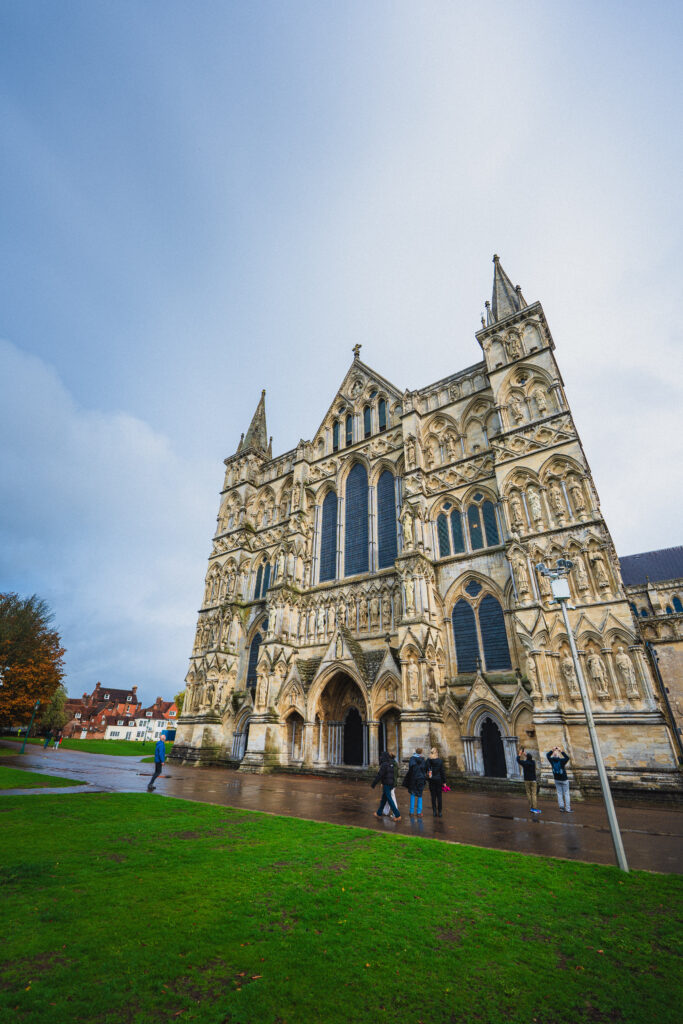
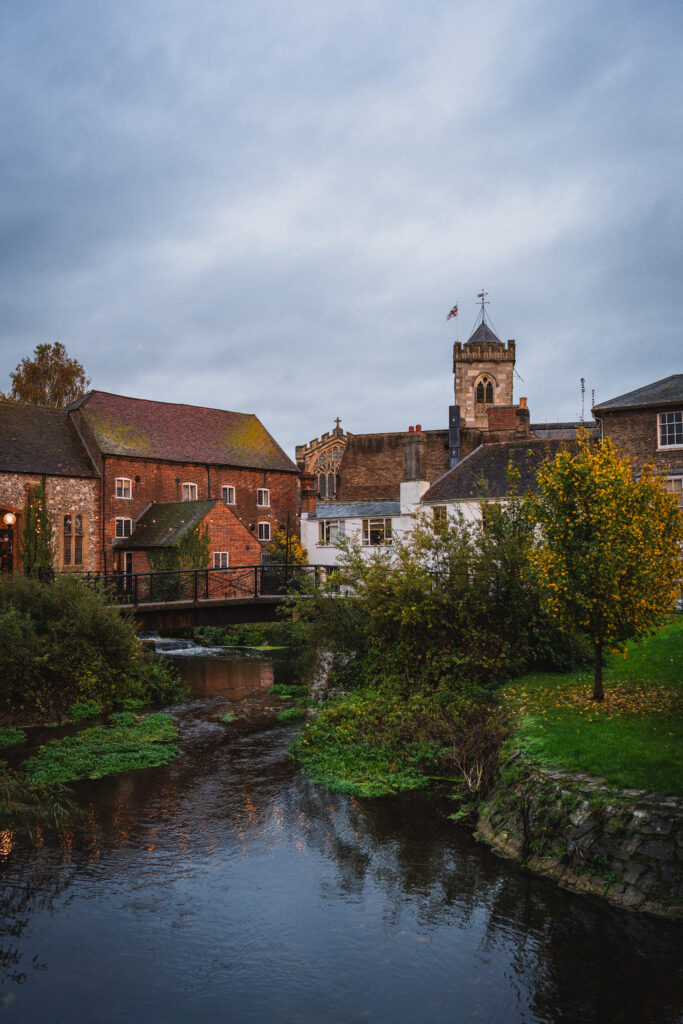
Salisbury was founded as early as the 13th century. The city originally began in 1220 when the settlement and its cathedral moved from the nearby Iron Age hill fort of Old Sarum.
Today, one of its most striking features is Salisbury Cathedral, which was built mostly between 1220 and 1258. This early English Gothic building houses one of the four surviving original copies of the 1215 Magna Carta, and still has the tallest church spire in the UK. There’s so much history to be discovered in the area; as such, it makes for the perfect cosy weekend escape, along with visiting Stonehenge & Old Sarum!
Wells
This charming cathedral city in Somerset earned its city status in medieval times following the construction of the stunning Wells Cathedral. The cathedral was built in the 13th century and is often regarded as one of the most beautiful of the great English cathedrals. Its facade is decorated with hundreds of intricately carved medieval statues; unfortunately, many of these are faceless, largely due to weathering over the centuries. Step inside, and you’ll see unique inverted “scissor arches” which were built to stop the central tower from collapsing under its own weight.
Wells is also home to other notable medieval gems. The moated, medieval Bishop’s Palace is a residence which has housed the Bishops of Bath and Wells for over 800 years. Wander a few hundred yards away from here, and you’ll reach Vicar’s Close, which is widely considered the oldest continually inhabited medieval street in Europe.

Edinburgh
Edinburgh may have evolved considerably over the centuries, but its medieval roots remain impossible to miss in its Old Town. King David I established Edinburgh as a royal burgh in the 1100s, turning it into an important centre for trade. The city’s castle was built atop a volcanic plug around 1130 AD, and inside its walls is St Margaret’s Chapel, which is considered Edinburgh’s oldest surviving building.
One of the most iconic medieval streets in the Scottish capital is the Royal Mile (though its name ‘Royal Mile’ was only coined in the 20th century). This cobbled route retains a spine-like pattern, with narrow closes and wynds branching off it from either side; it dates back to the 12th century but has developed over time into what you see today.
Another important medieval pocket in Scotland’s fairytale city is that of Dean Village. This charming former grain milling village was once powered by eleven working watermills, producing flour for Edinburgh’s bakers for some 800 years!

York
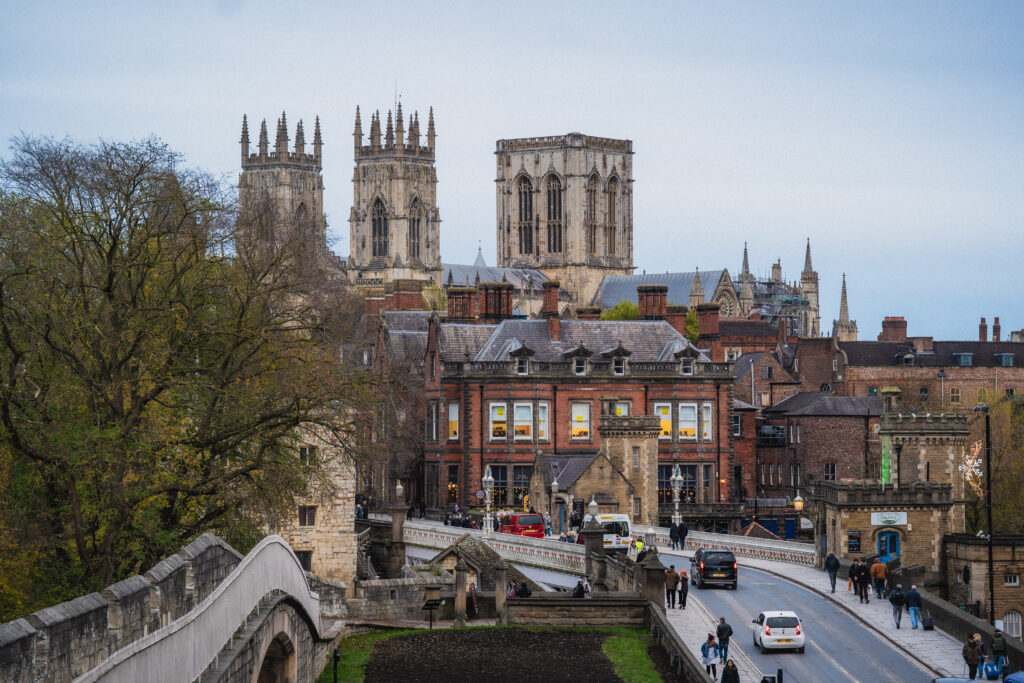
One of the best-preserved and authentically medieval cities in the UK is York. The city is surrounded by largely medieval stone walls, though the city’s fortifications can be traced back to antiquity. However, the main medieval star of the show is certainly York Minster. Standing proud above the city’s skyline, this stunning Gothic cathedral took over 250 years to build. Its most impressive feature (of the many) is that it houses the Great East Window, which is the largest single expanse of medieval stained glass in the world.
York is also home to one of the best-preserved medieval shopping streets in Europe. The Shambles is an iconic walkway that dates back to the 14th century, characterised by its overhanging timber-framed buildings and narrow cobbled lanes. One of my favourite features is the Shrine of Margaret Clitherow, tucked away on this beloved street. It’s just one of the many hidden gems and secret spots that make York so fascinating to explore.
Oxford
Oxford began as a fortified Saxon trading post before developing into a major Norman stronghold and, eventually, one of Europe’s most important medieval university towns. Today, the university is known for its beautiful mix of architectural styles, but some of its colleges have much deeper medieval roots. One of the most impressive is Christ Church, which also serves as the city’s cathedral and has origins dating back to the late 1100s.

Rye
A postcard-perfect seaside town in the heart of East Sussex is arguably one of the most charming medieval settlements in all of England. Rye is a remarkably well-preserved town that sits just an hour’s train ride away from the capital city, making it one of the best day trips from London.
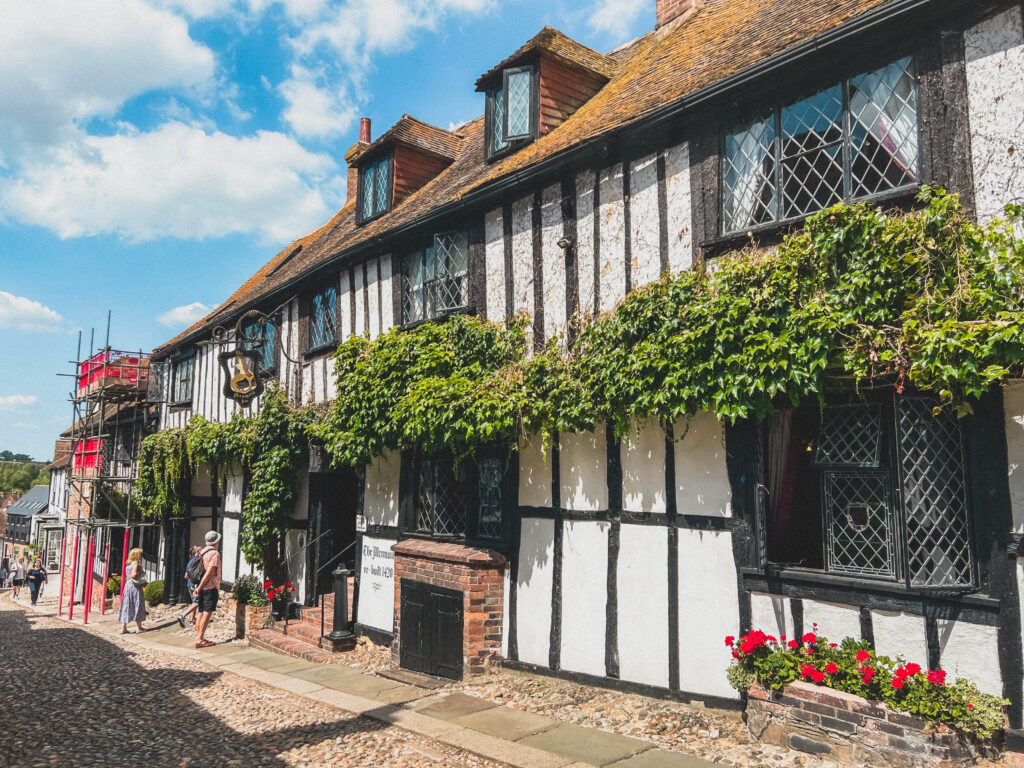
Characterised by its cobbled lanes and wonky timber-framed houses, Rye is steeped in a history of smuggling. During the Middle Ages, the town joined the Cinque Ports confederation as an important defensive and trading port. The fortified lookout Ypres Tower was built by order of King Henry III in the 13th or 14th centuries. It still stands overlooking the River Rother.
Another medieval spot in Rye is the historic Mermaid Street, a quaint cobbled lane which is regularly hailed the prettiest (and most photographed) in all of Britain. It’s here that you’ll also find the Mermaid Inn. This famous coaching inn has a history that can be traced back as far as 600 years. Indeed, its cellars date from 1156, and the building was rebuilt in 1420.
Spain
Burgos
Burgos is one of the most important cities along the Camino de Santiago, an ancient pilgrimage route through Northern Spain. The city was established in 884 AD by Count Diego Rodríguez Porcelos as a fortified outpost during the Reconquista. By the Middle Ages, Burgos had grown into a powerful city and became the capital of the Kingdom of Castile.
Arco de Santa María is one of the twelve gateways that once stood as the entrance to the city. While the fortification has medieval roots, it’s worth noting that the facade seen today is actually a 16th-century reconstruction at the behest of Charles V, Holy Roman Emperor.

Girona
While Girona’s history actually predates the Middle Ages, its medieval roots can still be traced through its fortifications. Girona’s medieval old town is characterised by its narrow streets and colourful buildings that climb upwards from the Onyar River. One of the best things to do in Girona is to wander around the Jewish Quarter, a remarkably well-preserved medieval district that dates largely back to the 12th and 15th centuries.

Toledo
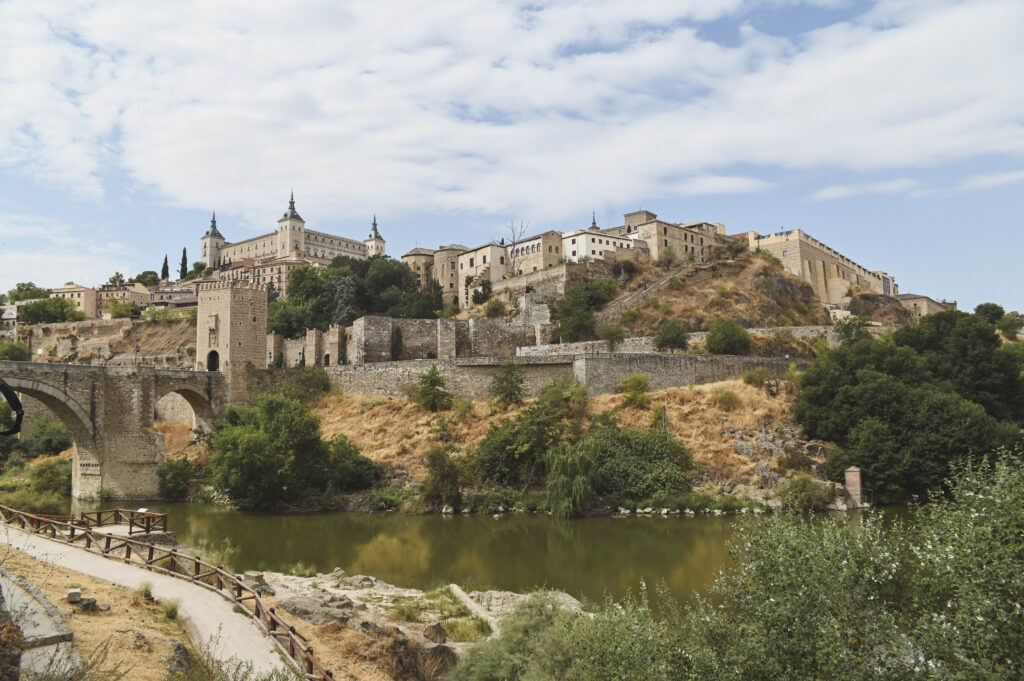
Toledo is one of the easiest day trips from Madrid. It also happens to be the old capital city and the cultural and medieval heart of Spain. Regarded as the “City of Three Cultures”, Christians, Muslims, and Jews have lived together here for centuries, leaving behind a unique mix of churches, mosques, and synagogues. In terms of its medieval era, this can be traced back to the 5th and 6th centuries, following the collapse of the Roman Empire and the rise of the Visigoths, who made the city their capital.
Essentially, the whole of Toledo is very visibly medieval. As you wander around, the narrow alleys that maze off into new corners of the city make it easy to understand how the historic city developed around important centres, including Toledo Cathedral, which crowns the hilltop city. The Jewish Quarter (Judería) is also more prominently known for its authentic medieval feel.
Italy
Civita di Bagnoregio
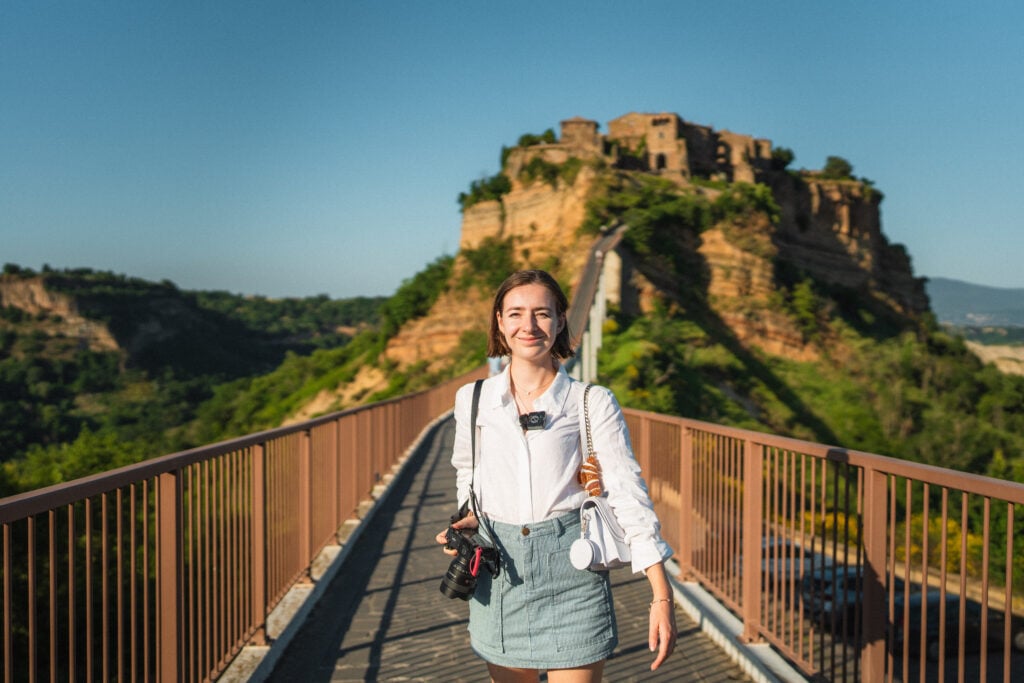
Perched dramatically on top of a crumbling volcanic hill, Civita di Bagnoregio is perhaps one of Italy’s most unusual medieval destinations. Often nicknamed “La città che muore” (‘the dying city’), its position has left it increasingly isolated as the surrounding cliffs have eroded over the centuries. Today, the medieval village is reached by a long pedestrian bridge.
Belgium
Bruges
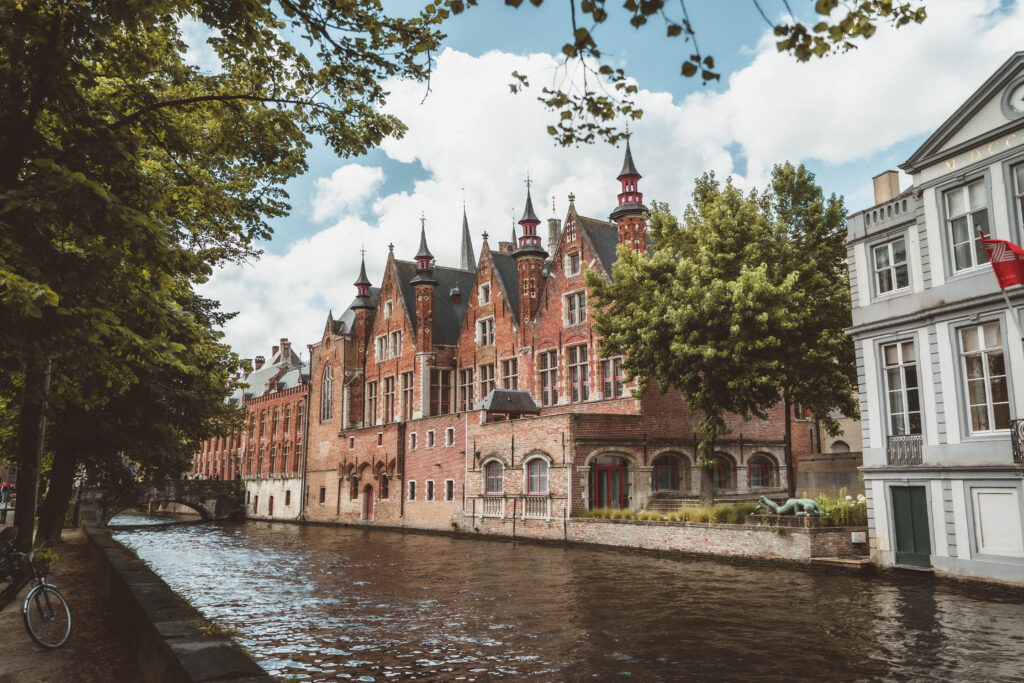
The picturesque city of Bruges, which, in the words of Ray (from In Bruges), “really is a f***ing fairy tale.” Hidden among medieval gems, one of the most notable in Bruges has to be that of the Belfry of Bruges…which you might well recognise from the famed film of the city. Built around 1240, the city’s belfry stood proud as a symbol of municipal autonomy and urban prosperity.
Ghent
Ghent is one of Belgium’s most medieval cities, much of which can be traced through its historic centre and deep ties to the cloth trade. Indeed, during the Middle Ages, Ghent was actually one of the largest and wealthiest cities in northern Europe thanks to its successful cloth production.
The city’s Belfry, built in the 13th century, is another reminder of Ghent’s medieval past. Designated as a UNESCO World Heritage Site, the Belfort was built as a symbol of the city’s independence and once served as a watchtower. Today, you can climb to the top and spy out other medieval remnants of the city.

Czechia
Prague
Prague is one of those cities where it feels almost impossible to walk for more than a few minutes without stumbling across something centuries old. Its historic centre is teeming with medieval architecture, from the winding streets of the Old Town to the Gothic spires of St Vitus Cathedral and the 14th-century Charles Bridge.

Enjoyed reading our guide to medieval Europe? Pin this article now, and read it again later: