
A Quick Guide to the Best Things to do in Larochette
Last Updated on 23rd January 2024 by Sophie Nadeau
This post may contain affiliate links. Please check out my privacy policy and disclosure for more information.
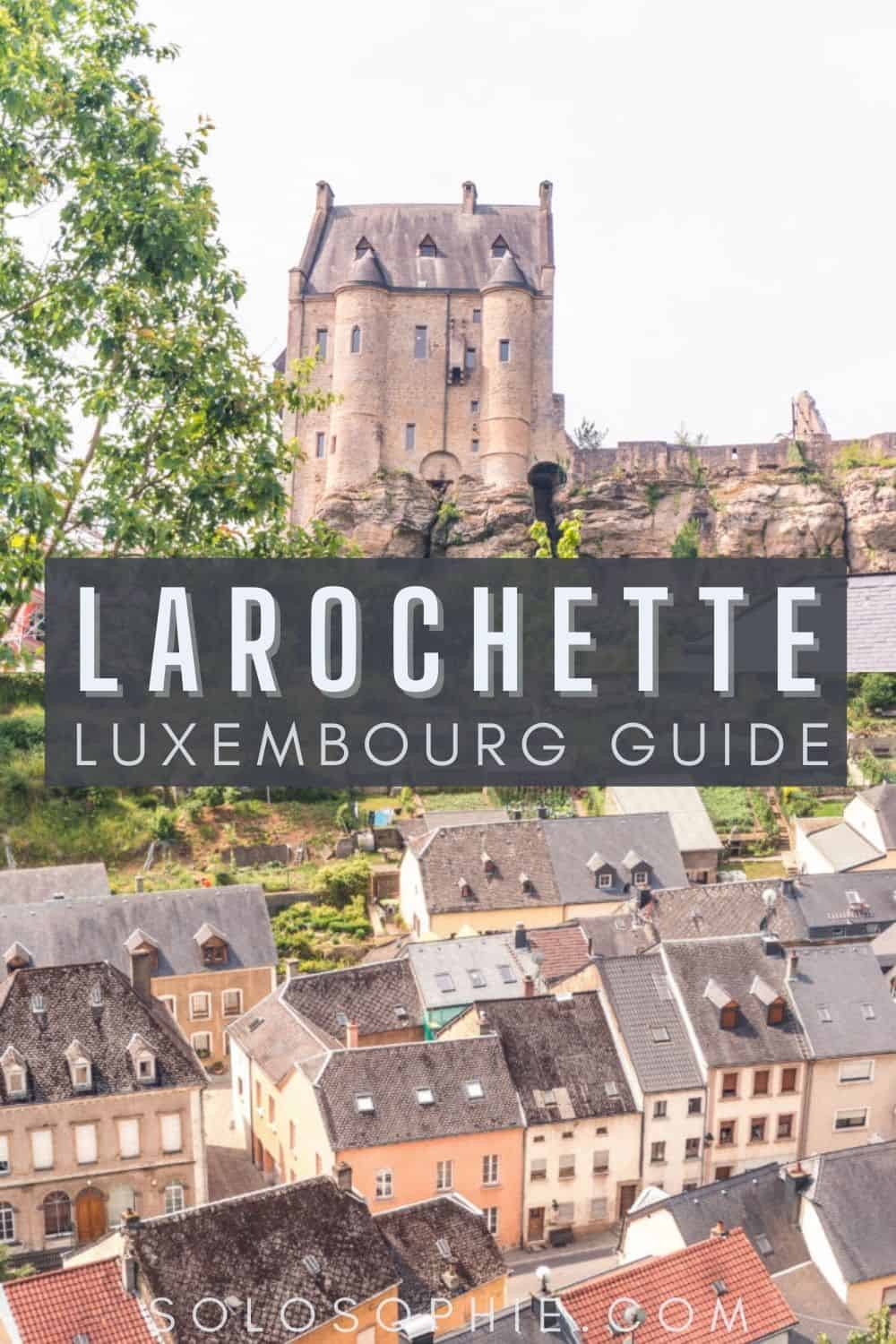
A quaint village with just several hundred residents and a wider population of just over a thousand, Larochette is flanked on both sides by the ruins of castles dating back to the middle ages, a stark reminder of the community’s rich past. Surrounded by leafy green trees and filled with plenty of traditional Luxembourgish architecture as well as local nature walks, here’s a quick guide to the very best things to do in Larochette!
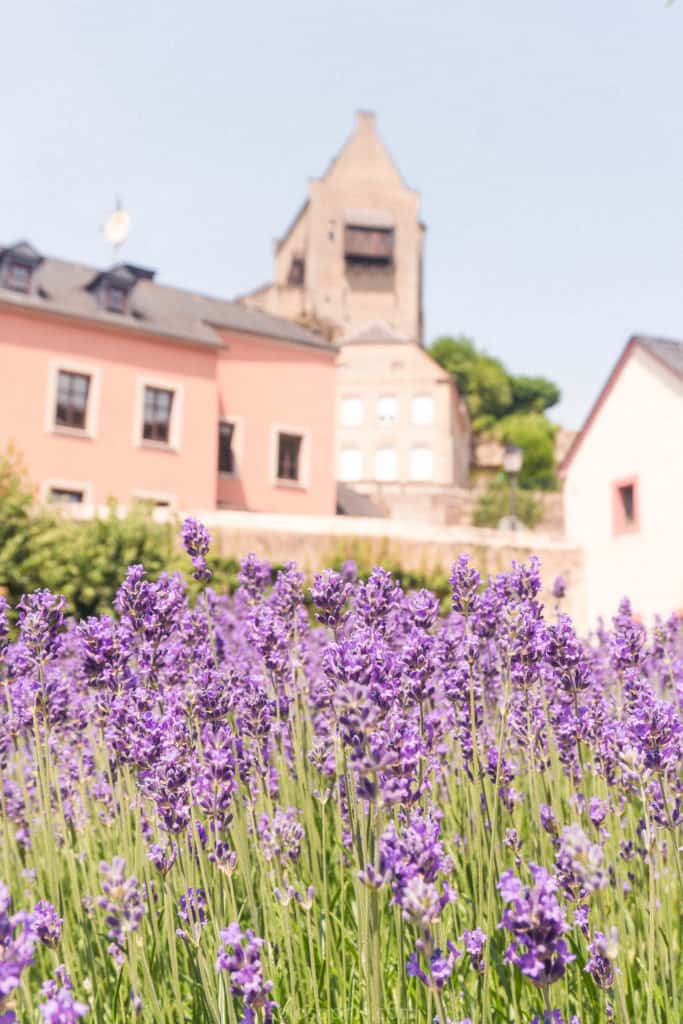
Where is Larochette?
Known as Fiels in Luxembourgish and as Fels in German, Larcohette can be found in the very heart of the landlocked country. The history of the village dates all the way back to at least the 12th-century, i.e. when the Château was first constructed.
After this, a small village grew up around the shadow of the castle and this is the little settlement you see today.
What is Larochette known for?
Larochette is where the Luxembourg national anthem finds some of its roots (known as Ons Hémecht- literally ‘Our Fatherlands’). The melody was composed by Jean Antoine Zinnen and put to a text by Michel Lentz. The first time it was performed, the music society of Larochette was one of the groups involved.
The little village is also where Victor Hugo stayed several times between 1862 and 1871. The famous French author had a room at Auberge Knaff. On his final visit to Larochette, Hugo drew a picture of the three castle ruins.
In the forest close to the village, there’s the location of the source of the Spring Osterbour. Local legend suggests that two friends reconciled after a fall out on Easter Sunday and their tears of joy upon rekindling their connection were what created the source of the river. Today the source of the river remains a tranquil spot surrounded by woodland.

Best things to do in Larochette
Hiking & Mullerthal Trail
Of all the reasons to head to Larochette, hiking and getting closer to nature is number one. The nearby Mullerthal Trail is one of the most famous in the Grand Duchy and is best attempted on a sunny day when the weather is warm(ish) and the light is at its very best. Be sure to bring plenty of water and a camera along- you’ll certainly need both.
Manzenbach Viewpoint
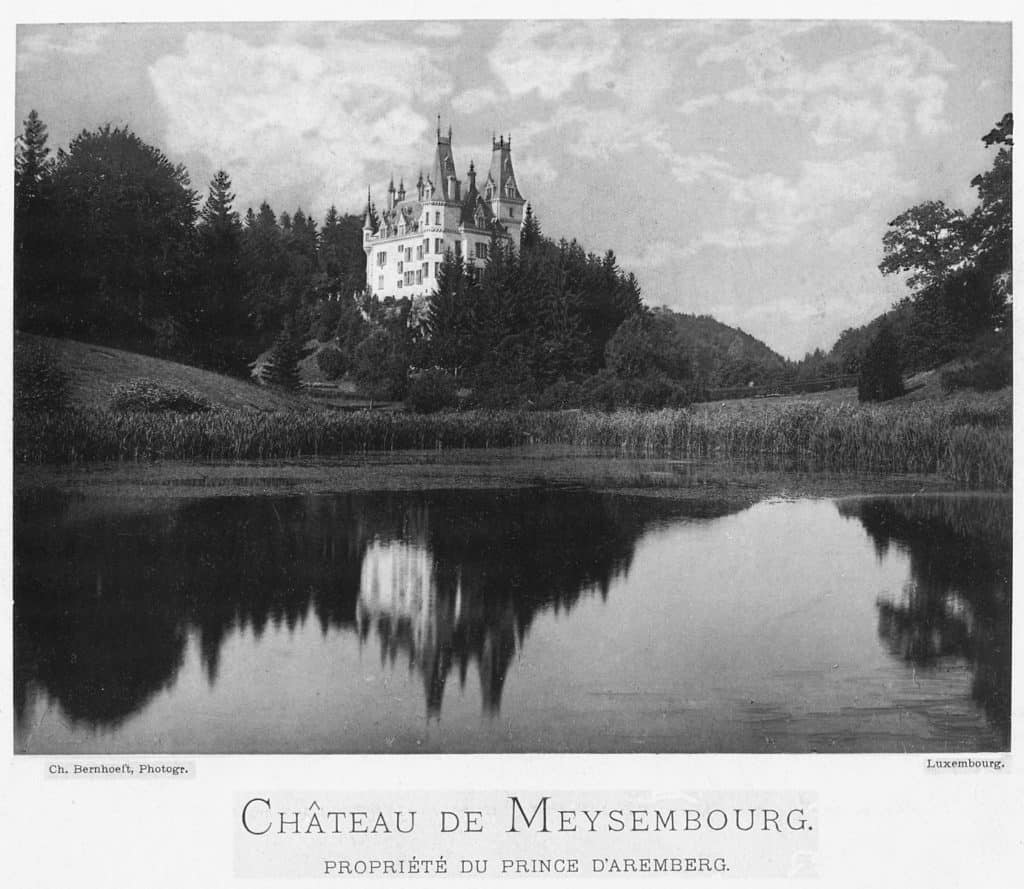
Located along the trail connecting the (now privately owned) castle of Meysembourg to Larochette and the former Roman campsite of Aalburg, the breathtaking panoramic viewing point of Mazenbach is situated along the Mullerthal trail is well worth the hike to reach it!
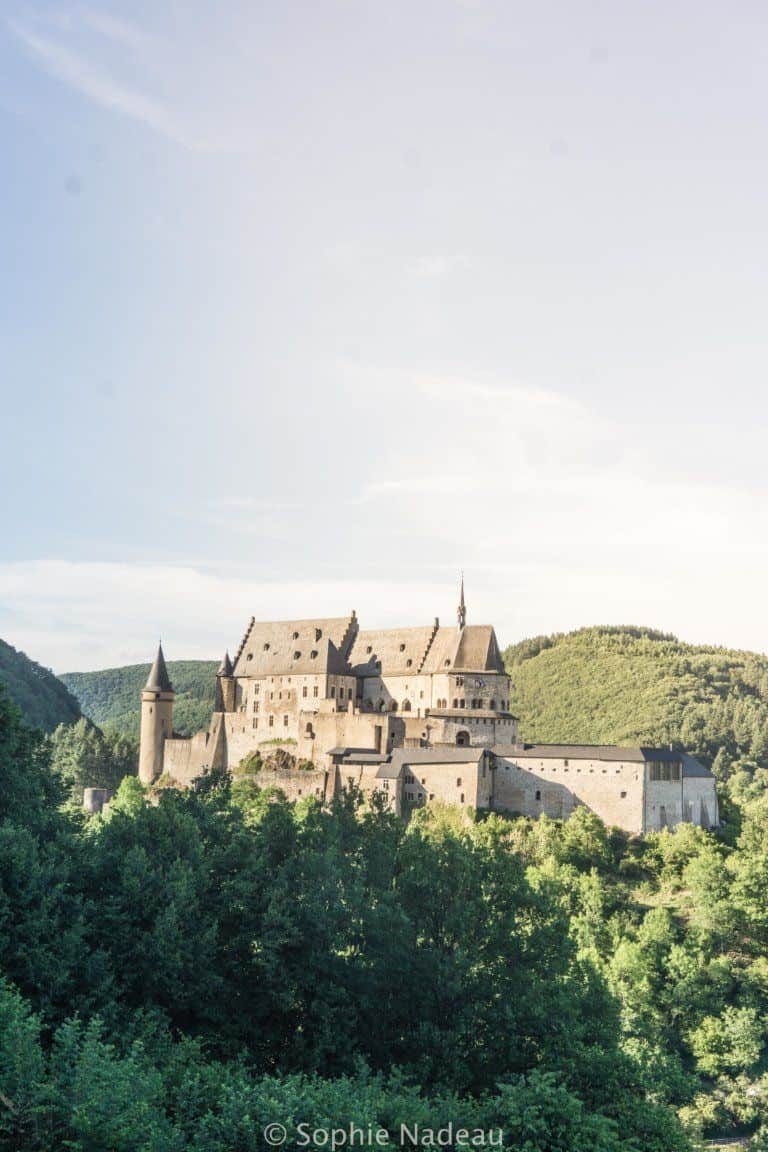
Meysembourg castle itself sits around 2 km south-west of Larochette and is constructed in the Neo-Classical style, though fortifications have sat on site since at least the 12th-century.
Mullerthal Trail
The most famous of Luxembourgish hiking trails, Mullerthal encompasses 112 km worth of hiking paths through Luxembourg’s ‘Little Switzerland Region’ and is perfect for those who like to experience history and nature simultaneously.
Those who wish to learn more about the Roman history of Luxembourg would do well heading to the nearby town of Echternach where there’s one of the most important Roman Villas in this part of Europe to be explored.
Château de Larochette
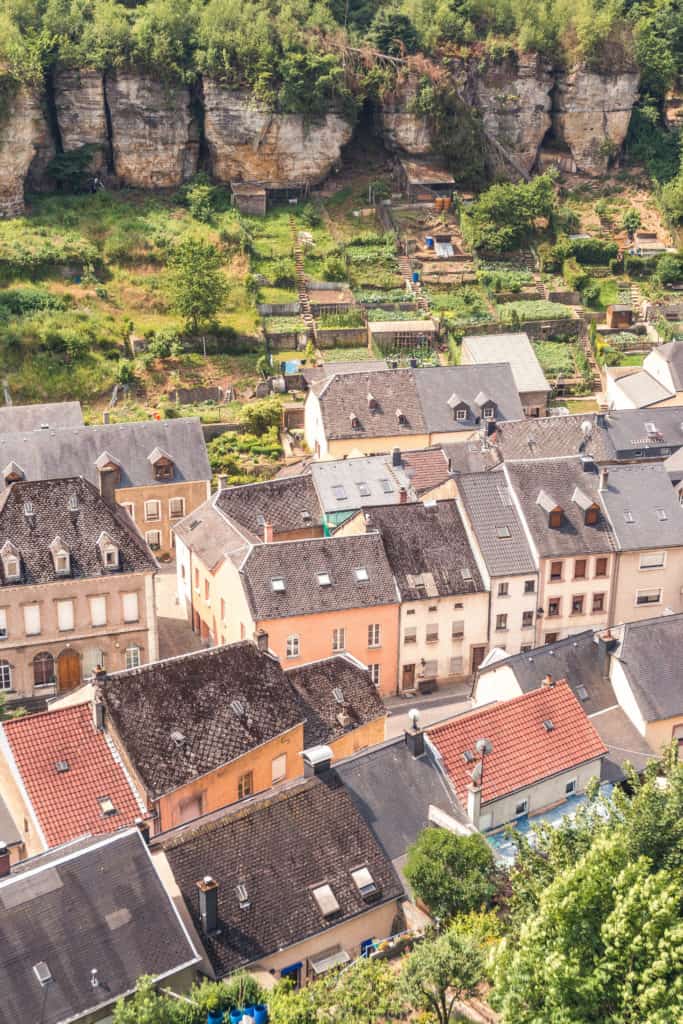
Larochette is not home to just one, but two castles! Both date back to the 12th-century, though the larger of the two has since been partially rebuilt and is now the village’s main tourist attraction.
While the smaller château is free to visit and offers great views onto the town stretching out below, the larger of the two, ‘Château de Larochette’ is best visited in the summer months since it is pretty exposed to the elements.
Most of the things to see once at the ruins of Larochette castle are outdoors. The Château is a particular must-see if you’re a fan of middle ages history and ancient ruins. Within the castle’s grounds, there’s also a fragrant flower garden to wander around, and while there be sure to pick up an ice cream at the castle café!

Larochette Village
If you’re looking to soak up a traditional Luxembourgish settlement, taste some local food in one of the town’s cafés, and see some pretty streets, then one of the best things to do once in the settlement of Larochette is simply to wander around the town and see where your feet take you.
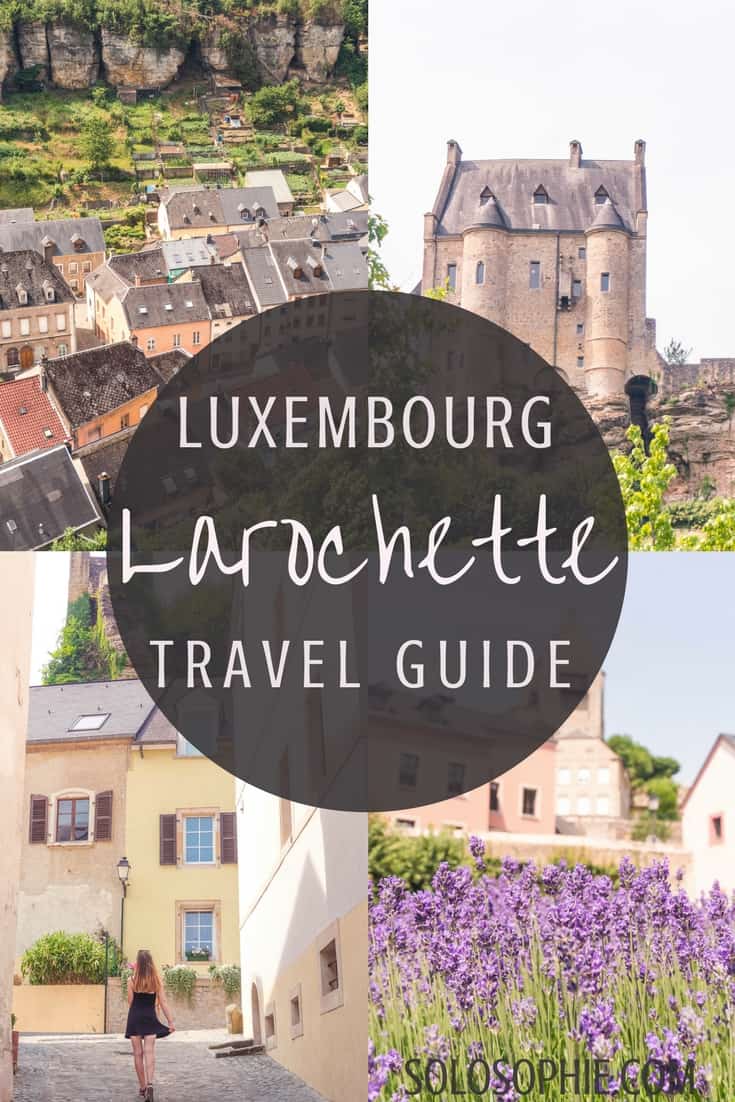
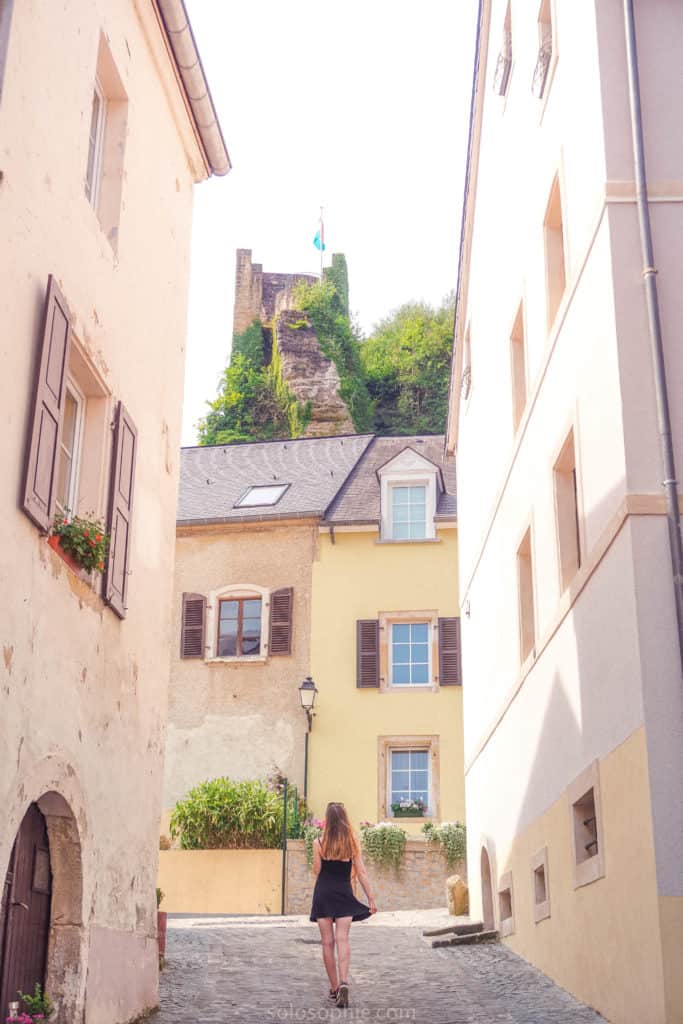
After all, there are cobbled lanes, candy-coloured houses, and in the very heart of the village, there’s a medieval square. The 18th-century former town hall, the Manoir Roebé, now houses the tourism office.
Open in high season, there it’s possible to learn more information about the region, as well as pick up some hiking trail leaflets. Elsewhere in Larochette, you’ll find an old washing station which dates back centuries. All of these elements come together to make Larochette one of the most delightful towns in Luxembourg.
Musée de L’Industrie (Industry and Textile Museum)
Not far from the bus stop that has a regular service that will whisk you to nearby fairytale castles such as those of Beaufort, and the oldest town in Luxembourg, that of Echternach there’s a single museum. The Industry Museum houses several old machines and other industrial equipment.
Located in the former goods hall of the Larochette Railway Station, it’s well worth checking out while passing through the cobbled lanes on your way to the hiking trails or town castles (though it does not necessarily merit a visit in of itself).
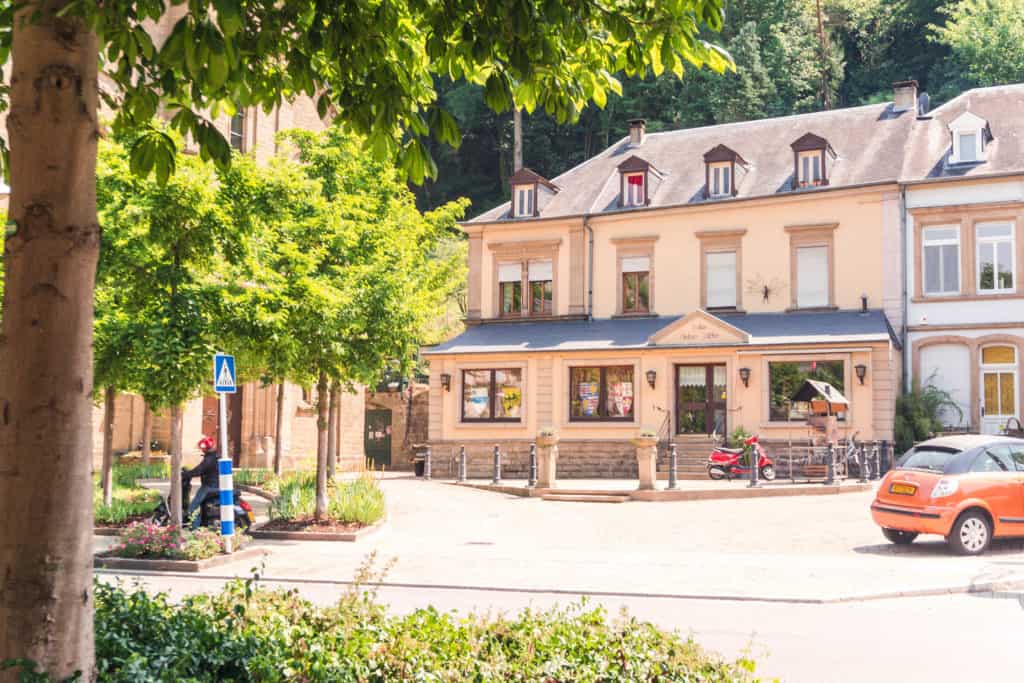
The Manor of Roebé
One of the more historic and older buildings in the village is the Manor of Roebé, which was built by Pierre-Ernest Schramm, co-lord of Larochette, in 1725. The grand house was then purchased by the state of Luxembourg in 1994, and since 2007, municipality services have called this building home.
The Cross of Justice
One of the more important monuments in Larochette is the Cross of Justice. This is situated on the south of the square “Bleech” in Larochette and is where justice was once spoken.
Church of Larochette
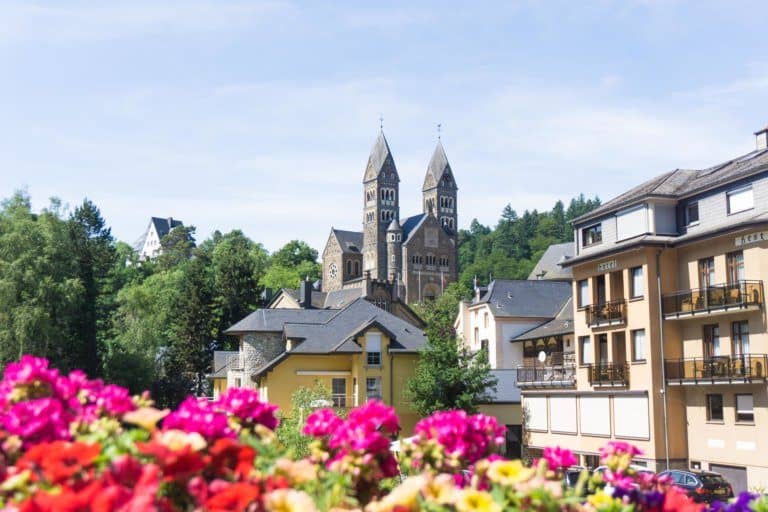
There is just one church in the little village and it is dedicated to Saint-Donatus. Constructed between 1860 and 1862, the interior features a series of paintings by Nicolas Brücher (1874-1957). Church services are held each weekend in Luxembourgish and in Portuguese.
Enjoyed reading this guide to the best things to do in Larochette? Pin it now, read it again later: