How to Spend the Perfect Weekend in Portsmouth, England
Last Updated on 3rd July 2026 by Sophie Nadeau
This post may contain affiliate links. Please check out my privacy policy and disclosure for more information.
Portsmouth is the UK’s only island city, nestled on Portsea Island, close to the Isle of Wight and overlooking the Solent. You’ve likely heard of the city due to its significant port, which serves millions of travellers annually, and, as such, it is often overlooked.
However, beyond its gateway function, Portsmouth is brimming with deep maritime history, once the haunt of sailors and, to this day, home to the Mary Rose. It’s a place that perfectly blends its historic dockyards and waterfront attractions with modern city life, making it a true underrated gem of England’s south coast. Here’s your ultimate guide to a weekend in Portsmouth!
What is Portsmouth known for?
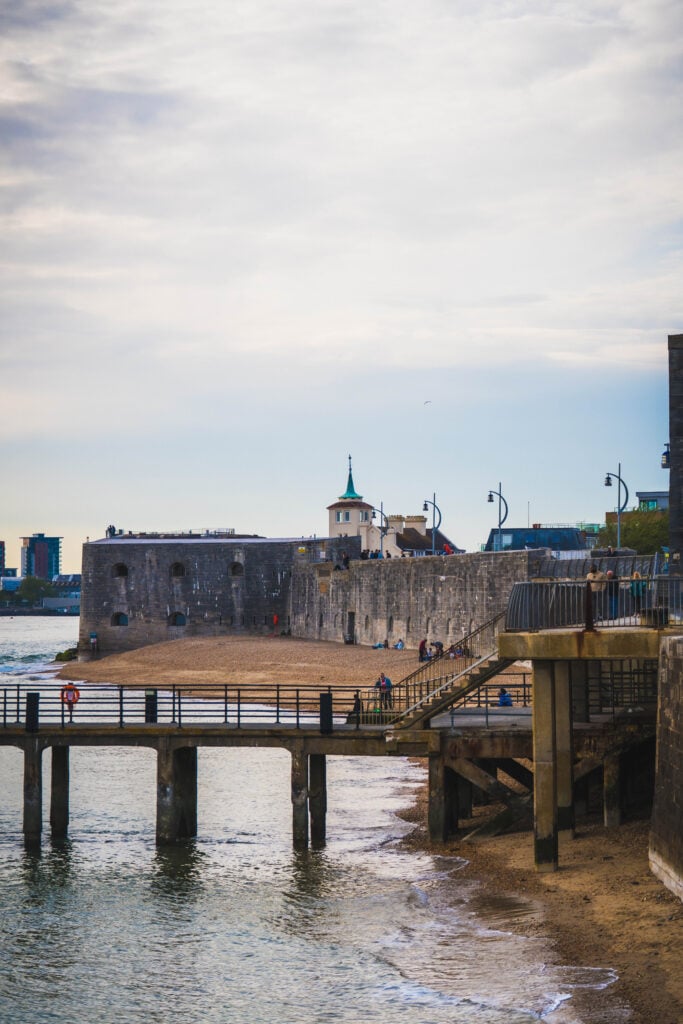
Portsmouth is perhaps best known for its significant international port, which serves millions of travellers on an annual basis. The city is also well known for being the UK’s only island city and the historic home and birthplace of the British Royal Navy.
I think what surprised me the most about Portsmouth is just how much there is to learn here. This heavily industrialised city is a hub teeming with advanced engineering where you can delve into marine, aerospace, and defence history, all within minutes’ walk from one another – it truly is one for the history buffs!

Day 1 suggested itinerary
Spice Island
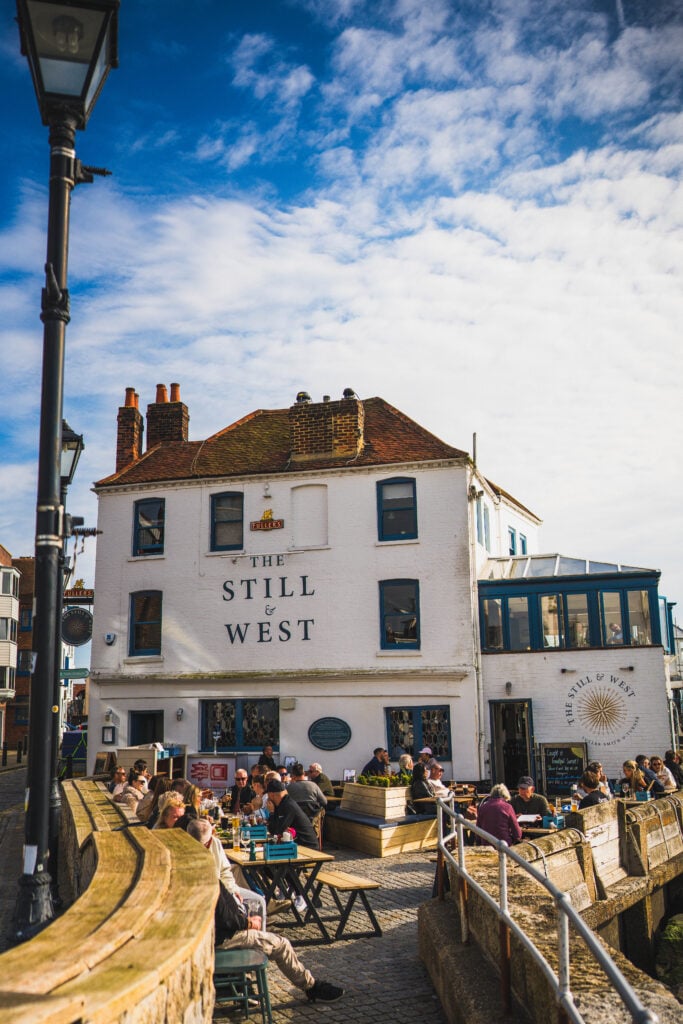
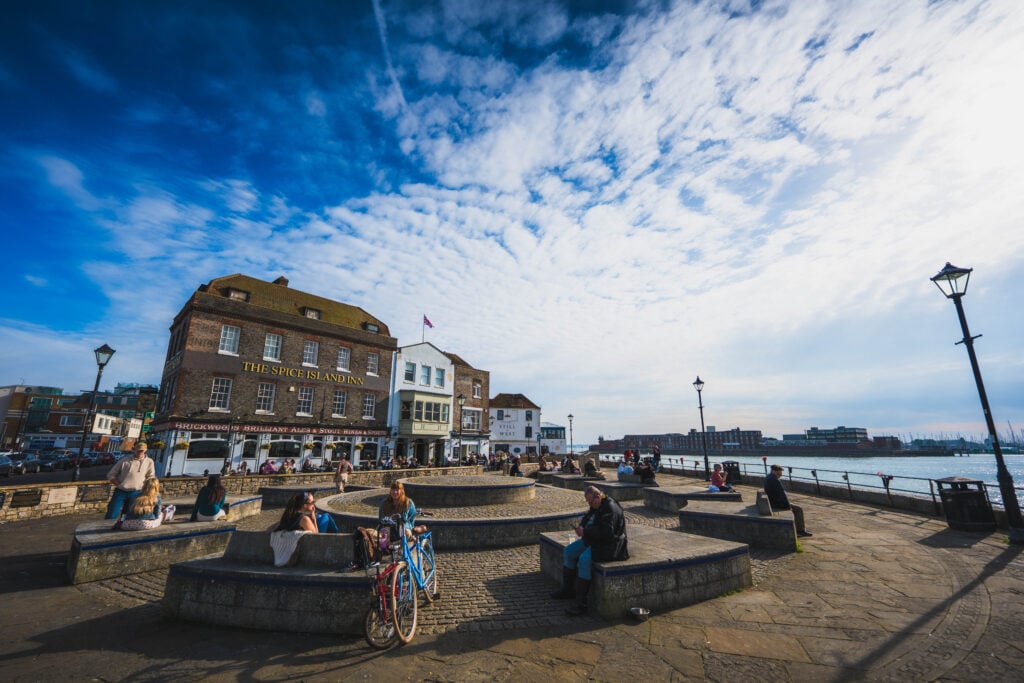
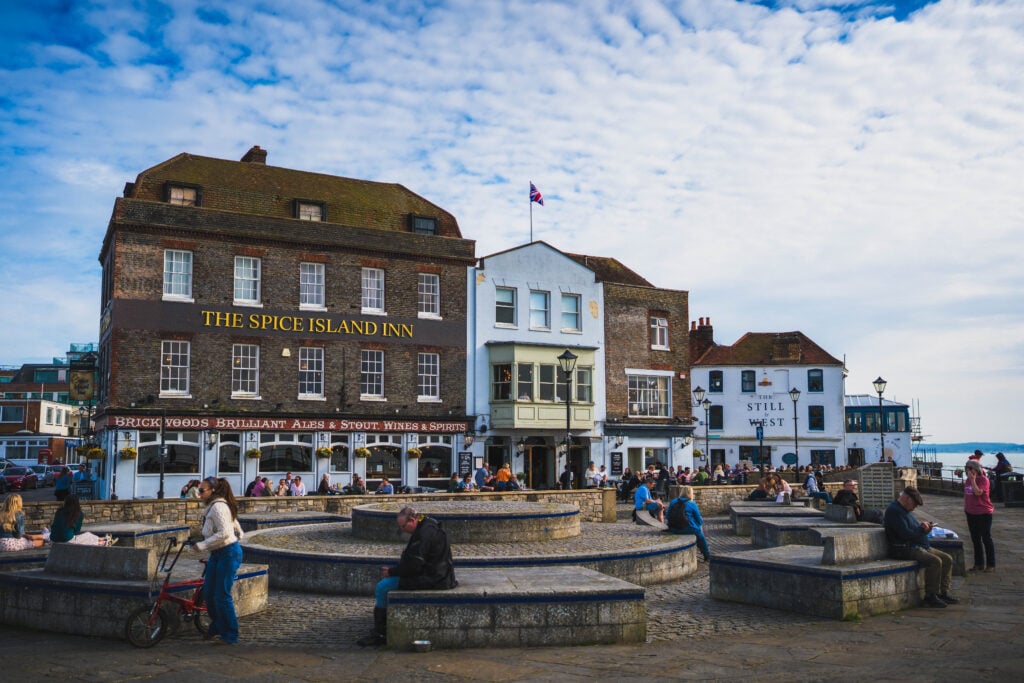
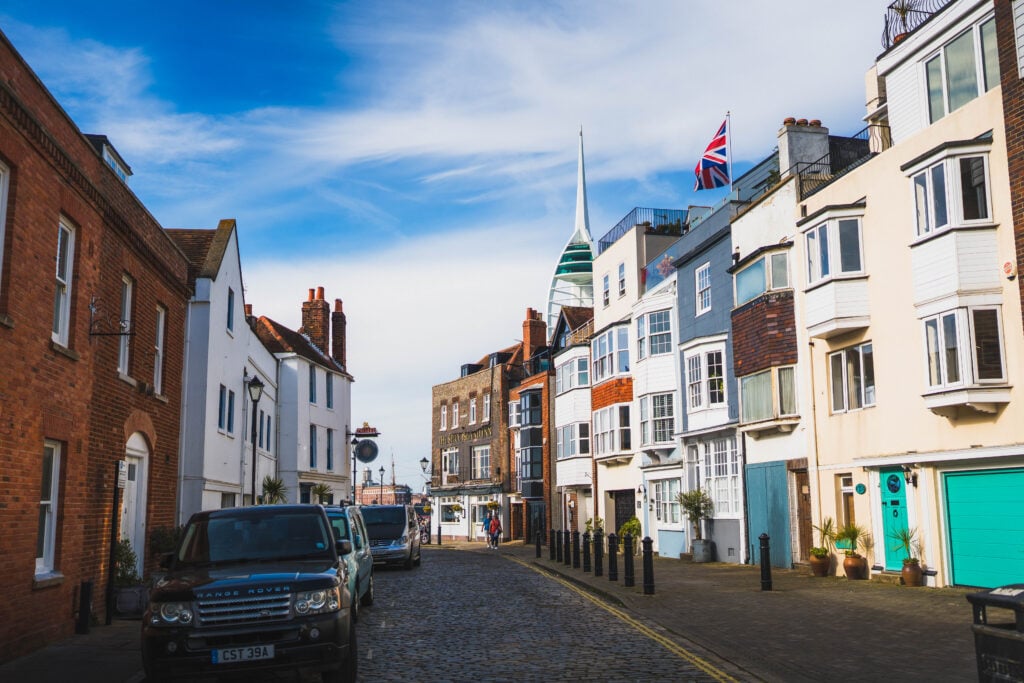
“Spice Island” is actually the given nickname to Portsmouth Point, the oldest part of the city, which very much retains its cobbled lanes and old-time feel. It’s hard to imagine while wandering around nowadays, but this part of the city was once known to be seedy and full of debauchery…Indeed, men came here in pursuit of the “spice of life”. Today, there are three pubs in the area, but once upon a time, there were around 40 taverns!
Beyond this, the area is also often linked to Sir Walter Raleigh, who is said to have brought some of England’s earliest shipments of tobacco and potatoes through Portsmouth port in the late 16th century.
A fun fact I enjoyed learning about Portsmouth is that it is responsible for at least 50% of the UK’s bananas, though this has risen as high as 70%!
Gunwharf Quays
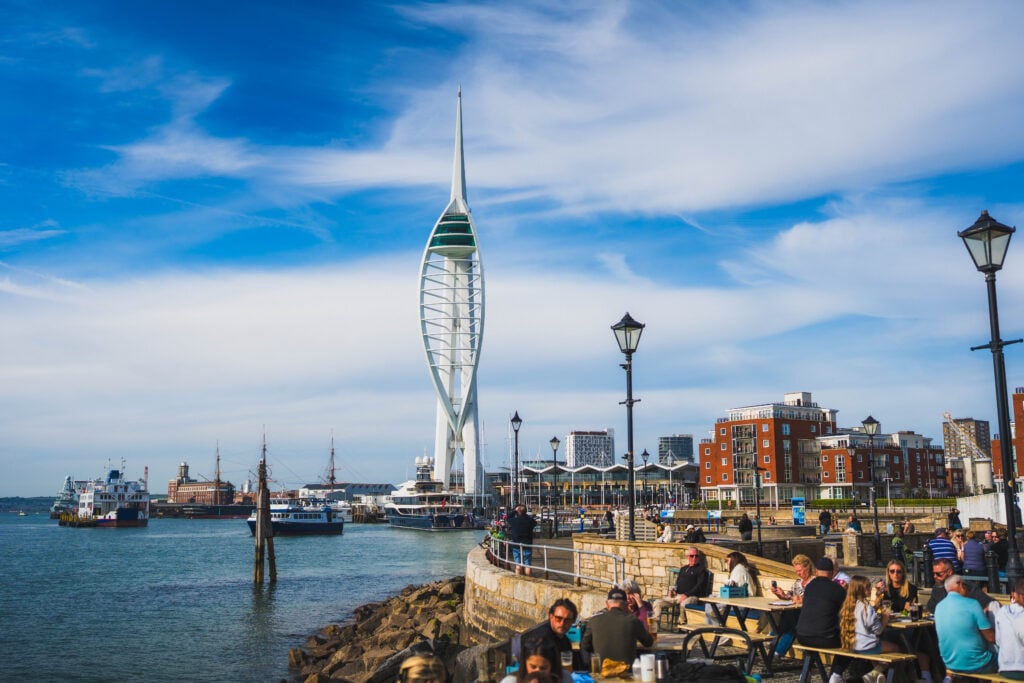
In contrast to Spice Island, sitting just beside the historic Portsmouth waterfront is one of the city’s more recent modern leisure spots. Built on a former naval base, Gunwharf Quays now has over 90 outlet stores, restaurants, bars, a marina, and Spinnaker Tower – it is the commercial hub of the city and the perfect place if heading for a small shopping spree.

Spinnaker Tower
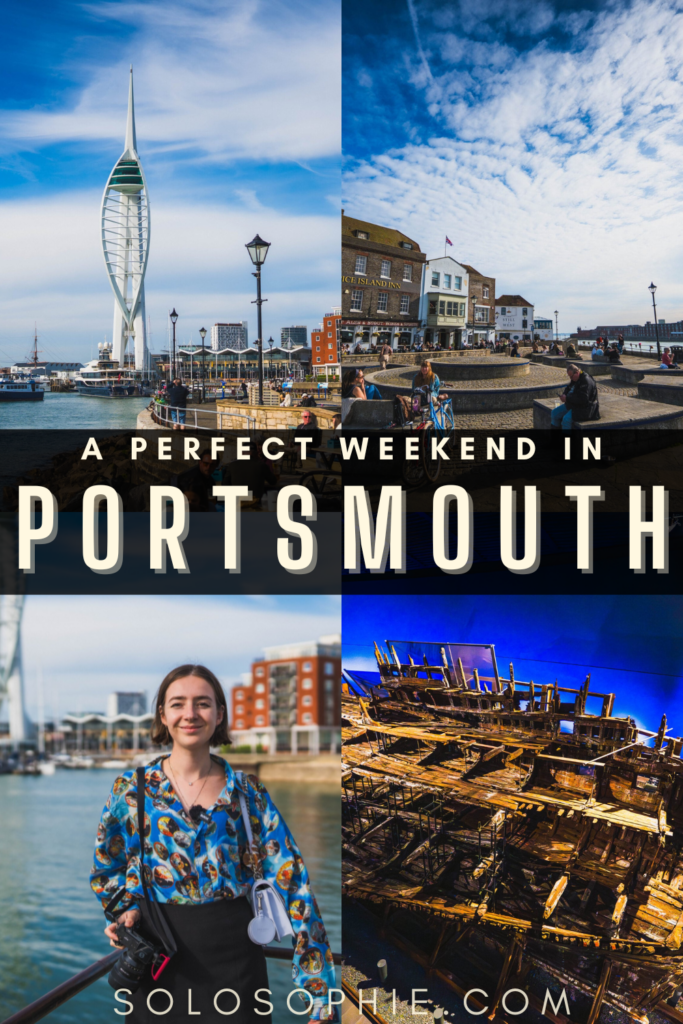
Next, you’ll want to head to one of the most unique modern landmarks that pierces the skyline of Portsmouth. Spinnaker Tower rises 170 metres above Gunwharf Quays. It was built in the early 2000s to celebrate the new millennium and act as the centrepiece for the redevelopment of Portsmouth Harbour.
On a clear day, the views from the top stretch for up to 23 miles, reaching across the Solent all the way to the Isle of Wight. While the views can be stunning, it’s quite an expensive attraction to visit. However, if you wish to go, you can save money by booking online up until midnight the day before your visit!
The Mary Rose
One of the more special things you can do and see while in Portsmouth is to visit The Mary Rose Museum. When we went, I was really lucky to get the opportunity to speak one-to-one with Alexzandra Hildred, who joined the Mary Rose Trust in 1979 as a diving archaeologist, and continues to be responsible for ongoing site monitoring and excavation – she truly is an expert! (More of which you can listen to via my travel video, see below)
As the birthplace of the Royal Navy, Portsmouth’s maritime story runs far back, much of which can be traced to the Tudor era. And, one of its most famous connections is that of the Mary Rose. It is one of the first great warships that was commissioned by Henry VIII after he came to the throne in 1509.
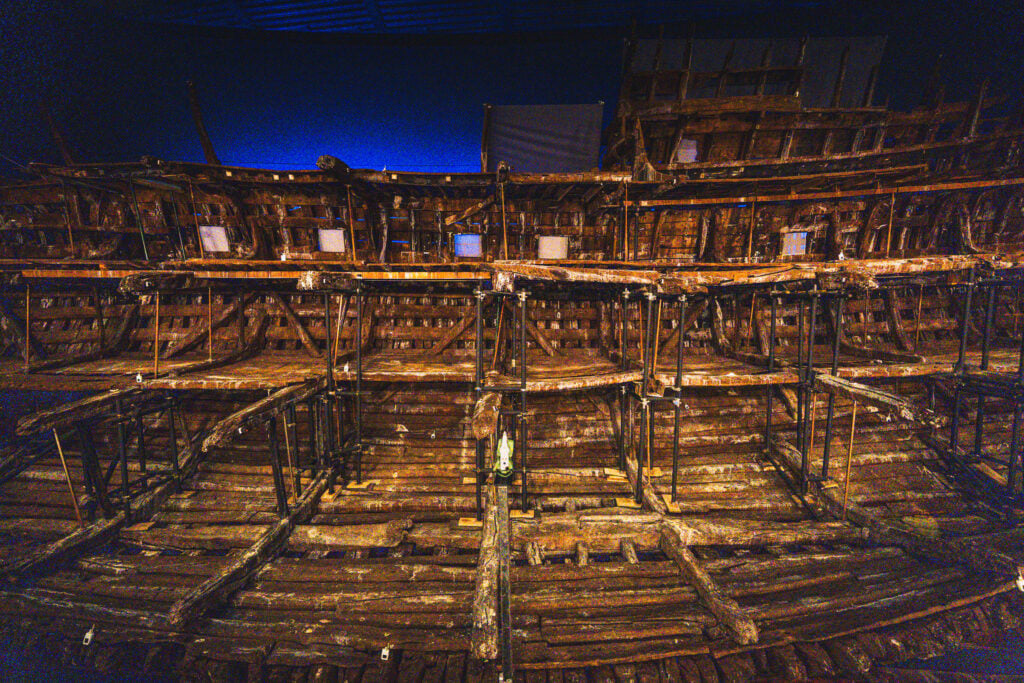
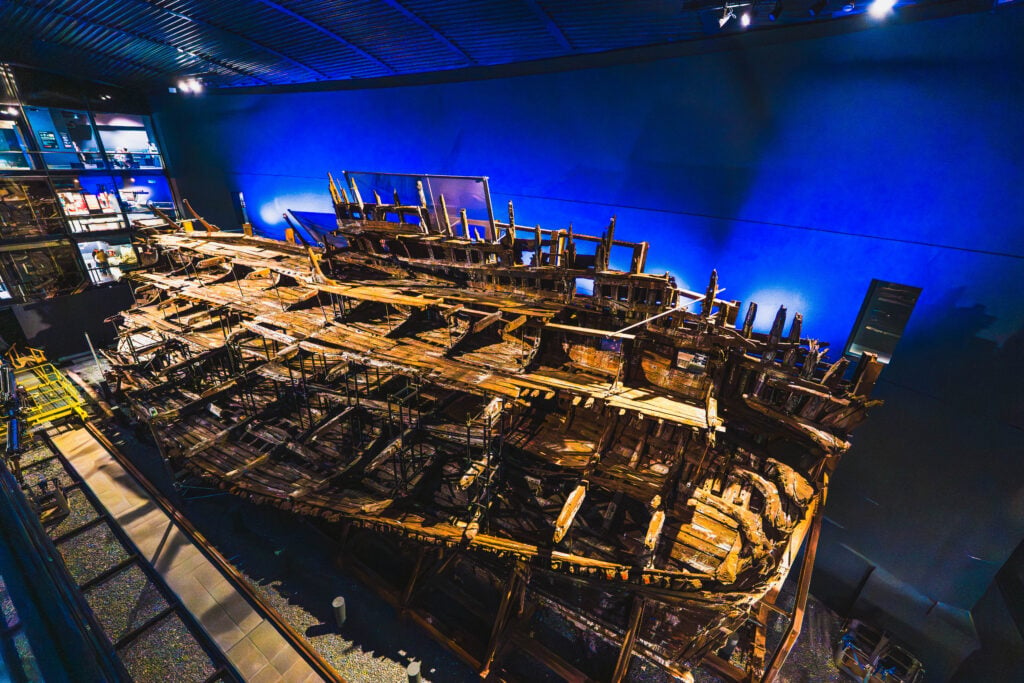
Construction of Mary Rose began in 1510, and it was a huge project, requiring an estimated 600 oak trees…to put it into perspective, this represents around 16 hectares (40 acres) of English woodland! The building of this ship was absolutely massive for its time. Indeed, it was one of the largest ships in the English navy, measuring over 32 meters (105 feet) long and roughly 700 tons, with a holding capacity for hundreds of crew members.
The Mary Rose ultimately sank in 1545 in the Solent, during battle, as Henry VIII’s fleet prepared to defend against a French invasion. For reasons still debated, whether it be a design flaw or off-wind, it’s highly attributed that the ship sank by accident and not enemy fire, with much of the crew still onboard, causing a tragic loss of up to 500 lives.
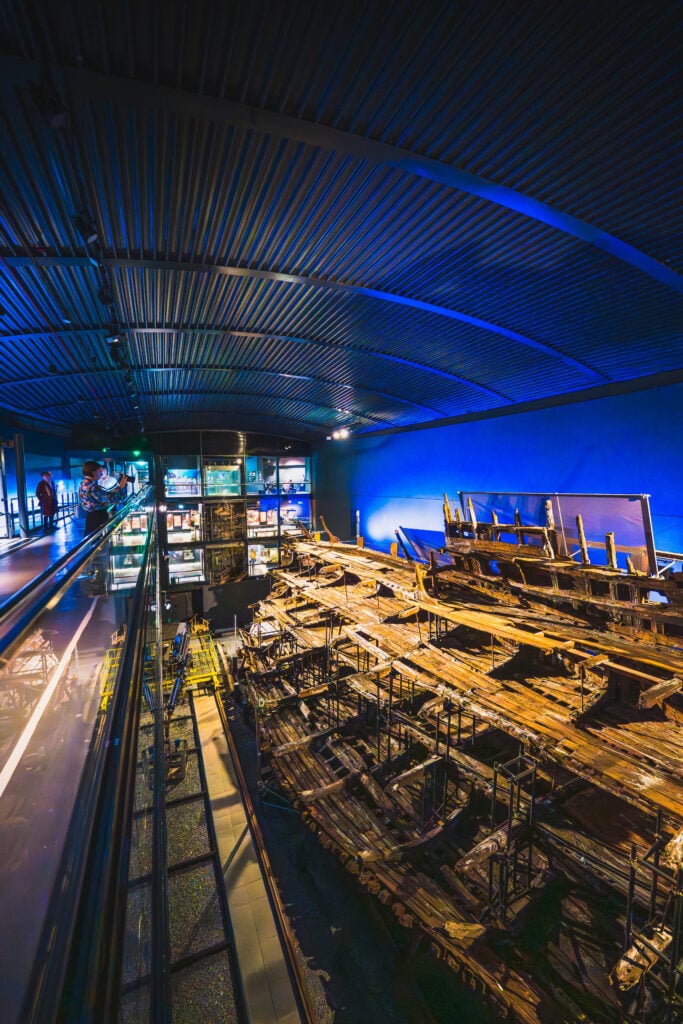
However, the seabed played a crucial role in the ship’s survival. The starboard side of the Mary Rose was buried in anaerobic silt, which helped preserve much of the structure along with thousands of everyday objects. What emerged was essentially a Tudor time capsule, offering a rare glimpse into a much more human side of this period.
When the seabed was eventually raised in 1982, it was a major moment in marine archaeology. The operation was internationally televised and watched around the world, marking it one of the most ambitious and carefully executed recovery projects of its kind. Even today, it remains one of the most remarkable archaeological discoveries ever made in Britain.
It has to be said, visiting the Mary Rose is one of the more expensive attractions to visit in Portsmouth. However, if there’s one piece of history you’ll remember for years to come, it’s this. Not only is viewing the intricate nature of this preserved ship astounding, but you can also see personal items, enjoy immersive exhibitions, and really gauge a better understanding of this surviving hull and maritime heritage in general.
Portsmouth Cathedral
Just a short walk from Gunwharf Quays, you’ll find Portsmouth Cathedral, a stunning Anglican cathedral church that sits in the heart of Old Portsmouth. Aptly nicknamed “The Cathedral of the Sea”, this ecclesiastical sight has medieval roots that actually date back to the 12th century, though much of what you see today has been renovated and restored, most notably in the 20th century.
Portsmouth Cathedral was only granted official cathedral status in the 1920s because the Church of England created the new Diocese of Portsmouth in 1927. Today, much like the rest of the city, it stands as a harmonious blend of old meets new.
Historic Walls
While you’ll probably have crossed them already in your travels through Portsmouth, I recommend dedicating some time to wandering the historic walls of the city at golden hour.
Portsea Island has been fortified since antiquity, and at one point, was considered one of the most heavily fortified places in the world. Stroll along the old fortifications, and you’ll be greeted with stunning views overlooking the Solent.
Royal Garrison Church
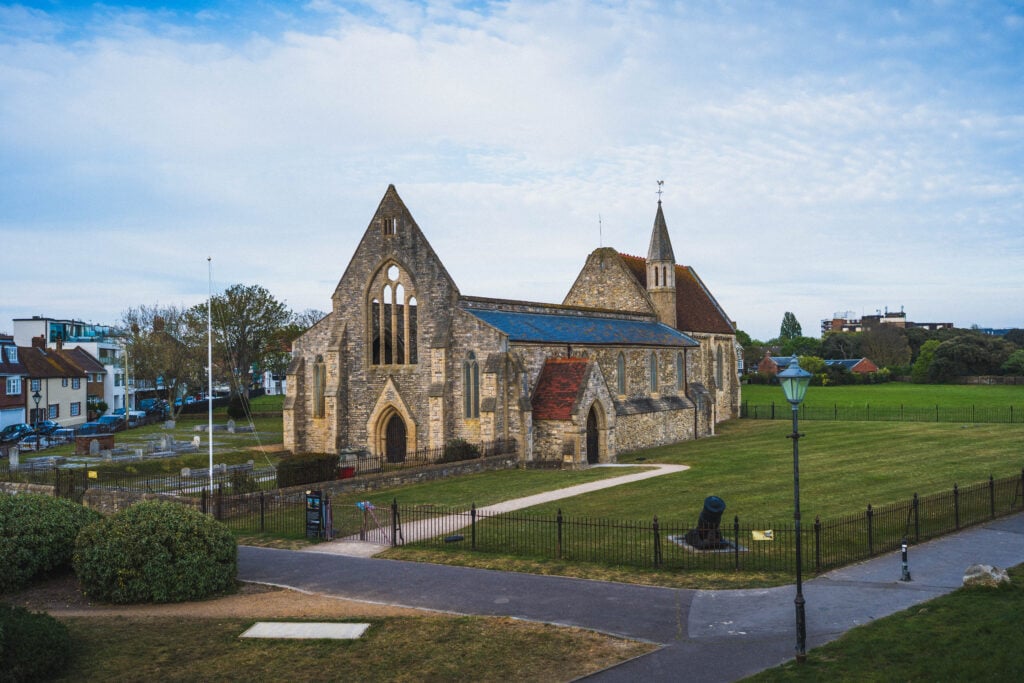
What remains of the church today doesn’t even begin to hint at the many roles it has played over the centuries. Founded in the 13th century by the behest of the Bishop of Winchester, this humble church began serving as both a hostel and hospital for pilgrims passing through Portsmouth.
But, as the city grew in military importance, in turn so did the church’s role. During the Reformation, it was used to store ammunition, and also served as the military governor’s residence from 1540 to some time in the 17th century.
The church was later heavily damaged during the Portsmouth Blitz in World War II. Rather than restoring it completely, the ruins were preserved, and today they stand as a stark reminder of the destruction the city endured during the war. Despite this, it’s a surprisingly peaceful spot, and a perfect place within the city to take a moment, soaking up its fascinating and long-storied history.
Today, the Royal Garrison Church is managed by English Heritage; it’s completely free to visit and explore the roofless inside, though donations are always welcome.
Southsea Castle
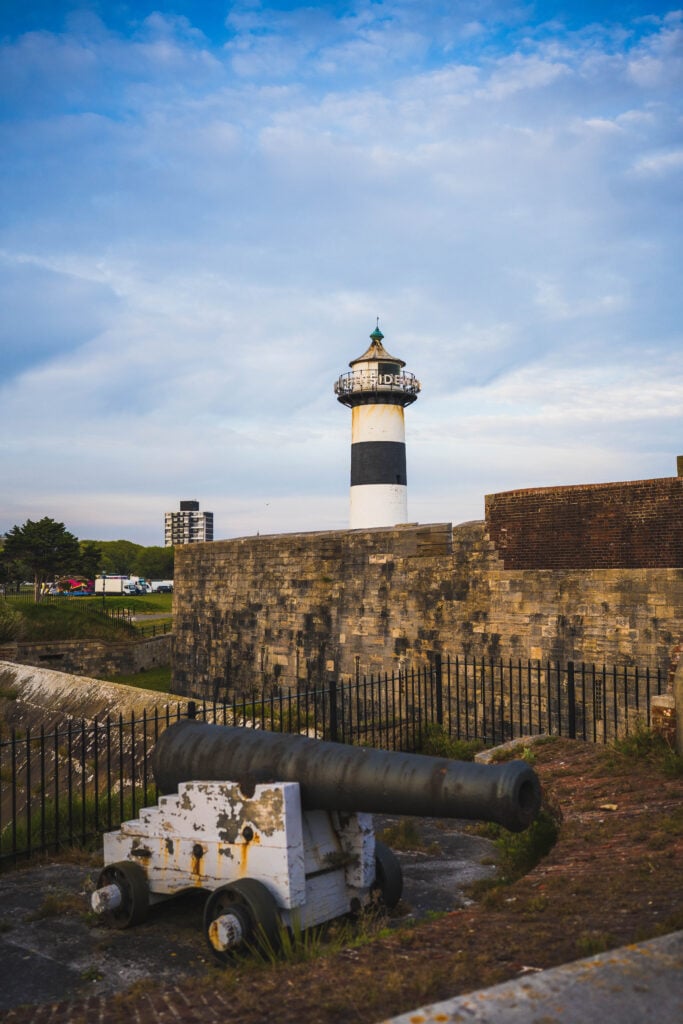
End your day by venturing a little further out from the city centre to one of the most important historical sights, Southsea Castle. Sitting at the very edge of the Solent, the castle was built in 1544 to protect against invasion from France and the Holy Roman Empire.
The castle is often linked to the sinking of the Mary Rose in 1545, as it’s here that Henry VIII is said to have watched the ship sink during the Battle of Solent. Despite this tragic event, Southsea Castle itself was only successfully captured once in its 400-year history. Today, the Tudor fortress has been transformed into a museum where visitors can wander the castle keep, enjoy panoramic views overlooking the Solent, and explore the 19th-century underground tunnels used to defend the castle moat.
Day 2 suggested itinerary
There are a number of gems surrounding Portsmouth (including much more historical and engineering intrigue) and so, on your second day, you’ll venture to the outskirts of the city.
Southsea
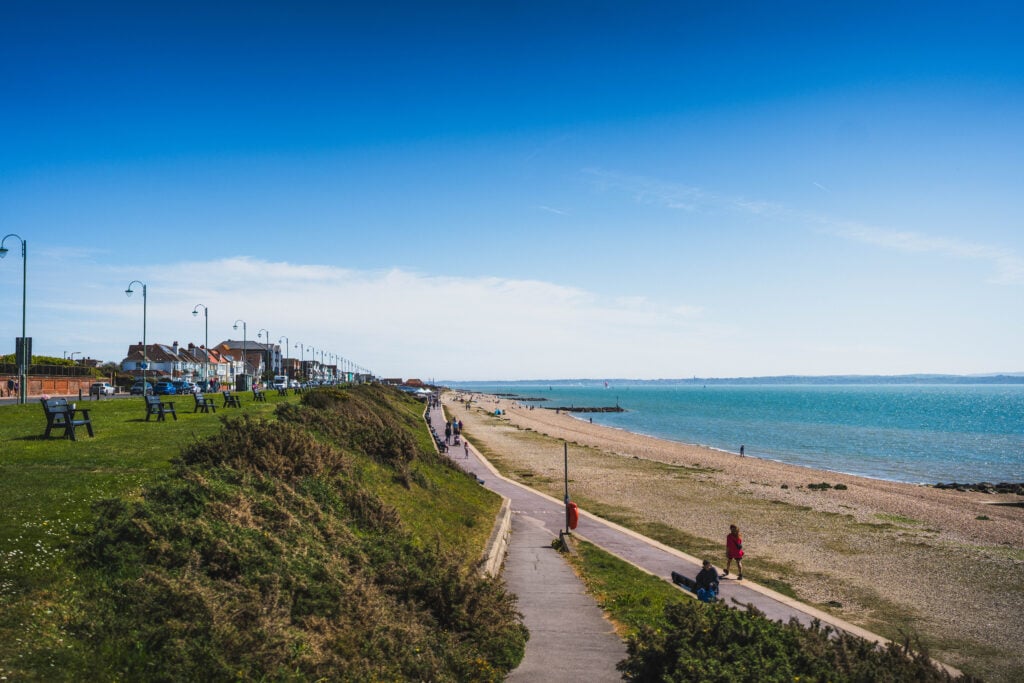
Start the day by wandering around the coastal district and large residential suburb or POrtsmouth, Southsea. During the 19th century, Southsea was seen as a stylish Victorian seaside resort, particularly in comparison to its neighbour Portsmouth, which was focused as a busy naval and dockyard town. However, over time, the two have grown together, as Southsea was officially incorporated into the borough of Portsmouth in 1904. Wandering around the seafront and along the beach, you can soak up the quiet nature of the more local side of Portsmouth.
The Hovercraft Museum
Another very special trip you can make while in the area is to The Hovercraft Museum, which is the only museum of its kind in the world, dedicated entirely to preserving the history of hovercraft and hover travel. The museum was established in 1988 by The Hovercraft Society, after it was clear there was a need to preserve the history and heritage of the evermore disappearing hovercraft from service.
Hovercrafts are unique in that they are fully amphibious, designed to travel over both land and water by riding on a cushion of air. This air cushioning system reduces friction, allowing them to move efficiently across surfaces. At this museum, you’ve probably guessed it, you can learn quite literally all and everything there is to know about hovercrafts!
The museum houses 40 hovercrafts, which you can climb into cockpits, sit in cabins, or even imagine driving them yourself. There’s also an exhibition of some 300 hovercraft models. As you can imagine, with such a niche museum, everyone who works here is extremely knowledgeable and passionate about hovercrafts and their history.
It’s certainly worth visiting. And… there is a firm belief that hovercrafts will be making a comeback, so watch this space!
Titchfield Abbey
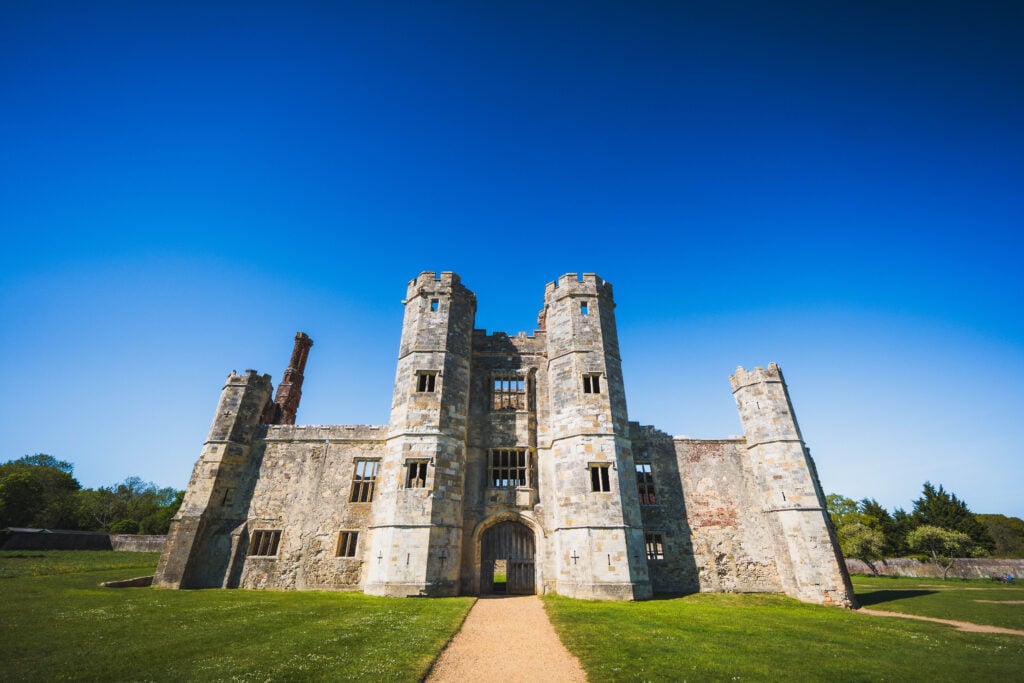
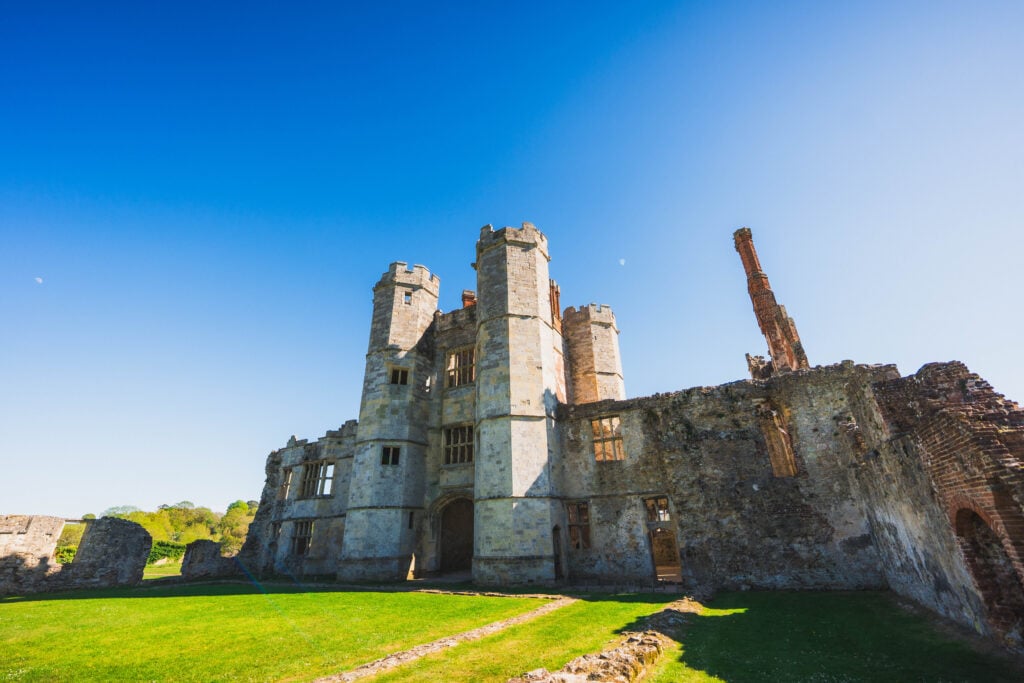
Founded in the 13th century, although the exact year of its founding is unknown. For around three centuries, Titchfield Abbey remained a sacred and stunning religious sight. While it was never deemed important or extremely wealthy as such, it did once house an impressive library.
However, that all changed during the Dissolution of the Monasteries under Henry VIII, when the abbey was closed, and its original religious use came to an end. In the years that followed, the site was transformed into a grand Tudor mansion by Thomas Wriothesley, a powerful courtier and patron of Shakespeare. Indeed, it’s actually said that some of Shakespeare’s plays were first performed in these very walls.
Over time, the abbey fell into ruin, but what remains today is completely free to explore. Walking through the ruins, there are plenty of signs detailing the fascinating history of the building, as well as small elements you can see throughout. One of the most beautiful features I noticed while exploring were the beautiful terracotta tiles with intricate patterning.
Watch the travel guide
Where to stay in Portsmouth
To be honest, there aren’t that many varied options when it comes to choosing where to stay in Portsmouth; after all, it is somewhat of a commuting city. When we stayed here, we opted for an Ibis (budget-friendly and you know what you’re getting!) But, here are a few other suggestions of where to stay (based on web-reviews):
Esk Vale Guest House – This traditional Victorian bed and breakfast is just a 7-minute walk from Southsea Castle, so it’s a little further out, but worth it for the views! Reviews note the clean and quiet comfort of the rooms, as well as the hosts’ being super friendly. Check prices and availability here.
G Boutique Hotel – Situated in Southsea, this boutique-style hotel is a minute’s walk from the Portsmouth Museum of Natural History and an additional 5 minutes to the seaside esplanade. Guests have commented on its great location, cosy vibe, and delicious breakfast options. Check prices and availability here.
Enjoyed reading our guide to Portsmouth? Pin this article now and read it again later: