
Hever Castle: Discovering the Childhood Home of Anne Boleyn
Last Updated on 22nd September 2026 by Sophie Nadeau
This post may contain affiliate links. Please check out my privacy policy for more information.
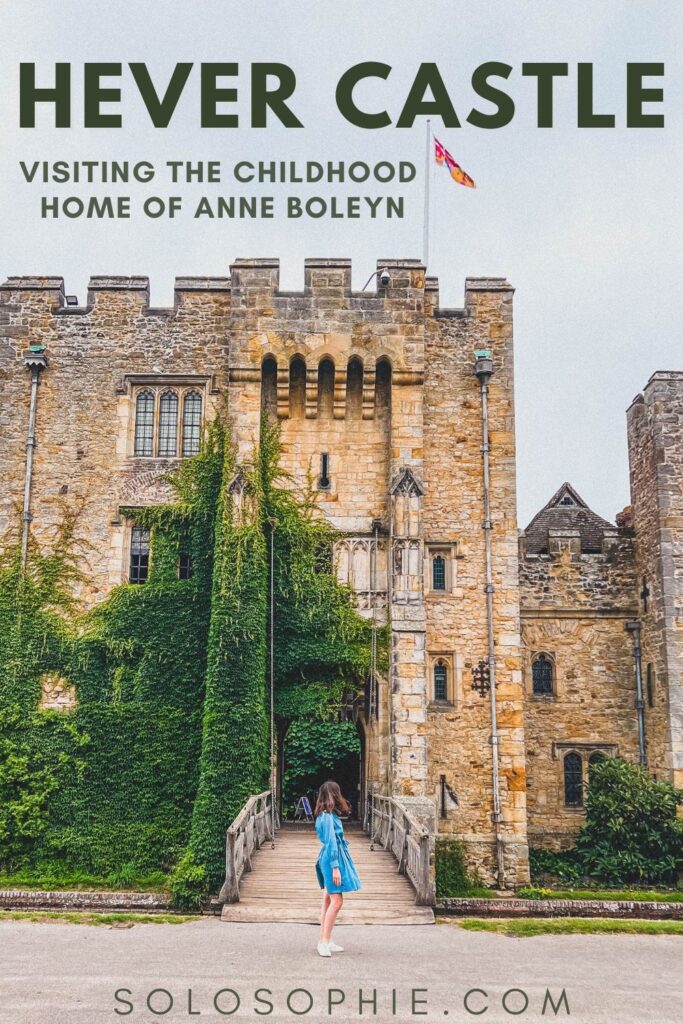
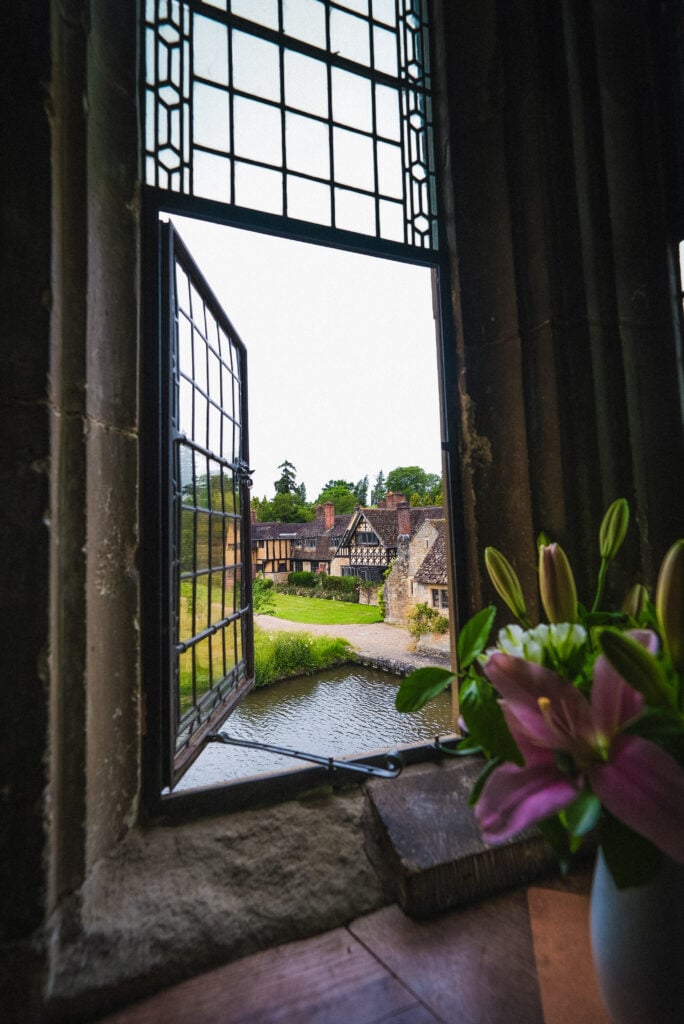
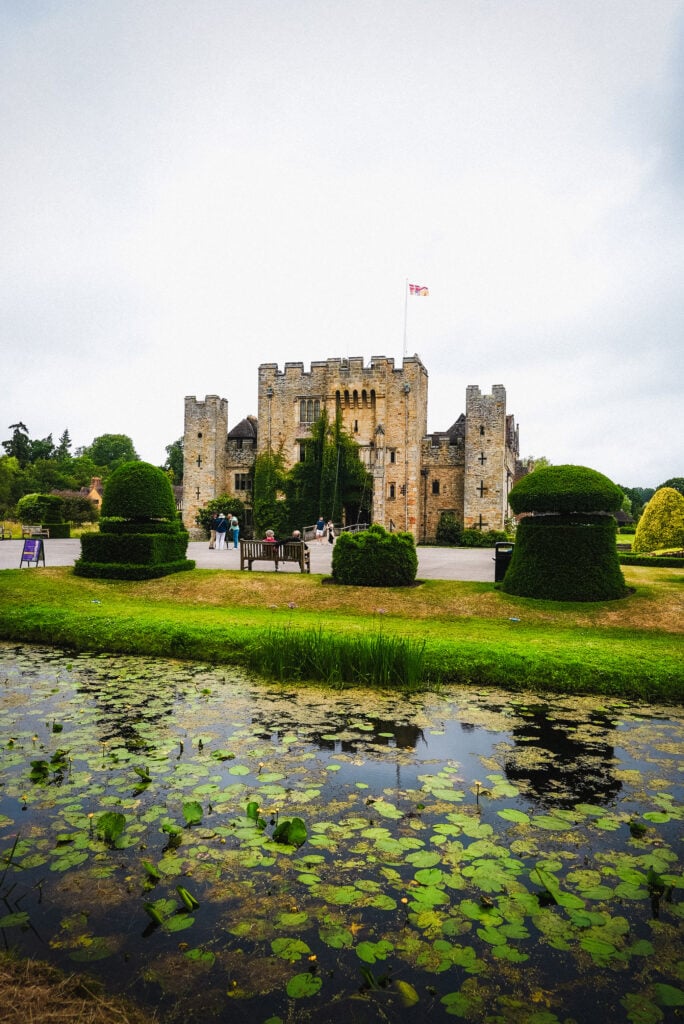
This imposing castle looks like it’s been plucked straight out of a Tudor history book, and the best part is that you can visit it for yourself as a day trip from London! Hever Castle was once the childhood home of Anne Boleyn (one of the wives of Henry VIII) and is even alleged to be haunted.
Hever Castle can be found in Kent in southeastern England and is around an hour away from London (a train journey followed by a twenty-five minute walk through the British countryside).

A brief history of Hever Castle
14th-century – Tudor times
The story of this stunning structure dates all the way back to the 12th-century, though little of the original building remains. Over its history, over 12 different families have lived in and owned Hever Castle.
The beginnings of the castle you see today began in 1383 when a government official by the name of John de Cobham decided to build his estate in this picturesque corner of England due to the nature of his job!
You see, he was a tax collector and, following the Peasants’ Revolt, he was in fear of his family’s safety and so selected this leafy enclave, far from busy London in which to retreat. He had inherited the castle in 1362 but didn’t make use of its until over twenty years later.
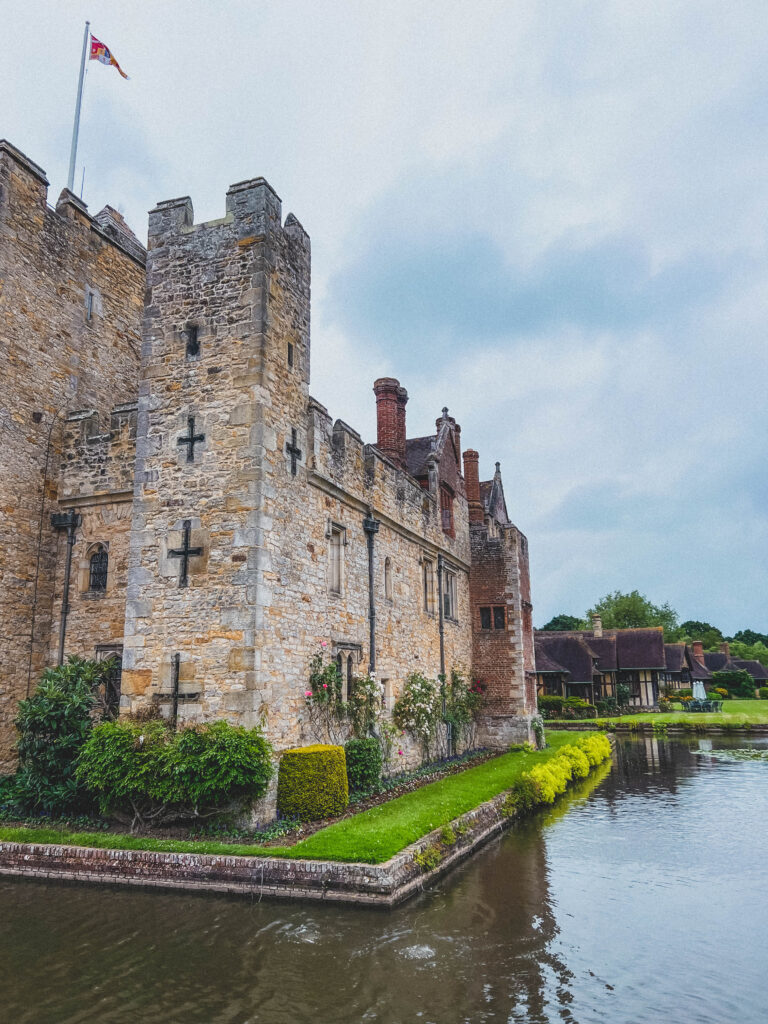
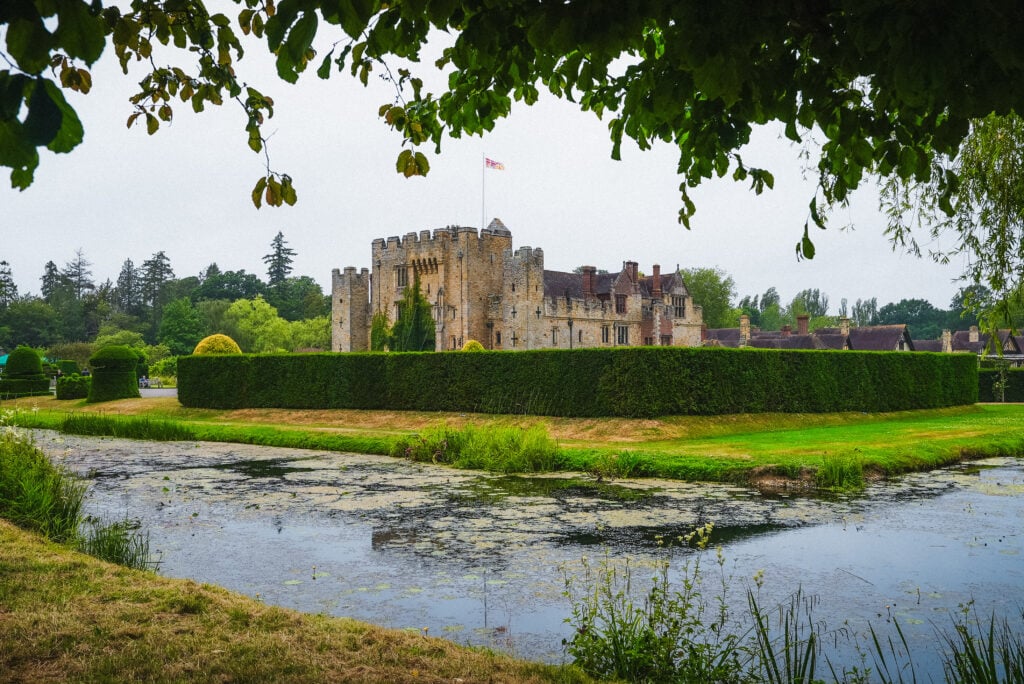
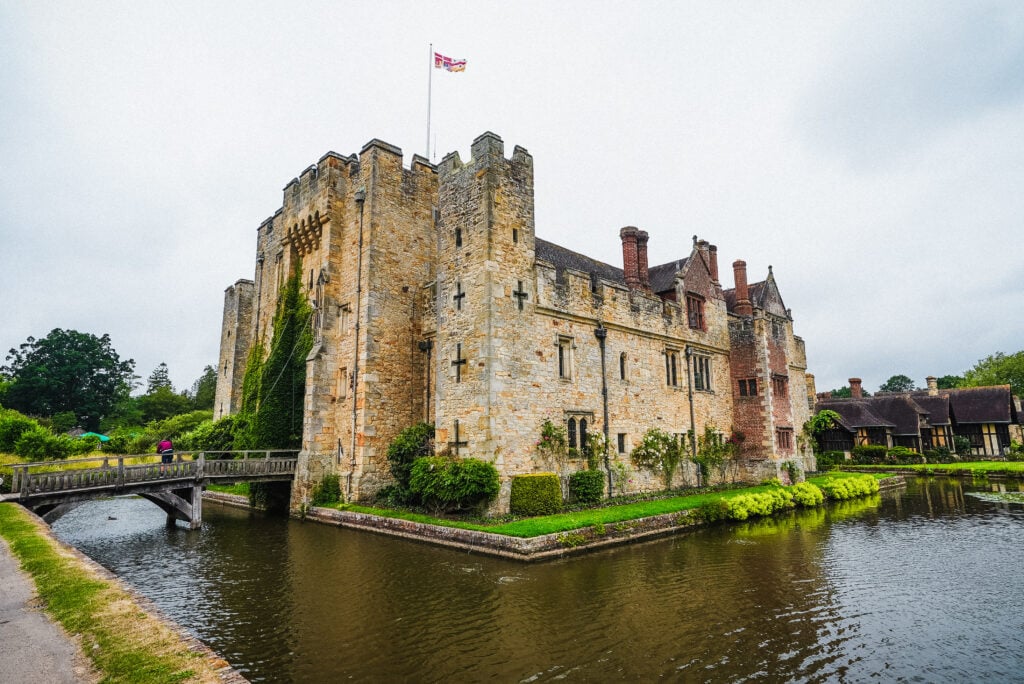
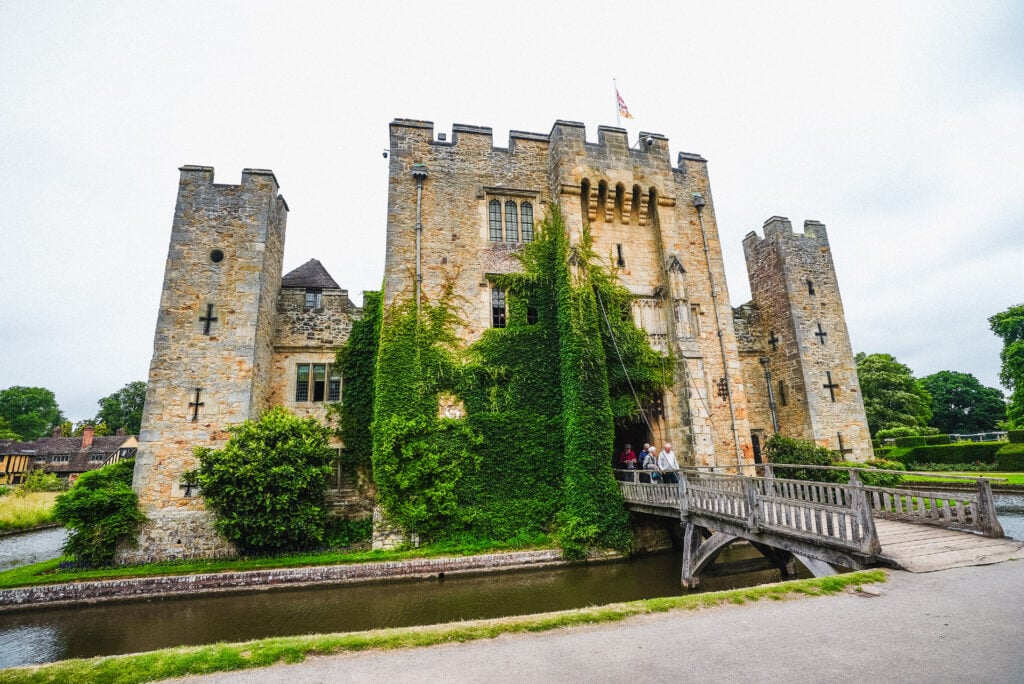
Cobham commissioned a fortified manor complete with moat and drawbridge – basically everything you needed to defend yourself and most prized possessions in 14th-century England!
As well as the deep moat, which flows away into a nearby river, there are two crenellated towers (which, at the time, would have required permission from the King), arrow slits for windows (the larger windows on the property were later additions) and even a gatehouse where any would-be visitors could be checked.
Anne Boleyn years
In around 1504, Thomas Boleyn uprooted his whole family and moved them to Hever Castle, including Anne Boleyn. He had inherited the estate from his father William (the Boleyn family inherited the estate in 1462). The family were well-to-do nobles and Anne’s mother, Elizabeth Howard, was directly descended from Edward I.
In 1513, at just 12 years old, Anne was sent to live in Burgundy in the court of Margaret of Austria, and by 1515, she and her older sister, Mary Boleyn, had become attendants to the French Queen.
Anne Boleyn remained in France for six years before returning to England. During this period, her older sister Mary had returned to England earlier and had become a mistress to King Henry VIII.
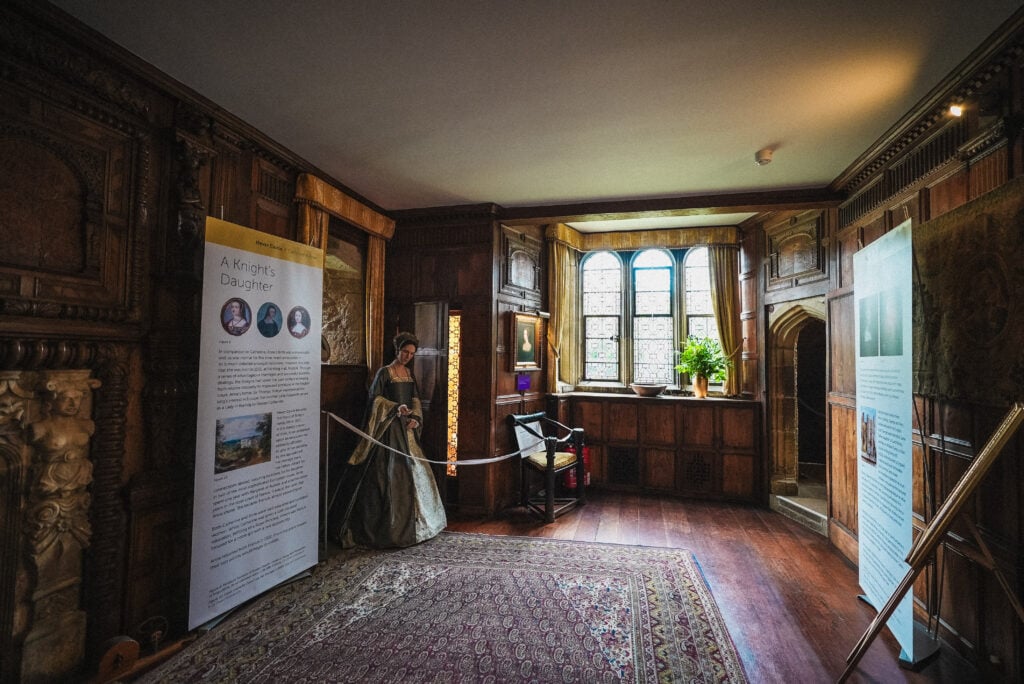
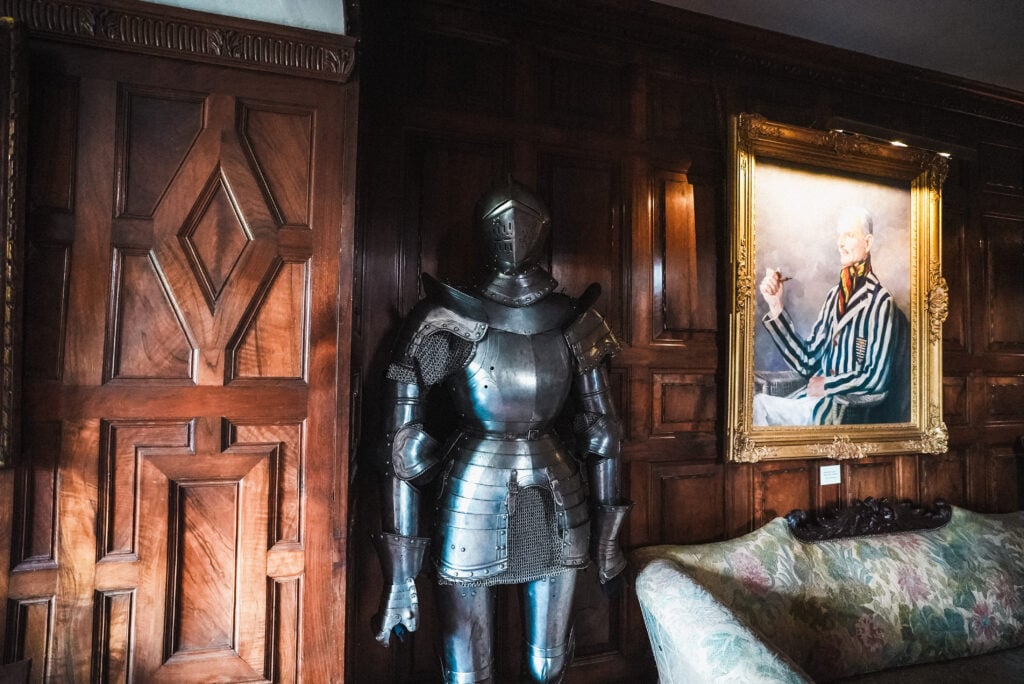
Upon her return to England, Anne joined Catherine of Aragon’s household. During this time, she fell in love with nobleman Henry Percy and the couple became betrothed. Sadly, the marriage was stopped by Cardinal Wolsey at the behest of Henry VIII.
In 1523 Anne was exiled to Hever Castle, while Henry Percy was sent to London. By 1527, Anne was receiving regular love letters from Henry VIII. Strangely enough, the letters ended up lost and only turned up in the Vatican in the 17th-century.
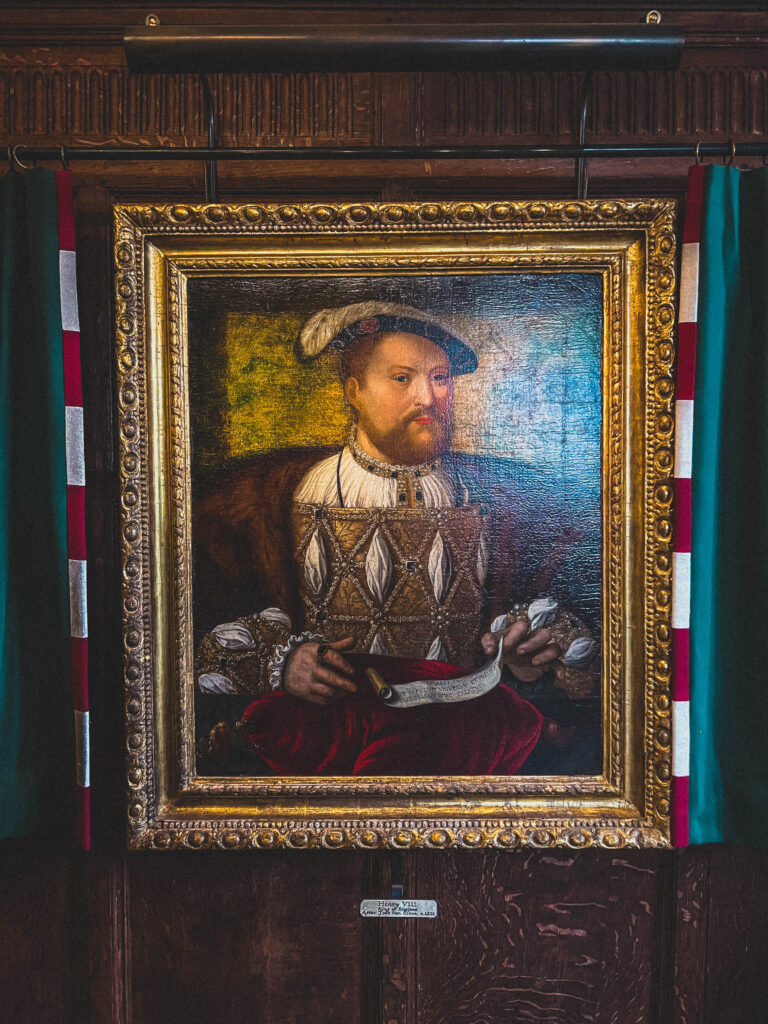
In 1533, Henry had his marriage annulled to Catharine of Aragon and secretly wed Anne Boleyn. That same year she gave birth to a baby girl who went on to become Queen Elizabeth I.
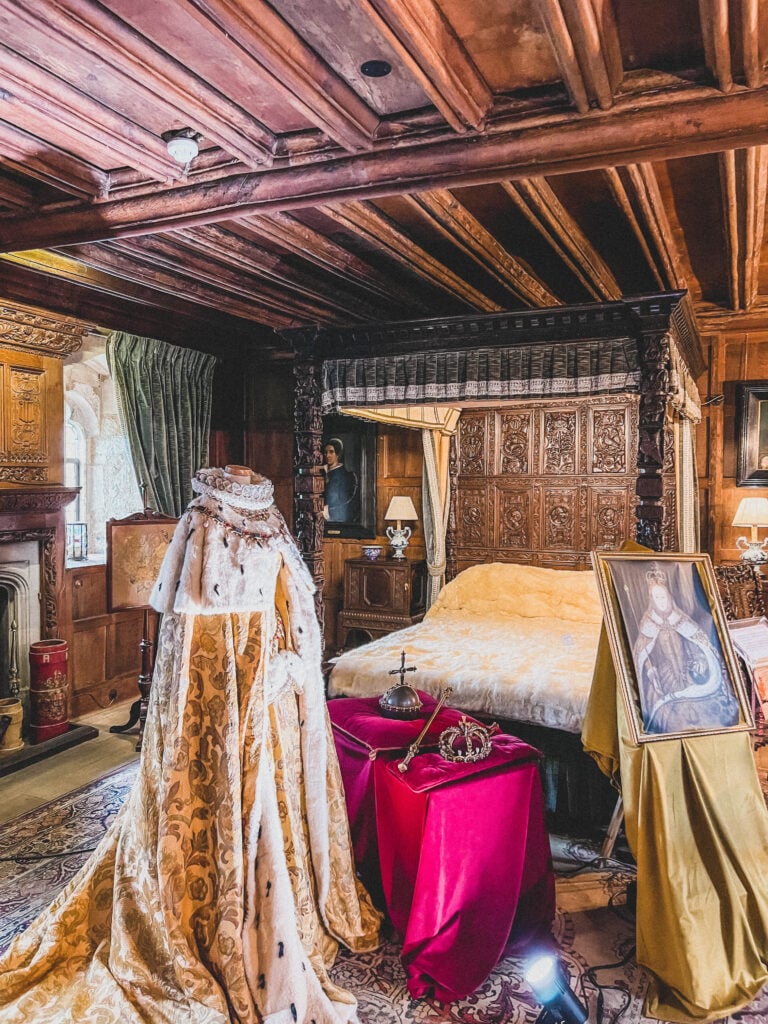
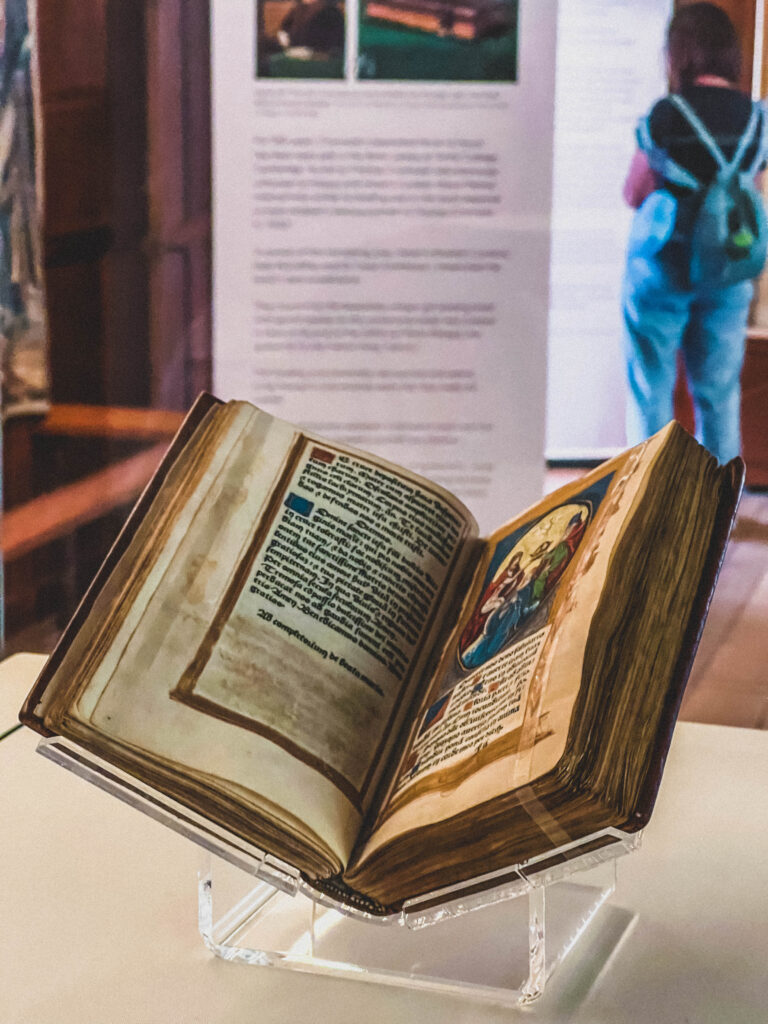
Sadly, this is where the joyous part of Anne Boleyn’s story ends. By 1536, after being accused of adultery with Mark Smeton, Henry Norris, Francis Weston, William Brereton, and even her brother George. She was beheaded on the 17th of May 1536.
As part of Anne of Cleeve’s divorce settlement from Henry VIII in 1540, she was given Hever Castle. Initially, Anne was gifted several homes and a supply of wine, among other things.
However, following the death of Henry VIII, Anne’s other properties were taken away and so Hever Castle became her main abode. She had been married to the King for just six months and had been given the title of ‘the King’s sister’ upon their divorce. She probably had the happiest story of any of Henry VIII’s wives.
As the centuries have gone, parts have been added to the property, while other sections have been improved and modernised for the times. Of course, as with any such estate, the castle has also seen periods of intense neglect.
20th-century – present day
By 1900, the castle was pretty much derelict. All of this changed when it was purchased in 1903 by William Waldorf Astor, the richest man in America. He restored the castle to its former glory (with modern comforts, of course), built the Astor wing, and created the gardens and lake.
Upon his death in 1919, his son, John Jacob, took up the mantle of up-keeping the house, alongside other pursuits, such as competing at the Olympic Games, becoming an MP for Dover, and purchasing The Times.
It wasn’t until 1963 when John Jacob’s son, Gavin, opened up the estate to the public. However, even the cash generated from this endeavour was not enough to keep up with the costs of running the place and so it was sold to its present owner, John Guthrie in 1983.
The ghosts of the castle
As with any kind of building of this caliber and importance in British history, there’s one thing that are sure: the ghost stories are as abundant as the number of people who now visit on a daily basis.
Popular hauntings include rumours that Anne Boleyn visits around Christmas time, and back in 2015, British newspapers even printed photos of her alleged ‘ghostly hand’. There’s even been suggestion that the long gallery is home to the phantom of a galloping horse!
One place where you can allegedly spot the unlucky queen at any given moment is floating over the bridge that crosses the River Eden, though this seems unlikely considering that the bridge in question would not have existed in its current form during her day!
Highlights of Hever Castle
As a visitor, there’s plenty to explore and even more to see. If you want to make the most of your day, then I recommend arriving at opening time and opting to spend the whole day exploring.
Moat and Drawbridge
One of the biggest draws for photography lovers visiting the castle today is that it’s truly a stunning property and you can snap gorgeous photos with the portcullis (there are actually three onsite) and fortified towers. One of the cooler aspects of the drawbridge today is that it is actually motorised!
Tudor Courtyard
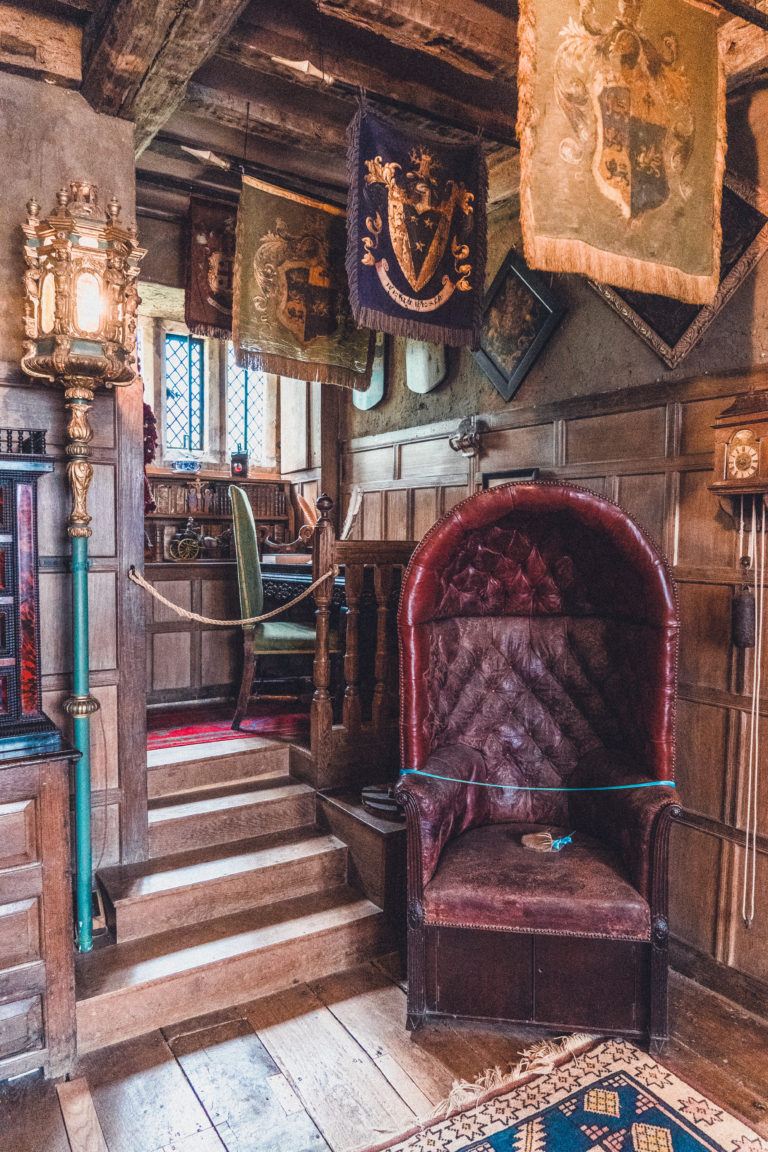
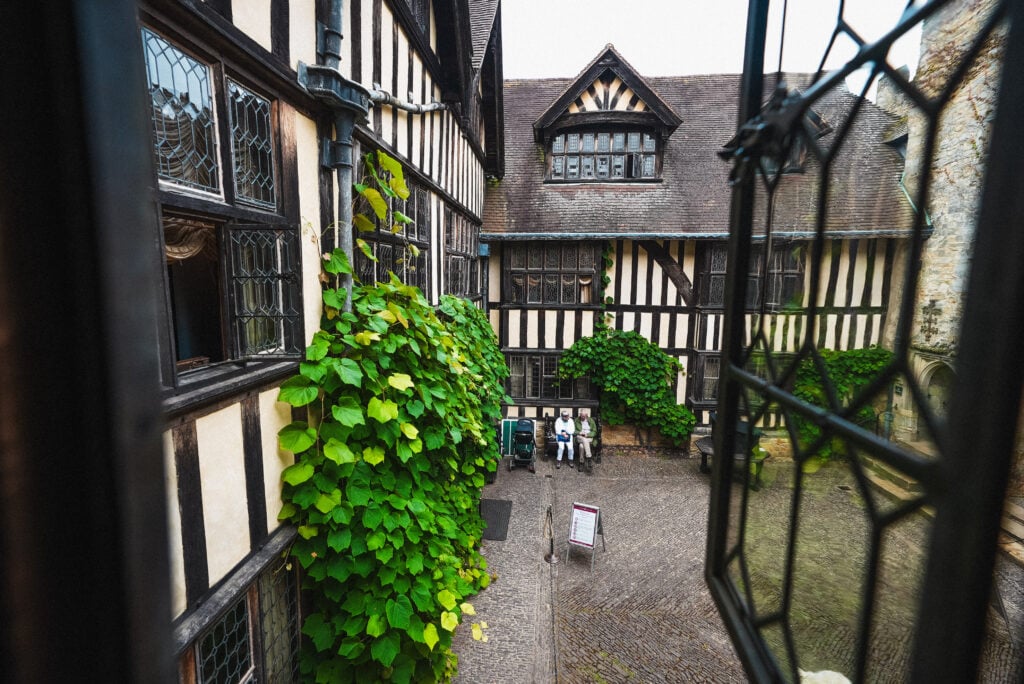
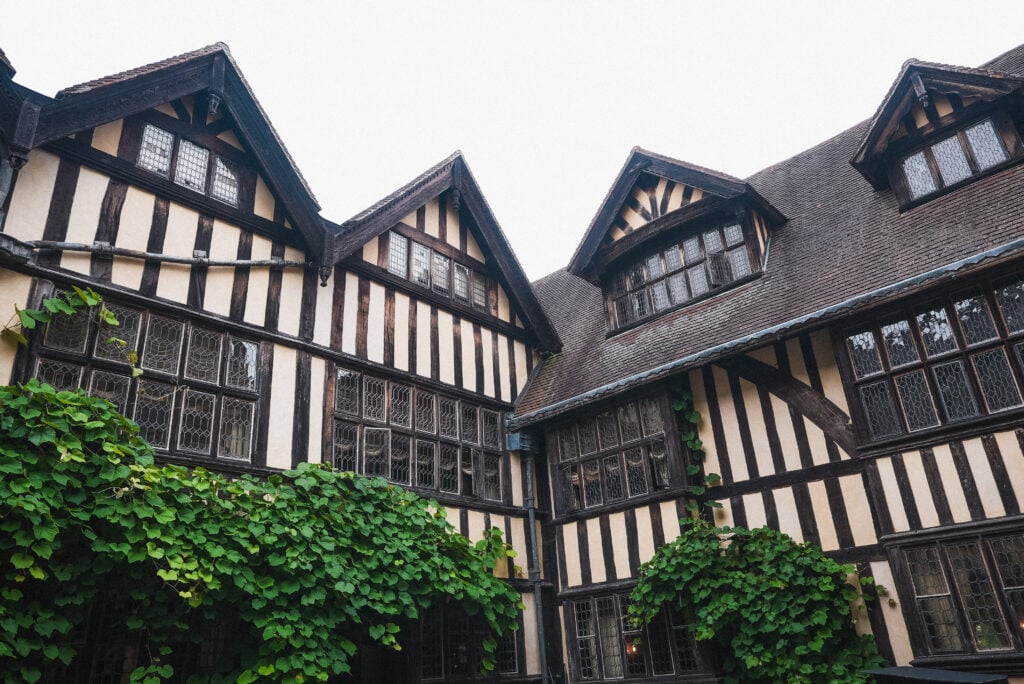
Though the castle was built in medieval times, its beating heart is truly Tudor as it was during this period that the castle was turned into a manor house. As soon as you’ve got past the entrance gate, you’ll find quintessentially Tudor timber-framed buildings in the entrance courtyard.
William Waldorf Astor’s Library
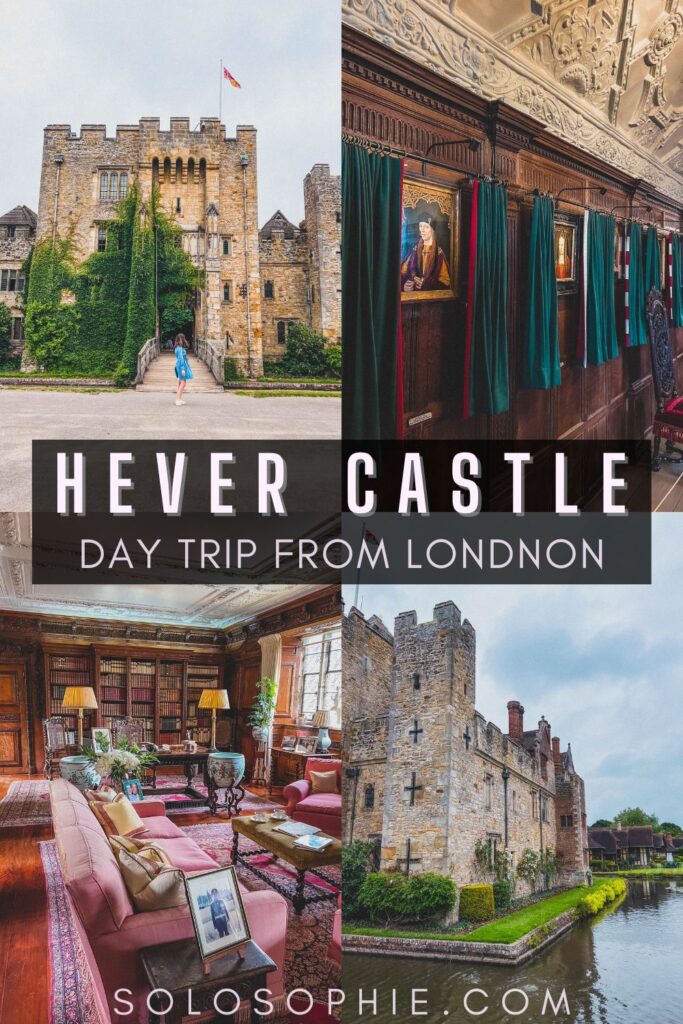
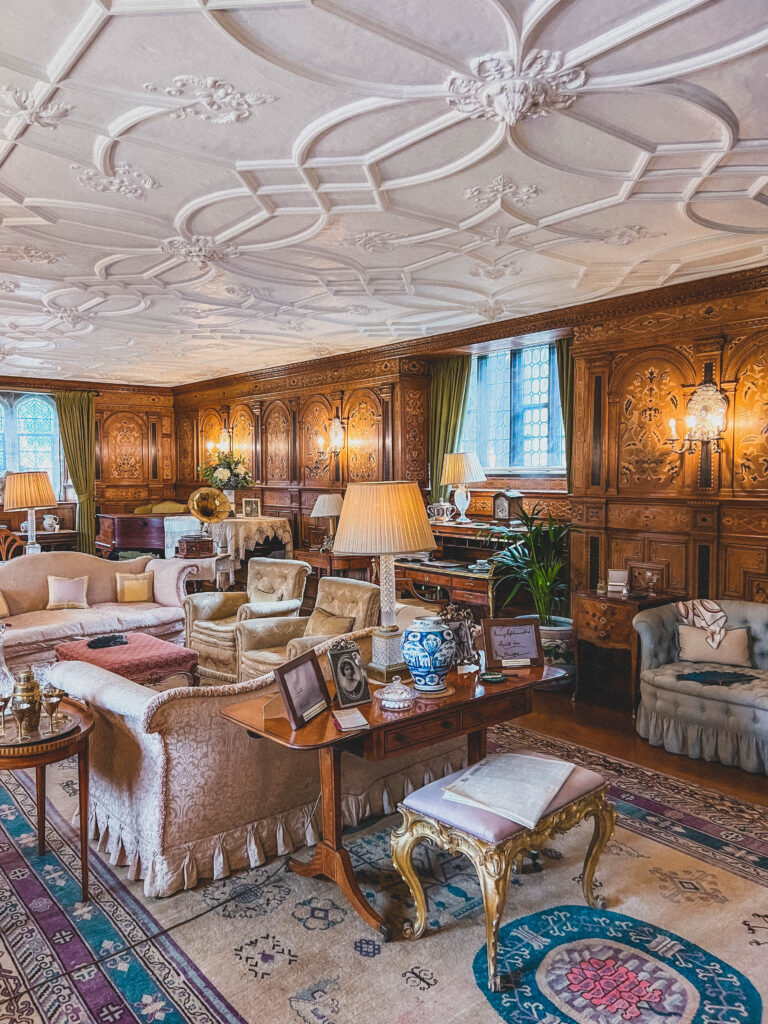
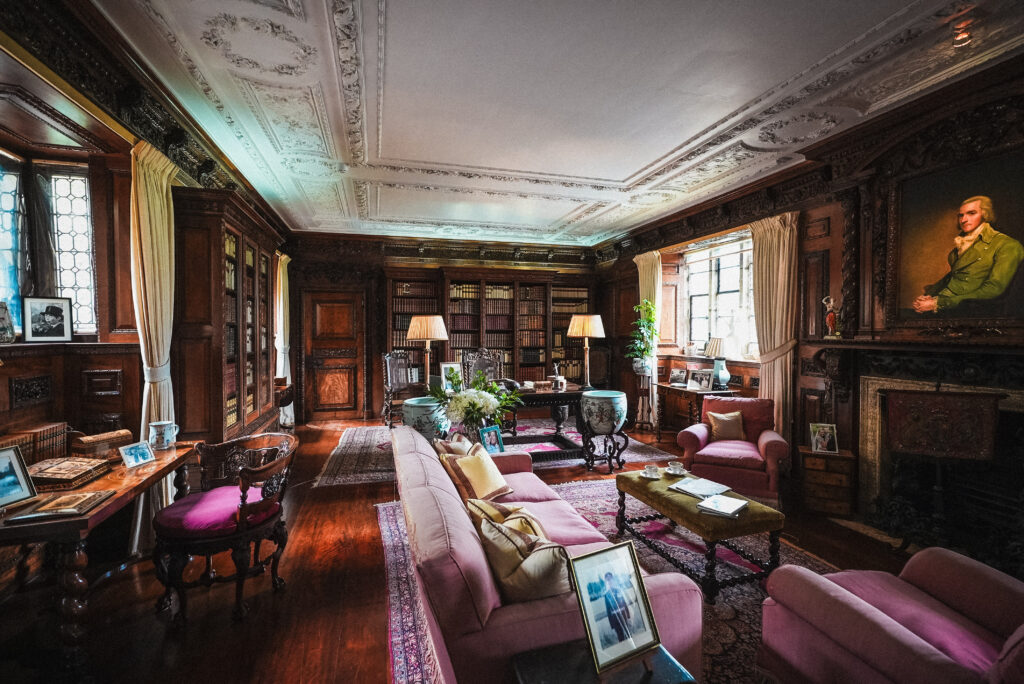
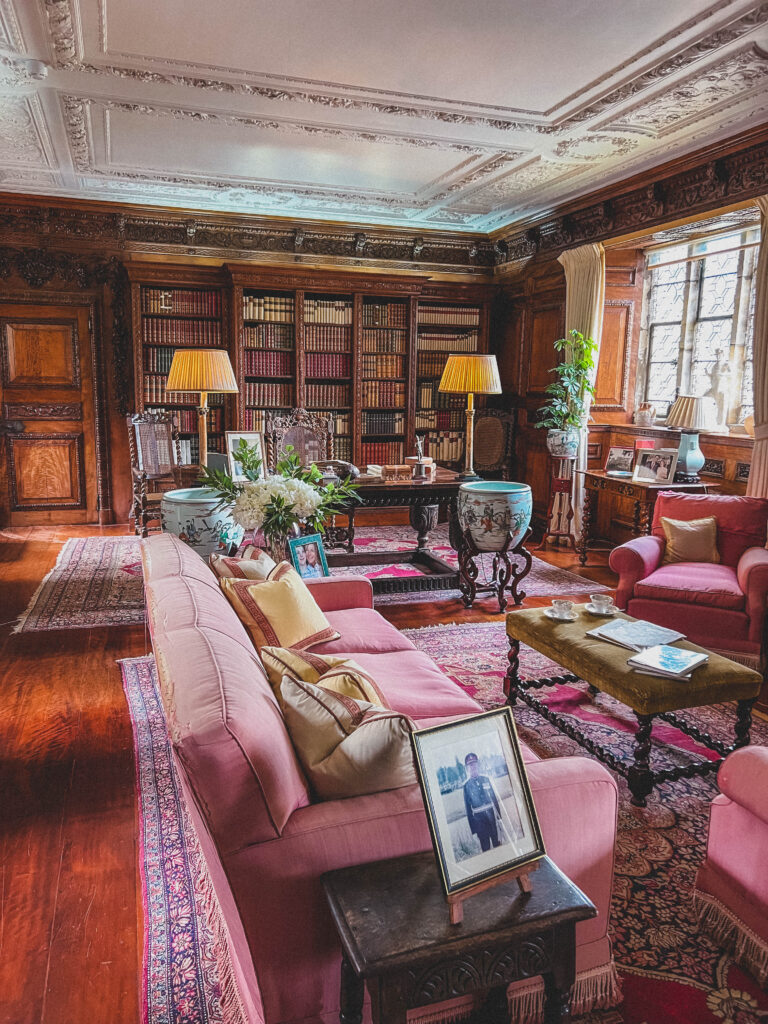
After you’ve left the Tudor courtyard and wandered through the Tudor entrance hall, you’ll be greeted by William Waldorf Astor’s personal library. Though he wanted to restore the building to how it had appeared during Tudor times, he also wanted to indulge in one room which would serve as a gorgeous library, complete with comfy setees and floor to ceiling bookshelves.
Anne of Cleeve’s long gallery
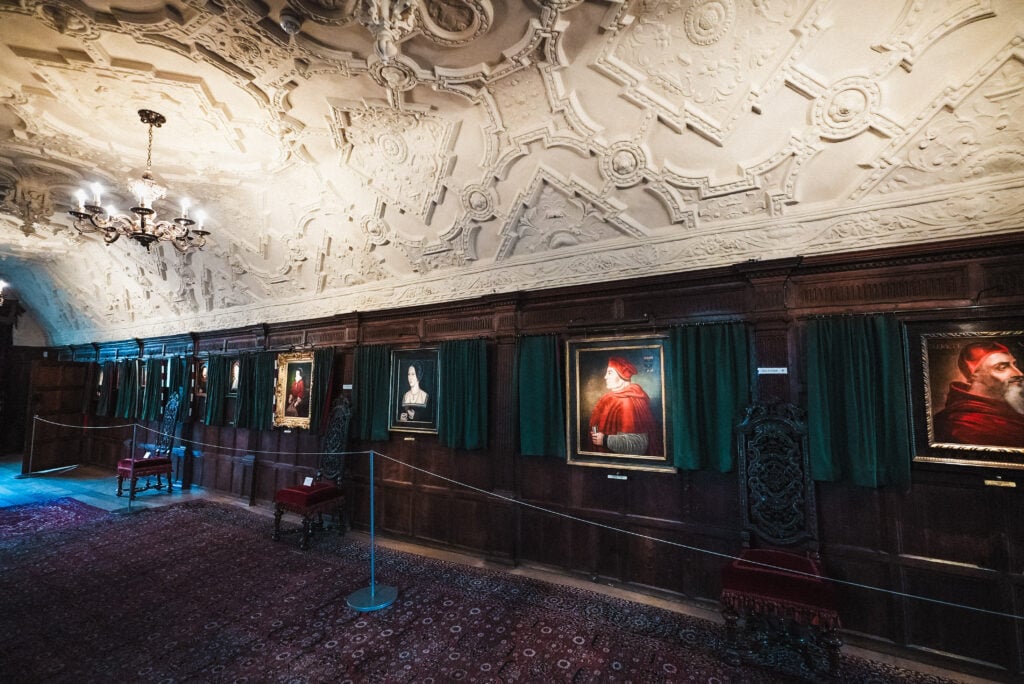
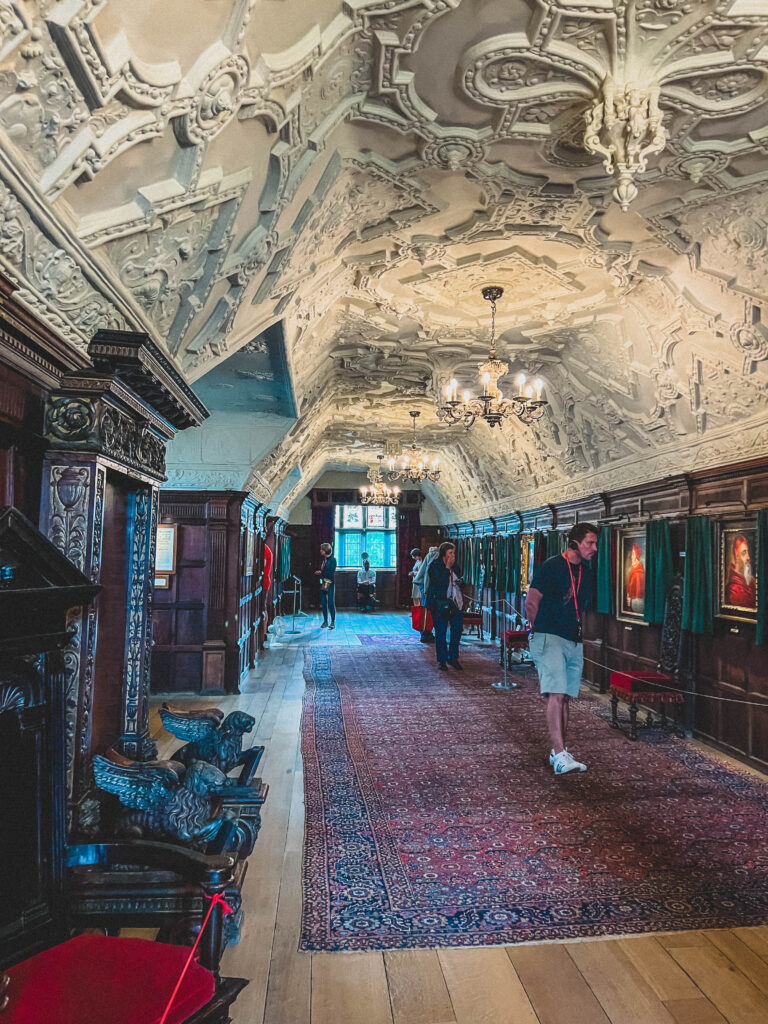
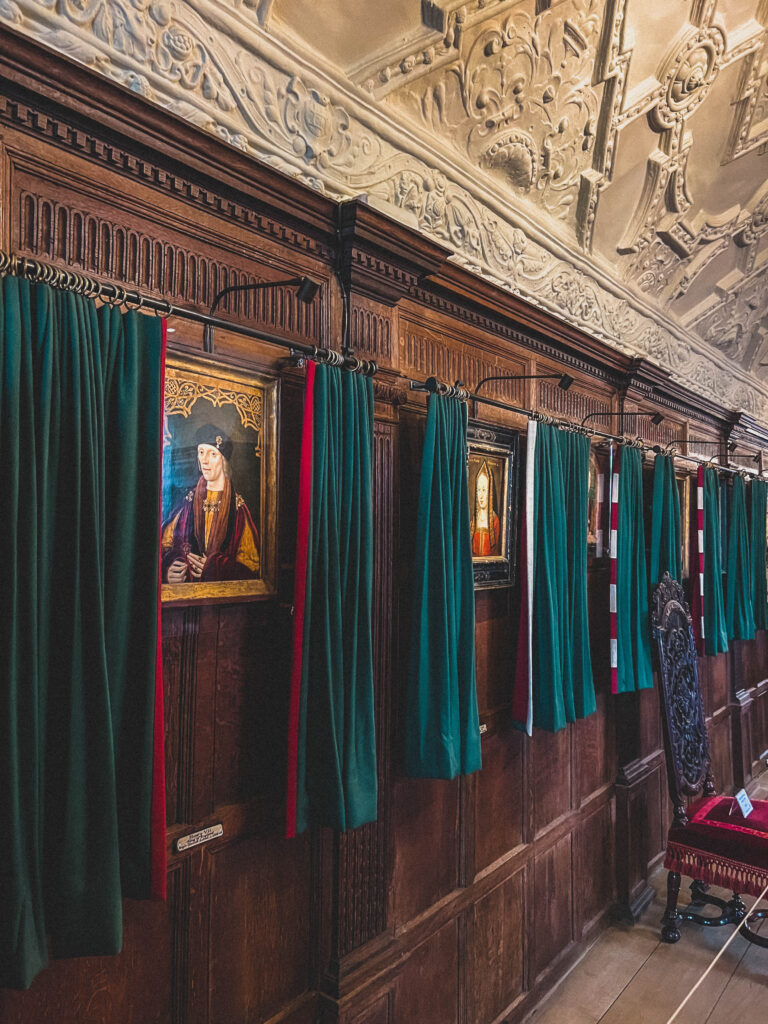
This runs the entire stretch of the back of the house and would have been a multi-purpose room; to entertain guests, to exercise when the weather was bad outside, and even to display family portraits. However, the true draw here is the mesmerising ceiling, which looks Tudor but is actually a 20th-century restoration!
Gardens
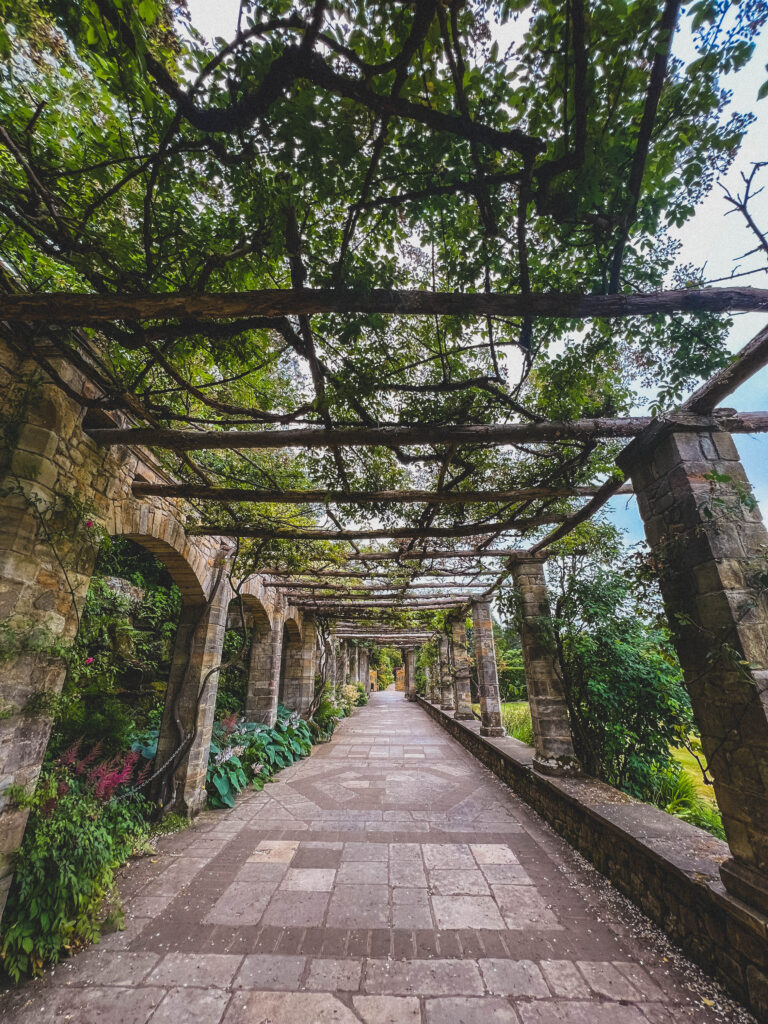
Though they appear to have been in situ for centuries, the gardens were only laid out between 1904 and 1908 under the watchful eye of Joseph Cheal and Son.
They transformed what was once marshy scrubland into the ornate borders you see today. Over 1000 men toiled for several years to create the lake, dig over 4000 rose bushes, and install William Waldorf Astor’s extensive collection of Italian statues.
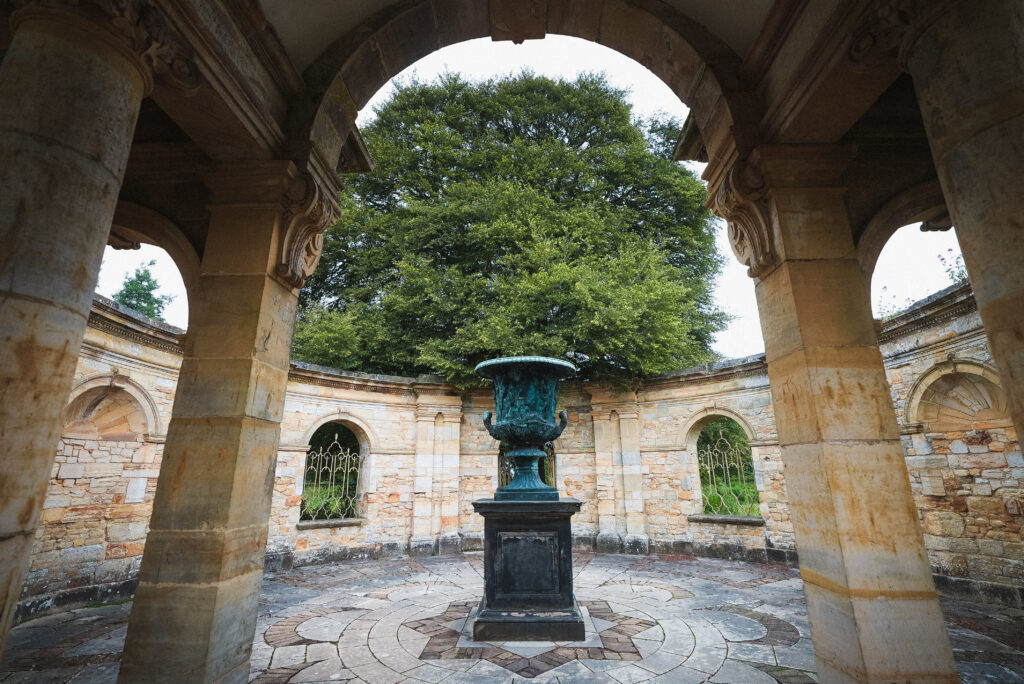
Other highlights of the gardens include water features such as a half moon pond, the Loggia fountain (inspired by the Trevi Fountain in Rome), the cascade (a mini waterfall), and several grottoes.
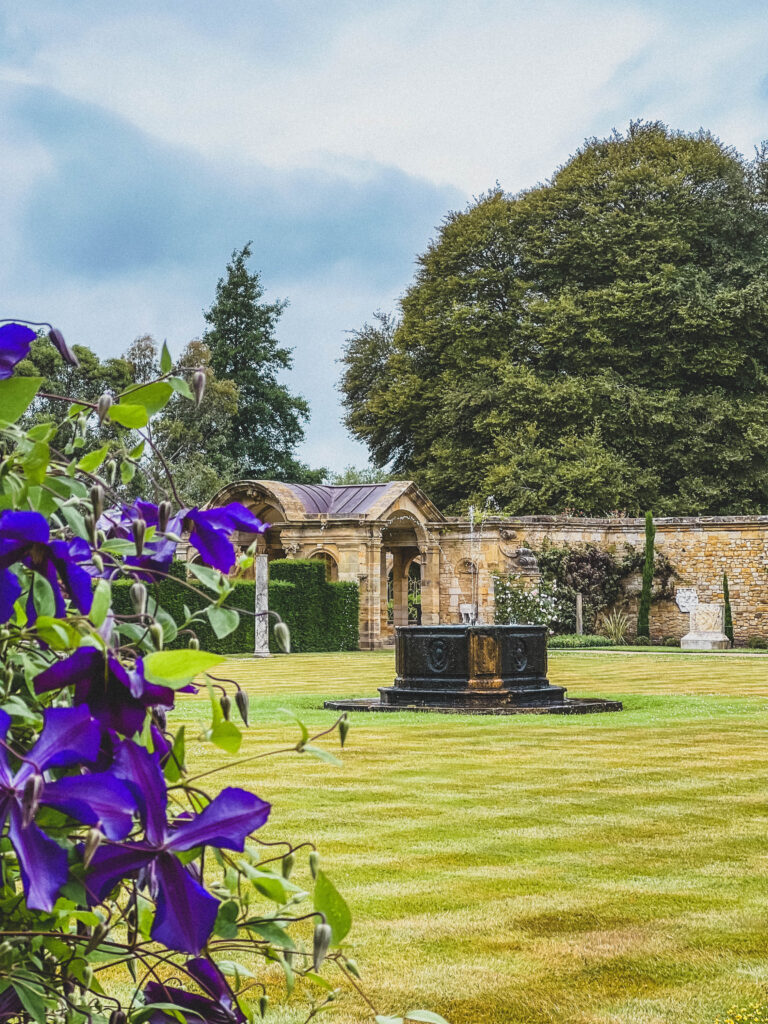
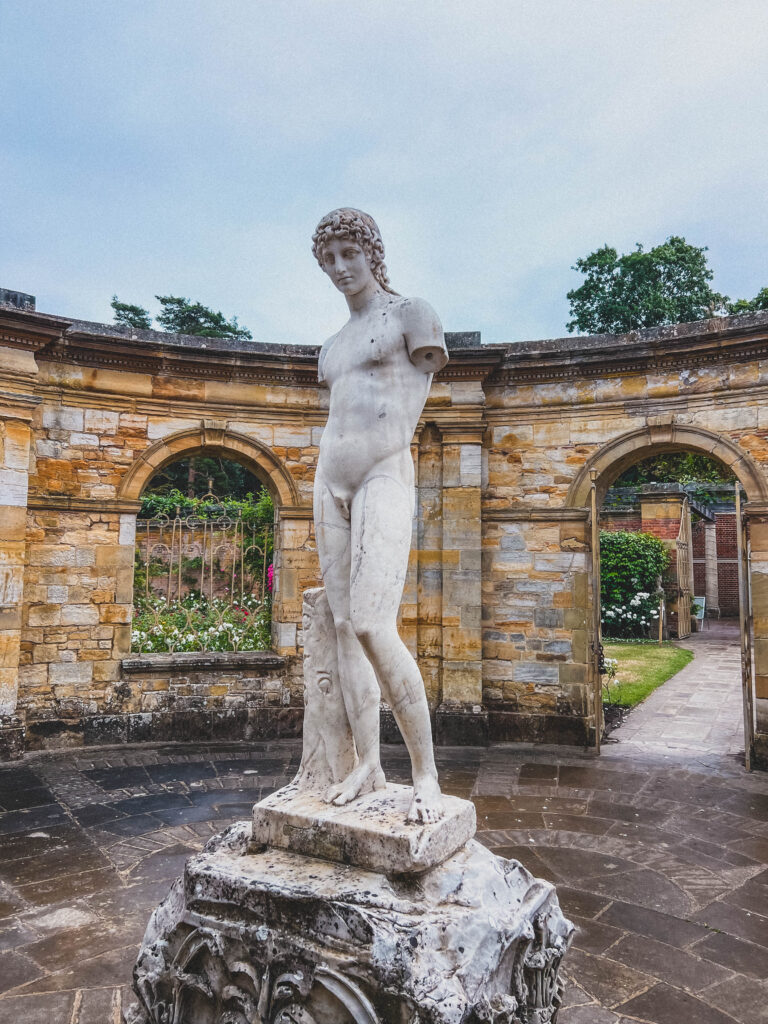
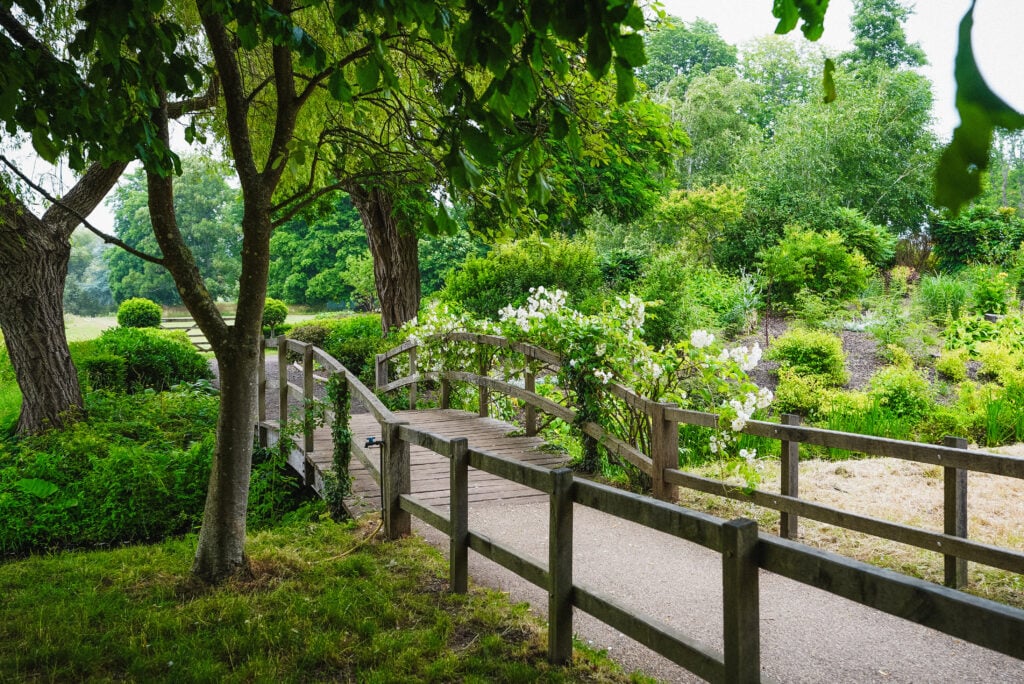
The gardens are a total delight to wander through and I recommend spending a few hours soaking up the ambiance, exploring the various paths and allowing enough time to snap photos of the gorgeous architecture.
Yew Maze
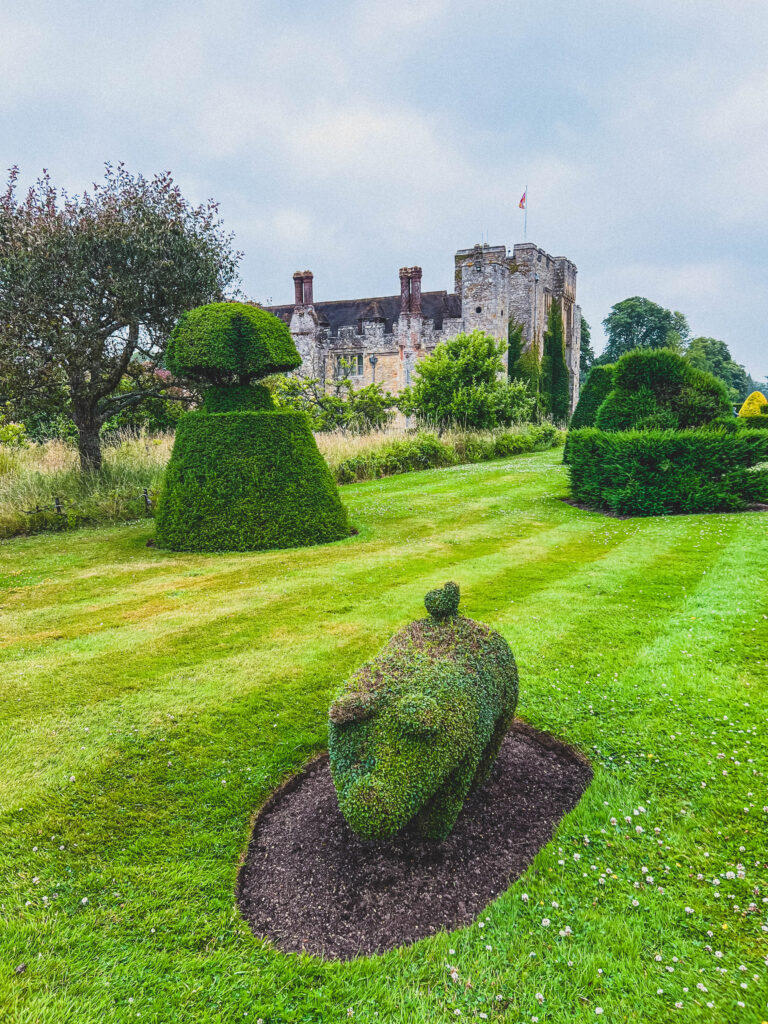
If you’re a fan of finding your way through mazes, then close to the castle itself you’ll find a real treat: a life sized yew maze that takes at least 10-15 minutes to complete. Elsewhere in the grounds, you’ll find several carefully pruned topiary bushes, including topiary animals such as deer!
Hever Village
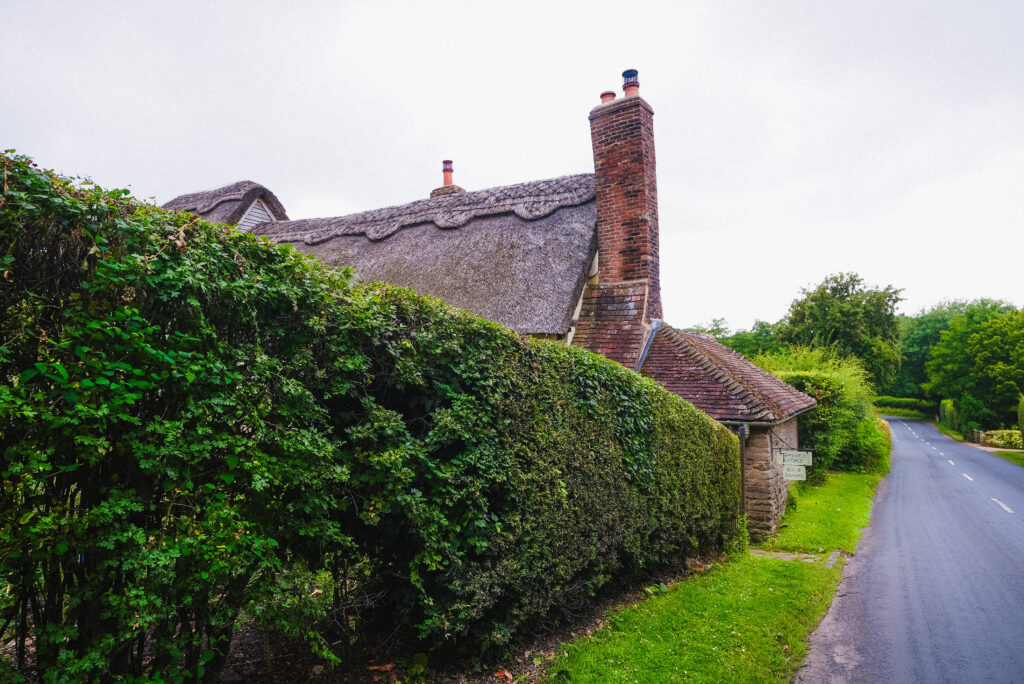
The village of Hever itself is small yet charming. Home to a population of around 1200, this sleepy settlement lies within Kent and the name probably originates from from ‘Heanyfre’, meaning ‘high edge’. Although there’s not much by way of attractions, there’s a couple of pubs and a few churches.
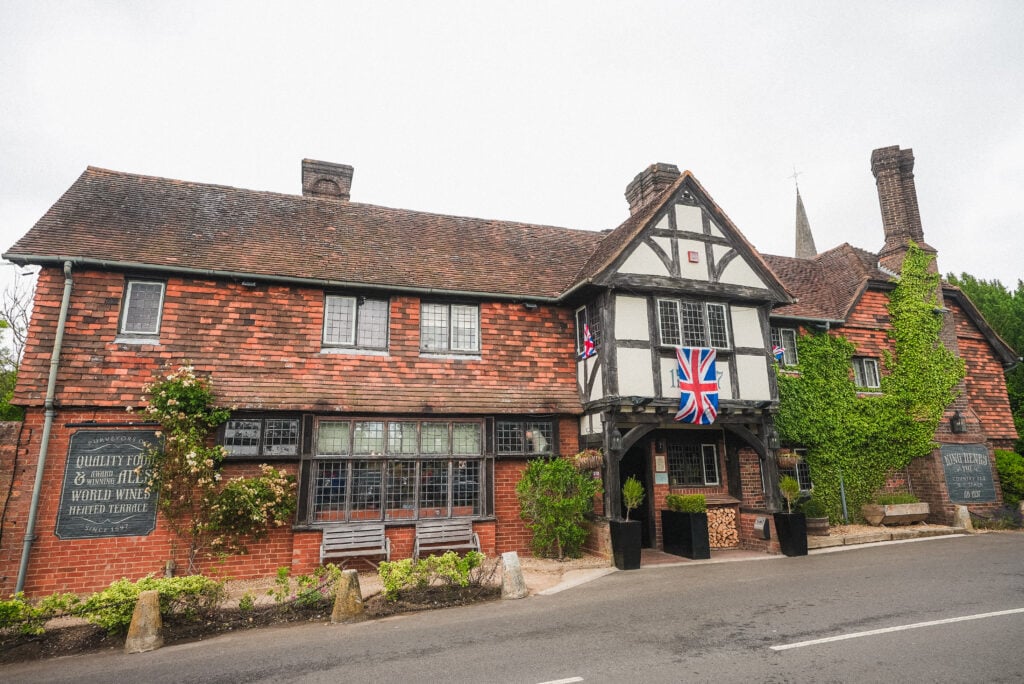
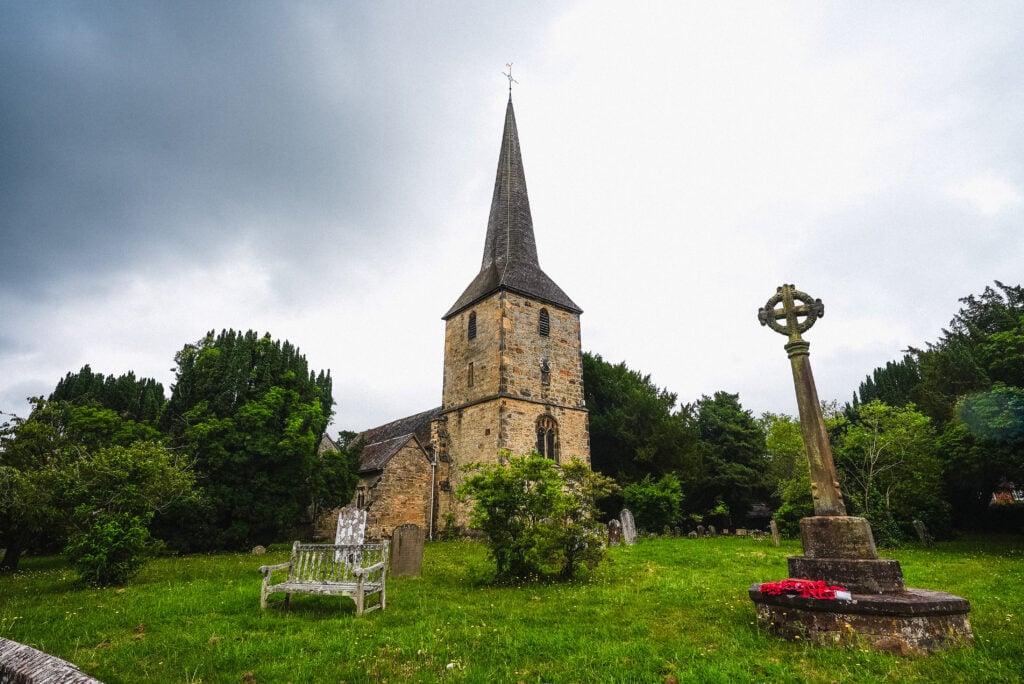
Saint Peter’s Church Hever Village
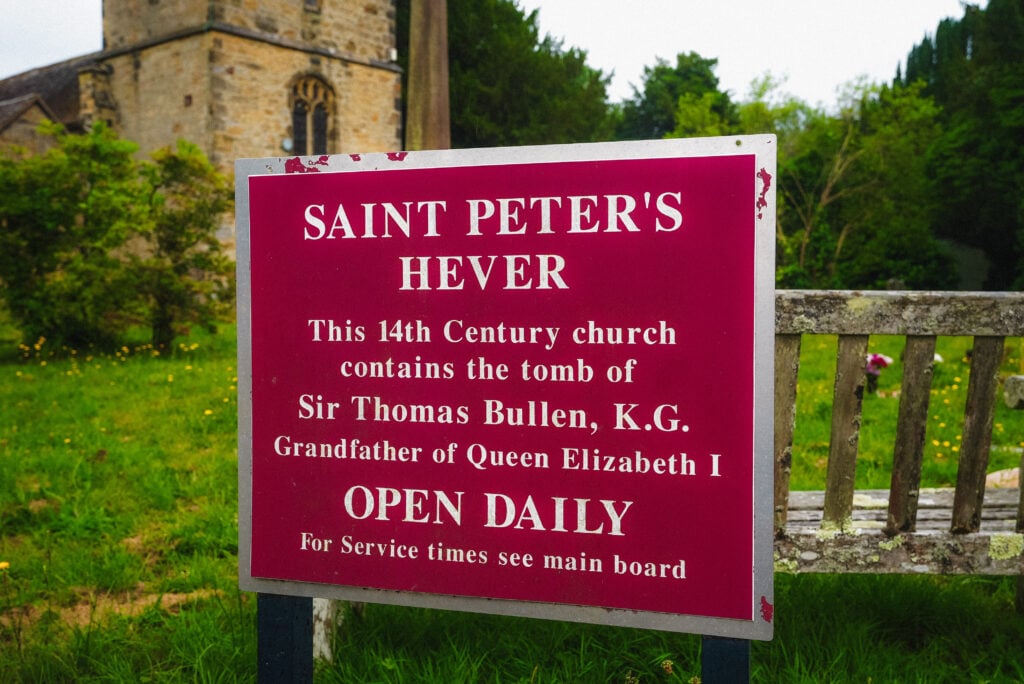
If you opt to walk to Hever Castle via Hever village then you’ll inevitably pass by Saint Peter’s church, which dates all the way back to the 14th-century. Home to the tomb of the grandfather of Queen Elizabeth I (Sir Thomas Bullen) it’s free to visit and open daily.
Getting to Hever Castle
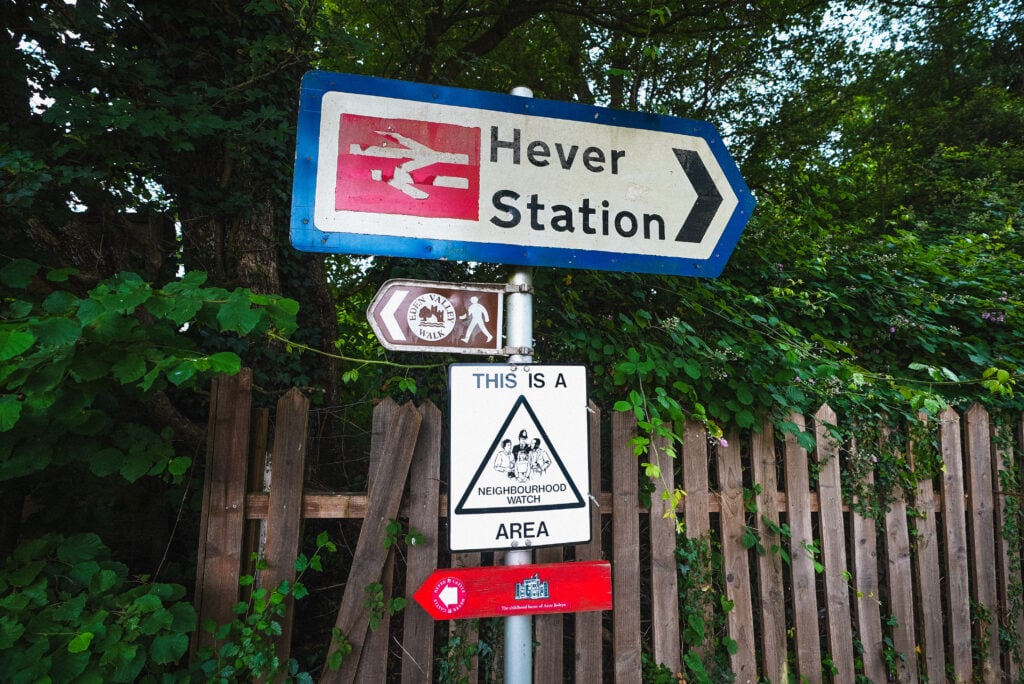
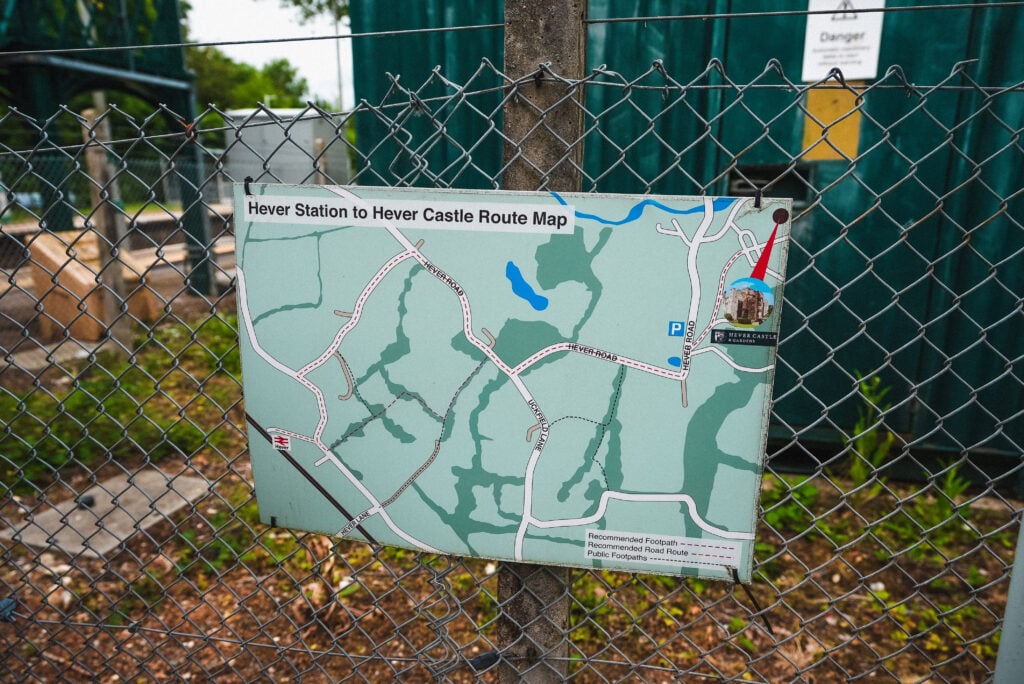
From central London, it’s just a short train ride to the nearest train station to Hever Castle is Hever Station. This is an unmanned train station, meaning that the only way to get to Hever itself is to call a cab or walk the mile or so!
Since we visited during the summer, we decided to walk the mile it takes through the countryside. Just be sure to wear somewhat comfortable shoes as you walk through several fields, and I did end up getting a tick on me after the walk so bear that in mind!
Once you get to the castle, you can buy an entrance ticket at the entryway. From there, you can explore the castle and grounds at your leisure.
Enjoyed reading this article? Pin it now, read it again later: