The Loop Head Peninsula Drive: The Wild Atlantic Way’s Best Kept-Secret
Last Updated on 30th July 2026 by Charlotte Nadeau
This post may contain affiliate links. Please check out my privacy policy and disclosure for more information.
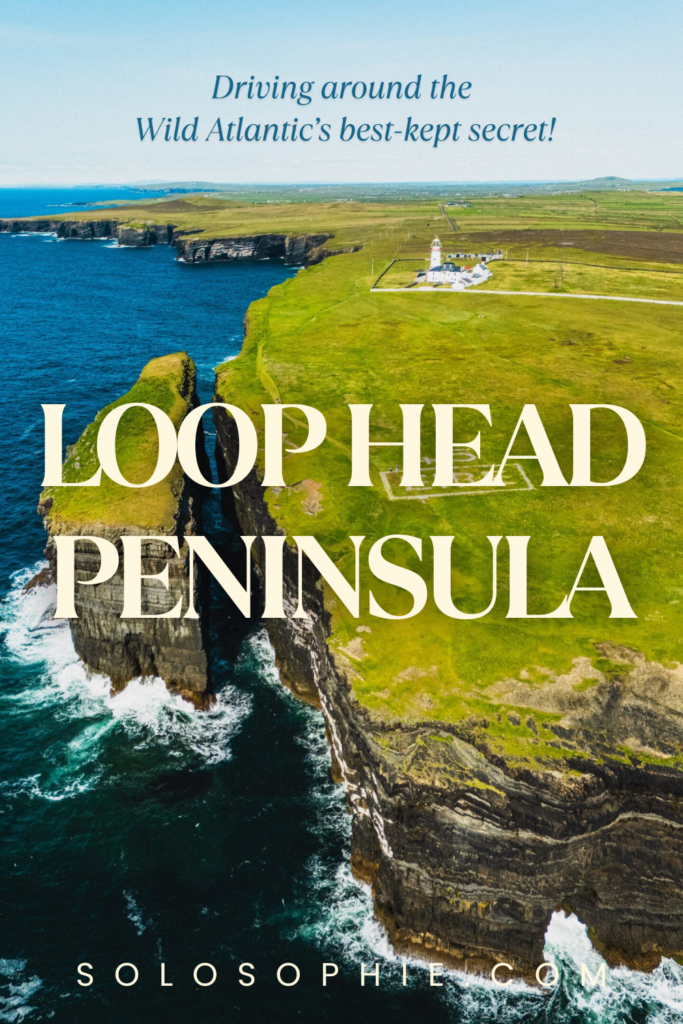
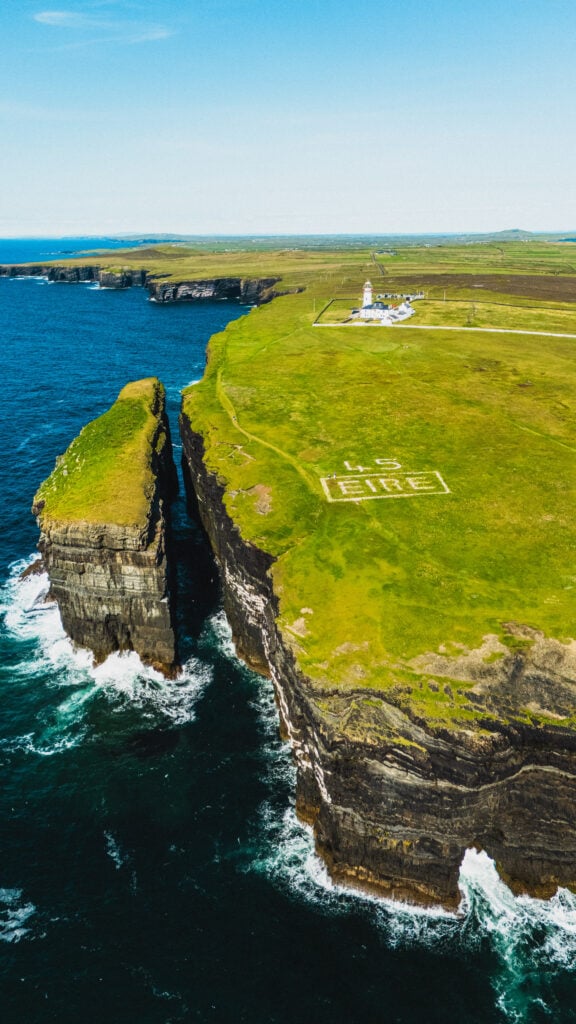
Everyone knows about the Cliffs of Moher and even Slieve League Cliffs, but very few have heard of the Loop Head Peninsula, and even fewer venture out to actually drive around it. And so if you’re looking to experience the best of the Wild Atlantic Way without the crowds, this might just be the route for you. From crumbling burial grounds to castles, unique chapels, and an impressive variety of seabirds, here’s your ultimate guide to the Loop Head Peninsula, one of Ireland’s best-kept secrets!
How long do you need in Loop Head?
A full day is sufficient, as the area to be covered isn’t very large. With that being said, you’ll want to set off early in the day, as getting to the Loop Head headland can take quite a while, and there’s plenty to see en route!
Getting to Loop Head
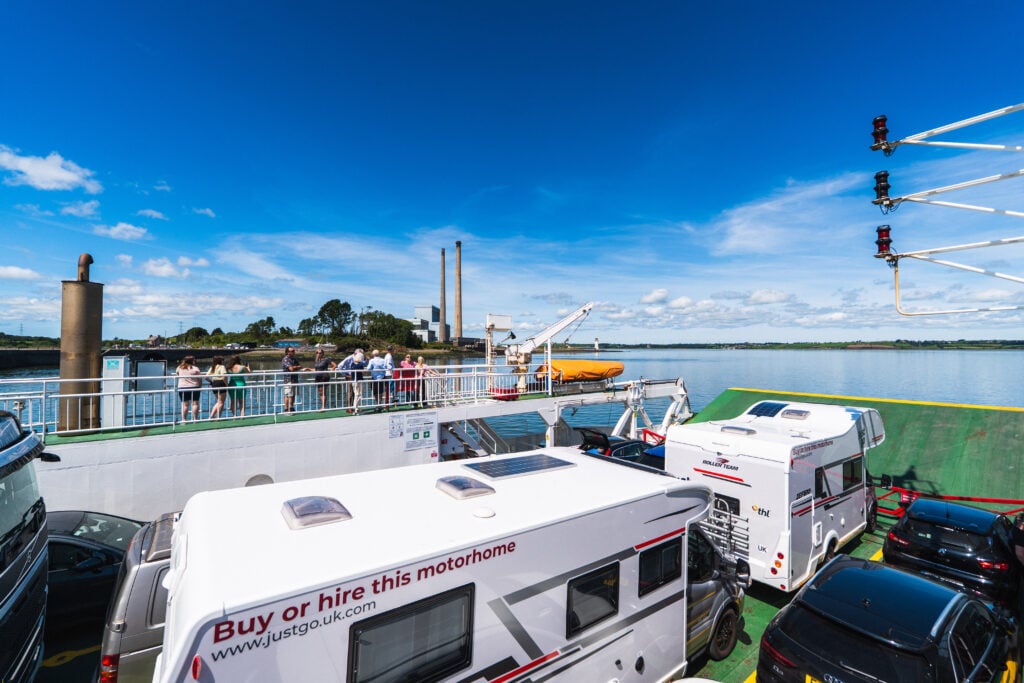
There are several ways to get to Loop Head, but because we were already exploring the Ring of Kerry on our road trip, hopping on the car ferry from Tarbert in County Kerry to Killimer in County Clare was the easiest route. We took the Shannon Breeze ferry, which takes just 20 minutes and runs every hour from both ports.
I really recommend taking the car ferry if you’re looking to save time, as the drive can be quite long to get to Loop Head (over an hour or so). It costs €25 per car, which is on the pricier side. However, it does offer a great way to experience the Shannon Estuary and soak up the beautiful sights by water, especially on a clear day.
Best things to do in Loop Head
Kilbaha Village
Kilbaha is the westernmost village in County Clare, and it boasts sweeping sea vistas, a historic 19th-century fishing pier, and a quiet Irish charm. This tiny coastal village is filled with cosy traditional stone houses that look out over the meeting point of the Shannon Estuary and the Atlantic Ocean.
Keating’s of Kilbaha is the local pub and restaurant; you should stop here if you wish to sample fresh locally caught fish. It’s very traditional and frequented mostly by the locals, but something to note is that they operate on a cash-only basis.
Carrigaholt Castle
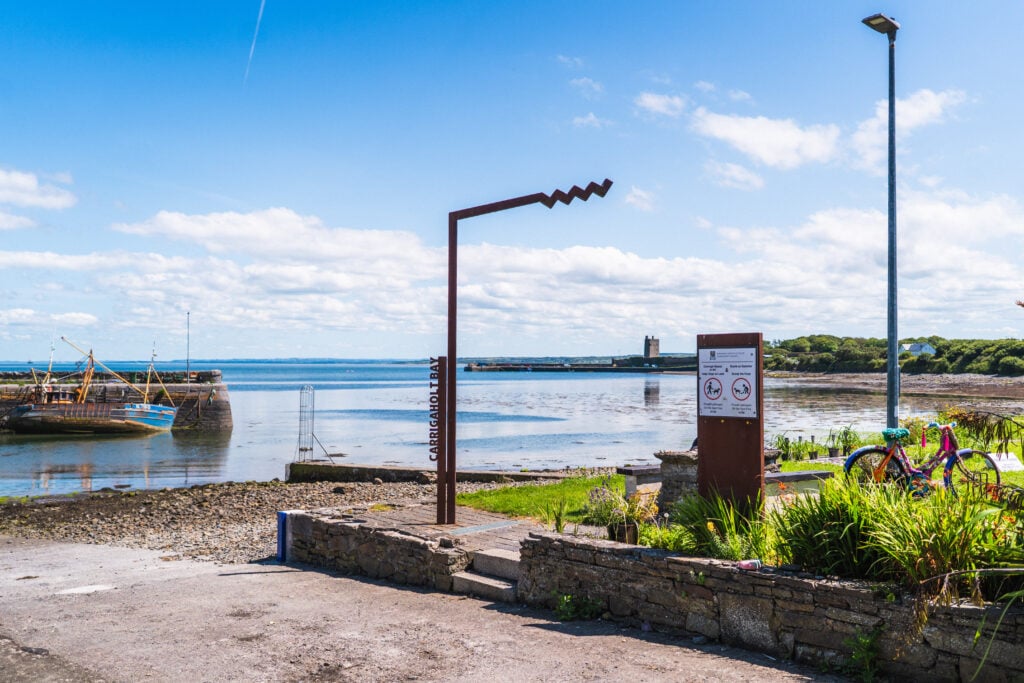
One of the most striking landmarks of the Loop Head Peninsula is Carrighaolt Castle, a 15th-century Tower House (in fact, it’s one of Ireland’s best preserved!) Built in 1480 by the McMahons, who were chiefs of the Corcabascin Peninsula at the time, it stands impressively overlooking the Shannon Estuary and harbour.
Standing five storeys tall, Carrigaholt Castle once featured a spiral staircase and a “murder hole” above the entrance (a defensive opening that allowed defenders to essentially drop something heavy or shoot an arrow at anyone who made it through the doorway below…)
While the castle and its interior are completely closed to the public due to safety measures, you can wander around the outside and even touch the stone walls. There’s a public path which leads you straight from the car park to the castle, and you’ll also see plaques detailing the history surrounding it.
Church of the Little Ark
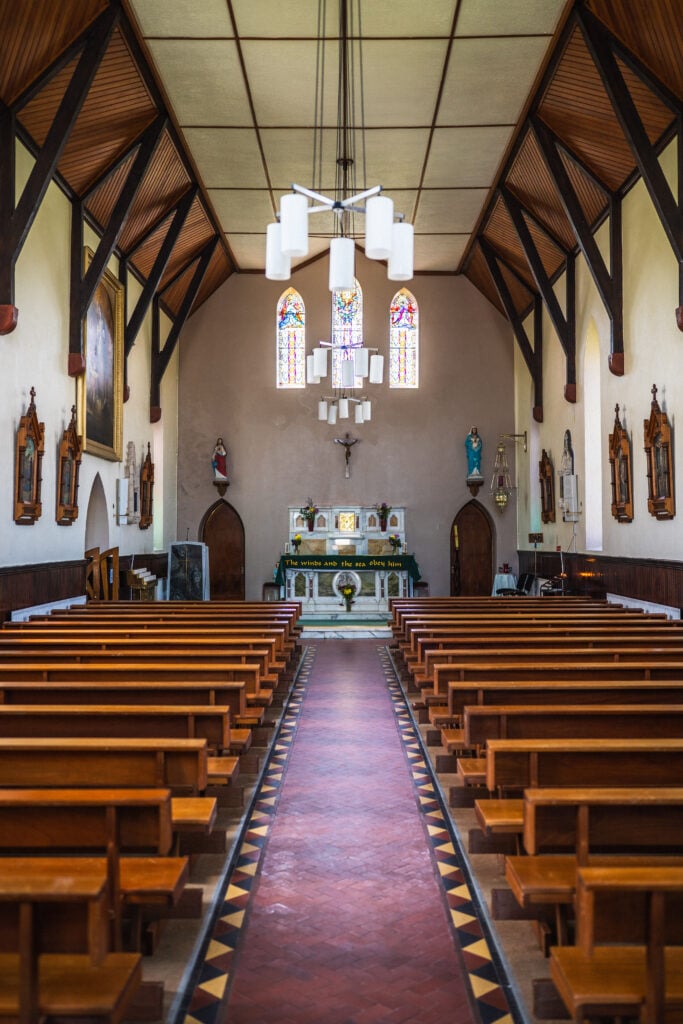
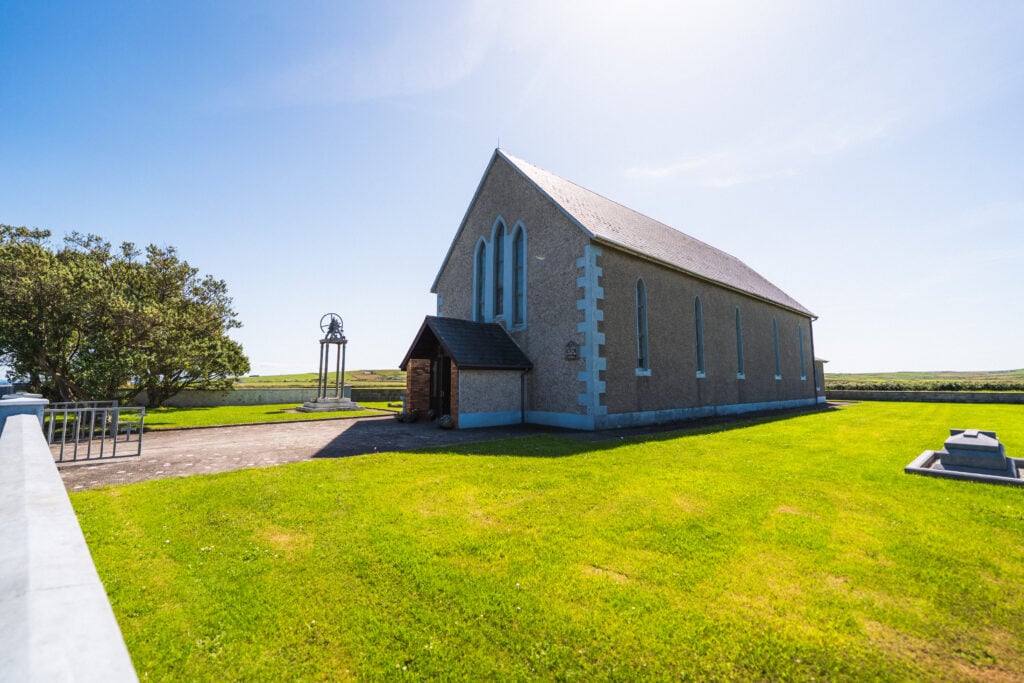
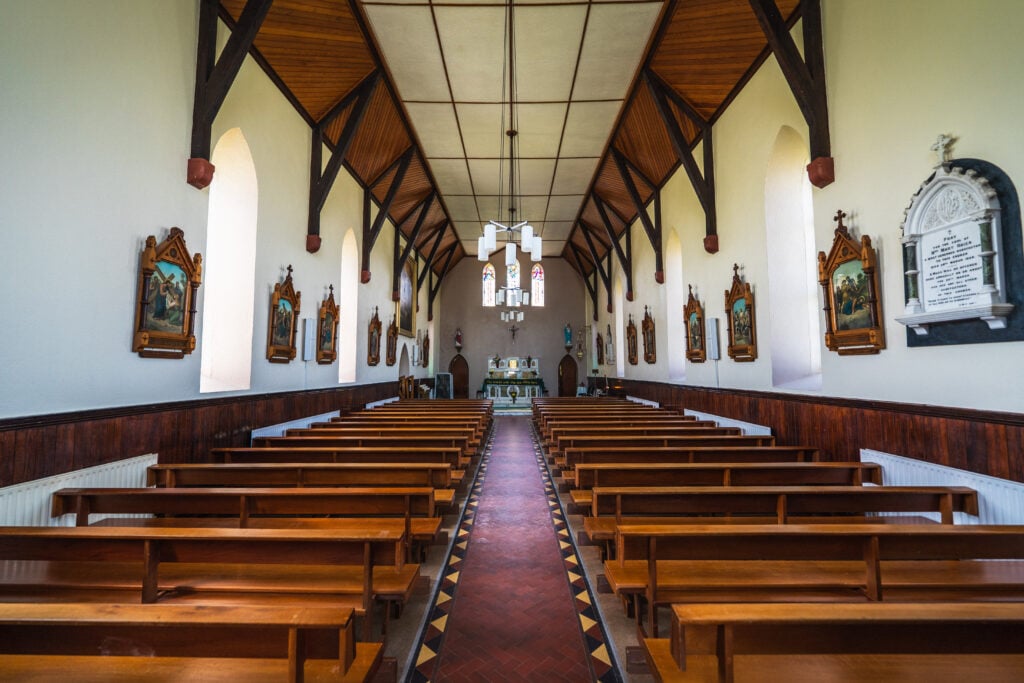
This small, simple wooden structure was actually one of the main reasons I wanted to do the Loop Head peninsula. I’ve always been drawn to the beauty and history of ecclesial buildings, but this one has a very unique history behind it!
It’s hard to imagine today, but in the 19th century, the local Catholics didn’t have a church of their own. The legacy of the Penal Laws, combined with opposition, meant there was no permanent place of worship in the area. Instead, people had to walk nearly five miles to worship…and, considering the time, this was a far too lengthy a trip!
While solutions were in play, from building tents to using abandoned buildings for mass, the local landowner Marcus Keane repeatedly shut down these attempts to gather. Even after Catholic Emancipation in 1829 granted Catholics greater legal freedoms, establishing a church in this part of County Clare never really happened.
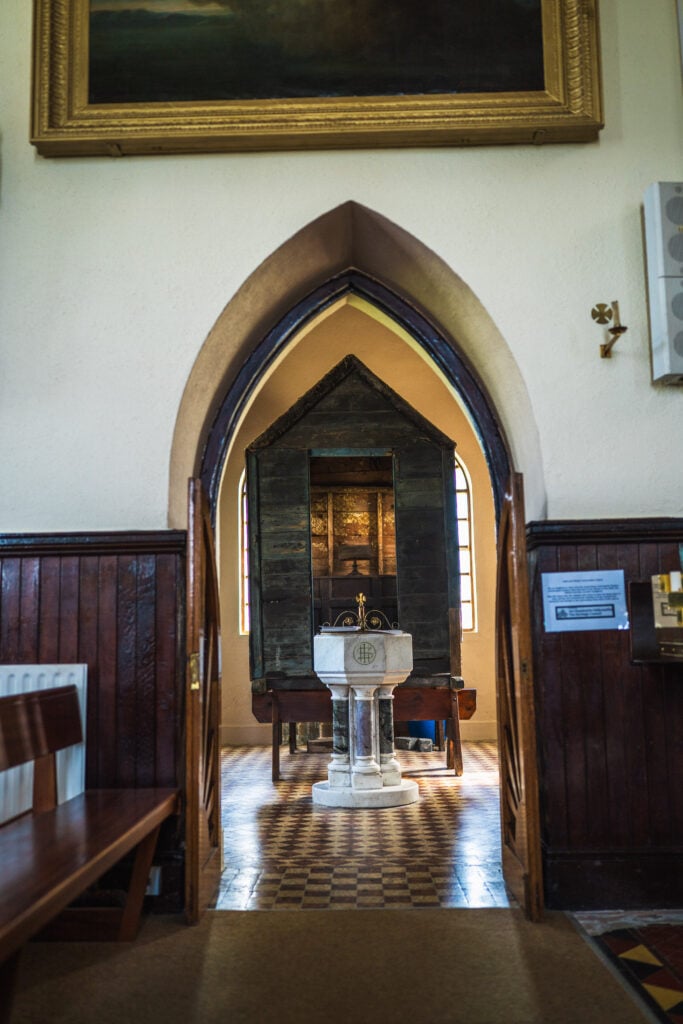
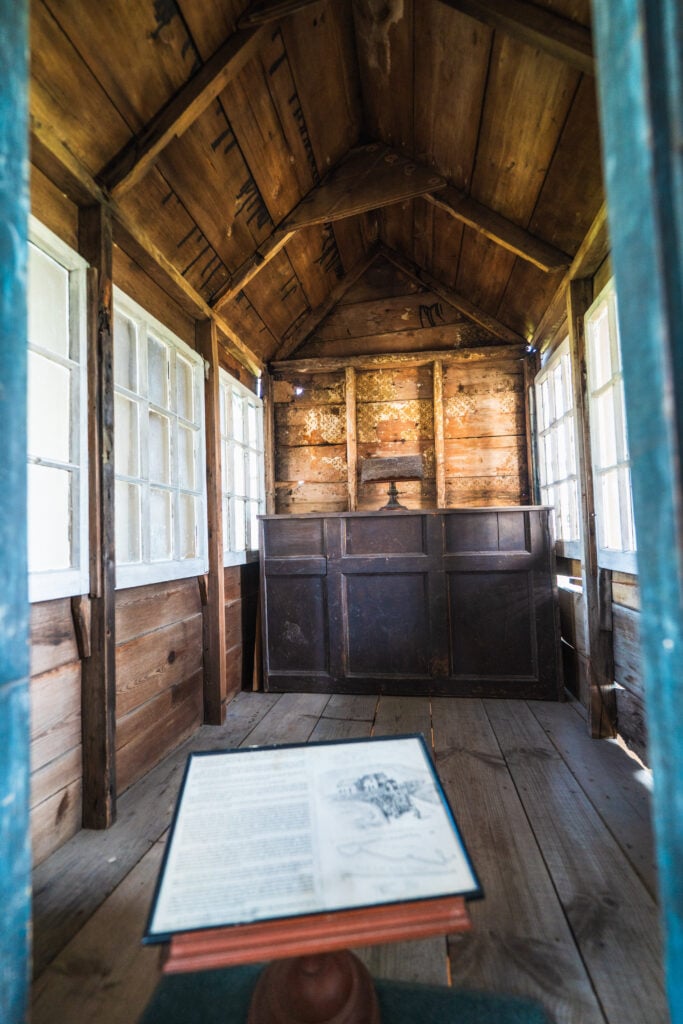
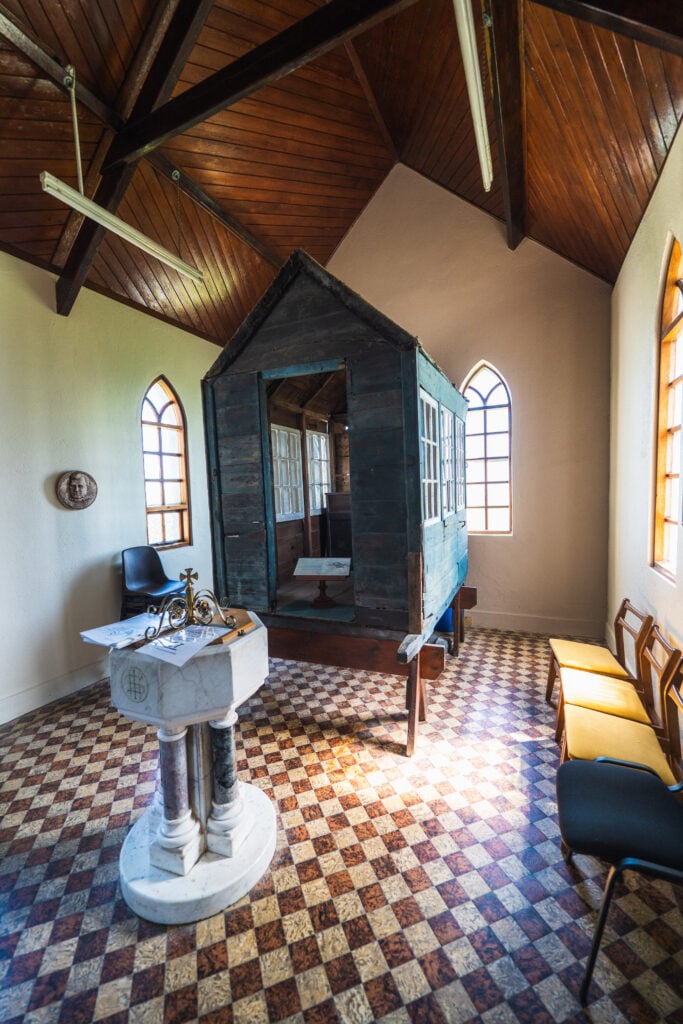
That was until Father Michael Meehan came up with an ingenious solution! Somewhere along the lines of, if Noah could transport the animals, why could they not create a portable place of worship? Easily hidden from one location to another.
The Little Ark was built in 1852, and the idea was that it could be pulled by a plough horse down onto the beach and positioned between the high and low tide marks. This stretch of shoreline lay beyond the landowner’s control. For five years thereafter, this small yet mighty chapel was used for all kinds of Catholic services: weddings, funerals, christenings & mass.
In 1857, permission was finally granted to build a permanent church. And so, the Little Ark was then moved onto the grounds, where it survives to tell its story to this very day. Father Michael Meehan is still talked about too; he persevered in the face of adversity and is still very much considered a local hero.
Kilbaha Gallery
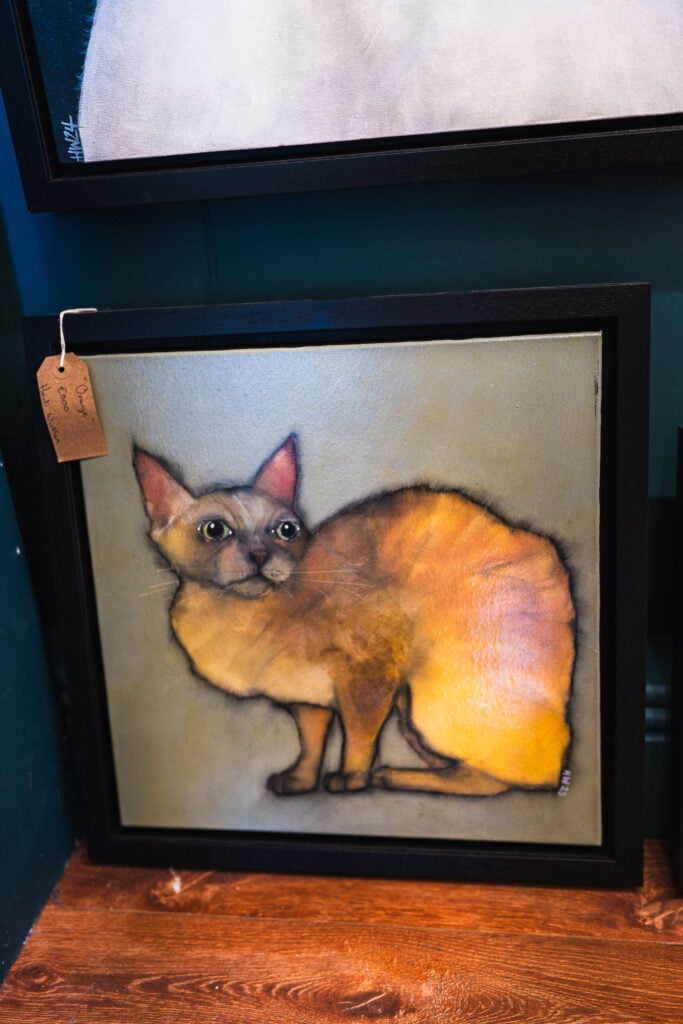
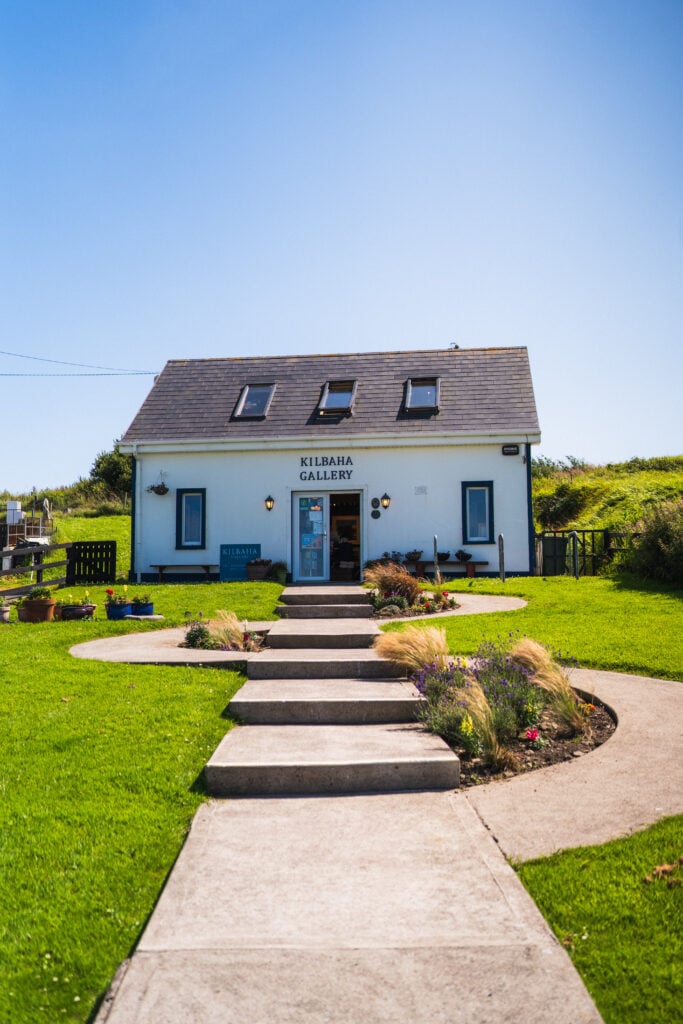
One of my favourite moments of our day driving around the Loop Head Peninsula had to be when we had the pleasure of meeting the owners of Kilbaha Gallery. I spoke with Ailish, who kindly told me about the adventure she and her sister-in-law had opening the gallery (you can see more of this interview in my travel vlog linked below!)
Kilbaha Gallery has been open just over 7 years now, and they represent 55 artists, all of whom you can see in the gallery itself or via their website. As soon as you walk into the gallery space, you’ll be amazed at how full of unique and wonderful artworks it is – no two pieces are the same! It’s well worth taking time to stop here, even if just to admire the abundance of art and meet a friendly face.
Loop Head Lighthouse
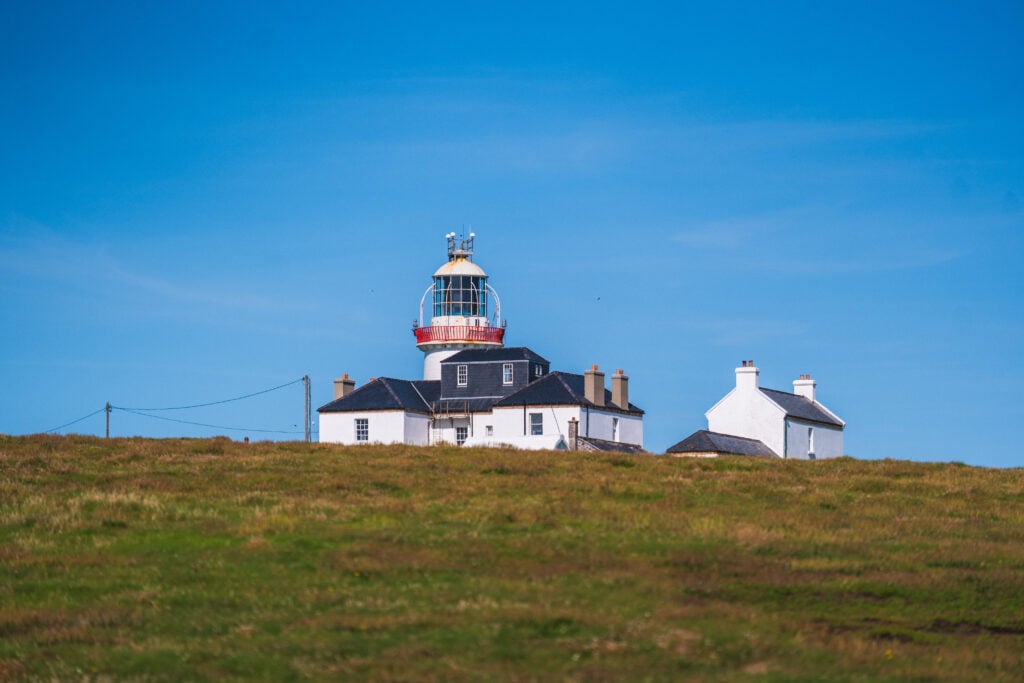
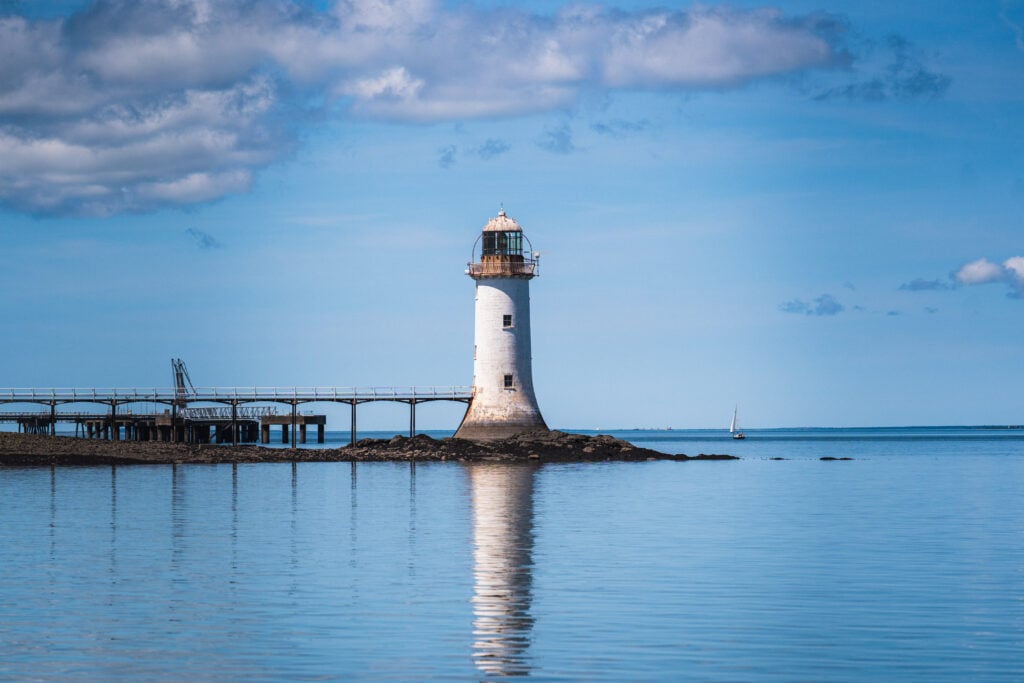
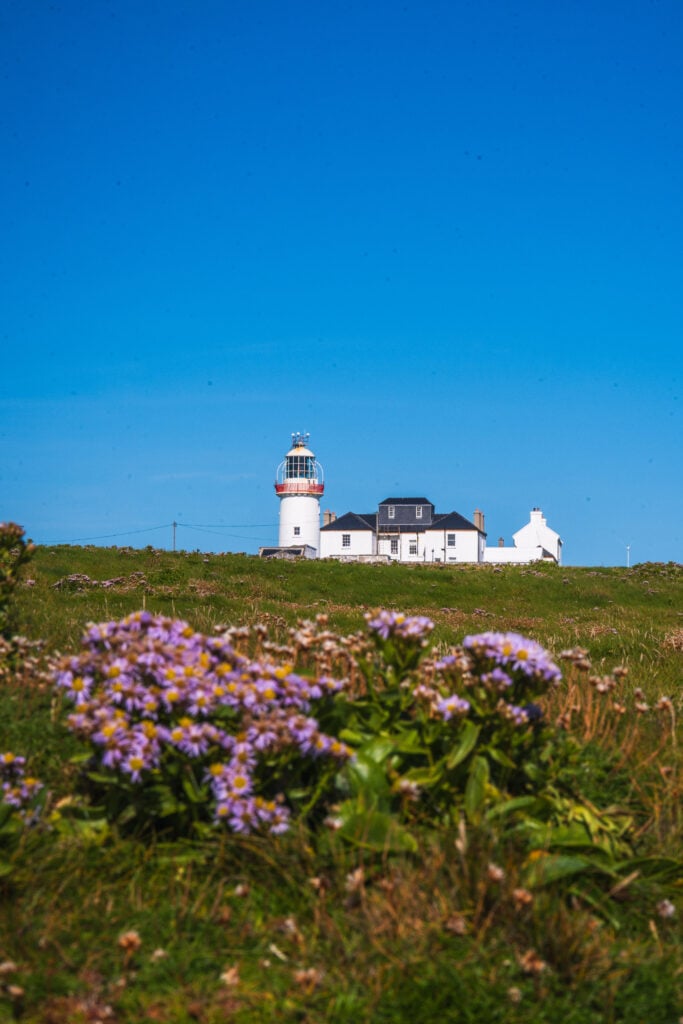
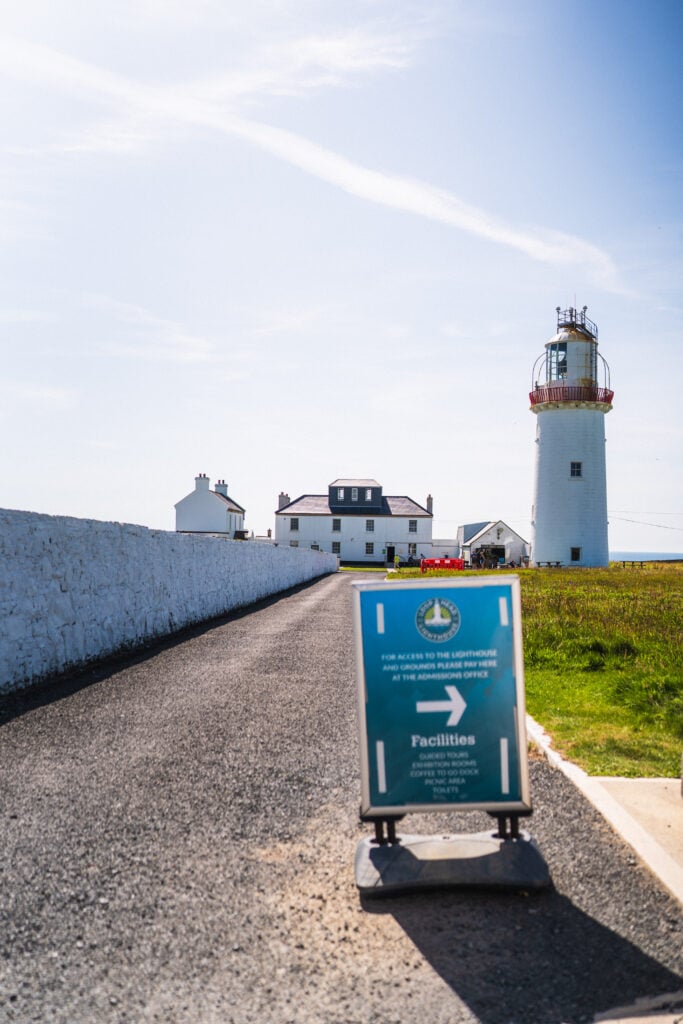
One of the most iconic sights on Loop Head is its lighthouse. Standing proudly above the headland, it has guided ships around this rugged stretch of coastline for more than three centuries. While the tower you see today was built in 1854, records show that a beacon of some kind of light has stood here since 1670…the first of which was the light from the coal fire of the lightkeeper’s cottage.
Today, for a small entry fee, you can visit the lighthouse via a guided tour. Climb the 74 steps to the top, and you’ll be greeted by sweeping views of the Atlantic from its outdoor balcony. You’ll also find a small exhibition detailing the history of the lighthouse site in the Lightkeeper’s Cottage that sits adjacent.
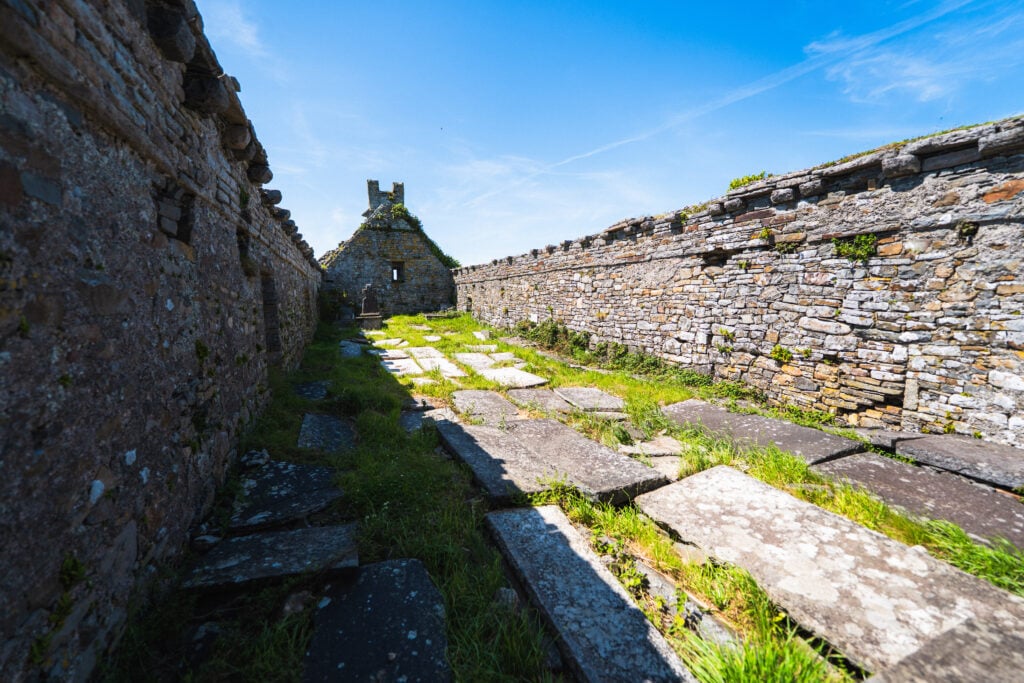
Cill Bhaile Eoghain (St John’s Church Ruin & Graveyard) Killballyowen
This was an unexpected find on our road trip around the peninsula. Several historic burial grounds are dotted throughout Loop Head, and this is one of the most intact church ruins you’ll probably come across. While I couldn’t find that much about it online other than its name, it’s believed to date back to the medieval period and stands on a site that was likely once home to an early Christian or medieval monastic settlement.
It’s free to stop by and wander around. You’ll find the ruins located on the west side of Cross Village on the Loop Head.
The Lover’s Leap
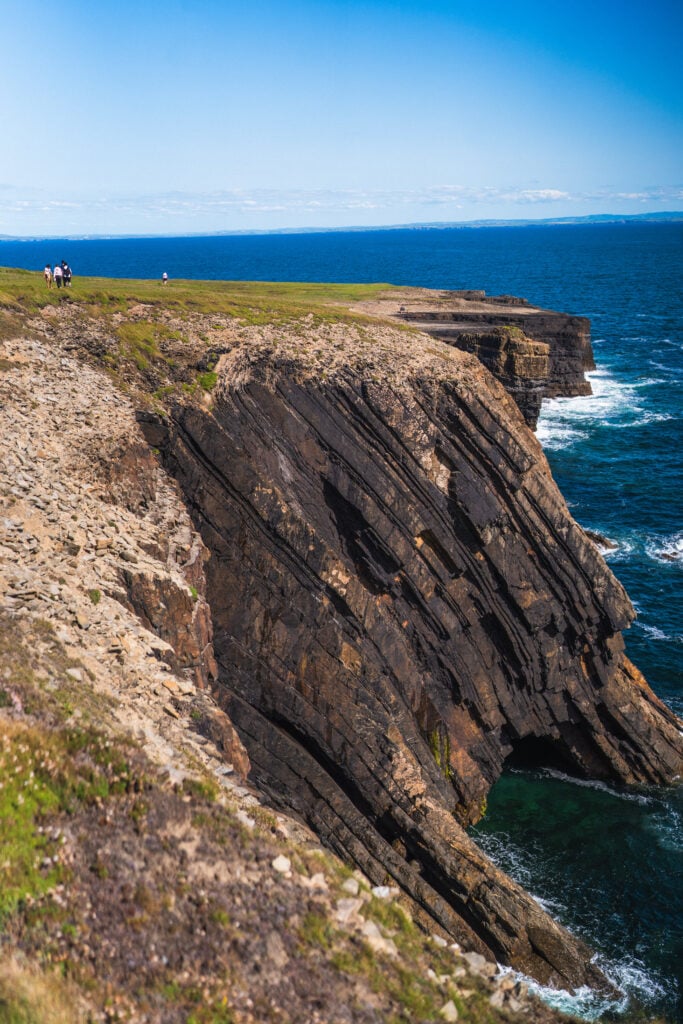
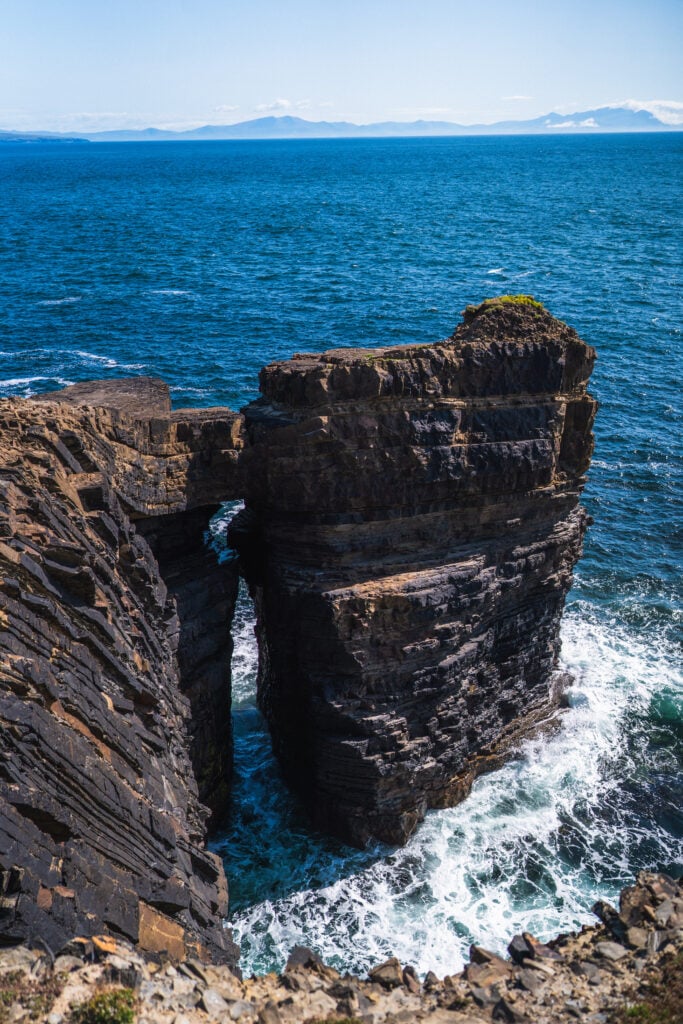
This beautiful stone stack, like many of the geological formations in the area, is shrouded in mythical Irish folklore and tales. Although I should point out that I’ve researched and heard many legends, and at this point the stories are all a little muddled and definitely overlap. But there are two most notably prominent tales of this stone stack:
According to legend, this headland was the setting for a chase between Cú Chulainn, the great warrior of Irish mythology, and Mal, a sea-witch who had fallen hopelessly in love with him.
Even though these advances were unrequited, Mal continued to pursue him across the entirety of Ireland…which is, albeit a little much; however, once they reached the edge of Loop Head, Cú Chulainn used the opportunity to escape, with Mal falling into the crashing waves below. This legend lends to the name Ceann Léime (“Headland of the Leap”).
The Lover’s Leap name actually refers to another legend where Diarmuid and Gráinne (Ireland’s most famous mythical lovers) sought refuge here while fleeing the warrior Fionn mac Cumhaill.
Either way, this remote corner of County Clare seems to have inspired stories of pursuit, and not so much the romantic kind, for centuries!
St. Senan’s Well
Holy wells have been places of pilgrimage for generations. St Senan’s Well is quietly tucked away along the coast near Kilbaha. The well is dedicated to the 6th-century saint associated with Scattery Island, which lies in the Shannon Estuary.
The well itself is said to have a miraculous origin. According to local legends, during a time of drought, an angel guided Saint Senan to a spot where water could be found. Using a divine branch, Senan discovered a spring and then planted the branch in the same spot, growing into a sacred tree beside the well, with its leaves believed to offer protection.
Bridges of Ross
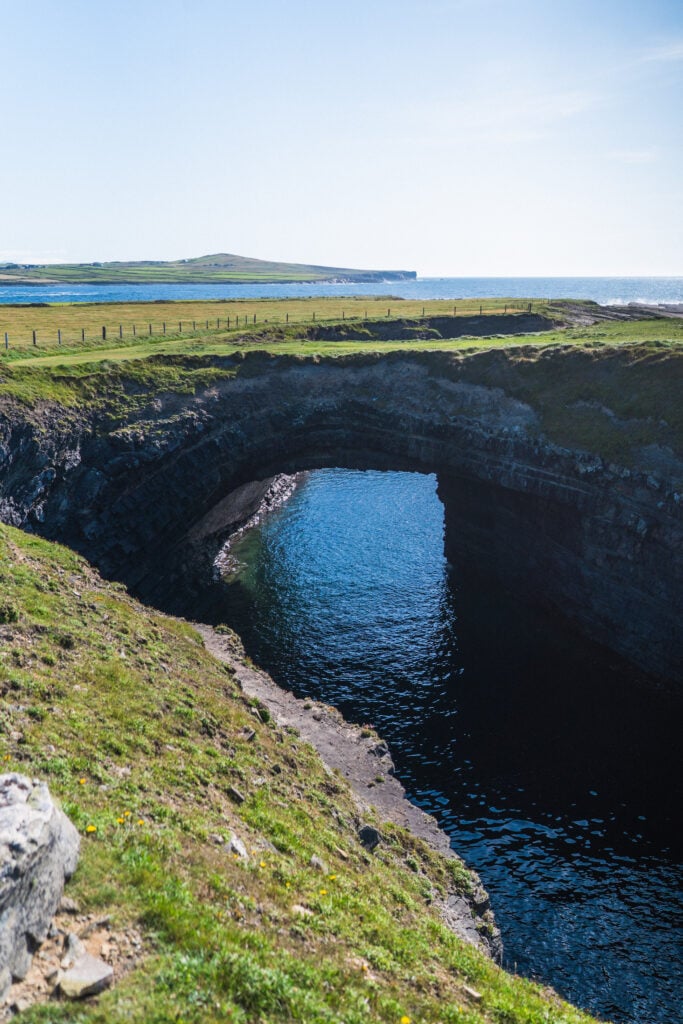
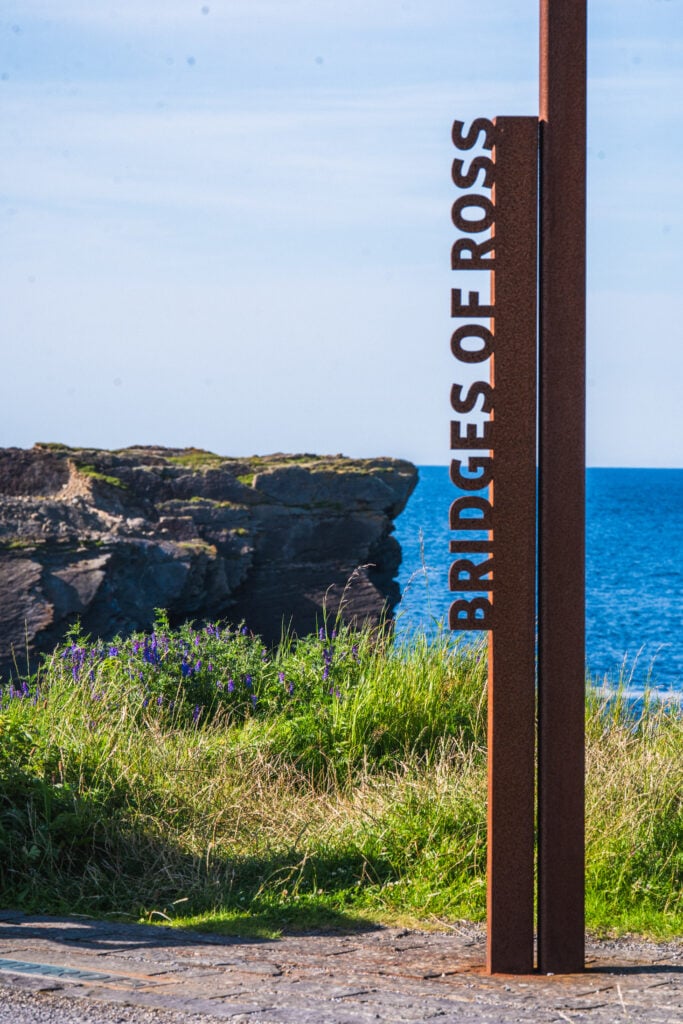
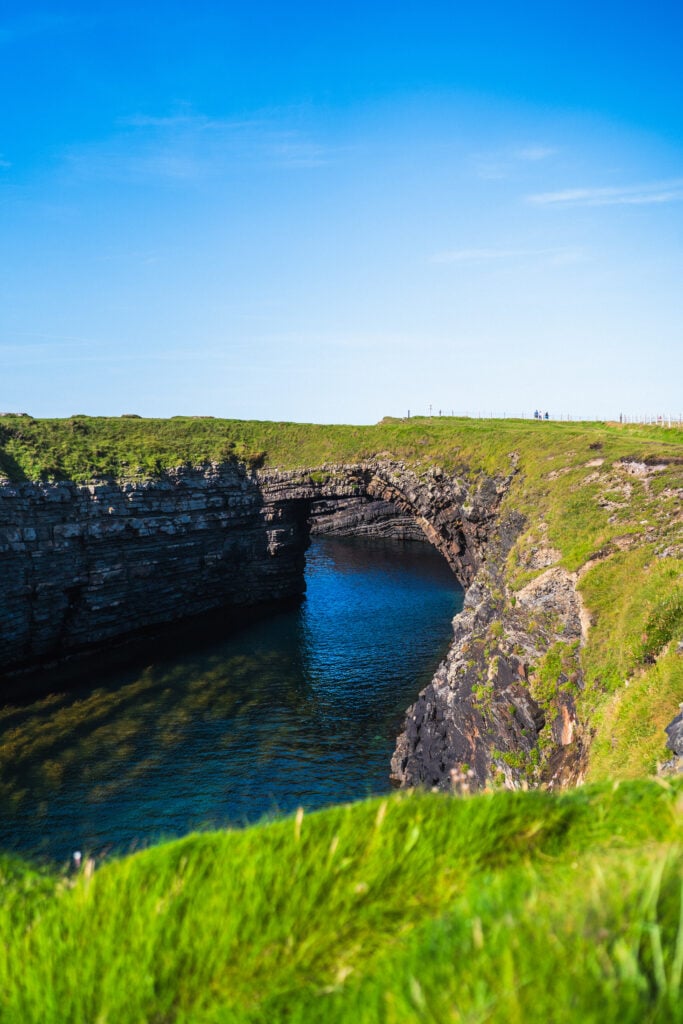
Another stunning geological formation found along Loop Head is the Bridges of Ross, natural sea archways that really show off just how rugged this side of Ireland’s coastline is. While the plural implies there is more than just one bridge, over time the sea has shaped and eroded the coastline, meaning only one of the previous three Bridges of Ross survives.
You can walk across the natural stone archway, and it’s certainly one of the more unique experiences in Loop Head. However, be sure to exercise caution, stay away from the edges, and I’d strongly recommend avoiding it altogether if the winds are high.
Where to stay on Loop Head Peninsula
As we were on a road trip with quite a lot packed into our itinerary, we actually did the Loop Head Peninsula within the day, and instead drove towards the Cliffs of Moher and stayed near there.
To be honest, Loop Head Peninsula is pretty rural, and so when it comes to accomodation options, you’ll find it’s quite limited. Most of the rooms are in guest houses/set living areas as opposed to hotels. Here are a few suggestions of where to stay (based on web-reviews):
Cois na Mara Bridges of Ross V15 T677 – Located close to the Bridges of Ross, this cosy but casual bed & breakfast has simple rooms, each with a private bathroom and sea views. They serve the option of a full English or Irish breakfast, and guests have commented on the convenience of the location. Check prices and availability here.
Loop Head Lighthouse Attendant’s Cottage – This is, as its name suggests, the guesthouse that sits beside Loop Head Lighthouse. If you’re travelling with a group or have a high budget, you could opt to book this three-bedroom house (which sleeps 6) for the ultimate luxury stay. Check prices and availability here.
There’s also the option to camp in one of the many campsites dotted around (almost all of the land is private property, so there’s not much wild camping). Both Pure Space and Green Acres Caravan & Camping Park are noted for being excellent places to pitch up!
Watch our travel vlog
Enjoyed reading our guide to the Loop Head Peninsula? Pin this article now, and read it again later: