One Perfect Day in Cork: The Best Things to Do, See & Eat
Last Updated on 5th August 2026 by Sophie Nadeau
This post may contain affiliate links. Please check out my privacy policy and disclosure for more information.
Cork is Ireland’s second-largest city and, depending on who you ask, it is widely regarded as Ireland’s real capital. The city sits on the River Lee and boasts 29 bridges, which means it has more than Dublin.
In any case, it’s the culinary capital of the Emerald Isle, home to award-winning restaurants and local markets filled with artisan food producers. ‘The Rebel City,’ as it’s nicknamed, is also brimming with quaint pubs steeped in history, each pouring the best pint of Murphy’s known to man. So, however you choose to spend your time in Cork, one thing’s certain, you’ll leave full.
Is 1 day in Cork enough?
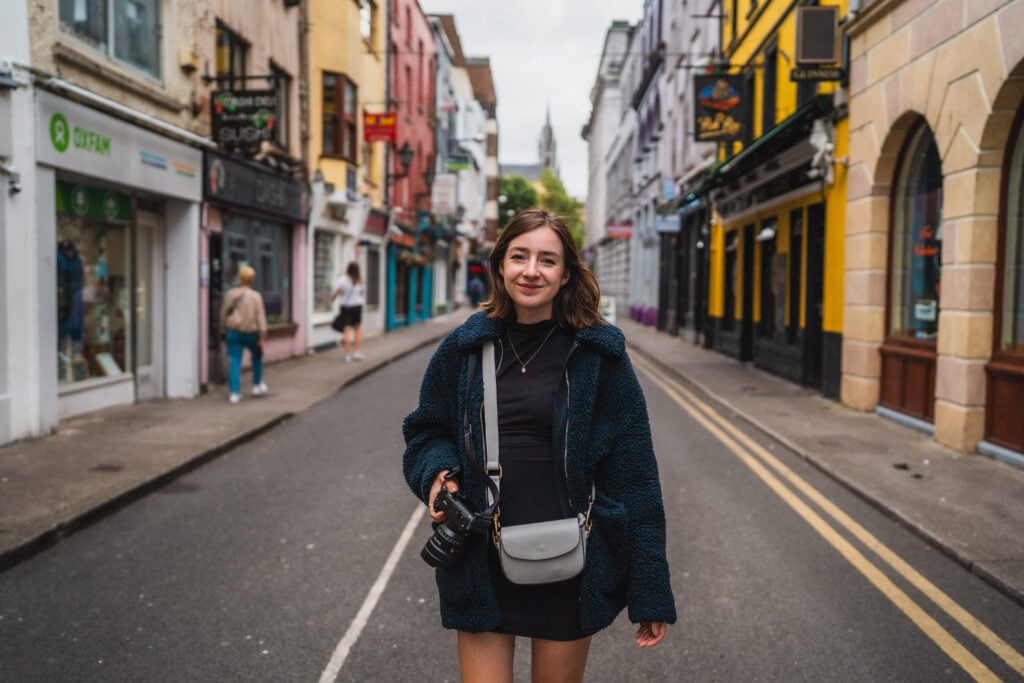
Although it’s Ireland’s second-largest city, I would say that one day in Cork is enough to get a real feel for it and experience the Irish charm and warmth of the place. The city centre isn’t huge, so you can easily explore it on foot over a few hours.
Plus, many of the city’s main sights and attractions are in walking distance of one another, and much of Cork is best discovered through its vibrant food and drink scene.
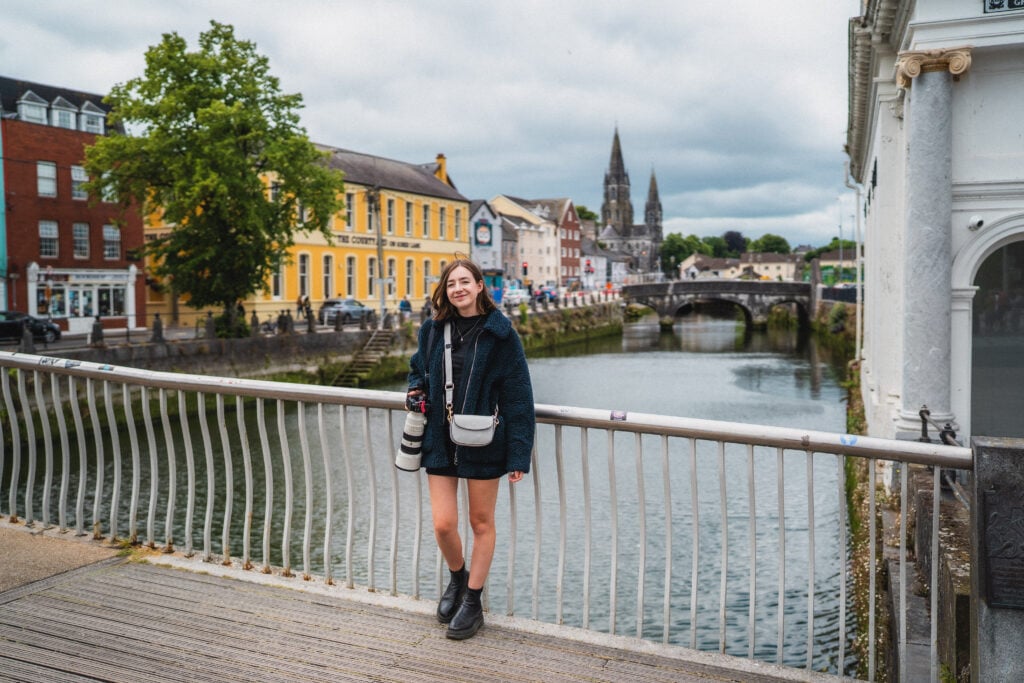
How to spend one day in Cork
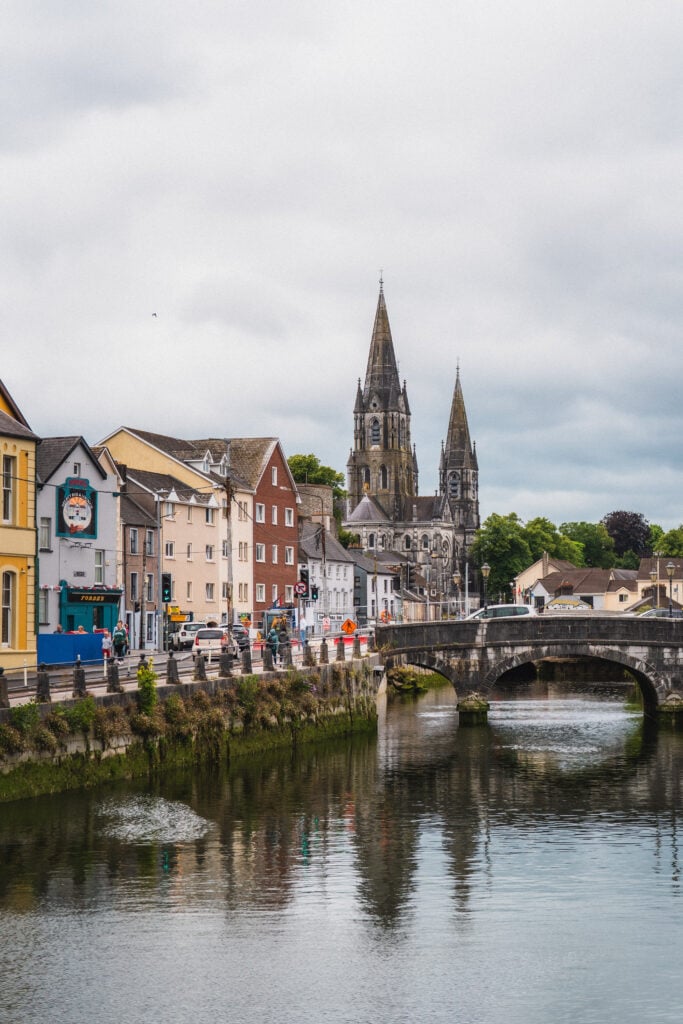
Cork Cathedral
Start your venture through Cork at one of its most iconic landmarks, St Finnbar’s Cathedral. It was consecrated in 1870 and is built in the Gothic Revival style, though there’s been a place of worship on the site since the 7th century. It’s dedicated to St. Finnbar of Cork, the patron saint of the city.
It costs €8 to enter the cathedral, which might feel a little steep, but there are several treasures to uncover inside. One of my personal favourites is a 24 pound shot which is displayed near the altar; this was actually fired in 1690 during the siege of Cork from the nearby Elizabeth Fort. It was rediscovered in 1864 when the old cathedral was demolished to make way for the new one that stands today.
Once inside the cathedral, you’ll also be greeted by over 400 carvings and stunning stained glass windows. Rather notably, not only were most of the windows designed by acclaimed Victorian architect William Burgess, but he also designed the cathedral itself!
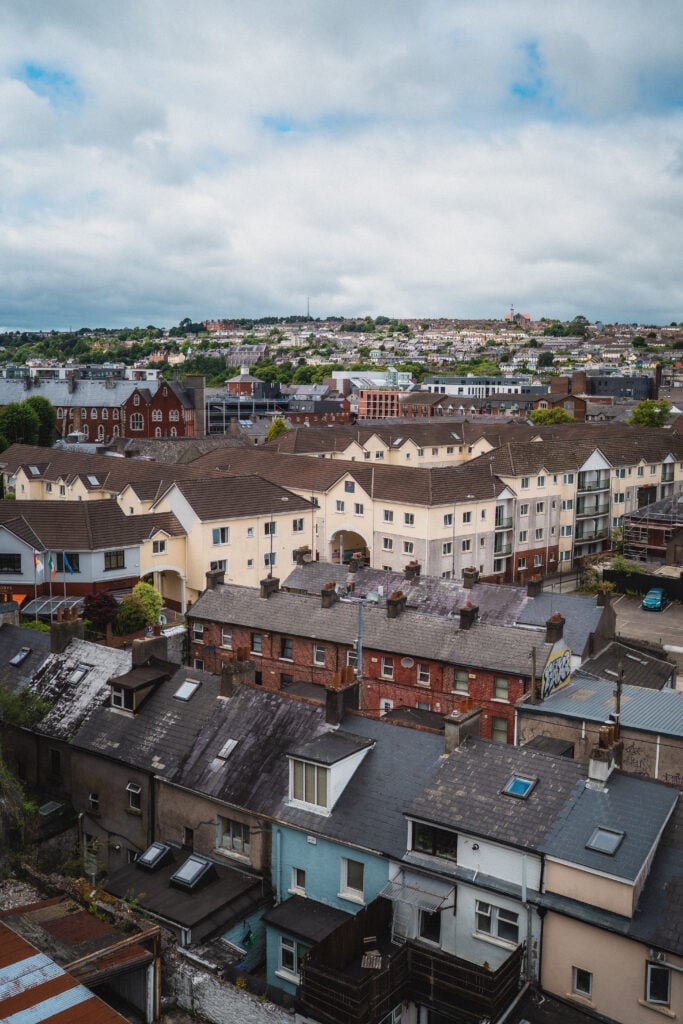
Elizabeth Fort
Next you’ll want to head to Elizabeth Fort, which is the best preserved urban artillery fortification in Ireland and dates all the way back to 1626. It’s actually free to visit unless you opt for the audio guide. Your visit here will likely only take around 15 minutes or so, but it is well worth it for the views of Cork alone.
The original fort was built in 1601 from just earth and timber, positioned south, outside of the medieval walls of Cork. However, it was demolished by the citizens of Cork in 1603 as a protest against the ascension of James the first as king of England.
Cork was retaken by Lord Mountjoy, and the citizens of Cork were forced by the authorities to rebuild the fort at their own expense. The basic structure of the fort seen today was largely strengthened and fortified further between 1624 to 1626.
Since its construction, the fort has operated as a defensive structure, a prison, a base by the “Black and Tans”, an air raid shelter, and even served as a police station until 2013.
The view from the top of Elizabeth Fort is often considered the best in the city. Here you can enjoy sweeping views of the city skyline, the winding River Lee, and better understand the necessity of the fort’s position and the role it has played over the centuries.
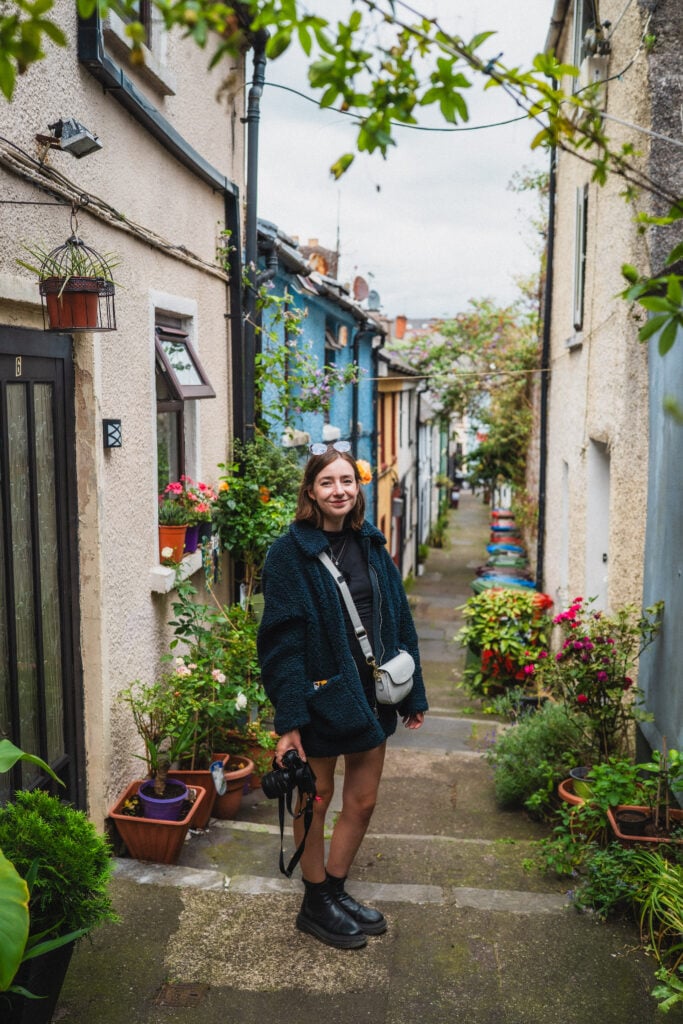
Greenfield Lane
On your way to the next stop, I recommend taking yourself through probably the most picturesque street in Cork. While this isn’t a must-see landmark as such, but rather a little pedestrian alleyway filled with beautiful plants, it’s well worth walking through to feel that quaint Irish town vibe!
Paper Boys (lunch)
One of the most famous places to get food in Cork is the English Market, but unfortunately, it’s closed on a Sunday, so instead we headed to a delightful cafe by the name of Paper Boys. They serve up lots of brunch-style plates and speciality coffees.
Vibes & Scribes
If you’re a book lover, then you have to visit Vibes and Scribes, which sits right by the River Lee. The history of the bookshop dates all the way back to the 1990s and as such it holds the title as Cork’s oldest independent, family-run bookshop. The shop is home to a huge selection of secondhand books, and it has a sister branch where you can uncover your next crafty project at Vibes & Scribes Craft Shop.
Shandon
Shandon is Cork’s historic city centre, and there are a few attractions of note here, including St Anne’s Church, where you can ring the famous bells yourself, the Butter Museum, and the street art of the Ardú. You’ll likely already have strolled through this area as it is the part of Cork that encompasses The English Market and St. Fin Barre’s Cathedral, too.
Shandon Bells
Stop at St Anne’s Church to ring the bells! This was one place a number of the locals told us we had to visit. The church itself opened in 1722, and its tower is of interest because of its four clock faces, each showing a slightly different time. As such, this misleading timepiece has earned the nickname the “four-faced liar.”
There are a few sheets displaying tunes which you can play from, but the bells are all slightly out of order or tune, making it difficult but all the more charming to play.
Franciscan Well Brewery
End your day in typical Irish style by visiting a brewhouse and sampling some local beer. The history of the site itself dates back to a 13th-century when it was a Franciscan Monastery, and some remains of the old stone walls can be spotted around the beer garden.
Here, you can stop for a delicious pizza, try some of the locally crafted brews and you can even book onto a tour to learn a little more about the fascinating history!
After speaking to a very informtaive member of staff, we learned that, having just visited the Shanden Bell Tower, it’s interesting to note that the tower itself was rebuilt using stone from the ruins of the monastery walls. Much of the original monastery was knocked down during the penal times.
Just around the corner from the pizza kitchen sits an old well. The monks once used water from this well to make their own beer and bread. Locals believed the water had curative properties, and people would come here to pray and drink from it in hopes of healing. However, unfortunately, over the past five to ten years, the well has dried up due to construction on the north side of the city.
There was also once a cave behind where the pizza kitchen now stands. The monks used it as natural storage for their beer since the temperature inside was ideal for conditioning cask ales. Even more intriguing, that cave contained a secret tunnel that led to a church on the north side of the city, allowing people to attend mass in secret during more difficult times.
Fast forward to 1998, and that’s when the site was purchased for the construction of the microbrewery. It’s been home to the same brewery ever since. In the early years, things were slow as there wasn’t much of a craft beer scene in Ireland at the time. For the first few years, whatever beer was brewed here was served directly from the vats behind the bar.
Eventually, Moors purchased both the Franciscan Well brand name and the microbrewery itself, going on to open a much larger brewery down by the marina. If you’ve been by that way, you’ve likely seen it, that’s where all Franciscan Well beers are brewed today.
Food and drink to try in Cork
There are a few things you should aim to try when visiting the culinary capital of the Emerald Isle. If there between Monday to Saturday, I highly recommend visiting the beloved English Market for a sneak peek at the beautiful 18th century covered market filled with local produce and some of the best restaurants in the city.
Gubbeen Cheese – This semi-soft cow’s milk cheese has been in the hands of the Ferguson family for generations. It is crafted on a 250-acre coastal farm in West Cork, and you can find it sold in several locations throughout the city.
Irish breakfast – Similar to that of a classic full English breakfast, except with Irish components. However, the Irish breakfast usually consists of soda bread for toast, and perhaps some cooked leftover potatoes made into a hash or a bubble and squeak.
Murphy’s stout – Murphy’s Brewery is Ireland’s second-largest brewer, second only to Guinness. The stout originated in Cork, and so you’ll find most pubs in the city serve it as standard. It’s considered more mellow than Guinness, and has more sweet and maltier tasting notes.
Woodcock Smokery – Visit the world-renowned wild fish smoker, Sally Barnes, at Woodcock Smokery. Whether it’s sampling local hand-smoked fish, or taking part in one of the many courses that teach the art of curing and smoking wild fish, this is a hidden gem of Cork.
Barry’s Tea – While this may not be as readily available to purchase in a cafe, if you get a chance (and love tea), then I recommend purchasing a box of Barry’s Tea. This is a staple for many Irish homes, and you can even visit the family-owned Irish tea company that was founded in Cork in 1901 by James J. Barry. Add a dash of milk and you have the perfect hug in a mug, the ultimate comfort drink!
Where to stay in Cork
When searching for accommodation in Cork, I recommend looking to stay in the Victorian Quarter, as this is close to lots of restaurants and bars, filled with stunning architecture, and ideal walking distance of the city centre. It’s worth noting that the average cost of a night in Cork can vary dramatically with July being the most expensive month to visit.
Here are some suggestions of where to stay (based on web reviews):
Hotel Isaacs Cork – This traditional hotel is set in a classic redbrick building dating from the late 19th century, and is situated just an 11-minute walk from the English Market. The restaurant has a heated courtyard with a garden featuring a waterfall, and you can get a full Irish breakfast as an added surcharge. Check prices and availability here.
Moxy Cork – Situated in Shandon, this modern boutique-style hotel sits just beside the River Lee. Its central location means it’s within 10-minute walk from both the English Market and the Bells of Shandon. The hotel itself has a lovely bar area and they serve guests a complimentary cocktail on arrival. Check prices and availability here.