Civita di Bagnoregio: Italy’s Most Beautiful Village
Last Updated on 2nd October 2026 by Charlotte Nadeau
This post may contain affiliate links. Please check out my privacy policy and disclosure for more information.
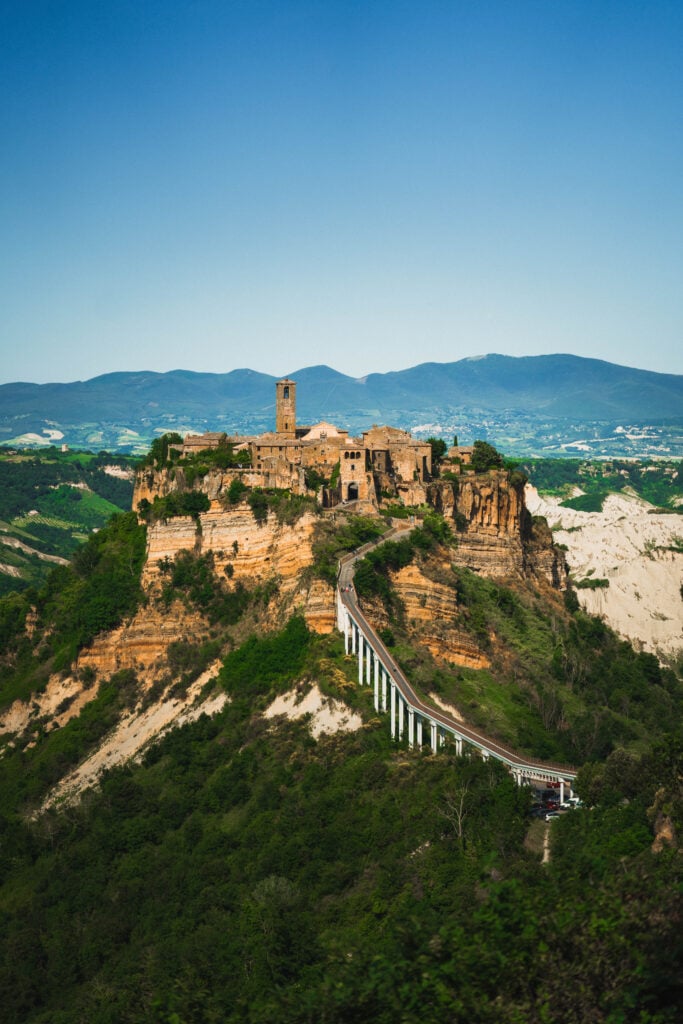
Perched impossibly high on a rocky volcanic outcrop that’s quite literally crumbling into the abyss below, Civita di Bagnoregio is one of the most beautiful villages in Italy. Possible to spy it from the Belvedere viewing terrace in the nearby town of Bagnoregio, this isolated hilltop hamlet is home to just twelve or so permanent residents. Here’s your ultimate guide on how to soak up Italy’s prettiest hilltop village, and the top things to do!
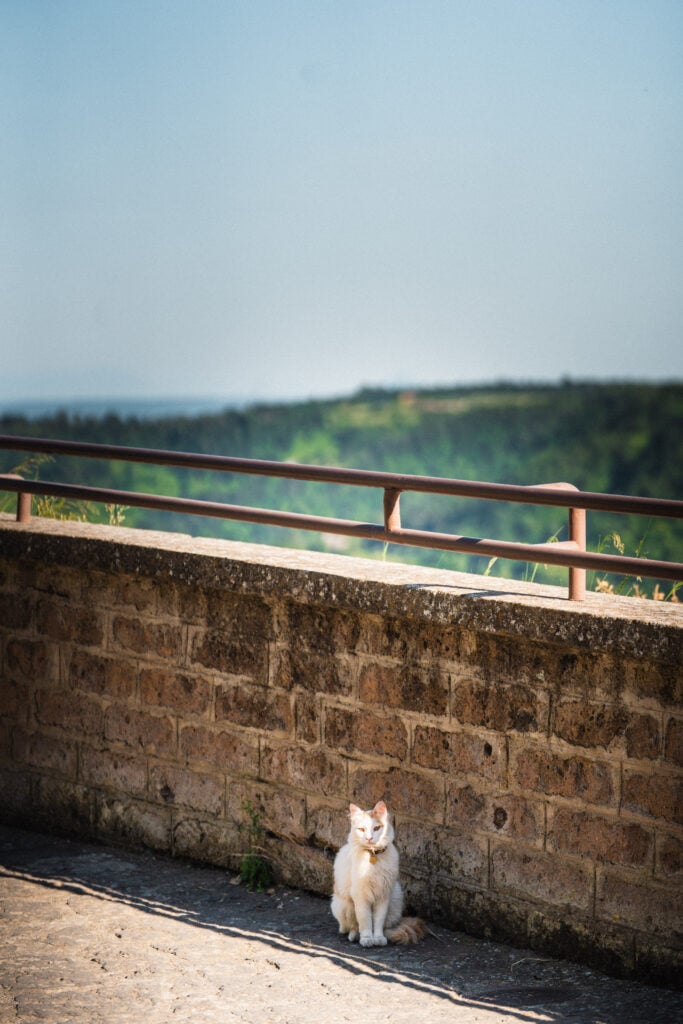
Where is Civita di Bagnoregio?
Civita di Bagnoregio takes living on the edge to a literal level. This little Italian village is perched precariously somewhere in central Italy between Rome and Florence, and amongst a sea of lush green valleys, olive groves and downy oaks. To be exact, the village is located in the northern Lazio region within the Province of Viterbo.
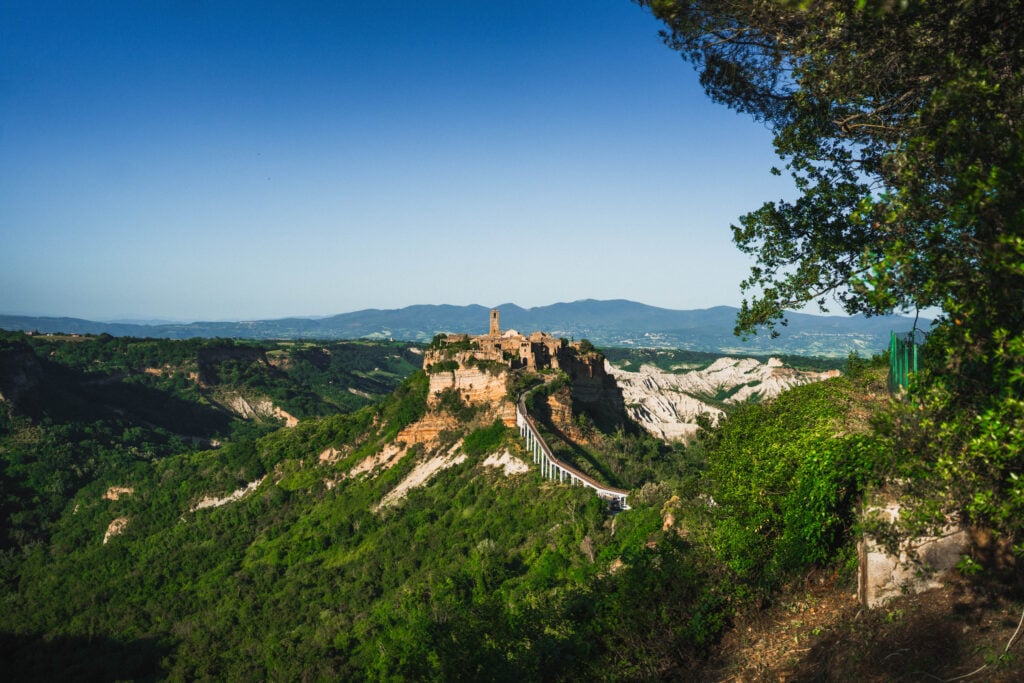
How to get there
Civita di Bagnoregio is actually one of the best day trips from Rome. It’s possible to get there by taking the train from Rome to Orvieto and then a local bus that goes to Bagnoregio. However, the most convenient way to get to Civita di Bagnoregio is from Viterbo.
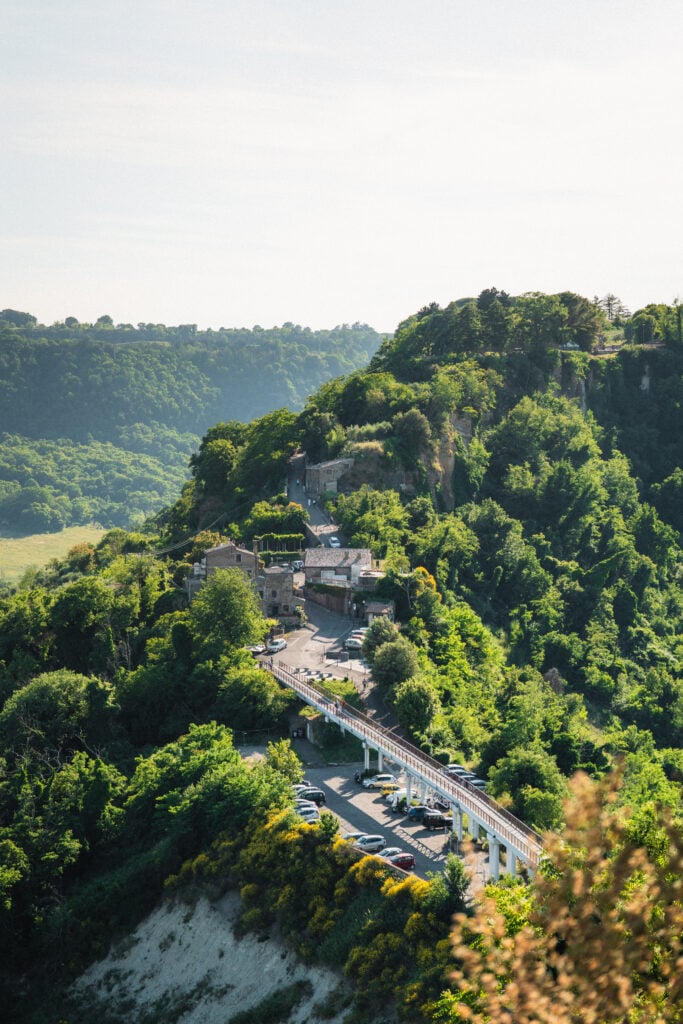
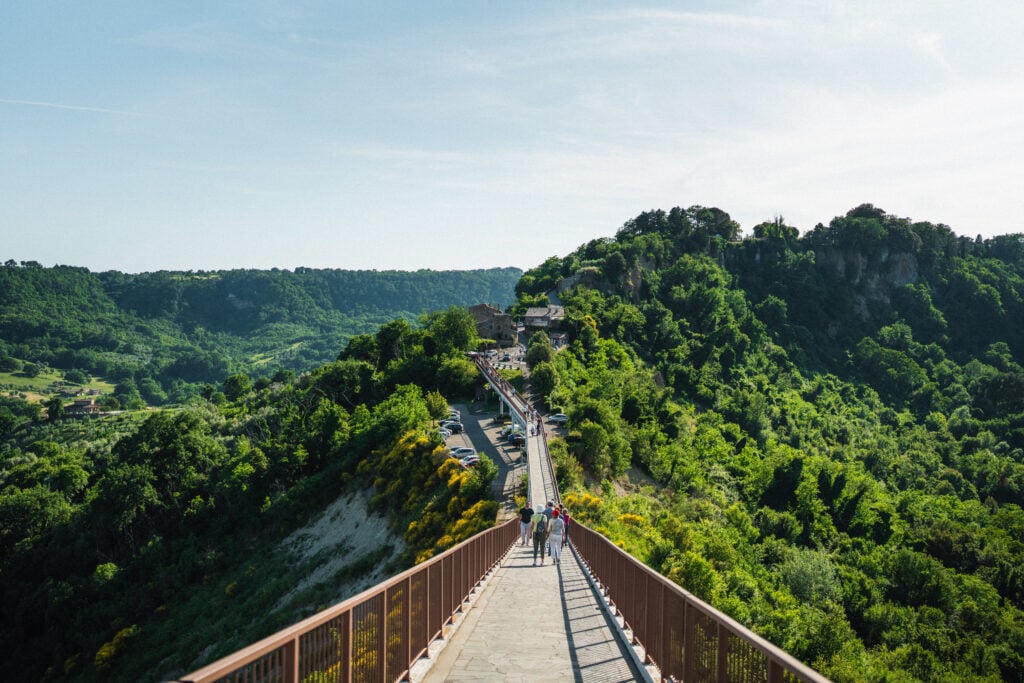
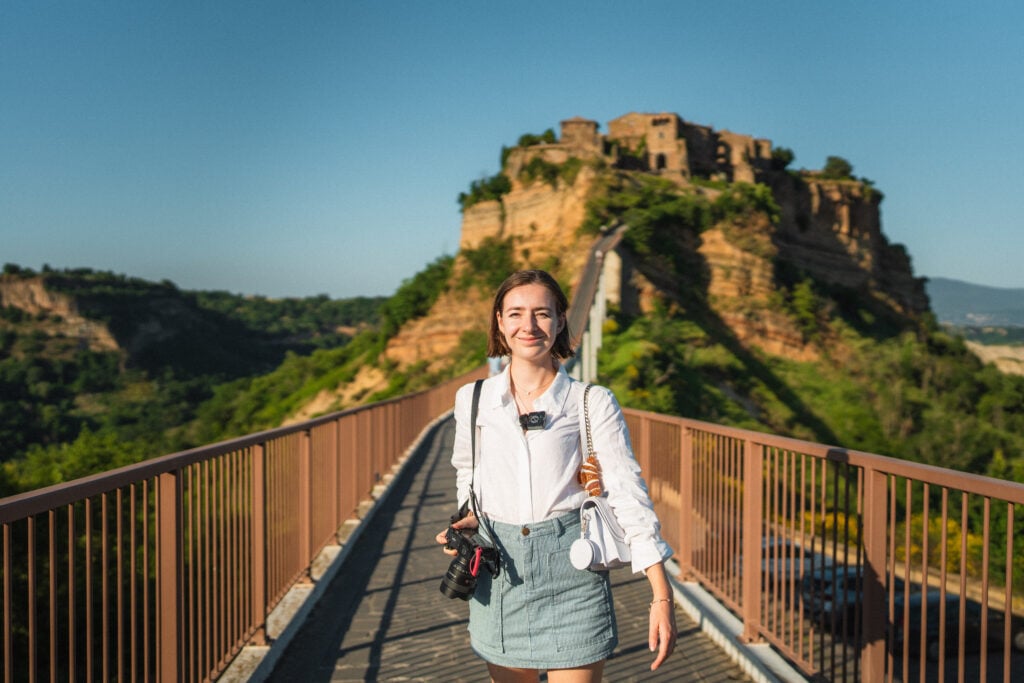
Civita di Bagnoregio itself is connected to the mainland by a 300-metre pedestrian bridge spanning the beautiful Valle dei Calanchi. And so, the only way to reach the village is on foot, by crossing the bridge. There is actually a €5 per person entry fee to visit; this goes towards restoration works of the town, as well as cliff and landslide maintenance (think of it as a tourist tax).
A brief history of Civita di Bagnoregio
This ancient hilltop village in the heart of Lazio can be traced back to antiquity. The Etruscan town was founded over 2,500 years ago, around 500 BC, when settlers chose the high tufa cliff for defence and trade routes linking the Tiber Valley to Lake Bolsena.
Civita was also the birthplace of Saint Bonaventure, the 13th-century Franciscan theologian, who was born here in 1221. The town later came under the control of the Monaldeschi family of Orvieto, before regaining some independence.
The hilltop town also has a rather curious nickname… hailed as “the dying city”, it may be hard to picture now, but Civita was not always as dramatically isolated as it is now. In fact, the settlement is slowly disappearing due to erosion and environmental factors, which may explain why few people have chosen to live in the perched hamlet. Eventually, Civita di Bagnoregio will inevitably disappear into the underlying Valle dei Calanchi…
Things to see and do in Civita di Bagnoregio
Civita is a hamlet, and therefore fairly small. In total, I would allow around 2 to 3 hours to explore the settlement in its entirety (this includes walking across the bridge).
Etruscan Gate
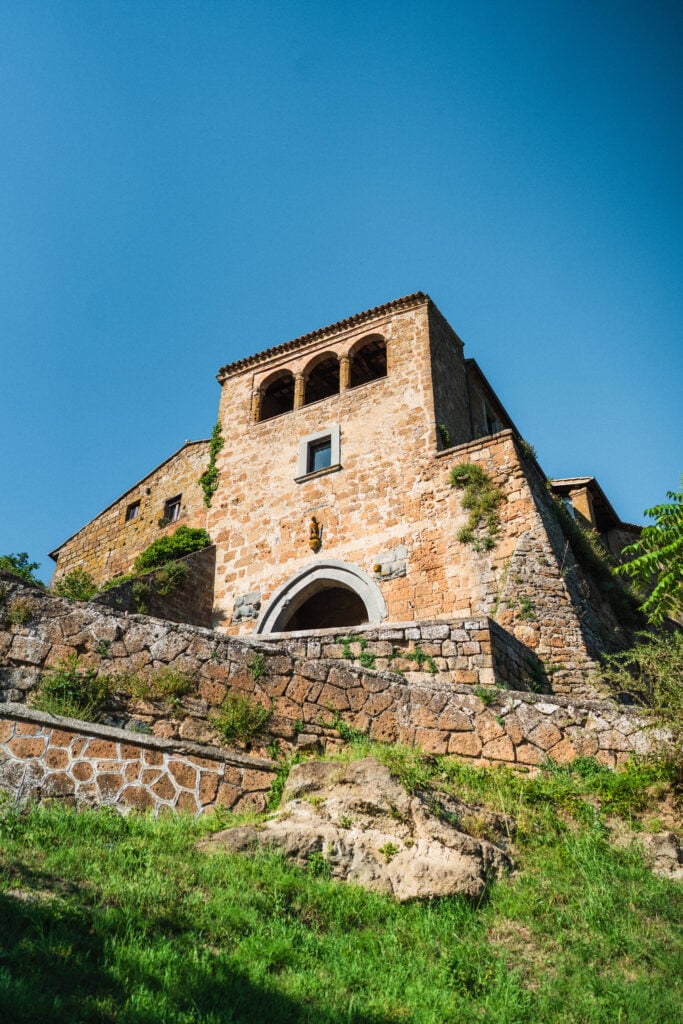
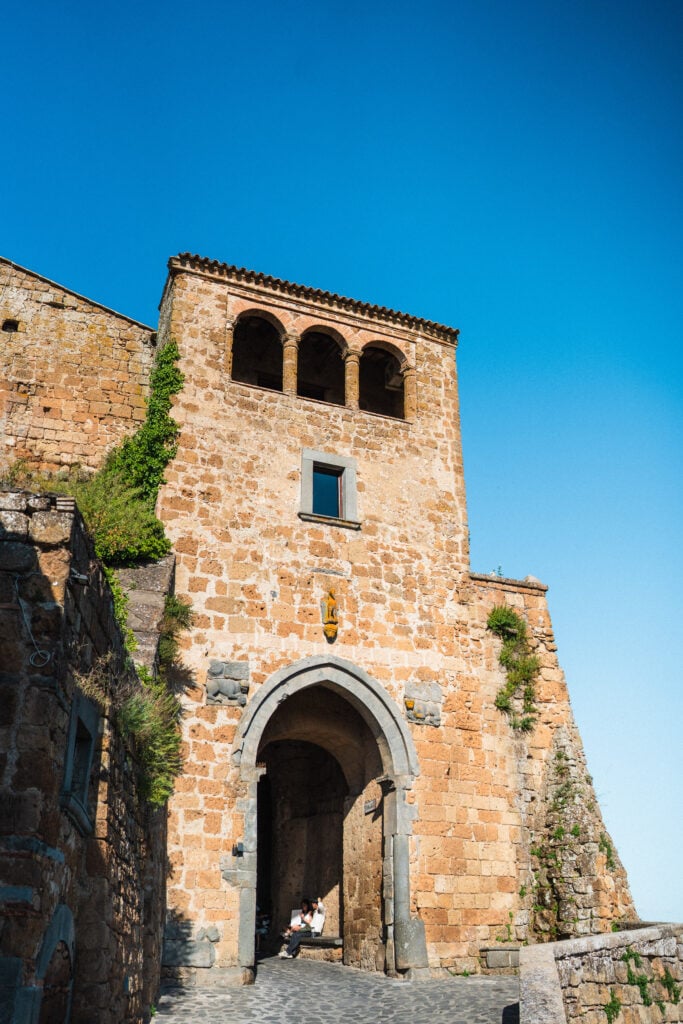
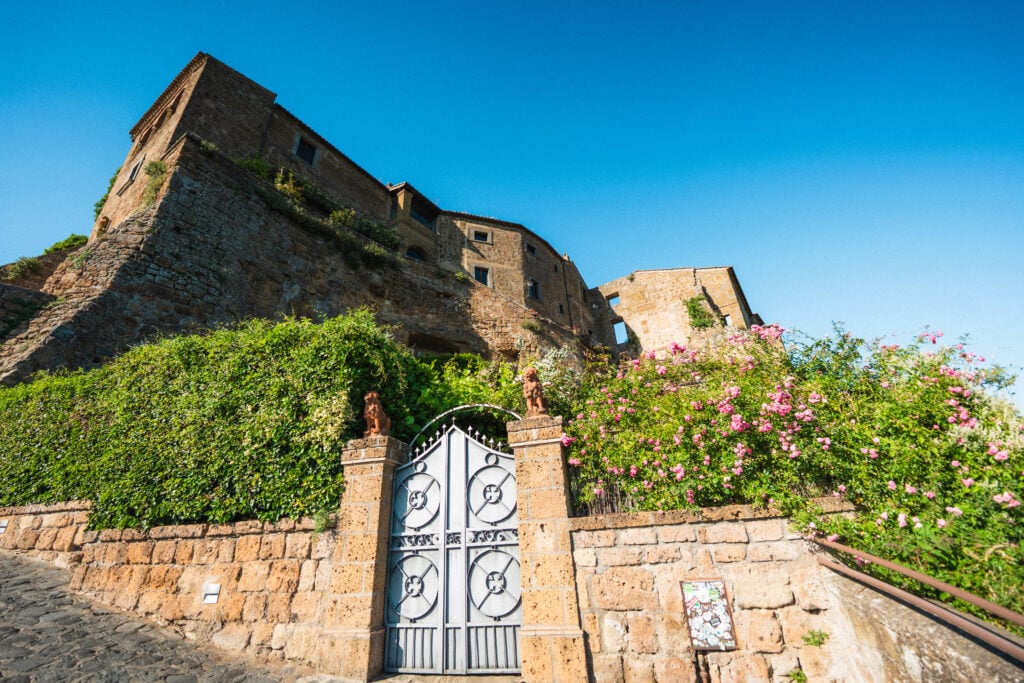
Once you’ve crossed the bridge over to Civita, the first thing you’ll see and enter through is Porta Santa Maria (also called Porta Cava). This serves as the sole pedestrian gateway to the clifftop village, and it has done so for over 2,500 years. During the Middle Ages, around the 12th century, the Romanesque arch seen today was added. Since then, very little has changed – so as soon as you step through, you feel transported to a bygone era.
Piazzas to explore
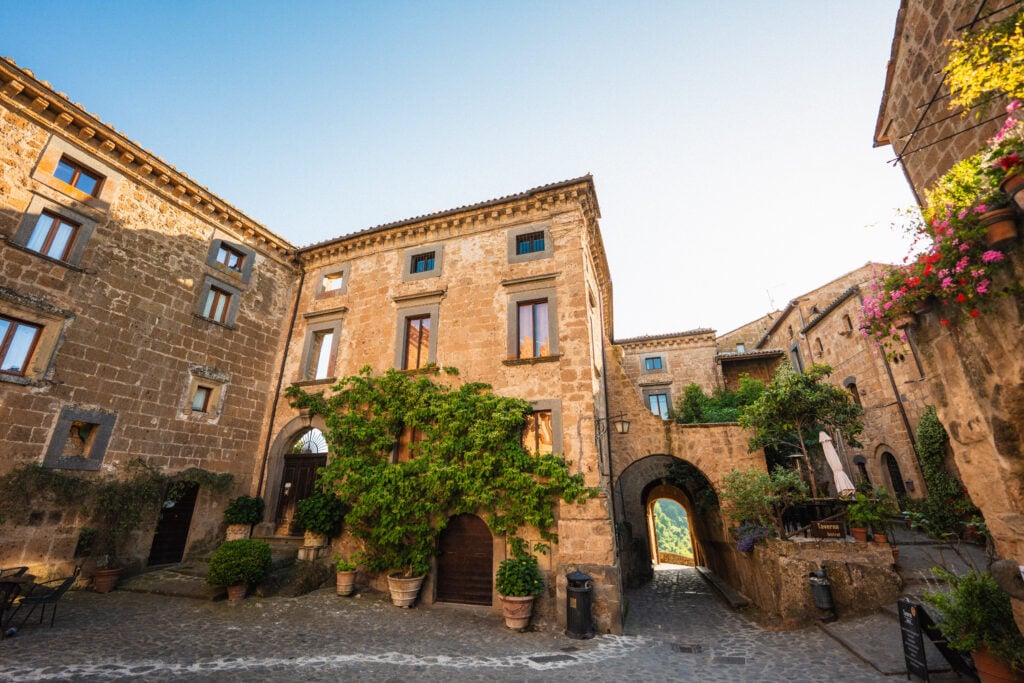
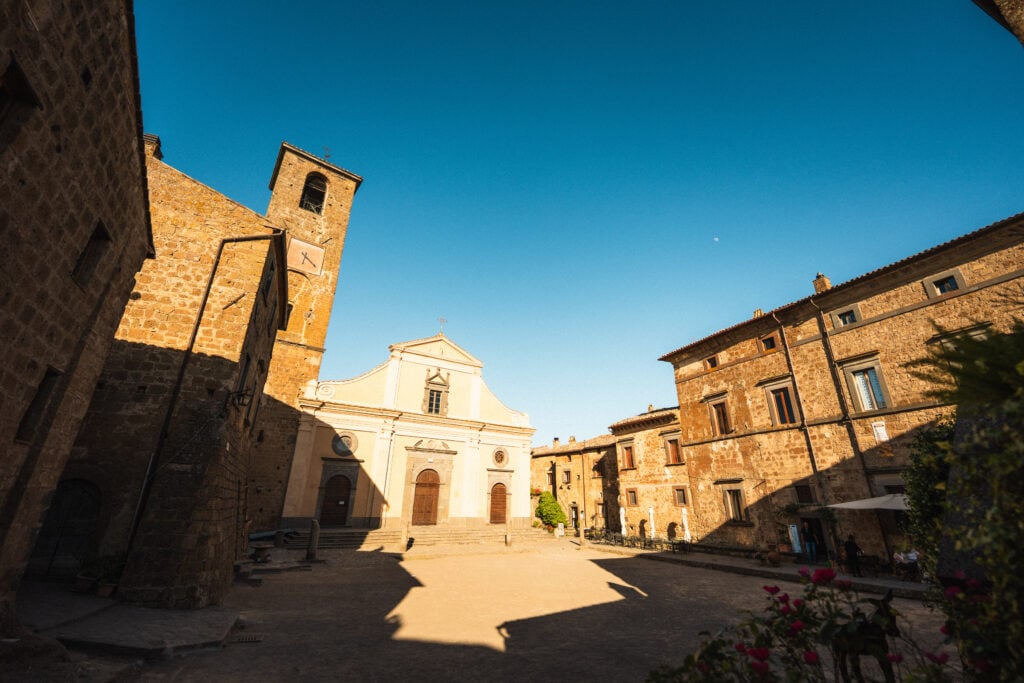
There are two main piazzas in Civita: Piazza San Donato and Piazza del Vescovado. To be honest, the town centre is mainly around Piazza San Donato; this is where you’ll find the church, and it’s the biggest and largest open space found here. Framing the piazza are old stone buildings and Renaissance structures like the Colesanti and Alemanni houses.
You’ll also find small gaps between the buildings that look out over the Valle dei Calanchi, this makes for stunning views (and photographs!)
Wander around the town
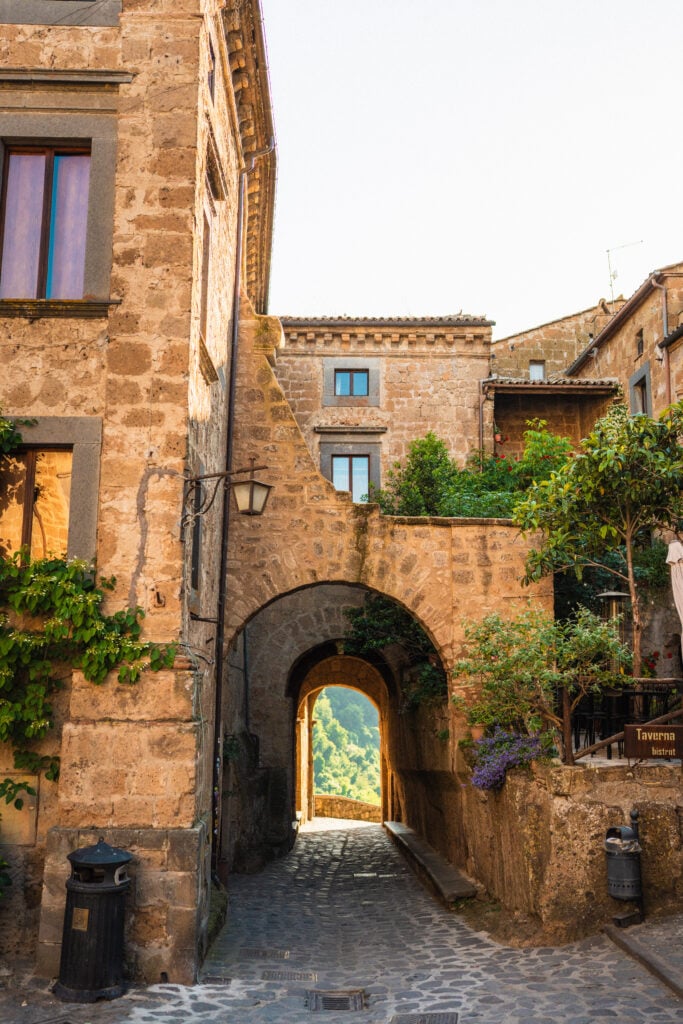
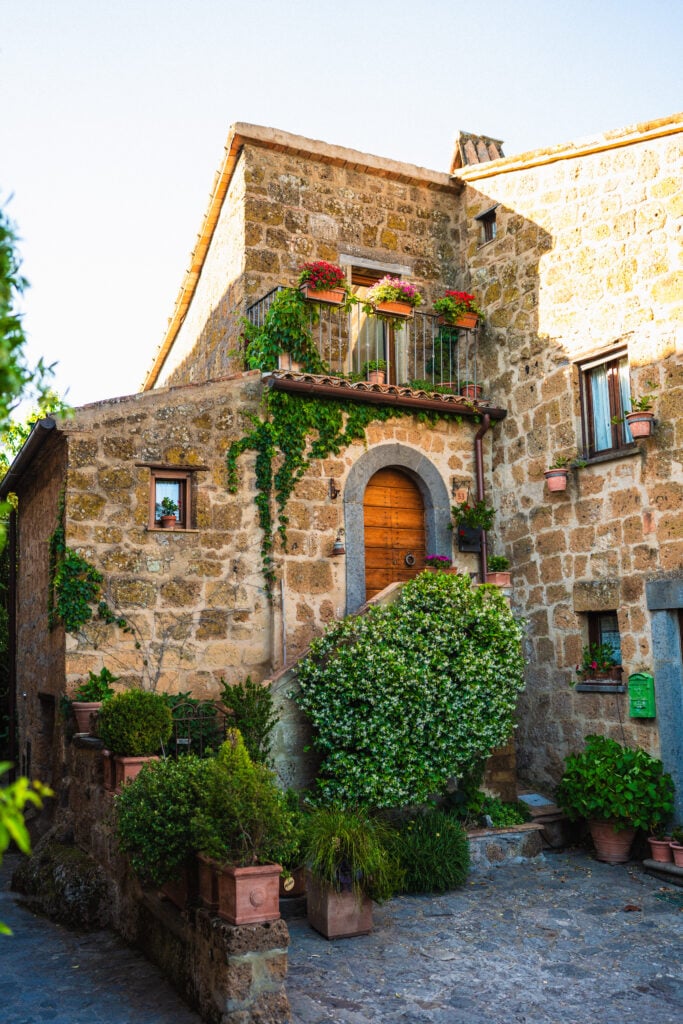
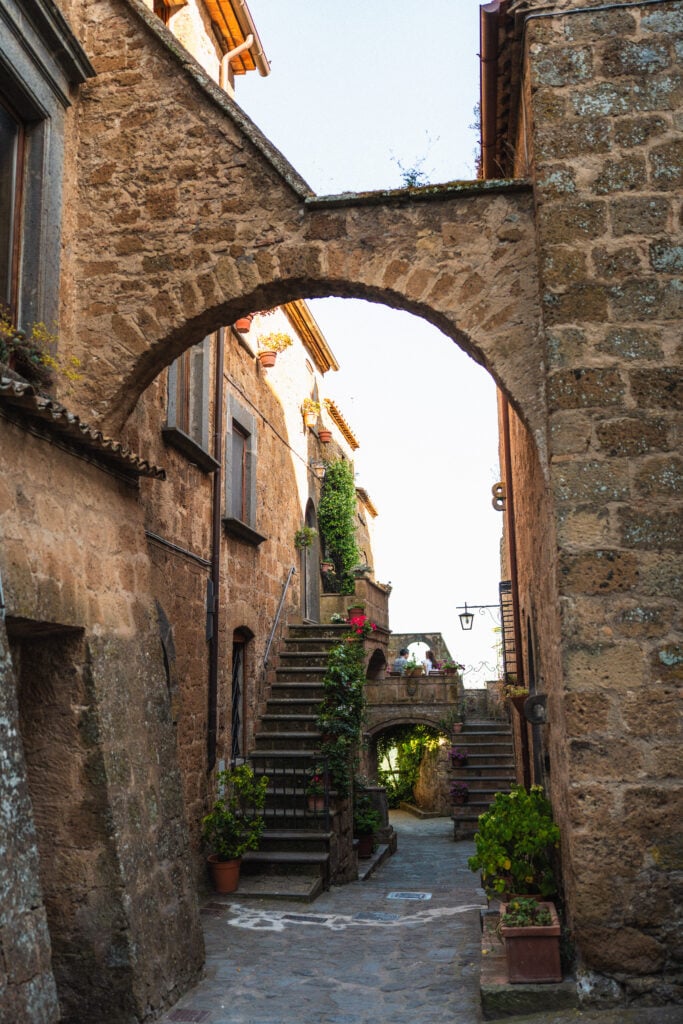
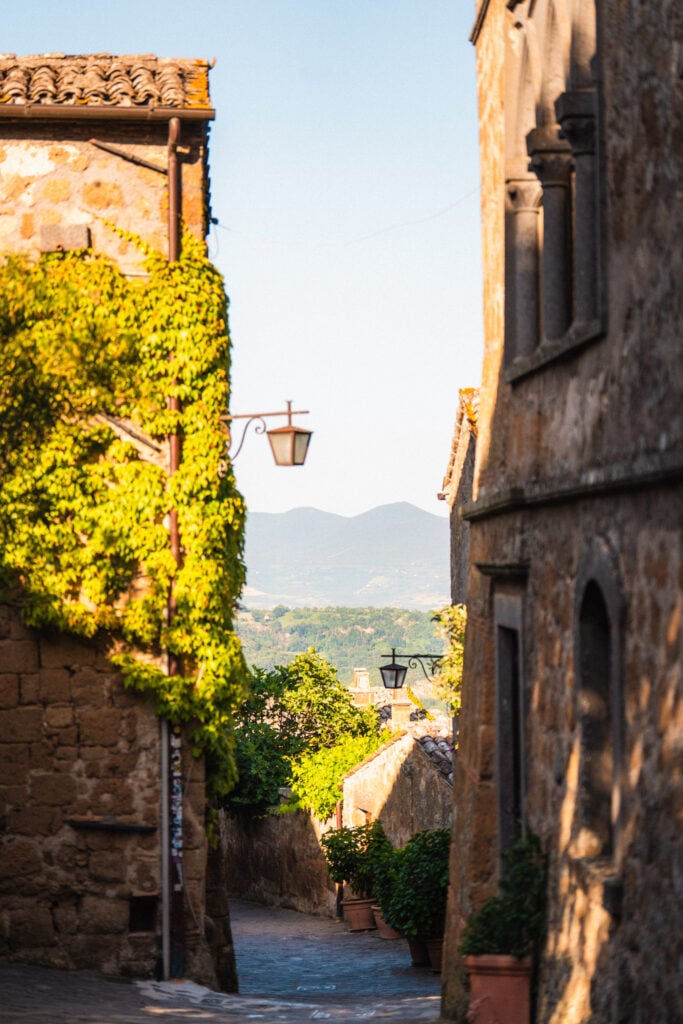
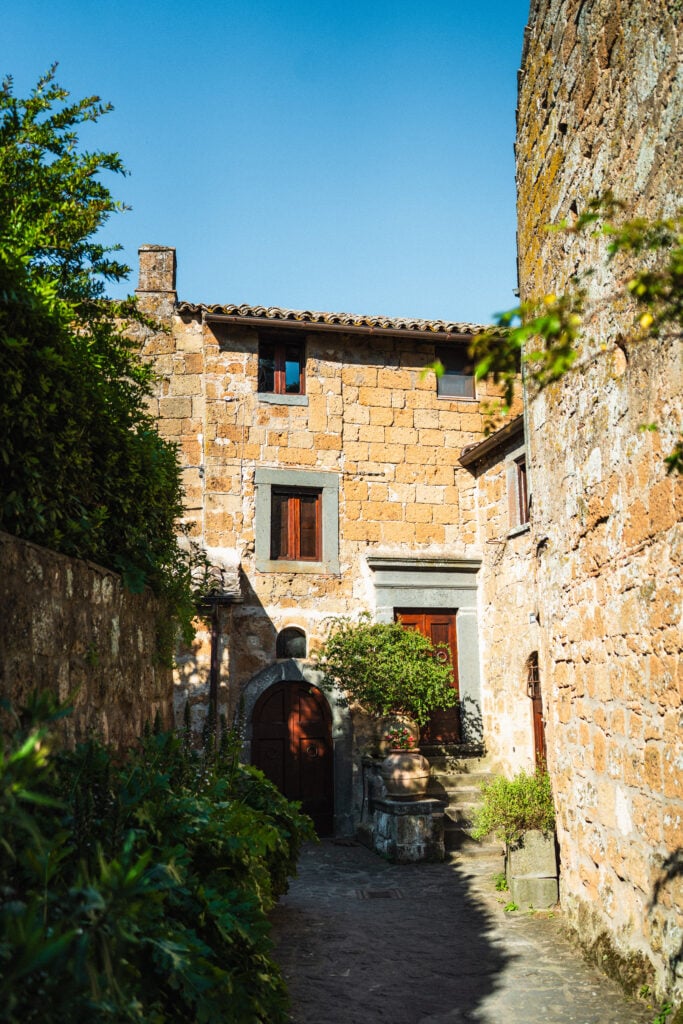
One of the best ways to soak up Civita and all its charm is simply to wander around, getting lost down the narrow cobblestone pathways. My favourite part of exploring the settlement had to be seeing how the very few permanent residents decorate the facades of their homes.
Church in Civita di Bagnoregio
A church is said to have stood at this site since at least the 5th century, built in the classical Romanesque style. Chiesa di San Donato, as it’s known in Italian, has served as the official cathedral and bishop’s seat for the Diocese of Bagnoregio for centuries.
However, after the area suffered a huge earthquake in 1695, much of the centre was destroyed, so the church was largely restored and rebuilt. This is why you see a Renaissance-style facade today.
Civita’s main and only active church houses a few treasures. Inside, you’ll find a 15th-century wooden crucifix, traditionally attributed to the school of Donatello and regarded as miraculous. The church also contains fragments of frescoes by pupils of Pietro Perugino, as well as the relics of St. Victor and St. Hildebrand.
Cave system
What might surprise you is that there’s actually more to Civita di Bagnoregio than meets the eye. Beneath the town lies a network of caves and tunnels which have been carved directly into the soft tufa rock, most of which date back thousands of years.
Used for all sorts of things over the centuries, including cisterns, cellars, storage spaces, workshops and olive-oil production. Today, you can visit the Museo Geologico e delle Frane to learn more about the intricate network of caves and tunnels. The closest you can really get to the underground nature of the caves is by visiting Antica Civitas, a small museum of arts and crafts built in an Etruscan cave.
Where to eat and drink in Civita di Bagnoregio
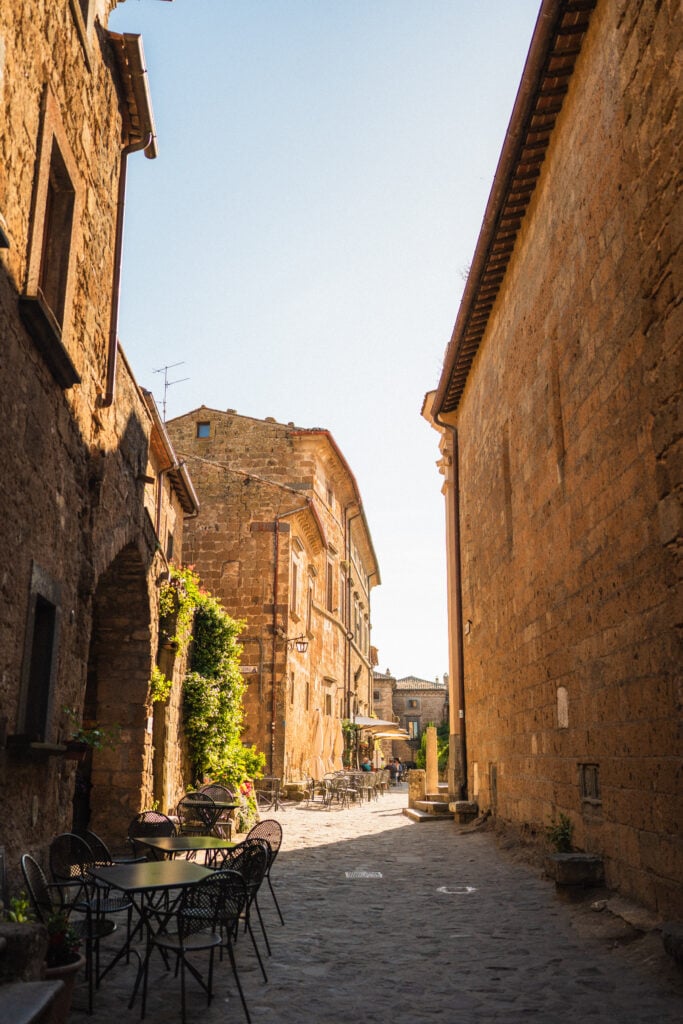
After walking along the bridge and up the hill to reach Civita, there’s nothing more nourishing than indulging in good Italian cuisine. Obviously options are a little limited due to the size of the hamlet, but there are a handful of charming eateries worth stopping by:
- Taverna Bistrot
- Il Pozzo dei Desideri
- ALMA CIVITA
- La Cantina Di Arianna
In terms of Lazio cuisine, you can expect traditional food from central Italy, best known for Roman dishes. It has its roots in cucina povera (peasant food) and the region’s shepherding traditions, with simple, hearty ingredients forming the basis for many of the classic dishes.
Is Civita di Bagnoregio worth visiting?
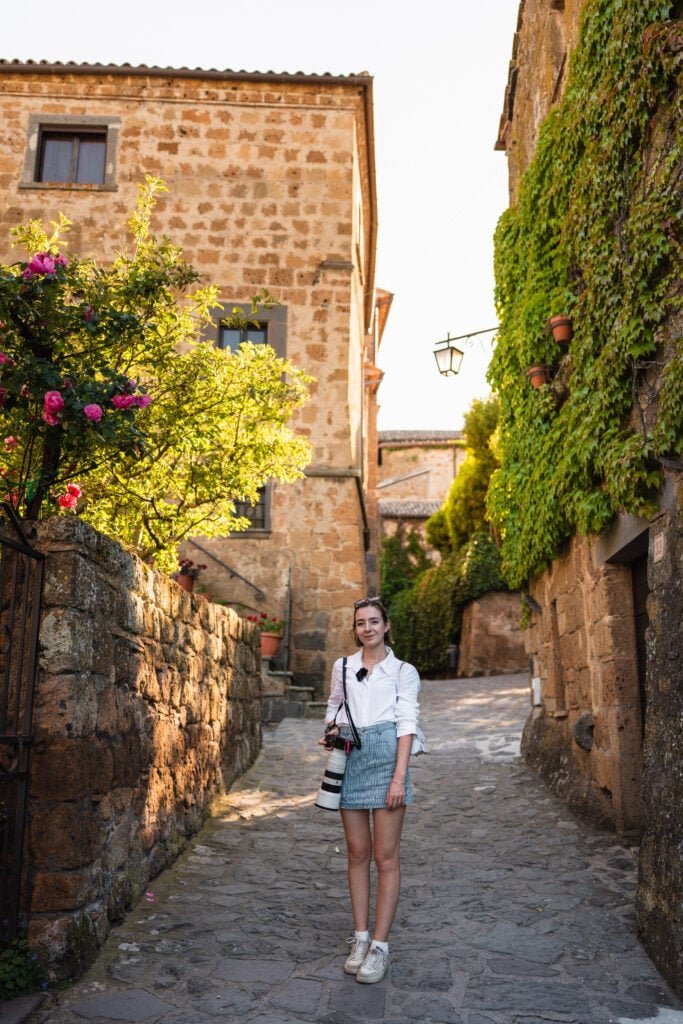
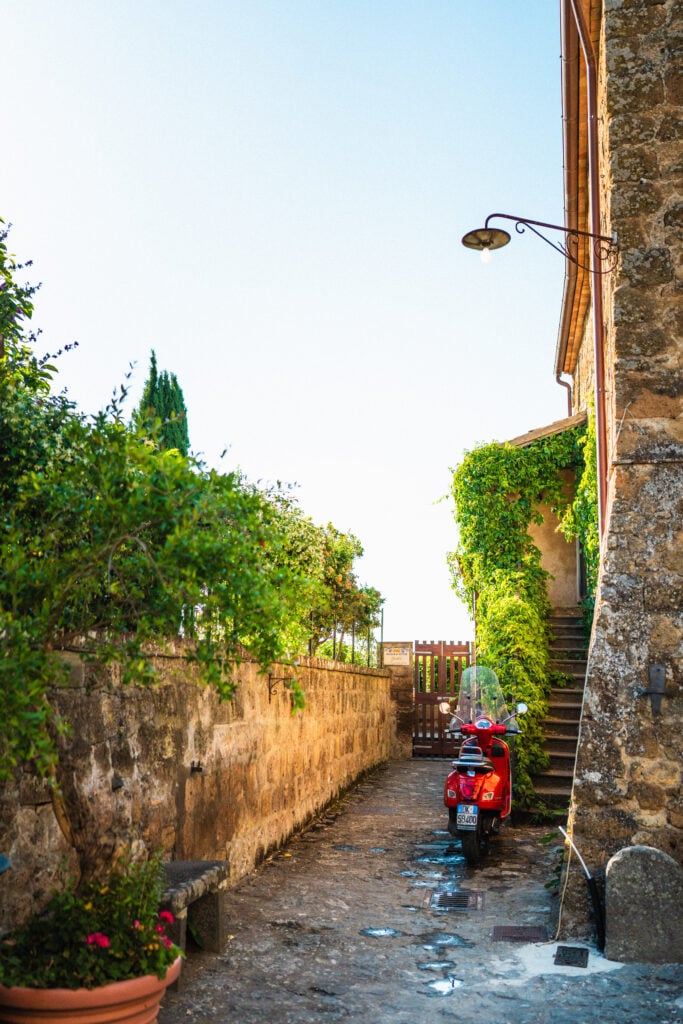
Similar to Venice, I would say that visiting Civita di Bagnoregio at least once in your lifetime is absolutely worth it…especially seeing as time is quite literally limited! This Italian hilltop gem is absolutely stunning, and pictures really don’t do it justice. So, the opportunity to visit arises, I would certainly say yes!
However, it’s worth mentioning that there are certain times of the year you want to avoid. During peak season, between June and August, you’ll find that it can be very overcrowded and swarmed with day trippers from Rome. If you prefer to avoid crowds and enjoy cooler temperatures, then I recommend heading to Civita during April or May.
Where to stay in Civita di Bagnoregio
There is actually one place you can stay directly within the walls of Civita, but as you can probably imagine…it comes at a high cost. Perhaps an Italian honeymoon getaway? However, if you wish to stay nearby, then the best option would be to stay somewhere in Viterbo. Here are a couple of suggestions of where to stay (based on web reviews):
L’Archetto Dimora Storica – This bed & breakfast is in the heart of Viterbo, located near Palazzo Gatti. Set within a beautiful historic guest house, guests have commented that it is clean, casual, and has exceptionally attentive and friendly staff. Check prices and availability here.
Medieval House – As its name suggests, this unique hotel is set within a historic building. Guests enjoy mountain and city views, complemented by tiled floors and a quiet street setting. They also serve a daily Italian breakfast! Check prices and availability.
Enjoyed reading our guide to Civita di Bagnoregio? Pin this article now, and read it again later: