How to Spend a Long Weekend in Burgundy: The Perfect 3-Day Itinerary
Last Updated on 1st October 2026 by Charlotte Nadeau
This post may contain affiliate links. Please check out my privacy policy and disclosure for more information.
Burgundy, or Bourgogne as it’s so-called in French, is one of my favourite regions of France. Known for its endless vineyards (whose savoir-faire- know-how- is UNESCO World Heritage listed), pretty, postcard-worthy medieval villages, and wealth of ecclesiastical buildings, it’s best explored over a week, but can be seen in a long weekend if you don’t have that much time to spare!
For many, the first thought that comes to mind when Burgundy is mentioned is either the colour or the wine. You might be surprised to learn that the colour burgundy actually takes its name from the wine region; indeed, it wasn’t until 1881 that English speakers started using ‘burgundy’ to describe deep red and purple hues.
Why visit Burgundy?
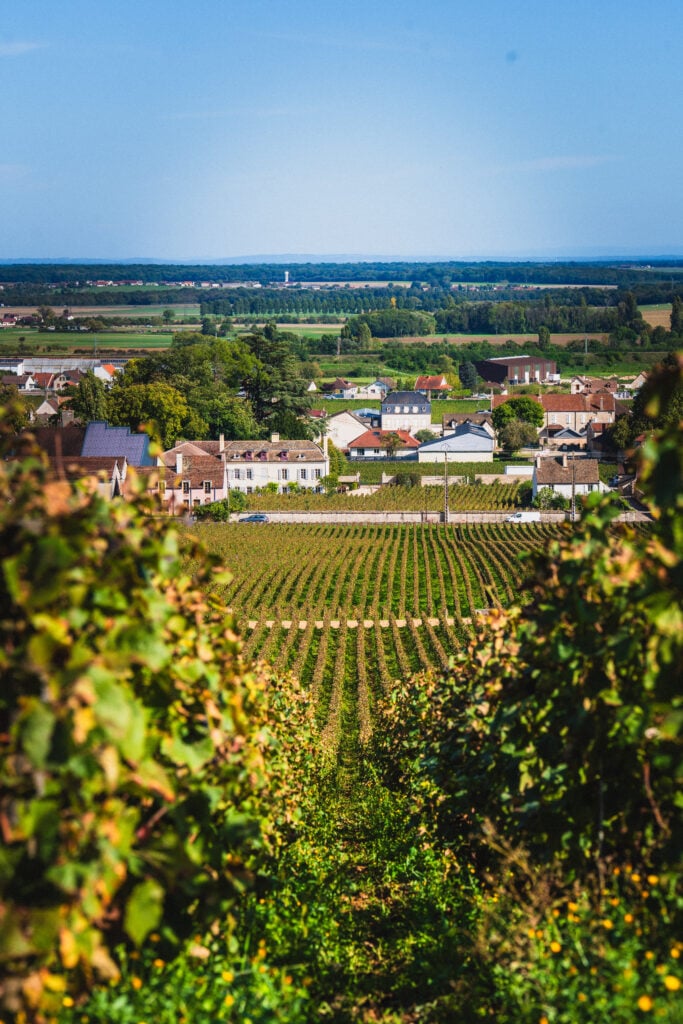
If you love France but haven’t yet been to Burgundy, it’s not hard to find plenty of reasons to add it to the top of your list. Famed for its wines, which have been produced in the region for over 2,000 years, it’s also home to a rich tapestry of medieval villages, ecclesiastical buildings, and vineyards that sprawl across the countryside.
This east-central region feels like a quiet, historic retreat teeming with culture, all of which you can discover at your own pace, and it’s perfect for those who wish to discover authentic France at its very best.
Of course, you can’t mention Burgundy without mentioning its wine and delectable cuisine! Burgundy is one of the most famous and prestigious wine regions in the world. As for Burgundy cuisine, wine ties very much to the region’s food; you can expect plenty of hearty, wine-infused dishes like Beef Bourgogne (a classic), Coq au Vin (which literally translates as “rooster in wine”), and Oeufs en Meurette (eggs in…wine!)
How long do you need in Burgundy?
To be honest, if you want to explore the entirety of the region, you’ll need at least 7-10 days. However, as nice as that may be, this isn’t always a realistic timeframe for most. And so, rest assured, it’s still very possible to get a taste of Burgundy and experience all the main joys the region has to offer over a long weekend.
Something that’s worth noting, particularly to make the most of this itinerary, is that you’ll need to rent a car to explore the region at ease. While Burgundy is well served by public transport, it’s only really reliable between the main towns and cities. Venture further out (which I recommend if you can) and you’ll find public transport options pretty sparse.
Day 1 in Burgundy
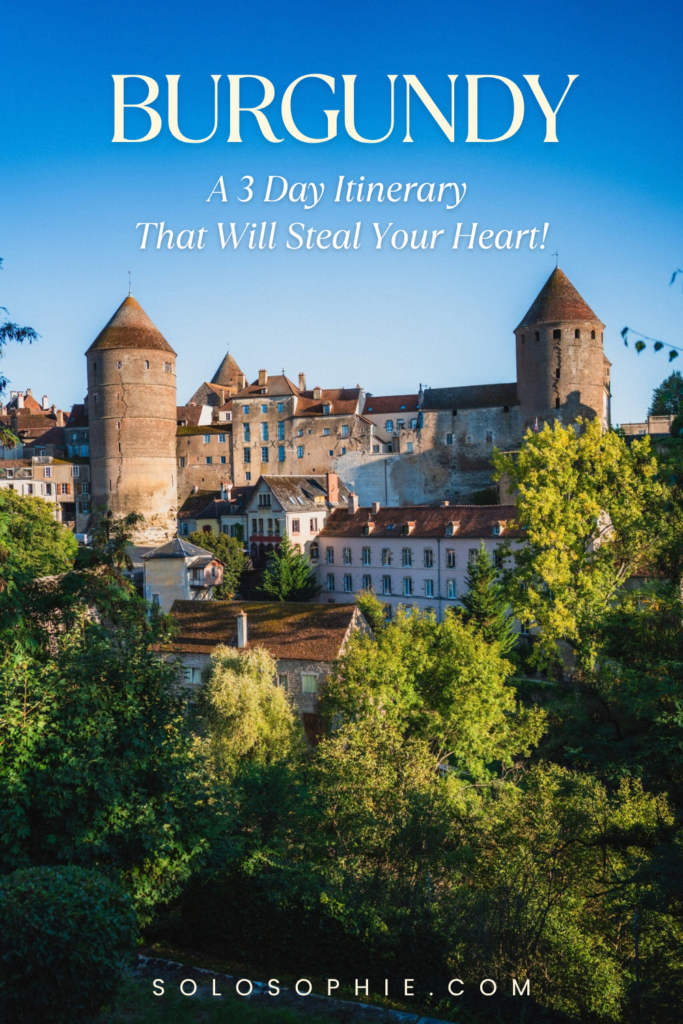
The first day you’ll spend exploring two Burgundy towns which feel as though they’ve been plucked straight out of a fairy tale. Both Vézelay and Semur-en-Auxois offer a glimpse into the region’s medieval heart and how the area was strategically built upon hilltops.
Vézelay
- Basilica of Sainte-Marie-Madeleine
- Maison Jules Roy
- Musée de l’Oeuvre Viollet-le-Duc
- Vézelay Wine Club
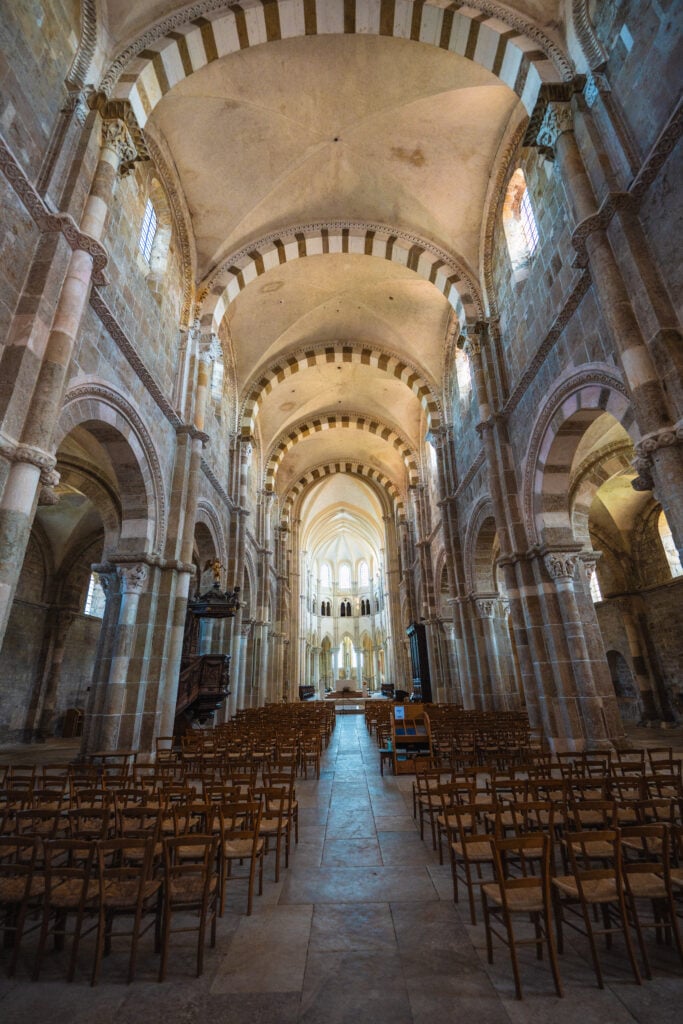
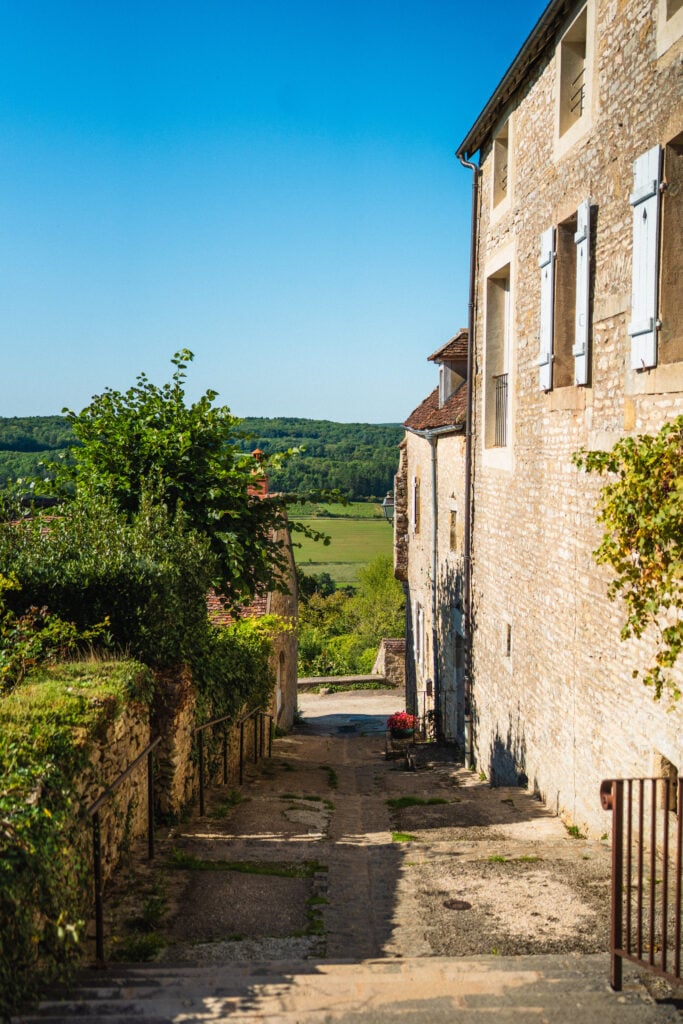
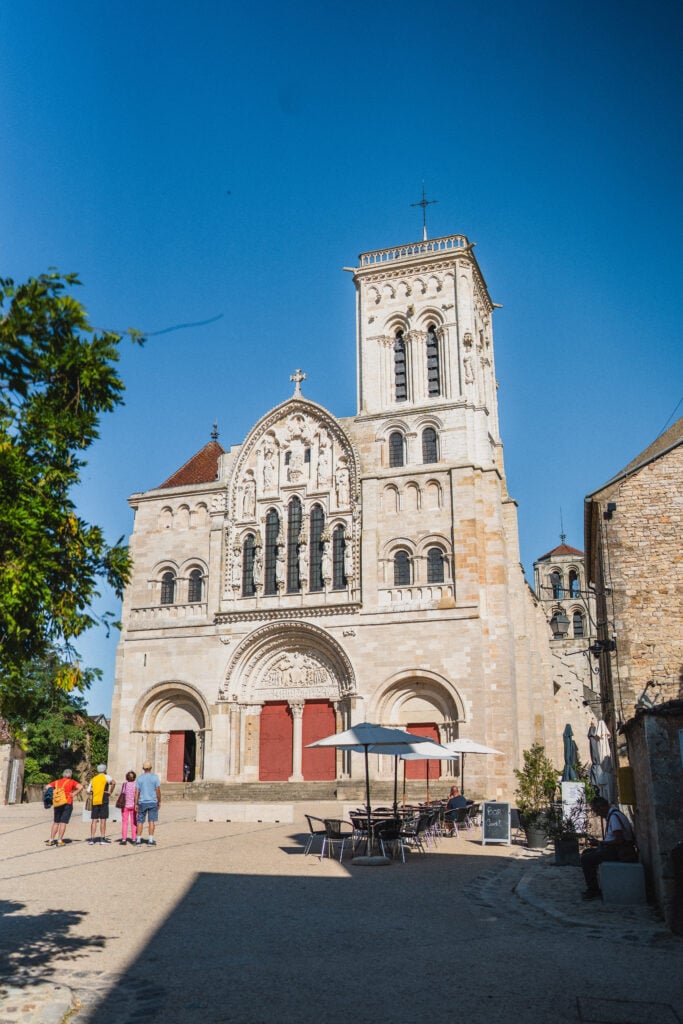
Begin your time in the Burgundy region by heading a little off the beaten tourist track, where you’ll find Vézelay, a sleepy little town perched at the top of a hill. This medieval hilltop settlement is best known for its stunning Basilica of Sainte-Marie-Madeleine, which is where the relics of Mary Magdalene are believed to lie.
It’s also one of the four starting points of the Camino de Santiago. Aptly nicknamed the “Eternal Hill”, the town played a historic role in the Crusades and serves as a major pilgrimage site.
All around town, you’ll spy little shell symbols. Often, they’re made of bronze, and the shell represents the Coquille Saint-Jacques, which is the symbol of the Camino, the iconic pilgrimage route that leads to Santiago de Compostela in Spain.
The best way to soak up Vézelay is to simply wander around and soak up its stunning Romanesque architecture. Dotted throughout, you’ll find small museums worth poking your head into. Maison Jules Roy is the former home and museum dedicated to the French author; in fact, he lived the last years of his life here, following his interest in the life of Mary Magdalene.
Speaking of, you can’t visit Vézelay without heading to the very top of the hill to visit the 12th-century basilica. Hailed as one of Europe’s greatest Romanesque masterpieces, it’s a must-see in the town and is completely free to enter and wander around. Nearby, you’ll also find a small museum dedicated to the work of Viollet-le-Duc, who carried out restoration work on the basilica between1840 and 1861.
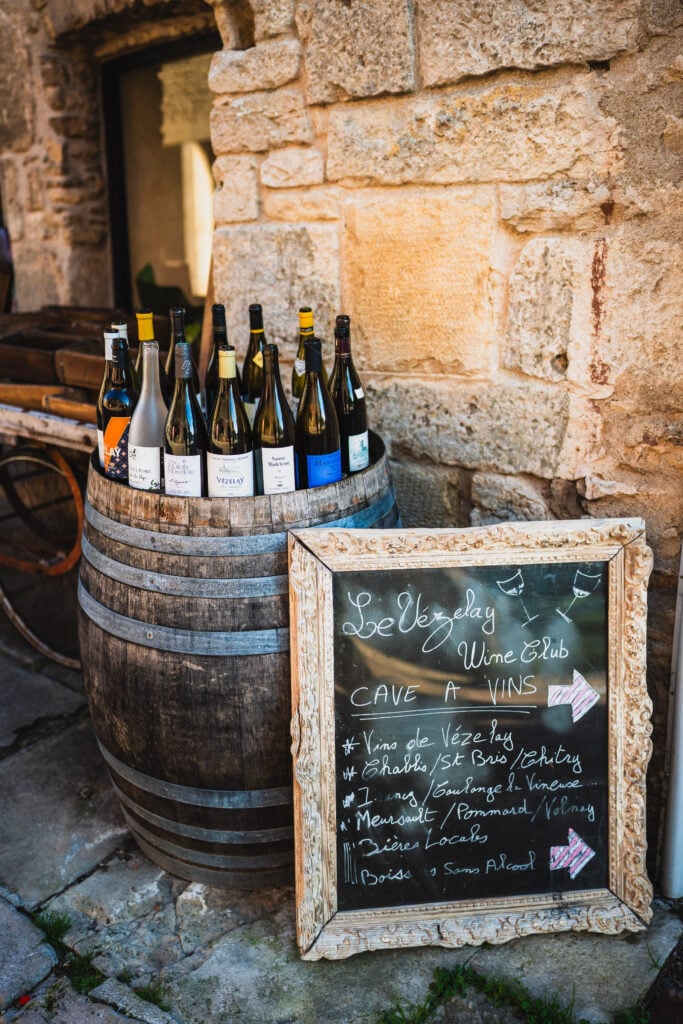
And, if it doesn’t feel too early in the day (it never does when in France) then I recommend stopping by the Vézelay Wine Club to sample local wine. Vézelay is actually surrounded by sprawling vineyards. The grapes grown here are mostly Chardonnay, and the wine even has its own appellation, Vézelay AOC.
Semur-en-Auxois
- Burgundian roofs
- Porte Sauvigny and Porte Guillier
- Rue du Buffon
- La promenade du rempart
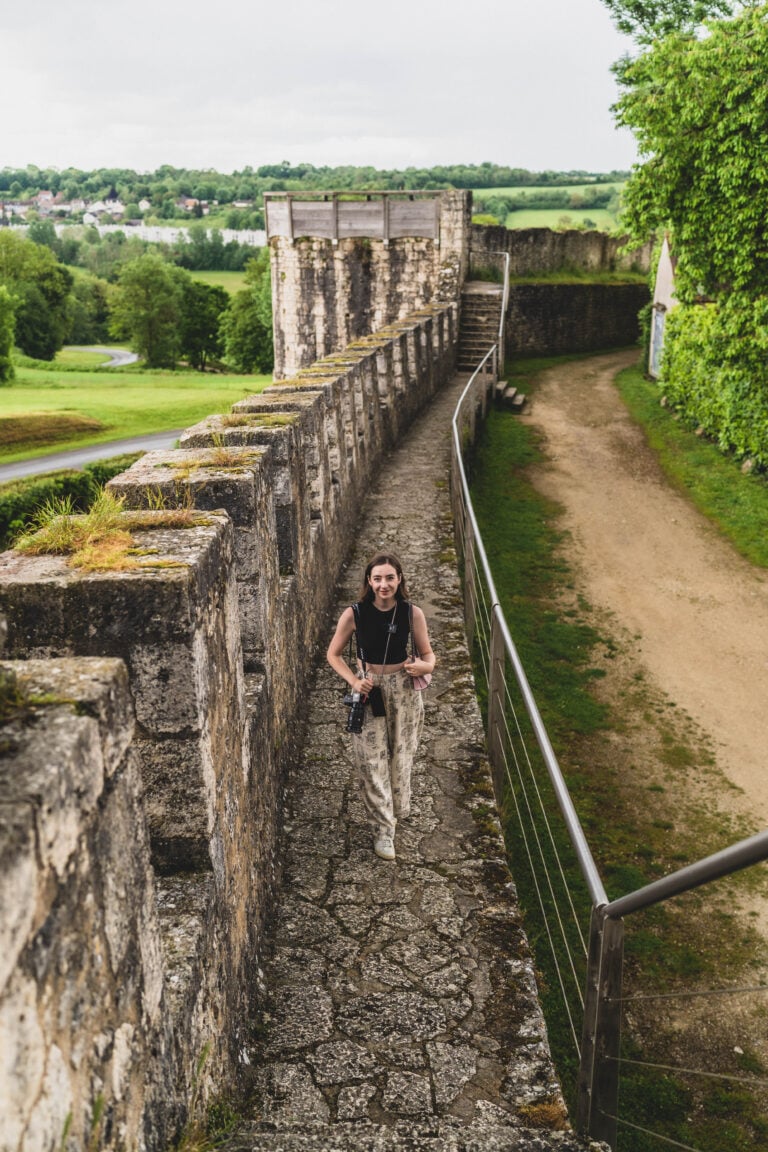
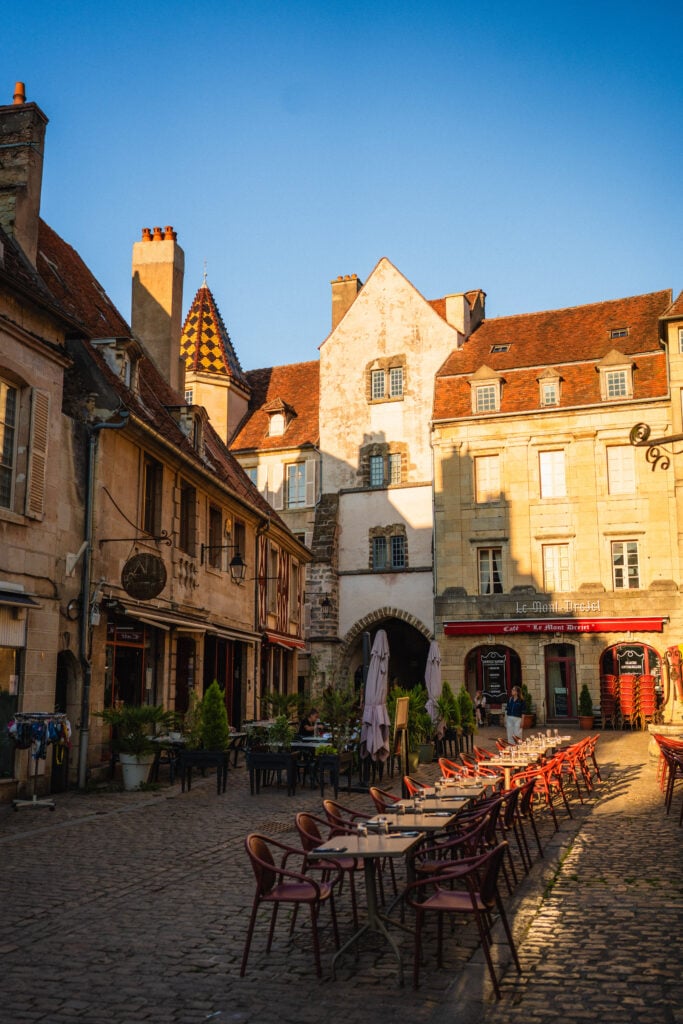
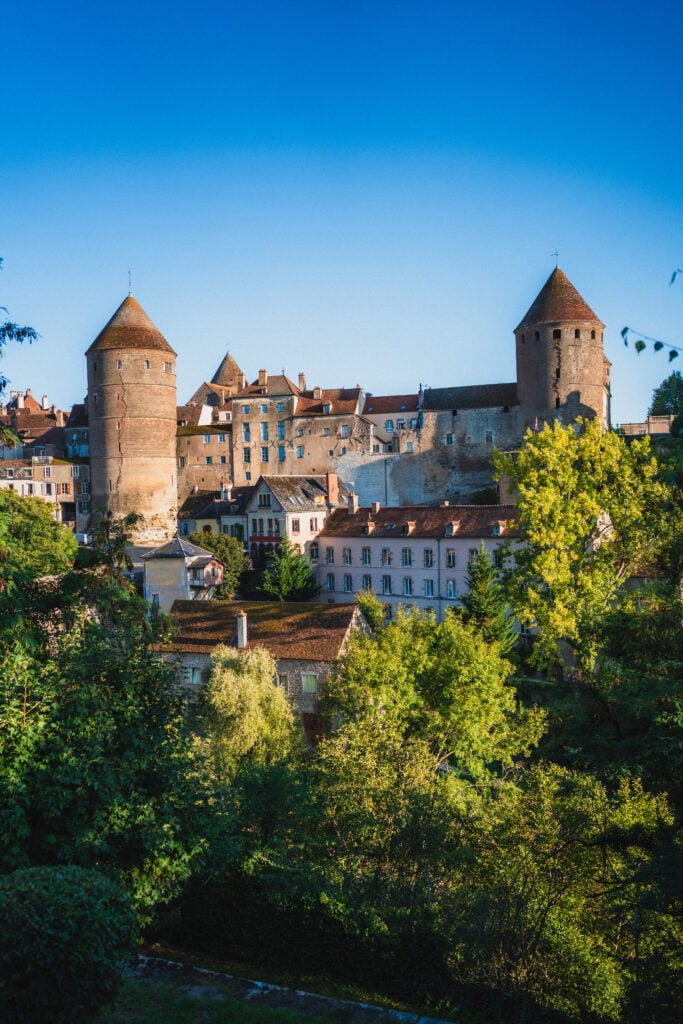
Next, you’ll want to head over to another charming little town, around 50 minutes away. Semur-en-Auxois has a medieval heart, and it is best known for its historic fortifications which are remarkably well preserved. This fact is immediately apparent as you drive up to the fairytale town built on a pink granite cliff and nearly encircled by the Armançon River.
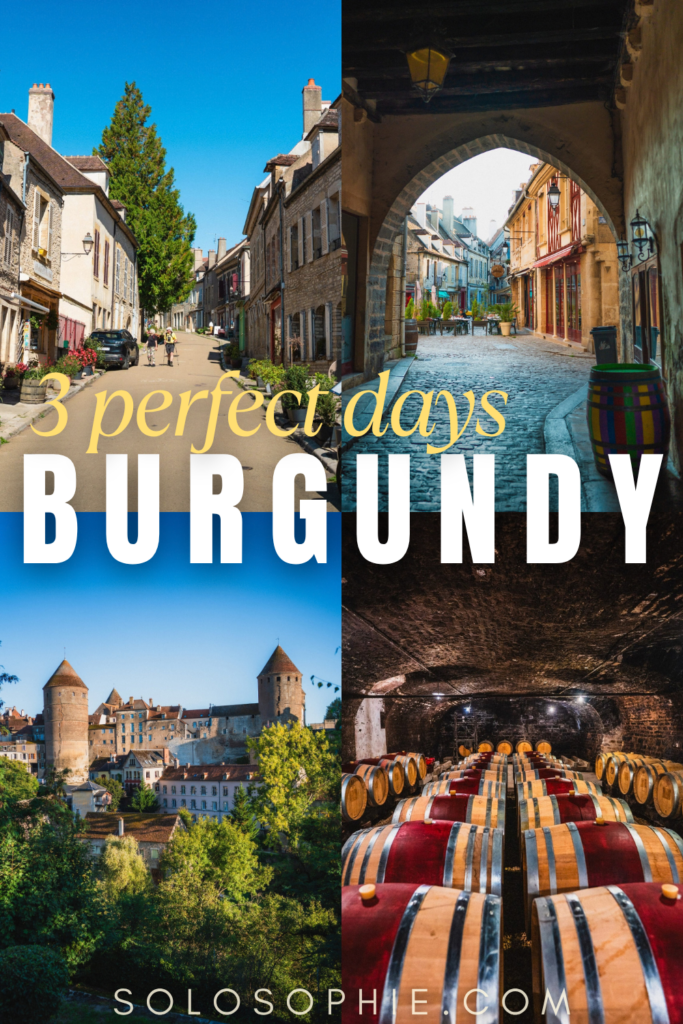
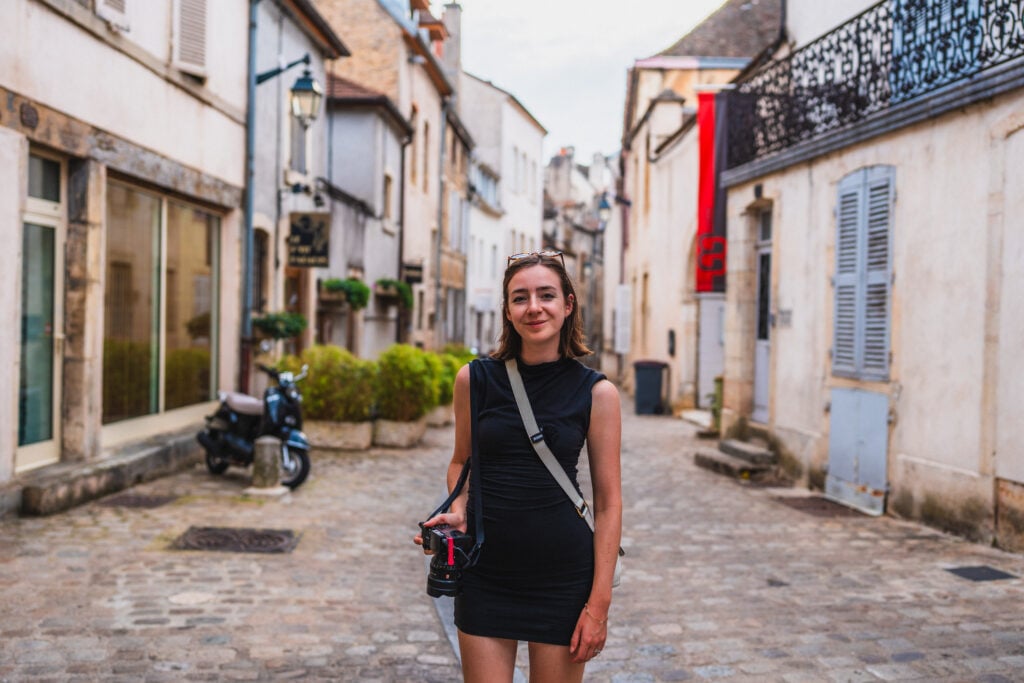
Start exploring by visiting the town’s lively street, Rue du Buffon. This completely pedestrianised cobblestone street is home to great examples of local architecture. Something you’ll notice as you explore the region is the Burgundian roofs (“Toitures bourguignonnes”). A lot of buildings have brightly coloured tiled roofs with geometric designs. This architectural feature served as a status symbol for the wealthy and elite during the Middle Ages.
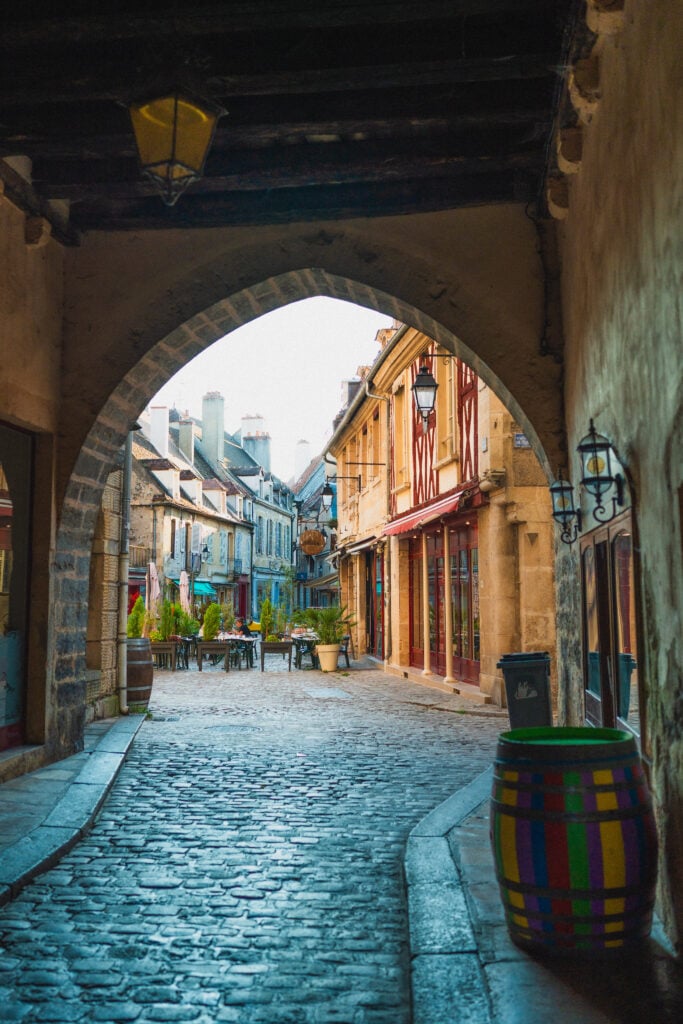
Wander along to the very end of Rue du Buffon, and you’ll come across two impressive ancient city gates that date back to the 14th century. Porte Sauvigny and Porte Guillier stand side by side, and walking below the archways truly feels as though you’ve transported to a different time.
Day 2 in Burgundy
Your second day in Burgundy will be a little busier, as there’s more to fit in. Visit the capital of the region, Dijon, for its buzzing (yet still laid-back…you are in Burgundy, after all) atmosphere and, of course, its mustard! You’ll then stop by the tiny commune of Vosne-Romané, a UNESCO World Heritage Site, before spending a leisurely afternoon in Beaune, the wine capital!
Dijon
- The Owl of Dijon (La Chouette)
- Notre-Dame of Dijon
- Museum of Burgundian Life or Fine Arts Museum
- Porte Guillaume
- Le Compteur du Temps (The Counter of Time) sculpture
- Maison Maille
- Halles centrales et marché central (if you have time!)
Dijon is the capital of the Bourgogne-Franche-Comté region and was historically the seat and capital of the Dukes of Burgundy. Home to around 160,000 or so people, the city is where, Dijon is essentially the gateway to exploring the rest of Burgundy.
Best known for its Dijon mustard, this food and wine city is filled with quaint timber-framed houses and cultural landmarks and is home to its very own Gothic masterpiece, the Notre-Dame of Dijon. It’s worth noting that ideally you need more than half a day to see Dijon properly.
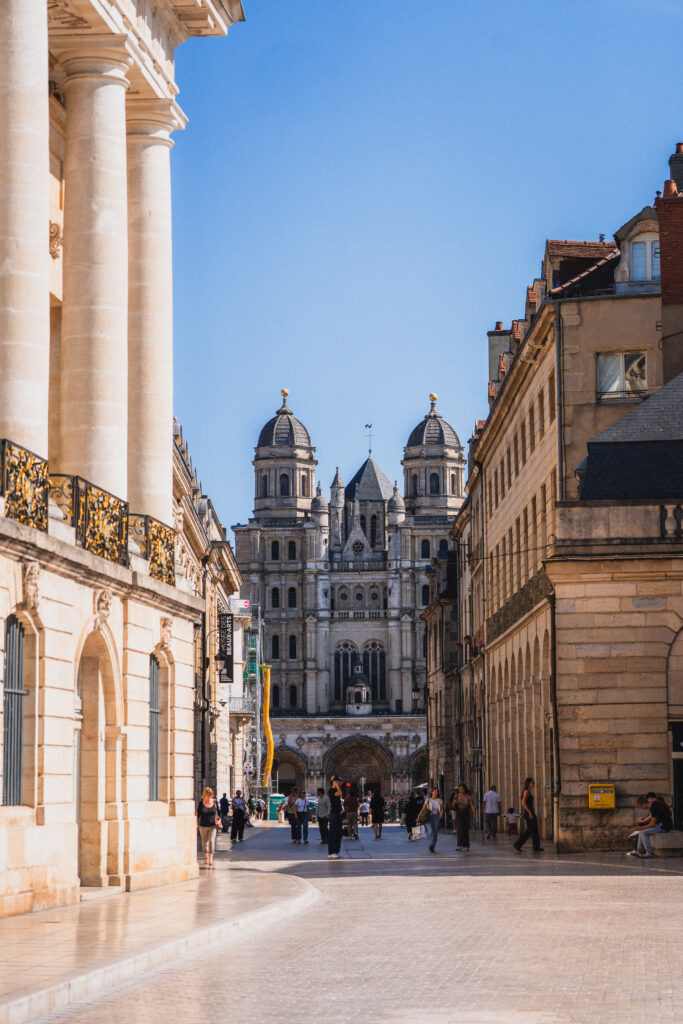
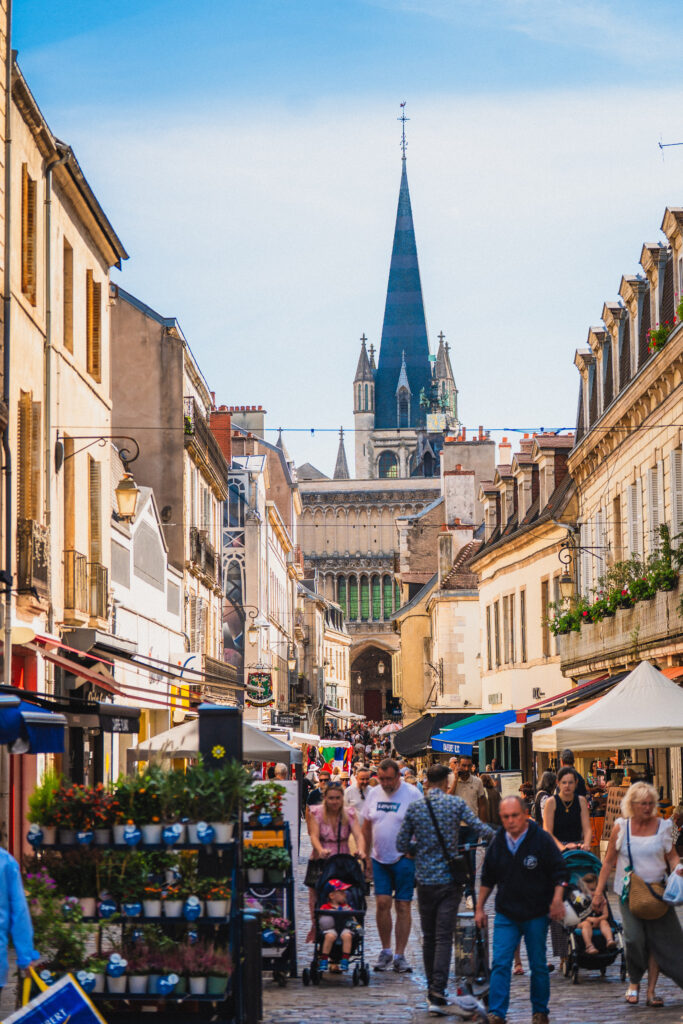
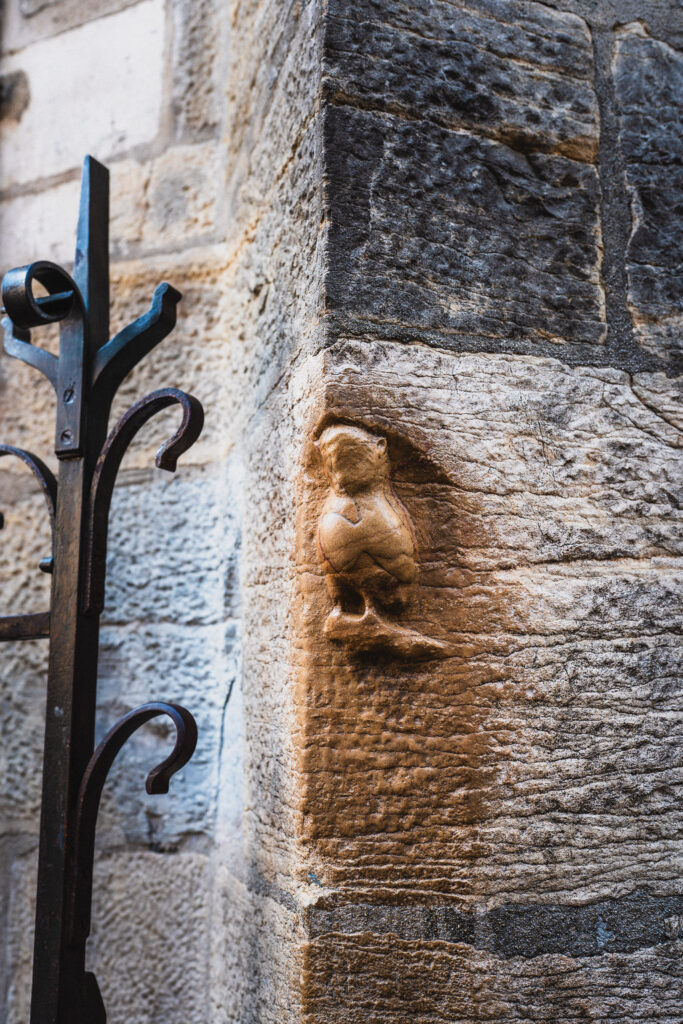
Filled with hidden gems and secret spots, one of the most beloved features of the city can be found on the north side of Notre-Dame de Dijon. The Owl of Dijon (La Chouette) is a little carving which dates all the way back to the 15th century. Legend says that if you rub it with your left hand, you should make a wish and it’ll come true! Aside from this, no one really knows its origins…
Nevertheless, the owl has since become a symbol for the city (and its football club), which is why you’ll see them dotted throughout. There’s even an owl trail – follow the golden plaques to take yourself on a self-guided tour through Dijon’s historic stops.
After admiring the beloved owl carving, be sure to step inside the Notre-Dame of Dijon itself, a stunning 13th-century church (rather than a cathedral). Another architectural masterpiece worth visiting in Dijon is Porte Guillaume, which may well look familiar, as it’s also the kind of triumphal arch you find in Paris, of course, with Arc de Triomphe being the main example.
Dijon is home to around twenty or so museums, all of which are worth visiting. However, as you only really have half a day to explore, I recommend prioritising the Museum of Burgundian Life or the Museum of Fine Arts. I would say these are the best for briefly delving into Burgundy culture and history (though they’re pretty big so you may not be able to see everything).
Another quick stop by has to be a visit to The Counter of Time sculpture, a fascinating timepiece that has twelve clocks embedded in it, showing the time of different cities!
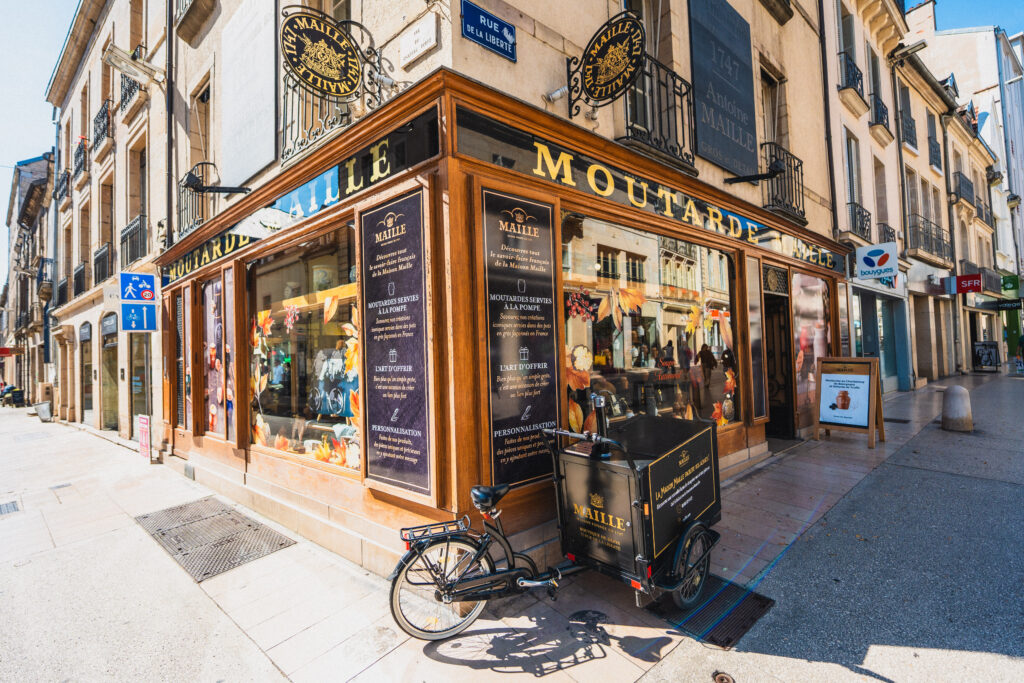
You can’t leave Dijon without sampling, or at least smelling, its renowned condiment. Maison Maille has become something of a French institution since it was founded in Paris in 1747 by Antoine-Claude Maille (the shop in Dijon opened in 1845). While you can find the mustard all over Europe nowadays, it’s here that you can sample the more unique flavours.
Vosne-Romanée
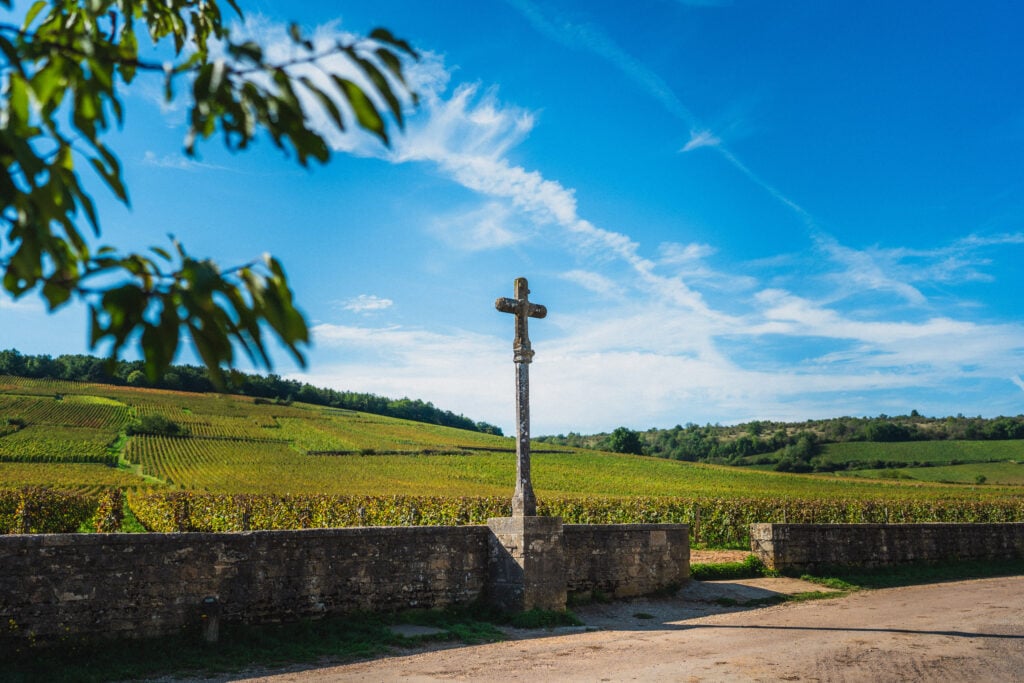
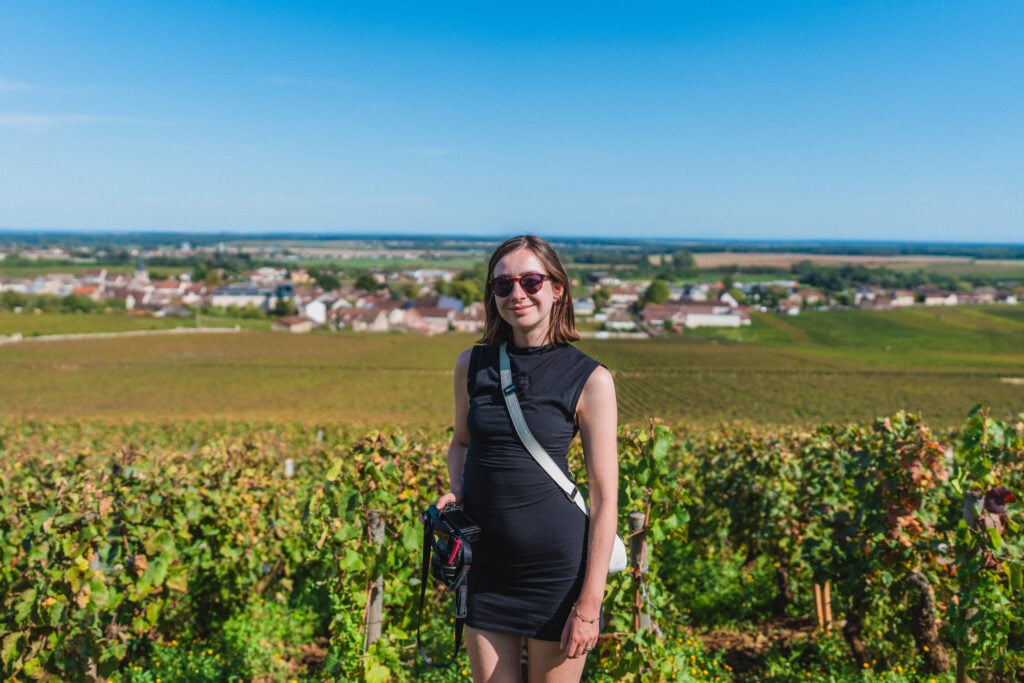
Burgundy is probably best known for its wine culture. Indeed, the savoir-faire surrounding wine here is so significant that the region’s vineyards are listed as a UNESCO World Heritage Site.
One of the best places to get an understanding of just how important wine is to the region is by visiting Vosne-Romanée. This famous wine-producing village and Appellation d’Origine Contrôlée (AOC) is home to just under 350 residents. As such, you can actually explore the small village in a matter of minutes. However, there are several wine producers here where you can find local wines for sale.
The vineyards around Vosne-Romanée are known for producing some incredibly expensive wines; the grapes grown here are mainly Pinot Noir. And if there’s one domaine in particular that you have to see, it’s Romanée-Conti. This vineyard is famous for producing some of the world’s most expensive wine. A single bottle of its 1945 Grand Cru sold for more than $500,000!
Beaune
- Notre-Dame de Beaune
- The Wine Museum
- Athenaeum bookshop
- Hospices de Beaune
Spend the rest of your afternoon in Beaune, otherwise known as Burgundy’s historic wine capital. The history of the city dates back to at least Roman times, when a Roman fort was built on the site where the city now stands. By the 13th century, Beaune was a prosperous wine region, with a thriving city in its very heart. I should mention that Beaune itself is actually a town but is frequently called a small city due to its historical importance and role as the wine capital!
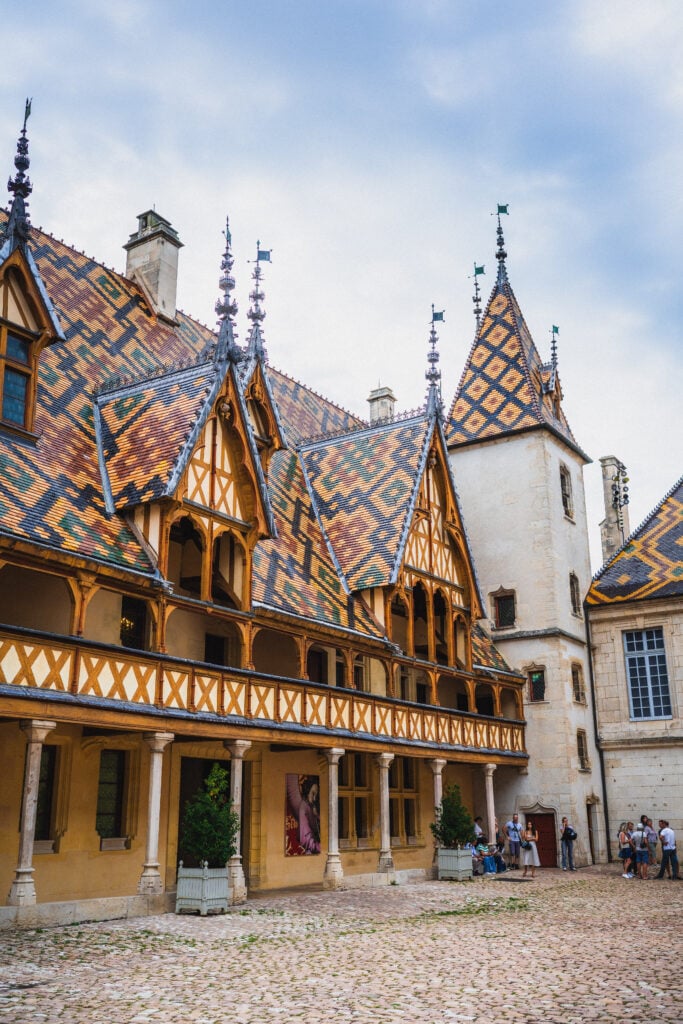
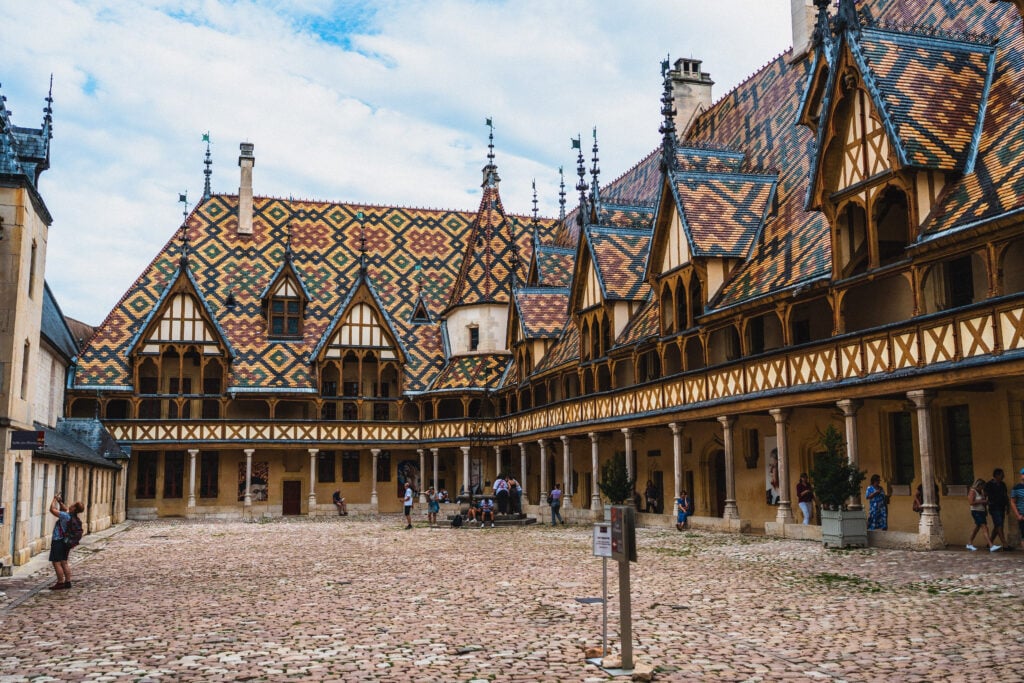
Another thing that Beaune is particularly known for is its typical Burgundian architecture. The only other place I’ve seen these geometric tiled roofs is on St Mark’s Church in Zagreb, and I have to say, they really make the buildings stand out. It’s easy to see how they became such a symbol of status.
Much of Beaune is pedestrianised, with cobblestones meandering through architecture and leading the way through historic landmarks. Most of the town now runs in concentric circles around a central basilica. The Notre-Dame Collegiate Church dates back to the 12th century and was built in the Romanesque style, although later additions were made in the Gothic style between the 13th and 16th centuries. Inside, it’s quite sombre but very beautiful.
One of the best ways to learn more about Burgundy wines is a visit to the Wine Museum (Musée du Vin – Hôtel des Ducs de Bourgogne). Located right in the heart of town, this is the best place to learn about vineyard growing and winemaking, and there’s even a 1 to 200 scale replica model of what Beaune used to look like in the 15th century!
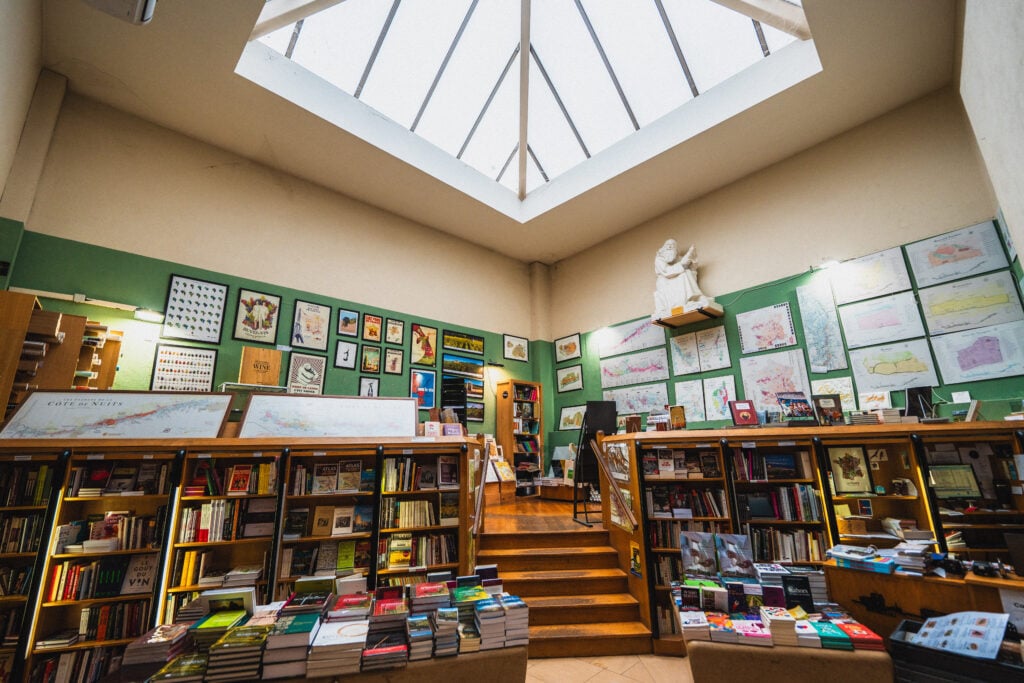
If winemaking hasn’t bored you already, then head to Athenaeum, a bookshop dedicated entirely to wine! The history of the store dates back to 1989, and it has some 10,000 unique titles in its inventory, so it is well worth stopping by for a browse.
I then recommend heading to the Hôtel-Dieu, a former hospital that is now one of Beaune’s most famous landmarks. It’s best known for its iconic tiled roof (Burgundian style). Once constructed to care for the poor during the devastation of the Hundred Years’ War. It has since been transformed into a museum.
Day 3 in Burgundy
Your final day in Burgundy will be spent enjoying the region at a leisurely pace. As I said, if you have more time in this part of L’Hexagone, then it would be ideal! But with just three days, the final day will be spent exploring the historic heart of Burgundy: Cluny.
Vineyard visit
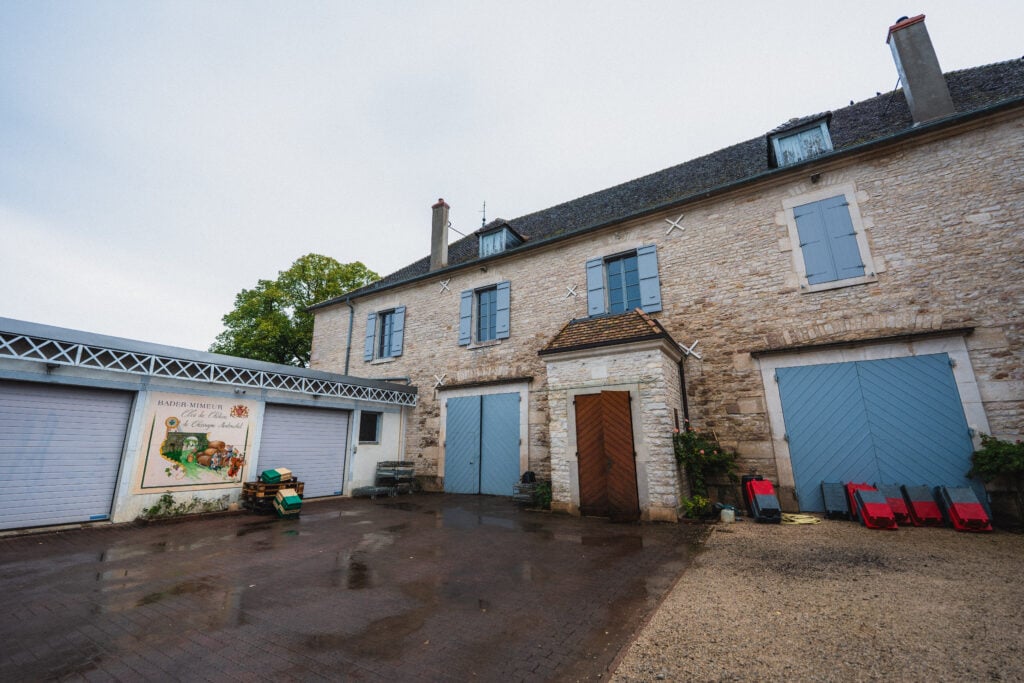
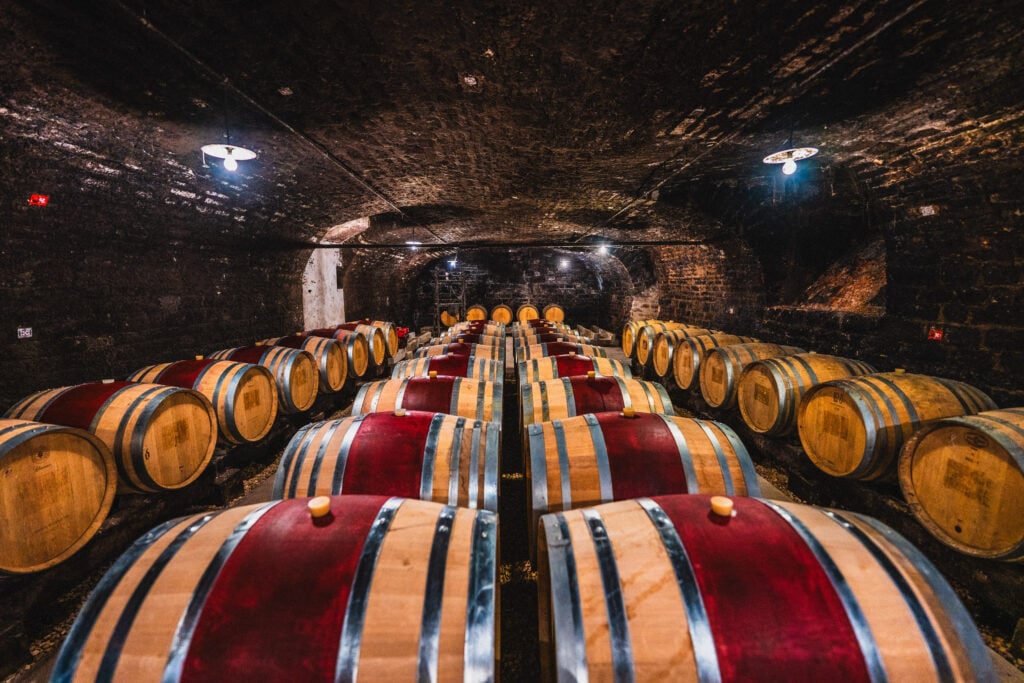
As you’ve probably gathered from the gist already, if you’re interested in wine, then one of the best things you can do is, of course, visit a winery. And if there’s one thing that isn’t understood until seen in person, it’s the sprawling nature of how vines grow across the landscape. And what better way to taste and experience the region than by sampling the grapes themselves!
Cluny
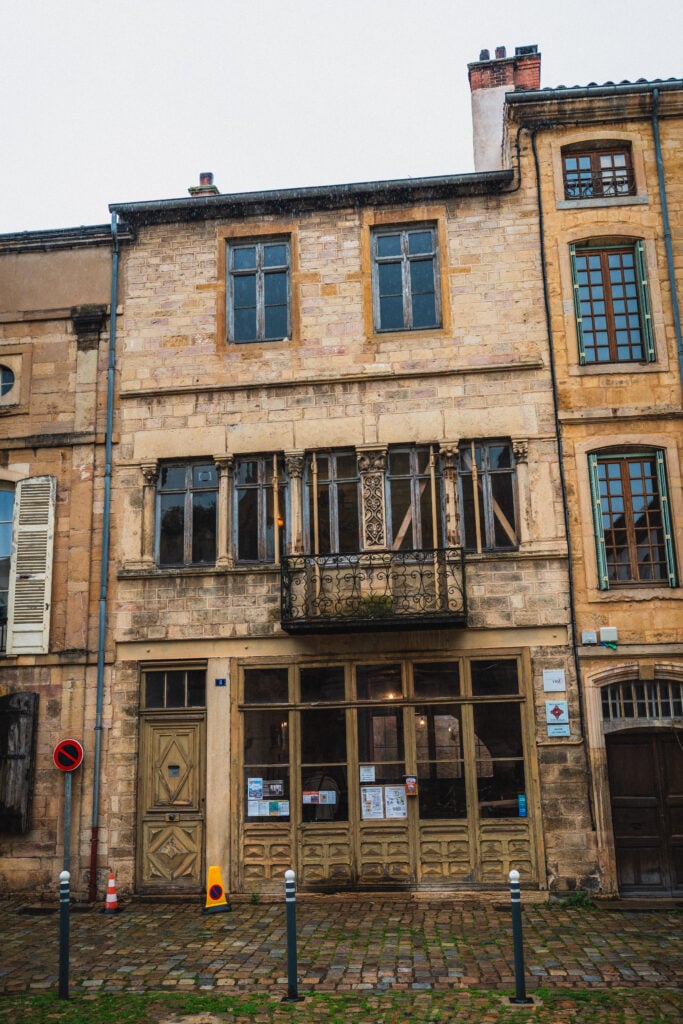
Cluny is a charming medieval town filled with pastel-coloured houses, but it’s perhaps best known for its abbey. During the Middle Ages, Cluny Abbey was one of the most important religious sites in Europe and was once at the centre of a powerful monastic network that stretched across the continent.
Unfortunately, a lot of the original abbey no longer remains, this is because much of it was demolished over the centuries (however, the stone was repurposed for other buildings). The Maior Ecclesia, which means the “Great Church”, was once the largest church in Christendom for almost 400 years, until St Peter’s Basilica was built in Rome in the 16th century. Construction began in 1088 and continued into the 12th century.
Another highlight of Cluny is the Tour des Fromages (tower of cheese). The tower was originally built as a defensive tower for the nearby abbey, but by the 13th century it had been converted into a place to store grain and food. It was then known as the Tour des Fèves, or the Bean Tower, before eventually becoming known as the Tower of the Cheeses. No one knows exactly where the name came from, but it’s certainly an unusual one.
There are 120 steps to reach the top, but the view across Cluny and the surrounding hills makes the climb worthwhile. And if you’ve thought ahead and brought your camera with you, you’ll be pleased to know that the windows actually open!
Watch our Burgundy vlog
Where to stay in Burgundy
Hotel de Bretonnière Beaune – This mid-range hotel offers clean and comfortable rooms in a three-star establishment. Set in an 18th-century coaching inn, facilities include free parking, Wi-Fi, and an on-site bar. Other amenities include air conditioning, and some rooms have kitchenettes. Check prices and availability here.
Enjoyed following the guide to a long weekend in Burgundy? Pin this article now and read it again later: