
55 London Travel Tips to Know Before Your First Trip
Last Updated on 7th April 2026 by Sophie Nadeau
This post may contain affiliate links. Please check out my privacy policy for more information.
London is one of my favourite cities in the world and it’s somewhere I’ve lived on and off for many years! However, as a major capital city, and one that’s pretty sprawling, there are a number of London travel tips you should know before you go…
The basics- know before you go
London is really big! It’s home to over nine million people and covers the area of over 1500 square kilometres (but because we’re in the UK, we use miles and that’s around 600 of those!).
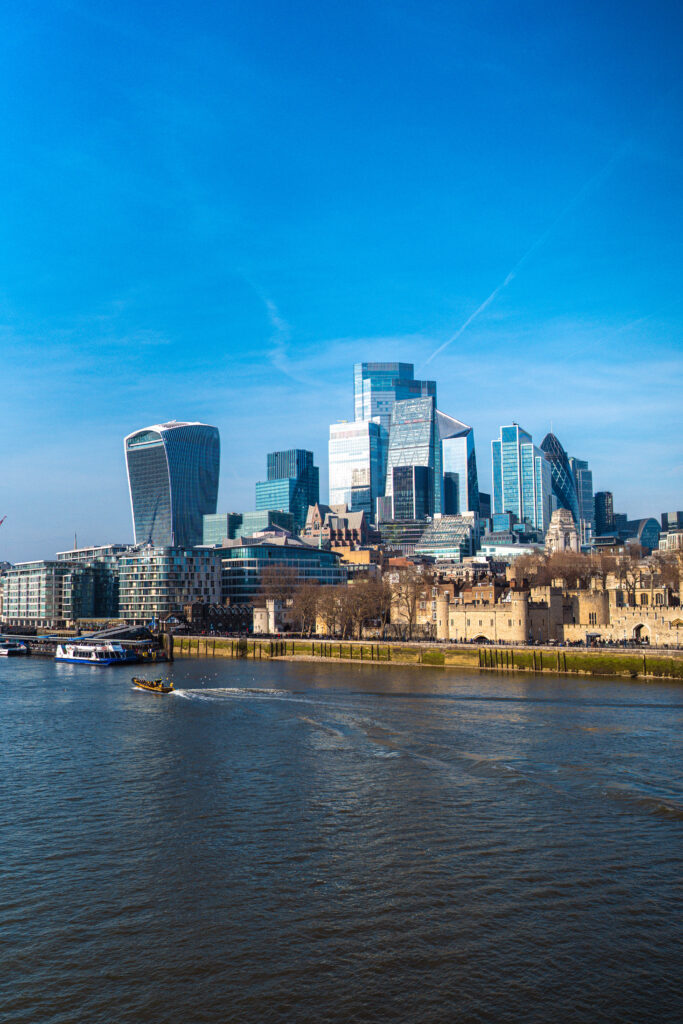
Don’t confuse the City of London with London as a whole. The City of London is the historic heart of London and is just one square mile in size! It’s where you’ll find plenty of skyscrapers, bombed out churches, and even some roman ruins.
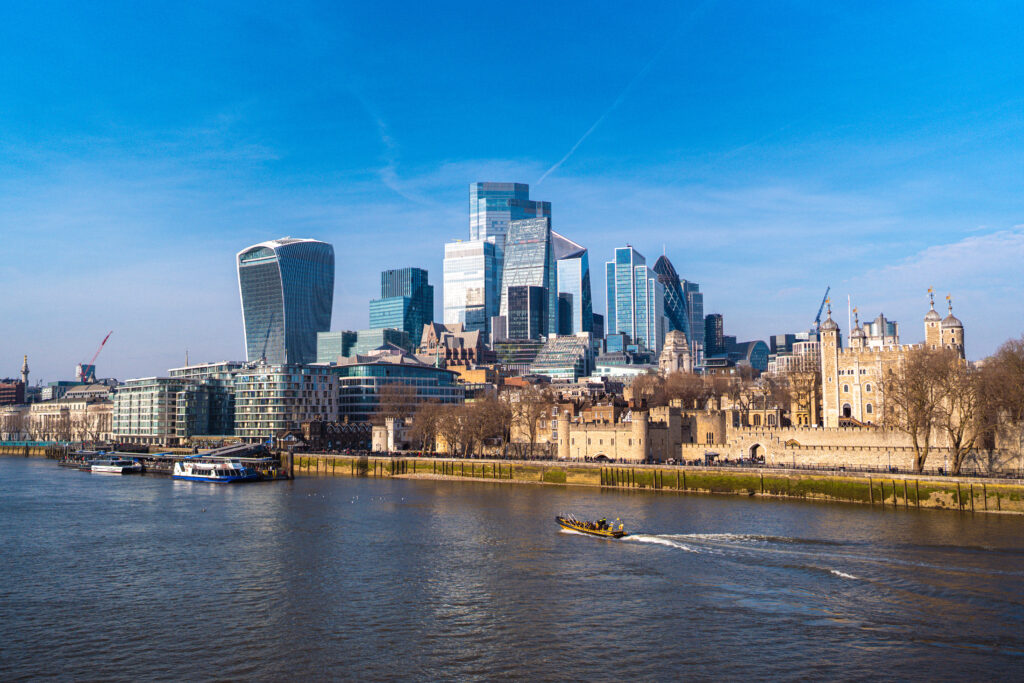
If you’re looking for a great view without too many crowds, then I highly recommend heading to the Garden at 120, which is free to visit. Another great option is the Sky Garden, but you’ll have to book a free ticket several weeks ahead of your intended visit.

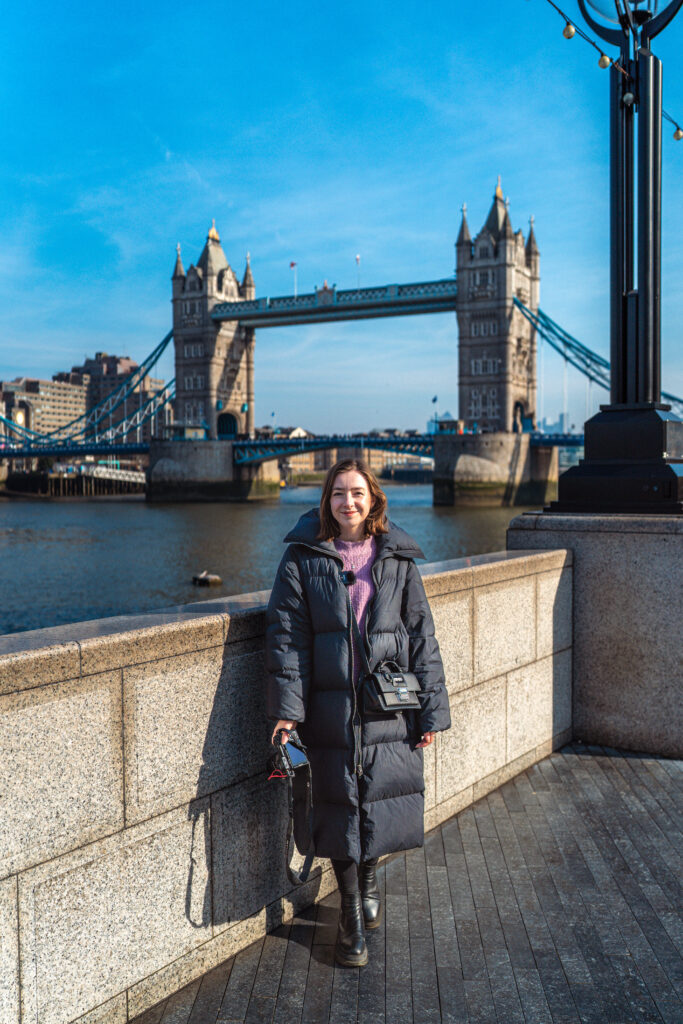
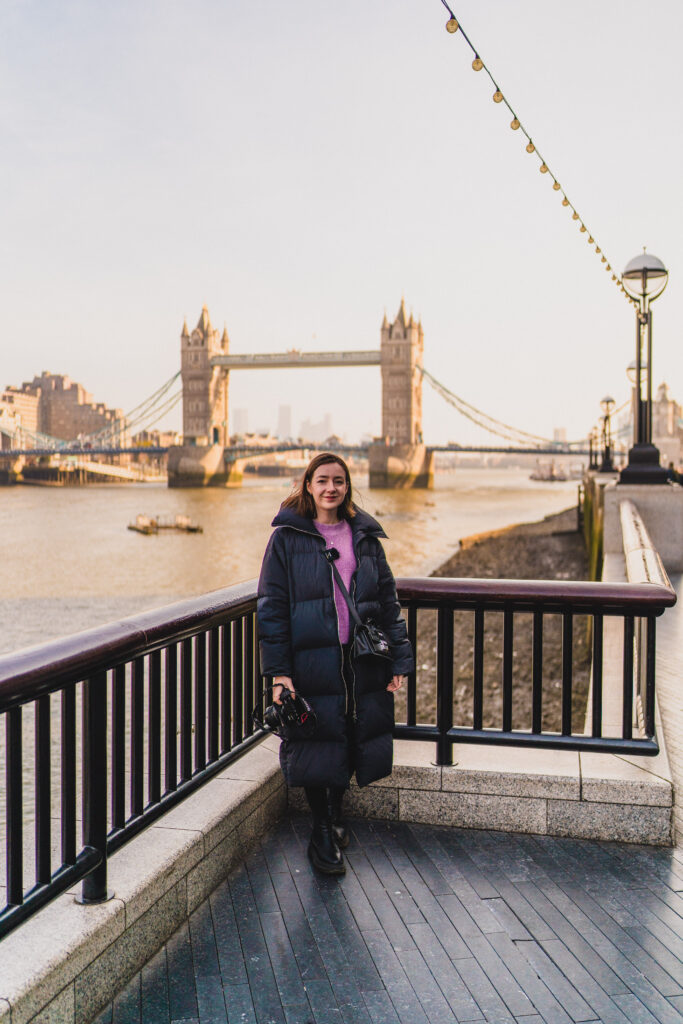
Don’t confuse London Bridge with Tower Bridge. Tower Bridge is the iconic site where you’ll find the dual towers and there’s a funny story about a man who bought the old London Bridge in the 1960s and had it shipped it over to his home in Arizona.
He then had it rebuilt in the US only to realise that he had just purchased a regular bridge and not the Tower Bridge. According to the man’s grandson, apparently that’s just a popular rumour but the story persists nevertheless!
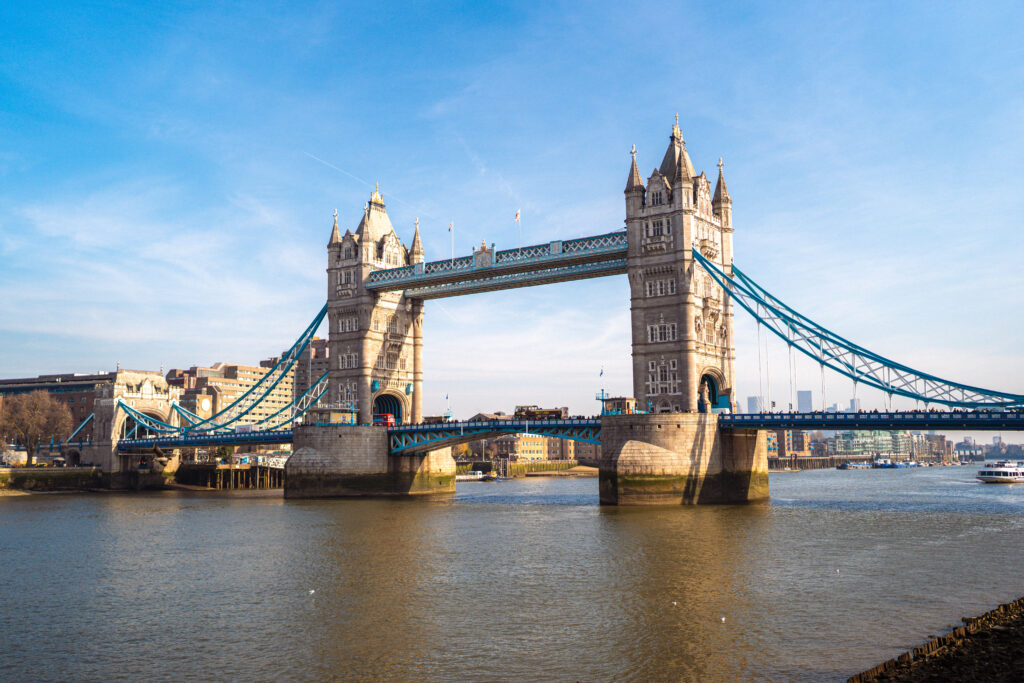
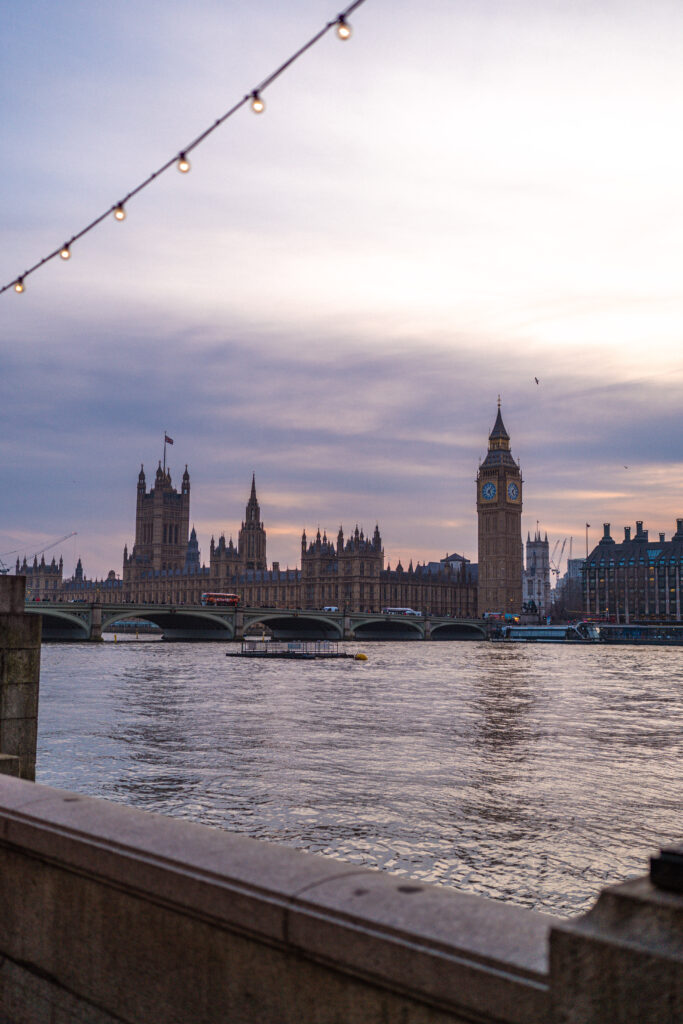
The Thames is the biggest river in London and essentially slices the city in two, separating it into north and south. It’s widely considered to be one of the cleanest rivers flowing through a big city in the world but it’s still not safe to go swimming or paddling in!
When the tide goes out, you’ll often see people scouring the foreshore (the banks of the river,) looking for treasures which have been lost to the annals of time (and the Thames). This is known as ‘mudlarking’ but unfortunately you need a permit for this, which need to be applied for in advance.

Be sure to book an accommodation that’s pretty central for your visit. There are six main transportation zones but you’ll mainly want to stick to zones one and two for sightseeing.
Since most major attractions are often spread far apart from one another, you can just prioritise an area you like that’s close to a tube station and go from there.
Thanks to London’s status as a capital city, there’s always something going on and there’s no bad time to visit!

You can visit all year round but should know that the winter can feel really chilly because of high humidity levels. Similarly, the summer can feel really hot again due to high humidity levels. I personally really enjoy visiting in the shoulder seasons (Spring and Fall) for the best prices and weather.
You need at least three or four days to explore and even more if you want to do day trips. I wouldn’t really recommend coming for just a day or two if it’s your first visit as you’ll probably want to see more than you’ll be able to!
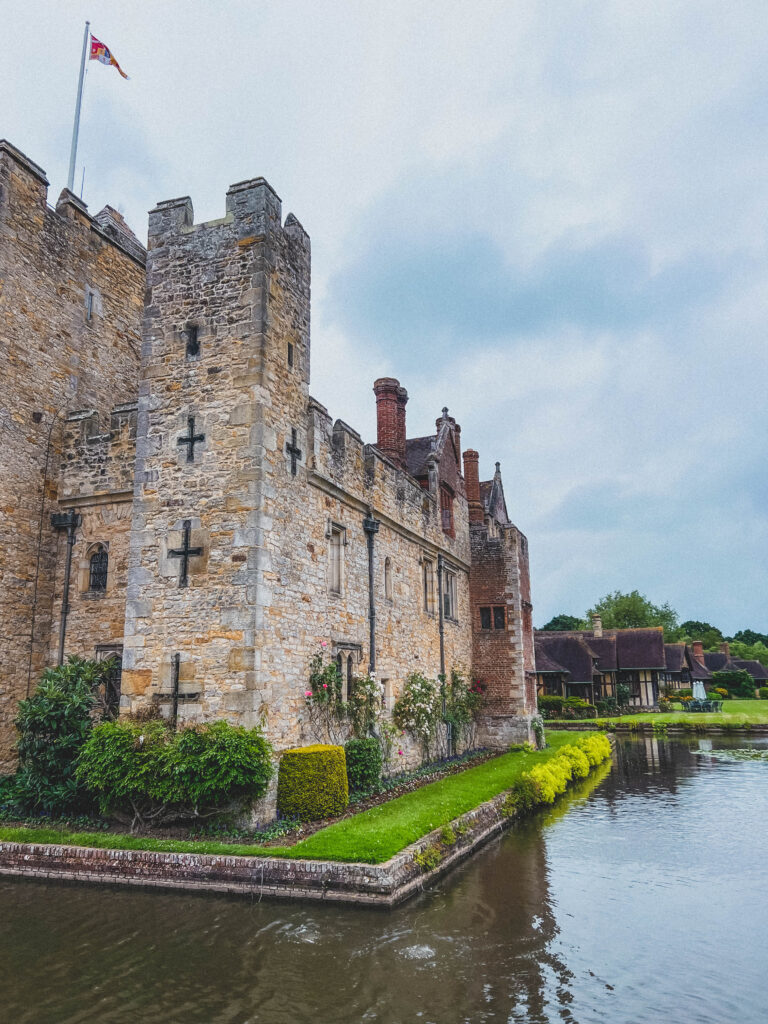

Day trips from London to fall in love with
Essential things to pack for your trip!
Pack a power adapter. The UK uses different plugs (socket type G) to a lot of the rest of the world but I typically now recommend a universal power adapter because then you can take it on to plenty of other countries in Europe afterwards.
The voltage also might be different than your home country so check if your appliances are compatible for UK use before packing them! For example, hairdryers will need an extra voltage converter, so sometimes it’s easier just to leave appliances like this at home!
Bring a reusable water bottle to use throughout your trip. You can check out the site refill.org.uk for a full list of businesses who offer free drinking water refills.
When it comes to safety, you’ll want to keep your things really close to you. I always travel with a cross body bag that has a lock or zip.
You’ll also want to avoid getting your phone out in really busy areas or when you’re walking close to the road as phone snatching is unfortunately increasingly common in London!
Be sure to bring an umbrella or rain jacket and waterproof shoes because there are over 100 rainy days per year in the UK capital, including in the summer months!

Money, currency and finances
The UK uses the Great British Pound (GBP £). One pound is informally referred to as ‘a quid’.
Most places in London will accept card or other contactless methods of payments so don’t worry about bringing a lot of cash with you. ATMs are readily available throughout London if you need to withdraw money during your stay.
Tipping culture is increasingly common in restaurants across London and you will often find between 10 and 15 percent added to the bill, with 12.5% being the most commonly added charge.
This is normally optional but is often added on to your bill automatically so you’ll have to ask for it to be removed if you don’t want to pay it (which can obviously be a bit awkward!). However, if your service has been particularly bad, then don’t hesitate to do so!
Starting for a lot of people in 2025 you’ll need an ETA to enter the UK, which stands for Electronic Travel Authorisation. You can apply for this prior to your trip and it usually takes a few minutes. In the event that it might take longer, be sure to apply at least a week ahead of your trip.
Transport and getting around
The fastest way to get around is usually by using the underground system which Londoners Call the ‘tube’. The system dates all the way back to the Victorian period and is widely considered to be one of the most developed underground systems in the world.
On the tube you can typically use contactless card at the turnstiles but be wary because you can’t always use the contactless method to get to the airports! There are officially nine transportation zones, but you’ll probably stick within the first six as a tourist.
There’s a daily limit of under £10 if you stick within zones one and two, which means that choosing a hotel within these two zones is ideal.
Uber and black cabs (officially known as the ‘Hackney carriage’) are available but traffic in London can be pretty heavy and these often cost significantly more than public transportation. When you use a black cab you can pay by contactless payment method. If you want to tip (which is pretty customary for taxis in the UK), you can round up a few pounds.
Did you know?
Taxis have been part of life in London since the very first days of motor cars in London. After all, the city has always been at the forefront of modern technology. As early as the 17th Century, passengers could ride in horse-drawn carriages to get around London.
These were then replaced by battery operated cars in the late 1800s before being replaced with petrol operated motor cars. Meters were installed in the cabs in 1907 so as to ensure fair pricing for all passengers riding through the UK capital city.
In order to secure a taxi license in London, you have to pass a thorough test, proving that you know the city like the back of your hand. The ‘knowledge’ of all 320 runs are contained in a blue book, all of which must be memorised if someone wants to gain their qualification.
This extensive guide to the city includes 25,000 streets, 60,000 points of interest, and around 20,000 monuments within a six mile radius between Charing Cross Station. If you want to earn the privilege of driving a London cab, you have to learn all 25000 streets off by heart, as well as the points of interest which include clubs, crematoriums, and hospitals among other sites!
The requirement to learn all of London back to front makes the Knowledge the hardest and most comprehensive test of its kind in the world. In fact, it takes between two and four years of full-time study to complete. The test comprises of a combination of written and oral exams. And it’s a tough few years at that…
You’ll often see people on scooters driving around the city with maps attached to their handlebars which have their day’s lesson attached to it. These are the people who are studying for the Knowledge and they are known as knowledge boys and girls.

You can also take one of the big red double decker buses for an affordable tour around. Bus routes 11 and 24 both have amazing views as they pass by a lot of famous monuments. You can also try the specialised bus companies for an open rooftop tour of the city, but I personally prefer to stick to the red buses!
One of the best ways to work out which route you should take when getting from A to B is to use Citymapper. The app will even tell you the best ways to transfer within the tube and what carriage to use for the fastest exit!
Download an offline version of Google maps because you won’t always have signal, both in the underground and even in congested areas such as Covent garden.
Cars drive on the left so look carefully before crossing the road. Sidewalks, which the British refer to as pavements, often have an indication of which way to look before crossing!
The safest way to cross the street is either at a traffic light which has a pedestrian crossing (known locally as a pelican crossing) or at a striped crossing on the ground, which is known as a zebra crossing.
Like most European cities, the best way to explore London is on foot. There are beautiful parks to check out and many districts which are accessible to pedestrians only (including much of Covent Garden and all of the covered markets)!
As such, be sure to pack comfortable shoes. You can easily clock up 20,000 steps per day when wandering the streets and even when you use the tube you’ll end up doing a lot of walking as there’s often quite a bit of distance between tube lines!
Tips for food, drink & entertainment
If it happens to be raining there are fortunately many indoor activities as well as the museums, including covered markets, department stores, theatres, and cafes. For more inspiration, check out my tips for how to spend a rainy day in London.
Many of the best museums in London are completely free to visit. I really love checking out the Natural History Museum, the Science Museum, the V&A, the National Portrait Gallery and the Sir John Soane Museum.
Check if you can book attractions in advance. If there’s something in particular that you want to see then check in advance if you can pre-reserve a time slot to save you from waiting too long in queues or not being able to see the attraction at all.
As of 2025 it’s advisable to even book ‘free’ tickets for most of London’s major museums, including the British Museum. This way you’ll get to use special entrances, where the queues often move faster.

Devote some time to exploring London’s parks. London is one of the cities with the most green spaces in the world and is actually considered the world’s largest urban forest due to how many trees there are!
London has everything from Michelin star restaurants to street food trucks and everything in between. This means that dining out can be as affordable or as luxurious as you like.
If you want to head somewhere specific for dinner then I recommend booking a table in advance, as even many pubs take bookings and fill up fast, especially during school holidays or at the weekend.
Unfortunately, many of the more popular places now operate a system whereby you only get your table for an hour and a half to two hours in busy periods and so this might be something to bear in mind for your itinerary planning.
Be sure to visit a pub during your time in the city! Pubs are not just about alcohol and many serve soft drinks, hot drinks, and even food. There are over 3500 pubs in London and some date back many centuries.
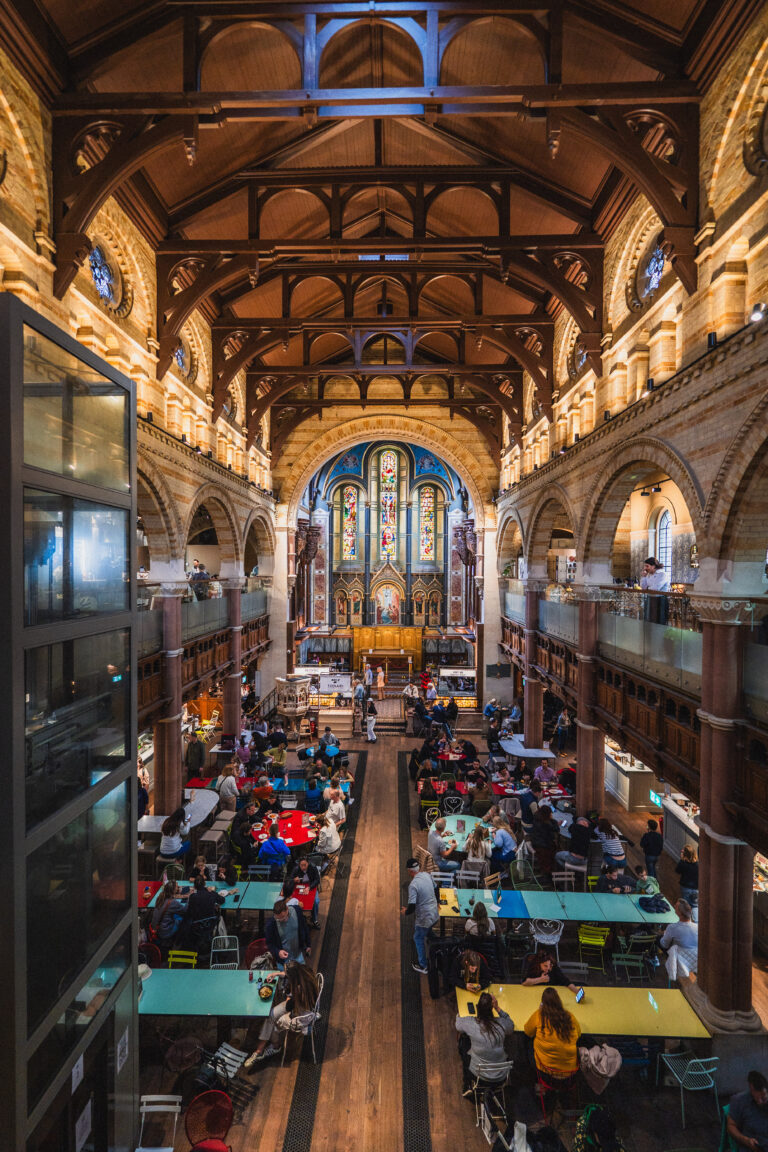
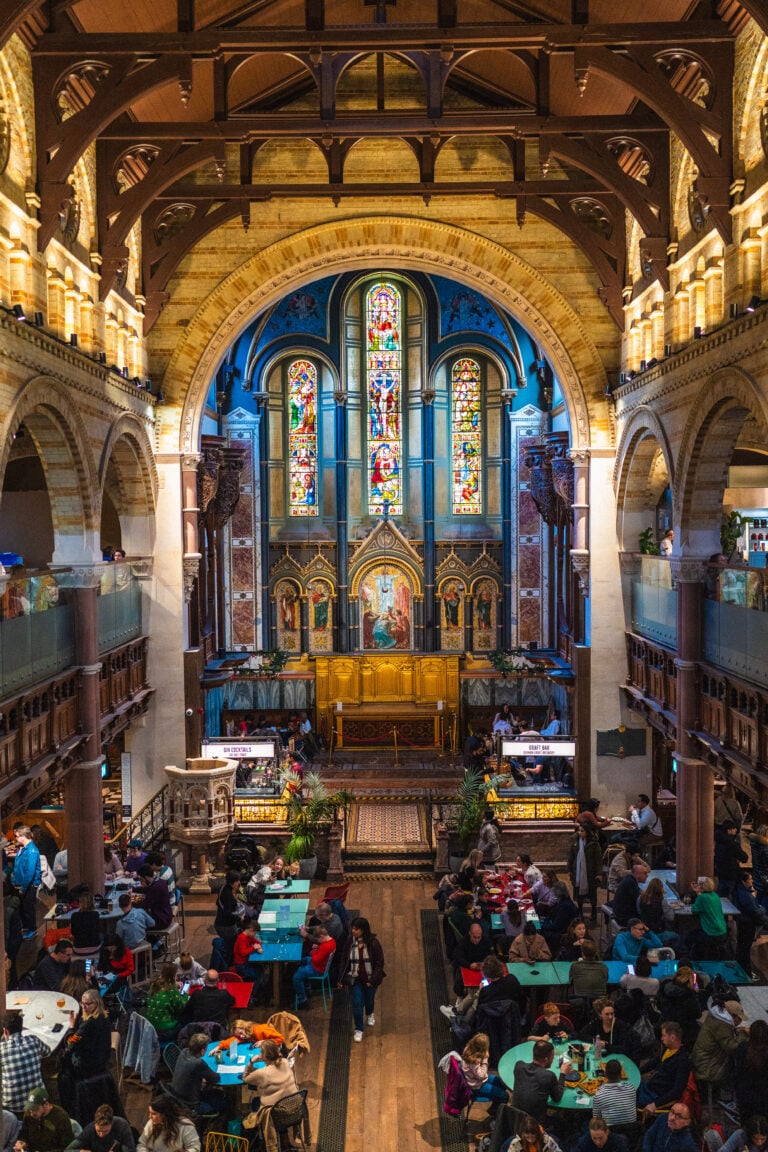
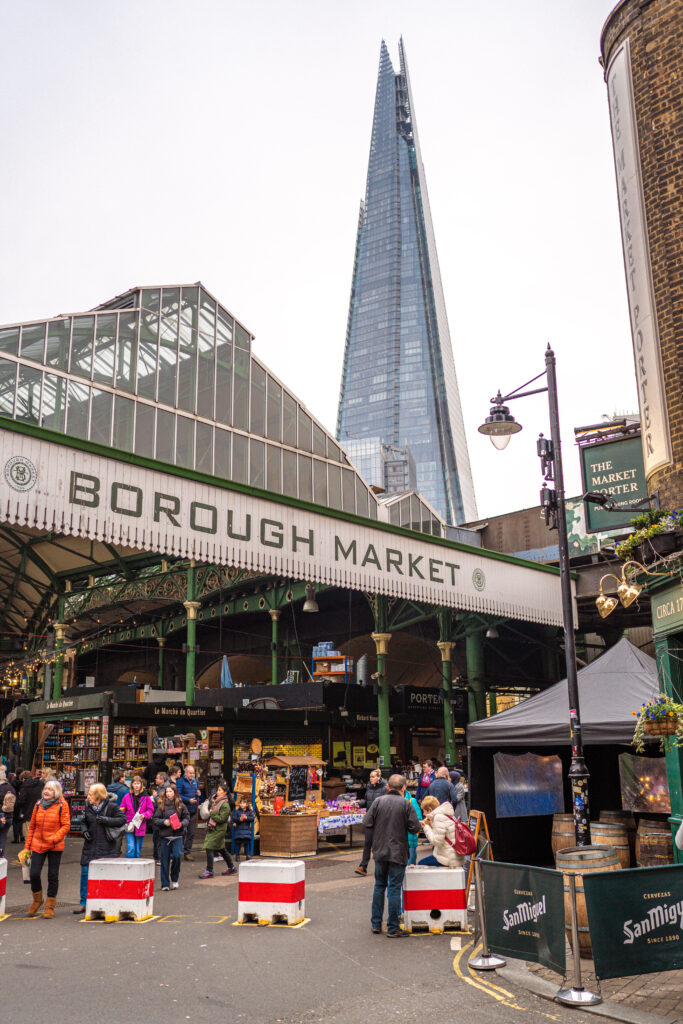
The food markets are also a great place to visit and some of my favourites include Borough market and old Spitalfields in east London. These are some of the best places to try lots of different types of cuisines as you can get smaller portions of each dish and try them all as a group from various food stalls within the market.
I don’t necessarily recommend having fish and chips while in the city as some of the best and freshest fish and chips can actually be found in the English countryside!
When in restaurants you can save money on water by asking for tap water. And don’t worry when requesting this as it’s really normal!
Finally- don’t try and see everything on one trip. Leave time to wander around and explore and plan your day via neighbourhood. I would also recommend only seeing one large attraction per day as otherwise you won’t have enough time to just wander around and soak up the atmosphere.