A Guide to the Best Things to do in Yerres, Île de France
Last Updated on 17th May 2024 by Sophie Nadeau
This post may contain affiliate links. Please check out my privacy policy and disclosure for more information.
Charming and quiet, Yerres boasts the claim to being none other than the birthplace of world-renowned painter Caillebotte, an impressionist painter who lived in the latter half of the 19th-century.
Today the sleepy town is quite residential but merits a visit if you’re in search of somewhere a little off the beaten tourist track within the Île de France region. Here’s your guide to the best things to do in Yerres, as well as what to know before you go.
I first visited Yerres on a sunny afternoon in late July. We had escaped the intense heat of the city for a few hours and I loved soaking up the non-touristy afternoon by strolling around the park and following in the footsteps of Gustave Caillebotte. You won’t need more than a couple of hours to discover Yerres, making it an easy side trip from Paris if you don’t have very much time spare.

Contents
Where is Yerres?
Yerres in Île de France should not be confused with Hyères (which my French husband assures me is pronounced the same) in the south of France. The Yerres close to Paris is in the Essonne department, in the southeastern suburbs of Paris.
If you don’t have your own car, then the easiest way to reach the centre of town is to take the RER D from Gare de Lyon to Yerres train station. Journeys depart on a regular basis throughout the day and take around 25 minutes each way.
A brief history of Yerres
There has been evidence of the human inhabitation of Yerres since at least 650 CE. However, the town only truly rose to importance following the construction of the Abbey of Yerres during the 12th-century (between 1120 and 1132 to be precise).
44 Benedictine abbesses resided in and cared for the Abbey right up until the French Revolution. Today, the former abbey remains intact but has since been converted into residential flats.
The first even Lord of Yerres was known as Guillaume de Hierra and he resided in the château that has since been rebuilt and is now known as Château de Budé. Throughout the centuries there was a power struggle between the Abbey and the Lords of Hierra.
As you might have already gathered, the name ‘Yerres’ has taken several forms over the years. “Hierra”, “Erra” and “Irrya” have all been used and it wasn’t until the 20th-century that Yerres became the accepted and official spelling. It’s thought that the name derives from the Latin for ivy.
Things to do in Yerres
Maison Caillebotte & Caillebotte Park
As the most esteemed resident to have come from Yerres, it should come as no surprise that the top thing to do in town is to visit Maison Caillebotte, the artist’s former home turned museum.
The first time that Caillebotte’s work was shown at any kind of scale was when eight of the then 38 year old artist’s paintings were displayed within the second impressionism exhibition in 1876.
Caillebotte stood out from many of his contemporaries because his work was regarded to be more realistic than any of his peers. He was also different from many of his fellow artists in that he grew up in a wealthy family and so was not pressured to make money from his artwork.
Though he grew up in money, he wanted to help other impressionist painters and soon purchased works by Monet, Pissarro, and Renoir. Indeed, he was such a patron of the arts that he even funded the rent for one of Monet’s studios.
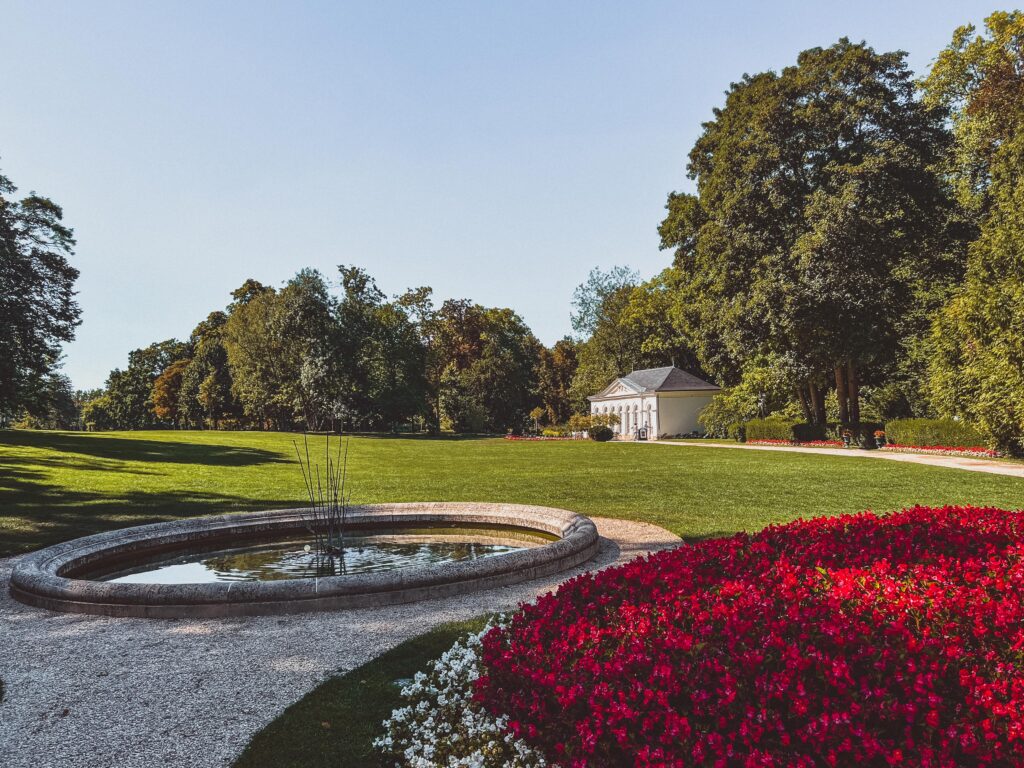
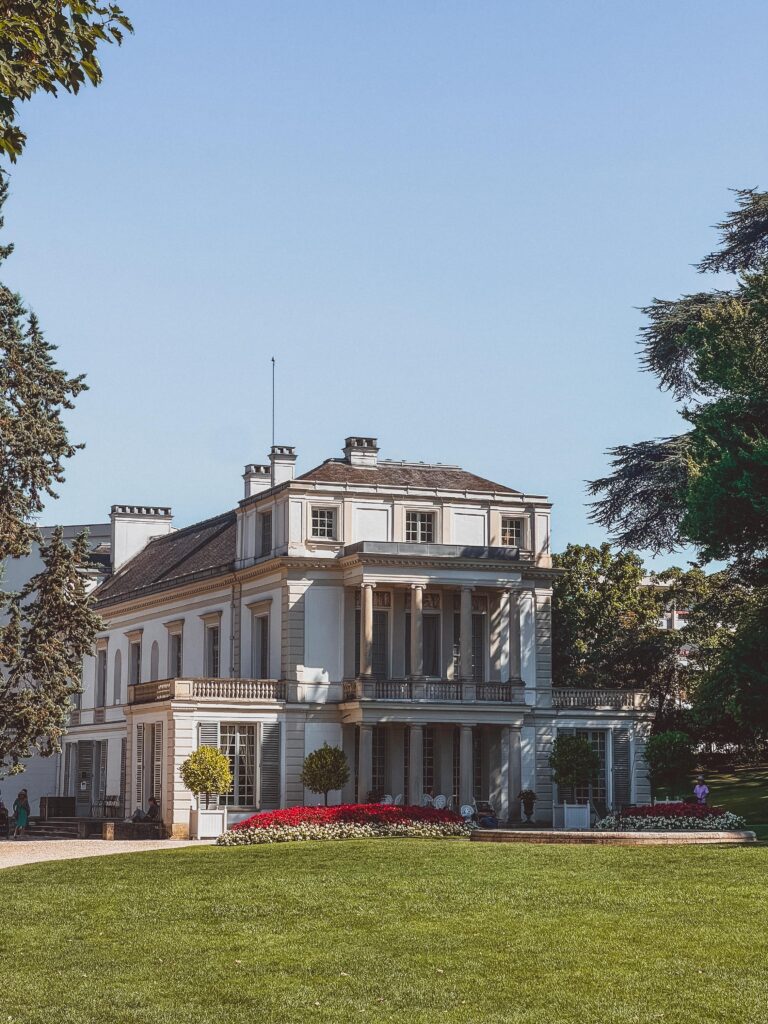
When Gustave was just 12 years old, his parents purchased what is now known as Maison Caillebotte in Yerres to be used as a summer house. It was here in the gorgeous grounds of this Neo-classical villa where the young Caillebotte discovered a love of painting en plein air and developed his artistic skills.
Between 1875 and 1879, Caillebotte painted dozens of Impressionistic works in the grounds of his family home, some of which have gone on to be some of his most acclaimed pieces. As well as the house, paintings feature the gardens, estate, and boats sailing in the nearby river.
In 1973, the town of Yerres acquired the house and its accompanying estate for the princely sum of 1 France for the purpose of preserving the property for future generations.
Today you can enter the grounds for free (and even enjoy a picnic there during the summer if you bring your own supplies) and pay a fee to enter the artist’s former home. There’s also a restaurant on site (L’Orée du Parc) where you can enjoy French fine dining in a lovely setting.
Eglise Saint Honest
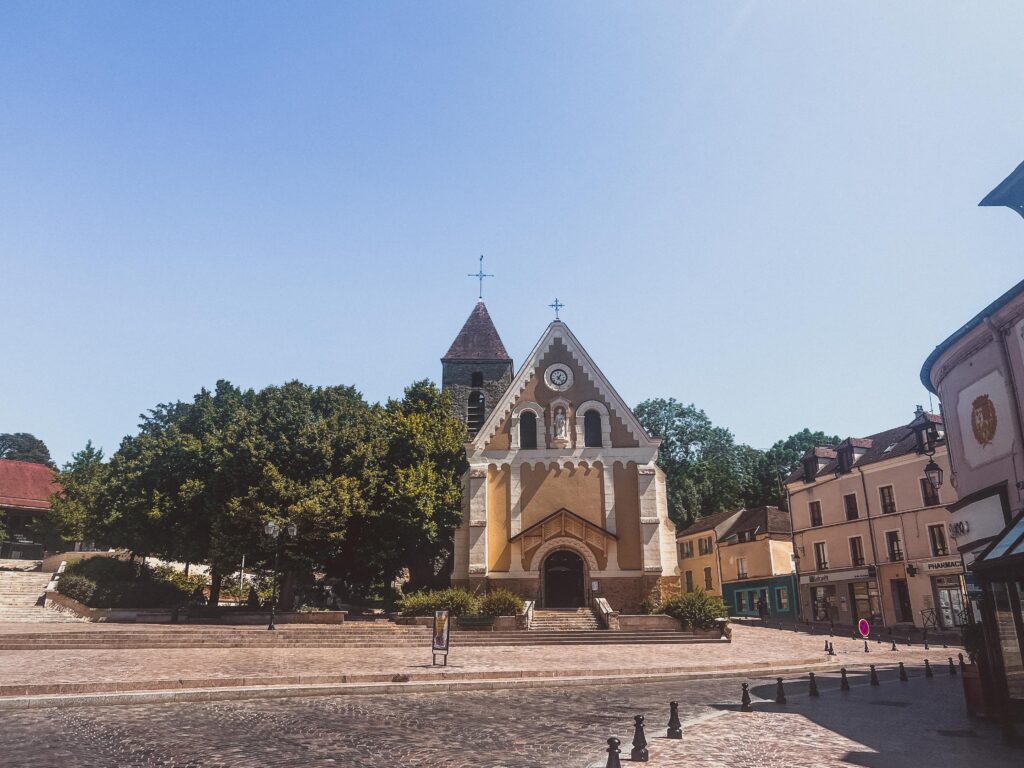
The main church in Yerres is the Church of Saint Honest, whose roots date back to the 12th-century, with the choir and sanctuary constructed in the 13th-century.
Named for the 2nd-century martyr Saint Honest, the church is free to visit and much of what you see today was built during the 19th-century. The church was completely restored in 2005, leading to the polished appearance you see today.
Château de Budé
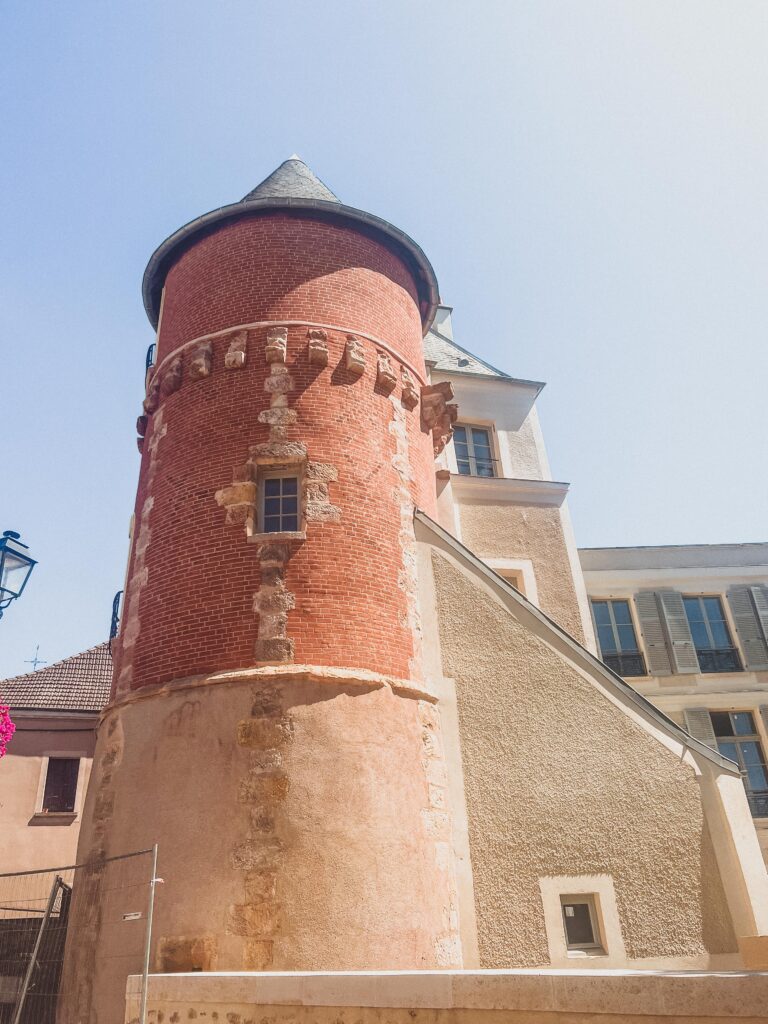
Nestled in the very heart of Yerres, the imposing Château de Budé dates back to the 15th-century (though there were previous mansions onsite) and its turreted exterior remains impressive to this day. Unfortunately it is now being turned into luxury flats and so only its exterior can still be admired.
Château Du Maréchal De Saxe
Yet another château which can be found within Yerres, though this time on its fringes, is the Château Du Maréchal De Saxe. Once known as Le Château de la Grange (on account of its positions within the now demolished forest of La Grange), the mansion was built in the early 17th-century on the site of a former fortified farm.
In 1748, the mansion was greatly altered, with the addition of a ceremonial gallery known as the ‘stucco gallery’. Those who owned the house remained in close favour with the Royals up until the French Revolution.
During the Nazi Occupation of France, the building was used by the Germans to repair aircraft engines. It was then restored and turned into a hotel, which has since closed down. The château remains private property to this day but its exterior can be enjoyed from behind the wrought iron gates on the entrance.

Enjoyed reading about the best of Yerres? Pin this article now, read it again later: