A Guide To Traditional Provençal Dishes To Taste In Provence
Last Updated on 21st May 2026 by Sophie Nadeau
This post may contain affiliate links. Please check out my privacy policy and disclosure for more information.
We can all agree that there’s a huge difference between French and Italian cooking, generally speaking, one is rich and buttery, while the other focuses on simplicity and sun-kissed vegetables – nonetheless, both are delicious.
When it comes to food in the southern region of France known as Provence, this pocket of the world has managed to encompass the perfect balance of both worlds. Provençal cuisine draws inspiration from the Mediterranean climate, as well as its proximity to Italy, all the while being situated in La France. Here’s your guide to traditional Provençal dishes and what to enjoy when in Provence!
What is typical Provencal food?
Traditional Provençal cuisine is bold and packed full of flavour, yet renowned for its simplicity and use of farm-to-table ingredients. Indeed, thanks to the region’s Mediterranean climate, a wide variety of high-quality produce is grown (and eaten) in Southern France. Due to its location along the coast, Provence dishes are also heavily fish-focused.
Provencal food is somewhat akin to that of traditional Apulian cuisine, many of the cuisine’s dishes have been made out of circumstances by workers and people of the land. As a result, these recipes have been passed down through generations for centuries and become the staple understanding of what we know Provencal food to be today.
Common ingredients
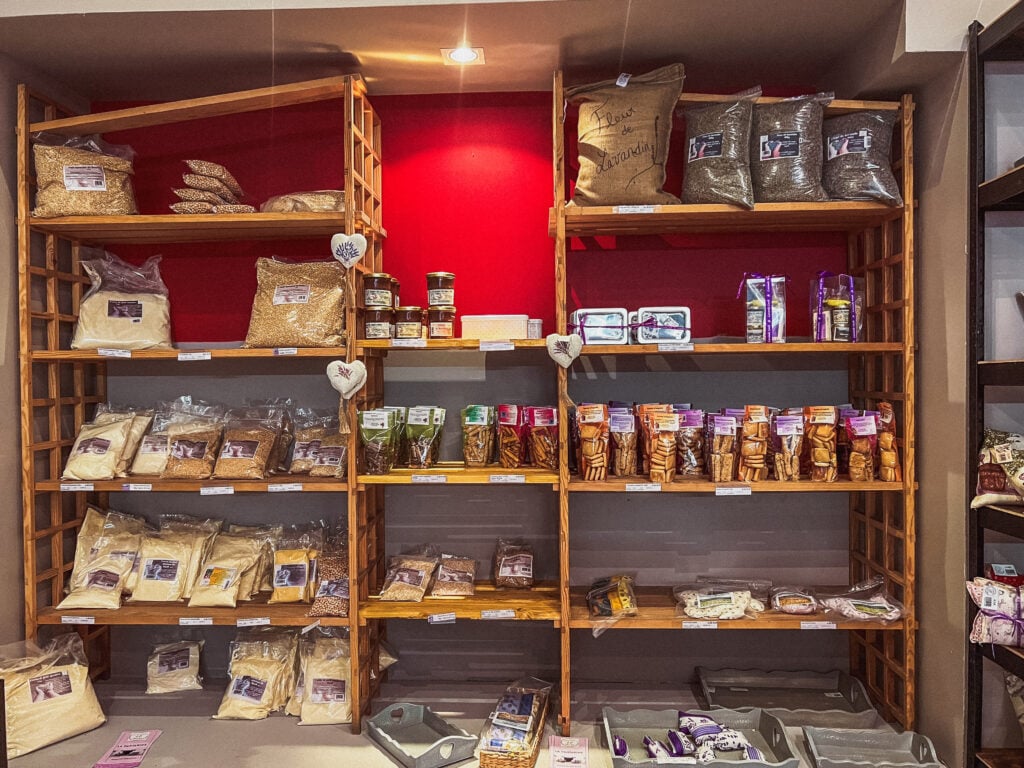
Similar to that of Italian cuisine, Provence uses a lot of sun-kissed fruits and vegetables, that make up the basis for a lot of the main dishes. Le Panier Provençal is the largest producer of tomatoes in all of France, that alone says something for the region!
Common ingredients to expect in Provençal dishes include tomatoes, garlic, fish, a lot of olive oil and, of course, Herbes de Provence (a traditional blend of dried herbs: typically from thyme, basil, rosemary, parsley, sage, tarragon, marjoram, oregano and bay leaf).

Savoury Provençal dishes to try
Ratatouille
While the dreamy vision of Ratatouille might have been brought to your attention first by the dish Remi famously cooks in the 2007 Disney film, it is indeed a Provençal dish that originates from Nice and dates back to the late 18th century.
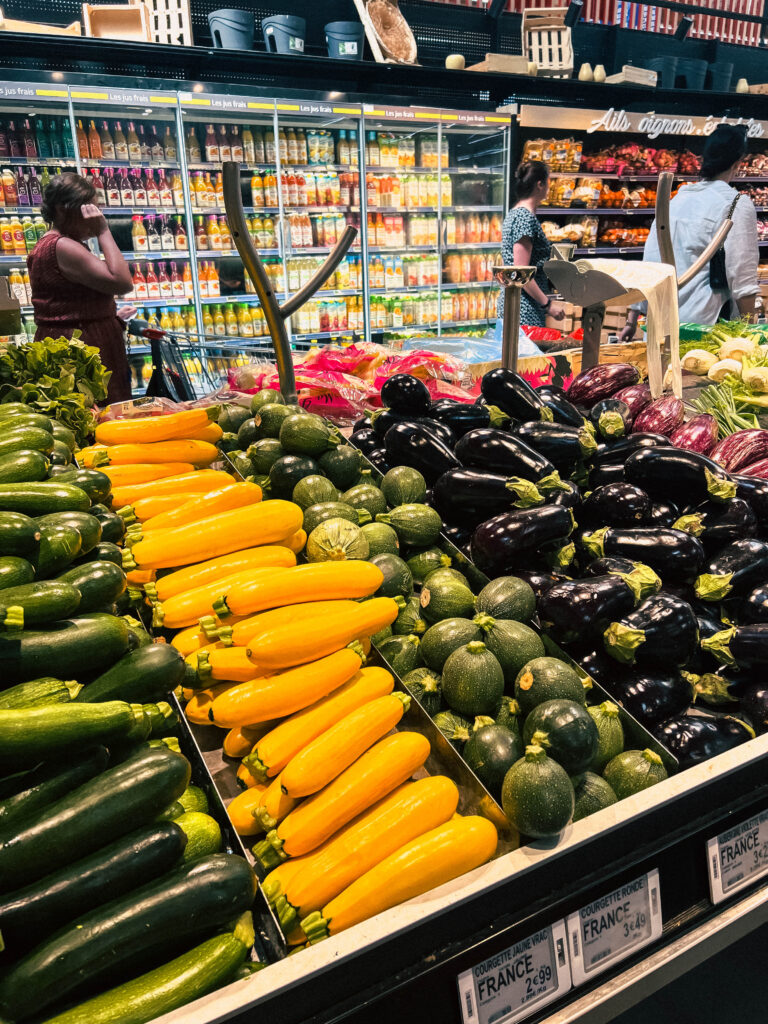
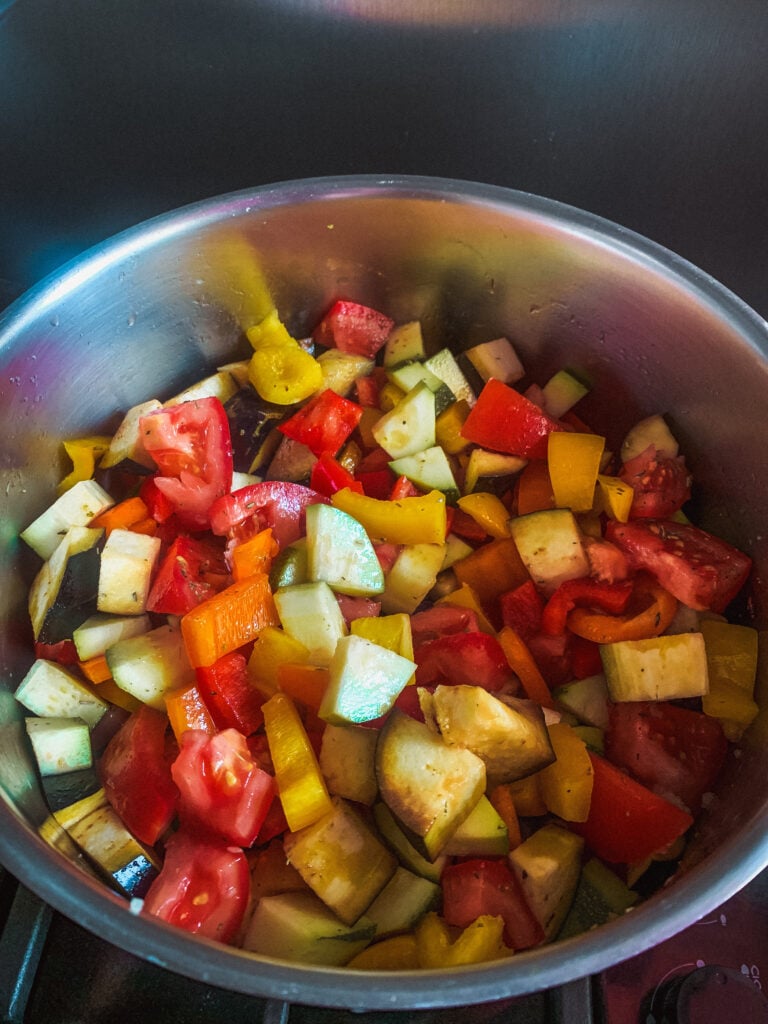
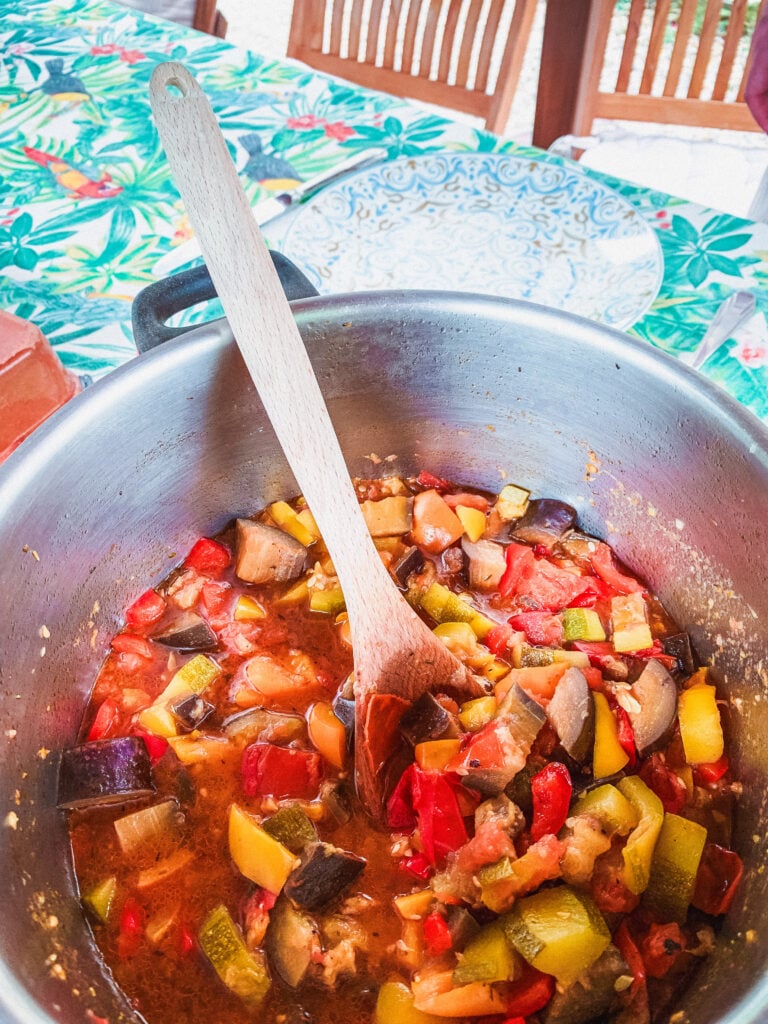
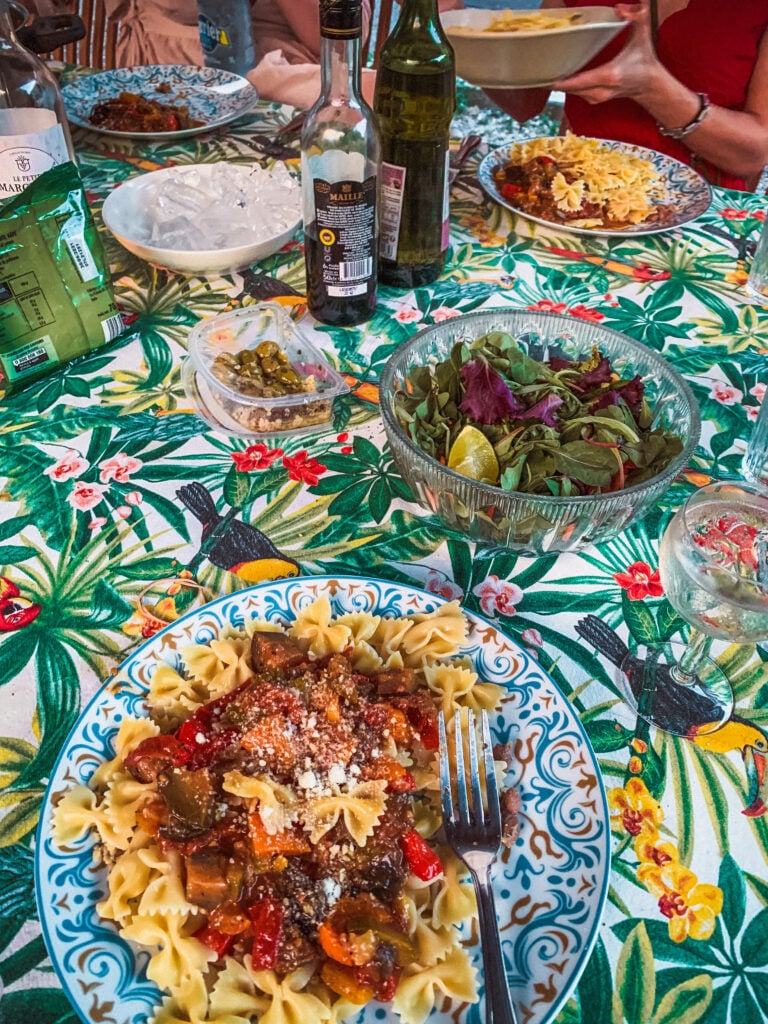
Ratatouille was first created as a way to use up the last of the summer vegetables, a warm and comforting stew which has become a staple of the southern French region. The stew is cooked for hours on end, allowing the flavours of the sun grown vegetables to meld together slowly. Ingredients are simply, whatever is left over: courgettes, aubergine, peppers, tomatoes and seasoned with plenty of olive oil, herbs, salt & pepper.
The dish is traditionally served at room temperature and is considered a side dish, eaten with a torn piece of crusty French bread.
Bouillabaisse
Bouillabaisse (“BOO-ya-bess”), or, as it’s known in English, “fish soup”, originates from the port city of Marseille. The dish takes its name from the Provencal Occitan word, which means to “boil and simmer.”
Historically, Bouillabaisse was made with bony rockfish, the kind that fishermen were unable to sell on markets or to restaurants, and therefore turned into stew. Nowadays, you can expect a bit more than the unsellable stock of fish, and there’s usually extra additions to the stew like sea urchins, mussels, crab or octopus.
Salade niçoise
The traditional salad of Nice, this dish has gained widespread popularity since the early 20th century, it’s for this reason that it’s not uncommon to see it as a classic salad in a lot of restaurants. Salade niçoise is made from ingredients that were readily available from the garden, salad leaves and tomatoes, as well as hard-boile egg, olives and anchovies or tuna, which is then smothered in a generous helping of olive oil.
Cod en Papillote
‘Cod en Papillote’ translates from French as ‘Cod in paper’, and it is exactly this: a serving of fish accompanied by fresh vegetables, wrapped in a pouch of paper and then baked in the oven. The trapped moisture cooks the food inside and steams it.
Cooking ‘en papillote’ is the French term for cooking in parchment, which rose to prominence in the 17th century and has continued to be a popular method, allowing for the subtler flavours of local produce to steam and speak for themselves!
Soupe au pistou (Provencal Summer soup)
Considering that Provence is bathed in sunshine for an average of 300 days per year, some refreshing dishes have been created to cool off the locals from the summer heat. Soupe au pistou is a flavourful vegetable summer soup which is the South of Frances’ version of Italy’s Minestrone Soup.
Loaded with hearty white beans, green beans, summer squash, potatoes and pasta, the soup is finished off with a helping of pistou (similar to pesto, this Provençal cold sauce is made from garlic, fresh basil, and olive oil and sometimes almonds or bread crumbs).
Tapenade
Although tapenades can be traced back to ancient Greece and Rome, where olives were core to their diet, olive tapenade as we know it today actually originates from Marseille, Provence in the 19th century.
The olive spread is traditionally made from a mixture of black olives, capers, garlic, olive oil, anchovies and sometimes the juice of a lemon. It’s most commonly eaten on a toasted crostini or bruschetta, best tasted on an outdoor terrace with a glass of rosé in hand!

Aioli
While the exact origins of Aioli are under hot dispute, we’ll go with the Provençal story for this article. Aioli is simply olive oil, egg yolks, lemon and garlic whipped up into a creamy condiment that is reminiscent of mayonnaise (though, many people hate that comparison, so take of it what you will!)
Aioli is served as the ultimate dip in the South of France for fresh prawns, vegetables, etc. As well as being a popular spread used in sandwiches.
Fougasse
Fougasse (which translates as focaccia) is a bread found in other regions but is typically associated with Provence. The bread is made with plenty of olive oil and fresh herbs and can sometimes be found crafted into the shape of wheat and then baked. It’s one of the great examples of foods that shares the French and Italian blend of cuisine in Provence.
Socca
Served piping hot and fresh from the boulangerie (bakery), this traditional bread is an unleavened crêpe made from chickpea flour. Also known as Farinata, torta di Ceci, or cecina, this savoury dish is a must-try while in the region, and not just because it’s one of the cheapest eats you can find in this Southern French city. Read our guide on how to find the best Socca in Nice.

Panisse
Another chickpea-based snack that originates from Nice is Panisse, a small street food dish that is served in a sausage/rectangular form. Panisse is often mistaken as Italian in origin as workers from the Piedmont and Liguria regions would purchase them and bring them across the border to Italy.
Sweet Provençal dishes to try
Lavender ice cream
If there’s one flavour and scent that brings Provence to life, it’s lavender. The region is renowned for its sprawling fields of purple flowers that cover the landscape in summer each year. Indeed, Provence is the world’s leading producer of all things lavender-based.
One particular sweet delight that is commonly sold in the smaller villages and towns of Provence is lavender ice cream. Although it sounds like it would be soapy in taste, if you find good lavender ice cream, it should be subtle and floral in flavour with the perfect creamy finish!
Top tip: The best lavender ice cream is usually pale(er) in colour, close to white, as this tends to have fewer flavourings added, but rather relies on the flavour from the purple flower itself.

These small boat-shaped biscuits are crumbly Provençal cookies that originate from Marseille and are flavoured with the sweet scent of orange blossom water. The origins of the navette de Marseille are debated, but some say the biscuit was created by Monsieur Aveyrous in 1781. The boat shape likely relates to the city’s maritime trade and port.

Calissons
These candied fruits, usually melon or orange, are smothered with a thin layer of Royal icing (icing which goes hard). The sweet treat is most associated with the town of Aix-en-Provence and the region itself is certainly where almost the entirety of the world’s supply of Calissons comes from.
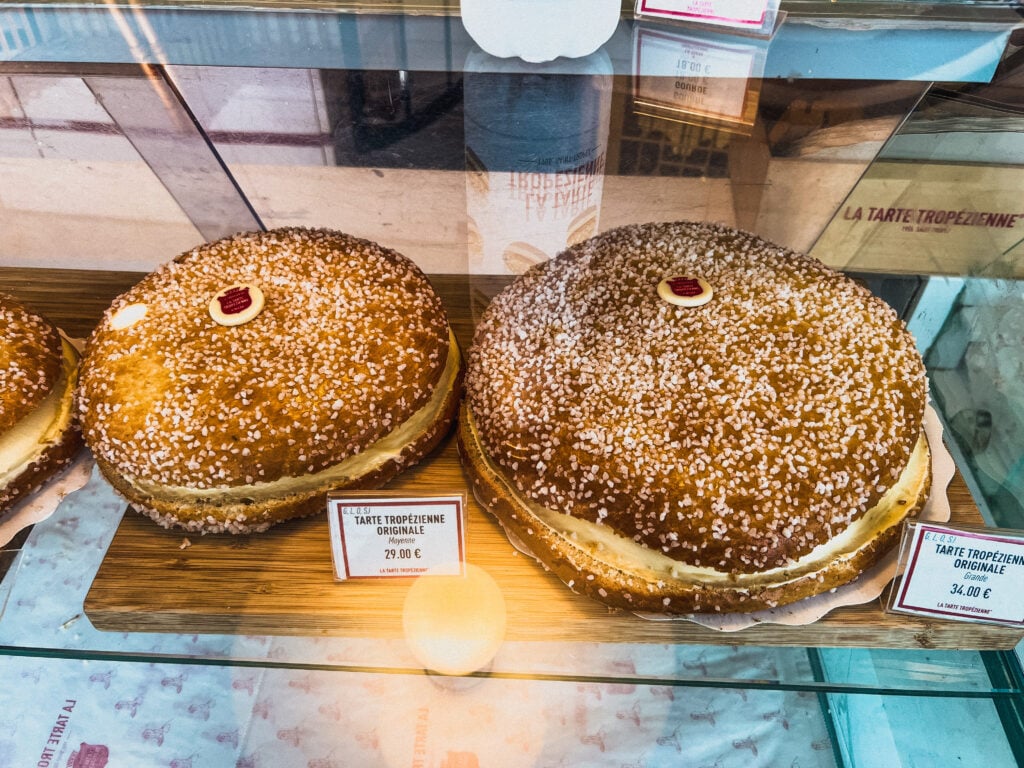
Tarte Tropézienne
Also known as “la tarte de Saint-Tropez”, this brioche-filled bun is a double dreamy delight wherein two types of cream are used to fill the pastry. Pasty cream and buttercream are loaded in and the dessert is finished off with a light dusting of pearl sugar.
The popular dessert is said to come from a recipe from a Polish grandmother of the pâtissier Alexandre Micka, who, in the 1950s, served it to locals in the heart of Saint-Tropez.
Nougat
While nougat itself originated from the Middle East as far back as the 10th century, the candy is popular and widespread within the region of Provence.
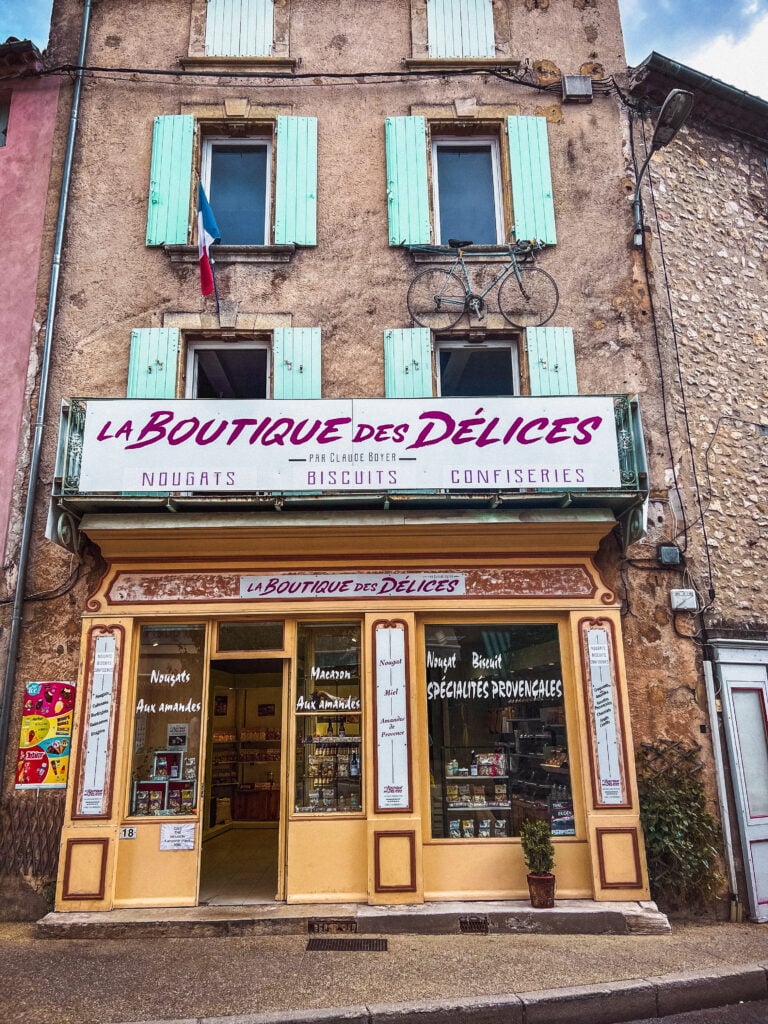
Nougat can be seen in huge slabs sold at markets, as well as in shops entirely dedicated to the sweet treat. Soft and crunchy at the same time, one of the most niche nougats you can taste is one which is made up from lavender honey of the region.
Drink
Wine in Provence (Rosé)
It would take a long time to cover the fabulous wines, sprawling vineyards and incredible wineries that bless the Provençal landscape, so we’ll keep it brief and stick to the most renowned of the region’s wines.
While France is the capital of wine, Provence is the capital of the world when it comes to rosé wine. The region has become synonymous with the pink alcoholic beverage thanks to its unique modern-day rosé winemaking.
There are two ways when it comes to making the rosé in Provence that sets it above anywhere else. First, the maceration time, allowing for the skin of the grape to sit in the wine that bit longer and seep out powerful aromas, secondly, direct pressing (this creates the light and pale tones of rosé).

Pastis
Pastis is an anise-flavoured apéritif which is popular in the region and sits at around 40–45% ABV. Similar to Greek ouzo, Pastis is served in a short cordial glass and diluted with a little water, though it has more of a powerful liquorice punch to it than ouzo.