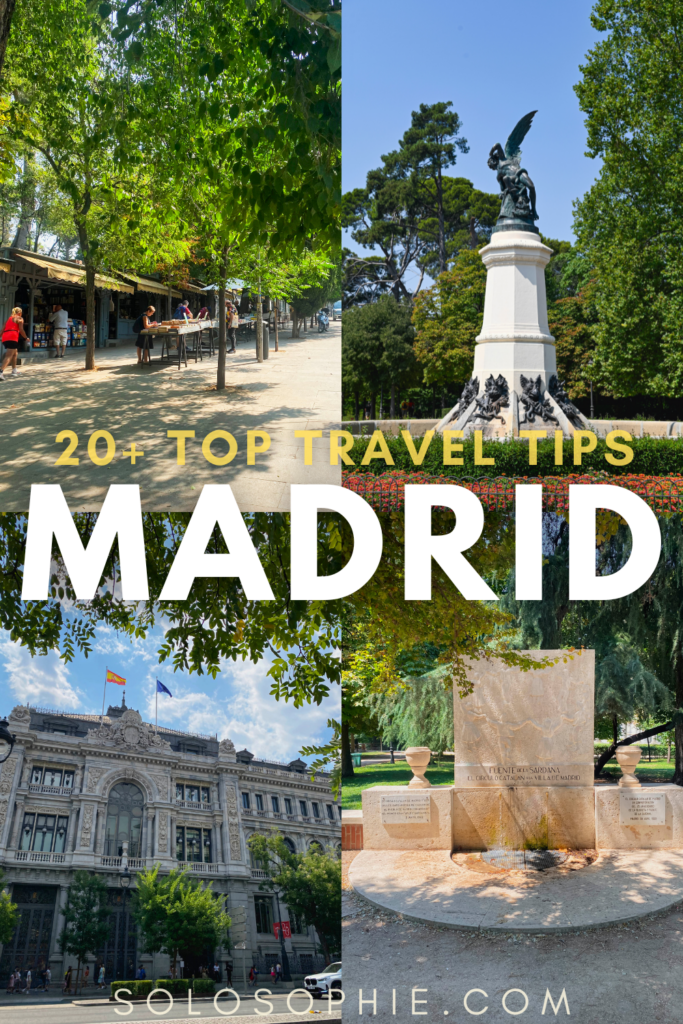

20+ Madrid Travel Tips You Must Know Before Visiting
Last Updated on 17th April 2026 by Sophie Nadeau
This post may contain affiliate links. Please check out my privacy policy for more information.
Madrid, the vibrant capital of Spain, is a must-see for anyone wanting to soak up Europe’s culture, history, and energy. Whether it’s your first visit or your fifth, there’s always something new waiting around the corner. But knowing a few insider tips can make all the difference when it comes to enjoying your trip.
20+ top travel tips Madrid
Madrid is less about ticking off iconic landmarks
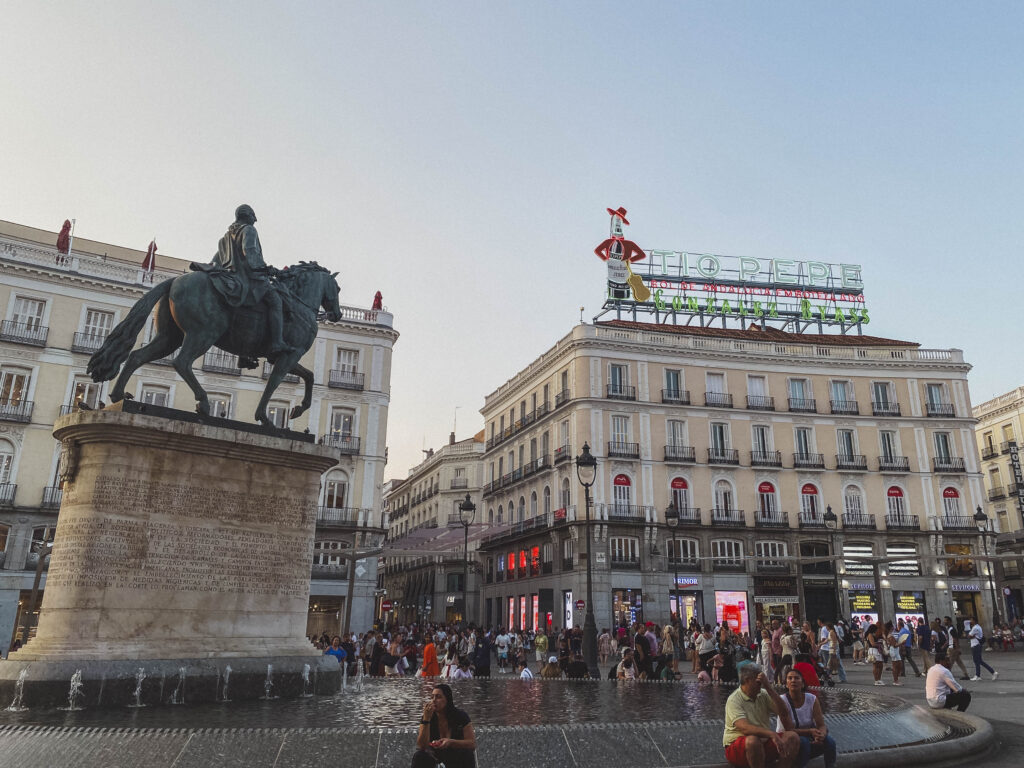
Truth be told, Madrid doesn’t necessarily have the same must-see, iconic hotspots as capitals like Paris, Rome, or even Barcelona. Instead, you’ll find that the city is more about atmosphere and lifestyle, enjoying the Spanish pace of siestas, small bites to eat, and soaking up the charm of the city.
Don’t rent a car
The centre of Madrid is car-heavy, with strict emissions zones. Save yourself the hassle of worrying about parking and unbearable traffic by relying solely on public transport or your own two feet. The official white taxis (often identified by a red stripe) are also a popular choice – but again, you risk long waits in traffic.
Public transport is easy (and fairly cheap!)
Madrid is well served by its extensive public transport network. In fact, what makes the city’s public transport so good is that it’s literally public – managed by local or state authorities. It’s also reasonably priced, with single trips costing somewhere between €1.50 and €2.00.
As it’s just the Madrid Metro and one comprehensive bus service that covers the entire city, public transport is much easier to navigate. That, and the Madrid transport card (known as Tarjeta Transporte Público) can be used across both services. The transport card can be bought from most train stations at the ticket machine. Simply purchase the card, and then charge it up with however many trips you wish.
Is it good to solo travel?
Yes! Madrid is super easy to travel solo thanks to its friendly atmosphere and easy-to-navigate public transport system. As a solo female traveller, I found the city exceptionally safe and welcoming, as with all major cities, it’s important to keep your wits about you – but it feels extremely safe both day and night. Although, as a female, I don’t recommend wandering the streets alone at night.

Dinner is eaten late
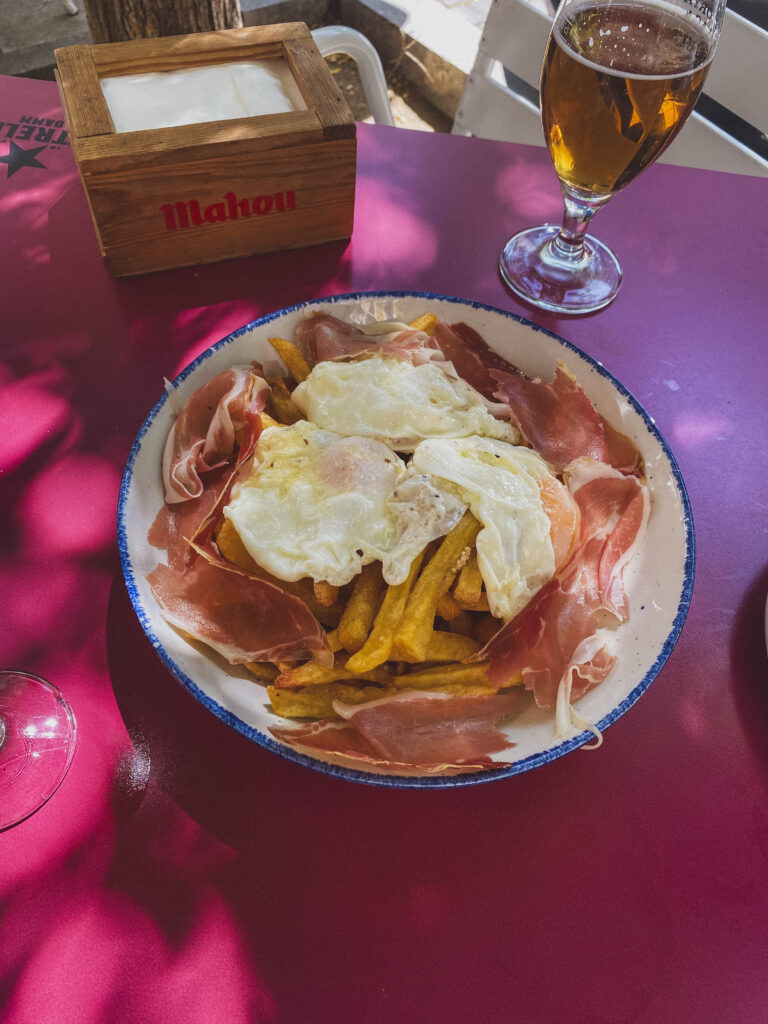
In Spain, dinner is typically eaten somewhere between 9 pm and 10:30 pm. This might seem on the late side for many, but you’ll quickly understand why once you enjoy the typical Spanish lifestyle. Small bites throughout the day and sun really do stave off the appetite. That, and a historical time zone discrepancy (a decision made by dictator Francisco Franco in 1940), all contribute to the later dinner eating time.
Make a dinner reservation in advance
If you do choose to eat at Spanish timing (which I highly recommend for the vibes alone), then be sure to book a reservation in advance. After all, Madrid is a bustling capital, and lots of the restaurants tend to book up fast.
Tapas isn’t what you think
Unlike many countries where the idea of “tapas” is small plates of food in abundance as a meal to share, in Spain, tapas is literally a small bite that often comes for free when you order a drink. Of course, you can still order tapas sharing plates, but the most traditional is to receive a small “appetiser” with whatever drink you order at the bar. You receive whatever the chef has made that day; there’s no choice in what you get, but also no expectation to eat it.
Pints aren’t a typical measurement size
In Spain, the consumption of beer is focused more on smaller, faster-consumed pours, as this is what keeps the beer cold and fresh. And so, when ordering a beer, you’ll typically receive a caña size (350ml), unless you ask otherwise.
Buy tickets in advance
One of the more important things to remember when visiting any European city is to book tickets for major attractions in advance. This is also recommended when it comes to day trips, especially during the peak season, as many people will likely have the same idea as you!
You can visit the football stadium
For those who live and breathe the sport, you’ll be happy to know that visits to the iconic Santiago Bernabéu Stadium (Real Madrid) are available. Home to Real Madrid, arguably the world’s most popular and loved football club, this stadium is a popular landmark, especially since its 2023 renovation, making it one of the most technologically advanced football stadiums in the world.
Leave Madrid for a day
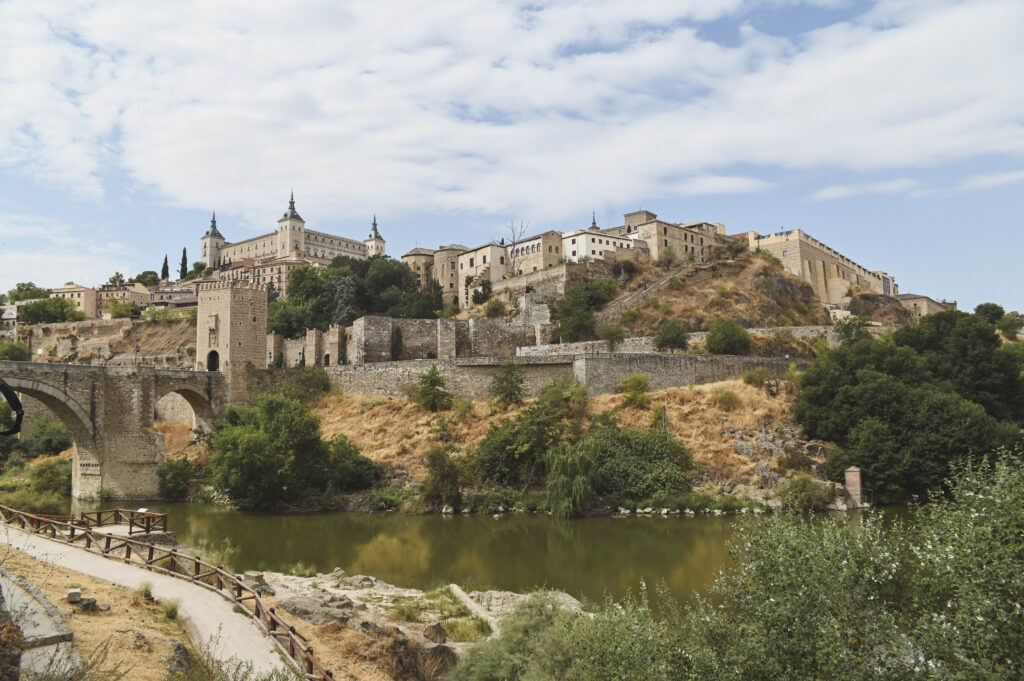
One of the best Madrid travel tips I can give you is that there is a world to visit in Spain, outside of Madrid. Hands down, one of the easiest, fastest, and most convenient day trips from Madrid is a side excursion to the city of Toledo.
This historic destination is just a 35-minute train ride from Madrid, with 13 trains running per day. A one-way ticket costs €11, and I recommend purchasing it on the official Renfe website. As this is a popular day-trip destination, you may need to book in advance when visiting during peak seasons.
Other popular day trips include Segovia, Ávila, and Salamanca.
Madrid is vegan friendly
While it’s true that the Spanish diet is very meat-heavy, Madrid is actually very vegan-friendly. The city has developed a thriving plant-based scene with numerous 100% vegan restaurants and cafés on offer, particularly in areas like Malasaña.
Venture into the neighbourhoods
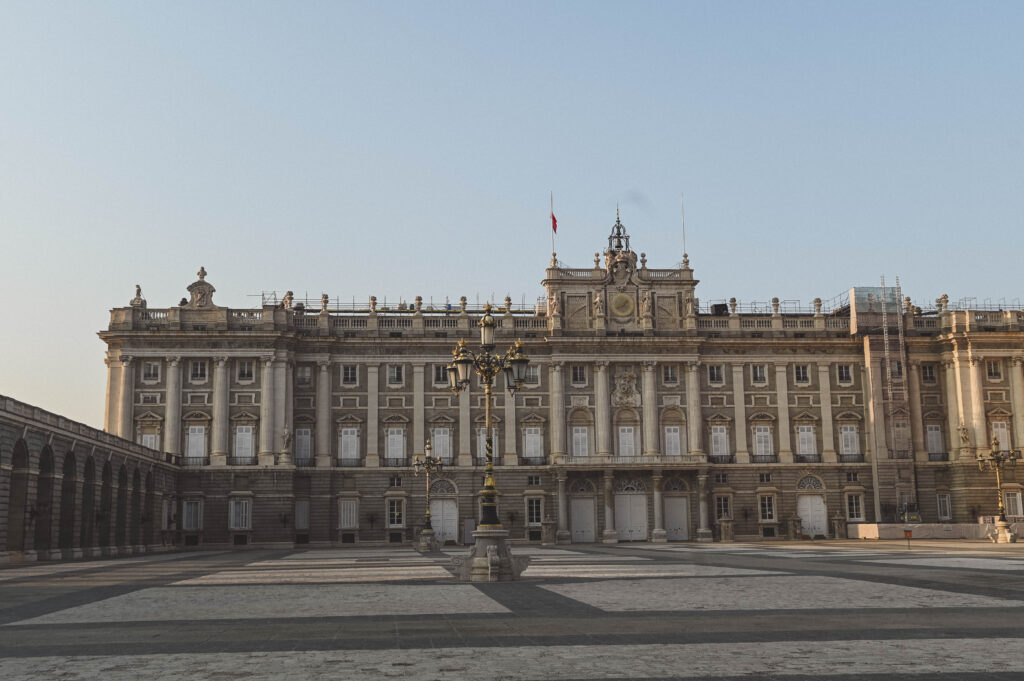
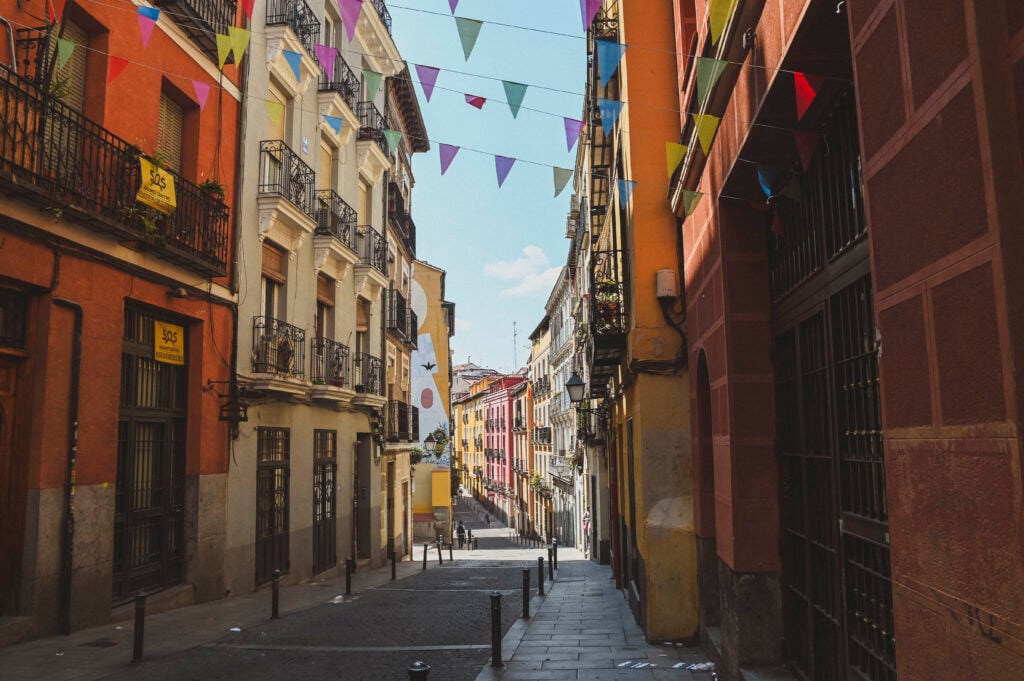
When exploring Madrid, of course, you have to see all the main sights like the Royal Palace, Gran Vía, and Plaza Mayor. However, you should also make time for the smaller, vibrant neighbourhoods like Malasaña or Lavapiés, as this is where you’ll experience true residential pockets of the city, filled with independent eateries, small shops, and everyday life that make this city so special.
Coffee culture is quick
If you’re a coffee lover, Madrid might not impress you at first, as traditional coffee tends to be dark and bitter. That said, a growing third-wave scene is changing things, especially in the trendy neighbourhoods of the city, where you’ll find excellent speciality cafés and high-quality beans.
But, for the most part, coffee culture isn’t like in Paris, where you drink slowly and watch the world go by. Instead, it’s a quick sip and then continue your day. If you’re unsure what to order, go for a café con leche; this is the most common coffee in Madrid and closest to what many visitors would recognise as a latte (but much smaller).
Madrid is actually widely considered one of the safest cities in Europe for gluten-free (GF) dining, thanks to its many certified restaurants, bakeries, and tapas bars catering specifically to gluten-free diets.
English is not widely spoken
What tends to take a lot of English-speaking visitors by surprise is that English is not widely spoken in Madrid, unlike a lot of other destinations in Spain. While people who work in the more touristy areas and the younger generation speak English, you may well encounter language barriers further afield. After all, Spanish is one of the most widely spoken languages in the world.
That being said, I’m a firm believer that it’s always polite when you can to make an effort to learn a few phrases of the country you’re visiting. If that’s not possible, then be sure to be patient and know that it’s a two-way street when it comes to language. Too often I’ve heard English speakers say things really loudly and slowly, which can come across as patronising.
Visitng Madrid’s green spaces is a must
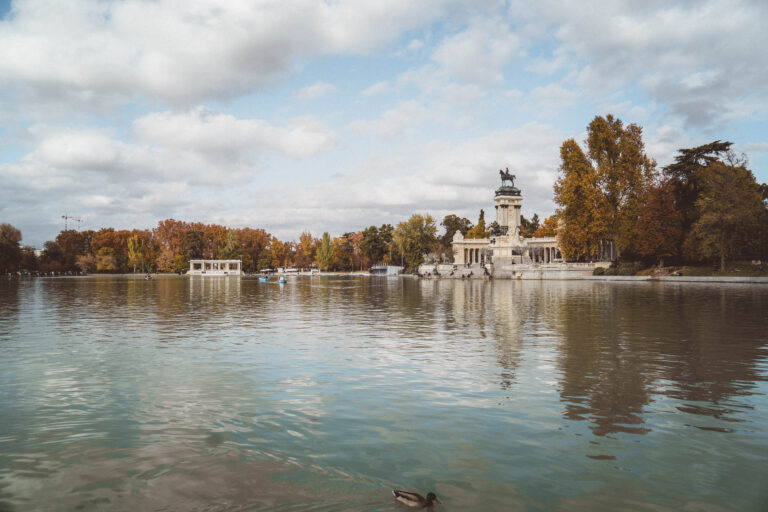
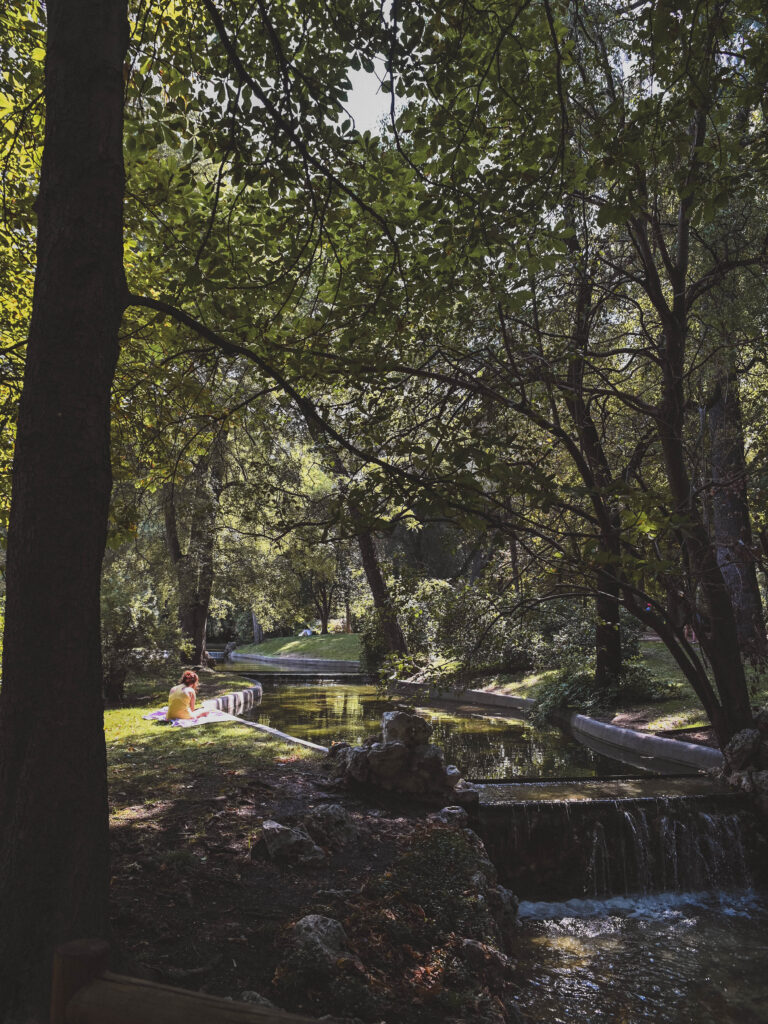
Madrid is one of Europe’s greenest capitals and boasts some 6,400 hectares of green space and public parks in the city. Parks like El Retiro, Madrid Río Park, and the expansive Parque del Oeste are crucial to everyday life and often where you’ll see people resting, exercising, or simply enjoying being immersed in the glorious green surroundings.
Bring a universal adapter
One of the most important travel accessories you can have in your collection is a universal travel adapter. I personally have this one (and having lived in the UK and Europe literally now need one daily)
Tap water is excellent (and free)
Tap water in Madrid is safe to drink (free) and necessary when walking around during the hotter months! You’ll also spy out plenty of water refill stations in public parks and amongst the more touristy areas, which come in handy when hydrating throughout the day.
Free museums on Sundays
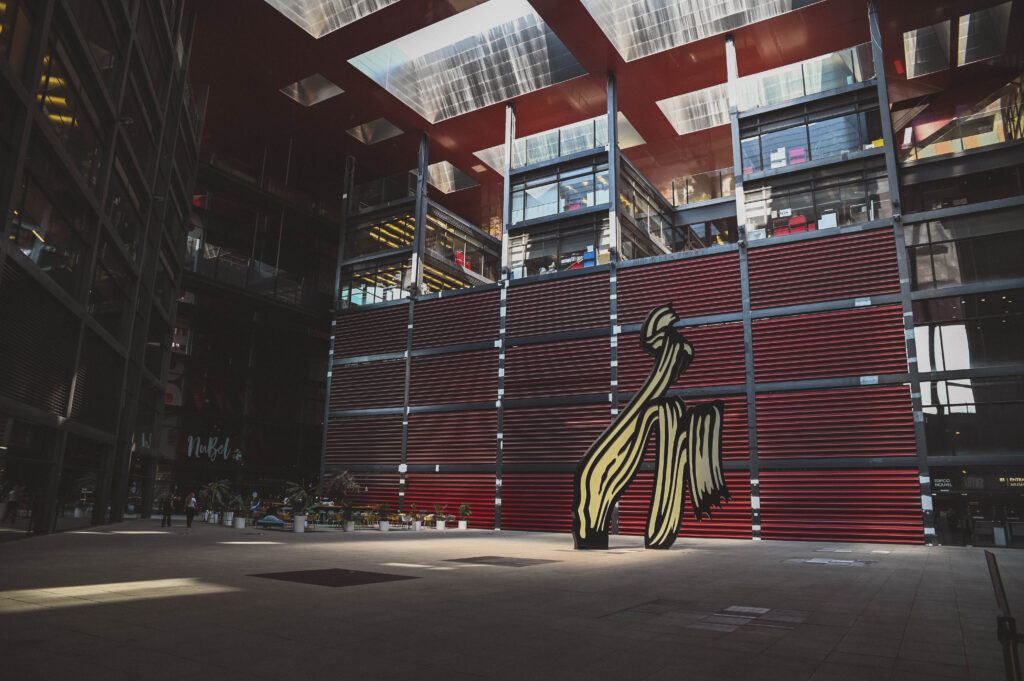
Many of Madrid’s top museums offer free entry at certain times each week, often on Sunday afternoons or during selected evening hours. Some of these include the Prado Museum (typically free in the early evening), Reina Sofía Museum (free Sunday afternoons), Sorolla Museum (free on weekends), and Museo del Romanticismo (free on Sundays).
Avoid visiting during peak summer
Madrid can get really hot in the summer months. The city is right in the heart of Spain, and there’s no nearby coastal breeze or water to cool down in. In fact, Madrid becomes a ghost town come August, as most of the residents take their holidays then to escape the heat, and most tourists know better than to try to brave the sweltering temperatures. So to experience the city in its best light, I recommend visiting between April and June or September and October when it’s slightly cooler.
Enjoyed reading our guide to Madrid’s top travel tips to know before visiting? Pin this article now, and read it again later: