Icod de los Vinos, Tenerife: Home to a 1000 Year Old Tree
Last Updated on 26th September 2026 by Sophie Nadeau
This post may contain affiliate links. Please check out my privacy policy and disclosure for more information.
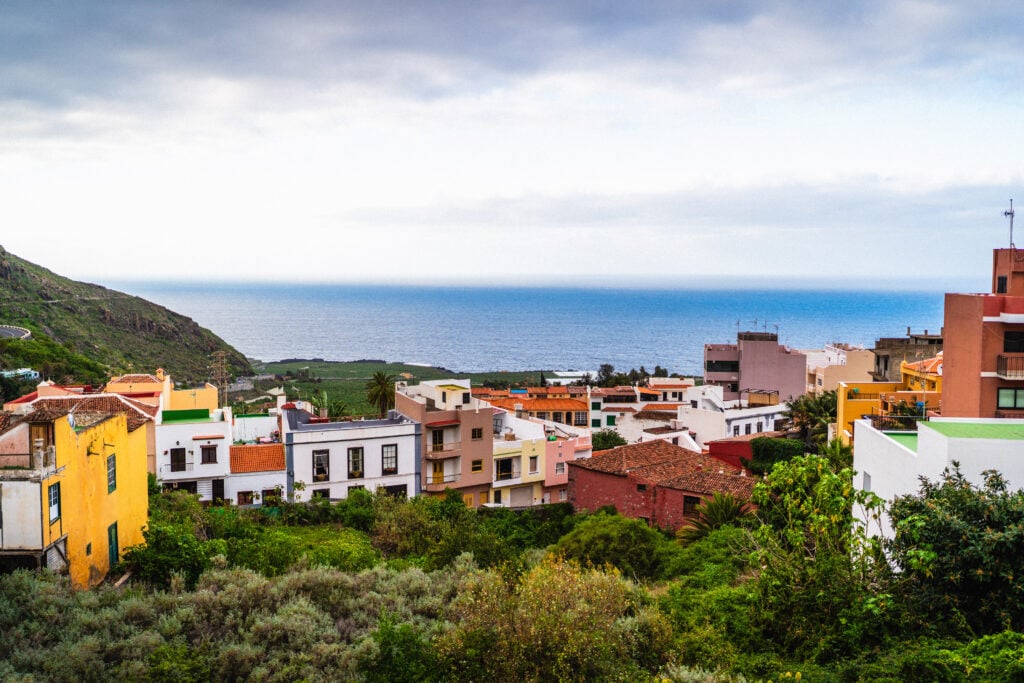
A treasure on the island of Tenerife, the small town of Icod de los Vinos is nestled between forests of emerald green that gently slope and stretch across the landscape, with Mount Tiede looming in the distance.
A charming town characterised by its winding maze of cobbled lanes, traditional architecture and home to an ancient dragon tree and one of the largest lava tubes in the world. Here’s yourguide on the best things to do in Icod de los Vinos!
Where is Icod de los Vinos?
The town is located on the northwestern side of the island in the province of Santa Cruz de Tenerife, and the inhabitants of Icod are known in Spanish as “icodenses”. Icod de los Vinos stretches from the emerald forests towards down to the sea.
A Brief History of Icod de los Vinos
The town was founded in 1501 after the Spanish conquest of the island and takes its name from the name given to the land by one of the former tribes, los Vinos was added in the 16th century and refers to the vineyards of the area which were quickly cultivated by the Spanish.
Due to the fertile soil and well-watered region, vast agriculture was established in the valley of the town, growing both sugarcane and grapevines. Icod de los Vinos became a hub for winemaking, using the volcanic landscape and creating wine with unique traditional techniques. One of the most notable practices involves the use of “lagares”, small volcanic caves for fermentation and storage.
Today, the tranquil and charming pocket of Icod de Los Vinos is mostly known for its ancient Dragon Tree.
Best Things to do in Icod de los Vinos
Wander around the town
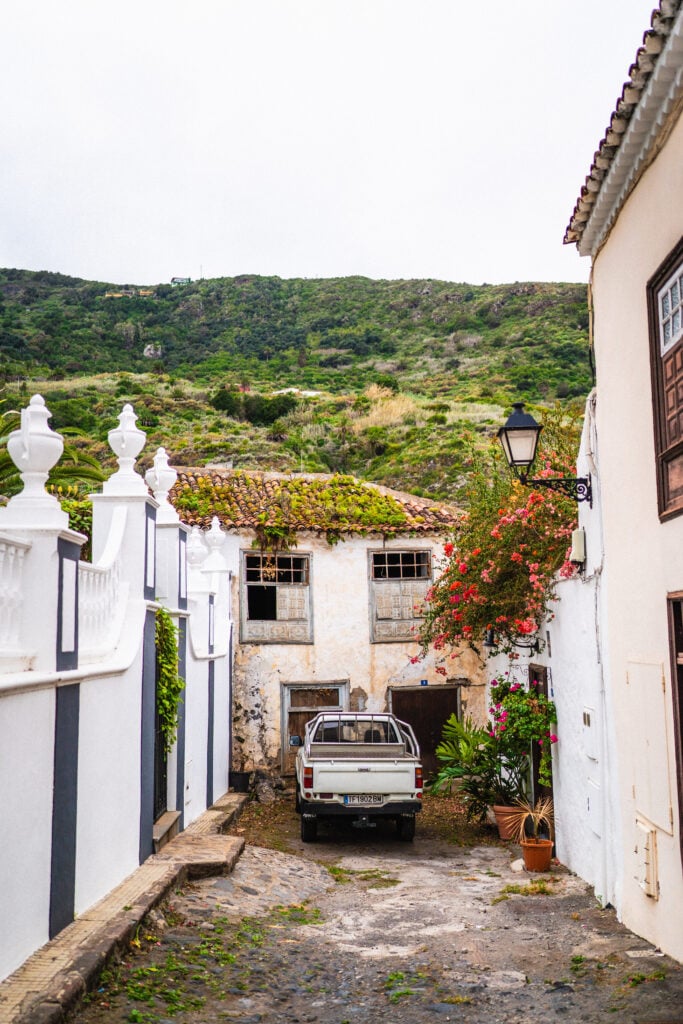
Simply wandering around the quaint cobbled lanes and soaking up the traditional architecture is one of the best ways to experience this quaint little Spanish town.
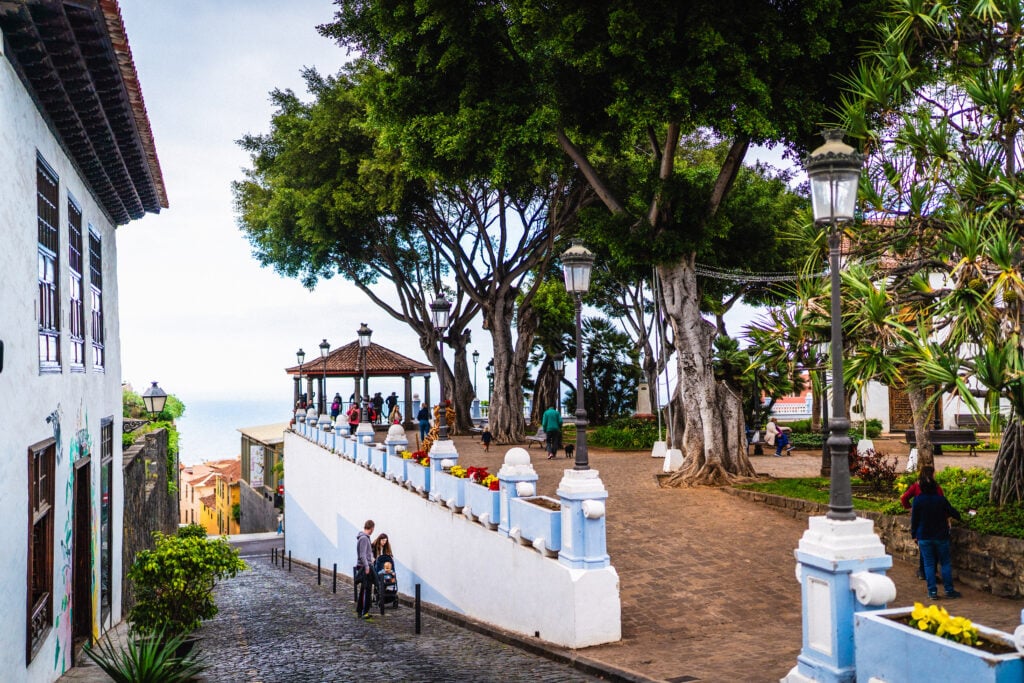
Plaza de La Pila
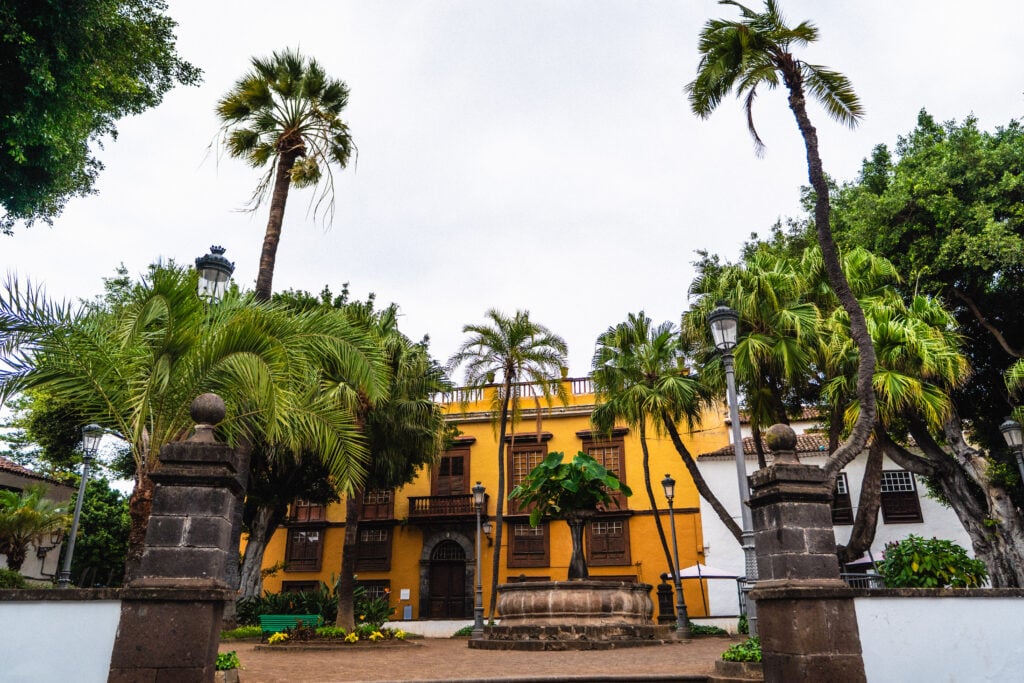
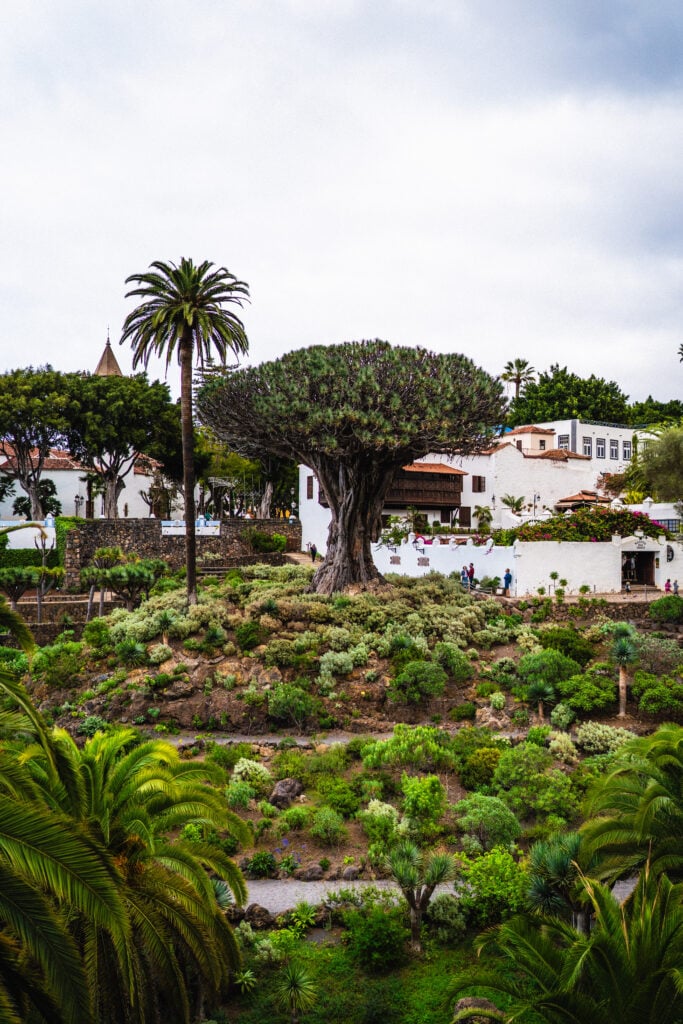
This square houses a small botanic garden and boasts views overlooking the ancient dragon tree. Bordered by grand traditional houses, this is also where you can find the House of Cáceres, which has since been transformed into a museum.
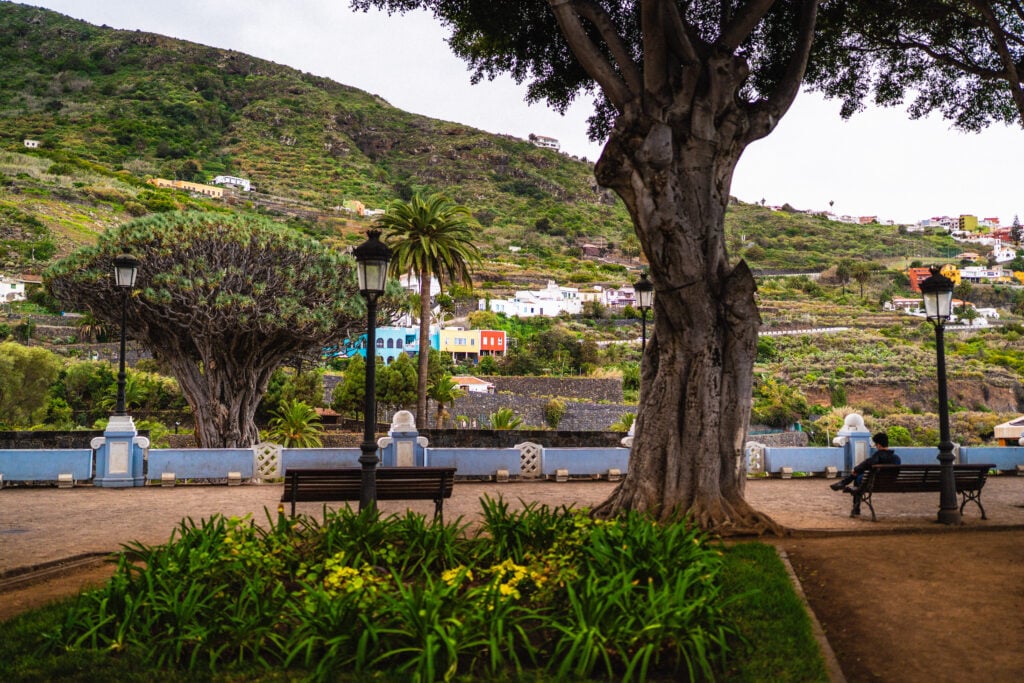
Drago Park
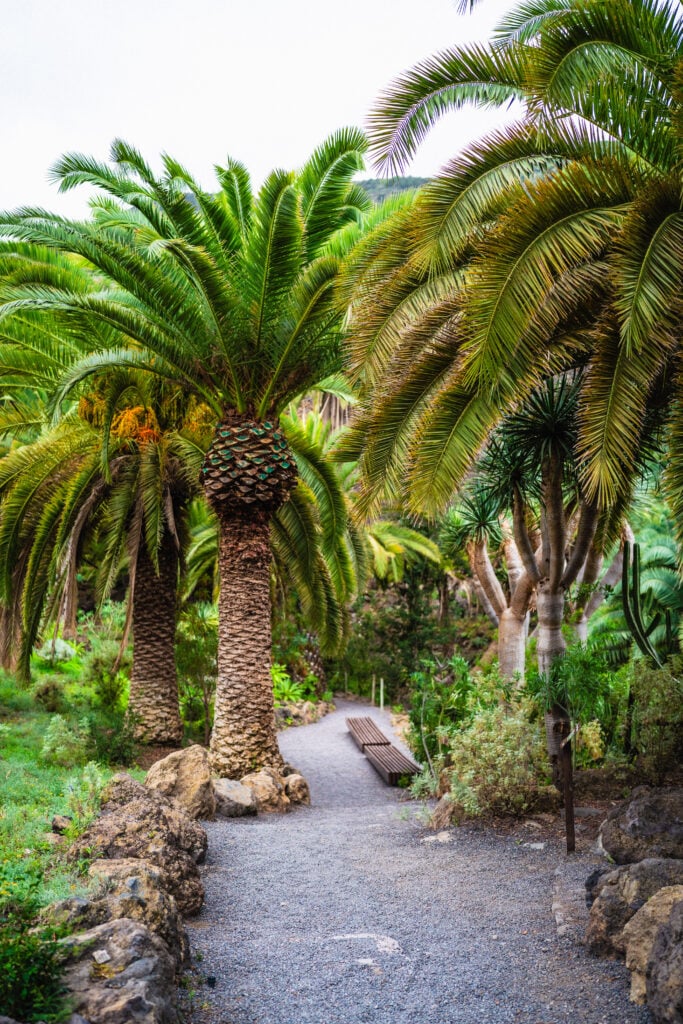
Parque del Drag is a green tranquil space and you can easily spend half an hour or so admiring the varying plant species and reading the plaques to learn more about the various flora that grow on Tenerife.
Drago Milenario
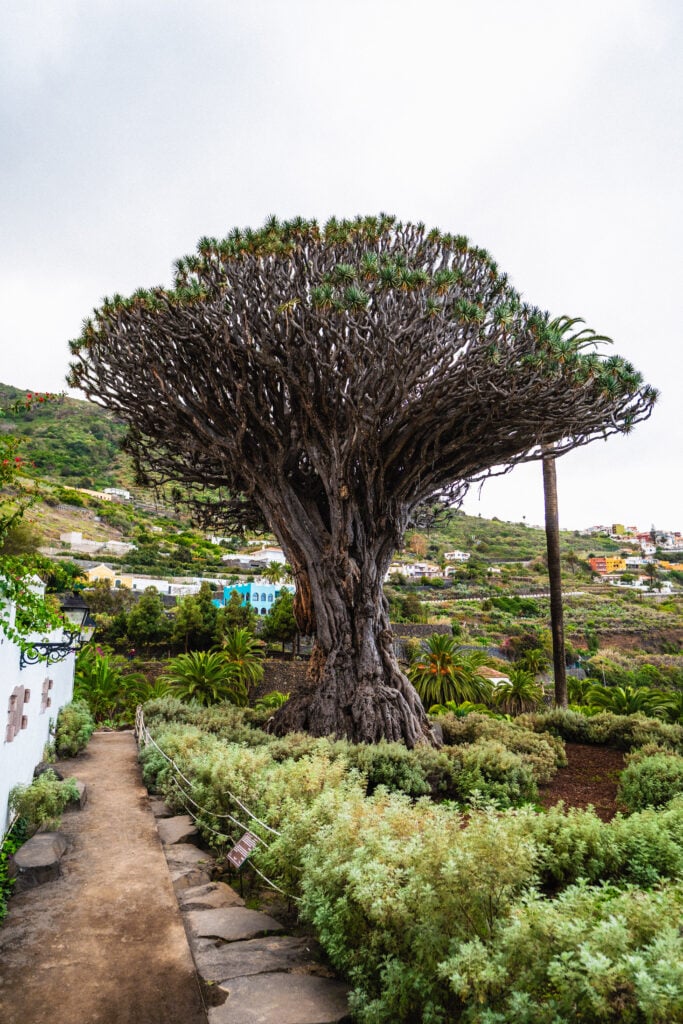
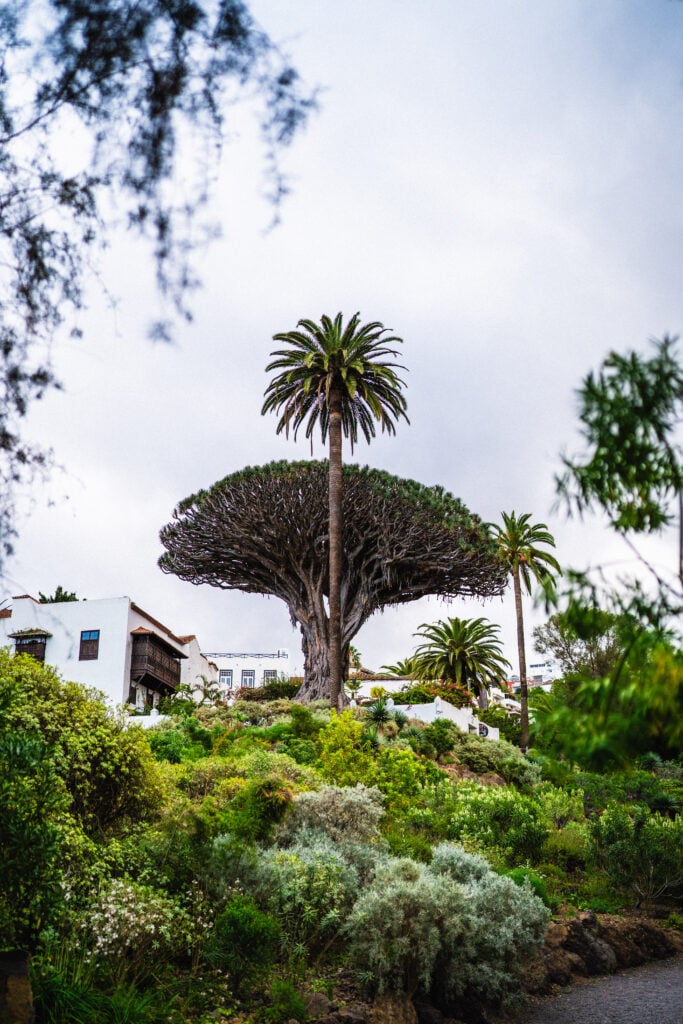
The highlight of the park is the ancient dragon tree, known as El Drago, or the Millennial Dragon Tree, this remarkable specimen is the largest and longest-lived of its species known in the world!
Believed to be over 1,000 years old, the tree reaches 18 meters high with a diameter of 20 meters, it’s truly a natural spectacle. As such, the tree is the symbol for Icod and is also the plant symbol of Tenerife Island. It costs €4 to see the Dragon Tree.
Butterfly Park of Drago
In this tropical glassed-in garden, you can see over 800 free-flying butterflies from all corners of the world. With a breeding program in place, this allows visitors to both learn and see for themselves how these wonderful insects are born and reproduce.
House of Cáceres
This beautiful neoclassical building was ordered to be built by Nicolás de Lorenzo Delgado y Cáceres in the late 18th century. Built with a unique use of wood in its architectural features, it is said that it has 365 openings between its windows and doors, one for each day of the year.
Today, the house has been transformed into Casa de la Música and is used as a venue for exhibitions of all kinds.
San Marcos Church
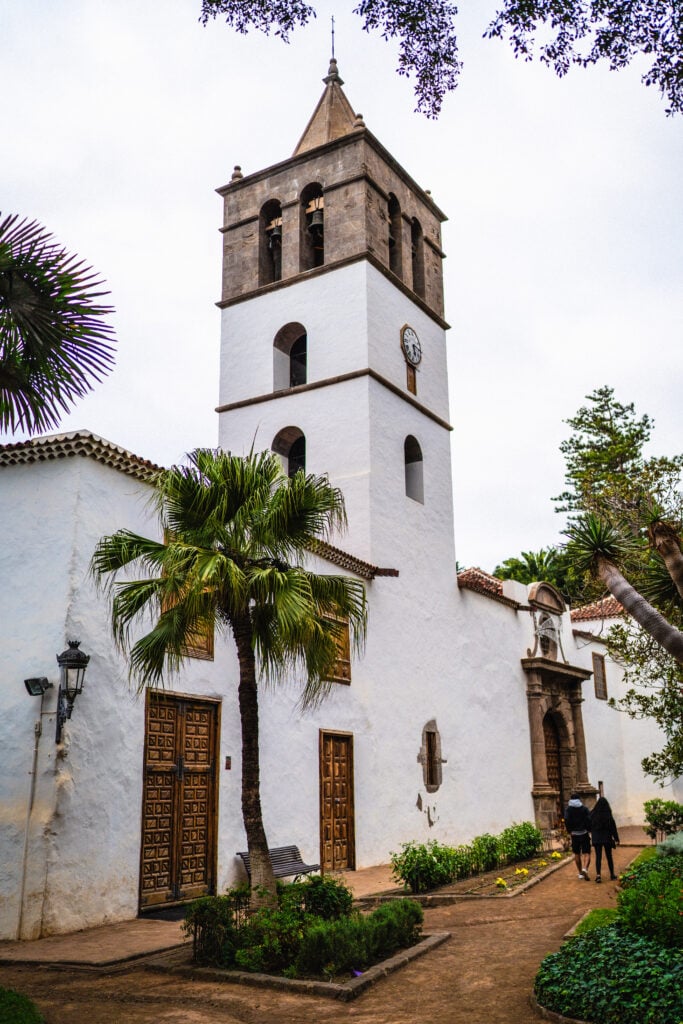
Situated in the heart of the town on the Plaza de Lorenzo Cáceres, the church has a unique Renaissance portal and inside the ceiling is covered in dark red-brown wood of Canary pine.
San Marcos Beach
Taking its name from Saint Mark, the Evangelist venerated in the parish church of the town, this sheltered bay is the perfect place to take a refreshing dip in the azure of the sea. Its crystal clear waters make it an idyllic spot for snorkelling too!
Cave of the Wind
Known in Spanish as Cueva del Viento, this volcanic tube was formed by lava flowing from Pico Viejo , which is located next to the Teide volcano, dating back over 27,000 years.
Stretching the length of 17 kilometres, it is considered to be the 6th largest of its kind in the world.
Where to stay
Icod de los Vinos makes for a great place to base yourself for exploring the wider region. Situated next to the forest and the sea, you get the best of both worlds! Here are some recommended suggestions on where to stay (based on web-reviews):
Casa Salvia Guesthouse Icod de los Vinos – Reasonably priced, this guesthouse is situated in the mountainous north of the island and boasts of beautiful views, making for the idyllic spot to rest and relax after a day of exploring. Reviews say that the host is friendly and efficient. Amenities include: free Wi-Fi, free parking and a free breakfast. Check prices and availability here.