Carnac Stones: A Neolithic Site in Windswept Brittany
Last Updated on 1st March 2023 by Sophie Nadeau
This post may contain affiliate links. Please check out my privacy policy and disclosure for more information.
Somewhere along the windswept coast of Brittany, rows of stones lie side by side. Hundreds of them. Even thousands. The Carnac Stones have been in situ since Neolithic Times… and no one knows quite how they got there, or even why. Here’s how to visit the Carnac Stones, as well as what to know before you go.
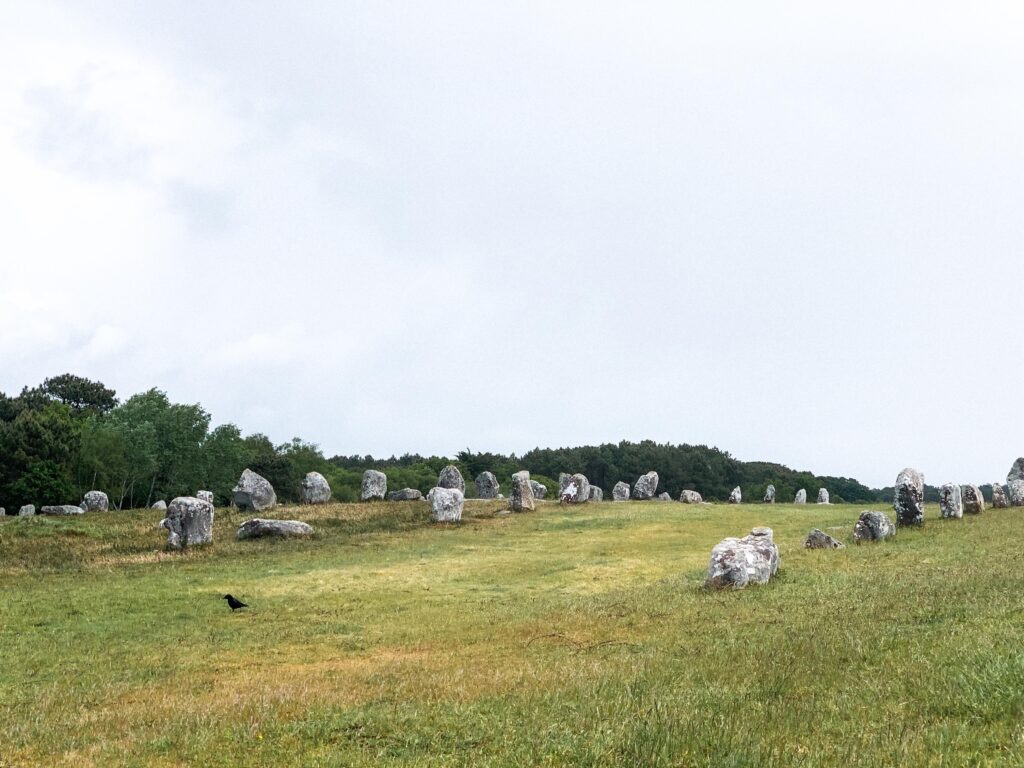
The Carnac Stones are known as Steudadoù Karnag in Breton and as the alignements de Carnac in French. The Neolithic Site can be found in the department of Morbihan in the French region of Brittany.
Of course, stone circles, rows of rock and other such remains of the prehistoric period can be found almost everywhere on Earth. In the UK, although Stonehenge may be the most famous, stone alignments can be found in the most unexpected of places, even in farmer’s fields… as is the case with Spinster’s Rock.

Contents
Carnac Stones: A Neolithic Mystery in Brittany
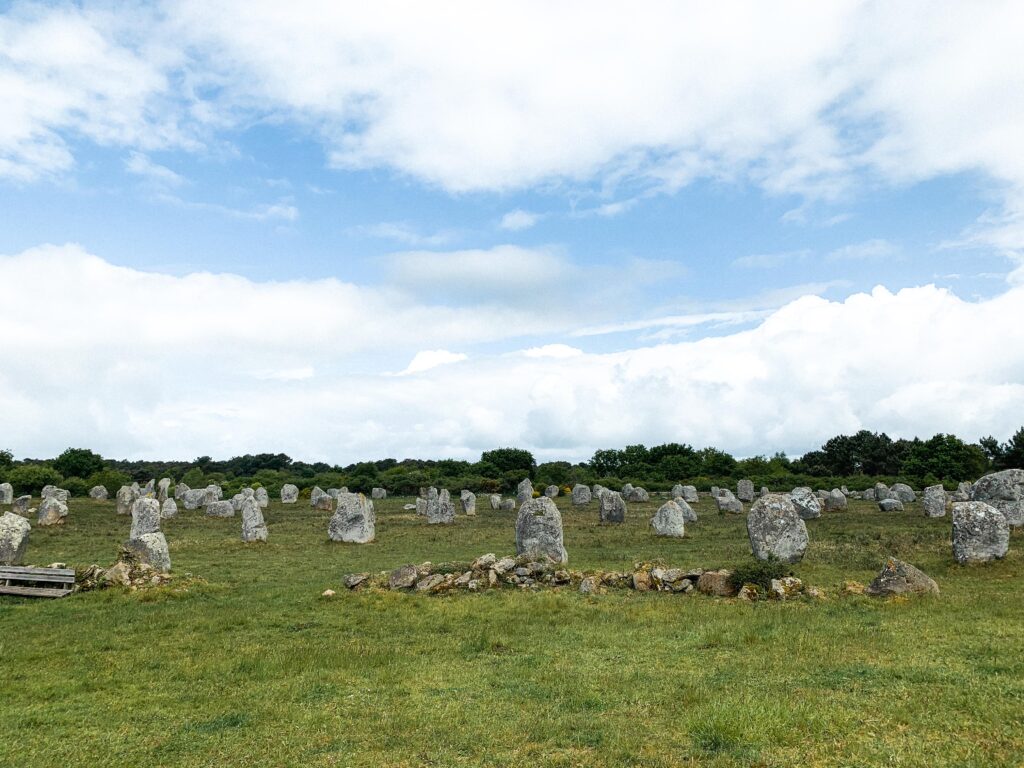
What really makes the Carnac stones so special is the sheer quantity of them. So called because of their close proximity to the village of Carnac in Brittany, a town in Brittany, the rock alignments, dolmens (a single chamber neolithic room), menhirs (a single standing stone), and tumuli (a grave mound) together form the largest site of their kind in the world. Altogether, there are around 3000 stones!
However, unlike other Neolithic sites such as Stonehenge, the rocks were not transported from elsewhere. Instead, the stones were dug up from under the ground and erected where they were found. This accounts for why all of the standing stones are of such varying size.

Theories Surrounding the Carnac Rocks
Known in Breton as ‘Steudadoù Karnag’, over the years, academics and historians have attempted to explain the existence of the stones. Many of the stones date back to as early as 4500 BCE, though the majority are thought to have been erected around 3300 BCE.
One legend dates as far back as the Romano-Gallic period. With few other explanations available, these far-fetched theories seem that much more credible. Although the stones date back long before the Roman period, one of the most famous myths surrounding the site is that of Saint Cornelius.
In the Christian myth, Saint Cornelius is pursued by pagan Roman soldiers. Trapped on all sides, the pagan soldiers are rapidly approaching. Unsure what to do, he turns them all to stone.
Other local Celtic legends suggest that the stones are Roman soldiers who were turned to stone by Merlin. Sadly, our Neolithic ancestors left us with little to no evidence as to what the Carnac Stones were once used for.
With little written material from the period (with the exception of several cave paintings), we may never know the Stones’ original purpose. That being said, they may well have been erected for a religious or ritual purpose.

How to visit Carnac Rocks Today
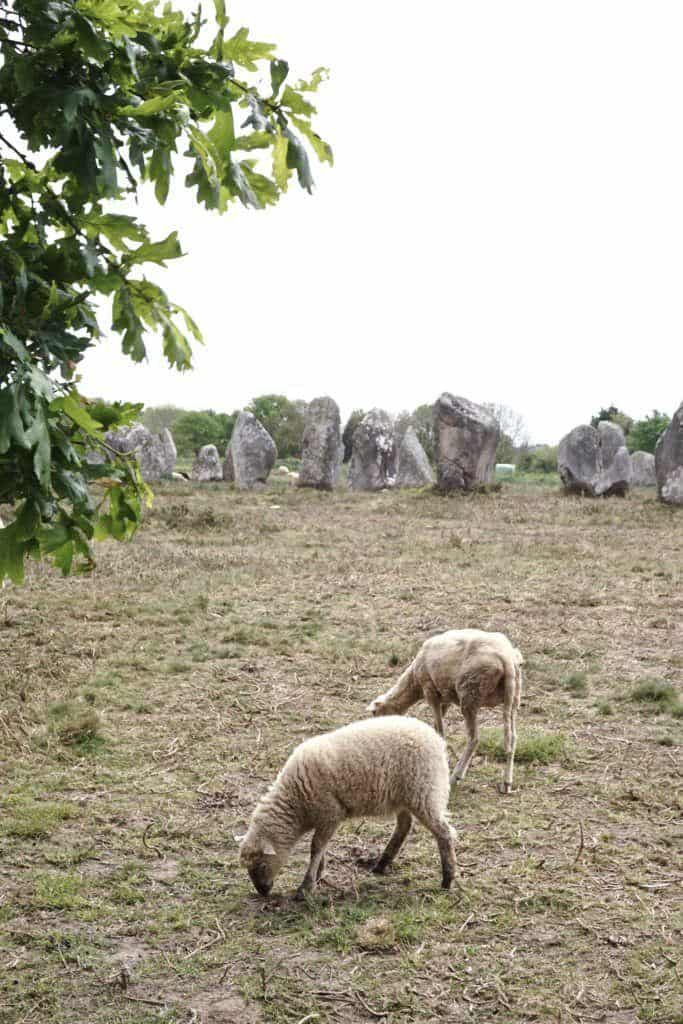
In the past few centuries, the stones have been largely ignored. Many have been stolen for building works or repurposed for farmers’ fields. Their strict alignment makes them a great place to farm sheep, cows and other livestock. Some stones have even been transformed into ovens.
However, the theft and use of the stones does not come without a cost. The loss of rocks means that much historical value and information has been lost. Were the major alignments of rock once all part of one super alignment? Unfortunately, we’ll probably never know.
Was there once more information to be gleaned from the formations, or were tools found? We may never know. Today, the stones are protected by the government. It’s free to visit the Carnac stones and I highly recommend going. We even suggest stopping by in our Brittany itinerary.
Highlights of visiting the Carnac Stones
There are three main groups of stone alignments, though they may have once been part of one super alignment. These are as follows:
Ménec alignments: This consists of 11 rows of menhirs
Kermario alignment: This alignments consists of over 1000 stones forming ten columns close to the Kermario (House of the Dead) alignment.
Kerlescan alignments: This comprises of a smaller group of 555 stones, forming 13 lines, further to the east of the other two sites.
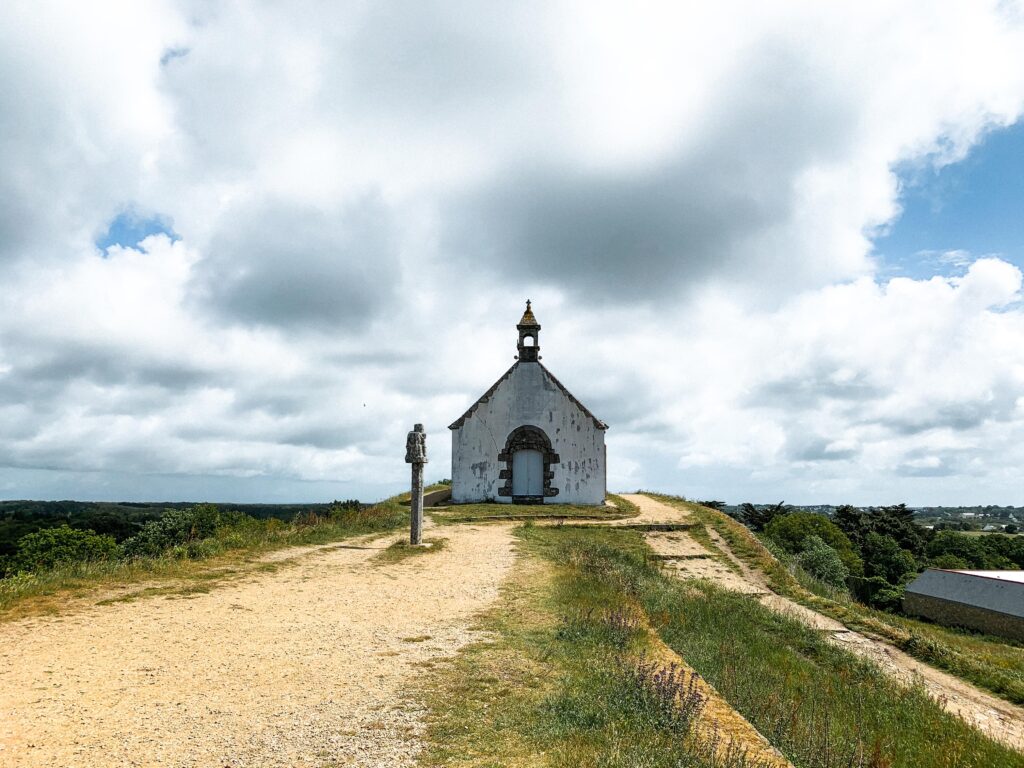
Tumuli: There are several tumuli (singular tumulus) dotted around the prehistoric site. The most famous of which is probably the tumulus of Saint Michel.
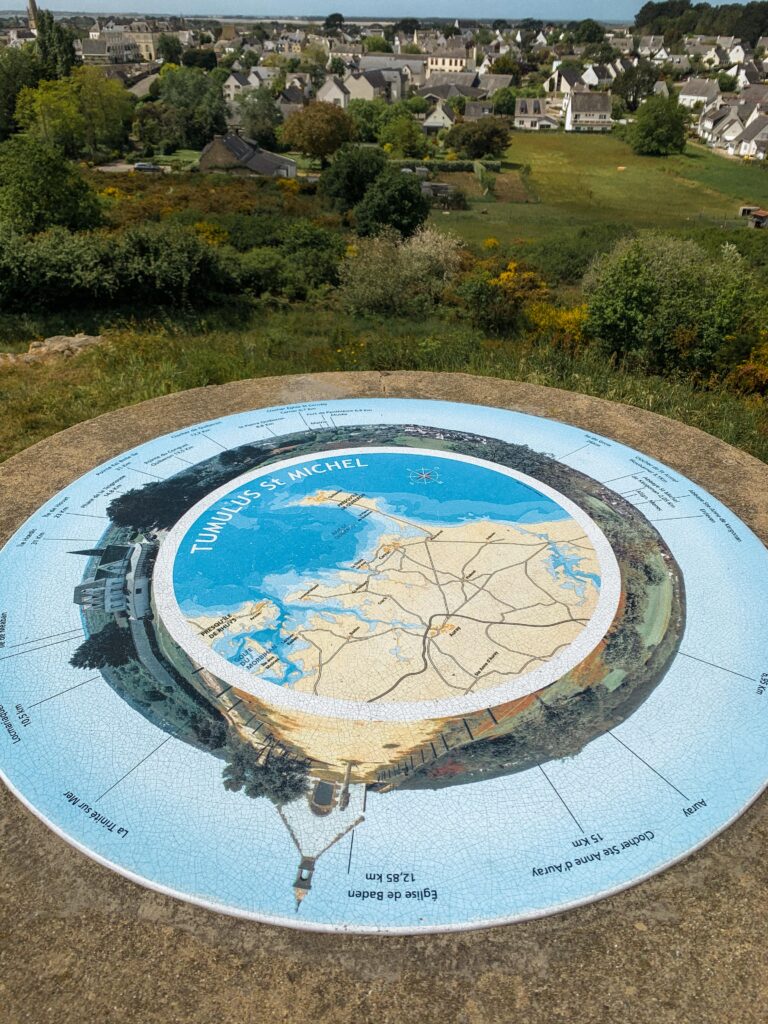
Constructed between 5000 BCE and 3400 BCE, there has been a church atop of it since the 17th-century. Once you get up to the top of the tumulus, there’s a viewpoint with a sign that gives you a lay of the land all the way out to the nearby sea.