The Ultimate Lisbon Guide: Best Things to Do & One Day Itinerary
Last Updated on 31st July 2026 by Sophie Nadeau
This post may contain affiliate links. Please check out my privacy policy and disclosure for more information.
At over 3,000 years old, Lisbon’s history is rich and the city is diverse, full of interesting histories. Best-known for its beautiful architecture and mouthwatering food scene, Portugal’s capital city is a must-visit on any trip to the South Western European country. Here’s your guide to the best things to do in Lisbon.

Introducing Lisbon
Lisbon has been inhabited by many cultures throughout the course of its history. This melting pot of cultures contributes to its unique character, making it one of the most charming and beautiful cities in Europe. If you’re planning to visit for a short time, then be sure to check out our guide on how to spend one perfect day in Lisbon.
With its seven hills, unique location close to the sea, narrow streets, beautiful architecture, hidden gems, colourful houses and fantastic weather, you won’t regret coming here for a second. With so many Lisbon attractions, you’ll be planning your next trip to the beautiful European city in no time.
Is one day enough time to enjoy Lisbon?
As the capital of Portugal, Lisbon is a large city with plenty of attractions and even more to see. As such, you won’t be able to cover everything that there is to do in Lisbon over the course of 24 hours.
With that being said, if one day is all the time you can allocate to visiting Lisbon, then it’s better to go and get a taste for the city than forgo it altogether. The ideal amount of time to explore Lisbon is three to five days.
Suggested one day in Lisbon itinerary
With centuries of fascinating history, beautiful streets and delicious food, there are tonnes of fun things to add to your Lisbon itinerary. You could spend weeks here and not get bored, but if you only have one day in Lisbon, we’ve put together a full guide and itinerary to make the most of 24 hours in Portugal’s capital city (with timings).
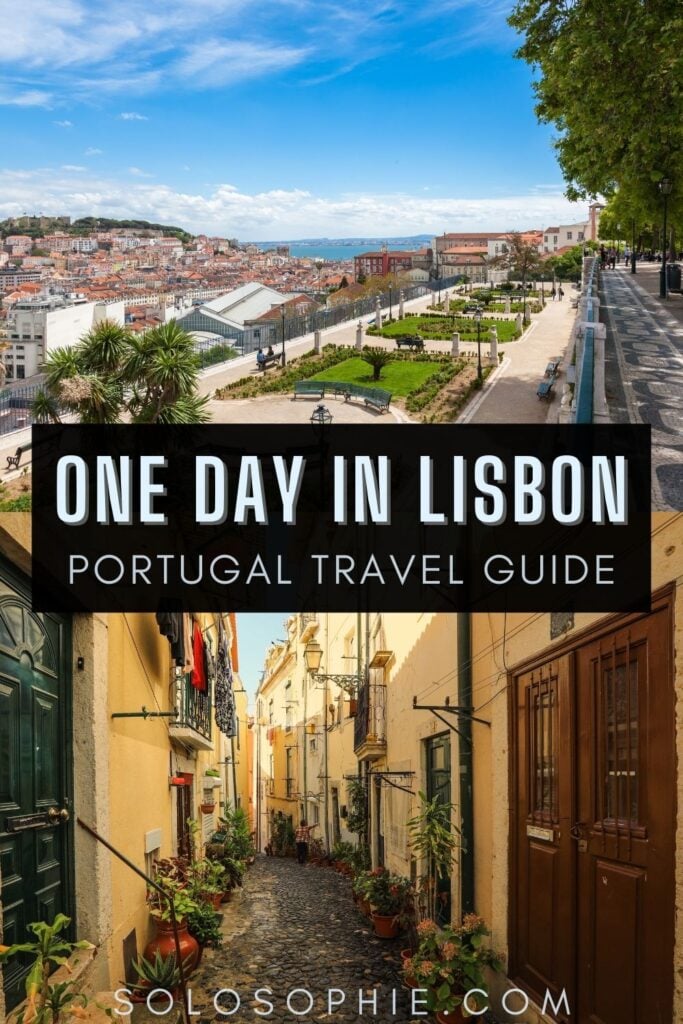
| 8:00 am | Miradouro de Santa Luzia – Start the day at one of Lisbon’s most beautiful viewpoints before the crowds arrive. |
| 9:00 am | Breakfast in Alfama – Enjoy brunch at Dear Breakfast or grab a coffee and pastel de nata from Fábrica de Nata. |
| 10:00 am | Lisbon Cathedral (Sé) – Visit the city’s oldest cathedral before wandering through the charming streets of Alfama. |
| 11:00 am | Santa Justa Lift & Carmo Convent – Ride the iconic lift for panoramic views before exploring the atmospheric ruins of the Carmo Convent. |
| 12:30 pm | Livraria Bertrand & Chiado – Browse the world’s oldest operating bookshop and explore the elegant Chiado district. |
| 1:00 pm | Lunch in Chiado – Choose from one of the neighbourhood’s many cafés or traditional Portuguese restaurants. |
| 2:30 pm | Miradouro da Nossa Senhora do Monte – Head to Lisbon’s highest viewpoint for spectacular city views. |
| 3:15 pm | Castelo de São Jorge – Explore Lisbon’s historic hilltop castle and its centuries of history. |
| 5:00 pm | Belém Tower – Travel to Belém to admire the UNESCO-listed tower and stroll along the waterfront. |
| 7:00 pm | Dinner & Sunset – Finish the day with dinner nearby or return to the city centre, with the option of a sunset cruise on the Tagus River. |
When is the best time to visit Lisbon?
Many locals will argue that any time is the best time to visit Lisbon! While this is true in some regards, there are definitely some months out of the year that will be better for newcomers to experience the city for the first time.
From March to May or September to October (i.e. the European shoulder seasons) are the best times of the year to visit Lisbon because it’s still warm, hotels are more affordable, and there are fewer tourists during the summer.
During these seasons, you can also enjoy a few beach days so be sure to pack your swimwear and extra sunscreen. Summer brings excessively high temperatures, crowded beaches, elevated prices, and many tourists and so is perhaps not the best time to visit Lisbon.
Best things to do in Lisbon
Take a walking tour
The best way to acclimate yourself to a new city is to take a walking tour together with a local guide. There are both free walking tours and paid walking tours available. If you opt to take a free walking tour, be sure to tip your guide!
Walking tours of new cities help you to get the lay of the land, learn a bit of history, and discover some places that only locals know about. In my past experiences, the guides are able to offer up lesser-known facts as well as personal anecdotes that help to bring a place to life.
Just be sure to wear comfortable shoes for walking on cobblestones (and hills since there are plenty in Lisbon)! To book ahead of time, check here for this well-reviewed Lisbon essential tour.
Indulge in local Portuguese cuisine
Portugal is well-known for having some of the most coveted food and wine in Western Europe. Aside from the obvious contenders like Italy and France, Portugal for sure has some of the best food I’ve tasted.
Of course, you’ve got to try Pastéis de Nata, the deliciously creamy egg-based tarts best served warm with a sprinkle of cinnamon and sugar alongside a coffee.
Portuguese chorizo, salted cod, bifanas, and chicken piri piri are among some of the nation’s most popular dishes you’ve got to try.
In addition to traditional Portuguese food, there are a number of different ethnic cuisines in Portugal worth trying. Given its former status as a colonial power, Portugal is now home to some of the best food from Mozambique, Angola, and Brazil.
The Indian food is also very good – Goa was also a former colony. One of the best ways to guarantee you try all there is to offer is to take a food tour in Lisbon. The guides will ensure you get a smorgasbord of traditional Portuguese delicacies and other foods the city is known for.
Sample Ginjinha
If port is the tipple to sample in Porto, then no doubt ginjinha is the drink of choice drink while in Lisbon. This strong cherry liqueur is served with or without the cherry and is a must-try while in the Portuguese capital and surrounding towns. Ginja is also a unique souvenir from Portugal that you could consider buying a bottle of to bring home as a keepsake of your trip.

Take stunning photos from the Miradoures
The Portuguese word miradouro best translates as‘view point’. There about thirteen worthy miradoures scattered throughout the city with terraces where you can sit and take in the views.
This isn’t surprising considering the fact that Lisbon is a city set on seven hills (just like Rome and my home city, Providence, Rhode Island, USA!). Among the most popular miradoures to visit in Lisbon include Miradouro de Sao Pedro de Alcantara (spectacular views of São Jorge Castle), Miradouro Das Portas Do Sol (great views of the terracotta Alfama rooftops), and Miradouro da Nossa Senhora do Monte (best sunsets in the city).
Check out the UNESCO-inscribed tower of Belém
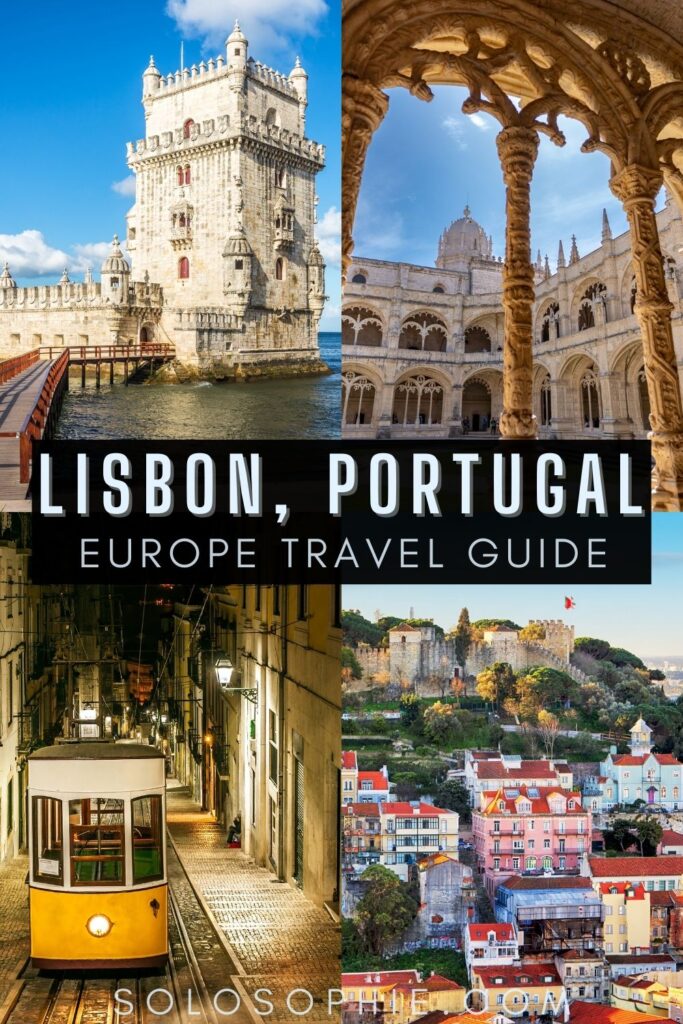
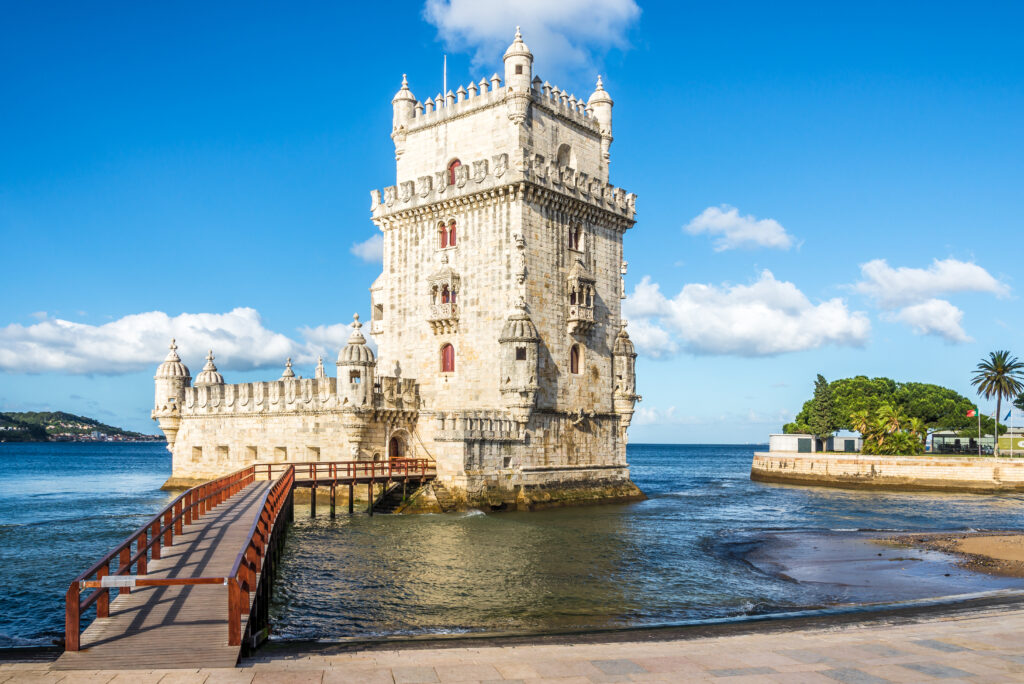
The Torre de Belém stands on the waterfront at Belém, near the mouth of the River Tagus. It is probably the most iconic symbol of the city, and so it is of course one of the best things to do in Lisbon. King Manuel I ordered the tower to be built as a defensive fortress after it had been originally intended as a lighthouse.
In 1521, when the tower was erected, it would have been much farther away from the shore than it is today. However, the 1755 earthquake changed the course of the river, and in the 19th century, land on the north bank was reclaimed and the river became narrower.
UNESCO designated the Belém Tower as a World Heritage Site in 1983. It is one of the most popular tourist attractions in Lisbon.
This unique Manueline treasure is accessible by a narrow walkway off the broad esplanade of Belém. The narrow spiral staircases will provide endless enjoyment to kids, who will love to hide and seek among the parapets.
Wander around the Alfama district
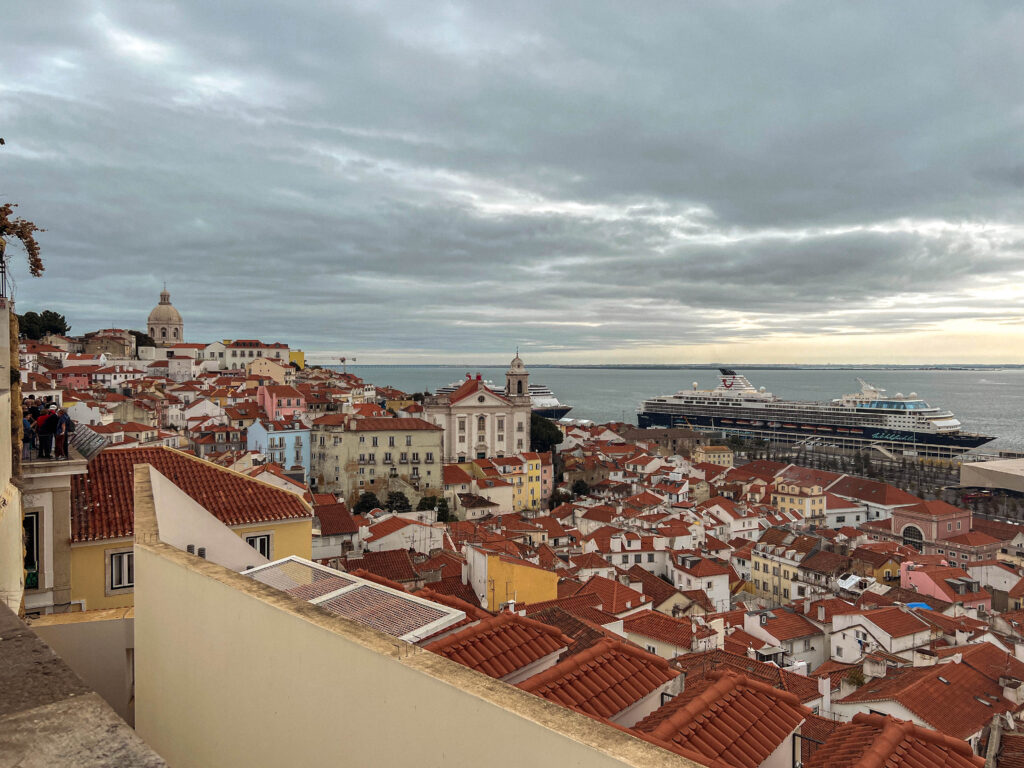
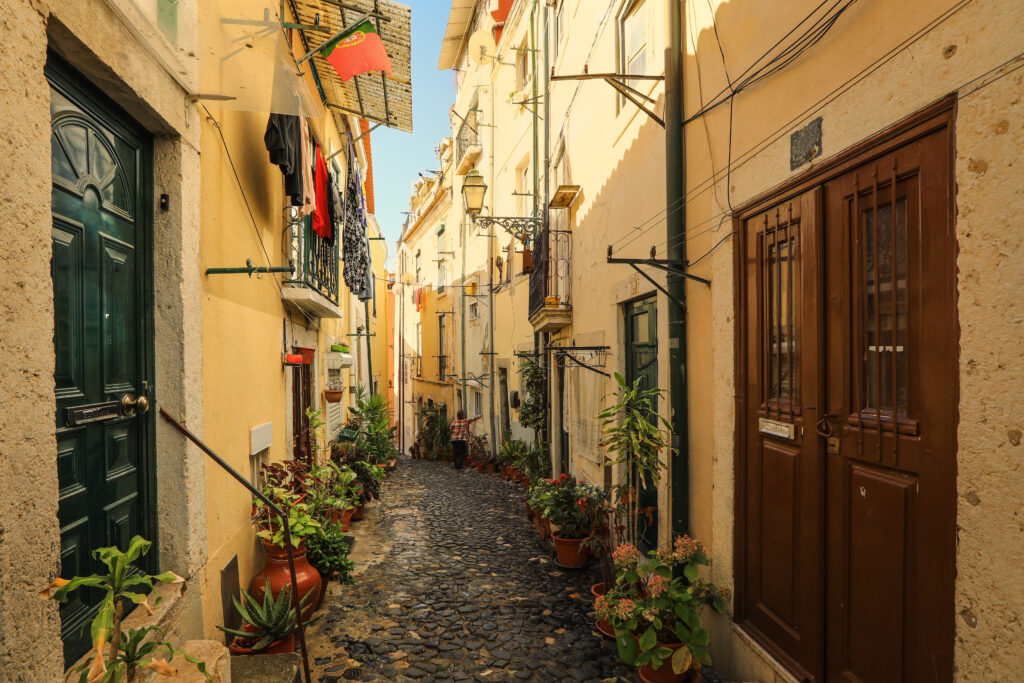
From the Tejo Estuary to the Castelo de São Jorge, the steep, hillside neighborhood of Alfama is known for its cobbled streets and historic houses. Several of Lisbon’s most important historic buildings are located within this diverse and charismatic area.
Among them are the Se Cathedral, the Castelo de São Jorge, the Panteão Nacional, and the Igreja de Santo Antônio. Alfama was historically a poorer district of the city.
The district remained the tough, deprived quarter where sailors and dock workers lived even as Lisbon developed as a major seaport. In the past few decades, Alfama has become gentrified and is now seen as a fashionable and artisan district.
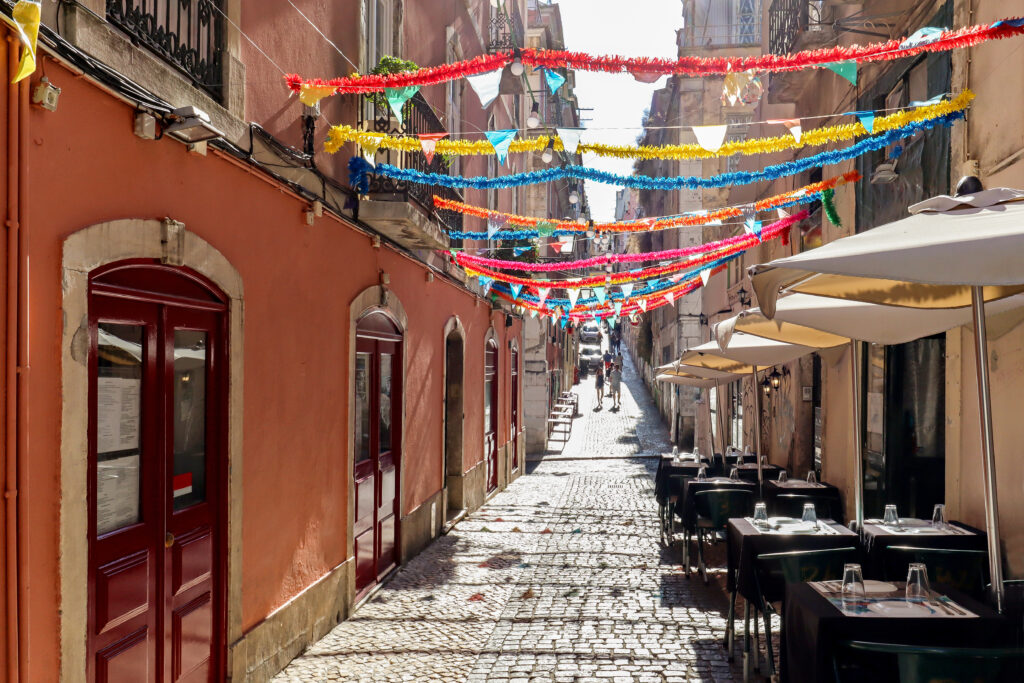
With this being said, Alfama manages to hold onto its unique culture and rich history. Alfama is a delight to visit and is best explored over the course of a few hours by losing yourself within the maze of alleyways and streets.
A charming plaza, a trendy café, an independent shop, or a panoramic Lisbon viewpoint awaits at every turn or steep climb. Without a doubt, exploring Alfama on foot is one of the best things to do in Lisbon.
Take a ride on the Bica funicular
Located in Lisbon’s municipality of Misericórdia, the Bica Funicular, sometimes known as the Elevador da Bica, is a funicular railway line connecting the Rua de São Paulo with Calçada do Combro / Rua do Loreto.Yellow funiculars are staples in iconic Lisbon vacation photos.
You can’t miss them while in Lisbon. The Bica Funicular was originally built to assist local residents in climbing a hill in the Santa Caterina neighbourhood. In addition to that, it’s also become a popular tourist attraction, ranking as one of the top things to do in Lisbon to experience local life.

Check out Castelo de São Jorge
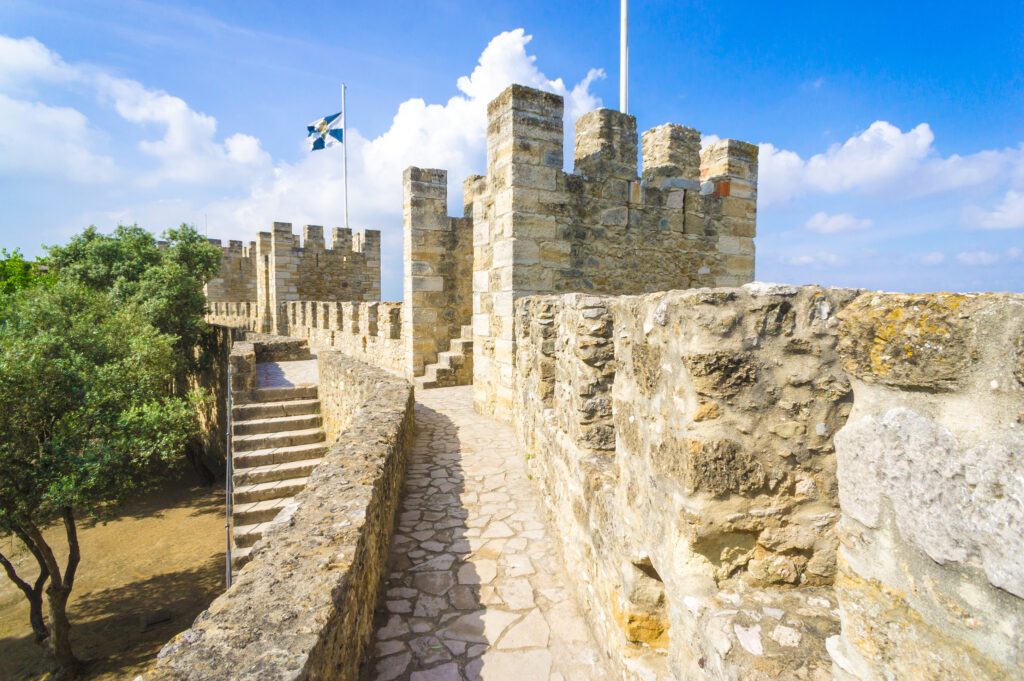
A former Moorish castle, São Jorge has been altered so much by subsequent occupiers that little of its original structure remains and those who built it would likely not recognise the Lisbon monument to this day.
With this being said, since it served as a royal palace for over a century, it hasn’t lost much of its splendour. In any case, the most captivating aspect of the castle is its spectacular views over the city.
From here, you can take in the terracotta patchwork of Lisbon roofs, lined with a maze of narrow, meandering paths. Overlooking the streets of the old Alfama District, Romans constructed the great citadel more than 2,000 years ago.
Over time, successive rulers of the city oversaw its development, from the Berbers to the Reconquista knights. A large dry moat surrounds it, in addition to mighty ramparts, intricately carved towers, and other fortifications. Purchase your Sao Jorge Castle Skip-the-Line Ticket with Escort here in advance.
Visit the Museu Nacional do Azulejo
Just 15 minutes outside of downtown Lisbon, the National Tile Museum is a great place to visit if you love Portuguese tiles (azulejos). See some of Portugal’s oldest preserved tiles while learning about their extensive history.
Tile making and its associated technologies have a long history in Iberia that dates back to the time of the Moors. Obviously, the iconic cerulean-hued azulejos are the highlight of all exhibitions.
Ceramic works of art like these gave the country its reputation for craftsmanship.You will see a wide variety of types, sizes, and designs, and learn about the enchanting ornamental designs adorning their cobalt surfaces. When you’re in Lisbon, it’s the perfect way to escape the heat. Plus, photo opportunities abound!
Have lunch at Time Out Market
The city of Lisbon is known for its abundance of fine dining. Even though I highly recommend checking out some epic Lisbon restaurants, Time Out Market is a unique experience in itself that everyone should experience while in Lisbon and is the perfect spot to eat lunch!
There are two levels in the market, each offering up their own distinctive take on Lisbon food and culture. Downstairs, you’ll find local fruit and veggie vendors selling fresh produce each morning.
If you’re cooking from your vacation rental or Airbnb, be sure to get to the market early in the morning to beat the crowds. Upstairs, however, is an entirely different affair. Here, you’ll find something akin to a gourmet food court.
There are a myriad of offerings, usually serving up something modern and eclectic, in addition to some more traditional Portuguese fare. Many of the Michelin-tier restaurants here have booths where you can try their cuisine in a casual setting without paying a fortune.
Basilica
The Basilica da Estrela is a beautiful church with a sad story. In the 18th century, Queen Mary I commanded it to be built to celebrate falling pregnant with a child. Tragically, Joseph, Prince of Beria, died of smallpox before the church was finished.
It stands today as an important religious centre for Lisbon. The exterior is beautiful – it was constructed in a baroque and neoclassical style and has a giant dome and arched windows.
It’s worth visiting the interior too, which has even more ornate details. It was the first church in the world to be dedicated to the Sacred Heart of Jesus. There’s another Miradouro (Miradouro da Basílica da Estrela) by the Basilica.

Take a ride on Tram 28
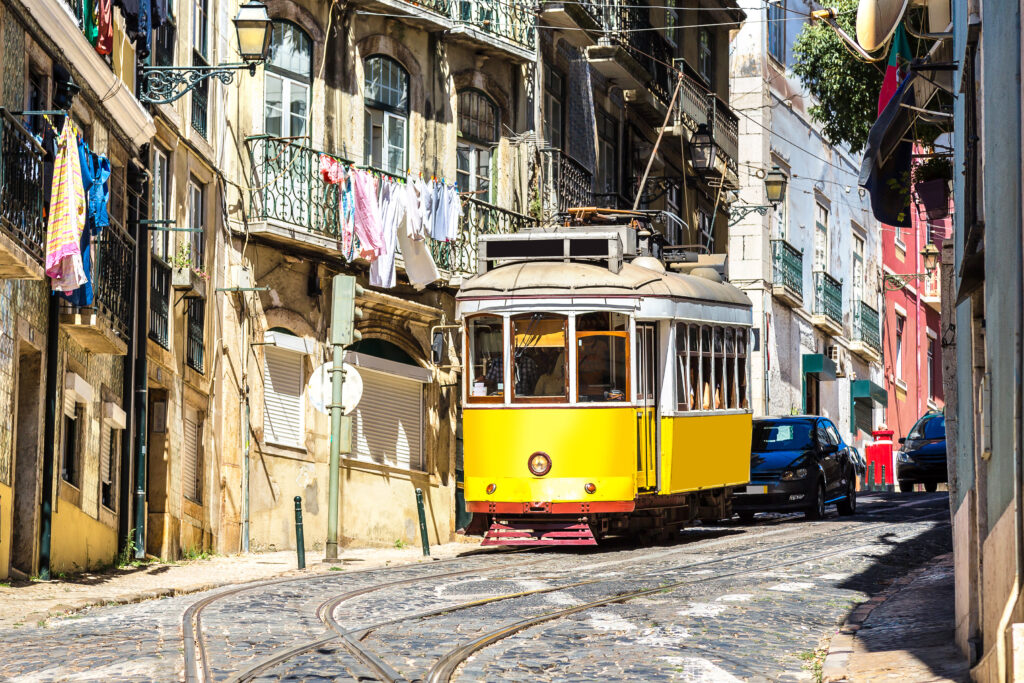
Portugal’s capital is a city renowned for its rattling trams, similar to those located in San Francisco. Tram 28 is the most iconic tram in Lisbon, which has climbed steep, cobbled streets for decades.
It begins beneath the palm-dotted hills of Graça, weaving its way through the hairpin alleys of Escolas Gerais before stopping at Estrela Basilica. To plan the ideal sightseeing route in Lisbon, Tram 28 would be the way to go.
Using Martim Moniz as a starting point, the route climbs through the Alfama district, continues through Baixa before ascending to Chiado. Passing majestic palaces and castles along the route, you’re bound to discover decades of history as you people-watch from the windows.
Get to the tram as early in the morning (and mid-week if possible) as possible to avoid crowds. Alternatively, choose Praça Martim Moniz as your starting point, which is the second stop, after where most tourists begin.
There is no guarantee of seating any time of day, but that is part of the fun. As you ride the tram, keep an eye on your belongings. Locals call Tram 28 “the pickpocket ride” jokingly.
As such, be sure to wear a crossbody bag like these ones. There is no loop on Tram 28. So, if you ride it all the way, you will either have to walk or take it again in the opposite direction to get back to your starting point.

Learn about Portugal’s colonial past at the Museu do Oriente
Lisbon’s Museu do Oriente offers an insight into Portugal’s colonial past. A colossal former fish processing factory now houses modern exhibition rooms.
Visit the Monastery of Jerónimos
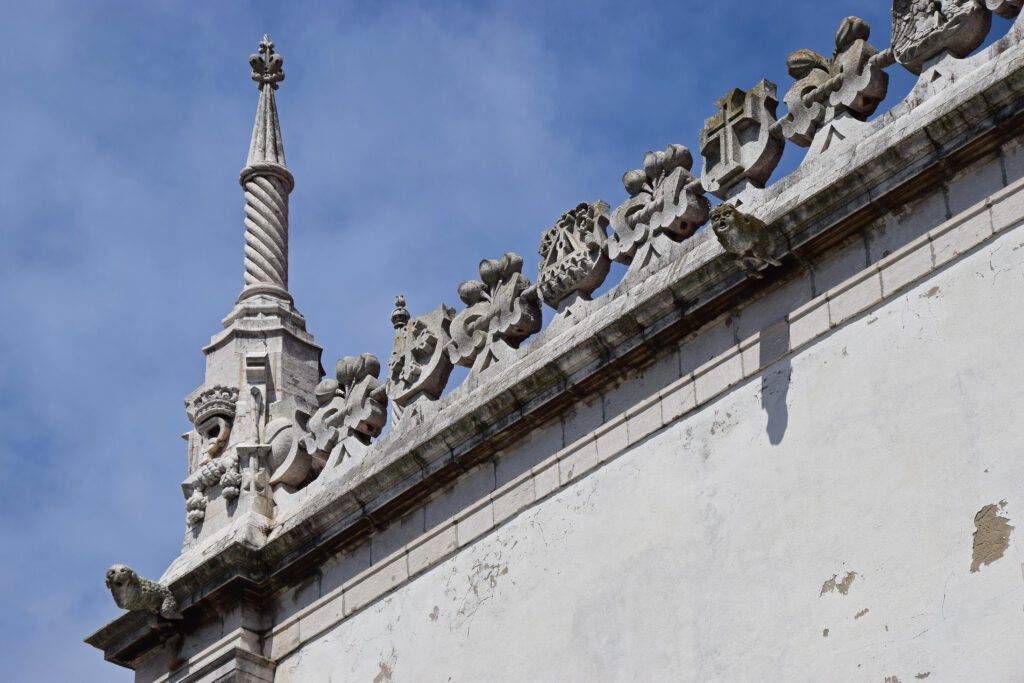
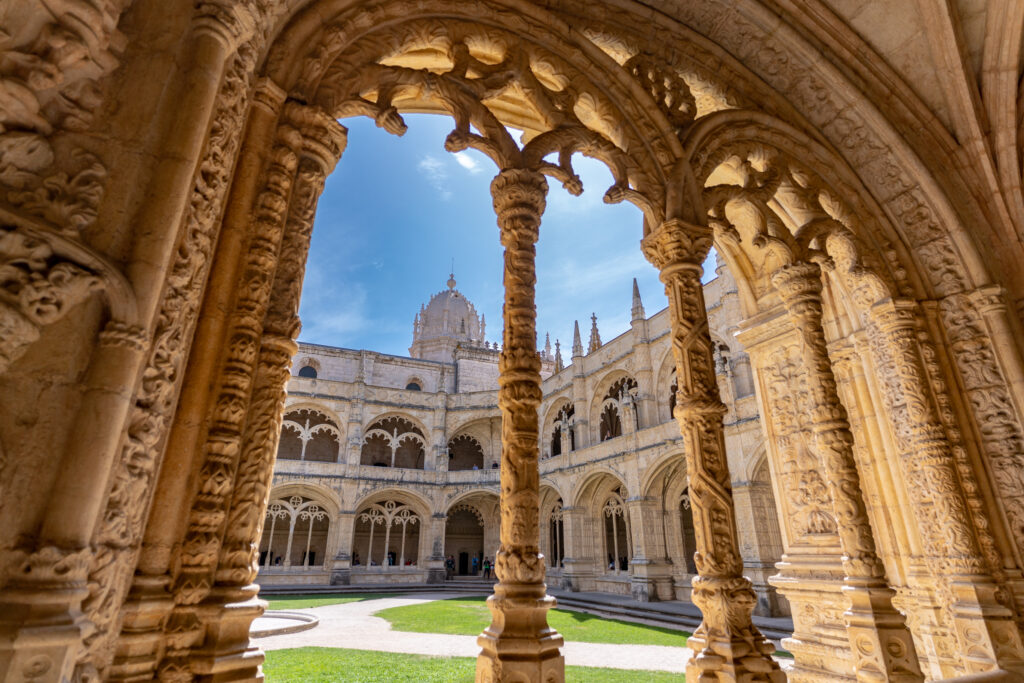
From the ornate spires and grand carvings of the Monastery of Jerónimos, you can appreciate the significance of this massive landmark nestled along the banks of the Tagus River.
A UNESCO World Heritage Site, it is also one of the city’s most visited attractions. The wealth generated from Portugal’s period of colonisation led to the construction of monuments, including that of Mosteiro Dos Jeronimo.
Jerónimos Monastery was built for Vasco de Gama‘s. His tomb is also here. In the church is also the burial site of Lus de Camões, a Portuguese poet.
Alongside beautifully sculpted, towering columns, stained-glass windows illuminate the tombs in an eerie, ethereal fashion. A vaulted ceiling, supported by intricately carved stone pillars, adorns the cloister.
You have to pay €10 to enter, but the experience is well worth it. Please note that the monastery is closed on Mondays. One of the best places to take breathtaking photos in Lisbon are the golden arches of the inner courtyard. Purchase your ticket here in advance.
Visit the National Museum of Ancient Art
A prestigious collection of national art resides at the National Museum of Ancient Art in Portugal. This exhibition includes work by Nuno Gonçalves as well as Josefa de Biidos, depicting saints, atonement portraits, and chiaroscuro portraits.
Canvases in the collection date from the 16th to 19th centuries. They entered public ownership following the Liberal Wars that shook the country during the early modern period.
A series of travelling exhibitions are also available here, featuring past collections reflecting Lisbon’s Renaissance period as well as historical paintings from just after the Middle Ages.
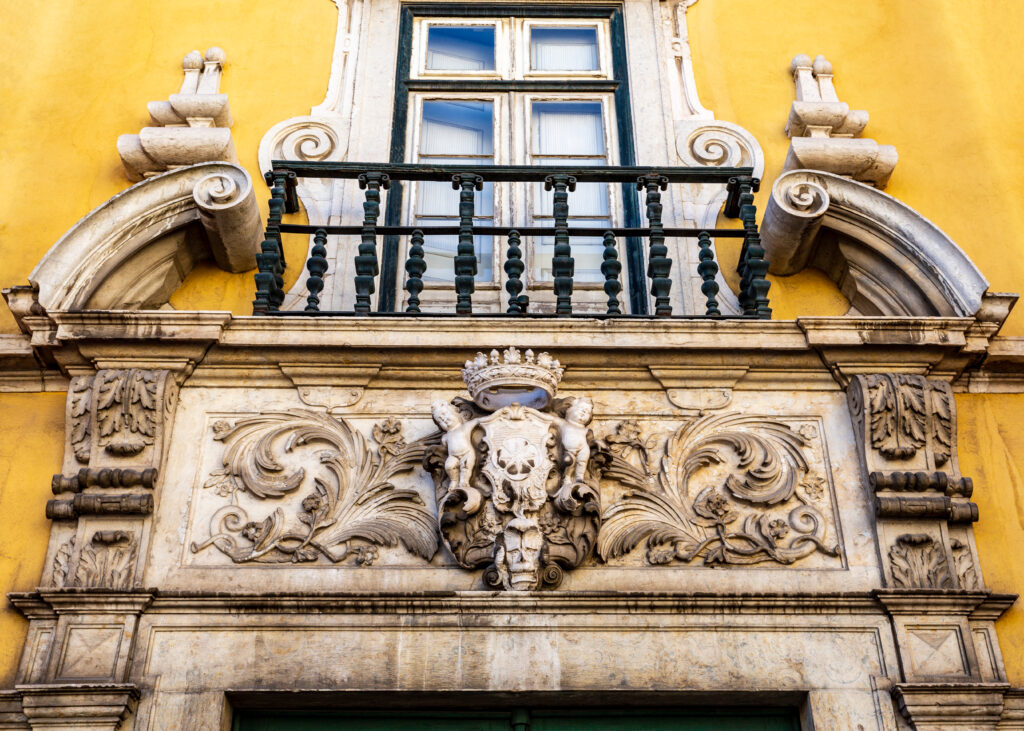
Visit the oldest bookstore in the world
The oldest bookstore in the world is a beautifully appointed store in the Chiado district of Lisbon, Portugal. A stone’s throw away from world-famous attractions such as Lisbon Cathedral and the Carmo Convent, the Livraia Bertrand is a must-see while in Lisbon.
This Lisboa bookstore dates all the way back to the first half of the 18th-century, firmly placing it in the Guinness Book of World Records as the ‘Oldest Operating Bookshop’, as a plaque proudly indicates at the entrance to the shop.
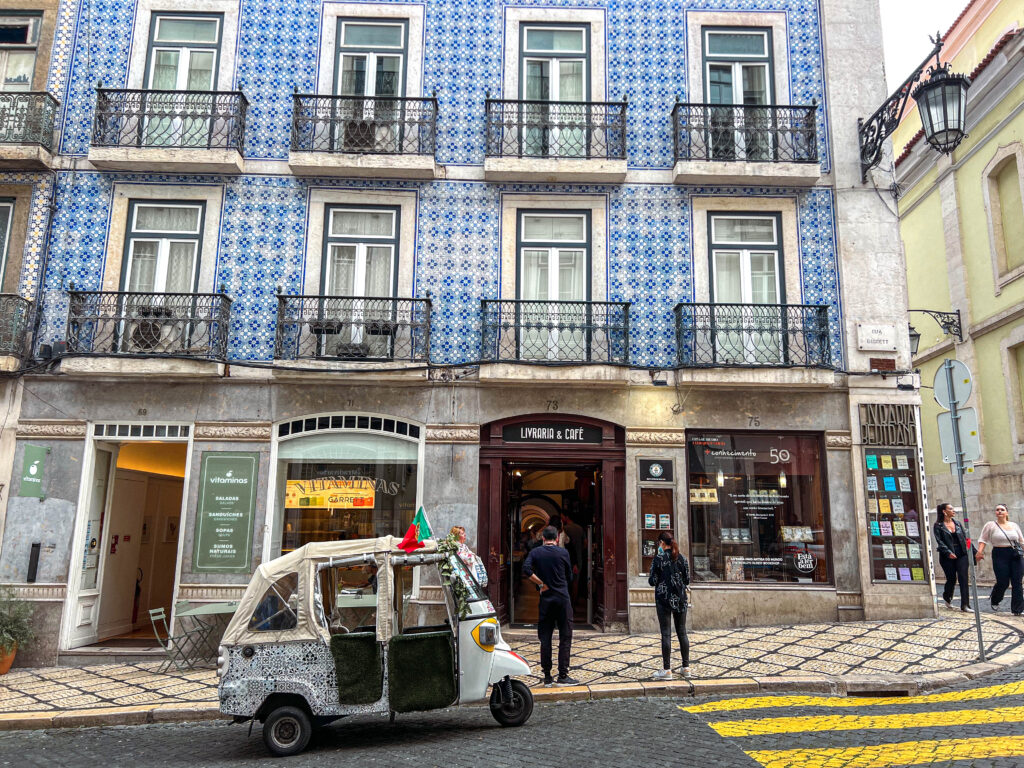
Enjoy food in a historic café
One of the most famous cafés can be visited in the form of A Brasileira do Chiado. This historic café is something of an institution in the neighbourhood thanks to its strong links with famous writers of times gone by. There is even a life-sized statue of Fernando Pessoa, the famous 20th century Portuguese poet, writer, literary critic, translator, publisher, and philosopher.
Ride the Santa Justa Lift
Santa Justa Lift’s history is somewhat similar to that of Elevador da Bica. It was also built in 1902 to link the lower Lisbon neighborhood of Baixa with the higher Bairro Alto.
It isn’t necessary to ride it, since the line can be incredibly long! Although riding the lift is one of the best things to do in Lisbon, there’s another way to appreciate the Santa Justa lift.
On the Bairro Alto side, you can enter from Travessa Dom Pedro de Menezes. Right here, you can begin your journey up to the top observation deck, where you can see Lisbon’s rooftops in all their glory.
Afterwards, you can grab a drink at Topo Chiado, a great rooftop bar near Santa Justa Lift offering up spectacular views. Consequently, it’s the perfect way to relax at sunset in Lisbon.
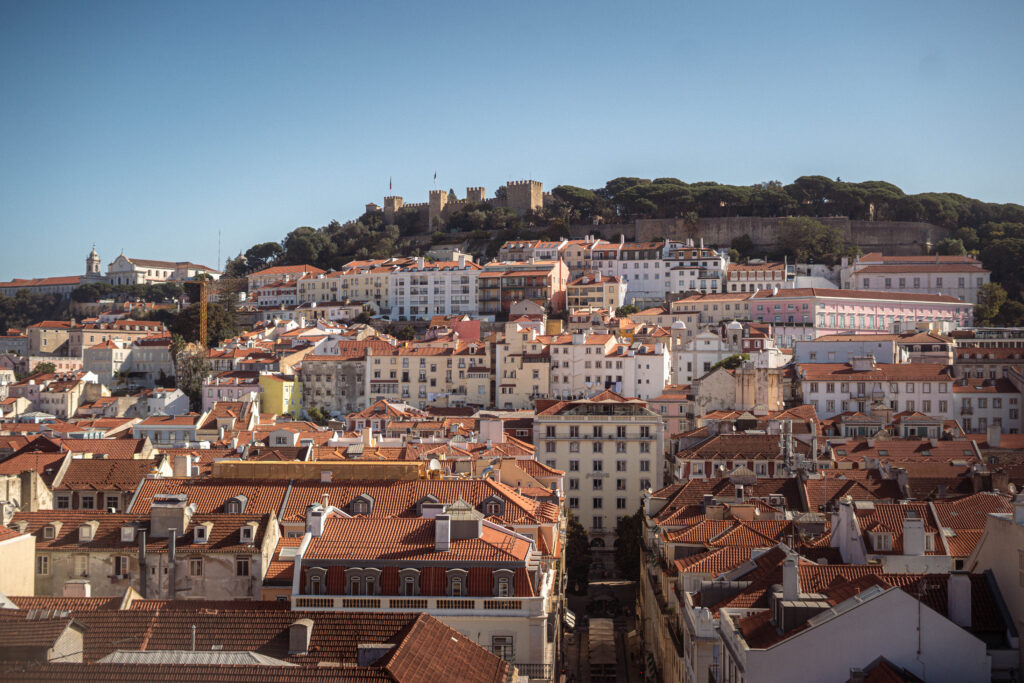
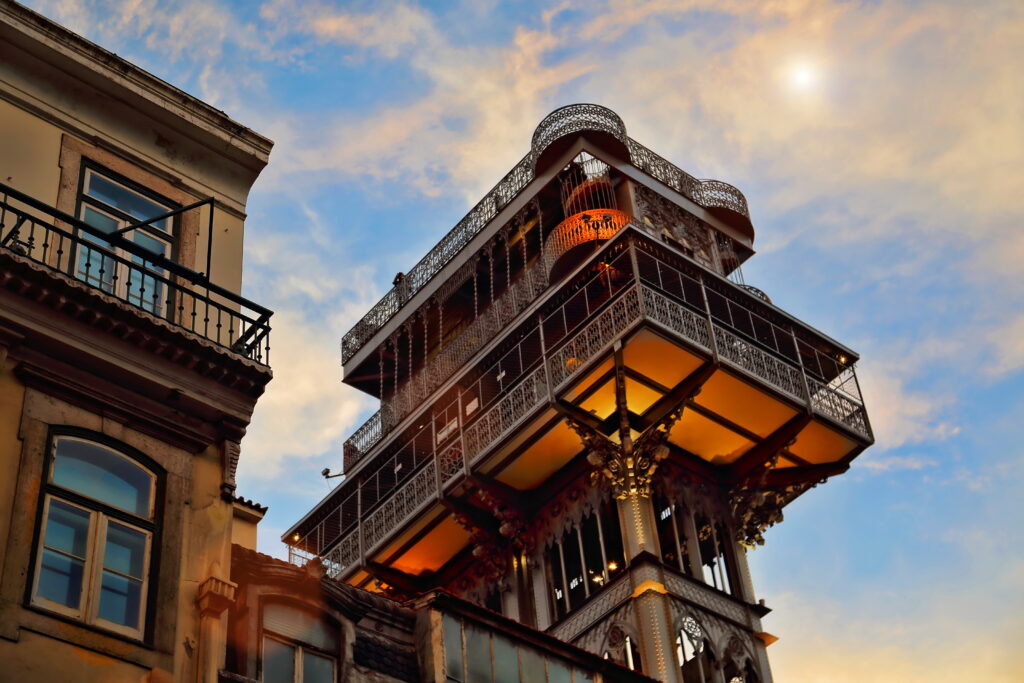
Carmo Convent
Directly next to the lift, the Carmo Convent is the haunting ruins of a church which lost its roof during one of the great earthquakes to rock the city. The former convent’s full name is the Convent of Our Lady of Mount Carmel and the ecclesiastical complex finds its roots in the 14th-century. Today, the former church can be visited for a fee, though note that it is closed on a Sunday.
Go on a sunset cruise
Even if you’re only in Lisbon for a short time, if you want to book an extra special experience, you might consider booking a sunset cruise on a vintage sailboat. The boat will cruise along the Tagus River and included in the experience you’ll get a drink and a food tasting. Find out more details here.
Take a stroll through Rossio Square
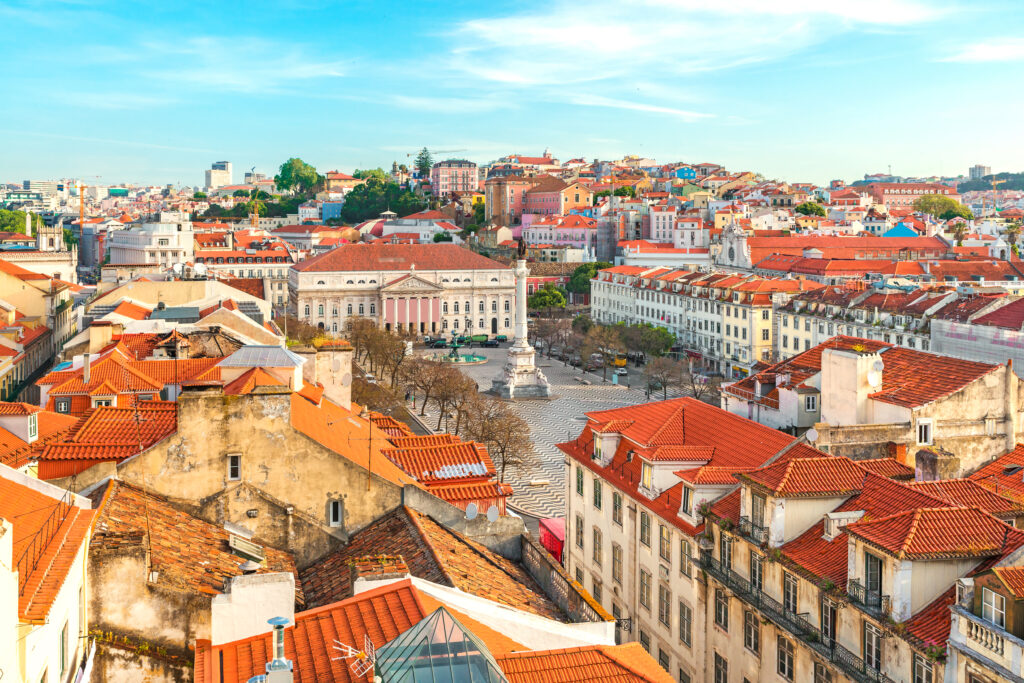
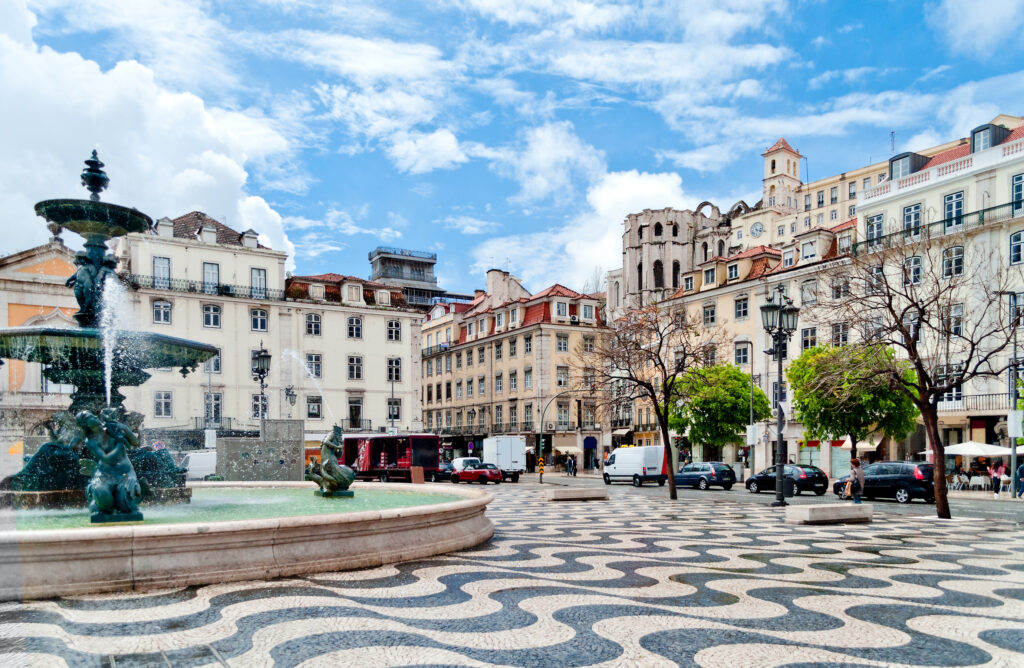
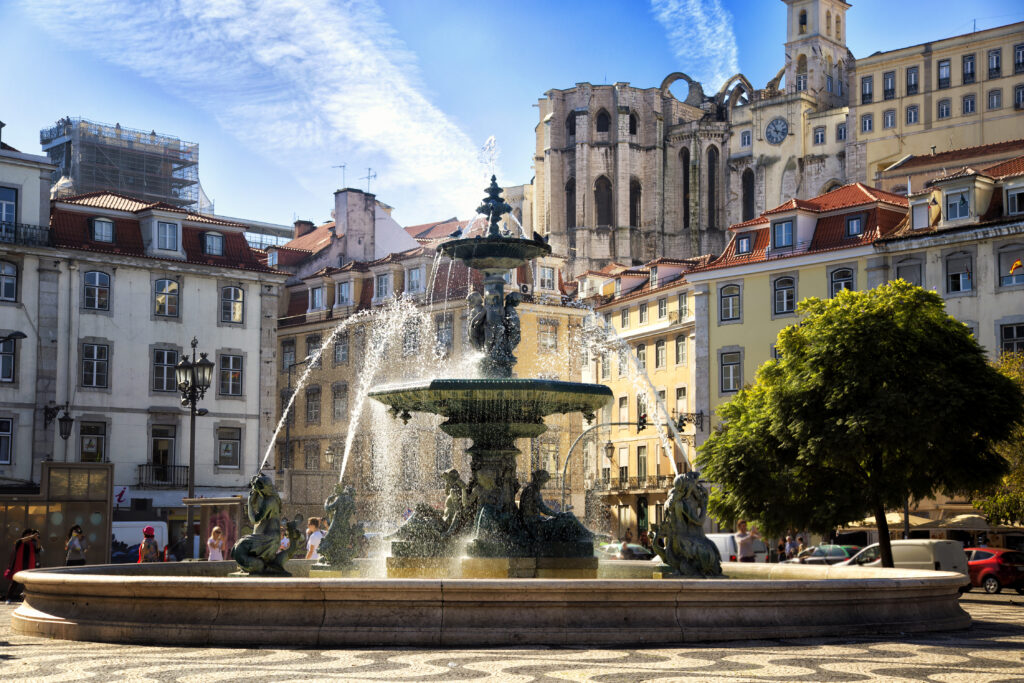
Rossio Square is home to the local life of Lisbon. Pedro IV Square, as it is officially called, marks the very heart of Pombaline Lower Town, which is spread out in broad boulevards between the Tagus and Baixa rivers.
This plaza has been a historical site since the medieval age, when public beheadings and bullfighting took place on its cobblestones. Today, it’s an excellent place to people-watch and stroll around, taking in the scenery.
There are plenty of leisurely activities in the park, including sunbathing on the shaded benches, watching the locals play dominoes, and admiring elaborate Baroque fountains babbling in the sun.
Museo do Fado
Museo do Fado is about a 10 minute (downhill!) walk from Castelo de Sao Jorge. There isn’t any public transport, but if you can’t or don’t want to walk Uber and Bolt are both available throughout Lisbon.
Fado is the type of music that characterises Portugal, and it has its roots in this very neighbourhood (Alfama). So, visiting a museum all about Fado is a must-do while you’re here! If music isn’t your thing, then it’s worth noting that there are plenty of other museums in the area.
Try your hand at making money in the money museum, learn the history of the lesser-known Portuguese dictatorship from 1926-74 at the Museudo al Jube or browse some of Portugal’s best paintings at the National Museum of Contemporary Art.
Party on pink street or in Bairro Alto
Partygoers flock to Lisbon in droves. As a result, you won’t have any trouble finding nightlife here if you seek it out! Pink Street is one of the most popular parts of town for its thriving afterhours activities.
This famous area is full of bars and clubs that spill out onto the streets until the wee hours of the morning. The area around here used to be the red light district of Lisbon.
The city, however, decided to revitalize the neighborhood in 2011 and chose to paint the road pink as part of the campaign. If you’d prefer a less rowdy night, you could do a bar crawl through Cais do Sodre or Bairro Alto.
Bairro Alto is another of the city’s top nightlife spots.Typically, the establishments don’t really open until mid-late evening, but when they do, it’s all about the pastelarias and the bohemian bars. Here, old Fado bars are interspersed with newer breweries and beatnik bars, perfect for a night full of artistry and debauchery.
Check out LX Factory
LX Factory is a former industrial site that has been transformed into a creative, cultural, and gastronomic hub. You’ll find plenty of artisans here, along with specialty food shops, quaint cafes, and inspiring art studios.
You can spend a couple of hours strolling from store to store here. Sustainably-sourced modern fare and traditional Portuguese dishes with a twist dominate the restaurant scene at LXF.
Try to fit in dinner at Taberna 1300 if your schedule permits! You’ll find cooking classes, a tattoo parlour, an acting school, a pole dancing studio, and even a tour company called We Hate Tourism Tours.

Eat a pastel de nata
If there’s one food that everyone should try while in Lisbon, it’s the pastel de nata. The Portuguese egg custard pastry is almost as emblematic of the city as its many inclines and is perfect when consumed together with a coffee.
There are even now vegan versions of the sweet! For more information, check out our guide on finding the best pastel de nata in Lisbon.

Take a day trip from Lisbon
Depending on the duration of your stay, taking a day trip from the capital is one of the best ways to spend a day when visiting Lisbon. The most popular is definitely Sintra, but since Portugal isn’t a very large country, there are plenty of options from which you can choose.
The beach town of Nazaré is a haven for surfers, while Fatimá is a great option if you have an appreciation for religious institutions and culture. The historical medieval village of Óbidos is beautifully-preserved with a fascinating history and the town of Sintra is perfect for those who wish to discover some more regal history.
If you’re not scared of a little driving time, head north to picture-perfect Porto in Northern Portugal! Alternatively, you could spend more than a day in Porto, as it definitely merits a couple of days at least. There are excellent day trips from Porto to take as well.
Stop and smell the roses at the palace of the Marquises of Fronteira
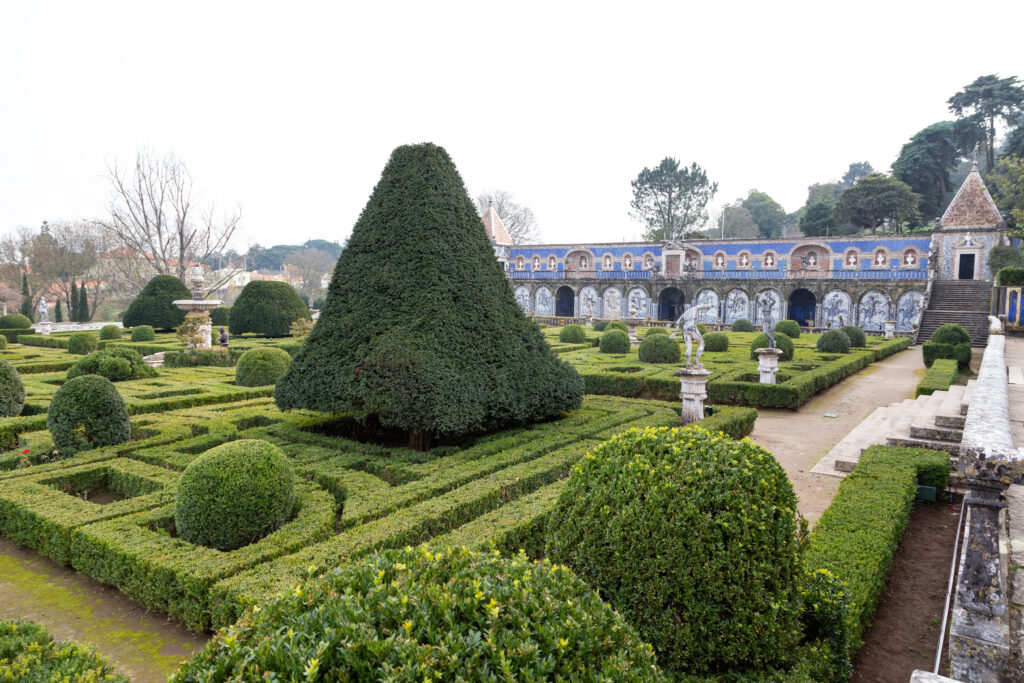
Standing at the very edge of Lisbon’s northwestern frontier, the grand Palace of the Marquises of Fronteira (known as Palacio dos Marqueses da Fronteira in Portuguese) dates all the way back to 1681 and is one of the more off-the-beaten-path remnants of Lisbon’s past.
During the Restoration War of the mid-17th century, the home once belonged to the Marquis of Fronteira, who received his land and wealth for staying loyal to the Portuguese royal name.
Today, you can spend your visit meandering through the manicured gardens, full of different flower species and plant varieties. Although it is remote, it still offers a glimpse of the majestic architecture that came to the forefront in Portugal during the 17th and 18th centuries.
Test your haggling skills at the Feira da Ladra
If you want to find quirky, curious and often downright weird tchotchkes and antiques, brush up on your haggling skills before you visit Feira da Ladra. This well-known flea market is popular with tourists, though it’s worth mentioning that the prices are reflective of that fact!
Although it is hard to believe, the bustling bazaar dates all the way back to the 12th century. The market is held on Tuesdays and Saturdays. If you want to get anything worthwhile, you’ll need to get there early.
Do not worry about what time you go if you just want to browse – just note that the crowds build as the day goes on. You can even take the historic Tram 28 to reach Feira da Ladra.
Even so, it’s one of the quirkier things to do in Lisbon. There’s a treasure trove of things worth discovering, including old rotary phones, broken mannequins, and pre-loved vinyl. In addition to eclectic oddities, military objects, and your grandparents’ discarded furniture, there are also plenty of handmade items.
Enjoy lunch at one of the tables overlooking the market for a fully immersive Lisbon experience. You can still experience traditional Portuguese cuisine by dining at the restaurants near the square, even if it’s on a day besides Tuesday or Saturday.

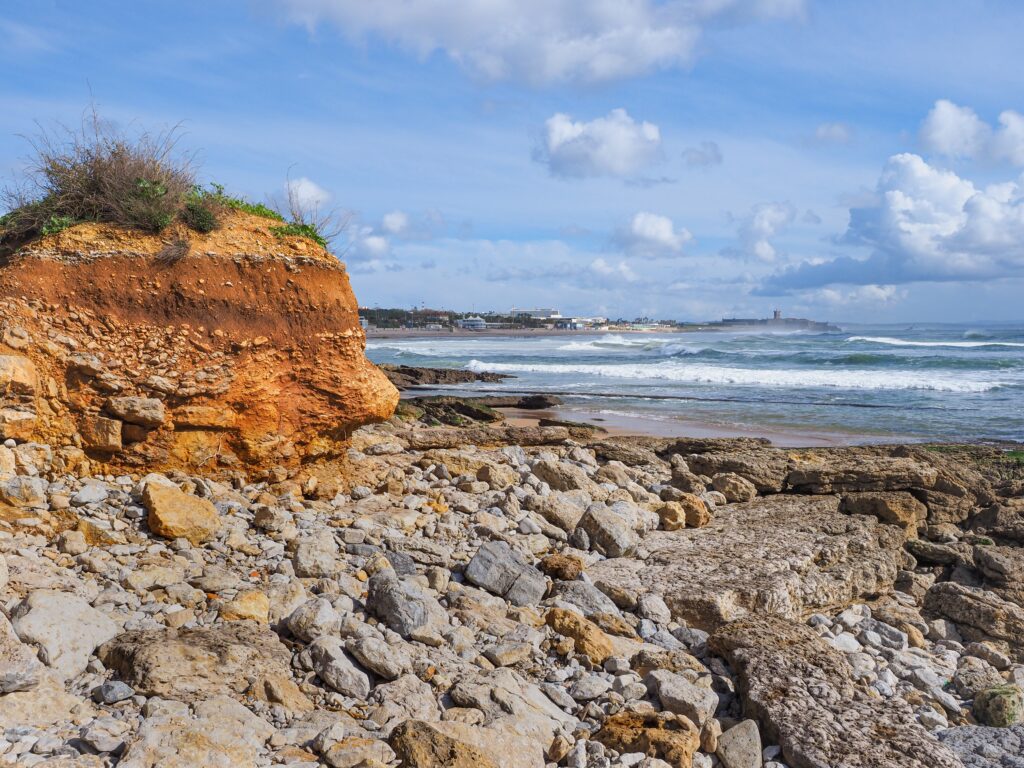
Soak up the sun at praia de Carcavelos
As soon as spring arrives in Lisbon, people begin flocking to Carcavelos. This is definitely the most popular beach north of the Tagus River. This fairly commercial beach is easily accessible by train from the center of Lisbon.
A 1.5km-long promenade above the beach frames the beach’s honey-colored sand with a row of bars and restaurants. Under the shade of wide, red umbrellas, these bars are the perfect retreat from the blazing summer sun, offering cocktails, smoothies and other refreshments.
With its relatively gentle waves, Carcavelos is a great place for amateur surfers to learn the basics. A number of surf schools offer lessons in both English and Portuguese.
In the very eastern end of the beach is a smattering of rocks which lead to São Julião da Barra Fort, a 16th-century military defense complex that once controlled access to Lisbon’s port.
Hidden gems of Lisbon
One of the best ways to get to know a new city is by going in search of its more off the beaten path attractions and locations so that you can get to know the place just like a local. Luckily, Lisbon has no shortage of wonderful hidden gems and there are plenty of secrets to be unravelled. Here’s your ultimate guide to the best secret spots in Lisbon…


Livraria Simao
While everyone knows about the Livraria Bertrand, the oldest bookshop in the world, it’s worth noting that Lisbon has a fair share of other bookshops worth visiting that are a little more off the beaten path.
One of the more interesting spots to check out (even if you can’t read Portuguese) is Livraria Simao. This bookshop is a single room selling around 4000 books and only one person can fit in the store at any given time, meaning that the owner themselves have to step out to let in even a single client.
O Cauteleiro
Thanks to its status as such an old and historic city, Lisbon has no shortage of busts, bronzes, and statues depicting various people, animals, and even monuments.
One of the more unusual statues in Lisbon depicts a lottery ticket seller and is close to the Sao Roque church. The statue is of a full sized-man who is selling tickets. Local legend suggests that, if you rub the ticket, then you will be rewarded with good luck.
The statue is meant to be a nod to the common, everyday person and is meant to be a little tribute to the ordinary man or woman, considering that most statues that exist are dedicated to the overprivileged.

Top of the Triumphal Arch
Much like Paris, Bucharest, Marseille, and many other cities all across Europe, Lisbon too has its own iconic triumphal arch by the name of Arco da Rua Augusta. But what a lot of visitors to the city don’t realise is that you can actually go to the top of the arch for the sum of a few euros.
If you already have the Lisboa Card, then going up the arch is included in the price of the card. Please note that this isn’t exactly the best view of Lisbon, but it’s still a pretty cool view and there is hardly ever a queue to go up the arch!
For more miradouros, be sure to check out our guide to the best views in Lisbon. After visiting the Rua Augusta arch, you can head back into the Baixa neighbourhood where you can find Fábrica da Nata, one of the best spots for finding a pastel de nata in Lisbon.

Crypt of St Anthony’s Church
If you’re in the Alfama neighbourhood, then no doubt you’ll come across the Sé of Lisbon, which is the city’s cathedral and main ecclesiastical building. Nearby, there’s a smaller church dedicated to the patron saint of Lisbon, which is known as the Igreja de Santo António de Lisboa.
According to local tradition, the church is located on the site where Saint Anthony of Lisbon was meant to have been born. Today, the church largely dates back to the 18th-century and is built in the Rococo and Baroque styles.
Free to visit, it’s a beautiful spot and is the perfect way to escape the rain or heat during a stroll around Alfama. What many visitors don’t realise is that you can also go down into the crypt of the church for free and see the spot (now an altar behind a wrought iron grill) where Saint Anthony is alleged to have been born. In 1982, Pope John Paul II prayed to Saint Anthony in the little chapel.
Belem Lighthouse
Though it’s undoubtedly not worth going out of your way to see, the Belem Lighthouse is a neat little piece of history that can be seen on the 15 minute walk between the Padrão dos Descobrimentos and the Belem Tower. This stone and brick building is a lighthouse that is no longer in use but dates back to a time when it was needed to guide ships along the river Tagus.
Fernando Pessoa house
Those who are visiting Lisbon will no doubt wish to visit the Carmo Monastery, the beautiful ecclesiastical in the Chiado district which lost its roof during the great earthquake of the 18th-century.
But what many visitors to the area won’t know is that a little nondescript building on the other side of the square holds its own important history.
After all, the pink building boasts a single solitary plaque announcing that it was here where Fernando Pessoa, one of the most significant literary figures of the 20th century in Portugal, lived.

Cristo Rei Statue
A little way out of Lisbon and across the Ponte 25 de Abril, there’s one statue that is quite complicated to get to, meaning that few venture out that far. The giant statue of Cristo Rei depicts Christ with his arms outstretched and can be found on the south side of the River Tagus.
The statue can be spied from various viewpoints across the city, including from next to the Belem Tower. If you’re flying into Lisbon, then the chances are pretty high of you also spying it from your plane window provided that you sit on the right-hand side of the plane when facing the front.
Where to eat and drink in Lisbon
There are a plethora of places to eat and drink in Lisbon so you’ll never have a shortage of places to choose from, but here are some of my favourites:
Dear Breakfast
Dear Breakfast Lisbon is one of the most popular breakfast spots in the city and they have several locations across the Portuguese capital. Whether you want avocado on toast, fruit bowls or French toast, they have plenty of classic breakfast staples here!
The best spot in the city if you want to start your day the right way is to reserve a table in the Alfama district. This popular neighbourhood is one of the most popular places to visit in Lisbon, and for good reason- it’s just so picturesque!
Fabrica de Nata
If you don’t fancy sitting down for breakfast, there are lots of cafes where you can grab a coffee and pastel de nata, such as the ever-popular Fabrica de Nata.
The pastel de nata is one of the most famous pastries from Portugal and is a Portuguese egg custard which is sometimes dusted with cinnamon. If you’re looking for a Portuguese souvenir, consider bringing home a box of these sweet treats(though bear in mind that they have to be purchased quite fast after purchase).

Lunch in the Chiado Neighbourhood
As one of the more popular neighbourhoods of the city, Chiado has no shortage of food options. Some of the top vegetarian options in the are Organi Chiado and The Green Affair. A historic café which is incredibly popular (with inflated prices to match) is Brasileira do Chiado.
This historic café is something of an institution in the neighbourhood thanks to its strong links with famous writers of times gone by. There is even a life-sized statue of Fernando Pessoa, the famous 20th century Portuguese poet, writer, literary critic, translator, publisher, and philosopher.
Lunch in Alfama district
The Alfama area is a great place to grab a bite for lunch. Prado is a much-loved eatery serving fresh, local meals at an affordable price. It’s open for lunch on Fridays, Saturdays and Sundays. Alternatively, Audrey’s is open from 7:30 am – 11:00 pm every day and is famous for its brunch options.
If you’re vegan or vegetarian, the Ao 26 – Vegan Food Project is nearby and open for lunch. I definitely recommend visiting to try a vegan Franceschina, which is one of the most popular dishes in Portugal. It’s usually a meaty, cheesy sandwich but Vegan Food Project have their own plant-based twist to it!
Where to stay in Lisbon
For first-timers visiting Lisbon, where should you stay? For those looking to be centrally located, Chiado, Baixa, Principe Real, Bairro Alto and perhaps Alfama are the best options.
These neighbourhoods will place you within walking distance of major landmarks, restaurants, and shops and have a selection of hotels and other accommodation to suit every need and budget. Check here for price comparisons of hotels in Lisbon.
Enjoyed reading about the best things to do in Lisbon? Pin this article now, read it again later: