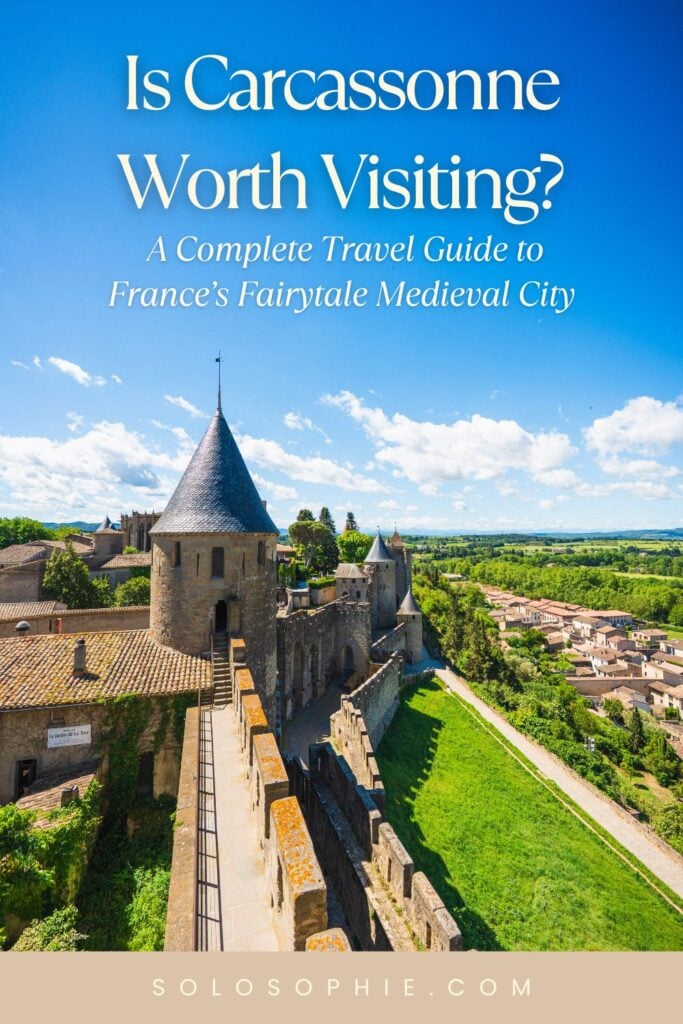

Is Carcassonne Worth Visiting? A Complete Travel Guide to France’s Fairytale Medieval City
Last Updated on 16th July 2026 by Sophie Nadeau
This post may contain affiliate links. Please check out my privacy policy for more information.
Many people believe that Carcassonne is France’s greatest medieval treasure, but what’s the true story behind the impossibly high ramparts and fairytale turrets? With fifty-two turrets piercing the sky and over 3 km of fortified walls, it’s widely regarded as one of Europe’s largest and best-preserved medieval walled cities. However, there’s more than meets the eye to this storybook city, and not everyone agrees that Carcassonne deserves a spot on your France itinerary…
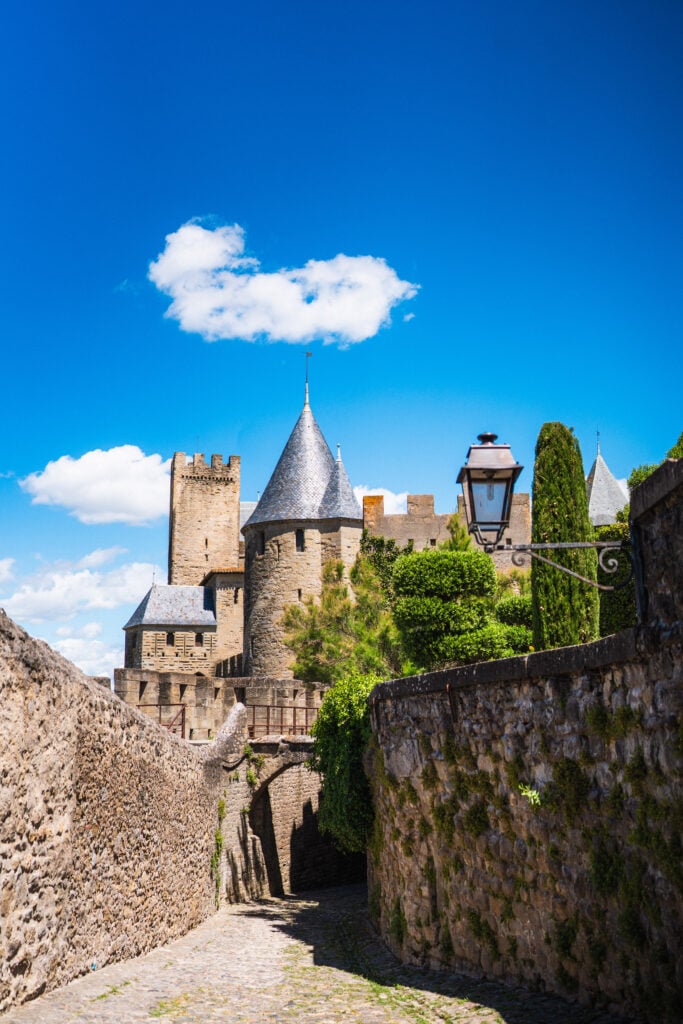
What is Carcassonne?
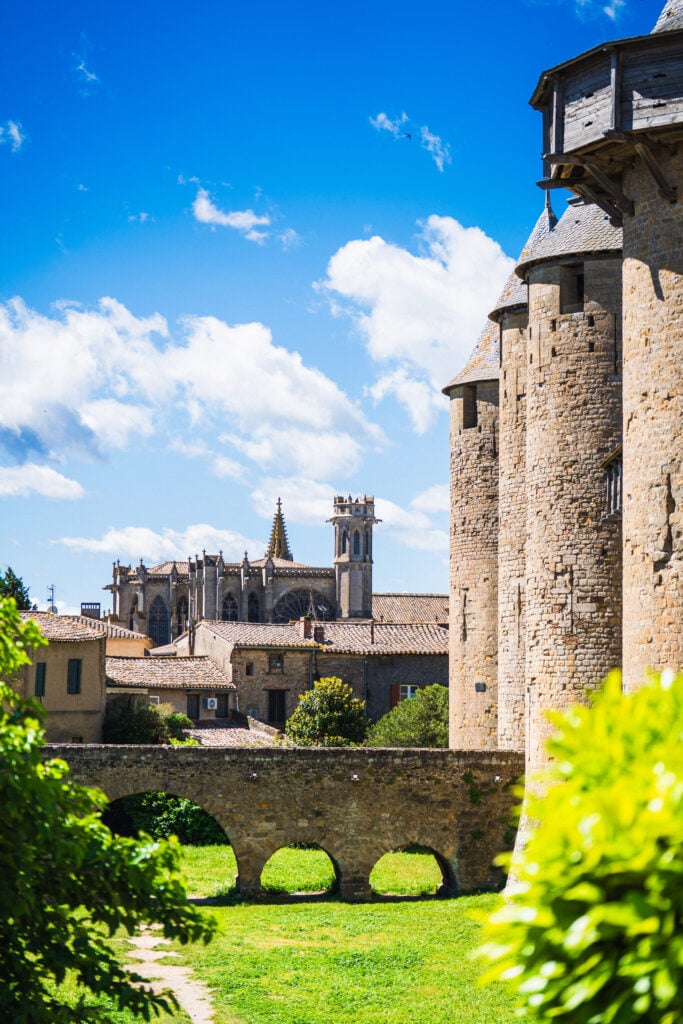
Carcassonne is a French fortified city that sits within the department of Aude, in the region of Occitania. Located in the south of L’Hexagone (around 80 km from Toulouse), Carcassonne’s story stretches back thousands of years.
The city itself is actually made up of two distinct areas: the medieval citadel, which is known as La Cité, and the modern lower town, La Ville Basse.
Today, Carcassonne is one of the biggest tourist attractions in France, drawing in some 3 to 4 million visitors annually! However, for history lovers, this medieval citadel has layers of controversy beneath its fairytale appearance, sparking lively debates about its authenticity and whether it truly lives up to the hype… so the question is, is it worth visiting Carcassonne?
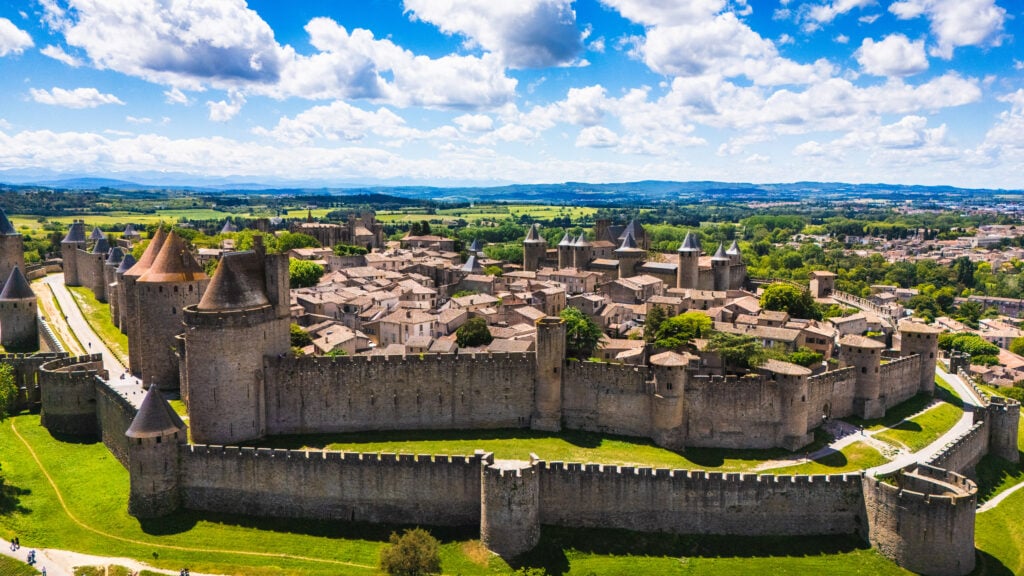
A history of Carcassonne
The area in which Carcassonne is situated has a long and storied history. Thanks to its position on a historic crossroads between the Atlantic Ocean and the Mediterranean Sea, it has attracted settlers from the Neolithic era onwards, before the city evolved into a strategically important stronghold under the Romans and medieval rulers.
The site was originally fortified as early as the 1st century CE. Indeed, the area was first settled by Celtic communities, who recognised the importance of its hilltop location. In 122 BC, the Romans conquered the settlement and transformed it into Julia Carcaso.
But Carcassonne’s most dramatic chapter would come during the Cathar period…
Who were the Cathars? This religious group emerged in southern France and parts of Italy during the 12th and 13th centuries. The Cathars rejected the wealth and materialism of the medieval Church, believing that spiritual purity was more important than worldly possessions.
The Cathars’ beliefs challenged the authority of the Catholic Church, which condemned them as heretics. This conflict eventually brought Carcassonne into the heart of the Albigensian Crusade when, in 1209, the city was besieged and captured by crusading forces seeking to crush the Cathar movement.
Later on, in the 17th century, Carcassonne’s role as a powerful stronghold had, by and large, faded. Particularly, what with France’s borders shifting further south, following the Treaty of the Pyrenees in 1659. In fact, many stone masons came to dismantle the stone walls, using the fortress’s stone for local building projects.
Come the 19th century, Carcassonne was actually in danger of being taken down completely. With no military importance, the French government officially announced plans to demolish its remaining historic fortifications in 1849.
That was until an impassioned preservation campaign led by local historian Jean-Pierre Cros-Mayrevieille and the prominent archaeologist Prosper Mérimée managed to persuade the government otherwise.
Instead? A huge restoration project of the site would be overseen by Eugène Viollet-le-Duc, a name which you may well recognise thanks to his huge contributions to renovating some of France’s most iconic landmarks, including Notre Dame and Saint-Chapelle.
It has to be said that Eugène Viollet-le-Duc had a very romanticised vision of how Carcassonne should have looked. In fact, he said (in French that is):
“To restore an edifice is not to maintain it, repair or rebuild it, but to re-establish it in a complete state that may never have existed at a particular moment.”
So, you can understand why history buffs and lovers alike were close to tearing their hair out when renovations were underway. Most notably, building techniques from northern France were used, slate roofs (one of the most controversial choices!) and the very fact that many medieval peasants or nobles would barely recognise the Carcassonne we see today.
Some visitors have gone as far as comparing Carcassonne to a medieval theme park, and the criticism isn’t just about the crowds. For some, the perfectly restored walls and towers feel gimmicky and far removed from the medieval stronghold this citadel once was.
How long do you need in Carcassonne?
We actually stayed for 3 days in Carcassonne to get a better chance at good weather, but I’d say one or two days is still plenty of time to see the highlights.
If you’re visiting during peak season, Carcassonne can feel incredibly busy, so you might find that one day is enough.
Things to do in Carcassonne
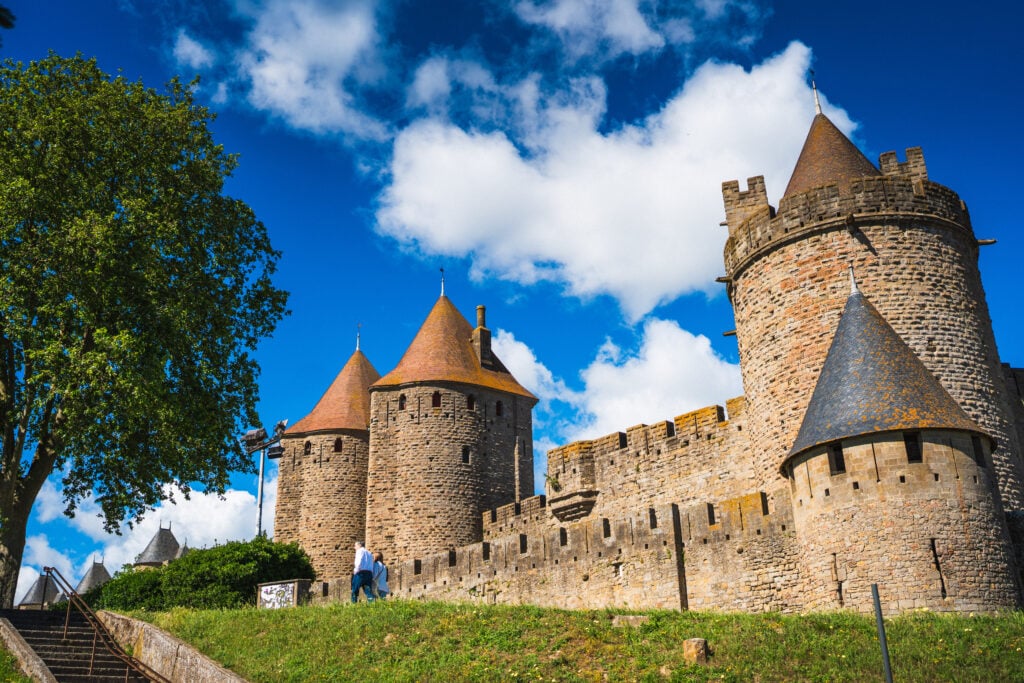
Visit Château Comtal
While this is very much a personal opinion, the only thing I think that’s truly worth paying to visit in Carcassonne is Château Comtal. A single ticket is €19 per person, and so, it’s already pretty costly to visit the one attraction.
Built in the 12th century as the residence of the Viscounts of Carcassonne, Château Comtal was gradually expanded and fortified over the centuries. Although the château itself is largely unfurnished, its Lapidary Museum offers a fascinating collection of carved stonework and architectural fragments that trace the region’s history from Roman antiquity through to the Middle Ages.
To be honest, the château itself doesn’t hold great historical value. However, once inside, you can climb to the top and soak up the stunning and unique panorama of the Pyrenees and the Aude on a clear sunny day.
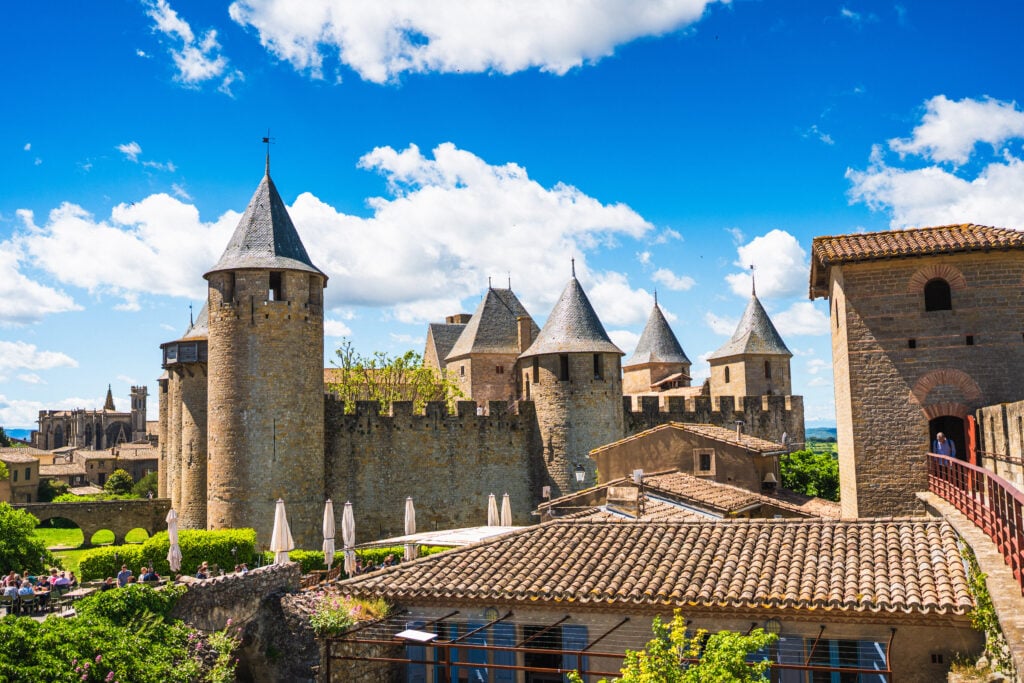
Enjoy the views
While Château Comtal boasts some of the best views in the citadel, it’s certainly not the only one. Thanks to Carcassonne’s hilltop location, there are several vantage points from where you can enjoy the surrounding scenery. Here are a few other spots worth checking out on your visit:
- Pont Vieux (Old Bridge) – From here, you have a great view of the medieval town in its entirety, offering the classic postcard view from across the Aude River.
- The Ramparts (Château Comtal) – Panoramic views over the Bastide Saint-Louis, Montagne Noire, and the surrounding landscape.
- Église Saint-Vincent Bell Tower – For a close-up view of the town from above.
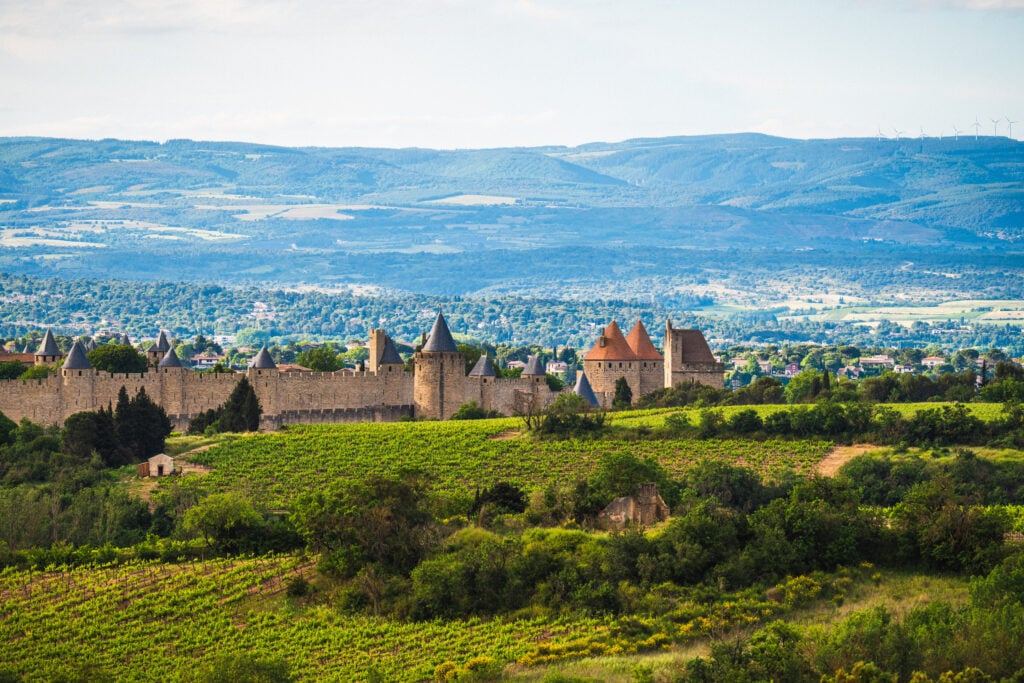
- Chemin de Sainte-Croix / Vineyard Path – This scenic viewpoint boasts vineyards in the foreground and the fortress in the distance.
- Belvédère d’Auriac – A wider panoramic viewpoint of the citadel.
- Porte d’Aude & La Petite Côte – A dramatic view including Aude Gate and the fortress walls.
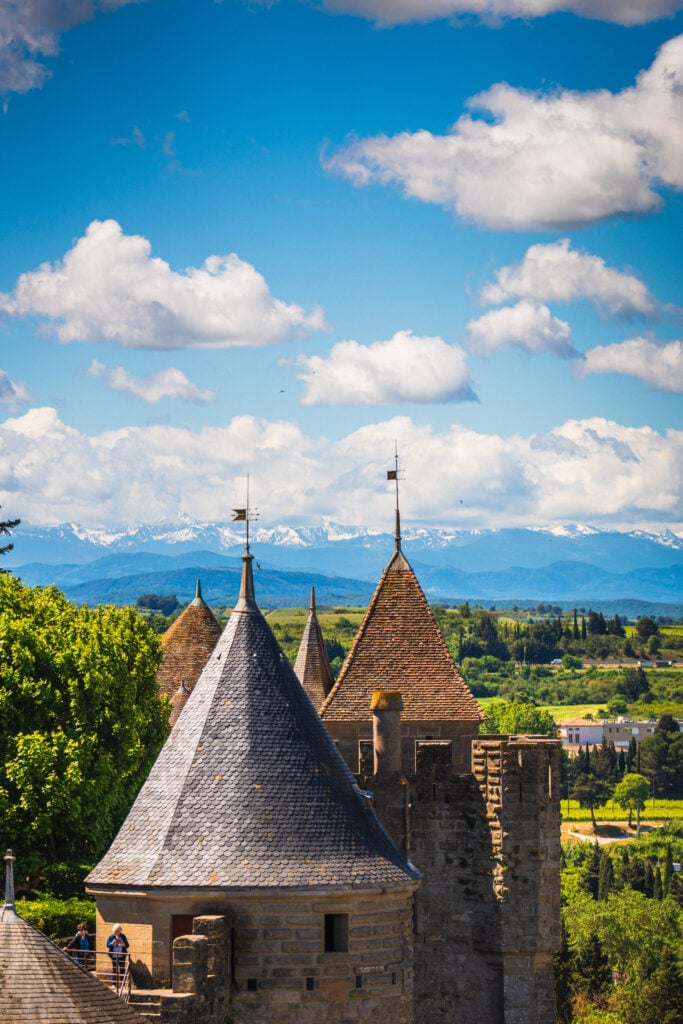
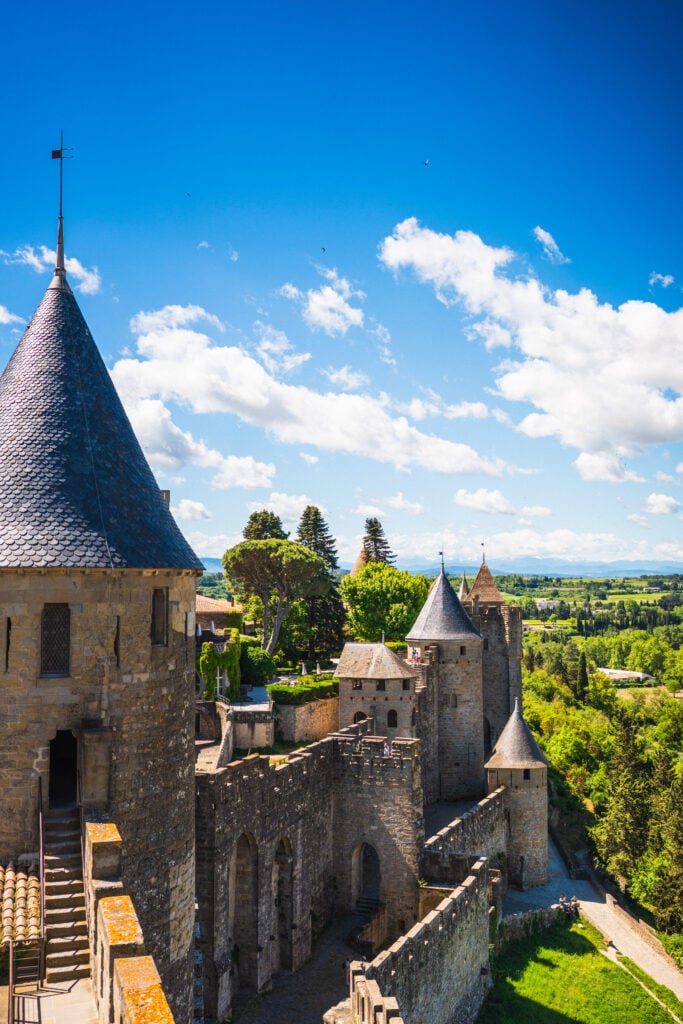
Explore the ramparts
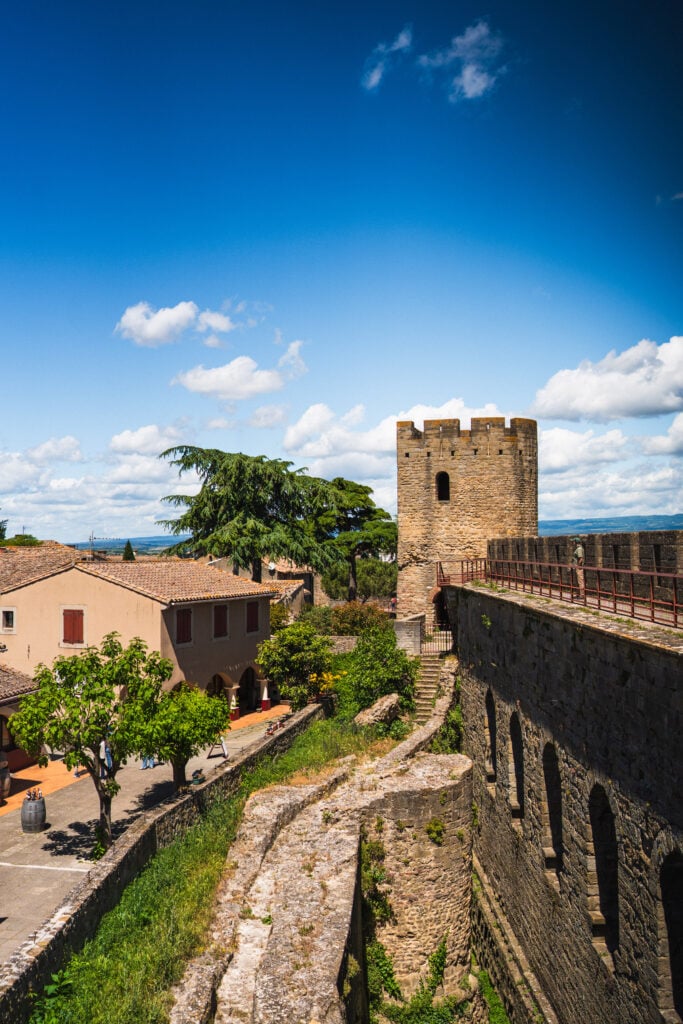
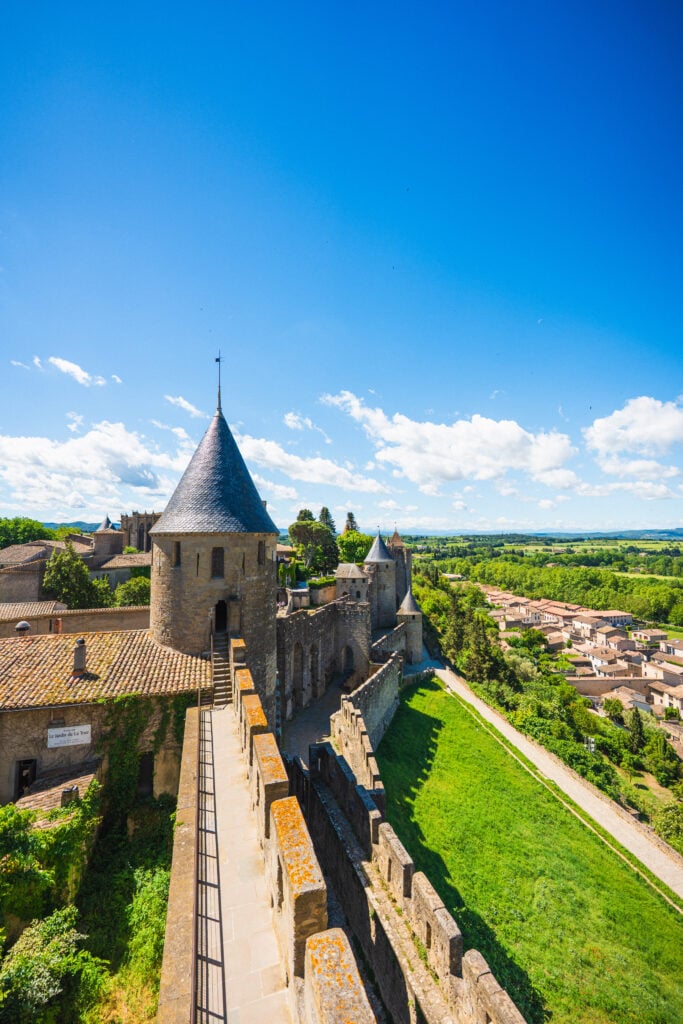
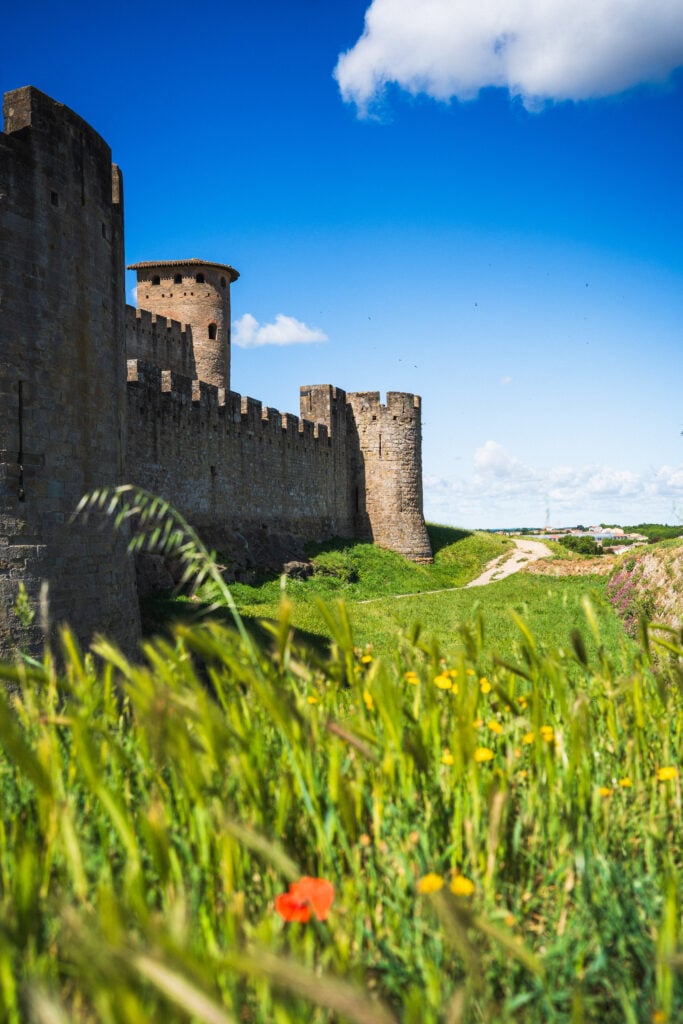
Included in the price of your ticket to Château Comtal is the opportunity to explore the citadel’s ramparts. 1.3 km of the 3 km are open for the public to wander. It’s suggested that this takes around an hour, and to be honest, you’ll find yourself wanting to stop and take photos or soak up the views every few minutes.
Although Carcassonne is not perfectly historically accurate, its walls are among its most authentic features. They reflect centuries of military architecture, revealing how defensive techniques evolved from Roman foundations through the medieval period.
And, the views are simply breathtaking. You can actually see much further than I thought, on a clear day, as far as the Pyrenees! It’s also a great way to experience the citadel itself from a completely different perspective.
Basilique Saint Nazaire
Basilique Saint-Nazaire is one of Carcassonne’s hidden gems. Free to enter, this beautiful church combines Romanesque and Gothic architecture and was one of the earliest monuments in the city to be restored by Viollet-le-Duc.
Here, you’ll find an impressive collection of gargoyles, chimaeras, and some of the finest medieval stained glass in France, with many windows dating back to the 13th and 14th centuries. However, like much of Carcassonne, it’s worth remembering that much of what you see today has been carefully restored rather than left untouched per se.
See the city from afar
Of course, one of the best ways to really take in this romanticised Medieval fortress is from afar. One of the best places to see Carcassonne in all its glory is from Pont Vieux (Old Bridge).
Visit a local vineyard
If time allows, then I highly recommend visiting a local vineyard and sampling some delicious French wine. The city itself sits at the crossroads of the Cabardès, Corbières, and Limoux wine regions, so you’re truly spoilt for choice when it comes to choosing somewhere.
When visiting, we were keen to speak to a local wine maker. We had the pleasure of meeting with Stéphane, the owner of Domaine de La Périnade. For a brief overview, Stéphane gave us a fascinating insight into this family-run vineyard estate, now in its seventh generation and operating since 1830.
The vines in the vineyard here are some 45 years old, which is pretty early on in their lifespan, with most vines reaching 100 years or more of age. And, just like an aged fine wine, the vines only get better as time goes on!
For more secrets of winemaking in the Languedoc region of southern France, watch my interview with Stéphane (YouTube link below) as his expert knowledge is well worth listening to.
Where to eat in Carcassonne
Most spots are pretty touristy, so you should expect high prices and long waits. The best food can actually be found just outside of the medieval ramparts, in the newer part of the city.
Carcassonne is famous for traditional Occitan and hearty Languedoc cuisine, much of which is characterised by slow-cooked, rich stews. But there are plenty of other delicious options and sharing plates to find in the city, too. Here are a few suggestions of where to eat:
- Le Patio, 5 Rue du Grand Puits, 11000 Carcassonne
- La Planche de Saint-Louis, 4 Rue Saint-Louis, 11000 Carcassonne
- Restaurant Au Four Saint Louis, 14 Rue Saint-Louis, 11000 Carcassonne
- LA BARBACANE, Pl. Auguste Pierre Pont, 11000 Carcassonne (Michelin guide recommended, this restaurant boats especially stunning views over the citadel)
- Maison joseph, 15 Rue du Plo, 11000 Carcassonne (rustic & has vegan options)
Where to stay in Carcassonne
While the majority of people opt to discover Carcassonne as a day trip from Toulouse, there are still plenty of accommodation options if you choose to stay here. Though I will note, be sure to book well in advance, as especially during peak seasons, it’s a very popular destination. Here are a few suggestions of where to stay (based on web reviews):
For a more affordable option you should stay in Bastide Saint-Louis (the lower town) this also gives easier access to restaurants and local nightlife:
Le 9 de Cour, Chambre Chaco – This highly-rated bed and breakfast is praised by guests for its “phenomenal hosts,” comfortable rooms, and perfect location. Check prices and availability now.
If you want to stay in the city walls themselves, you’ll want to find accomodation in the fortress of La Cité (expect very high prices):
Hotel de la Cité Carcassonne – MGallery Collection – If you really want to go all out, this five-star luxury hotel is at the height of opulence. Sitting opposite the 12th-century Basilica of St. Nazaire and St. Celse, it is just a 2-minute walk from the Château Comtal. Check prices and availability now.
Alternatively, you could opt to stay in a hotel in Toulouse like this:
Capitole/Old Town area (central/ideal for first-time visitors): Hotel Albert 1er Hotel Toulouse – Located in the very heart of the city, a 3-minute walk from Capitole metro station and the Place du Capitole palace and museum. This classic hotel offers small, but stylish rooms and notably friendly service. Check prices and availability now.
Is Carcassonne worth it?
With a resounding yes, I’d say Carcassonne is absolutely worth visiting. Just don’t plan to stay for too long. One or two days is all you really need to enjoy everything the city has to offer.
If visiting on a clear day, you will be blessed with stunning views overlooking the southern French landscape and beyond. Carcassonne makes for a very memorable experience and trip, and it’s really unique in its setting (and controversial history!)
However, a few things worth noting before your visit: you have to bear in mind its historical context. Don’t go expecting great historical ruins or an accurate glimpse into a time period, because Carcassonne is definitely not that.
There are a few historical re-enactment performances you can see, but by and large, it does feel very commercialised at times. This is further fuelled by the many souvenir shops that all sell the same thing. It’s also, as I’ve probably mentioned a few times by now, very busy.
Overall, I think you just need to be aware of these things before visiting Carcassonne. Otherwise, you might leave feeling a little disappointed. But if you arrive knowing what to expect, you’re far more likely to appreciate the city for what it is rather than what you imagined it would be.
Travel with us to Carcassonne (watch the vlog)
Enjoyed reading our guide to Carcassonne, and whether it’s worth the visit? Pin this article now, and read it again later: