How to Spend 3 Perfect Days in Dublin
Last Updated on 24th September 2026 by Sophie Nadeau
This post may contain affiliate links. Please check out my privacy policy and disclosure for more information.
Dublin is the capital of the Republic of Ireland, and it’s best known for its folk music scene, centuries-old pubs, and illustrious literary history. Characterised by its quaint cobblestoned streets and rich Gothic architecture, it is best explored over a long weekend. “The Fair City” is more than likely going to steal your heart!
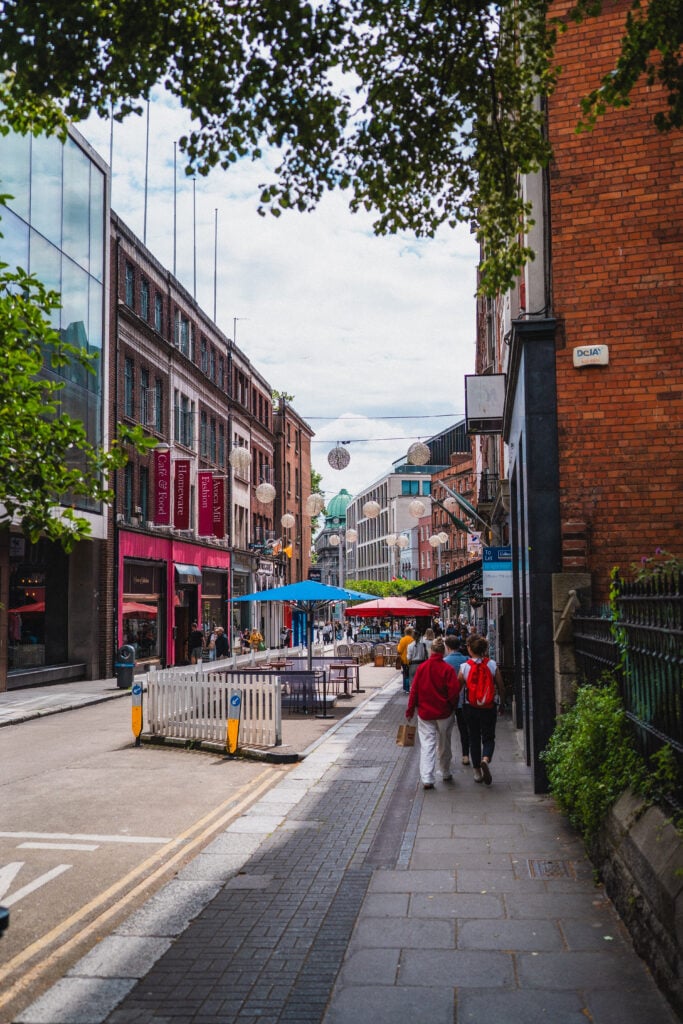
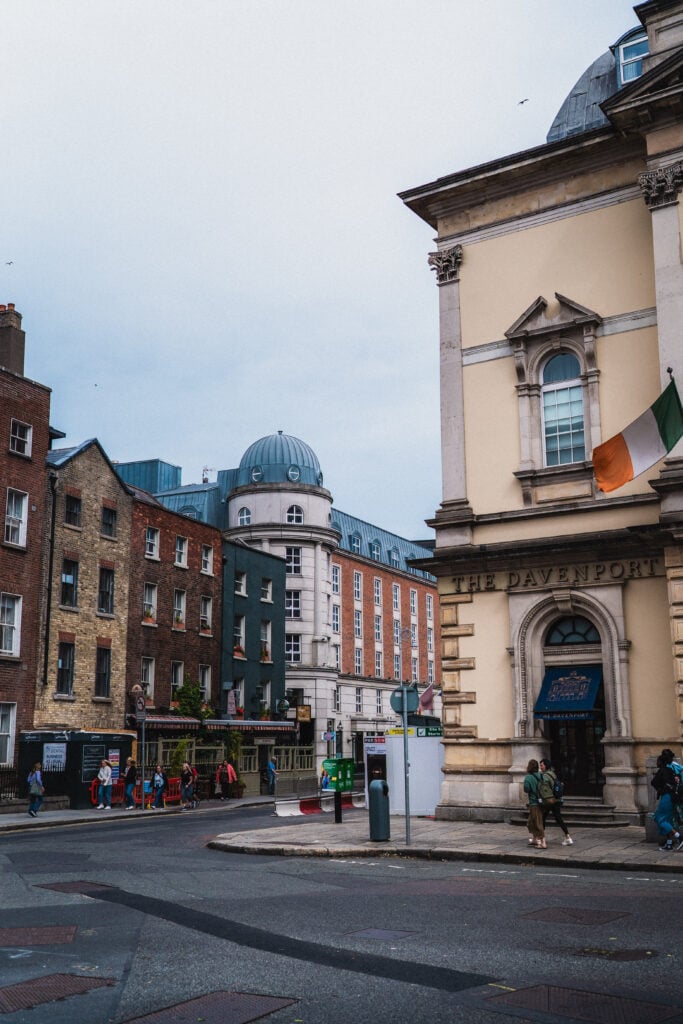
In this post, we’ll give you a day-by-day guide on experiencing the best of Dublin. Begin by exploring the city’s most iconic historic landmarks, spend the second day uncovering hidden gems and hidden corners of the city, and on your final day, venture out on a day trip to see what lies beyond the Irish capital. So, here’s how to spend 3 perfect days in Dublin!
How long do you need in Dublin?
Day 1 in Dublin
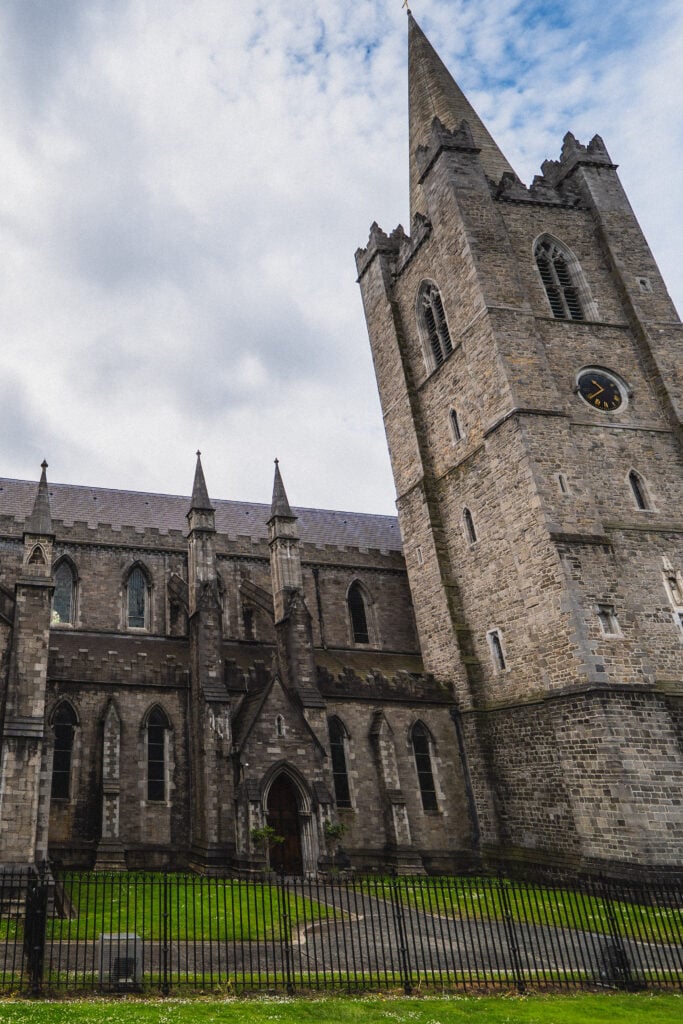
St Patrick’s Cathedral
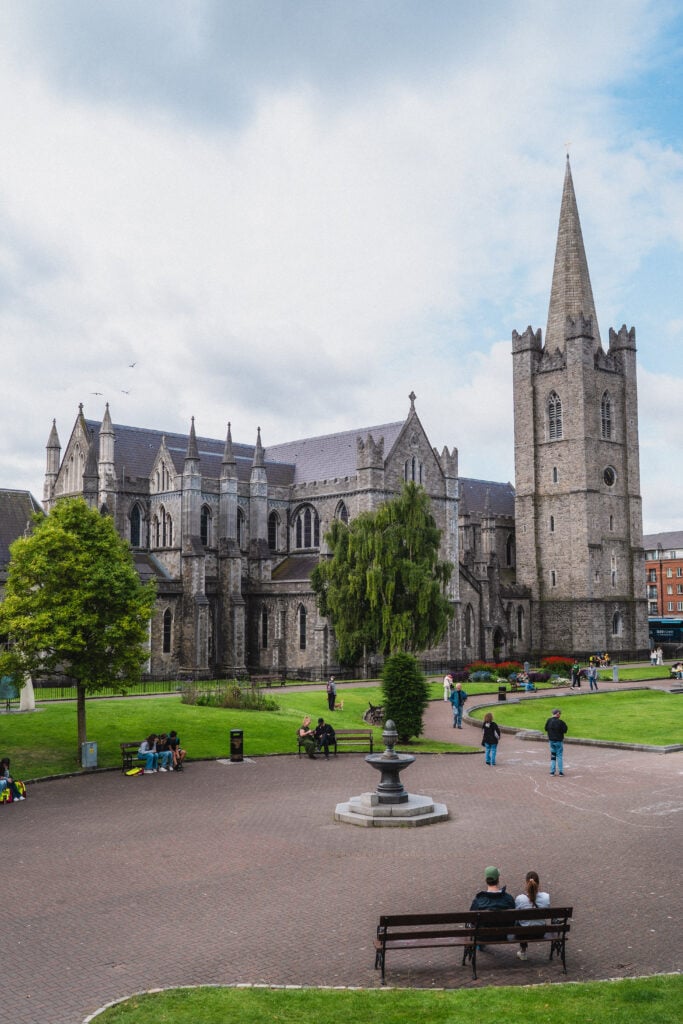
Begin your time in Dublin at one of its most important religious buildings, St Patrick’s Cathedral. Built in 1213, it has stood as a place of worship for over 800 years, and local legend goes that St. Patrick himself baptised the first Irish Christians with water from the River Poddle, which sprang up in a well nearby.
Today, a visit to St. Patrick’s Cathedral costs €10, which can be purchased on arrival. However, if you just want to admire the architecture from the exterior, there’s St. Patrick’s Park, which sits beside the cathedral and is completely free to wander around.
Dublin Castle
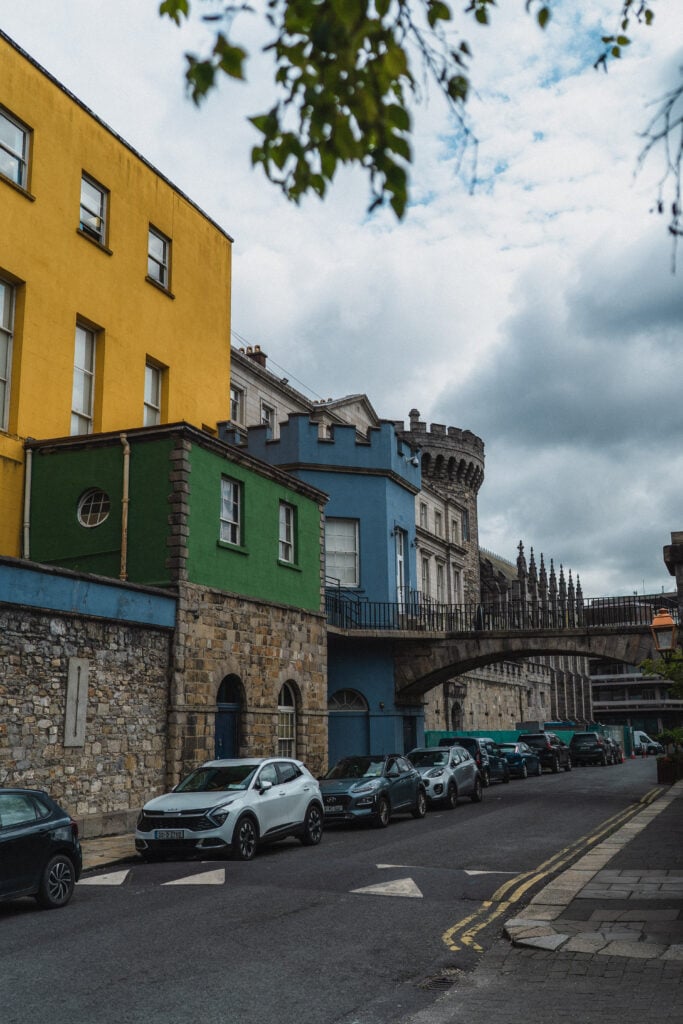
Impossible to miss thanks to its strategic location, Dublin Castle sits atop the natural highest point of central Dublin. Most of what you can see today of the former motte-and-bailey dates back to the 18th century, so it feels a little more elegant than that of the medieval for it was once.
The name Dublin (Dubh Linn) actually comes from “dark pool,” which was the name of a water basin created by the River Poddle that originally flowed past the castle, naturally provided a water defence for the south and east faces.
Should you choose to visit the castle, there’s plenty to see, including the impressive State Apartments, the grand staircase, and St. Patrick’s Hall. Dublin Castle is still very much in use; it was once the seat of British power in Ireland, but has since been reclaimed by the government and is used regularly for state events and official visits.
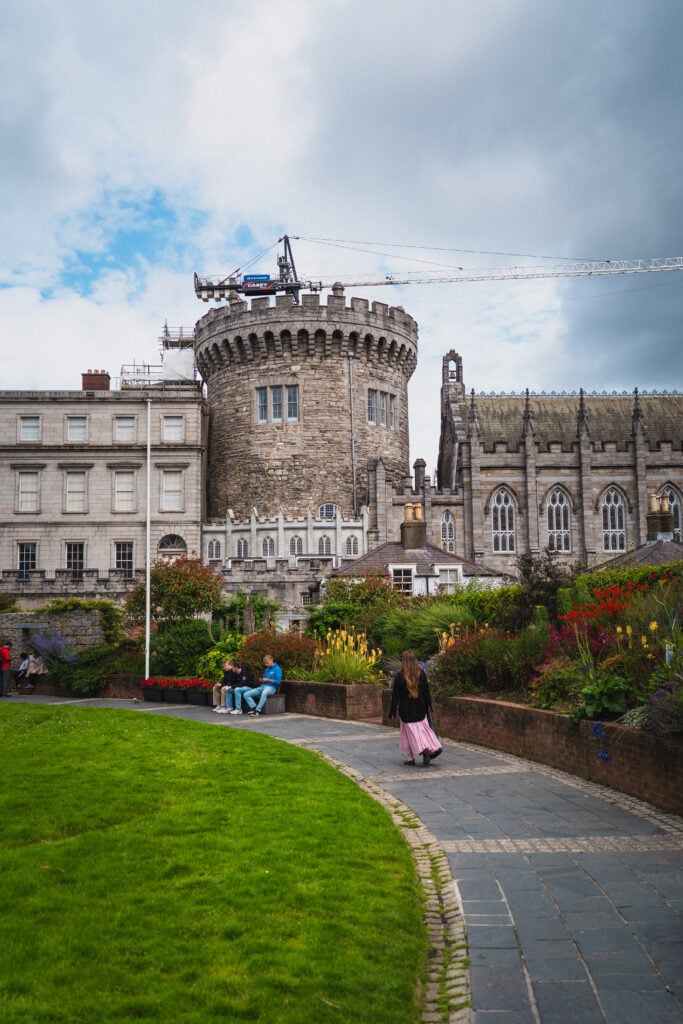
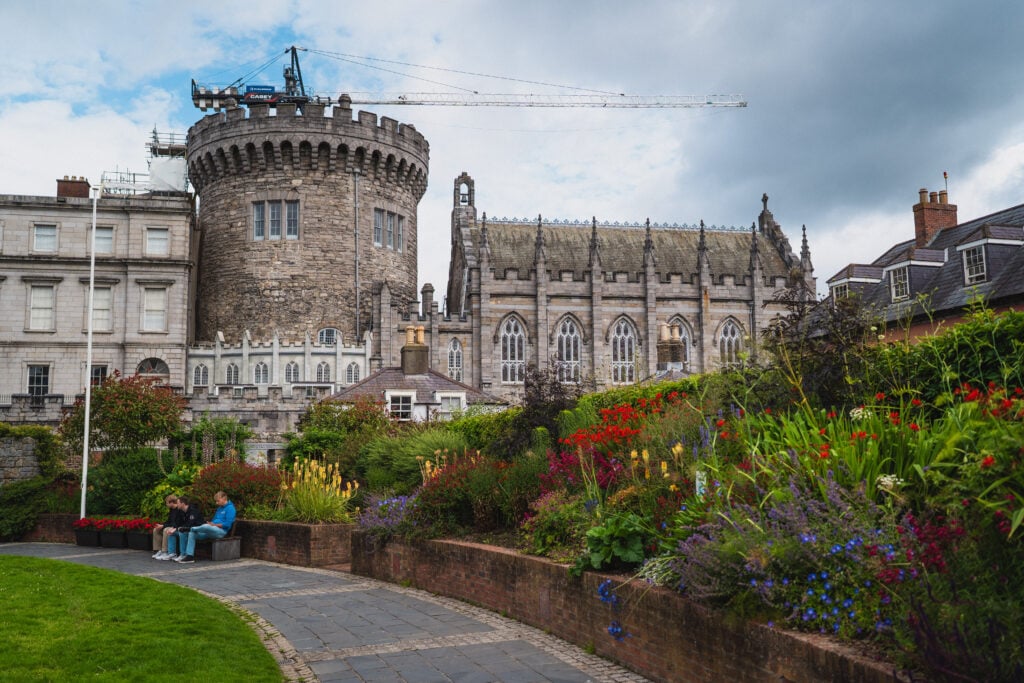
Chester Beatty Library (views of Dublin Castle)
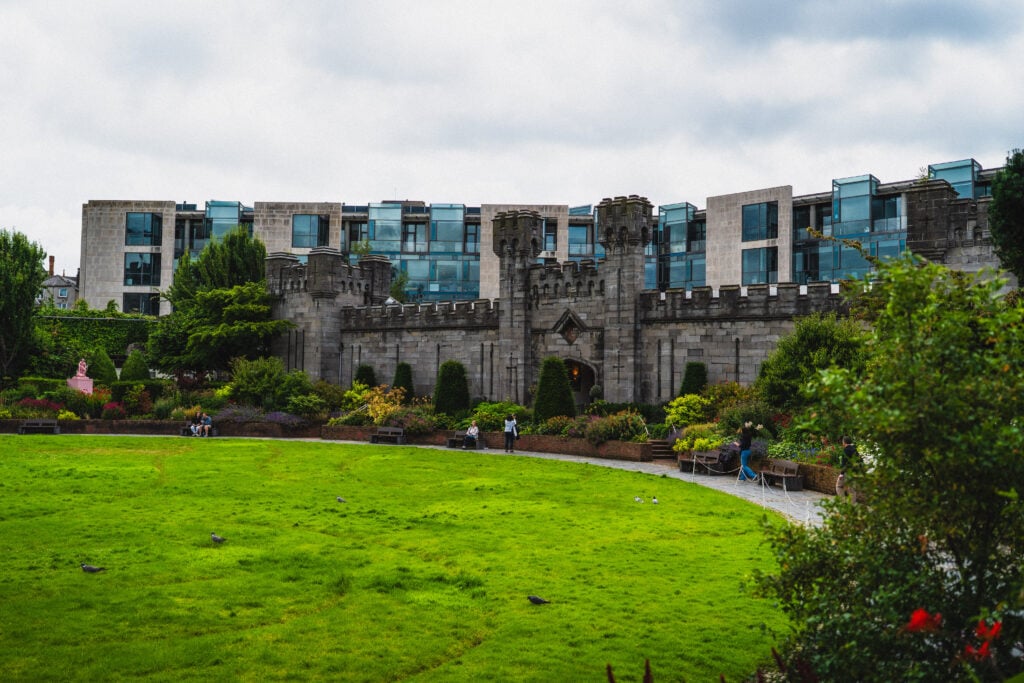
For the best views of Dublin Castle, head over to the Chester Beatty Library, which is completely free to visit. And, if you go up to the rooftop garden you’ll get some spectacular views of the castle, minus the crowds. It’s a nice quiet spot to take a moment to admire the city from above, before diving back the hustle and bustle of it.
Molly Malone Statue
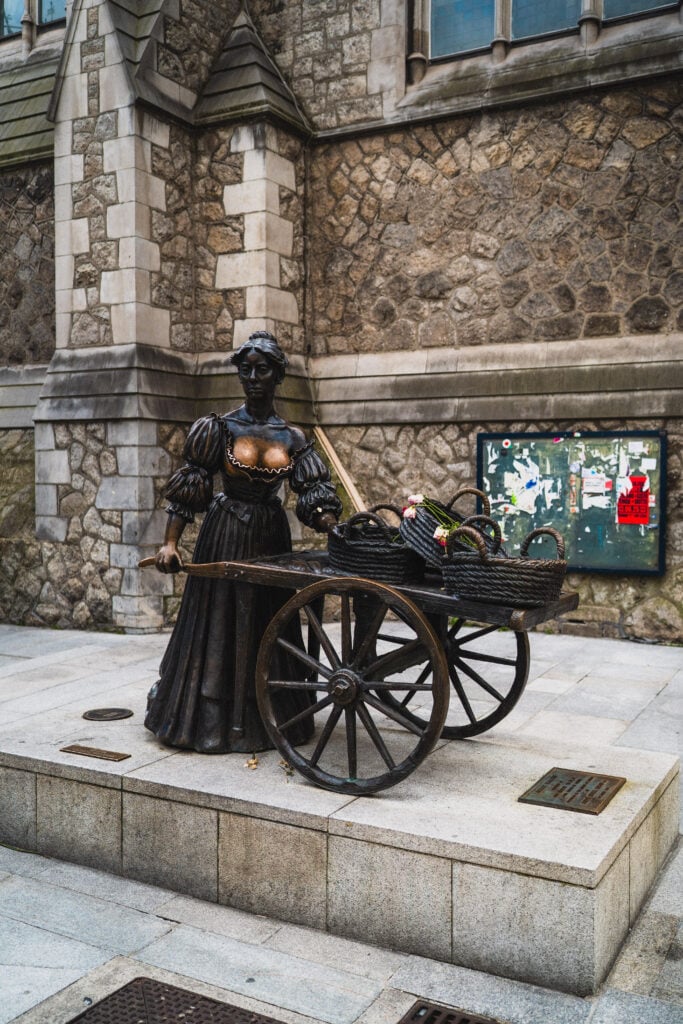
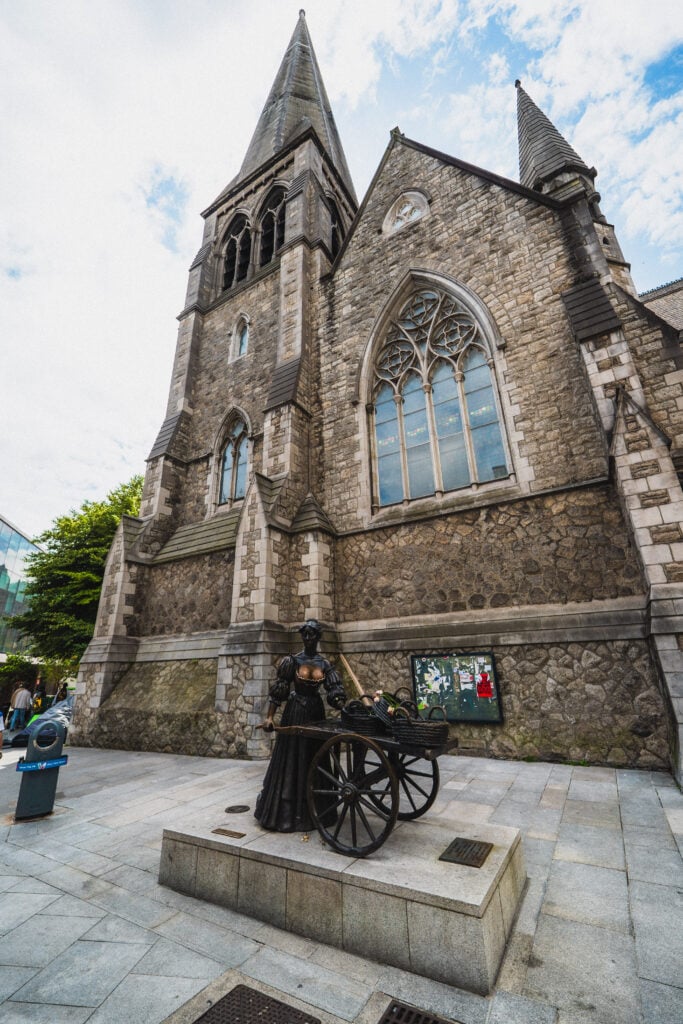
From Chester Beatty Library, it’s only a short stroll down the street to see the famous Molly Malone statue. Molly is an iconic figure from Irish folklore and one of the most photographed statues in Dublin. What makes it even better is that there’s almost always live music nearby, so you’ll usually catch part of street performance while visiting!
Molly Malone is best known from the Irish folk song “Cockles and Mussels”, which is often now just referred to as “Molly Malone.” According to the song, she was a young fishwife in the 17th century who died young of a fever, but her ghost is said to still roam the streets of Dublin.
Although there’s no indication of whether Molly Malone is a work of fiction or actually existed, she has become an important symbol of Dublin, embodying the spirit of the city and the voice of working-class Dubliners through and through.
Trinity College (& Book of Kells)
If there’s one experience that every visitor should make a point to visit in Dublin, it’s Trinity College and the Book of Kells. While the cost of a visit starts from €19, which is quite expensive considering it takes just half an hour to see the exhibition and library, it’s definitely worth it, as it’s one of the most beautiful (and most historic) sights in the city.
The Book of Kells is an illustrated manuscript and a Celtic Gospel book in Latin that dates back to 800 AD. This beautiful book was illustrated by Irish Monks and depicts the four Gospels of the New Testament together with various prefatory texts. It remains a masterpiece of medieval art and stands as testament and a symbol of Irish cultural identity, so it’s a must-see when visiting Ireland!
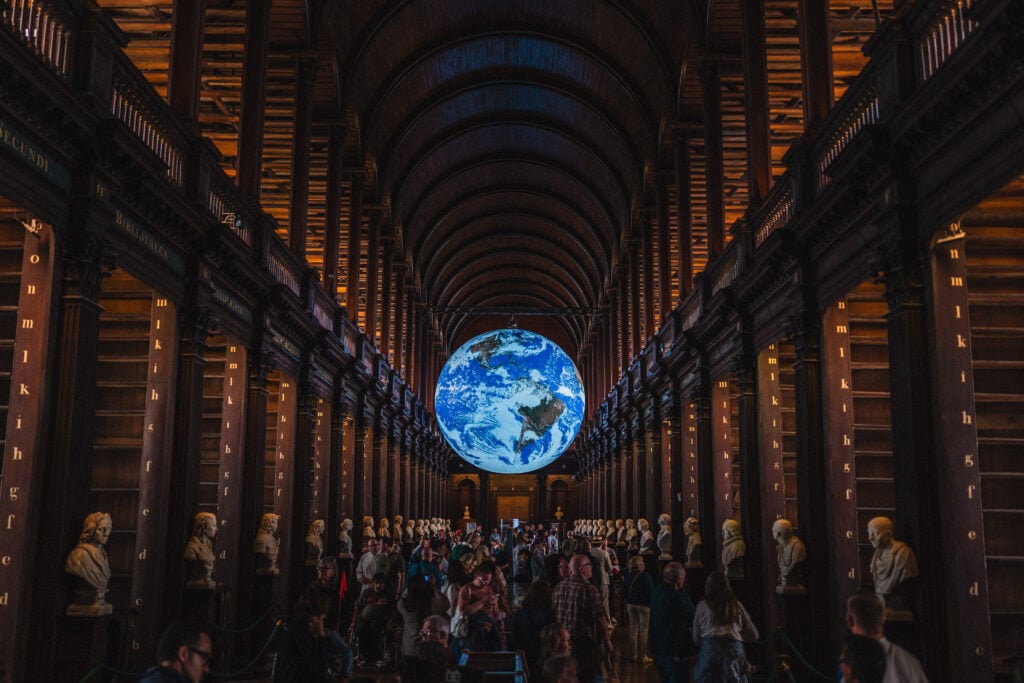
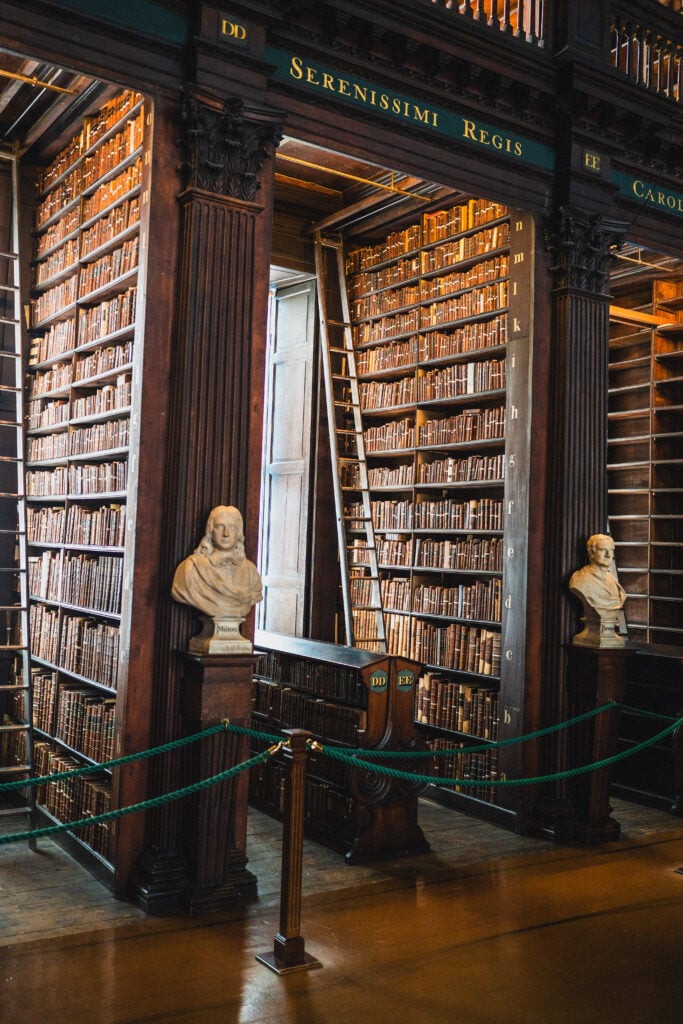
Next, you’ll want to look at the mesmerising Old Library itself. The Long Room is a grand, primarily oak room with a barrel-vaulted ceiling; it is truly a sight to take in! Home to over 200,000 books, the library houses an impressive collection of illuminated manuscripts, significant historical texts, and early printed books. Also found within this room, in a glass cabinet sits the oldest harp of Ireland, which has since become an insignia for the country.
Unfortunately, when we visited the library this time, the shelves were completely empty. Instead, a beautiful Earth installation, Gaia by Luke Jerram, was hanging from the centre of the room – intended to highlight the beauty and fragility of our planet and generate discussions between people about sustainability.

Marsh’s Library
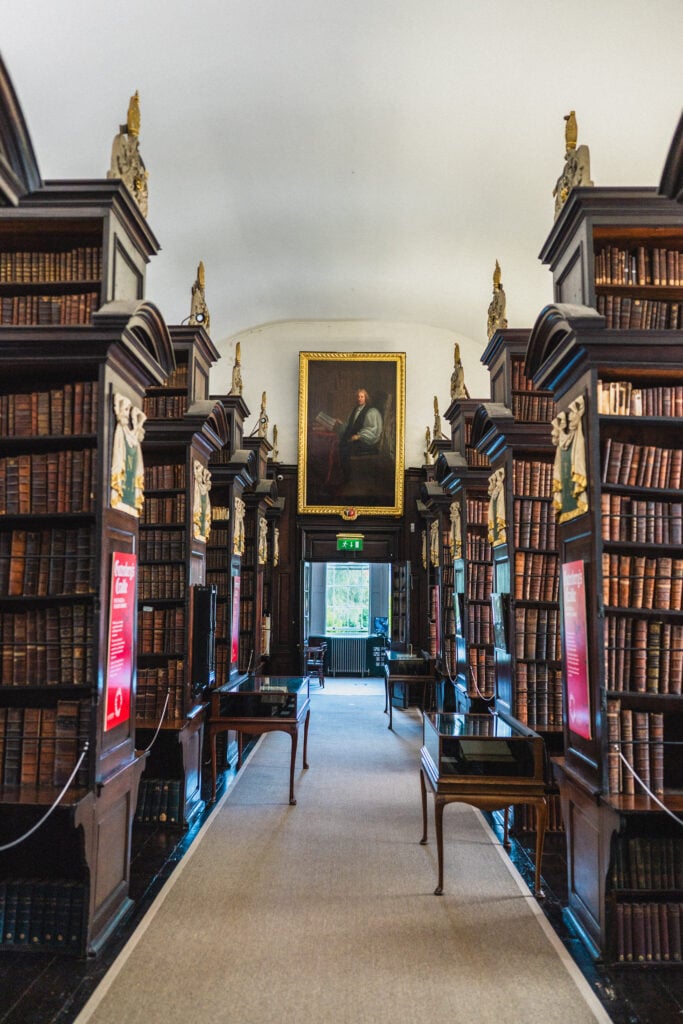
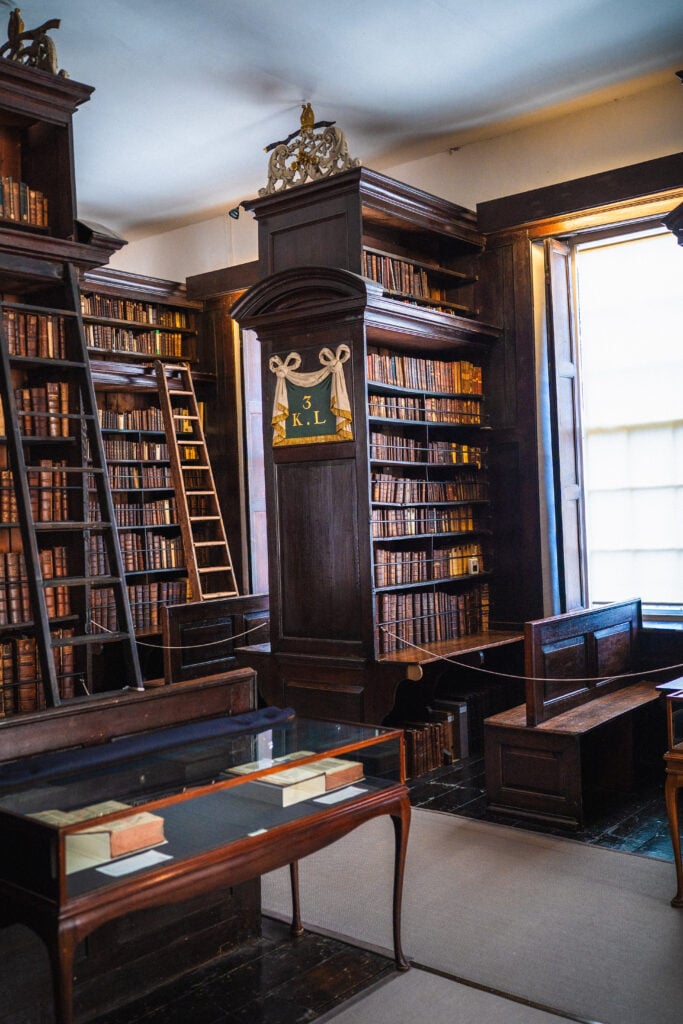
Next, head to Marsh’s Library, which is a bit of a hidden gem and is also the oldest public library in Ireland! They started building the library in 1701, and it was officially opened to the public in 1707.
The roots of the library, and indeed Dublin’s literary culture, can be traced back to one remarkable man: Archbishop Narcissus Marsh. His vision and determination gave Dublin its very first public library, a legacy that continues to inspire book lovers and historians alike.
Born in England, Marsh graduated from Oxford University and was a true Renaissance scholar, fluent in many languages and devoted to education. His reputation for scholarship and leadership earned him an invitation to Dublin, where he went on to become the Provost of Trinity College.
When Marsh first arrived in Dublin in 1679, at the age of 40, the city looked very different from the bustling capital we know today. At that time, Dublin was still a small town clustered around St. Patrick’s Cathedral and Trinity College itself was on the outskirts of the city, and it had yet to develop the iconic Long Room.
Indeed, during the 17th century, libraries were relatively rare. Instead, most collections of books were found in universities, monasteries, cathedrals, or private estates of the wealthy. So, when Archbishop Marsh recognised this gap, he dreamed of creating a space where knowledge could be preserved and shared, hence the creation – Marsh’s Library.
You do have to pay to visit the library, with tickets costing €7 (full price) or €4 (students/seniors). However, it’s absolutely worthwhile for book lovers and those interested in history!
Lunch in Dublin
Next, you’ll want to stop for a bite to eat. There are plenty of options when it comes to eating out in Dublin, whether it’s enjoying a traditional Irish breakfast, hearty stew, or trying one of the many restaurants which offer a variety of cuisines.
I recommend heading to the Saucy Cow (as a vegetarian myself) this was the perfect place, as it serves all kinds of delicious vegan junk food. I particularly enjoyed the burger! It’s also within walking distance from Temple Bar, which is the next stop on this itinerary.
Temple Bar
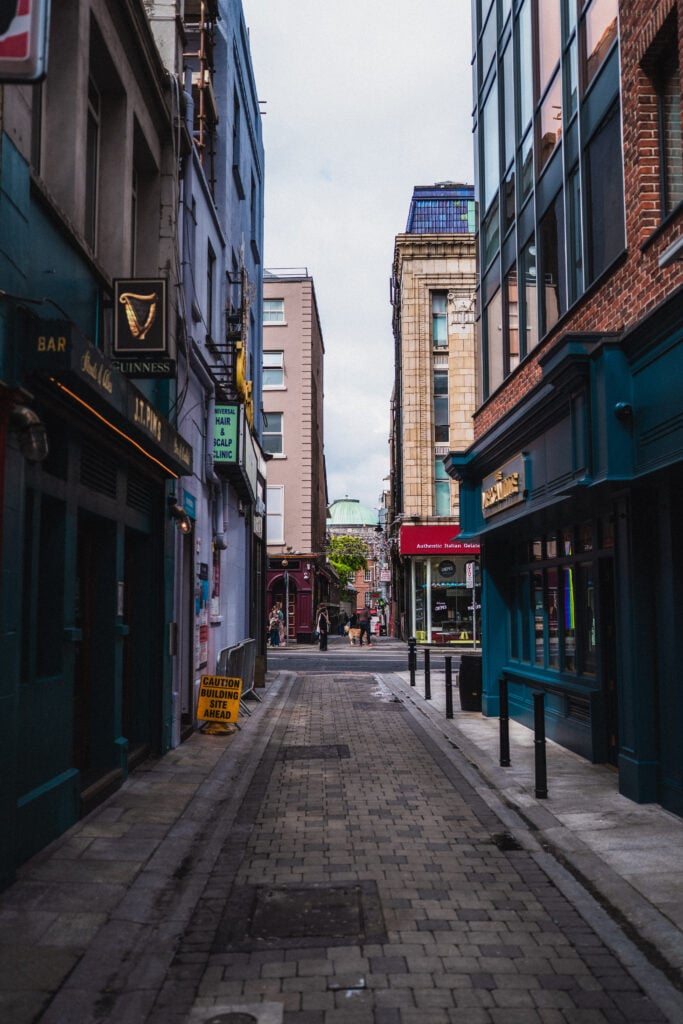
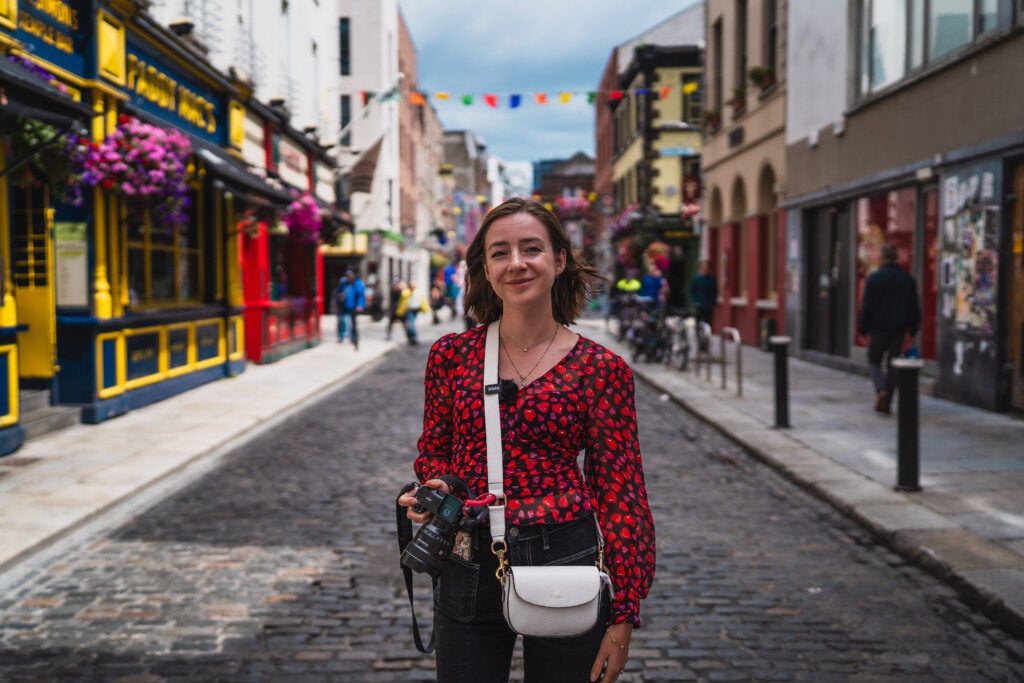
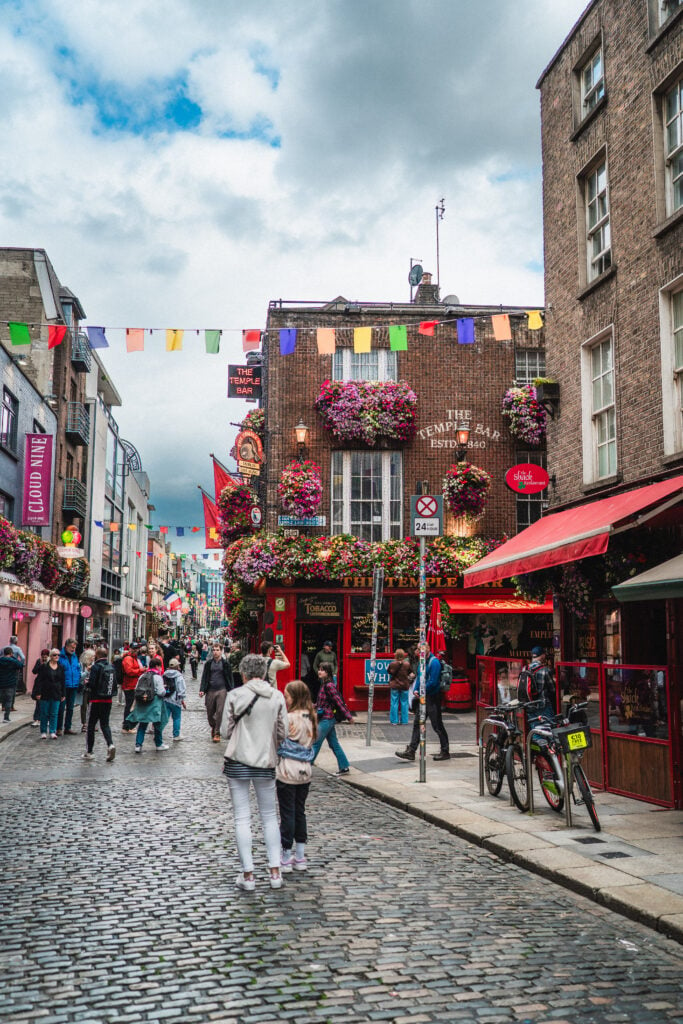
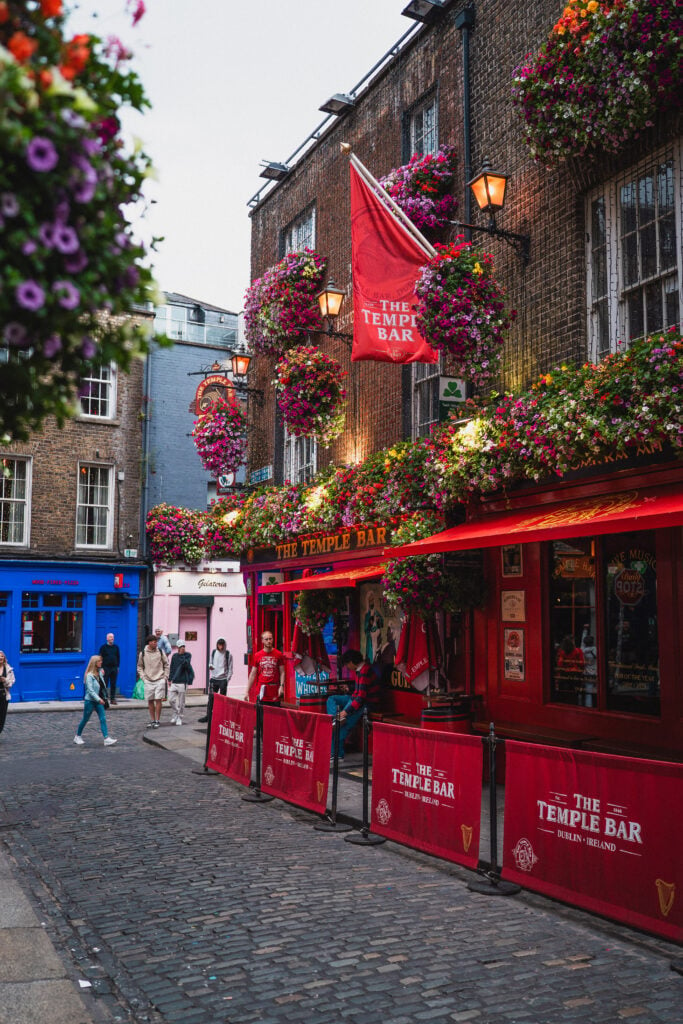
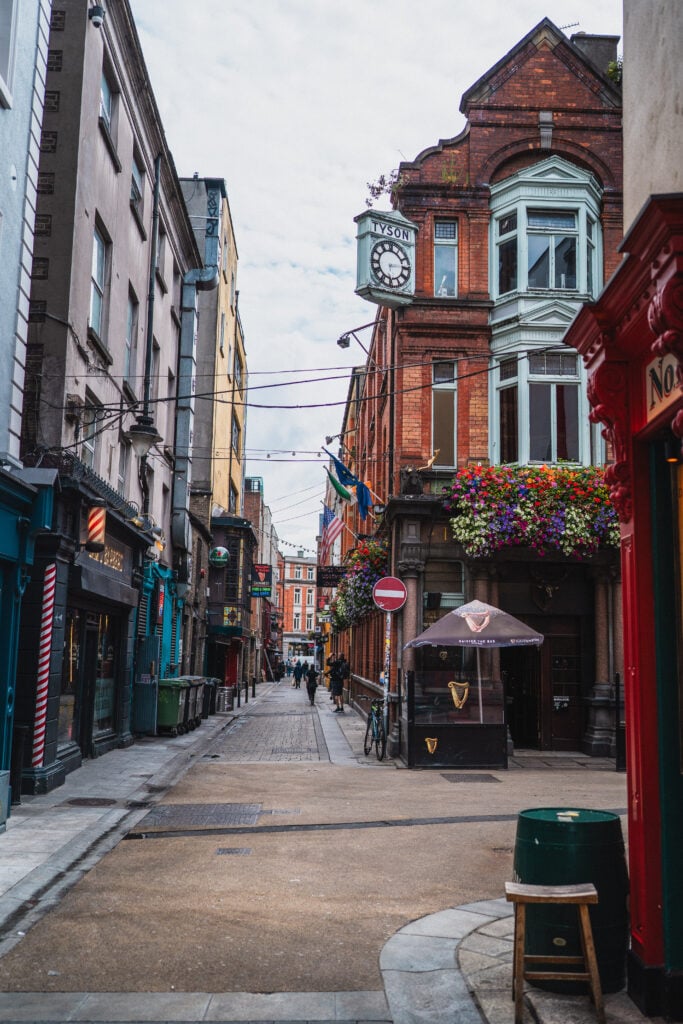
Contrary to what many people think, Temple Bar is not a pub, but rather the name of a district that resides next to the River Liffey. It is undoubtedly one of the most popular places to visit in Dublin thanks to its picturesque cobbled lanes lined with cosy Irish pubs. But, it’s worth noting that this is also a tourist trap so you’ll find that prices here are much higher and it tends to be quite a crowded area.
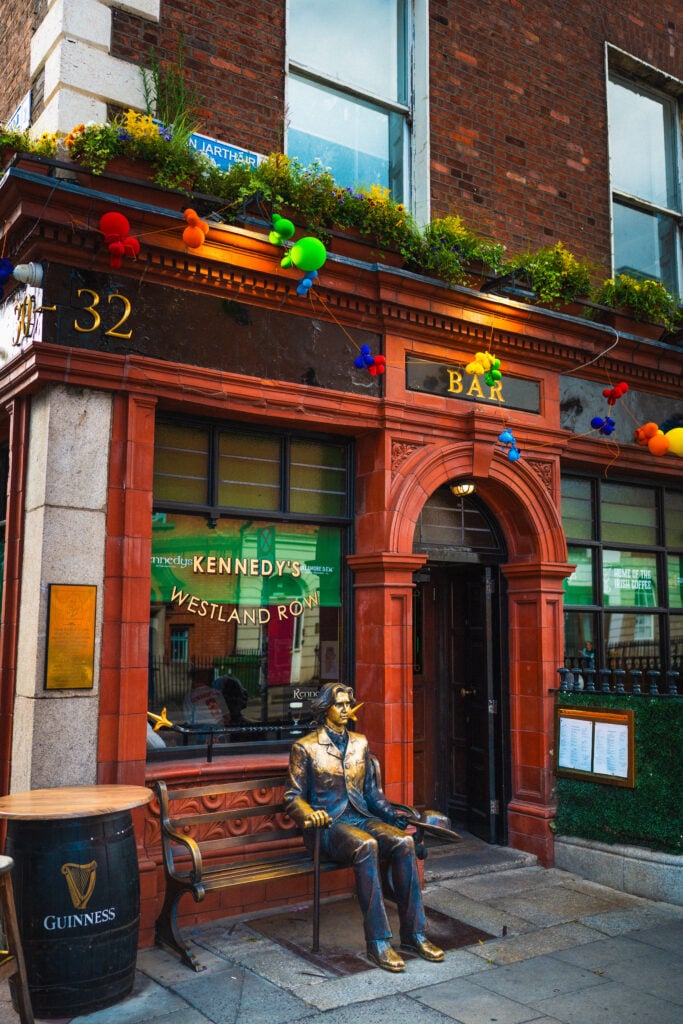
There is now a pub which is named after Temple Bar, and it’s definitely got one of the prettiest exteriors in the area, so it’s worth taking a photograph! In the district you’ll also find lots of attractions nearby, including the Photo Museum Ireland, Ha’penny Bridge, Temple Bar Food Market, and a handful of vintage shops.
Ha’penny Bridge
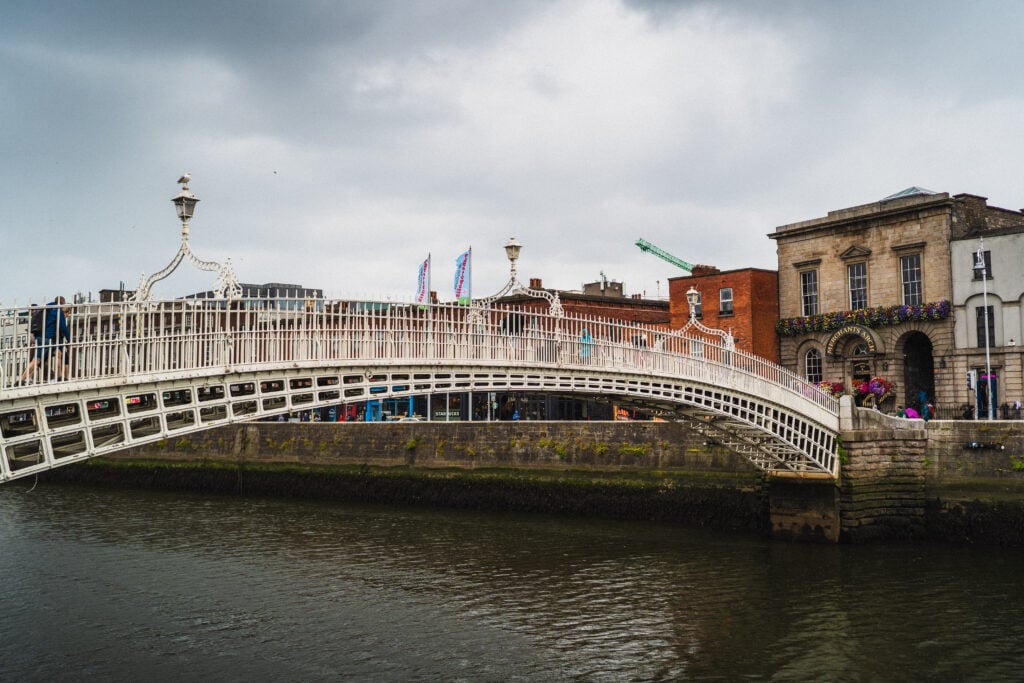
Next, you’ll want to head to the LFY Bridge (its official name), but the bridge is unofficially known as the Ha’penny Bridge. The nickname derives from its past as a toll bridge; once upon a time, you’d have to pay half a penny to cross.
Just a short stroll away from here is a delightful coffee shop, Mind the Step, which makes for a perfect stop to either grab a refreshment or potentially shelter from the rain!
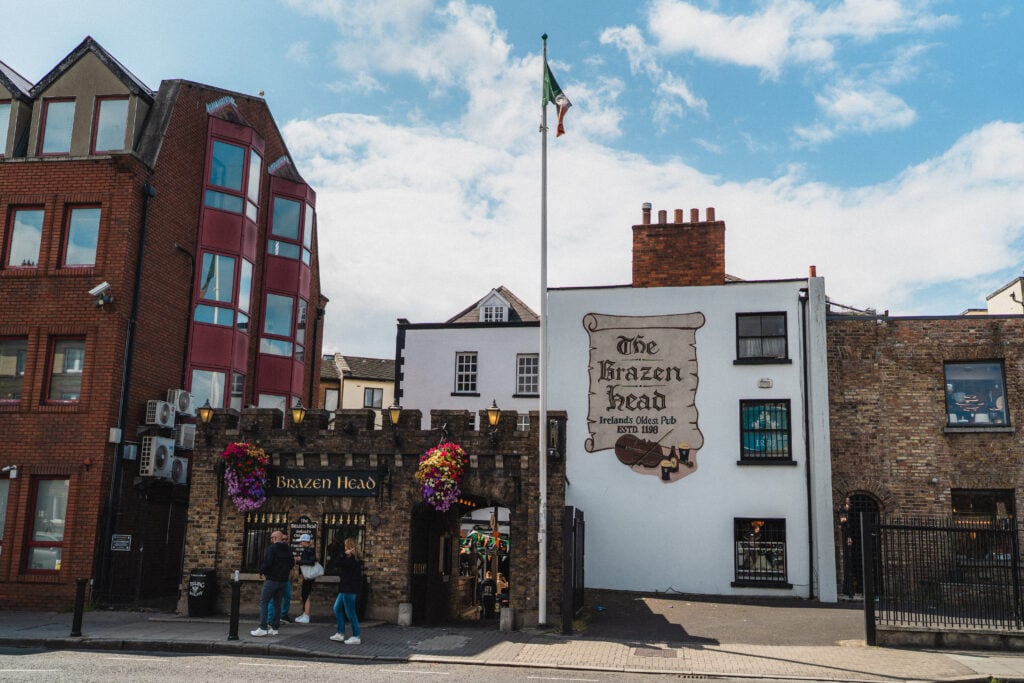
The Brazen Head
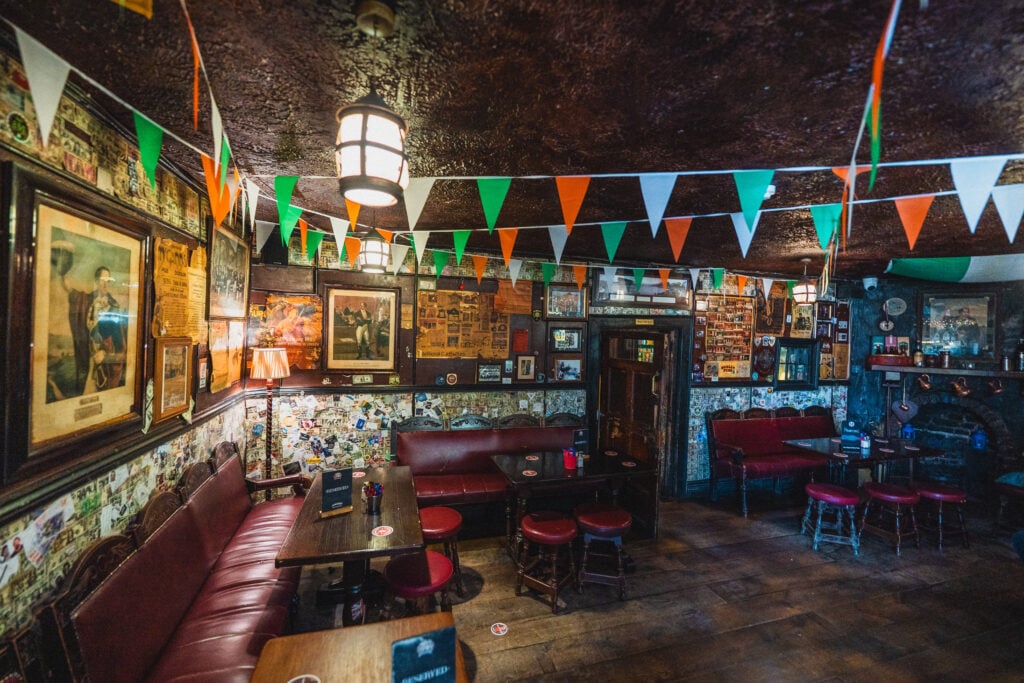
No visit to Dublin is complete without stopping at The Brazen Head, which claims to be Ireland’s oldest pub…though another pub nearby, Sean’s Bar, also claims this title.
A hostelry has stood on this site since around 1198, though the current building dates to the 1750s, originally serving as a coaching inn. Records of The Brazen Head itself go back to 1653.
Regardless of which pub you choose to believe, I think most people would agree on one thing, and that’s that the most famous tipple of Ireland comes in the form of Guinness, which brings us to our next stop on the itinerary!
Guinness Storehouse
The Guinness Storehouse is where Arthur Guinness famously signed a 9,000-year lease on a disused brewery site. You can even see his signature in the bottom right-hand corner of the original document. I’ve visited the Storehouse three times now, and while it’s undeniably touristy, it’s also a really fun interactive experience that brings Ireland’s most famous drink to life.
The building itself is shaped like a pint glass, capable of holding 14.3 million pints if filled! And one popular, albeit quite pricey activity visitors can indulge in is creating a ‘stoutie,’ where your photo is printed on top of a pint. At the end of the tour, tickets grant access to the Gravity Bar, where you can enjoy a pint of Guinness with panoramic views of Dublin.
Because it is such a popular spot, the Guinness Storehouse tours regularly sell out, so be sure to book in advance to avoid disappointment. Book your entry ticket here.
Dinner at BigFan
We personally decided to dine at BigFan, a Chinese restaurant that specialises in sharing plates. The food was delicious, and the menu featured an impressive number of vegetarian options. In fact, we enjoyed it so much that we ended up returning later in our trip!
If stuck on what to eat or where to go, I recommend going out in search of a “spice bag”- this popular Irish fast food dish combines elements of Irish and Chinese cuisines, typically featuring chips, salt & chilli chicken, stir fry vegetables and five-spice mixed together and served with curry sauce on the side.
Day 2 in Dublin
Stephen’s Green
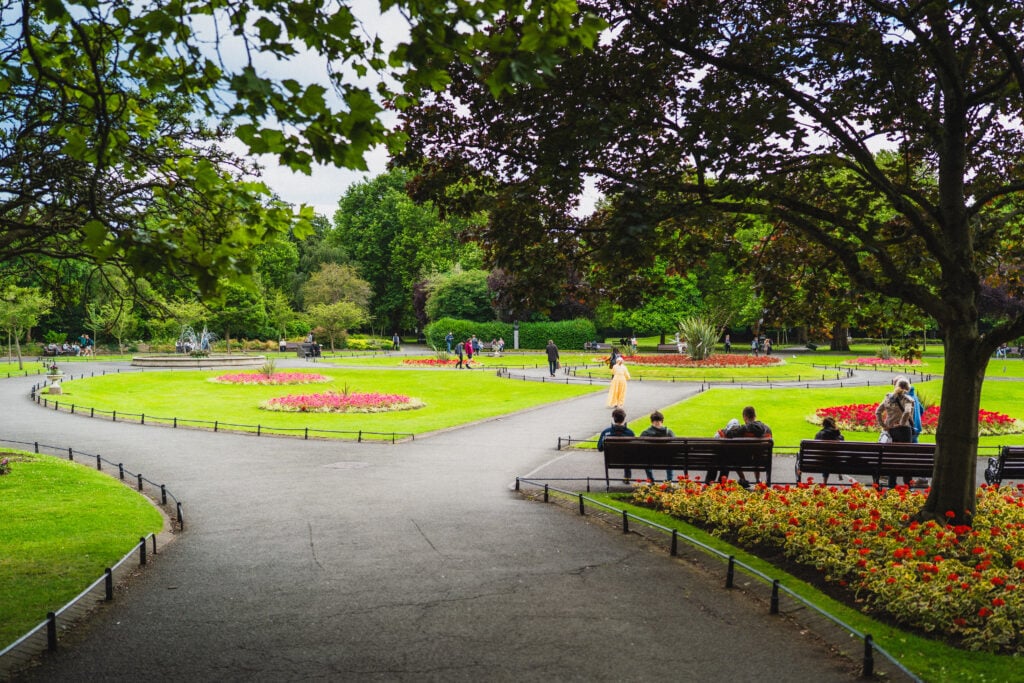
On your second full day in Dublin, set out to explore some of the city’s lesser-known gems and places that many visitors often overlook. Begin at St. Stephen’s Green, one of the largest and most beautiful parks in Dublin. Home to lush greenery, peaceful walking paths, and plenty of birds, it’s the perfect spot to soak in some nature right in the heart of the city.
Dublin’s Walk of Fame
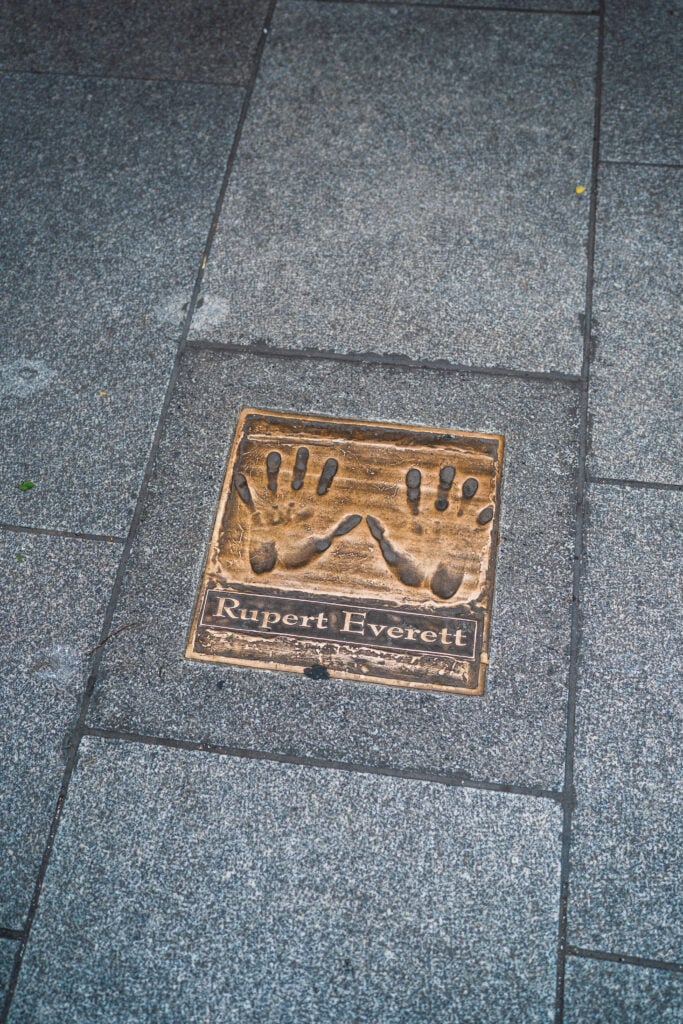
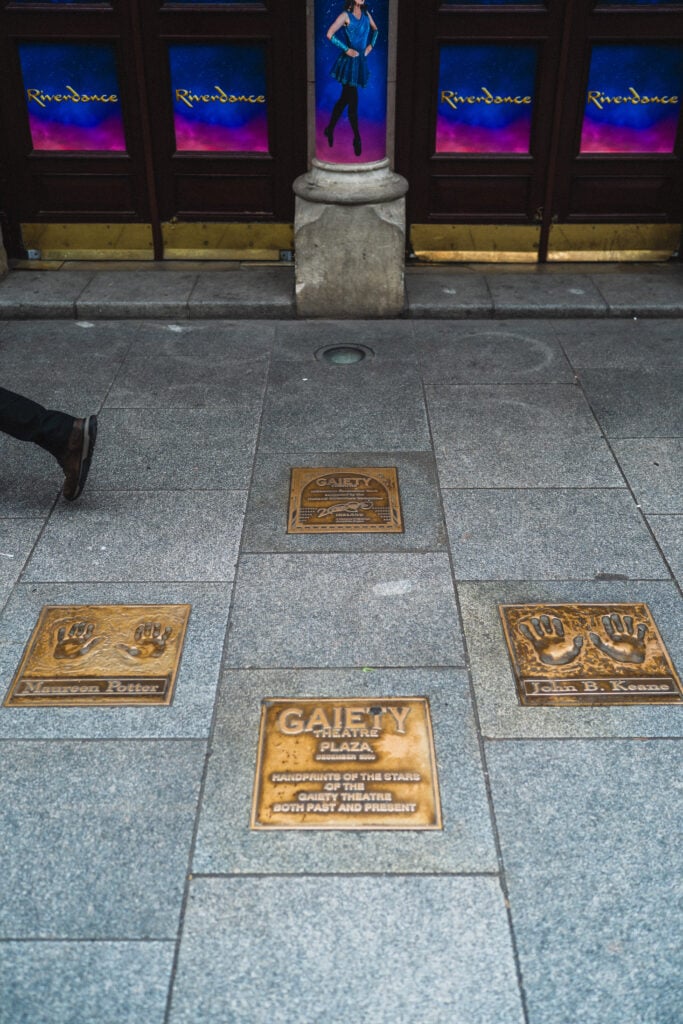
Inspired by Hollywood’s famous walkway, right outside of the Gaiety Theatre, you’ll find Dublin’s very own Walk of Fame. Here, bronze cast handprints pressed into the pavement can be found, celebrating famous actors and performers associated with the theatre, and offering a unique photo opportunity for visitors.
Huguenot Cemetery
A few minutes away on Merrion Row, the Huguenot Cemetery quietly reminds you of Dublin’s rich history and the struggles for religious freedom. The cemetery is the final resting place of the descendants of Huguenots who fled religious persecution in France, seeking refuge in Dublin in the late 17th century.
This is a private cemetery, and so it is only visible through the grills unless you are a descendant of someone buried there, but even a peek offers a fascinating glimpse into the resilience of those who sought refuge elsewhere.
O’Donoghues Bar
In the classic style of any trip to Ireland, you’ll want to stop at O’Donoghues Bar, a pub renowned (like many in Ireland) for its live music. The pub traces its origins back to the 18th century as an unlicensed drinking establishment.
It gained particular fame in the 1930s for its nightly traditional Irish music sessions, though sadly, there were no performances during our visit, it’s still worth a stop for its historic charm.
Marion Square Gardens
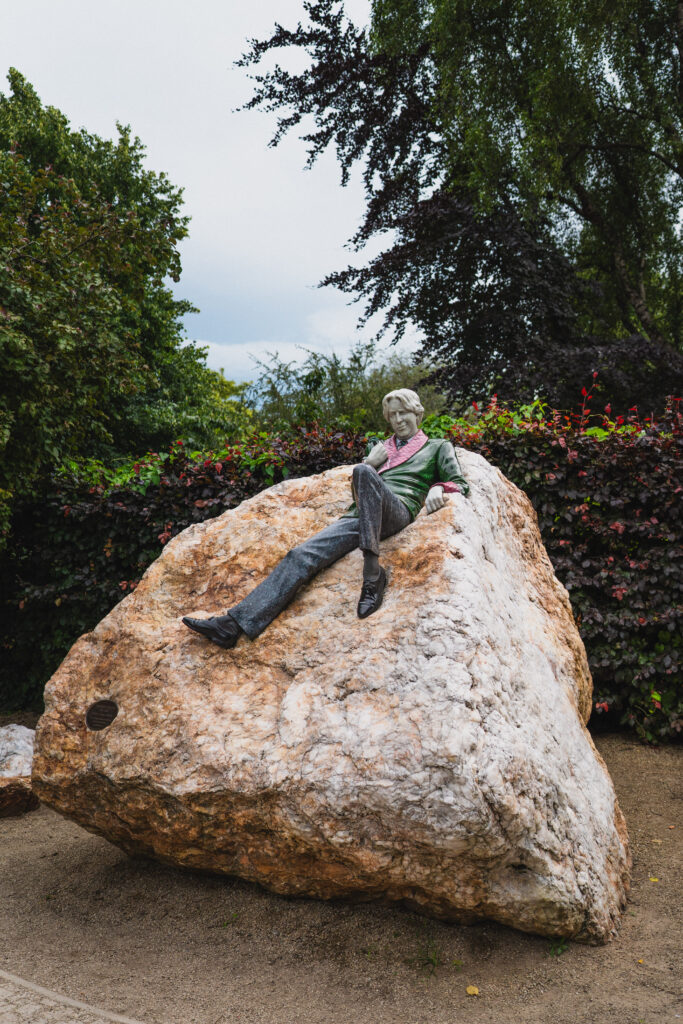
Oscar Wilde was born in Dublin in 1854 and he actually spent the first 10 years of his life very close to here at one Marion Square. We’re currently in Marion Square Gardens and here you will find a life-sized replica of the writer himself. He’s actually interred in Père-Lachaise Cemetery in Paris, but you can visit his former house which has now been turned into a small museum.
Lovers of literature will fall for Marion Square Gardens, where you’ll encounter a life-sized replica of Oscar Wilde, one of Dublin’s most famous sons. Born in 1854, Wilde spent the first ten years of his life nearby.
While he is interred in Père-Lachaise Cemetery in Paris (where they have had to encase his grave in glass due to the amount of lipstick kisses from avid fans), you can also visit his former house, now a small museum, to get a deeper look into his early life in Dublin.
Sweeny’s
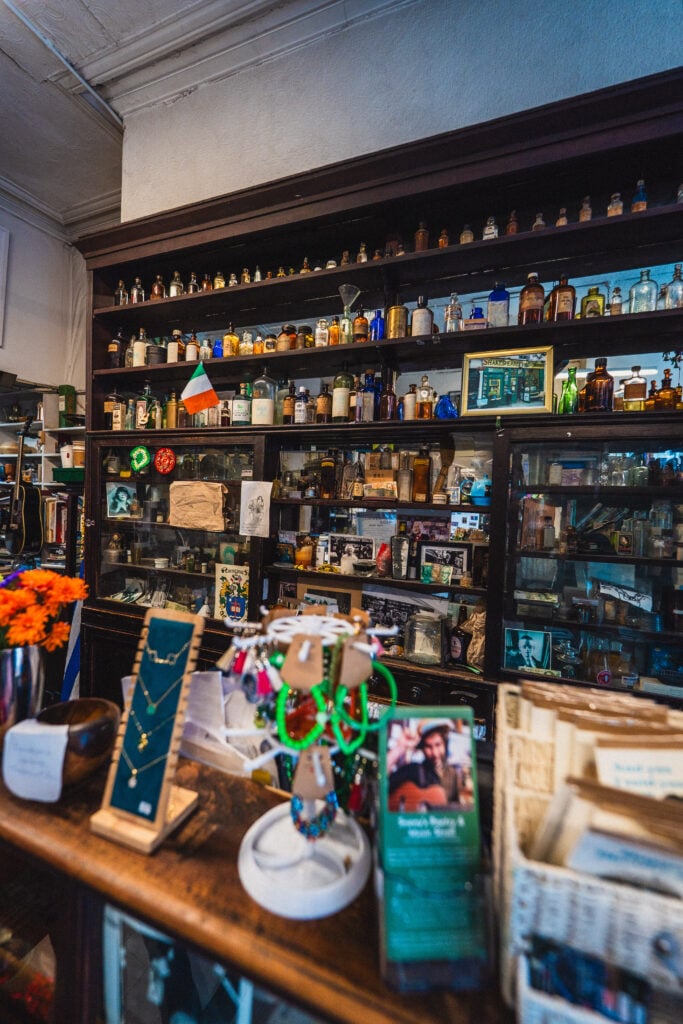
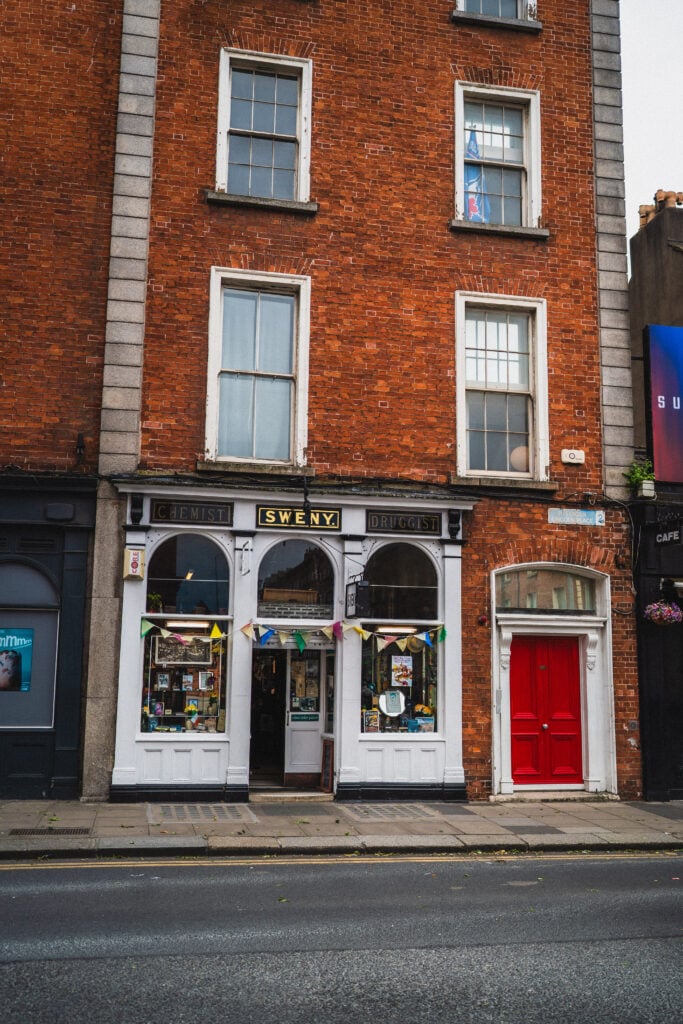
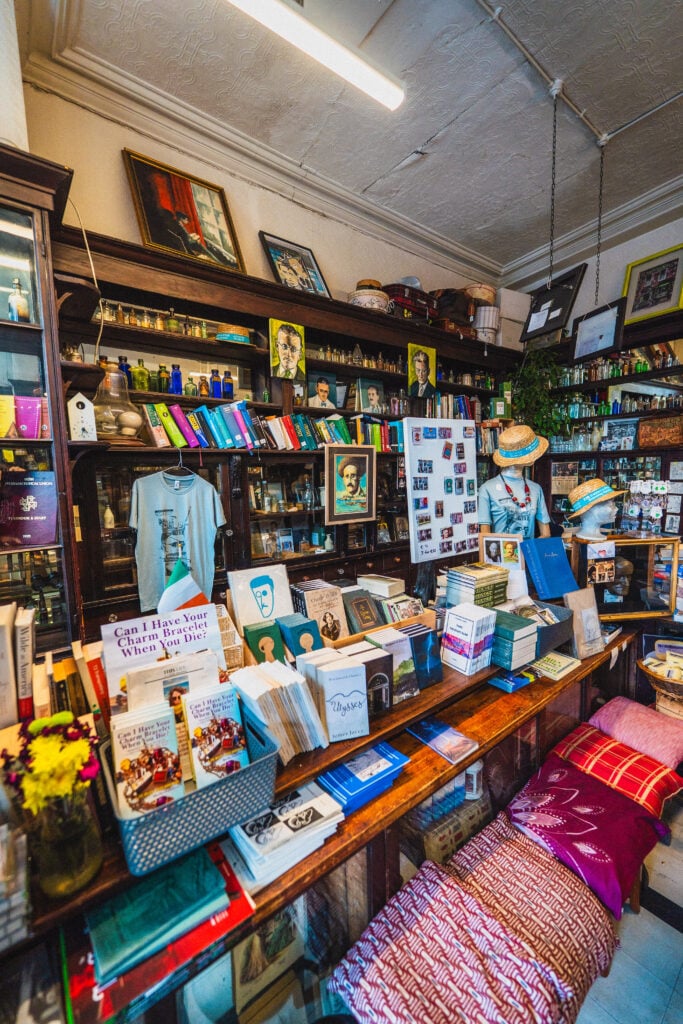
Your next stop is Sweeney’s, a former 19th-century pharmacy turned bookstore and craft shop. This quirky spot was once visited by James Joyce, the beloved Irish author, and is even mentioned in his iconic novel Ulysses. In the book, one character references lemon-scented soap, and today, Sweeney’s continues to sell this nostalgic item, connecting the literary past with Dublin’s culture today.
Howth Peninsula
One of Dublin’s most popular suburbs, Howth, gives visitors a glimpse of what life is like on the coast. The town is accessible in about an hour by bus from the city centre or just 25 minutes by train.
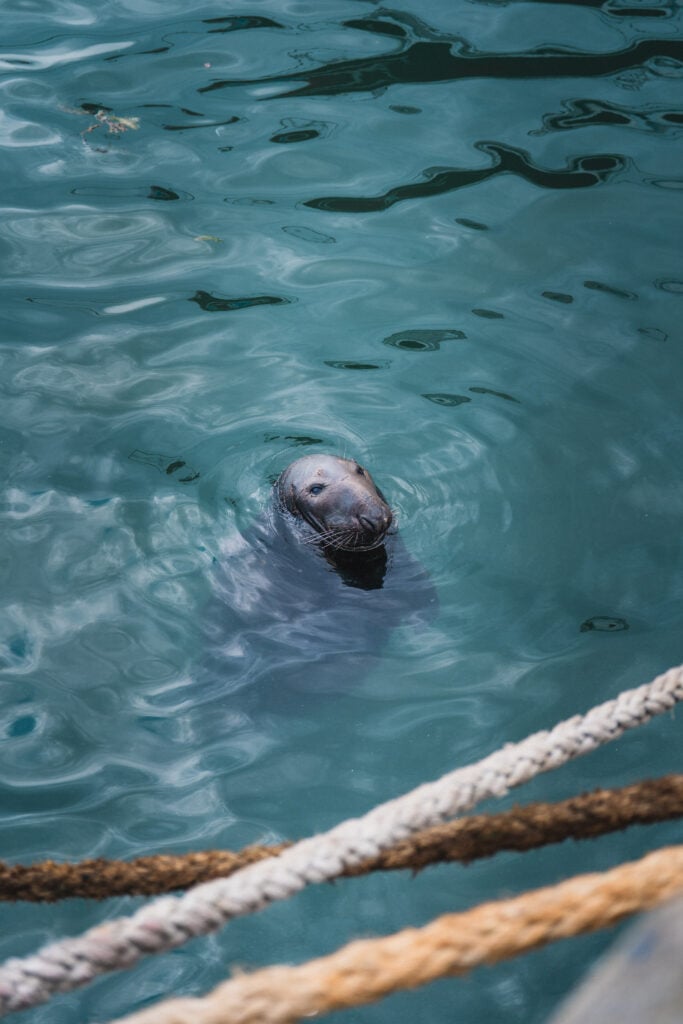
At the end of the Howth Peninsula, you’ll find a charming fishing village surrounded by beautiful Irish landscape. The area is home to a number of seals, often seen basking in the harbour. But, please note, there are several signs nearby reminding visitors not to feed or approach the seals.
The peninsula also attracts a variety of seabirds. For the ultimate birdwatching experience, you can take one of the regular boat tours that depart from the town, offering trips to nearby islands where you can see wildlife such as gannets, razorbills, and even puffins.
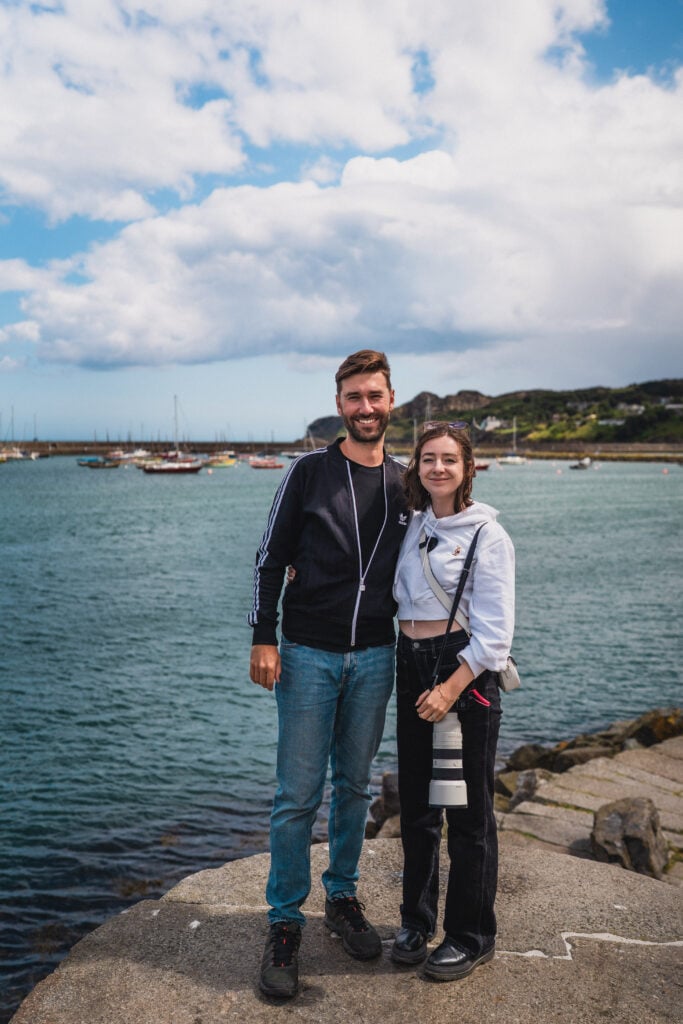
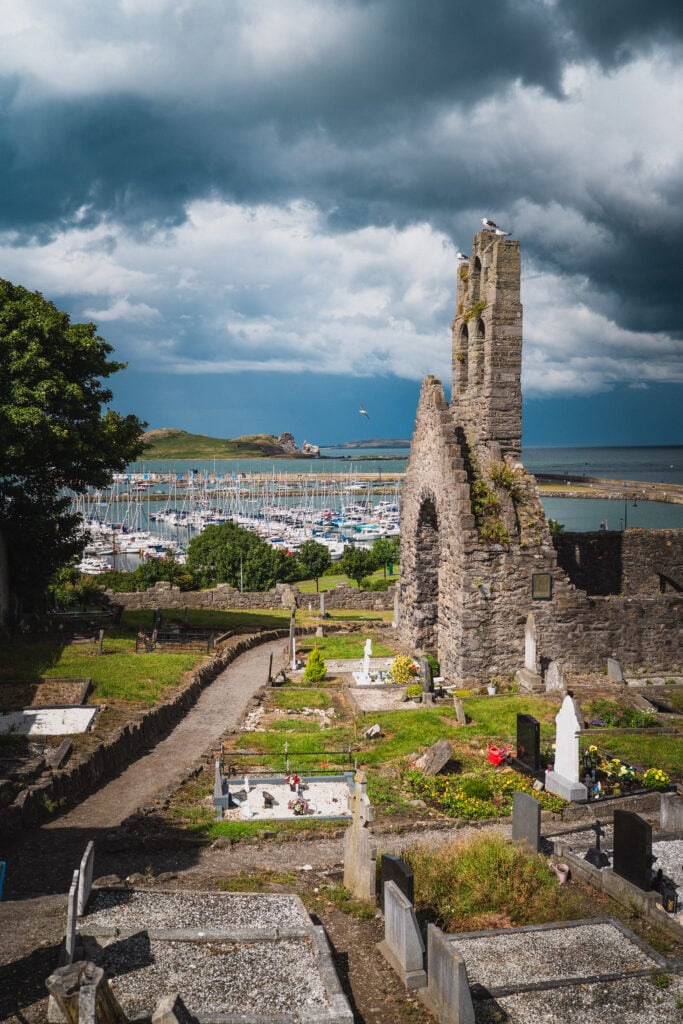
To be honest, the nicest thing about going to Howth is getting out and enjoying the fresh air, spying out local wildlife and watching as the boats bob peacefully along the horizon. It’s also the place to go if you want to try sampling some of Ireland’s fresh seafood.
If you have more time, or it happens to be bad weather when visiting Howth, other things to consider visiting in the area include:
- Ye Olde Hurdy Gurdy – This is a vintage radio museum housed within a former Martella Tower. From here you have amazing views onto the town itself.
- Howth Abbey – Ruins of this abbey date back between the 15th and 16th centuries, the area is still used as a cemetery.
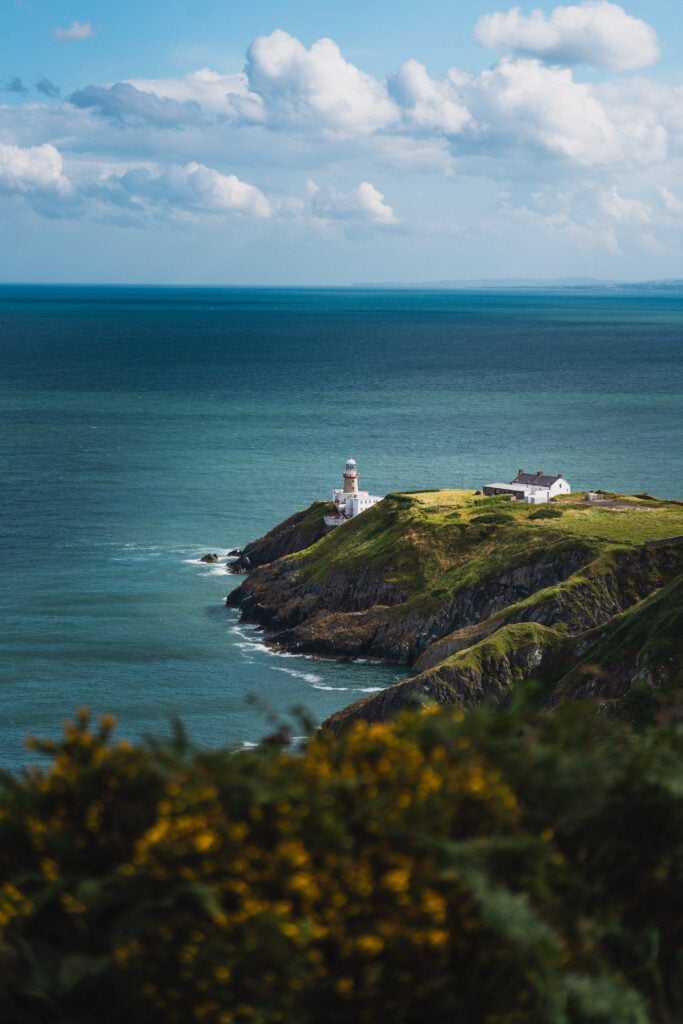
- Hiking – One of the most popular things to do on this peninsula, thanks to its beautiful scenery, is to explore the area on foot. There are several lighthouses and plenty of interesting viewpoints from which to soak up your surroundings. From high above you’ll also see the The Howth “Éire” sign, which was created in 1943 as part of a network of 83 signs around the Irish coast during World War II.
Day 3 in Dublin
Wicklow Town
Many people say that the best of Ireland can be found outside of the big cities, and so if there’s one day trip from the Irish capital that you absolutely must experience, it’s the Wicklow Mountains.
With a population of just under 13,000, Wicklow town serves as the capital of County Wicklow. Its quaint town centre makes a pleasant stop, and the local tourist office was extremely helpful when helping us plan our day in the Wicklow Mountains!
Some of the things to see while in the area:
Glendalough monastic site
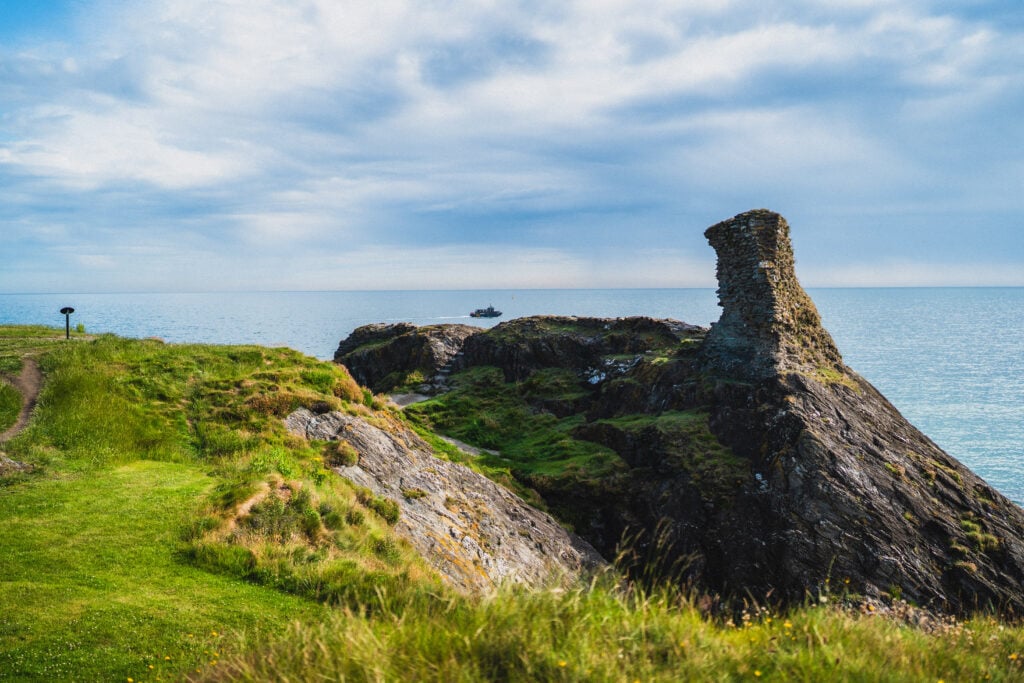
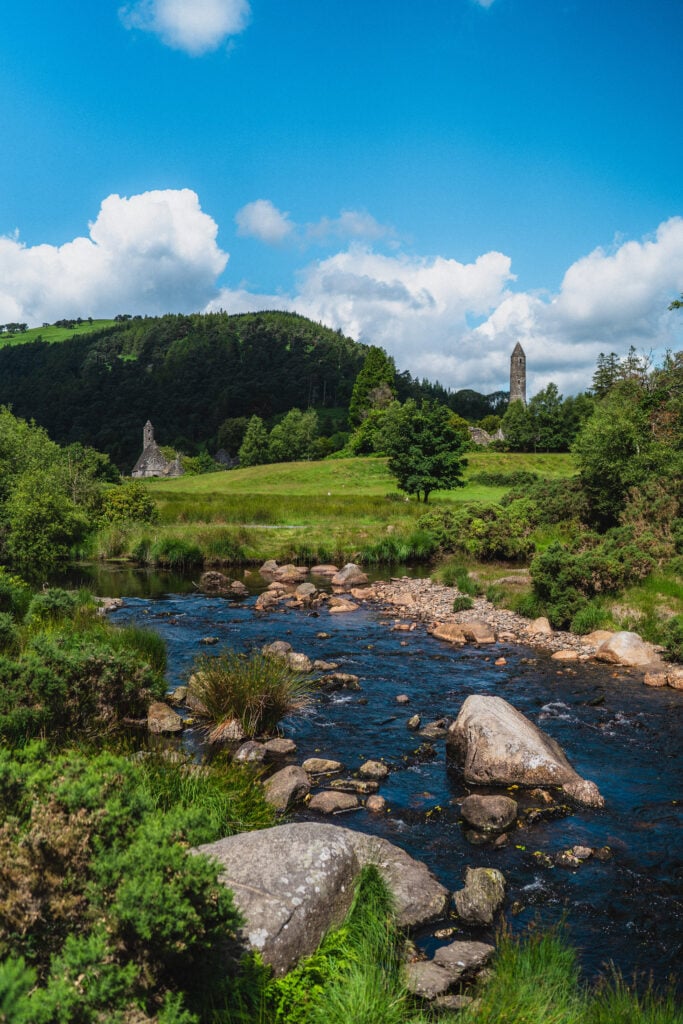
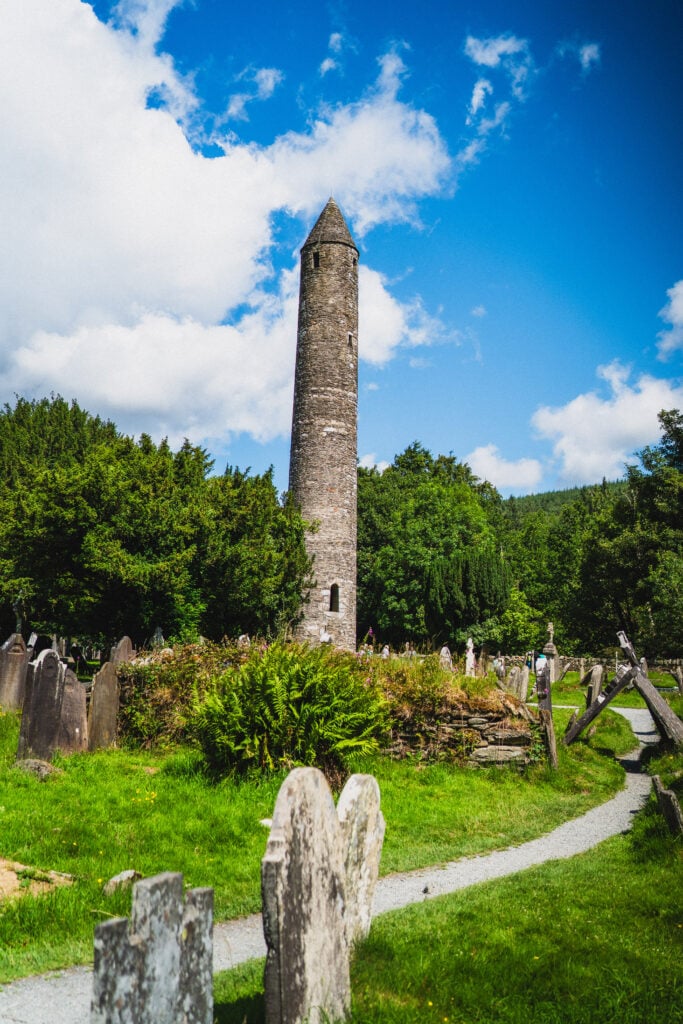
The monastic site at Glendelough is nestled in a glaciated valley and dates back to the 6th century. The name Glendalough itself actually means ‘valley of the two lakes’. And here you can see the atmospheric ruins founded by St. Kevin. This site is also known as the “Monastic City,” as it features a well-preserved round tower, several churches, and other monastic remains to explore.
Glenmacnass waterfall
Found at the head of the Glenmacnass Valley is a beautiful and particularly impressive waterfall. The falls sit 350 m above sea level and are around 80 metres in height, cascading down the valley they make for a beautiful sight to visit.
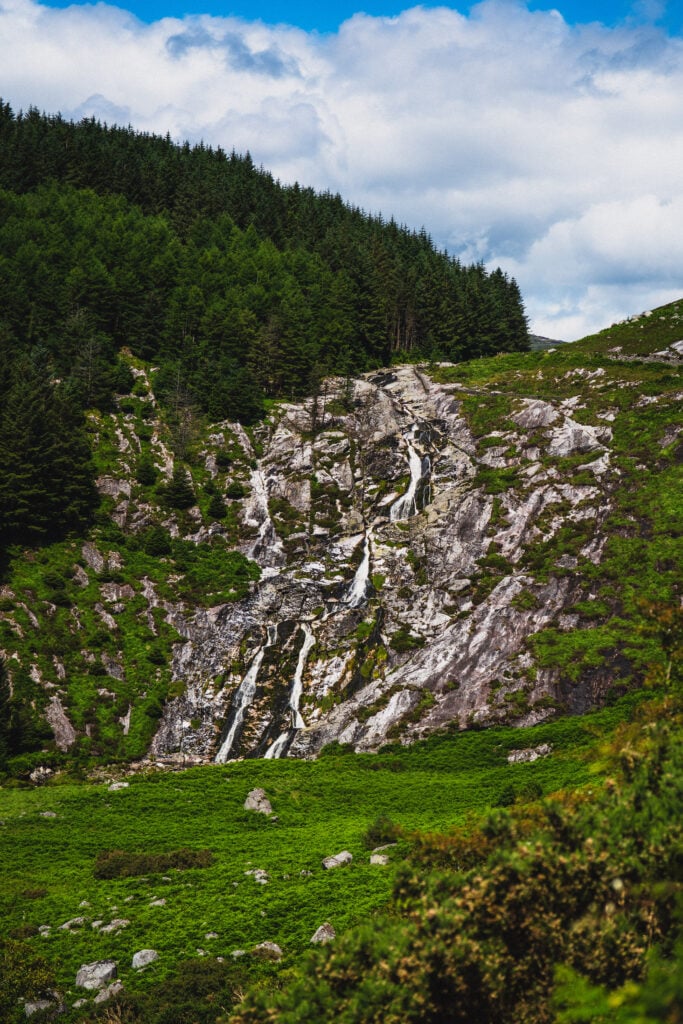
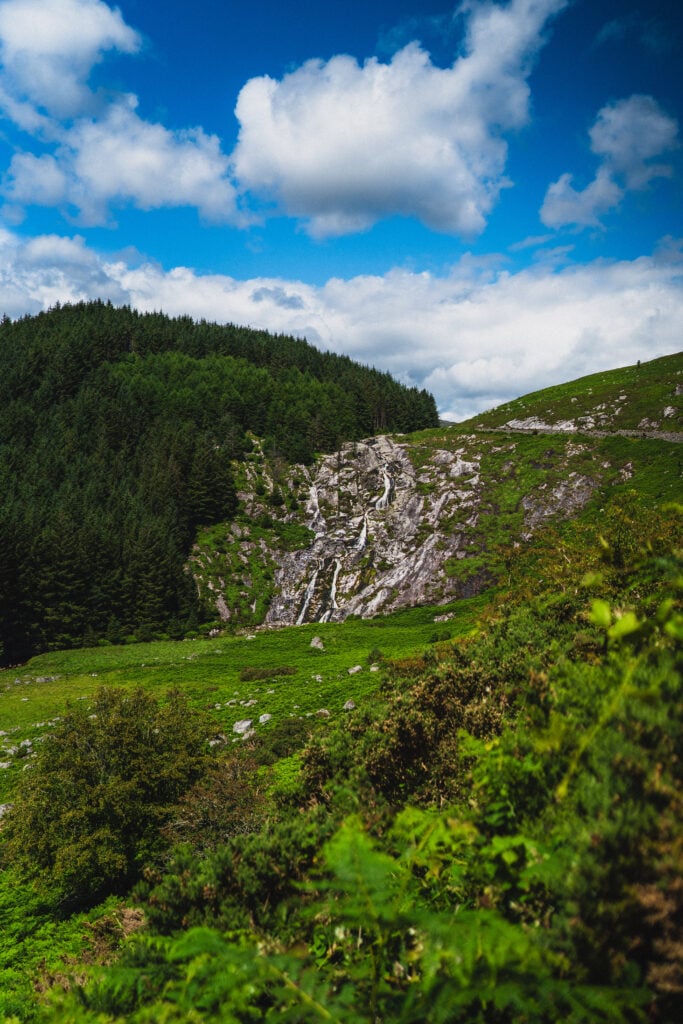
P.S. I Love You Bridge
Close to Sally Gap, you’ll find a very special bridge that gained worldwide fame thanks to the film P.S. I Love You. This charming stone bridge is the very bridge that Holly and Jerry first crossed paths, the start of their romantic journey unfolding. It also boasts stunning views overlooking the heather clad landscape and hills beyond.
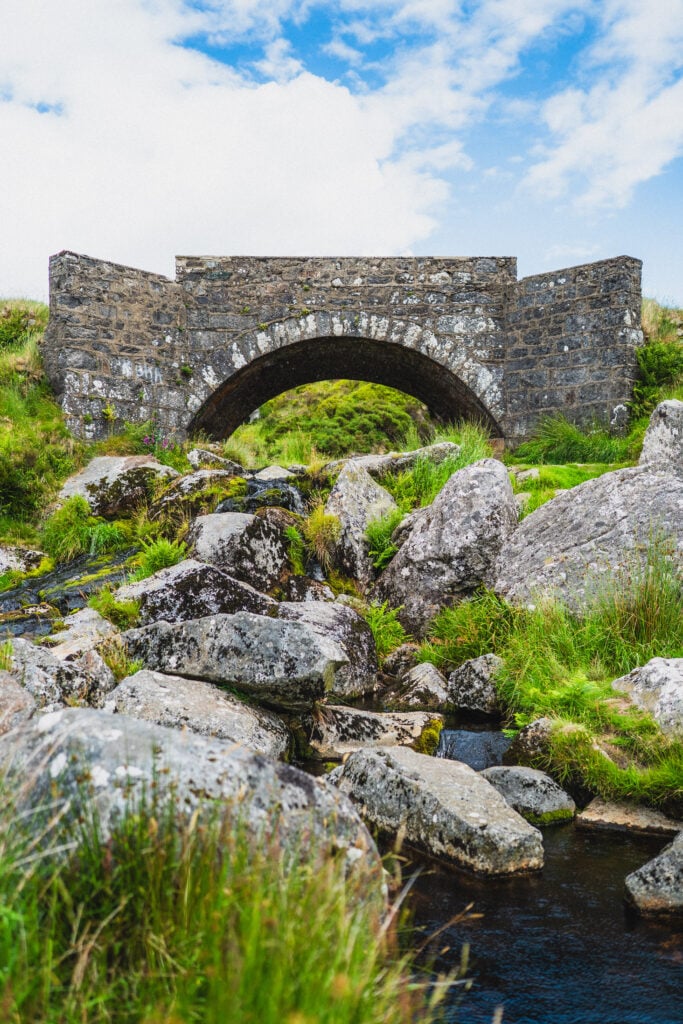
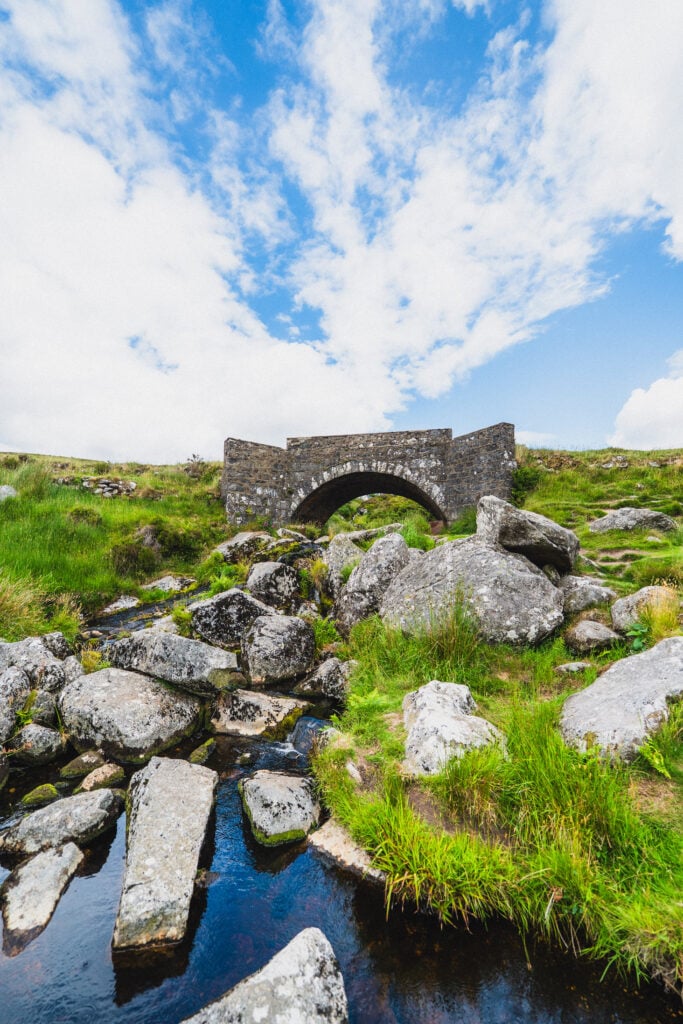
Lough Tay
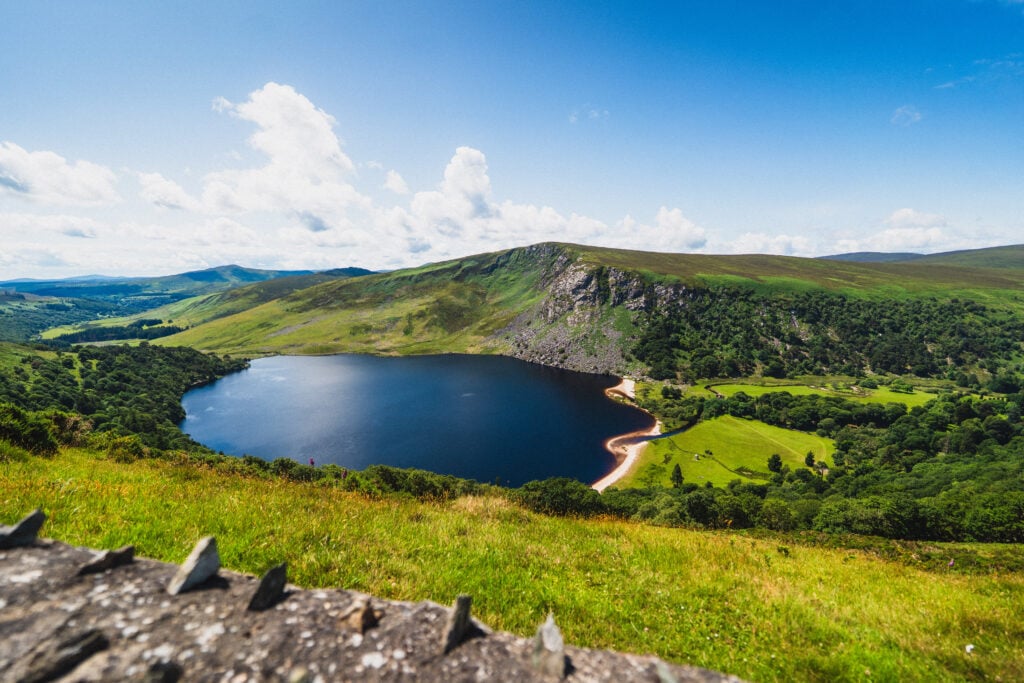
Lough Tay is one of Ireland’s most famous lakes and it frequently appears as a backdrop in films thanks to its striking appearance. Often nicknamed the “Guinness Lake,” it sits on land that was once owned by the Guinness family, and the lake itself is shaped like a pint glass! Indeed, its dark waters and pale sandy shores resemble a perfect pint of Guinness, making this lake truly iconic.
If you have more time in Dublin…
This list is of course not an exhaustive list or guide to every possible activity that exists in Dublin. As a result, here are even more of my favourite spots in the city that I didn’t have time to pack into this itinerary:
Dublin National Botanic Gardens
Located a few kilometres away from the city centre (but easy to get to via public transport) the Dublin Botanical Gardens are consistently ranked as one of the very best things to do in Dublin, particularly if you’re a plant lover. The gardens are free to visit and wander around.
Founded as early as 1795, the gardens are home to plenty of weird, wonderful, and downright beautiful plant varieties. The gardens are particularly noted for their lovely expansive Victorian greenhouses. In total, the National Botanic Gardens are home to over 15,000 plant species!
Irish National War Memorial Gardens
Varied weather each year (and it does rain an awful lot in Ireland- so make sure to come prepared!) means that there’s no telling quite when the cherry blossoms in Dublin will bloom.
That being said, at some point in April or May, the cherry blossoms will bloom in the Irish National War Memorial Gardens, a tranquil and calm space dedicated to the memory of the 49,400 Irish soldiers who gave their lives in WWI.
Herbert Park
If you’re looking for the ultimate cherry blossom pink viewing experience when it comes to Dublin, then you simply must visit Herbert park, where the highest concentration of the pretty trees in the city can be found. A little way out the city centre, it may not be as popular as Saint Stephen’s Park, but it’s most certainly well worth the extra time on the bus!
Top tips for a first-time trip to Dublin
Dublin is a vibrant and welcoming city, making it the perfect place to explore over 3 days or for a first-time solo traveller. But there are a few things to keep in mind/ top tips to consider when visiting:
Visit during shoulder season:
The best time to visit Dublin for fewer crowds is definitely in the shoulder seasons: late May or September. You will still have the warmer weather, but avoid the higher costs and the floods of tourists visiting during the summer holidays.
If you visit during the spring, then some of my favourite blossom spots to discover include:
- Trinity College: here you can find Magnolia trees and even snap a photo of Trinity College framed by the beautiful plants
- St Patrick’s Cathedral park: a popular spot to enjoy a moment of calm, this garden is planted with flower borders throughout the year
- Marsh’s Library: around the entrance to the library you’ll find a number of blossom trees
- St Stephen’s Green: as one of the largest parks in the city there’s no shortage of planted flower borders and cherry blossom trees
Scams to be aware of:
As much as we’d like not to think of the worst-case scenarios, it’s always helpful to go to a new place with an idea of the common scams, just to avoid them happening to you.
- ATM Help Scam: If anyone ever approaches you at an ATM to “help”, refuse immediately, take your card back and head to a bank if you need further assistance. This common scam involves the intention to scan your credit/debit card with a card skimmer and then drain your account of money.
- Friendly Bar Invites: It’s no secret, the Irish are friendly and generous, so don’t be surprised if people strike up a conversation. However, there’s a scam prevalent in Ireland in which, typically two people or so, become ‘friendly’ with you in a bar and invite you to another bar (which they have other friends at) – after a few drinks you may be subject to paying more than the standard rates. Be wary of people approaching you in settings where alcohol is involved.
- Pickpockets: As with every city, pickpockets are prevalent in crowded areas (particularly around Temple Bar), so be aware of your belongings at all times and consider a cross-body bag or something similar. Be especially careful when watching street performers or if someone tries to stop you for a conversation.
- Taxi meter tricks and detours: Always be sure to go with an official taxi. When in the taxi, ensure the meter is working properly – if the driver claims otherwise, you are best off getting a different taxi. Some drivers might try to take you on detours for longer fares, so be sure to check on maps an estimate of how much your journey should cost.
Prepare for unpredictable weather:
Ireland’s weather can change from sunny skies one minute to torrential rain the next, so you should be prepared for all weather types, no matter what time you visit. I recommend packing layers and bringing a waterproof jacket.
Book tours in advance:
If visiting some of the city’s major tourist attractions, I recommend booking tours (especially guided tours) well in advance to avoid disappointment. For example, sights like the Guinness Storehouse and the Book of Kells tend to sell out.
Dublin is much more expensive than you might think:
When I visited Dublin for the first time, it’s fair to say I was more than a little surprise at just how expensive the city is. From accommodation costs to going out for a meal, be sure to budget for a more expensive trip than you might have already planned for!
Plan your accommodation well in advance:
Start your stay the right way by being well-prepared and booking all of your accommodation well ahead of your stay. I’ve personally stayed in the Temple District on several occasions (one time in a hostel and another in a B&B) and have loved it each time!
Close to all of the major attractions and within easy walking distance of everything you could possibly want to see, check here for the best Temple Bar accommodation rates.
Enjoyed reading how to spend 3 days in Dublin? Pin this article now, read it again later: