Travel Photography Gear Guide: What camera should I buy?
Last Updated on 31st January 2022 by Sophie Nadeau
This post may contain affiliate links. Please check out my privacy policy and disclosure for more information.
A few years ago, I fell in love with travel photography. The way you could be creative and capture moments in an entirely unique medium, and in turn, the way you could share those moments with others. And, in fact, my love and passion for photography were what actually what got me into blogging in the first place before I even purchased any travel photography gear!
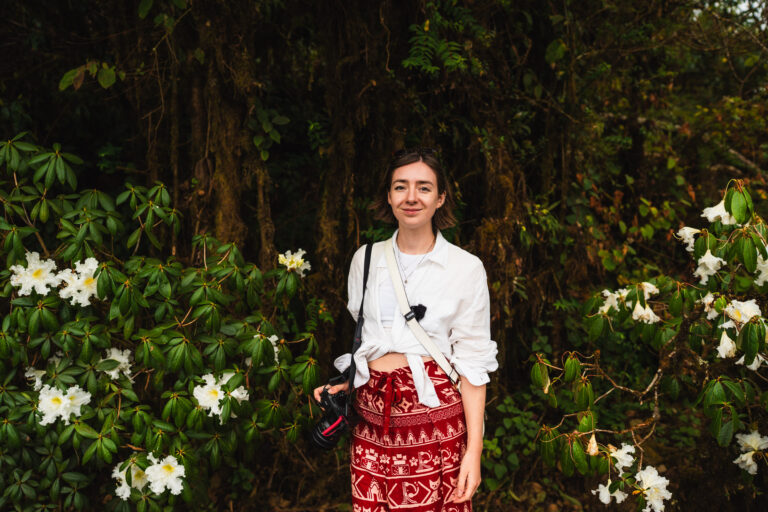
While, in the beginning, I simply started snapping photos with my phone, I soon grew to love photography to the point where I saved up and invested in a more professional camera with many more functions. Here’s what’s in my camera bag this year…
Considerations before buying your first travel camera
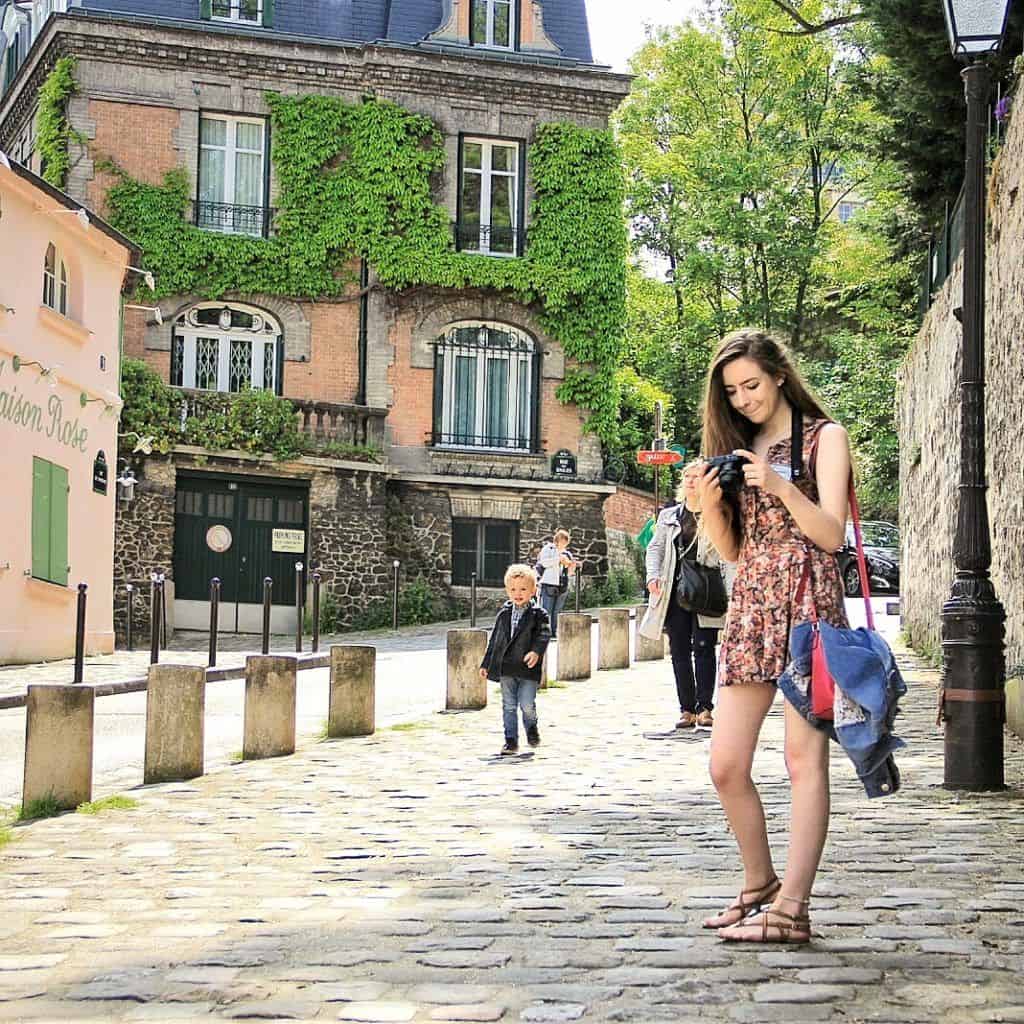
So you’re looking to buy a new (or even your very first) camera, eh? Well, there are plenty of points you’re going to need to consider when deciding on the question “what camera should I buy?”
As a result, over time friends and readers have asked me ‘what camera should I buy?’ Well, the truth is, there’s no hard and fast rule! Everything depends on your budget, skill level and what you’re aiming to get out of the camera.
If you’ve started searching around for a camera to buy, then you’ll know that you can easily be overwhelmed by the options available!
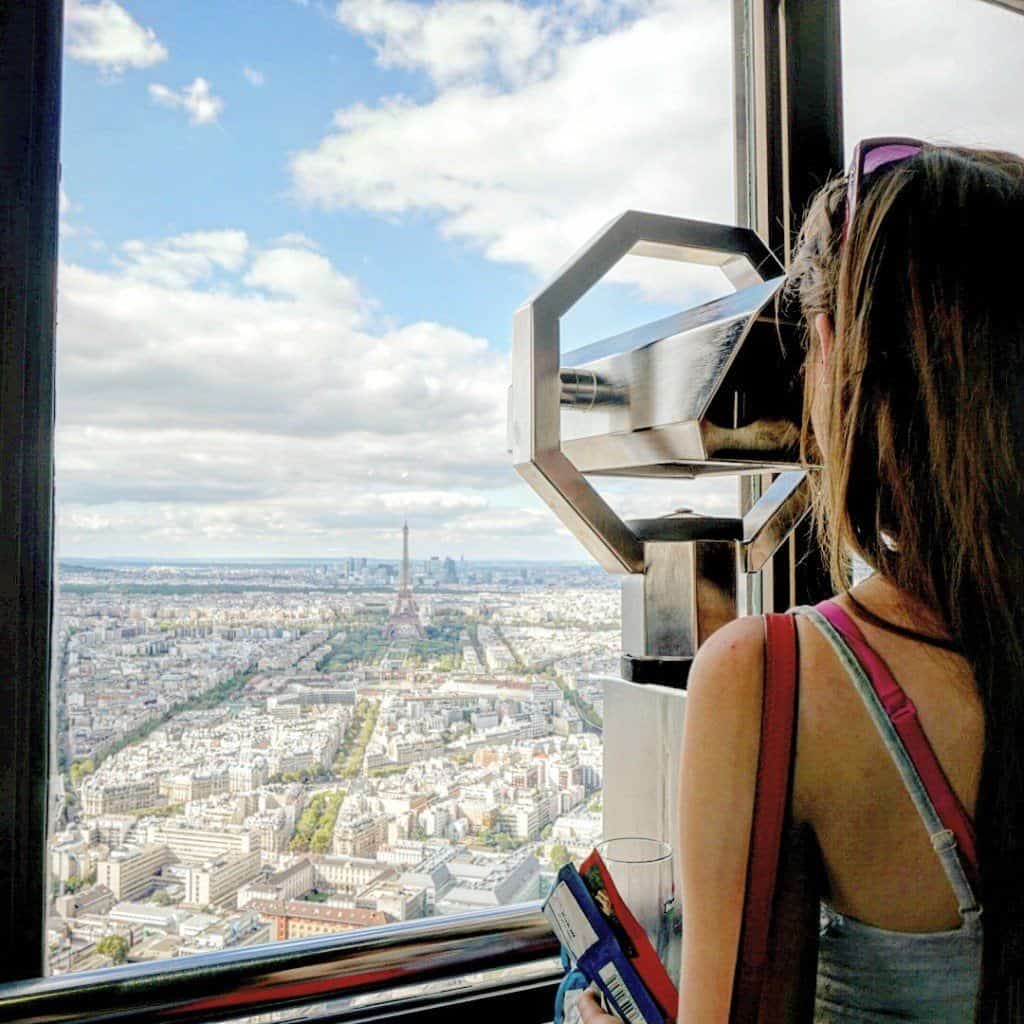
What do you actually want your camera for? (aka what type of photography?)
After budget, this is probably, the most important question to ask yourself. Do you want to take landscape photos or are you aiming more for holiday shots? Are you going to learn to use the camera manually or are you just looking for something that you can use on auto?
If you’re really not sure what you want, then it may be best to start with your smartphone (if you’ve got a smartphone camera). If not, then a point and shoot digital camera (such as the Nikon Coolpix) is perfect for figuring out what you’d like to do.
When I started taking photos, I a) didn’t have enough saved up for the camera I wanted and b) didn’t have a clue if I’d be committed enough to taking photos. I set myself a challenge of taking a photo every day. As a result, I decided what kind of photography I liked and realised that I was committed to taking photos!
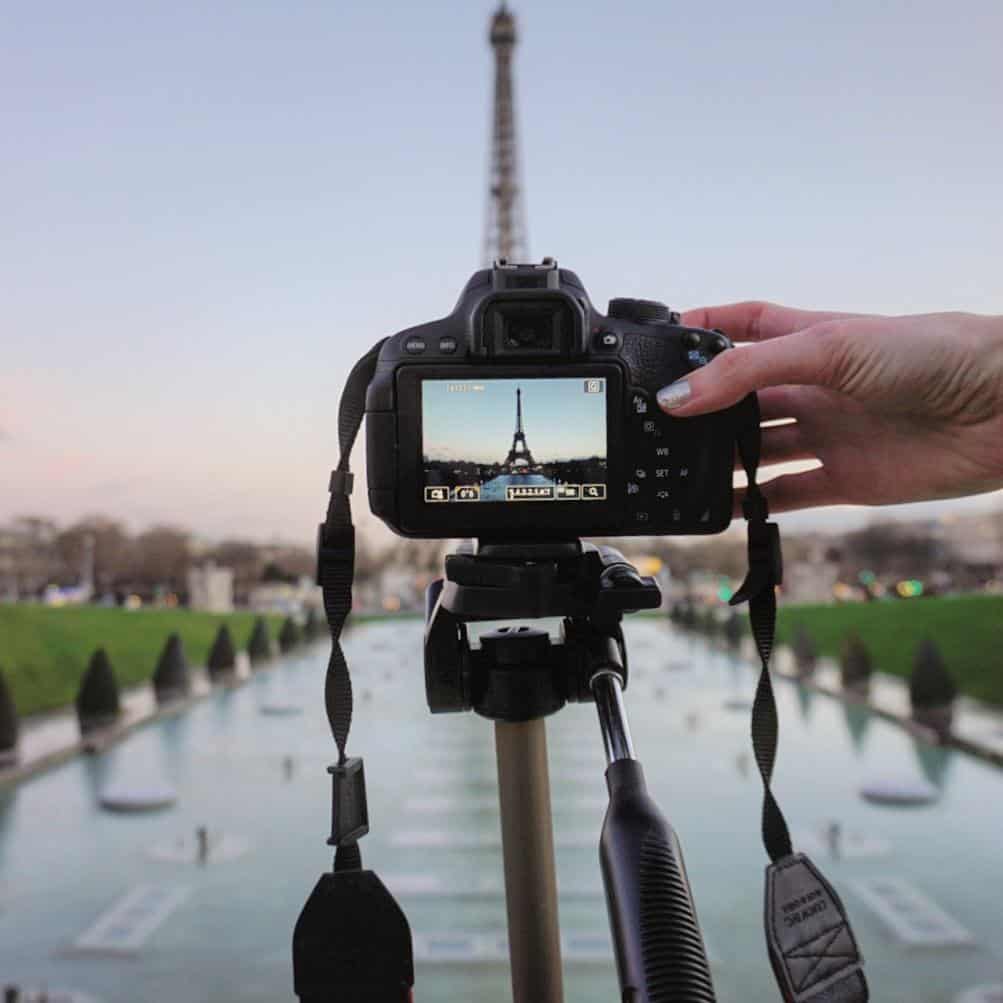
Consider the Camera body
If you’ve decided to go for a body with detachable lens (e.g. a DSLR or compact mirrorless), then yay! You’ll be able to upgrade your equipment as and when you need/ want to.
If you’re not sure what kind of photography you’re going to be interested in, there for the moment, don’t worry about the lens too much but focus on learning how to use your camera.
Consider the Size of your camera
Size matters! I can’t even tell you how many stories I’ve heard of people buying big, bulky cameras, only to realise later on that they could have got away with buying a camera that is a lot smaller. If you do go for that big DSLR, are you really going to lug it around in your bag all the time?!

What’s in a Brand?
Something that often surprises me is the number of times I get asked ‘Nikon or Canon’? Well, the answer is neither! If you’re wondering what I use, it’s the Sony a6000
Once you buy a camera body, you’re going to be somewhat limited by the lenses that you can use with it. So while you should bear this selecting selectioning your camera, don’t pay too much attention to the brand.
Do your research before you even go to the store!
Before buying my camera, I read dozens (if not hundreds) of online reviews. I even went into multiple camera shops and asked the people who worked there for advice. When going into the store, be specific. Do you like macro (close up) photography? Are you going to be shooting in a lot of low lighting? The more information you give, the better the advice you’ll receive!
Travel photography gear guide
Camera Body: Sony A7iii
First things first: my camera body is the most important piece of equipment I own and I take it with me pretty much everywhere. When considering purchasing your first camera, you’ll want to think about the kind of use you need to get out of it; i.e. is photography a hobby or something you want to make money from (or a mixture of the two)? What are your favourite things to take photos of? What’s your budget?
When pondering these things, I highly recommend going into a camera shop to discuss with experts (even if you’re not fully committed to purchasing a camera straight away)! After all, these are people who work with camera equipment every day and they’ll recommend the best camera you should buy for your needs, rather than simply the most expensive thing on the market.
For example, I was seriously considering purchasing the Sony A7riii, which is a lot more expensive than the camera I ultimately ended up purchasing. However, after chatting with someone who uses Sony camera bodies themselves, I soon realised that I needed more of an all-rounder camera, and would never need a 40+ megapixel camera anyway!
My nearest city is Exeter, England and purchased equipment from both Jessops and the London Camera Exchange. I recently purchased the Sony A7iii after using the Sony A6000 for well over three years. The Sony A7iii is the latest in the full frame range of cameras produced by Sony and is one of the best cameras on the market in its price range.
For those who are unsure as to whether or not they want to purchase a more professional camera, CPS-C mirrorless cameras are the perfect bridge between a great price, great weight, and perfect piece of equipment to carry around with you everywhere. The body is versatile, can handle both full-frame and CPS-C lenses and fits in every bad.

Zoom Lens: Vario-Tessar 24-70 mm f/4
While kit lenses, i.e. the lens which comes with the Sony body when you first purchase the camera, are a great all ’round tool, after a year or two (or perhaps even before) you’ll want to upgrade the equipment you’re using to capture sharper images and pretty much just do more with the camera!
When I had my Sony A6000, I started off by using the kit lens (16-50 mm) for the first two years. I then upgraded to a Vario-Tessar 16-70 mm f4 Zeiss lens and noticed a difference in quality and sharpness almost immediately. For my new camera, I’ve purchased the full-frame Vario-Tessar 24-70 mm f4 Zeiss lens as this is pretty similar to the one I had before.
Prime Lens: 50 mm f/1.8
I’ve never actually had a prime lens before but have used friend’s cameras with primes on several occasions and now consider them a key component of travel photography gear. For those unfamiliar with the term, primes are of a fixed focal length; i.e. 35 mm, 50 mm, 85 mm, etc and rather than being a jack of all trades as a zoom lens in, they are the ultimate master of image quality for that particular focal length.
On a cropped camera (i.e. an APS-C or 4/3 sensor as in a small mirrorless camera), 35 mm would give you around the same kind of focal point as a human eye. On a full-frame camera (like the Sony A7iii), 50 mm would give you a similar focal length as a human eye would see a landscape or image. The 50 mm I’ve purchased gives a beautiful depth of field and is the perfect lightweight lens for day-to-day use.
Flexible Tripod
The most recent addition to my camera bag accessories comes in the form of a flexible tripod. Lightweight and incredibly flexible, this tripod fits in all of my handbags and is the perfect size for taking photos of myself when I don’t want to carry around a massive (read: heavy) tripod. I personally use a Lamcou Tripod and when you first purchase it, it comes with a tripod, phone, and GoPro mount.
Heavyweight Tripod
For night scenes and when it’s way too windy to trust my expensive gear to a smaller device, my heavyweight tripod is my trusted go-to. If you want to make use of the slower shutter speeds on your camera, you’ll need a tripod to balance the camera on when you take the shot so as to avoid camera shake. A heavier tripod is perfect in harsher weather conditions and if you want to capture low light, astrophotography, or simply want to create some cool water effects.

Drone: DJI Spark
I bought the DJI Spark last year when it was on sale during a cyberweekend specials deal and I’ll be the first to admit that I could definitely be using my drone much more than I currently do! If I’m honest, while I love flying, I’m also a little bit scared of my drone.
In more recent months, DJI have since released the DJI Mavic Air. For those who are unsure as to whether they should purchase the DJI Mavic 2 Pro or the DJI Spark, this little drone is at the perfect price point, exactly between the two in both quality, capabilities, etc.
DJI Remote Controller
While it’s possible to simply control your drone with your phone, this can be a little cumbersome and the drone is often slow to react to my phone (I have the iPhone 6S). As such, shortly after purchasing my drone, I bought a remote controller which allows for much greater flexibility when flying.
Instax Mini 9
One of my smaller pieces of travel photography gear is also one of my favourite. A gift from my sister, I love how this portable little camera takes photos which are truly ‘in the moment’. While the film is a little on the pricey side and so I tend to snap photos sparingly, I love keeping a couple of polaroids above my workspace, as well as in my phone case so as to remind me of some special moments with friends and family.
Further equipment you might consider
Phew, that was a lot to think about! But it’s not over yet! At the very least, you’ll also need:
- A memory card (I recommend the” target=”_blank” rel=”nofollow noopener”> SanDisk Extreme 32 GB
– this is the one I use)
- A filter- so that your precious (and expensive) lens doesn’t get scratched (I use the Hoya 40.5mm) Note: When it comes to lens filters, make sure you get the right one to fit your lens!
You may also want to purchase
- A tripod (The Manfrotto has been recommended to be by a number of people
)
- A camera bag- I normally just use my handbag!
Enjoyed reading this travel photography gear guide? Pin this article now, read it again later: