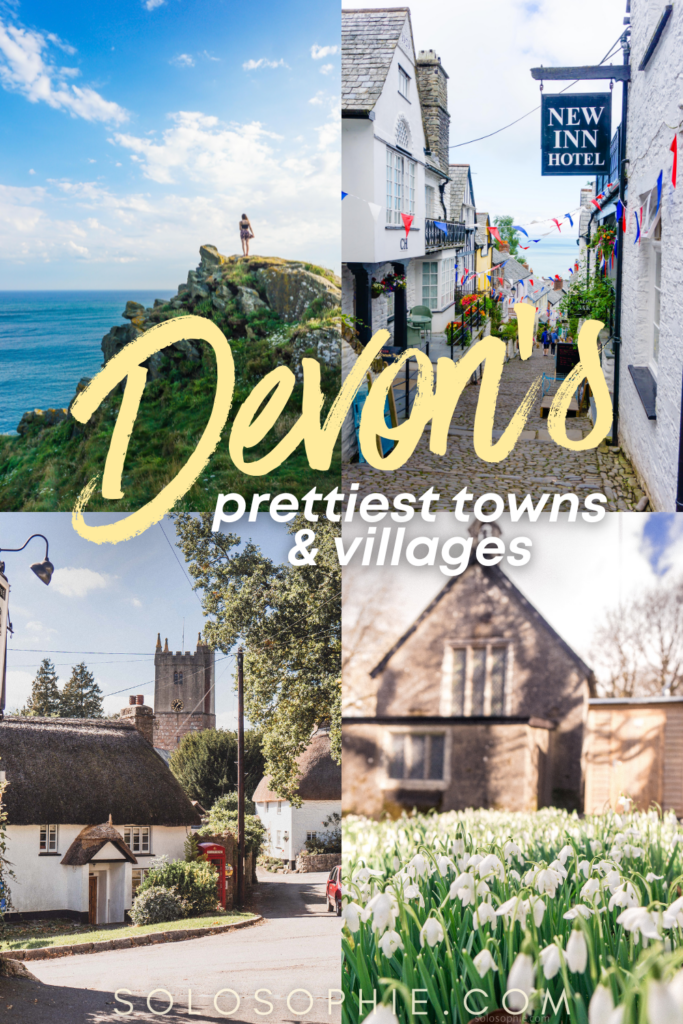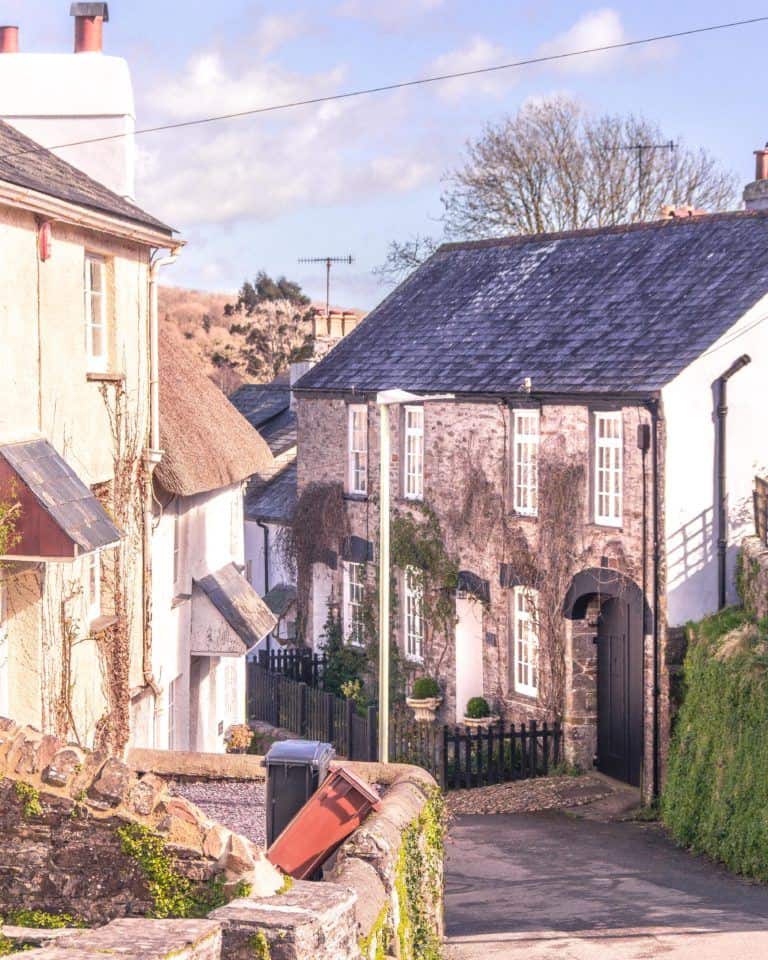

20 of the Prettiest Towns & Villages in Devon
Last Updated on 29th April 2026 by Sophie Nadeau
This post may contain affiliate links. Please check out my privacy policy for more information.
Devon is a county of land and sea; a place of windswept coastline and rugged moorland, where the locals are friendly, and fresh farm produce tastes at its best. It’s no secret that this South West region of England is renowned for its beauty, quaint, quiet charm and idyllic holiday destinations. So, without further ado, you’ll want to know the prettiest towns and villages in Devon that are worth visiting on any trip to the West Country!
Ashburton
On the edge of Dartmoor National Park, Ashburton is an ancient stannary town that was once the heart of local tin mining and remains the largest town in the national park. Despite its relaxed pace of life, Ashburton is a vibrant town with a certain buzz about it. The town is best known for its traditional charm and thriving arts scene, and is a popular spot for antique shopping (or browsing!)
Alongside its crafts, Ashburton is full of thriving independent businesses. A personal favourite of mine is the fish deli, where you’ll find an excellent selection of olives! You’ll also find the Ashburton Delicatessen, several gift shops, book shops, galleries and cosy coffee shops… everything you could hope for from an English countryside town, really.
Read more: A quick guide to Ashburton.

Beesands
In the heart of the South Hams, Beesands is a charming coastal village which comprises a small high street and a long stretch of sand, with a surprising number of eateries in comparison to its residents. It’s the type of sleepy village that feels like a film character’s retreat when the going gets tough, and I could definitely see myself escaping here.
Once reliant on crab and lobster fishing, the settlement still has quaint fishermen’s cottages lining the shore. Today, these cottages are mostly holiday lets, as Beesands is now heavily reliant on tourism.
Some of the best things to enjoy in the local area include visiting the beach, enjoying fish and chips at one of the many eateries, or relaxing in the pub with a local Devon ale. Beesands is also the perfect base for exploring the stunning surrounding coastline, with popular coastal paths connecting it to nearby towns and villages.
Not too far from the village itself, you’ll come across the lost village of Hallsands. Unfortunately, due to further coastal erosion at the site, the viewing platform had to be closed in 2024 – but it’s an interesting story to know when visiting the area.
Read more: A quick guide to Beesands.

Bigbury-on-Sea & Burgh Island
Twice a day, every day, the tidal island of Burgh Island is cut off from the rest of the world by sea. Only accessible by walking across the sandbar at low tide or via a unique sea tractor at high tide, a visit to Burgh Island is one of the most unique coastal experiences in Devon. On the island itself, one of the best things to do is walk around and soak up the scenery, or enjoy a local craft ale at the historic inn.
Bigbury-on-Sea is the coastal village opposite Burgh Island. It’s best known for its wide sandy beach, revealing the tidal causeway at low tide. Its sheltered, shallow waters make it particularly popular with families, while further out the waves attract swimmers and watersports enthusiasts.
Read more: A quick guide to Bigbury-on-Sea.
Buckfastleigh
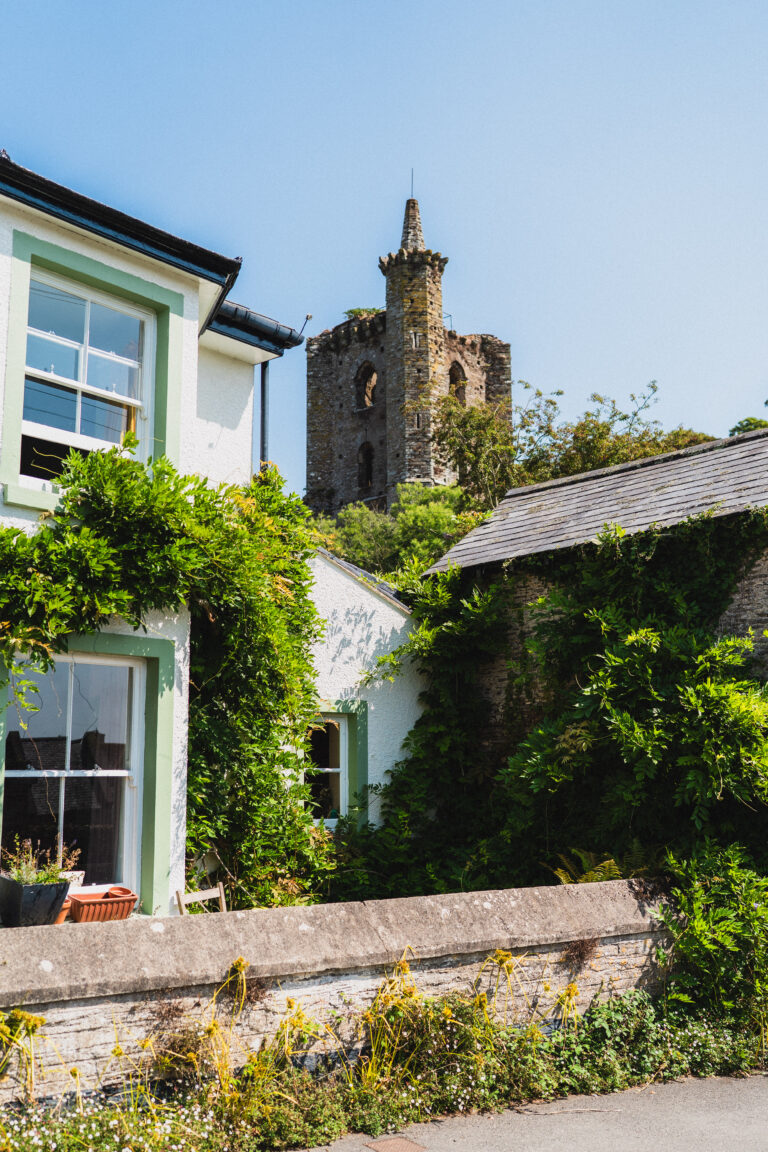
Home to the picturesque Buckfast Abbey, Buckfastleigh is easily one of the prettiest towns in Devon. This quaint market town is known for its historic woollen mills and its proximity to Dartmoor National Park, but also for its peaceful, traditional charm. Nearby, you’ll also find the heritage South Devon Railway and the Butterfly and Otter Sanctuary.
What many people don’t know is that Buckfastleigh is the town where the popular Buckfast Tonic Wine is brewed, at Buckfast Abbey. In fact, known colloquially as ‘Bucky,’ this fortified wine rose to prominence in Glasgow, and Scotland accounts for over half of its global sales!
Wine aside, the most visited landmark of the town is, of course, that of Buckfast Abbey and Monastery. Originally founded in AD 1018, the Benedictine abbey, like many monasteries in England, was dissolved under Henry VIII in 1539 during the Dissolution of the Monasteries, and lay in ruins for centuries. It was later revived in 1882 when French Benedictine monks re-established the community, gradually rebuilding it into the impressive ecclesiastical sight you see today.
Today, the stunning abbey is free to visit (which, in this day and age, is pretty rare – so Buckfast wine must be doing well!), with donations encouraged. One of the best times to visit has to be at Christmas, when you can see the abbey Christmas Market, or attend the Midnight Mass, a stunning candlelit celebration.
Chagford
One of the ancient stannary towns of Devon, Chagford, sits at the north-east edge of Dartmoor close to the River Teign. Filled with independent shops, art galleries, and quaint cafés, the town is also within proximity to stunning ancient woodlands. This charming town was actually ranked as one of Britain’s best-looking towns by The Telegraph in 2023!
Not too far from Chagford, you’ll find the National Trust property Castle Drogo. Constructed between 1911 and 1930, this country house is actually reputed to be the last castle built in England. Home to stunning grounds, it makes an excellent addition to explore when visiting Chagford.
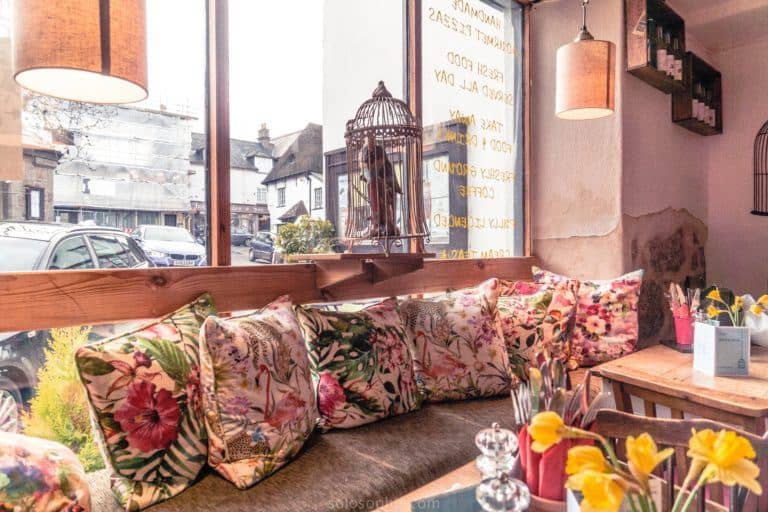
Read more: The Bird Cage Coffee Shop Review.

Cockington
In a surprisingly tucked-away spot just outside Torquay, you’ll find the quintessential Devon village of Cockington. Pretty-as-a-postcard, the settlement of thatched cottages boasts scenic trails, historic sites, and countryside views.
Some sights to see include: St George and St Mary Church, which dates back to the 11th century, and Cockington Country Park with its mix of picturesque, well-ordered garden landscapes.
Clovelly
Clovelly is a traditional fishing village with a twist: even today, despite all our modern methods of transport, the only way to get up and down the village is on foot. Venture along the 400-foot cobbled main street as it winds down through whitewashed cottages to an ancient harbour. The village is famously traffic-free, and it’s one of the UK’s only privately owned villages.
In the 11th century, when it was recorded in the Domesday Book, Clovelly was owned by William the Conqueror himself. He later gifted the village to his wife, Matilda of Flanders, England’s first crowned queen.
As if untouched by time, Clovelly has retained the traditional character that gives it so much of its charm. That atmosphere is part of why it was chosen as a filming location for Sense & Sensibility (2008) and The Guernsey Literary and Potato Peel Pie Society (2018), and why, over the centuries, it has inspired artists and writers from J.M.W. Turner to Charles Dickens!
Dartmouth
On the mouth of the River Dart, you’ll find the beautiful seaside town of Dartmouth, which can only be described as the Balamory of South Devon. Though a relatively small population, the town’s numbers swell significantly in the summer months due to its popularity as a tourist destination. That, and it’s arguably one of the best places in Devon to find fish & chips – (Rockfish is high up there on the recommendations!)
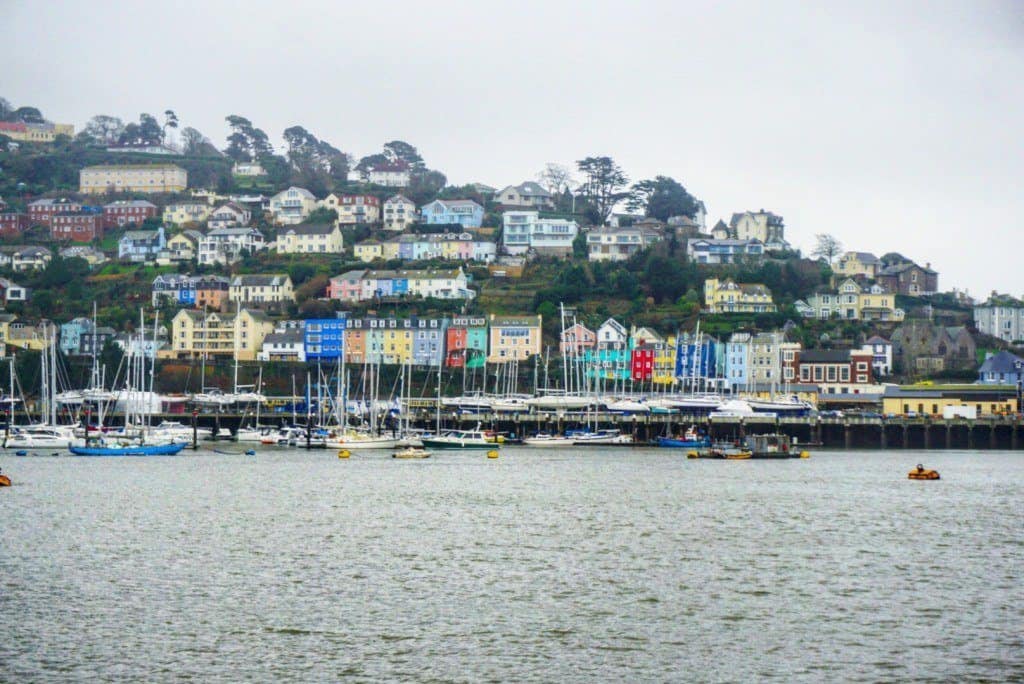
Shaped by its rich maritime heritage, Dartmouth is considered a gateway town to the coast and one of the county’s most loved seaside towns. This dreamy pocket of Devon has an ultra-relaxed feel to it, with narrow streets, pastel-coloured buildings, and a bustling harbour lined with cafés, independent shops, and sailing boats.
As Dartmouth is quite literally split in two by the River Dart, and there’s no road bridge, one of the most unique things you can do is take the ferry from one side of the town to the other, whether by car or on foot. To be honest, it offers the perfect opportunity to see the town from the water, and you can get that postcard-perfect snap of the colourful houses too!
East Prawle
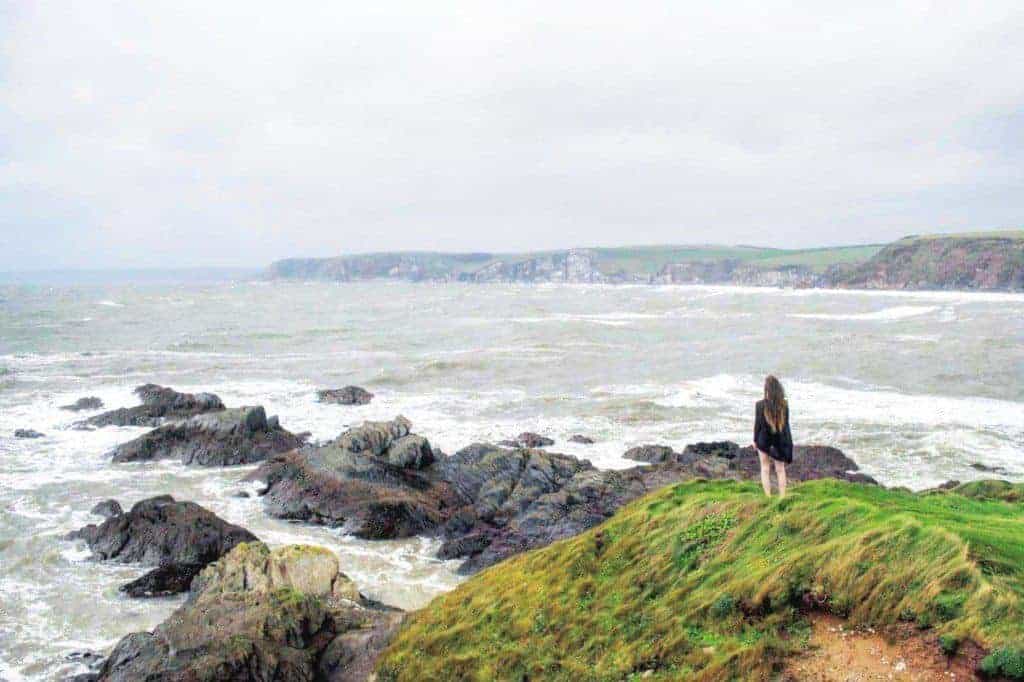
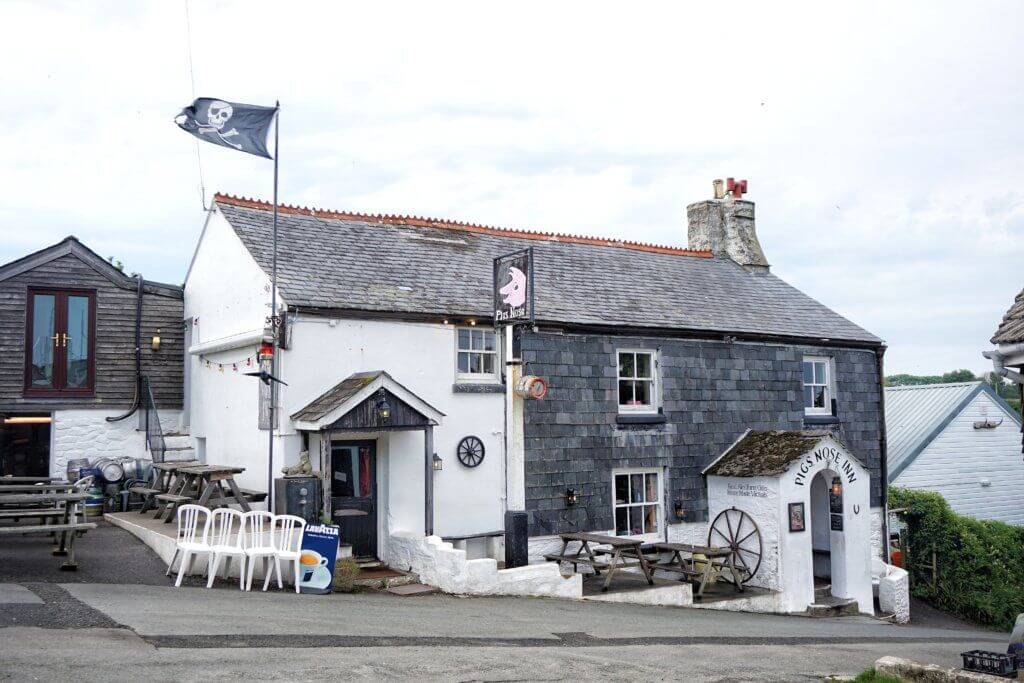
East Prawle is set against a backdrop of outstanding natural beauty on the South Devon coast, making it feel wonderfully remote and unspoilt. The village is home to local favourites such as the Pig’s Nose Inn, a traditional pub that’s become something of a local landmark, and the Piglet café, which sits directly opposite. But, perhaps the real highlight of a visit is the sight of Elender Cove and Beach below, with its striking turquoise waters framed by the rugged South Devon coastline.
Read more: A Guide From East Portlemouth to East Prawle.
Salcombe
Salcombe is a resort town in the South Hams, renowned for its sweeping coastal views and surrounding rolling countryside. It’s also a well-known hub for sailing. While Salcombe is primarily a holiday destination, and can get very busy in the summer, it remains a beautiful place to explore the coastal paths and nearby beaches.
It’s also home to Devon’s oldest sweet shop, a pastel-pink, old-fashioned shop filled with jars of traditional sweets, making it a charming stop for picking up a nostalgic treat!
Read more: A visit to the oldest sweet shop in Devon: Cranch’s.

Gidleigh
Surrounded by woodland, Gidleigh is a tiny, peaceful village that’s tucked away on the northern edge of Dartmoor National Park. Remote and secluded, with a smattering of traditional stone cottages and quiet country lanes winding through the landscape, this quiet pocket of Devon is filled with history and charm, featuring a 15th-century Holy Trinity church and the remains of a 14th-century castle..
One of its most notable features is its proximity to Gidleigh Park, a renowned country house hotel set within beautifully kept gardens, adding a luxurious feel to this rural area.
Holbeton
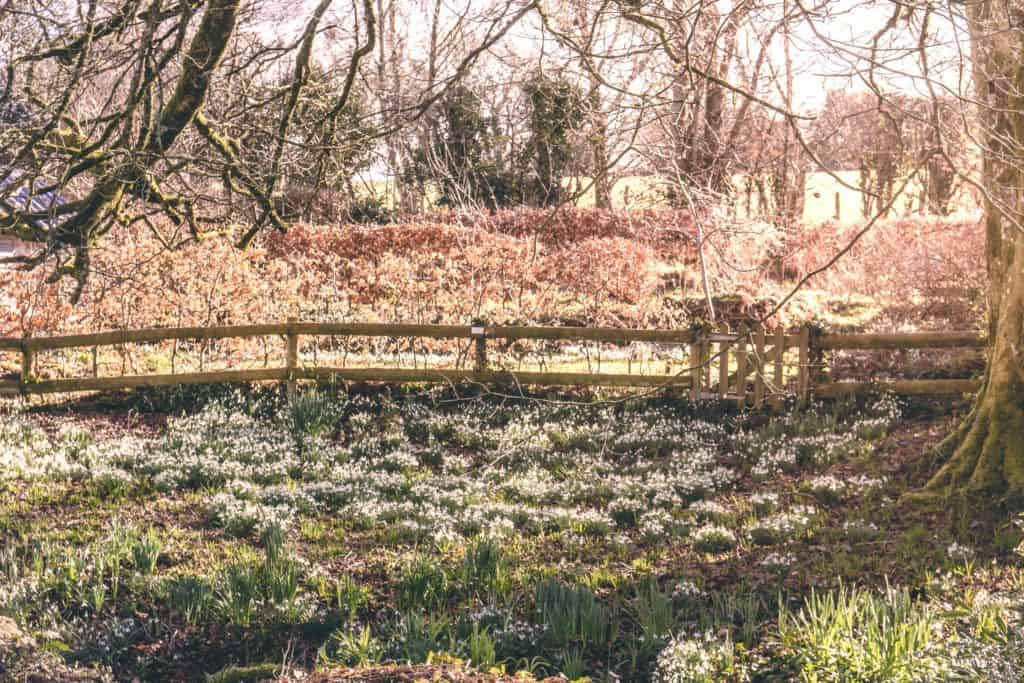
Another secluded settlement is that of Holbeton. Located in the heart of the South Hams, this picturesque village is often used as a filming location for many a movie, most notably that of Sense and Sensibility (1995). It has to be said that much of Holbeton’s charm lies in its remoteness – it’s the kind of place where you can truly get away from it all.
With barely any phone signal and centuries-old buildings lining the lanes, it carries a beautifully historic atmosphere, perfect for soaking up the feel of a quintessential Devon village. It’s also not far from Plymouth, so you’re not too far from the coast (which is surprising when in the village itself!)
Read more: Holbeton Guide
Hope Cove
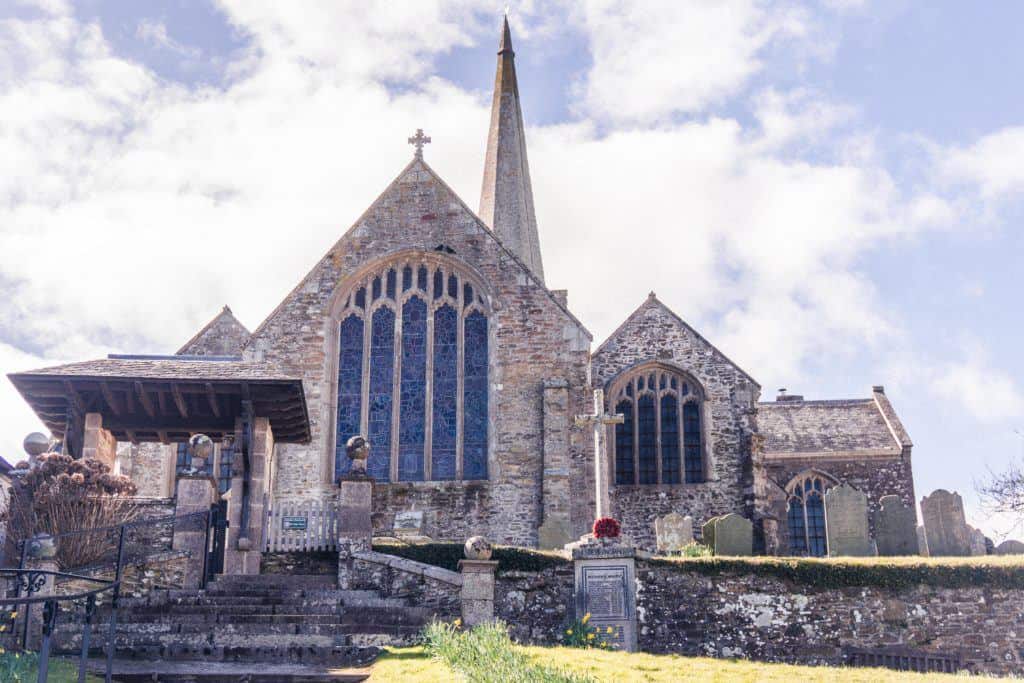
Situated between the sandy shores of South Milton Sands and the beautiful town of Kingsbridge, Hope Cove is a stunning fishing village just 5 miles west of Salcombe. The area is formed around two sheltered beaches, Inner Hope (Harbour Beach) and Outer Hope (Mouthwell Sands), which are separated by a rocky headland. At low tide, the sands open up and create a golden sandy stretch of beach which is extremely popular for swimming, snorkelling, and relaxing on long, lazy sunny days.

Lustleigh
Often dubbed ‘the prettiest village in Devon,’ let alone the most beautiful village of Dartmoor National Park, Lustleigh is popular among hikers and those seeking to explore Dartmoor on a more local level. While there isn’t a huge amount to see in the village itself beyond the classic staples, a church, a pub, and quaint village tearooms, it’s exactly this simplicity that makes it so special, and one of the most charming spots on Dartmoor.
In 2025, Lustleigh was chosen as one of the filming locations for the upcoming Harry Potter television series!
Read more: Lustleigh, the prettiest village in Dartmoor National Park.

Newton Ferrers
Just across the bay from the substantially smaller Noss Mayo, you’ll find Newton Ferrers, set along the banks of the Yealm Estuary. This laid-back waterside village is known for its pretty coastal views and sailing scene. At low tide, you can even walk between Newton Ferres and Nos Mayo as they are connected by a sand bar.
Read more: A guide to the best of Newton Ferrers.
Noss Mayo
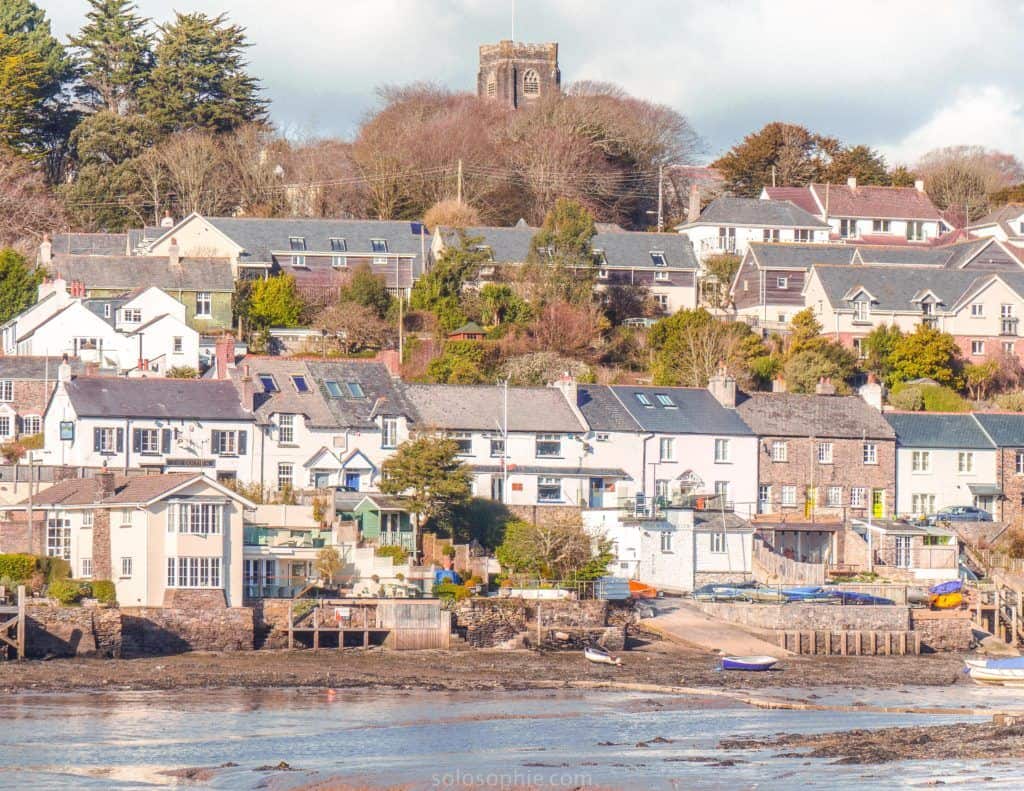
Surrounded by the sea, candy coloured houses populate the picturesque hillside where Noss Mayo lies. Now, I know what you’re thinking – for an English coastal settlement, this has a certain foreign melodic tone to it – but the name actually has an interesting history. Back in 1287, King Edward I gave the manor of ‘Stok’ to local landowner Mathew Fitzjohn, and the village later became known as Noss Mayo, thought to mean ‘Mathew’s Nose’.
Read more: Noss Mayo Travel Guide.
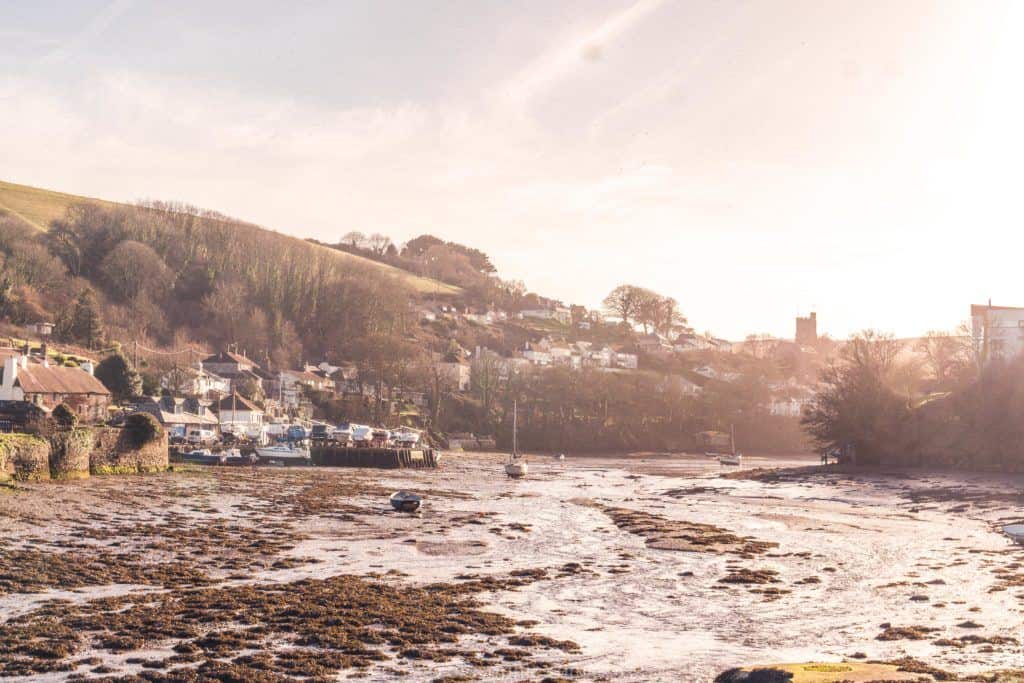
Shaldon
Opposite the popular town of Teignmouth, Shaldon sits in a secluded area of the estuary and is filled with beaches and small eateries. Within the town, there’s even a smuggler’s cove you can wander through to reach one of the very best beaches you’re likely to find anywhere in Devon.
Read more: A quick guide to Shaldon.
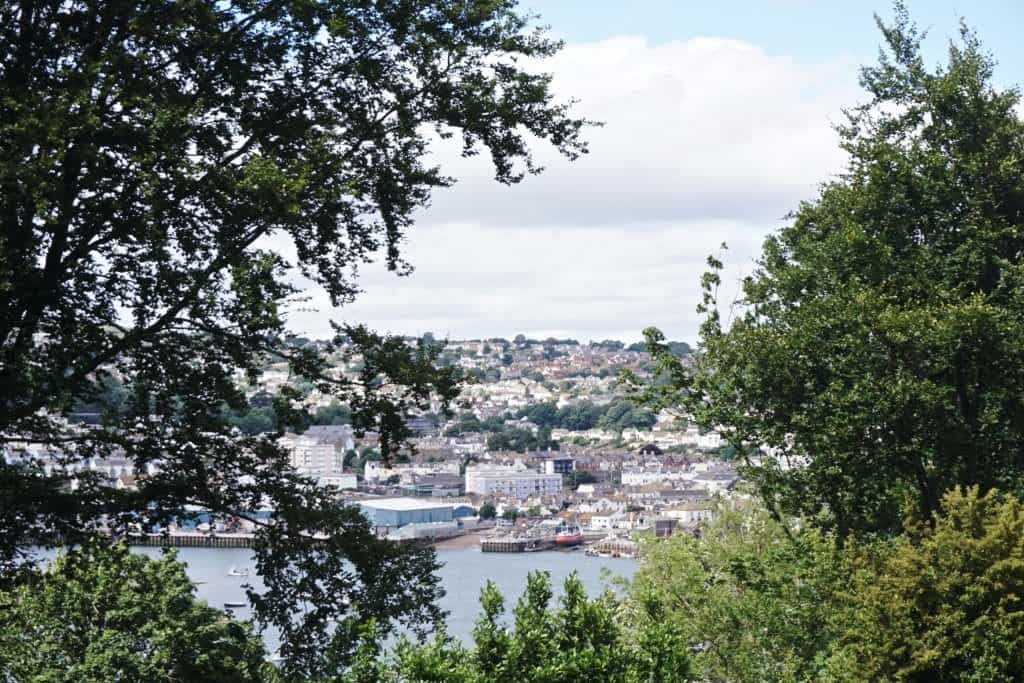
Totnes
Quirky and unique, there’s nowhere else in Devon quite like the town of Totnes – it’s very much a destination with its own set of rules, changing for no one. Thought to sit along a ley line, the town is centred around the ruins of what was once a grand castle, with most of the action unfolding along its main high street. At first glance, Totnes feels like a typical Devon market town, with a mix of independent boutiques and the usual chain stores dotted in between.
However, wander up the high street, and you’ll find yourself stepping further back in time… look a little closer and Totnes quickly shows its more eclectic side. From an independent cinema and quirky bookshops to a traditional fudge shop and organic cafés, it’s packed with character. Add in artisan markets, vintage finds, and a strong alternative scene, and it’s a haven for those who vibe with the more bohemian side of life.
Read more: The best things to do in Totnes!
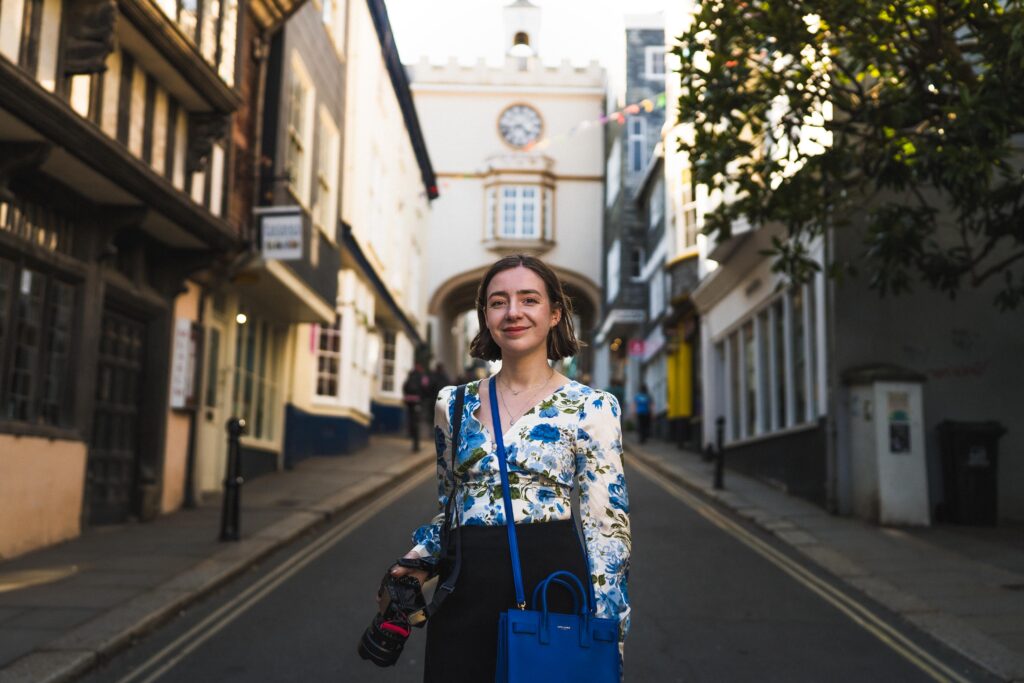
Widecombe in the Moor
Nestled in its own valley, Widecombe in the Moor feels like a hidden fairytale village, straight out of an Enid Blyton novel. The central village green area is surrounded by big granite stones blanketed in fluffy moss, and the settlement itself is dominated by the “Cathedral of the Moor,” St Pancras Church. While there’s not loads to do by and large, this village is much more of a stop off for those exploring the surrounding national park.
My absolute favourite spot in the village is The Rugglestone Inn. This historic inn dates back to 1832 and serves delicious fish and chips alongside local real ales. It’s set in an idyllic location, nestled beside a stream with a garden that boasts sweeping moorland views. In winter, the inn is warmed by several log fires, making it the ultimate cosy retreat of the village.
Retaining its traditional vibe, the village’s famous annual event, Widecombe Fair, is held on the second Tuesday of September, featuring livestock sales, local crafts, and traditional entertainment.
Watch the Totnes vlog
If you want an insider look into one of Devon’s prettiest towns and villages, then check out my Totnes travel vlog! Come with us to explore the town, talk to locals about what living and working in Totnes is really like, and see just how much this town proves that community at heart is the future.
Enjoyed reading about the best towns and villages in Devon? Pin this guide now, and read it again later!