
How to Visit Burrator Reservoir, Dartmoor & A History
Last Updated on 2nd March 2022 by Sophie Nadeau
This post may contain affiliate links. Please check out my privacy policy for more information.
If you’re looking to visit one of the most beautiful locations in Devon, then you’ve come to the right place. Burrator Reservoir is a Devon gem that’s perfect for walkers and nature lovers alike. Here’s how to visit the Burrator Reservoir, as well as a history, and things to know before you go.
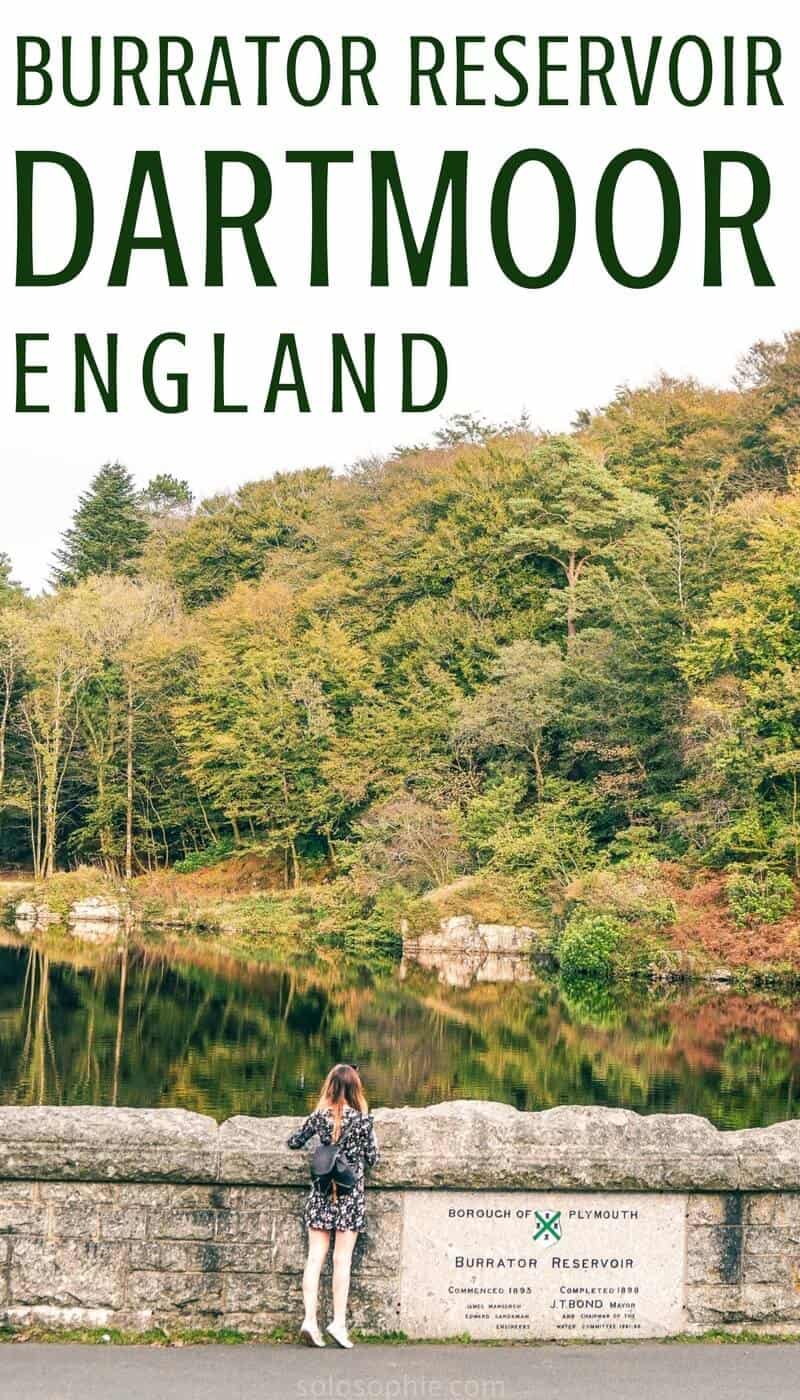
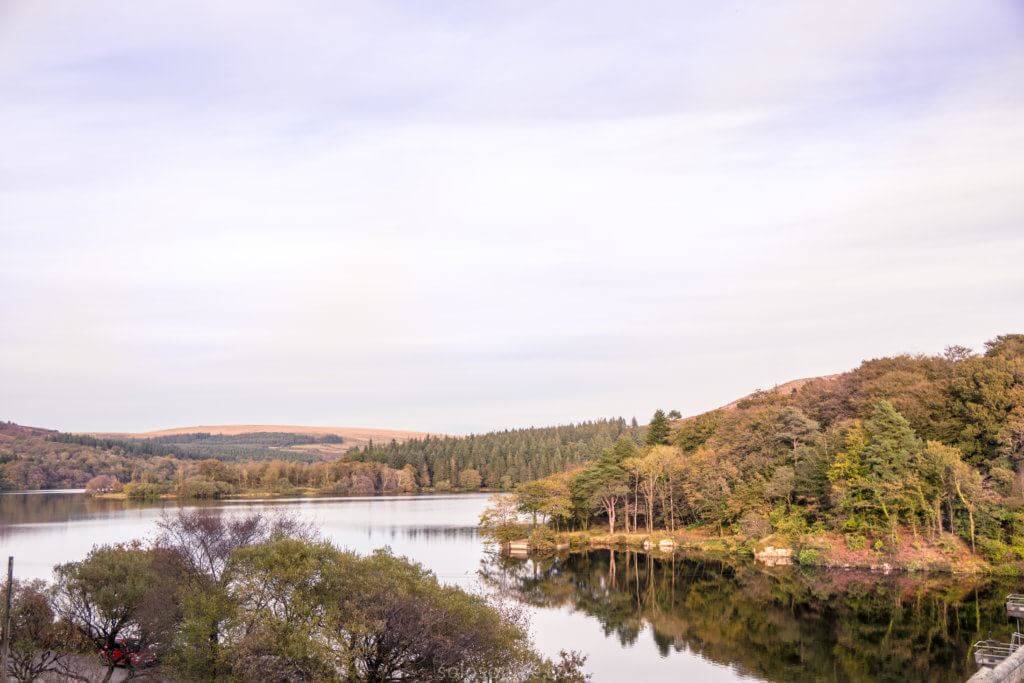
A glassy reflection greets me as I pull up the car and take out my tripod. The water is so still it’s hard to believe this is the same running liquid that runs from my tap.
I’m here to capture my first glimpse of autumn and the lake doesn’t disappoint. Pretty in golden hues, Burrator Reservoir is home to ancient settlements and lies in the shadow of some of Dartmoor’s most dramatic landscapes.
Burrator Reservoir
Located on the Southern side of Dartmoor National Park, Burrator Reservoir is one of the prettiest bodies of water you could hope to find in Devon. Here, you’ll find plenty of abandoned ruins (every few hundred metres you’ll find a crumbling abandoned farm to explore), mossy trees and oodles of history.
Wander along the reservoir for any length of time and you’re guaranteed to stumble on at least one or two of the iconic Dartmoor Ponies (so cute!). You’ll also find plenty of sheep and more flora than you would imagine possible on the moors.
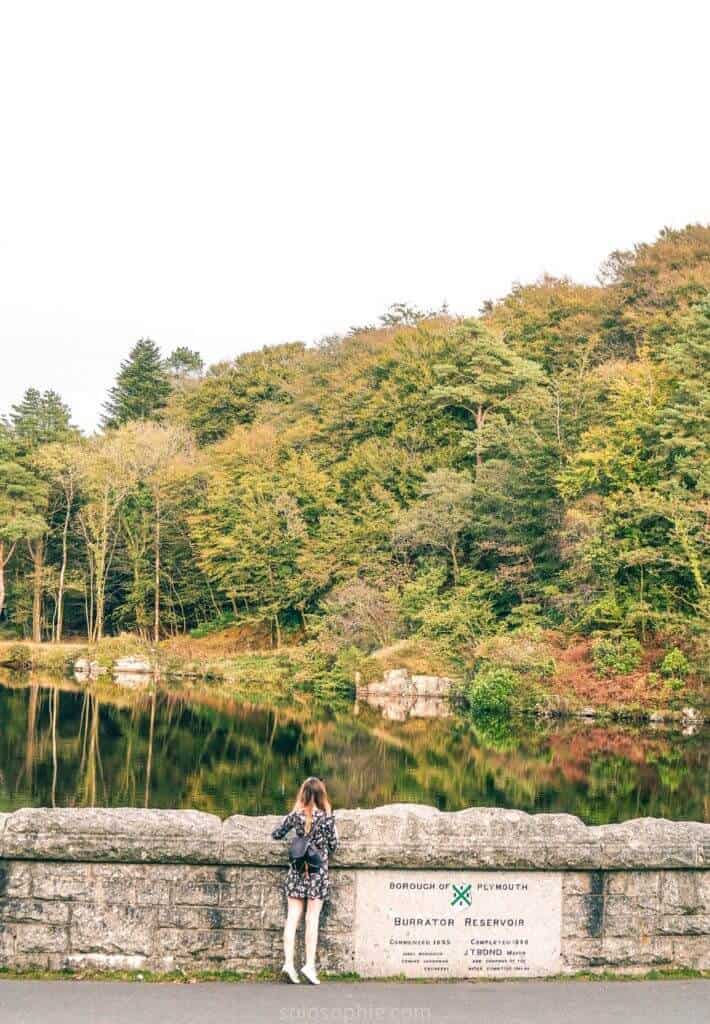
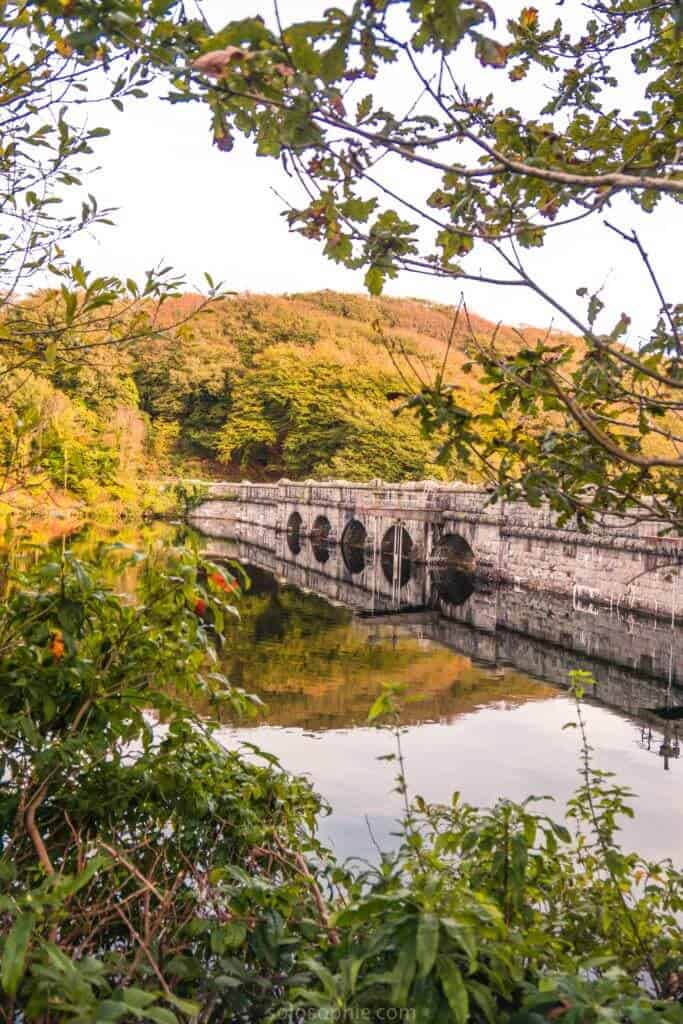
Just make sure to glance upwards towards the moors every once in a while: you’ll be rewarded with stunning views of Sheepstor and Leather Tor among other scenery. The reservoir is a manmade body of water and was completed in 1898, though it was further expanded in 1929.
The entire capacity of the dams is over 1000 million gallons of water and the liquid serves the ever-growing population of nearby Plymouth. Today, the reservoir is managed by the South West Trust and is popular with local and international visitors alike. Head here if you love walking, want to cycle, or fancy seeing some pretty scenery.

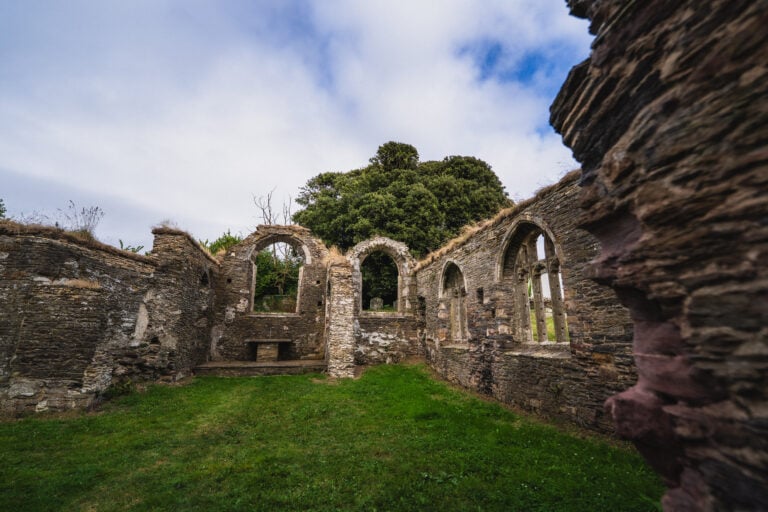
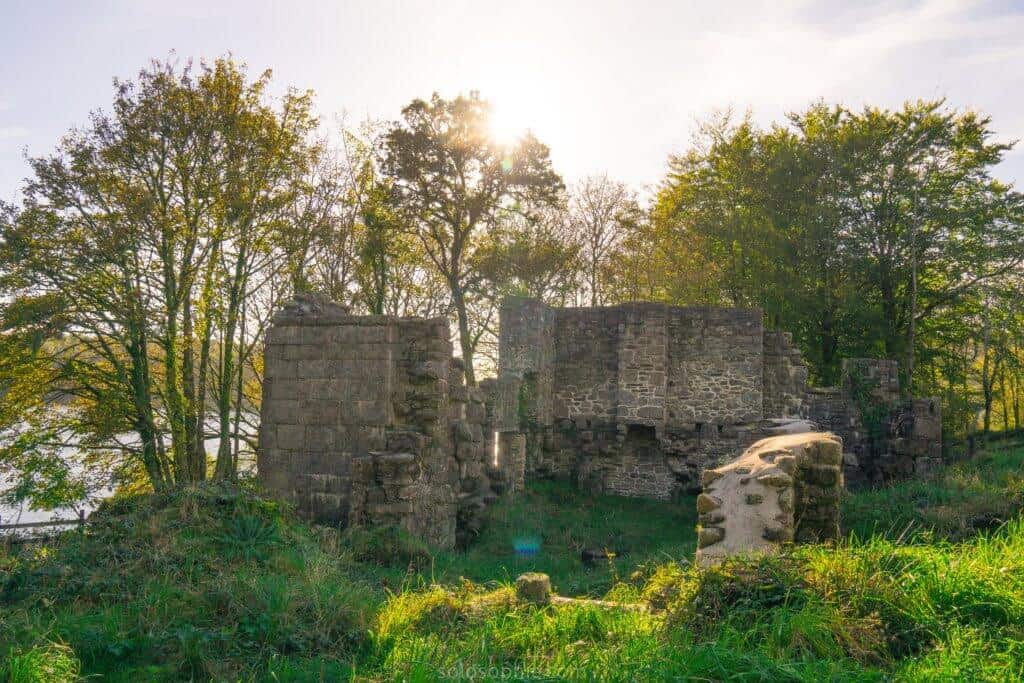
Longstone Manor
While wandering along the banks of the reservoir, here’s one thing I wasn’t expecting: the ruins of a medieval manor. First constructed in around 1500, the walls of Langstone Manor have graced the banks of Burrator in some form or another ever since.
Although the house was first built in 1500, in 1633, the original manor house was improved and expanded to accommodate the ever-growing wealth of the owners, the Elford Family who had links to nearby Yelverton.
In the Georgian Period, the manor was once again expanded to suit contemporary tastes. During this time, many of the surrounding buildings were converted into farmhouses and the Manor House became a thriving community in its own right. During all this time, there was little water nearby and Burrator Reservoir didn’t yet exist!
Finally, with the construction of Burrator Reservoir (which the house quite literally now lies on the shore of), the house was abandoned in 1895. Around this time, the roof was removed for the purpose of saving taxes and much of the stone was removed from the walls to construct new buildings. The house has lain deserted, hauntingly beautiful and ever so empty ever since.
Today, much of the original building lies below the waterline and is closed off from the public for safety reasons. However, you can still admire what is left of the buildings on the land, if only from a distance.

Wander through the woods
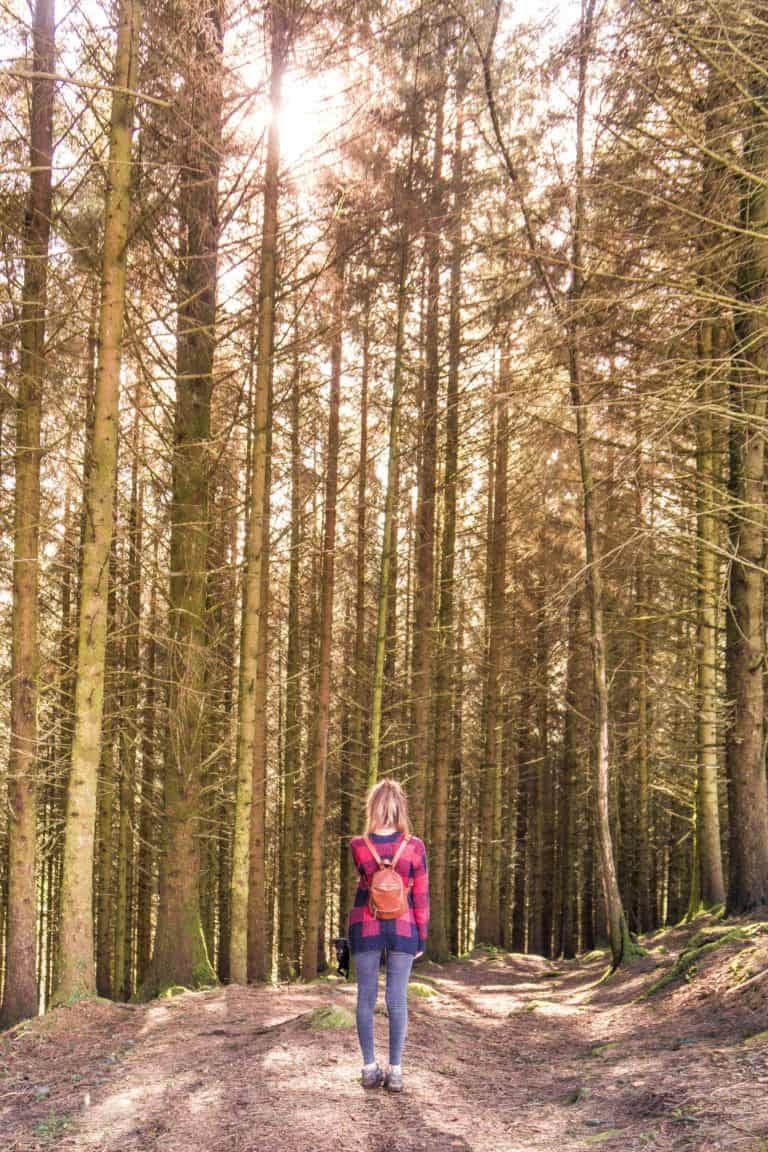
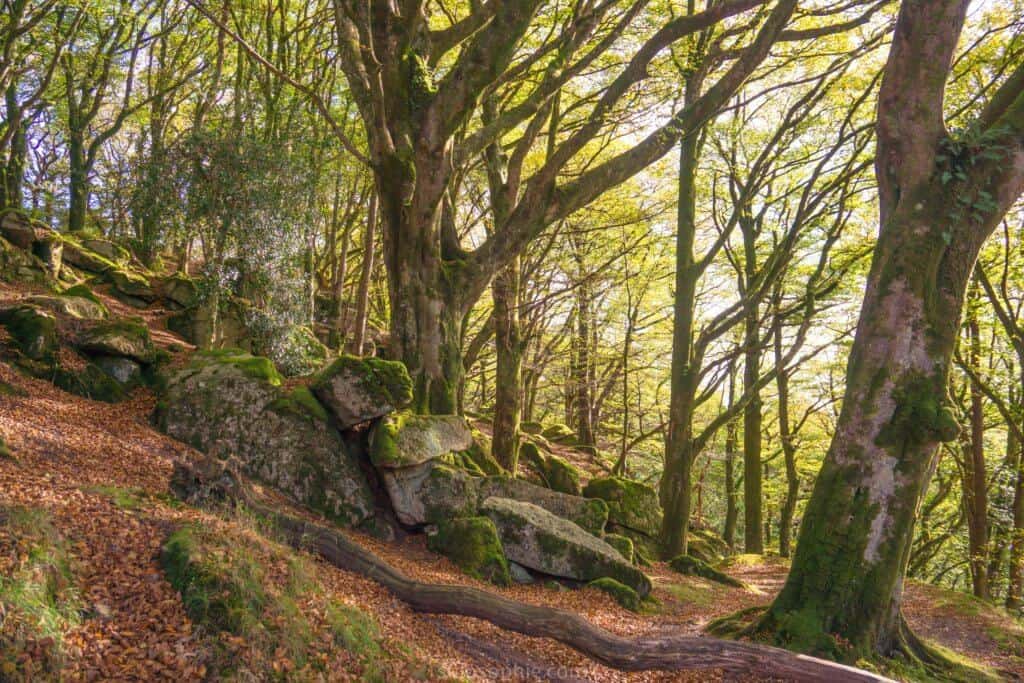
The magical and enchanting forest that surrounds Burrator Reservoir is well worth a wander around if only to catch sight of the mossy trees. Walk through the forest if you want an atypical Dartmoor experience. After all, much of the moors is sparse of woodland and in many areas you’ll be hard pressed to find one tree, let alone hundreds and thousands.
How to visit Burrator Reservoir
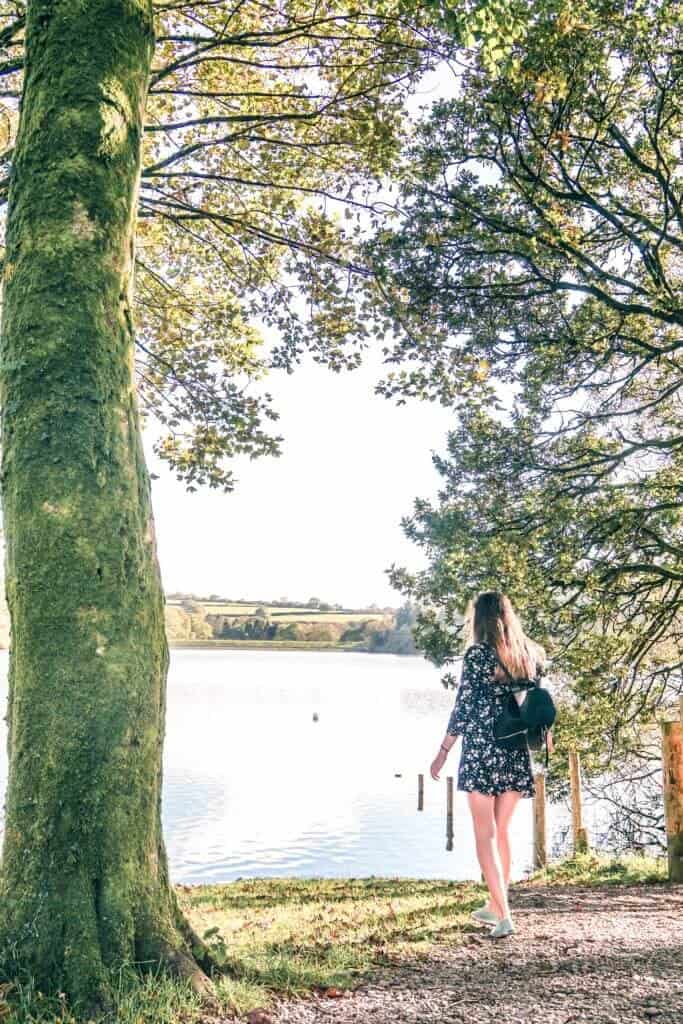
The fairly flat walk around the reservoir makes for one of the best, and easily one of the prettiest walks in all of Dartmoor. The body of water is free to visit and open year round, meaning that no visit is the same as the last.
Nearby, you’ll also find various cycle paths and bridleways (public right of ways where you’re allowed to ride horses). A complete loop around the lake is roughly 3.5 miles and takes an hour or two to walk, and even longer if you’re planning to stop for a picnic en route.
Although the trail is mostly flat, this doesn’t mean that it can’t get muddy! Be sure to wear waterproof shoes (don’t be like me and wear lace trainers!) and give yourself plenty of time to complete the loop before sunset- obviously, there are no street lamps in this part of the world! For more nearby inspiration, be sure to check out our guide to the best Dartmoor reservoirs.

Enjoyed reading about how to visit Burrator Reservoir? Pin this article now, read it again later: