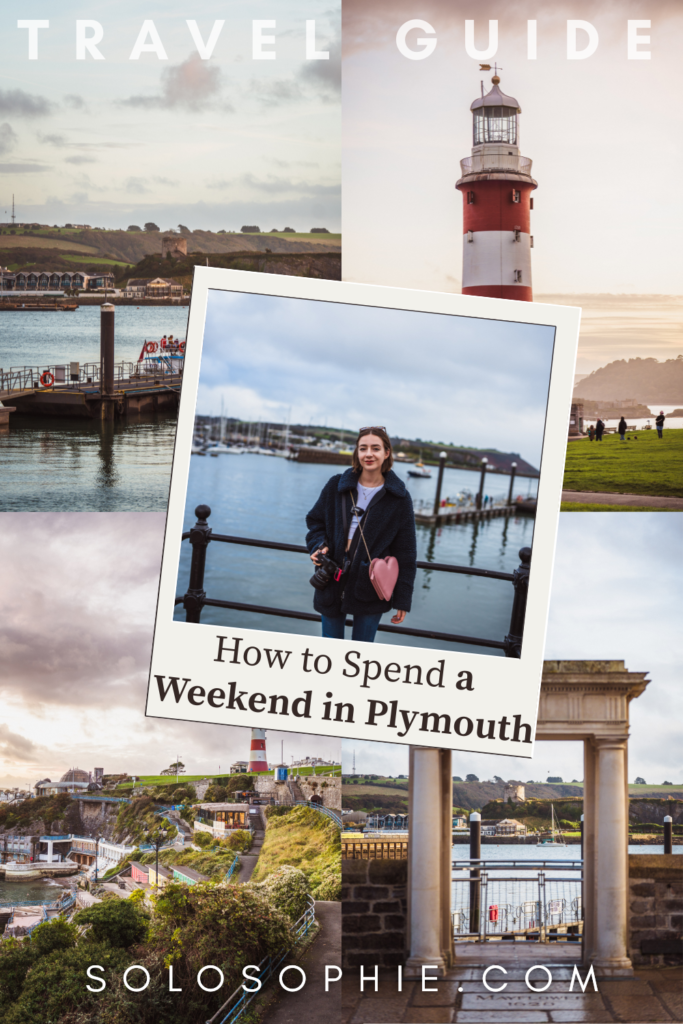

How to Spend a Weekend in Plymouth: History, Coast & Culture
Last Updated on 3rd July 2026 by Sophie Nadeau
This post may contain affiliate links. Please check out my privacy policy for more information.
Nestled between Devon’s rolling green hills and the sparkling waters of the Plymouth Sound, Plymouth is Britain’s ocean city, a place where history, culture and maritime heritage thrive. From cobbled streets and waterfront walks, to learning about the very spot where the Mayflower set sail, changing America forever.
In this guide, we’ll be showing you how to make the most out of a weekend in Plymouth, including top spots to visit, hidden gems, and how to fully explore this beautiful corner of the South West.
What is Plymouth known for?
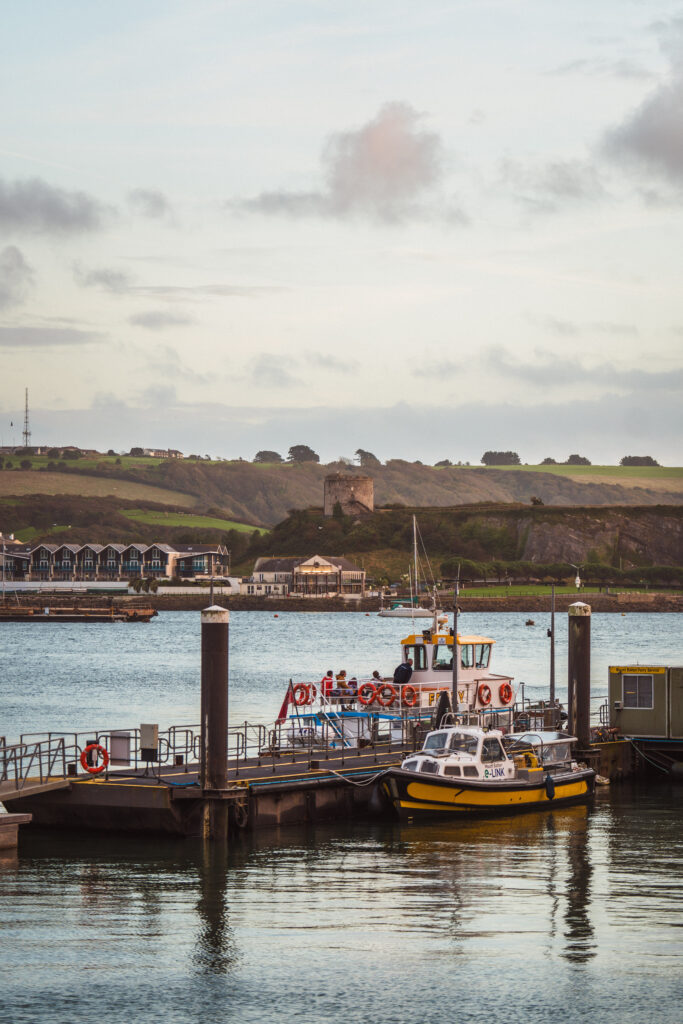
Often referred to as Britain’s Ocean City, Plymouth is Devon’s largest city (much bigger than its capital, Exeter) and is home to around 272,000 people. Its rich maritime history is legendary, after all, it was the departure point of the Mayflower, an English sailing ship that, in 1620, carried a group of English families (now known as the Pilgrims) from England to the “New World” (America).
During World War II, Plymouth suffered devastating bombings, making it one of the most targeted cities in the country. Indeed, Plymouth was described as one of the worst-bombed cities in Britain during the Blitz. So, much of what you see today has been rebuilt.
Today, Plymouth is a city where history and modern life meet in the most delightful way. Wander along the harbourside, and you’ll quickly discover bustling cafés and iconic landmarks, and centuries-old pubs. It’s a charming seaside city, great to explore, made even more welcoming by the friendly nature of the locals.

How long do you need in Plymouth?
To be honest, despite being Devon’s largest city, one day in Plymouth is enough to explore the main attractions and get a taste of what the city has to offer. That said, if you want to see the sights in more depth and enjoy a more relaxed pace of travel, I’d recommend spending a long weekend instead. After all, life by the coast is best lived slow.
Day 1 in Plymouth
Your first day in Plymouth will be spent exploring the city’s cultural heart, visiting some of the city’s oldest establishments, and getting a real feel for Britain’s Ocean City.
The Barbican
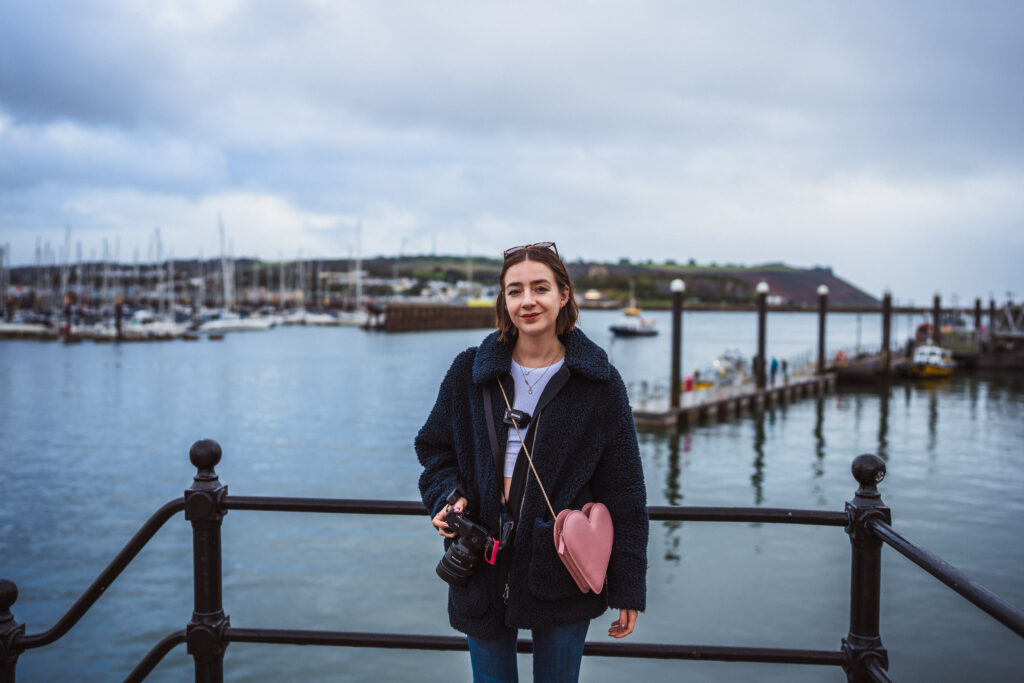
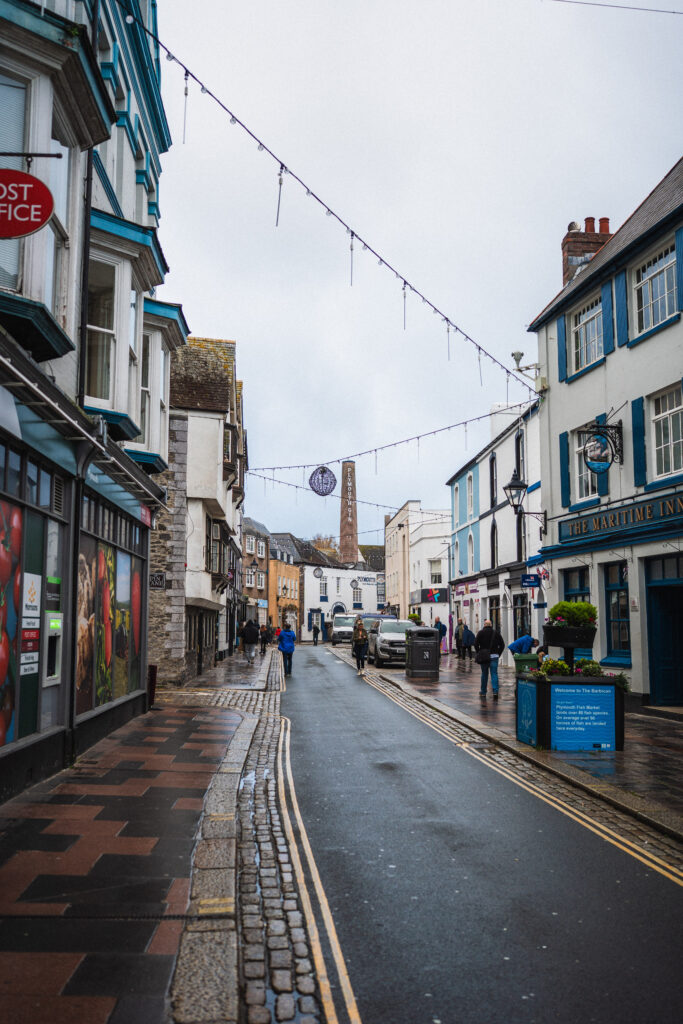
Start your time in Plymouth by wandering around the historic waterfront district known as the Barbican. This delightful old port area is lined with cosy cafés, independent boutique shops, historic pubs, and harbourside restaurants.
Something really special about this district, and the entirety of Plymouth for that matter, is that history seems to reveal itself at every corner. Despite the extensive Luftwaffe attacks during World War II, the Barbican still has over 100 listed structures surrounding it.
Sutton Harbour
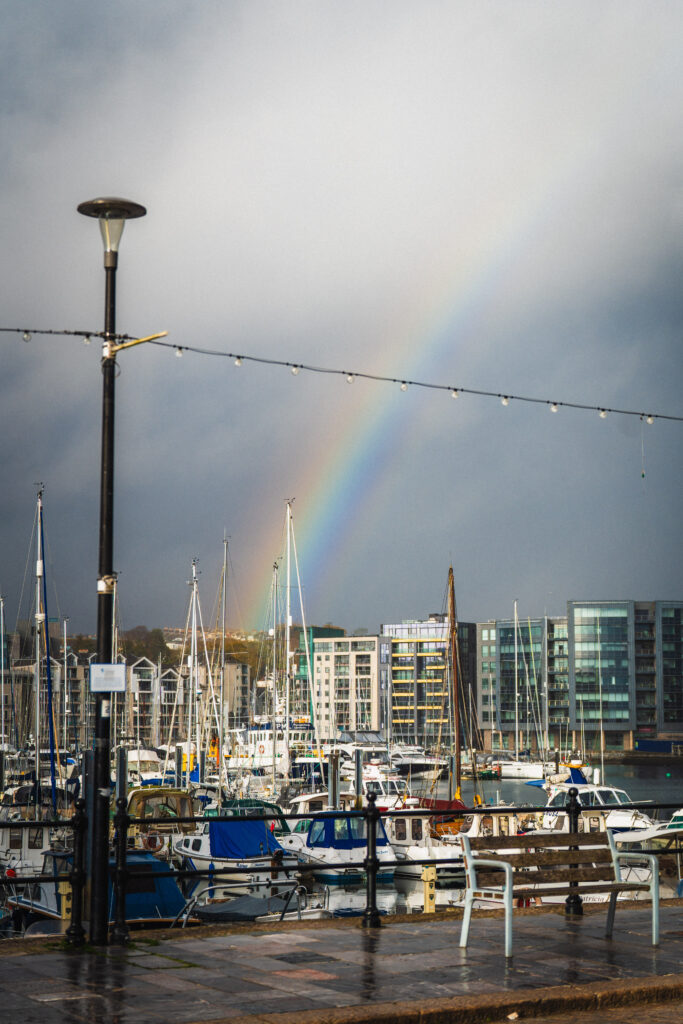
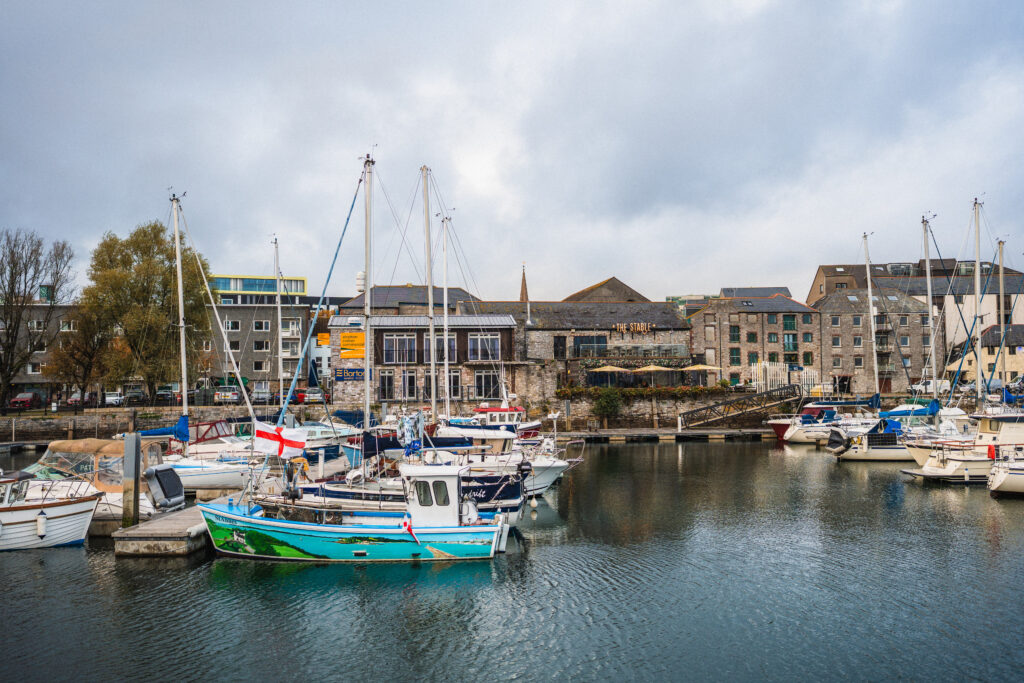
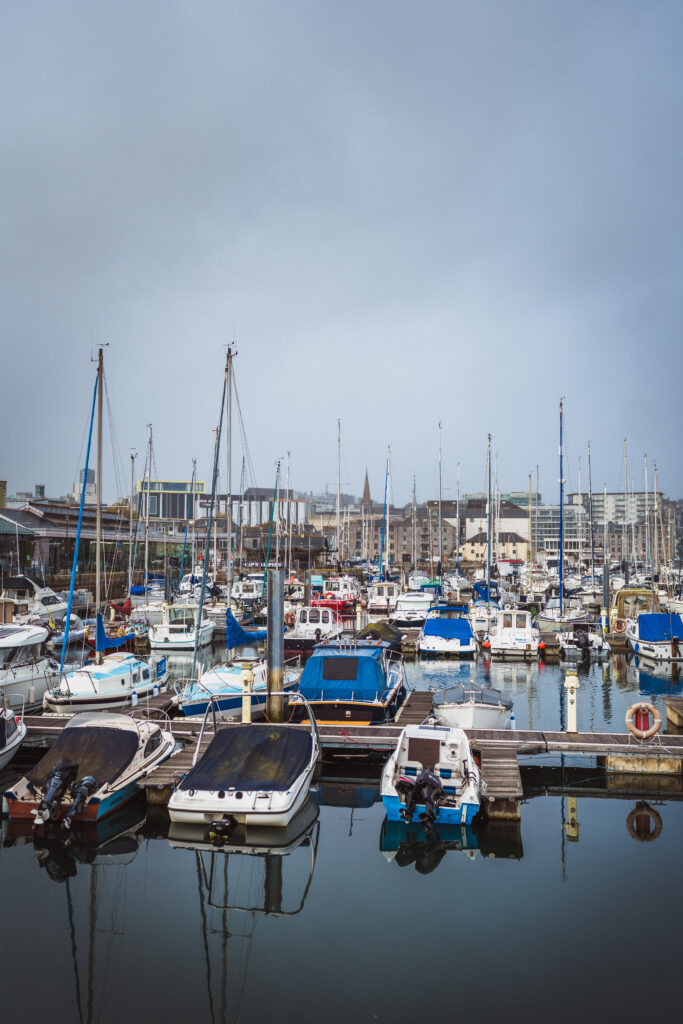
Throughout Plymouth, you’ll find plenty of marinas and harbours, but the most beautiful in the city has to be that of Sutton Harbour. The name Sutton actually derives from the word meaning ‘south of the town,’ and this is because in the Middle Ages, this area was a town in its own right.
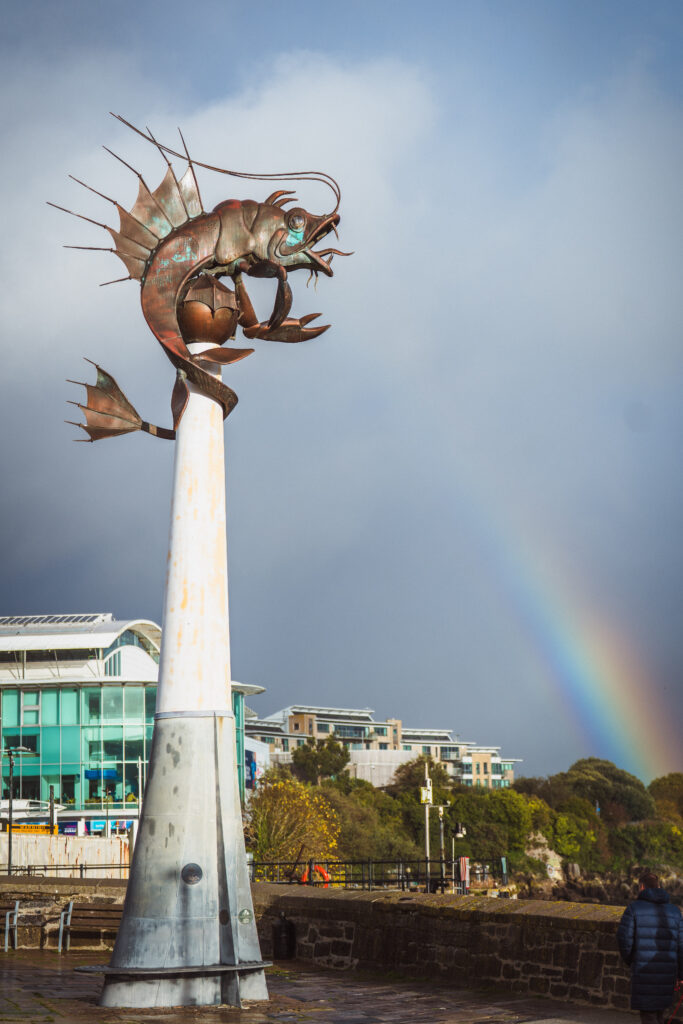
In fact, at its peak, Sutton Harbour was one of the three largest fishing ports in England, having built great wealth through centuries of trade. Today, it’s a charming part of Plymouth from which to admire the boats and stroll along the cobbled lanes. One of the most prominent features to spy out is the Leviathan sculpture by Brian Fell, which was installed in 1996 and has watched over the surrounding area ever since.
The Mayflower Museum & Memorial
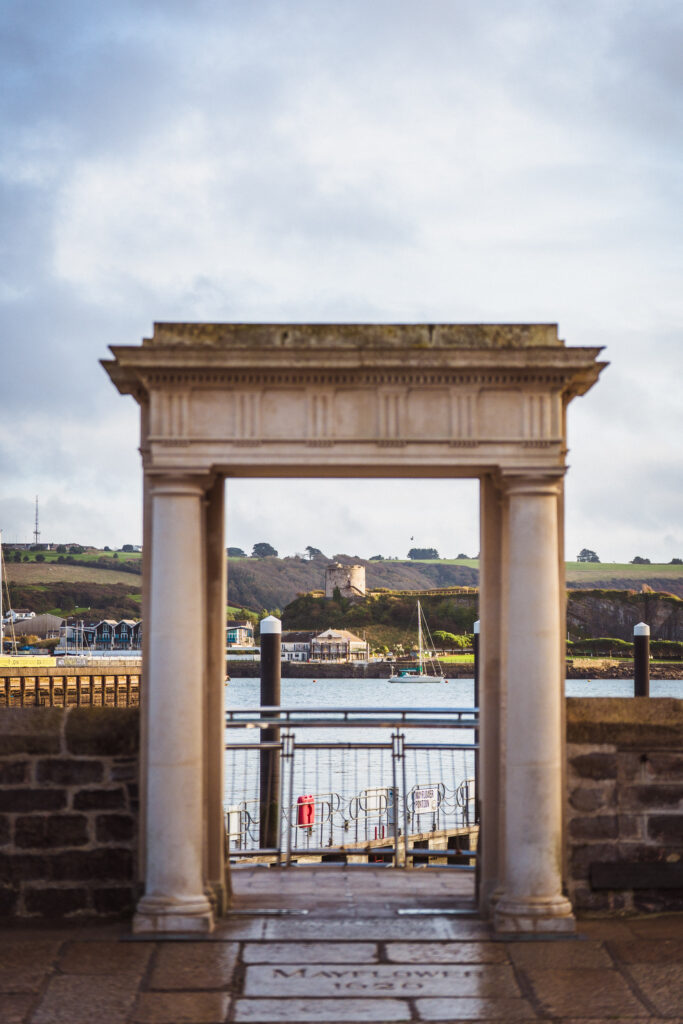
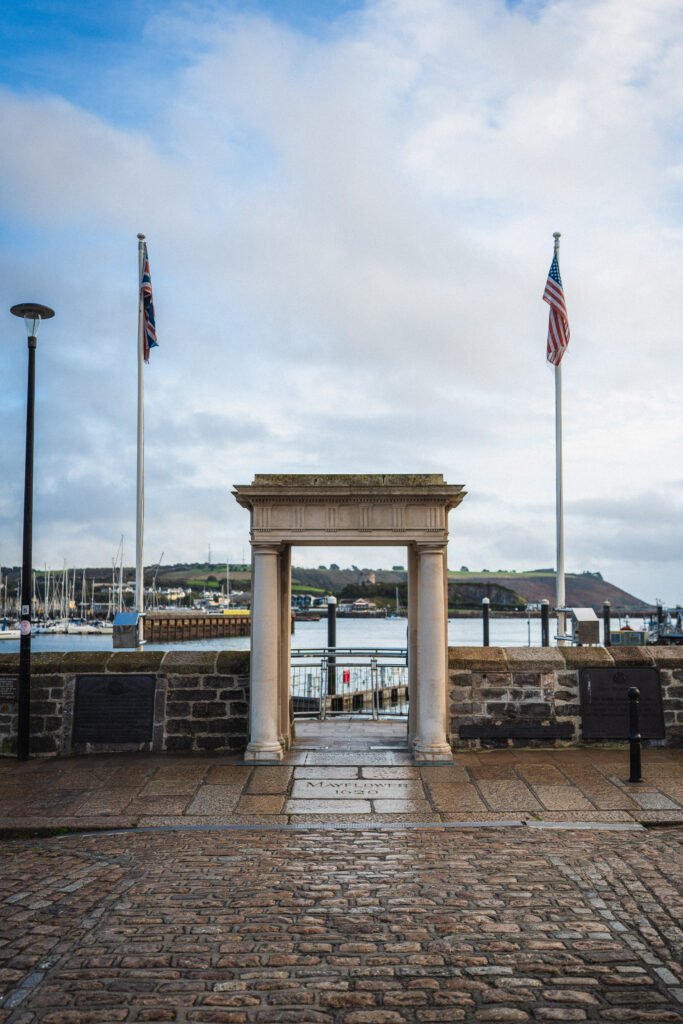
The Mayflower carried only passengers, not cargo, so the exact location of its departure is uncertain, which has led to some debate. Today, a plaque at an area known as West Pier commemorates the historic voyage, noting the date, 1620.
Just a short walk from the plaque is the Mayflower Museum, where you can explore the story of the voyage in detail. The museum also examines the profound and lasting impact of colonisation on the Indigenous peoples of North America, offering a deeper understanding of this pivotal moment in history.
Plymouth is truly a seafaring city, with countless sailors having set out from its shores over the centuries. However, sadly, not all returned, and many were lost at sea. At the memorial wall, you can see plaques that commemorate individual voyages and the people who went on them.
The Mayflower Museum opens from April to October: 9 am to 5 pm, Monday to Saturday and 10 am to 4 pm, Sundays
Plymouth Gin
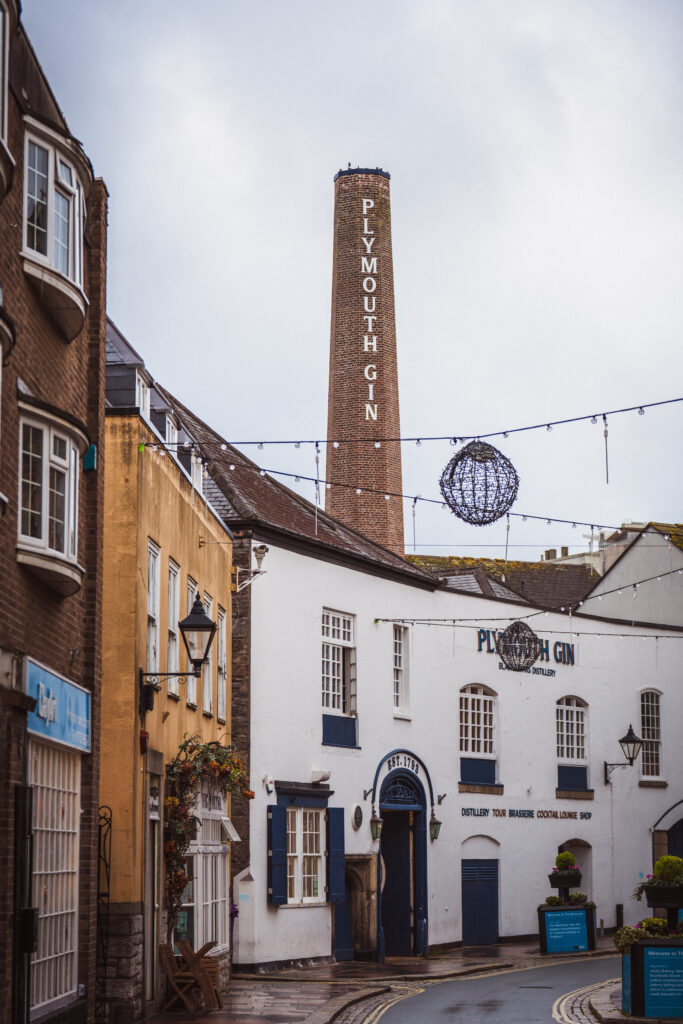
Black Friars Distillery, where Plymouth Gin is still made today, is the oldest working gin distillery in Britain. Its history dates back to a ‘mault-house’ recorded on the premises as early as 1697; however, the official distilling of Plymouth Gin began in 1793. If you look closely, you’ll see that the Plymouth Gin logo is the Mayflower.
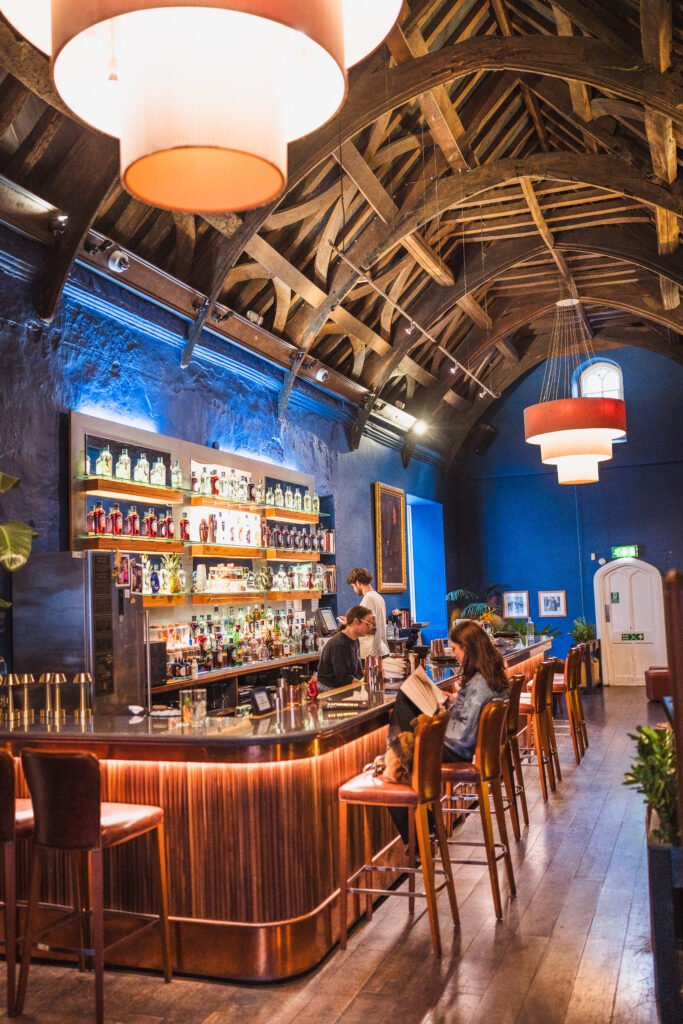
There are a few ways to explore the distillery; you can either book a 40-minute guided tour and learn a little more about the gin distilling process and history of the building, or, if short on time, opt to visit their bar and try one of the lovely gin-based cocktails on offer.
Jacka’s Bakery
Stop for your caffeine fix at Jacka’s Bakery, which was founded in 1593, making it the oldest commercially working bakery still in operation in all of Britain! And, it’s even rumoured that it supplied biscuits to the Mayflower for its voyage.
Located on Southside Street in the Barbican area, Jacka’s Bakery is renowned for its freshly baked delights and cosy, inviting atmosphere. They serve award-winning Sourdough, mouthwatering, buttery pastries, and roasted coffee daily.
The House That Jack Built
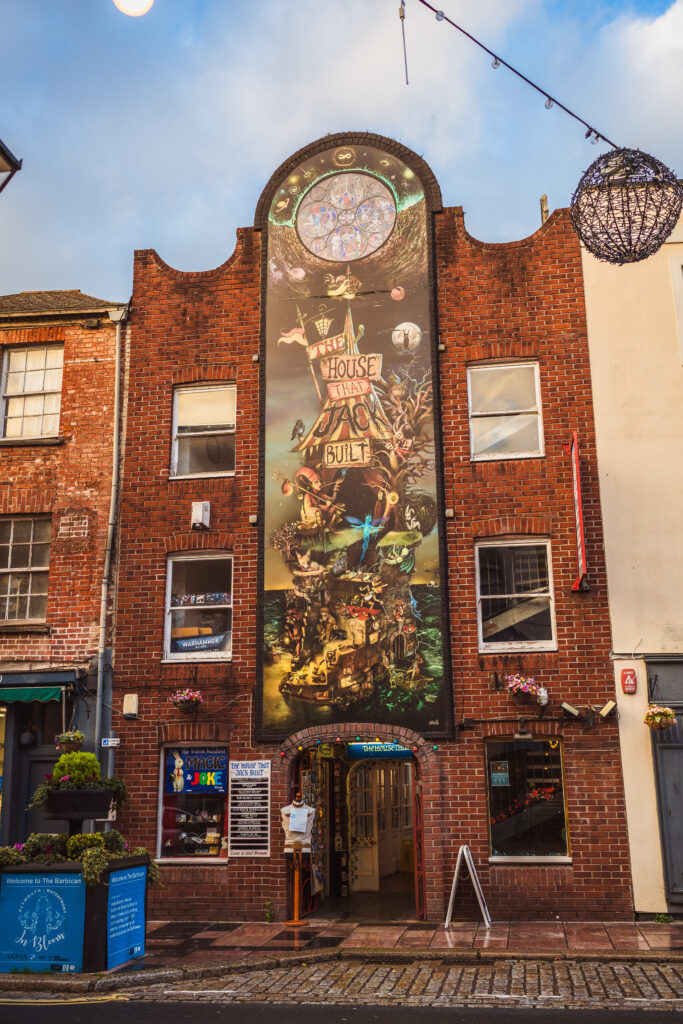
Meander your way through the cobbled lanes of the Barbican district, and you’ll soon come across The House That Jack Built.
This independent arcade takes its name from Jack Nash, who in 1982 transformed his family’s old fruit warehouse into a craft-focused shopping arcade. He actually drew inspiration from Cornwall’s markets and wanted to add fantastical elements, which is apparent as you wander through.
It’s particularly handy if visiting Plymouth when it’s raining (of which it does often!) Some of the independent and unique shops you can find in the arcade include:
- Moss Baby & My Favourite Glass – Hand-painted glass and handmade trinkets, which make for original souvenirs and gifts.
- Tarot by Jo – Tarot readings and mindfulness products.
- Kooky Castle – An eccentric toy shop.
- Gone Wild – A pet shop that specialises in handcrafted dog leads and collars made using recycled rope.
- Sam Birch Jewellery – Creating bespoke silver jewellery pieces.
Lunch at Rockets and Rascals (lunch)
Next, you’ll want to take a small stop for lunch. Set within the 16th-century Old Custom House is a delightful café, which serves delicious brunches, lunches, and shares a joy for bicycles, hence the decor.
The café has been serving visitors and the people of Plymouth for over 10 years, and they don’t just have bicycles on display, but also organise events and meet-ups throughout the year for avid cycle enthusiasts, as well as live-stream the Tour de France when it’s on!

Elizabethan Gardens
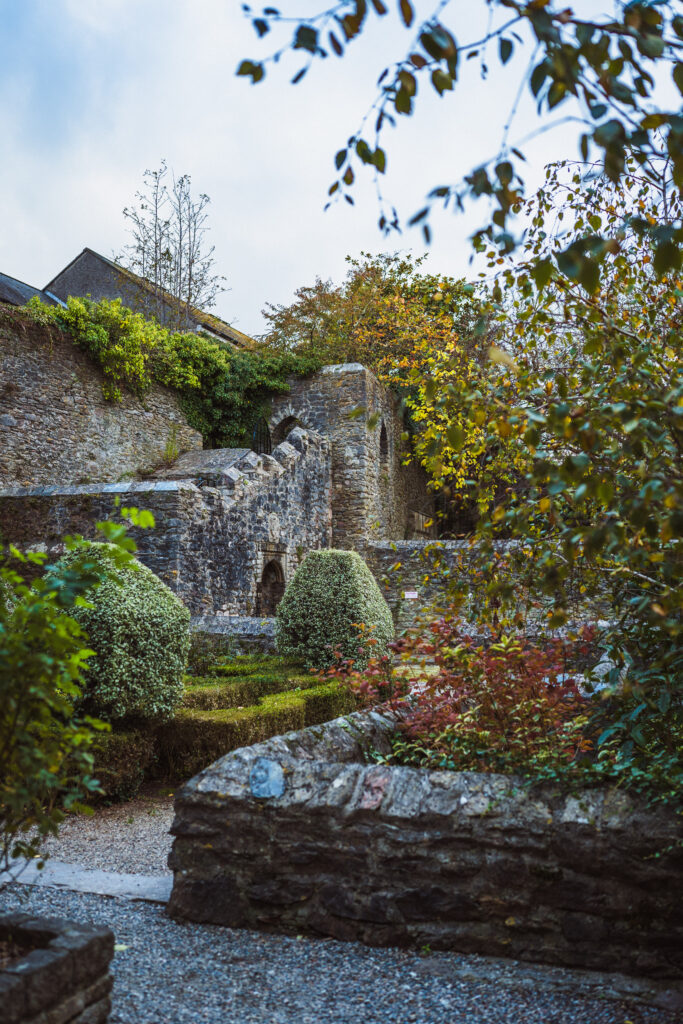
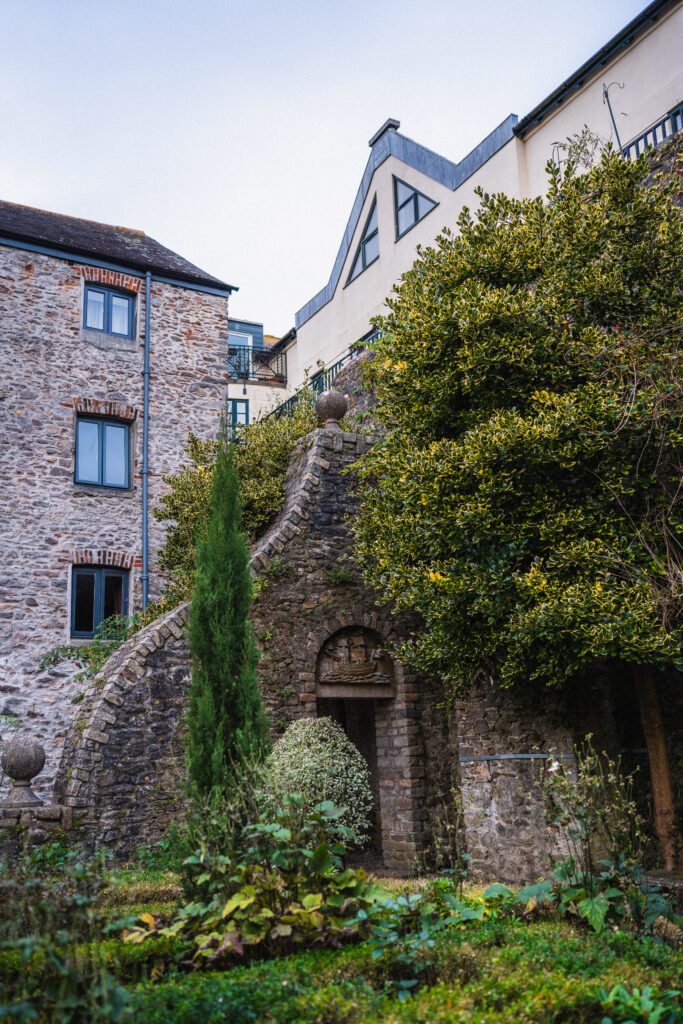
Venture a little way up the hill from Southside Street, and you’ll find a cobbled path leading to the Elizabethan Gardens. You’ll know you’ve found the spot once you go through the quaint stone archway that frames the entrance to the garden.
Laid out in 1970 to mark the 350th anniversary of the Mayflower’s voyage, the gardens consist of four small, enclosed spaces, each with its own character and charm. The garden is aptly named because its design reflects the formal style of wealthy gardens in late Renaissance Elizabethan England, with features like a knot garden, period-appropriate plants, and narrow cobbled paths leading through.
Visit the Royal Citadel
Perched on the edge of Plymouth Hoe, the Royal Citadel is a historic artillery fortress with commanding views over the coast. It was built sometime in the 1660s and in fact, encompasses the site of an earlier fort that had been built during the time of Sir Francis Drake.
Today, the Royal Citadel is managed by English Heritage, though you have to pay even as a member, as it’s visited by guided tour only. It’s not open to public access all the time as it is an active military base, but you can book a tour on specific dates between May and September.
Please be aware, there are no photos or videos allowed inside the building, and all visitors are subject to a bag search and are required to produce a valid Photo ID.
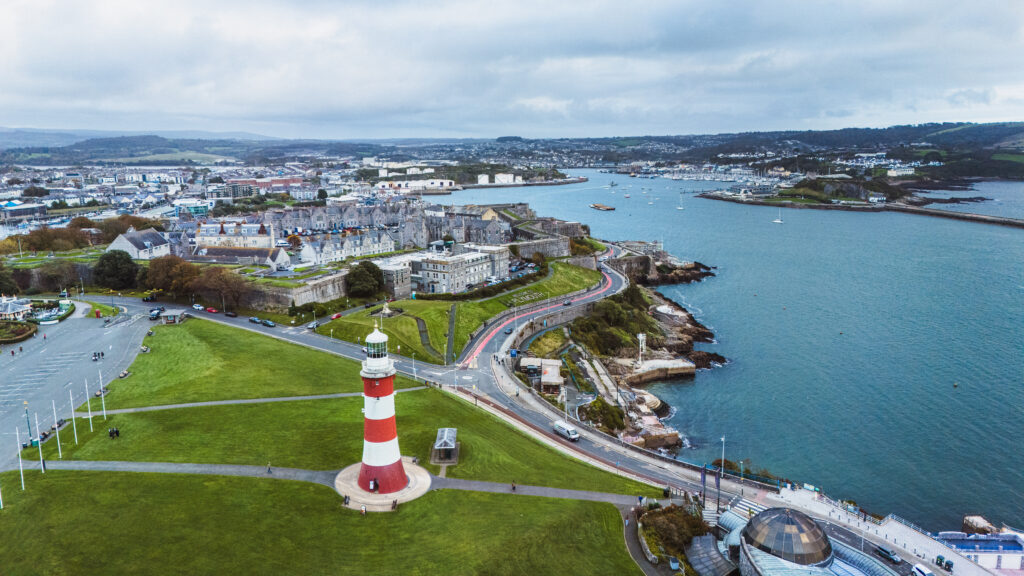
Climb Smeaton’s Tower
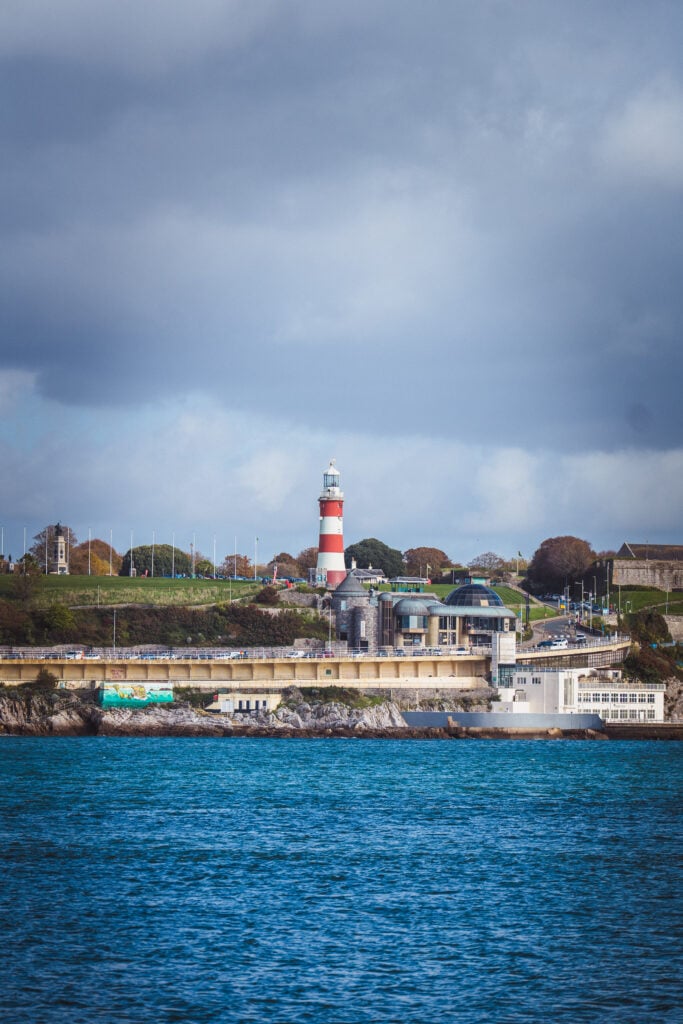
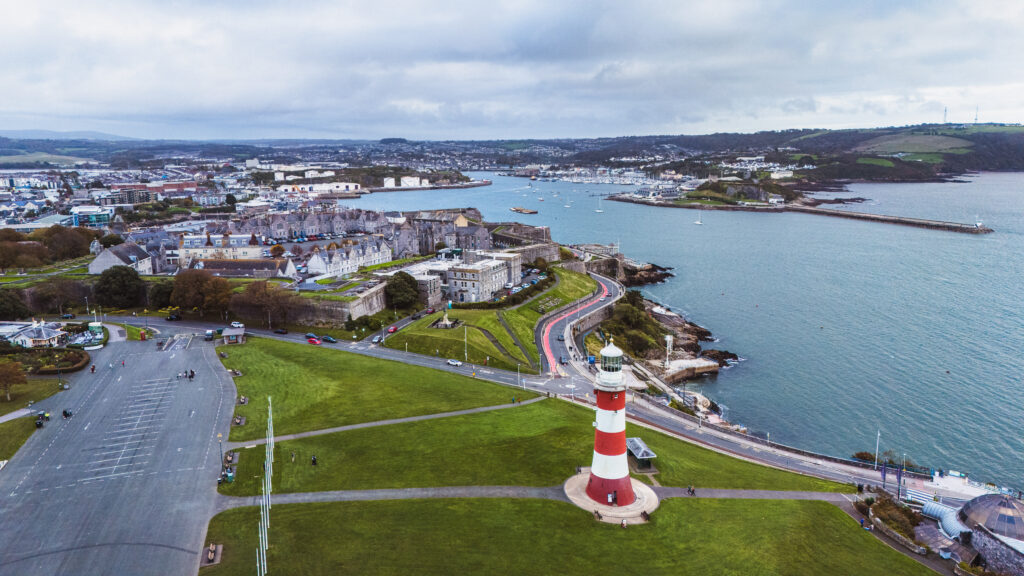
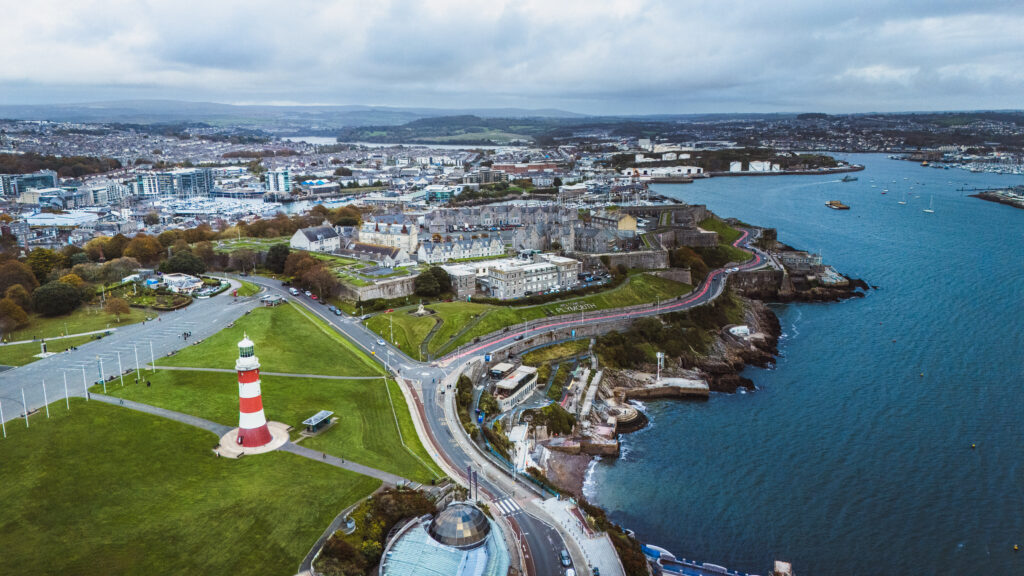
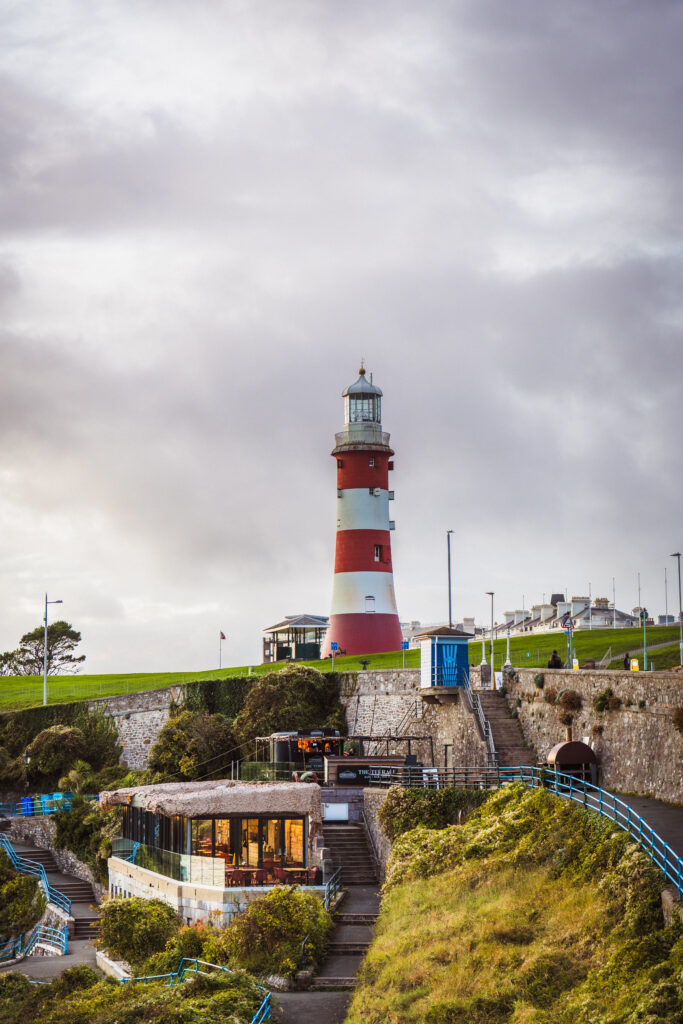
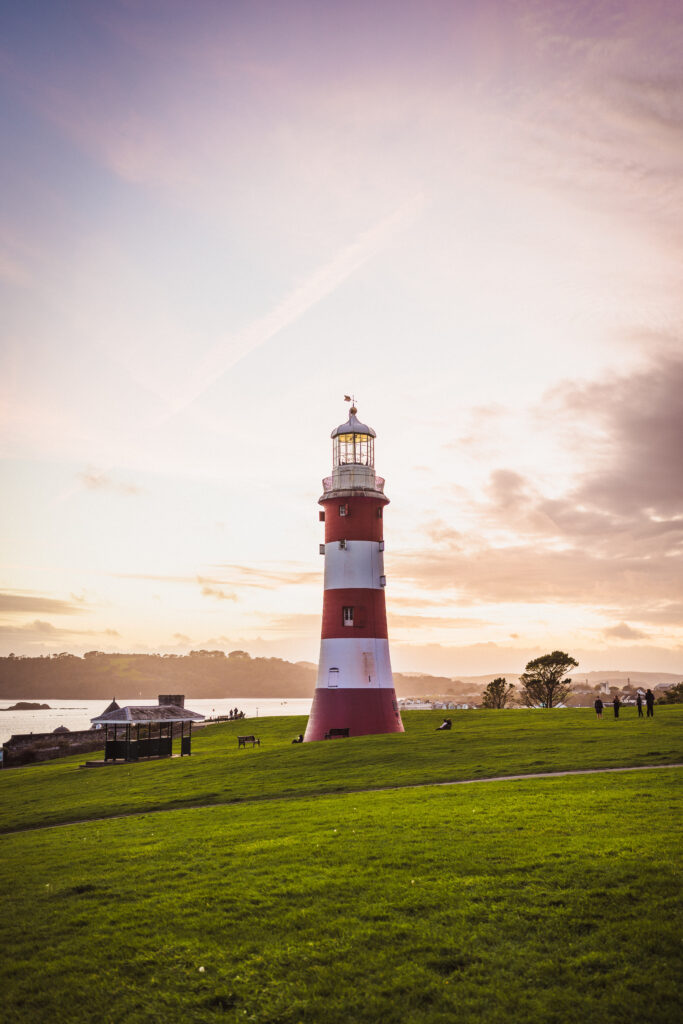
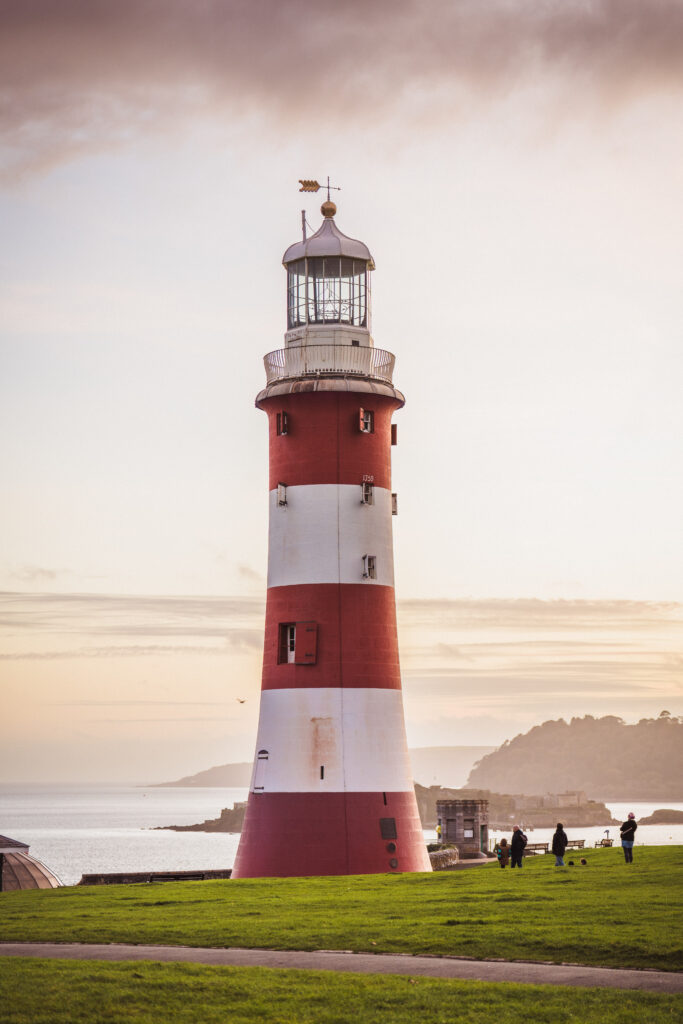
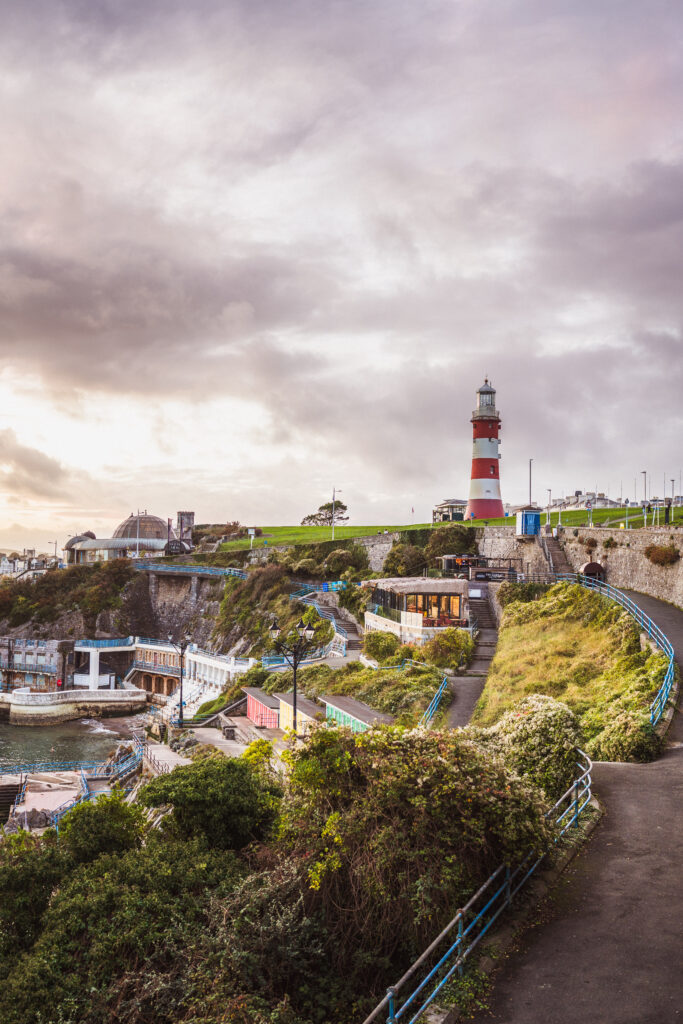
Built in the 18th century and modelled to resemble an oak tree, this decommissioned lighthouse was designed by John Smeaton and now serves as a tribute to the pioneering civil engineer, as well as being one of Plymouth’s most iconic and recognisable landmarks.
Smeaton’s lighthouse was in use from 1759 to 1877, built to withstand the harsh coastal elements. However, over time, erosion of the ledge it stood on forced a major rebuild, and the tower was largely dismantled and reconstructed at its current location, where it sits along Plymouth Hoe.
If feeling adventurous, you can actually climb the 93 steps (just to note, it’s fairly steep and has low ceilings) to the top of the lighthouse and soak up sweeping views overlooking Plymouth Sound and beyond.
Adult admission costs £5, and it’s open from 10 am to 5 pm, Tuesday to Sunday, with last entry 30 minutes before closing time.
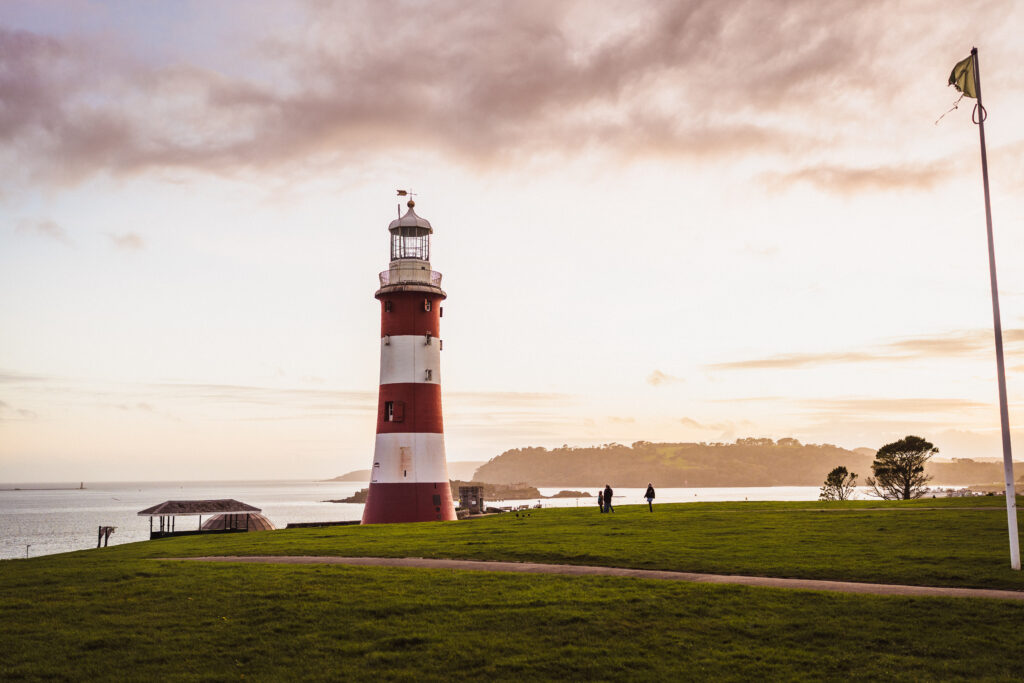
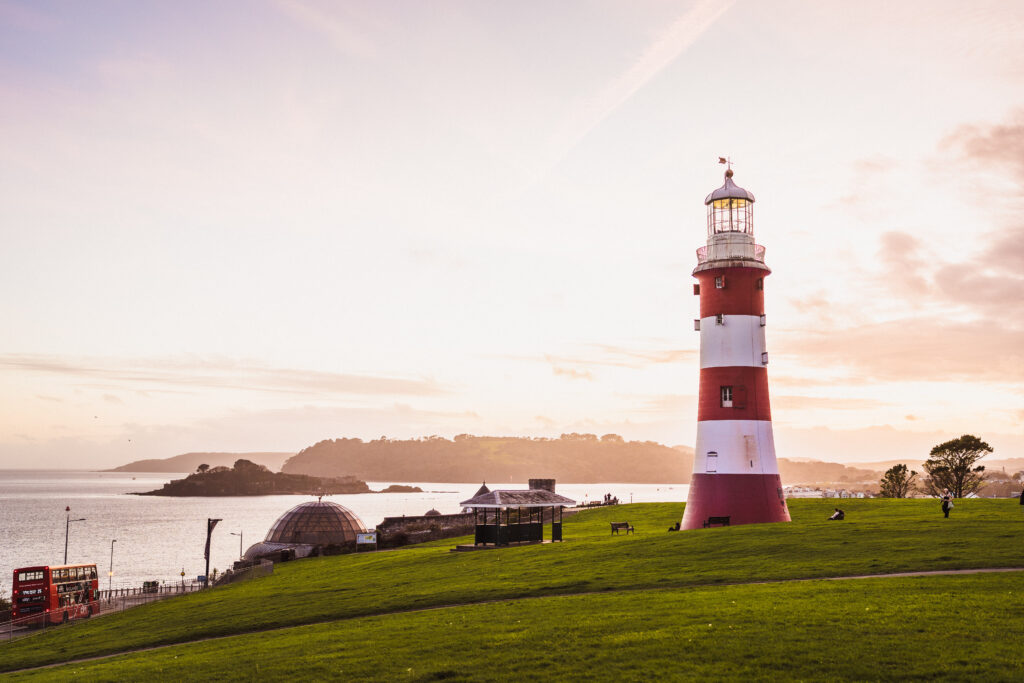
Enjoy sunset at the Hoe
Soak up the sunset and sweeping panoramic views of the Plymouth Sound from the Hoe. This is probably the most picturesque part of Plymouth, the area dates back to the Medieval era when the first settlers arrived.
Today, it is a central point of the city, hosting cultural events, and it’s home to the Sensory Garden, and plenty of seating, offering quiet and contemplative spaces along the seafront.
In the area, you’ll also find plenty of cafés and pubs lining the waterfront, as well as a putting green and a boules pitch. Sir Francis Drake himself is said to have played bowls here while waiting for the Spanish Armada in 1588!
The Hoe is also home to the beautifully restored 1935 Art Deco Tinside Lido. This outdoor saltwater pool, open to the sea, is one of the best ways to enjoy Plymouth’s spectacular seafront…though it’s worth remembering it’s the Atlantic Ocean, so very cold.
Visit a historic pub
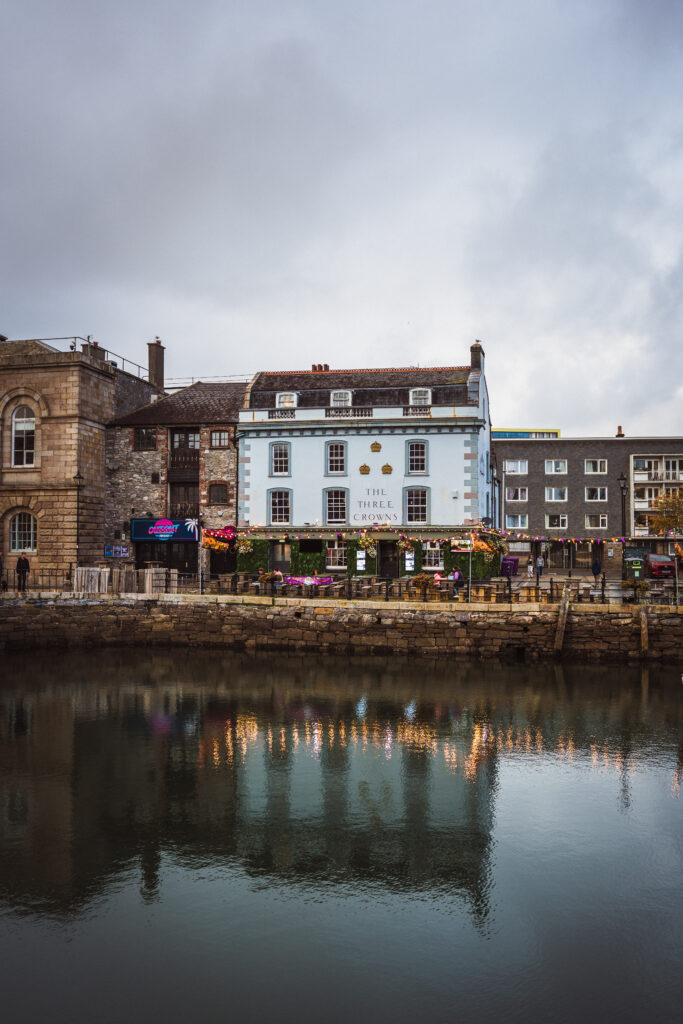
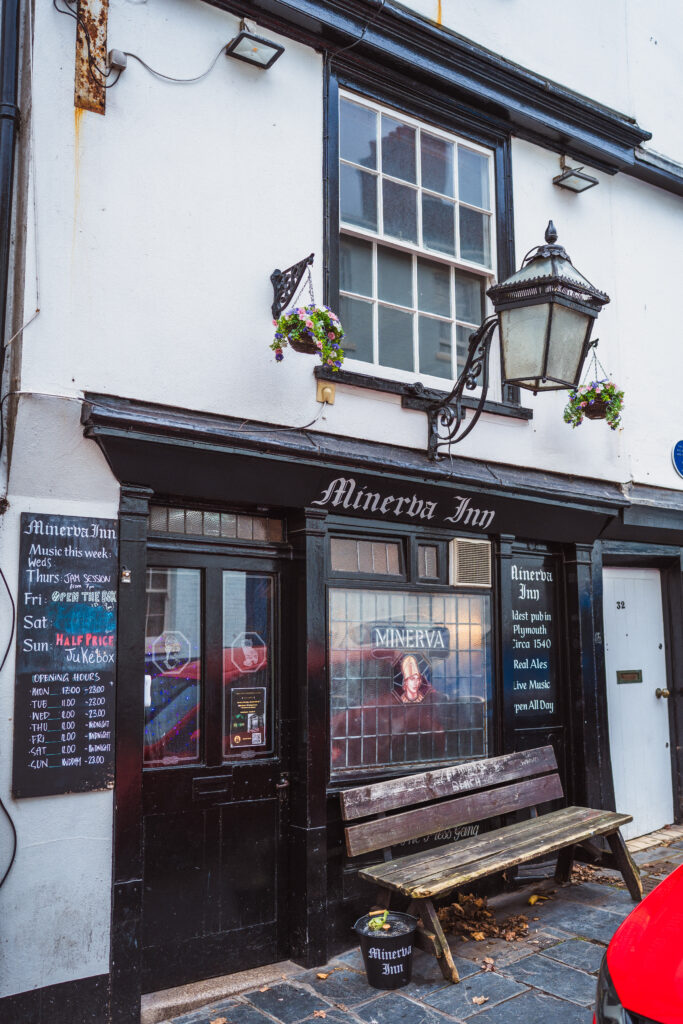
End your first day in Britain’s ocean city by indulging in one of the most quintessential British ways: by visiting the pub. Plymouth is littered with historic, cosy boozers, and the oldest of those is the Minerva Inn, which, allegedly, dates all the way back to 1540.
No matter where you choose along the waterfront, you’re sure to find a cosy spot to try some local ale, or Plymouth Gin, alongside a comforting meal of classic pub food.
Day 2 in Plymouth
Your second day in Plymouth takes you a little further afield, with a half-day trip to a nearby islet. After soaking up the sea air and coastal views, you’ll return to explore some of the top highlights of the South West: a miniature steam train ride, and a beautiful historic house, before ending your trip the Devon way, watching another golden sunset by the coast.
Drake’s Island
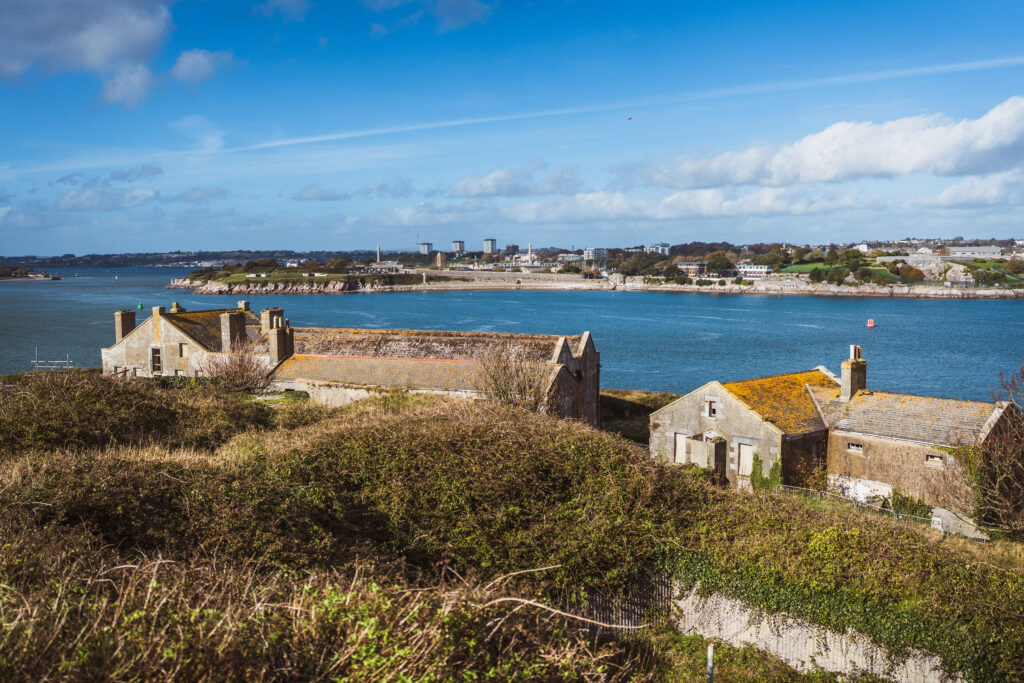
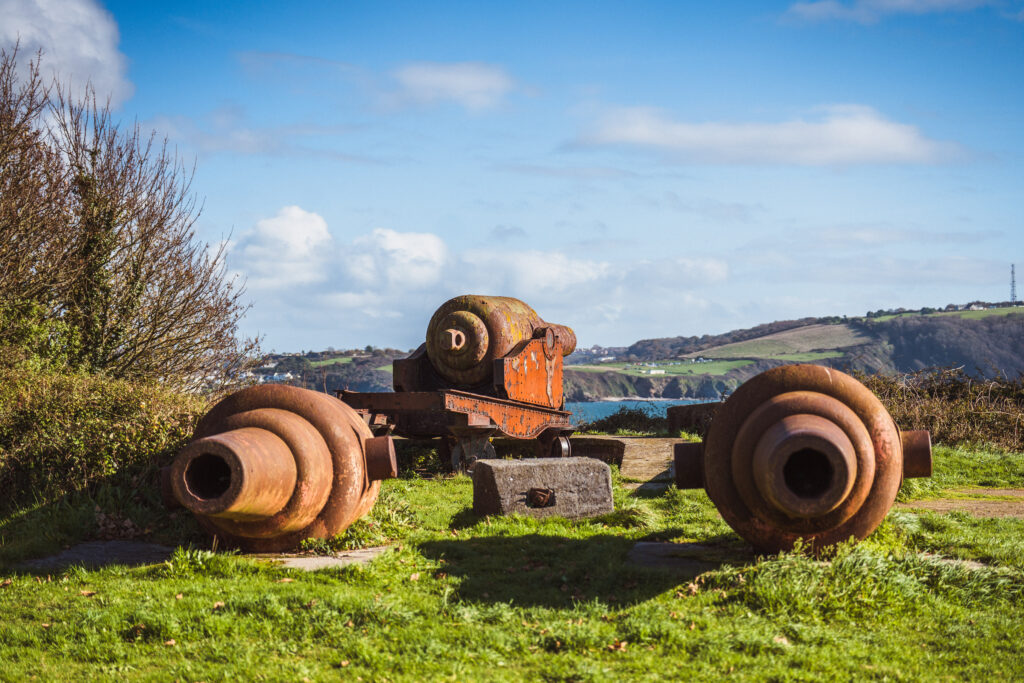
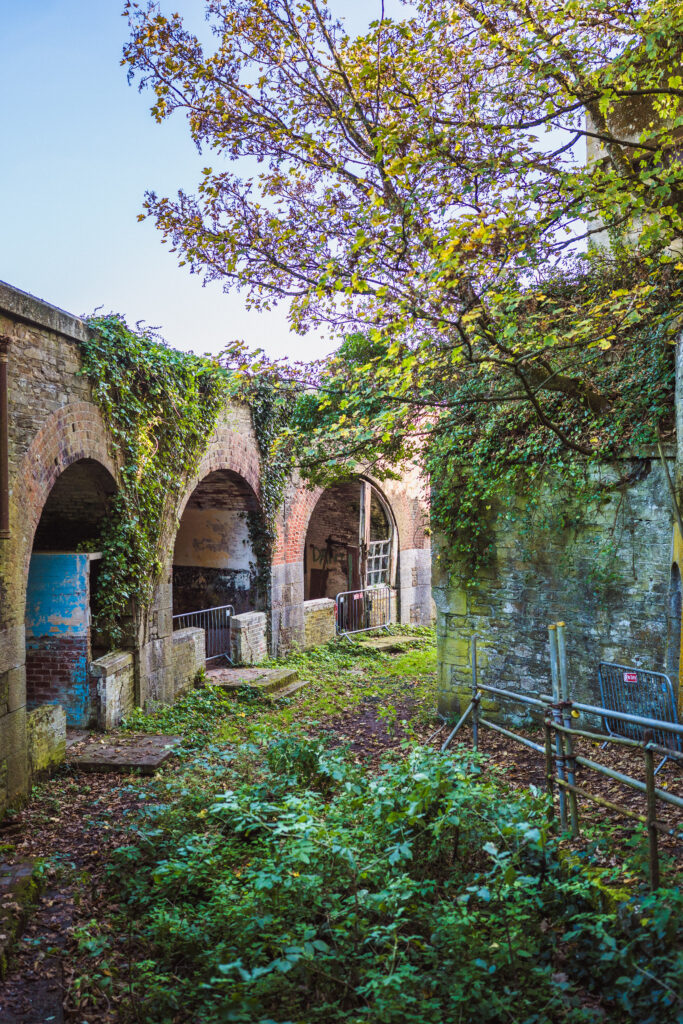
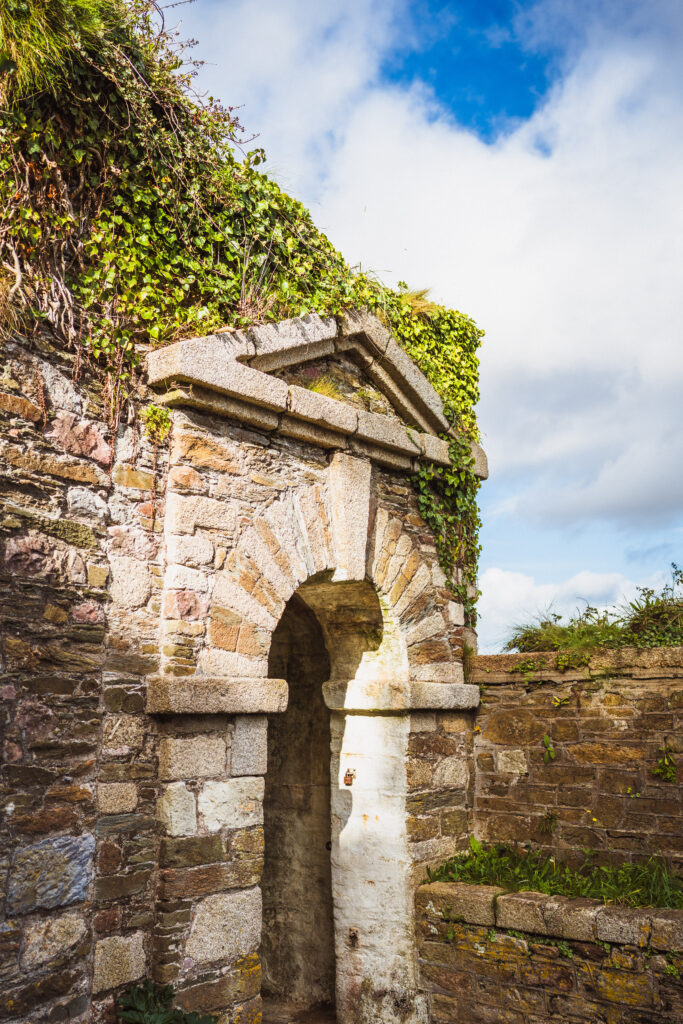
Nestled within Plymouth Sound, you’ll find Drake’s Island, which spans 6.5 acres and has a fascinating history. Originally called St Michael’s, after the chapel that sits at the islet’s highest point, it was later renamed in honour of Sir Francis Drake, the famous privateer who circumnavigated the globe on voyages that set sail from Plymouth. Upon his return in 1583, he was made the governor of the island.
As early as the 16th century, fortifications were added to Drake’s Island, making it a key part of Plymouth’s defensive ring against potential French and Spanish attacks. Centuries later, during both World Wars, the island was brought back into service, housing troops and military equipment as part of the city’s coastal defences.
A visit to Drake’s Island is just a 10-minute boat ride from the city. That being said, it is visited by tour only, and the tour itself takes up to 3 hours (including the boat ride). While the tour was fascinating, and it’s clear that the people doing the tour really do know their stuff, it does make for a very long day. So, unless you’re super interested in military history, I wouldn’t necessarily recommend it.
Plymouth Miniature Steam
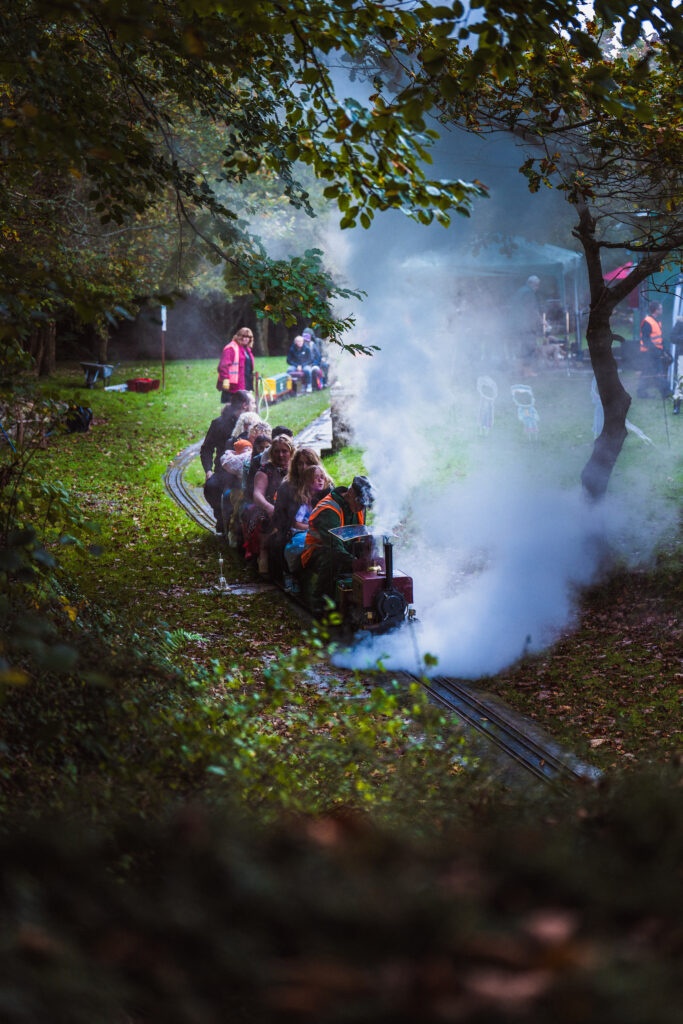
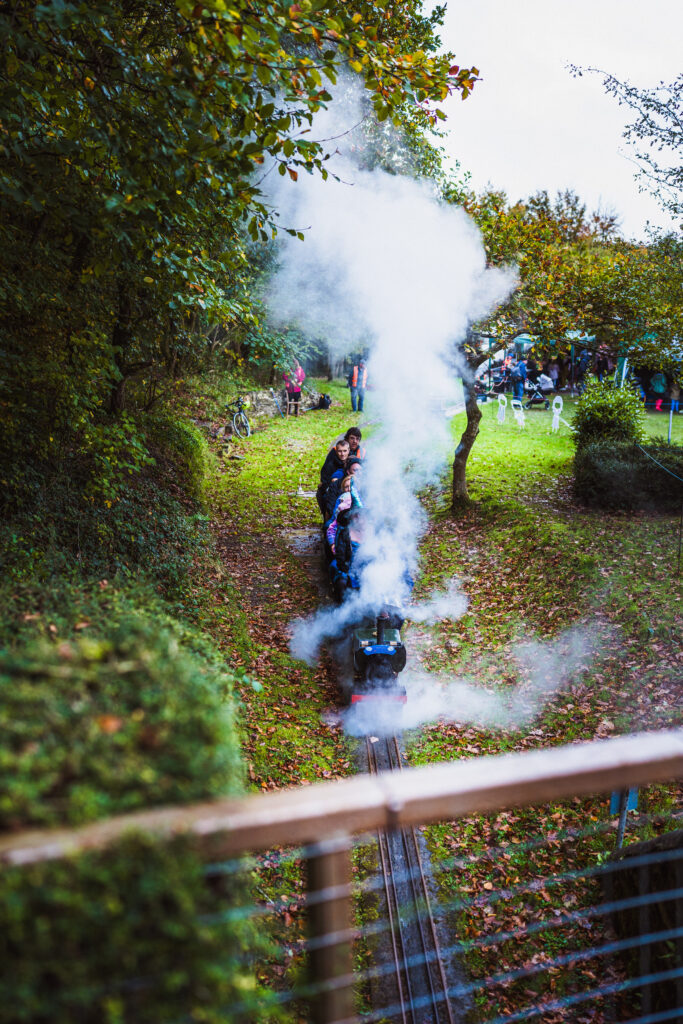
If you’re a train enthusiast or simply just enjoy discovering unique new things, then nestled in the Southway valley is a spot absolutely worth visiting! The Plymouth Miniature Steam is a volunteer-led club, and perhaps Plymouth’s best-kept secret. Here, the volunteers build the bridges, maintain the railway, and upkeep the rolling stock of steam and battery-powered locomotives for visitors to ride.
The Plymouth Miniature Steam Society actually started in 1970, when a group of local night-school students decided they needed somewhere to run the locomotives they were building.
After initially setting up a small track in Plymouth’s Central Park, access issues eventually forced the society to search for a new home. In the early 1980s, they managed to secure a former council tip on the outskirts of Plymouth, where they built a larger track with bridges, a tunnel, and winding loops.
Today, the site remains a charming semi-wild conservation area, perfect for riding the miniature trains through the Devon countryside. If you happen to be visiting on either the first or third Sunday of the month, then you’ll be lucky enough to ride one of the steam engines… adults too! And, it’s only £1 per ride.

Saltram House
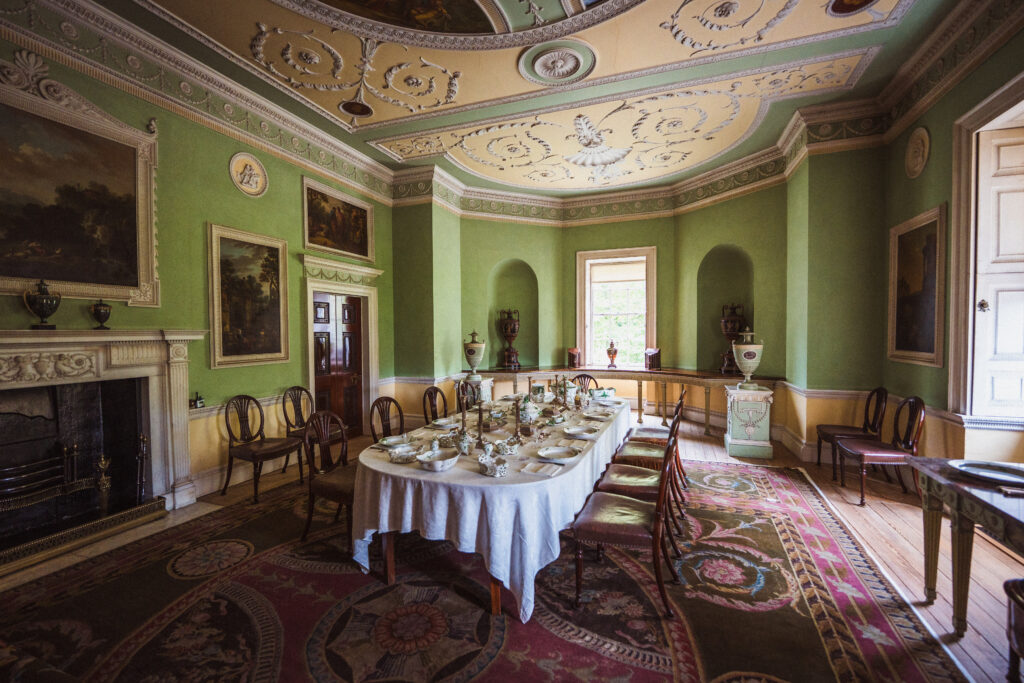
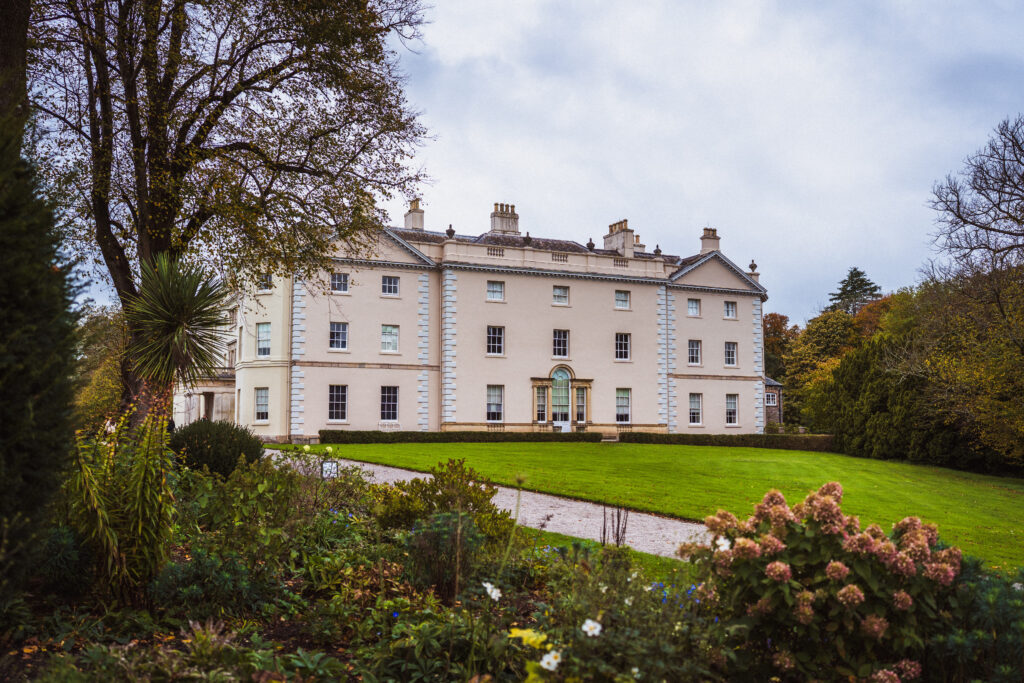
Saltram bears some resemblance to Saltburn Manor. It’s full of stories, though thankfully none as dark as those of its counterpart. This 18th-century country house originally started as a Tudor manor, but was transformed into the Georgian mansion seen today in the 1740s by George Parker.
Today, Saltram is managed by the National Trust, and it is renowned for its art, library, and beautiful interiors. The house is most famously used as Norland Park in the film Sense and Sensibility.
The surrounding parkland is free to wander around, though there’s a general admission charge to visit the main house and inside exhibitions. Saltram House is open daily from 10 am to 4 pm.
Sunset at the Tamar Bridge
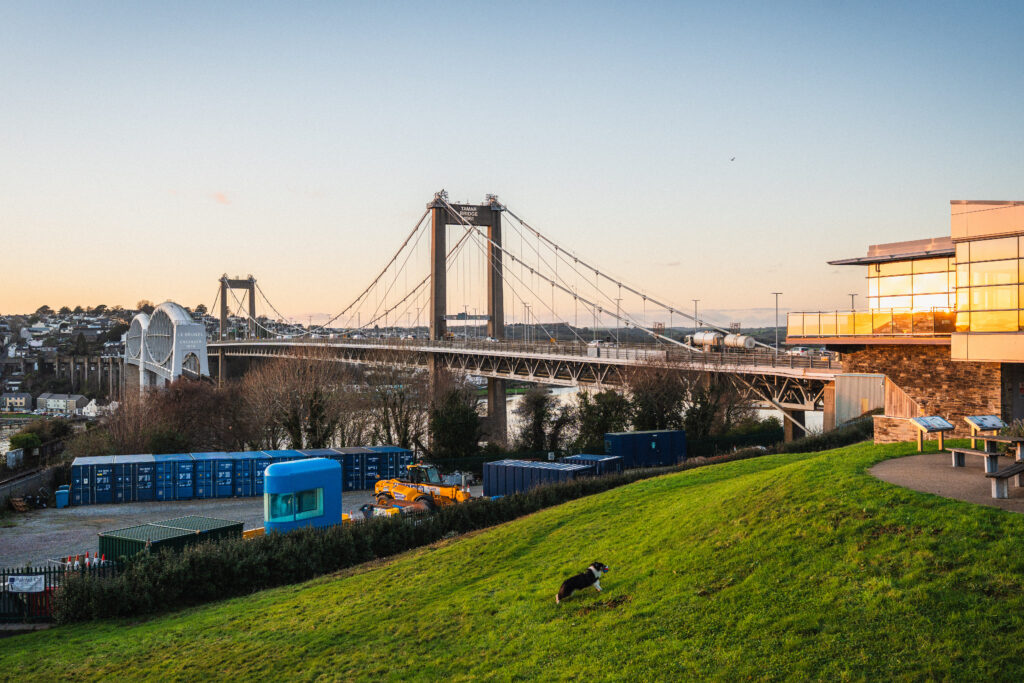
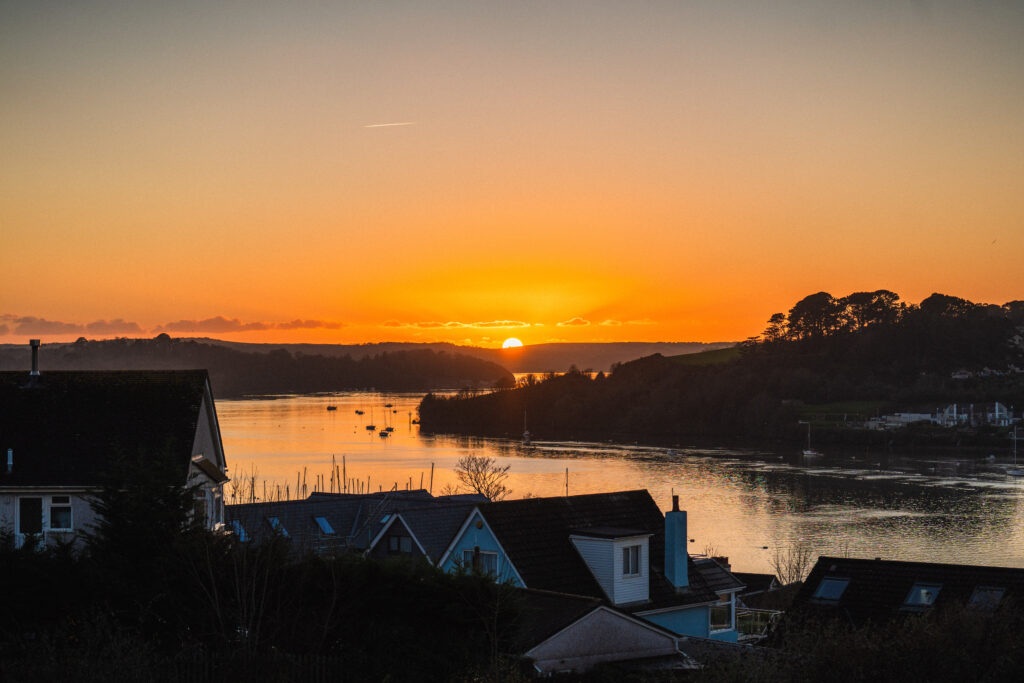
For a truly memorable Devonian sunset, head to the county’s edge and look out over the Tamar Bridge, which leads to Cornwall. The Tamar bridge takes its name from the River Tamar that flows below, and it was built sometime between 1959 and 1961.
Adjacent is the Royal Albert Bridge, a remarkable example of Victorian engineering that dates back to 1859. Soon after opening, it was nicknamed the “Trembling Lady” due to the vibrations felt when taking a heavy load. Today, it remains one of the world’s great railway bridges and is still in use for the main line to Cornwall.
Where to stay in Plymouth
Plymouth makes a great base for exploring Devon, but if you’re after a quieter stay, consider booking just outside the city centre and closer to the waterfront. Here are a few suggestions of where to stay (based on web reviews):
Mariners Guest House – This charming guesthouse is set in a Victorian home, just a short stroll from the Theatre Royal and less than a mile from the Plymouth Gin Distillery. Situated close to the seafront, guests have commented on it being a warm and friendly environment with a delicious breakfast on offer. Check prices and availability here.
Fox on the Hoe – For a more lavish stay, opt for this Luxury Apartment accommodation, which sits on the border of Plymouth Hoe and boasts direct beachfront access, a lush garden, and a spacious terrace. Check prices and availability here.
Watch the Plymouth vlog
This vlog follows the same itinerary, so if you’d like to visualise Plymouth as you plan your trip, feel free to give it a watch. You’ll also be able to see our interview with local artist, naïve painter Brian Pollard, who shares his work and what first drew him to Plymouth!
Enjoyed reading our guide on how to spend a weekend in Plymouth? Pin this article now, and read it again later: