A Guide to the Best Things to do in Kyoto
Last Updated on 2nd November 2024 by Sophie Nadeau
This post may contain affiliate links. Please check out my privacy policy and disclosure for more information.
Kyoto is a beautiful city known for its historic temples, old shrines, ancient districts, and stunning gardens. The best time to visit this Japanese destination is in the spring when you can enjoy the cherry blossom (Sakura) or during the fall when you can marvel at the autumn leaves (Koyo). Here’s your guide to the best things to do in Kyoto, as well as what to know before you go.
Contents
- The cultural importance of Kyoto
- How many days do you need in Kyoto?
- Distinguishing between temples and shrines
- What is Kyoto known for?
- What to know before visiting Kyoto
- Getting around Kyoto
- Best things to do in Kyoto
- Ginkakuji
- Kiyomizu-dera
- Nijo Castle
- Kyoto Imperial Palace
- Stroll the Philosopher’s Path
- Walk along the Kamo River at Sunset
- Discover the historic Gion district and southern Higashiyama
- Wander the Arashiyama bamboo grove
- Arashiyama cherry blossoms
- Tenryru-ji Temple
- Marvel at Fushimi Inari-taisha
- Nishiki Market
- Maruyama Park
- Sagano Romantic Scenic Railway
- Arashiyama Monkey Park
- Relax by the Takase River
- Kyoto Tower
- Kinkaku-ji Temple
- Stay in a Ryokan
- Kyoto Station
- Kyoto Botanical Gardens
- The Museum of Kyoto
- Participate in a tea ceremony
- Kyoto International Manga Museum
- Nanzen-ji Temple
- Take a day trip to Osaka
- Take a day trip to Nara
- Where to eat in Kyoto
- Where to stay in Kyoto
- Watch my Kyoto travel vlog
The cultural importance of Kyoto
Kyoto was the capital of Japan for over 1000 years, all the way up until it was changed to Tokyo in 1868.
As you can imagine, this means that there’s no shortage of historical and cultural sites to enjoy in Kyoto. Indeed, there are a 17 staggering UNESCO World Heritage Sites, one of the highest number of sites of any city in Japan (and the highest concentration of World Heritage sites of any city in the world!). The UNESCO sites of Kyoto:
- Byodo-in Temple
- Daigo-ji Temple
- Enryaku-ji Temple
- Ginkaku-ji Temple
- Kamigamo-jinja Shrine
- Kinkaku-ji Temple
- Kiyomizu-dera Temple
- Kozan-ji Temple
- Ninna-ji Temple
- Nijo Castle
- Nishi-Hongan-ji Temple
- Ryoan-ji Temple
- Saiho-ji Temple
- Shimogamo-jinja Shrine
- Tenryu-ji Temple
- To-ji Temple
- Ujigami-jinja Shrine

How many days do you need in Kyoto?
Kyoto is one of those cities that almost every visitor to Japan plans to visit, and for most people, the city truly is the highlight of their trip (it was my husband’s favourite place to visit in Japan).
Unfortunately, most make a common mistake of only allocating two or three days to the city, when you really need at least four or five days to truly soak up the ambiance and enjoy a good portion of what Kyoto has to offer.
We personally spent three days in the city but kind of wish that we had booked another one or two as there were a few monuments that we weren’t able to visit due to being short on time. If you only have a short time to explore the city, here are our suggestions for spending one day in Kyoto and how to spend 2 days in Kyoto.

Distinguishing between temples and shrines
Two major religions are practiced in Japan: Shinto and Buddhism. Shrines are Shinto and Temples are Buddhist. Temples are typically marked with burning incense and often are home to a Buddha statue. You’ll know you’re at a shrine because they’re marked by the vermilion red Torii gates.

What is Kyoto known for?
Kyoto is widely regarded to be the most beautiful city in Japan and has no shortage of cultural and historical experiences for even the most discerning of travellers. One of the things that makes the city so special is its unique blend of cityscapes set against the backdrop of centuries old temples, castles, and gardens.
The city was the capital of Japan for well over a thousands years and now has no fewer than 1600 Buddhist temples and 400 Shinto shrines, meaning that there’s no shortage of things to visit. Indeed, many people regard Kyoto to be the cultural heart of Japan.
What to know before visiting Kyoto
As with visiting anywhere in Japan, it’s worth noting that cash is King. Many places in Japan are cash only, and sites around Kyoto are no different.
From entering temples to buying drinks at vending machines, you’ll want to have a steady supply of yen on you for all of the places that don’t accept card! If it’s your first time visiting Japan, be sure to check out our top Japan travel tips.
Getting around Kyoto
One of the most important factors to consider when booking a trip to Kyoto is that, unlike many other must-see cities in the world, Kyoto does not have a specific area in which all of the major attractions are clustered.
Instead, many of the most important temples, castles, and areas of natural beauty are scattered in the area surrounding the older parts of town. This, of course, means that you’ll end up spending more time on public transportation in order to get between major sites.
Despite the ease of transport in many other cities in Japan, Kyoto is unfortunately quite lacking when it comes to public transportation and so you should factor in travel time when planning out your days.
You’ll often have to take a mix of trains and buses to reach destinations as many of the biggest attractions are located quite far away from one another.
If you plan wisely, you can opt to see several attractions when visiting any given area. For example, when visiting Arashiyama, be sure to see both the bamboo grove and Tenryru-ji Temple. If you do have a Japan Rail pass, then you can use it to visit some (but not all of) the attractions listed within this guide.
Best things to do in Kyoto
Ginkakuji
The silver temple is largely regarded to be one of the most beautiful temples in Kyoto (and there are over 1600 in the city, so you know it’s quite impressive!) The temple was established in the 16th century and is famed for its sand garden.

Kiyomizu-dera
Yet another temple that’s well worth visiting, particularly during the autumn, is the Kiyomizu-dera, which is known as the “Pure Water Temple” and is one of the largest temples you can visit in Kyoto.
The complex is UNESCO World Heritage listed and the main highlight is a large balcony/ wooden stage outside of the wooden Main Hall which gives views onto the maple forest below and the city of Kyoto beyond. As a result of this maple forest, the temple is particularly famous during the fall.

Nijo Castle
Those who wish to visit a traditional castle in Japan should look no further than Nijo Castle, which is actually an expansive complex comprising of fortifications, the Ninomaru Palace, the ruins of the Honmaru Palace, and gardens, among other additional buildings.
As with most Palaces and Castles, note that you’ll have to take off your shoes in order to enter the Palace and so be sure to wear some socks! You’ll need around an hour and a half to see everything at this UNESCO World Heritage listed site. Book a guided tour here in advance.

Kyoto Imperial Palace
Another example of a historic castle that’s worth checking out if you have the time for it is the Kyoto Imperial Palace. The former palace of the Emperor of Japan (up until the Meiji Restoration in 1869), visitors today can experience the gardens, gates, and former palace.
Stroll the Philosopher’s Path
One of the more iconic pathways of Kyoto is the Philosopher’s Path. The best time to visit this 2km long walkway is in the spring when both sides of the little river are filled with cherry blossom trees in bloom. You can visit this pathway at the same time as the Silver Temple as they are located just a few minutes walk from one another.
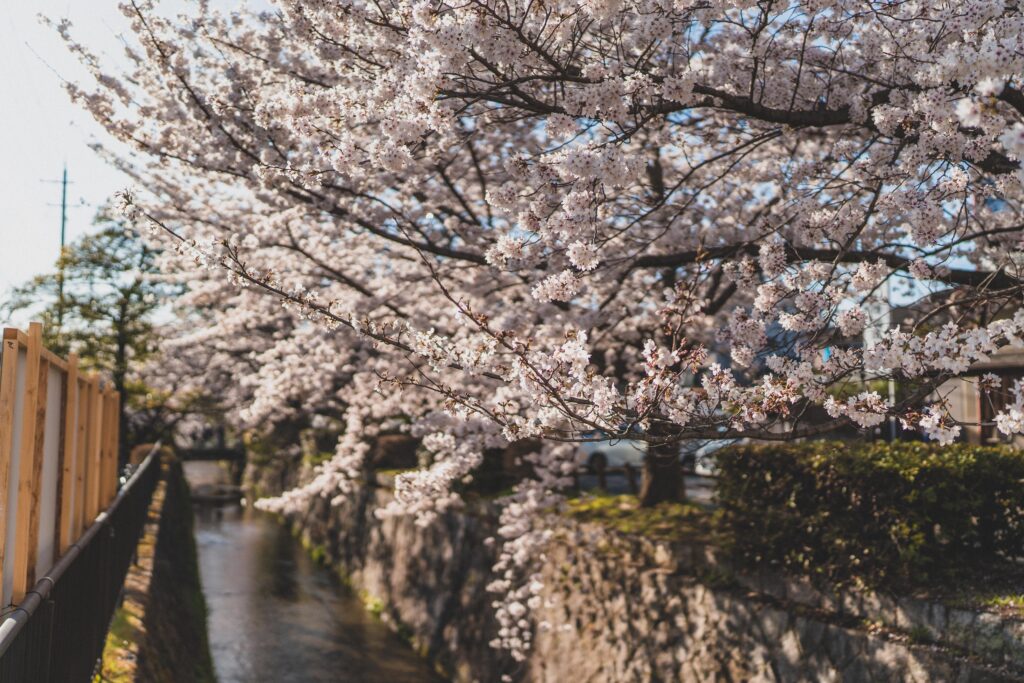
Walk along the Kamo River at Sunset
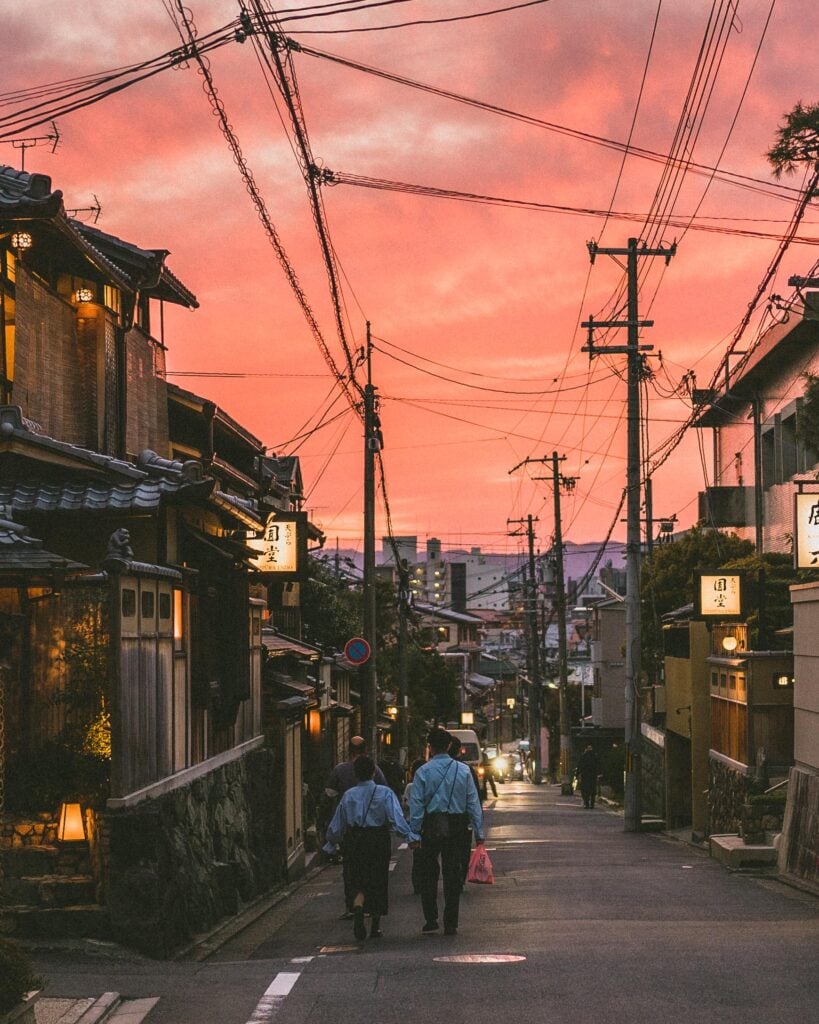
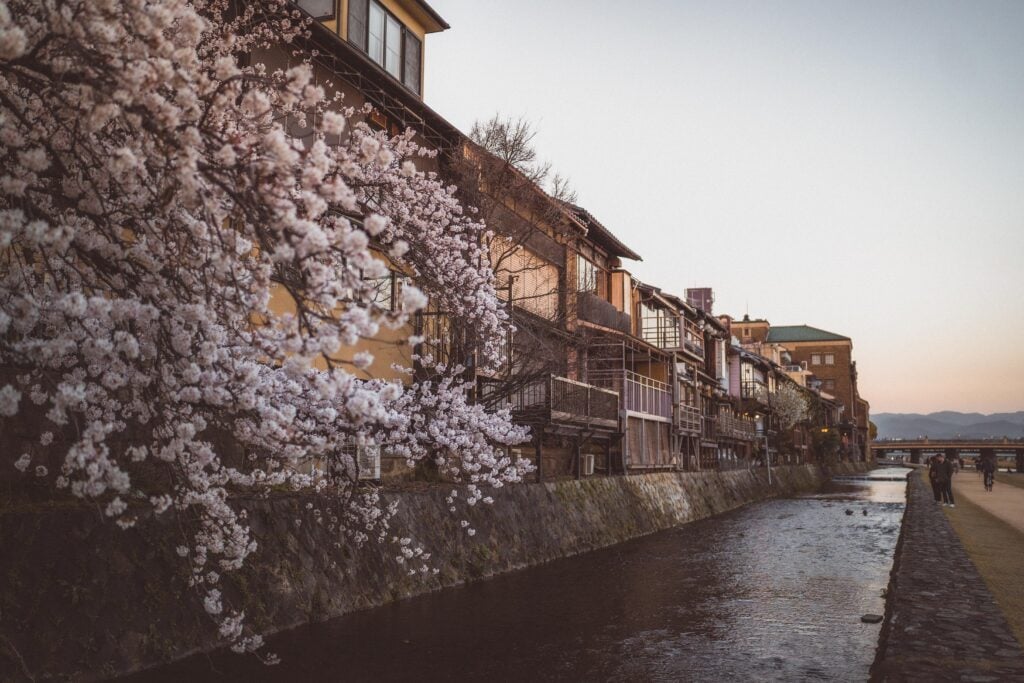
Truth be told, one of the best experiences in Kyoto is to stroll along the wide banks of the Kamo River at sunset. There, you can enjoy traditional wooden houses and plenty of cherry blossom trees if you’re visiting Kyoto in the spring.

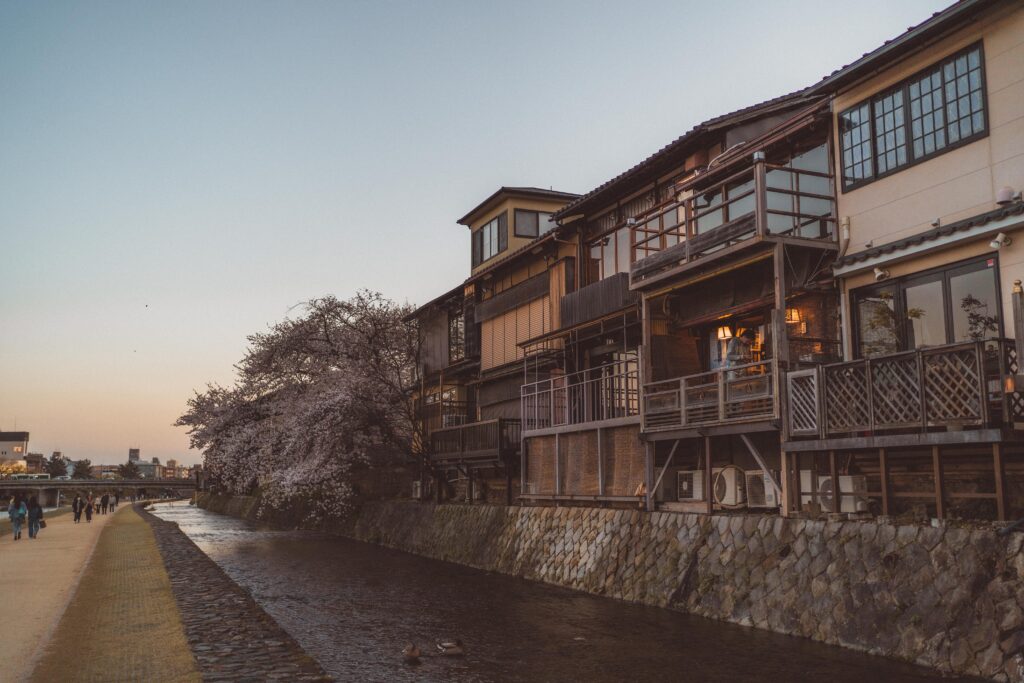
Discover the historic Gion district and southern Higashiyama
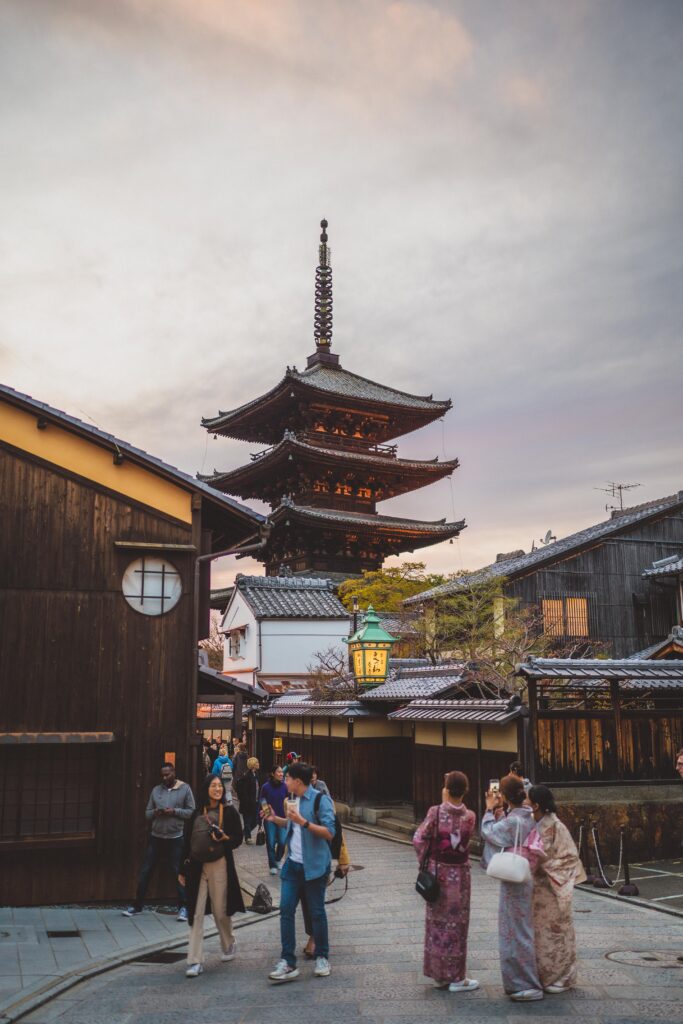
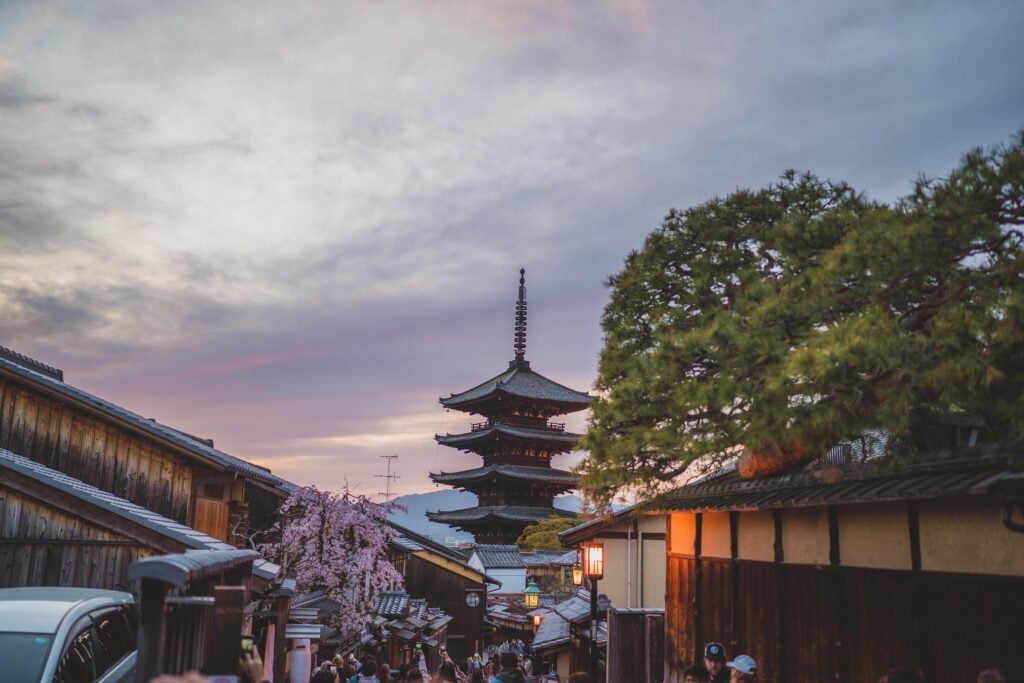
Gion is perhaps one of the most famous areas of Kyoto and is also known as one of the Geisha districts. It’s home to countless traditional wooden houses. Head directly south and you’ll be in southern Higashiyama. Head here for one of the most beautiful and unique buildings in the city, a pagoda that is known as the Tower of Yasaka.
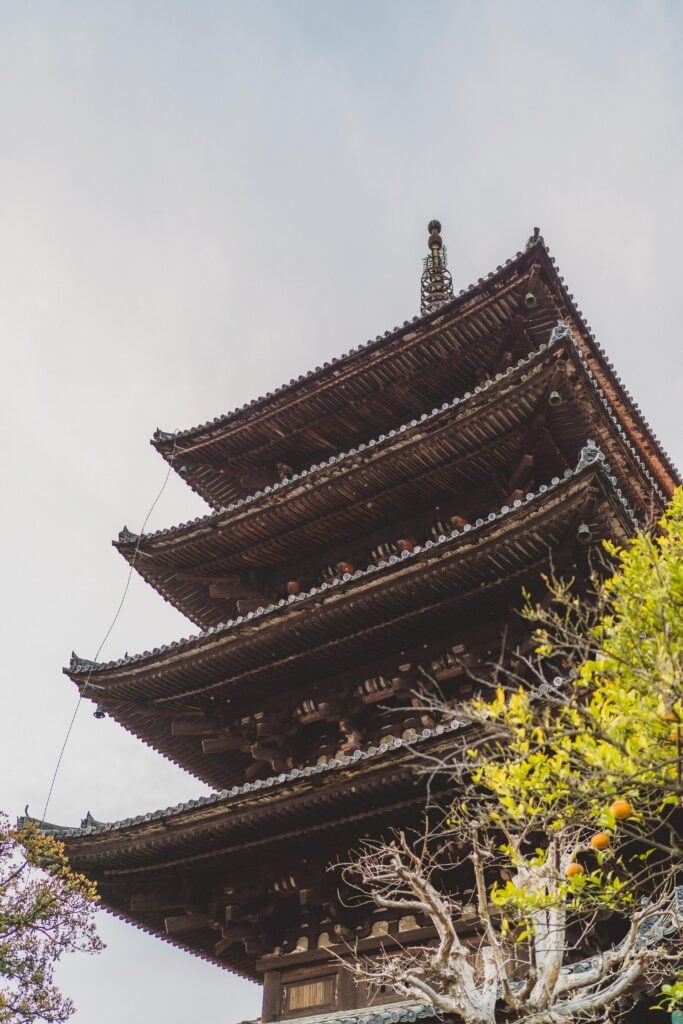
This five-storey pagoda is all that remains of a 6th-century temple by the name of Hōkan-ji Temple. Now a popular tourist attraction, the pagoda can be spied from all over the district and is best-seen at golden hour.
In Gion, you’ll find a myriad of bars, restaurants, and plenty of shops. One of the must-see streets in the area is Hanamikoji Street, which is known for its many traditional wooden houses. A similar street in southern Higashiyama is Sannenzaka.
Kiyomizu-dera Temple, the Yasaka Shrine, the Yasaka Pagoda, and Kodai-ji Temple are all technically located with Higashiyama. When exploring this area, you’ll want to allow yourself extra time to get around as the crowds can be quite large in this historic district.
Not only this, but you’ll probably want to spend an hour or two window shopping all of the authentic Japanese gifts for sale at the little boutiques, including fans, tea sets, local street food, and more. If you would prefer to learn more about Gion with the help of a local guide, book a tour like this one.

Wander the Arashiyama bamboo grove
If you’ve ever seen a photo of Kyoto, then no doubt you’ve come across snaps of the bamboo grove. Located in the Arashiyama district of Kyoto, this spot can get pretty crowded so head here in the early morning if you can.
Arashiyama cherry blossoms
The best time of the year to visit the Arashiyama district is undoubtedly in the spring (though be warned that this is also the busiest time of the year to visit!) However, an early year visit is certainly rewarding thanks to the fact that the banks of the river

Tenryru-ji Temple
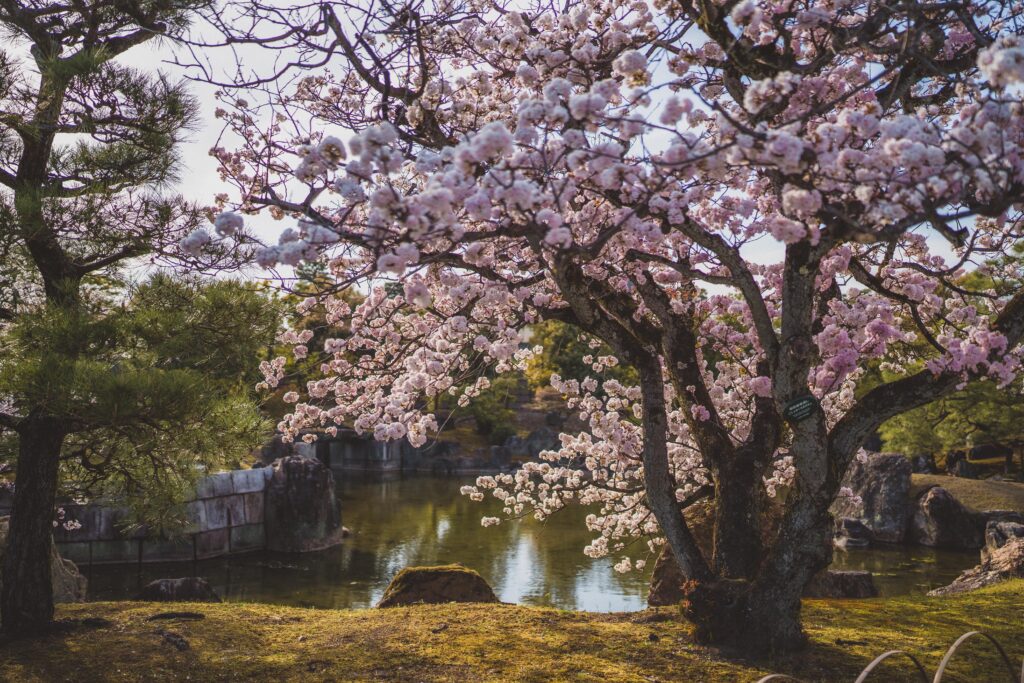
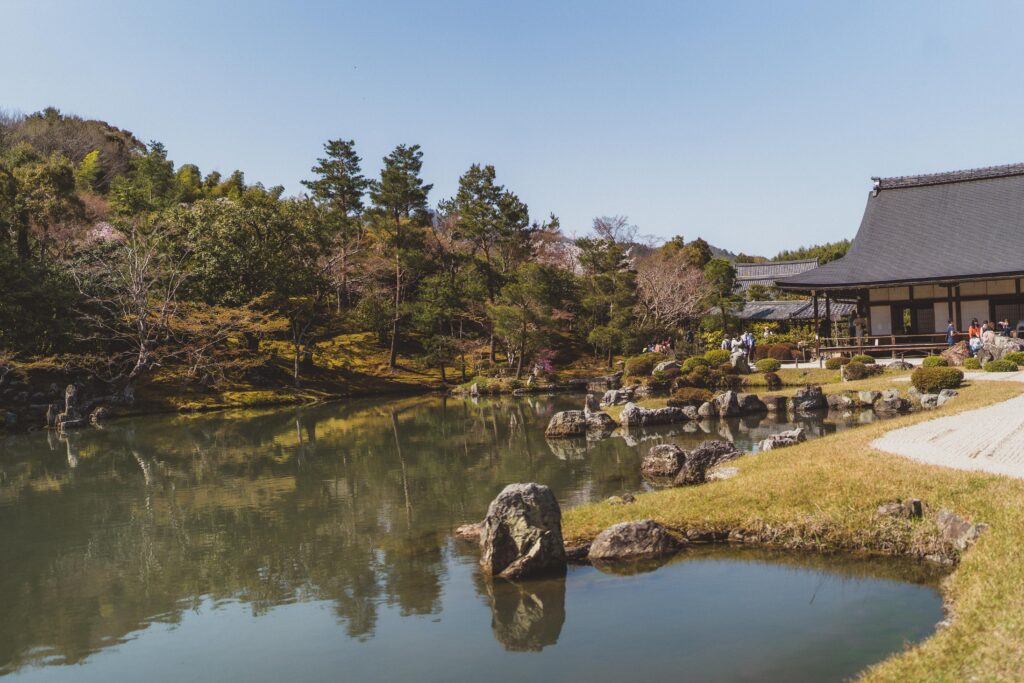
Another highlight of the Arashiyama district is the Tenryru-ji Temple, which can be found close to the bamboo grove. Though there are countless Temples to visit in Kyoto, this one is truly a highlight thanks to its lovely lake and stunning gardens which is covered in pops of pink during the cherry blossom season.
If you’re still not convinced then it’s worth noting that the temple also ranked first out of the Five Great Zen Temples of Kyoto. Like most temples, you’ll have to pay a small fee to enter.
Marvel at Fushimi Inari-taisha
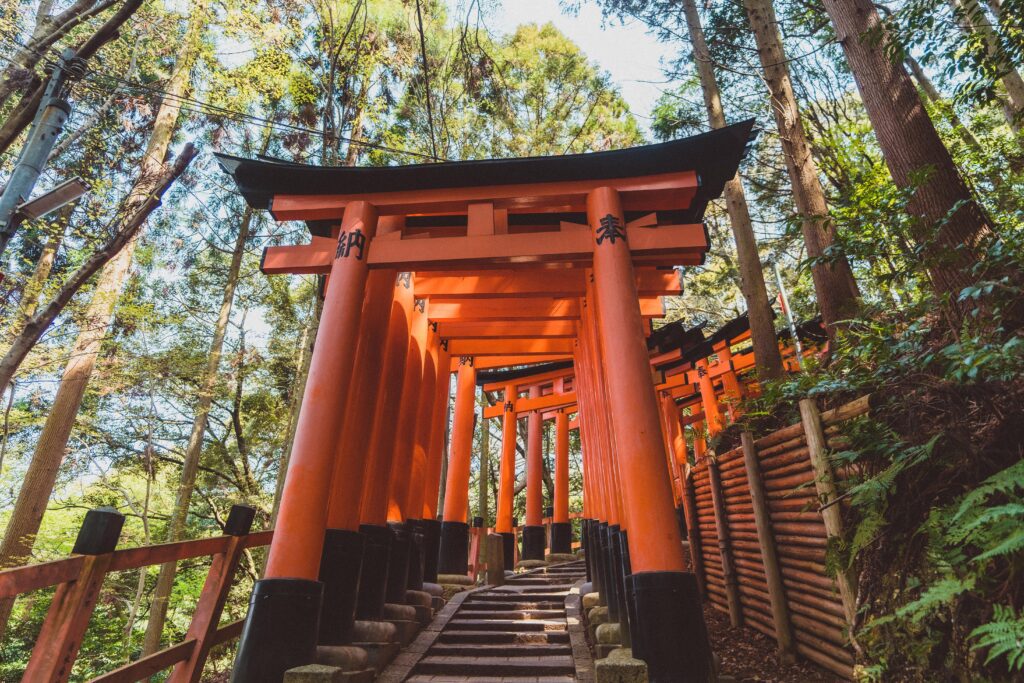
10,000 Torii gates line the way up to the sacred Mount Inari. In the Shinto religion, foxes are considered to be messengers from the gods and so you’ll frequently spy stone statues of foxes in sub-shrines leading up the mountain.
Though it can get quite busy at the base of the mountain, if you hike up to the top (even during cherry blossom season), you’ll find that the crowds are much fewer!
The hike takes around an hour each way, though can take a little more if you stop as frequently as we did to take photos! For more inspiration, check out our guide to Fushimi Inari-taisha.
Nishiki Market
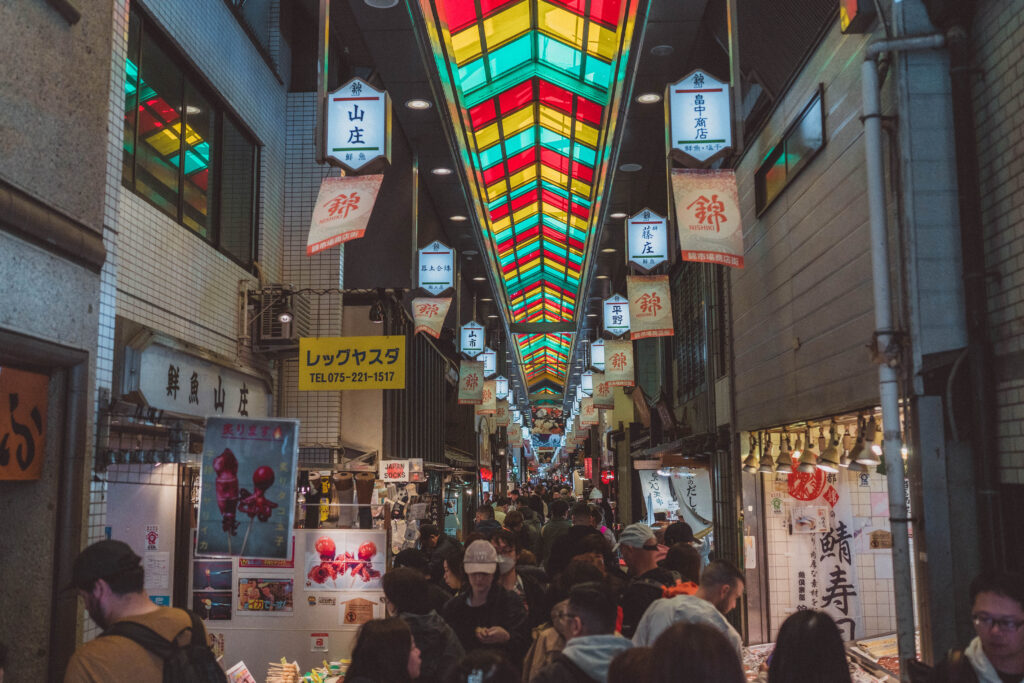
One of the coolest foodie spots in the city that’s worth visiting is the Nishki Market. Comprising of a few covered passages and walkways that make for a great spot to explore during a rainy day, the market is located in the Nakagyo Ward and its dates back over 400 years.
Inside you’ll be able to spy all kinds of stalls selling local food and drink. Many of the 130 vendors inside the market sell snacks to be consumed on the go (just don’t litter and eat the food you purchase directly outside of the shop in which you bought it). If you want to learn even more about the market together with a local guide, consider booking a tour like this one.
Maruyama Park
This is easily one of the greenest parts of Kyoto and is particularly pleasant during the springtime when all of the cherry blossom is out. The whole park is free to visit and there are several temples which you can explore.
Sagano Romantic Scenic Railway
As its name would suggest, this tourist route will take you on a scenic railway journey through the countryside surrounding Kyoto. It’s best to arrive early in the day as tickets often sell out on the day and you can’t easily buy them ahead of time.
Arashiyama Monkey Park
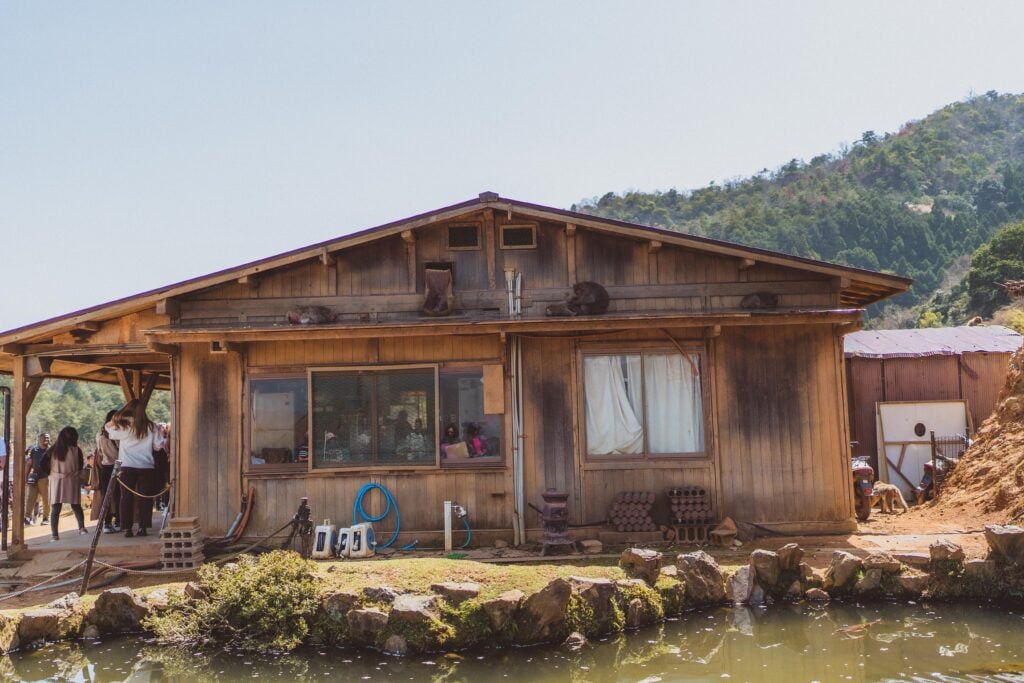
Located in the northwestern corner of the city, the Arashiyama Monkey Park is located at the top of a steep path which ascends from the River Katsura. As well as getting to see the troop of over 120 Japanese macaque monkeys, you’ll be able to enjoy fantastic views of Kyoto.
Relax by the Takase River
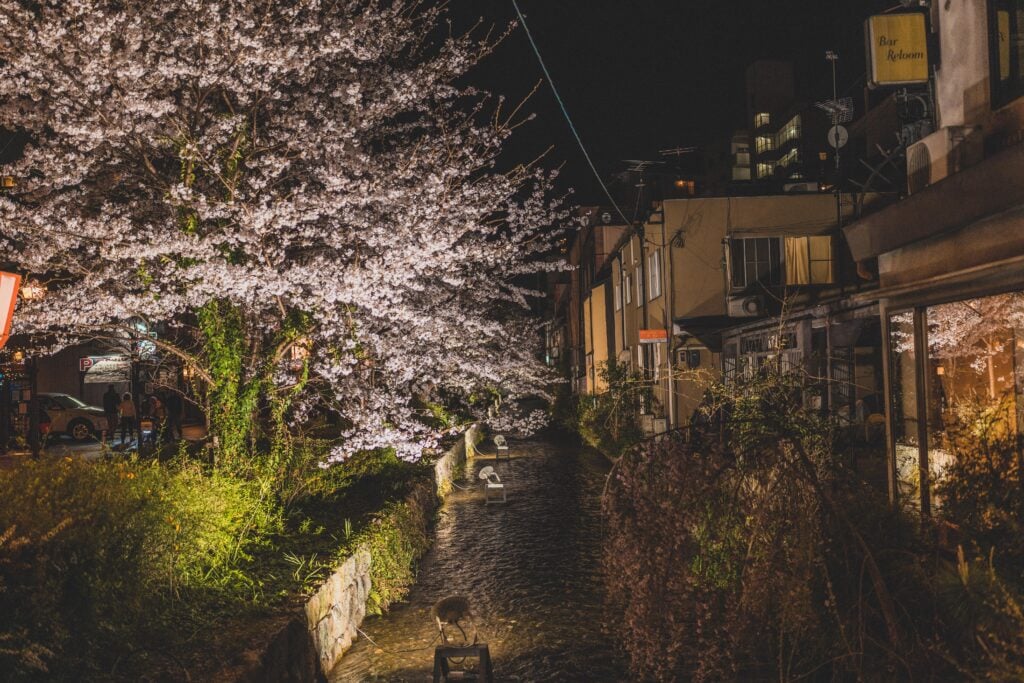
One of the more off the beaten path things we did in Kyoto was to go for a little stroll along the Takase River, which wasn’t very far away from our hotel. Home to countless flowering cherry blossom trees during the spring, we particularly love visiting Murmur Coffee Kyoto where we enjoyed a piping hot coffee under the gently falling petals.
Kyoto Tower
One of the more unusual views of Kyoto (in that it’s not from a shrine or temple) can be found by going up the Kyoto Tower, which is located just outside of the main Kyoto train station.
Standing at an impressive 131 metres in height, there is an observation deck at the 100 metre point. Purchase your Kyoto Tower ticket here.
Kinkaku-ji Temple
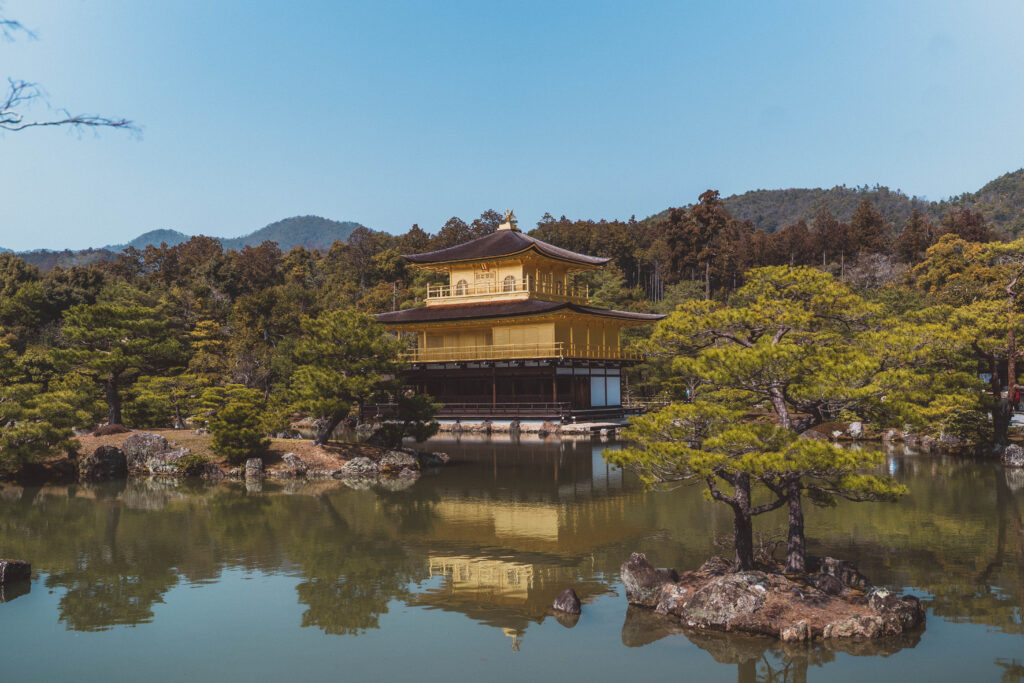
Officially named the Rokuon-ji, this Buddhist Zen temple was founded in the 14th-century and has previously been ranked No. 85 Most Holy Place on Earth. The highlight of this illustrious temple is the Golden Pavilion, which is surrounded by a tranquil lake and plenty of greenery. For more information, check out our guide to Kinkaku-ji temple.
Stay in a Ryokan
One of the more authentic kinds of places to stay in Kyoto is in a Ryokan, which is a traditional Japanese guesthouse. Now this option can be a little more pricey than other options and so you may want to opt to do this for just one or two nights of your Kyoto stay.
Highlights of a Ryokan typically include tatami-matted rooms, sometimes communal baths, and the chance to talk to the owner and other guests. Some of the best-reviewed Ryokans in Kyoto include Ryokan Mugen and Ryokan Tori.
Kyoto Station
If you’re travelling around Japan and visiting a few cities, then chances are that you’ll find yourself in Kyoto Station at one point or another. While you’re going to/ from your train, don’t forget to look up to see an amazing feat of engineering. Below the station, there’s a mall selling every kind of food you could imagine.
Kyoto Botanical Gardens
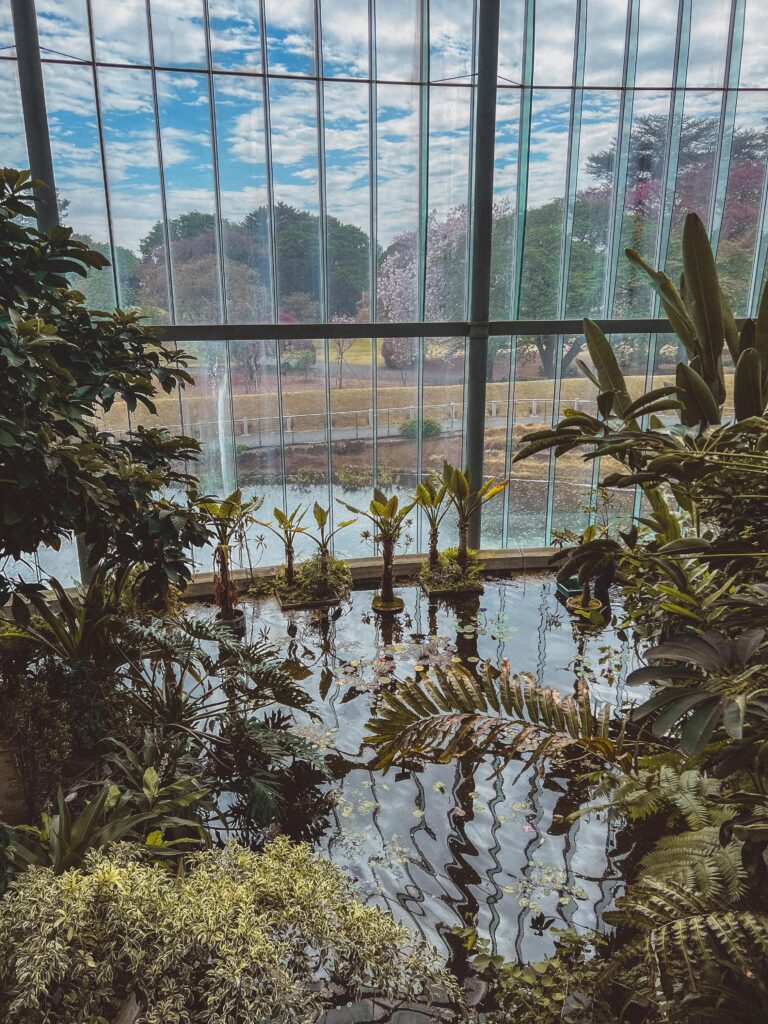
The Botanical Gardens (also known as the Kyoto Prefectural Botanical Garden) are located next to the Kamo River and were founded in 1924. Visit today and you’ll discover highlights such as a bamboo garden, bonsai exhibit, cherry trees, and a European style garden.
The Museum of Kyoto
If you want to learn more about the history of Kyoto and its surroundings, then you should be sure to check out the Museum of Kyoto, which is situated not far from the Imperial Palace. Set against the backdrop of a former building belonging to the Bank of Japan, there’s countless exhibits showcasing the history of Kyoto.
Participate in a tea ceremony
One of the more traditional experiences you can have in Kyoto is to participate in a tea ceremony. Typically, you’ll be able to enjoy tea and light refreshments in an authentic way. Book a tea ceremony here.
Kyoto International Manga Museum
Comic book lovers absolutely must visit the Kyoto International Manga Museum, which contains dozens of exhibitions all about the history of Japanese comic books and graphic novels. There are even designated reading areas within the museum.
Nanzen-ji Temple
Nanzen-ji, which is also known as Zuiryusan Nanzen-ji, is a Zen Buddhist temple which dates back to the 13th-century. Highlights include a stone garden, a Sanmon entrance gate, and temple grounds which are free to visit.
Take a day trip to Osaka
Osaka is an uber modern city which is stark in contrast to the history of Kyoto, making it a great spot to visit if you want to see another side of Japan.
As well as the stunning castle, other highlights of Osaka include the neon-sign filled streets of Dotonbori and Minami and the iconic Tsutenkaku tower. For more inspiration, check out our suggestions for how to spend one day in Osaka.

Take a day trip to Nara
A treasure trove of cultural experiences, Nara is a highlight of Japan for many visitors thanks to its wild deer, beautiful parklands, and wealth of dazzling temples. And thanks to the fact that the small city is only around half an hour or so on the train from Kyoto, Nara is one of the most popular day trips from the city..

Where to eat in Kyoto
One of the greatest highlights of Kyoto (specially for me as a vegetarian) is the mouthwatering foodie scene on offer. Indeed, Kyoto has dozens of vegan restaurants offering up delicious bowls of ramen, salad bowls, sushi, and more. Here are some of our recommendations for where to eat in Kyoto:
Take a cooking class: Those who wish to learn even more about the food in Kyoto would be well served by taking a cooking class while in the city. For example, this bento making class will teach you the some of the secrets to making sushi, tempura, teriyaki chicken and miso soup.
Sake tasting: If you want to learn more about sake’s production and history, then this tasting will allow you to sample a number of different varieties, as well as learning all about the process of making this famous drink.
Murmur Coffee: I’ve been to this café a handful of times now and love sitting outside in cherry blossom season where you can admire the sakura and sip on a coffee or matcha. They also have toast for sale (but these often sell out before the end of the day). I particularly enjoyed my grilled cheese toast here.
Pontocho Alley: Even if you’re not planning to dine in one of the cosy restaurants along this street, it’s well worth a stroll down, even at night, so that you can soak up the ambiance and enjoy one of the most traditional streets in Kyoto.
KYOTO ENGINE RAMEN: Whether you’re vegan, gluten-free or even a meat eater, Kyoto Engine Ramen has something for you. I was really impressed that they have two dishes that cater specifically to vegans (my personal preference is the Zesty Ramen which is a little spicy and certainly packs a punch).
Gion Soy Milk Ramen: Without a doubt, one of our favourite meals in Kyoto was at the Gion Soy Milk Ramen restaurant. We loved the all vegan noodle bowls and the presentation of them completely blew us away.

Where to stay in Kyoto
Thanks to its sheer popularity, Kyoto has plenty of places to stay to suit a variety of needs and budgets. I would personally recommend staying in central Kyoto as this will give you the best base from which to explore the other districts of Kyoto, as well as take day trips.
Hotel Tavinos Kyoto: We stayed in this hotel while in Kyoto and loved it so much that we also stayed there in our following trip to Kyoto! We found it to be clean and comfortable. The rooms were a little on the small side, but since we were out exploring most of the time, it didn’t really impact on our stay. Check prices and availability here.
Ryokan Mugen: If you’re looking for an unforgettable stay in Kyoto, then you’ll want to book yourself into this traditional Ryokan. Amenities include a bar onsite, and a courtyard with a rock garden. Some rooms have tatami mats. Check prices and availability here.
Watch my Kyoto travel vlog
Enjoyed reading about the best things to do in Kyoto? Pin this article now, read it again later: