
3 Days in Naples: A Local-Feeling Itinerary
Last Updated on 17th October 2026 by Sophie Nadeau
This post may contain affiliate links. Please check out my privacy policy for more information.
Gritty, chaotic and unapologetically authentic, Naples is one of the most unique cities in Europe. Here is how to spend three days eating, wandering and soaking it all up.
See Naples and die, the saying goes, and the city lives up to it. Napoli has more than two thousand years of history, from the ancient Greeks who founded it as Neapolis (“new city”) to the Spanish who left their mark and the unification of Italy in the 1860s. Through all of it, the city has stayed distinctly Neapolitan. Nothing here is rushed, and everything runs at its own pace.
There are not a huge number of formal activities, so plan on two to three days of wandering cobbled lanes, ducking into churches and eating everything in sight.
Where is Naples?
Naples is a major port city and the regional capital of Campania in southern Italy, it is known as Napoli in Italian. It is the third-largest city in the boot-shaped country, after Rome and Milan, and has a population of just over 3 million people (2019). The city is situated along the coastline, the body of water known as the Gulf of Naples or the Bay of Naples, opens west into the Mediterranean Sea.

Before you go: quick tips
- Crossing the road is an extreme sport. Scooters weave between pedestrians, cars converge from every direction and there are no painted lanes. Walk steadily and confidently.
- Coffee etiquette. Coffee is short and strong, and it is cheaper standing at the bar than sitting down. It comes with a glass of water: drink the water first, then savour the coffee. It arrives scorching, so dab a little on the rim with your spoon to cool it.
- Pizza etiquette. Most people eat pizza with a knife and fork. It can be a bit soggy to pick up.
- Avoid tourist traps. Naples has some of the best food in Italy, but it also has places that overcharge. Check the bill against the menu.
Naples Nickname
Ah! Italia! The land of delicious food, good wine, an artists’ haven and buckets of sunshine, particularly in the south. One pocket of Italy aptly nicknamed for its sun is Naples, often referred to as “The City of the Sun”, even during periods of rain the Naples yellow painted buildings shine through.
A (very) brief history of Naples
There’s a saying that goes “Rome may be the heart of Italy, but Naples is its soul” and there has perhaps never been a phrase about Italy that rings so true! The history of Naples is long and varied, so here is a very brief overview of the city from past to present…
Founded by Greek settlers in the first millennium, Naples is one of the most ancient cities in Europe and one of the oldest continuously inhabited urban areas in the world. The city takes its name from the Greek ‘Neapolis’ which means ‘new city’.
Throughout history, Naples has been ruled by various civilisations, including the Romans, Byzantines, Normans, and even the Spanish during the 16th century when they held control of the city. During the Renaissance and Baroque periods, Naples became a flourishing city of culture, attracting artists, writers, and intellectuals from all corners of the world.
Naples only became part of the Kingdom of Italy in 1860, when the people of the city voted to join the country. In 1995 Naples, in particular its historic centre, was listed as a UNESCO World Heritage Site.
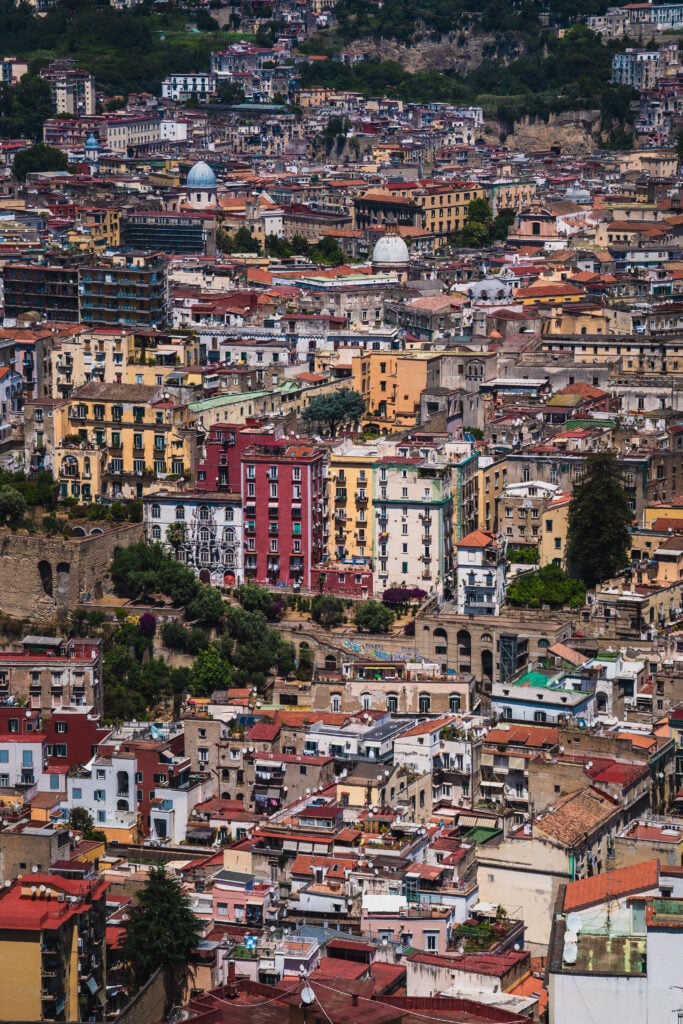
Today, the city is a vibrant and gritty puzzle of buildings painted in Naples Yellow, rich with history, culture, art and plenty more. Wandering around the capital of Campania that so easily exudes charm and mystery, a visit to Naples is sure to leave you in awe and you’ll soon discover this pocket of southern Italy is quite like no other in the world!
What is Naples known for?
The birthplace of pizza! The first thing most people know, or at least should know about this Italian city is that it is indeed the very birthplace of pizza, more commonly known when from here as, Neapolitan pizza.
Aside from its delicious food, Naples is known for its rich history, a city brimming with culture, art and hidden curiosities to explore. And, of course, Naples is known for its beautiful coastline that leads towards the truly remarkable and mesmerising Amalfi Coast.
Day 1: The Quartieri Spagnoli and the Views
Morning: breakfast like a local
Start with a warm sfogliatella, the classic Neapolitan pastry. Thin, crisp layers filled with ricotta, still hot from the oven. The “lobster tail” version is a favourite. You may be asked whether you want it hard cook or soft cook (crisp or softer pastry), and both are delicious.
Quartieri Spagnoli (Spanish Quarter)
The Spanish Quarters date back to when Naples was under Spanish rule during the 16th century. Originally created as a housing area for the Spanish army stationed in the cities, over the years this pocket of Naples has evolved and shaped into a symbol of cultural identity.
For some time, the Spanish Neighbourhood was painted as one of the places to avoid in Naples, considered the city’s most dangerous part. However, this was largely due to the bad habits of the soldiers who resided here, with crime and prostitution known to be rife in the quarter. Today, the main issue is pickpockets, so just bear it in mind to keep an eye on your belongings when wandering around!
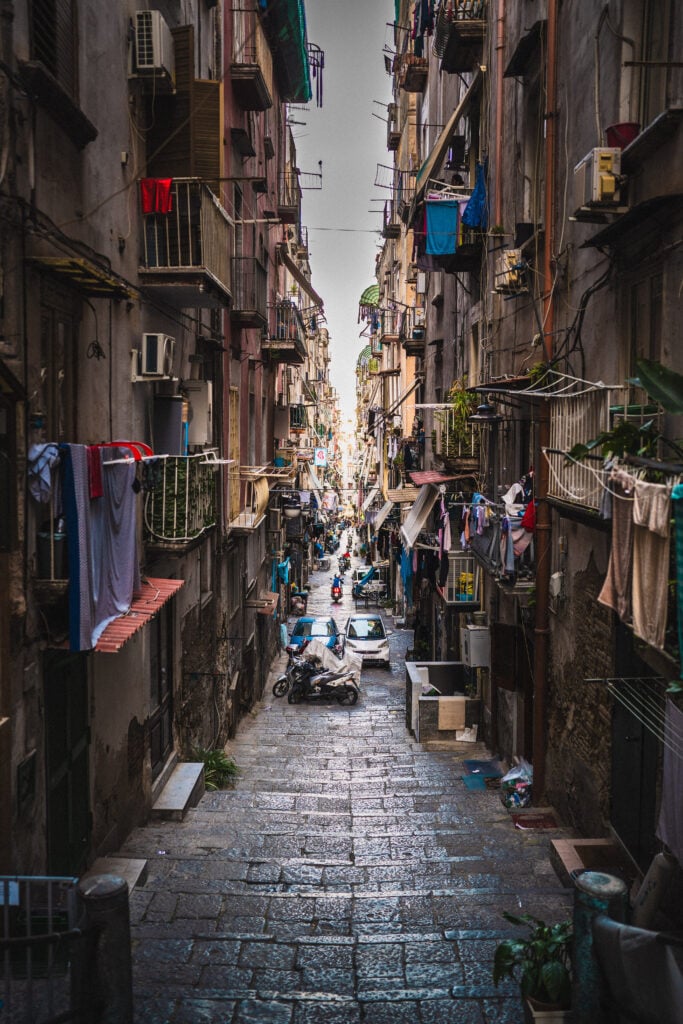
Wandering through Quartieri Spagnoli, as it’s known in Italian, is like stepping back in time and exploring the roots that have shaped Naples into the city we see today. One of the most characteristic neighbourhoods of the city, you can expect to see painted murals, beautiful churches and a set of 400 steps known as Pedamentina, which at their summit boast panoramic views.
- Maradona everywhere. Football is practically a second religion here. Look for the bar dedicated to him, the larger-than-life mural and the nearby museum.
- The bassi. These ground-floor dwellings open straight onto the street through a door and window, a perfect example of how home life and public life merge in Naples.

Afternoon: climb to the Vomero hill
Naples is hilly, so get your bearings from above. For one of the city’s best viewpoints from which to soak up views of Naples, head to the Belvedere San Martino, an open-air balcony overlooking the splash of colour and the Gulf of Naples beyond.
- Castel Sant’Elmo. This medieval hilltop castle is now a museum (paid entry), but the viewpoint just outside gives you a bird’s-eye view of the whole city.
- Certosa di San Martino. The church and museum have cloisters you can visit for a fee, and another fantastic view right outside.

Lunch: a lunchtime-only trattoria
You’ll soon learn upon a visit to Naples that food is one of the greatest enjoys to indulge in when exploring the city. Pasta, pizza, and all the carbs: if you make it your mission in Italy to do just one thing, make it your goal to sample the local food as there truly is nothing quite like Italian cuisine!
Skip the tourist spots and find one of the lunch-only trattorie scattered across the city, where pasta comes by the plateful for a few euros and the menu of the day is written on a whiteboard.
With particular note to Naples, aside from its mouthwatering pizza there are many other dishes to try.
- Ragù Napoletano – Hailed as one of the great dishes of Campania, this is one of the two best-known types of ragù, the other being from Bologna known as ragù alla bolognese.
- Minestrone napoletano – A comforting and warming Naples version of minestrone soup, this is more commonly served during the winter months.
- Pastiera – This tart is made from cooked wheat, eggs, and ricotta cheese, and flavoured with orange flower water. Traditionally served around Easter time.
- Frittatina napoletana – Served in most pizzerias throughout Naples, these scrumptious Neapolitan pasta fritters are a street food repertoire in the city.
- Mussel Soup – A popular dish during mussel season, this comforting soup is super fresh thanks to the city’s proximity to the sea!
Evening: Devour the best pizza along Via dei Tribunali
Devour a slice of Naples! As the home (and birthplace) of Neapolitan pizza, there is of course no better place in the world to taste the iconic Italian dish than in Naples itself.
Though the exact origins of pizza aren’t known, pizza’s popularity grew in the 1800s and quickly spread throughout the world, becoming a go-to dish for many.
One of the more popular stories about the beloved Margherita pizza is that in 1889, when the new queen of Italy, Margherita di Savoia, visited Naples, a chef prepared a pizza using ingredients to match the colours of the new flat. A red tomato base, covered with white mozzarella and lightly topped with green basil.
Warm, doughy, comforting and delicious, tucking into pizza is one of the best things you can do when visiting this pocket of Italy. The only thing you should be aware of before eating pizza here is that it will ruin your view of eating it anywhere else in the world!
There are quite literally thousands of pizzerias scattered across the city, and even the “worst one” will fail to disappoint. However, a particular ‘pizza paradise‘ street to visit is Via dei Tribunali, a street which runs through the city’s historic centre.
Day 2: Centro Storico and Churches
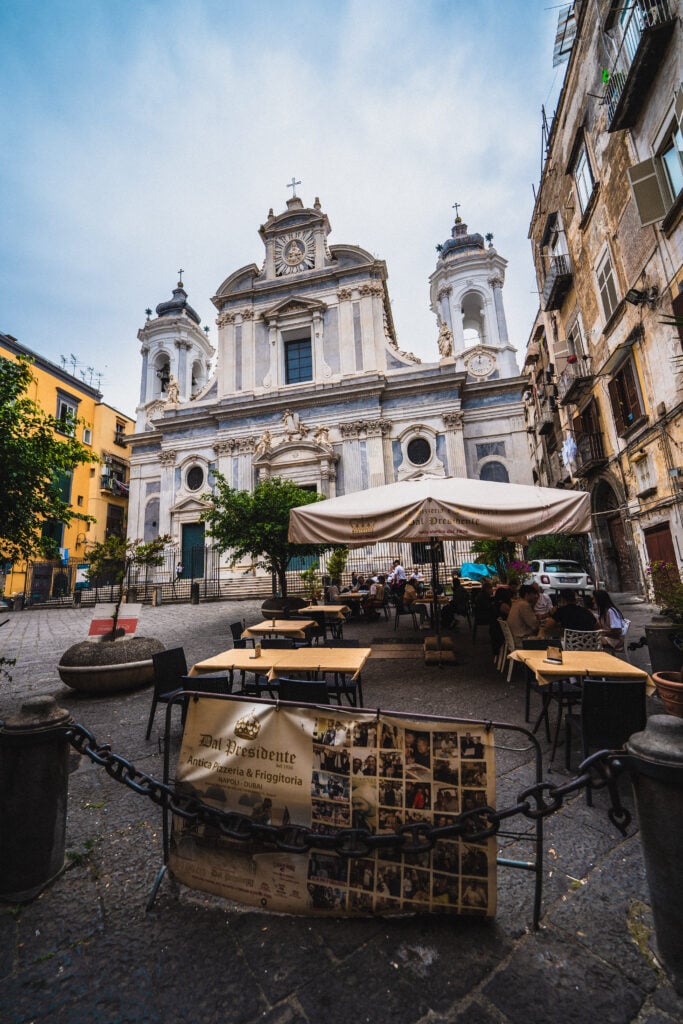
The historic centre is more touristy than the Spanish Quarter, with more churches and attractions but also more tourist traps. Do both, because they feel very different.
Morning: gates, streets and sights
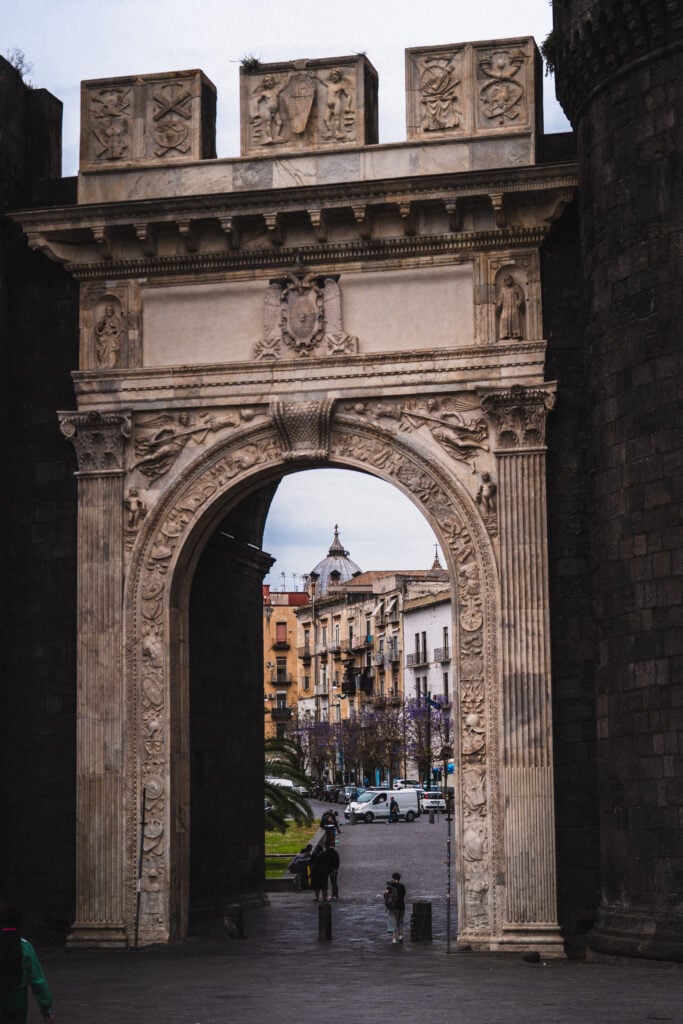
- Porta Capuana. A well-preserved Renaissance gate with carvings dating to 1484. It was a later medieval addition, not part of the original Roman walls.
- Spaccanapoli. The famous street whose name means “Naples splitter”. From above, it looks like it divides the city in two. The street plan here has barely changed since the ancient Greeks.
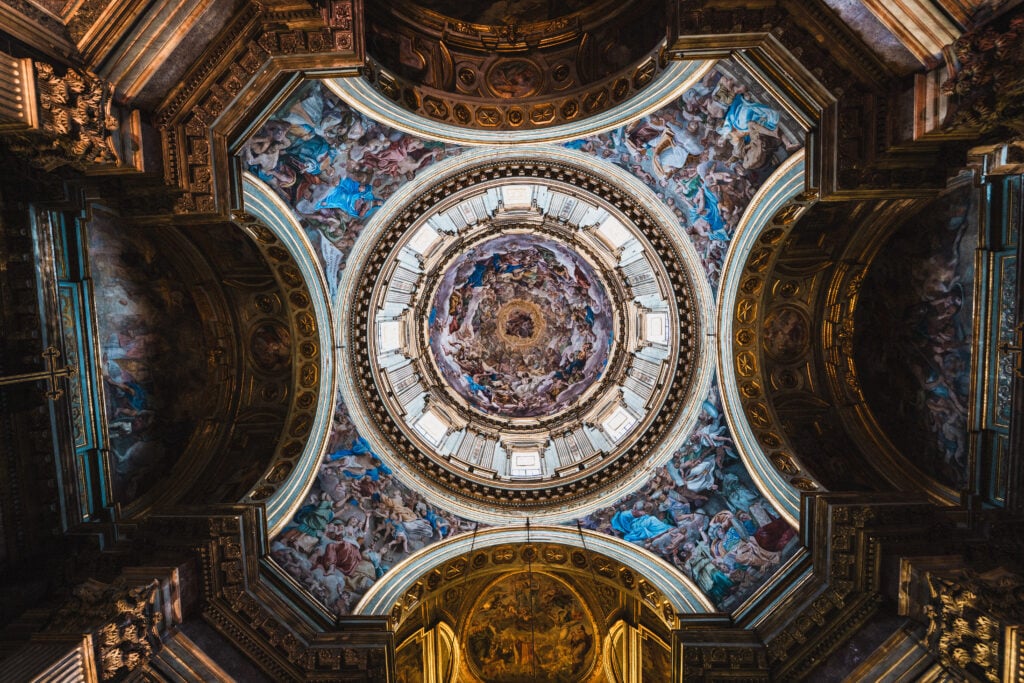
- Naples Cathedral (Duomo). Officially the Cathedral of the Assumption of Mary, built between the 13th and 19th centuries. Free to visit, with carvings and frescoes everywhere. It is also the main church of San Gennaro, one of the city’s 52 patron saints.
- San Lorenzo Maggiore. Stands on what was a thriving centre of the city in Greek and Roman times.

Lunch and pizza history
- Piazza Dante is a surprisingly large square for Naples. Here you will find a fast-food spot widely believed to be the city’s oldest, dating to the early 1900s.
- Pizzeria Port’Alba was established in 1738 and is widely believed to be the oldest pizzeria in the world. Neapolitan pizza has been legally defined since 2004, with three accepted varieties: margherita, marinara and extra margherita. The margherita is said to have been invented in the 1880s for Queen Margherita, with basil, mozzarella and tomato echoing the Italian flag.
Afternoon: crafts, crypts and cloisters
- Via San Gregorio Armeno. The street of nativity sets, and not only religious ones: there are football figurines too. Go in the daytime to watch artisans at work in the back of their workshops.
- Pulcinella. Look for the bust of this cunning, thieving 17th-century theatre character, now a symbol of Naples. The 2012 statue is said to bring good luck if you touch the nose.
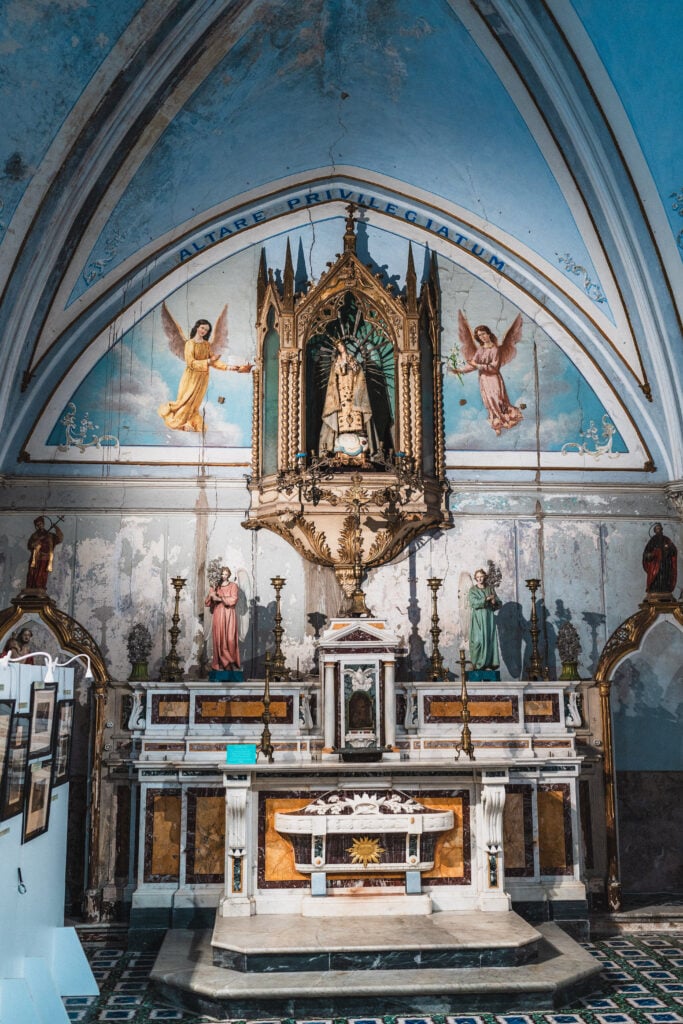
- Underground churches. After the 1980s earthquake, many churches became unsafe and were abandoned for around 40 years until a group of private individuals formed an association to restore them. Two to try:
- Santa Luciella: guided tour only, down to the crypt where you will find the famous “skull with ears”, which Neapolitans once prayed to in the hope it was listening.
- San Filippo e Giacomo: free to enter, with a paid tour behind the scenes covering a treasury room, Roman walls in the basement and a crypt used for burials until they were banned within the city walls.
- Tickets are about €5 each or €8 for both. You do not need to do both; the San Filippo e Giacomo tour was the standout. Note that English or French tours are advertised but not always given.
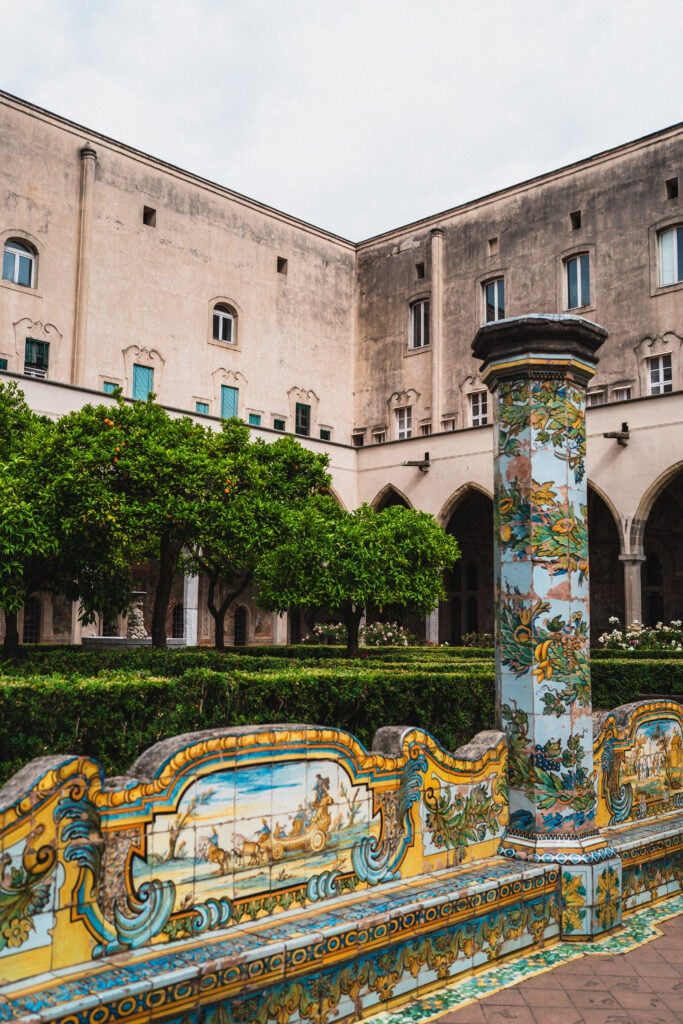
- Santa Chiara cloister. One of the most beautiful and peaceful spots in the centre, with murals and 1742 majolica tiles on the floors. It costs €7 and includes ancient Greek bath excavations and a museum. Allow an hour or two. The cloisters of Santa Chiara are a hidden gem tucked away behind a 14th-century convent church in the heart of Naples’ historic centre. The monastery as it is known in Italian, Compleso Monumentale di Santa Chiara was built in 1310. The cloisters seen today were built in the 18th century, but renovation works have taken place after they were badly damaged from bombings in the Second World War. Planned as a peaceful garden for the nuns of the convent, the cloisters are simply breathtaking. Brightly painted tiles brought from the Spanish island of Majorca sparkle in the sunlight, depicting scenes from the city and surrounding countryside, including agricultural workers and maritime trades. The paths are lined with octagonal pillars adorned with even more tiles, depicting fruits and vines. And, if you look up you can see the remains of 17th century frescoes.
Short on time? Skip the Naples Underground tours (around an hour, run by several companies) and save them for another visit. Naples has been quarried since antiquity and the tunnels were used as shelters in World War II. Napoli Sotterranea is an underground world below the city, a complex network of tunnels and caves hollowed out thousands of years ago. One of the most popular tours to take is a visit to The Bourbon Tunnel, take a guided tour and explore the carved-out tunnels and ancient Roman waterways that reveal the hidden history of the city.
Evening: the castles and the bay
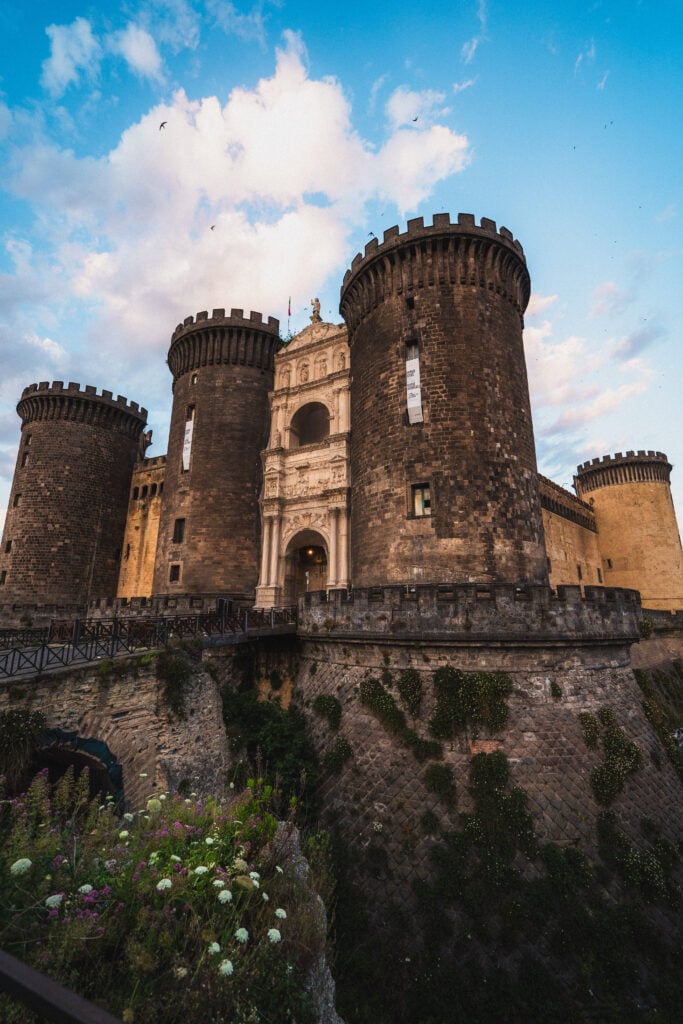
- Castel Nuovo (“new castle”) has roots in the 13th century and was rebuilt in the 15th. It was temporarily closed on our visit due to nearby metro construction.
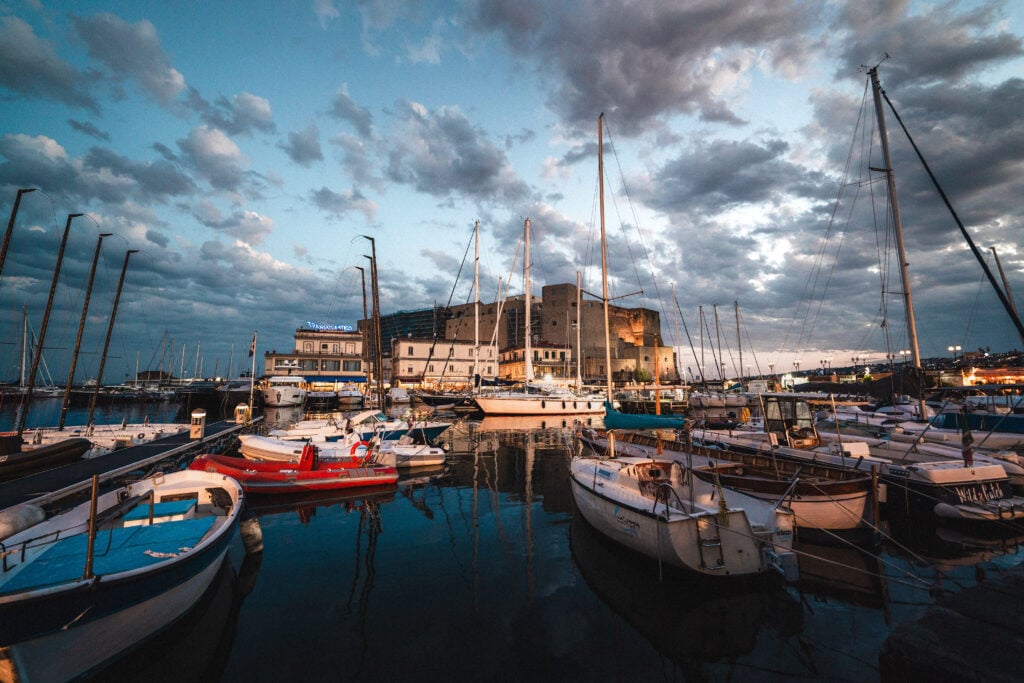
- Castel dell’Ovo. The oldest castle in Naples, on the very spot where the Greeks founded Neapolis in the 6th century BCE. Entry is for a small fee, and the harbour views at golden hour are breathtaking. The seafront castle is the oldest of Naples, built by the Normans in the 12th century, upon the remains of Roman-era structures, it’s a site steeped in history and boasts panoramic views overlooking the Gulf of Naples. The castle takes its name from a local legend, named after the egg of the siren Partenope that the poet Virgin hid underground in the fortress. Believed to be protected by a cage, the enchanted sacred egg is thought to bring good luck to the city as long as it remains intact. Even today, people believe the castle will keep standing strong as long as its egg remains. A landmark of myths and legends, today visitors can explore the castle grounds for free and learn more about the medieval past of the city.
- The seafront at night. Head along the water to appreciate how vast the Bay of Naples is, with thousands of twinkling lights.
Day 3: Markets, Grand Squares and Vomero
Morning: market and monuments
- Pignasecca market. Fresh produce vendors have been selling here since the 17th century. A real slice of Neapolitan life.
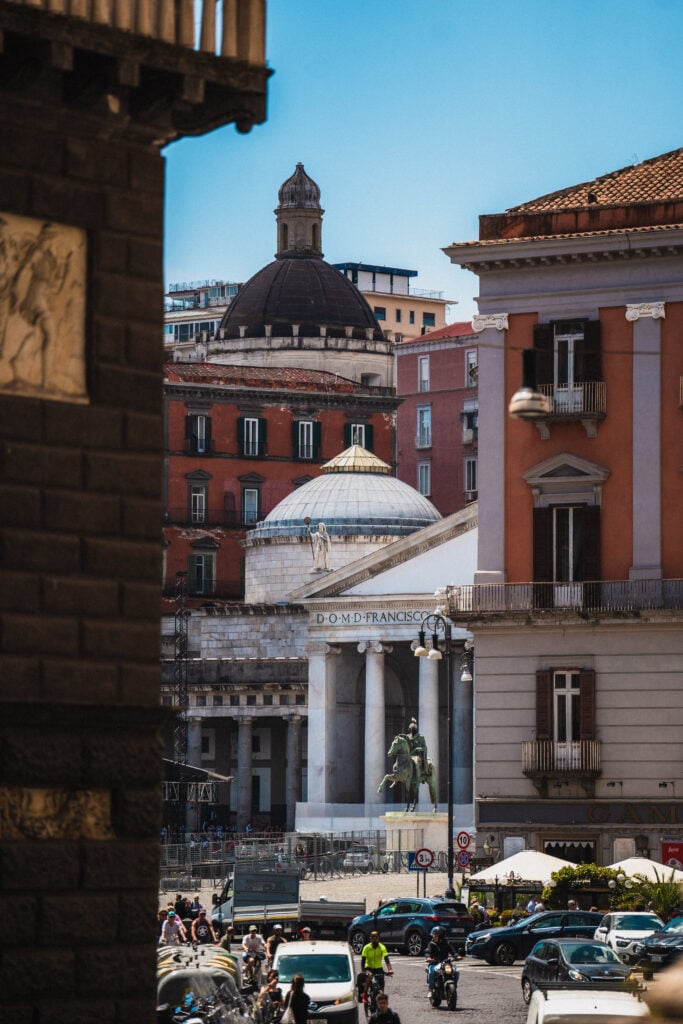
- Piazza del Plebiscito. Named for the plebiscite of 21 October 1860, when Naples voted to join a unified Italy. Built in the first half of the 19th century and decorated with stone from Vesuvius, it is enormous, over 20,000 square metres. Statues of rulers from French and Spanish kings to Italy’s first king line the far side.
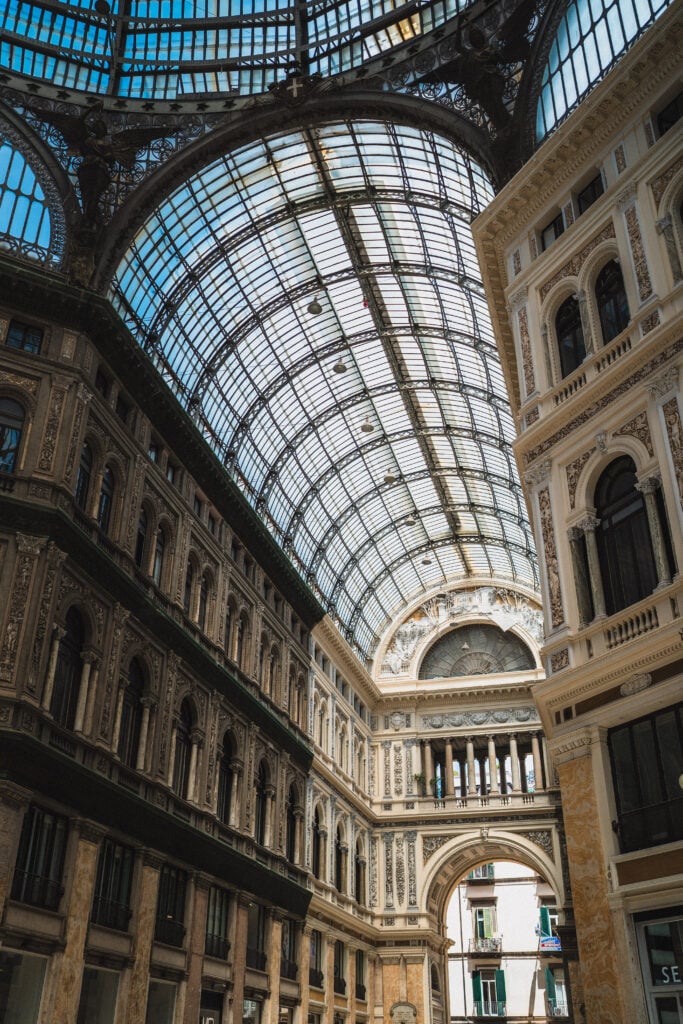
- Galleria Umberto I. Visible from the piazza, this grand glass-roofed gallery was built in the late 19th century during the Risanamento, when grandiose buildings went up across the city.
- Visit The Palazzo Reale (The Royal Palace of Naples): Standing as a testament to the regal history of Naples, The Royal Palace of Naples is an opulent palace that was built in the 17th century for the House of Bourbon, a dynasty that once ruled the city. Today, the palace has been transformed into a museum and historical tourist attraction, drawing in visitors to explore its royal past. Home to magnificent gardens of lush greenery, perfectly trimmed hedges and fragrant flowers, a beautiful Royal Chapel which is a work of art and an extensive collection of armaments and weaponry to explore.
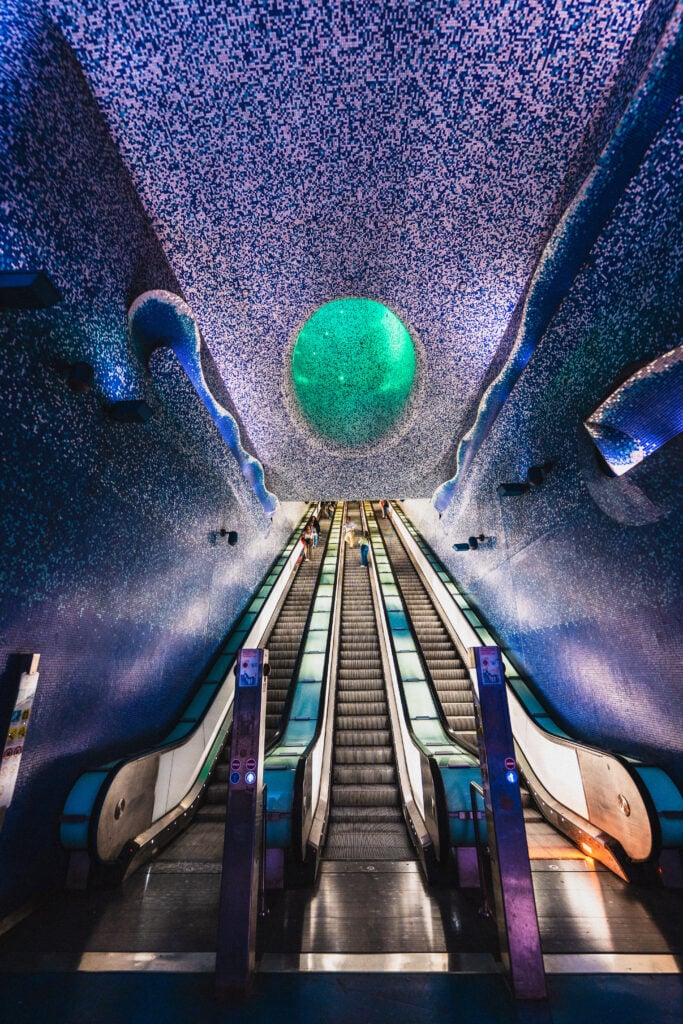
- Toledo Metro Station. Naples has a small metro system but some of the most beautiful stations in Europe, and Toledo is the most stunning. It incorporates sections of the Aragonese walls, and as you descend, you reach an installation representing the sea.
Head to a less touristy district near Salvatore Rosa metro station, to a trattoria with no menu at all, just a few dishes of the day. Simple tomato pasta, done perfectly.
Afternoon: Vomero
Spend the rest of the day in the Vomero district, with its trendy bars, cafes and cobbled lanes. A perfect gentle end to the trip.
Have an extra day to spare?
Take a dip in the Gulf of Naples
There are many beaches along the coastline of Naples, offering visitors the opportunity to escape the city and take a dip in the warming blue waters of the Mediterranean Sea. Although the best beaches are found further along the iconic Amalfi Coast, it’s still a great way to spend a long and lazy afternoon while visiting the city.
Step back in time and visit Herculaneum or Pompeii
Once upon a time, both Pompeii and Herculaneum were thriving Roman cities with shops, houses, taverns, businesses, baths, and more. The people lived their lives and even created graffiti all over the city!
All this was until a fateful day in 79 CE when Mount Vesuvius (the last active volcano in Europe) erupted. The blast and ensuing volcanic eruption covered Herculaneum and Pompeii in tonnes of ash and sulfuric acid, tragically killing thousands of people in the process.
There the remains of the towns lay for over a thousand years before being uncovered from the mountains of ash. In the past few centuries alone, archaeologists have been excavating the remains of these communities and learning about how these people lived, loved, and ultimately died.
Today, it’s possible to visit both towns and learn about what life might have been like in what is now Southern Italy almost two millennia ago. And, both are super close and reachable from Naples via train.
Final thoughts
The real charm of Naples lies in discovering its little streets, eating its food and meeting the locals. This is Europe’s most densely populated city, with hardly any green space, so streets become extensions of the home: laundry overhead, kids playing, daily life spilling onto the cobbles. Come hungry, wear comfortable shoes and let the city set the pace.