One Day in Newcastle: The Perfect 24-Hour Itinerary
Last Updated on 3rd February 2026 by Charlotte Nadeau
This post may contain affiliate links. Please check out my privacy policy and disclosure for more information.
Newcastle Upon Tyne is a vibrant city in northeast England known for its rich industrial and engineering heritage, diverse arts scene, and friendly locals. Throughout history, the city has continuously reinvented itself, transforming from a powerhouse of shipbuilding and coal into a thriving creative hub. In this guide, we’ll show you how to spend one perfect day in Newcastle, exploring the city’s main attractions, as well as some hidden gems and where to stay.
Contents
Is one day in Newcastle enough?
To be honest, Newcastle is packed with things to do, and there are plenty of museums worth visiting and hidden gems to uncover. While one day is enough to get a feel for the city, I’d recommend spending a long weekend to fully experience everything Newcastle has to offer.
What is Newcastle known for?
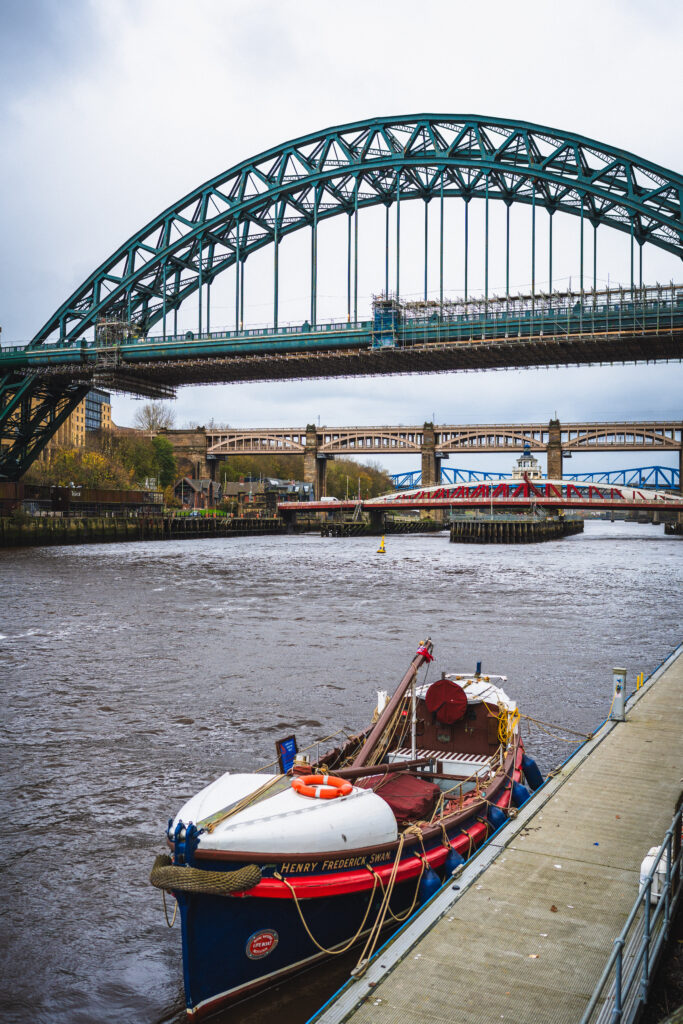
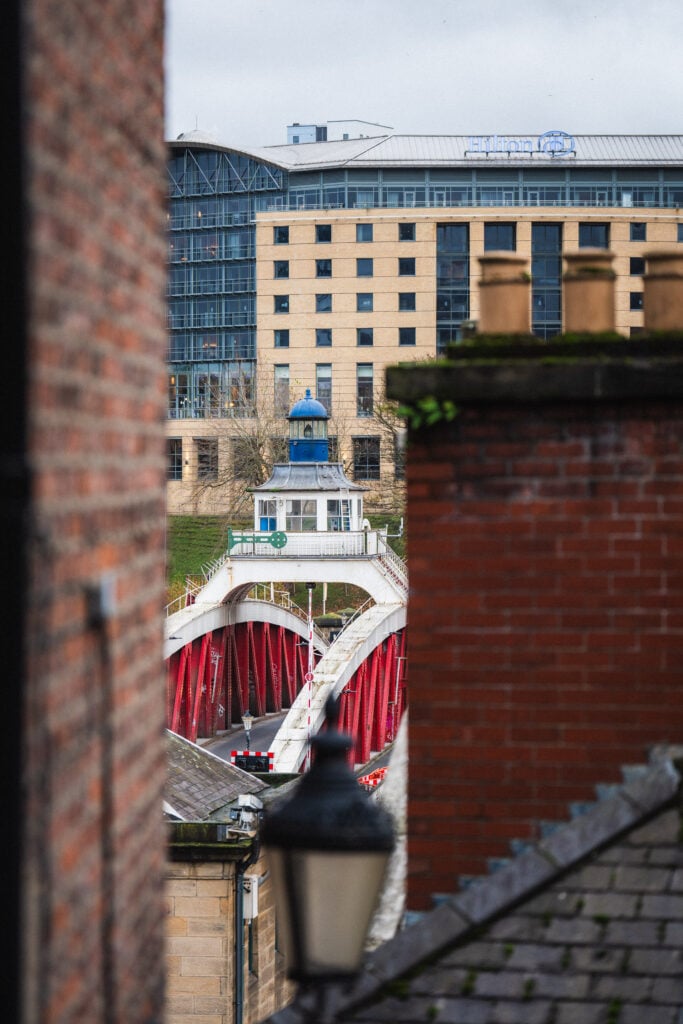
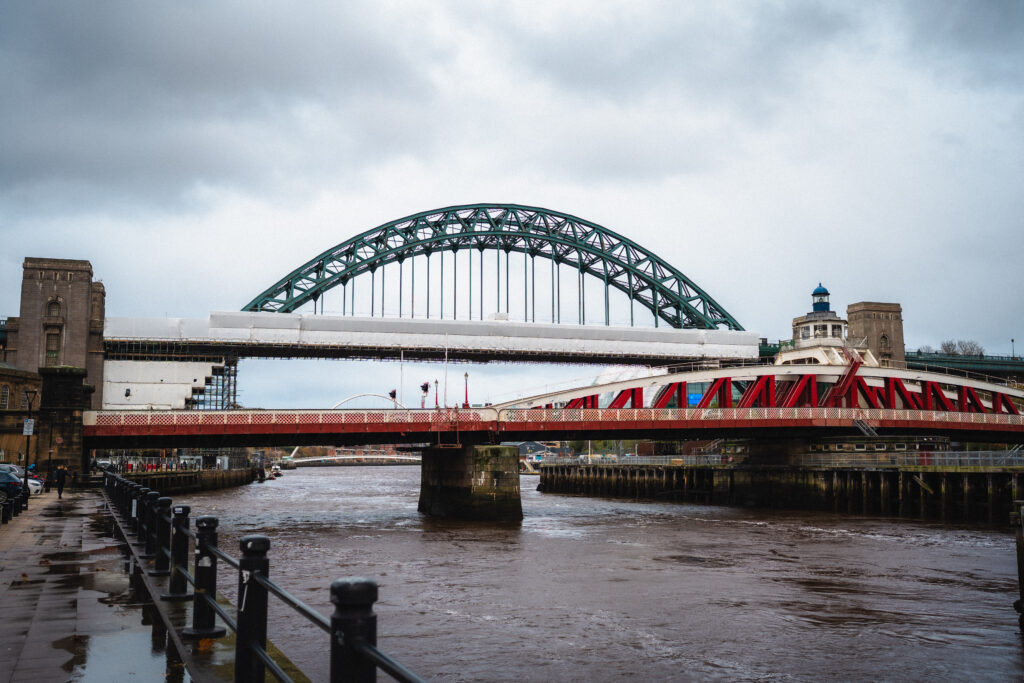
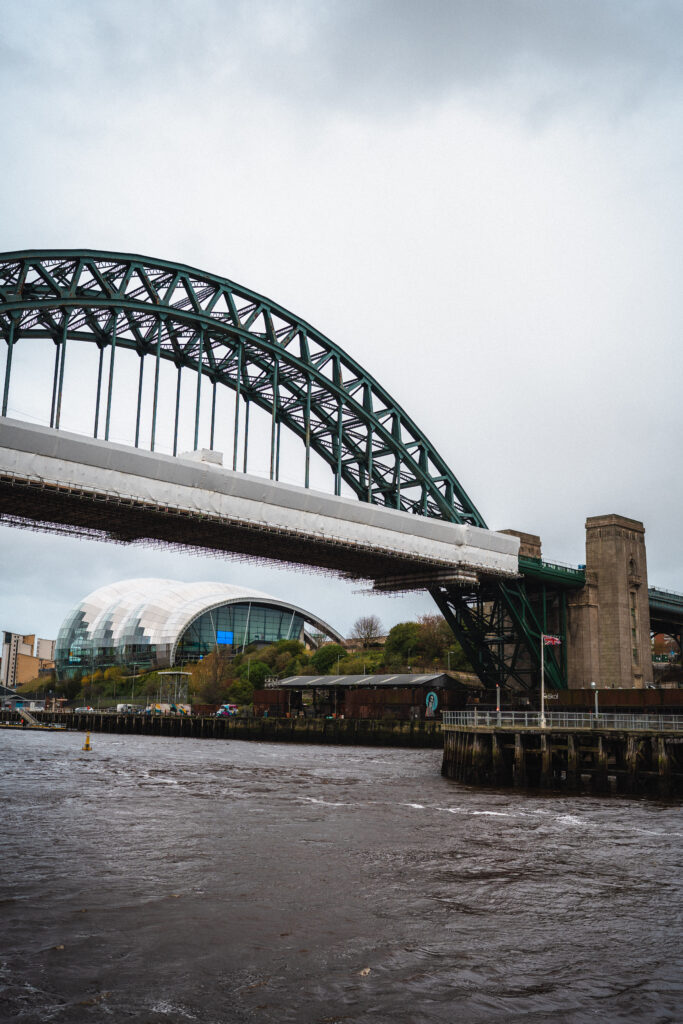
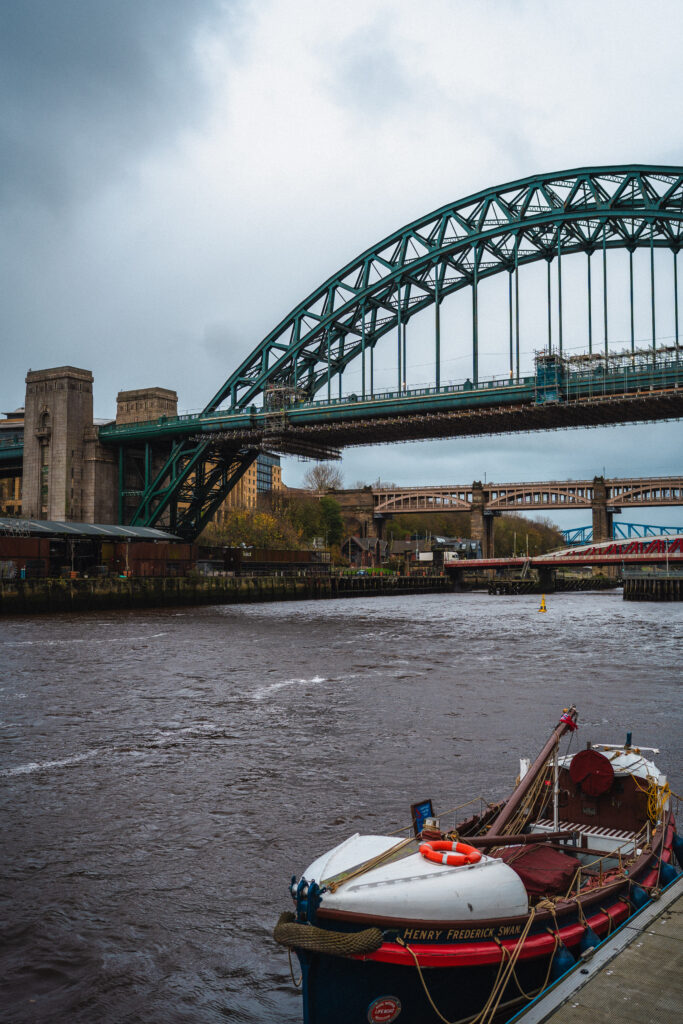
Newcastle is best known for its industrial heritage, much of which can be traced through the city’s iconic bridges spanning the River Tyne. There are actually seven different bridges that cross the river, with their construction dates ranging from 1849 to 2001.
The northeastern city is also renowned for its football culture, eponymous brown ale, and high-energy nightlife, as well as its renowned “Geordie” dialect.
One day in Newcastle itinerary
Pure Knead Bakery
Start your day of venturing through the city by fuelling up on baked delights. Newcastle has a thriving bakery scene, and one of the best bakeries in town is Pure Knead Bakery. They specialise in slow-fermented, artisanal sourdough, and also sell sandwiches, flaky pastries, and coffee.
Central Arcade
In the late 18th and 19th centuries, shopping arcades were built to shield affluent shoppers from the dirty, noisy, and crowded streets of rapidly industrialising cities -similar in style and purpose to Cardiff’s iconic arcades.
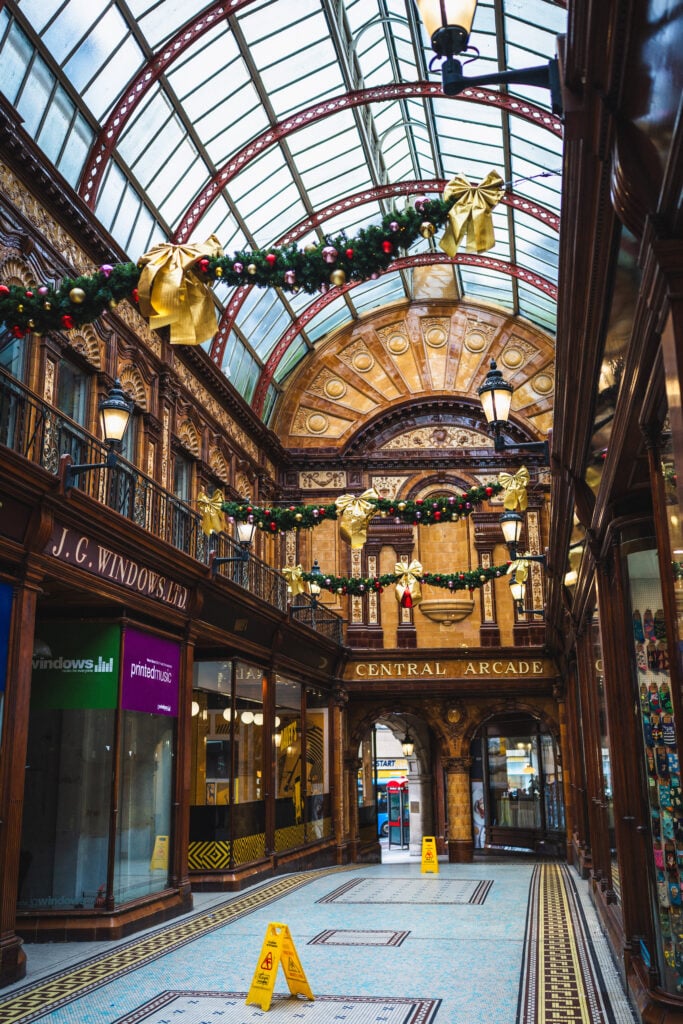
The Central Arcade is one of Newcastle’s prettiest Edwardian passageways, and remains a unique spot to wander through and peruse the various shops, cafés and restaurants that line the arcade.
Built in 1906 inside Richard Grainger’s older Central Exchange building, with a glass‑roofed arcade and lavish Edwardian decoration, from polished teak woodwork, mosaic flooring, and wrought-iron balustrades. As you can imagine, it’s still celebrated today as one of Newcastle’s most beautiful architectural highlights. Be sure to look up and around as you wander through, as there are so many details worth taking in!
Grey’s Monument
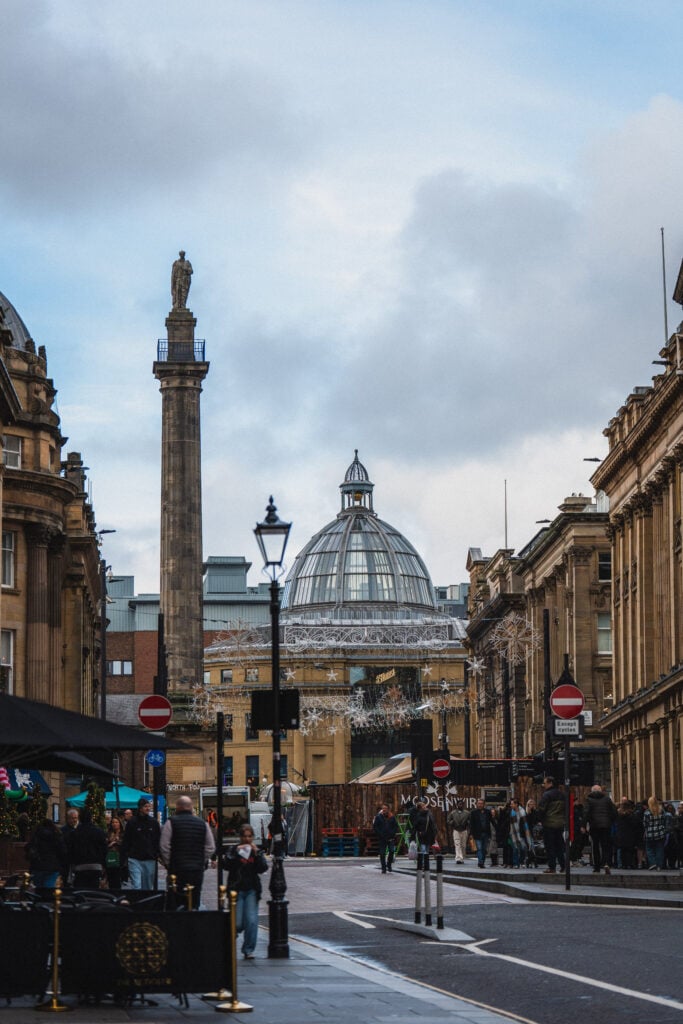
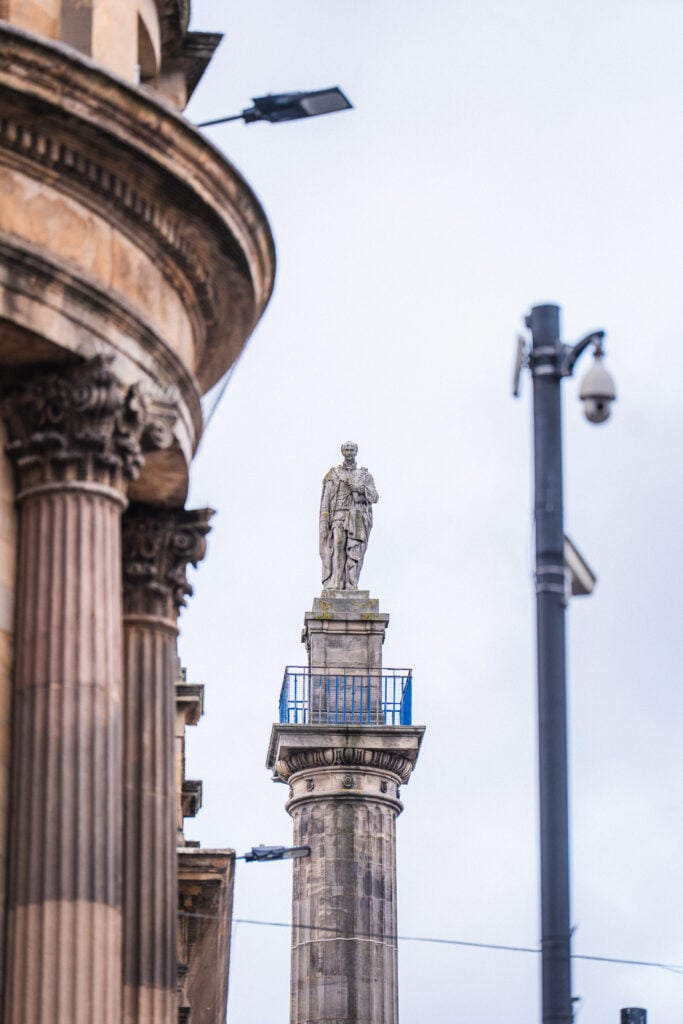
Grey Street is probably the most iconic street in Newcastle. Lined with elegant Georgian architecture, the street is dominated by the 1838 Grey Monument, which was erected to celebrate the 1832 Reform Act introduced by Earl Grey.
Officially known as the Representation of the People Act 1832, or the Great Reform Act, this piece of legislation was aimed at reforming the electoral system in England and Wales – a demand for more middle-class men to be able to vote.
Of course, plenty of the population were still unable to vote, including working-class men and women. It wasn’t really until the 1918 Representation of the People Act that all men over 21 (and some women over 30) could vote.
Today, Grey’s Monument serves as a primary, central meeting point for protests, demonstrations, and public gatherings in the city. Come the festive season, a Christmas market surrounds it.
Grainger Market
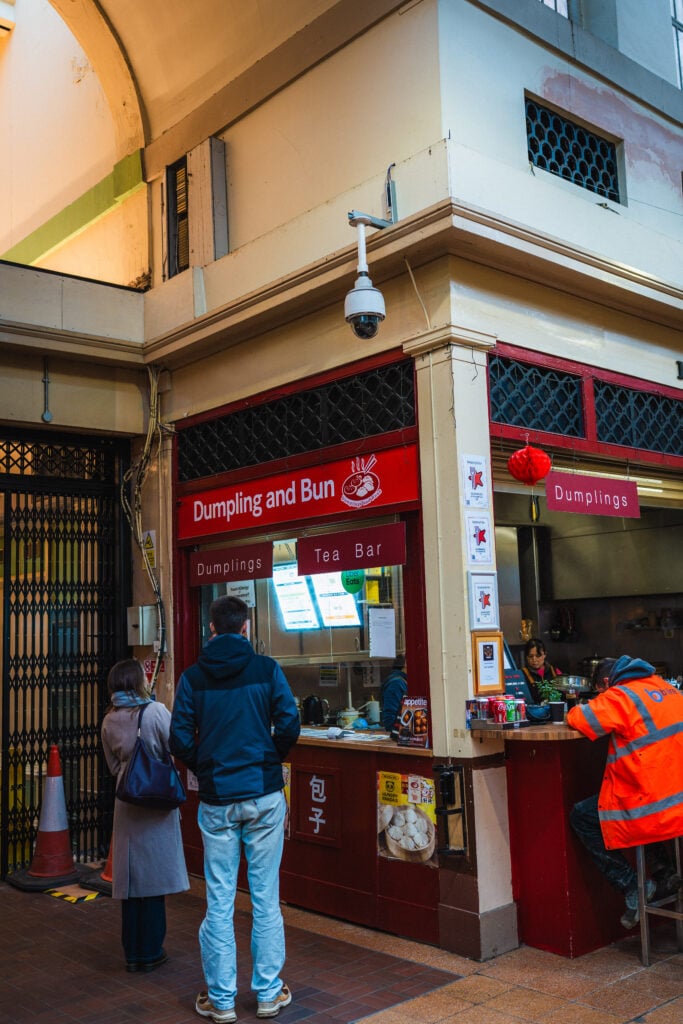
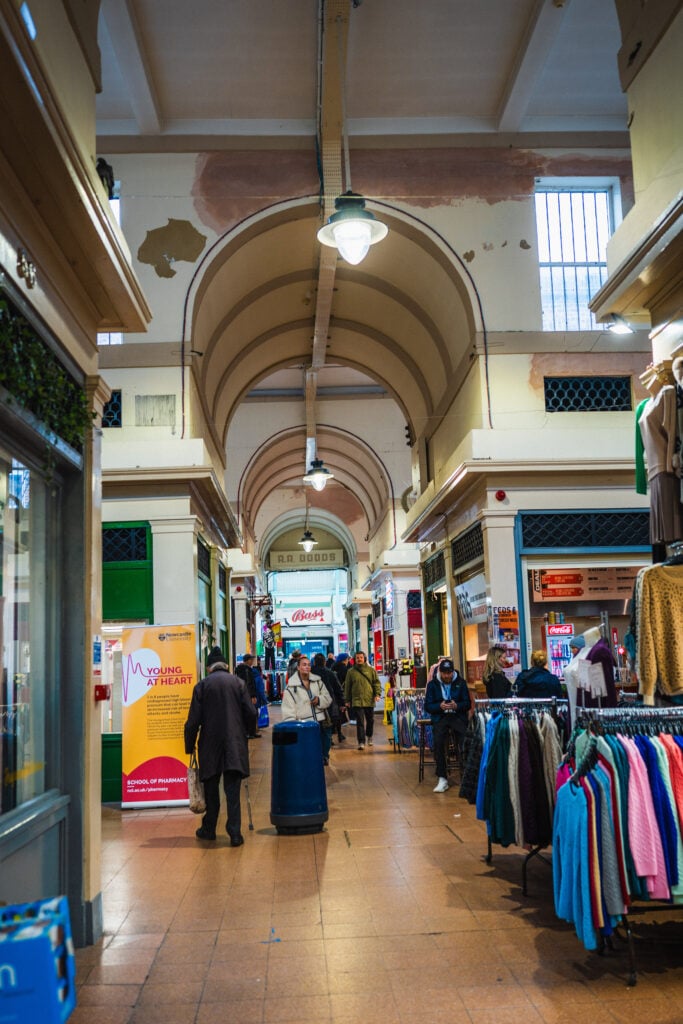
Stop for a bite to eat at Grainger Market, a covered marketplace that dates back to 1835. The market is home to over 100 independent traders. Here, you’ll find everything from vintage goods, florists, cobblers, and jewellers to haberdasheries, artisan bakeries, high-quality butchers and greengrocers, and delicious street food.
This Grade I listed market is at the beating heart of Newcastle, and certainly reflects the city’s vibrant character, showcasing a diverse selection of cuisines from local produce to international dishes. The overall layout features a grid of four main parallel alleys crossed by a central walkway, known as the Arcade.
Grainger Market is open every day from 9:00 am to 5:30 pm, except on Sundays when it’s closed. It’s completely free to visit, so even if you’re not going for lunch, it’s well worth wandering through to experience the buzz of this historic marketplace.
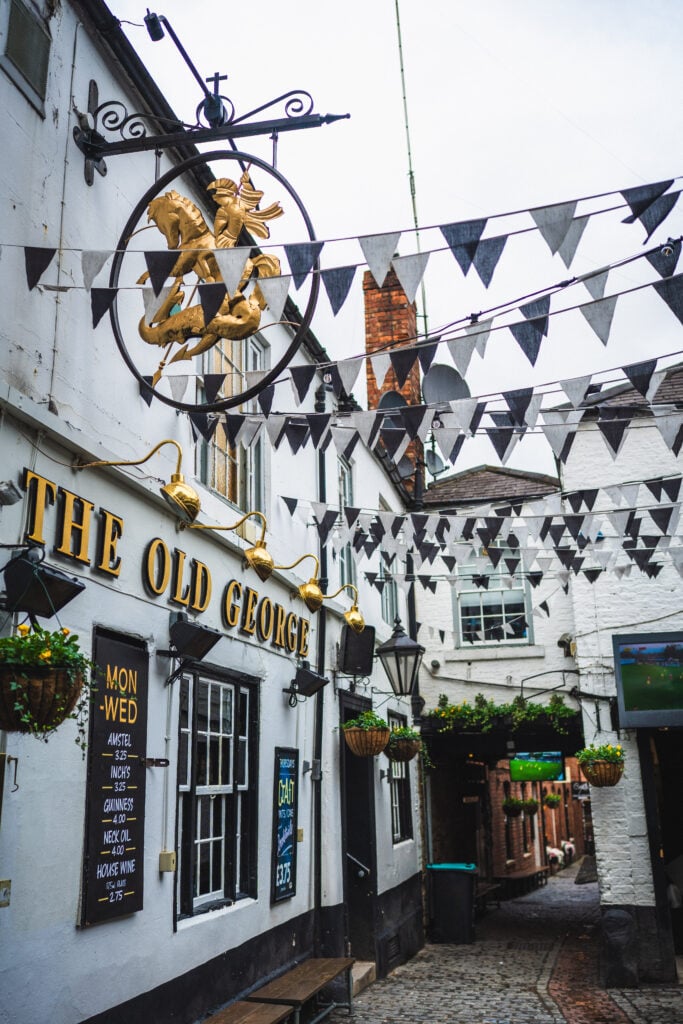
The Old George
The Old George is allegedly the oldest pub in Newcastle, dating back to 1582, and it supposedly has a royal link. The pub boasts that King Charles I was a regular visitor, while in an open prison nearby, though let’s be honest, this is probably more likely a selling point than actual truth, but who knows!
The former coaching inn is managed by the McMullen & Sons brewery estate. They serve pub classics, brunch, real ales, and show regular sporting fixtures.
Newcastle Cathedral
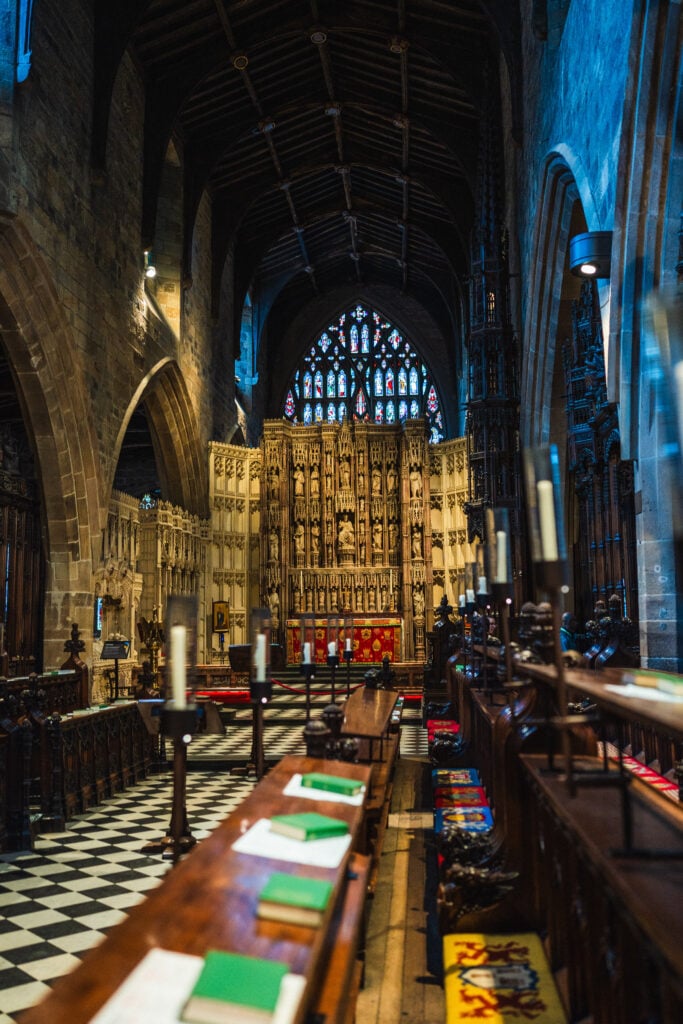
One of the most important buildings in the city has to be Newcastle Cathedral, which was formerly known as the Cathedral Church of St Nicholas. Founded in 1091, the ecclesial building takes its name from St Nicholas, the patron saint of sailors and boats, and it only gained official cathedral status in 1882.
The cathedral’s most notable feature is that of the 15th-century Lantern Tower. Built in 1448 and rising 60 meters high, it was once used as a beacon to guide ships along the River Tyne. Another interesting fact about the tower is that during the 1644 Civil War, the Mayor famously saved it from cannon fire by placing Scottish prisoners inside as a human shield!
Newcastle Cathedral and its crypt are free to visit (though donations are encouraged). Visits to the Lantern Tower are currently postponed for maintenance.
Lit & Phil Library
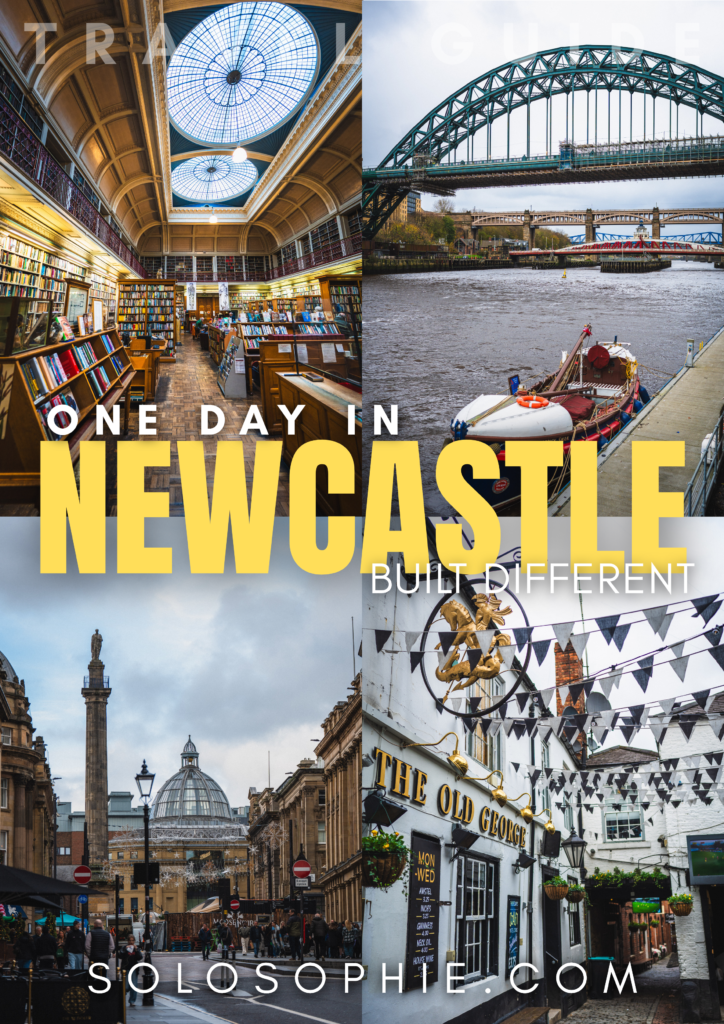
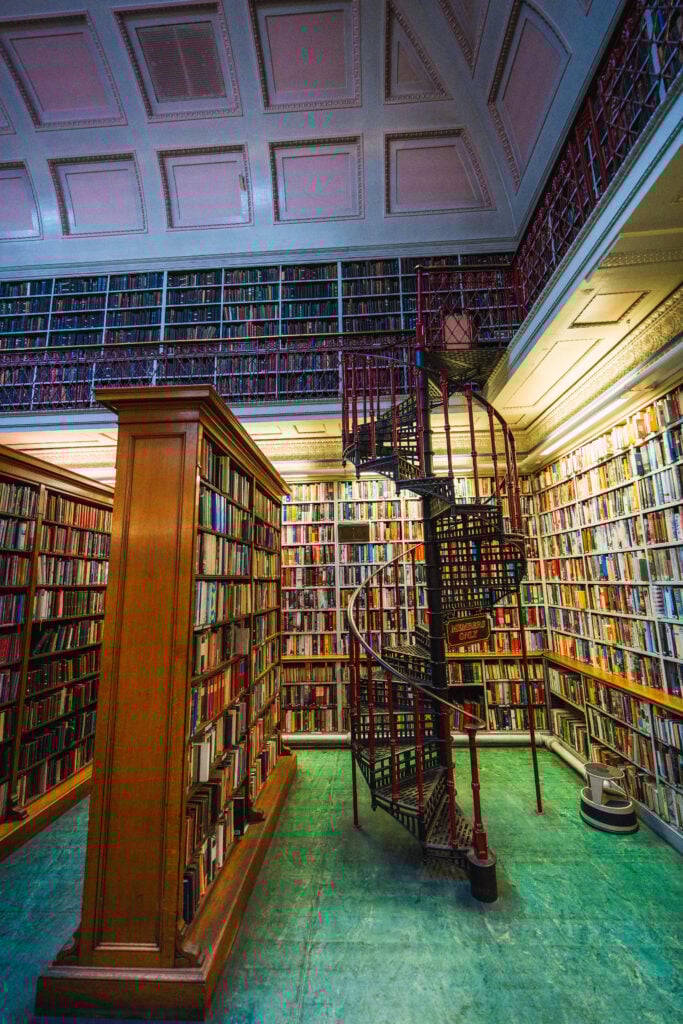
The Literary and Philosophical Society of Newcastle upon Tyne, or the Lit & Phil Library, as locals refer to it, is the largest independent library in the UK outside of London. Founded in 1793 as a “conversation club”, it has been at the centre of discussions about art, science and society for centuries.
Women were first admitted to the library in 1804, an early step in opening up its collections. Today, the Lit & Phil is free to visit, serving as both a reference library that anyone can explore and a lending library for members. The society behind it is also a registered charity, supporting its mission to inspire learning and creativity.
Self-described as a “literary hideout”, this haven for book lovers and conversationalists alike also hosts a varied programme of events throughout the year – from drawing classes, photography-focused meet-ups, to classical concerts, poetry readings and author talks. It remains integral to Newcastle’s creative and intellectual scene.

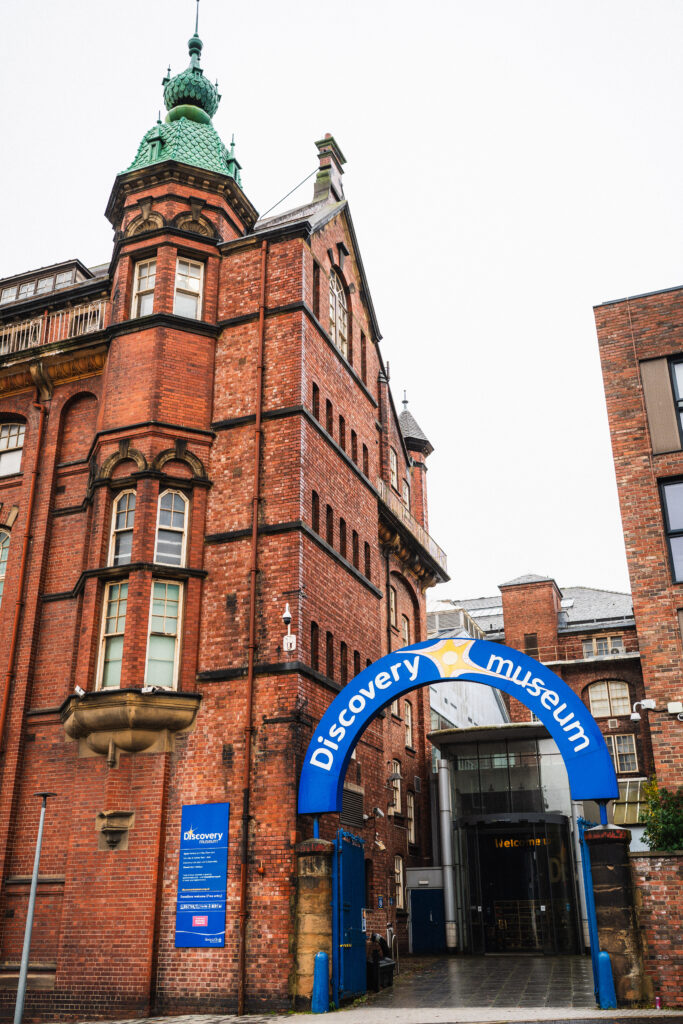
Discovery Museum
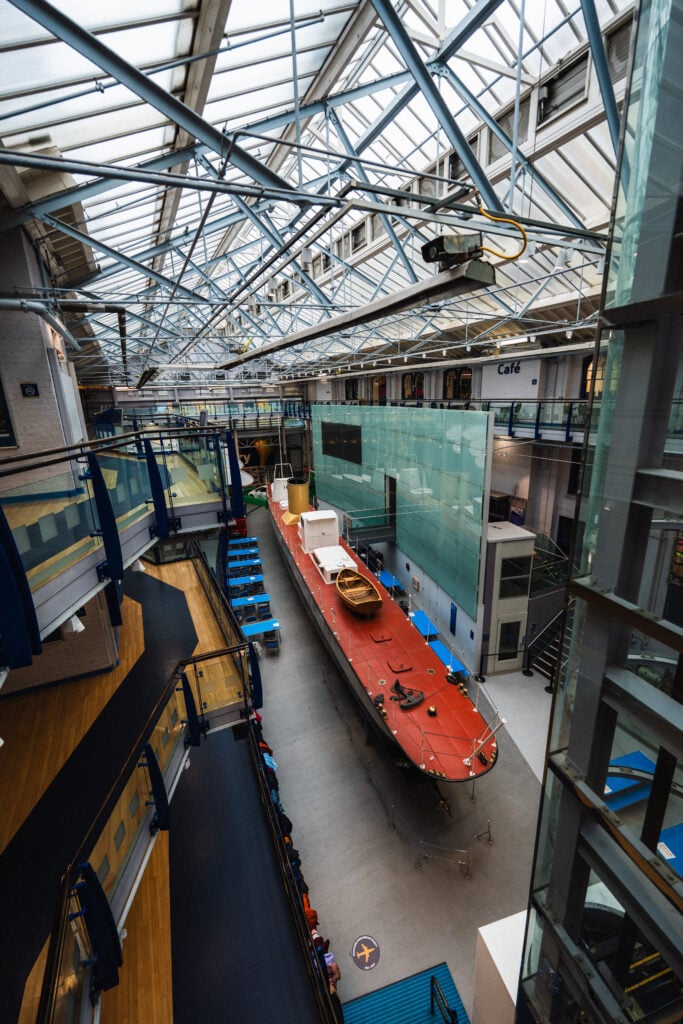
This museum initially started off as the Municipal Museum of Science and Engineering in 1934. It was one of the first science museums in the country to open outside of London. The Discovery Museum, as it’s known today, has resided in its current position since the 1970s.
The museum houses a wide collection of the rich history of science, industry, and innovation that the city is so renowned for. You can also see tiny models of Newcastle’s main sights, some showing how the city looks today and others recreating its historic structures from the past.
It’s completely free to visit this cultural landmark of Newcastle. And, you can easily spend anywhere from an hour having a wander around, to several hours looking at the exhibitions in depth, the perfect way to spend a rainy afternoon. The museum is open every day, on weekdays it’s open from 10 am – 4 pm and 11 am – 4 pm on weekends.
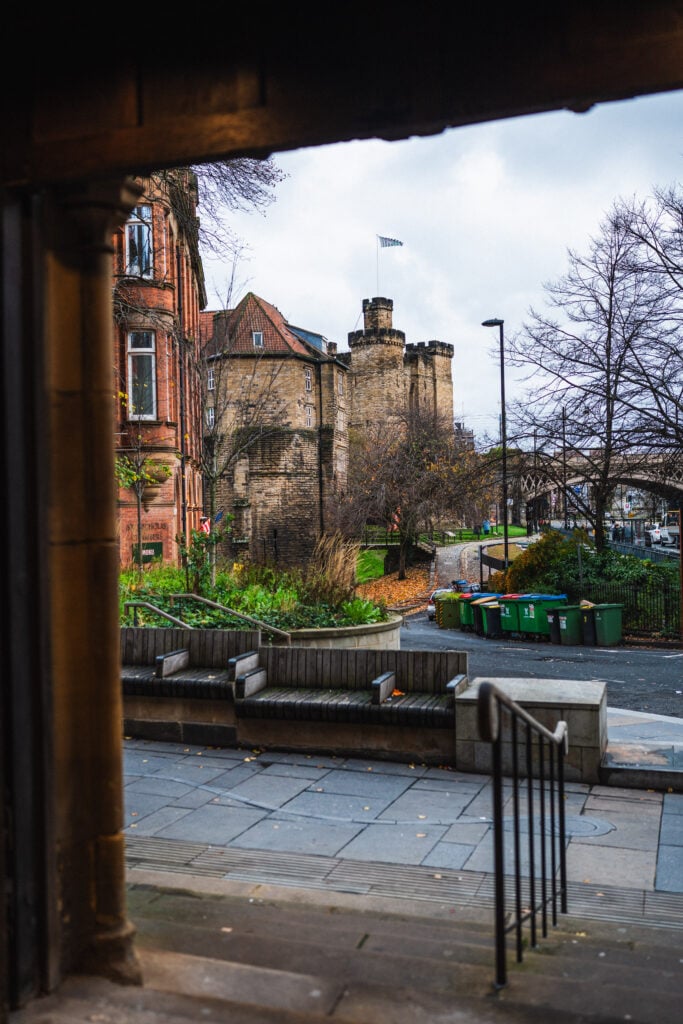
Newcastle Castle
Newcastle actually got its name in 1080 when the “New Castle” was built by Robert Curthose, the eldest son of William the Conqueror, after campaigning in the north to secure Norman control against Scots and local resistance.
The castle in question was originally a wooden motte‑and‑bailey fortification. Over time, it was rebuilt in stone and helped establish Newcastle’s importance as a strategic northern stronghold.
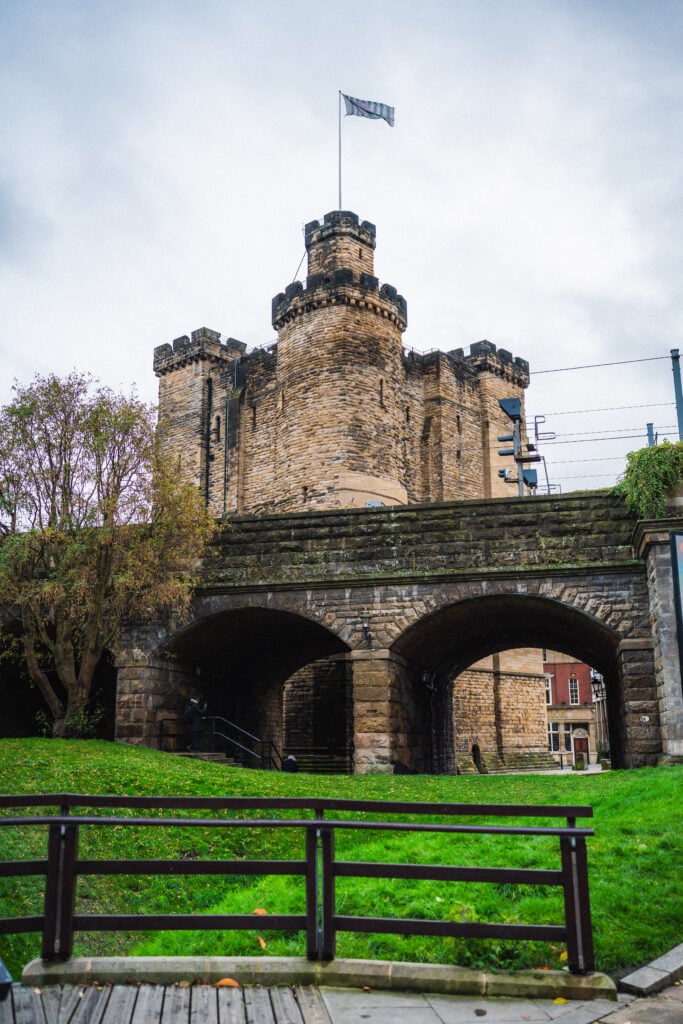
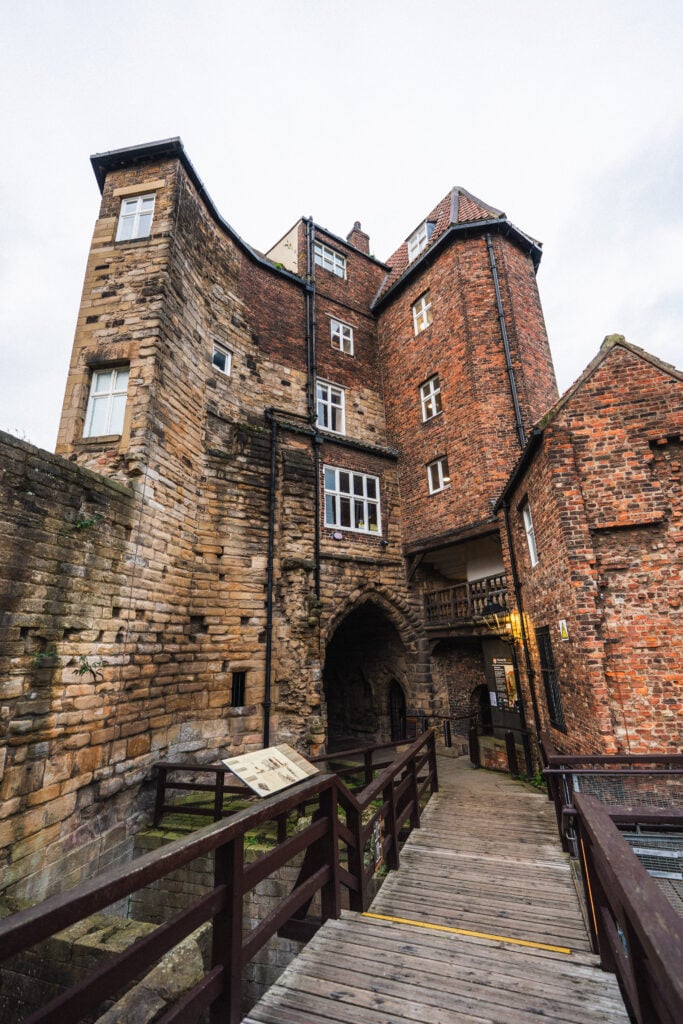
The current castle seen today is indeed built on the very site where the city’s first castle stood. Though little of the medieval structure remains today, you can still see the central Castle Keep and the Black Gate.
The castle has since been transformed into a museum, where you can pay an entry fee of around £13.65 per adult to visit. Inside, you can explore the ancient passageways and chambers, as well as learn about the hidden histories of those who once resided in the stronghold. One of the best things about a visit to the castle is being able to head to the top and take in sweeping panoramic city views.
Baltic Centre for Contemporary Art
Another cultural landmark of the city worth visiting is the Baltic Centre for Contemporary Art. Situated within a converted flour mill, this quayside gallery boasts four floors of art, two viewing decks, a café, shop, and library.
The gallery first opened in 2002 and has remained an integral part of Newcastle’s creative scene, showcasing contemporary art from around the world and hosting exhibitions, events, and educational programs. It’s completely free to visit and explore, and is open Wednesday to Sunday from 10 am – 6 pm.
Gateshead Millennium Bridge
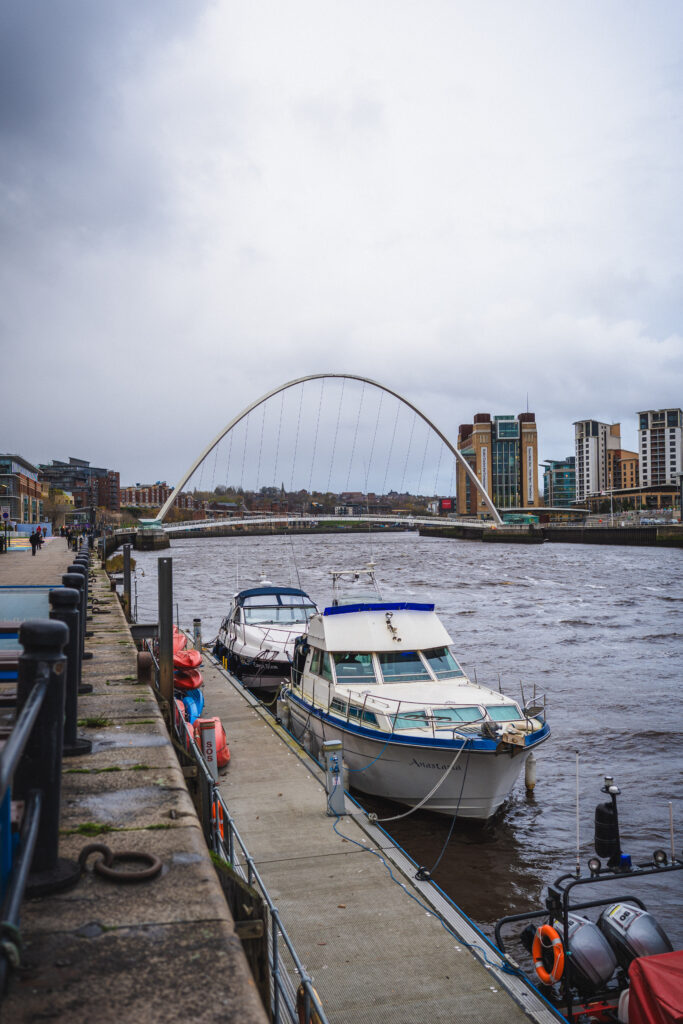
Newcastle is renowned for its bridges. The Gateshead Millennium Bridge is the newest of its structures; it was lifted into place in November 2000 and officially opened to the public in September 2001. Followed by an official opening ceremony by Queen Elizabeth II on the 7th May 2002.
It is a pedestrian and cycle tilt bridge, and, as its name suggests, the bridge does indeed tilt! The bridge actually tilts like an eyelid opening. Massive hydraulic rams slowly push the bridge so that the deck (walkway) rises and the arch lowers, creating space underneath for boats to pass.
It takes about 4.5 minutes to fully tilt, giving around 25 meters of clearance for river traffic. The bridge tilts every Friday, Saturday, Sunday and Monday at noon from the 1st May until the 30th September each year.
Quayside
The Quayside area of Newcastle is one of the most vibrant and buzzing parts of the city, a place where locals and visitors alike can enjoy scenic waterside strolls, bike rides, and leisurely mooch along on Sundays when the Quayside Market sells local produce, crafts, and street food. It’s also the perfect spot to take photographs of the city’s iconic bridges!
By night, the Quayside transforms into a lively hub of activity, home to glitzy bars, restaurants, and clubs where the city’s nightlife truly comes alive.
The Angel of the North
If travelling from the south of England, The Angel of the North is likely the first sight you see upon reaching Newcastle. In fact, it’s estimated that around 30 million people on an annual basis pass by the Angel.
This iconic 200-tonne structure is a powerful symbol of Gateshead, and a beloved feature of the wider North East of England’s identity. It was created by sculptor Anthony Gormley in 1998 and stands as Britain’s largest sculpture, and is easily one of the most recognisable and talked about pieces of public art in British history.


Where to stay in Newcastle
If you’re only in Newcastle for a short period of time, I recommend staying pretty central so that you’re close to the city’s main sights. However, if you’re staying for a longer period of time, or simply prefer a quieter stay, I highly suggest looking at booking somewhere in Jesmond (a quieter leafy suburb of the city). Here are some suggestions of where to stay:
Hotel Indigo Newcastle by IHG (Grainger Town, very central) – This hotel is in the perfect location, just a 4-minute walk from Newcastle Central train station. Guests have commented on the rooms being bright, clean, and comfortable. Check prices and availability here.
Jesmond Dene House (Jesmond) – Offering a more unique stay in a grand stone Arts and Crafts estate, this hotel is situated approximately 1.5 miles from the city centre, so it’s more of a place to stay if you have a little longer time when visiting the city. Check prices and availability here.
Watch the Newcastle vlog
If you want a visual tour of the city, feel free to watch my video. I also spend time interviewing locals, including creatives and people working across the city.
Enjoyed reading our guide on how to spend one day in Newcastle? Pin this article now, and read it again later: