4 Perfect Days in Malta: The Ultimate Malta Itinerary for First-Time Visitors
Last Updated on 26th January 2026 by Sophie Nadeau
This post may contain affiliate links. Please check out my privacy policy and disclosure for more information.
Malta is a sun-soaked haven nestled in the heart of the Mediterranean Sea. Shaped by thousands of years of history and countless civilisations, the islands are home to some of the world’s oldest monuments.
Nicknamed‘Melita‘ (the Roman name for honey), this limestone outcrop is also home to a rich and diverse food scene, breathtaking coastlines, and is one of Europe’s sunniest destinations.
In this guide, we’ll show you how to make the most of 4 perfect days in Malta, including: hidden gems, mouthwatering eats, what to see, and the best places to stay.
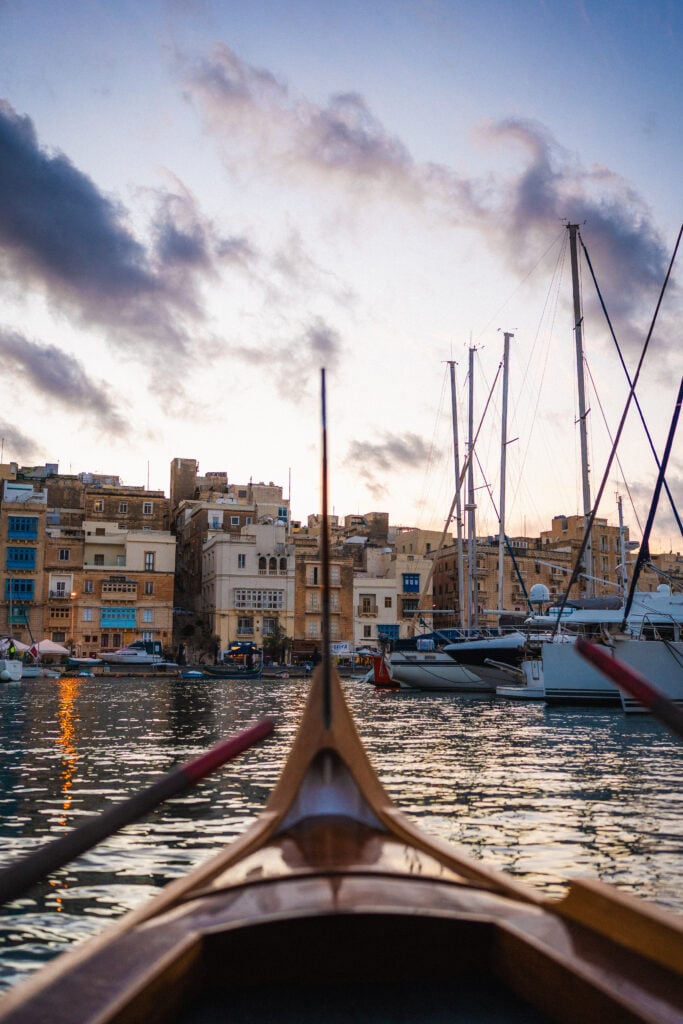
Contents
What is Malta known for?
Malta is a stunning island nation nestled in the Mediterranean Sea, between southern Europe, south of Sicily specifically, and the coast of North Africa.
With a history spanning thousands of years, Malta is a melting pot of Mediterranean, European, and North African influences, all of which can be experienced through its culture, cuisine, art, music, and architecture.
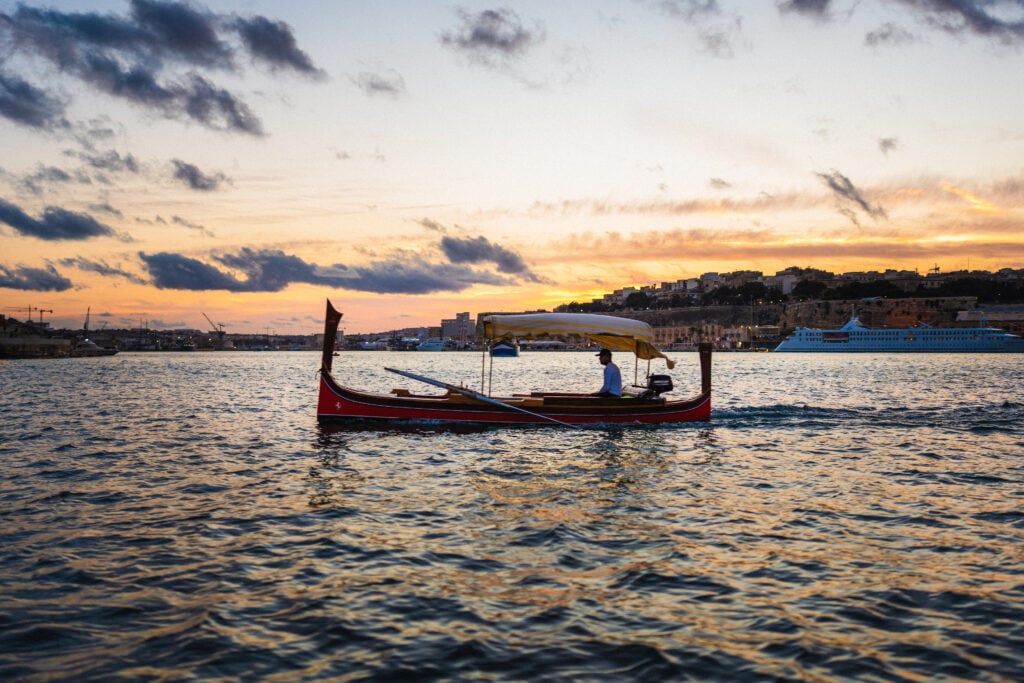
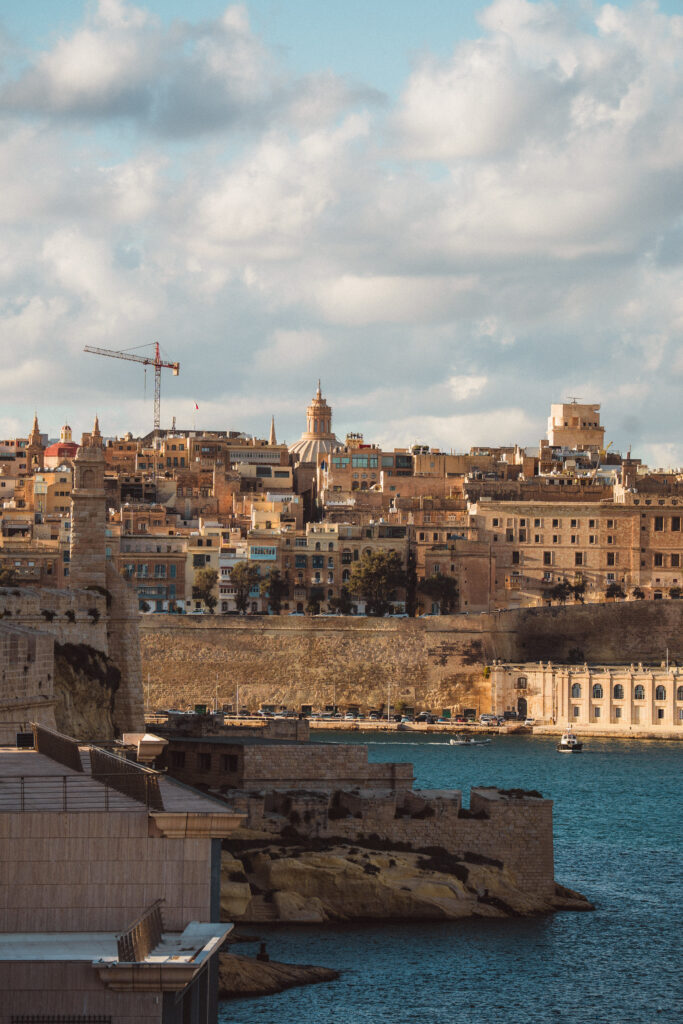
Malta’s towns and cities are characterised by their honey-hued limestone buildings. With over 7,000 years of history, the islands are home to some of the world’s oldest free-standing monuments, and, as such, the country has been designated three UNESCO World Heritage Sites for their cultural significance.
Alongside its incredibly rich history, Malta is known for its delicious food that blends strong Italian (particularly Sicilian), Arab, British, and French influences.
Malta also boasts over 300 days of sunshine a year – a climate that makes it the perfect destination to soak up its stunning coastlines and take a dip in crystal clear waters.
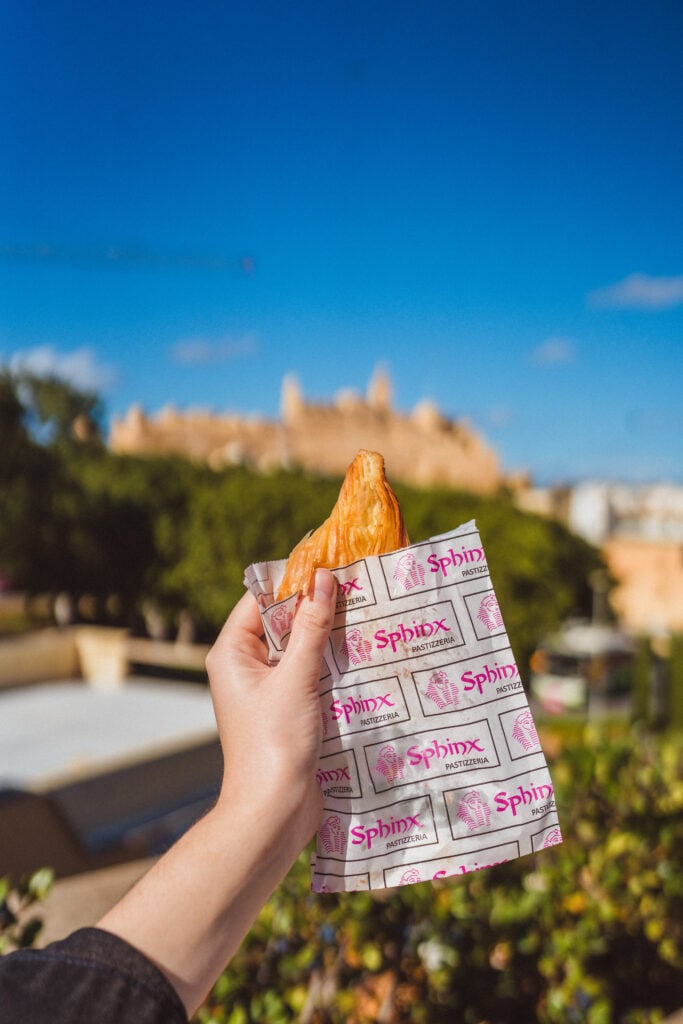
Getting around Malta
Use Bolt – I highly recommend downloading and using the Bolt app when getting around Malta, as it’s definitely the most reliable service. You can book trips in advance, see the costs up front, and it generally has the most vehicles available and offers the best prices.
Malta is well served by its public transport system, with reliable buses connecting to most of the towns and tourist spots. Tickets can be purchased on board using cash or a contactless bank card.
The winter fare (October 2025 to June 13, 2026) is €2 for a single journey on Day Services, valid for 2 hours, while the summer Day Services cost €2.50, and night buses are €3.
You can find out more about Malta’s public transport system on its official website here. There’s also an app which is recommended to download.
Depending on how much you explore, the 7-day Explore Card (€25 for adults) might be worthwhile, but I recommend calculating your trip yourself to be sure it covers where you want to go and suits your trip.
Day 1 in Malta: Valletta
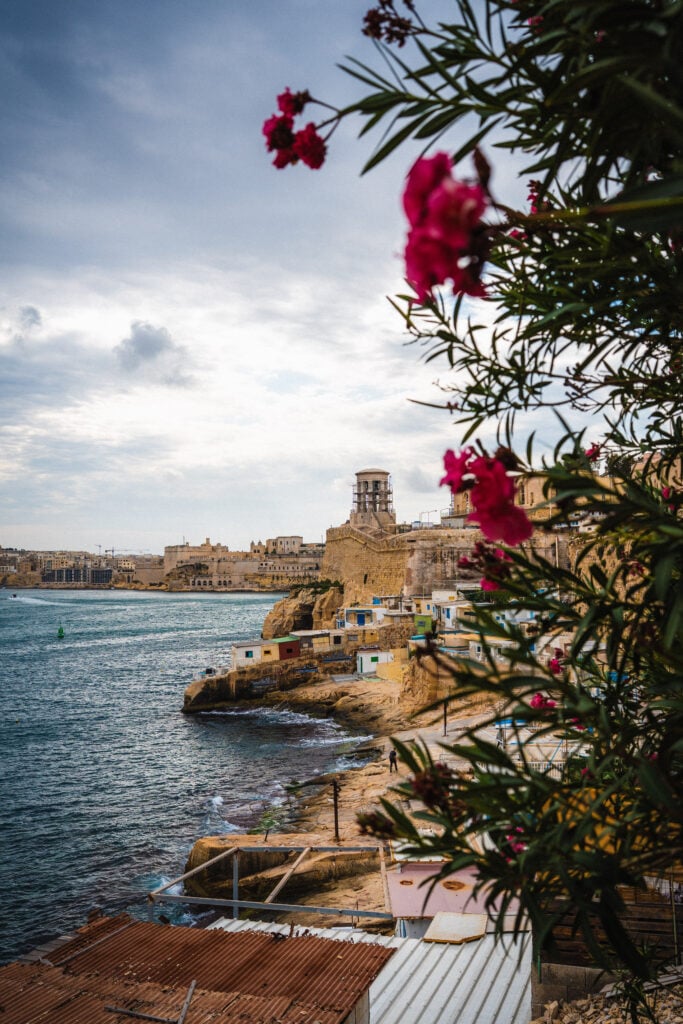
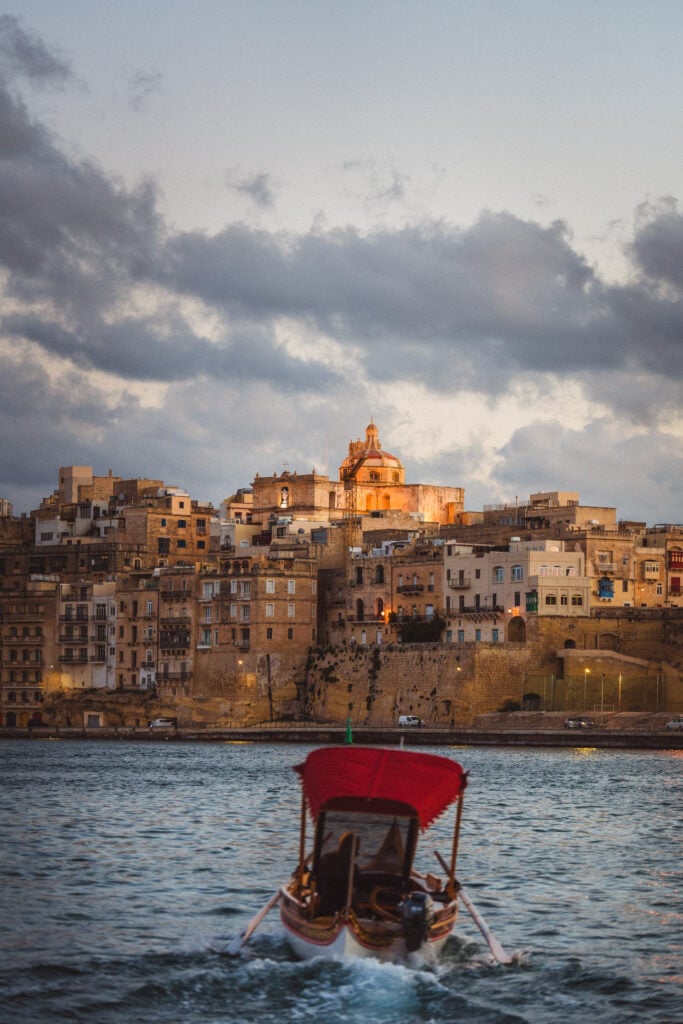
Your first day in Malta will be spent exploring the capital city, Valletta. This historic gem is a city of stairs, hills, and sweeping vistas – where you can begin to trace the cultures that have existed here, from the ancient Phoenicians and Romans to the Knights of St. John and the British.
With its stunning Baroque architecture, fortified walls, charming cobbled streets, and scenic harbours, Valletta is an exciting and historic capital to explore.
Highlights of a first-time itinerary include the star-shaped Fort St. Elmo, the beautifully preserved 16th-century noble home Casa Rocca Piccola, Caravaggio’s only signed work in a cathedral, and Malta’s National Library. Plus, plenty of delicious Maltese cuisine!
Read our One Day in Valletta: The Ultimate Itinerary for Malta’s Capital to know more.
Day 2: Mdina, Hagar Qim & Marsaxlokk
Your second day in Malta will be spent exploring its rich history, ancient heritage, and coastal charm through Malta’s old capital, quaint coastal towns and ancient temples.
Mdina
Start by exploring the “Silent City” and Malta’s first capital, before it moved to Birgu, and then eventually to Valletta in 1571. Mdina is an ancient medieval citadel that has been inhabited for around 4,000 years and remains a fortified settlement to this day, home to just 300 or so people.
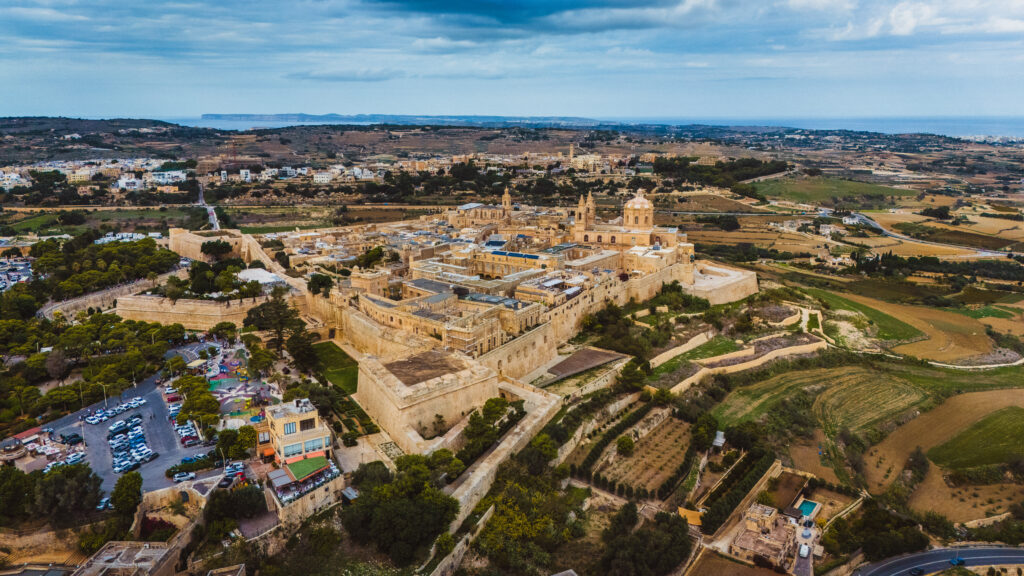
It is known as the “Silent City” because, when the capital was moved elsewhere on the island, it became almost completely deserted. Today, however, Mdina is far from silent, especially on sunny weekends, when its narrow streets can be bustling with visitors.
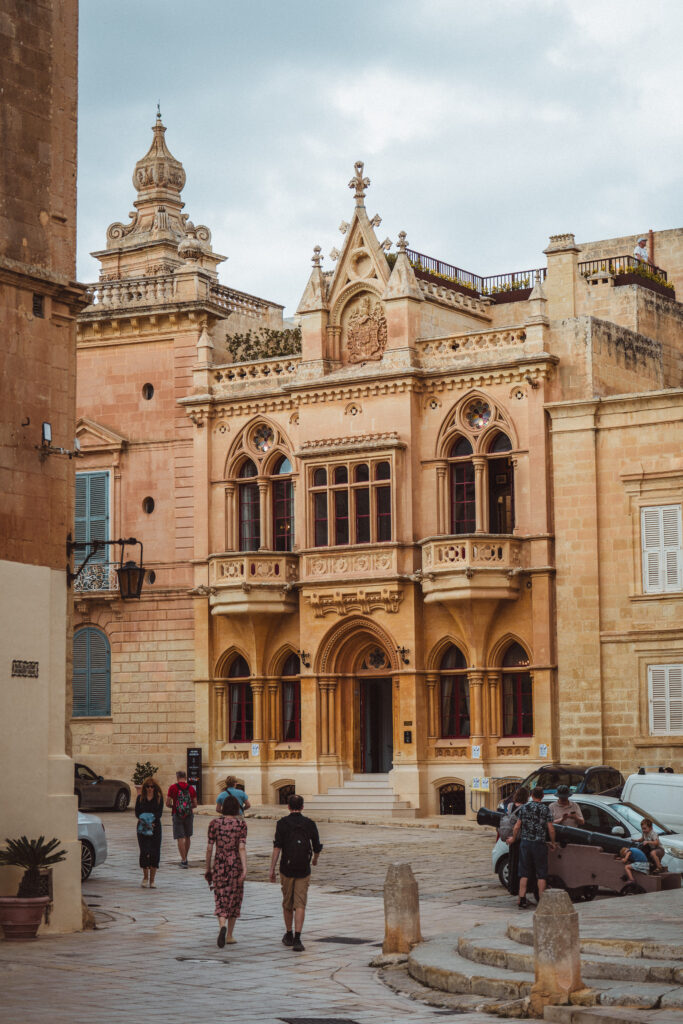
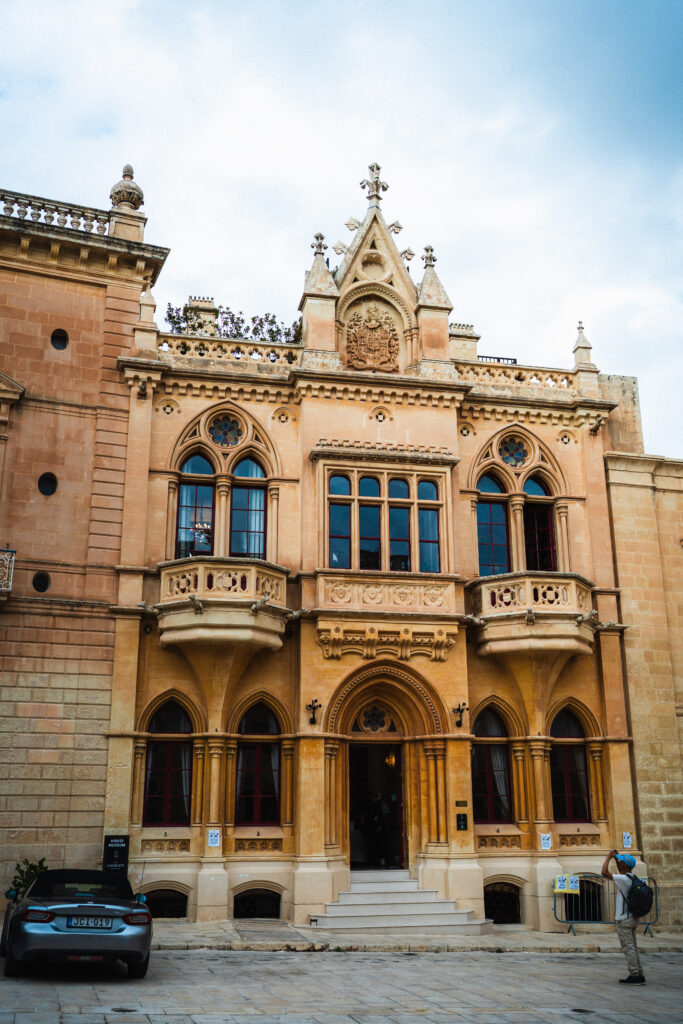
A morning in Mdina is the ideal amount of time to soak up its charm and explore its historic streets. In fact, cars are generally not allowed within the city walls, so it offers a far more intimate exploration than that of Malta’s busier cities.
Some of Mdina’s must-see highlights include:
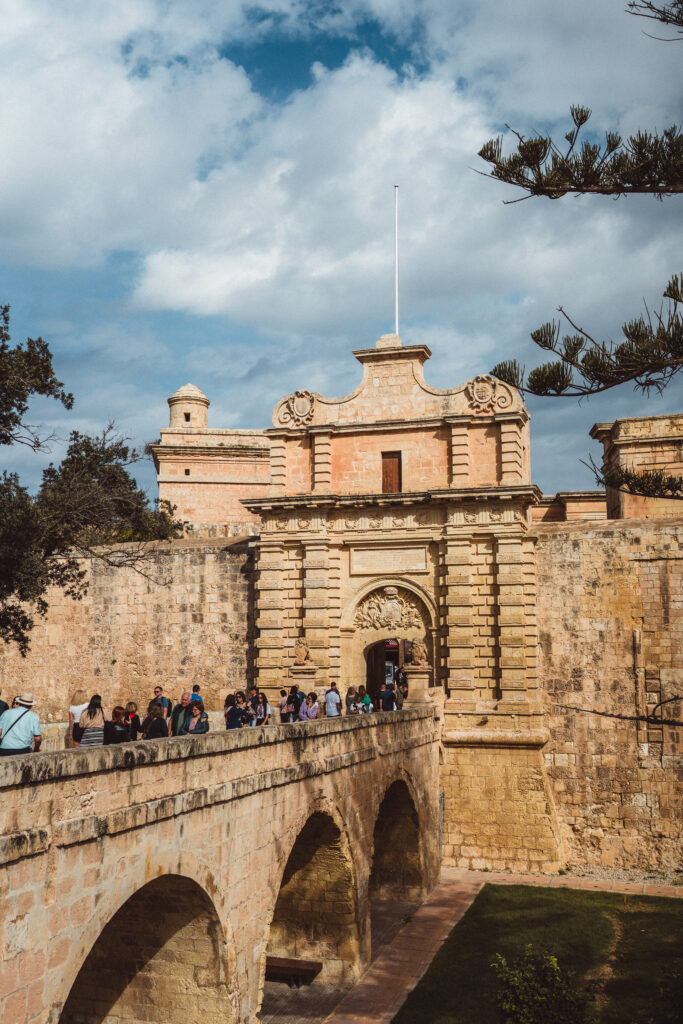
- Mdina Gate – The main gate into the fortified city, it was built in the Baroque style in 1724. It’s also become pretty famous in recent years thanks to its being the filming location for King’s Landing in Game of Thrones.
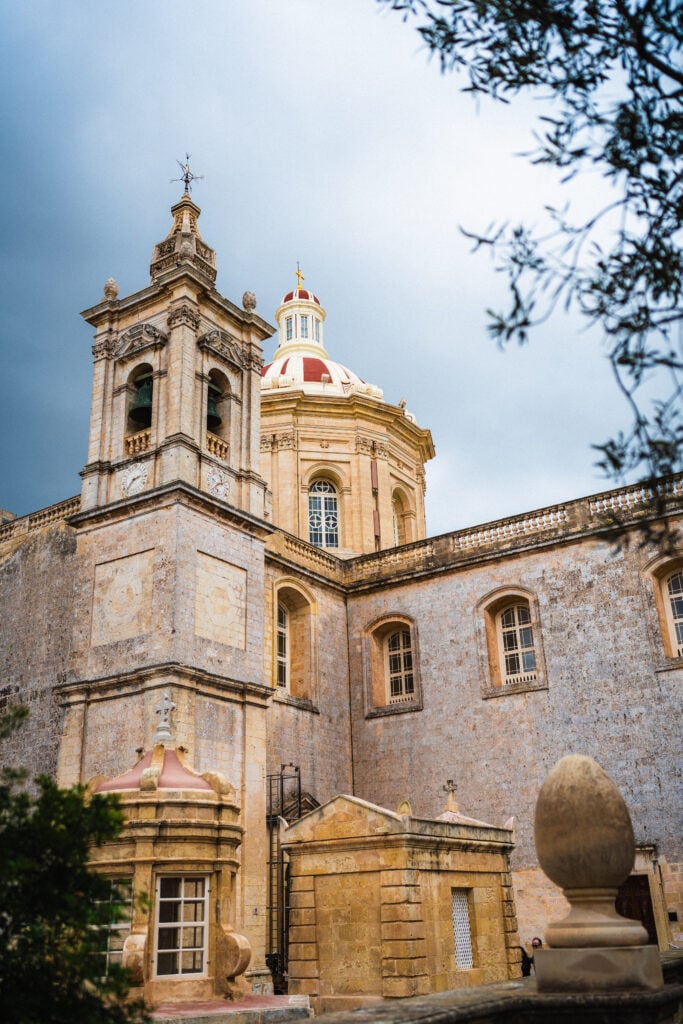
- St Paul’s Cathedral – Located in the heart of the city, the cathedral was founded in the 12th century, but seen today is a Baroque structure built in the 17th century after the 1693 Sicily earthquake severely damaged it. It is believed that St. Paul the Apostle was shipwrecked off the coast of Malta around 60 CE, and that he rested here in Mdina. You do have to pay €15 to enter this sight.
- Fontanella Tea Garden – A famed tea room and garden in the city that boasts spectacular views overlooking many of Malta’s main sights. (Arrive before 11:30 to ensure you get a seat!)
- Palazzo Falson – This medieval townhouse was built as a family residence by the Maltese nobility. Believed to have been built around 1495, it’s considered the second-oldest building in the city. Today, it is a museum which mainly houses artefacts and documents related to Captain Olof Frederick Gollcher, an artist, soldier, collector and philanthropist, who once resided here.
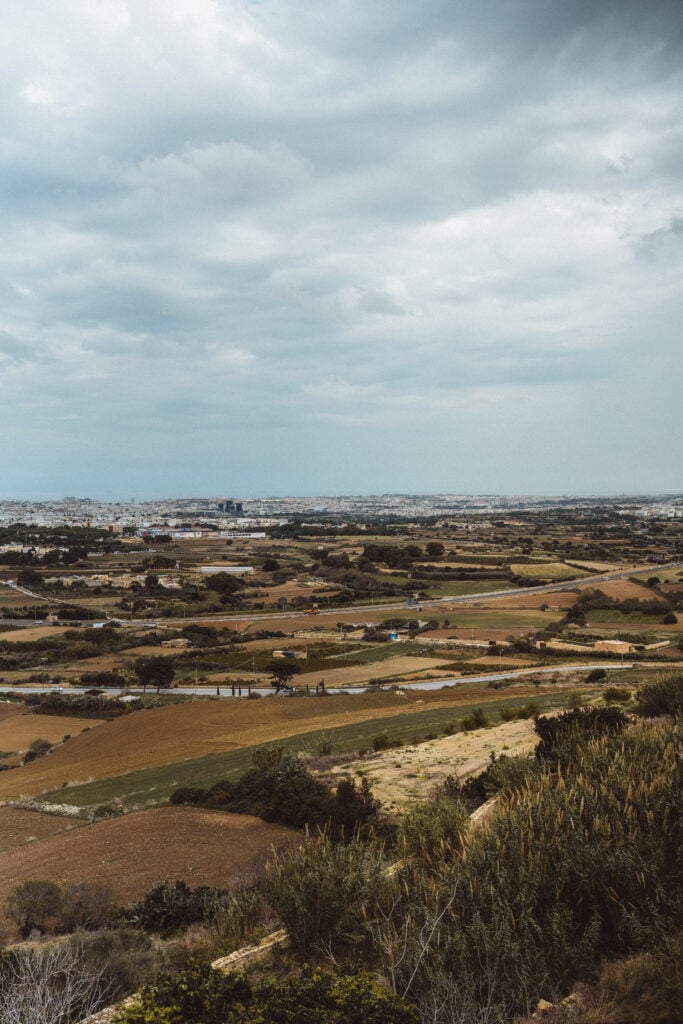
- Bastion Square – Situated atop the fortified walls, this is one of the best places in the city to marvel at Malta’s rural landscape, honey-hued architecture, and distant coastline.
- Casa Gourgion – This 19th-century nobleman’s home, which has been beautifully restored, boasts beautiful views from above. General admission to enter is €10.
- Il-Foss – The ditch surrounding the city, which has been transformed into a garden area, is home to plenty of cats and makes for a pleasant wander.
- Howard Gardens – Found directly outside of the city is a garden named for Joseph Howard, who was the first prime minister of Malta in the 1920s.
When wandering around Mdina, you may well spot horse-drawn carriages, known as karrozzin rides – a long-standing local tradition. If you’re considering taking a ride, it’s worth being mindful that the horses can sometimes work long hours in the heat.
Rabat
Just outside Mdina lies the town of Rabat, which is home to around 12,000 people. This town feels far more residential, and so exploring can feel a little quieter. But there are still plenty of fascinating sights to see, most notably, St Paul’s Catacombs. This site offers visitors a look at the most prominent features of Malta’s early Christianity archeology.
The best way to soak up Rabat is to simply stroll through its charming streets. You’ll find plenty of cosy cafés, boutique shops, and picturesque corners perfect for photo opportunities, dotted throughout the town.
Ħaġar Qim
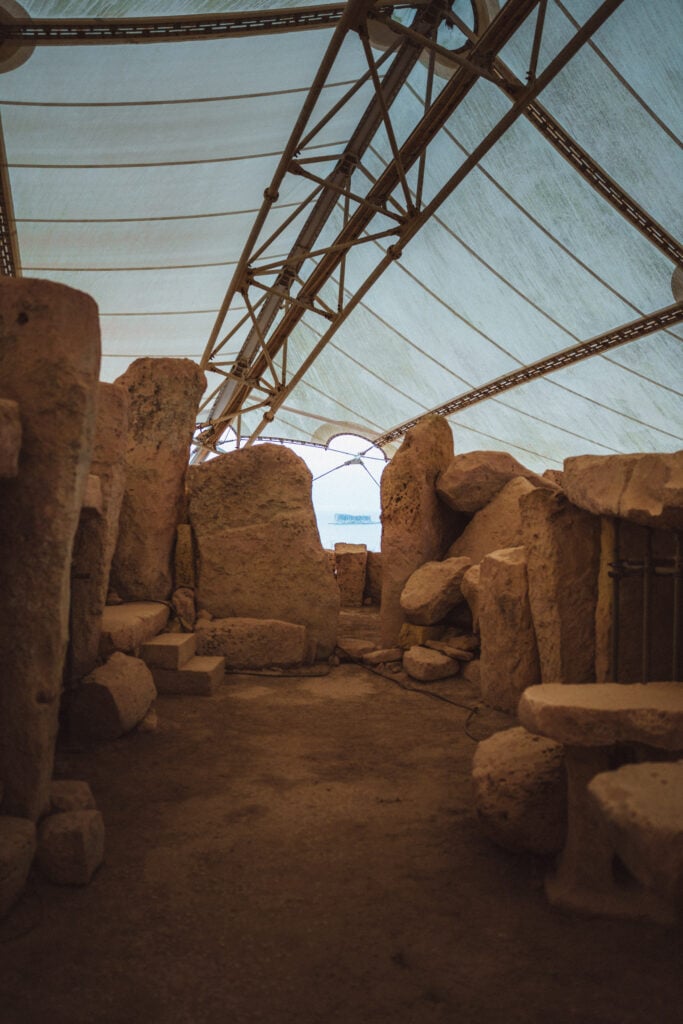
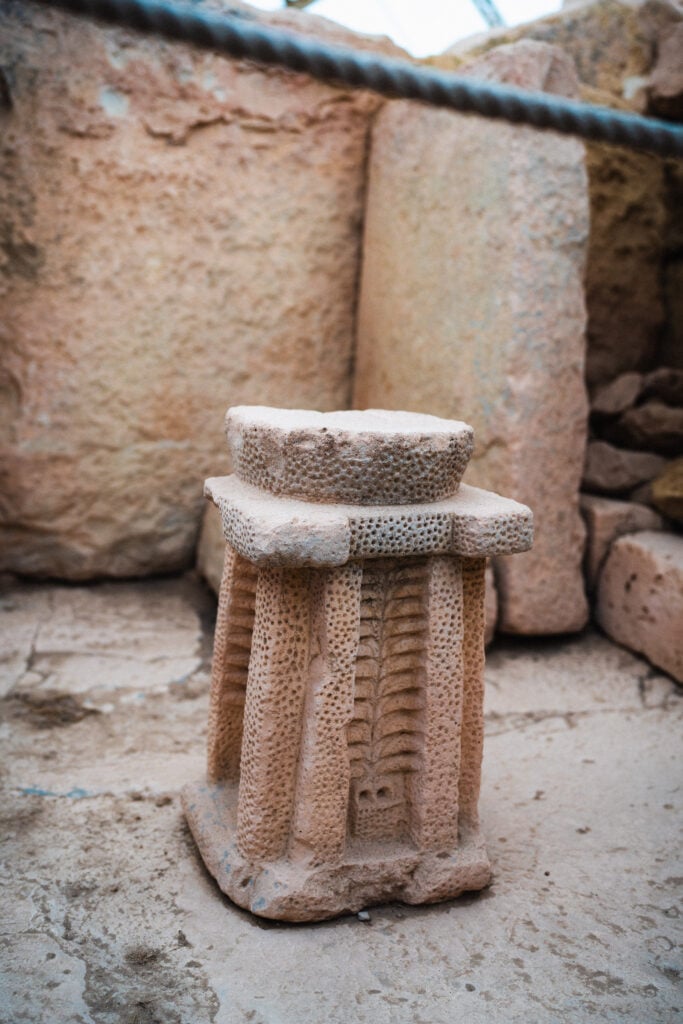
Ħaġar Qim, which translates to “Standing Stones” or “Worshipping Stones,” is a megalithic temple complex dating from the Ġgantija phase. Indeed, the Megalithic Temples of Malta are some of the oldest religious sites in the world and have been described by the UNESCO World Heritage Committee as “unique architectural masterpieces”.
Constructed between 3600 and 3200 BCE, the temples found here predate places like Stonehenge and even the Egyptian pyramids. The site was primarily used for ritual worship, and some of the found artefacts suggest things like fertility rites and animal sacrifices. It was first formally excavated and discovered under mounds of rubble in 1839.
A visit to the Ħaġar Qim and Mnajdra Archaeological Park costs around €10 for general admission. There’s free on-site parking, or you can opt to travel there by public bus via routes 74 or 201.
Most people typically spend around 45 minutes or so visiting the Ħaġar Qim Temples, but I’d allow for 2-3 hours if you want to explore the museum and all its artefacts in depth.
Marsaxlokk
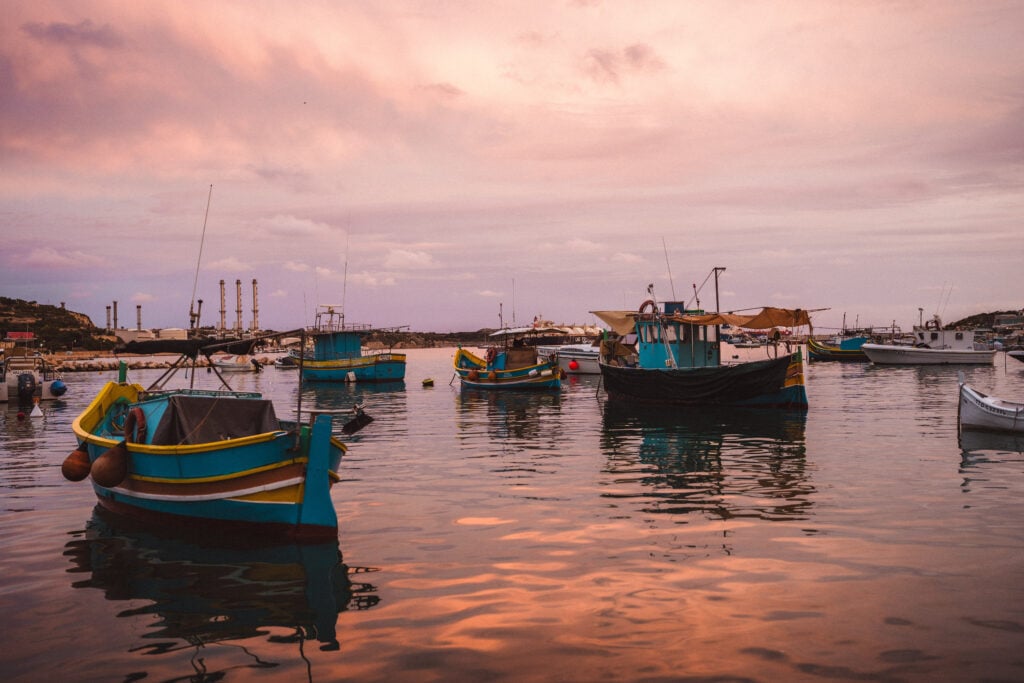
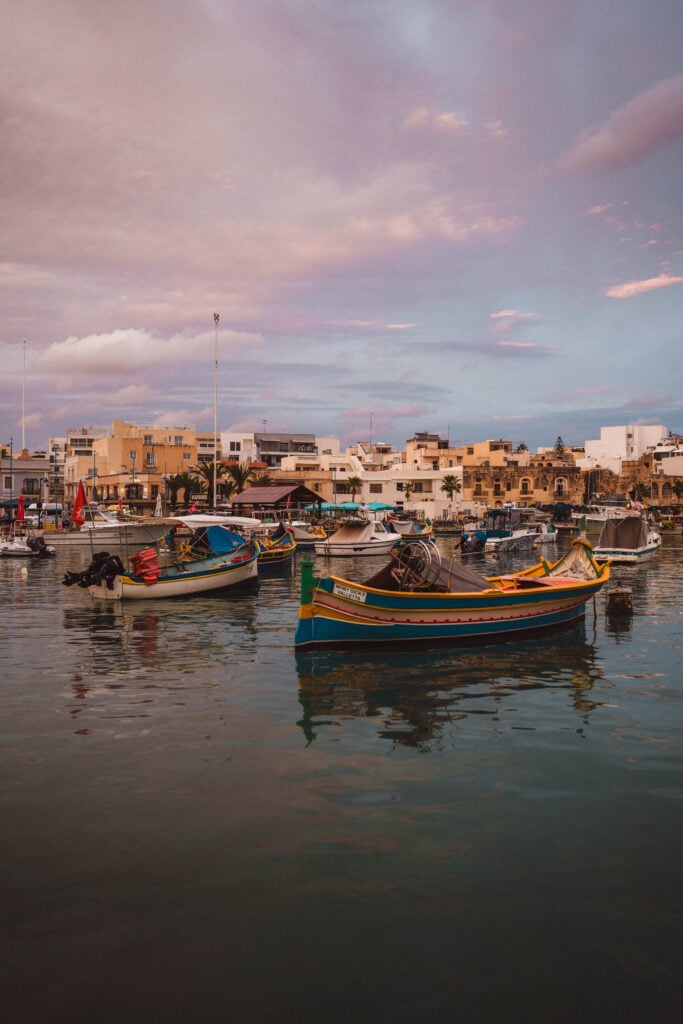
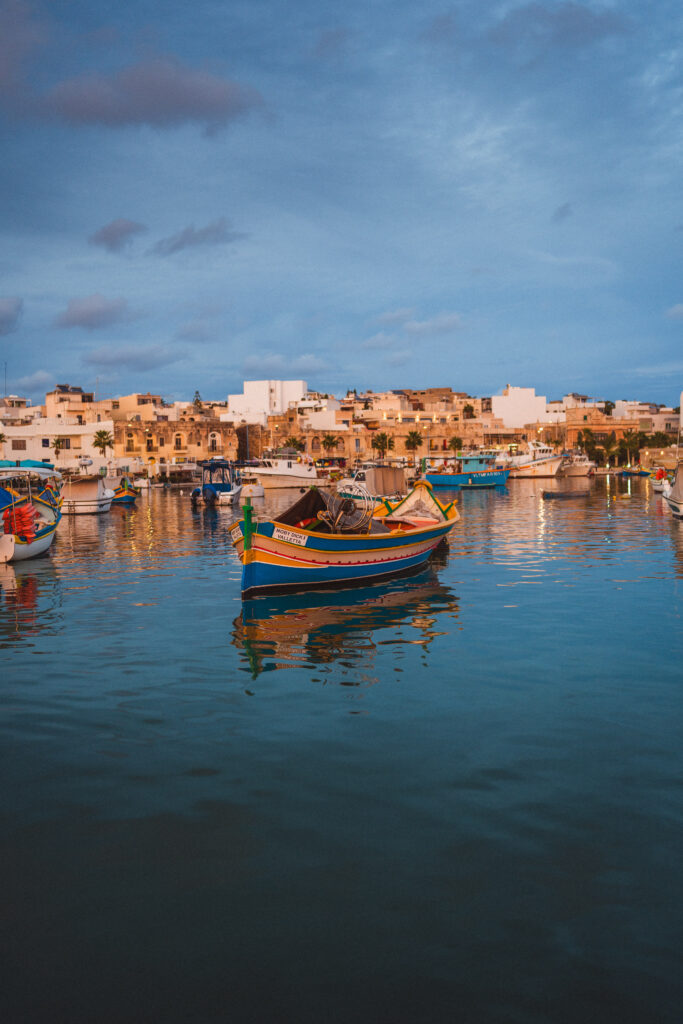
Spend the rest of your afternoon and evening in the quaint, traditional fishing village, Marsaxlokk. This part of Malta is most renowned for its picturesque scenery, particularly its colourful luzzu boats (traditional fishing boats in Malta) that gently bob along the harbour front.
The village is also known as Marsaxlokk Market, as it’s home to a bustling fish market that takes place along the seafront on Sundays. This makes it the perfect area to visit if you’re looking to try some of Malta’s fresh and delicious seafood dishes!
There’s not a great deal by way of attractions here, so the main thing is to really soak up the ambience and eat or drink at one of the many waterfront restaurants along the harbour front. I recommend having dinner and soaking up the authentic charm of the place at one of these restaurants: Liska Restaurant, L’ Arkati Restaurant, or Harbour by Johann.
Villa Bologna
Alternatively, you could opt to take a short 20-minute drive to Villa Bologna. This delightful Mediterranean restaurant resides in a stately home in the village of Attard, and it doubles up as an artisanal ceramic shop. It’s a family-run Italian restaurant that serves fresh and delicious cuisine, surrounded by art!
Day 3 in Malta: The Three Cities
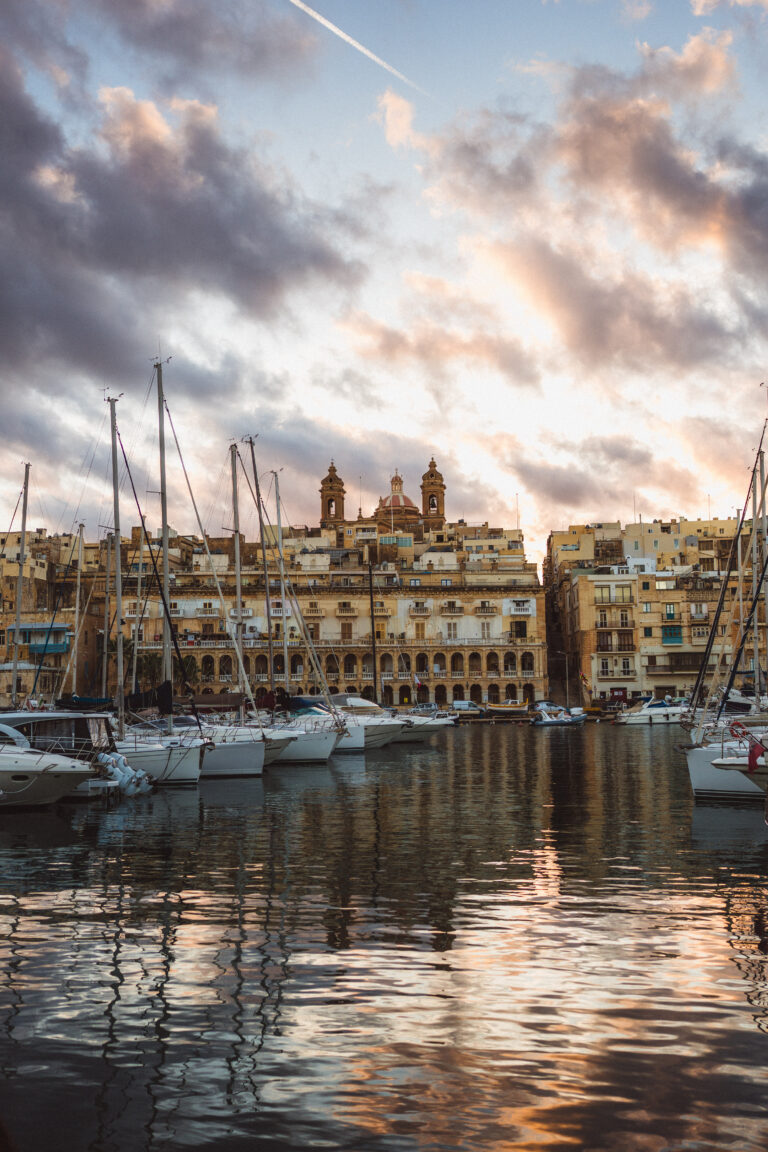
Your third day in Malta will be spent exploring the three cities of Malta: Vittoriosa (Birgu), Senglea (Isla), and Cospicua(Bormla). This trio of historic fortified cities is situated on peninsulas in the Grand Harbour that sits opposite to Valletta.
They’re at the heart of Maltese history, having served as the main naval base for the Knights of St. John and playing a key role in defending the island during the Great Siege of 1565.
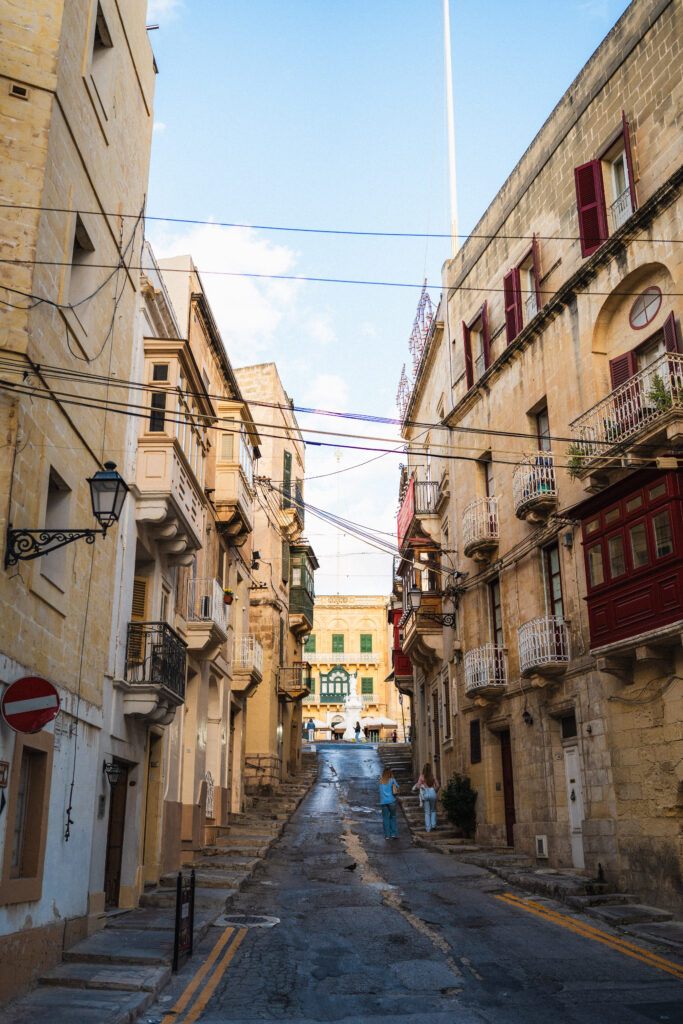
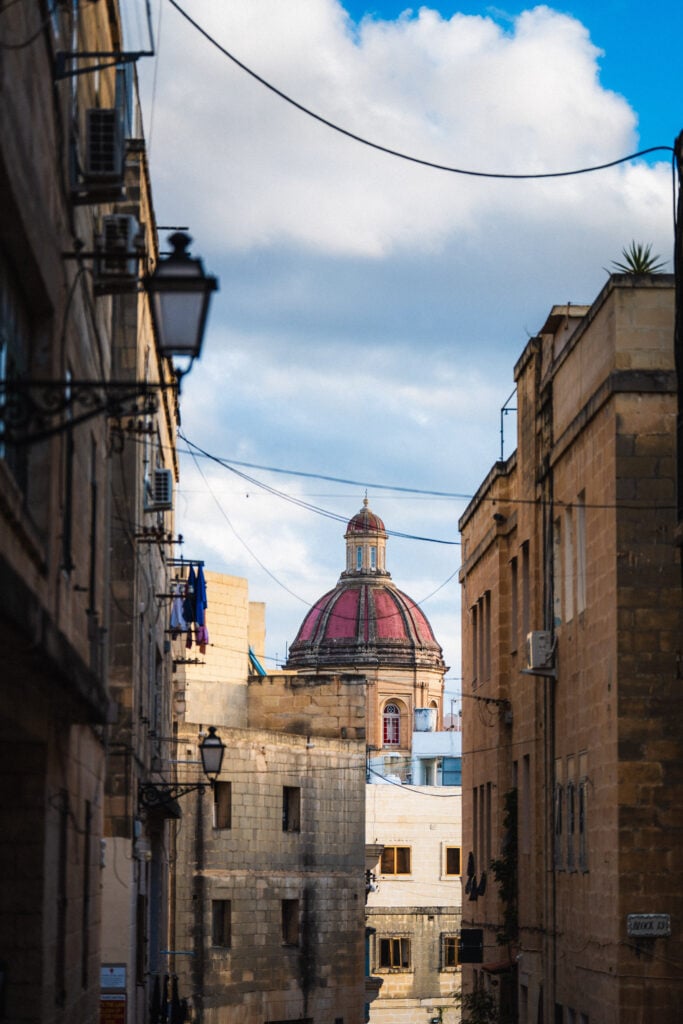
Something that can be quite confusing is that each of the three cities has a Maltese name and a Knights of St. John name, and these are all used interchangeably. The whole area together is known as the Cottona.
Although this area has been inhabited since Phoenician times, it only became fortified in 1530, when the Knights of St. John arrived and made it their de facto capital before moving to Valletta. It feels much quieter than bustling Valletta, and so wandering through the storied streets offers a more slow-paced exploration where you can soak up the rich history and authentic charm of this area.
Vittoriosa (Birgu)
This is the oldest city, and home to impressive sights like the imposing Fort St. Angelo, the Inquisitor’s Palace, and the charming, narrow streets to wander down in the ancient “Collachio” area.
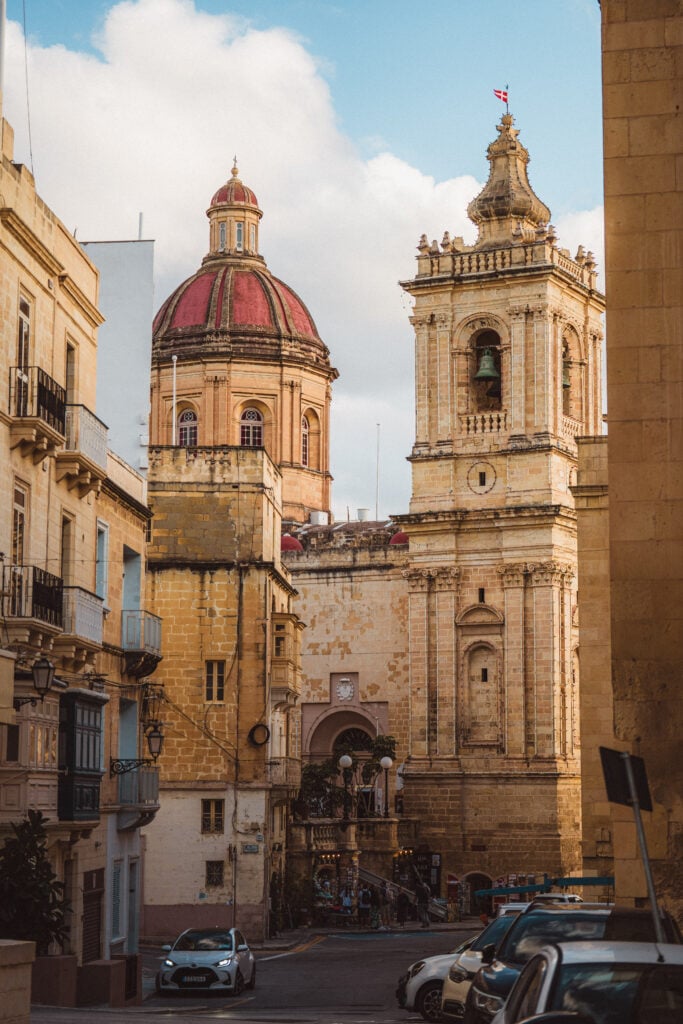
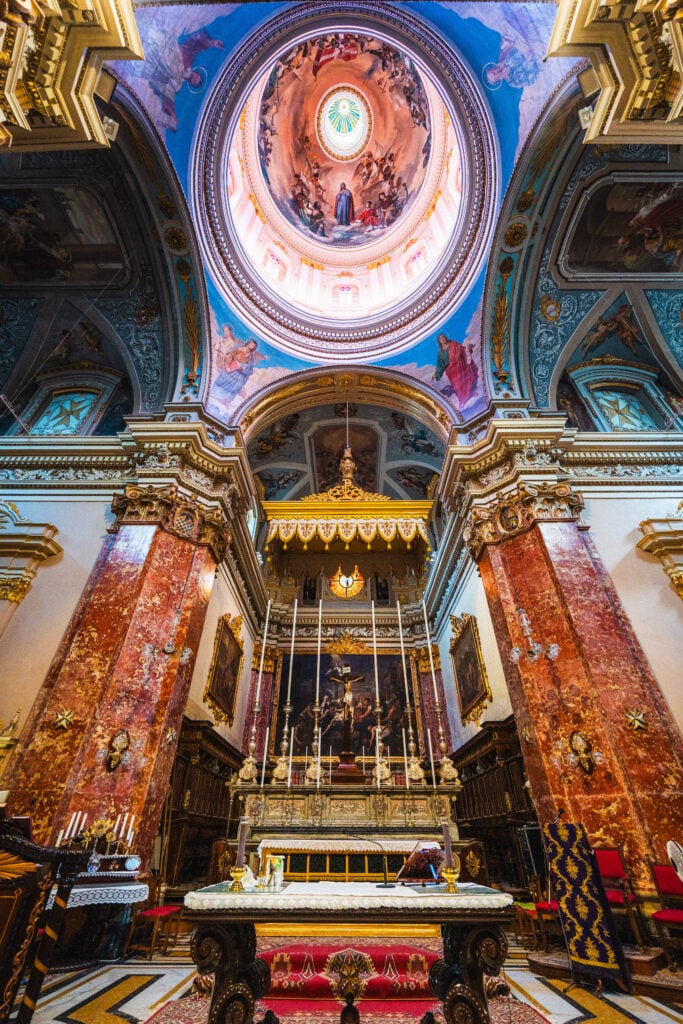
One thing you’ll quickly notice in Malta is just how Catholic the island is; in fact, there are 365 churches! One of the most impressive in this area is the Collegiate Church of St. Lawrence in Birgu. Founded in 1681 and built in the Baroque style, it’s not only one of the largest and most beautiful churches in the area but also holds great historical significance.
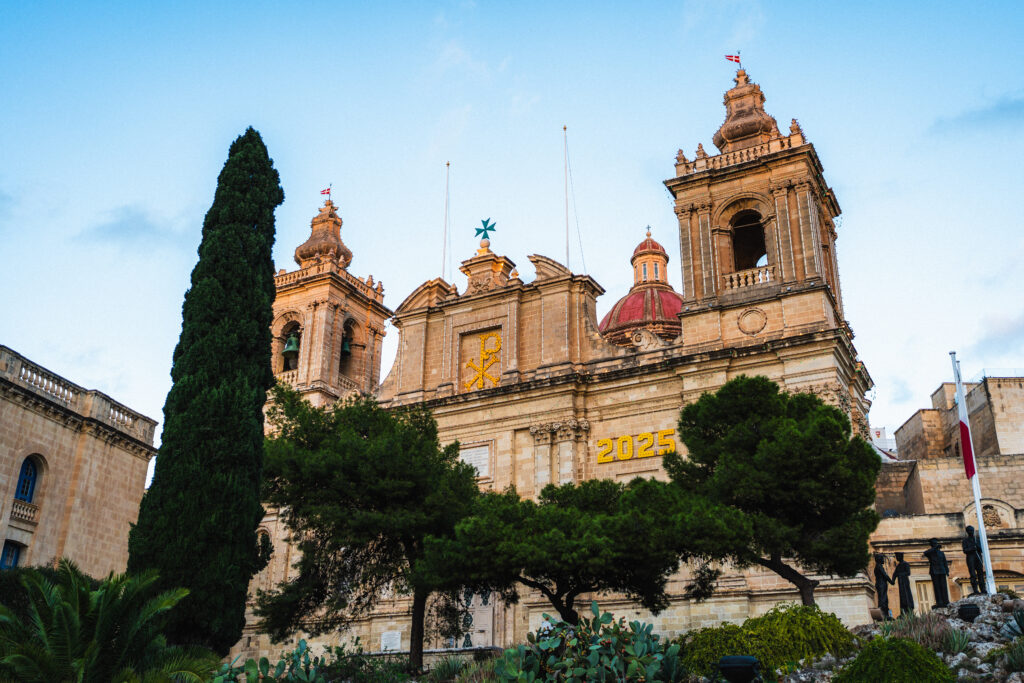
It was the first parish and the first church of the Knights of St. John. When the Normans arrived, they expelled the Arabs and established Mdina as the cathedral city, while Birgu became the main maritime hub. Over the centuries, the church has amassed a wealth of treasures.
Other places of interest to visit in the city include the Malta Maritime Museum, the imposing Fort St Angelo, and the Inquisitor’s Palace.
Of course, one of the best things to do in this area is to head down to the waterfront. From here, you can hop on the charming water taxis that shuttle visitors to Valletta for just €3 per person (the ride takes only 5 to 10 minutes). Along the waterfront, you’ll also spot the Freedom Day Memorial and a historic city gate, adding even more character to the area.
Senglea (Isla)
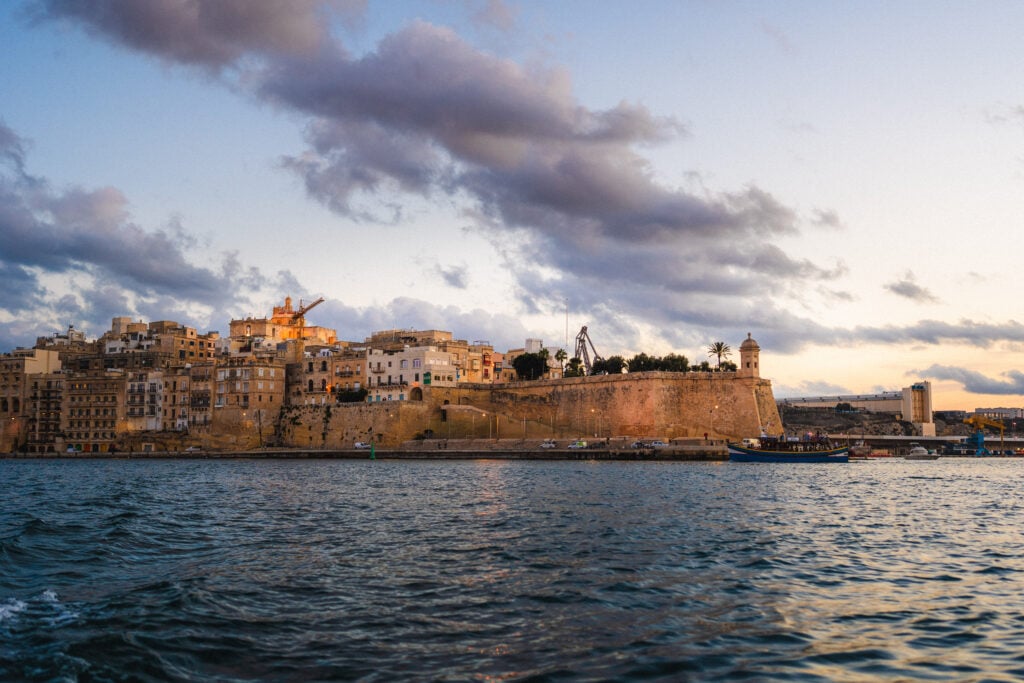
Senglea is the smallest of the three cities and is best known for sweeping vistas overlooking Valletta and the harbour. One of the best places to visit in the city is at the very tip of the peninsula – Gardjola Gardens. Built in 1551 by Grand Master de la Sengle, the gardens feature a small watch tower known as the “eye and ear” that sits at the water’s edge.
You can also visit the 16th-century fortification, Fort Saint Michael, which was built by the Knights of Malta in 1552 to protect the harbour during the Great Siege of 1565.
Cospicua (Bormla)
The largest of the three cities, Cospicua, is renowned for its huge and impressive defensive walls that encompass the city. Visit the Bir Mula Heritage Museum and you can learn all about local history, as well as view artefacts from the Neolithic, Bronze Age, and later periods.
The dock and waterfront area make for a beautiful place to stroll around and soak up the maritime ambience. And, the most impressive sight in the city has to be that of the Church of Our Lady of the Immaculate Conception – a magnificent, large Baroque church that was built in 1730 and miraculously survived the World War II bombings.
Head back to Valletta for dinner
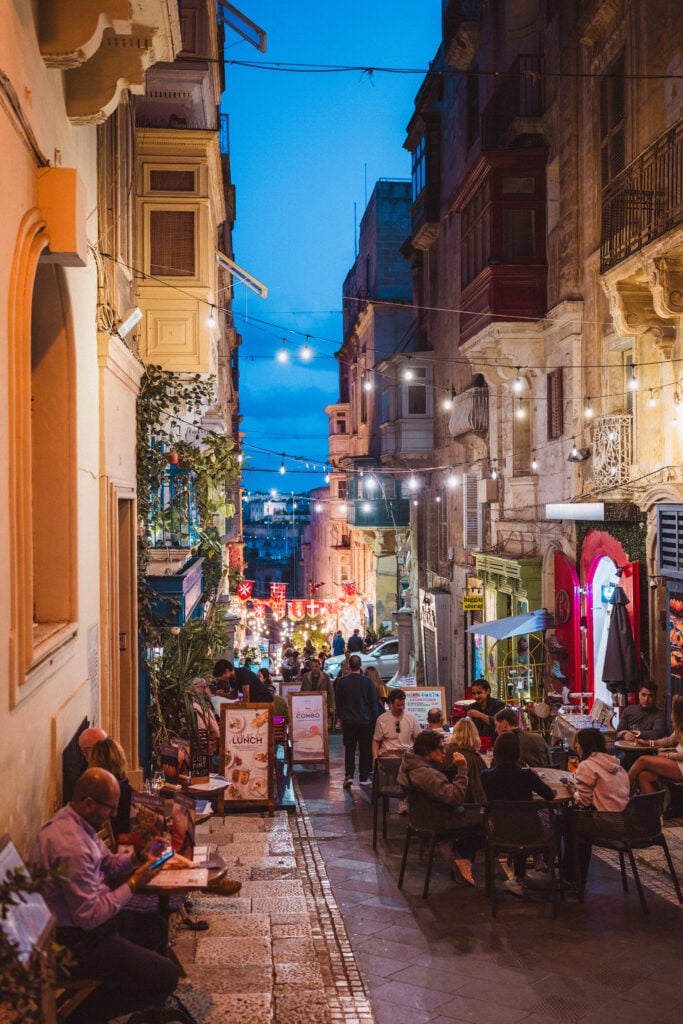
Once night falls, the atmosphere in Valletta changes completely. The streets are beautifully lit, and wandering around is a joy. So, I highly recommend booking a table at one of the many restaurants dotted across town to round out the day with delicious food and a lively evening vibe.
St Lucia is a narrow cobblestone street that’s home to a variety of restaurants and bars, all of which have outdoor seating on steps. This lively and vibrant area is the perfect way to end your first day in Valletta, as it gives a real feel for the local culture and overall atmosphere of Malta’s capital city.


Day 4 in Malta: Day trip to Gozo
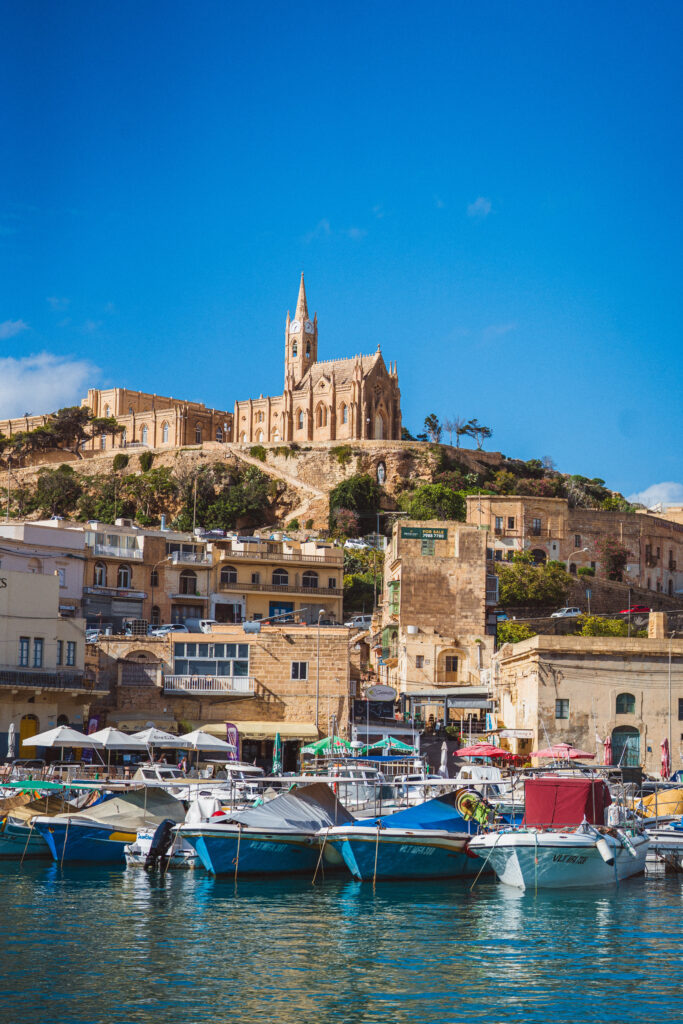
For your final day exploring Malta, you’ll be heading to Malta’s sister island and the second-largest island in the Maltese archipelago, Gozo. The island is a 45-minute high-speed ferry away from Malta’s capital city, and costs around €6 per passenger, making it an easy and reasonably priced day trip from the mainland.
Gozo is best known for its rolling hills, charming villages, and stunning coastline, and it certainly offers a more rural and quieter experience of life in Malta. The citadel of Victoria (Rabat) is the island’s capital and central hub. From the top of the citadel, you can admire panoramic views from the ramparts.
A visit to the Ggantija Museum and Archaeological Park offers even more insight into Malta’s impressive collection of the world’s oldest freestanding structures.
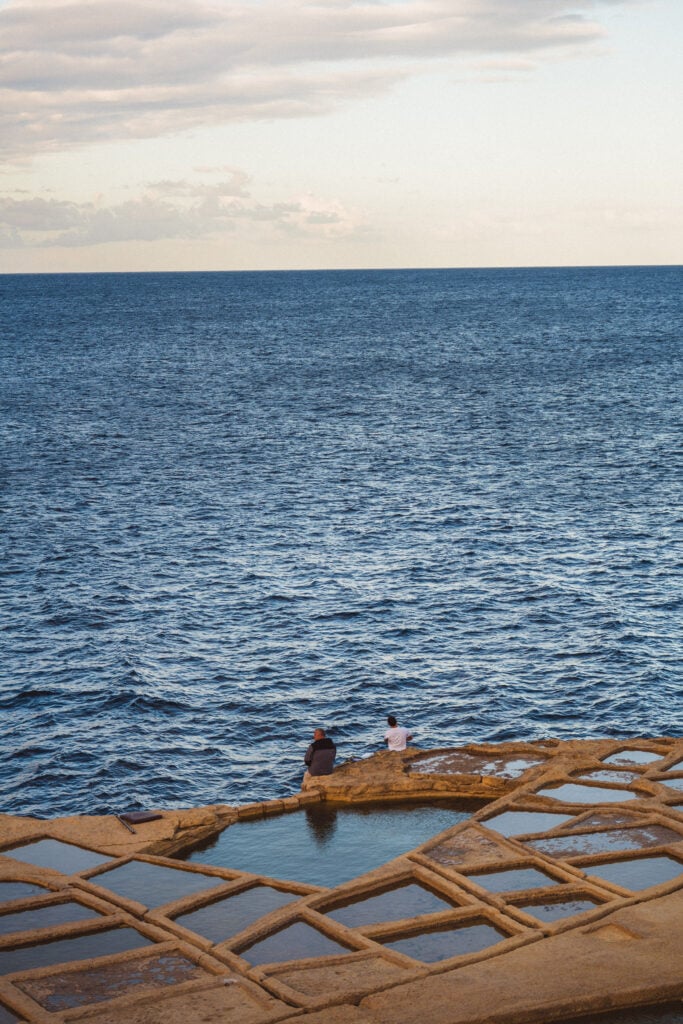
Other highlights include visiting the delightful fishing village Xlendi, marvelling at the stunning church Ta’ Pinu, and exploring the Xwejni Salt Pans – offering a unique landscape and insight into a key part of Gozo’s long-standing tradition of sea salt production. Ramla Beach, which is also known as “the Red Sandy Beach,” is widely regarded as one of Malta’s most beautiful beaches.
Read our guide on One Day in Gozo: The Perfect Itinerary for First-Time Visitors for more information.
Where to stay in Malta
Where you stay in Malta really comes down to the kind of experience you want. If you love nightlife and a lively atmosphere, the bigger cities are ideal. For a quieter escape, there are plenty of charming options a short distance away. Here are some suggestions based on web reviews:
Stay in Valletta to be close to all the main sights and for a lively atmosphere (most expensive): Battery House – This beautiful hotel is located near Upper Barrakka Gardens, offering sweeping views overlooking the bay. Clean and comfortable, the amenities include a terrace, balcony, and a hot tub. It’s particularly popular with couples. Check prices and availability here.
Stay in Sliema for a pretty central location and water taxi options (it’s also a bit cheaper): Amery House – This elegant boutique hotel is nestled within one of the most charming streets in Sliema and a stone’s throw away from the hustle and bustle of the promenade. And, it’s situated just 150 yards away from the beach. Check prices and availability here.
Stay in Gozo for a quieter escape: San Antonio 71(city centre) – This casual B&B/guest house has a central location just a few minutes’ walk from the citadel. Furnished in traditional Maltese-style, guests have commented on the owners being friendly, helpful, and the rooms being clean and comfortable. Check prices and availability here.
Enjoyed reading our guide on how to spend 4 perfect days in Malta? Pin this article now, and read it again later: