
How to Spend an Unforgettable Weekend in Exeter
Last Updated on 3rd April 2026 by Sophie Nadeau
This post may contain affiliate links. Please check out my privacy policy for more information.
Exeter is a stunning cathedral city best known for its Roman ruins and medieval architecture. This southwest city is considered the gateway to the South West of England, and proudly boasts the title of a UNESCO City of Literature. Home to two millennia worth of history, in its heyday Exeter was one of the most important cities in England. Today, it exudes pure English charm with its quaint streets lined with timber-framed houses, a bustling market, and a beautiful riverside that invites leisurely strolls.


What is Exeter known for?
Exeter is perhaps best known for its long storied history and rich heritage, which is abundantly clear as soon as you wander through the streets. Home to a stunning medieval Cathedral, well preserved Roman Walls, and a unique network of Underground Passages, the city boasts a remarkable amount of historic sights.
It’s also officially designated as the county town of Devon. As the gateway to the South West of England, Exeter is a significant regional hub for culture, history, and the economy, and is home to the prestigious Exeter University, a Russel Group member.


Day 1 suggested itinerary
Drake’s Café
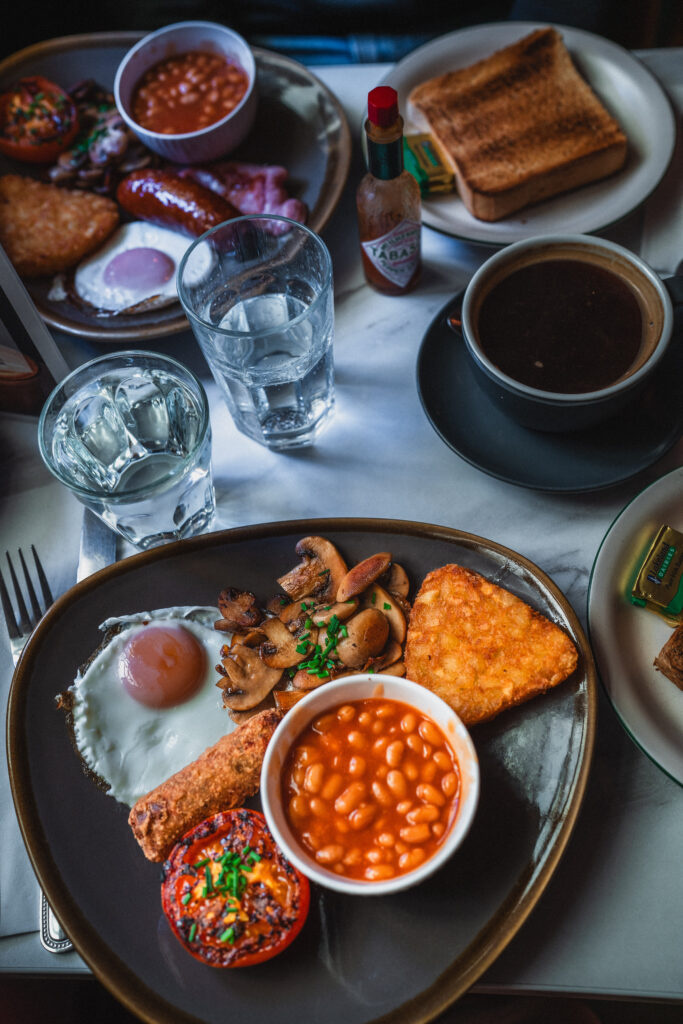
Start your day in the charming independent coffee shop, Drake’s Café. Hidden down a narrow alleyway in the heart of Exeter, this warm and inviting eatery serves up all kinds of breakfast foods, as well as a wide selection of hot and cold drinks. We opted for the classic full breakfast (I went for the vegetarian option) and it was delicious!
Exeter Cathedral
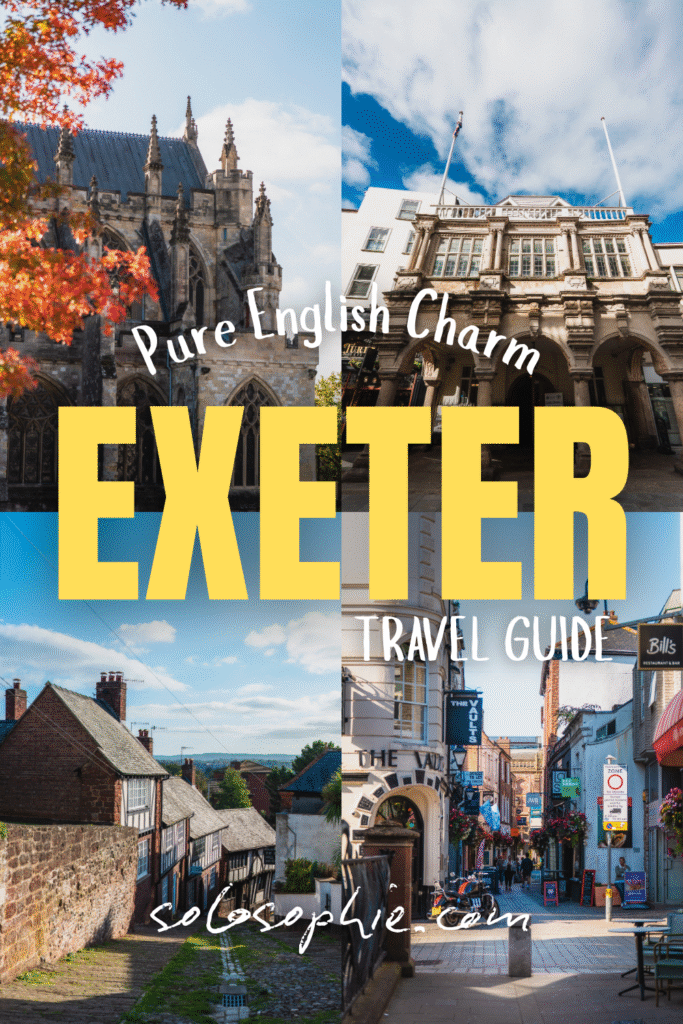
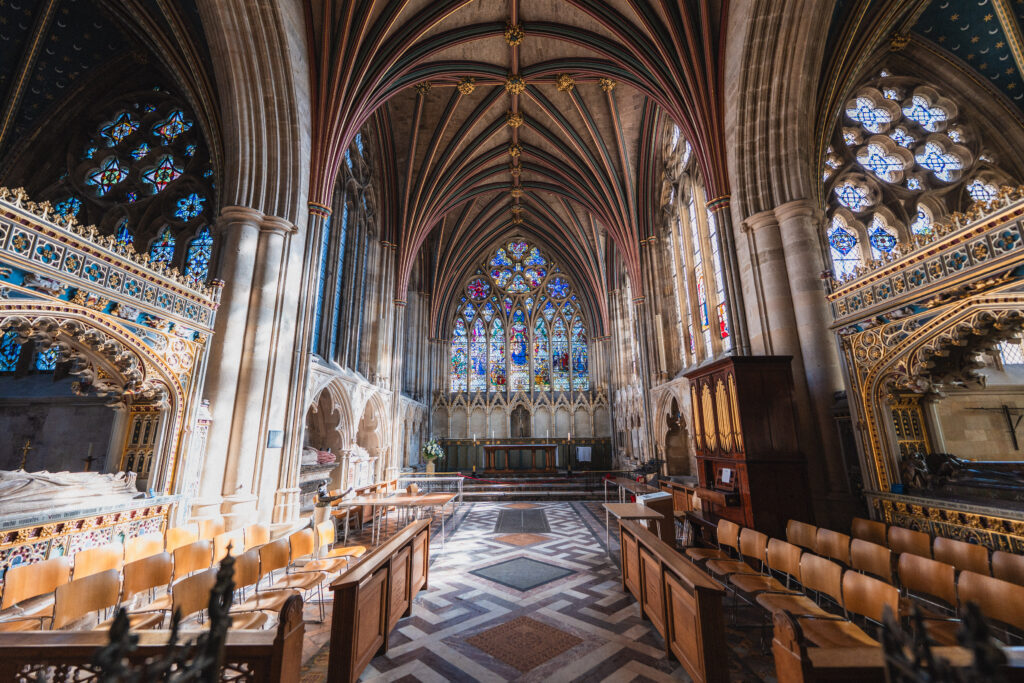
Next, you’ll want to head to Devon’s greatest historic building and the beating heart of the city itself, Exeter Cathedral. Known officially as the Cathedral Church of Saint Peter, this Anglican cathedral is the seat of the Bishop of Exeter and is dedicated to St. Peter.
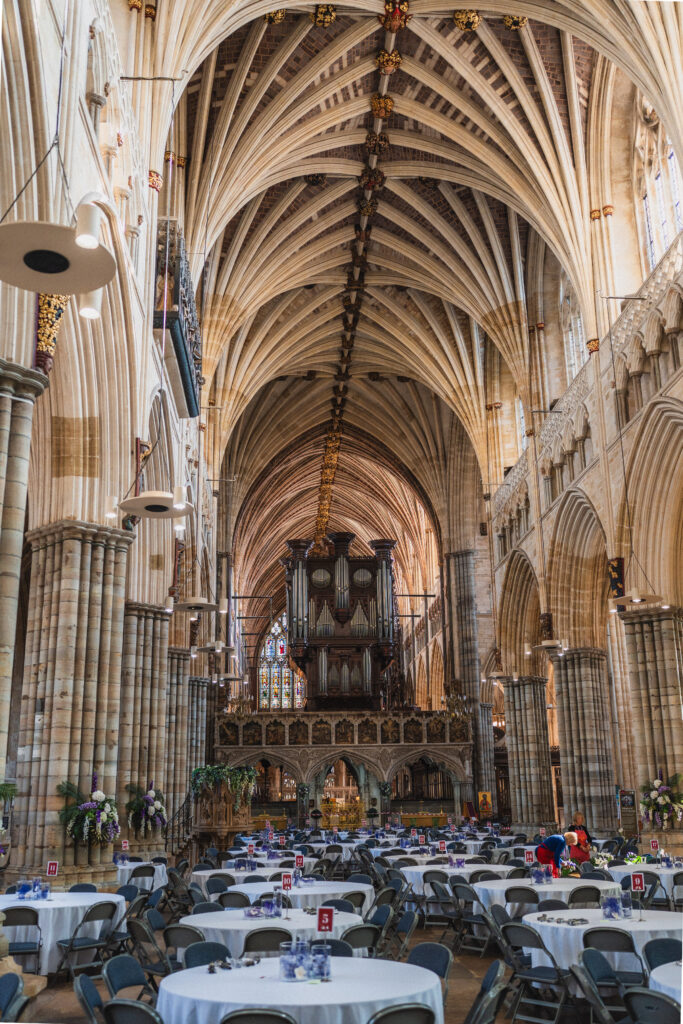
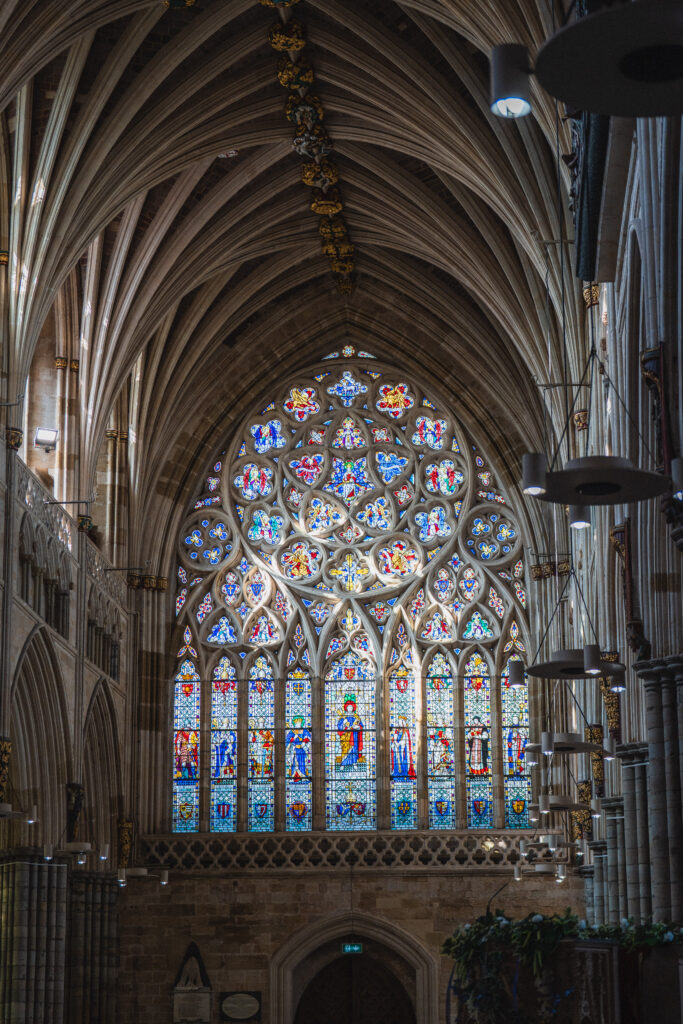
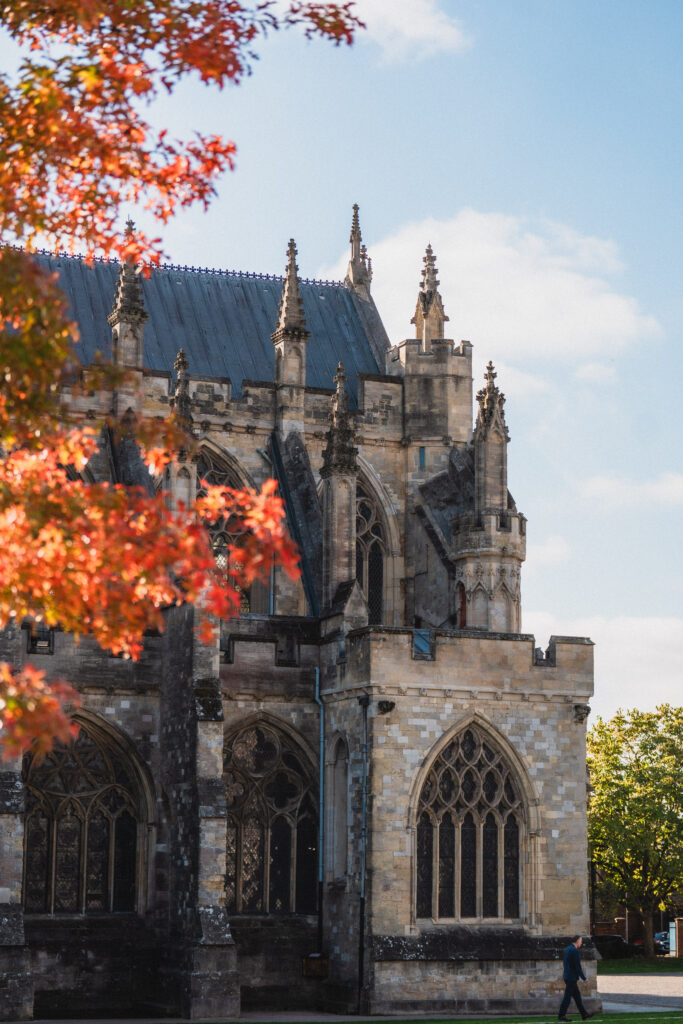
The present building, as seen today, was completed around 1400. It’s best known for boasting the longest uninterrupted stretch of Gothic stone vaulting in the world! Step inside and the stunning stone work reveals itself to you, the most intricate parts are best seen on a sunny day when the building lights up.
Inside, you’ll also see the tomb of Tudor, Lady Dorothy Dodderidge, who died in 1614. Along with this wood carving, you’ll see that many of the saints and other carvings of the cathedral have been defaced. This actually dates back to Henry VIII, when he split from the Catholic Church, as a sign of rejecting Catholic ideals.
One of my favourite little details in Exeter Cathedral lies just beneath the astronomical clock. Look closely at the old wooden door and you’ll spot a tiny cat flap carved into it. This small hole is where the bishop once let his cat wander through here to keep the church free of rats and mice!
In 2023, Diane Walker, cathedral historian and author, made claims that it could also be “the world’s oldest cat flap.” Though this might be a very early cat access portal, it’s hard to prove that this hole in the door was the first of its kind… but if you’re interested you can read more about the claim here.
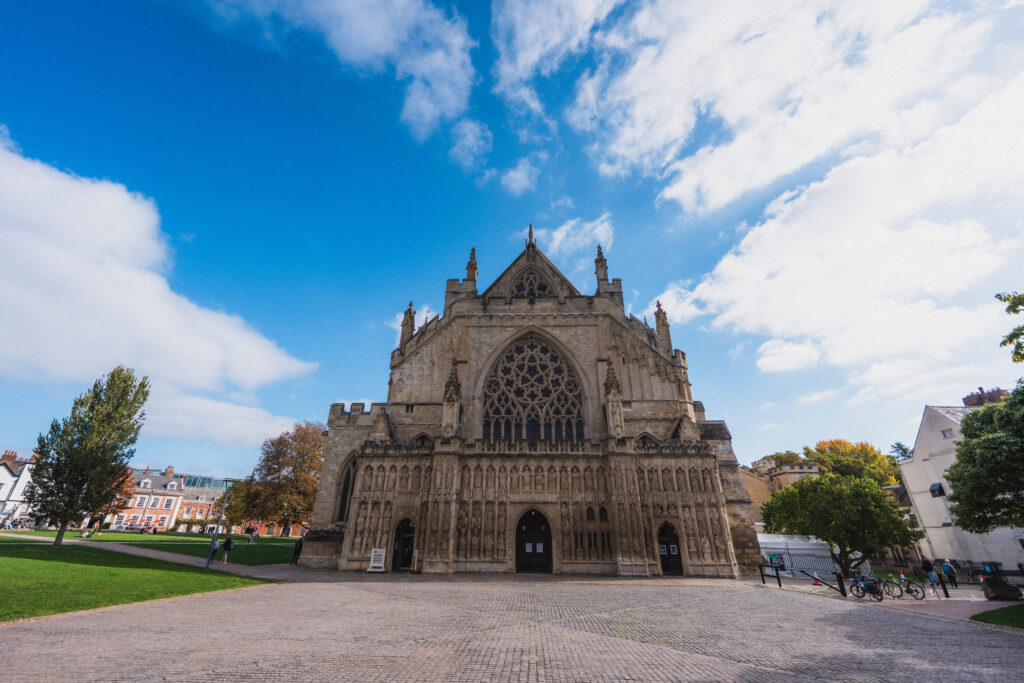
Normally, there’s an admission fee of £12.50 to visit Exeter Cathedral. The entry cost helps support the upkeep of this incredible historic building. However, the cathedral often hosts special events and fundraisers, and during setup or event times, it’s open by donation only. It’s also worth noting that the cathedral is always free to enter for prayer and worship.
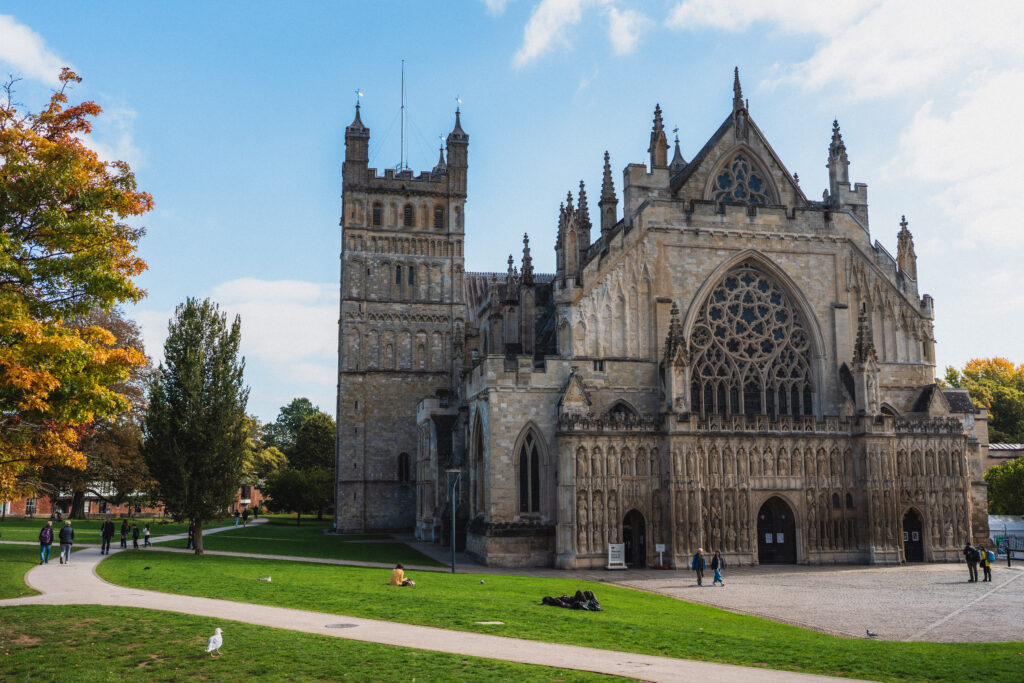
Exeter Cathedral Close
The Cathedral Close and Cathedral Green area is at the heart of the city, and where you’ll find locals flocking to on their lunch break. It’s also where the site of “internationally significant” Roman Baths lay hidden from public view for over 2,000 years.
Believed to have been built around AD60-65 to accommodate plenty of bathers, the baths went under a large-scale archaeological excavation, carried out in the early 1970s. However, it was covered up again due to a lack of funding. The Gathedral Green grass still covers the site, preventing the remains degrading. So, until it’s uncovered once more, while here you can just enjoy knowing the secret history that lies below.
Devon and Exeter Institution
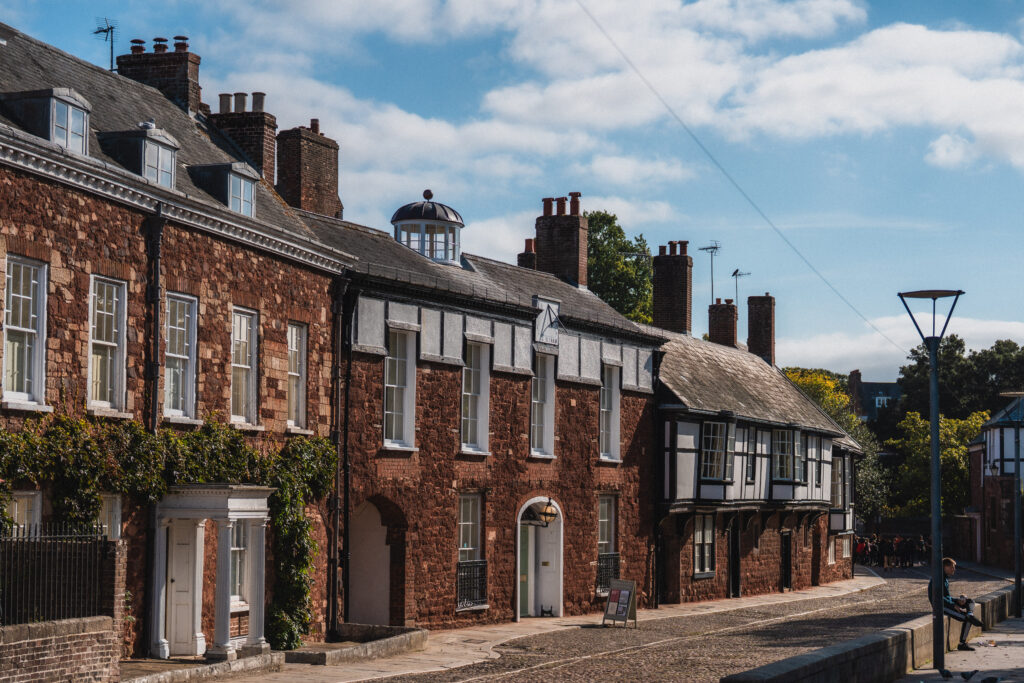
Found within the Cathedral Close area is the Devon and Exeter Institution, a private library that was founded in 1813. It also happens to be the first recorded instance of a female professional librarian.
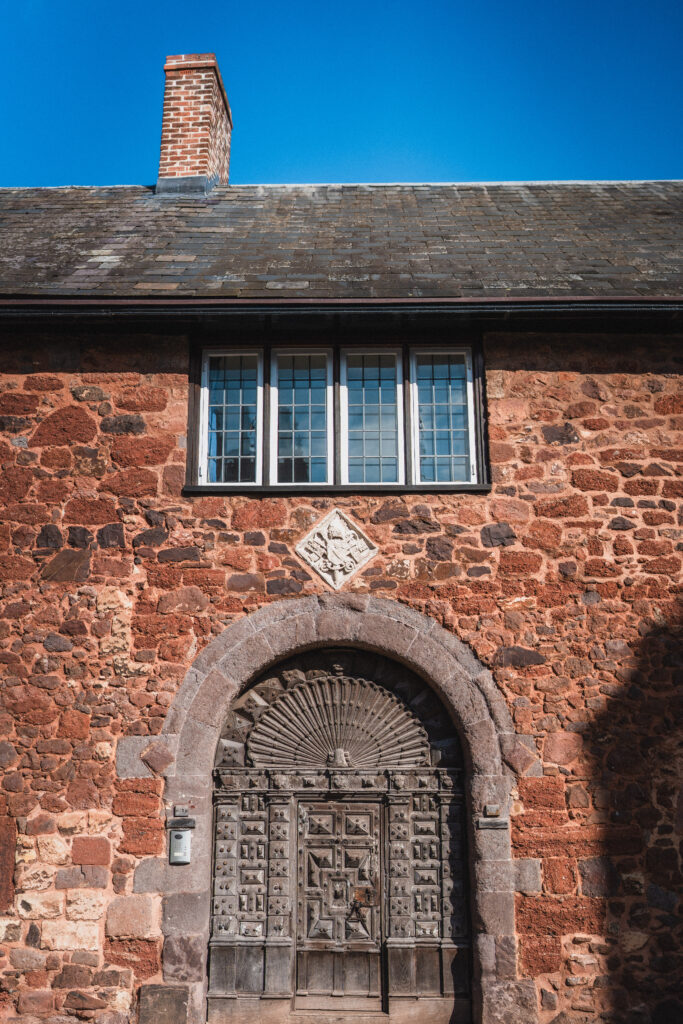
The intricate doorway you can see below is number 10, and it has to be one of the most ornate and beautiful doors in Exeter. While the door itself dates back to the 1600s, the building goes back even earlier, to the 1400s. Members of the clergy have lived here for centuries, and if you look closely, you’ll notice the door is unusually short.
The coat of arms above the door belongs to Bishop Cotton, the same bishop who famously let his cats roam around the cathedral! There’s also a legend tied to this spot. J.K. Rowling studied at Exeter University, and it’s said that this very door inspired the Room of Requirement, leading to a magical room within Hogwarts Castle . If you’re a Harry Potter fan, you can follow my Exeter walking tour here.
Exeter High Street
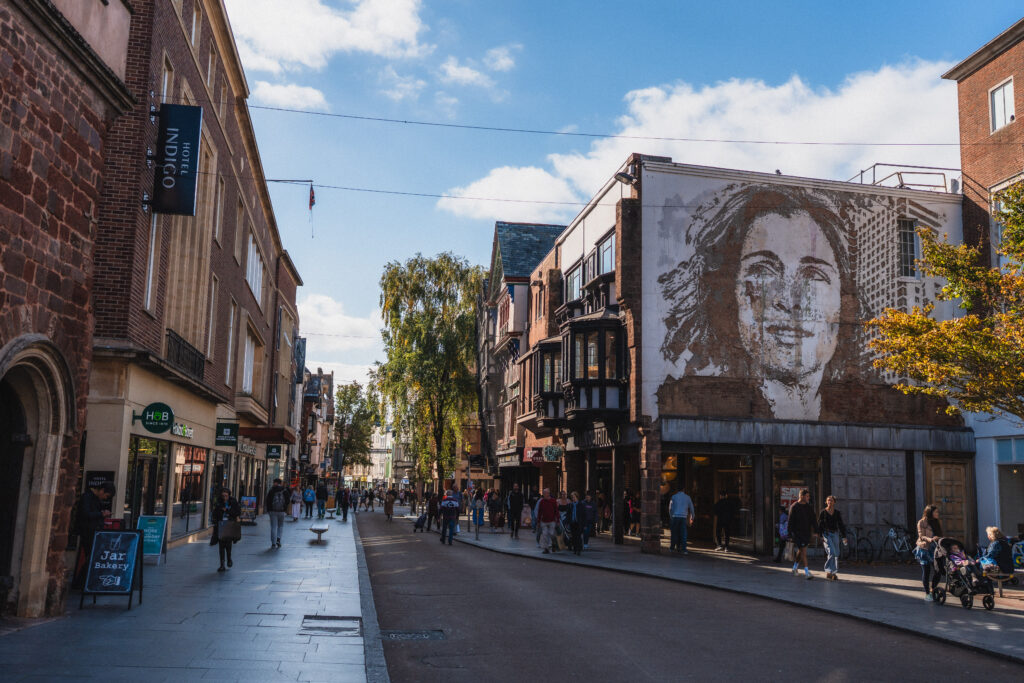
Except for buses, Exeter High Street is predominantly a busy pedestrian walkway. Here, you’ll find mainly big brand names, as well as department stores such as John Lewis. What has come to be the most iconic mural of the city has to be the mural outside Urban Outfitters.
This large-scale portrait of a woman was created in 2011 by the Portuguese artist Vhils, who creates his images by chipping away at old plaster to reveal the original brickwork. The specific model was actually just a local woman whose portrait was chosen from the selection of submitted photographs!
Exeter City Guildhall
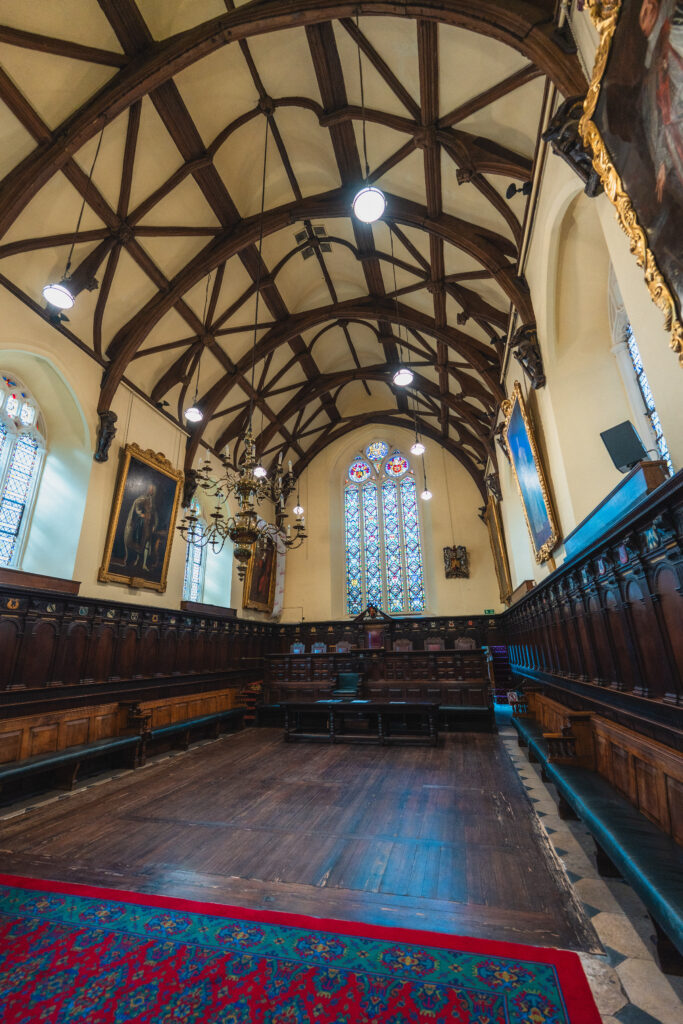
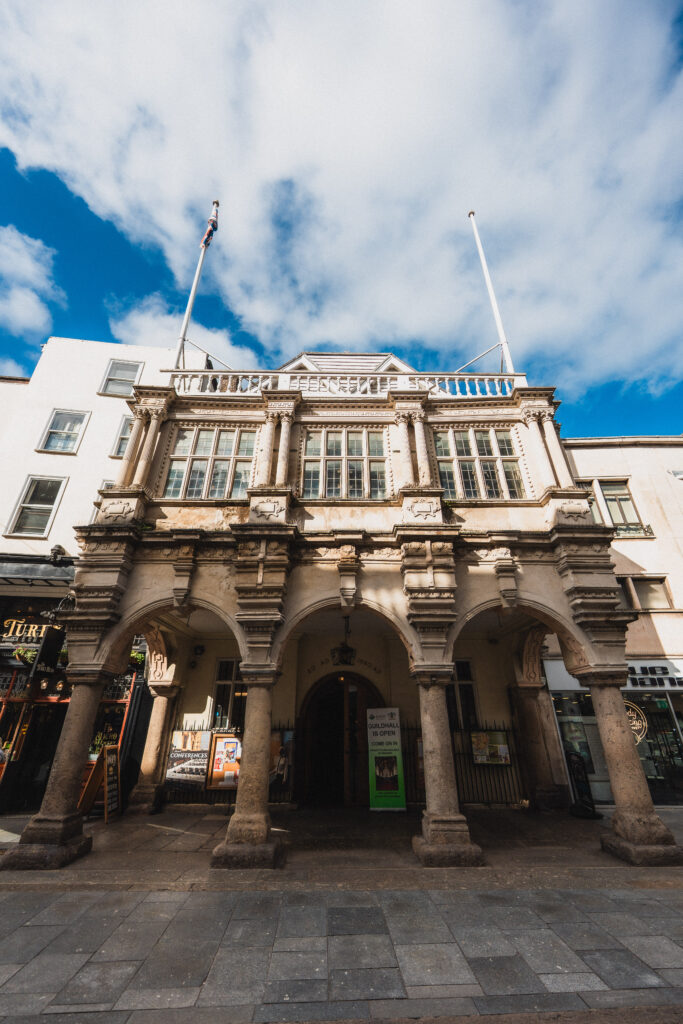
Exeter City Guildhall is a historic medieval building that housed the city’s civic government for at least 800 years. There’s been a guildhall on this site since at least 1160, though this particular building dates from 1330 and has been altered many times over the centuries. In fact, the council believe it to be the oldest civic building in England still in continuous use.
Today, it’s a multi-functioning building; the city council still uses it for meetings every few months. The Guildhall is also open for public use and can be hired for activities, conferences, or meetings. You can even get married here or hold an after ceremony drinks reception! It’s actively encouraged to be used by everyone living in or around Devon.
The Guildhall is normally open Monday to Friday and on Saturday mornings, except when private events are taking place.
Parliament Street
Blink, and you might just miss it! Parliament Street is the narrowest street in Exeter, and it’s just 64 cm wide at its narrowest point. Another of my favourite features found along the high street is St Steven’s Bow, which is attached to the Church of St Steven. This church was first mentioned in the Domesday Book and even has a Saxon crypt, adding a fascinating slice of history to the bustling street above.
Princesshay
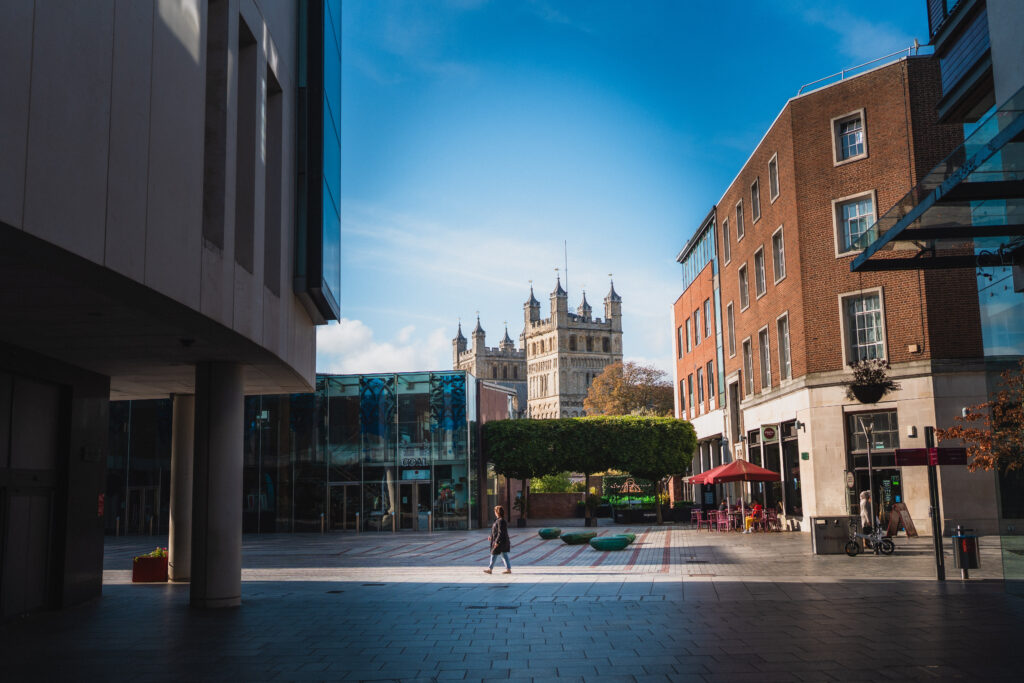
Wander through St. Steven’s Bow and you’ll reach Princesshay – a completely pedestrianised shopping centre. Exeter’s city centre was flattened during WWII, but Princesshay rises today as a vibrant hub of shops, cafés, and history.
St Catherine’s Chapel
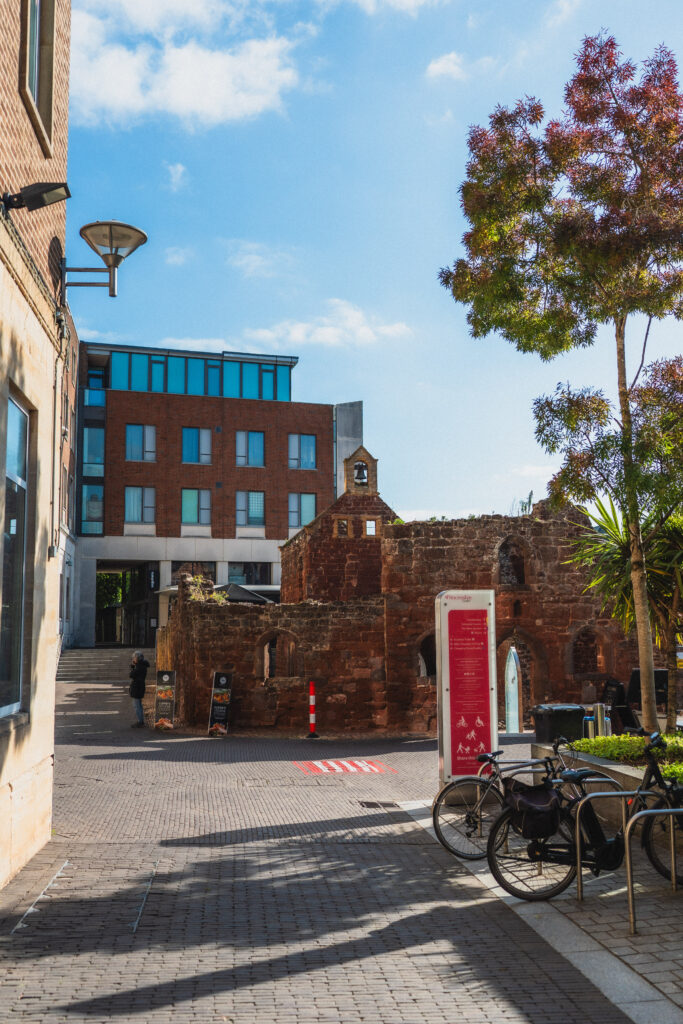
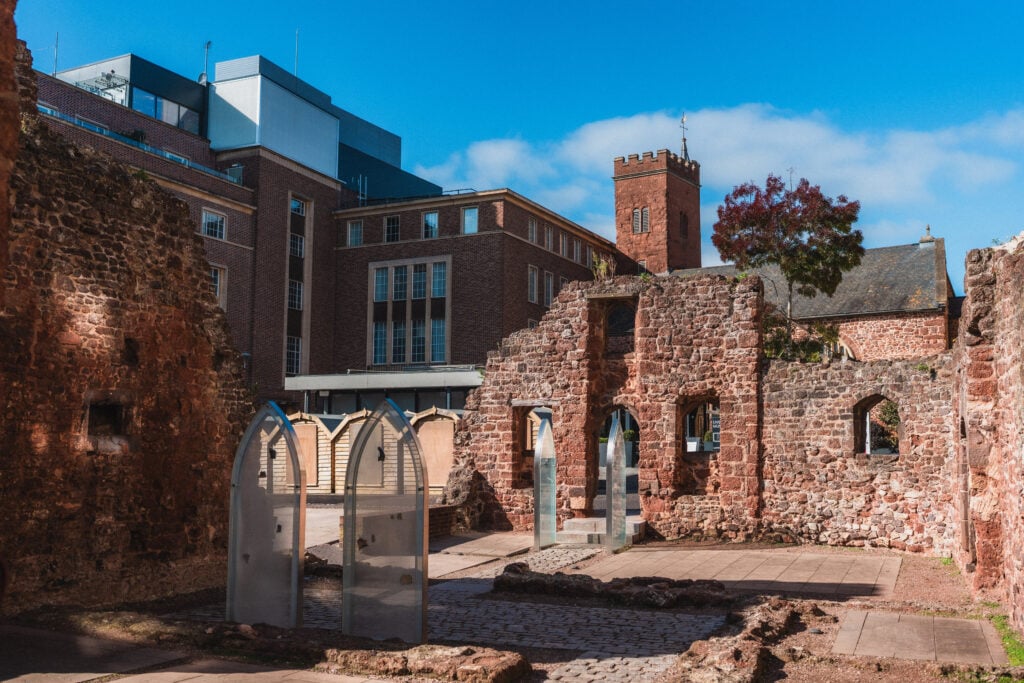
Nestled somewhere between Princesshay and the High Street you’ll find St. Catherine’s Chapel and Almshouses. These ruins offer a glimpse into Exeter’s medieval past. In fact, this now tranquil spot is actually one of the few surviving buildings of the 1942 Exeter Blitz, making it one of the few bomb-damaged sites in the city that hasn’t been redeveloped or extensively cleared.
Today, you can wander among the ruined chapel and almshouses, and part of a medieval canon’s house. Read the panels displaying the findings from archaeological excavations carried out decades ago to learn more about the site.
Rougemont Castle
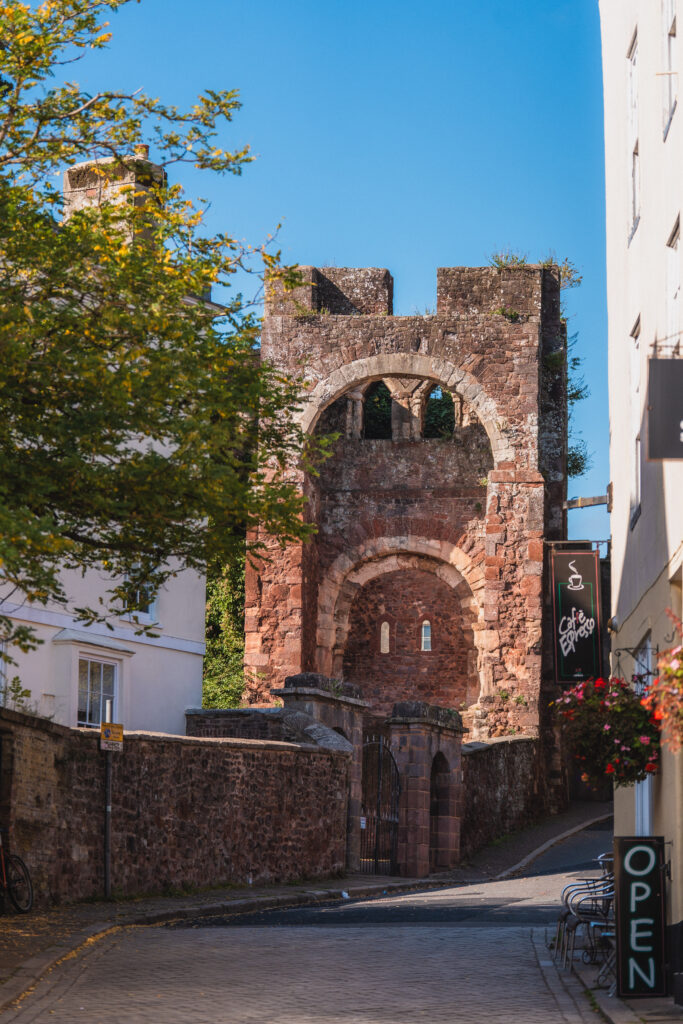
In the Middle Ages, Exeter was completely fortified, so much so that it became an Anglo-Saxon stronghold against the Normans. The city only fell into Norman hands after a two-week siege in 1068. After that, William the Conqueror made his mark, building a castle to the likes of which Exeter had never seen before.
In Rouge Gardens, standing by the Rouge Gate House, you can catch a glimpse of the castle – often called Rouge Castle for the striking red colour of its stone.
Exeter is a city of many firsts and lasts. Remarkably, it’s the last place in England where people were tried and executed for witchcraft. Trials were held right here in the city centre, with executions carried out at Heavitree.
Gandy Street
One of the best things about visiting Exeter is wandering around and discovering the charming little lanes full of independent boutiques. One of the most famous of these is Gandy Street, a lane that time forgot. Here, you’ll find a collection of unique shops, perfect for browsing and picking up something special. If you’re looking for a local souvenir, then I highly recommend popping into Make a Mark!

RAMM
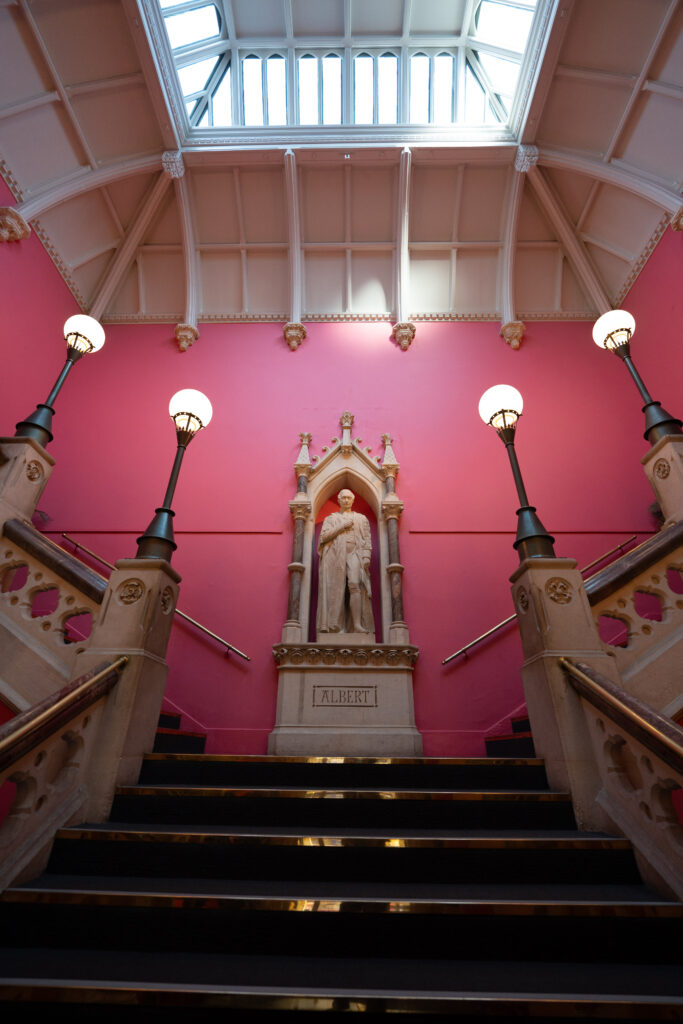
At the end of Gandy Street, you’ll come to your next stop, RAMM. If you’re curious about Exeter’s rich history, a visit to the Royal Albert Memorial Museum is a must. Entry is completely free, though donations are always welcome.
Housed within a stunning Victorian building and spread over several floors, the museum was opened in 1868 as the Devon and Exeter Albert Memorial Institution. Today, this cultural gem not only brings the story of Exeter to life but also holds a collection of over a million artefacts, so there’s plenty to be discovered here, particularly on a rainy day!
Stepcote Hill
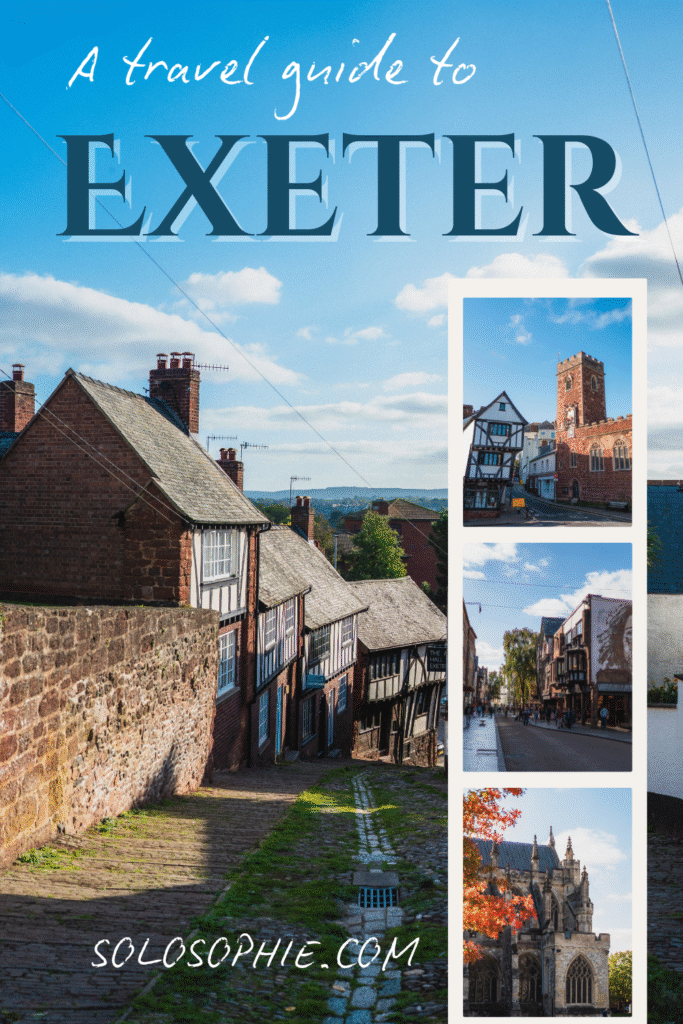
Stepcote Hill is one of the oldest surviving streets in Exeter. Its name comes from the Old English for “steep enclosure,” a fitting description for this historic hill. From here, you can take in breathtaking views of the rolling green Devon hills, and the lush landscape that the county is so famous for.
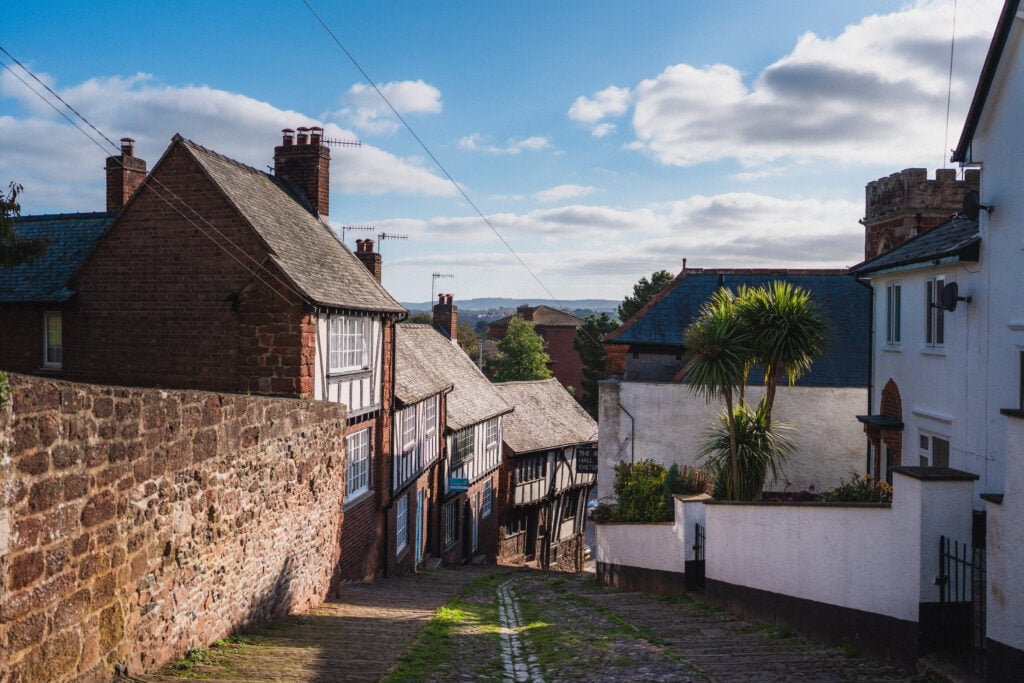
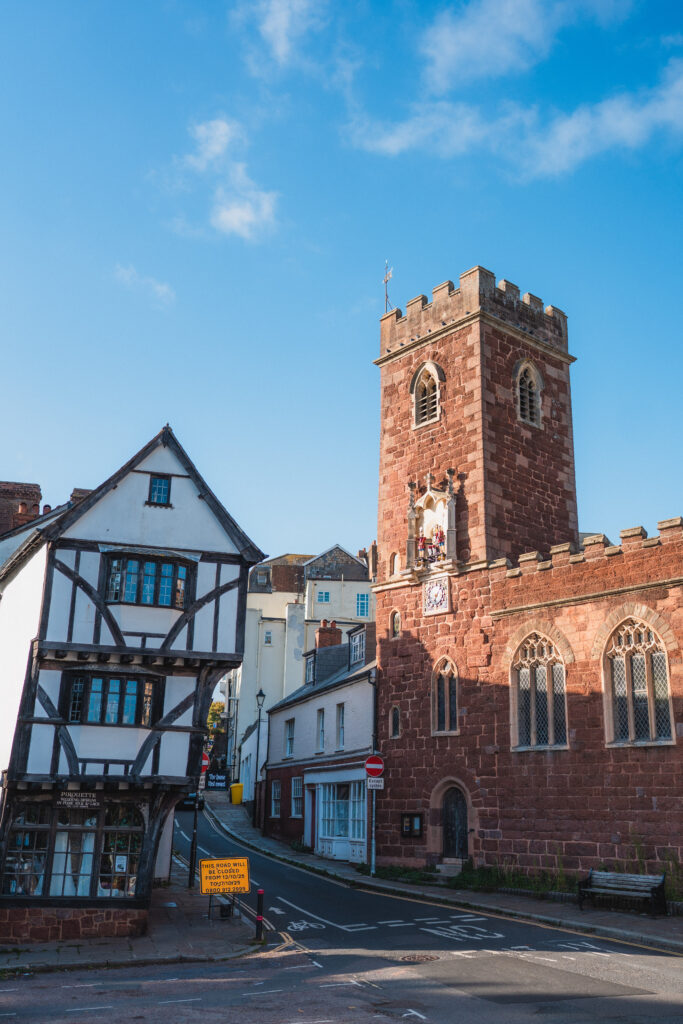
The House That Moved
At the bottom of Stepcote Hill, you’ll find several points of interest, including the fascinating “house that moved”. This Tudor building dates back to around 1450, and its story is as remarkable as its architecture.
In 1961, road works required the nearby Edmond Street to be cleared. Rather than demolishing the historic building, the entire house was carefully lifted and moved on rails about 70 meters to its current location. Today, it stands as a testament to Exeter’s commitment to preserving its historic streets and buildings, and offers its visitors a glimpse of Tudor life in the heart of the city!
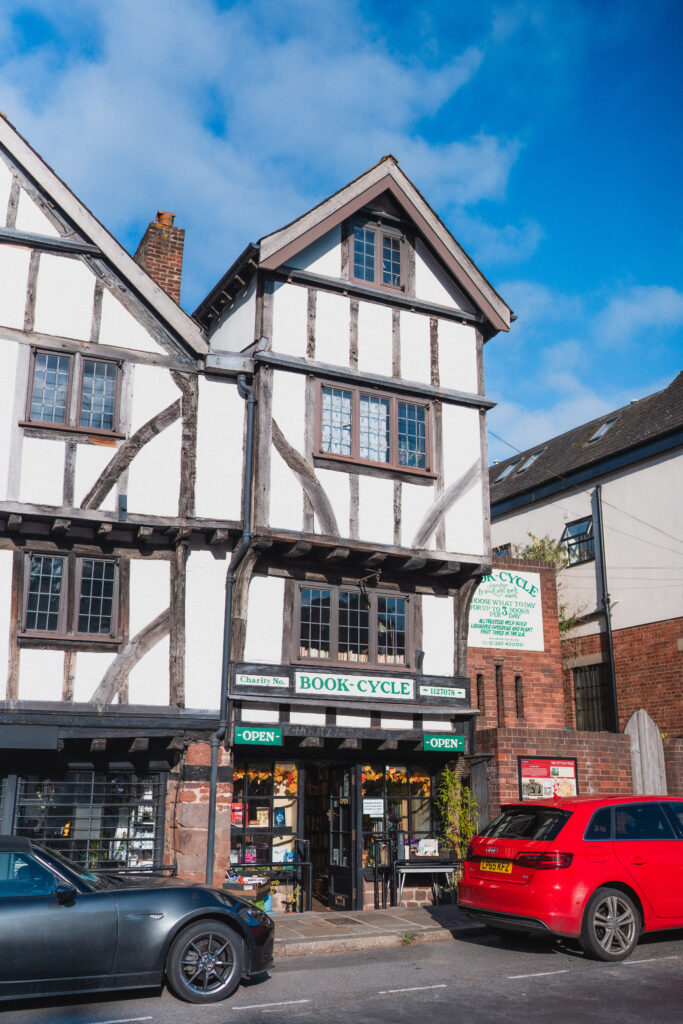
Book-Cycle
Nearby, you’ll find Book-Cycle, a unique bookshop. Book-Cycle is a volunteer-run charity with the hopes of improving literacy and the love of learning for children. The concept behind this store is that you can pay whatever price you want for the books for sale inside the shop!

Day 2 suggested itinerary
Newton St Cyres
Many people say that the best of Devon can actually be found in the countryside. After all, the luscious green landscape is what the county is so famous for! So, if you take just an 8-minute train ride away from Exeter, you’ll reach Newton St Cyres. And while in the area you can partake in another very Devonian tradition, by exploring some of its finest pubs!
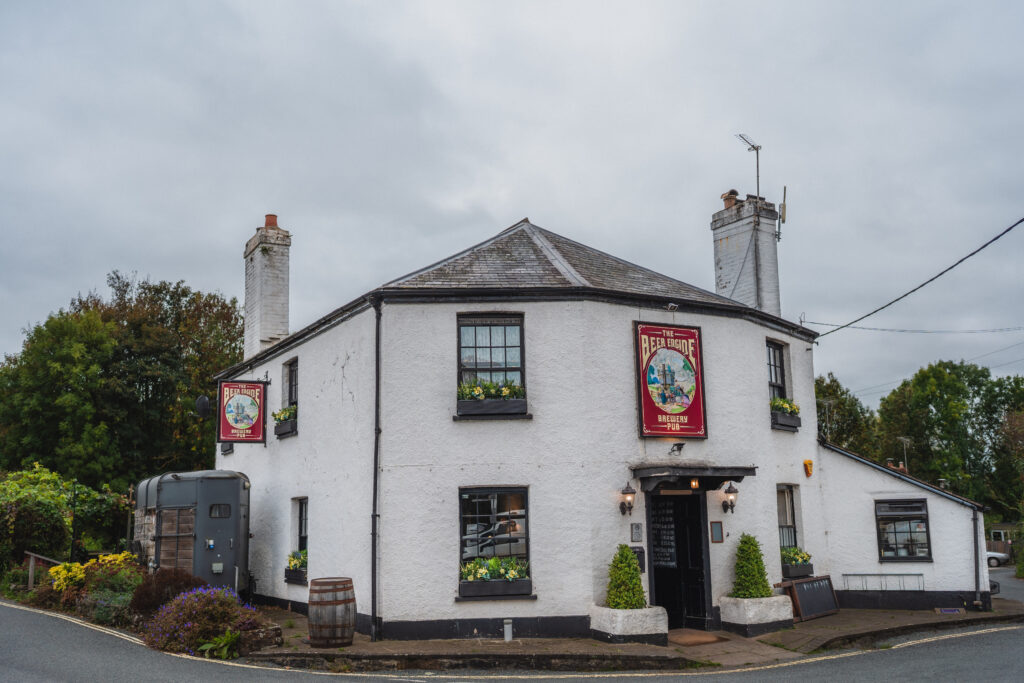
The Beer Engine, as it’s now known, is owned by a local couple, and they have been pouring pints to the local community for just over ten years now. Located in a 19th-century coaching inn, this cosy public house is relaxed, traditional, and they even have their own brewery down below which you can visit to learn how they brew their own beer!
If you’d like to hear more about this business, I recommend watching my YouTube video, where I interview the lovely owner and hear all about the ongoings of this special pub brewery. You can find the video linked to the bottom of this blog post.
Topsham
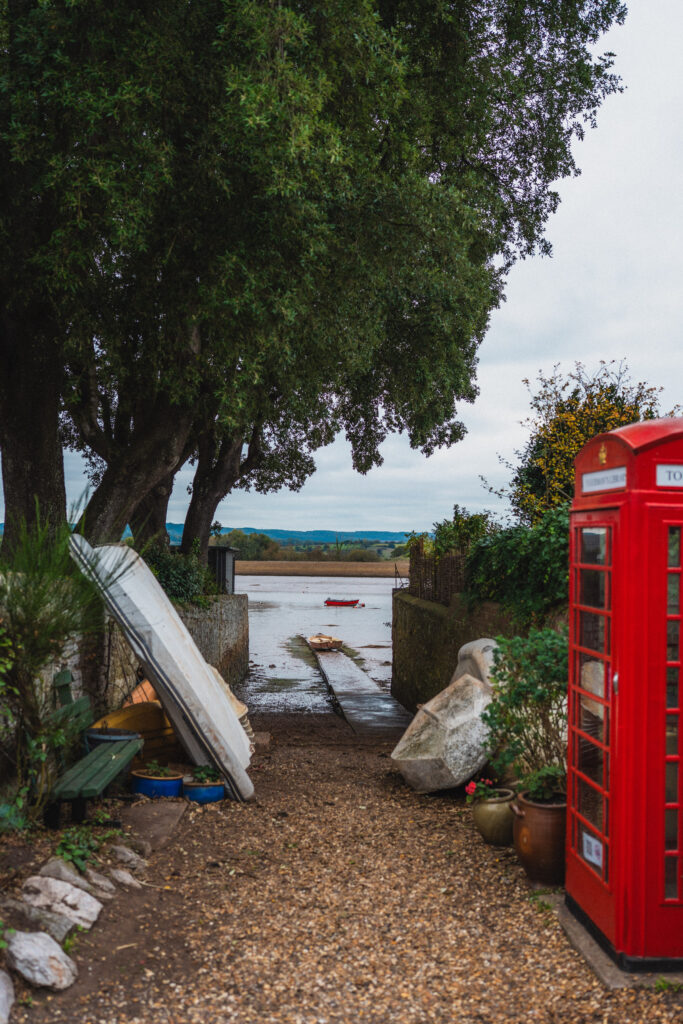
Exeter is not only a fantastic base for exploring the rolling green hills that Devon is famous for, but also for its proximity to the sea. This means you can easily visit nearby towns and villages to experience life by the seaside. One such gem is Topsham, located on the River Exe, where you can spot a variety of seabirds right from the town.
Topsham itself is delightful! The town is filled with independent shops and boutiques that make wandering the streets a joy in itself. While exploring, I recommend stopping at a cosy café called Circle. They serve hot drinks, pastries, and also sell a selection of plants, locally produced trinkets, and gifts.
Historically, Topsham was granted royal charter status by Edward I in 1300, becoming Exeter’s official port. Goods were traded to and from Europe here, making the town an important hub for commerce. Today, it’s still full of character, with both its history and seaside scenery on display.
Exe Marshes
Next, head to the Exe Marshes to spot even more wildlife. You can take the pathway known as the Goat Walk, a scenic route through the marshland that offers plenty of opportunities to see local birds and other wildlife.
For bird enthusiasts, the RSPB Green Marsh Lookout is a must-visit. This bird hide lets you open the windows to observe the birds in their natural habitat. Depending on when you visit, there may even be a volunteer on hand to help identify what you’re seeing. Otherwise, the hide is open 24/7.
If you have more time…
Of course, this itinerary is already pretty packed! But if you’re looking for even more things to see and do in Exeter, then the Devonian capital is a great base from which to explore the wider region.
Knightshayes Court
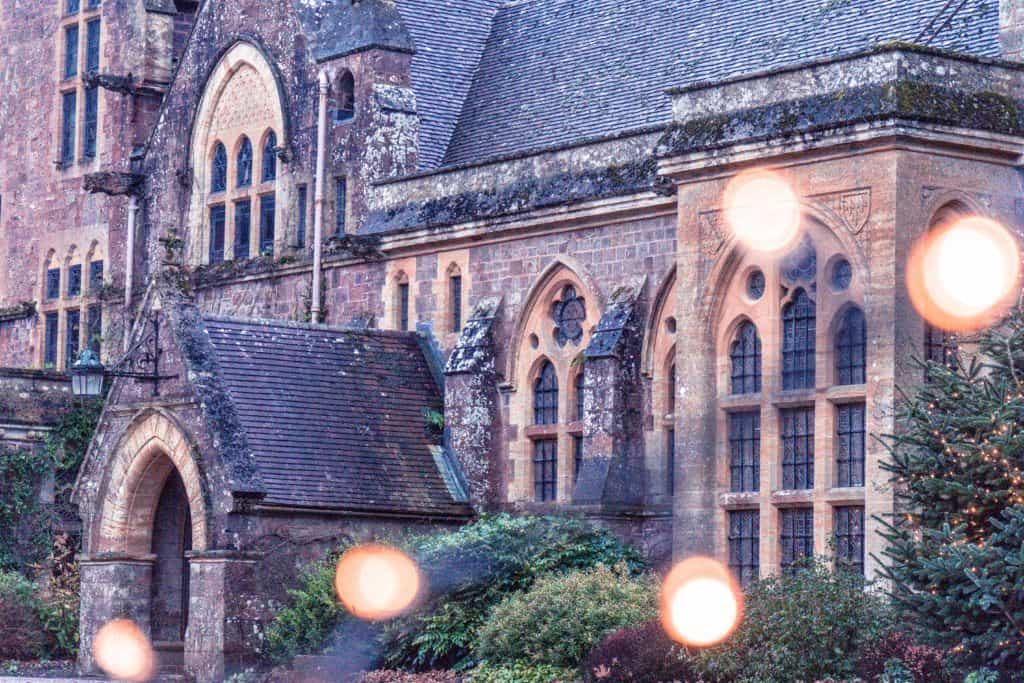
Built between 1869-74, Knighshayes Court is a fine example of Gothic Revival. Constructed for the Heathcoat-Amory family, a local family who had made their money in the textile industry- specifically lace making- at Knighshayes you can expect to find a typically Victorian Country Mansion, set in its very own copse of woodland.
There, you’ll find a walled Victorian vegetable garden (a must-see for any keen or amateur gardeners), gothic carvings including ‘the seven deadly sins’ and gargoyles, and an entire exhibition dedicated to Joyce Wethered (often cited as the “greatest lady golfer of all time”).
Inside, there’s also a mock-up medieval hall complete with minstrel gallery, as well as a library I wouldn’t mind spending a few hours curled up in with a good book.
Since 1972, the house has been owned and managed by the National Trust. Knighsthayes has been open to the public since 1974 and I highly recommend a visit if you’re ever in the area, if only to see Victorian Gothic at its very best!
Watch my Exeter travel guide
If you’re interested in seeing a deeper side to the city, including interviews with locals and even more visuals, then be sure to check out my complete guide to Exeter YouTube video…
Enjoyed reading our guide on how to spend a weekend in Exeter? Pin this article now, and read it again later: