
How Much Does a Trip to Edinburgh Cost? (2026 Budget Breakdown)
Last Updated on 6th January 2026 by Sophie Nadeau
This post may contain affiliate links. Please check out my privacy policy for more information.
The Scottish capital is a Gothic fairytale dream of cobblestone lanes, stunning architecture, gastronomic delights, and some of the darkest, most fascinating histories in Europe. Yet, for all its charm, as of this year (2026), a new report emerged that Edinburgh is “the most expensive major city break destination in western Europe.”
With that in mind, you might be wondering whether a trip here is still worth it (or even feasible for that matter) without breaking the bank. The short answer? Yes, absolutely. With some smart planning, it’s still possible to enjoy this historic gem of city on a reasonable budget. Here’s your breakdown cost guide on a trip to Edinburgh!
My name is Charlotte, and I’ve been living and breathing the fresh Edinburgh air for the past nine years: first as a student, and now as a local who still can’t get enough of this city! In this guide, I’ll break down the different things you need to budget for when planning a trip to Edinburgh, as well as some of the areas where you can save money and still enjoy the historic charm and beauty of the Scottish capital.
The currency of Edinburgh is the Pound (£), and so this is the currency that we’ll be using for this article. For the majority of places, you’ll find they accept (or even prefer) card payments. But, it’s always wise to carry a little cash for situations like small shops with minimum card spend, or for tipping tour guides.
Getting to Edinburgh
Getting to Edinburgh is probably the part of your budget that will vary the most depending on where you’re coming from. Edinburgh has one main airport that serves international flights to over 150 destinations worldwide, and flight prices fluctuate widely based on the airline, route, and season.
Booking about six weeks in advance can result in savings of approximately 50% compared to booking at the last minute, so with a little extra planning you can make a big difference to your overall travel budget.
If you’re travelling from elsewhere in the UK, train travel is usually your cheapest option (though I say that with strong emphasis, because prices can fluctuate wildly depending on when you book).
To give an idea, on average, an advance ticket from London to Edinburgh costs around £43 to £50, while same-day tickets can be about £168. This direct service between the two capitals takes around 4 hours and 20 minutes, so it can be much faster than going through the airport, especially once you factor in airport transfers and security queues.
Generally speaking, the cheapest times to travel to Edinburgh are between January and February, and in the late autumn (end of October to November). The most expensive time to travel to the city is undoubtedly August (prices can double!) and during December.
Cost of accommodation in Edinburgh
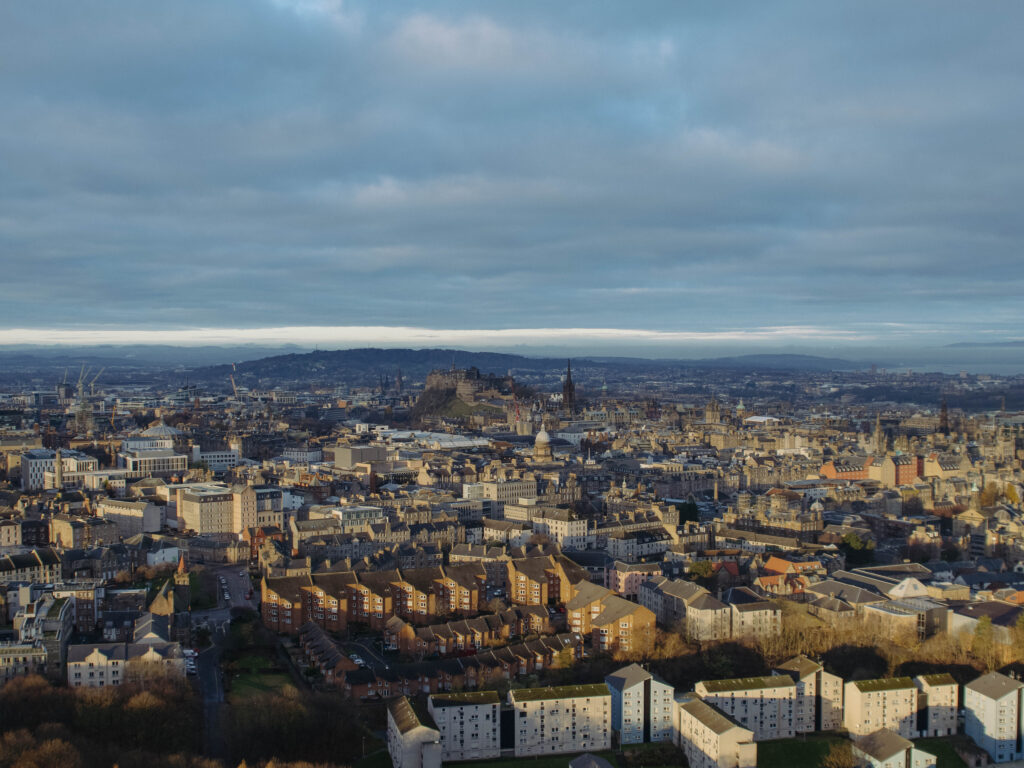
A report taken by the Post Office Travel Money recently crowned Edinburgh as Europe’s most expensive city break, but the key driver of this inflated cost is accommodation. In fact, the cost for a standard hotel room is around £192 per night (average), and yes, this is for your basics like Premiere Inn, Travelodge, Holiday Inn, etc.
These high prices are largely a matter of scale. Edinburgh is a small capital, home to just over 500,000 residents, yet it welcomes nearly 5 million visitors every year. With such huge demand and limited space, it’s no surprise that costs, especially for accommodation, can soar. Add in the city’s large student population and year-round festivals, and you’ve got the perfect recipe for inflated prices.
To further add to the above, Edinburgh will also be introducing a tourist tax called the ‘Visitor Levy,’ which will be a 5% charge on paid overnight accommodation starting July 24th 2026.
With this being said, solid budget hostels and hotels can be found (though, of course, they will be pricier than some of the less desirable budget hostels). For a good hostel bed in Edinburgh, you’ll be looking at around £25 per night, but this can go up to £70-£80 per night during high seasons.
Cost of food in Edinburgh
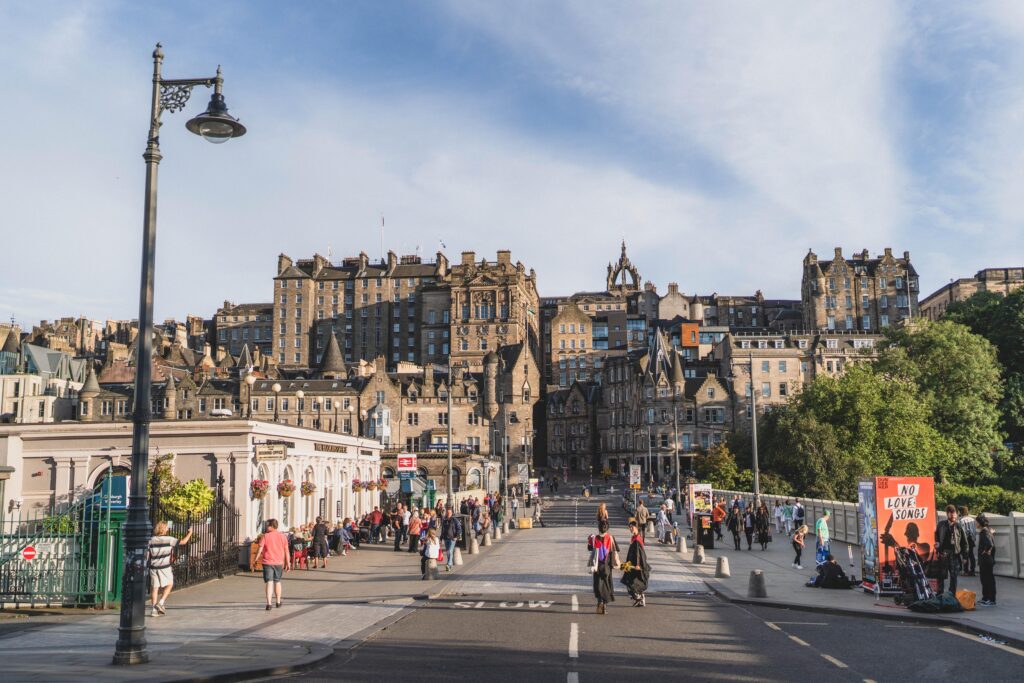
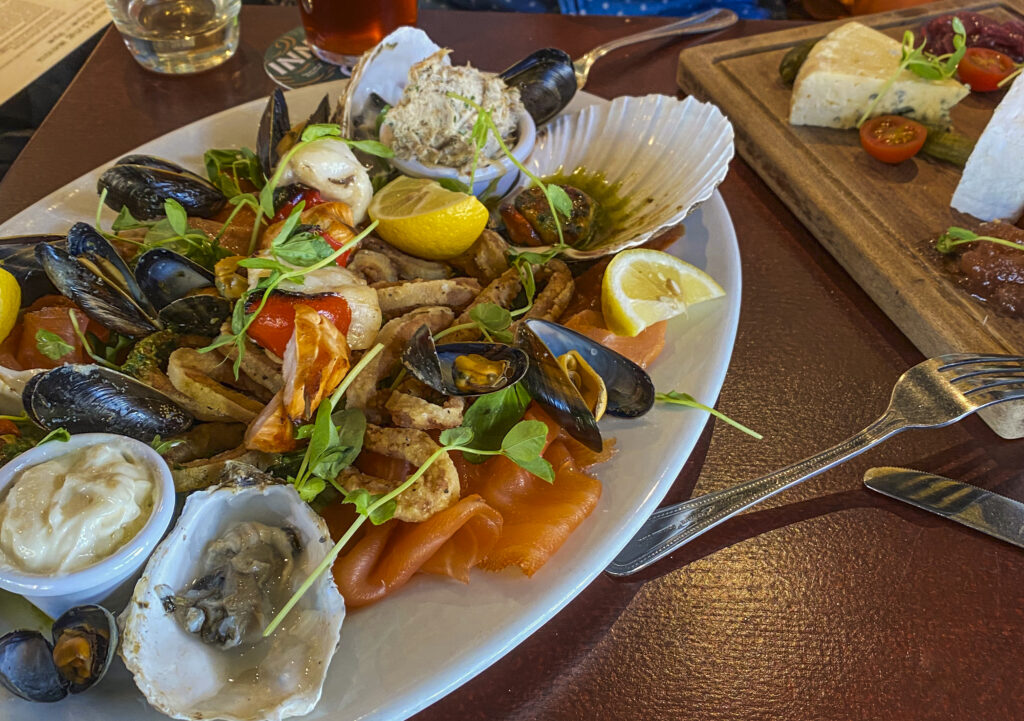
Edinburgh is a foodie haven for those seeking memorable gastronomic experiences. And, in recent years, the city’s culinary scene has stepped up significantly and is now home to seven one-Michelin-star restaurants! While these fine-dining spots aren’t budget-friendly, they’re a must-visit if you’re traveling specifically for the food.
Even beyond Michelin-starred options, Edinburgh is packed with casual eateries, street food, and local delicacies that let you enjoy the city’s flavours without breaking the bank. Some of my top recommendations for ultimate spots to eat (££-£££) are: Howies, Ardfern, The Witchery, Stockbridge Eating House, Tipo, The Palmerston, Heron.
For more budget-friendly, but still very delicious, I recommend: The Café Royal, Makars Mash Bar, MUMS Comfort Food, Teuchter’s Landing, The Haggis Box, Greenwoods Edinburgh, Maki & Ramen, La Locanda, and Gaia.
The average cost you spend on food is completely dependent on your preferences. If you are on a budget, a money-saving hack that I recommend is looking for restaurants that do a set lunch menu, or to look at eating out in less touristy areas. Check out our guide of Edinburgh’s best neighbourhoods (the Old Town and New Town is where you’re likely to encounter higher prices).
Cost of drinking
Yes, there’s a separate cost for drinking. After all, historically, Edinburgh was once the brewing capital of the world, and some of the cosiest spots in the city to experience are its pubs. Even if you don’t drink alcohol, we all know the rising costs of a cup of coffee is worth talking about!
So let’s start with pints. In the UK, it’s practically a well-known rule that you can gauge the cost of a city by the price of a pint. In Edinburgh, the price of an average pint has been reported to be around £5.50 to £5.90. But it’s worth noting, prices are higher in central areas and high-end places. Read our guide to the best of Scottish beers to try!
In terms of coffee, it completely depends on whether you visit a classic café or one of the trendy coffee shops that serve speciality brews. Generally speaking, the average price of a flat white coffee in Edinburgh can vary between £3.50 and £4.50.

Getting around Edinburgh
Getting around Edinburgh is considered relatively easy, especially when considering its size. The city is very walkable, albeit quite hilly, but its compact city centre means that many of the main attractions are close to one another.
Unlike many other major European cities, Edinburgh doesn’t have an underground system. Instead, getting around the city relies on a network of buses and trams, which are both convenient and budget-friendly for visitors. It’s also super easy to use as the main transport of the city is served by one company, Lothian Buses.
As of late, a new “TapTapCap” system has been put in place. This means that there’s a daily cap of £5 or a weekly cap of £24.50 for adult travel on Lothian Buses and Edinburgh Trams taken within the city zone. That means if you hop on the bus multiple times in a single day, you’ll only ever pay the capped amount, making it much easier to track and control your Edinburgh transport costs while exploring the city.
Activities in Edinburgh
Edinburgh is packed with history, culture, and unforgettable experiences. From the iconic Edinburgh Castle, perched atop a volcanic plug in the city’s heart, to the Gothic streets where haunted tales and ghost stories linger, there’s no shortage of places to explore and stories to uncover.
However, many of these experiences can cost a hefty sum, particularly if you choose to do more than one. And, let’s be honest, as a visitor, you’ll want to see as much as possible during your stay.
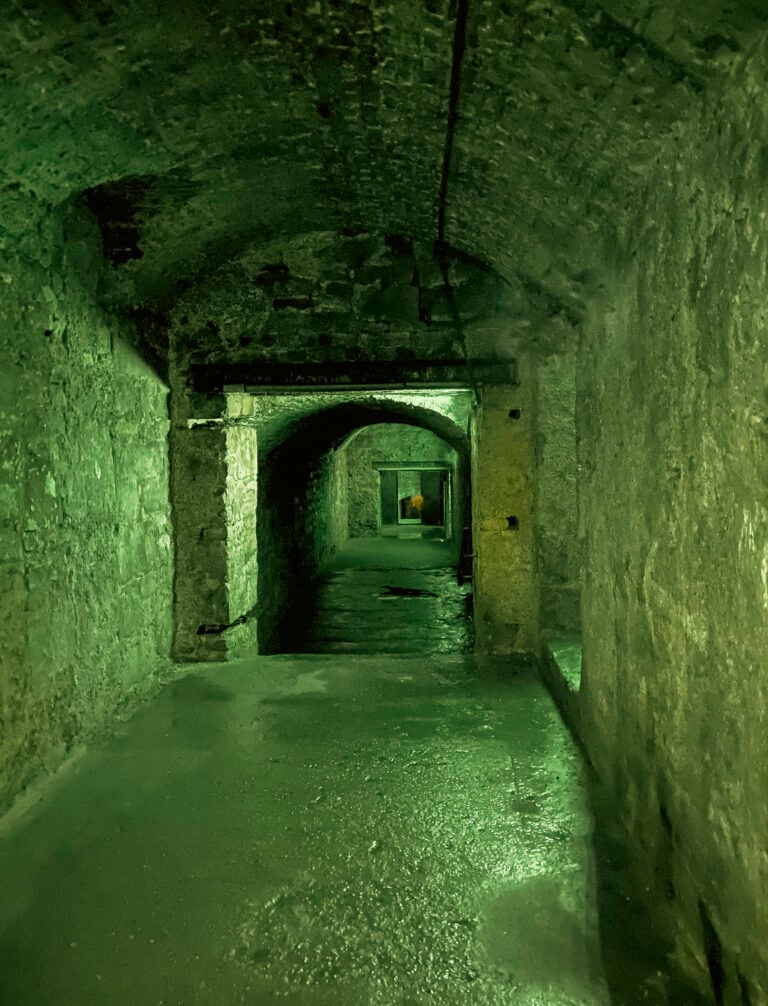
For example, general admission costs for the following are: Edinburgh Castle (£21.50), The Vaults Tour (£22), Palace of Holyroodhouse (£21), The Real Mary King’s Close (£24), The Ghost Bus Tour (£19), and art exhibitions (around £19).
The most cost effective way to visit multiple of the city’s main attractions is by purchasing an Edinburgh City Pass. You can see on their official website here what is on offer. I would say, if you only plan to visit one or two attractions then the pass may not be right for you.
Another great way to explore the city is by going on donation-based free tours. These are often done by locals who can give great insider knowledge, and I tend to find these kinds of tours more engaging as they are given by people who truly love and know the city. But, do bear in mind the cost of other attractions and the effort put in by your tour guide, as it’s important to tip and show your appreciation when the tour is done well.
The city is also renowned for its abundance of festivals. Indeed, Edinburgh hosts 11 major international festivals throughout the year, plus many other events and smaller festivals. The most popular being, of course, The Edinburgh Fringe Festival. If you’re planning a visit during festival season, ticket prices for each show vary but they typically cost (£10-£15) per one hour show. You can read more about how to potentially budget and what to expect for this on our guide to the Edinburgh Fringe Festival.

Free activities in Edinburgh
The first thing you should note is that there are actually dozens upon dozens of free things to do in Edinburgh, and if you’re travelling on a budget this is one area where you can save plenty of money, particularly if you opt to skip out on pricier attractions such as visiting Edinburgh Castle or St Mary King’s Close.
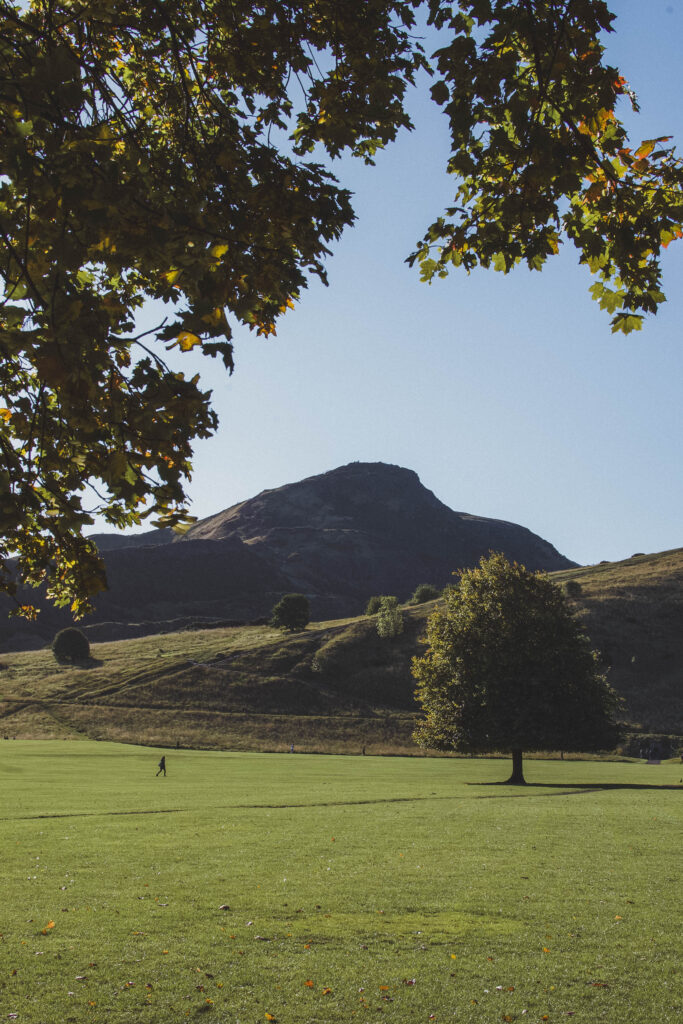
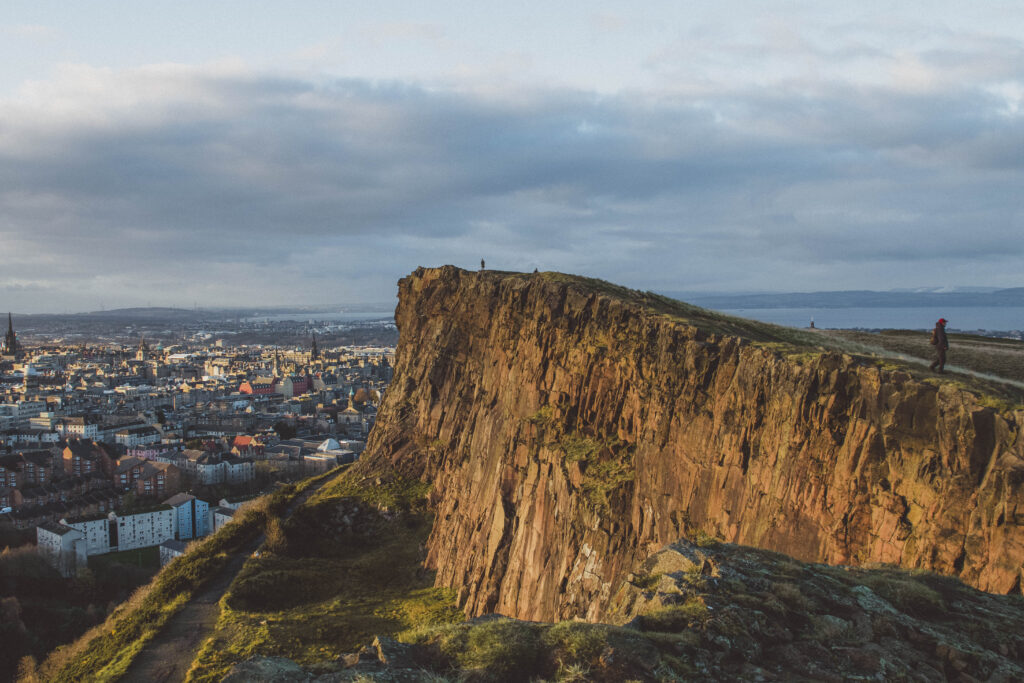
One of the best things you can do for free is climb an extinct volcano, which can’t be said for many other cities. The city also has numerous free museums and galleries, including: The National Museum of Scotland, The National Gallery, The National Portrait Gallery, The Writer’s Museum, and so on.
Most expensive times to visit
Generally speaking, if you aren’t visiting Edinburgh for the festival, then there’s no point in visiting the city during August. Unless, of course, you know someone and don’t mind
Another time of year which is particularly more expensive is December. As with most European cities, the prices are raised as soon as the word “Christmas” is brought into play. Edinburgh’s Christmas market can draw in up to 2 million visitors per year, and the city itself is considered to be a cosy winter retreat, so the cost of everything during this time is higher than usual.
Average cost of a day in Edinburgh
The following table is based on an average costs for what you might expect to spend per day in Edinburgh:
| Category | Budget Traveller (£) | Mid-Range Traveller (£) | Luxury Traveller (£) |
|---|---|---|---|
| Accommodation | £30–£60 | £60–£130 | £130+ |
| Meals | £15–£25 | £30–£50 | £75+ |
| Public Transport | £2–£5 | £5–£15 | £20+ |
| Attractions | £5–£15 | £15–£30 | £30+ |
| Drinks | £5–£10 | £10–£20 | £30+ |
| Total/day | £57–£115 | £120–£250 | £285+ |
Enjoyed reading our guide to a budget breakdown of visiting Edinburgh? Pin this article now, and read it again later: