

Europe’s Most Beautiful Gardens: A Journey Through Living Art
Last Updated on 27th March 2026 by Sophie Nadeau
This post may contain affiliate links. Please check out my privacy policy for more information.
Whether tucked away inside quaint French villages, sprawling across English estates, or found on the cliffside of Mediterranean islands, gardens offer that peaceful pause, perfect for slow afternoons, quiet picnics, and daydreaming in the sunshine…
Being among nature is undoubtedly one of the most relaxing pastimes; that’s exactly why people create gardens. In this guide, we’ll explore some of Europe’s most beautiful gardens and where to find them!
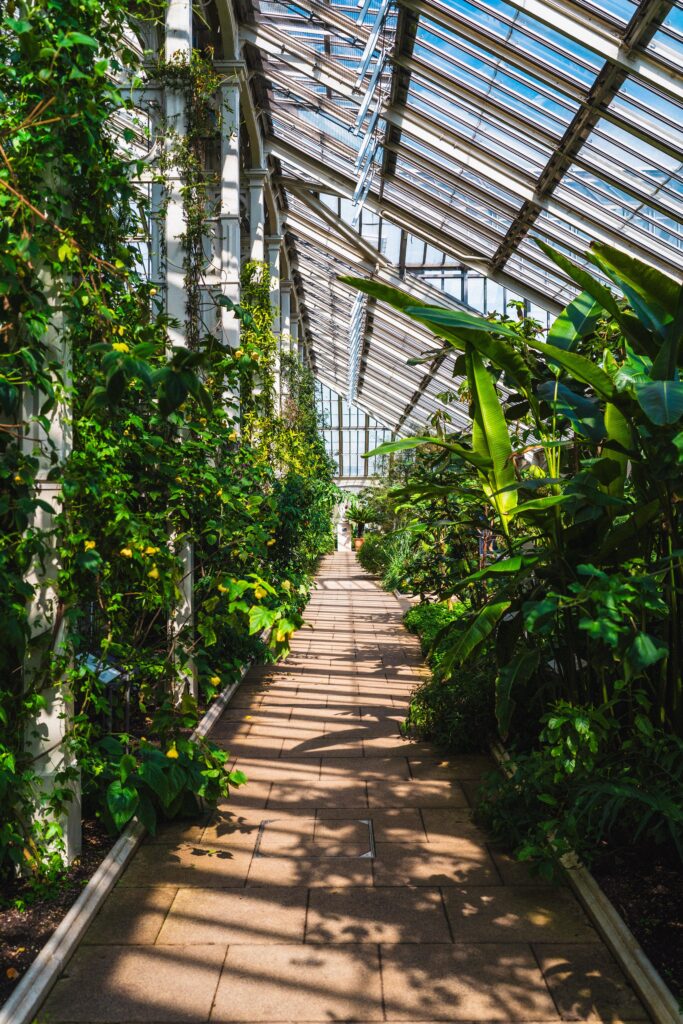

Most beautiful gardens in Europe
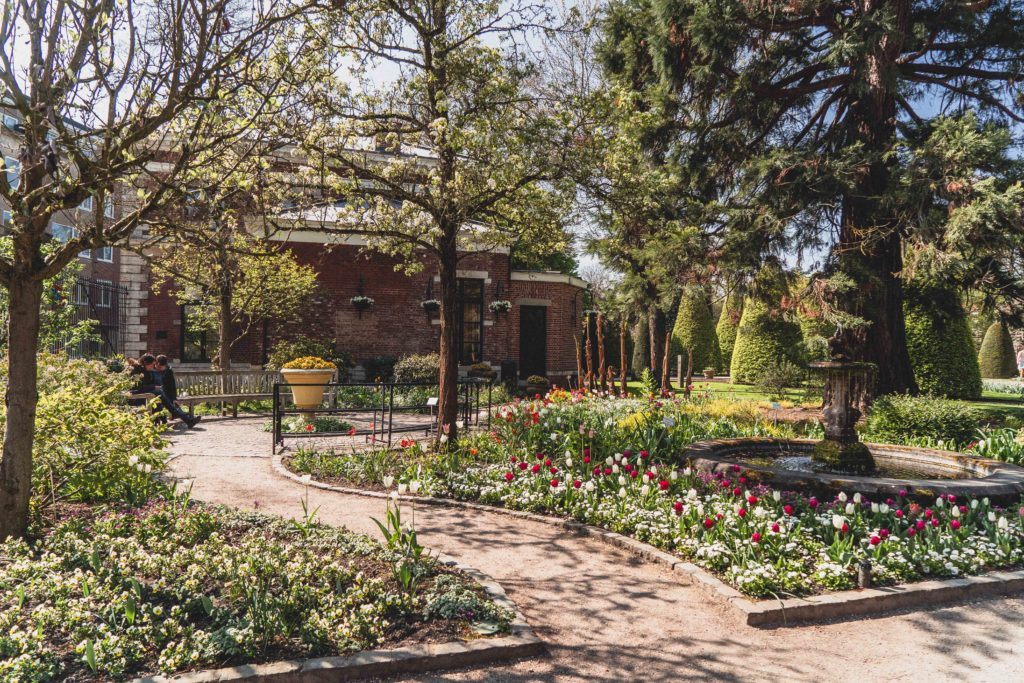
Keukenhof, Lisse, the Netherlands
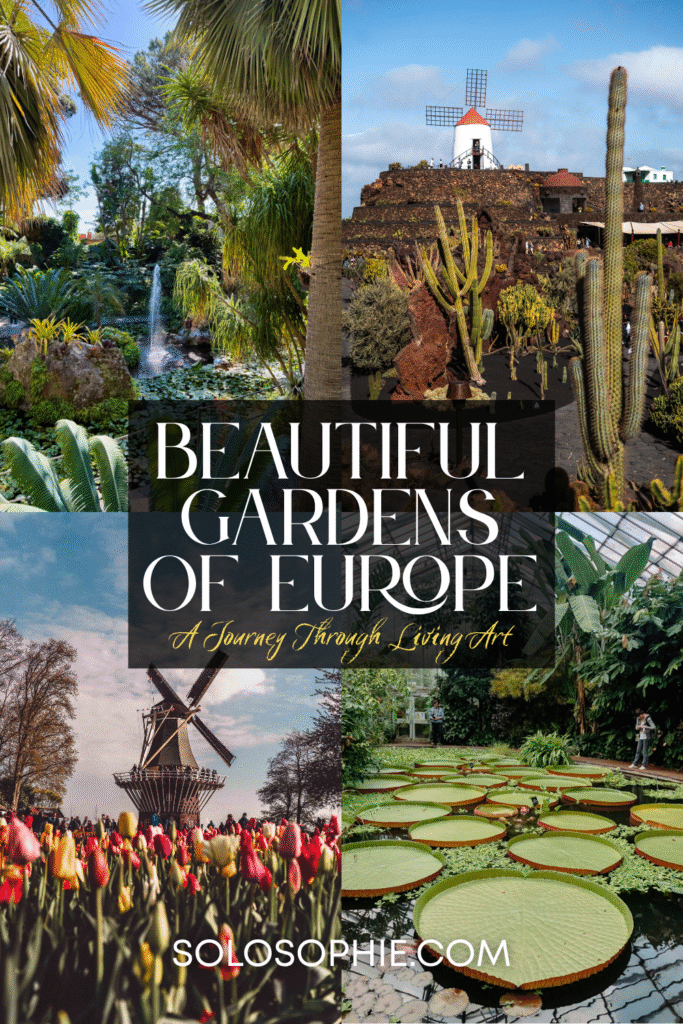
The Garden of Europe opens to the public once a year. The name Keukenhof itself means ‘kitchen garden’ and derives from the Dutch Golden Age, when the area was used to grow herbs for Jacqueline, Countess of Hainaut who resided in the nearby Hainaut Castle.
Please note that Keukenhof is only open for a few weeks of the year, meaning that many people opting to visit the gardens plan their entire Netherlands trip specifically around seeing Keukenhof. I’ve now been twice and loved the garden so much that I would happily return for a third trip!
Best time to visit: March – May


Giverny, France
Made famous by the French impressionist artist who needs no introduction, the Monet Garden in Giverny can be seen featured as the backdrop of countless of Monet’s works. The best time to visit is undoubtedly July, when the nymphéas (water lilies) are in bloom.
As well as the cosy gardens, you can visit Monet’s former atelier and home, which has been transformed into a museum that you can see as part of the entrance fee to the gardens.
Best time to visit: July


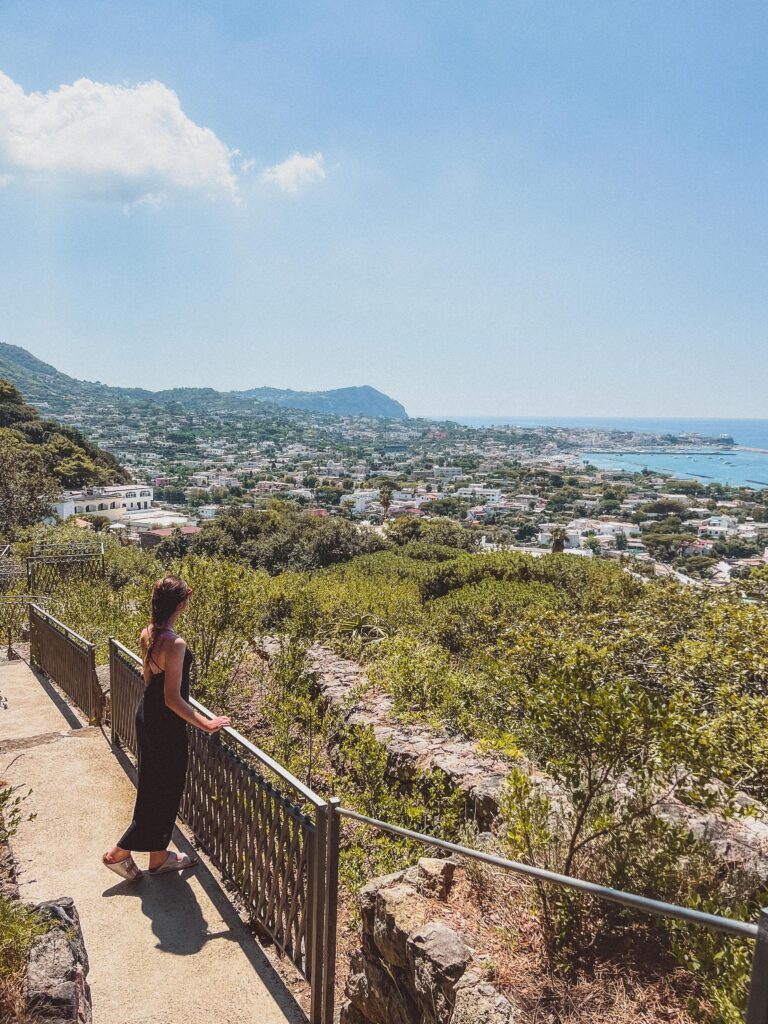
Giardini la Mortella, Ischia, Italy
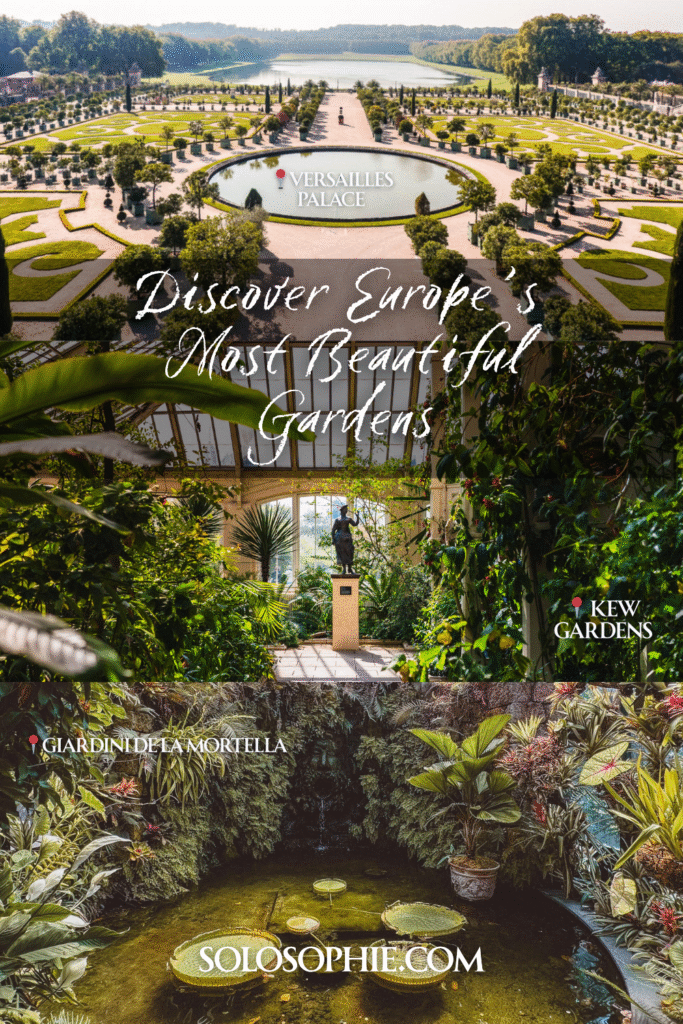
A hidden tropical Mediterranean oasis created by Lady Susana Walton, Giardini la Mortella is a love letter to nature. This small paradise is filled with exotic plants, waterfalls, ponds and streams, along with sweeping vistas overlooking the bay of Naples.
One of Ischia’s best-kept secrets, this glorious green space has been open to the public since 1991. Today, cruise ships full of people visit Ischia with the gardens at the top of their list of spots to visit!
Best time to visit: May – July

Parc de la Vallée aux Loups, Hauts-de-Seine, France
Translated into English as Valley of the Wolves Park, a highlight here is a visit to the glasshouse, which is filled with dozens of unique bonsai tree specimens. Several are over a hundred years old, and there is even a bonsai tree that is approaching 250!
The park is also renowned for its breathtaking and unique trees. Some of the rarest trees include the weeping Atlas blue cedar, with a drooping canopy which you can walk beneath (there’s even a bench to sit on) and a myrsine leaf oak.
Best time to visit: April – May


Jardín de Cactus, Lanzarote, Las Palmas
One of the best things to do in Lanzarote is to visit this small spiky garden of cacti. Jardín de Cactus is home to over 4500 specimens of 450 different species, of 13 different families of cactus from five continents.
This impressive collection and landscaped garden was the last work created by the acclaimed late artist César Manrique. Climb to the top of the windmill and you’ll be greeted by views of the garden in its entiretry. The windmill was once used to make gofio (a kind of Canarian flour made from roasted grains).
Best time to visit: June – September


Kruidtuin, Leuven, Belgium
Also known as the Hortus Botanicus Lovaniensis, Kruidtuin Leuven is Belgium’s oldest botanical garden. Founded as early as 1738, the gardens were opened by the University of Leuven, before Belgium became its own independent nation.
Today, the garden covers an area of 2.2 hectares, including greenhouses, countless benches, and sprawling green lawns. Highlights of Kruidtuin include countless cherry blossoms that bloom pink each Spring, a Wisteria wall that climbs the the Southern wall of the Orangery, and several glasshouses that are filled with larger than life leafy greens.
Best time to visit: June – August
Royal Botanic Gardens, Edinburgh Scotland
The gardens date back to 1670 (making them the second oldest botanical gardens in the UK) when two local doctors decided to set up a physic garden in hopes of exploring the links between plants and medicine for the benefit of society.
Edinburgh’s Botanic Gardens boasts one of the most important and diverse collections of biodiversity. Home to over 273,000 individual living species, the herbarium is believed to contain an excess of 3 million preserved specimens. The crown jewel of Edinburgh, this garden should be high on the list for those visiting the Scottish capital.
Best time to visit: March – May
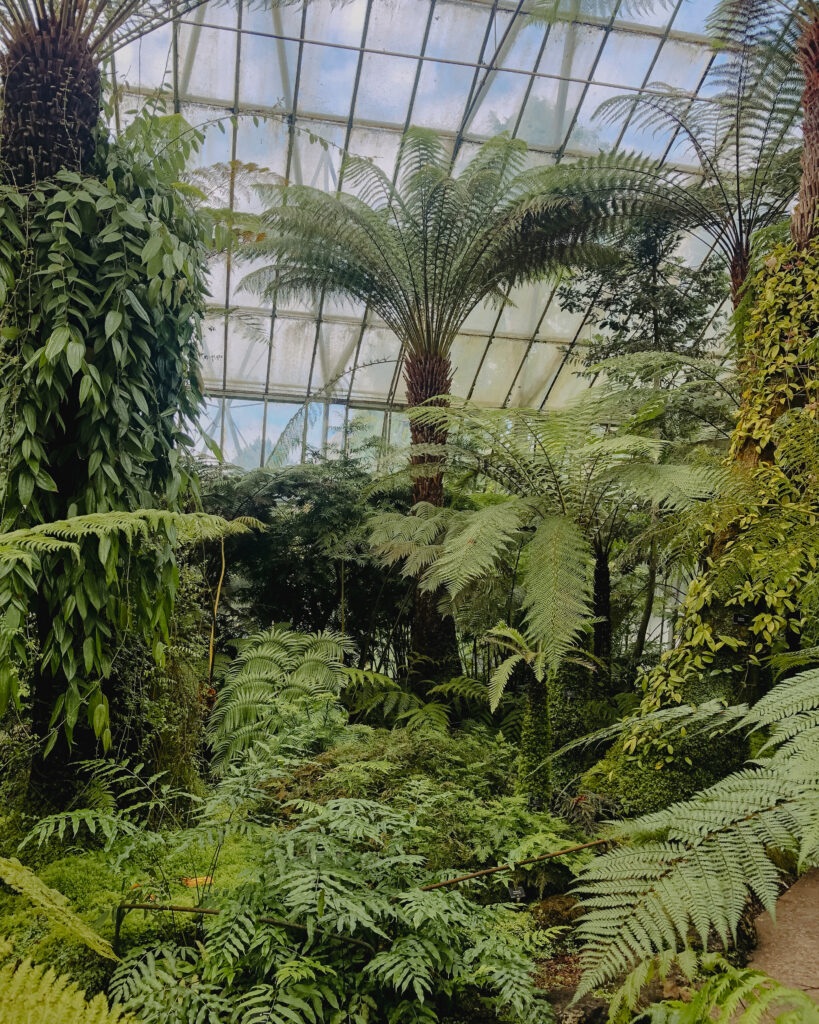
Kew Gardens, Richmond, England
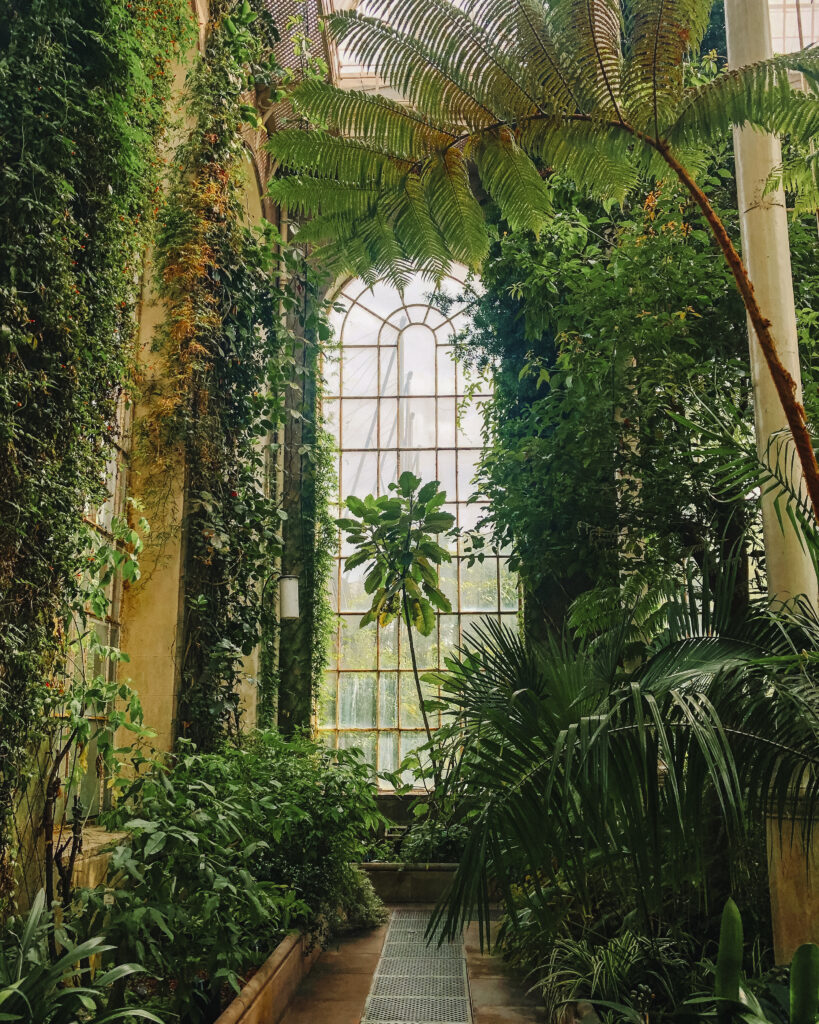
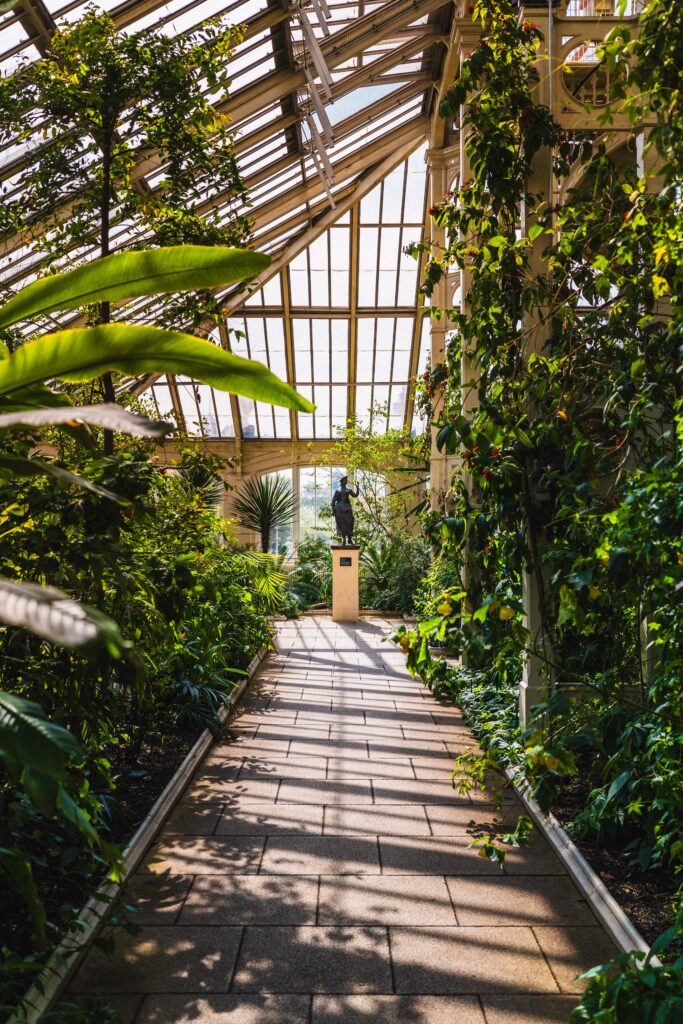
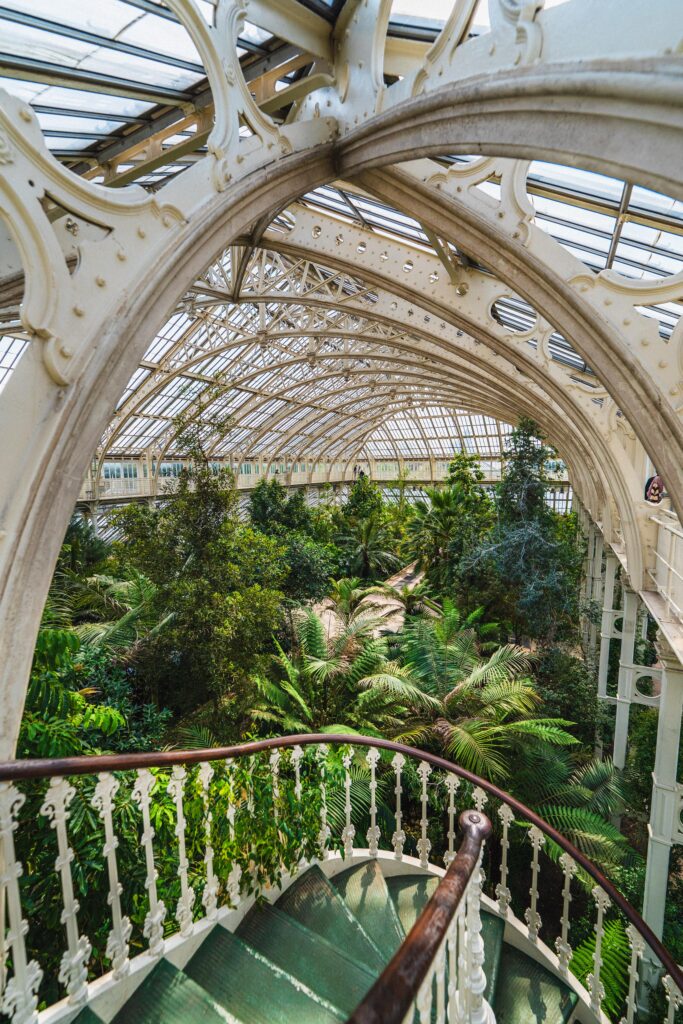
Just a short train ride from central London, tucked away in the neighbourhood of Richmond, lies the most biodiverse place on earth! This UNESCO World Heritage Site is encased in glass and houses over 50,000 living plants.
Kew Gardens is the biggest botanical garden in the world, comprising a site of over 300 acres. Kew also boasts the oldest surviving Victorian glass house in the world, the smallest royal residence in the world, and a particularly unique pagoda that stretches 50 meters into the air.
Best time to visit: March – May
Gardens of Versailles, Versailles, France
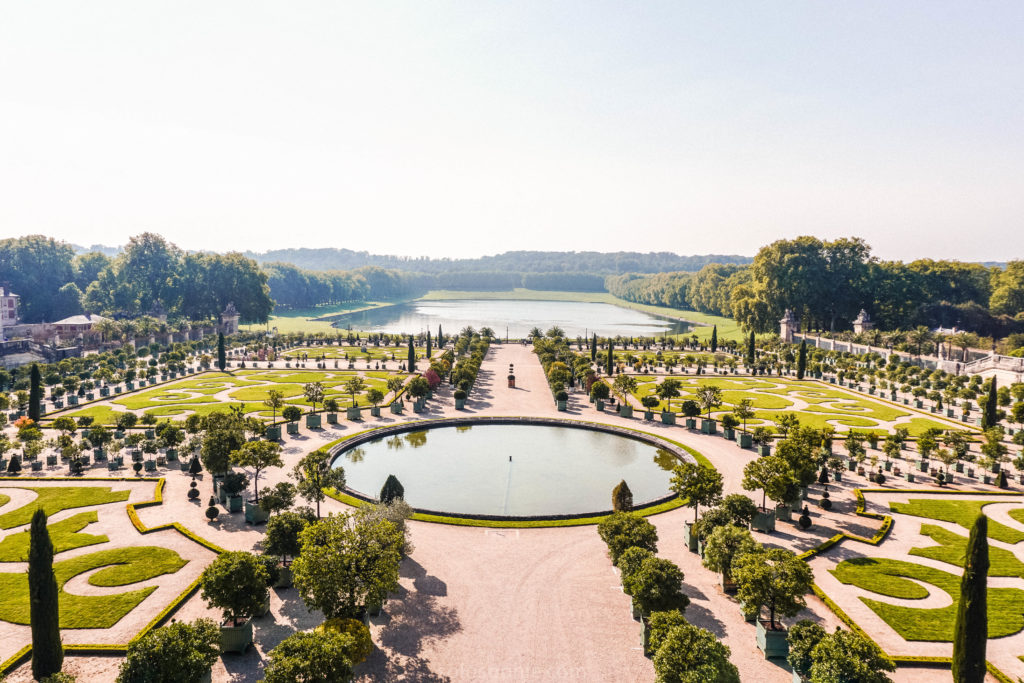
Just a short train ride away from Paris, Versailles makes the ultimate day trip from the French capital. In 1661, Louis XIV commissioned André Le Nôtre to design and transform the gardens of Versailles.
Sprawling as far as the eye can see, neatly trimmed topiary, grand boulevards, and pretty lakes aplenty span the vast planes surrounding the Château. Despite the Palace of Versailles being closed on a Monday, the gardens remain open to roam around.
Vaux le Vicomte, Maincy, France
Before there was the Sun King’s Palace of Versailles, there was the magnificent mansion of Chateau de Vaux-le-Vicomte. This garden is yet another magical gem created by André Le Nôtre, and it resides next to one of the the greatest 17th-century châteaus in France.
The vast French formal gardens and estate that surround Vaux-le-Vicomte sprawl out over 33 hectares. The château and its stunning gardens are so popular and picturesque that they’ve served as filming locations for numerous TV shows and movies. Scenes from The Man in the Iron Mask, Moonraker (from the James Bond franchise), and even an episode of Australia’s Next Top Model were shot here.

Enjoyed reading our post on Europe’s most beautiful gardens? Pin this article now, and read it again later:


It looks very comfortable