How To Visit Dunrobin Castle, a Jewel of The Highlands
Last Updated on 25th February 2025 by Sophie Nadeau
This post may contain affiliate links. Please check out my privacy policy and disclosure for more information.
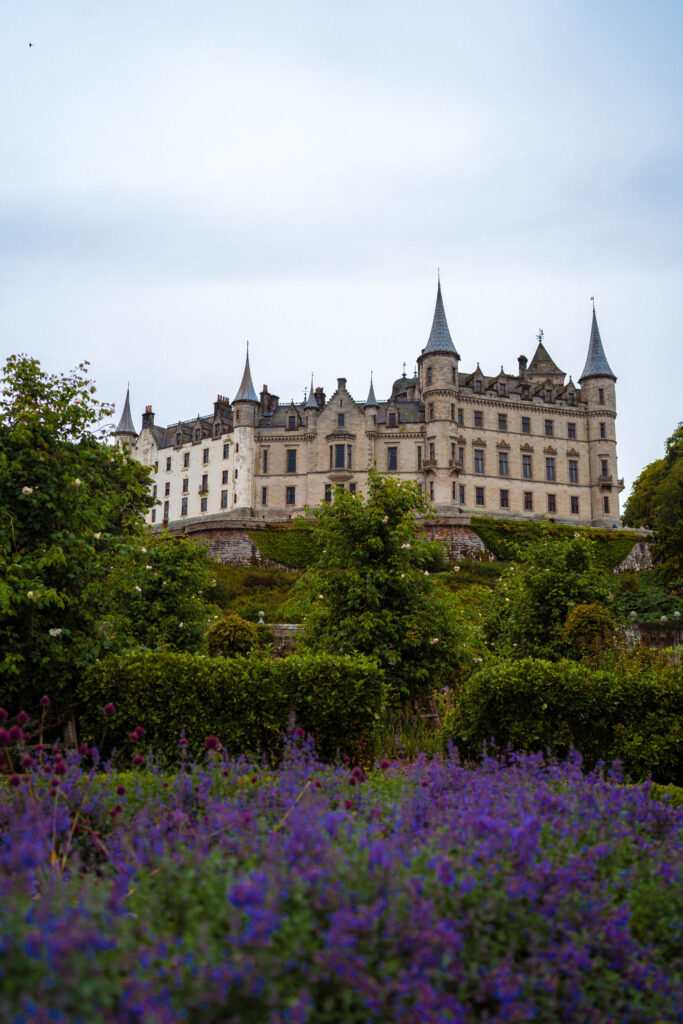
Dunrobin Castle is the largest and most northern of Scotland’s great houses, found in the northern Highlands. This enormous French château-inspired castle has a long and storied history that spans over 800 years. Despite its beauty and charm, the site is also known to be one of the harshest episodes of clearance in Scotland. Here’s you guide on how to visit Dunrobin Castle, often hailed as “a jewel of The Highlands”.
Where is Dunrobin Castle?
Dunrobin Castle is situated in the northern Highlands and sits slightly to the north of Golspie, a quaint village in Scotland. It is the most northerly of Scotland’s great houses and the largest castle in the northern Highlands, boasting 189 rooms.
A brief history
The 800 years of Dunrobin Castle’s history can be traced back to 1211 when the lands of Sutherland were acquired by Hugh, Lord of Duffus, the grandson of a Flemish nobleman. In 1235, the Earldom of Sutherland was created for Hugh’s son William.
The Earldom of Sutherland is one of the seven ancient earldoms of Scotland and the Sutherlands were considered to be at one time, one of the most powerful families in all of Britain.
The first mention of Dunrobin Castle’s earliest parts being built is in 1401, though it’s believed to have been built on the site of a former medieval fort. The name ‘Dun’ means fort or castle in Gaelic, and the site was founded by Earl Robin in 1275. Therefore, it translates as Robin’s fort.
The castle was built and fortified and stood overlooking the Moray Firth from its strategic position up on the cliff side. Over the next few centuries, the castle saw plenty of scheming, capturing, recapturing, and killing. However, the 17th century was a little more peaceful.
During the Jacobite Rising of 1745, the castle was stormed without warning, because the Sutherlands supported the British Government. The 17th Earl of Sutherland narrowly escaped and headed off to join the opposition, the Duke of Cumberland’s army.
The following year on the 16th of April 1746, the Culloden Battle, which ended the Jacobites, would take place 50 miles west from Dunrobin Castle.
Although its origins lie in the Middle Ages, most of the building seen today was rebuilt or added over time. Between 1835 to 1837 the Duchess of Sutherland proposed a major restoration and expansion of the castle.
It’s worth noting that Dunrobin Castle played a huge role in the Highland Clearances in the early 19th century. The Duke and Duchess of Sutherland were responsible for clearing and forcing hundreds of tenants from their homes as they found the land to be more profitable for grazing sheep than farming. This had a significant impact on the Highlands and provoked a massive population shift.
Another big renovation project was made by Sir Charles Barry, an architect who essentially remodelled the castle in 1845, his work was inspired by other influences from throughout Europe including French and Italianate architecture.
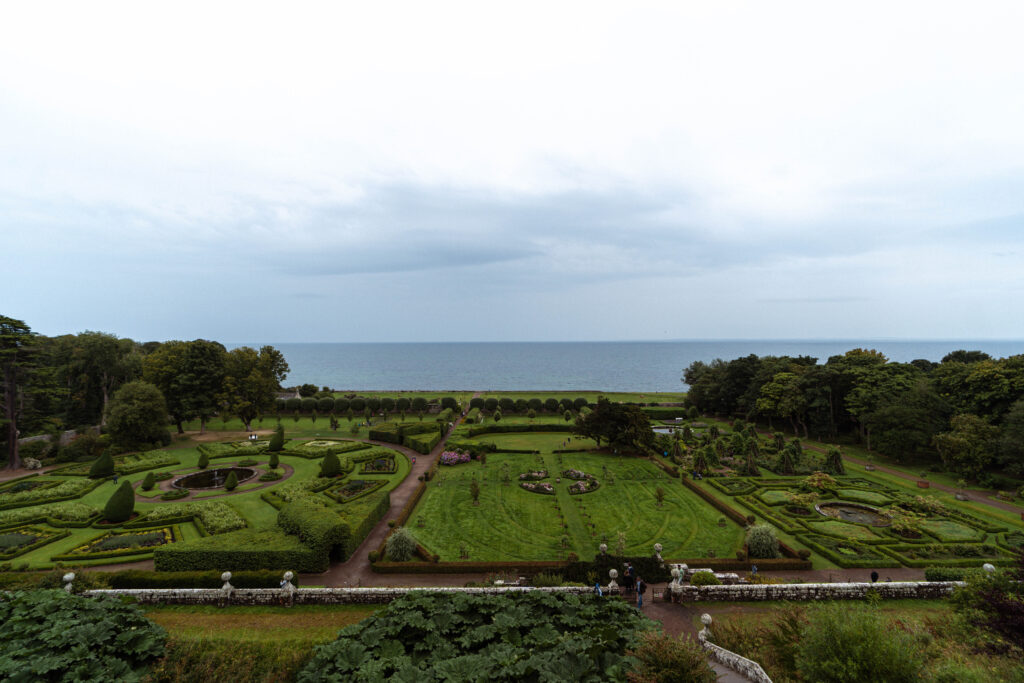
Something that sets Dunrobin Castle aside from others in Scotland is its very obvious French château influence, with conical spires reaching into the sky and beautifully landscaped gardens based on those found in the grounds of the Palace of Versailles.
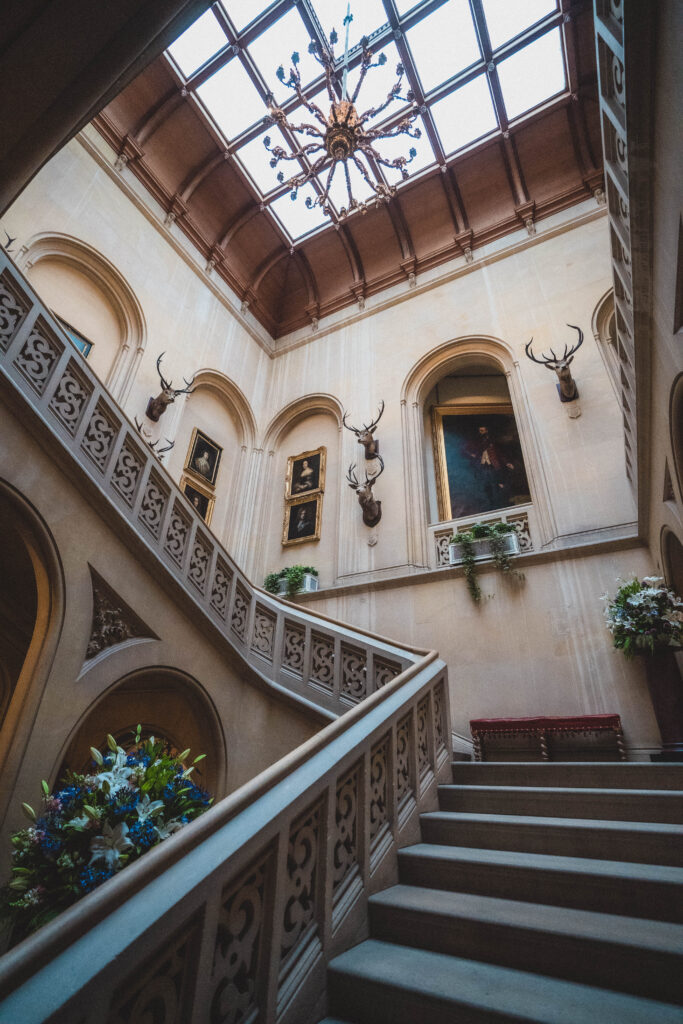
Dunrobin Castle was used as a navel hospital during the First World War, and in 1915, much of Barry’s interior design was destroyed by fire and had to be repaired. Aside from this brief use, up until 1963, the Sutherlands used the castle as a summer residence/ Highland retreat- this is evidenced through the amount of hunting memorabilia foudn throughout.
The castle served to accommodate around 30 people, and they would have around 70 members of staff to look after them and the grounds…oh, to be rich!
From 1965 the castle was transformed into a boys’ boarding school and would remain as one for the next 7 years.
In 1973 the house was opened up to the public. However, to this very day, the 25th Earl of Sutherland and his family still reside here and call the castle home, making Dunrobin Castle one of Britain’s most continuously lived-in great houses.
Of course, this is just a very brief and simple summarization of over 800 years of history; I guess the best way to truly learn and experience the castle for yourself is to visit!
How to visit
Dunrobin Castle is 50 miles north of Inverness, and it’s possible to get either the line X99 bus, taking 1.5 hours or to drive from the city centre, which takes just over 1 hour. Once you arrive, there is ample parking.
Open hours: March, April & October 10:30 am – 4:30 pm every day & May, June, July, August & September 10 am – 5 pm
You’ll ideally want to set aside at least 2-3 hours to explore Dunrobin Castle, so be generous with your timing when planning your visit.
Purchase your ticket at the castle entrance (please note, that it’s only possible to buy a ticket for Dunrobin Castle on-site, you cannot purchase a ticket online).
Once you’ve entered, you can enjoy exploring the grounds of this magnificent historical sight. Audio guides are available for self-guided tours with information boards throughout, however, there are no guided tours, but the staff dotted around are there to help with any questions you may have.
Highlights
Museum
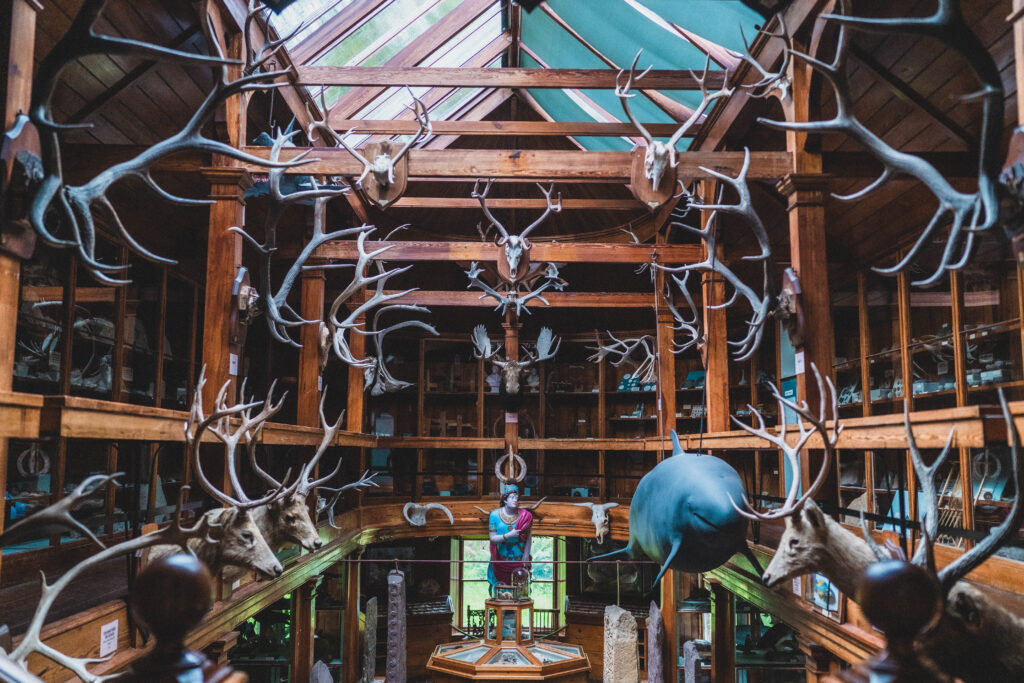
Even though Dunrobin Castle was treated as a summer Highland retreat, in 1762 William the 16th Earl of Sutherland, decided to build a small summer house in the castle grounds. This small building has since been transformed into a museum.
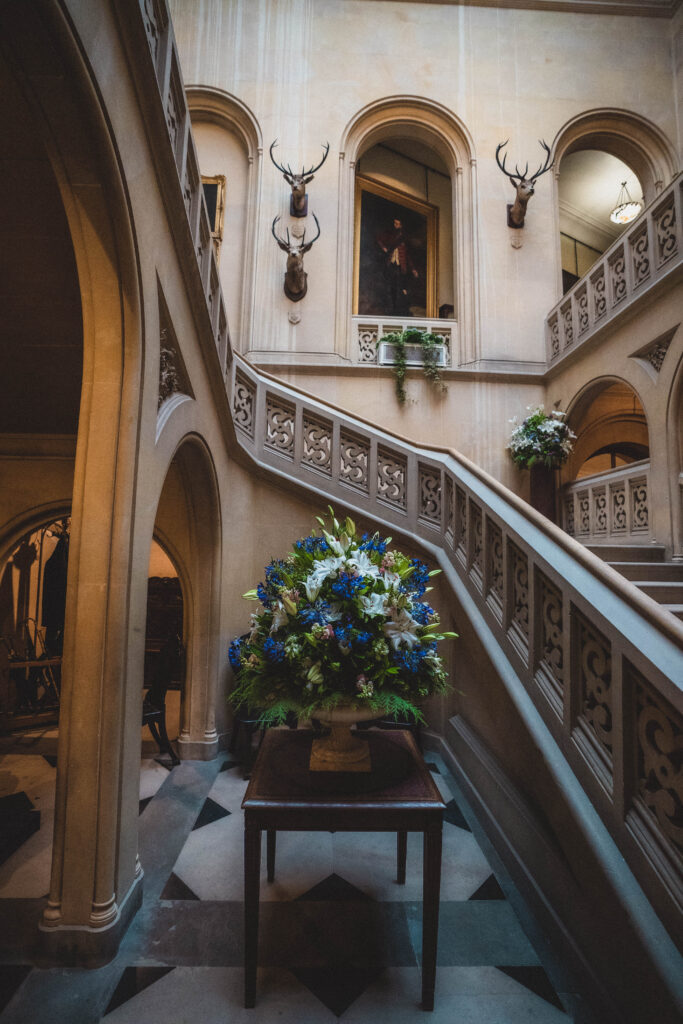
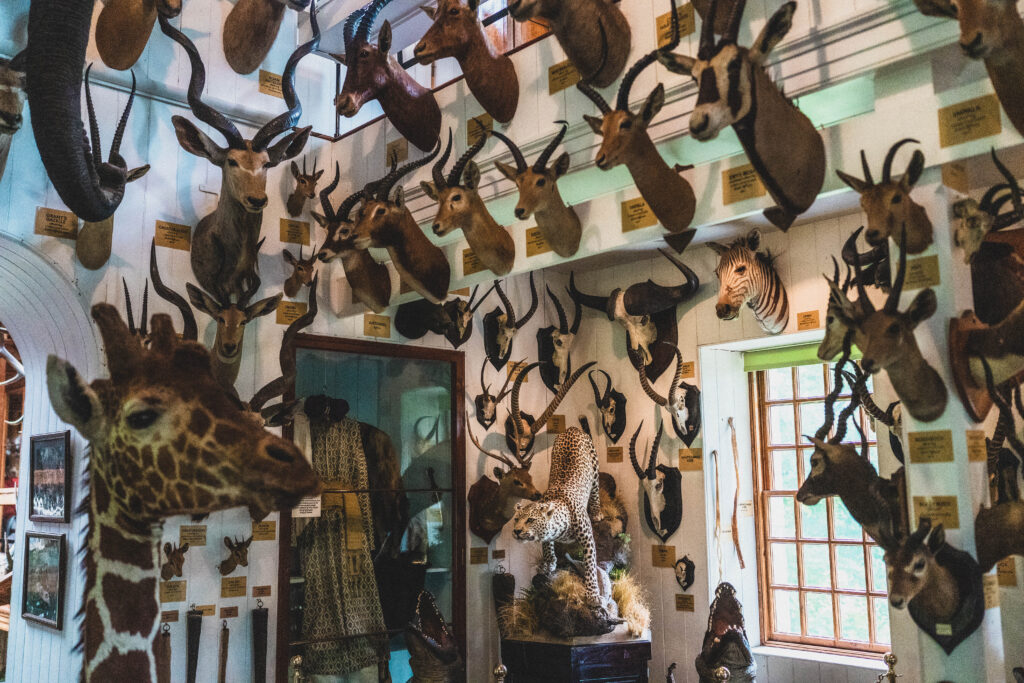
The museum sits within the gardens and can be entered through its arched doorway. It has to be said that this isn’t a place for the faint-hearted or those who are repulsed by taxidermy. Almost every corner the eye can see is filled with ‘hunting trophies’, countless heads of animals caught for ‘fun’.
Within the museum, you can also see some important historical stones as well as other artefacts that have been collected by the Sutherland family throughout time.
Dunrobin Castle Library
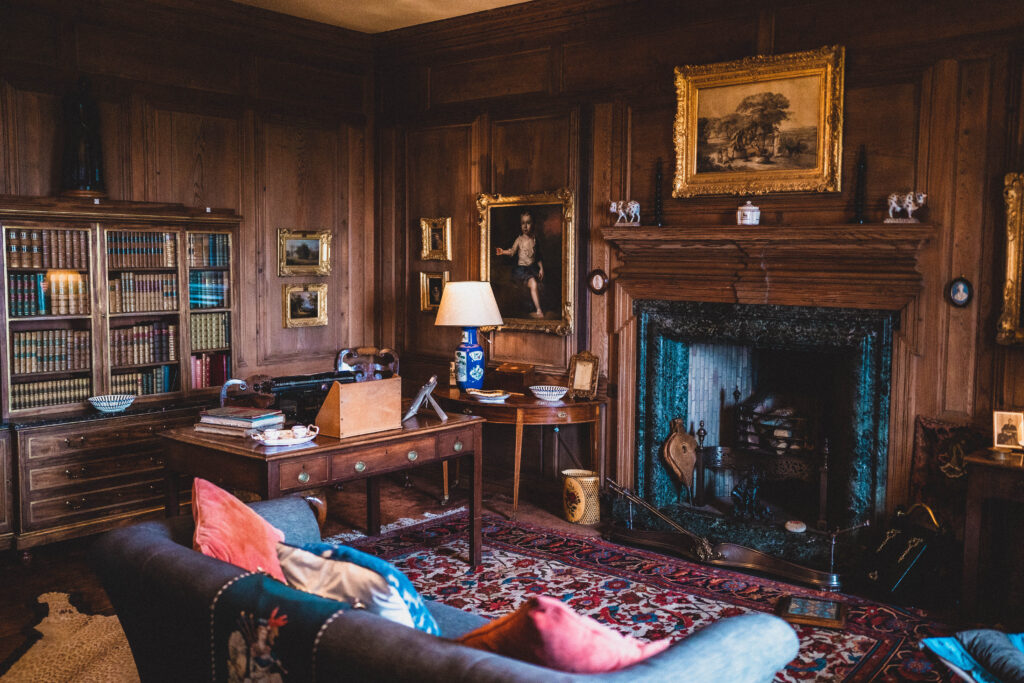
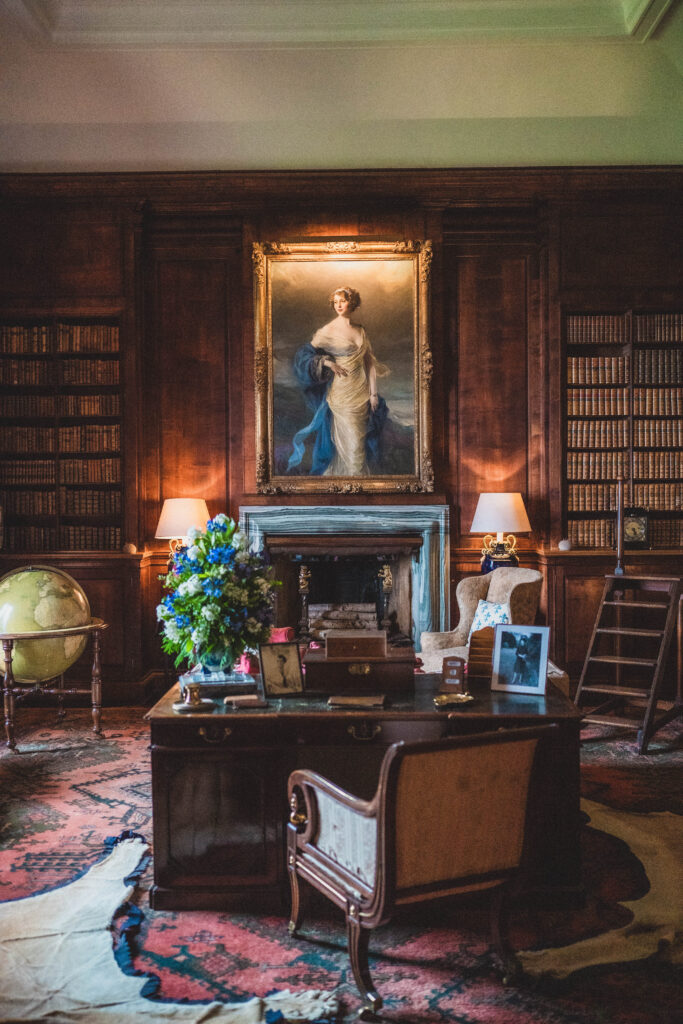
The most enchanting room of Dunrobin Castle has to be its beautiful library, which is filled with some 10,000 books or so, most of which date back to the early 18th and 19th centuries.
The sycamore-panelled library was designed by Sir Robert Lorimer, a noted Scottish architect, who made changes and repairs to the castle following the devastating fire from the war in 1915.
Drawing Room
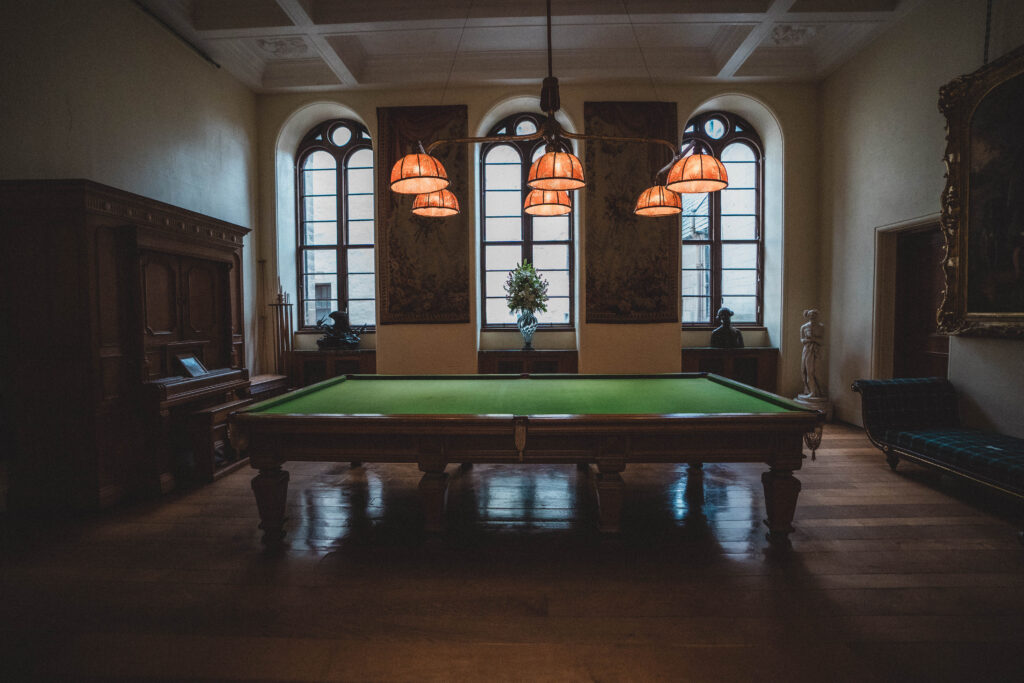
This is the largest room of the building and was originally two rooms until it was made into one after the damages suffered during the war.
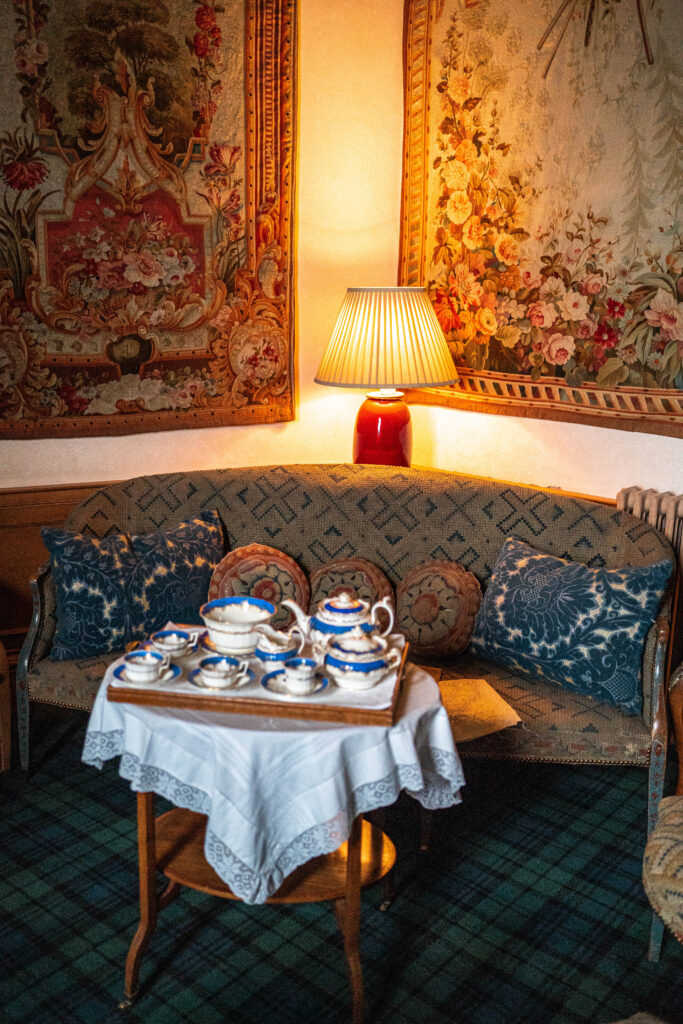
This formal (and truly gorgeous) space overlooks the landscaped gardens and sea in the distance and is filled with beautiful tapestries, statues and paintings. Again, it was created by Lorimer during the castles’ restoration.
Dining Room
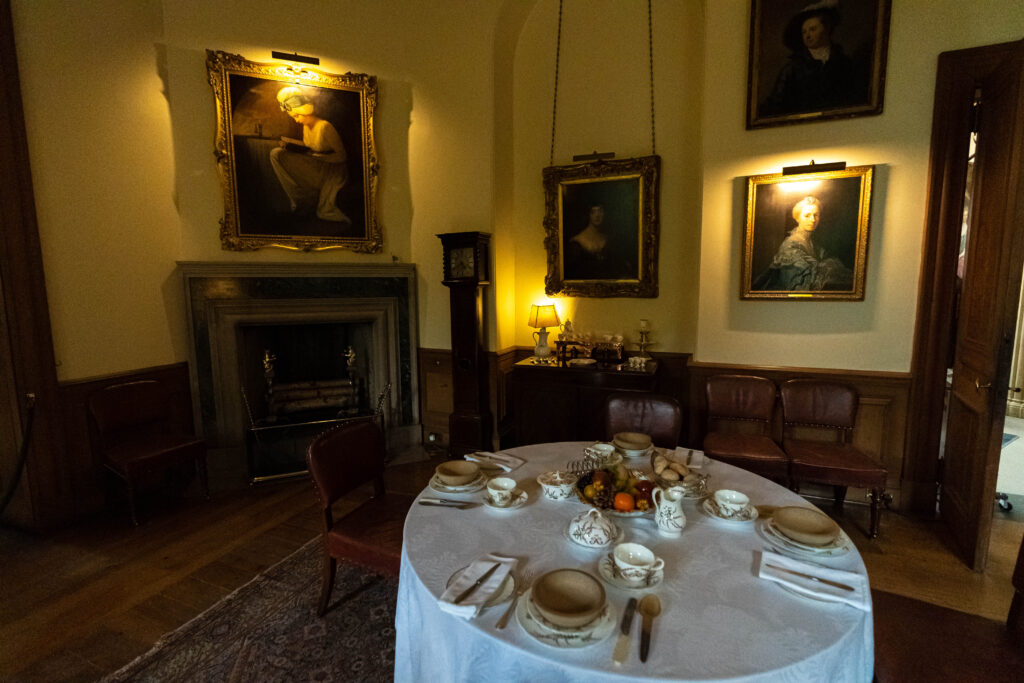
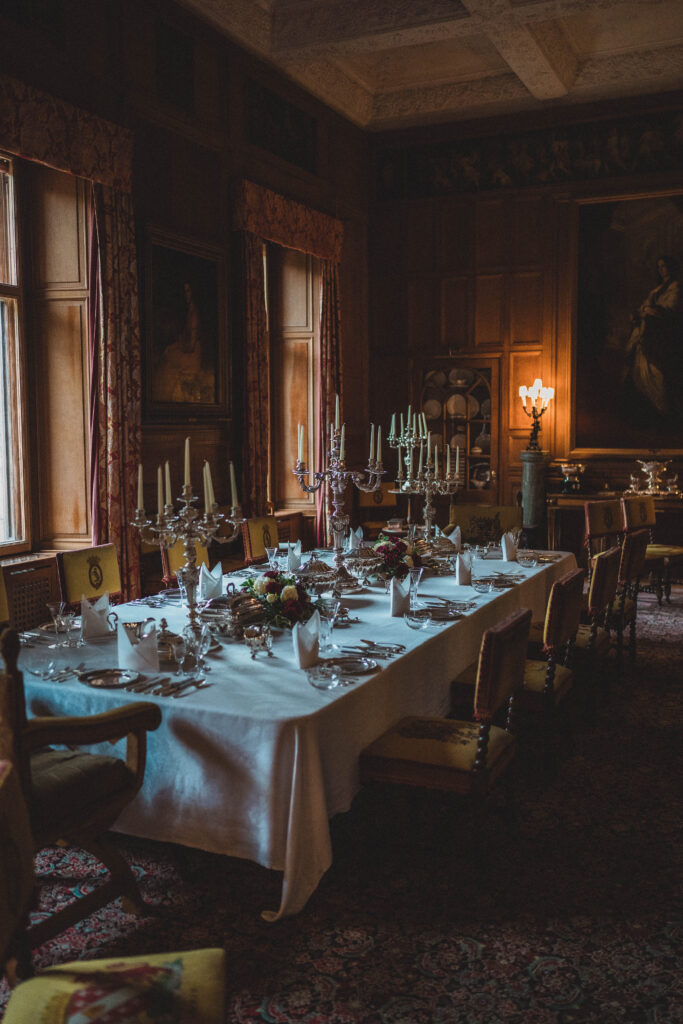
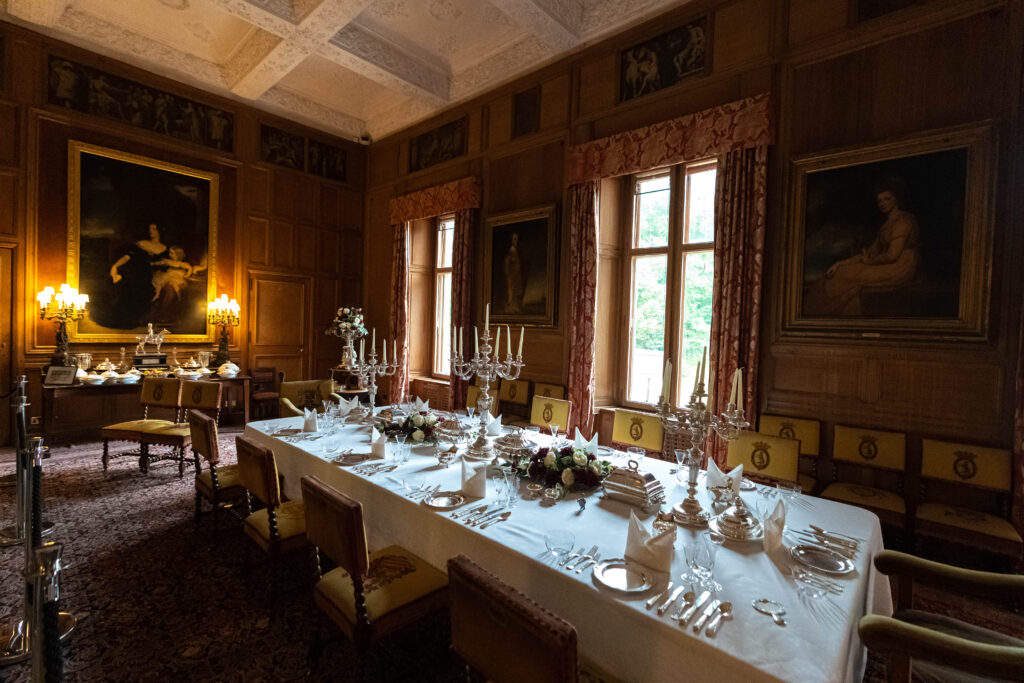
The elegant and decorated dining room of Dunrobin Castle is set out as if waiting for a party to arrive for dinner. The dining table is laid out with family silver and can seat around 24 people. On the walls of the room are grand oil painting portraits of the 1st Duke of Sutherland and his family.
Children’s Quarters
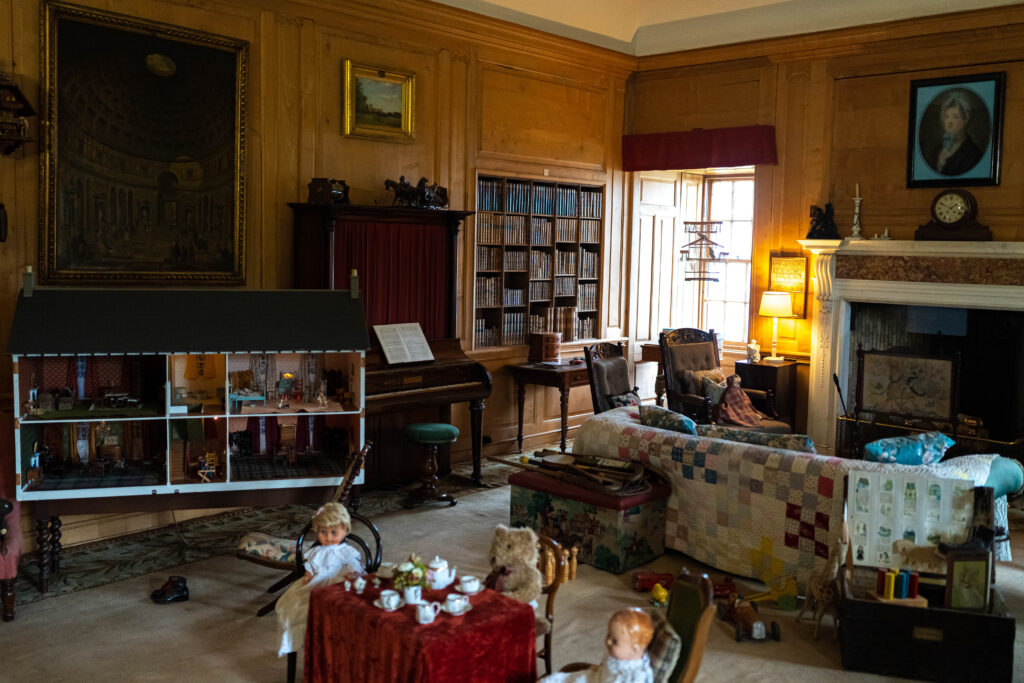
The Children’s Quarters are several rooms where you can see vintage toys out on display, an old rocking horse, a huge model boat, etc. There are also the rooms in which the children would have slept with their nanny.
The Haunted Room
Dunrobin Castle has seen bloodshed throughout the centuries, but one particular ghost which is said to still be heard today resides in the Seamstress’ Room. Here, you can spy out various coronation robes. However, the main thing is to keep an ear out for the little girl still crying.
During the 15th century, the Earl of Sutherland is said to have attacked the Mackay clan and captured a beautiful young noble Mackay, of which he wanted to make his wife. After refusing to marry him, the Earl of Sutherland locked her away in the Seamstress’ Room.
When he went to check on her later, she was attempting to escape via a rope of sheets. The Earl cut the rope with his sword, and the young Mackay lass fell to her death.
Gardens
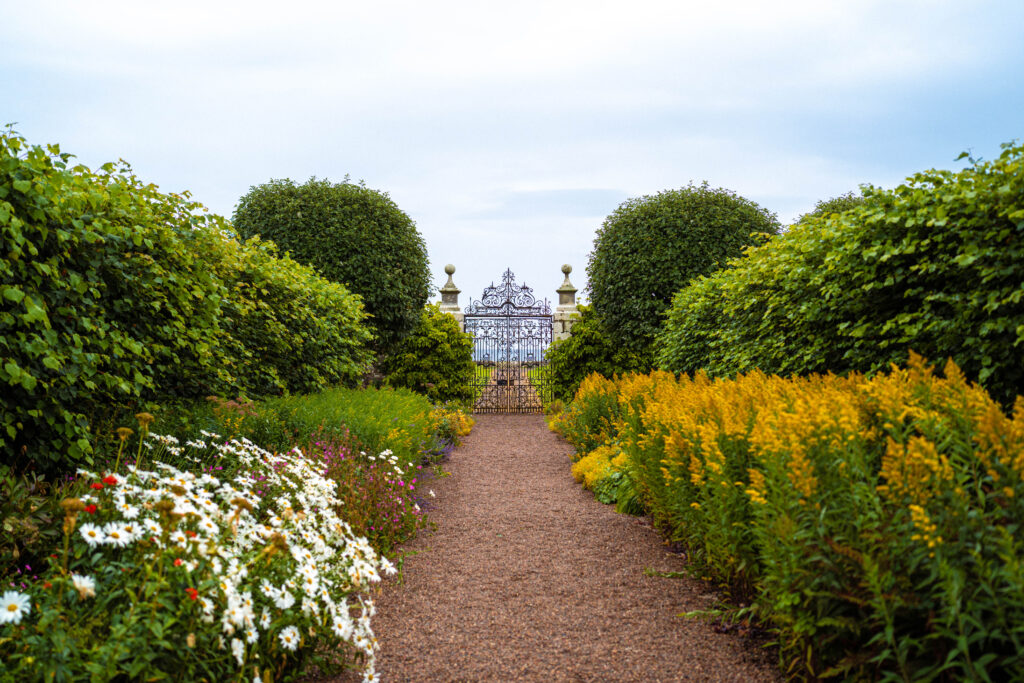
As mentioned, Sir Charles Barry took inspiration from that of the French Palace of Versailles when it came to landscaping the beautiful gardens of Dunrobin Castle. Not only do they boast the best views of the castle itself, but the serenity they bring is simply breathtaking.
Little has changed in the 150 years since they were designed and laid out, with the views overlooking the sea, the gardens can truly transport you to another place which feels distant from that of the north of Scotland. The best time to visit is during summer when the flowers are in full bloom.
Falconry display
While exploring this fairytale castle, one of the most enchanting things to do is watch a spectacular show of the local birds of prey as the resident falconer takes you through an impressive aerobatic displays (performed by the birds of course) and talks about the various methods of how they hunt.
Falconry displays are held daily at 11:30 am & 2:30 pm from 29th March until the 31st October.
Tea rooms & gift shop
You can stop at the tea rooms and enjoy a delicious light Scottish lunch or homemade cake with a cup of tea; this is the best way to feel like nobility in such a grand place! Before you leave Dunrobin Castle, head to the gift shop and pick up a souvenir to remember your visit by.
Enjoyed reading about how to visit Dunrobin Castle? Pin this article now, and read it again later:

> Edinburgh insider’s guide
Ultimate Guide to Edinburgh, Scotland
$19.95
Want more handy information to bring with you on-the-go? This is the ultimate travel guidebook filled with insider knowledge (from a local), the best go-to spots, practical tips and stress-saving hacks that will make your trip truly unforgettable!