
Do You Have to Pay to Visit Venice? (Tourist Entry Fee Explained)
Last Updated on 16th October 2026 by Sophie Nadeau
This post may contain affiliate links. Please check out my privacy policy for more information.
If you’re planning to visit Venice this year, then during your research, you’ve probably come across information about paying to visit Venice. In this article, we’ll break down everything we know about the Venice tourist entry fee and answer the question – Do you have to pay to visit Venice?
Please note that guidelines are updated pretty regularly and so be sure to double-check official government websites for any entry restrictions before your visit. We will endeavour to update this article regularly with information about the Venice tourist tax.
How to pay the Venice entry fee
How much is the tourist entry fee? €5
In 2026, on 60 peak days between April and July, visitors to Venice will need to book and pay the tourist entry fee in advance and use a QR code to enter between 8:30 AM and 4 PM. The admission fee starts on the 3rd of April 2026.
Where to pay: You’ll have to pay the fee prior to your visit to Venice on a portal online (https://www.comune.venezia.it/cda– be wary of scam websites). During the trial period you can pay local authorities on-site (though do be wary of scammers and make sure you’re paying an official)
Payment methods: Credit/ Debit Card, PayPal, Bank transfer. There are also kiosks in the city.
How does it work? Once you have paid the fee, you will receive a downloadable QR code. This will then be checked by authorities at random points (there will be spot checks where you’ll have to present the QR code).
Even those who are exempt from paying the fee (more below) will have to fill out the form and generate a QR code. If you don’t have a QR code you could be subject to a fine.
What is the Venice entry fee?
The Venice entry fee has been in the works for several years (since 2019, when the city first proposed an “entrance contribution fee”), though its implementation was delayed multiple times. The overall goal was for Venice to be the first city in the world to charge non-resident tourists, for example, day-trippers who are not staying overnight in Venice accommodations, a fee to enter the historic city centre. In turn this will hopefully aid in:
- Curb mass tourism – Which has heavily impacted Venice more than almost any other destination in the world.
- Raise additional funds – For city maintenance and preservation of the city’s architecture.
- Limit large tour groups – Reduce the crowds and strain on Venice’s infrastructure.
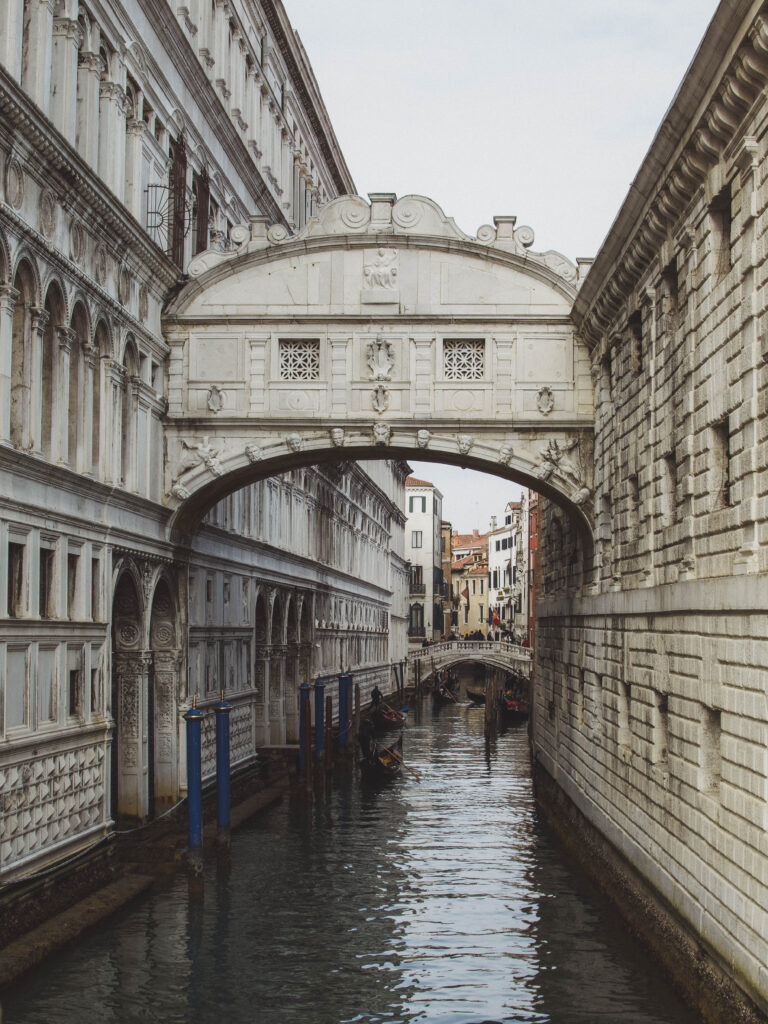
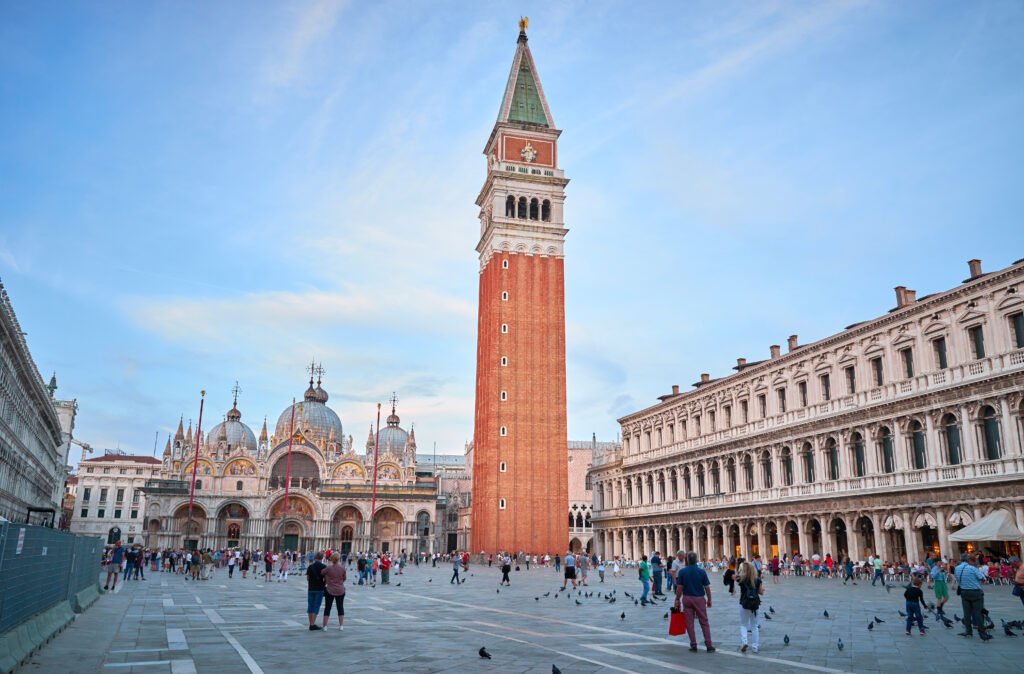
Each year around 30 million visitors flock to Venice in the hopes of crossing the Bridge of Sighs, admiring the gondolas gliding around the waterways of the city, and standing in awe of St Mark’s Square.
More than two-thirds of these visitors only come for a single day! This astronomical number of visitors dwarfs the permanent resident population of 50,000 people, and so you can truly see why something needed to be done.
The idea was partly inspired by the island of Ponza, which charges visitors to the island by charging a ‘disembarkation fee’ to get off the ferry. The fee is supposed to make tourists ‘think twice’ before visiting Venice as the idea is that €5 extra might deter visitors.
Venice initially introduced its day-tripper tourist fee in April 2024 and has decided to extend it. In 2026, the fee applies on 60 peak days between April and July, coinciding with the busiest periods, to help alleviate congestion.
Who has to pay the tourist fee?
The tourist entry fee applies specifically to day-trippers, meaning visitors who do not stay overnight in Venice accommodations. This fee is only imposed on the selected dates during the 60 peak days between April and July (see table above).
However, the charge will not be imposed on visitors who are going to nearby islands such as Murano, Burano, Torcello, etc., as these are outside of the “ancient city area” and so the fee is not imposed here (more details in the next section on excluded areas).
Those who are exempt include the following:
- Tourists staying in hotels, B&Bs, or other registered accommodations in Venice (they do not pay the day-entry fee, though they still need a QR code for registration).
- Children under 18
- Residents of Venice and the wider Veneto region or permanent workers in the city
- Students enrolled in Venice’s universities
- Athletes visiting for sports events
The most important thing to note is that everyone has to register for a QR code, even if they are exempt from paying anything.
Which areas of Venice are affected?
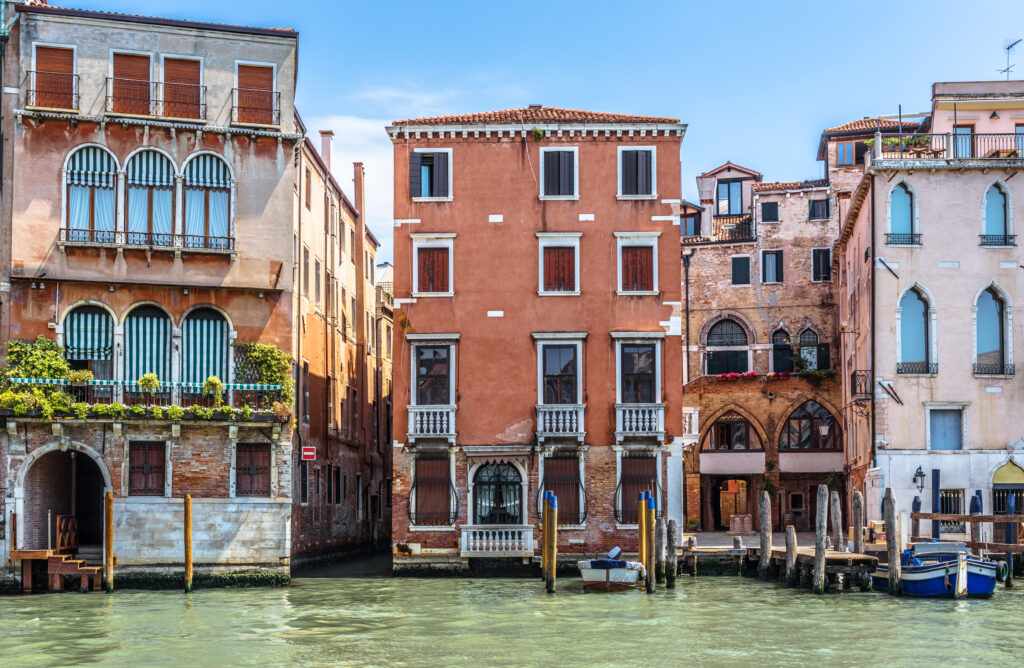
Only the historic city centre of Venice is affected. The Lido of Venice (including Alberoni and Malamocco), Pellestrina, Murano, Burano, Torcello, Sant’Erasmo, Mazzorbo, Mazzorbetto, Vignole, S. Andrea, la Certosa, San Servolo, S. Clemente and Poveglia are currently excluded.
Places of transit are also excluded. such as Piazzale Roma, Tronchetto, or the maritime harbour. Essentially, if you don’t enter the historic old town afterward, then you don’t have to pay the fee.
Tourist fee dates 2026
These are the dates which have been announced for the tourist entry fee in 2026.
| Month | Dates with Entry Fee |
|---|---|
| April 2026 | 3, 4, 5, 6, 10, 11, 12, 17, 18, 19, 24, 25, 26, 27, 28, 29, 30 |
| May 2026 | 1, 2, 3, 8, 9, 10, 15, 16, 17, 22, 23, 24, 29, 30, 31 |
| June 2026 | 1, 2, 3, 4, 5, 6, 7, 12, 13, 14, 19, 20, 21, 26, 27, 28 |
| July 2026 | 3, 4, 5, 10, 11, 12, 17, 18, 19, 24, 25, 26 |
Hours: 8:30 AM to 4:00 PM apply to the listed dates.
Over-tourism in Venice
As well as the logistical nightmare of millions of visitors coming in and out of the city each month, the number of tourists has put a huge strain on local infrastructure and local residents are suffering as a result.
One of the biggest problems that the tourism drive has caused is a lack of affordable housing for locals. Many locals have been driven out of the city to nearby areas as landlords have removed long-term rentals from the market in favour of short-term lets on platforms such as Airbnb.
Another structural issue that Venice faces is just what draws so many visitors to the city in the first place: Venice is quite literally built on water and the number of boats coming in and out of the lagoon surrounding the city on a daily basis are eroding the very foundations on which the city is built.
In 2021, the Italian government made the drastic measure of banning cruises from mooring in Venice city centre as a way of reducing the structural harm that the boats are causing to the city’s foundations.
Sadly, in August 2023, UNESCO threatened to add Venice to its list of endangered World Heritage Sites, as the iconic Italian city is at risk of irreversible damage from overwhelming tourism… though the threat is still imminent, as of 2026, it remains “no longer in danger” – but there is an ongoing debate about the city’s vulnerability.
Limits to tour groups
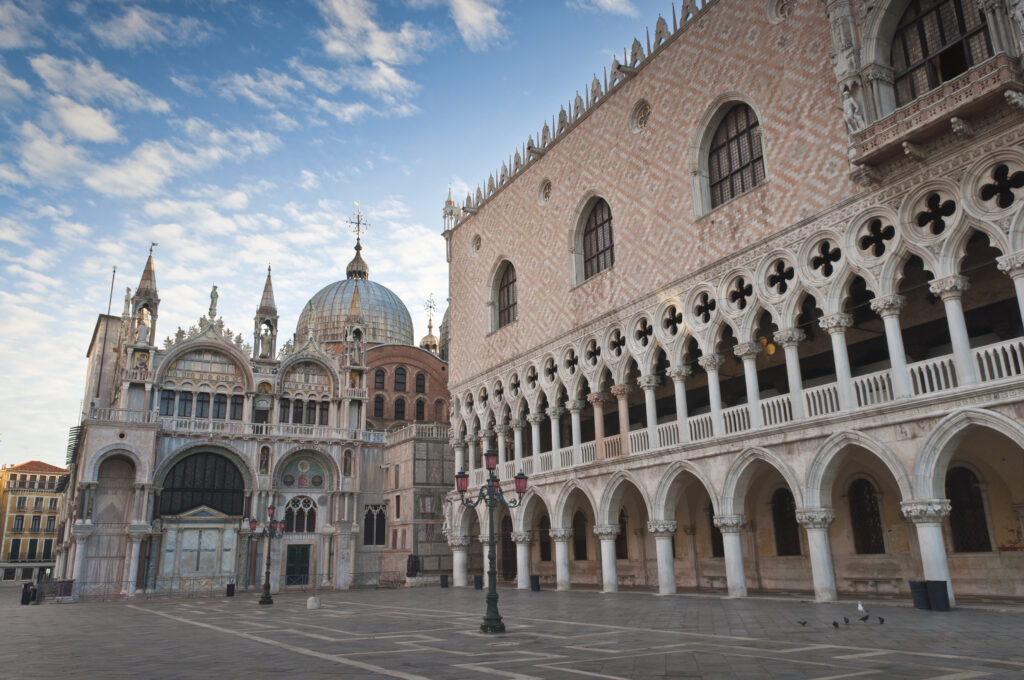
As part of its multi-prong approach, the city has limited the number of people in a walking tour group to 25. This brings the walking tour limit in line with museum tour groups. As well as this, tour groups will not be permitted to stand on bridges, block narrow passageways, use loudspeakers, or block narrow streets.
I personally think that this change to the limit in tour group numbers can only be a good thing and would never recommend embarking on a tour with more than 20 people anyway for a number of reasons.
Firstly, part of the group is never able to keep up with the guide in such a big group and so the guide ends up having to waste a lot of time where they could be detailing various history notes trying to gather together group.
Secondly, you barely get any time to ask the guide questions as there are so many people who also want to ask questions! Finally, big tour groups are difficult for locals to navigate and go about their daily tasks as, even if the group stands to one side of the road, in a compact city in Venice, even with the best will in the world, they are inevitably going to hinder some people by accident!
Does anywhere else charge a fee?
Venice is the first city in the world to implement a tourist entry fee for day-trippers and has decided not to set a strict daily limit on visitors, unlike other destinations such as Machu Picchu or Antarctica. This is because Venice is a living city first, not just a tourist attraction.
However, the idea of charging visitors to enter a village is not entirely new. For example, in Devon, England, you have to pay to visit the village of Clovelly. Meanwhile, another destination in Italy, Civita di Bagnoregio, a tiny village that was once known as a ‘dying village’, has been charging visitors since 2013.
Civita di Bagnoregio’s fee started at just €1.50, but it has gradually increased over the years and in 2026 stands at approximately €3 on weekdays and €5 on weekends. Interestingly, the charge did not deter visitors, but in fact, it actually helped boost tourism, growing from 40,000 visitors in 2009 to around 1 million by 2018.
A final note on whether paying the tourist fee is worth it
Venice is a beautiful city and is well worth a visit, even if you have to pay a fee to visit. With this being said, I am definitely a proponent of slow travel and helping the local economy, and so I would recommend staying overnight in Venice if possible.
If it’s your first time in the city, be sure to check out our travel guides on how to spend one day in Venice and the best things to do in Venice.
Found our guide on how to pay the Venice Access Fee useful? Pin this article now, and read it again later: