
Lanzarote Wine Guide (Visiting La Geria Valley & Wine Tasting)
Last Updated on 23rd February 2025 by Sophie Nadeau
This post may contain affiliate links. Please check out my privacy policy for more information.
The lunar like landscape of the wine growing region of Lanzarote is unique the world over and is a true testament to just how special the geography of the Canary Islands are. Here’s how to visit La Geria and everything you need to know about Lanzarote wine.

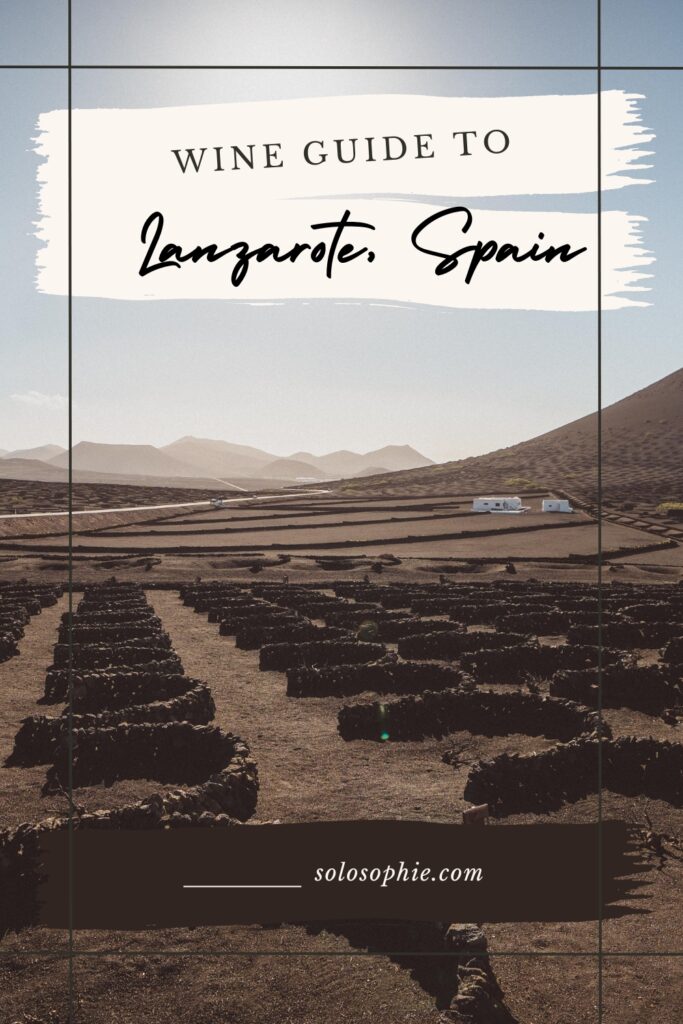
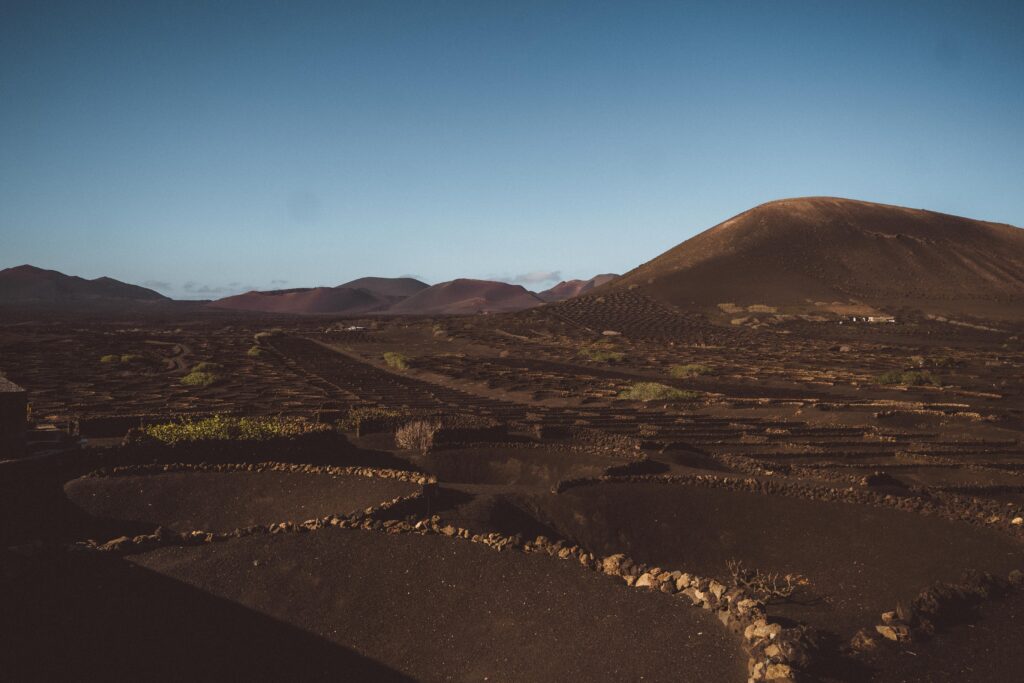
When driving through La Geria, the wine-producing area of Lanzarote, the first thing that will probably strike you is just how unusual the landscape appears. After all, vines are grown in three metre deep craters so as to protect them from the fierce wind which often blows across the island.
If it’s your first time on the island and you’re not sure when to fit a wine tasting in, check out our suggestions for how to spend 3 days in Lanzarote.
A history of wine on Lanzarote
Wine has been produced in the Canaries since the mid 15th-century when the first colonists imported vines to the islands. Rather uniquely, the grape harvest is done entirely by hand to this day.
One of the most important aspects of wine on Lanzarote is the presence of volcanic ash as its many minerals feed the earth below it, which in turn feeds the vines important nutrients and adds to the unique flavour of the ensuing wine.
Until 1730, where La Geria wine region of Lanzarote (now the main wine producing area for all of the Canaries) is now located was once wheat fields. All of this changed when a major volcanic eruption changed the landscape. Lava spewed for more than six years, covering much of the former agricultural landscape in ash.
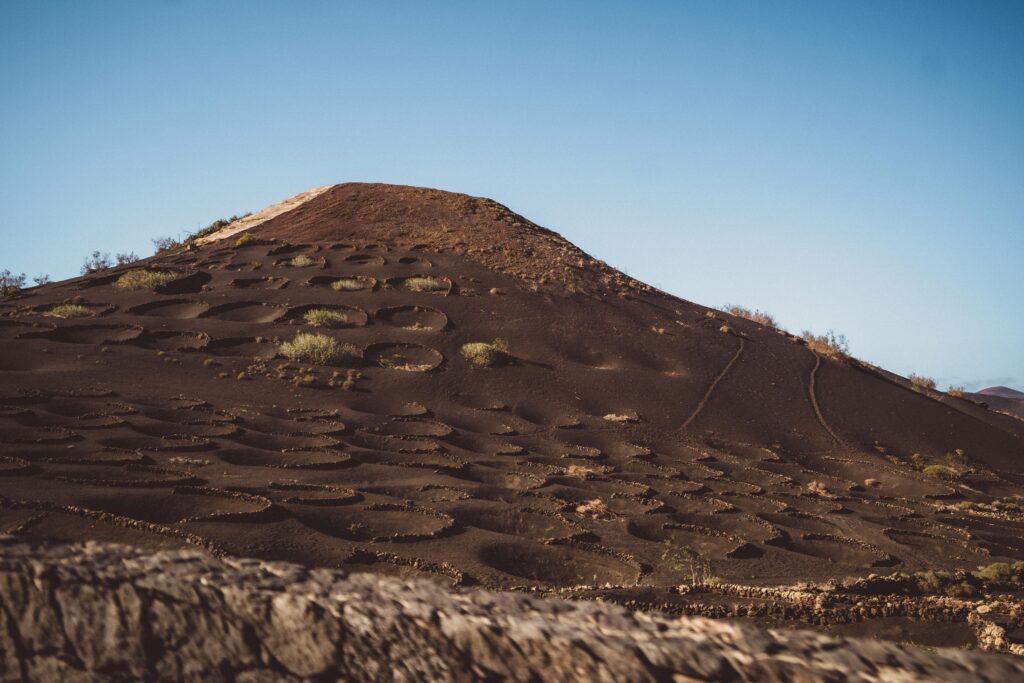
As time went by, people realised that underneath the ash was a great and fertile soil in which to grow vines for producing wine. The volcanic ash is known locally as picón and this layer of ash means that any rainfall is quickly absorbed, preventing it from evaporating, maintaining humidity, and meaning that the soil below keeps a constant temperature all the time.
Large swathes of the ash was dug away to reveal the earth below and create the cratered landscape you can see today. The holes allow the vines’ roots to reach the soil below the ash and a small stone wall known as a zoco is constructed around the crater, to further protect the vines from the wind.
Over the centuries, many famous people are said to have enjoyed wine from the Canary Islands. Lots of wine was exported to the UK and the USA between the 16th and 18th centuries and, for a while, it was the main source of income for the island.
Even the famous English playwright, William Shakespeare is alleged to have been a huge fan and accepted barrels of Malvasia wine in payment for work.
Since 1993, Lanzarote wine has been granted a Denominación de Origen Protegida (DOP), meaning that it is an official wine region of Spain. Only wines produced using strict guidelines can name themselves a DOP, signifying a high quality product.
Wine production on Lanzarote today
Out of a population of around 150,000, almost 2000 people are registered as viticulturists, meaning that winemaking and growing is one of the most important industries on the island.
Each vine crater can produce up to a staggering 2 KG of grapes, which can equate to as many as 20 bottles of wine. Humidity and the low rain levels in La Geria region make for the perfect combination for producing fresh vines.
As few as 300 vines are grown per hectare in La Geria. To put this into context, a typical European vineyard has between 3000- 7000 vines per hectare!
As the island has a temperate climate all year ’round, harvesting of the grapes begins during the middle of July (for context, the harvest in the Champagne region of France takes place at the end of September).
If you visit Lanzarote during this time, you’ll notice that most of the harvesting takes place at the beginning of the day, when the heat isn’t too intense. The island experiences a lot of heat, and this combined with the fertile volcanic soil leads to very mineral-focused wines.
Much of the wine produced on Lanzarote is organic, with around 10% of the several thousand wine growers on the Canary Island opting to go down the organic route. In fact, it’s worth noting that Spain has the highest number of organic vineyards in Europe.
- The main wine producing region is called la Gería.
- The soft dry white wines are best consumed cold!
- Malvasía is the most commonly used grape variety in Lanzarote.
In terms of annual production, only around 1-3 million bottles (the yield varies greatly due to the harsh conditions on the usland) are produced on Lanzarote on an annual basis.
There are 5 native grape varieties which escaped the Phylloxera plague. This makes Lanzarote unique in Europe. Whereas almost all of Europe’s vines had to be grafted with North American rootstock, Lanzarote’s did not, meaning that some vines on the island are 125 years old!
The most common type of grape grown is Malvasia, and this accounts for around 75% of the wine produced. Red, white, and rosé are all produced on the island.
However, unlike in many other wine growing areas of Europe, even the reds are produced for immediate consumption and are not designed to be aged before they’re drunk.
How to go wine tasting in Lanzarote
The reason you may not have sampled wine from Lanzarote before is not because it’s bad, but because there’s very few bottles produced on an annual basis and so much of the wine produced in consumed in the Canary Islands and mainland Spain.
Luckily, once on Lanzarote, there are a number of ways in which you can taste some of the wine yourself.
Of course, the first place you’re likely to come across Lanzarote wine while in the Canaries is in one of the many restaurants and bars scattered across the islands. We personally enjoyed the Yaiza white wine, which is served in a blue bottle.
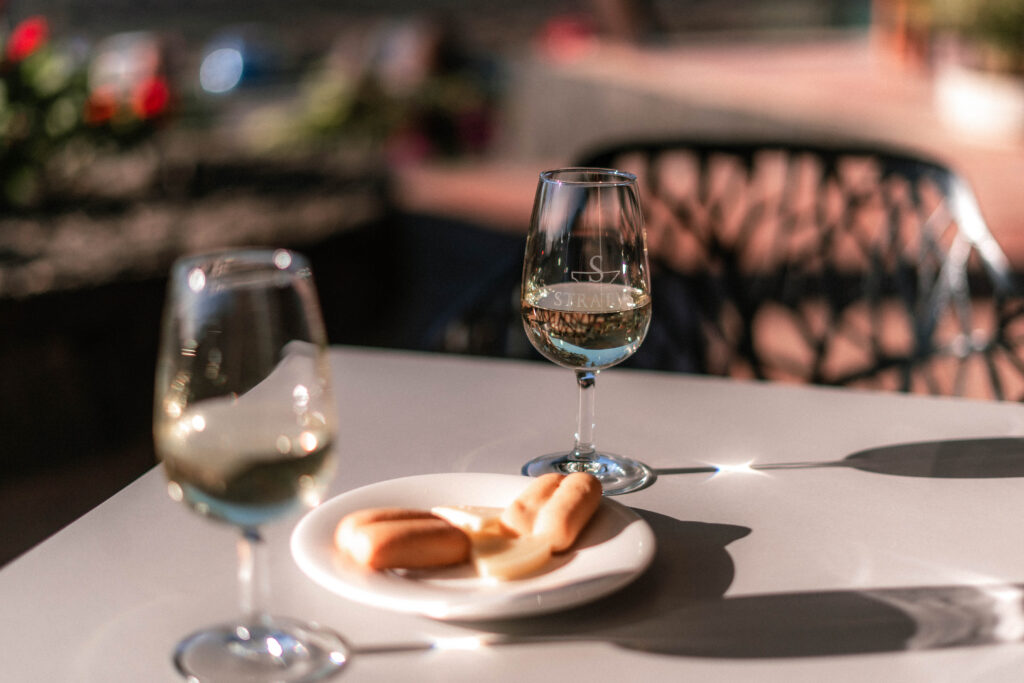
However, for those with an interest in learning more about the wine and seeing where the grapes have come from, a visit to La Geria region is a must. There are now 21 wineries on the island, including El Grifo, which was founded in 1775, making it one of the 10 oldest vineyards in Spain.
In the case of many wineries, you can simply turn up and pay for a tasting and a tour. If you like to book things in advance, then this vineyards and hiking tour will take you to the third-highest point of the island, and allow you to sample some local wine together with a local guide. Check times and prices here.
El Grifo
Of all the wineries we visited, El Grifo was one of the highlights thanks to the fact that there’s a small museum on site, allowing you to learn more about wine production on the island. There’s also a tasting area where you can buy snacks and wine by the glass. Purchase your Bodegas El Grifo Winery Tour and Tasting ticket here in advance.
Bodegas Rubicon
This is one of the largest wine producers in Lanzarote and is a spot where you can get close to the vines. Another highlight is the chance to see old winemaking equipment and you can also sit outside on the outdoor terrace and enjoy a coffee/ cake/ or one of the locally produced wines.
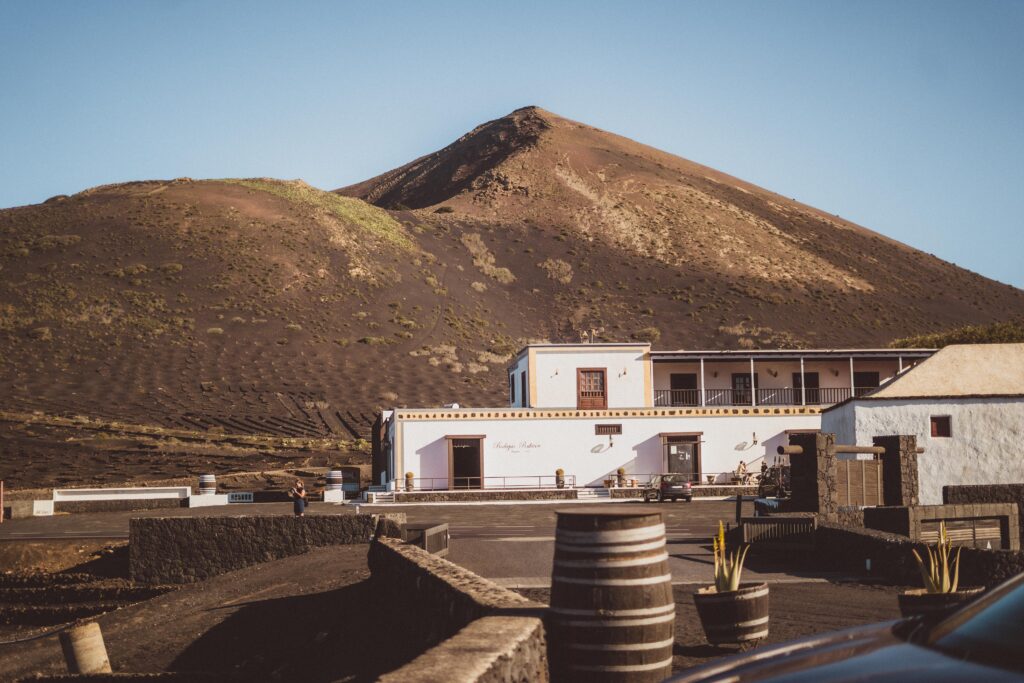
Vega Volcan
This incredibly well-reviewed small boutique winery carefully crafts small quantities of Lanzarote wine and is unique in that it also makes craft beer. You can sample the local tipples on site and also purchase some of the wine and beer to bring home as a souvenir of your trip.
Vega de Yuco
This Canarian bodega is lesser-known that some of the other vineyards you can visit on Lanzarote but is well worth visiting nonetheless. Purchase your Vineyard Tour with Wine and Chocolate Tasting ticket here in advance.
Wine run in Lanzarote
One of the more unique events taking place on Lanzarote on an annual basis is the wine run, which is typically held in June. This event sees runners walking or running through La Geria wine region, stopping to enjoy tapas and wine en route.
At the end of the route, there is a large party and festival. While it may seem like a fun day out, the route is actually pretty tough and covers 12 KM over volcanic ash, rock and dirt tracks.
Stay in a vineyard in Lanzarote
If you want to experience even more of the winemaking culture in Lanzarote, then there are a few accommodations on the island which will allow you to stay in the heart of a working vineyard:
Eco Vineyard Cottage: This delightful cottage is located in a rural location just a 5 minute drive to Arrieta Beach. Highlights include having the entire home to yourself, a terrace with BBQ facilities, and a garden. Check prices and availability here.
Finca Malvasia Vineyard: Nestled within La Geria wine valley, this well-reviewed property boasts a terrace, pool views, an outdoor seating area, and cooking facilities on-site. Check prices and availability here.
Enjoyed reading this complete Lanzarote wine guide? Pin this article now, read it again later: