How to Visit the Faux de Verzy, Champagne
Last Updated on 16th March 2023 by Sophie Nadeau
This post may contain affiliate links. Please check out my privacy policy and disclosure for more information.
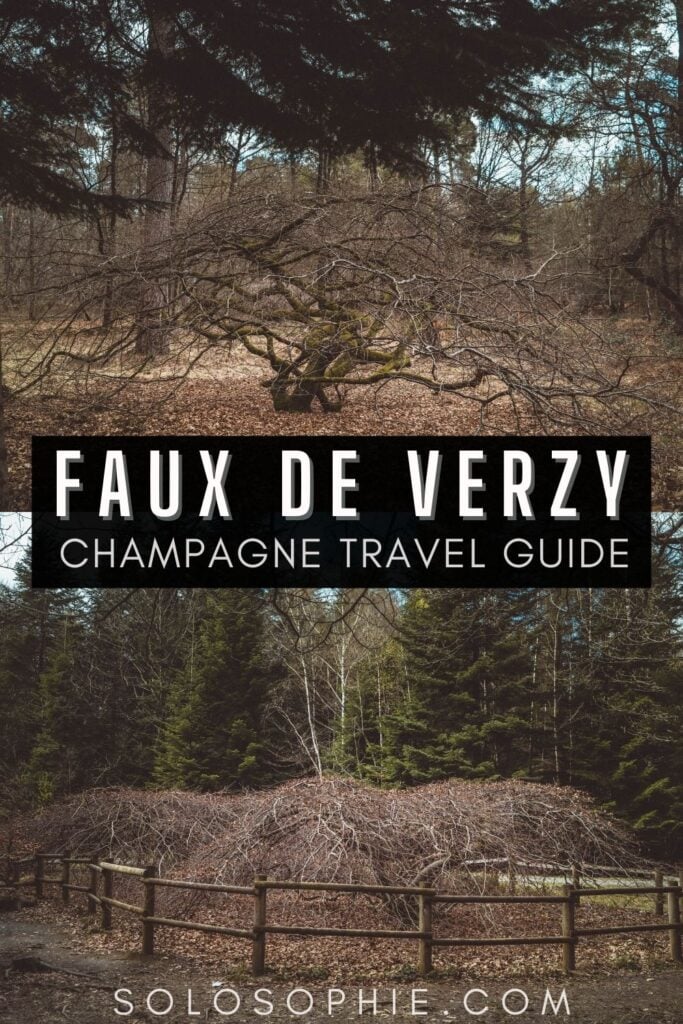
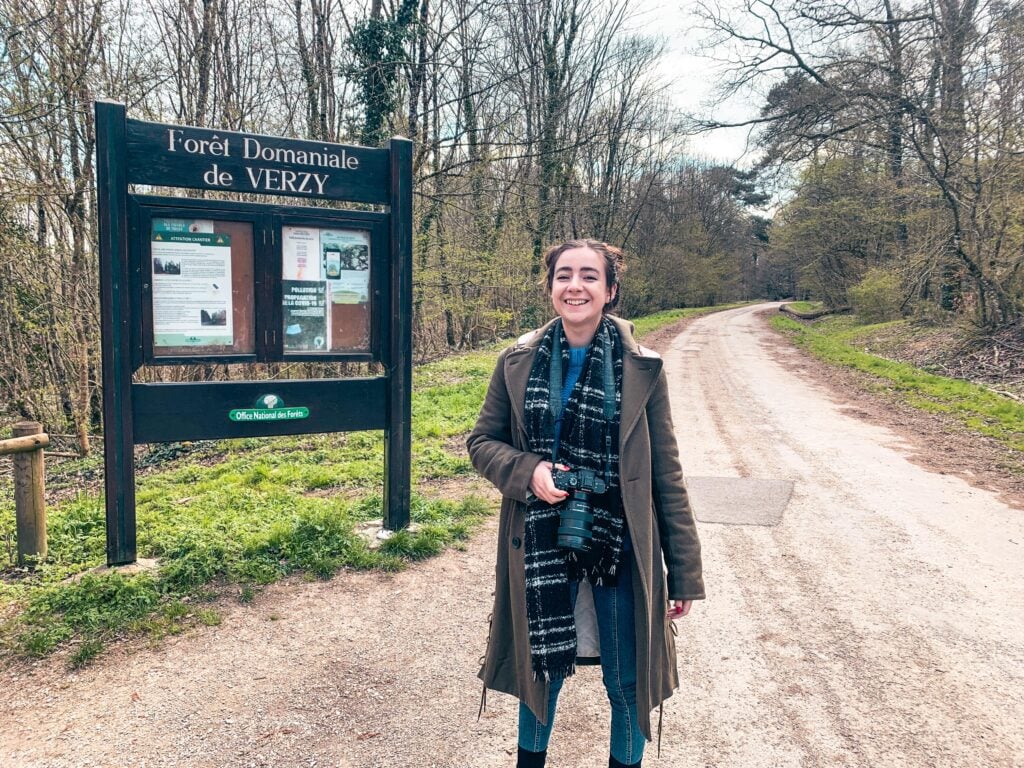
One of the most unusual and unique things to do in the historic French region of Champagne is to visit the Faux de Verzy (forest of Verzy), an enchanting and magical forest that boasts just under a thousand unique dwarf beech trees. Here’s how to visit the Faux de Verzy, as well as things to know before you go.

What is a dwarf beech tree?
The forest of Verzy itself is located within the Reims mountain Regional Nature Park and is just under half an hour drive away from the city of Reims in the historic region of Champagne.
A faux is a dwarf beech tree (fau being the old French word for beech and faux being the plural). There are also dwarf oak trees and dwarf chesnut trees in the forest.
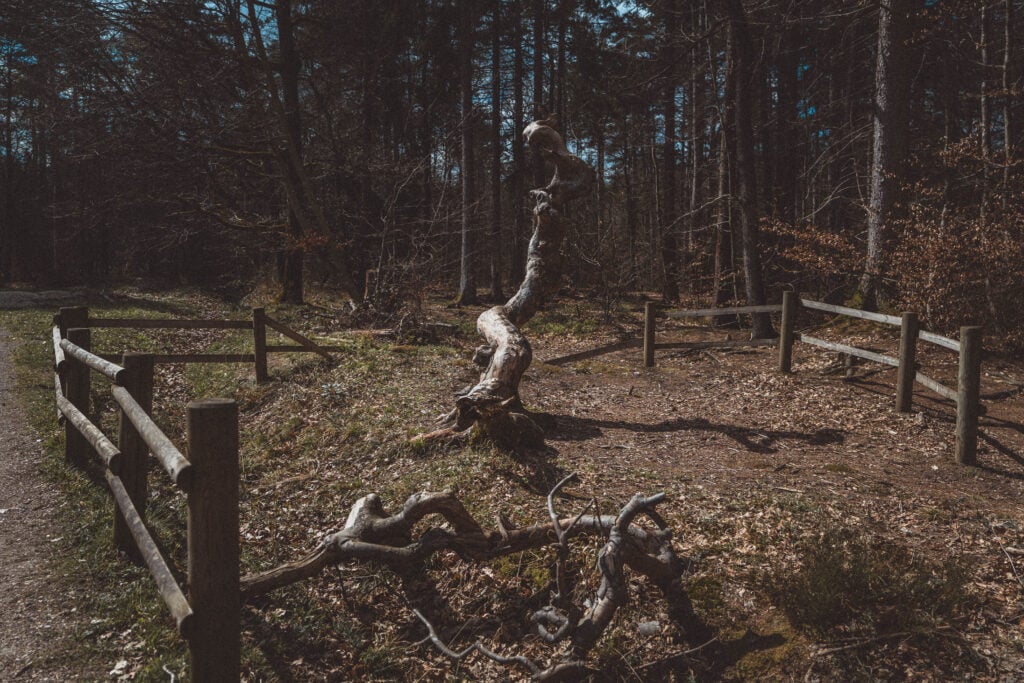
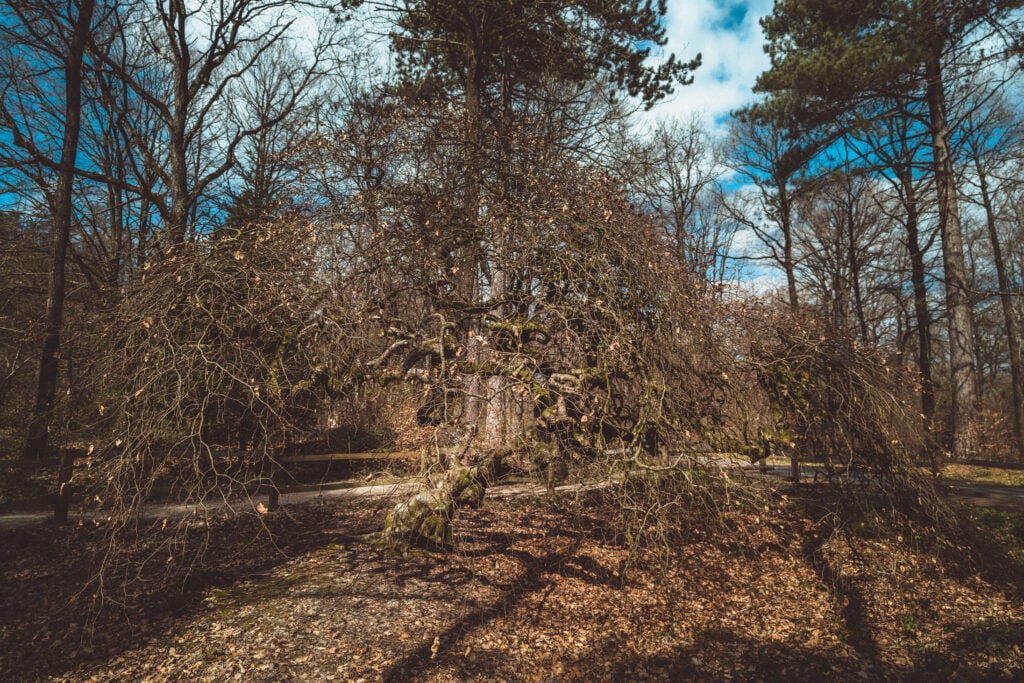
The scientific name for the dwarf beech is Fagus sylvatica variety tortuosa. Aside from being quite a bit smaller than a typical beech tree, one of the defining features of dwarf beech trees are that their trunks and branches are twisted and gnarled and the trees grow no more than 4 or 5 metres high.
The trees also form a dome or umbrella like shape and so are like green parasols or mounds/ igloos during the summer time. The trees are so unique looking that they have since been classed as remarkable trees.
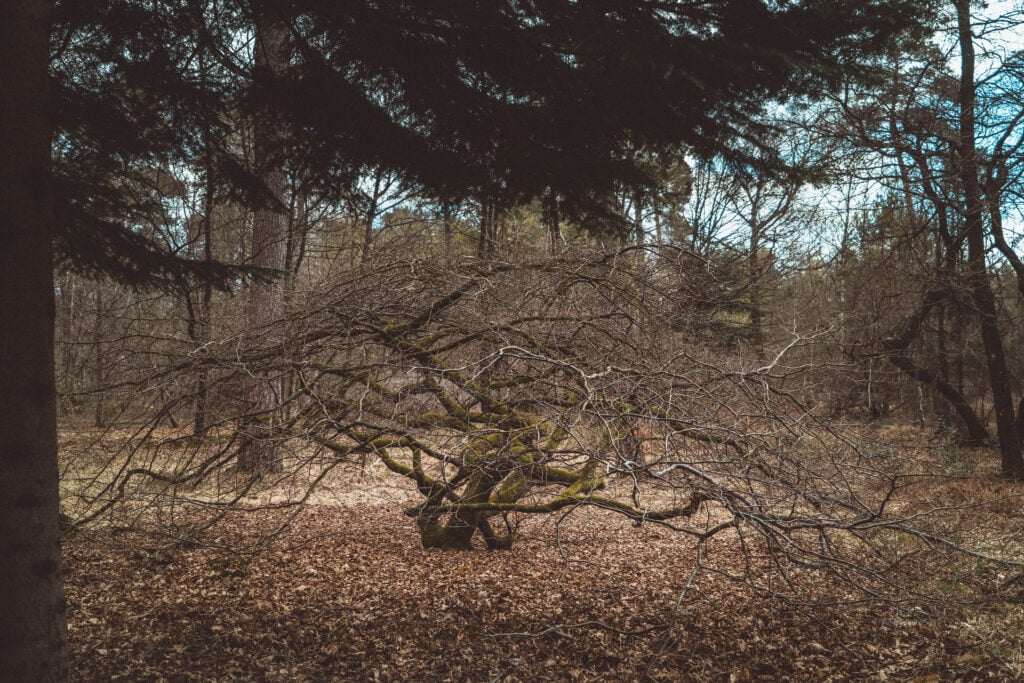
In total, there are around 1000 such dwarf trees in the forest, as well as the surrounding area (including one right next to the Phare de Verzey). This means that the forest is home to the world’s largest collection of dwarf beech trees!
Other places where dwarf beeches can be found (though not in such high numbers) is in Germany close to Hanover, in Sweden not far from Malmo, and in the French region of Lorraine. It’s unclear as to whether or not all of these populations are related or not.
A history of the Verzy Forest
No one quite knows why the trees appear the way they do. However, what is known is that they were attested as early as the 6th-century when they were written about by the monks of the abbey of St-Basel.
It’s quite likely that the Monks also greatly increased the size of the dwarf beech population by layering the trees to create new ones, thus creating a kind of botanical garden (and it is true that the trees look like small Bonsai trees).
Studies of some of the older trees show that they are around 350 years old. It’s likely that the cause of the small stature of the trees and their gnarled appearance stems from a genetic mutation.
They are easily layered (to create new trees), though it’s worth noting that the faux of Verzy rarely created seeds, and the seeds that are created have a germination rate of less than 10%.
What’s more is that only around 40% of the seeds that germinate are dwarf beach trees, thus adding weight to the theory that the trees truly are a result of a genetic mutation.
There are increasingly more trees which grow like dwarf beech trees but have several branches which resemble standard beech trees. These are known as chimera beech trees.

The legends of the Faux de Verzy
Of course, thanks to the fact that the trees are so unusual looking, plenty of legends and myths have sprung up around the trees. One of the more popular legends is that the Faux de Verzy look the way that they do because the forest was cursed by the devil.
Some particular trees in the forest of Verzy have such a particular shape that they have been given unique nicknames. One such tree is the Fau of the Young Lady, which is alleged to be a tree under which Joan of Arc rested when she travelled through the area.
Other faux names include the umbrella Fau, the Fau of the bride, and the ox-head Fau.
What to know before visiting the forest of Verzy
Since 1932, the forest has been classed as an important national asset. In 2016, the park was designated an “Exceptional Forest” and now receives around 300,000 visitors on an annual basis. The trees are particularly fragile and susceptible to damage, so make sure to keep to the way-marked path.
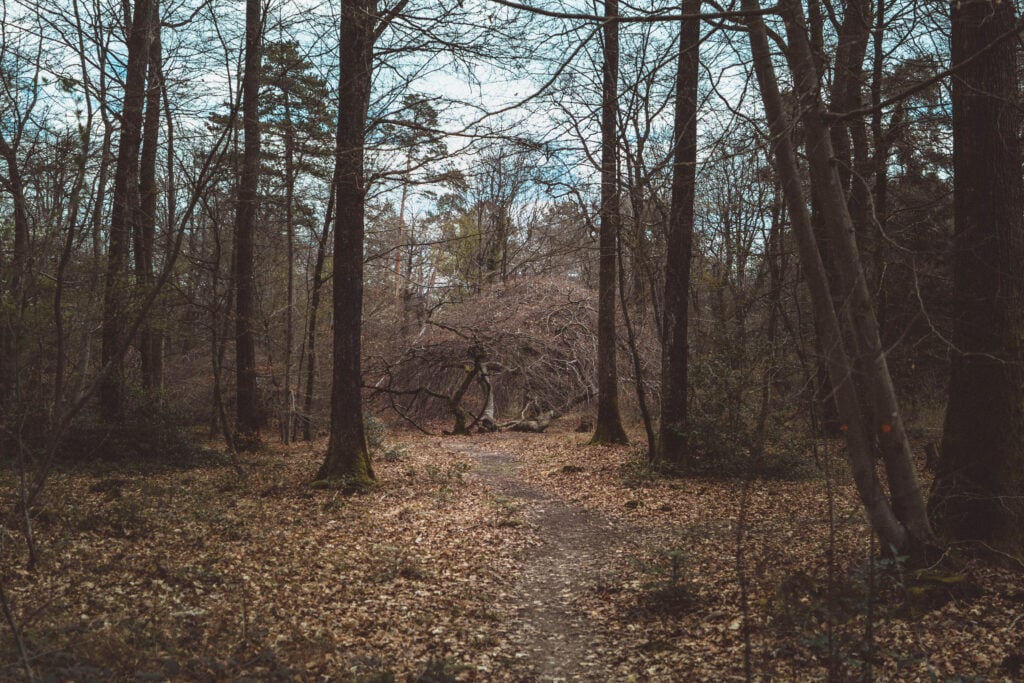
Do not climb over the barriers. While some trees are located further away from the pathways, others are closer, meaning that you can still admire the gnarled trees, even while remaining on the correct side of the barrier.
There are no facilities on site (including no toilets). Be sure to bring your own snacks and drinks with you. Car parking is free and I would suggest parking in the car park that is marked ‘Faux de Verzy’ (there are a number of car parks in the area) as this is the closest parking to the largest group of beech trees.
If you can’t make it all the way to Verzy, then it’s worth noting that, in 1905, a fau de Verzy was planted in the Arènes de Lutèce in Paris. The dwarf beech now stands at 2 metres. If you’re visiting Champagne, then be sure to check out our suggested Champagne itinerary.
Nearby attractions to the Faux de Verzy
Of course, when it comes to the region of Champagne, fun and interesting activities are never too hard to come by. From strolling through little villages that appear to have been plucked straight from a storybook, to sampling champagne in one of the many champagne houses of the area, there’s something for even the most discerning of traveller.
One of the closest large towns to Verzy is the town of Verzenay. The principal attraction of Verzenay is Le Phare de Verzenay en Champagne (the lighthouse), which has since been transformed into a wine museum. On the other side of the village, there is a beautiful windmill that offers views over the Champagne vines.

Enjoyed reading about how to visit the Faux de Verzy? Pin this article now, read it again later: