How to Visit the Parc de Bagatelle
Last Updated on 2nd March 2023 by Sophie Nadeau
This post may contain affiliate links. Please check out my privacy policy and disclosure for more information.
Nestled in the very heart of the Bois de Boulogne, to the Western edge of Paris, the Parc de Bagatelle is home to one of four botanical gardens in Paris. Best visited in the late spring or early summer when the blooms are at their best, here’s how to visit Parc de Bagatelle, as well as things to know before you go!
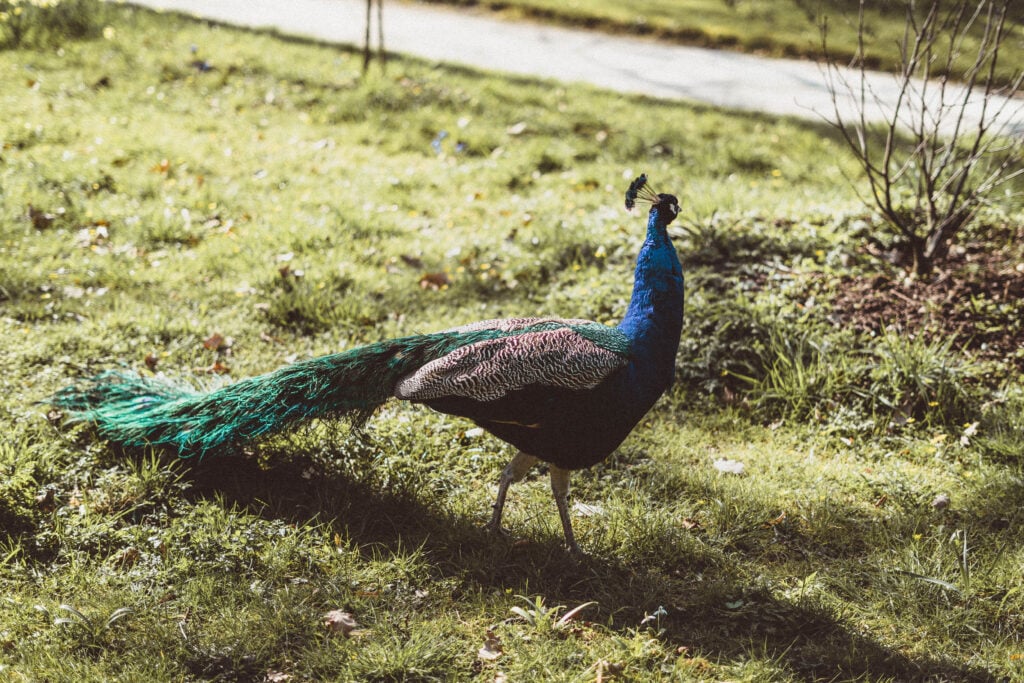

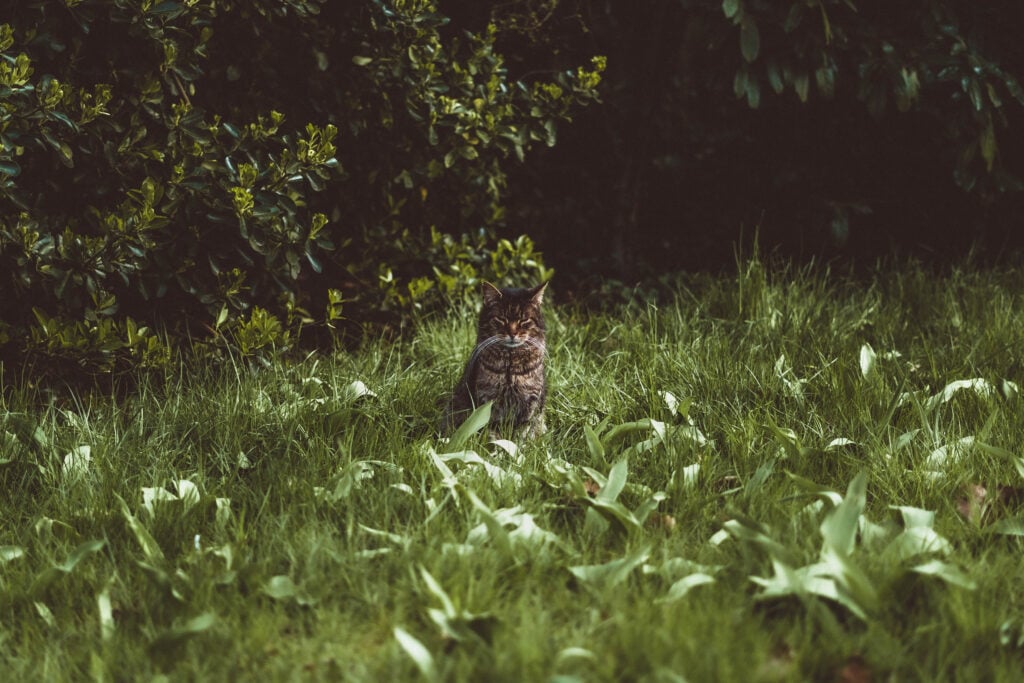
Butterflies, peacocks, roses, and even a clowder of cats can be found by those who opt to venture a little off the beaten path during their time in the French capital.
Whether you want to see cherry blossoms in the spring or smell roses in the early summer, this 16th arrondissement gem close to Neuilly-sur-Seine is the perfect spot to soak up some nature.


Château de Bagatelle
One particular highlight of the Bagatelle park that no visitor to the lovely garden should miss is the Château de Bagatelle, which has a rather unusual history. You see, the château and its surrounds actually came to be as a result of a bet.
The history of the Parisian green space dates back to the 17th-century, when a bet was placed between the brother of King Louis XIV, Conte d’Artois and Marie Antoinette (check here for the best movies about Marie Antoinette).
The bet was that the Comte d’Artois wouldn’t be able to finish the ‘maison de plaisance’ in an incredibly short amount of time (three months to be precise). The count had purchased the land in 1775 as the estate was originally created in 1720 for Maréchal d’Estrées.
The word Bagetelle actually comes from the Italian word bagatella and means trifle or little decorative nothing. The château and its surrounding grounds were finished in just 63 days and the count won his bet.
The count hired François-Joseph Bélanger and the final design was neo-classical. While the interior of the château is unfortunately closed to the public today, its beautiful exterior (renovated and cleaned in 2021) can be admired by the public still.
Bagatelle Park
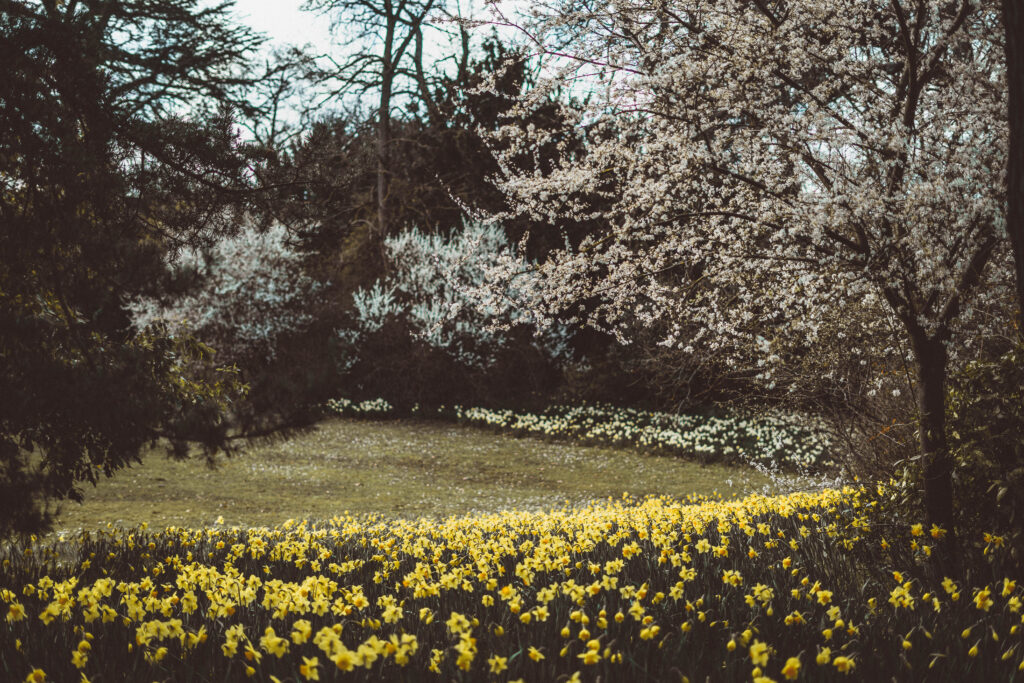
Today, the grounds of the former château and royal residence have been expanded to create a sprawling park of 59 acres of gardens and highlights include a rose garden, English-Chinese (by Scottish landscape designer Thomas Blaikie).
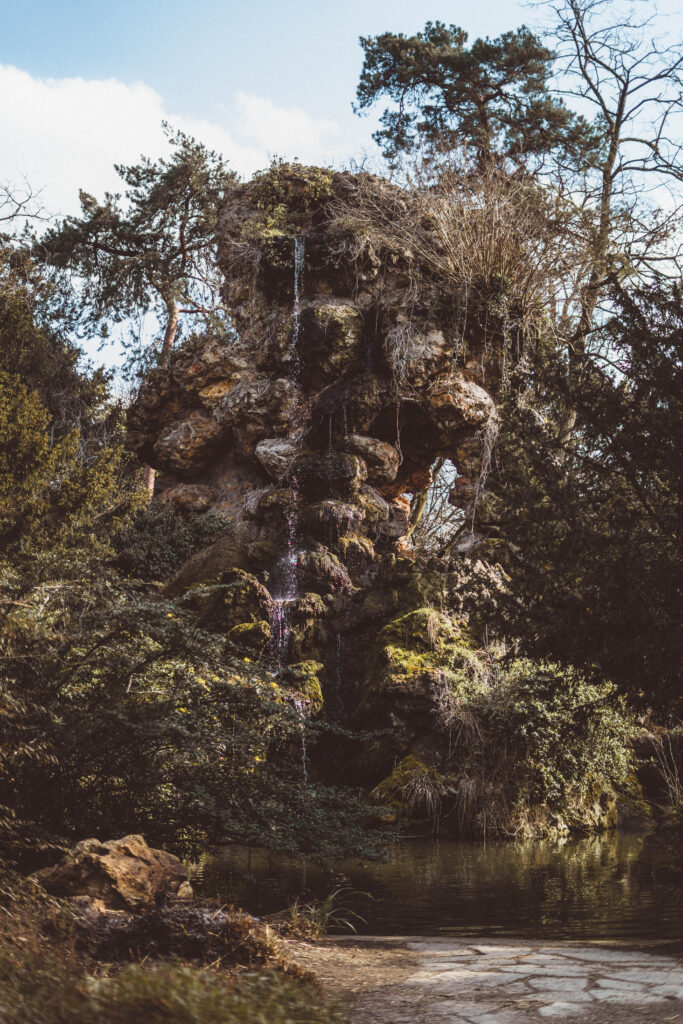
Keen arborists will be able to spot a number of interesting trees which were predominantly planted at the end of the 18th-century. There are a number of follies (fake ruins), water features, and even a fountain also dotted around the Bagatelle gardens.
The city of Paris bought the estate in 1905 and the restoration of the park was bestowed upon Jean- Claude Nicolas Forestier, who was the chief gardens curator for Paris.
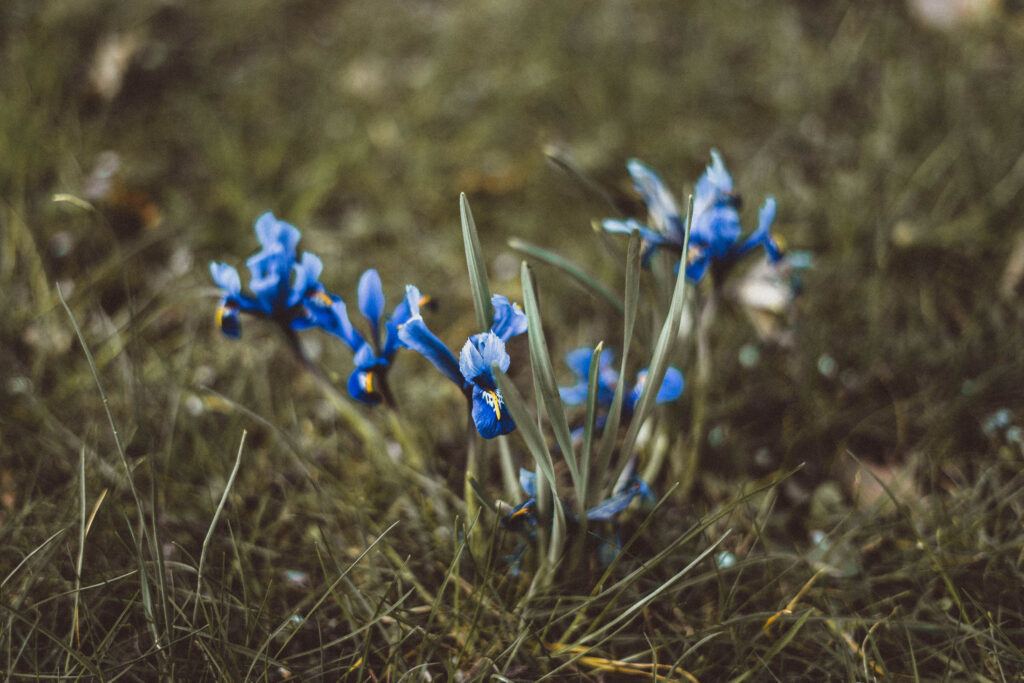
Forestier commissioned irises, rose gardens, clematis, ponds, and more during this period, much of which can still be enjoyed to this day.
Concours international de roses nouvelles de Bagatelle
Each year in June, the competition for new roses takes place in the Parc de Bagatelle. The Week-end de la rose takes place on the first weekend of June and sees plenty of flower-studded events, as well as roses for sale (at very reasonable rates), and over 10000 rose bushes of 1200 species on display.
How to Visit the Parc de Bagatelle
Unlike some of the other botanical gardens in Paris, it’s worth noting that you have to pay to visit the Bagatelle park. From the 1st April through to the 30th September.
Full priced entrance is €2.50 and concessions are €1.50. Alternatively you can opt for an individual membership; for an adult it’s €25 and for a family (2 adults, 3 children) it’s €50. Outside of the season, entrance to the park is free.
If you want a snack or a drink, then there is a small stall selling fresh drinks and light bites to eat to the Eastern edge of the park, not far from the rose garden.
Please note that the stand is cash-only and bank cards are not accepted. There are no trash cans inside the park so you’ll have to take your rubbish home with you.