Tresco Abbey Gardens, a Subtropical Gem in The Isles of Scilly
Last Updated on 26th June 2025 by Sophie Nadeau
This post may contain affiliate links. Please check out my privacy policy and disclosure for more information.
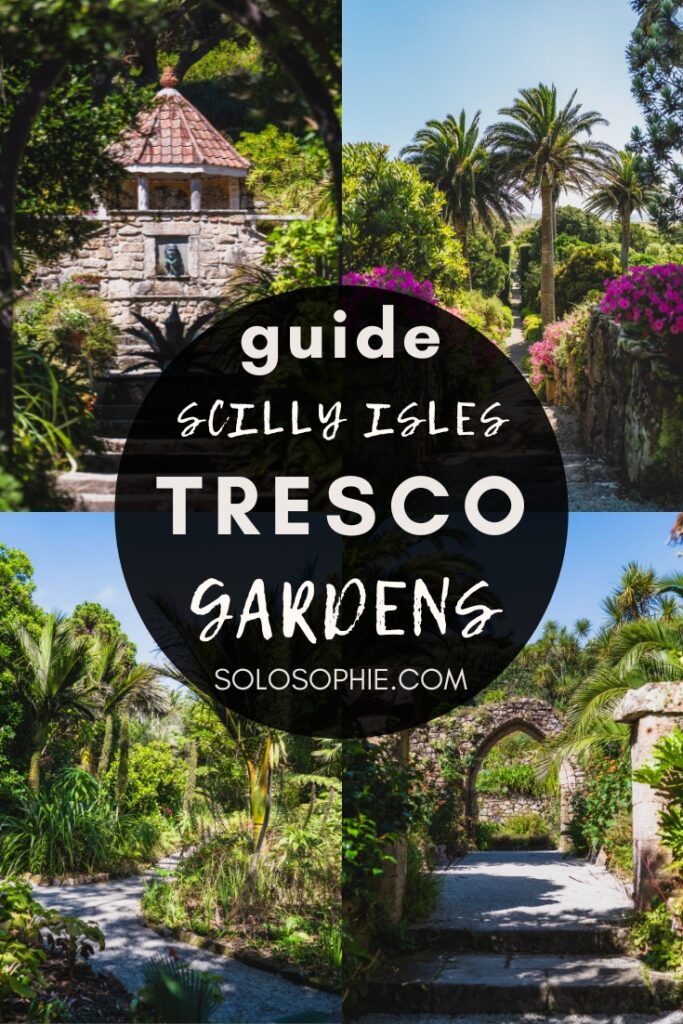
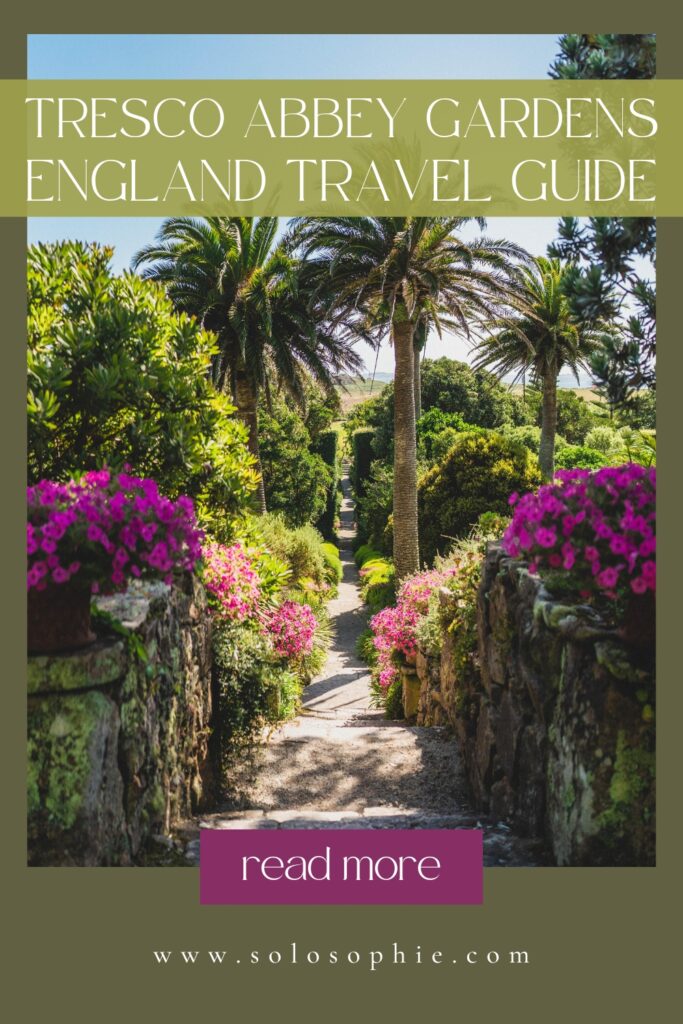
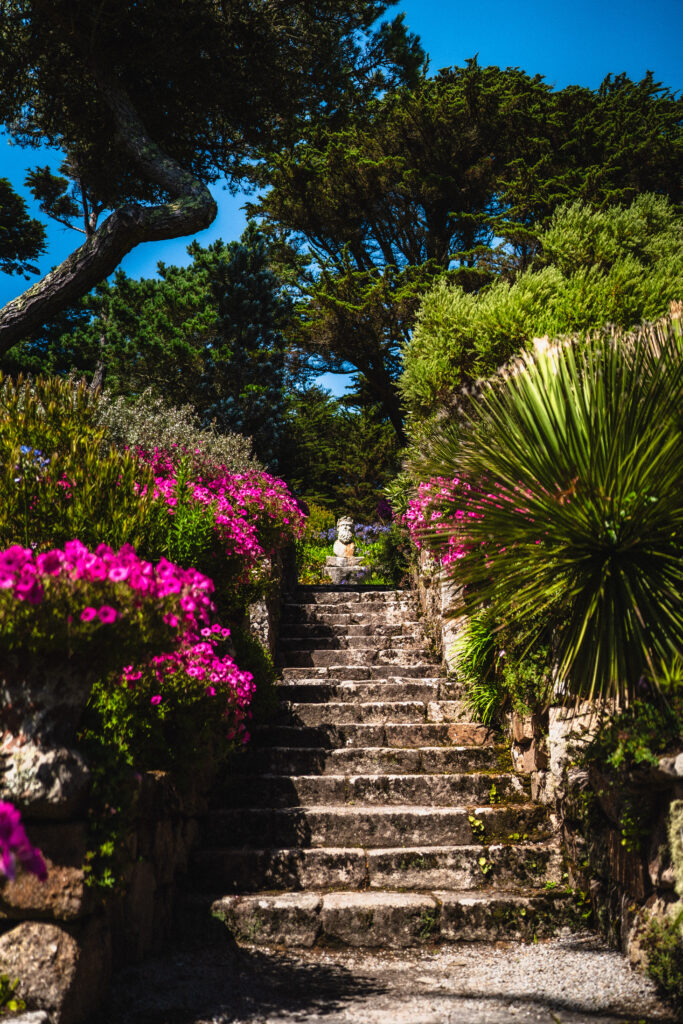
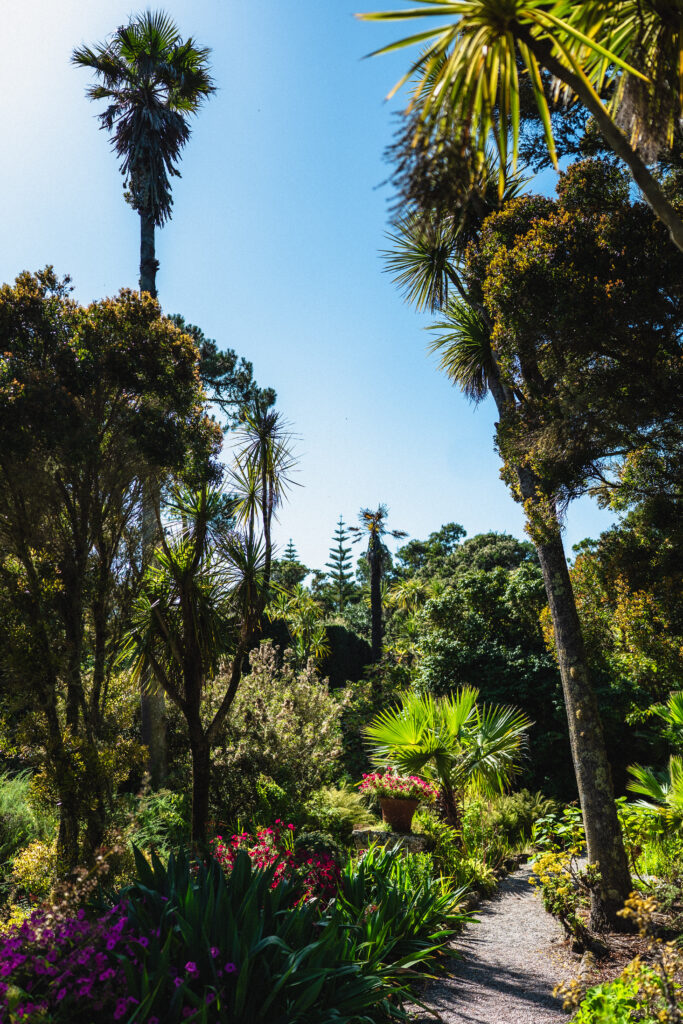
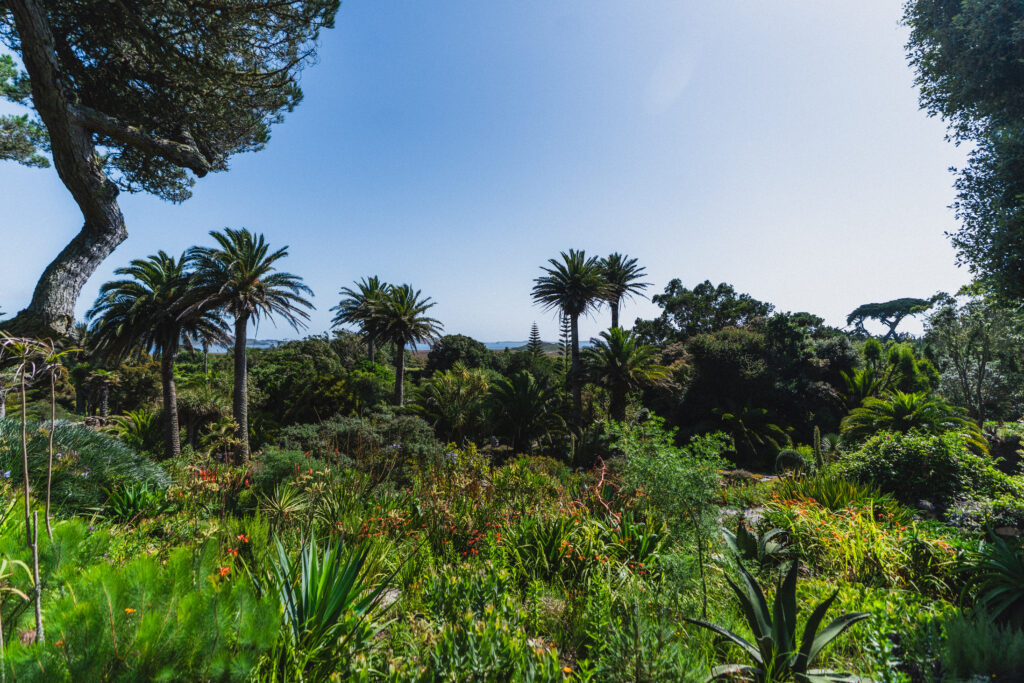
Home to a diverse range of exotic plants from all corners of the world, Tresco Abbey Gardens is a small verdant paradise found in the Isles of Scilly. A flourishing pocket of green, where red squirrels and golden pheasants roam, and a collection of ship heads and pieces from all of the Scilly Islands can be found.
This 19th century garden is renowned worldwide for its beauty and thriving nature. Here’s your guide on how to visit Tresco Abbey Gardens, a subtropical gem!
Contents
A brief history
The history of the gardens can be traced back to 1834, but first, we’ll get into the grisly past of Tresco Abbey itself…
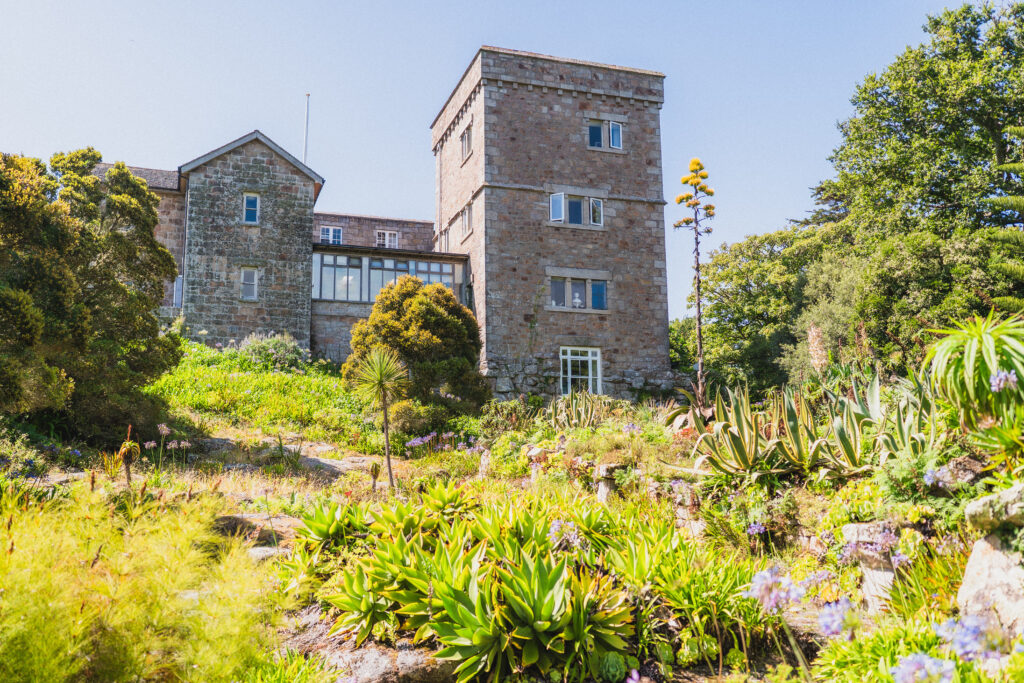
The beautiful Tresco Abbey was first established in the 12th century by Benedictine monks, though it’s thought that there was probably a prior ecclesiastical building here before. The abbey was dedicated to Saint Nicholas, the patron saint of seafaring.
Unfortunately for the monks, Tresco’s stretch of coastline was particularly popular amongst marauding pirates and Vikings. Not to be deterred, these monks took the phrase “take no prisoners” to another level when in 1209, in a single afternoon, they beheaded 120 pirates.
However, after killing and defending grew tiresome over time, by the 14th century, they more or less left and abandoned the abbey completely.
In 1834, a British politician and philanthropist, Augustus Smith, took on the lease of the islands from the Duchy of Cornwall. Although the islands have since been returned to the Duchy, Tresco Island remains privately owned.
It was at this time that Augustus Smith decided to create a garden for his new home, Tresco Abbey. Thanks to the island’s subtropical climate and sheltered environment, Smith had options when it came to choosing the foliage for his garden. And, the idea of how he came to acquire such a diverse collection is pretty remarkable!
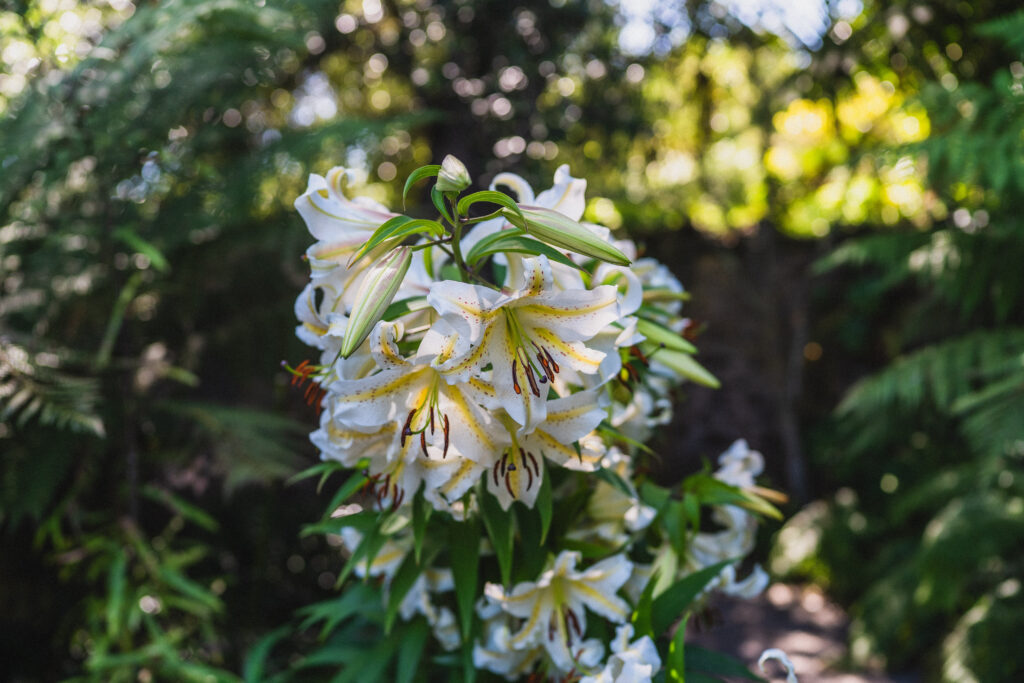
Ships coming from the southern hemisphere would often sail via the Scilly Islands to reach the coast of England, so it was from these shipmen that Augustus was able to purchase exotic plants from all corners of the world. It’s thought that the garden has species of plants from over 80 countries.
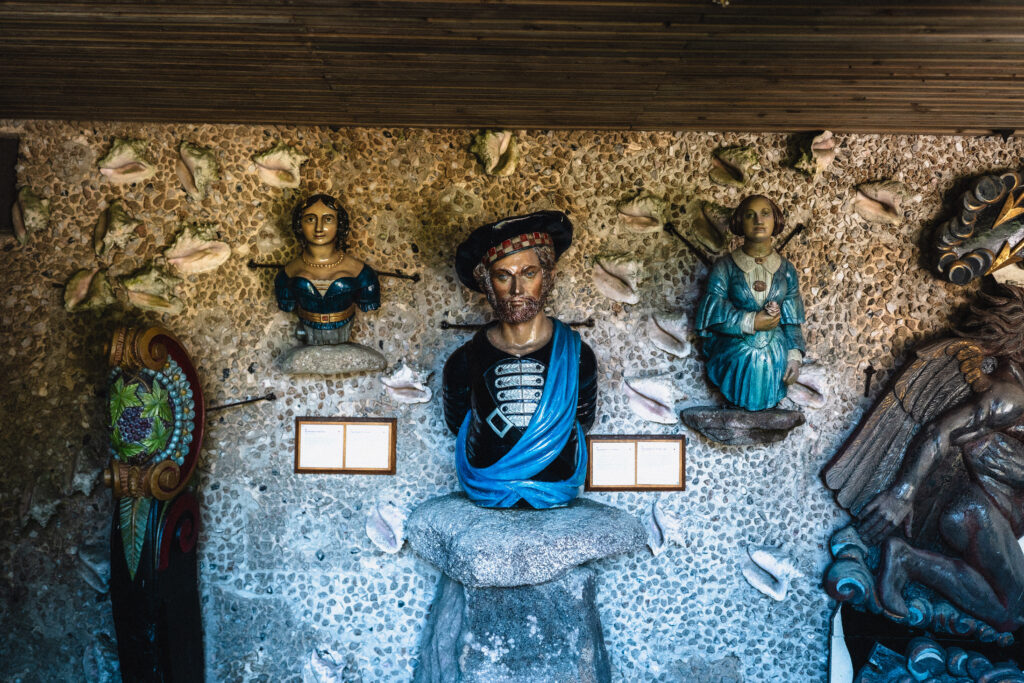
To complete his wonderful garden, Augustus took pieces from various islands of Scilly, whether that be the Bronze Age menhirs or various remnants from churches or castles, all of which are scattered throughout the garden. As well as this, there’s an eclectic collection of boat heads from shipwrecks, known as the Valhalla Collection.
Today, Tresco Abbey Gardens is considered one of the world’s leading gardens and is home to over 20,000 plants. It’s owned by the Dorrien-Smith family, who still reside in the abbey.
How long does it take to walk around Tresco gardens?
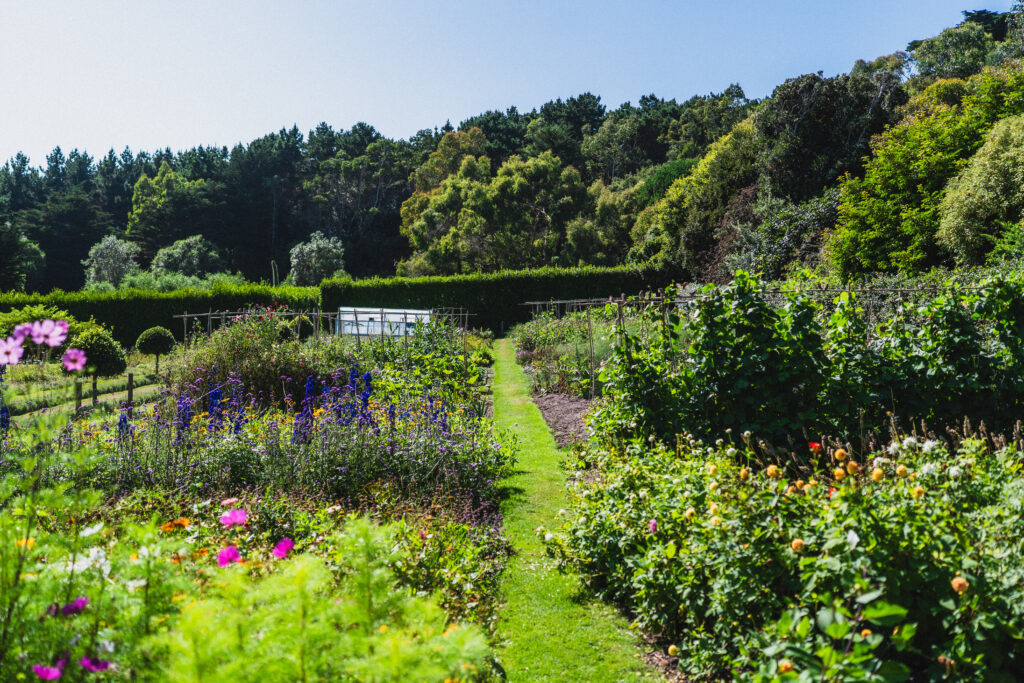
You’ll want to set aside at least 1-2 hours if not more, to soak up Tresco Abbey Gardens. The gardens span 17 acres, and it’s such a diverse and fascinating collection of nature that you’ll want to explore every inch of this small paradise.
How to visit
Open times: The gardens are open daily from 10 am – 4 pm between the seasons when the garden is at its best, from 1st March – 1st November (2024 dates)
Tresco Island is easily reached via the Scillonian Ferry, which as you can probably presume from its name, is the ferry that serves the Isles of Scilly. You’ll be dropped off by the ferry in St Mary’s before transferring to a smaller boat to reach Tresco (the journey between the islands is around 15 minutes).
Once at New Grimsby (the town where you’ll be dropped off) you can take a scenic walk across Tresco island to the abbey and gardens. Tresco has no public transport, but there are a few taxis available, though these are limited.
There’s no need to book in advance, simply purchase your ticket for Tresco Abbey Gardens on arrival.
The admission fee for visiting the gardens is on the pricer side, costing £18.00 for adult admission. That being said, there’s a lot to explore, and it’s an opportunity to see a diverse collection of plants that you would never see together otherwise coexisting and, for me, personally, it’s easily among the most beautiful gardens in Europe.
The majority of the gardens are wheelchair-accessible via a network of shingle paths, and there are a few mobility scooters which are available on a first-come, first-served basis.
Highlights
Wandering around
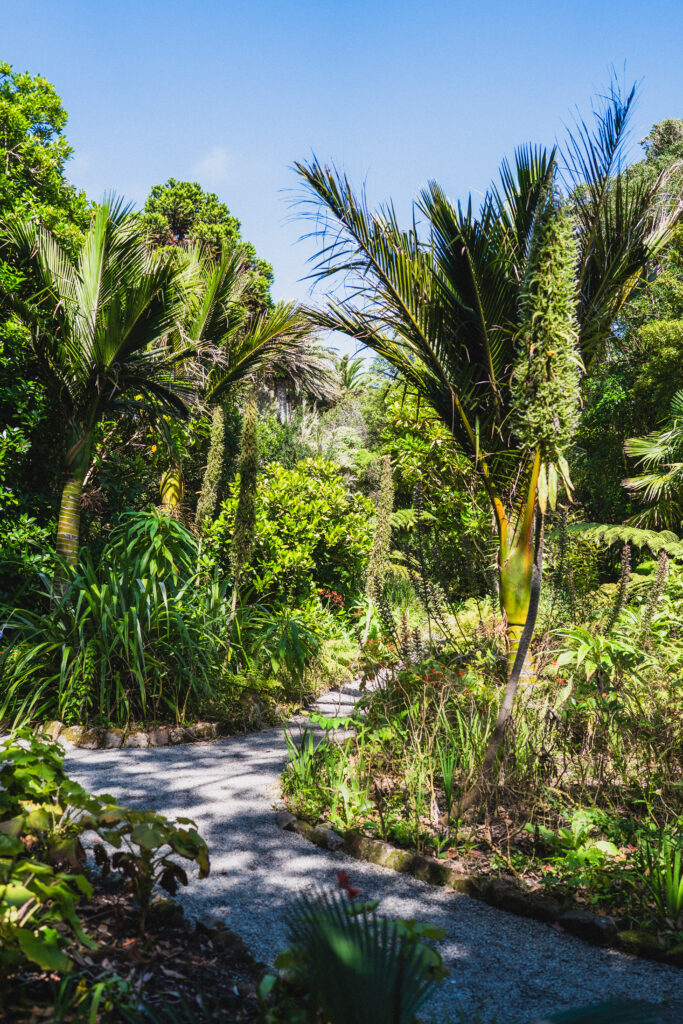
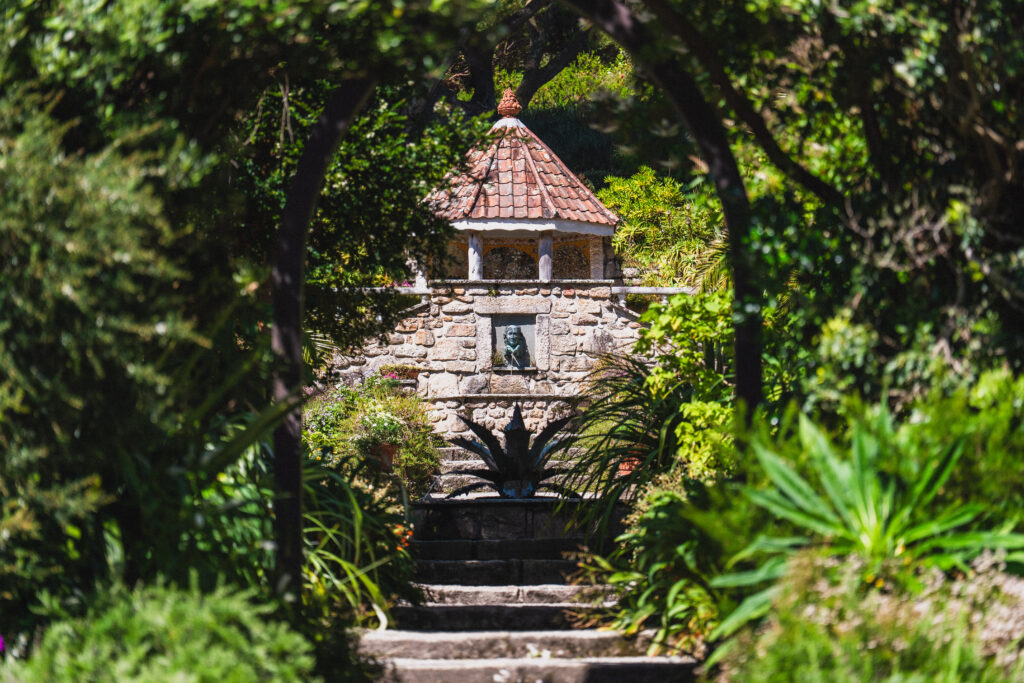
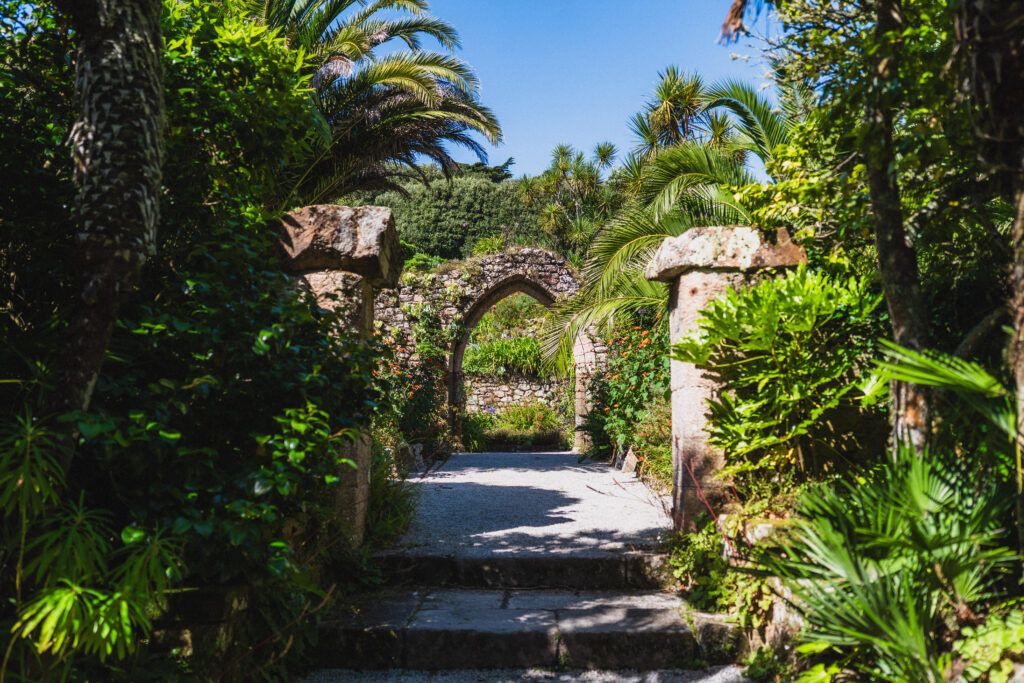
Of course, one of the greatest joys when visiting the abbey gardens is to simply wander around and soak up the tranquillity of this nature haven. Thanks to the warm subtropical climate that barely ever goes below 0 degrees, the exotic plants can thrive; this is especially helped by the wall of green which protects the inner garden.
The first line of defence as it were, comes in the form of Monterey pines and Monterey cypresses, which are a species of tree from the central coast of California; the second being, Olearia, which is an evergreen shrub native to New Zealand. Both of these ‘walls of defence’ do well against salt spray and any wind, protecting the more fragile species within the garden.
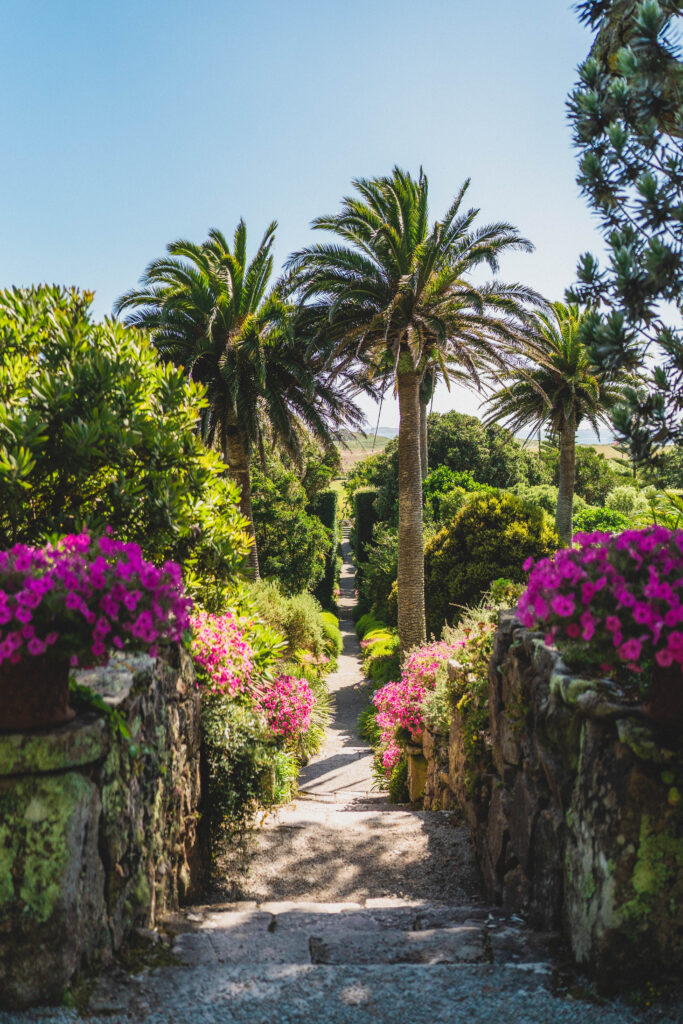
The shingle paths that vein through and crisscross the garden will lead you to all the hidden treasures and marvellous array of species that have come from all across the world’s Mediterranean climate zones.
The Shell House
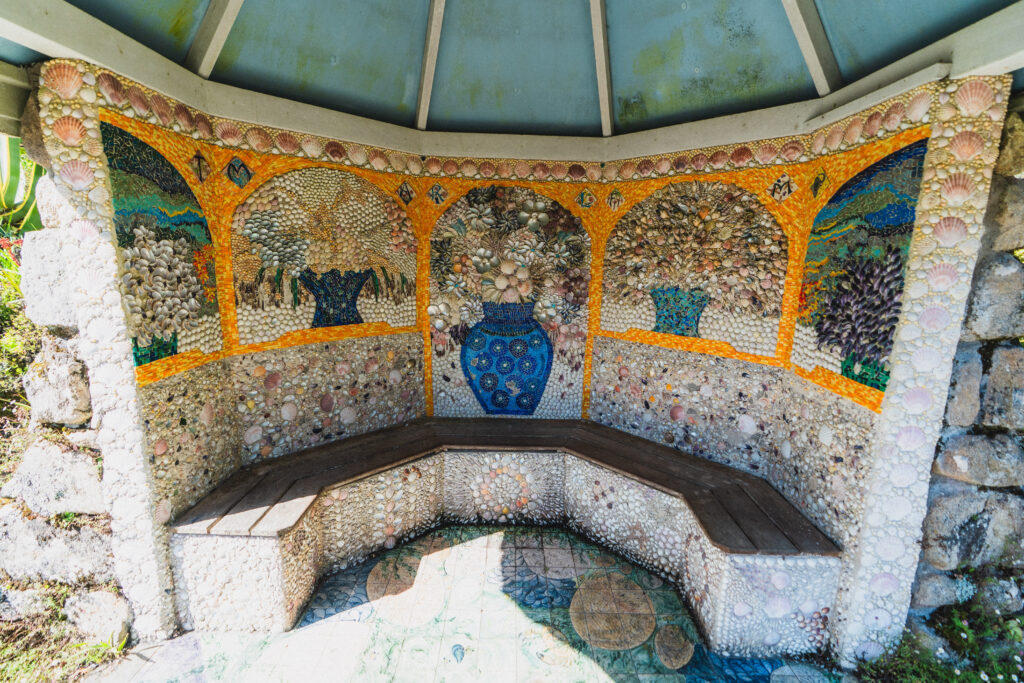
This small hexagonal pavilion sits central to the Mediterranean garden and was created by Lucy Dorrien-Smith, who designed and built the shelter after a series of storms in 1987. Using native shells and pieces of blue china, the interior walls of the small hut are adorned with beautiful shell mosaics that have a Mediterranean feel.
Red squirrels & golden pheasants
When visiting the gardens, you’re likely to encounter a flourishing scene of wildlife, including these two majestic species.
It’s common knowledge that where there are grey squirrels, there tend to be no red squirrels in sight. This is because grey squirrels carry the squirrel-pox virus, which does not affect them, but is detrimental to reds. After a visit from King Charles’ in 2013, he suggested that red squirrels be introduced to this squirrel-free island.
In James Bond fashion, a mixture of twenty male and female red squirrels were taken from the British Wildlife Centre in Surrey and flown to Tresco Island via a Royal Navy Air Squadron plane and released into the island’s woodland. Since then, Tresco is estimated to have a population of over 100 or so red squirrels, living their best life!
Another animal you may spy while wandering around is the vibrant-coloured golden pheasant, which is native to Western China but was introduced to the island at some point in the past.
Valhalla Figure Head Museum
Over the centuries, many ships and lives have been lost to the rocky outcrops of the Isles of Scilly, most of which were merchant vessels.
These ships would often have carried a carving of a human or animal form at its bow, leading the front of the boat. When Augustus Smith was creating and growing his garden, as did his collection of these figureheads.
The collection of figureheads dates from the Middle Ages to the 19th century, and upon viewing them, you can see how the fashions and trends for a ship’s aesthetics have changed over time.
Views from the top
The gardens are made up of a series of terraces, and once you reach the top terrace of the gardens, you’ll be greeted by a sweeping vista overlooking the gardens itself and Tresco Island and beyond.
At the top terrace is also where you’ll find the species which are suited to the driest heat, this includes various species of succulents from places like California and Mexico.
Enjoyed reading about Tresco Abbey Gardens and how to visit? Pin this article now, and read it again later: