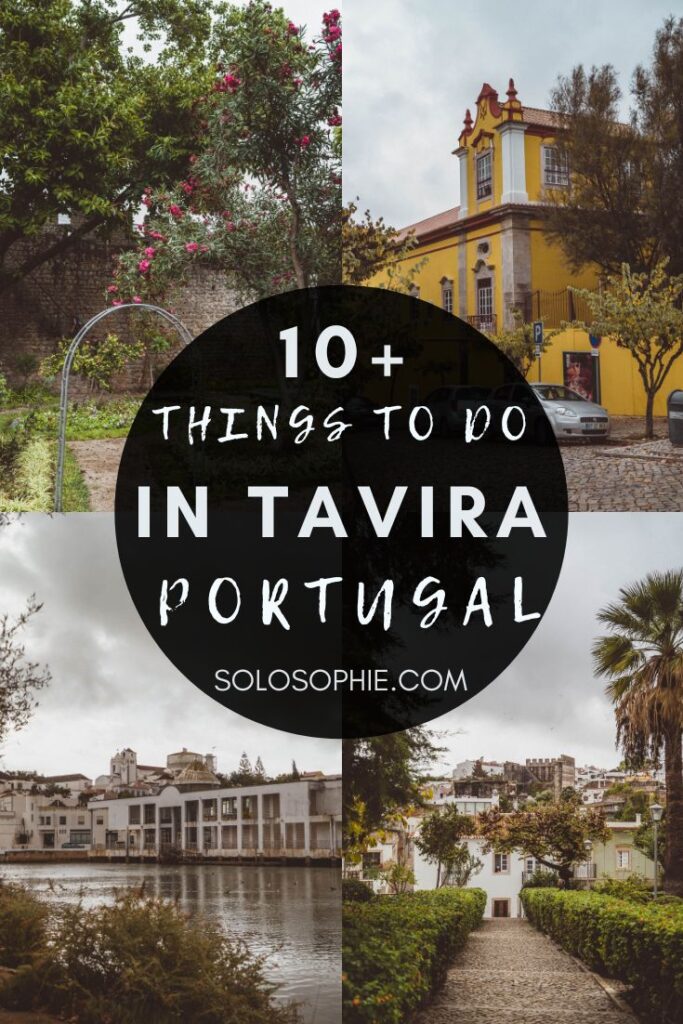
A Guide to the Best Things to do in Tavira, Portugal
Last Updated on 27th February 2024 by Sophie Nadeau
This post may contain affiliate links. Please check out my privacy policy and disclosure for more information.
One of the more delightful small towns in the Algarve that seem to escape peoples bucket lists but merits a place nonetheless is Tavira, a tiny settlement to the east of Faro.
Tavira is a delightful town nestled between the foothills of the Caldeirão Mountains and the Algarve coastline and is located around an hour away to the east of Faro. Here’s your ultimate guide to the best things to do in Tavira, as well as travel tips and things to know before visiting.

Contents
A little off the beaten path and boasting numerous hidden gems, Tavira is best-known for its incredible beauty (and is often considered one of the most beautiful towns in the Algarve) and rich cultural and religious heritage.
Though many visitors to the Alagarve make the mistake of overlooking this town, this would be your first mistake as it’s truly one of the best-kept secrets of southern Portugal.
I personally loved my time here and wish that we had allocated more than a single afternoon for exploration! For more off the beaten path inspiration, be sure to check out our guide to the best-kept secrets of Portugal.
Indeed, on a coastline that is known for its over-touristed towns complete with raucous bars and strips (such as Albufeira), Tavira has largely escaped the large swathes of mass-produced souvenir shops and tourist traps that have popped up elsewhere along the Algarve.

How long do you need in Tavira?
A single afternoon is definitely a sufficient amount of time to spend getting to know Tavira, wandering its streets, and visiting some of its main monuments. The Portuguese town is pretty small and compact, meaning that you can get around on foot. We spent a few hours exploring Tavira and thought that was enough time to get an overview of the town!
Things to do in Tavira
Riverside walk
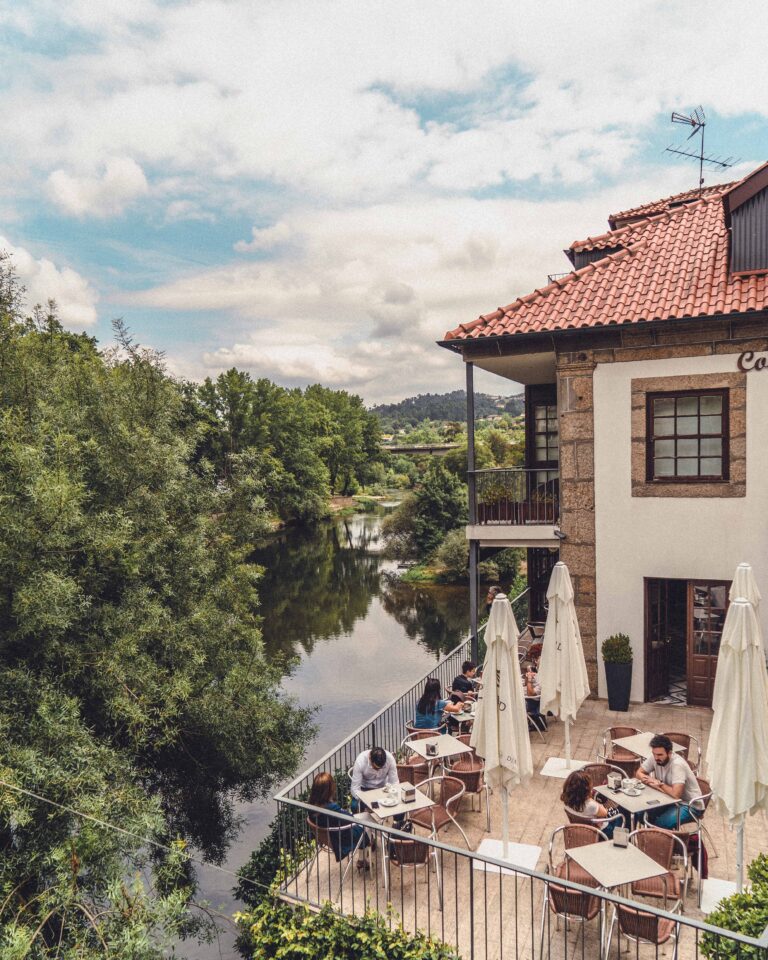
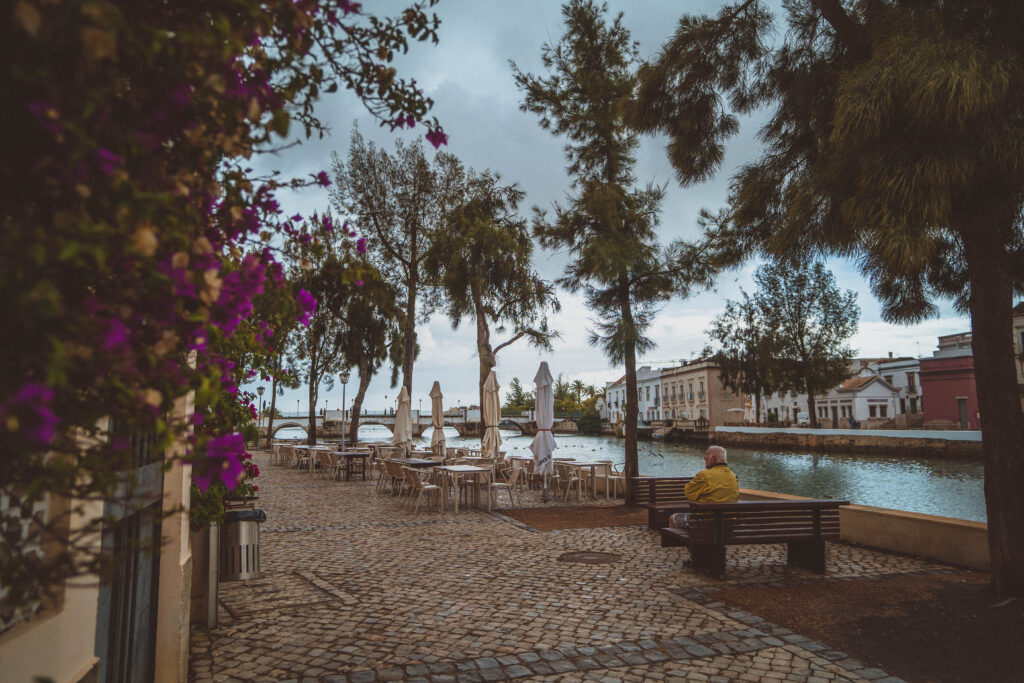
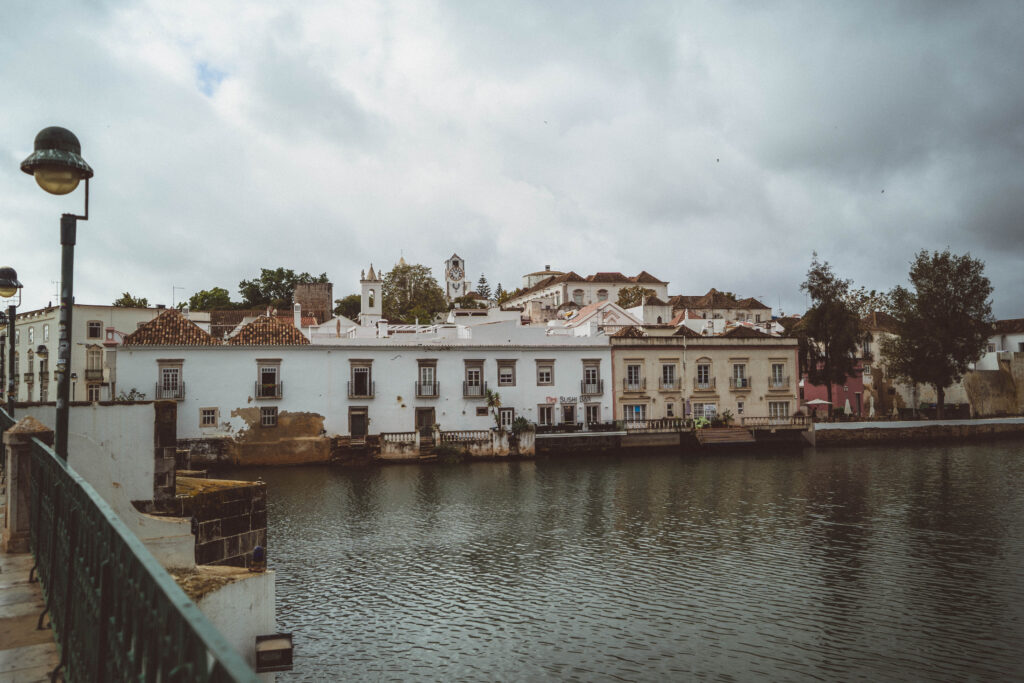
Set alongside the (usually) gently flowing Gilão River, one of the most pleasant things to do in Tavira is to stroll along the water’s edge and admire the traditional Portuguese architecture. We personally parked in the free parking on R. João Vaz Corte Real and walked into town from there along a path which follows the river.
As with most European cities, you’ll want to wear comfortable footwear (and avoid heels) so that you can get around with ease and without developing blisters! Like many towns, there are also lots of cobblestones, which definitely add to the charm of the place but aren’t always the most comfortable to walk on!

Principal church of Tavira
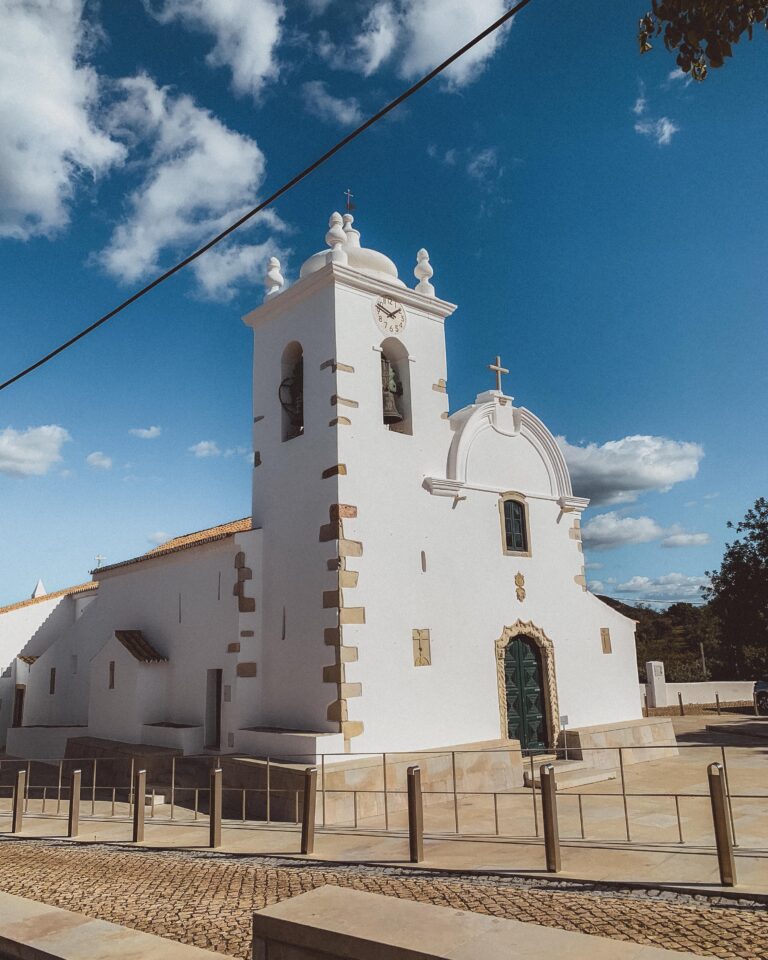
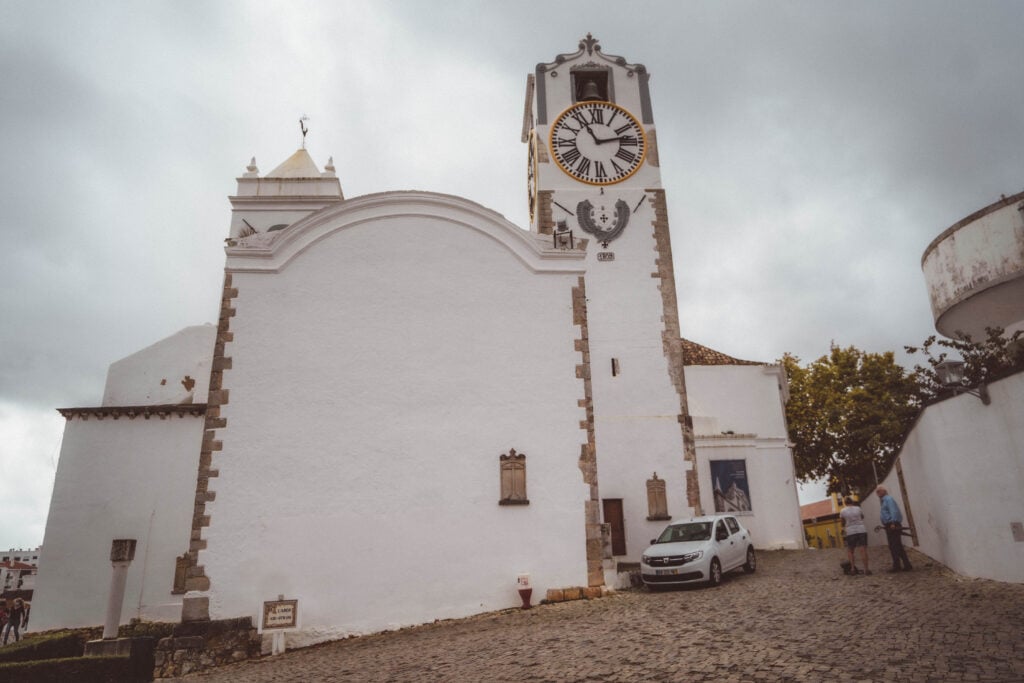
The main church of Tavira stands in pride of place at the highest natural point in town and offers viewpoints onto the surrounding Portuguese landscape and buildings below. There are over twenty churches in Tavira, though it’s hard to miss the main church thanks to its elevated position.
The church is officially known in Portuguese as the Igreja de Santa Maria do Castelo and was built in the 18th-century, after an earthquake destroyed most of the earlier church on site which dated back to the 13th-century. The actual site had been a place of worship for many centuries prior to the Middle Ages, and was likely the site of a large Mosque.
Igreja da Misericórdia de Tavira
The other significant church of interest in Tavira is the church of the Misericórdia (Church of Mercy). Constructed between 1541 and 1551, the place of worship is widely considered to be one of the best examples of Renaissance architecture along the Algarve coastline.
Castle and ramparts
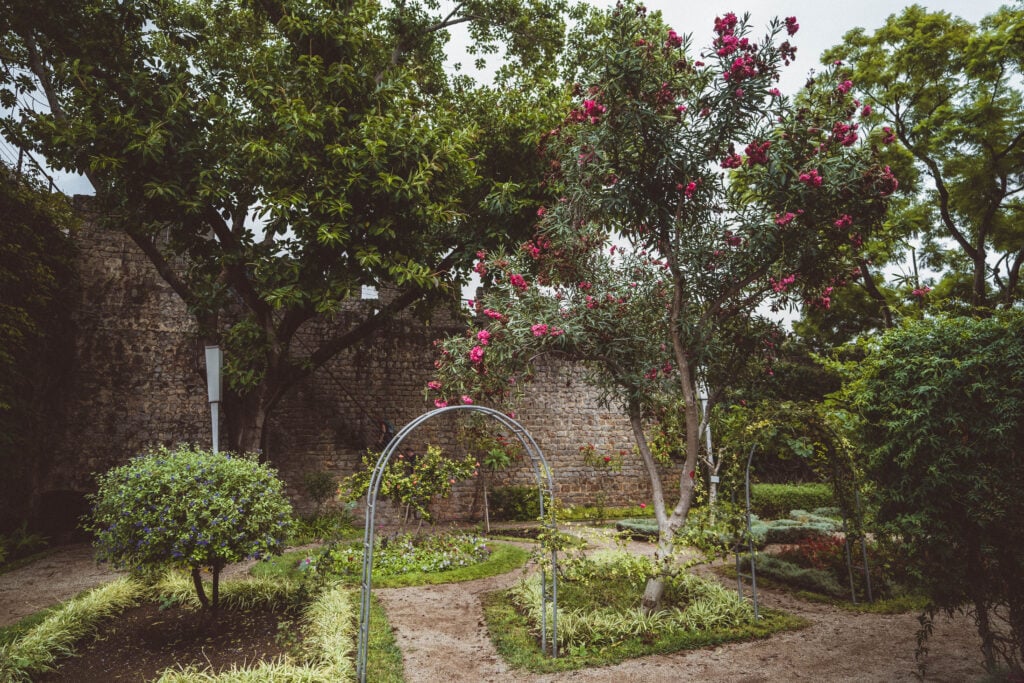
Once upon a time, the Castle in the heart of Tavira’s old town would have defended the settlement from potential invaders. There is little left of the original castle so don’t visit Tavira’s castle expecting to see an impressive fortress. Entrance to the area is free.
Instead, today, the vestiges of the former ramparts surrounding the upper town have since been transformed into a beautiful garden that’s free to visit and offers magnificent views over the rest of the town, especially if you climb the steps onto the former watch tower at the far end of the castle gardens.

Roman bridge
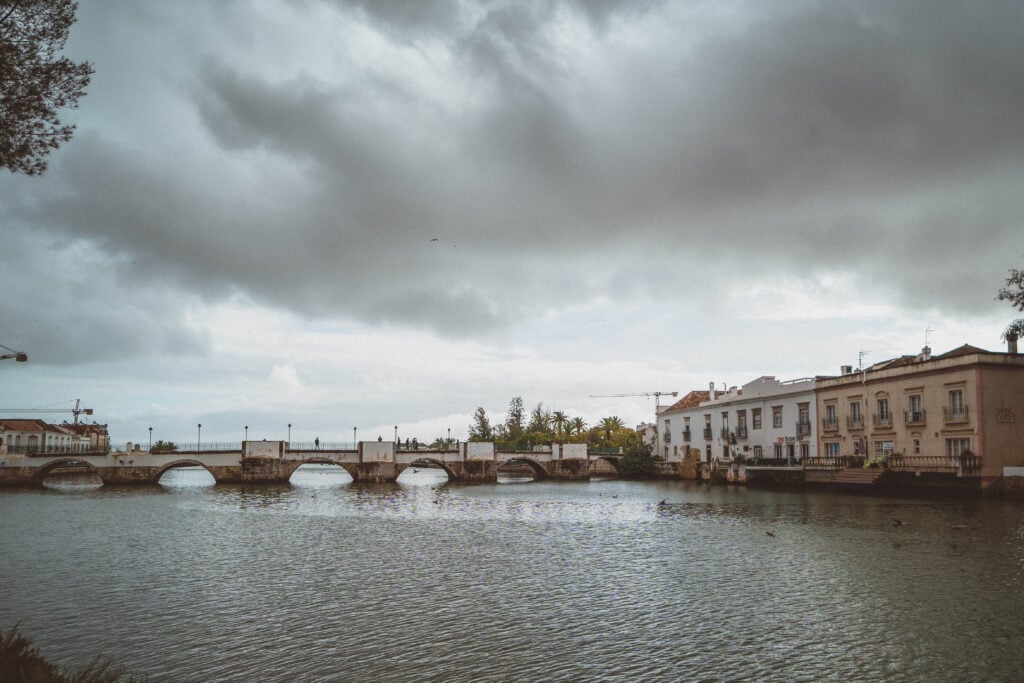
One of the architectural highlights of Tavira is the Ponte Romana de Tavira, whose roots date all the way back to the foundation of Tavira itself. Dating back to the medieval era (probably to the 13th-century before being reconstructed in the 17th-century), the first bridge on site was built in around 400 BCE.
This was when the Roman road led from Faro to Castro Marim. The river crossing is probably called the Roman bridge because of its impressive arches. Unfortunately, the bridge was extensively damaged in 1989 by flooding, with two of the arches being washed away. The bridge wasn’t fully restored to its former glory until 1992.

Go shopping
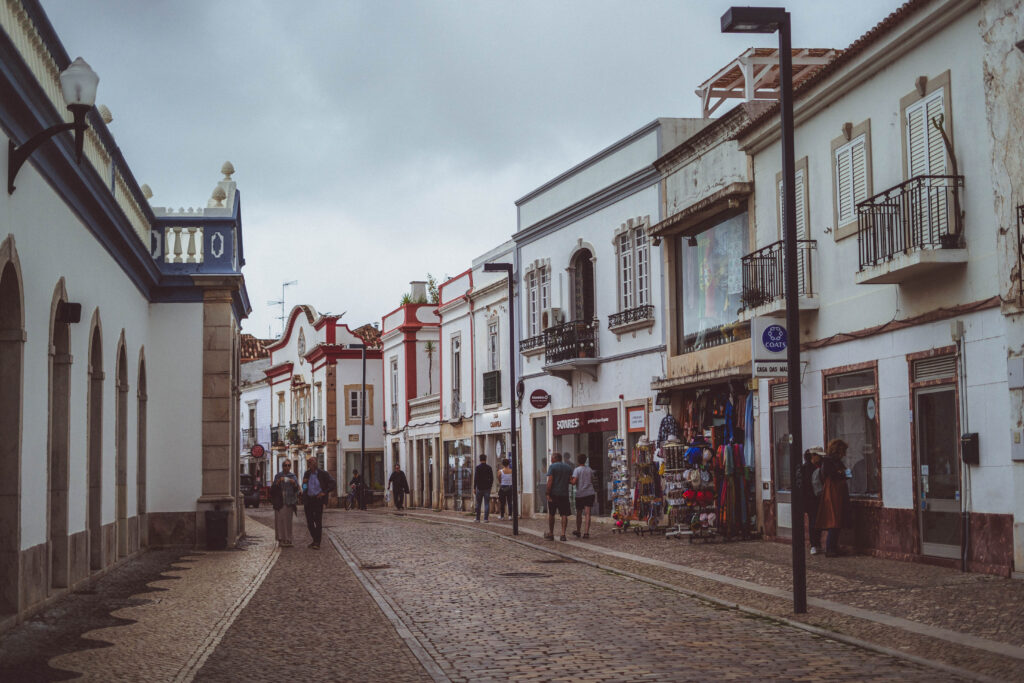
Tavira is not only a great place to soak up history but is also a great place to shop for local wares and souvenirs to take home. Although there are some souvenir shops which sell cheaply made goods which don’t originate from Portugal, others sell local Portuguese pottery and other beautifully crafted items.
Eat local food
If you want to sample some Portuguese food (read: plenty of incredible sweet foods), then you should be sure to sample local food somewhere in Tavira. As well as a number of restaurants, there are several Portuguese bakeries (be sure to try a pastel de nata), and ice cream shops. Gelataria Delizia is particularly well-reviewed and sells local flavours such as fig ice cream.
Republic Square
One of the greatest joys of an afternoon (or even entire day) getting to know Tavira is sitting out in a terrace on one of its many public squares and simply watching the world go by.
Grab a beer or a vinho verde (a green wine which is only produced in Portugal). The most popular square in town is Republic Square, which is known as Praça da República in Portuguese.
Covered market
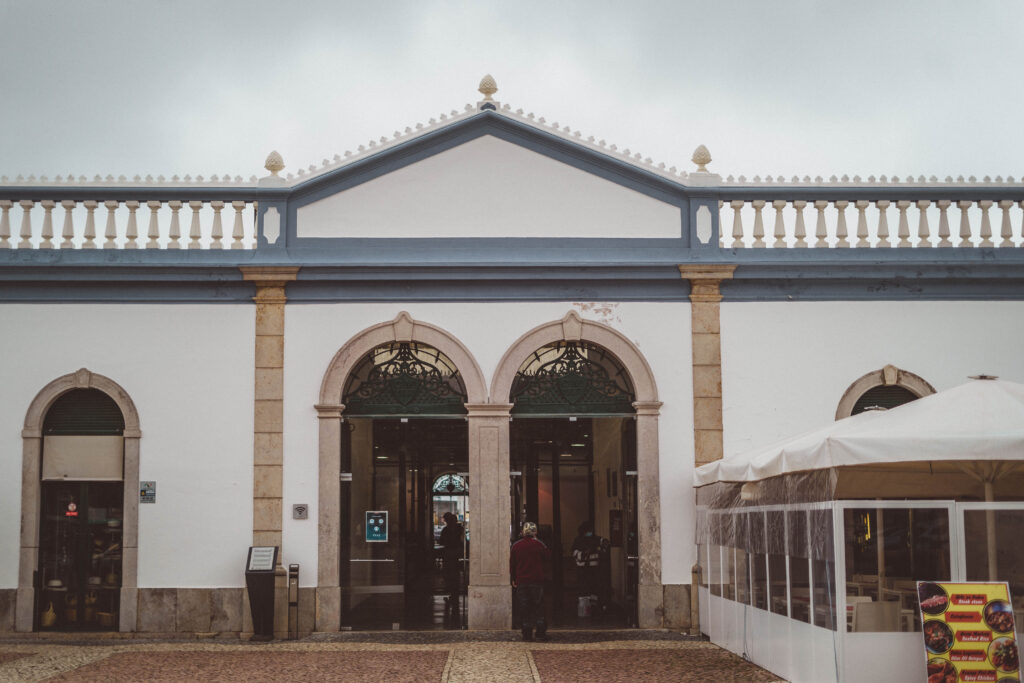
Known locally as Mercado da Ribeira, the covered market of Tavira lies alongside the river and houses a number of interesting stalls selling everything from local fruits and vegetables to sweet goods that you can bring home as a souvenir of your trip.
Stroll around the town
Truth be told, one of the best ways to get to know Tavira on a more local level and see some unique vistas of the Algarve town is to simply wander around and allow your feet to take you where they wish to. Just be sure to bring a camera as the town truly is incredibly charming!

How to visit Tavira
Those who delight in discovering culturally and historically important buildings will not be disappointed by a visit to Tavira. While my partner and I personally visited over the course of a long afternoon, the town merits a full day if you take your time to truly enjoy all of its attractions including the museums and a sit down meal for lunch.

Best time to visit Tavira
Like much of the Algavre region, the best time to visit Tavira is during the European shoulder seasons. What this means is during the late spring or early autumn when the crowds are not at their peak, and yet you can still enjoy good weather coupled with longer hours and everything actually being open (many businesses close up shop for the winter, especially those which cater predominantly towards tourists).
If you happen to visit Tavira during the early spring, then you can also expect to enjoy the beautiful orange bloom. This is where you can see some of the best blossom in Portugal, with the peak typically occurring between April and May.
Where to stay in Tavira
Though we personally opted to visit Tavira as a day trip as we had too much packed in our schedule to dedicate more than a couple of hours to discovering the town, staying in Tavira certainly delivers a low-key quaint getaway without too many crowds. Here are some of the best places to stay in Tavira based on location and price:
Budget: This hostel is one of the most affordable spots to stay in within Tavira. Highlights include free breakfast and Wi-Fi. There are a number of accommodation options available, including simple dorm rooms and private rooms with en-suite bathrooms. Check prices and availability here.
Mid-range: This beautiful hotel boasts highlights like a pool and free Wi-Fi, as well as a restaurant on-site. It’s also located just a short walk away from the old town. Check prices and availability here.
Luxury: If you’re looking for a stay in Tavira, then you need to look no further than this cosy hotel. Amenities include an outdoor pool, daily housekeeping, and parking. Check prices and availability here.
Enjoyed reading about the best things to do in Tavira? Pin this article now, read it again later: