

How to Spend the Perfect Weekend at Stonehenge, Salisbury & Old Sarum
Last Updated on 28th October 2025 by Charlotte Nadeau
This post may contain affiliate links. Please check out my privacy policy and disclosure for more information.
Salisbury is a beautiful cathedral city in the historic county of Wiltshire. Home to the likes of Stonehenge, Old Sarum, and even a rare copy of the Magna Carta – it’s perfect for a cosy weekend break. And so, if you’ve ever dreamed of stepping back in time while enjoying the charm of the English countryside, then this is the idyllic guide for you! This itinerary blends history, culture, and relaxation: here’s how to spend the perfect weekend at Stonehenge, Salisbury & Old Sarum!
What is Salisbury known for?
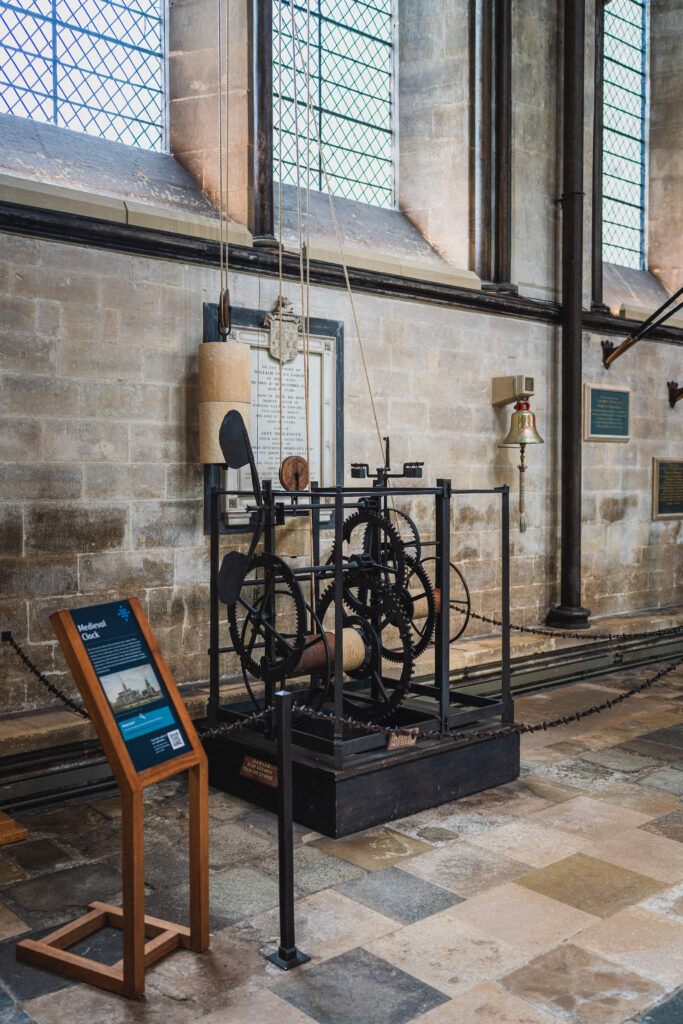
Salisbury is perhaps best known for its historic cathedral, which houses a medieval Magna Carta (there are four surviving copies; the others are located at the British Library and Lincoln Castle). Salisbury Cathedral is also home to the world’s oldest working mechanical clock and the tallest spire in England, stretching 123 metres (404 feet) into the city’s skyline.
Salisbury is also known as being the closest city to Stonehenge, one of the most famous landmarks in the United Kingdom!

Day 1 in Salisbury suggested itinerary
City Gate Salisbury
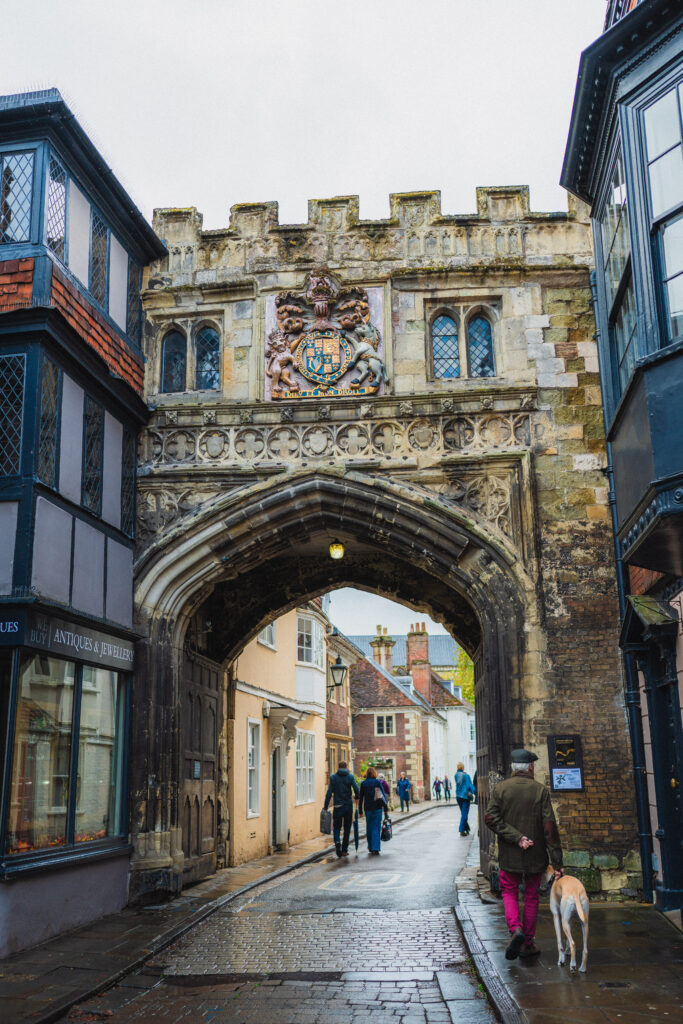
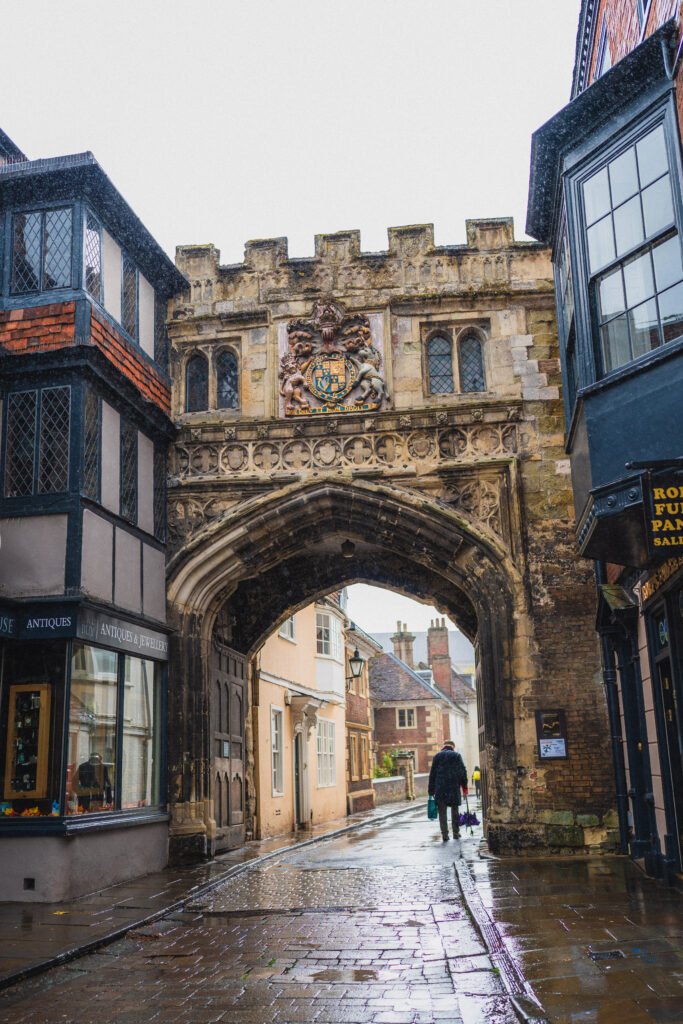
All around the city, you’ll find beautiful historic city gates, remnants of the medieval walls that once enclosed the city. Salisbury was founded in the early 13th century, and these gates are a reminder of how the city would have been fortified, typical of English medieval towns of that time.
The most striking of the remaining city gates is the High Street Gate. This was built between 1327 and 1342. Interestingly, it once housed a small locker for those who had committed misdeeds within the close.
Cathedral Close
Next, you’ll want to head to Cathedral Close, the most beautiful square in the city. Indeed, 800 years of history can be found in Britain’s largest Cathedral Close, reflecting an array of architectural styles from the 13th through to the 20th Century. Wandering through the close feels like stepping through history, particularly when considering the many museums that reside within the ancient walls:
- The Salisbury Museum – houses one of the best collections relating to Stonehenge and local archaeology.
- Mompesson House – a homely and welcoming 18th-century townhouse, now a National Trust-owned property.
- Arundells – the former home of the late Sir Edward Heath (former Prime Minister of the UK from 1970 to 1974), this Grade II listed home brings together six architectural periods.
- Sarum College – a historic building which welcomes people from all over the world for B&B, residential courses, conferences and events.
- The Rifles Museum – known as ‘The Wardrobe,’ the museum details the history of the Berkshire and Wiltshire Regiments with thousands of artefacts from photographs, medals, uniforms and weapons.
You’ll also find plenty of cosy cafés and tearooms in the close which make for the perfect spot to grab a light bite to eat, or soak up the views of the surrounding area. For the best view of the cathedral’s spire, head to The Refectory café, which has a glass panelled roof positioned beside the cathedral!
Rifles Museum (AKA ‘The Wardrobe’)
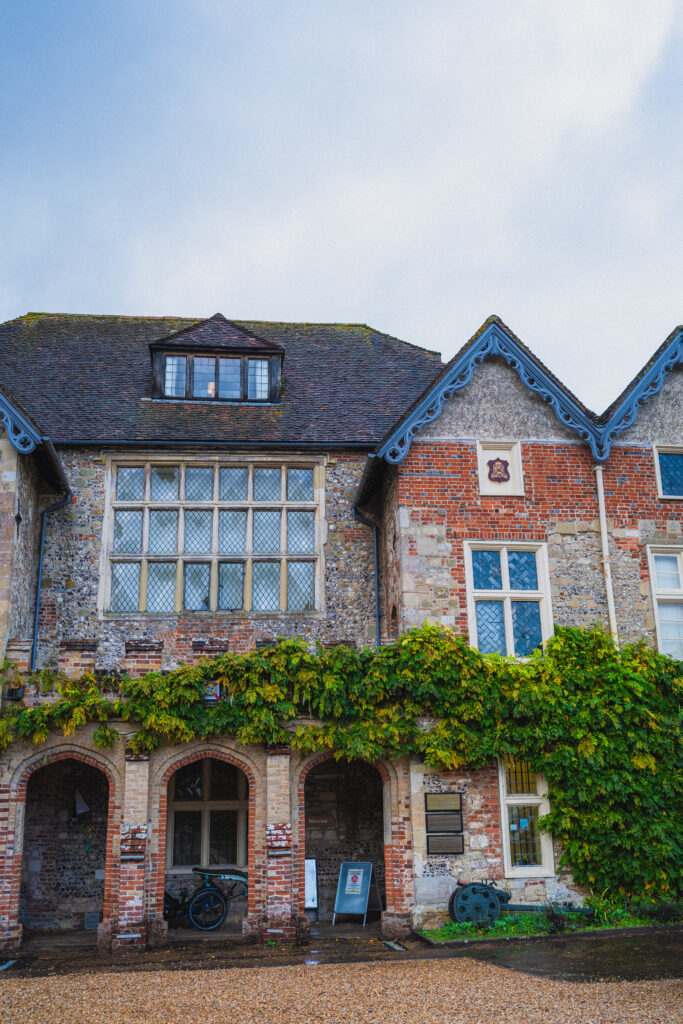
While wandering around the close, it’s worth stopping by a museum or two to learn about the local history. The Rifles museum houses thousands of artefacts, photographs, medals, uniforms and weapons, from the Berkshire and Wiltshire Regiments. The museum is set within a former Bishop’s storehouse, and has a long history of housing important items, hence why it takes the nickname ‘The Wardrobe.’
Please note: Unfortunately, The Rifles Museum is undergoing renovation and is temporarily closed, but it is due to reopen in 2026.
Mompesson House
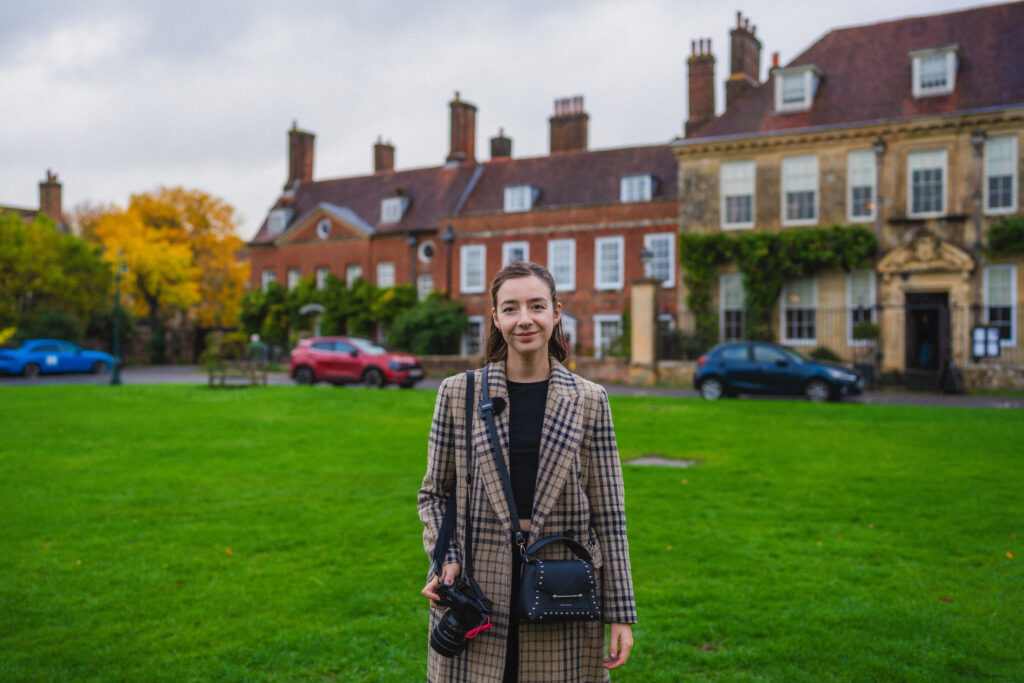
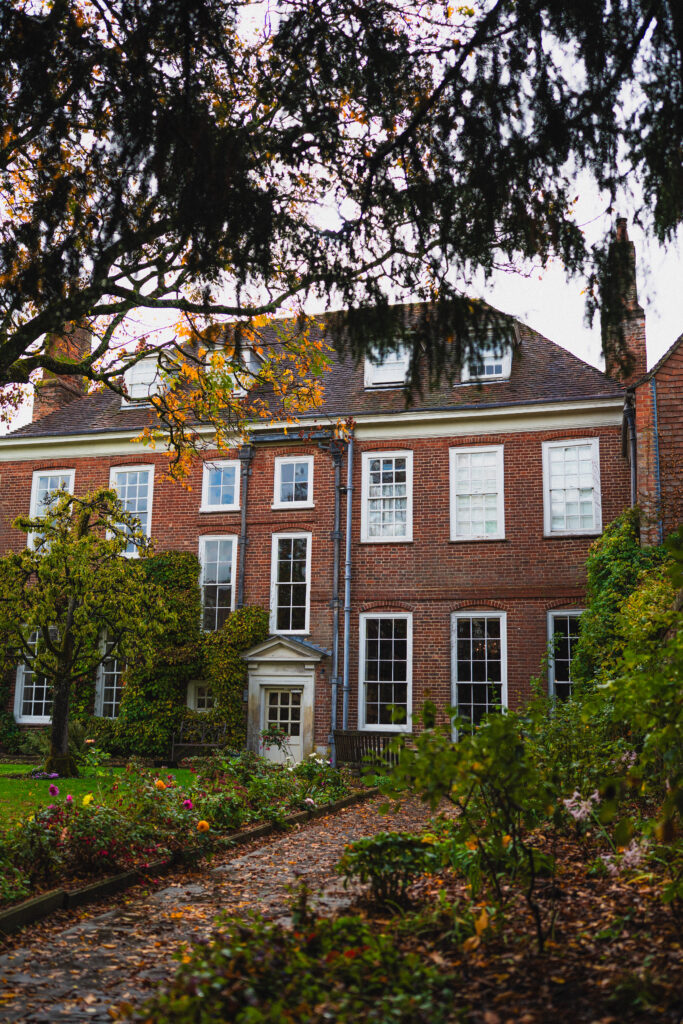
Located on Choristers’ Green is the National Trust-owned property and historic gem, Mompesson House. The townhouse was built in 1701 for Charles Mompesson, a prosperous local MP. It stands as a fine example of Queen Anne architecture, with elegant symmetrical design and original features like its oak staircase and elaborate plasterwork.
During its time, the house passed through several families before being gifted to the National Trust in 1952. Today it’s furnished in 18th-century style, showcasing period furniture and art.
Thanks to its beautiful setting, Mompesson House served as the filming location for the 1995 adaptation of Sense and Sensibility, portrayed as the London townhouse of the wealthy and boisterous Mrs Jennings.
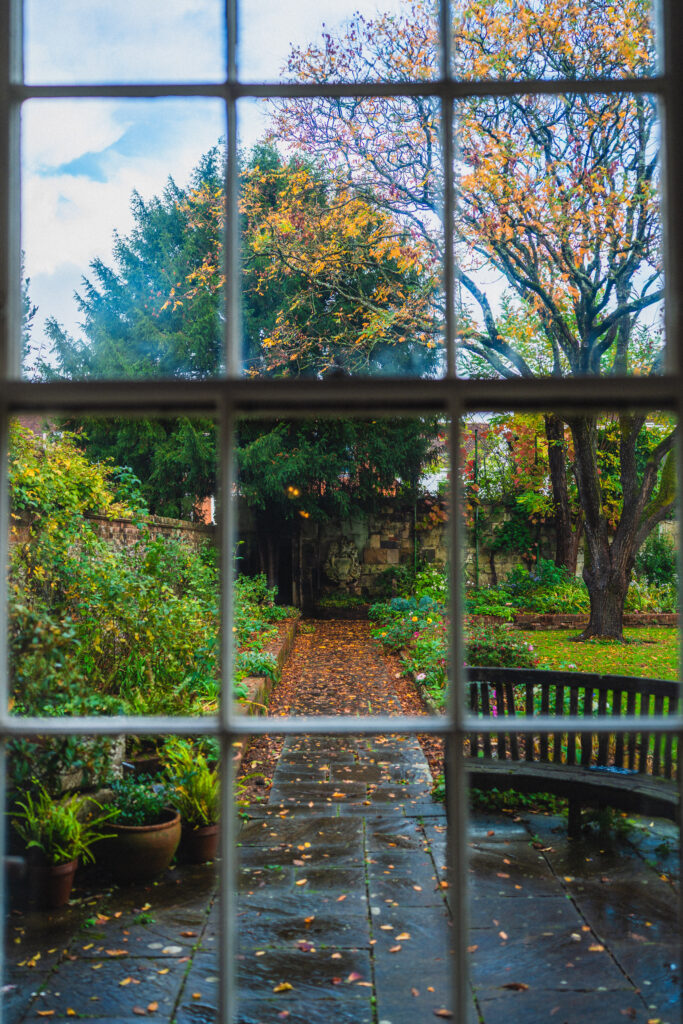
Housed within the 18th-century townhouse is a peaceful tearoom which serves homemade cakes and hot drinks. Another feature not to be missed is the walled garden, hidden behind the house. Here, you’ll also discover a second hand bookshop tucked away, selling a large range of modern and antiquarian books.
Salisbury Cathedral
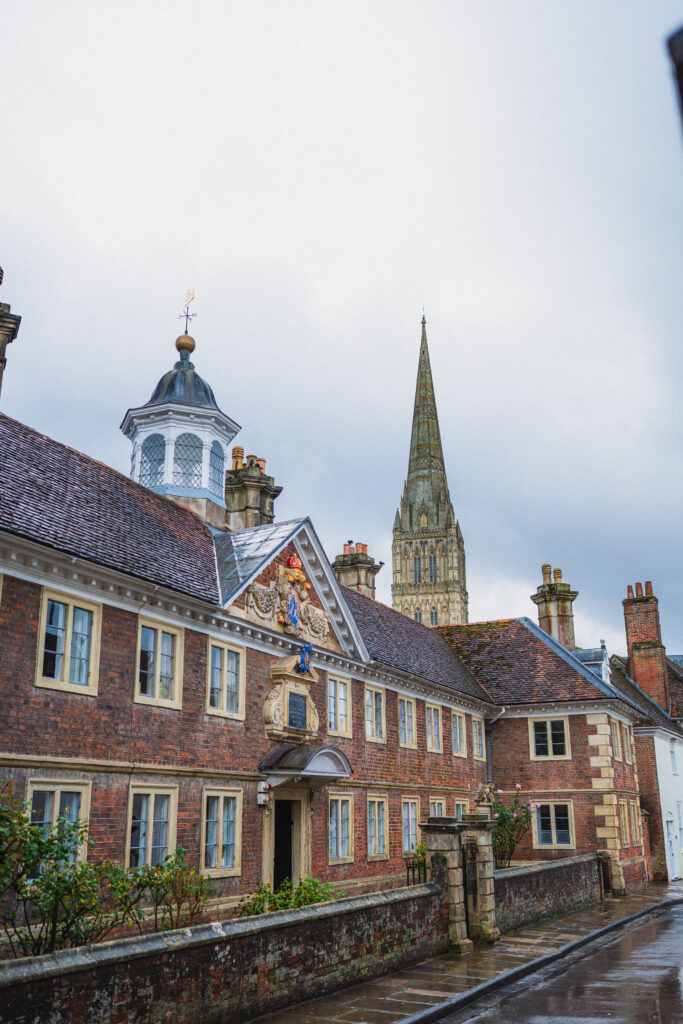
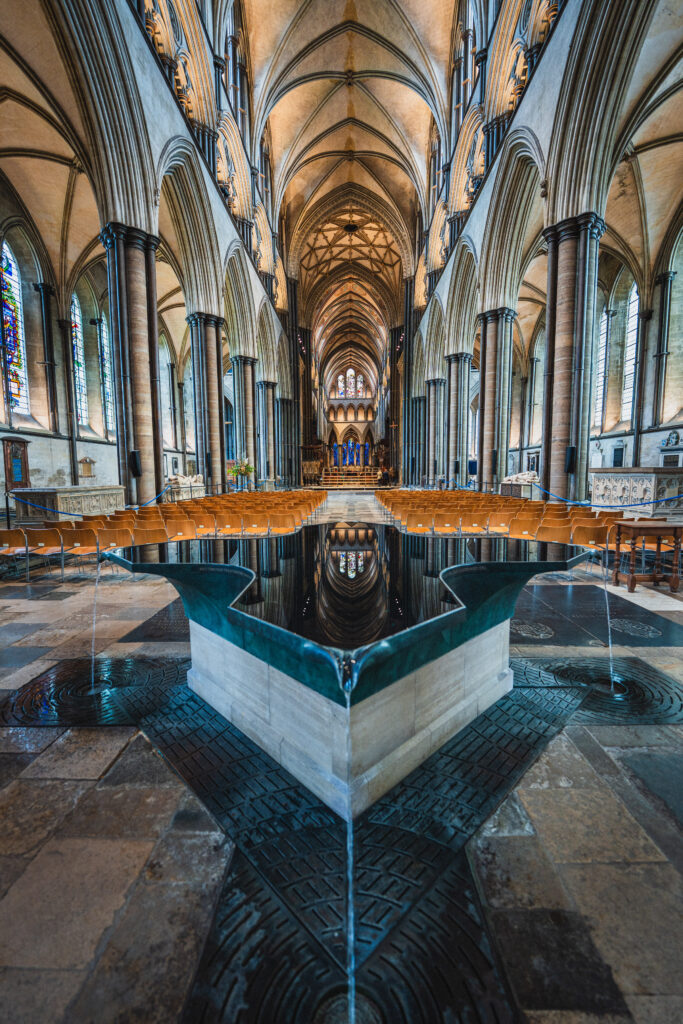
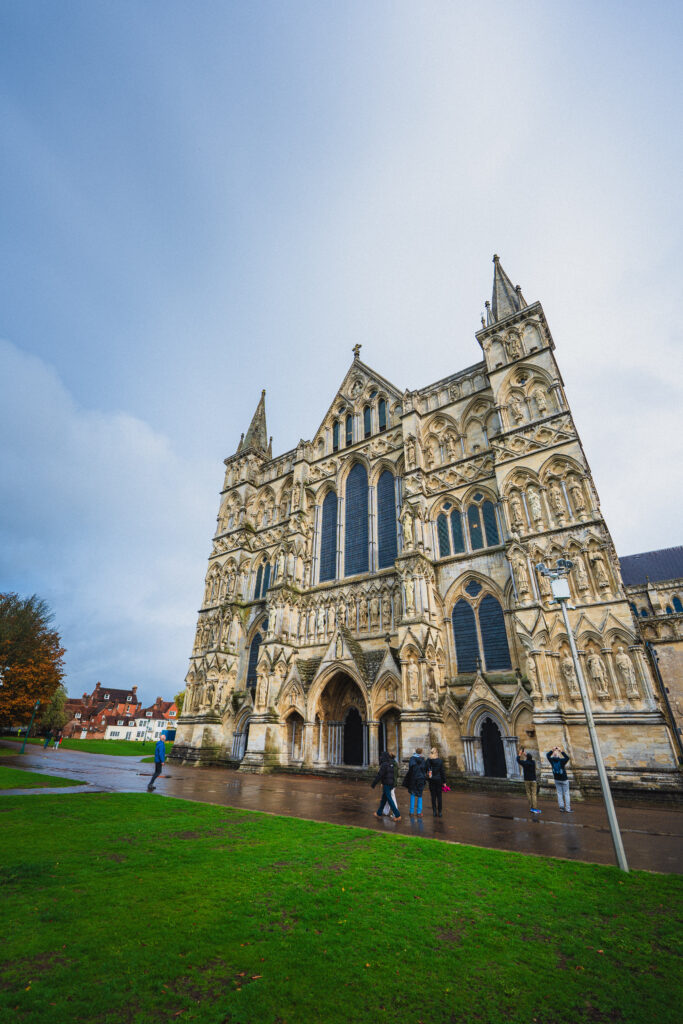
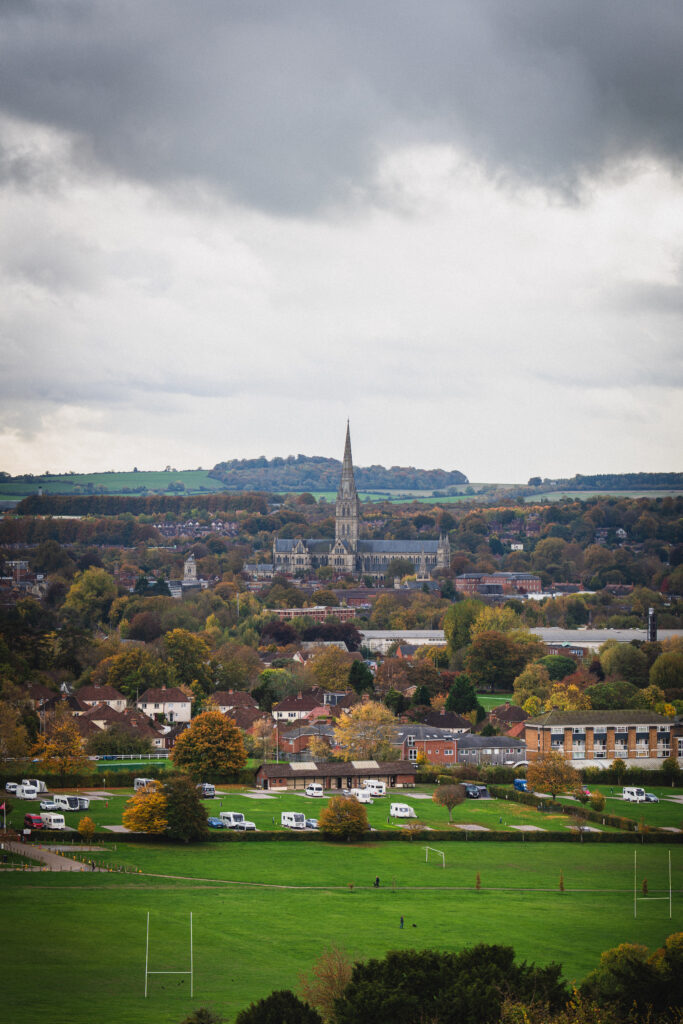
The beating heart of Salisbury has to be that of its magnificent cathedral. Salisbury Cathedral, formally known as the Cathedral Church of the Blessed Virgin Mary, is regarded as one of the leading examples of Early English Gothic Design. Despite its intricate structure and stonework, the cathedral was built over a relatively short period, between 1220 and 1258.
Its tower and spire were completed in 1330; today, the spire is the tallest in England at 123 meters (404 feet). However, at the time of its construction, it was the third tallest in England, and only claimed the crown as tallest after the collapse of those at Lincoln Cathedral and Old St. Paul’s in the 16th century.
The original Salisbury Cathedral actually stood about two miles north, in Old Sarum. Back in 1197, Bishop Herbert Poore dreamed of moving it to a better location as the old site had its fair share of problems, from overcrowding and limited water supply to constant tensions with the nearby castle.
Local legend has it that the way in which a new spot was chosen was that the bishop fired an arrow, and it hit a white stag. The spot where the stag died was selected to be the location for the new cathedral!
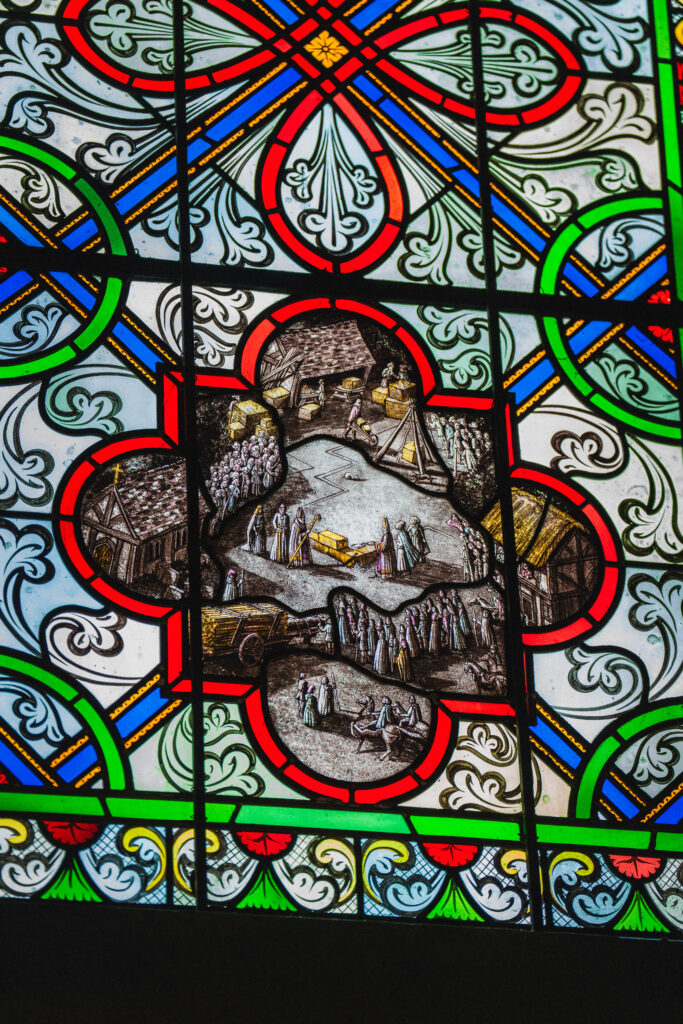
And so, on April 28th, 1220, the foundation stones of the new cathedral were laid by the Earl and Countess of Salisbury, marking the beginning of what would become one of England’s most stunning medieval landmarks. This event is depicted in one of the cathedral’s stunning stained glass windows.
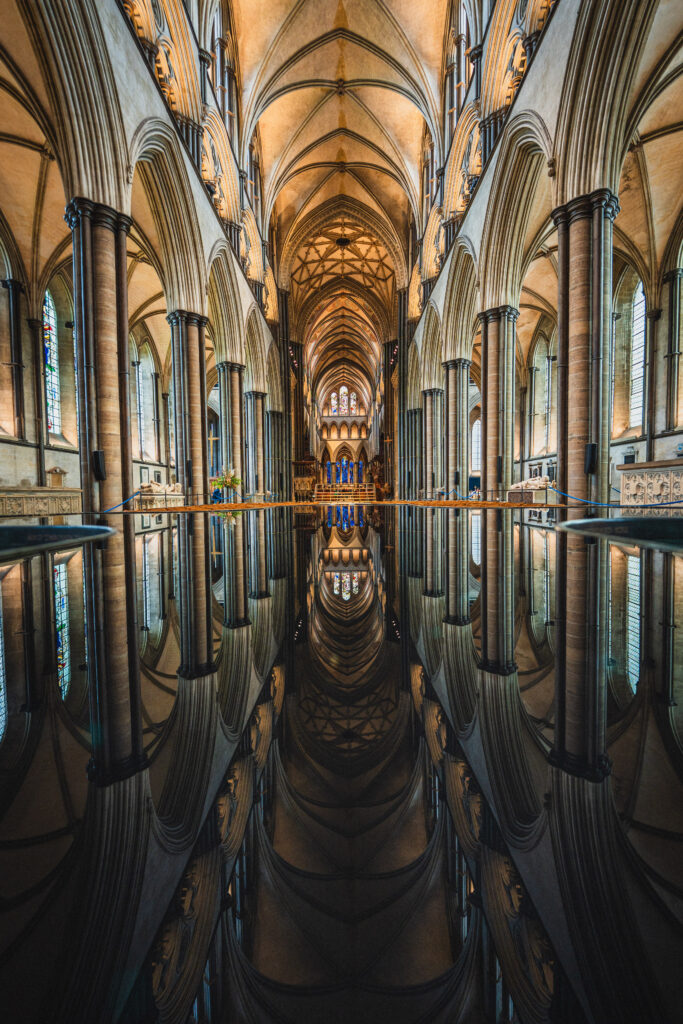
Salisbury Cathedral charge an entry fee for sightseeing. You can book a cathedral and Magna Carta sightseeing tour, and there’s the Tower Tour, where you can go inside the roof of the cathedral and enjoy spectacular views overlooking Salisbury. Book your tickets here.
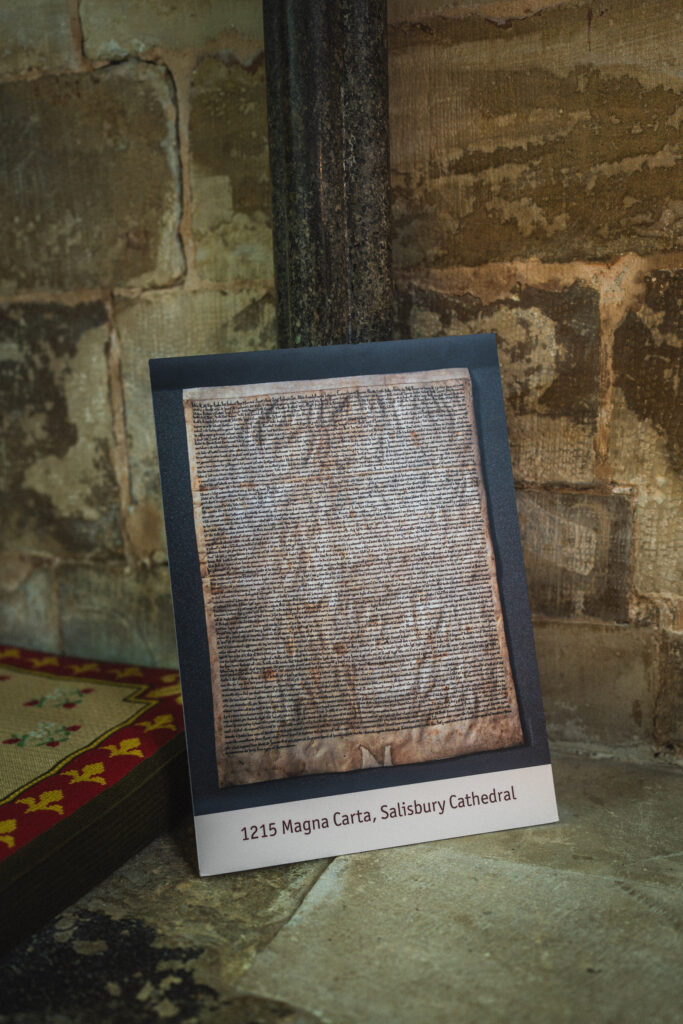
One of the most important items housed within the cathedral is a rare copy of the Magna Carter (one of four originals remaining), which is housed within the chapter house. This great charter established the idea that not even the king is above the law of the land, and it established ideas of justice, fairness, and human rights – inspiring and encouraging freedom movements around the world.
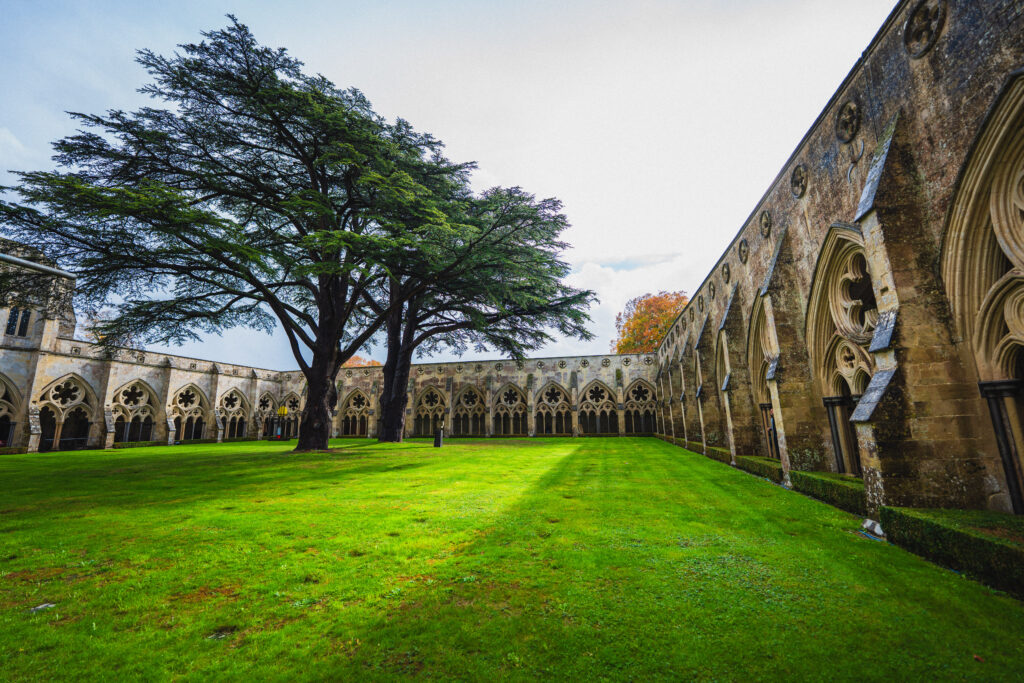
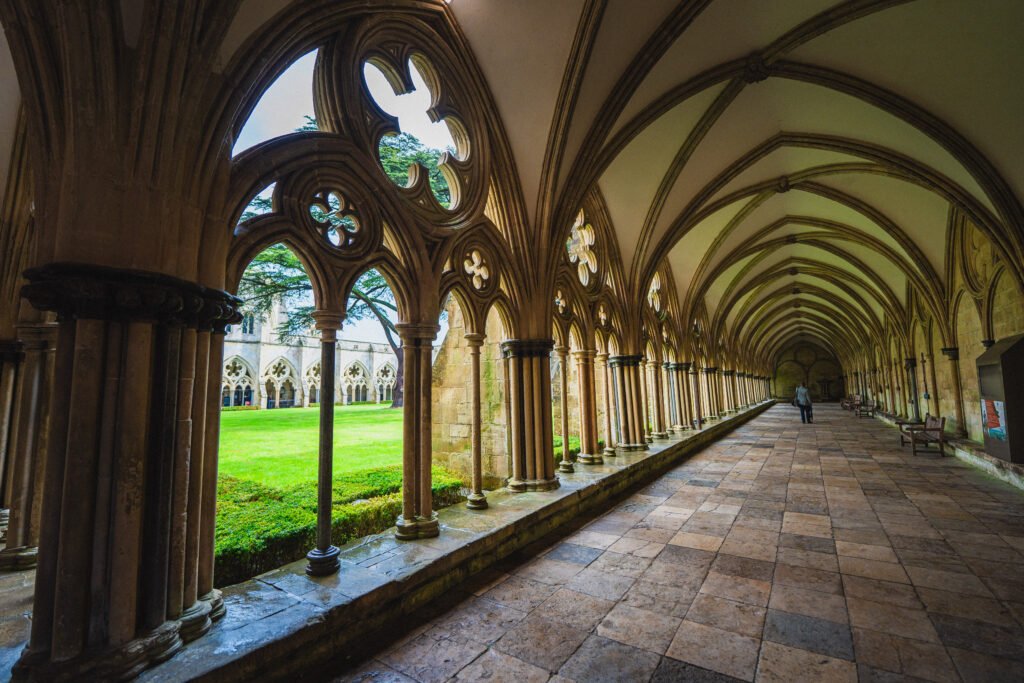
Salisbury Cathedral also boasts the largest cloister in England. Built in the latter half of the 13th century, it surrounds a peaceful green courtyard and was once used by monks for prayer, study, and quiet reflection.
High Street
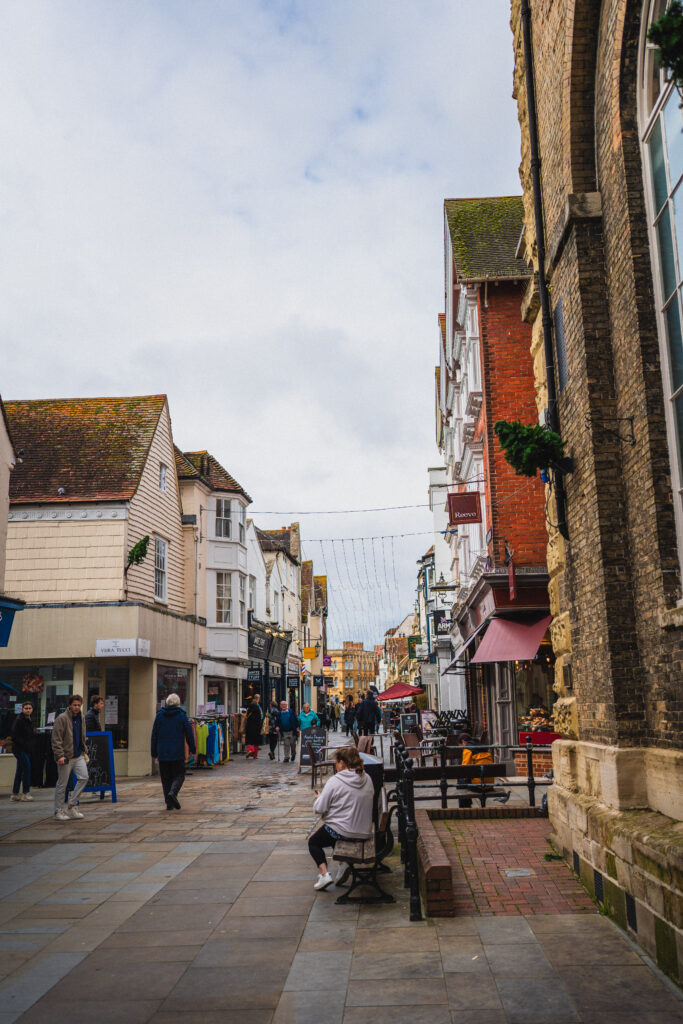
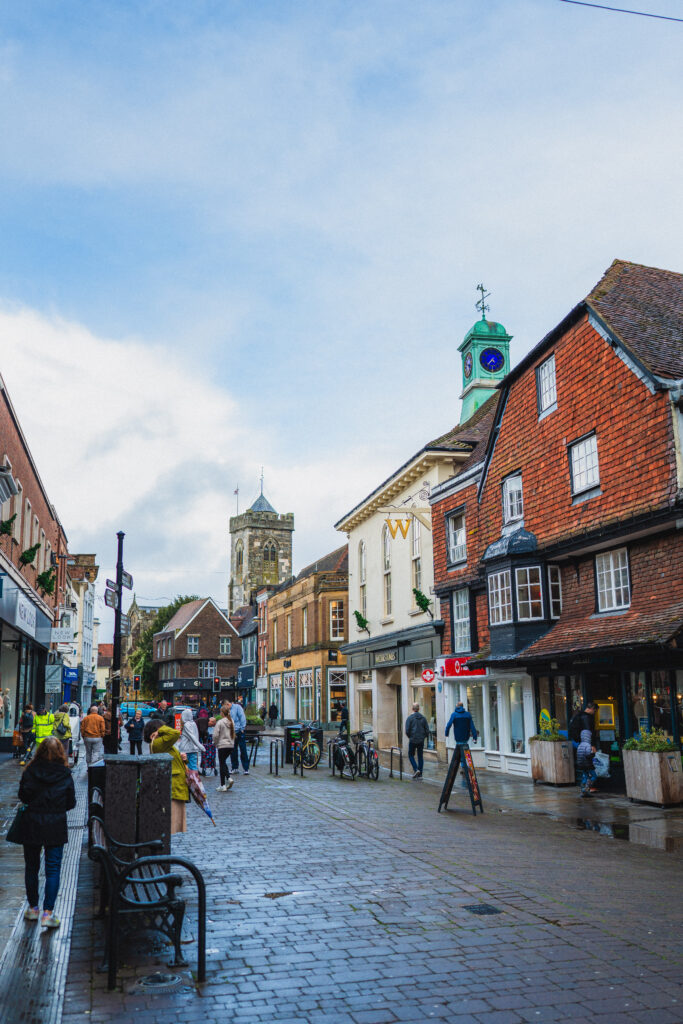
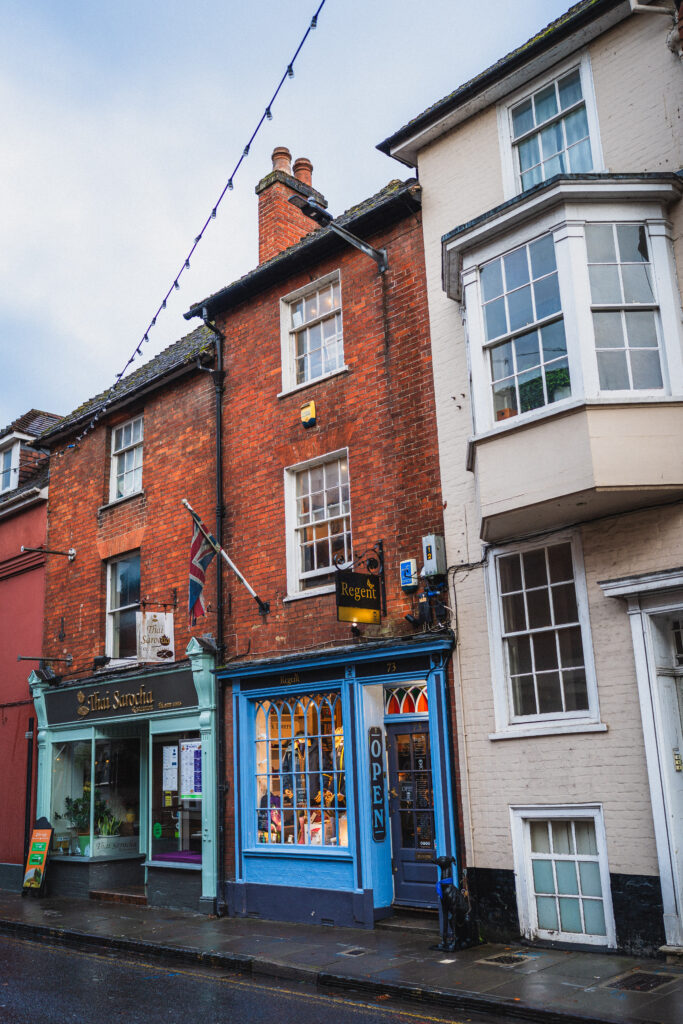
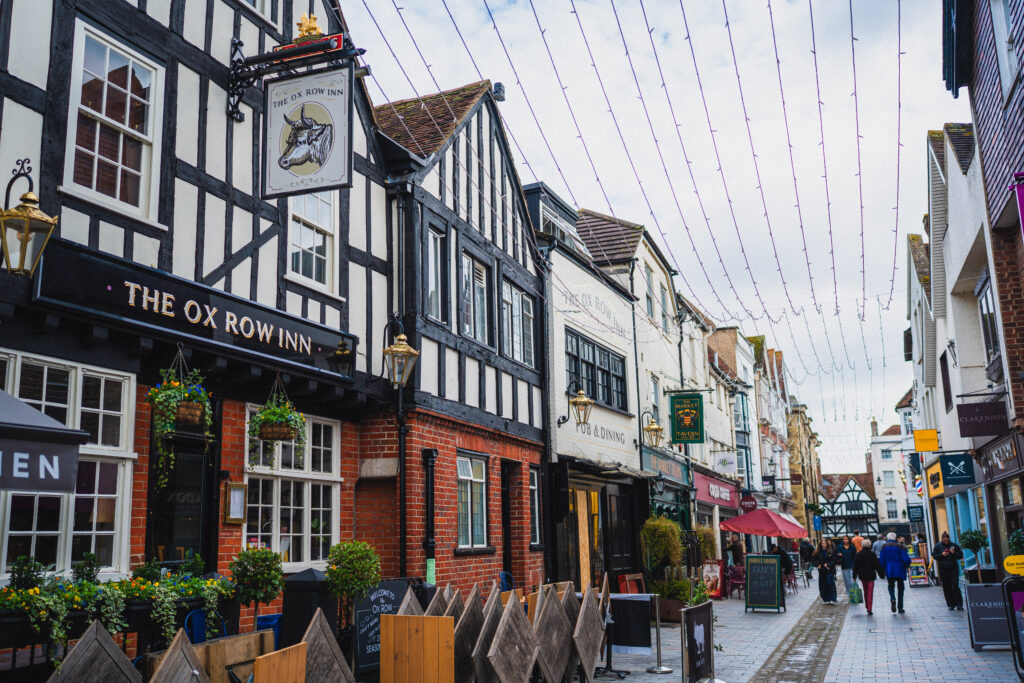
After the cathedral, head to Salisbury’s main High Street, a place that exudes that quintessential English charm so commonly found in old market towns. The area is filled with historic buildings, traditional pubs, independent shops, and cafés. Something that becomes quite apparent as you wander around is that Salisbury has a strong tradition of supporting and nurturing small independent businesses, which is refreshing to see still thriving on the High Street.
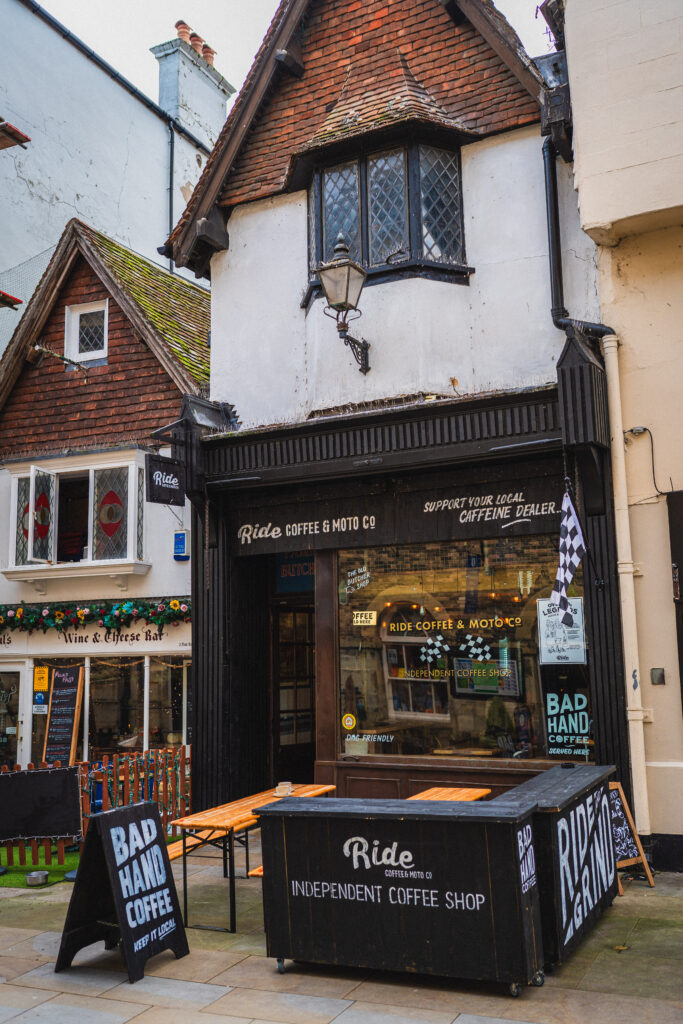
If you want to stop for a hot drink or a small bite to eat, I recommend Ride Coffee & Motto. Housed within a former butcher shop, this trendy independent coffee shop serve light bites like bagels, delicious coffee, and their own merch, including t-shirts and energy balls. In their own words, ” support your local caffeine dealer…”
The Haunch of Venison
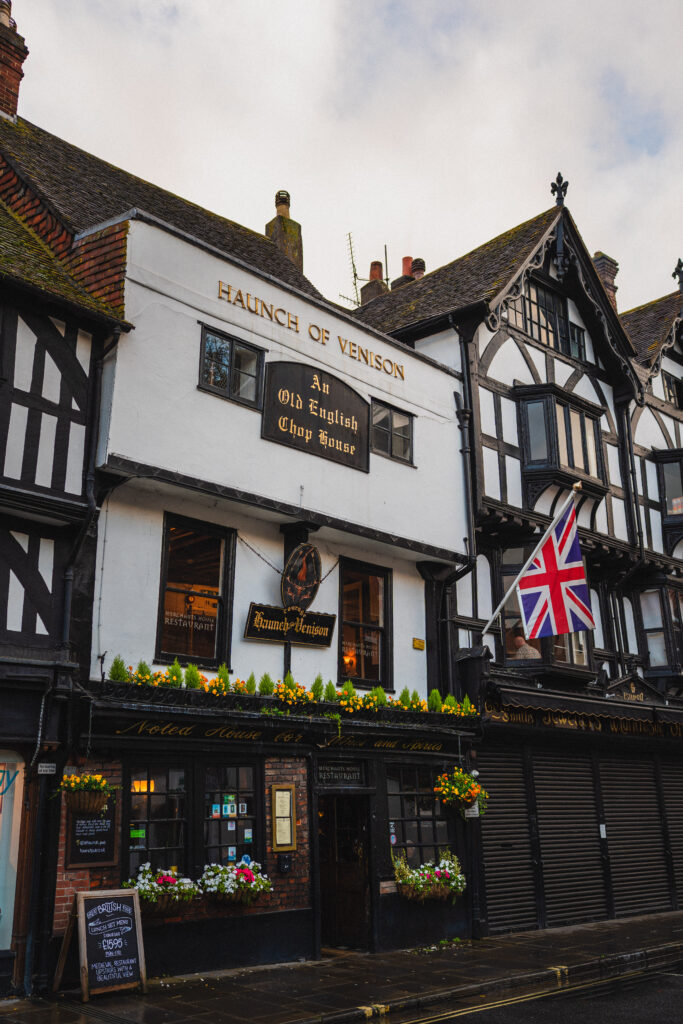
End your first day in Salisbury the way the locals do and head to the local public house. The Haunch of Venison hails over 700 years’ worth of history and is one of the oldest drinking establishments in England. Once you get inside, there are several rooms, all of which have timber frame ceilings.
While a beautiful pub, it’s worth noting that this is also reputed to be the most haunted place in Salisbury. Indeed, The Haunch of Venison, built around 1320, has a colourful and sometimes chilling history.
Over the centuries, it has served as a brothel, an inn, and even hosted secret wartime planning sessions. But, perhaps most famously, the pub houses a mummified hand, said to belong to a cheating card player who lost it, quite literally, after being caught in the act!
Day 2 in Salisbury
On your second day in Salisbury, you can enjoy the other gems found in the city at a more relaxed pace. After all, this cosy UK weekend escape is best explored with time to spare, soaking up the historic streets and taking in the city’s timeless charm.
Paddington Bear Bench
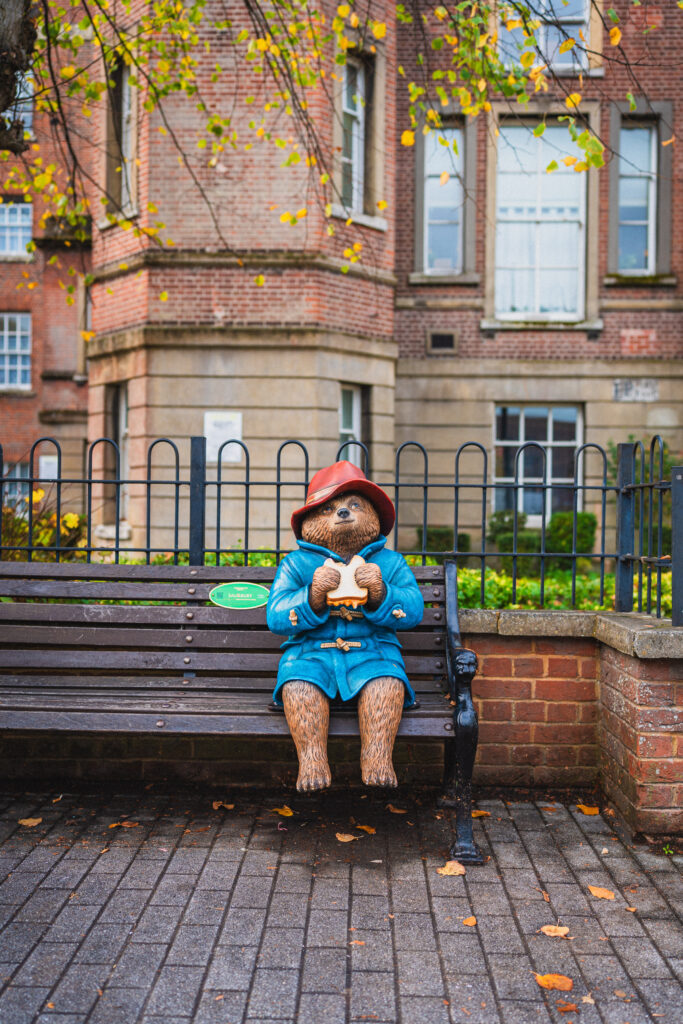
Start your day by heading to this small monument and snapping a picture alongside the iconic figure, Paddington Bear!
For those unfamiliar, Paddington Bear is a beloved fictional character in British children’s literature. And, as part of the trail celebrating everyone’s favourite marmalade-loving bear, Salisbury became one of 23 locations across the UK and Ireland to have a small statue of the bear, it was unveiled in 2024 in October.
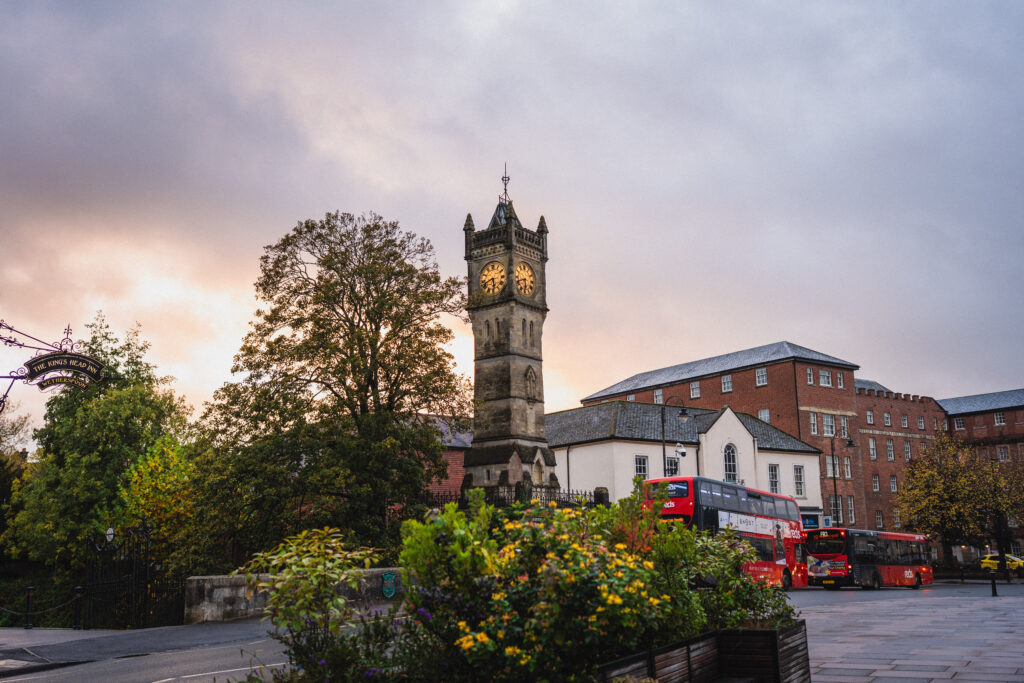
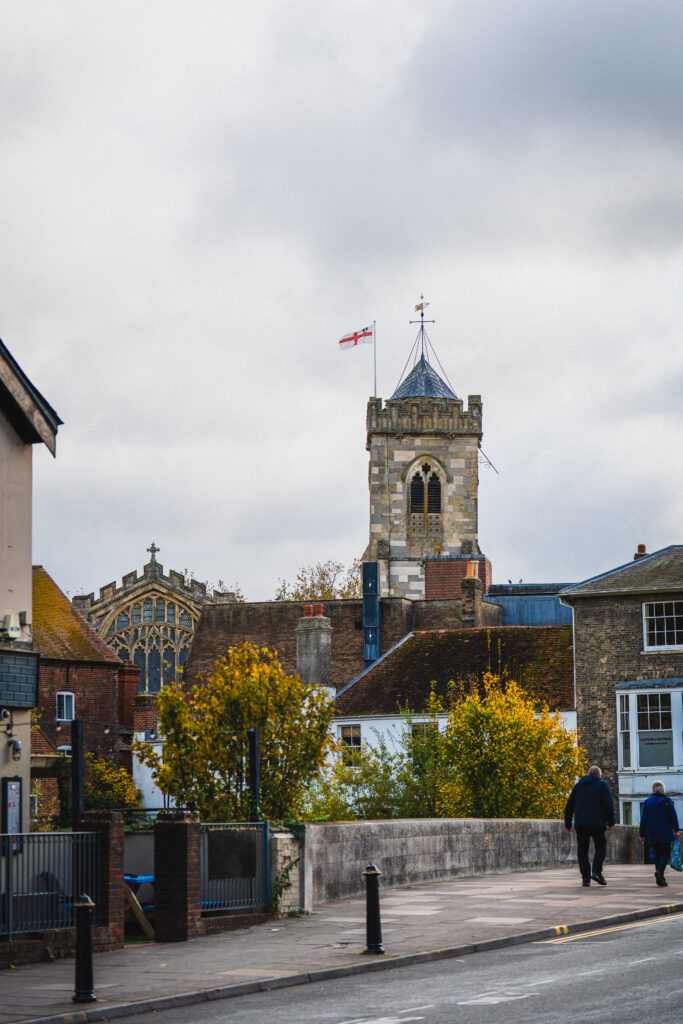
Another monument, found along Fisherton Street, is the Salisbury Clock Tower. A love letter to his late wife, the monument was funded by Dr John Roberts in the 1890s, it was built as a memorial for his first wife, Arabella, who died that same year. Essentially, Dr Roberts told the city council that if they could find a location, he would pay for it.
Church of St Thomas
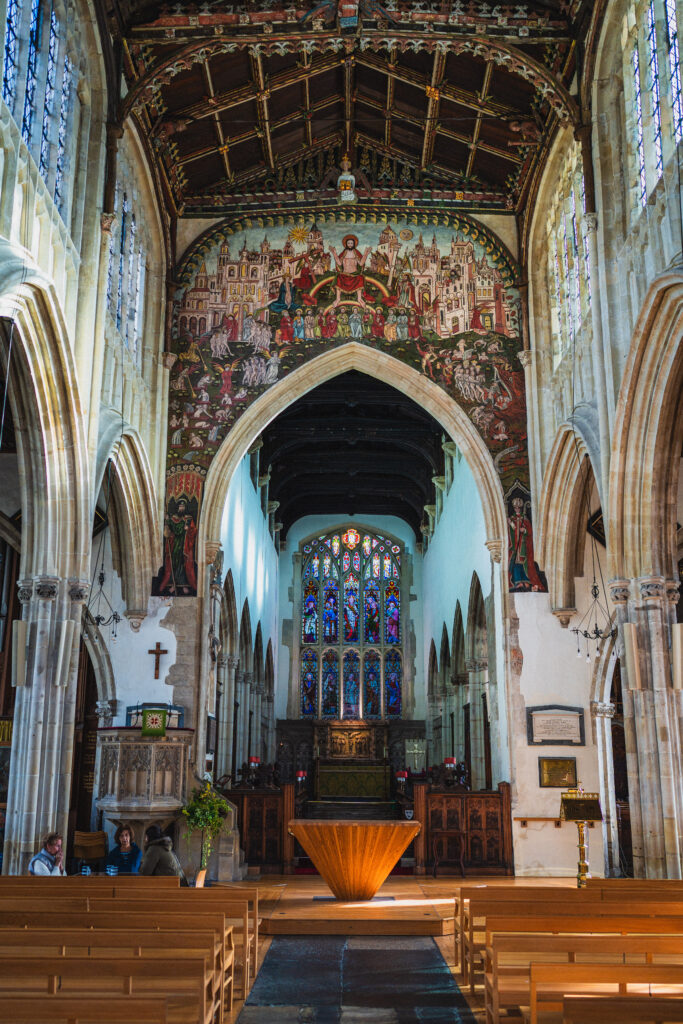
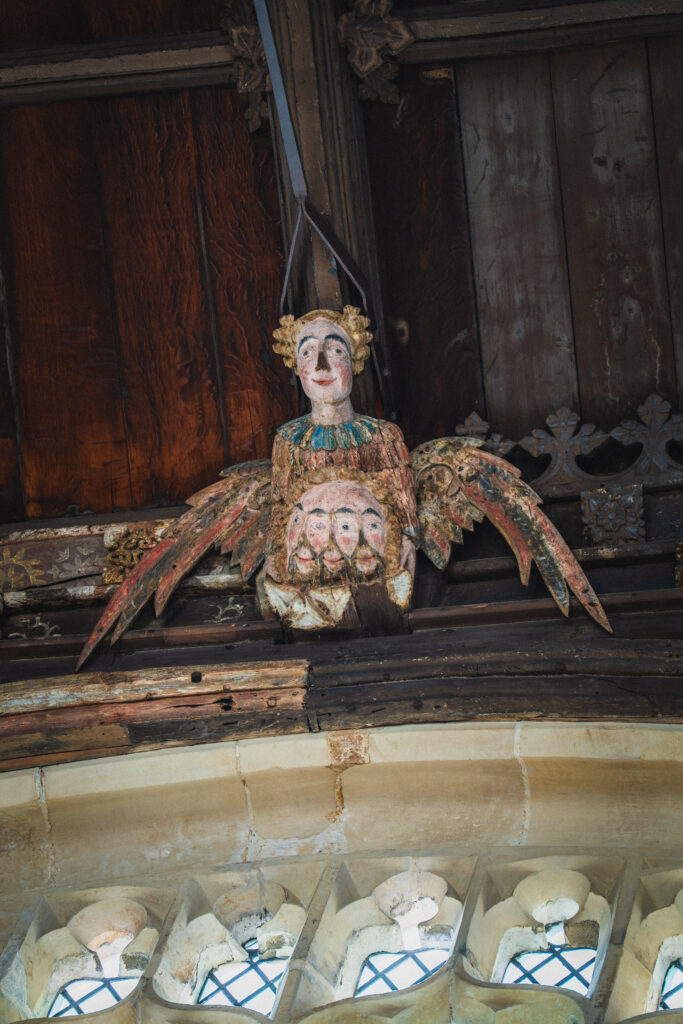
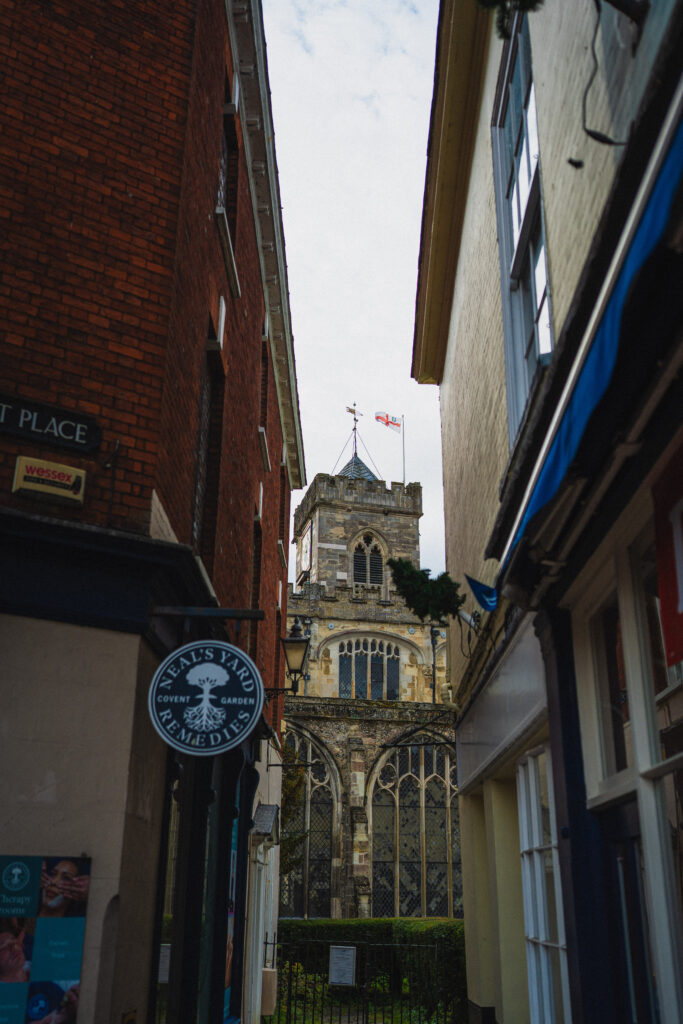
A hidden gem worth visiting in Salisbury is the Church of St. Thomas, a majestic parish church found in the city centre. The church was constructed during the 15th century on the site of a medieval chapel. And, it’s best known for its iconic doom painting that resides above the chancel archway.
Doom painting: a medieval religious mural, typically found in churches, that depicts the Last Judgement. The purpose of these paintings was to highlight the stark contrasts between the reward of Heaven and the agony of Hell so as to guide Christians away from misbehaviour and sin.
This particular doom painting was created between 1470 and 1500, making it the largest and most complex example of such a painting still surviving in the UK.
Poultry Cross
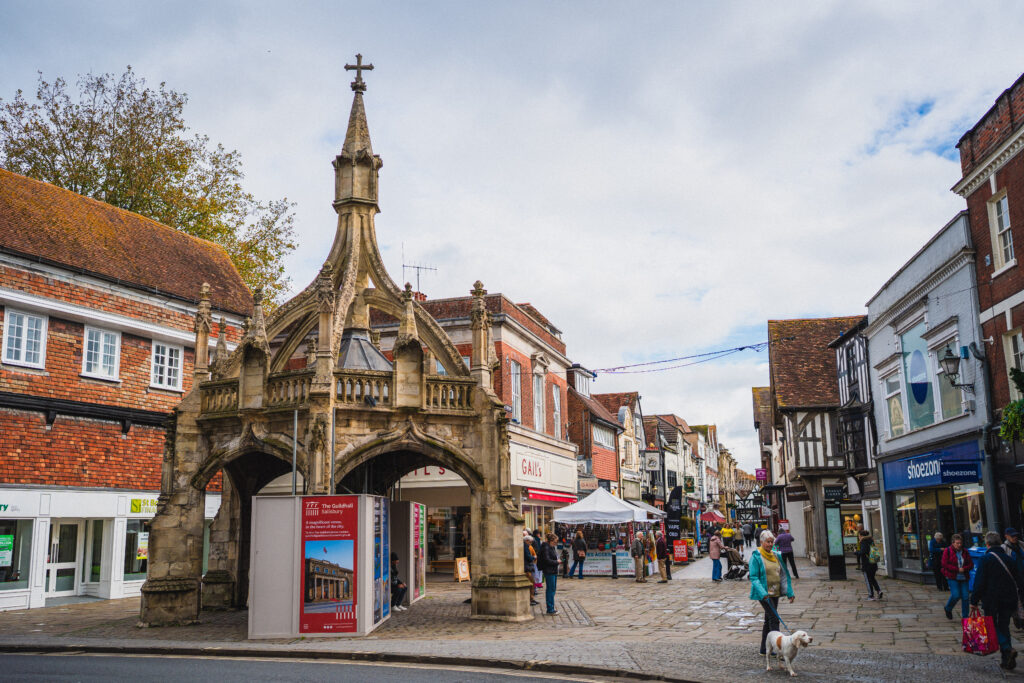
Next, head to Poultry Cross, where you can learn a little more about the settlements heritage. In 1227, Salisbury was granted a market charter. By 1307, was the first recorded mention of the Poultry Cross, the name of the striking stone monument found in the area.
Originally, Poultry Cross would have been a simple timber-framed structure, built to shelter poultry sellers from the wind and rain. The stone monument you see today likely dates from the 15th century, though it was heavily restored in the 19th century.
Old Sarum
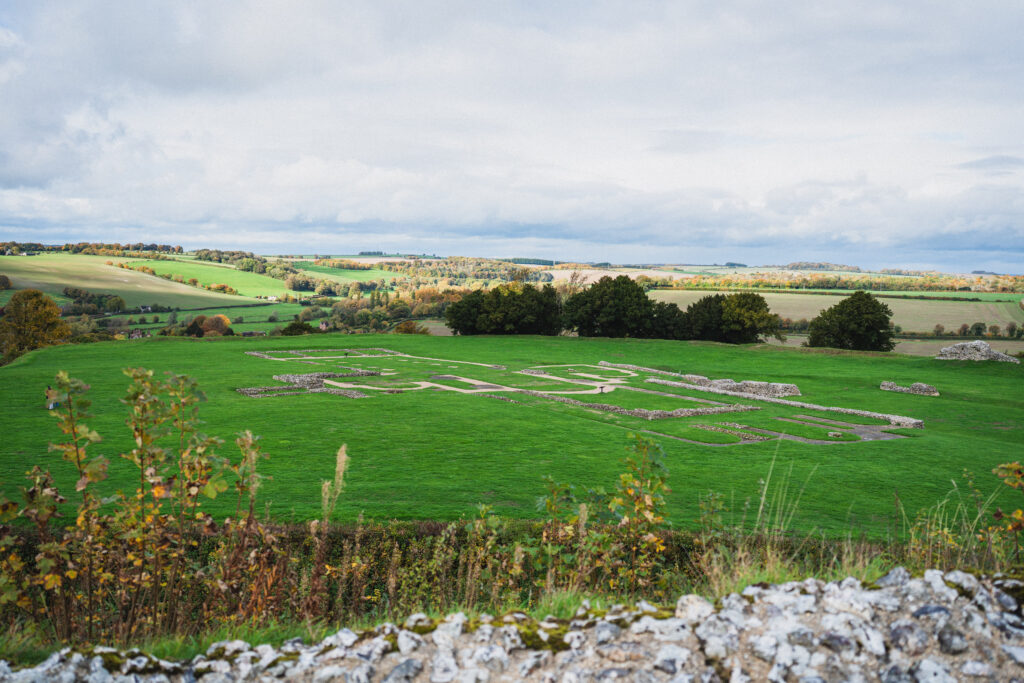
On a hill, around two miles north of the city, you’ll find Old Sarum. This Norman stronghold was built upon an ancient Iron Age hillfort. It later became home to a castle, cathedral, and royal palace, making it a key administrative and military centre during the Norman period.
Shortly after the Norman Conquest, William the Conqueror chose Old Sarum as his base. Within the ancient earthworks, which had already seen use by the Iron Age people, Romans, and Saxons, he ordered the construction of a castle, dividing it into two main sections.
At its heart stood the inner fortifications, the most secure area of the site. Just beyond that lay the first cathedral of Salisbury, which was built between 1075 and 1092. You can still trace its layout today, even though the structure itself has long disappeared. By the 1220s, relations between the castle’s occupants and the clergy had broken down, leading to the decision to move the cathedral to where it sits now, in the heart of Salisbury.
And so, over time, as conditions on the exposed hill became difficult, the rest of the settlement gradually moved to the new city of Salisbury in the 13th century, as we know it today. However, perhaps its greatest historical significance lies in the fact that this was the site where, in 1086, William the Conqueror summoned all the leading nobles and landowners of England to affirm their allegiance to him, firmly establishing his authority as the ruler of the realm.
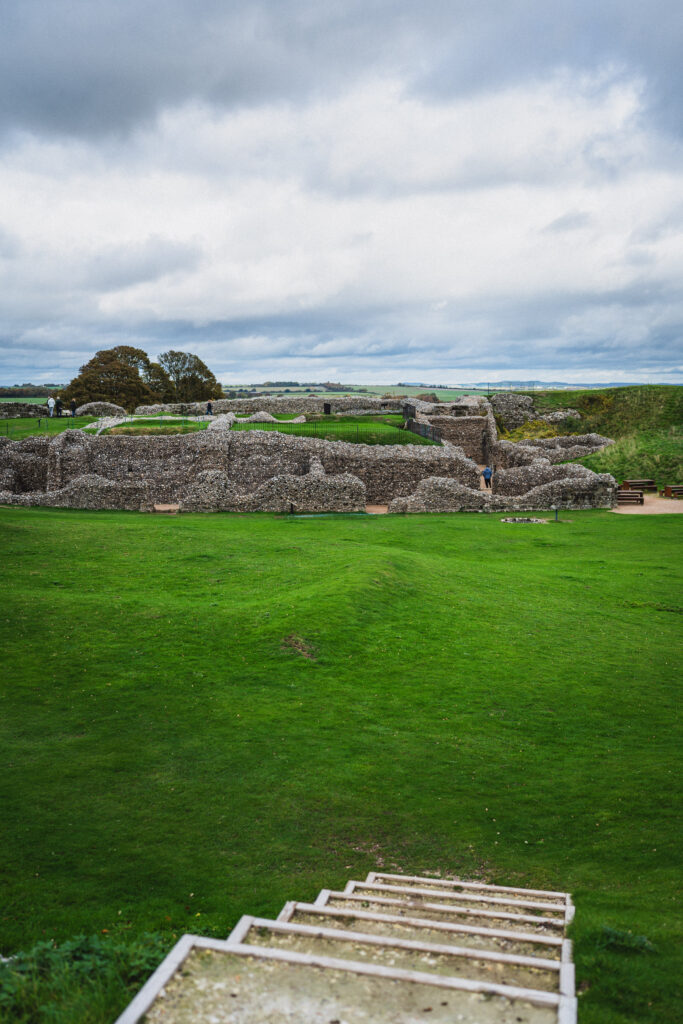
Today, Old Sarum lies in ruins, but you can still visit! It’s an English Heritage-owned site, so there’s a fee to visit, but it’s certainly worth it if you’re interested in learning more about the history of Salisbury.
As with many English Heritage sites, Old Sarum is very, very old (and as stated, mostly crumbling ruins). But luckily, as you wander around the site, you’ll find interpretation panels, complete with artists’ impressions showing what it once looked like and insights into its rich history.
The reason Old Sarum lies in ruins is tied to events in 1514, when it was declared unfit as a castle. Henry VIII later granted the land to Thomas Compton, who used it as a source of building materials; as a result, only a few walls remain standing.
Stonehenge
Stonehenge is a prehistoric monument, erected around 2,500 BCE on Salisbury Plain. Its purpose remains a mystery, though most historians agree it likely had a ceremonial or religious function.
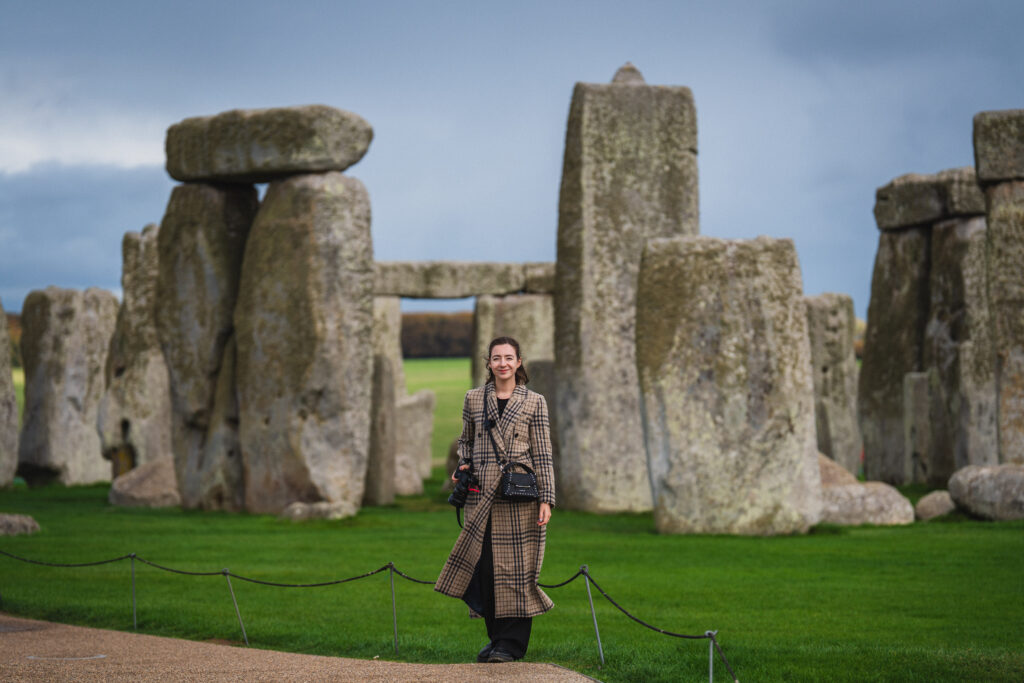
Today, it stands prominently on a hill, overlooking the surrounding landscape, and is one of the most visited sites in the UK. Considered one of the world’s most famous prehistoric monuments, this UNESCO World Heritage Site is a powerful symbol of ancient ingenuity and has inspired countless countless works of art, literature, and scientific inquiry. Plus, it’s been the backdrop for many films and TV series!
Visitors who pay for entry can get relatively close, although touching the stones is no longer permitted; the only exception to this is during the Midsummer Solstice, when you can approach them more freely.
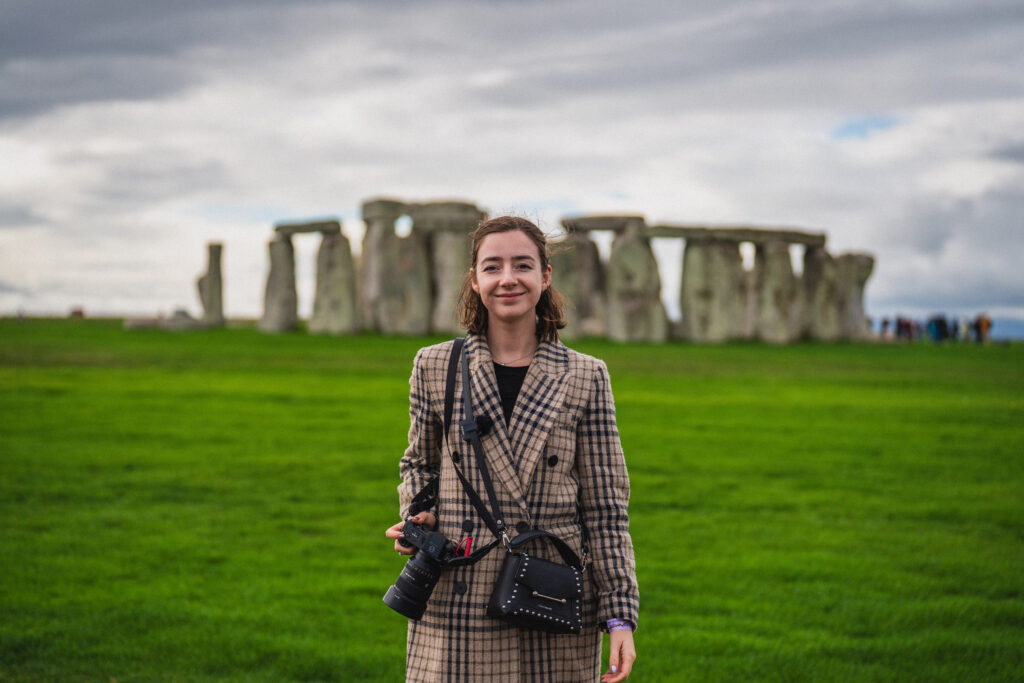
Your visit will begin at the visitor centre, where you can learn all about Stonehenge and the wider cultural landscape. The centre also gives a glimpse of how people would have lived thousands of years ago, with reconstructions of ancient huts.
Although no one is quite sure why Stonehenge was built, the monument itself is a circle of standing stones, with smaller bluestones transported from Wales, over 150 miles away. Considering this was achieved without modern machinery, it remains an impressive feat of engineering, and historians still debate exactly how it was done.
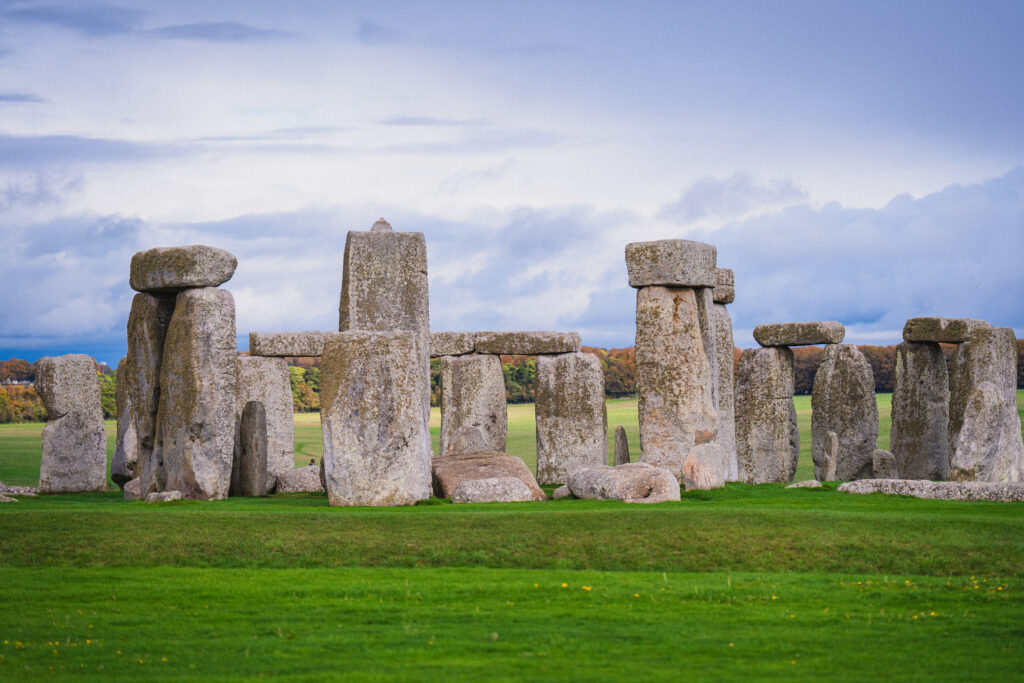
Even before Stonehenge was constructed, the area was used for burials. Around Salisbury Plain, you’ll find tumuli and barrows, which once served as burial mounds. One of the most striking stones you can get close to is the Heel Stone, a massive sarsen stone weighing over 36 tons and it is aligned with the summer solstice sunrise.
One of the largest stones that you can get really close to is the heel stone. This single large sars stone weighs more than 36 tons and is aligned to the summer solstice sunrise.
However, it’s worth noting that (depending on your interests, of course) visiting Stonehenge might not feel completely worth it? After all, entry these days costs £28 per person, which can feel steep unless you’re a National Trust or English Heritage member. The experience can feel somewhat like a theme park, with visitors shuffled in and out, and a large gift shop at the exit selling more merchandise than you might expect.
That being said, visiting Stonehenge during the summer solstice is completely free (though there’s a parking charge), and overall, this spiritual, communal, and celebratory atmosphere is said to be well worth it! Do bear in mind, thousands attend this event.
Imber (The Abandoned Village)
If you have more time while in the Salisbury area (and happen to visit on one of the rare dates when entry is allowed) then I recommend a trip to this abandoned settlement. Once, Imber was a thriving village, home to generations of families who lived and worked on the same land for decades.
However, that all changed in 1943, when villagers received a letter instructing them to pack up and leave. With D-Day swiftly approaching, the army needed a secure space to train, and Imber’s remote location, cut off from the wider world, made it the ideal spot for military exercises, particularly for American Allied troops. The villagers were promised they could return after the war, yet this promise was never fulfilled.


Enjoyed reading our guide to Stonehenge, Salisbury & Old Sarum? Pin this article now, and read it again later:




As a Salisbury resident, I just want to say ‘well done’ on an informative journey through my home city. I even learnt one or two things myself! Your photos are fabulous – in spite of the dull weather. I might add, a visit to Elizabeth Gardens and a short walk along the Town Path across the water meadows to the Old Mill pub, sited over the river, is to be recommended. On the way you can see the view of the Cathedral made famous by Constable!