Let’s Talk About Regenerative Tourism
Last Updated on 26th June 2025 by Sophie Nadeau
This post may contain affiliate links. Please check out my privacy policy and disclosure for more information.
After a recent trip to London’s World Travel Market, I was fortunate to listen in on some interesting discussions about the future of travel and how tourism boards are planning to manage overtourism. One standout term used was ‘regenerative tourism’, considering both our social and environmental impact we make when crossing between borders. In this guide we’ll talk about regenerative tourism, the future of travel, and what we can do as individuals to collectively make a difference.

Contents
What is regenerative tourism?
Regenerative tourism or regenerative travel is an approach to travelling under the umbrella of ‘sustainable travel’ that seeks to essentially leave a destination better than it was found.
regenerate : to bring new and more vigorous life to (an area, industry, institution, etc.); revive, especially in economic terms.“the money will be used to regenerate the heart of the town”
The main goal of regenerative tourism, as its title suggests, is to revive a destination, connect people and cultures, and boost places visited positively. It’s an act of restoring, replenishing and renewing the local community and environment. This will in turn, transform the way we explore the world and hopefully lead to a lighter future of travel and tourism overall.

Is overtourism a problem?
You probably see the term ‘overtourism’ used pretty regularly nowadays because, yes, it is a problem. While the negative effects are seen to a more extreme level in our current world, the problem has been ongoing for centuries. In fact, it’s believed that the first reports of overtourism were recorded in Brighton, England sometime in the 1820s.
It’s true that many destinations rely on and often invite tourism, but when the pressure is far too high for businesses that expect a certain amount of visitors each season, this can cause a whole load of complications.
Overtourism threatens to diminish cultures and traditions that give a destination its unique character and life. The threat of pollution, littering, and general disregard for the environment is equally a huge concern when too many visitors flock to one location at one time.
Palma de Mallorca is a recent example of a city where public services have been pushed to the breaking point and natural resources harmed. A record 17.8 million visitors to the Balearic Islands was recorded in 2023, with numbers expected to be higher this year. In protest, we’ve seen resident fighting back with hopes to deter people from visiting as the situation is getting out of hand.
While we certainly have our individual role to play in travelling more mindfully, big brands and the travel industry have an even bigger part in managing tourism flows and encouraging people to travel more responsibly.
How can the travel industry help to solve overtourism?
- Extend seasons – This has been on the agenda for a while now. The travel industry can’t physically change the weather, but introducing seasonal packages and promoting visits outside of the typical tourist season is an option.
- Spread tourism geographically – Encouraging visitors to explore lesser-known areas and spread crowds out.
- Introduce more tickets & tariffs – At the meeting, there was talk of introducing tickets on beaches, meaning that the spontaneity of visiting public spaces could be taken away. Higher tariffs are already being seen in areas, however, this doesn’t necessarily solve anything but rather creates a further gap between accessibility.
- Strengthen public policy – Each government needs to properly prepare and plan for the influx of visitors and how their inhabitants will be looked after.
- Limit visitors – Sadly, it might come to there being a capacity limit. A first come first serve basis could be a possibility, but this leaves a lot open to inequality in how this is decided.
- Using AI & technology to collect data – This was something briefly mentioned in the conference, discussing how installing cameras to monitor and collect data of tourists will be used to inform how decisions can be made to spread tourists out within a destination.
One particular theme I noticed while listening in on the discussions of combatting overtourism was that many companies have previously tried to flatten the curve, but few have been trying to provide actual solutions to the problem.
I’m very aware it’s much easier said than done. But perhaps this is why we have a greater responsibility collectively to do better ourselves.
What is the difference between sustainable and regenerative tourism?
Gone are the days when the buzzword of the moment, “sustainability”, is thrown out to make you feel better about your travels. Indeed, when done correctly, it’s vital to ensure balance as we travel. However, a lot of companies have started greenwashing, a term used when business’ seem more sustainable or eco-conscious than they truly are.
So, what’s the difference between sustainable and regenerative tourism? To put simply, sustainable tourism aims to make as little environmental impact as possible when travelling to a destination. Regenerative tourism aims to enrich a location through engaging with local communities, educating travellers of different customs and traditions, while also caring for environmental concerns.
In summary, Regenerative tourism is a step up from sustainable travel; it encourages people to travel responsibly, to think about their social impact as well as their environmental impact.

Ways to travel better
Sophie tapped into this corner of the internet over a decade ago now, and today, we are a small team of three who provide insightful travel guides and documentary-style videos, with the hopes that you too in some way can travel with us. Now, more than ever, we recognise it’s important to speak up about the importance of how to travel better.
A little goes a long way, and all that we can do as individuals will help towards travelling better collectively and resolving some of the current issues we face in travel. Here are just some of the things you should consider when crossing between borders.
Shifting your season
As mentioned, the travel industry is encouraging a shift in travel seasons to promote the spread of tourism at any one time. The weather is undoubtedly one of the biggest draws for many, and while we can’t change that, there are many advantages to travelling in the shoulder season.
Often the cost of travel and accommodation is lower, there are fewer crowds so you can enjoy the place more, and the temperatures are that bit more bearable for outdoor activities.
Travelling too far out of season does come with its disadvantages: some businesses may not be open, and the weather conditions are less predictable. That being said, one of the joys of travel is spontaneity, after all.
As of 2024, travel companies have reported an increase in travelling during March and early May and September to October (shoulder seasons). This shift in travel trend is partly due to soaring temperatures from climate change. But, it’s good news for the spread of tourists over the year generally.

Visit off-the-beaten-path destinations
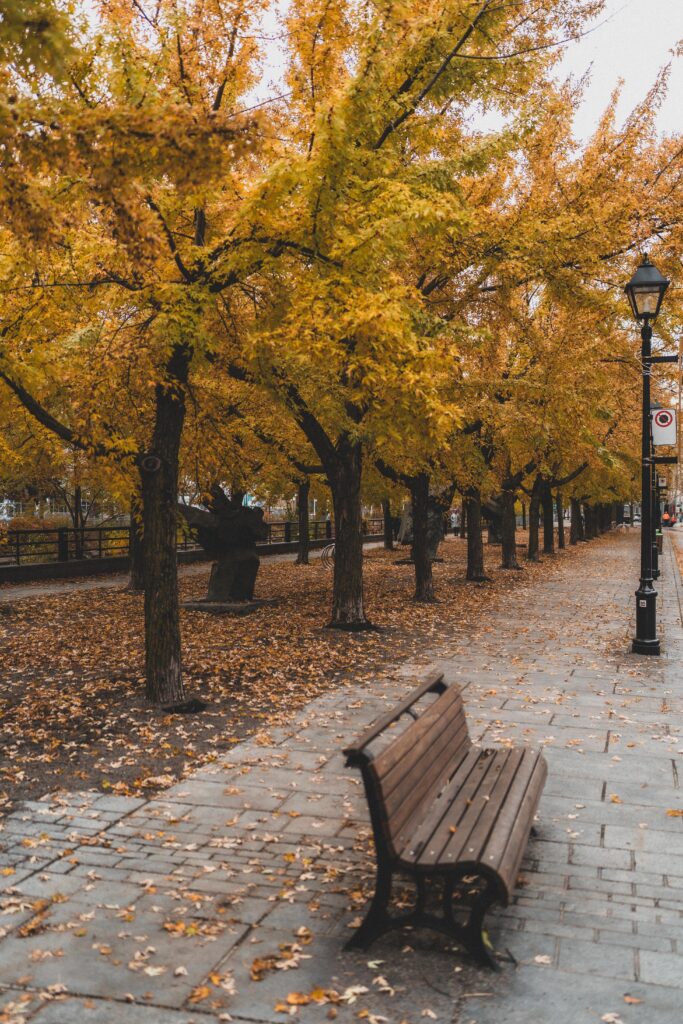
Seek out different destinations that aren’t known as being overwhelmed by the pressure of visitors. And, this doesn’t necessarily mean you have to miss out on experiences you want to have. Consider looking at areas which offer a similar vibe to that of which interests you to visit.
For example, Cinque Terre is often much quieter than that of the Amalfi Coast, but more or less has a lot of similar qualities in its culture and activities to be enjoyed.
Another idea is to travel locally. We often forget to visit destinations on our doorstep because for many of us ‘holiday’ refers to going from one border to another. However, you might find yourself surprised by how little you have seen and experienced of your home country.

Slow travel
Slow travel is a growing trend amongst travellers wherein ‘quality above quantity’ is the main focus and staying in one place for longer. This practice of leaving as shallow a footprint as possible on foreign soil is not only a cheaper alternative but can allow for a deeper experience and connection to the visited destination.
Time isn’t on everyone’s side, and sometimes, when travel is an opportunity, it can be hard to resist seeing as many corners of the world as possible. However, spending time in one place for a long time allows for a whole new understanding of what it means to truly travel.

Invest in local businesses
The “Shop Local!” movement has its roots way back when the USA started with the expansion of railways into smaller cities. There are so many reasons why, when possible, you should try to shop local. It supports the local economy, encourages community and in turn benefits the environment.
- Shopping for souvenirs – The very reason we purchase souvenirs tends to be for memory and out of appreciation for somewhere we’ve fallen in love with. While it has to be said purchasing local souvenirs (often hand-crafted) is more expensive, it means you are truly taking a piece of the place home with you rather than some mass produced plastic item which was definitely imported and could be from anywhere.
- Eating out – Many people put forward the argument that eating out at small restaurants is more expensive, but this is rarely the case. Not only that, but you will find that the food served at small local run eateries is traditional, homemade and simply delicious!
- Booking accommodation – Invest in local hotels, and if booking through Airbnb, do your research. We often use Airbnb when in further remote areas but always look for small accommodation which is often connected to a family’s home or something similar. When visiting a destination with a housing crisis you should always look to book into a hotel, and independently owned is better (plus tends to have more charm than that of the big chain companies anyway!)
As a general rule of thumb, I suggest avoiding large chain businesses when possible; not only are you likely to have an overall better experience, but you are contributing to the very place you want to remember.
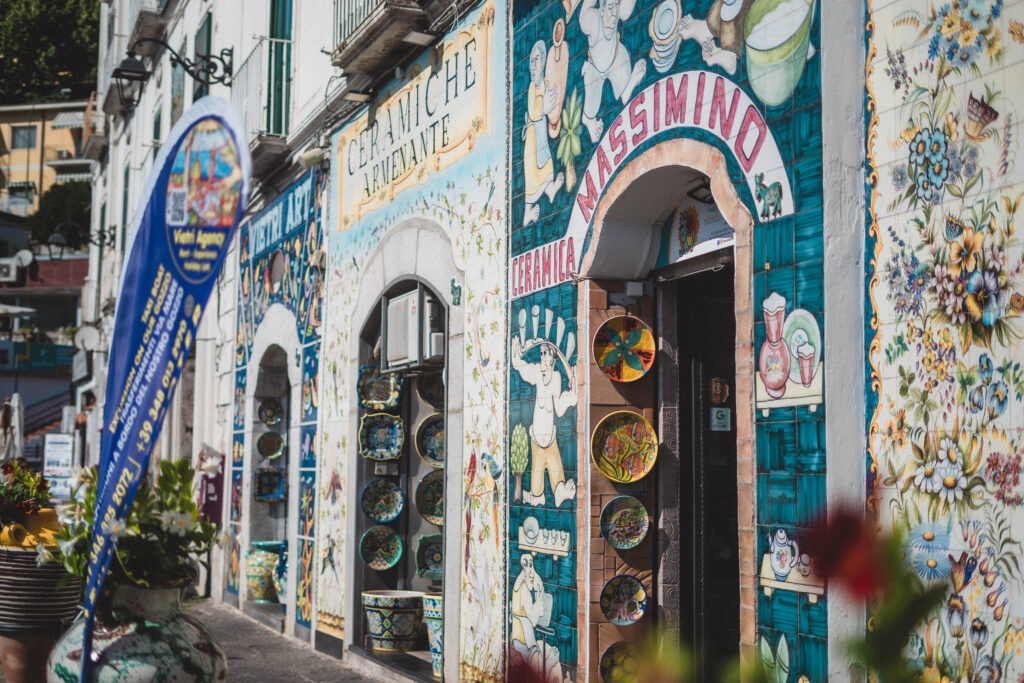

Engage with communities
Regenerative travel is about giving back to the places you visit. However, you can also take away much more than you realise. Travelling is as much about experience as it is connection, and it’s just as important to engage with locals as it is to see the destination. After all, without people there is no place.
Whether it’s having an interaction over a purchase at a market, learning about local traditions, or simply looking up a few phrases in the spoken language, all of these small changes to how you travel not only elevate your experience but give back to the places you’ve been fortunate to visit.
Travel by rail
Aside from walking or cycling, travelling by train is the most ecologically friendly option when it comes to globetrotting. Unfortunately, this isn’t always possible, nor is it always the most cost-friendly. However, trains emit 66-75% less carbon emissions than other forms of transportation, so when possible travelling by rail is best.

What is undertourism?
Undertourism is the opposite phenomenon that also threatens local communities as it leads to a lack of opportunity. While undertourism may not be the worst thing for the environment to recover, the social impact on people can be detrimental.
Without a steady flow of tourism, there are fewer jobs for people and less money pumped into the local economy. Things that can lead to undertourism include natural disasters, civil unrest and, as we saw in recent times, the Covid-19 pandemic.
A final note
So, you might be wondering, at this point, where on earth do we go from here?!
As someone who’s part of a team where travel has become our livelihood, it almost feels hypocritical to be writing on this topic. However, if travel is possible this isn’t to deter you at all, it’s simply to encourage more mindful travel and awareness that the choices you make have effect and impact on every place you visit.
It can be overwhelming to think about and it’s not to say that everything can be fixed in one day, but, if research is done correctly before visiting the destinations and making sure we travel with all of the above in mind, then hopefully a collective effort can bring back some kind of balance to the world of tourism and travel.



Enjoyed reading our guide on regenerative travel? Pin this article now, and read it again later: