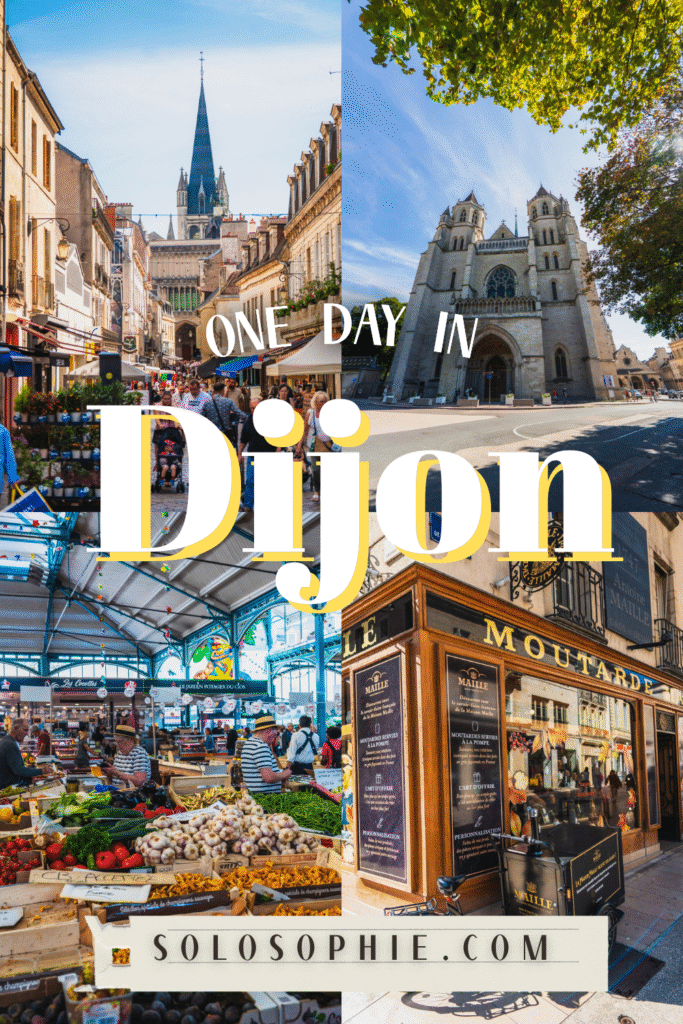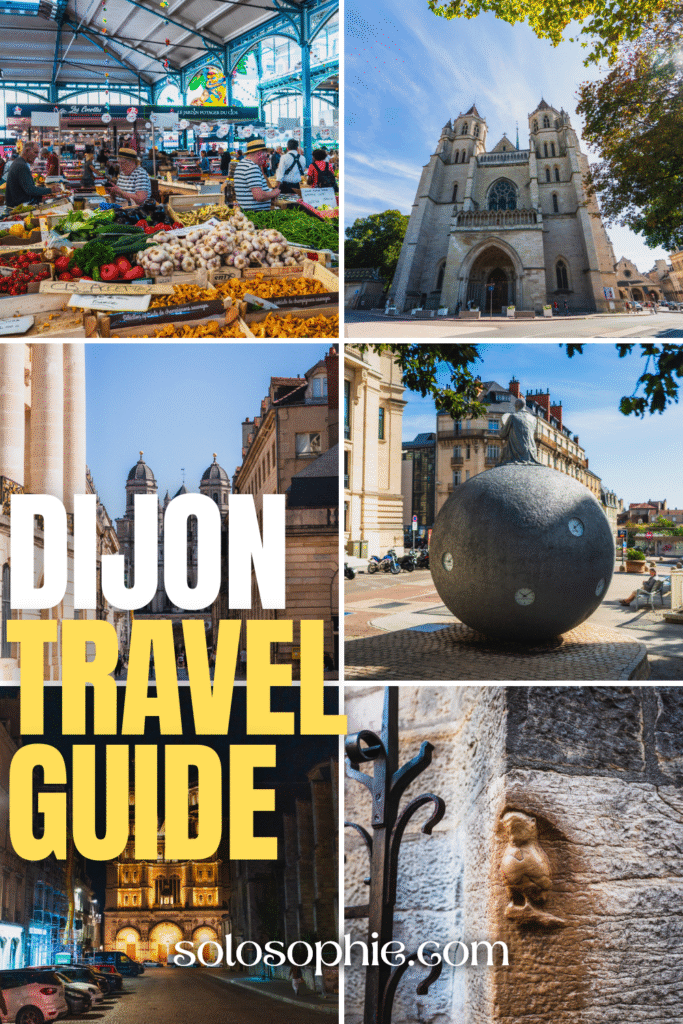
One Day in Dijon: A Perfect Itinerary for History, Mustard, and Wandering
Last Updated on 6th October 2025 by Charlotte Nadeau
This post may contain affiliate links. Please check out my privacy policy and disclosure for more information.
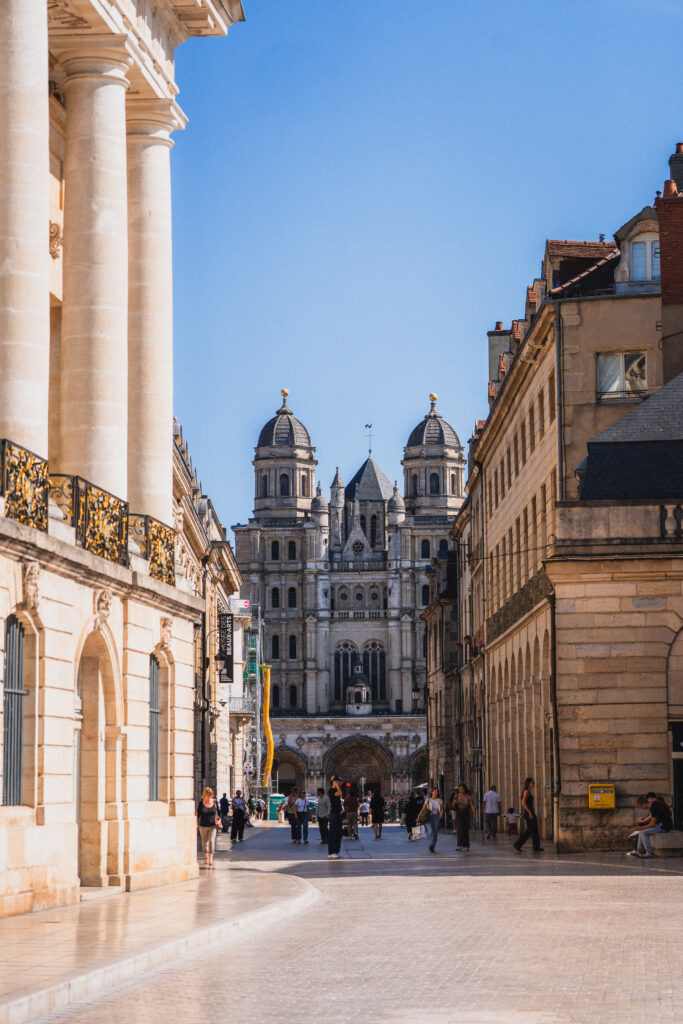
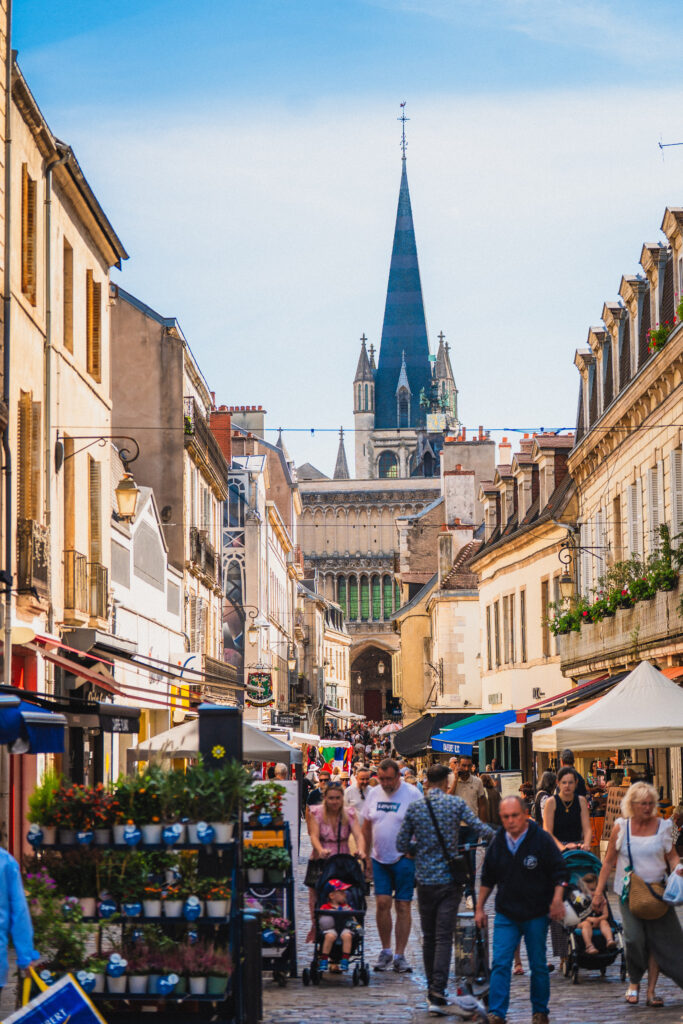
Dijon is the beating heart and capital of Burgundy. World-famous for its mustard, there’s so much to uncover in this mighty French city, from medieval palaces, a vibrant market hall, Gothic churches, and some of the country’s finest food and wine. So, whether you’re a history lover, a foodie, or just enjoy getting lost in charming old streets, here’s how to spend one perfect day in Dijon!
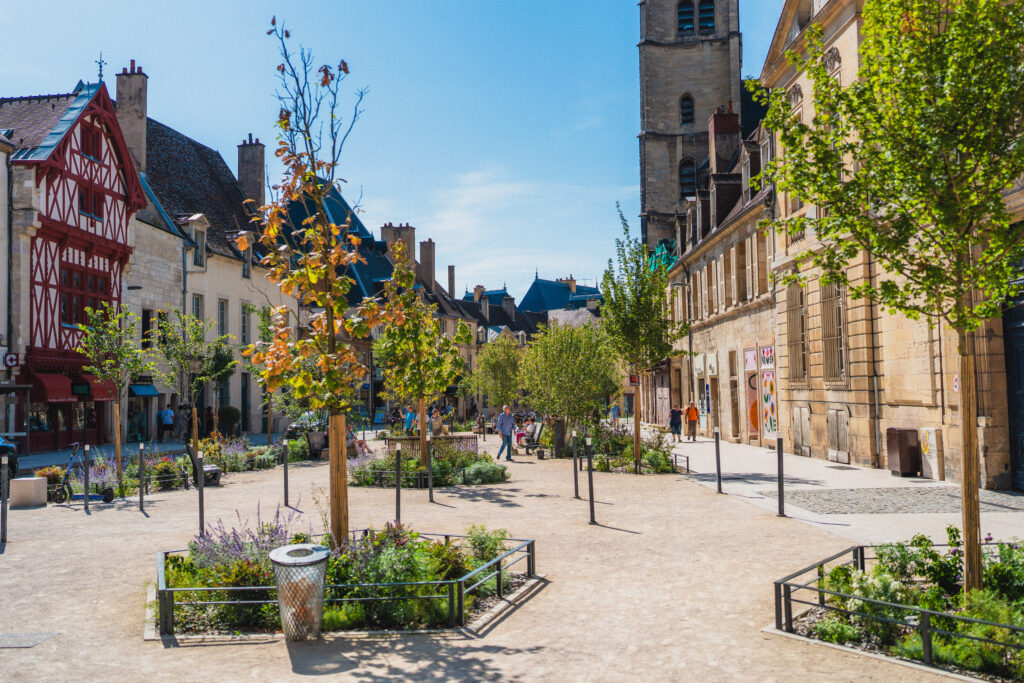
What is Dijon known for?
You’ve probably heard of Dijon mustard, and it likely won’t surprise you to learn that this famous condiment originates from the French city of Dijon itself. Indeed, it remains to be the city’s most notable export to this day!
But, Dijon is known for more than just its delicious mustard. Once the powerful capital of the Dukes of Burgundy, the city is brimming with medieval charm, grand architecture, and rich gastronomy. Here you can sample the renowned Burgundy wines, and hearty regional cuisine, or simply wander the cobbled streets and soak up Dijon’s blend of history, culture, and flavour.
How to spend one perfect day in Dijon
Breakfast at Café des Forges
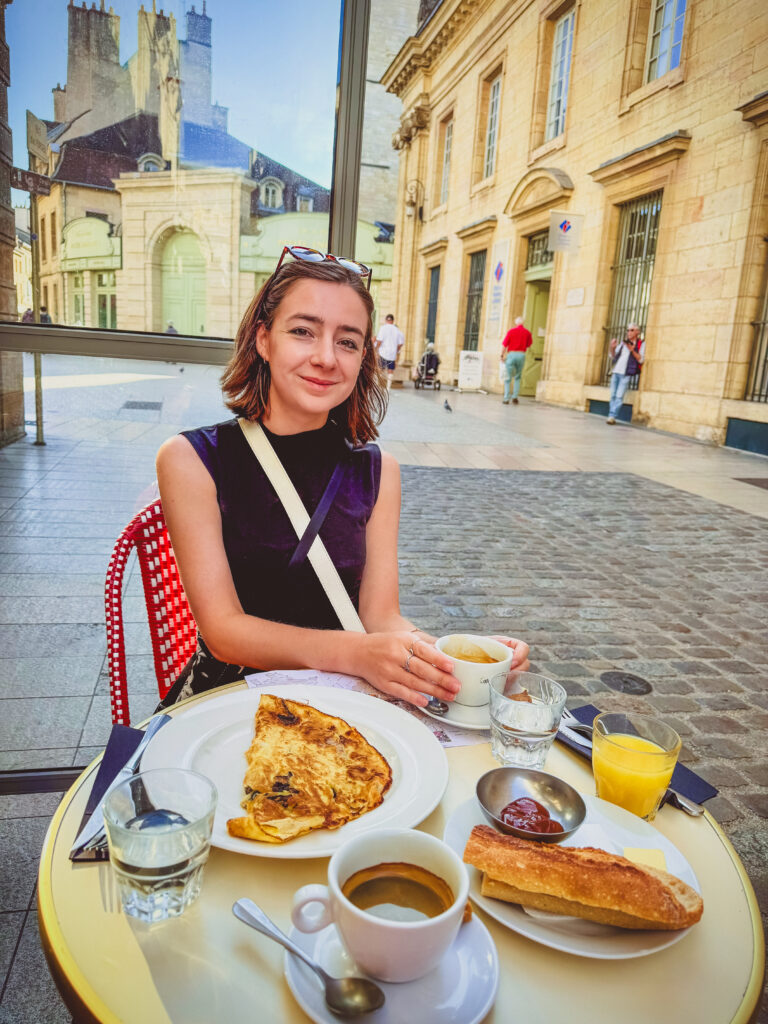
Start your day the French way with le petit-déjeuner at Café des Forges. This charming spot in the heart of the city serves classic French breakfast favourites like fluffy omelettes, crisp warm baguettes served with butter and jam, and plenty of coffee. Here, you can grab a table outside and soak up the city’s morning buzz and watch as locals head to work or the market.
Notre Dame Church
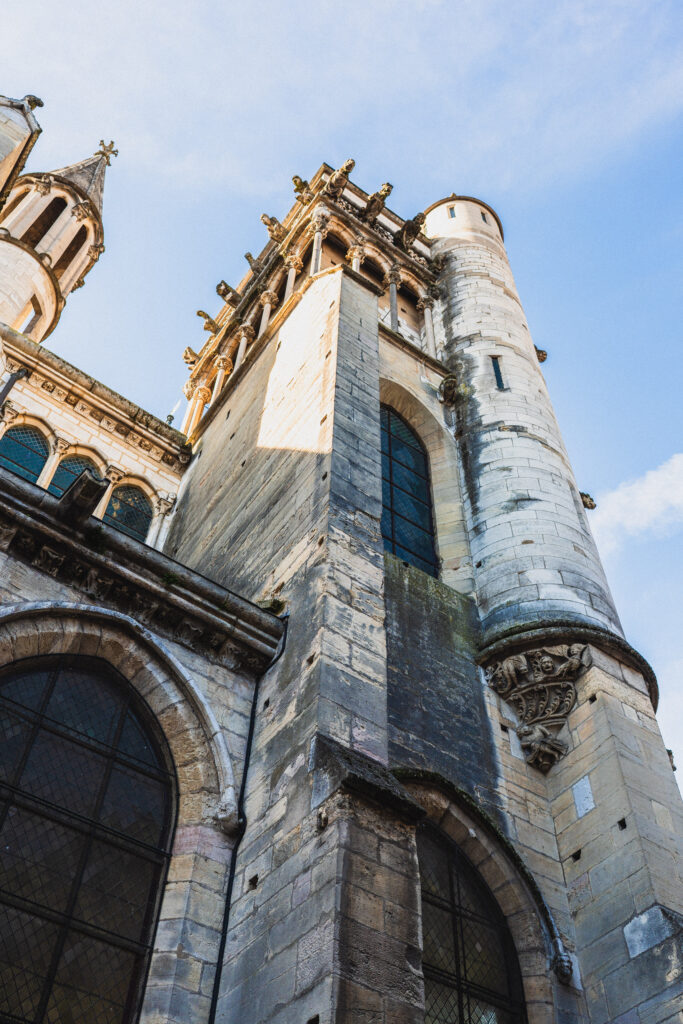
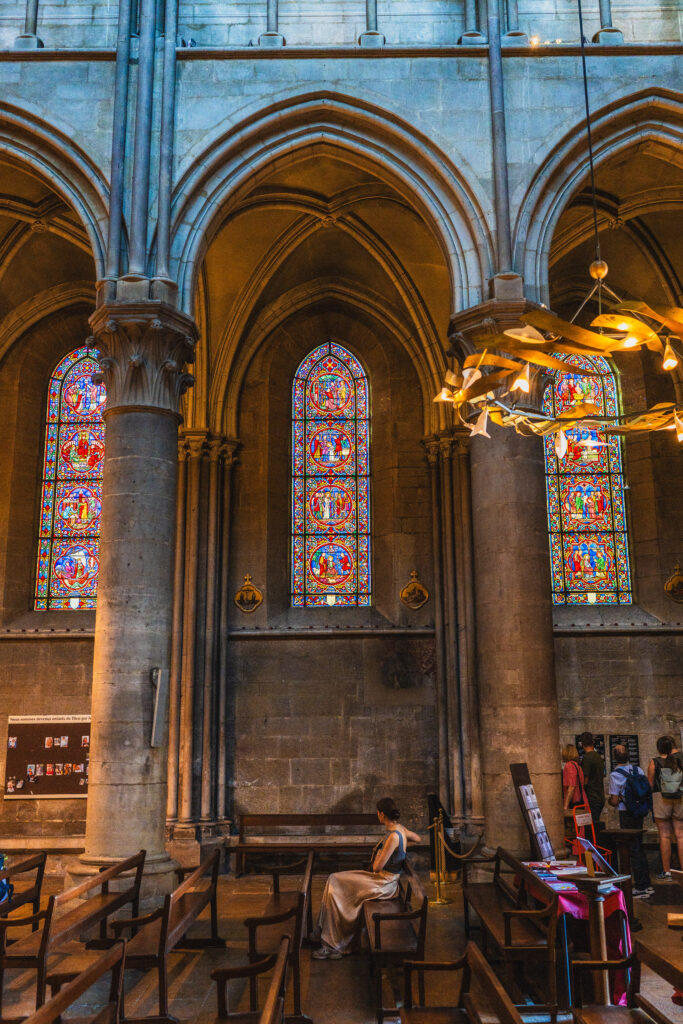
Your first history stop is Dijon’s oldest church, The Church of Our Lady, a stunning masterpiece of 13th-century Burgundian Gothic architecture that took 20 years to build (1230-1250). It’s completely free to enter (though donations are always welcomed) but refrain from visiting during service hours.
One of the things you’ll notice before entering is the extraordinary collection of gargoyles.The decorative stone creatures projecting from the walls portray dragons, monsters, and human-like figures. However, Dijon’s gargoyles are particularly famous because many were destroyed and replaced in the 19th century, giving them an odd mix of old and new personalities!
The church is home to the revered statue of Notre-Dame de Bon-Espoir, once known as the Black Madonna, a symbol that has watched over Dijon for centuries. Here, you’ll also find two of the city’s most beloved emblems: the jacquemart, a charming 14th-century automaton that strikes the church bell each hour, and the owl of Dijon, carved into the exterior stonework.
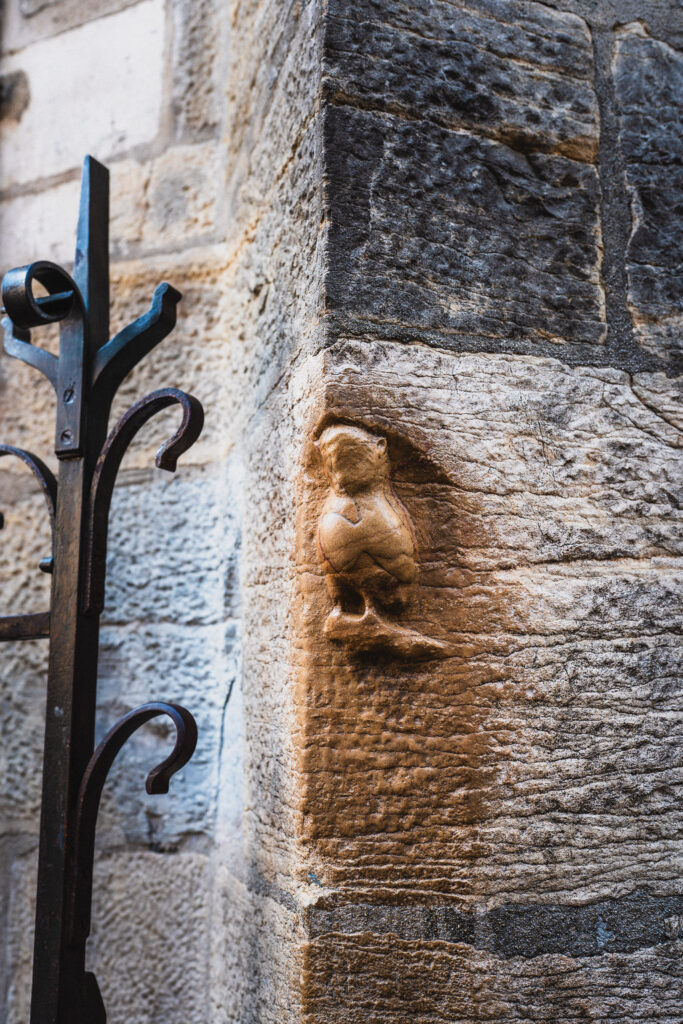
Chouette de Dijon
The Owl of Dijon is a beloved stone carving that can be found on the exterior of the Notre Dame Church. Interestingly, no one actually knows who carved this sculpture or why they made it, but one of the leading theories is that it was a symbol of the stone mason who carved the owl.
While its face has certainly seen better days, the small owl is less than a foot tall and has come to be an iconic symbol of the city. Indeed, legend says that rubbing the owl brings good fortune. But, be sure to use your left hand, as the “hand of the heart” is considered to be the best for making your wish come true!
Parcours de Chouette
The city has adopted the owl for its football club, and so has the tourism board. As such, one of Dijon’s most beloved experiences has to be that of the Parcours de la Chouette (Owl’s Trail), a self-guided walking route marked by little brass owl plaques set into the pavement. You can find a trail booklet at the tourist office or download the app to follow the owls through Dijon’s old town.
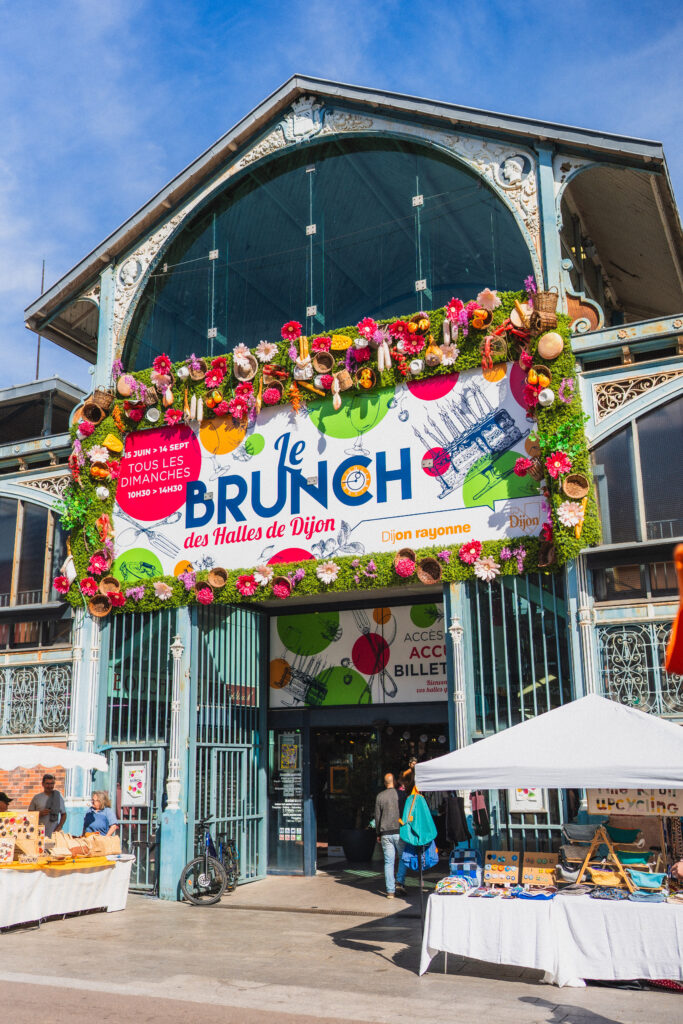
Halles de Dijon
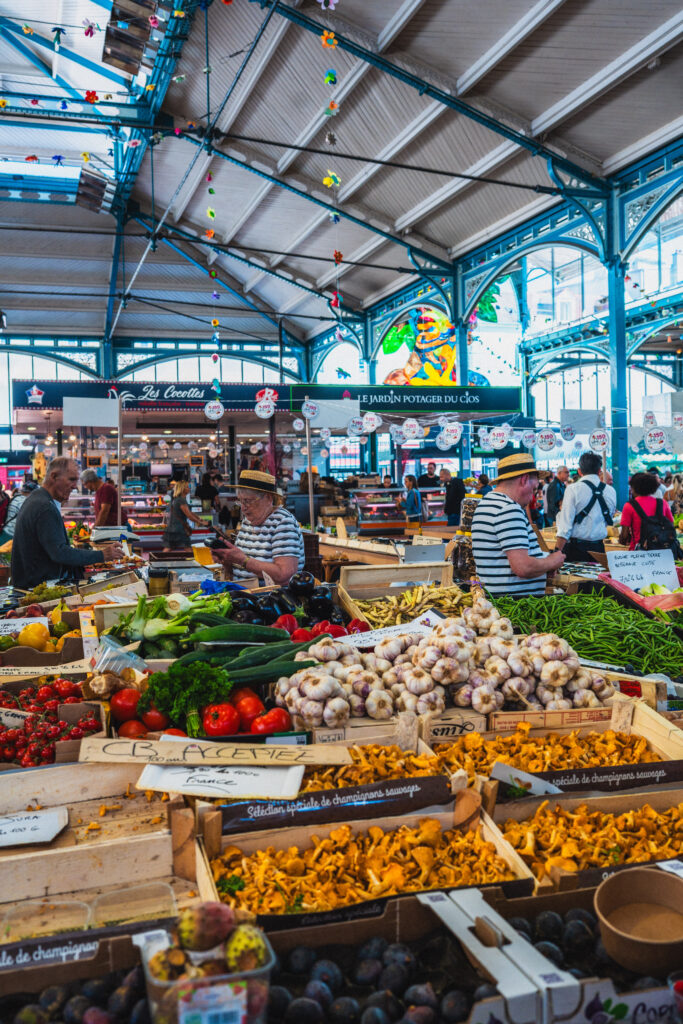
It wouldn’t be a trip to Dijon without indulging in local specialities. The city’s bustling covered market, Les Halles, was designed by none other than Gustave Eiffel himself! When the market is open it becomes a buzzing and vibrant hive of activity filled with tourists and locals alike, gathering stock of freshly baked baguettes, cured meats and plenty of smelly cheeses.
It’s easily one of the best places to people-watch in the city, and I highly recommend stopping at one of the stalls and having a small glass of Burgundy wine or a light snack to fully experience the market.
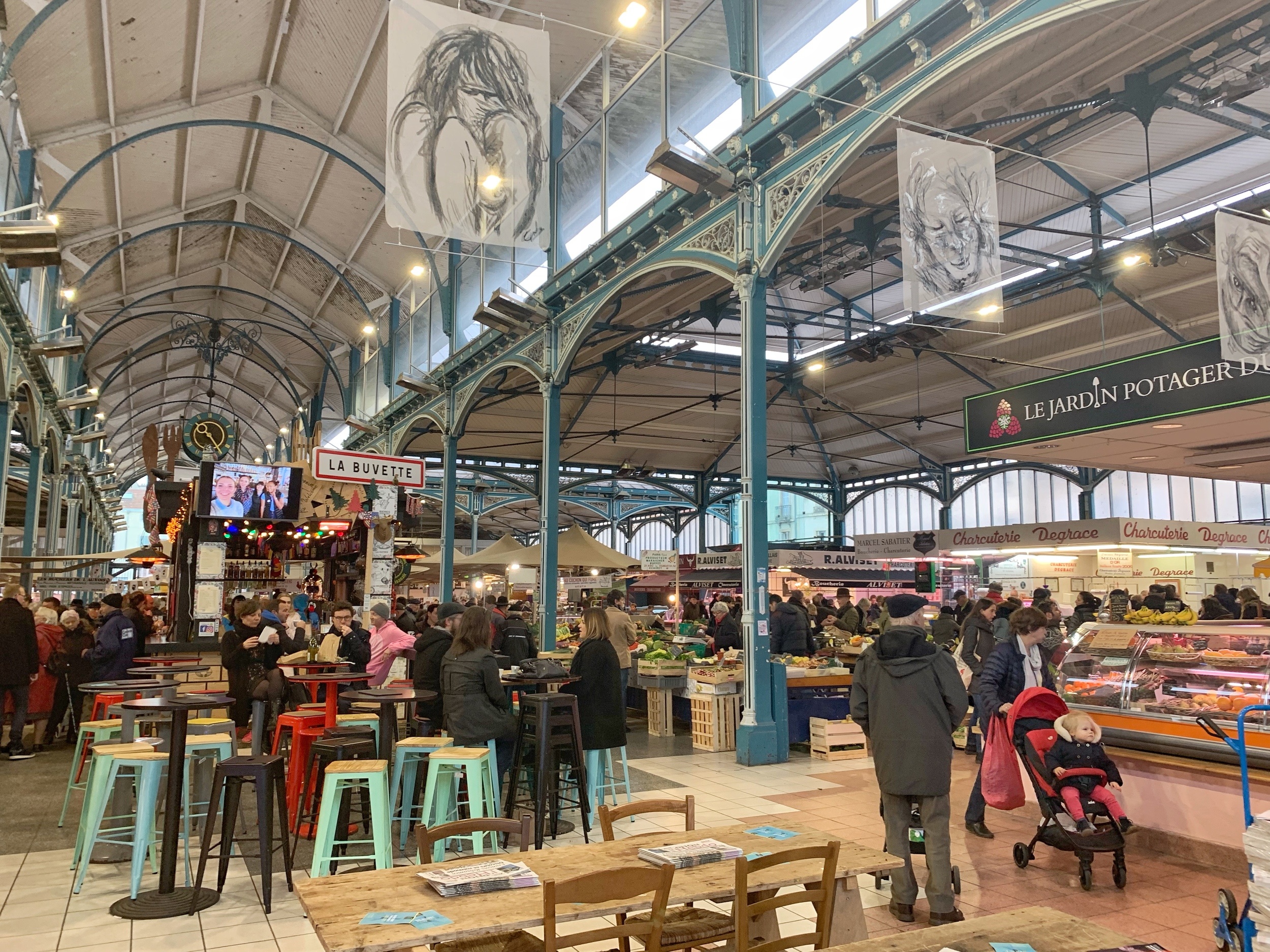
Opening hours: Tuesday, Thursday, Friday, and Saturday 7:30 AM – 1 PM.
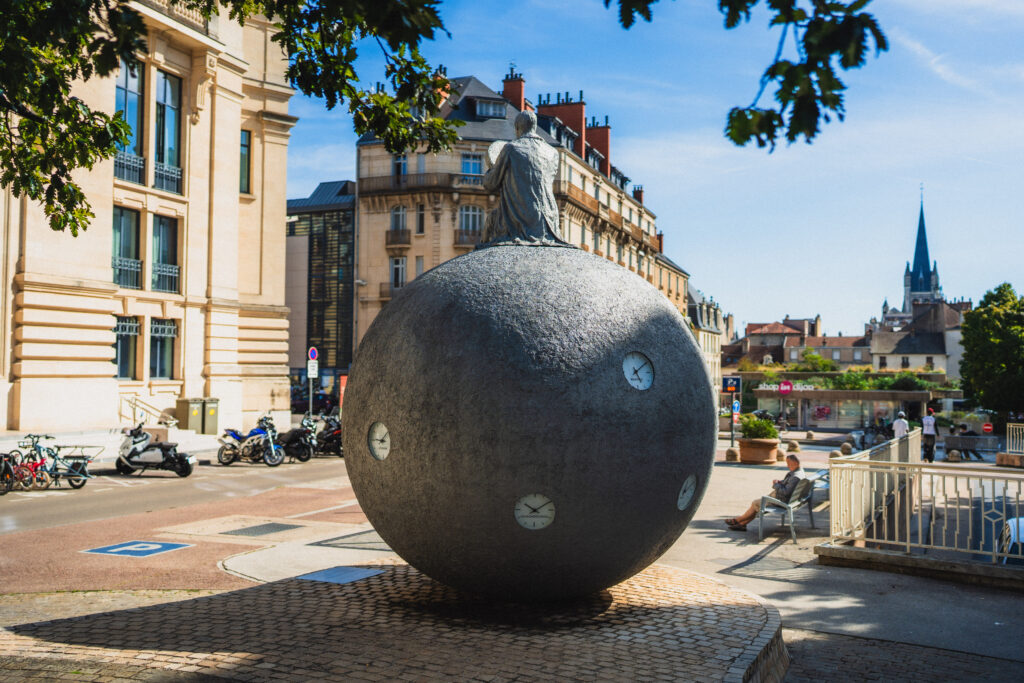
The Timekeeper
After the lively atmosphere of the market, head to Place Grangier, where you’ll find one of Dijon’s more modern and intriguing landmarks, silently ticking away. The Counter of Time (Le Compteur du Temps), is a striking sculpture by artist Gloria Friedmann. The large round metallic sphere is embedded with twelve clocks showing local times of different cities across the world, sat atop, is the time counter himself.
The message of this monument is to enjoy and use your time wisely. Plus, it makes for a cool photo opportunity and definitely stands in stark contrast to the city’s medieval streets and historic architecture that surround it.
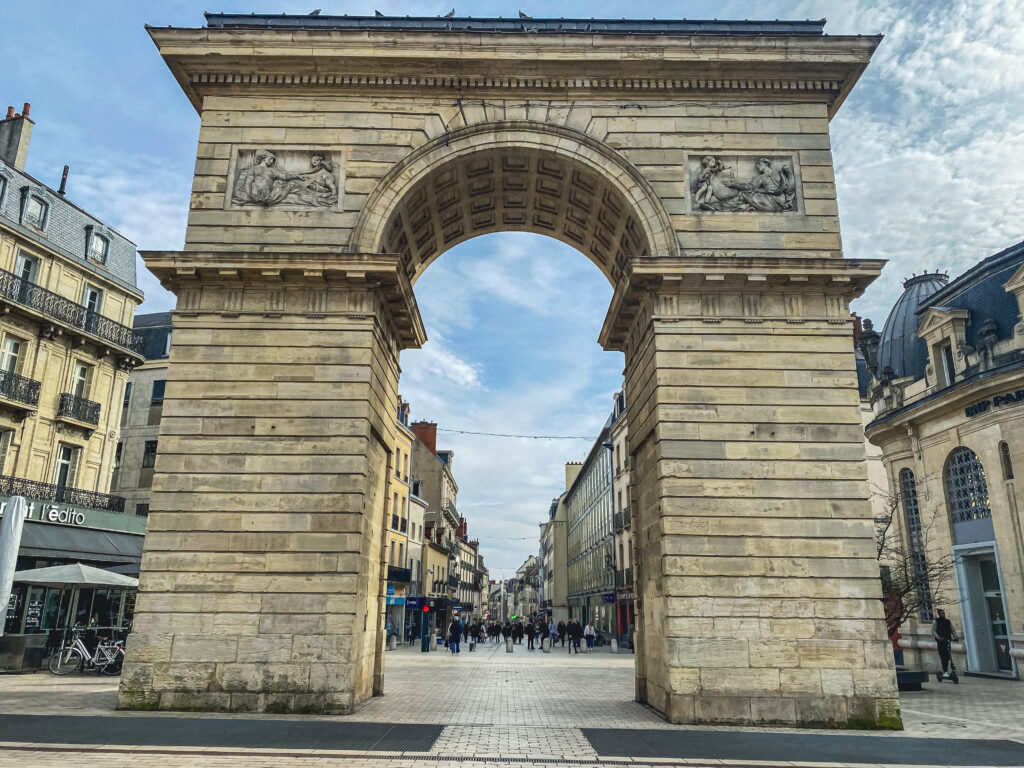
Porte Guillaume
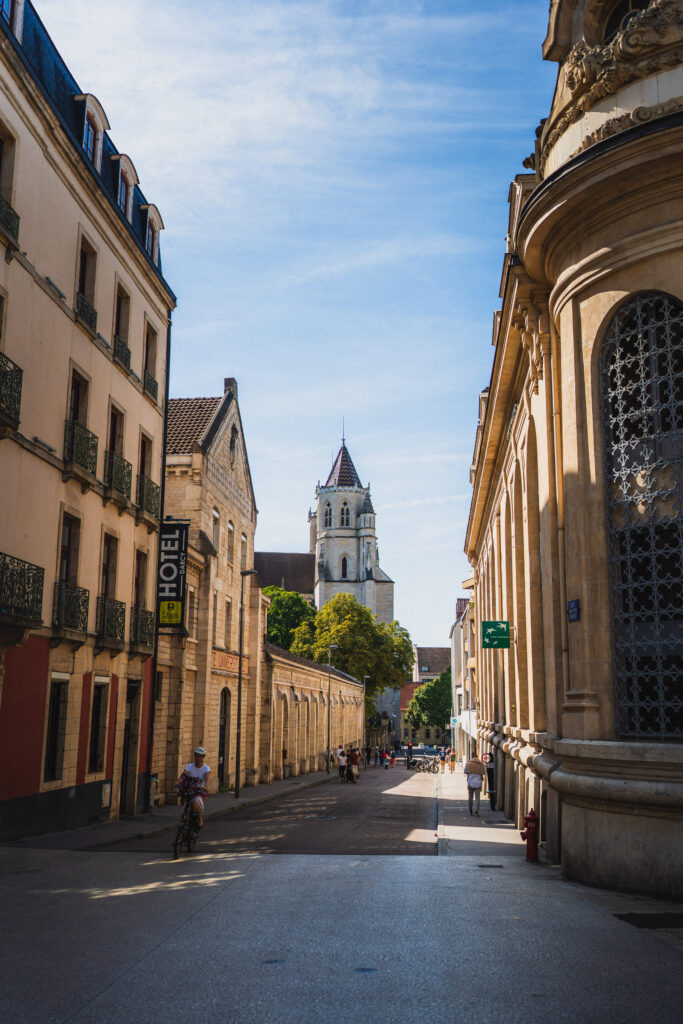
You may well recognise this arch as being very similar to that of the iconic Arc de Triomphe found in Paris. The grand archway is aptly nicknamed “the triumphal arch of Dijon,” and it can be found at the end of Dijon’s main shopping street, Rue de la Liberté, acting as a gateway to the city centre.
It was built in the early 18th century to honour Louis XV and was named so in honour of Guillaume de Volpiano, the abbot of the Abbey of Saint Bénigne. It actually replaced a former medieval city gate on site that dated back to the 11th century.
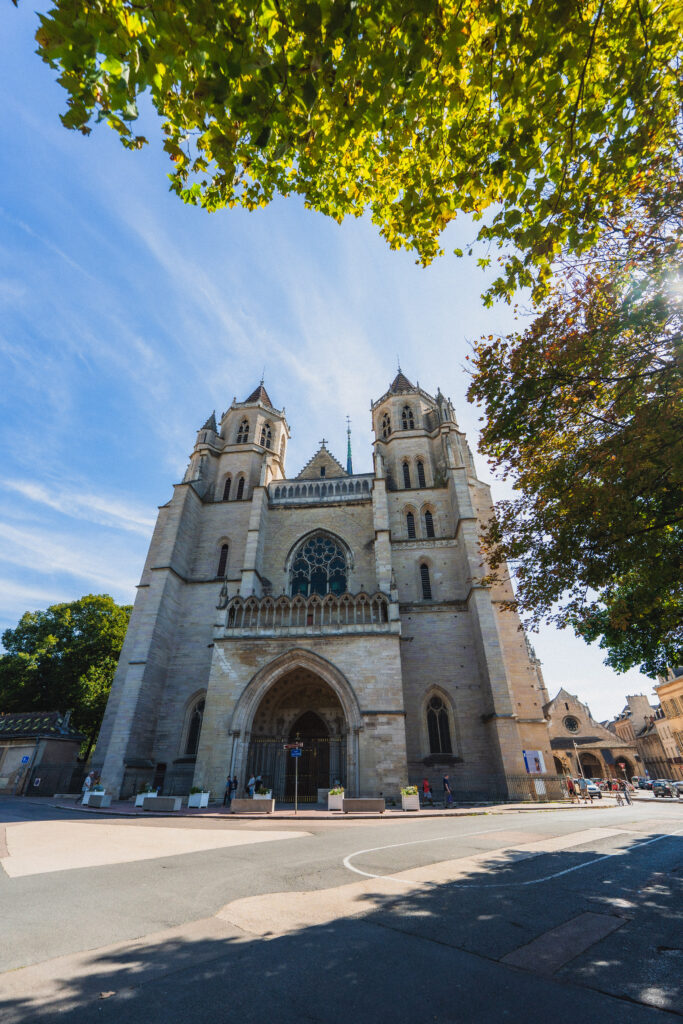
Cathédrale Saint-Bénigne de Dijon and crypt
Another must-see ecclesiastical sight in Dijon is that of the Cathédrale Saint-Bénigne, a beautiful Gothic cathedral dedicated to Saint Benignus, the city’s patron saint. While the cathedral is impressive in itself, the real hidden gem of this spot lies beneath in the crypt, which is known to be one of the largest in France.
Its history can be traced back to the 11th century, a labyrinth of stone archways and vaults that once housed the relics of Saint Benignus. Today, you can see a stone sarcophagus believed to contain the body of Saint Benignus is preserved in the crypt.

Moutarde Maille
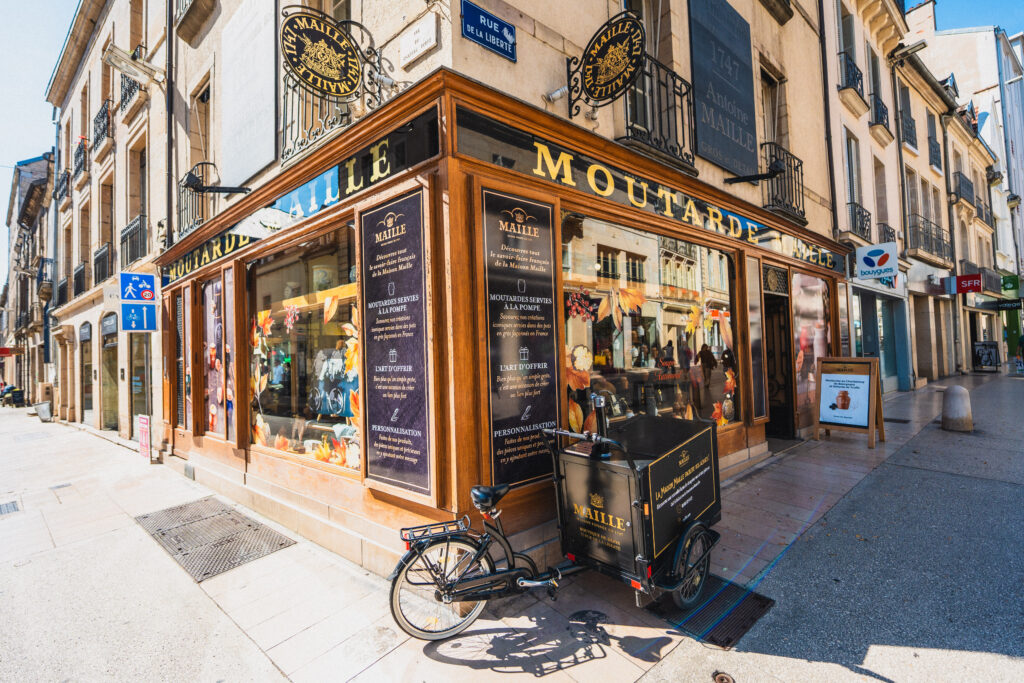
Of course, when in Dijon, you have to visit Maison Maille, an iconic mustard shop where you can sample dozens of varieties of mustard. The truffle mustard is a local favourite!
The history of the shop can be traced back over 270 years, ago when it was first founded by Antoine-Claude Maille in 1747. Maille originally created mustard to be supplied to local royalty. It wasn’t until 1845 that the doors swung open to the public, welcoming them to enjoy the delights of the city’s most iconic culinary creation.
Unlike Champagne or Roquefort cheese, Dijon mustard is not a protected term. Indeed, the term ‘Dijon mustard’ refers to the method of making this particular mustard, not to the geographical area. However, there is a protected variety as of 2009, Moutarde de Bourgogne, is a protected term wherein the mustard must be made using mustard seeds grown right here in Burgundy.
Musée des Beaux-Arts
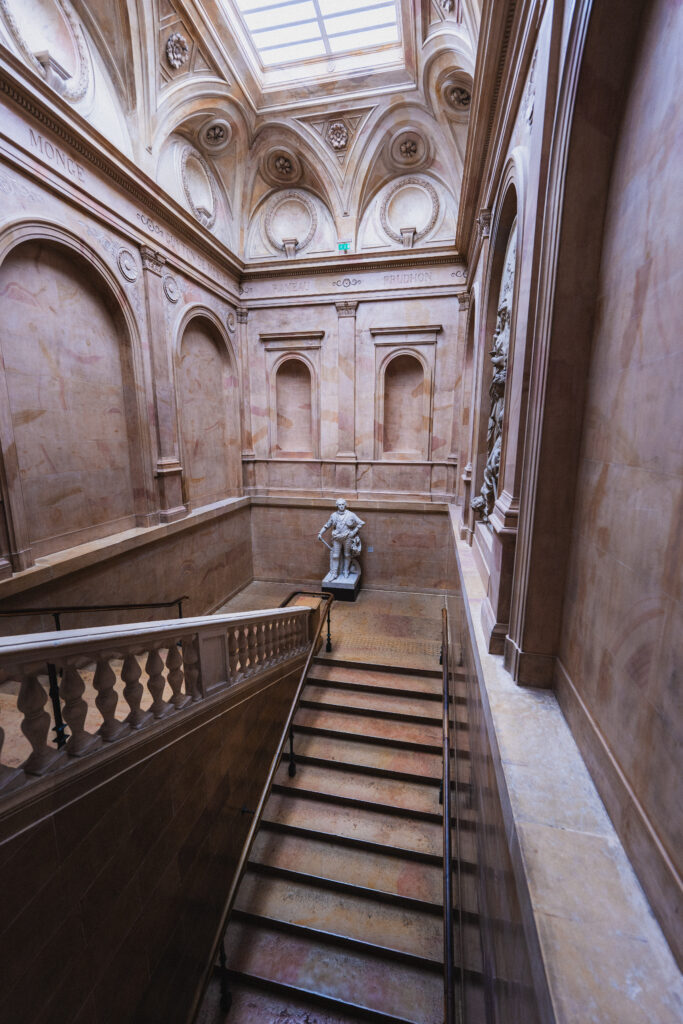
Explore a fascinating collection of art and history housed within the Palace of the Dukes of Burgundy. The Musée des Beaux-Arts is one of France’s oldest museums and its collection boasts a diverse array of things from Egyptian artefacts to Renaissance masterpieces, and works by local Burgundian artists. The museum’s permanent collections are completely free to visit!
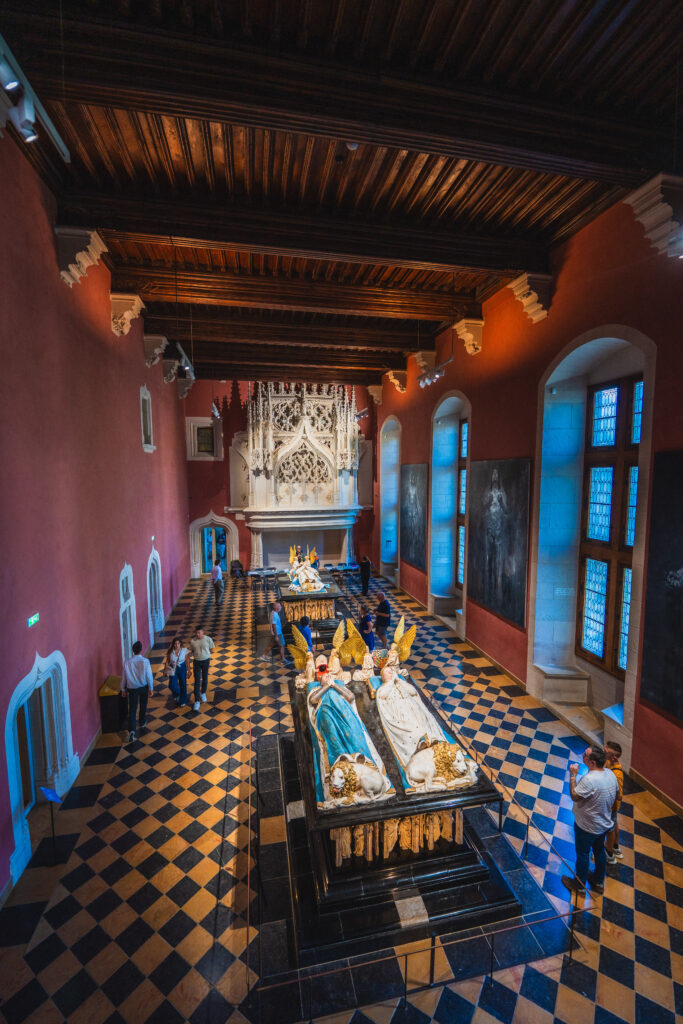
My favourite room of all has to be the room of the ducal tombs. This space houses the tombs of the dukes of Burgundy, notably Philip the Bold and John the Fearless. These are masterpieces of late Gothic sculpture and my favourite detail of all has to be the intricately carved mourners.
Place de la Libération
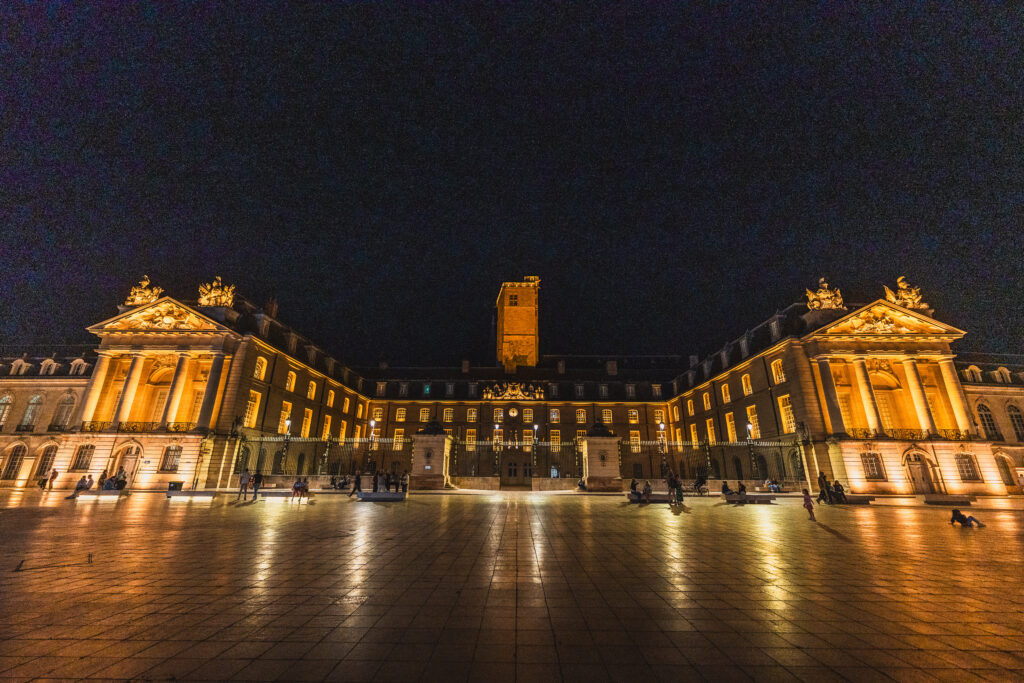
Next, head to the grand and elegant semicircular square, Place de la Libération, which was designed by Jules Hardouin-Mansart, the architect of Versailles. The square takes its name from the city’s 1944 liberation from German occupation during World War II.
It is surrounded by classical façades and the imposing Palace of the Dukes of Burgundy, exuding grandeur and a glimpse into Dijon’s royal past. Today, you can find an abundance of cafés and shops that line the edges. It makes for a particularly beautiful spot to sit outside and sip on a fine Burgundian wine on a warm evening!
If you happen to have more time in Dijon, or simply wish to add even more to your day, then you can search for other hidden gems around the city. Here’s our full guide to the best-kept secrets of Dijon.

Dinner at Bistingo
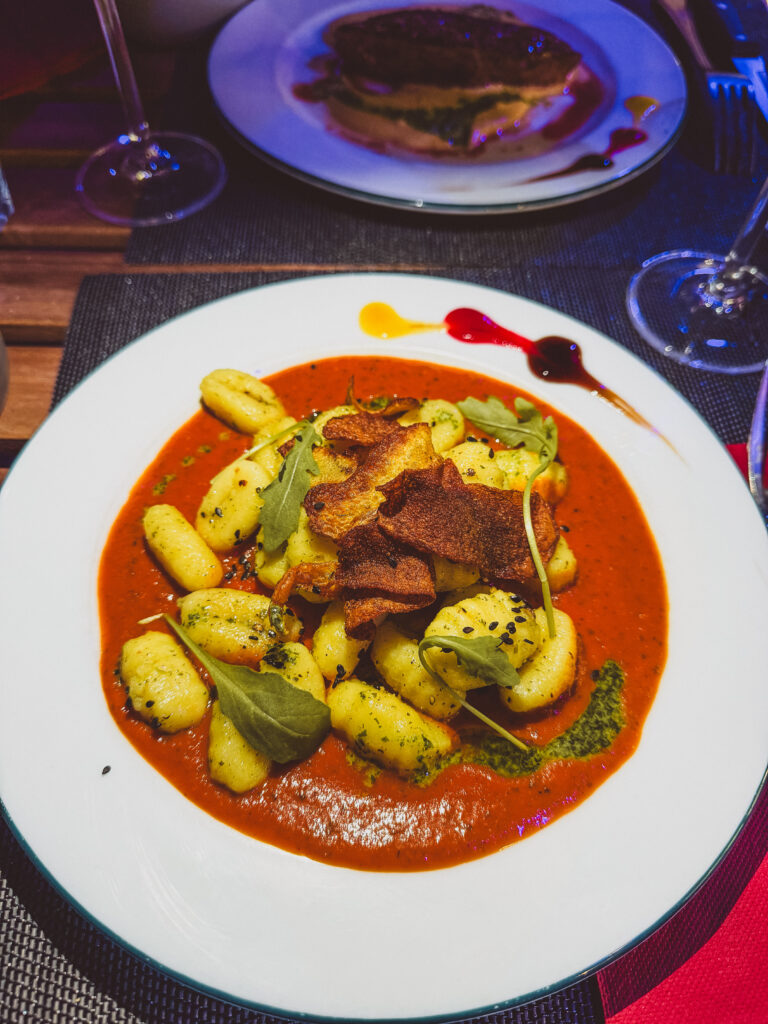
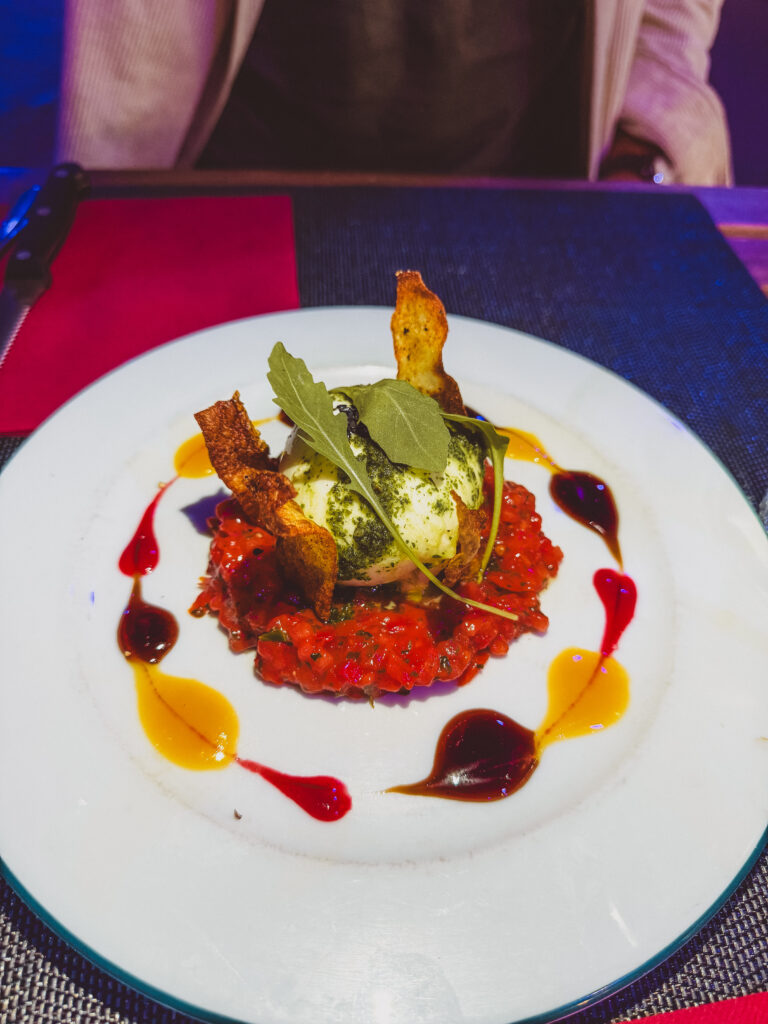
As Dijon is so large, there are actually a great deal of dining opportunities. We opted for a little bistro by the name of Bistingo by le Petit Roi, which serves up delicious classic French dishes with a modern twist.
Wander around Dijon at night
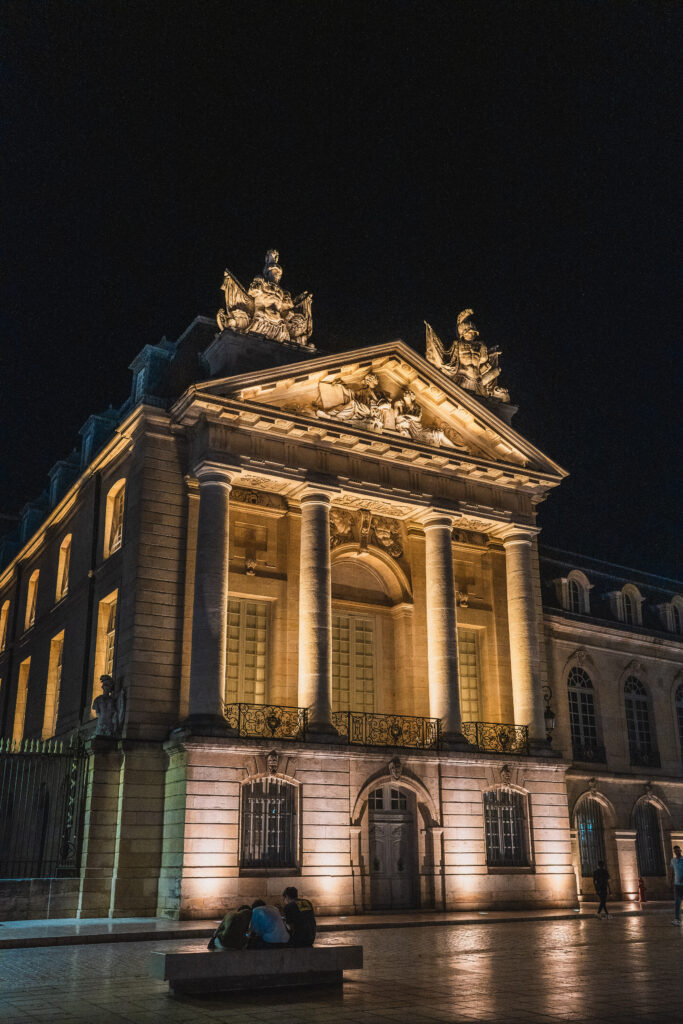
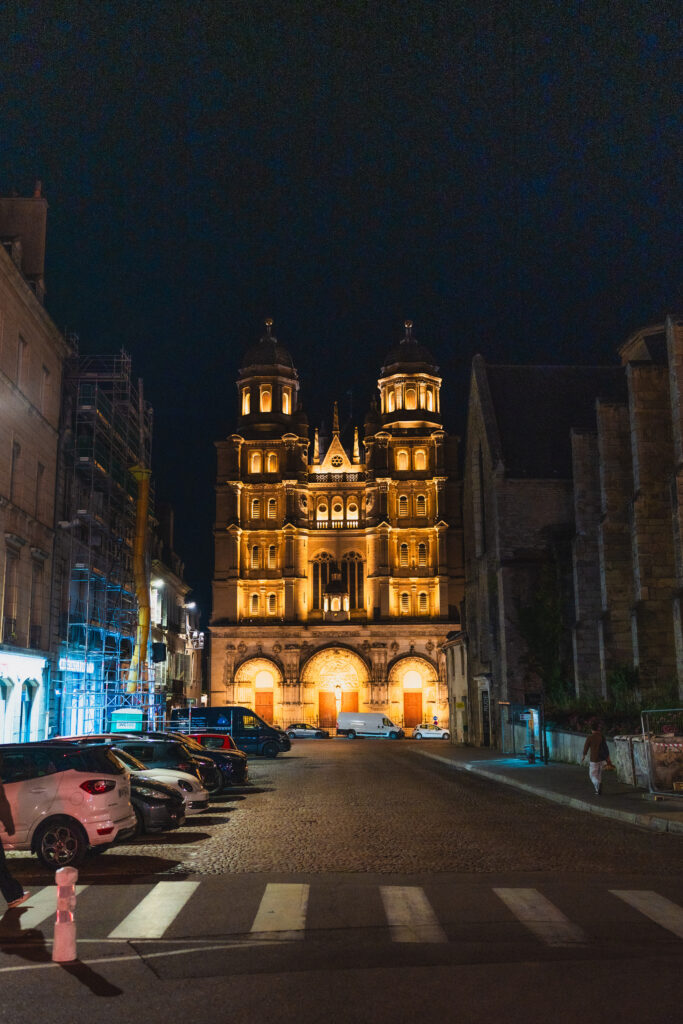
End your perfect one day in Dijon by exploring the city at night! One of the most magical ways to experience the city has to be by darkness, as many of the main buildings are lit up. The city’s cobblestone streets are also softly lit, and the warm glow of the medieval and Renaissance façades create a magical, historic atmosphere like no other.
Enjoyed reading about the best of one day in Dijon? Pin this article now, read it again later: