How to Visit the Cuevas de Ajuy (Ajuy Caves), Fuerteventura
Last Updated on 16th March 2023 by Sophie Nadeau
This post may contain affiliate links. Please check out my privacy policy and disclosure for more information.
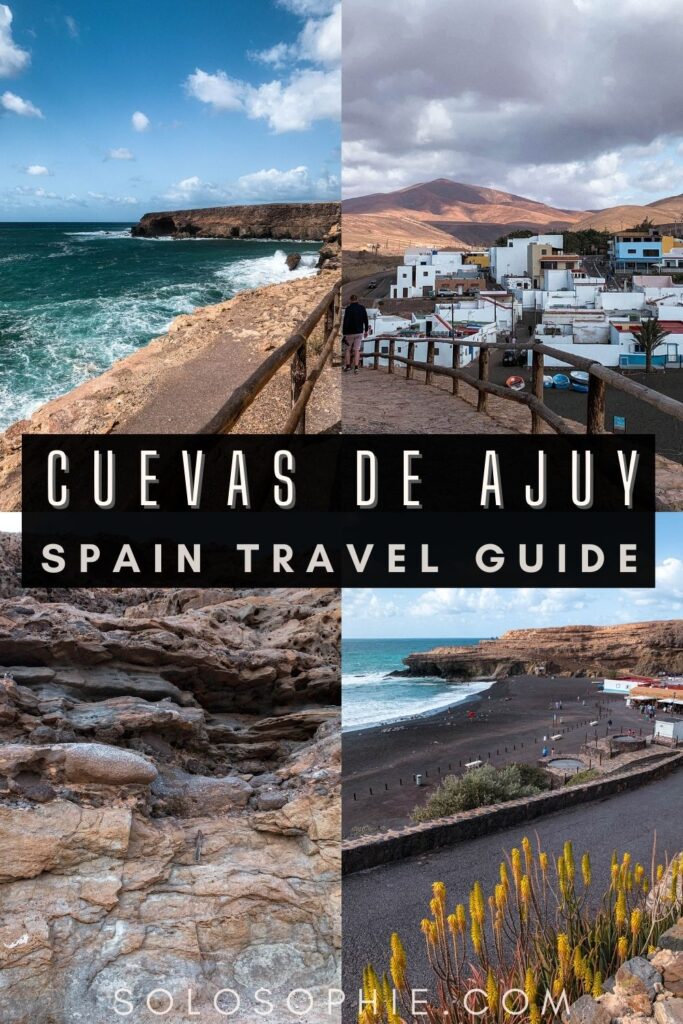
Located on the western side of the island, the impressive sea caves of Ajuy are known in Spanish as the Cuevas de Ajuy and are some of the oldest and most impressive geological formations on Fuerteventura. Here’s how to visit the Ajuy Caves, as well as what to know before you go.
If you’re planning a trip to Fuerteventura, be sure to check out our suggested 3 days in Fuerteventura itinerary.
What are the Ajuy Caves?
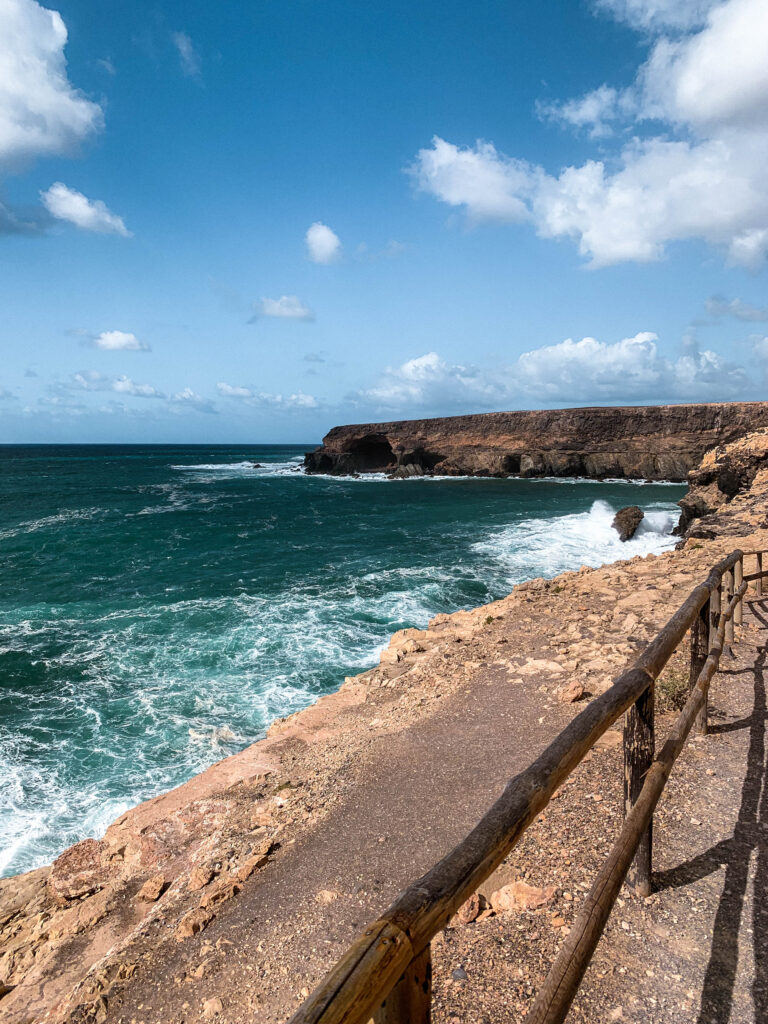
Visitors to the Ajuy Caves can admire the stunning rock formations, which become visible on the horizon shortly after taking the path which leads from the centre of Ajuy town to the sea caves.
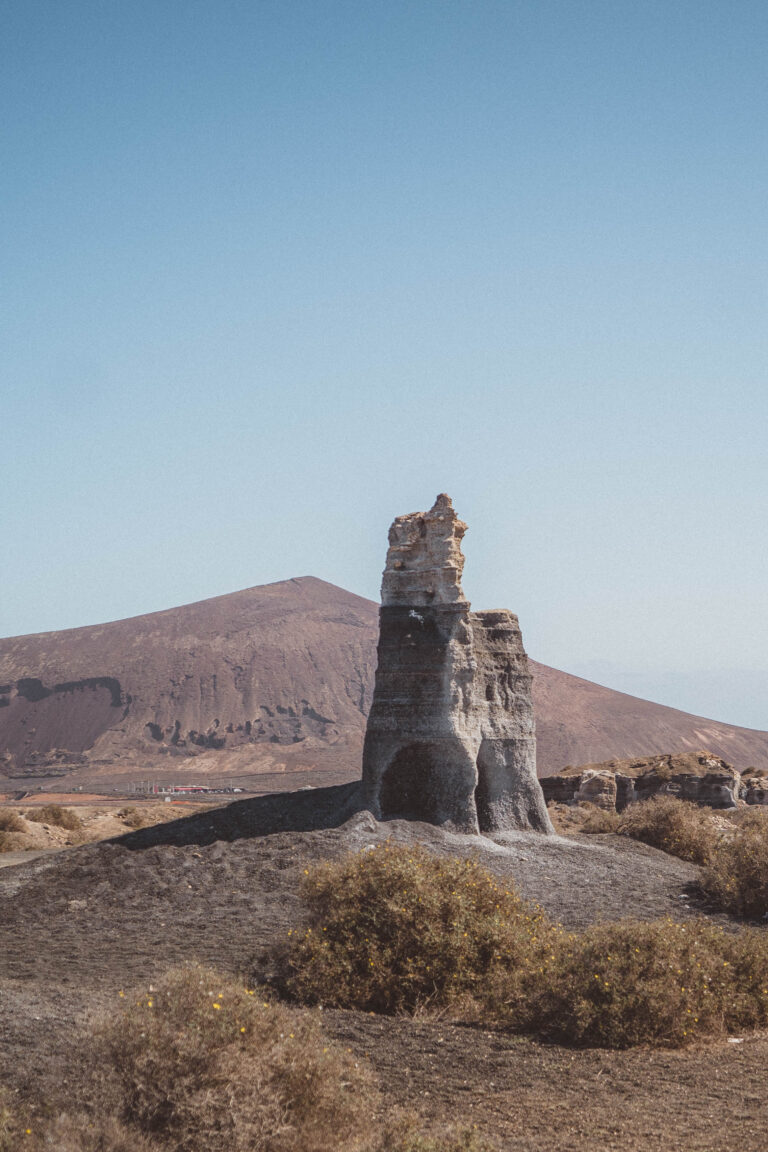
Comprising of deep pools, towering rock formations (some over 40 metres high), and intricate tunnels, as well as consolidated sand dunes, and oceanic sediments, they are some of the oldest geological formations in the Canary Islands.
Indeed, the strangest mystery is that while parts of the Ajuy Caves are thought to date back 100 million years, Fuerteventura itself is thought to only be 30 million years old!
As well as the caves themselves, the Ajuy Caves are surrounded by memorable landscapes and wildlife, making them a popular spot for outdoor activities such as hiking and birdwatching.
The Ajuy Natural Monument spans an area of 31.8 hectares and was declared a Natural Monument in 1994. It’s included within the Betancuria rural park in the municipality of Pájara. If you’re visiting the Canary Islands for yourself, check out this Fuerteventura itinerary.
Things to see at the Caves of Ajuy
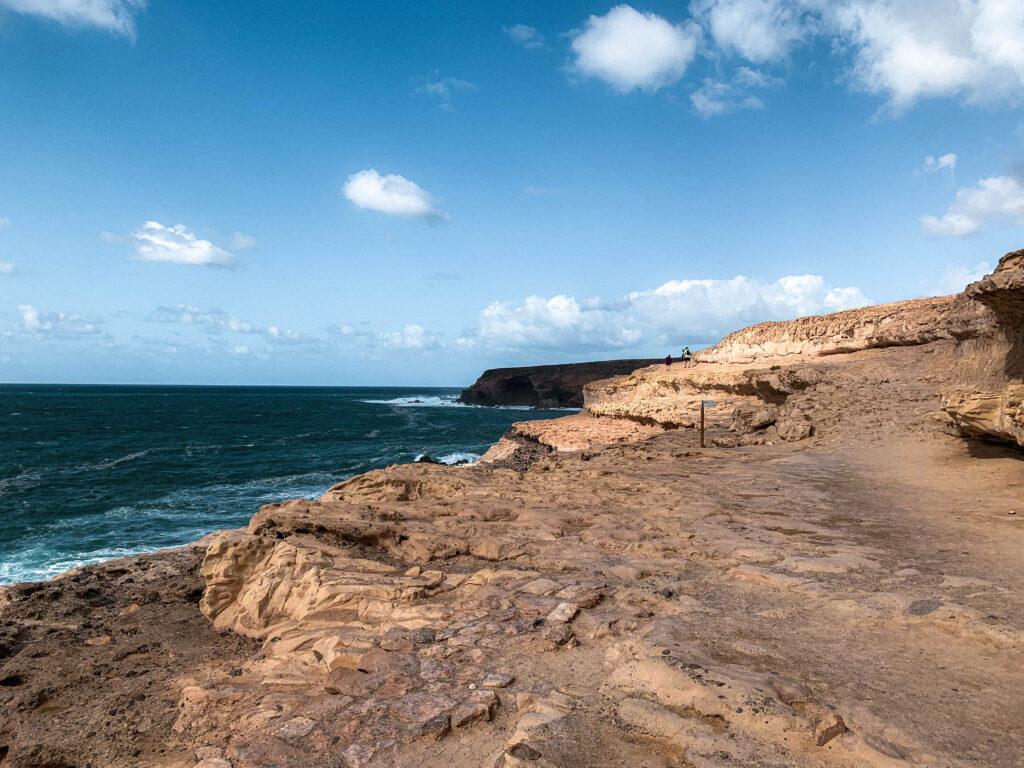
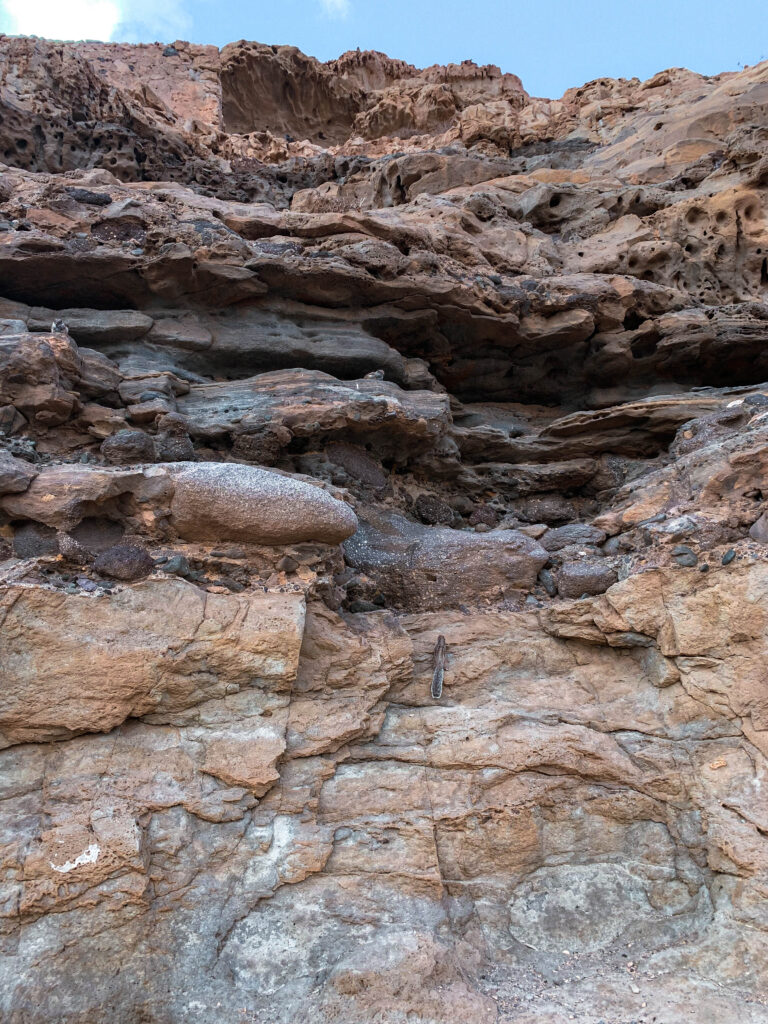
The sea caves: This area of rock is from the Cretaceous period, meaning that it is over 100 million years old and contains fossils such as marine gastropods. The caves were formed by volcanic activity and have been hewn out by the crashing waves over the millennia.
Wildlife and plants: Some of the most interesting bird species which can be observed in the area include the common kestrel, the Egyptian Vulture, the common raven, the Canary Islands stonechat, and the Scopoli’s shearwater. Interesting plants you can see along the route include the southern boxthorn and the Canary Island tamarisk.
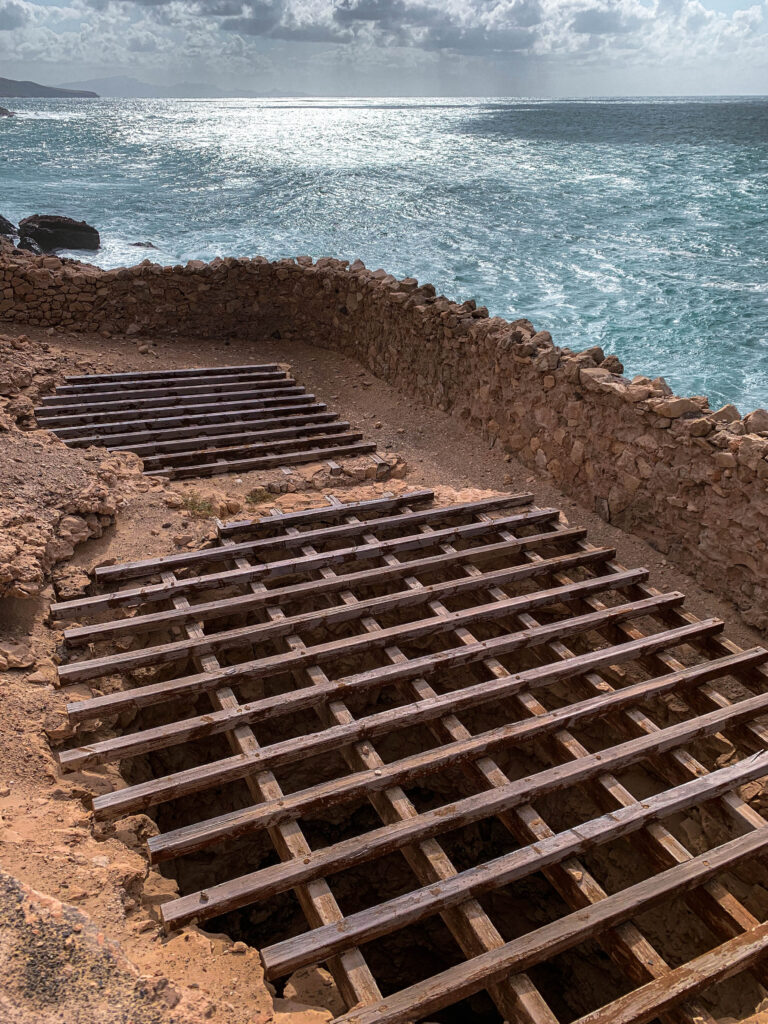
Remains of Puerto de la Peña: In centuries gone by, the lime was quarried from the caves and shipped to nearby islands. Today, remains of the limekilns, customhouse, the ramp, and the tunnel can still be seen.
The quarried stone, Syenite rock, is still used in the paving of the cobbled lanes of Vegueta in Las Palmas de Gran Canaria. What made the kilns so unique is that they were carved into the rock and can still be seen today.
How to visit the Cuevas de Ajuy
Before visiting the caves, there are two things that it’s imperative to know. The first is that the caves and the town of Ajuy itself are really windy. Even on a clear and sunny day, you’ll want to bring a jacket, tie your hair back, and wear plenty of sun cream!
We weren’t quite prepared for how windy the caves would be, though it’s worth bearing in mind that as they’re on the western side of Fuerteventura and so look straight out onto the Atlantic Ocean.

The other important thing to know before visiting the caves is that they are really touristic, and this was actually one of the most touristy places we visited on the island. The restaurants and cafés felt more like tourist traps than in some of the other towns on Fuerteventura and so we decided not to eat in Ajuy itself.
If you want to enjoy unique geological formations that are a little more off the beaten path, then you can check out the nearby Arco de las Peñitas or the further afield Barranco de los Enamorados.
One of the cuter elements of visiting the caves, is that on the route from the town to the sea caves, you’ll spy loads of cheeky chipmunks. The chipmunks are not actually chipmunks but are Barbary Ground Squirrel.
This is a species from Algeria and Morocco that was introduced to the Canary islands in the 1960s. Be sure not to feed the chipmunks you see as their ever-growing population is already damaging the flora and fauna.

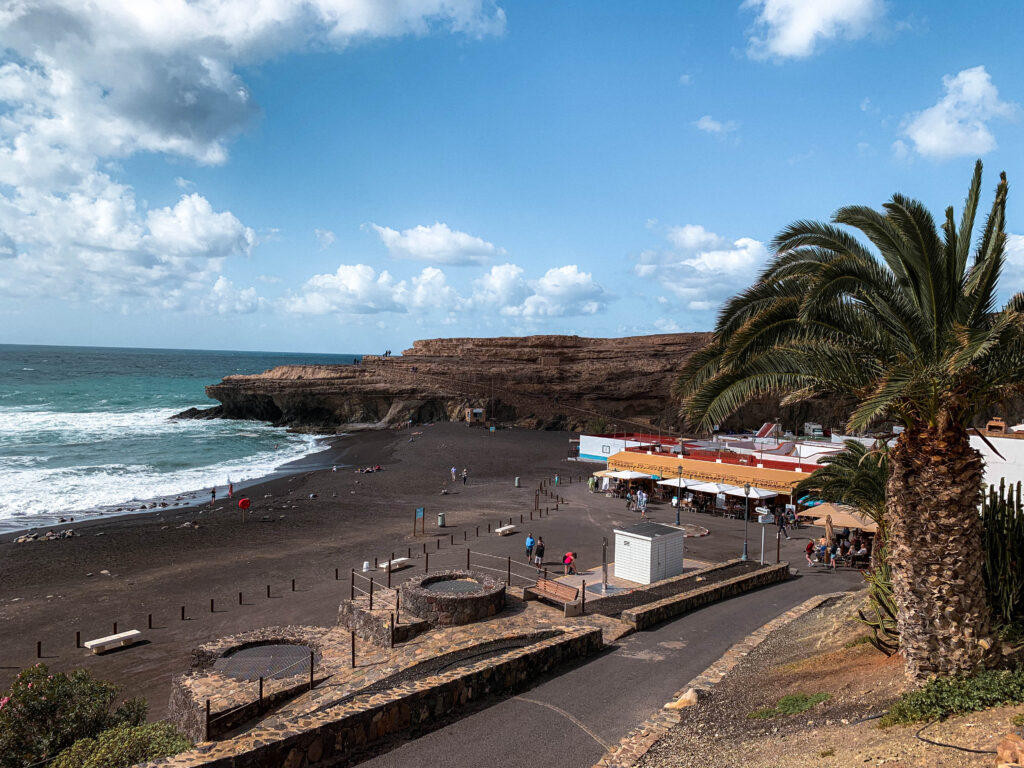
There is plenty of parking just outside of Ajuy, though you’ll have to pay for it and walk a little way to reach the town. Once in Ajuy, there is a 1.5 kilometre long path which leads from Ajuy town centre to the caves, with the entrance to the path being located at the end of Playa de Ajuy (the town’s main beach).
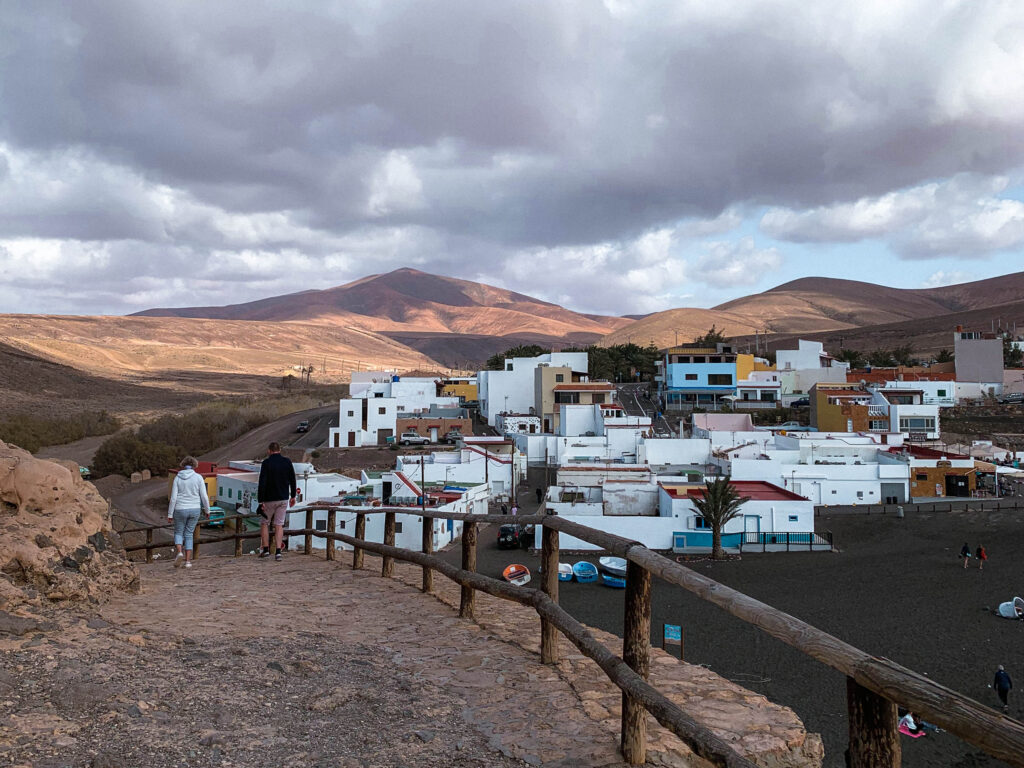
The start of the path comprises of a wide stone ramp, though there are steps and uneven surfaces along the way. Almost all of the area is fenced in, making it a pleasant walk to reach various viewpoints from which to admire the sea caves and various rock formations.
You’ll also get to see one of the oldest fossil dunes on the island while wandering along the coastal path. Once you’ve reached the end of the path closest to the sea caves, there’s even a part of the pathway which turns into steps and allows you to access one of the sea caves.
The entire path is free to visit. I wouldn’t personally set aside more than an hour or so to see the sea caves as Fuerteventura has so much to offer and the path is fairly easy to hike in a short amount of time.
Enjoyed reading about how to visit the Cuevas de Ajuy? Pin this article now, read it again later: