A Visit to Champagne Billecart-Salmon in Champagne
Last Updated on 16th March 2023 by Sophie Nadeau
This post may contain affiliate links. Please check out my privacy policy and disclosure for more information.
In the sleepy little town of Mareuil-sur-Aÿ, deep in the depths of Champagne, an area of France famed for its sparkling wine of the same name, one Champagne House is continuously praised for its quality, innovation, and rich history: Champagne Billecart-Salmon.
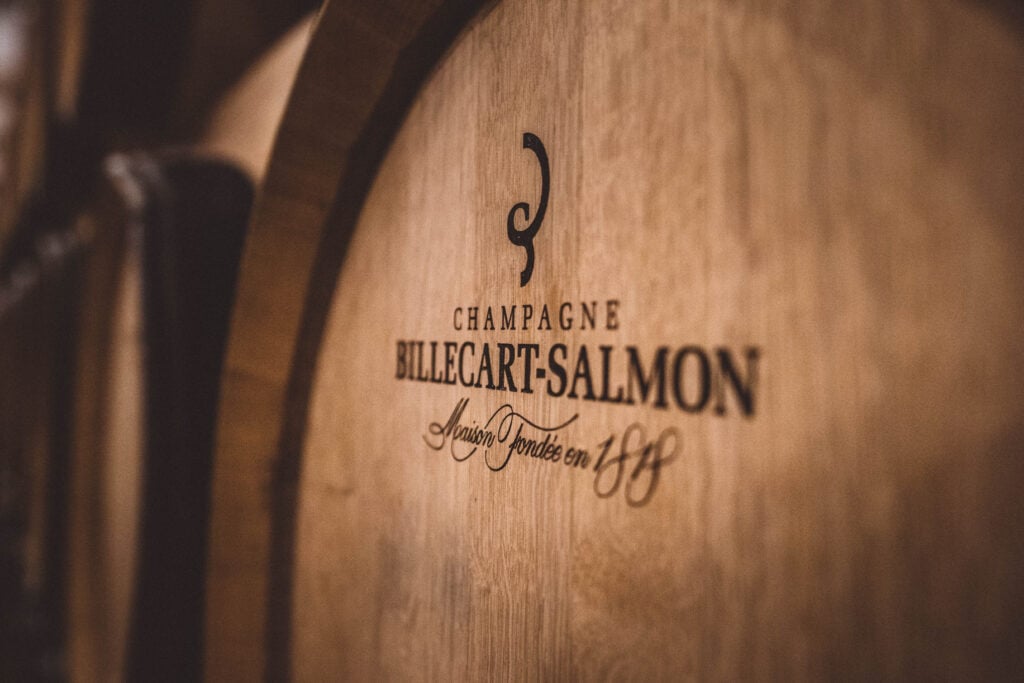
Please note that sometimes Billecart-Salmon is referred to as Billecart for short. These two terms denote one and the same Champagne House. I was invited on a press visit to see the Billecart-Salmon estate, though all photos and opinions are my own.

It was an unseasonably cold day as we parked up in Mareuil-sur-Aÿ, a tiny speck of a town with a population hovering around 1000 and whose vineyards are classed Premier Cru.
Indeed, during our tasting in the luxe but cosy reception rooms of Billecart-Salmon, we could see snowflakes falling outside the window- on the 1st April!
Billecart-Salmon is considered a medium sized Champagne House, with an annual production of around 2.5 million bottles of Champagne. These are created from 300 hectares of vineyards, some of which are owned by the house (around 100), while others are rented or the grapes are purchased following the harvest season.

Contents
A brief history of Billecart-Salmon Champagne
The prestigious Champagne house was founded in 1918, following the marriage of Nicolas François Billecart and Elisabeth Salmon, when the newly wed couple decided to open a Champagne house in their hometown.
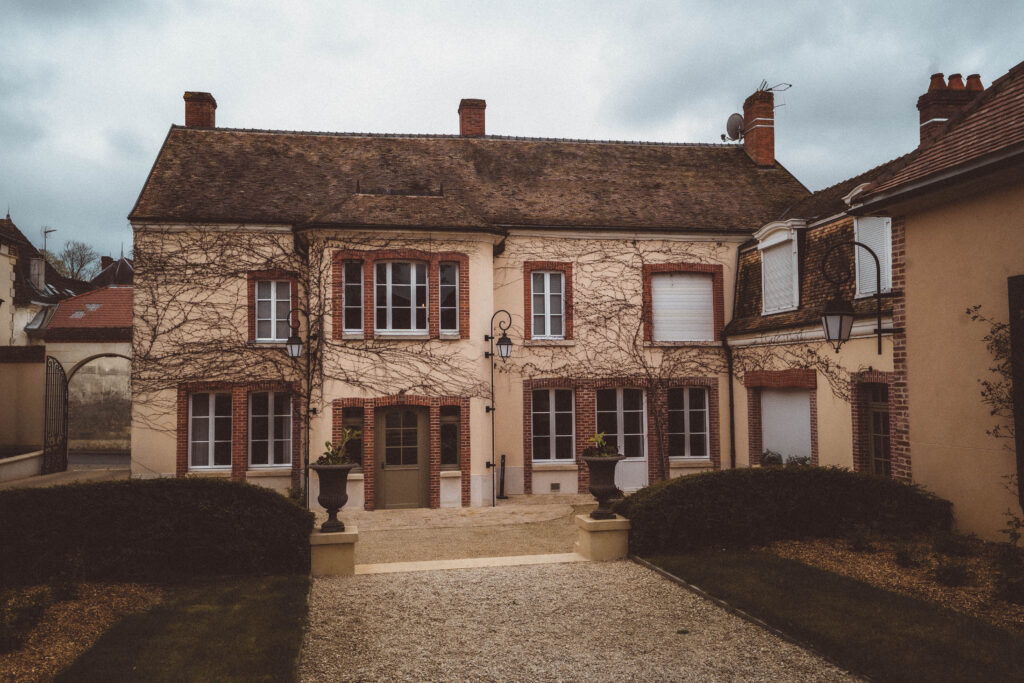
The pair shared a great lover for trading and winemaking and the estate that visitors can see today was the headquarters and family home, even back in the 19th-century.
As time went on, the enterprise became quite the family business, with Elisabeth’s brother becoming a winemaker and Billecart himself taking charge of the winery’s commercial activities.
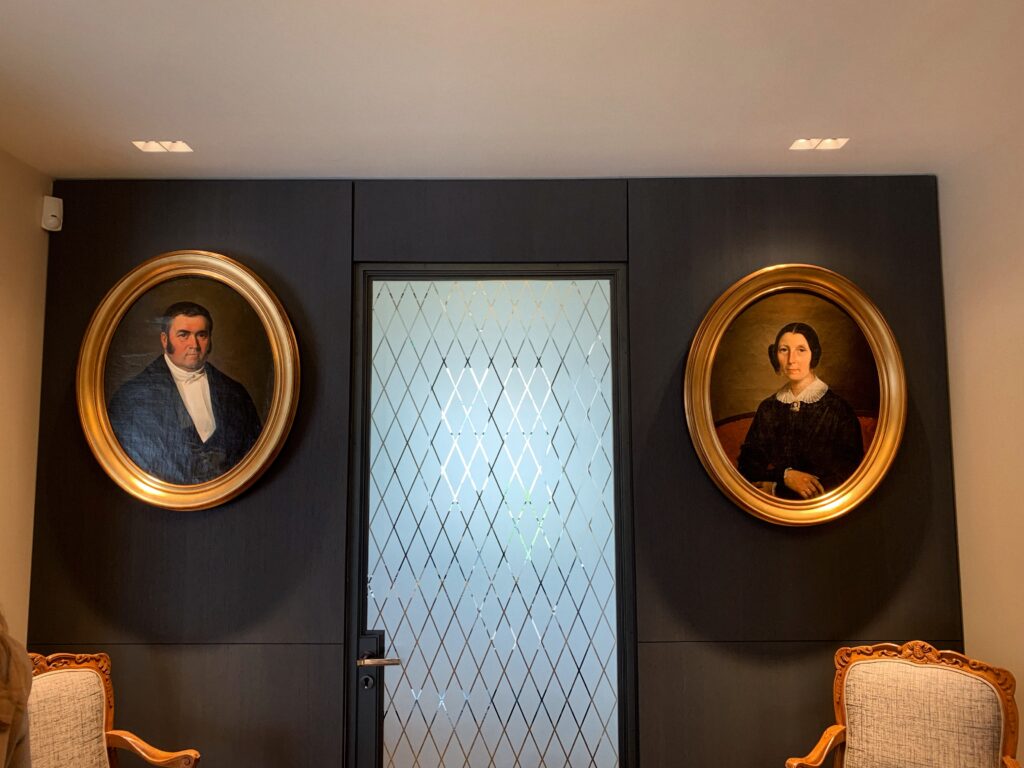
The Champagne House has seen and survived many events over the ages; including Cholera epidemics, Revolutions, and more. Rather interestingly, there are books worth of ledgers detailing the history of the wine house from 1818 right up until the present day.
The family were true entrepreneurs. From the second generation, the Billecart-Salmon Champagne brand was exported all over the world, including to the US and as far away as Australia. Even now, over two centuries later, the house is owned and run by the very same family.
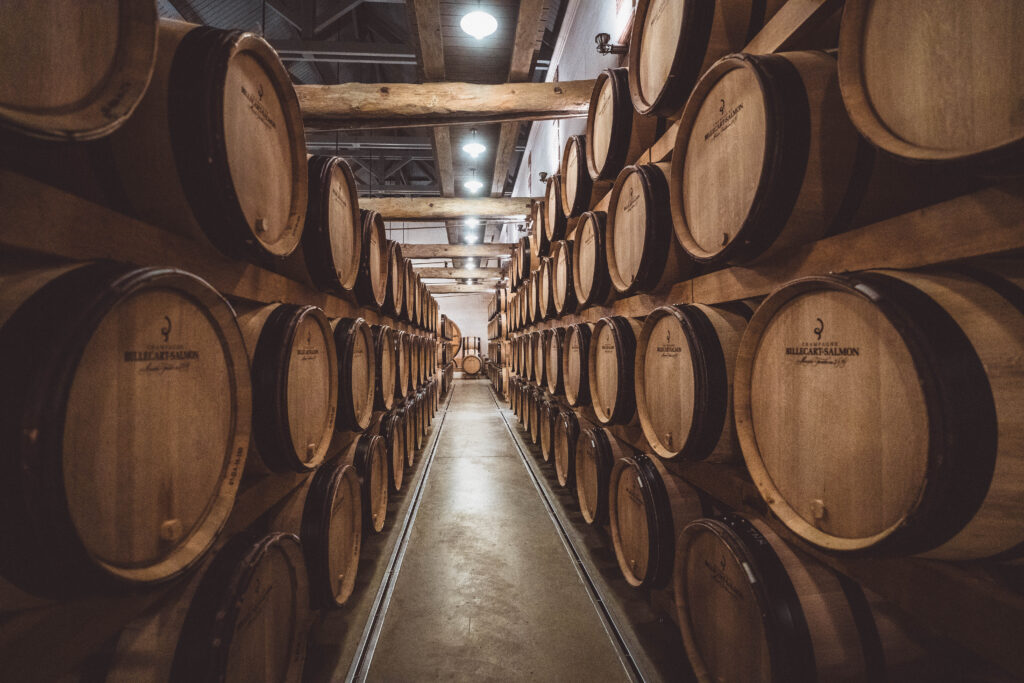
One of the more interesting aspects about Billecart-Salmon is that they are still innovating, regularly experimenting with new methods, and releasing new Champagnes. One of the key methods that Billecart-Salmon has introduced to the Champagne making process is the cold fermentation.
The Champagne is fermented at 12-13 degrees Celsius (as opposed to the traditional higher temperatures of fermentation), which is a process that was inspired by beer. The resulting Champagne ends up with a fruitier expression.
Today, Billecart-Salmon is particularly known for its rosé wines. In fact, a rosé is Billecart Salmon’s flagship cuvée. The blend is made up of a blend of Chardonnay, Pinot Meunier, and Pinot Noir. Champagne is the only place in France where rosé is made from blending red wine with white wine.
Le Clos Saint-Hilaire
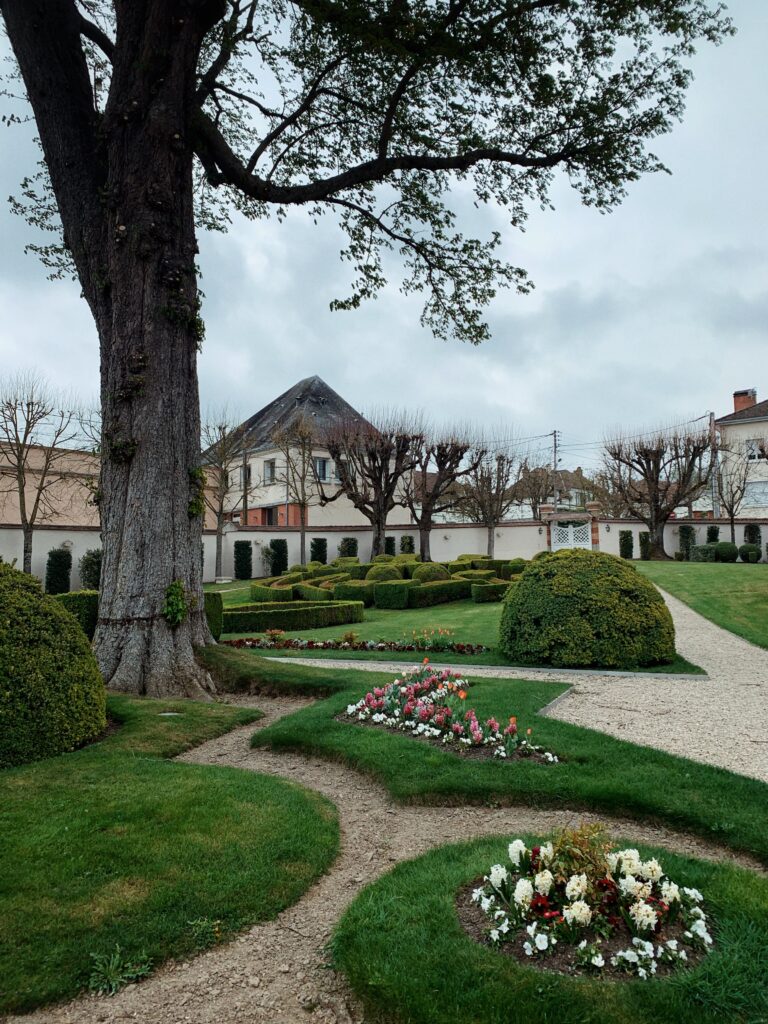
The most exclusive and luxurious bottle of Champagne produced by Billecart-Salmon is Le Clos Saint-Hilaire, which comes from a small parcel of vineyards that is directly next to the main complex of the family estate.
The plot of land is tended to with historical methods. For example, rather than modern machinery, sheep are used to graze the land. Named for the patron saint of Mareuil-sur-Aÿ, the Champagne is made from the Pinot Noir grape.
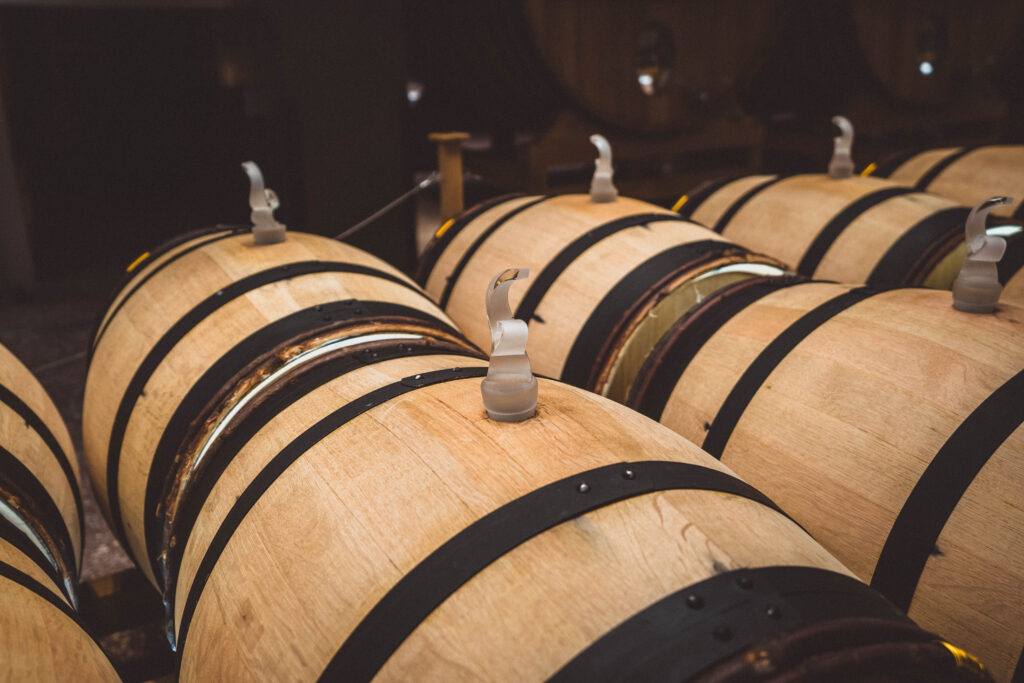
A vintage of this sparkling wine is aged exclusively in oak barrels that are topped with a crystal glass Baccarat stopper that was designed in the logo of Champagne Billecart-Salmon. The last vintage was in 2006 and the bottles are numbered- typically a Vintage year will produce 3500 to 6500 bottles.
Touring the Billecart-Salmon Estate
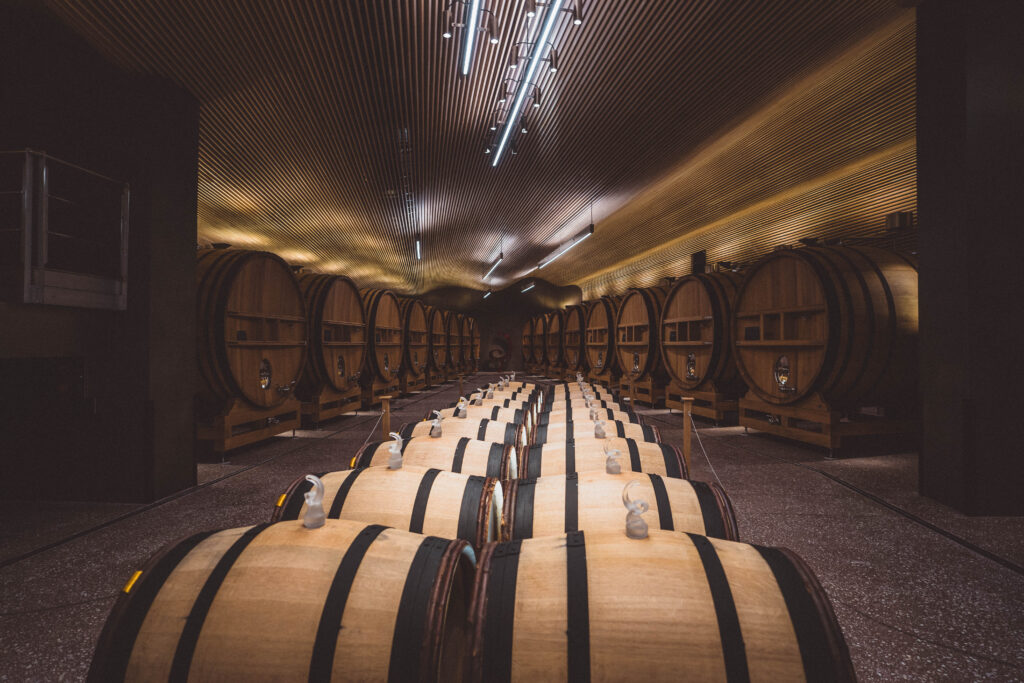
One of the most fun and interesting things to do on any trip to Champagne is to take a tour of a vineyard, cellars included (followed by a tasting at the end, of course)! We started the tour by visiting the rooms where the champagne is fermented in barrels.
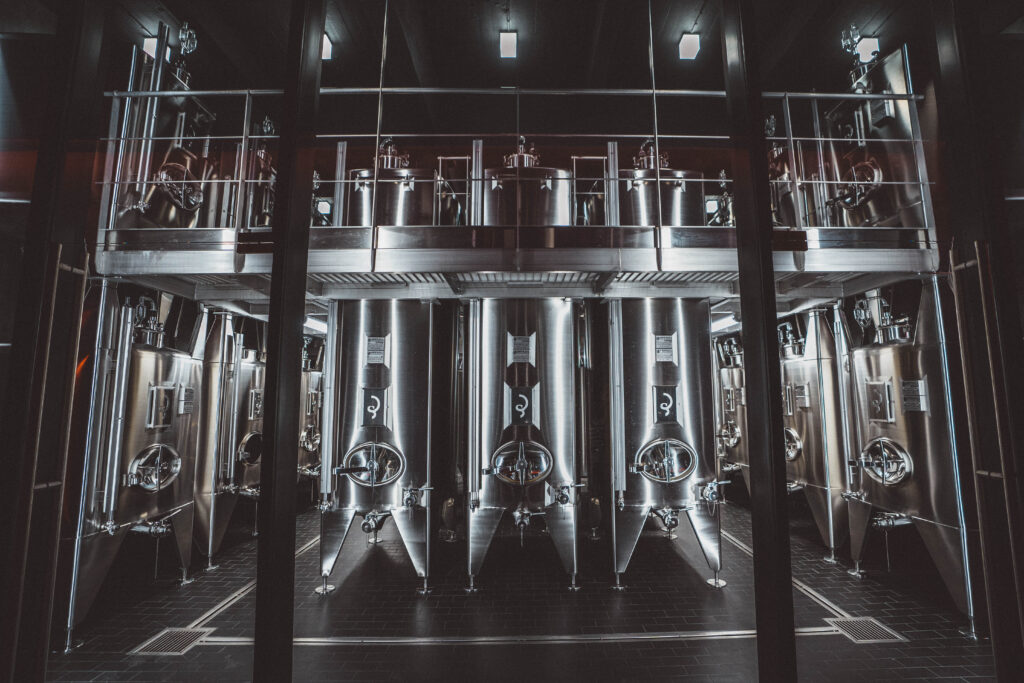
While some Champagne is fermented in oak barrels (medium toast French oak barrels whose average age is 15 years old), others are fermented in steel tanks, while others still are fermented in a mix of the two.
Following a visit to the barrel rooms, where we saw the latest Le Clos Saint-Hilaire being fermented in a centre-stage position, we were led down into the cellars.
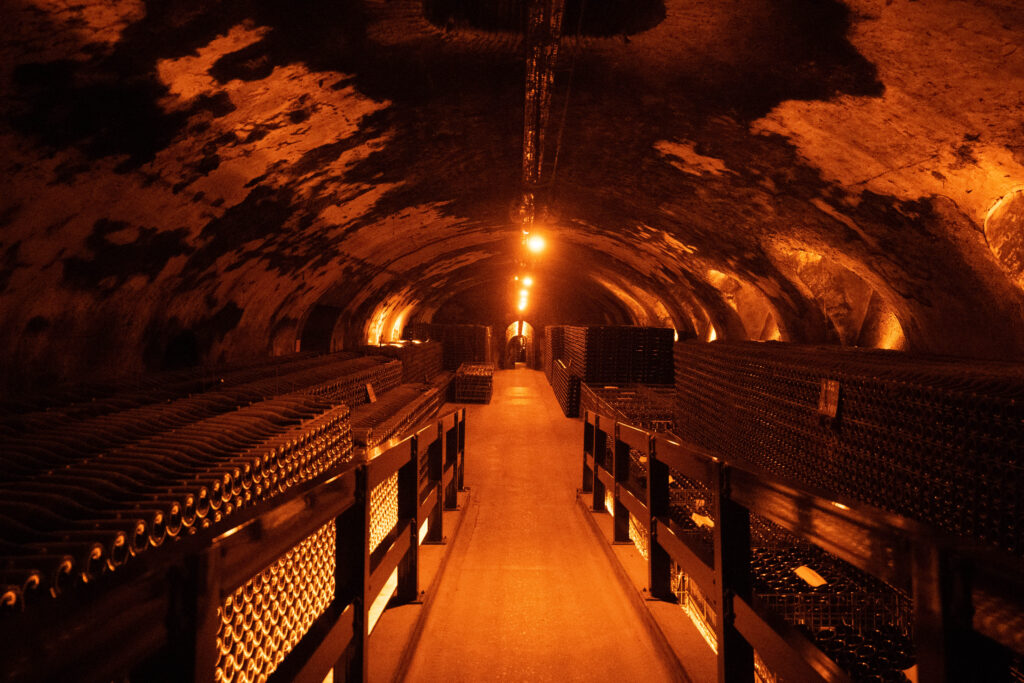
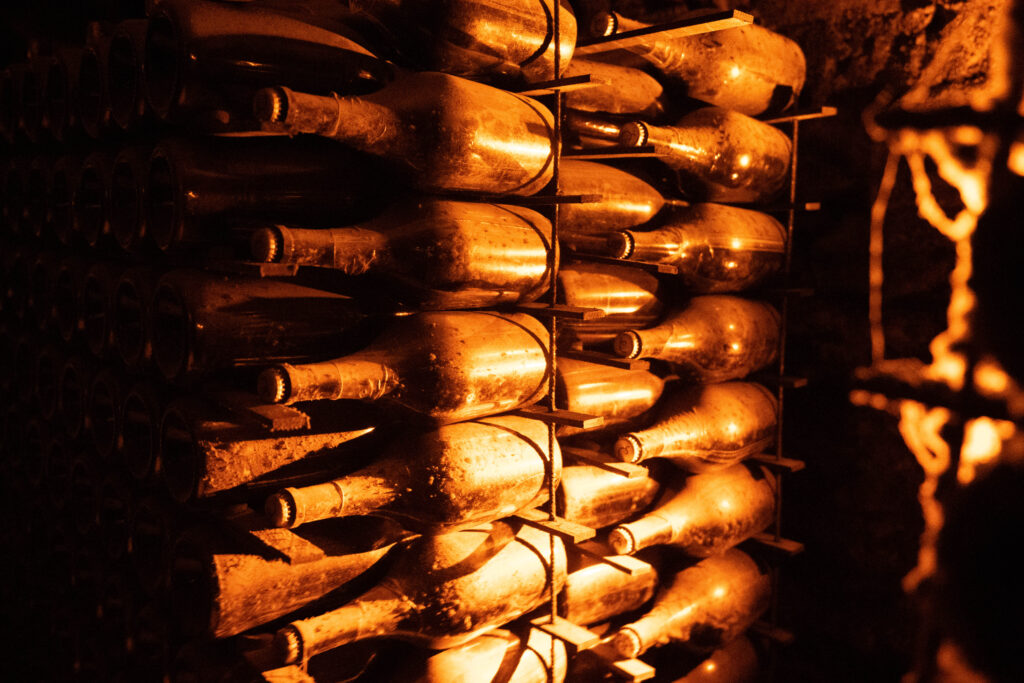
The Billecart-Salmon cellars stretch over 2 km long and are chalk tunnels that were created during the 17th-century. The dimly lit tunnels are chilly and are arguably the most exciting part of the estate to visit.
Tasting Champagne Billecart-Salmon
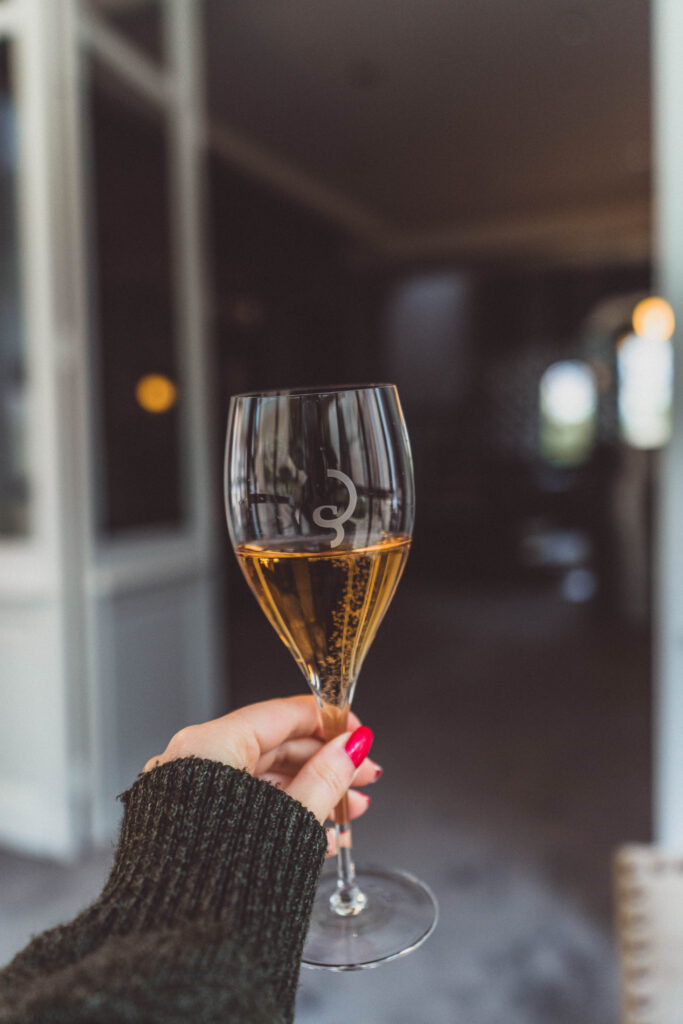
At the end of our tour, we were led back up from the cool cellars to a house that is still used by the family today as a summer house. In any wine tasting, it’s typical to start with the lighter wines as the heavier wines will stay on your palette and you’ll find it harder to taste the lighter wines.
In total, we tried four different offerings from Champagne Billecart-Salmon. It was during this time that we learned about the different grapes used in the making of Champagne, including the Meunier grape, which is a particularly fragile grape variety.
Meunier is a black grape with a white juice. We also learned that the philosophy of the house is that the less sugar that is added to the Champagne, the better and that bio dynamic treatments are preferred when tending to the vines.
After all, a good fruit is essential for making good wine. The grapes are harvested 90 days after the first flower appears, and even then the vintners are dealing with nature and nothing is guaranteed.
2021 was such as poor harvest (blighted by a frost followed by pests) that it was decided that 2021 would not be a vintage year. For a greater insight into Champagne production (or la méthode champenoise as it is known in French), check out these fun facts about Champagne and the best things to do in Champagne.
One of the most interesting things that I learned during our visit is that champagne glasses should only be washed in hot water. Washing up liquid can lightly damage the inside of a wine glass, which in turn will mean that the bubbles of the champagne will not present in the way that they’re meant to.
How to visit Champagne Billecart-Salmon
Unfortunately, securing a visit to Billecart-Salmon can prove to be as elusive as securing some of the most sought after Champagne bottles from vintage years. While the shop itself is open from Monday to Friday, tours are based upon request (and it’s advisable to try and book a tour six months ahead of your trip).