
One Day in Valletta: The Ultimate Itinerary for Malta’s Capital
Last Updated on 17th June 2026 by Sophie Nadeau
This post may contain affiliate links. Please check out my privacy policy for more information.
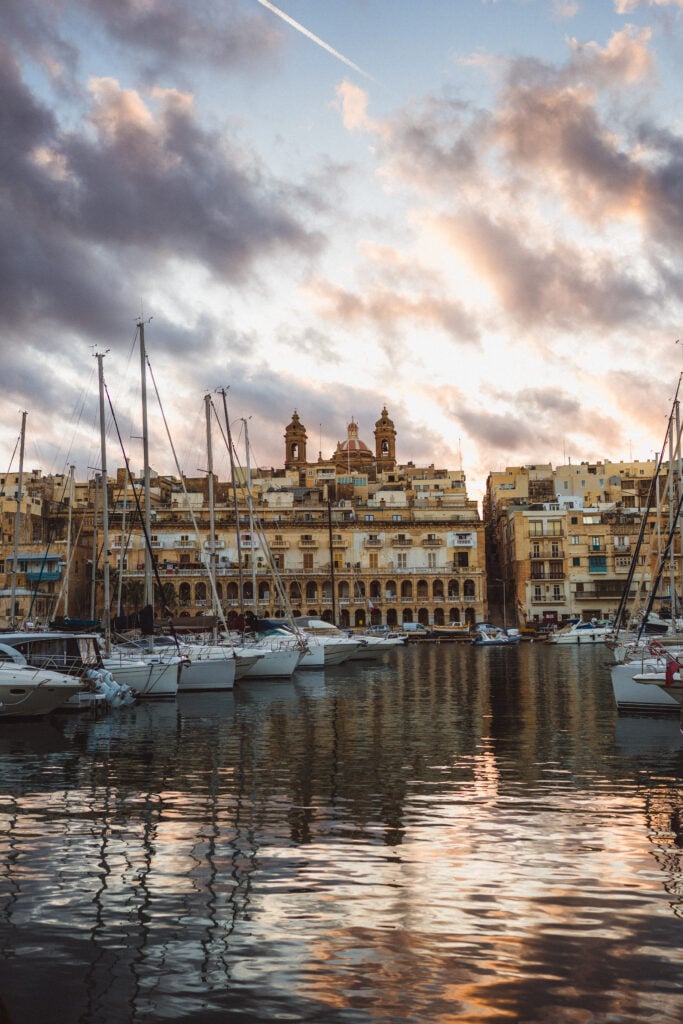
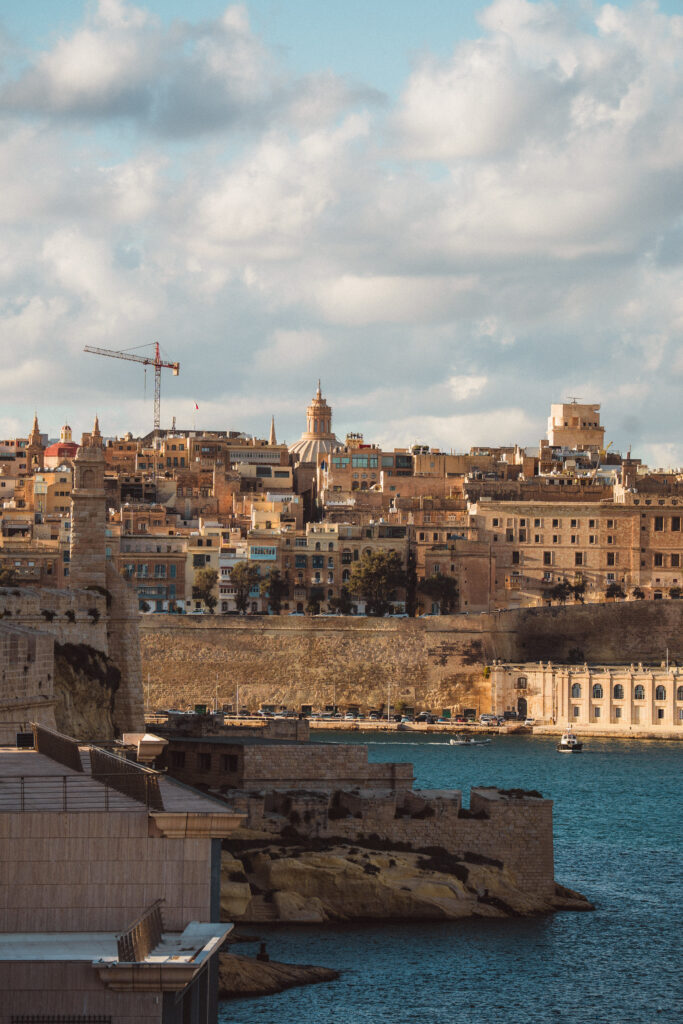
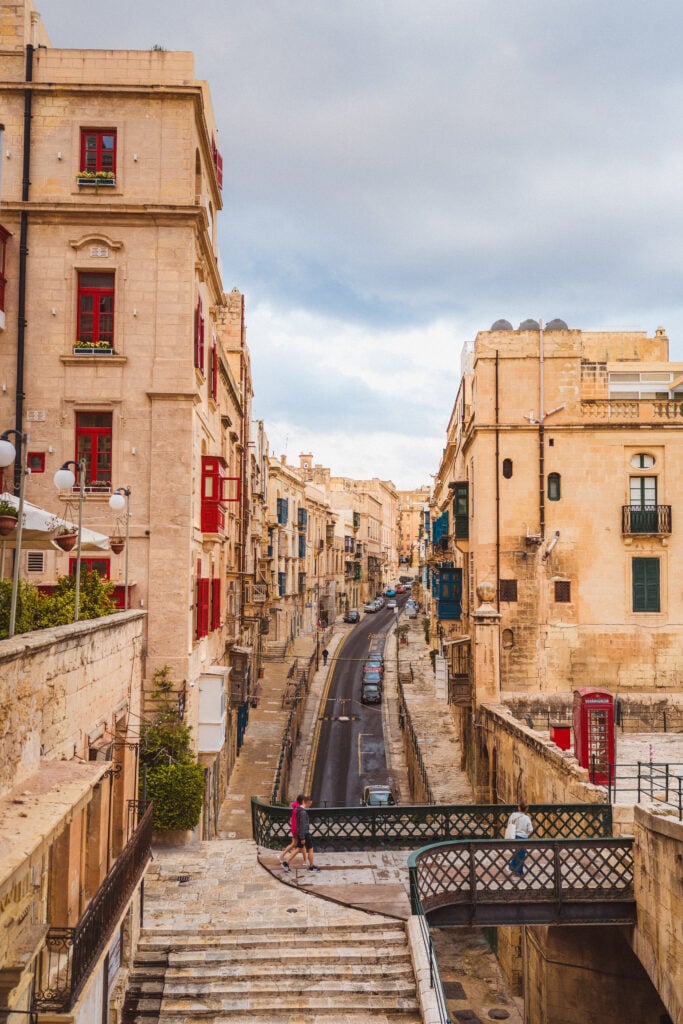
Valletta is a city of stairs, hills, and sweeping vistas. Malta’s capital city is a historic gem where all kinds of cultures can be traced, from the ancient Phoenicians and Romans to the Knights of St. John and the British.
With its stunning Baroque architecture, fortified walls, charming cobbled streets, and scenic harbours, Valletta is the perfect destination for history lovers and travellers seeking a Mediterranean adventure. Here’s your ultimate travel guide on how to spend one perfect day in Valetta!
What is Valletta known for?
Valletta is the capital of Malta. It is often described as an open-air museum and a living piece of history, renowned for its stunning Baroque architecture, historic fortifications, and status as a UNESCO World Heritage Site.
One particular notable feature of Valetta has to be its balconies. In fact, the city’s iconic wooden balconies (gallariji) are protected by heritage laws. And, while there’s no strict law nowadays per se, it’s generally considered that your balcony has to be the same colour as your front door – further adding charm to the streets of Valletta.
Beauty aside, Malta’s capital has endured a lot over the centuries, far more than you’d ever guess at first glance. Thus making it a truly unforgettable city to explore over the course of a day!
Did you know?
Step into Valletta, the smallest and southern-most capital in the EU. Admire elaborate cathedrals, gaze at views of the harbour and go back in time in the many museums that detail the complex history of this tiny island nation.
Brief history of Valletta
Valletta was founded in 1566 by the Knights of St. John. Just a year earlier, Malta endured the brutal Great Siege of 1565, when the Ottoman Empire attempted to conquer the island, but was spectacularly defeated.
What makes this victory so remarkable is that the Order and the Maltese defenders numbered fewer than 10,000 men, while the Ottomans brought a force of around 30,000 soldiers. Yet, against all odds, Malta held its own.
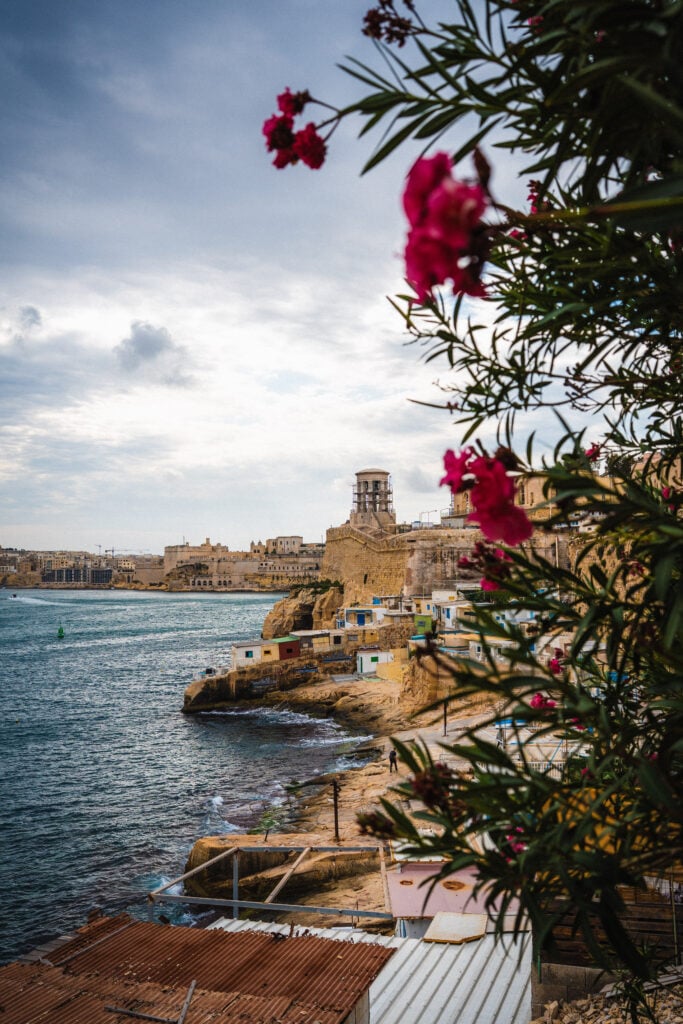
After the Great Siege of Malta, the Knights of St. John cleverly brought in some of Europe’s most skilled military architects to design a fortified city that could withstand any possible future attacks. Indeed, Valletta went on to become Europe’s first planned city, laid out in a strict grid formation with thick stone walls, bastions, and impressive forts.
For the next few centuries, Malta’s capital flourished into a thriving hub of Mediterranean culture, architecture, and trade. However, in June 1798, Napoleon’s forces seized Malta, ending the St. John Knights’ rule.
The British took control in 1800, and Malta was strategically vital for the British Royal Navy during World War II. Valetta and its harbours endured heavy bombing during the two-year Siege of Malta by German and Italian forces. Later on, the island itself was awarded the George Cross for bravery in 1942.
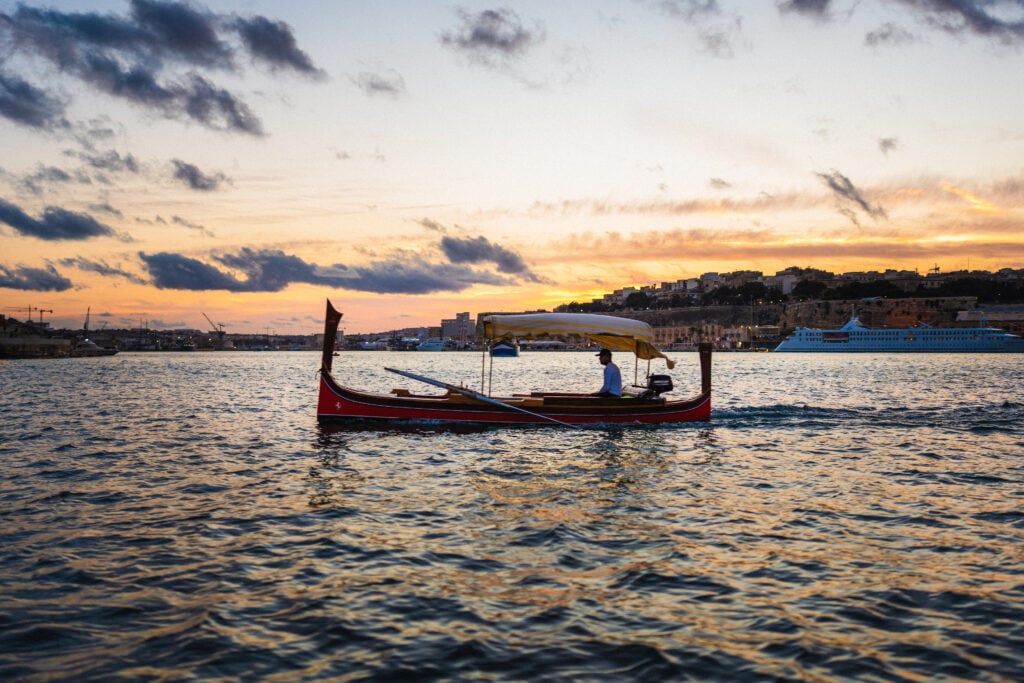
Malta became independent on September 21st, 1964. However, as throughout history, so many groups have lived here, including: Neolithic settlers, Phoenicians, Romans, Byzantines, Arabs, Normans, the Knights of St. John, the French, and the British – all of whom have left their trace on Valetta (and the rest of Malta’s) unique culture and heritage.
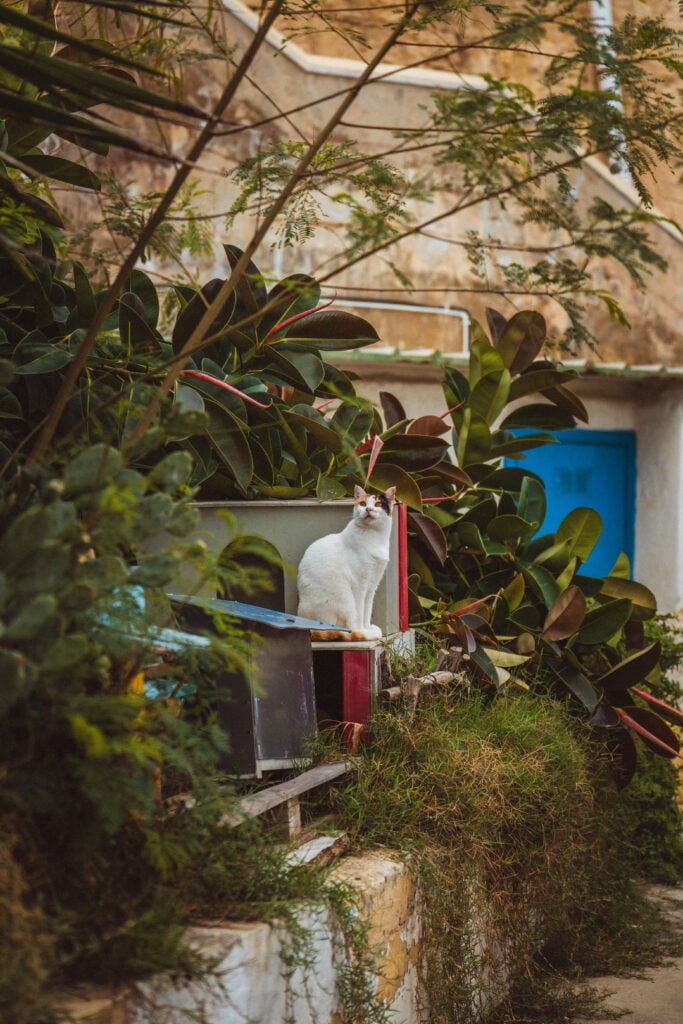
Today, Valletta is a stunning UNESCO World Heritage Site celebrated for its Baroque palaces, grand churches, and centuries-old fortifications. It’s also home to thousands of cats! Despite being one of Europe’s smallest capitals, it’s packed full of history, most of which is within walking distance.
One Day in Valletta suggested itinerary
In this itinerary, you’ll see some of Valetta’s most important main sights, as well as hopefully get a flavour for the city and what it has to offer. One day is enough time to get a glimpse of Malta’s capital, but if you wish to explore it more in depth and at a leisurely pace, then I suggest visiting for 2 to 3 days.
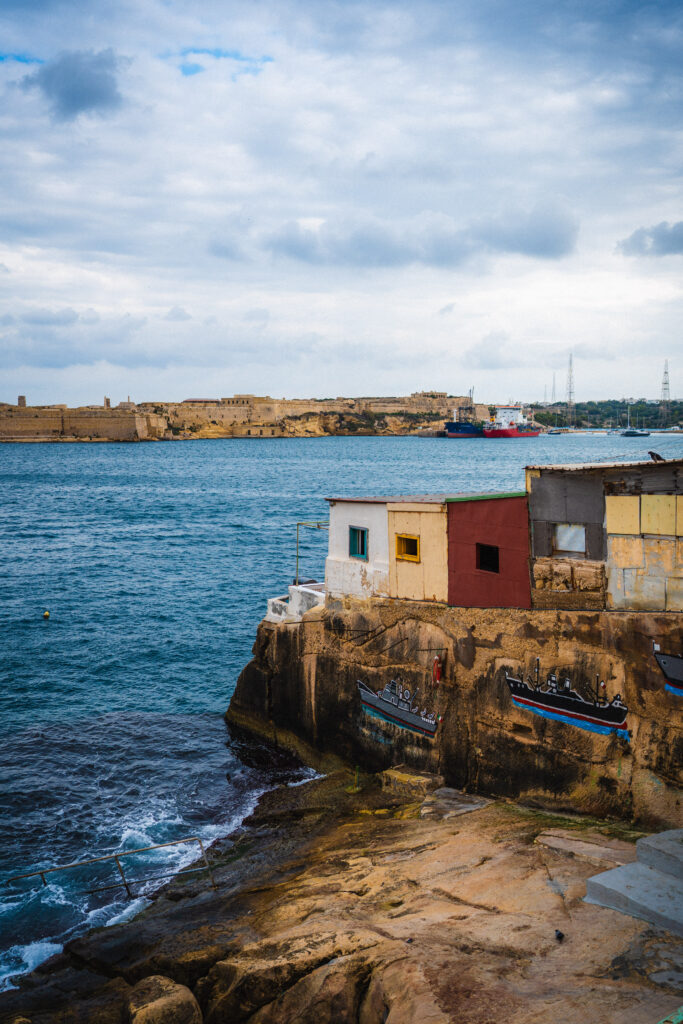
White Bridge Bar
Start your time in Valletta by visiting the charming White Bridge Bar. This cosy and friendly spot serves anything from coffee to wine, but most importantly, plenty of delicious food!
They have a toast & coffee breakfast deal, or I recommend opting for a pastizzi. This savoury, flaky pastry is made with phyllo dough and traditionally filled with either ricotta or curried peas (they’ll likely have sweet options too).
Fort St. Elmo & National War Museum
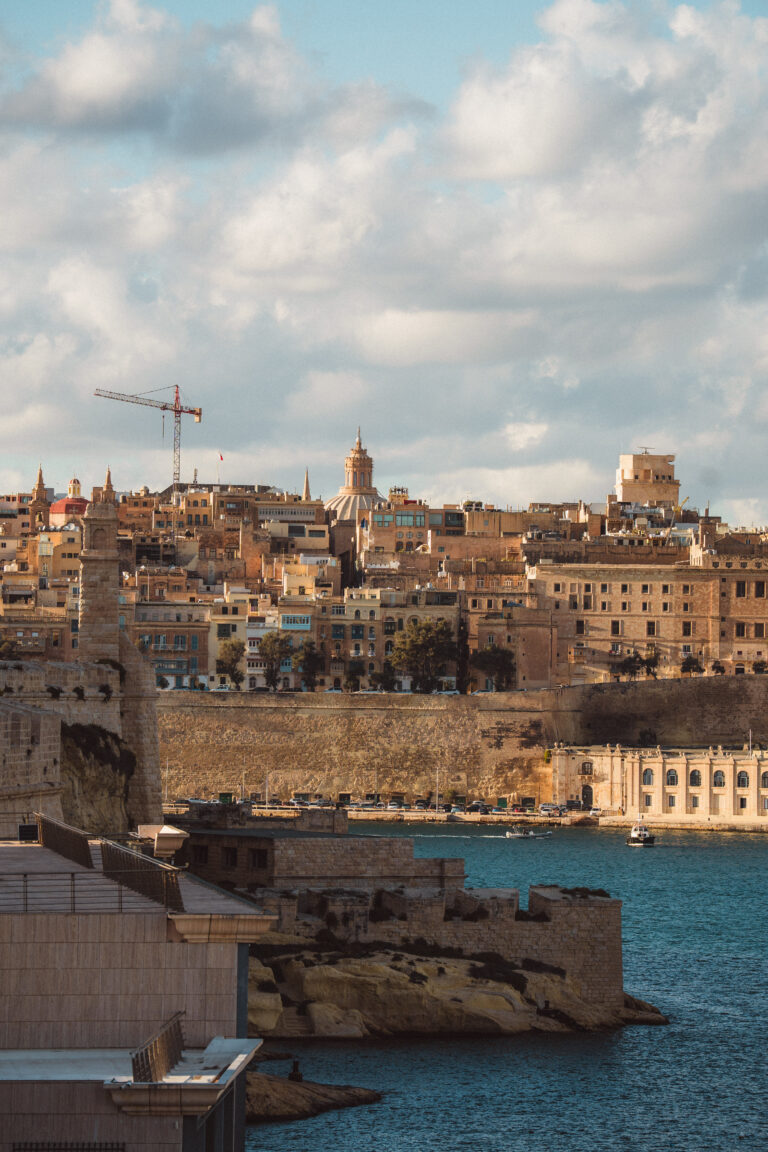
The perfect way to gain a deeper understanding of Valletta’s history is by exploring Fort St. Elmo, a star-shaped fort best known for its role in the Great Siege of Malta in 1565. From here, you’ll also enjoy stunning views overlooking the surrounding bay.
A watchtower has existed at Saint Elmo Point since at least the early 15th century. In 1488, the Aragonese built a watchtower there. After a successful Ottoman raid in 1551, the Order of Saint John ordered the construction of a full fortification to prevent further attacks. This was completed in just a few months.
However, following the destructive Great Siege of 1565, the fort had to be rebuilt, and was then expanded, and eventually integrated within Valletta’s fortifications. Over the years, the fort has been renovated, much like the rest of Valetta’s historic sites.
If you’re interested in military history, located inside Fort St. Elmo, you can find the National War Museum, which has a small collection mainly focused on World War I and World War II.
Entry to both Fort St. Elmo and the museum costs around €10 for general admission. If you are short on time or just prefer to view it from the outside, you can get great views of the limestone fort from the other side of the harbour.
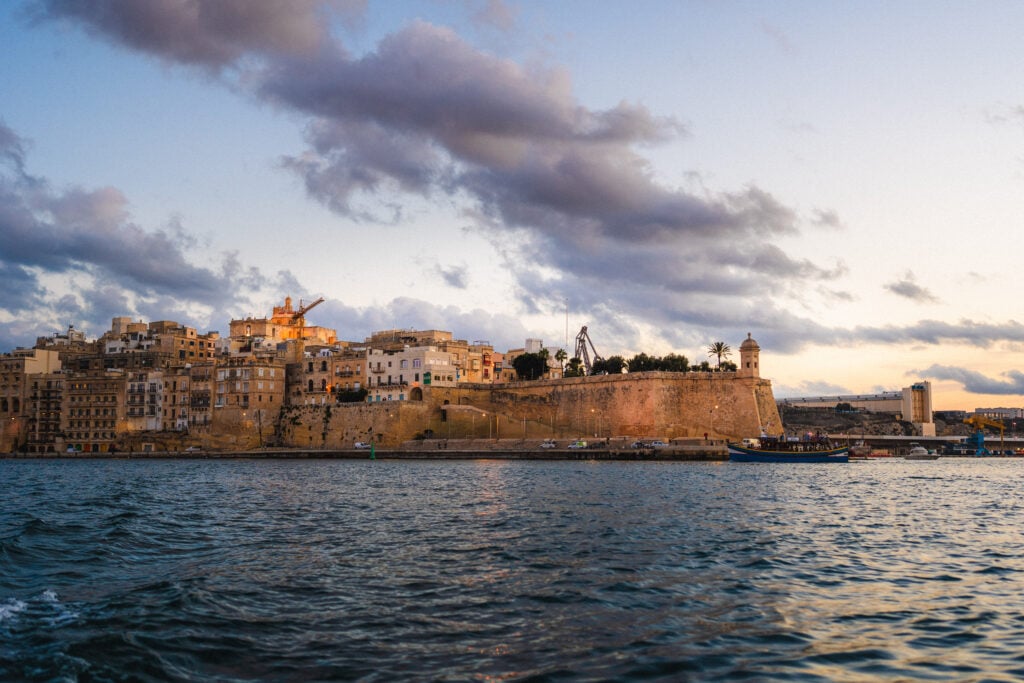
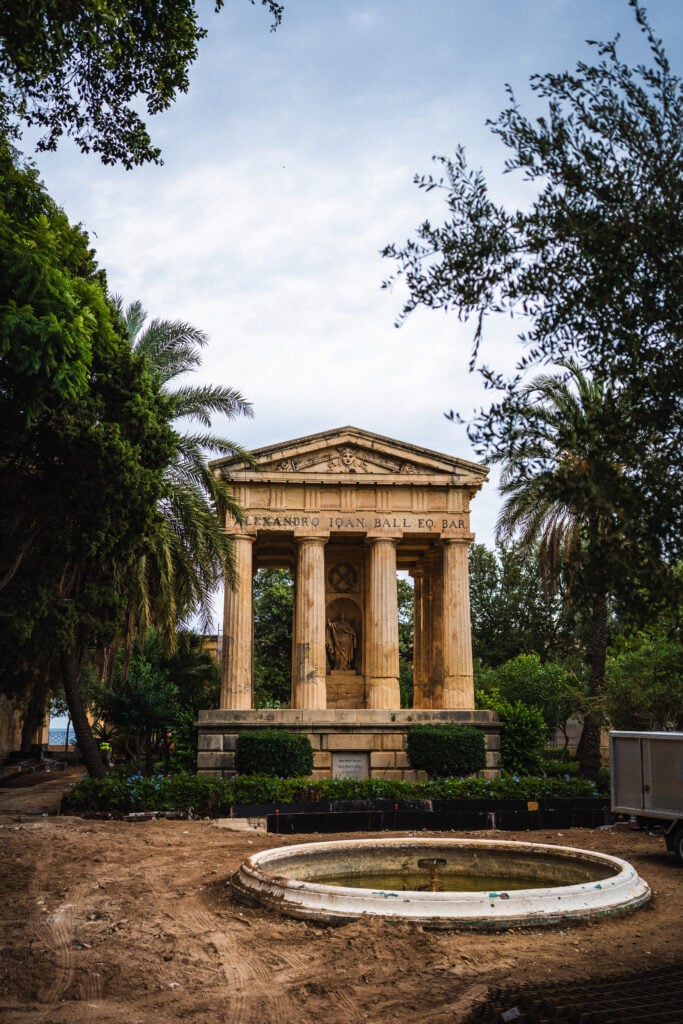
Lower Barraka
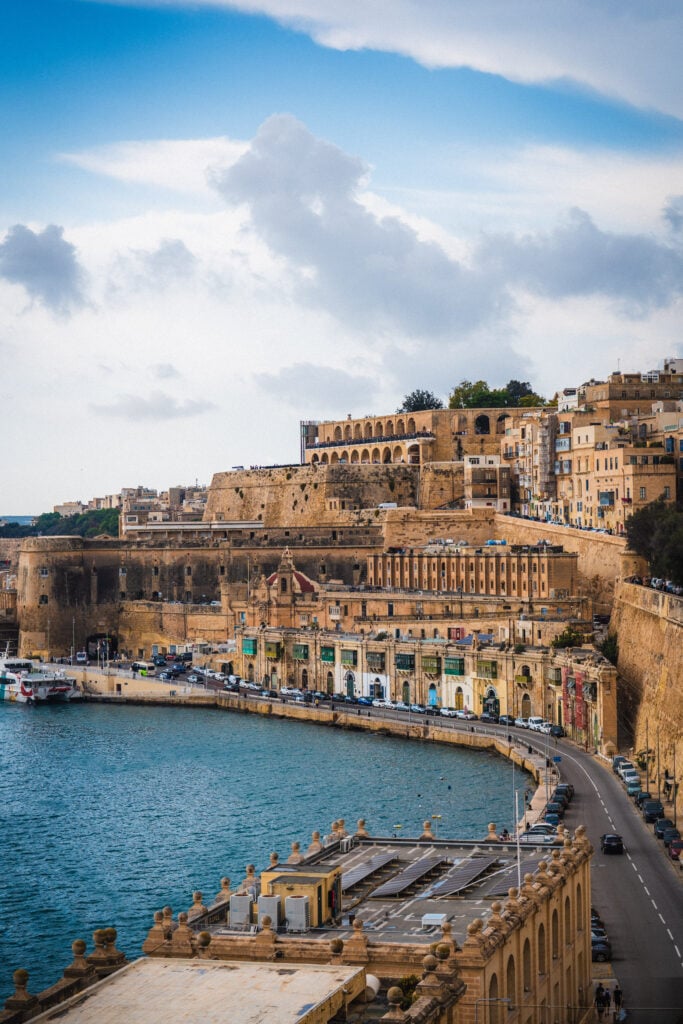
One of the best things about visiting a fortified city has to be that there are spectacular viewpoints almost everywhere you go. The Lower Barraka Gardens are a public garden twinned with the Upper Barrakka Gardens – from here, you can enjoy sweeping vistas across to the other side of the bay.
Within the park itself, you’ll find gems like the neoclassical monument dedicated to Sir Alexander Ball, the British admiral and first Civil Commissioner of Malta. This Greek temple-inspired monument was constructed in 1810 after his death.
The garden also contains an artificial well, as well as some snack bars and public toilets. It is completely free to enter and wander around – they open from 7 am and close at 10 pm every day.
Casa Rocca Piccola
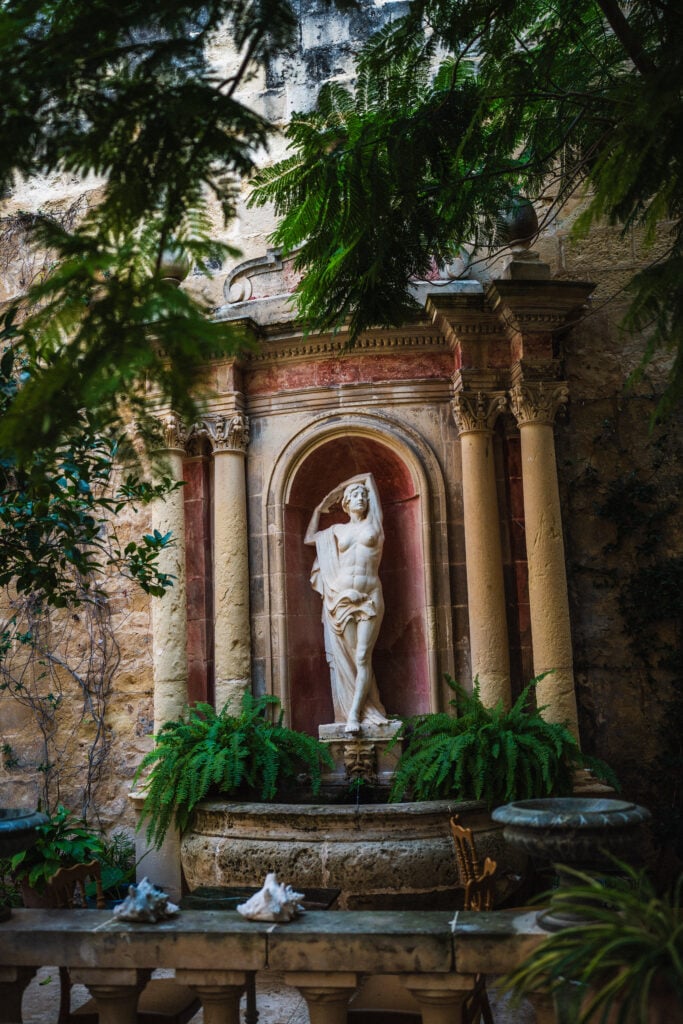
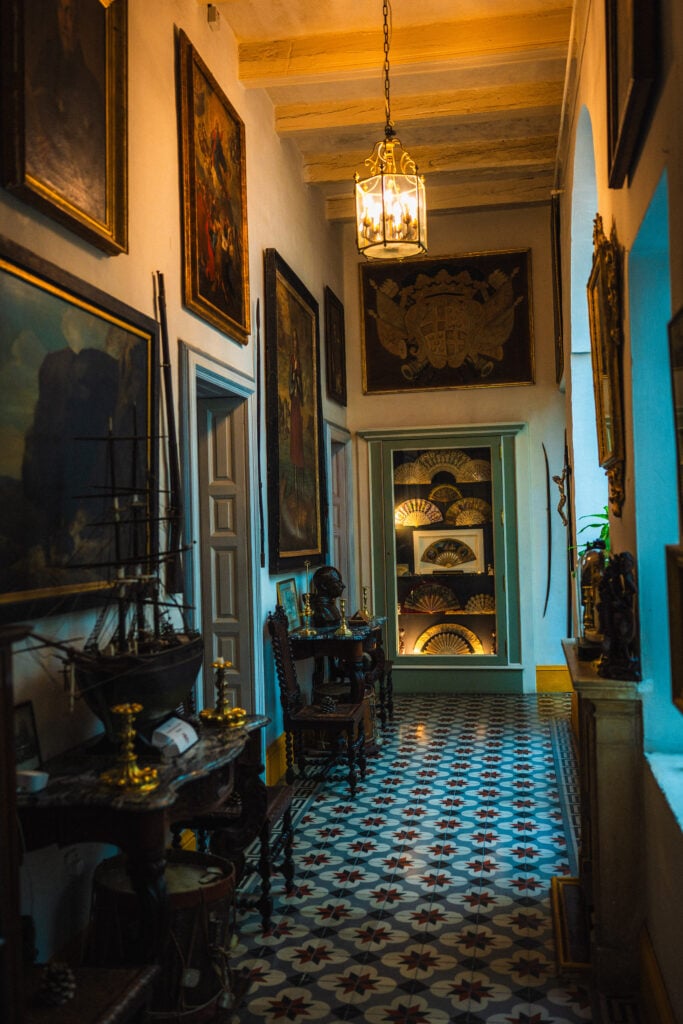
Casa Rocca Piccola is a beautifully preserved 16th-century noble Maltese family home located in the heart of the city. Indeed, it is still owned by the de Piro family today, and it offers a rare glimpse into the life of Malta’s aristocracy.
There are twelve rooms for which to explore, filled with period furniture, fine art, and family heirlooms that span centuries, and showcase the opulent elegance and history of the Maltese nobility.
One of the home’s most fascinating features is its World War II air raid shelter, built beneath the house to protect the family during the heavy bombings of the war.
Teatru Manoel
Next, you’ll want to head to Teatru Manoel; this national gem is one of Malta’s most important performing arts venues. The theatre was built in 1731 and is named after the Grand Master of the Order of the Knights Hospitaller, Fra António Manoel de Vilhena. It can hold a capacity of 623 people and hosts things like opera, ballet, concerts, and other musical performances throughout the year.
There is an entry fee of €5 for guided tours. Or, of course, you could check out what events are happening and spend an evening indulging in local culture by watching a live performance. See upcoming events on the official website here.
Republic Street
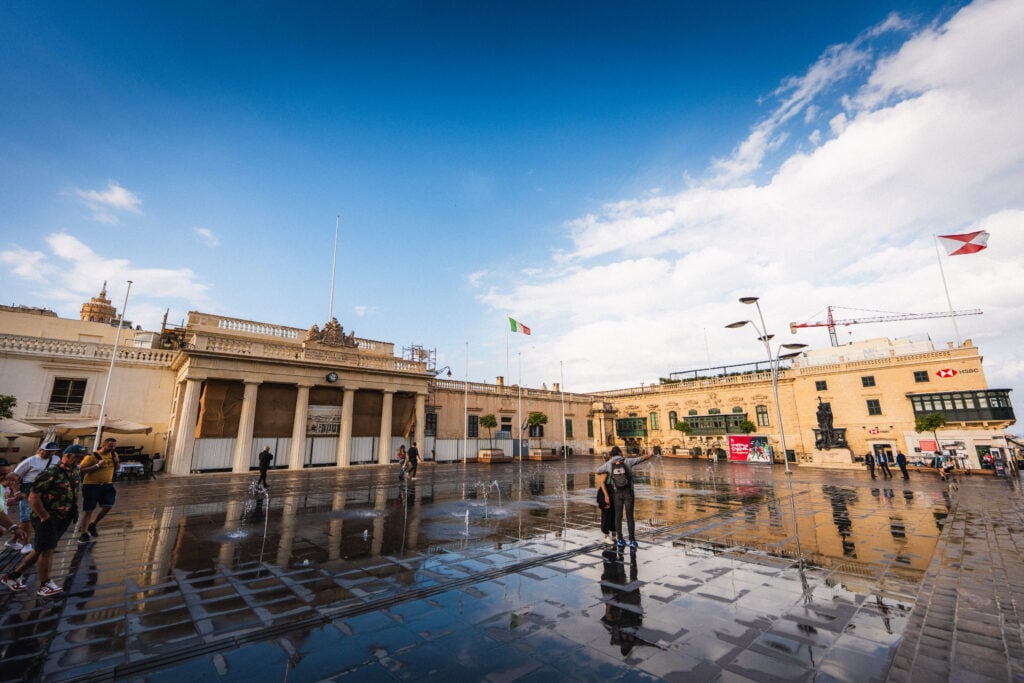
Republic Street is the main thoroughfare running through Valletta, and so, it tends to always be pretty crowded. This bustling street runs through the heart of the city for around 1 kilometre from City Gate towards Fort St. Elmo.
One special thing you’ll notice as you stroll down the street is the many narrow alleyways branching off, mostly empty, offering a stark contrast to the city’s main high street.
St John’s Co-Cathedral
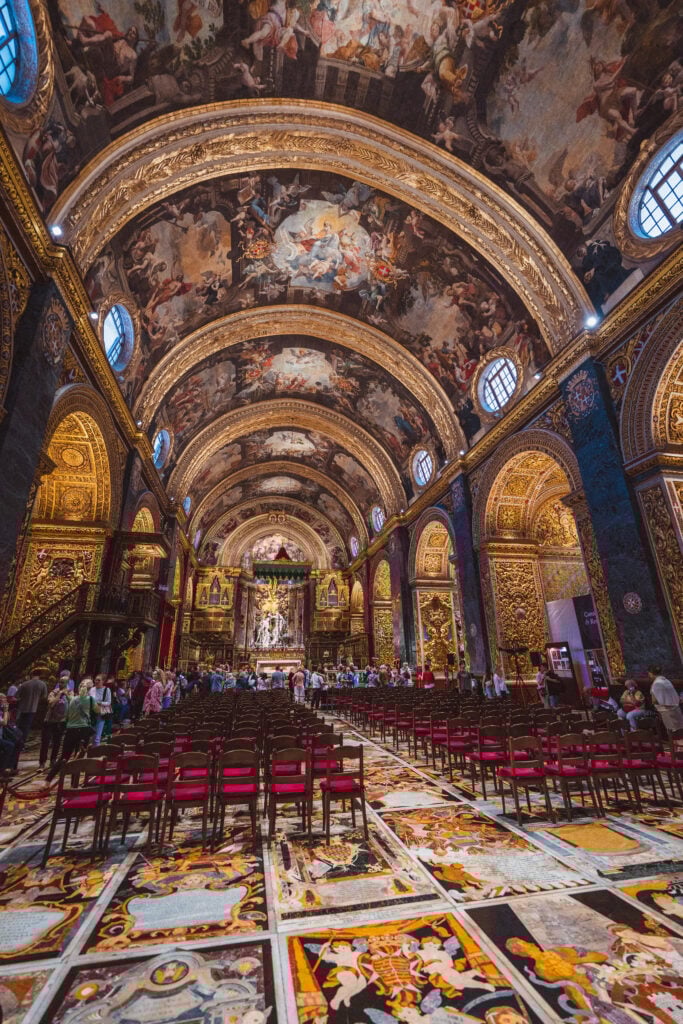
Situated along Republic Street, you’ll find the entrance to St. John’s Co-Cathedral, a 16th-century masterpiece built by the Order of St. John. Step inside, and you’ll be amazed by the ornate and intricate details that cover the walls from floor to ceiling.
The Baroque interior depicts scenes from the life of St. John the Baptist, and the frescoes and cornices are lavishly decorated in gold leaf. Look down, and you’ll see that the detailed floor is a large-scale mosaic featuring nearly 400 marble tombstones of the Knights of Malta.
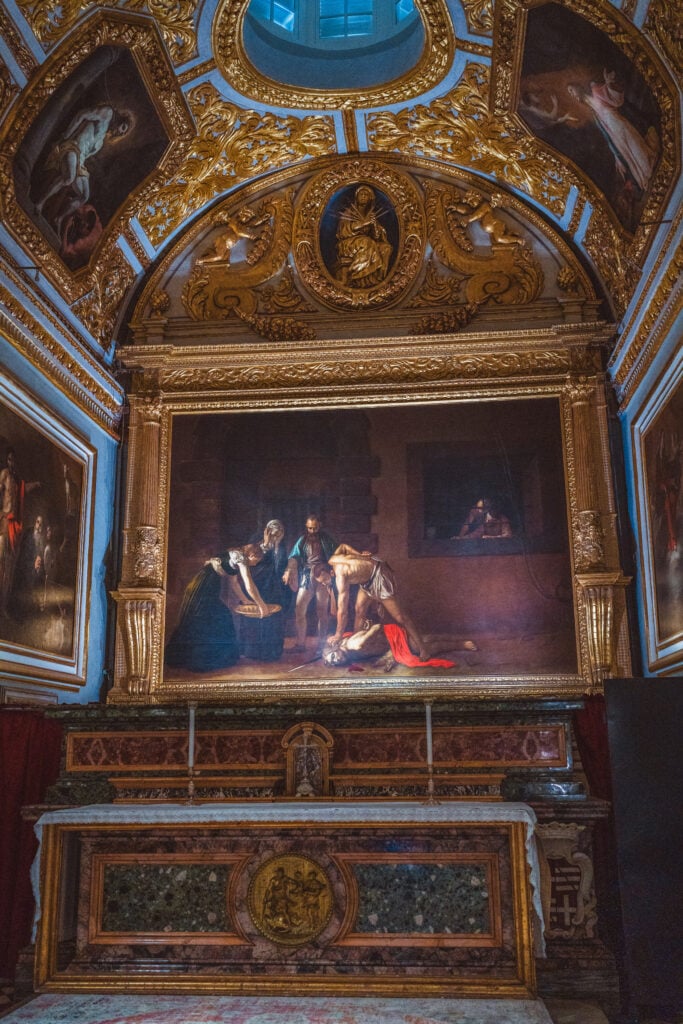
A hidden gem that can be found in the Oratory of the Cathedral is Caravaggio’s only signed work – a painting that depicts the beheading of St. John.
In 1607, Caravaggio arrived in Malta as a man on the run, following a fatal brawl in a pub in Rome. Seeking a papal pardon, he joined the Knights of St. John in hopes of restoring his reputation. However, his membership was short-lived due to his continuous violent behaviour, and as such, he was soon expelled from the order.
National Museum of Archaeology
If you’re interested in prehistory and Malta’s enthralling temples, check out the National Museum of Archaeology.
Situated on Republic Street, this museum details the first people who settled in Malta and the structures that they built, along with some of the mysteries surrounding why and how they built them!
The museum also has exhibits on the Phonecians and the Carthaginians, both early inhabitants of the island.
Museum Café
Stop for a quick refreshment at Museum Café, which is known as one of the oldest cafés in Valetta, established in 1921. This charming spot has both indoor and outdoor seating and serves a delicious variety of traditional Maltese cuisine, great coffee, and plenty more.

Food in Valletta: If you want to try some Maltese classics for lunch, check out Il-Horza Restaurant, a small and friendly eatery serving dishes like squash soup, pasta and pork belly. (booking recommended)
If you don’t fancy a sit-down meal for lunch, Falafel Street is a Lebanese takeaway that serves authentic (and delicious!) falafel wraps and pittas.
If you would prefer to learn about local food in Malta together with a local guide, then consider booking a food and drink guided walking tour like this one.
National Library of Malta
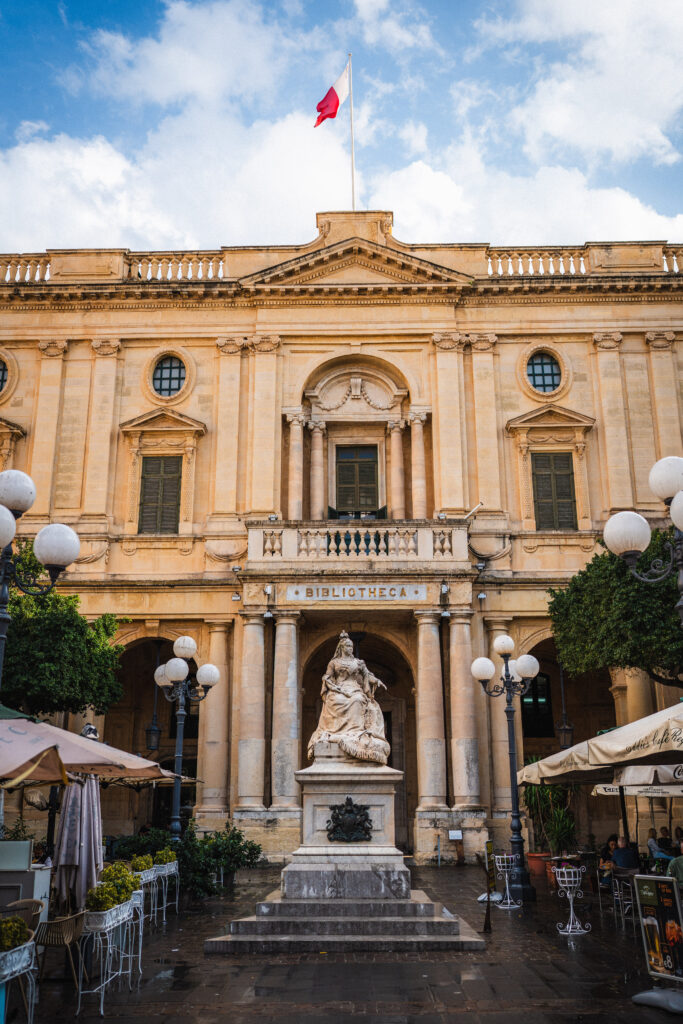
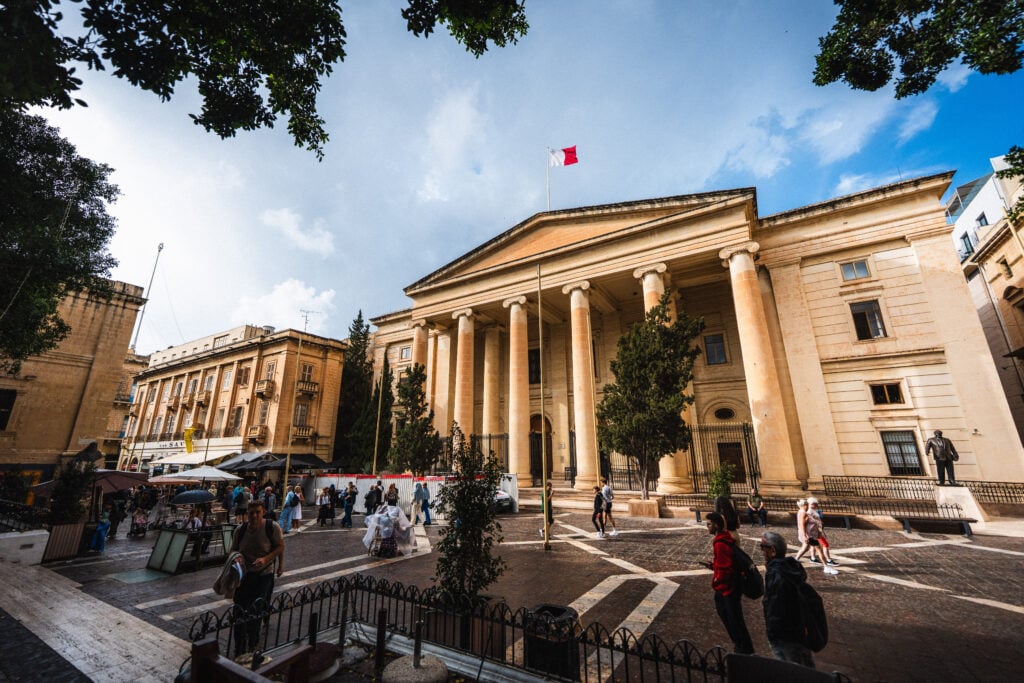
As a book lover myself, I always like to visit libraries and bookshops when possible. The National Library of Malta, or Bibliotheca as it’s more commonly referred to, is a reference library located in Republic Square. It was established in 1776 by Grand Master Emmanuel de Rohan-Polduc, based on the personal collection of the knight Louis Guérin de Tencin.
While parts of the library can be visited by appointment only, it’s certainly worth taking a peek around and admiring the beautiful architecture from its exterior. It opens every day from 8:30 am to 4:30 pm, but is closed on Sundays.
Queen Victoria Statue
Just outside of the library, you’ll see a huge marble bust of Queen Victoria, created by the Sicilian sculptor Giuseppe Valenti. The statue was installed in 1891 to commemorate the Queen’s Golden Jubilee in 1887, and it symbolises Malta’s historical connection to the British Empire.
Saluting Battery
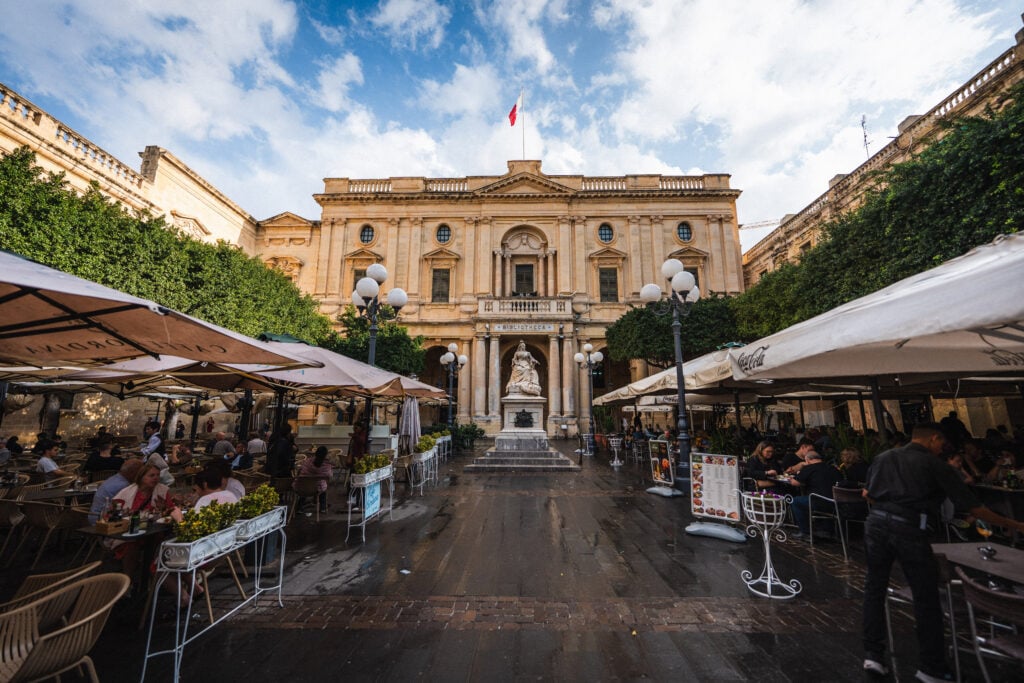
The Saluting Battery (Batterija tas-Salut) is one of Valletta’s most iconic historical sites. Built in the 16th century by the Order of Saint John, it sits on or near the site of an Ottoman battery from the Great Siege of Malta. The battery forms the lower tier of St. Peter & Paul Bastion, just below the Upper Barrakka Gardens, boasting stunning views over Fort St. Angelo and the Grand Harbour.
The Saluting Battery was originally used for ceremonial gun salutes and signalling the opening and closing of the city gates. However, it also came in use during military actions. Today, you can see eight working replicas of 32-pounder guns, which fire ceremonial salutes twice daily, Monday to Saturday, at noon and at 4 pm.
Upper Barraka
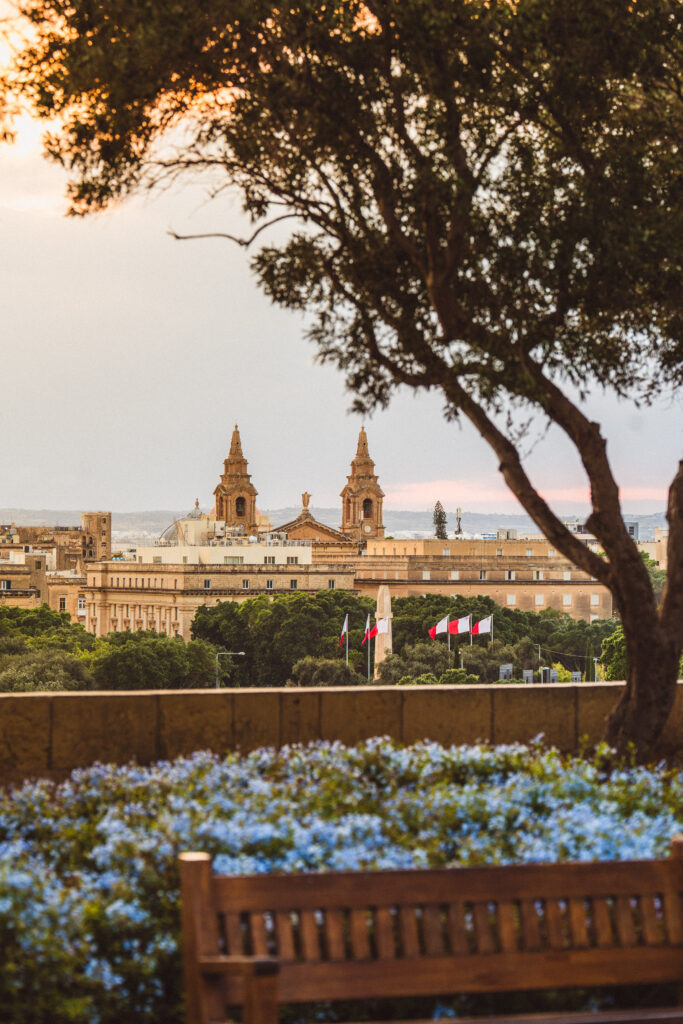
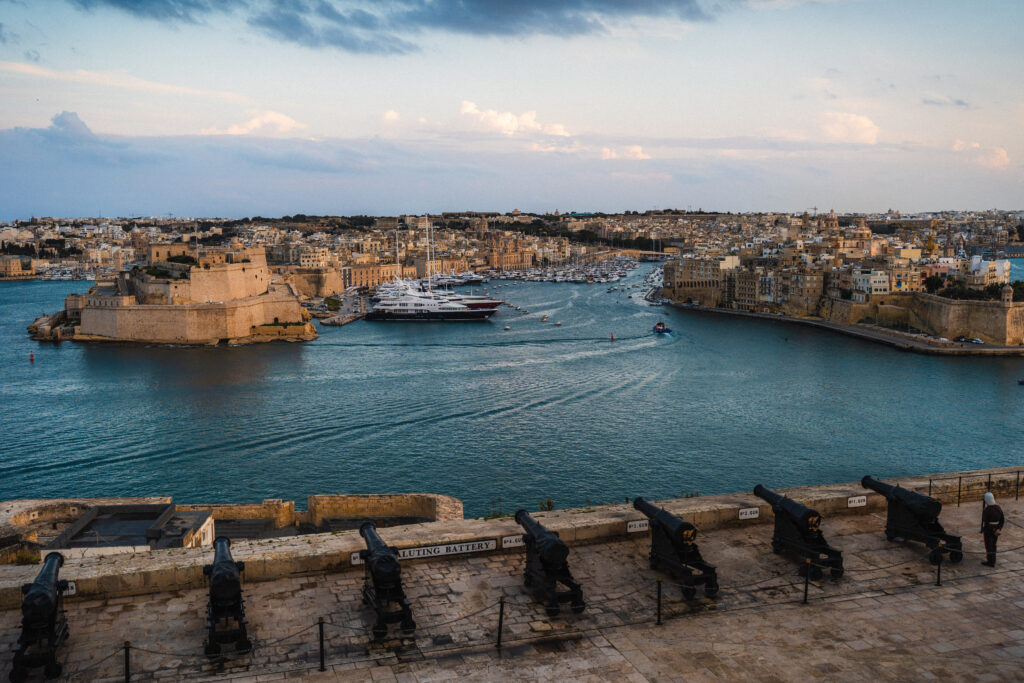
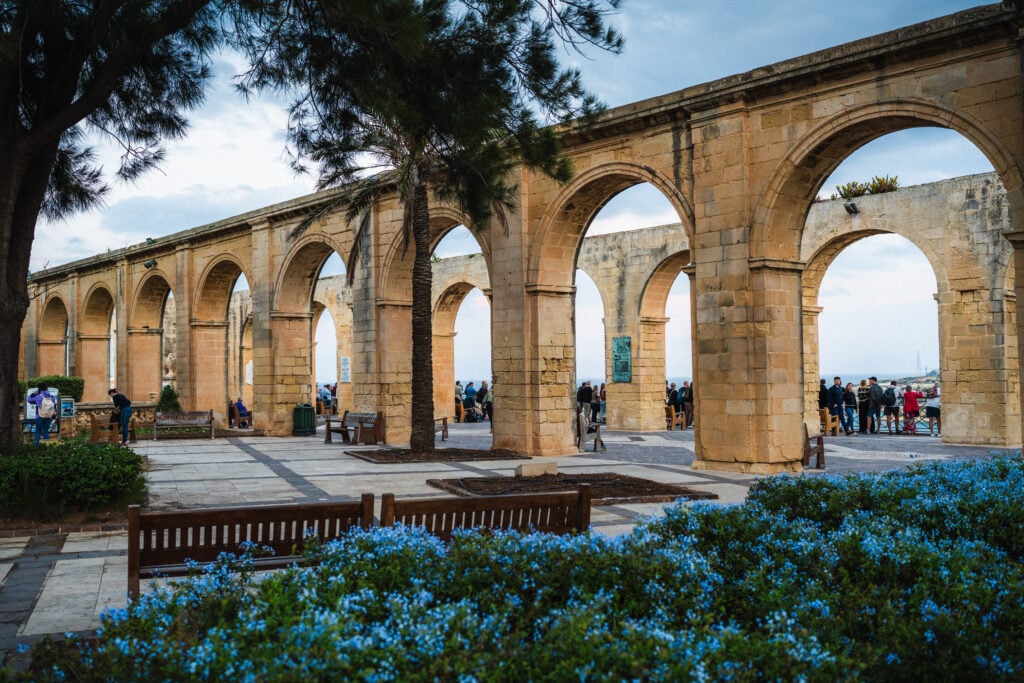
Enjoy soaking up the sunset over Valletta by heading to the Upper Barraka Garden. From here, you’ll be greeted by sweeping panoramic views overlooking the bay, harbour area, and blue stretch of the Mediterranean Sea far into the horizon.
Visit The Lascaris War Rooms
The Lascaris War Rooms is a historic bunker that was used in both World War Two and the Cold War; due to Malta’s position in the Mediterranean and the fact that it was a British crown colony, it was heavily bombed in the World War Two Siege of Malta (not to be confused with the 16th century Siege of Malta) between 1940 and 1942.
Nowadays, the Lascaris War Rooms feature various exhibitions about wars that Malta’s been a part of. The war rooms are just under the Upper Barakka Gardens.
Dinner on St Lucia Street
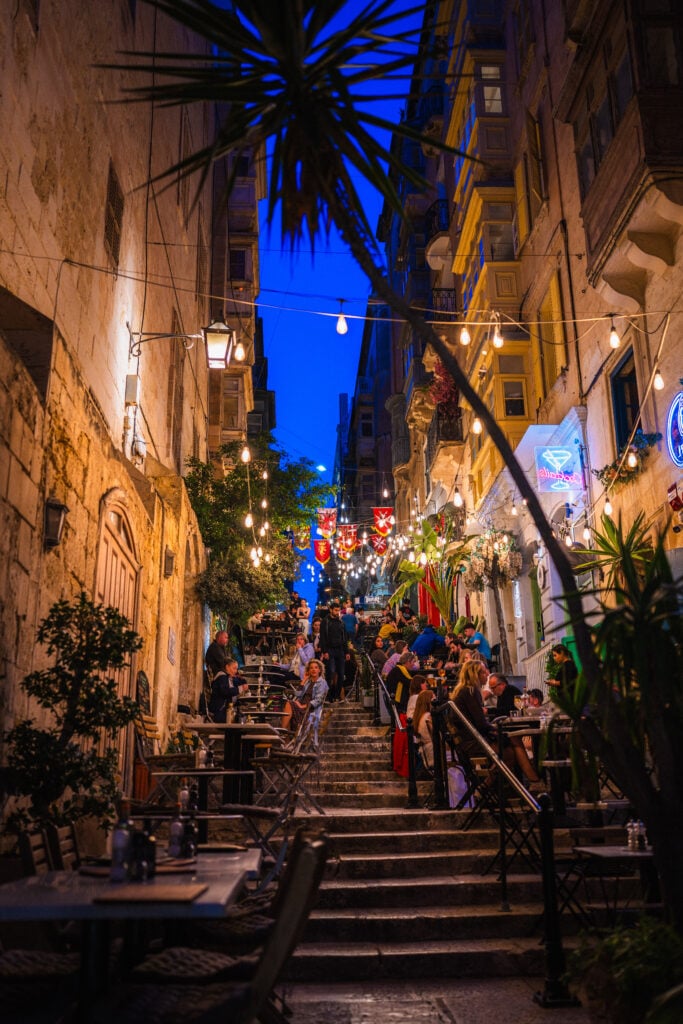
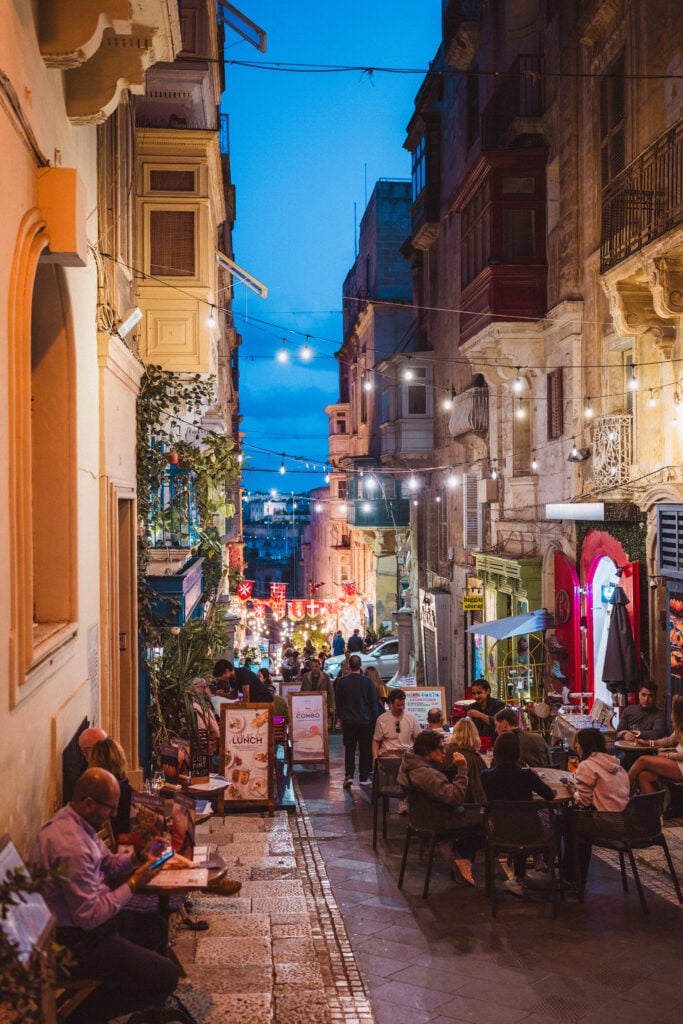
St Lucia is a narrow cobblestone street that’s home to a variety of restaurants and bars, all of which have outdoor seating on steps. This lively and vibrant area is the perfect way to end your first day in Valletta, as it gives a real feel for the local culture and overall atmosphere of Malta’s capital city.


Some traditional dishes in Malta to try include:
- Stuffat tal-Fenek (Rabbit Stew) – This is considered the national dish of Malta! It’s rabbit meat simmered in a rich sauce of tomatoes, red wine, garlic, and herbs, often served with pasta or bread.
- Aljotta – a traditional Maltese garlic fish soup.
- Imqarrun – a rich baked pasta dish, similar to macaroni, but with tomatoes and meat.
- Soppa tal-Armla (widow’s soup) – hearty and comforting, this vegetarian soup/stew is a nod to the humble use of local vegetables.
- Kapunata – similar to ratatouille but with added olives, this dish is often served as a starter.
- Hobż biż-żejt – this is more of a snack, thick slices of bread smothered with olive oil and fresh crushed tomatoes.
Maltese cuisine is a real mix of Mediterranean influences, particularly Italian (especially from Sicily), with Arab, North African, and some British flavours sneaking in. While Maltese food is quite meat-heavy, there are plenty of options when it comes to looking for vegetarian foods too – especially thanks to the climate and huge variety of fresh produce.
Pubs and bars in Valletta
If you want to enjoy a few drinks after the sun goes down, there’s a variety of pubs and bars in Valletta, including Alchemy which is a chilled-out bar, La Bottega which boasts two-for-one cocktails during happy hour and The Capitol City Bar.
Where to stay in Valletta
As Malta’s capital, Valletta offers plenty of options when it comes to choosing where to stay. That, and it’s a great base to explore the nearby historic sights as well as the wider regions. Here are some suggestions for where to stay (some of which are based on web-reviews):
(Budget) Osborne Hotel – Just a 6-minute walk from Saint John’s Co-Cathedral, this hotel offers amenities such as a lounge bar, restaurant, and an outdoor swimming pool. It’s a bit more basic than other options, but it offers a relatively affordable stay in Malta’s capital. Check prices and availability here.
(Mid-range) Battery House – This beautiful hotel is located near Upper Barrakka Gardens, offering sweeping views overlooking the bay. Clean and comfortable, the amenities include a terrace, balcony, and a hot tub. It’s particularly popular with couples. Check prices and availability here.
(Luxury) The Phoenicia Malta – It doesn’t get more decadent than this upscale neoclassical hotel overlooking the Grand Harbour. Situated a 6-minute walk from the Museum of Archaeology. This 5-star hotel has both an indoor and an outdoor infinity pool. Luxury at its finest, it’s definitely a once-in-a-lifetime experience to stay here. Check prices and availability here.
Getting to and around Valletta
Valletta is well-connected to the rest of Malta via various modes of transportation. Most towns have buses to Valletta, and you can easily access the capital from the airport.
The streets of central Valletta aren’t big enough for buses, so the bus terminal in Valetta is located at the Triton Fountain, a short walk from the city centre.
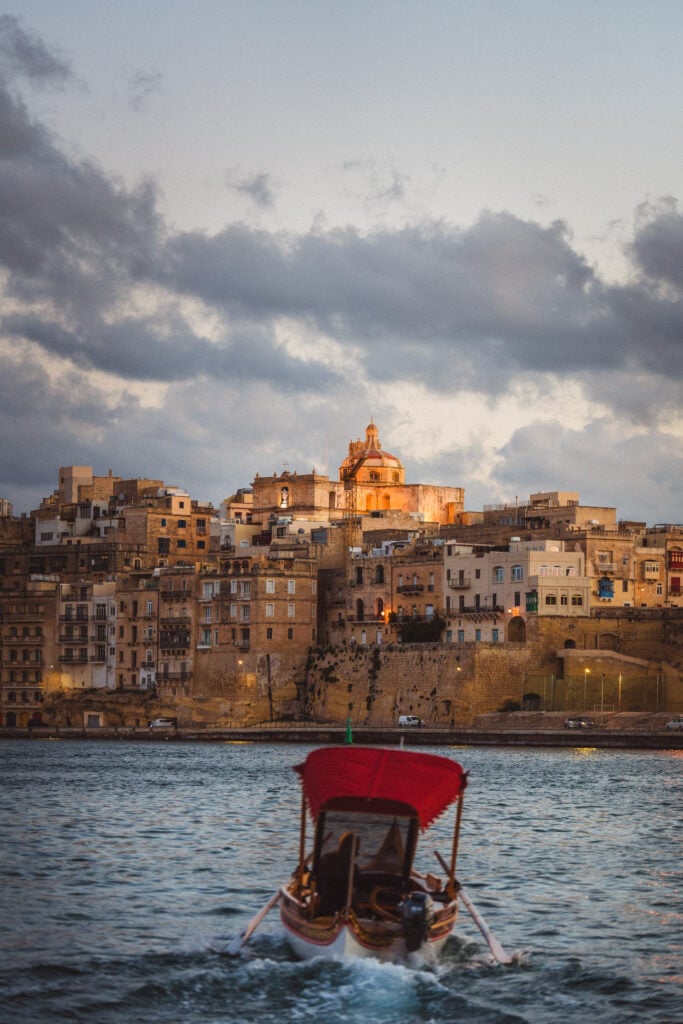
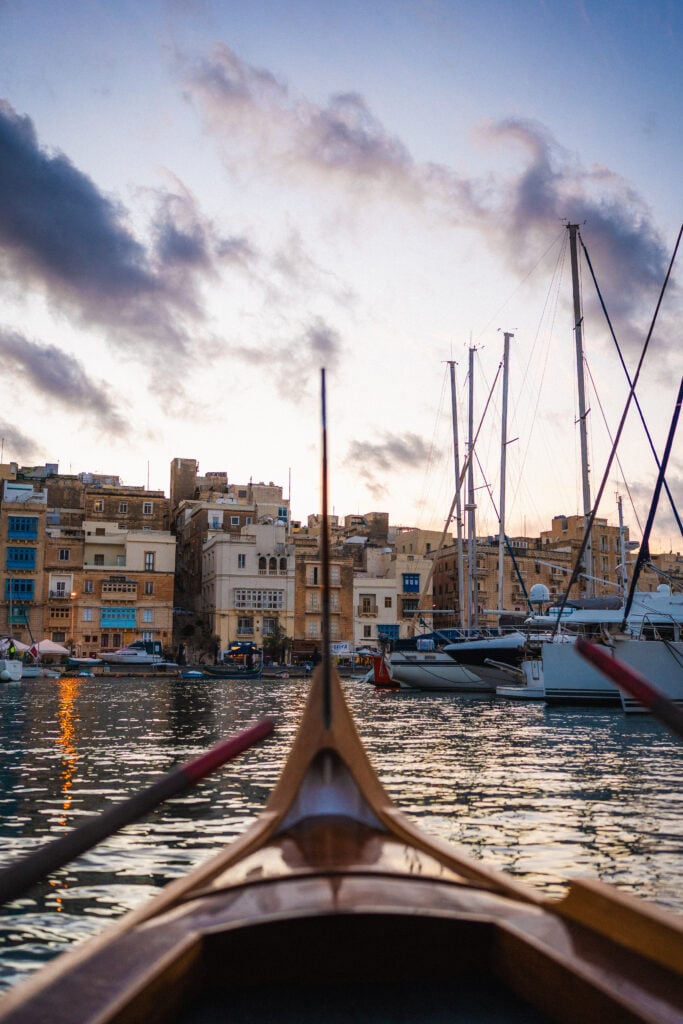
You can also access Valletta by boat – Valletta Ferry Services operate regular ferries between Valletta and the Three Cities (Cospicua, Senglea, and Vittoriosa) across the Grand Harbour – or you can take a traditional dghajsa boat for an extra cultural experience! There is also a ferry service that connects Valletta to Sliema.
The taxi app Bolt works well in Malta – in Valletta and surrounding areas, taxis usually arrive in a few minutes after they’re ordered.
Once you’re in Valletta, the best way to explore the city is on foot, thanks to its compact size and the fact that most of the streets are narrow and one-way!
Are you ready to explore Valletta?
Delightfully compact, Valletta is one of the few cities in Europe that you can extensively and thoroughly explore in just one day. One day in Valletta will help you experience the city’s history, admire its architecture and enjoy epic views over the harbour.
Of course, there’s plenty more to do on the island – Malta’s renowned for gastronomy, nature, hiking and diving – but spending 24 hours in Valletta will give you a dose of culture and a slice of traditional Maltese life!
Watch the Malta video
Enjoyed reading our guide to Valletta? Pin this article now, and read it again later: