Borghetto Guide: The Prettiest Italian Town You’ve Never Heard Of
Last Updated on 9th December 2025 by Charlotte Nadeau
This post may contain affiliate links. Please check out my privacy policy and disclosure for more information.
Nestled along the banks of the Mincio River, Borghetto is a hidden gem that you’ve probably never heard of but should be on your radar. This tiny medieval village is filled with charming stone houses, ancient watermills, and cobbled lanes. It’s most famous as being the home of a special regional pasta called tortellini di Valeggio, also known as “love knots.” Here’s your ultimate guide to Borghetto and the best things to do!
Contents
Getting to Borghetto
Tucked away in the Veneto region of Northern Italy, Borghetto is best reached by car. However, a more adventurous way to reach the town is to take a lovely cycle ride from nearby Peschiera del Garda.
Italy is renowned for its extensive train network. So, if travelling by public transport, then the nearest hub to Borghetto is the city of Verona. From here, you can take the number 46 bus to Borghetto.
What is Borghetto known for?
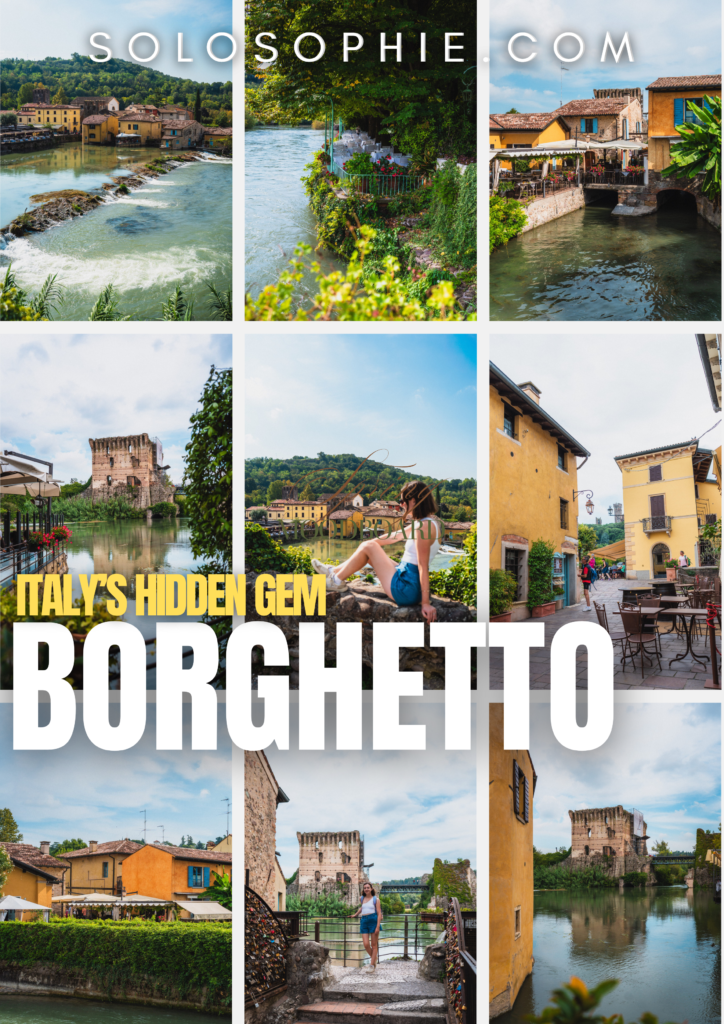
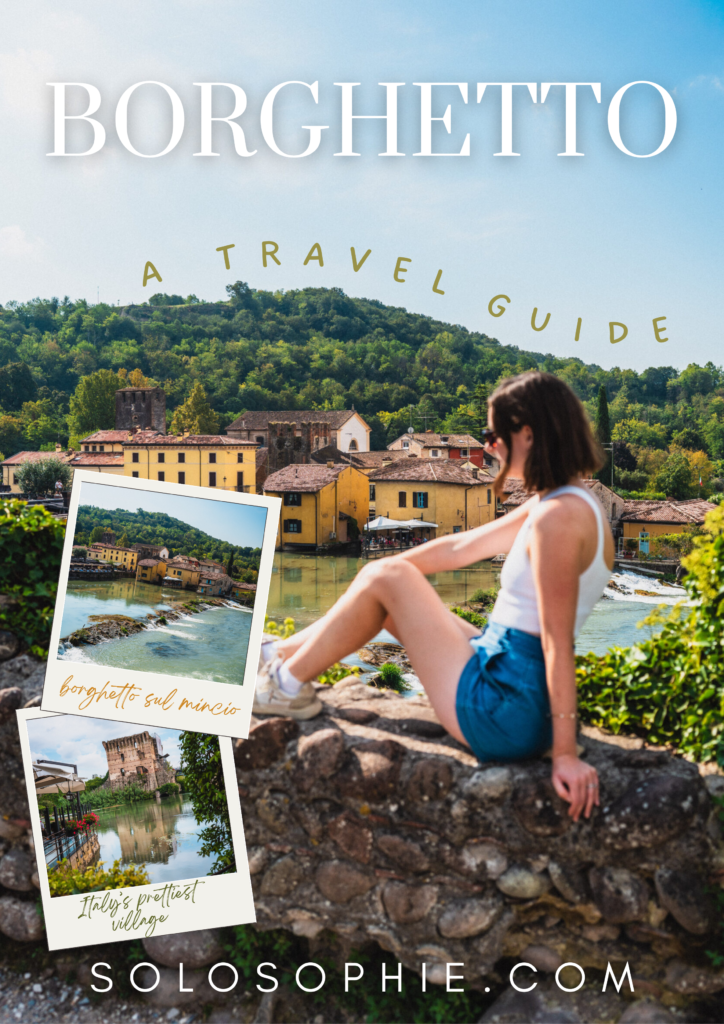
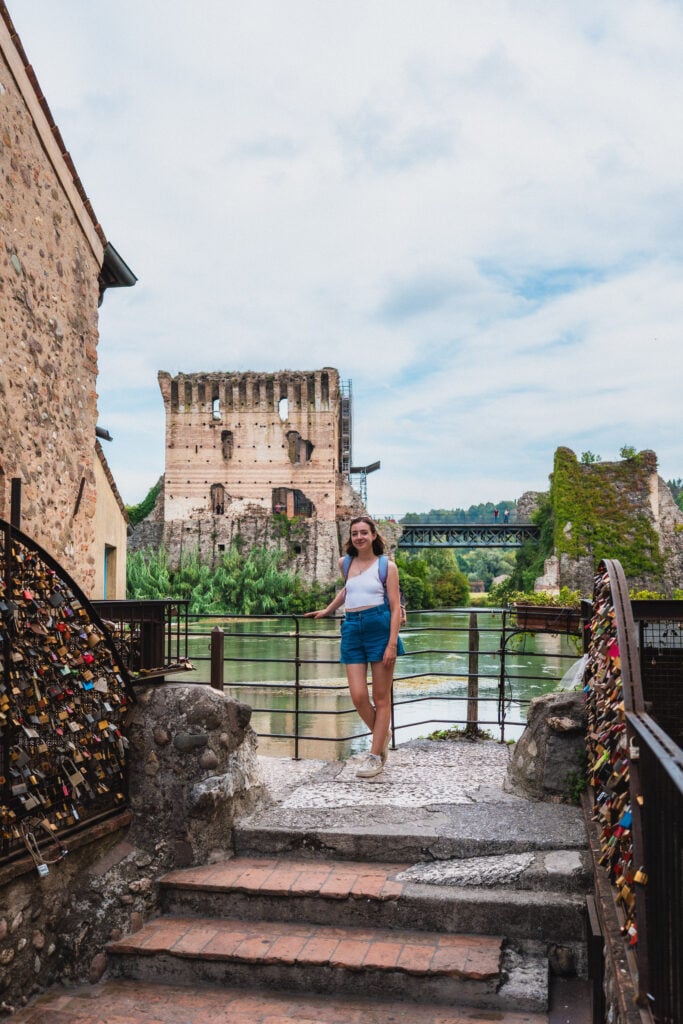
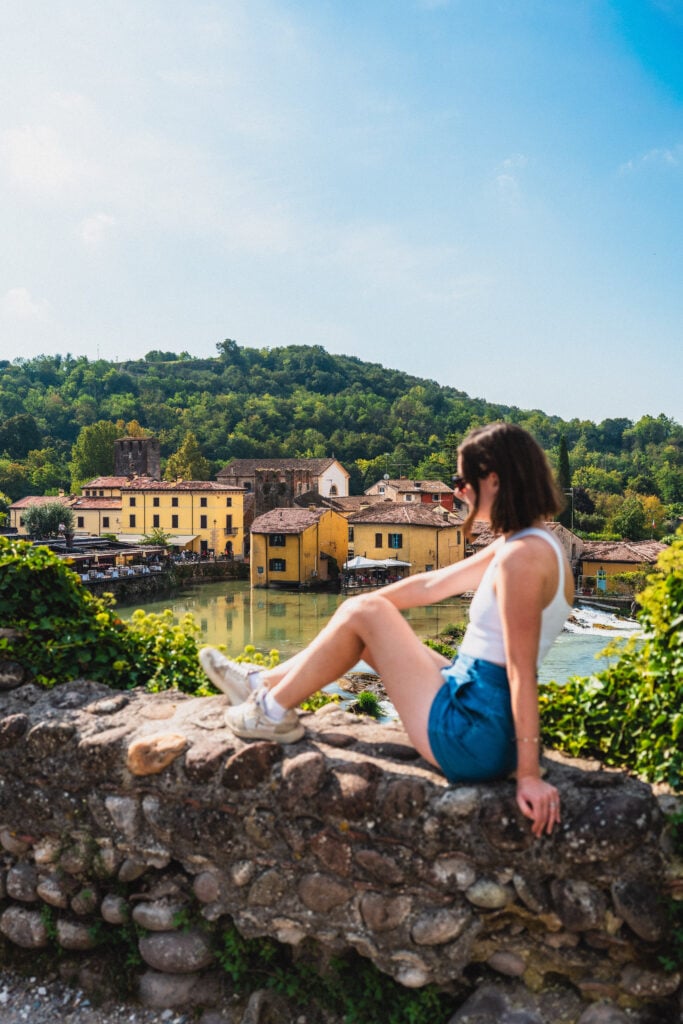
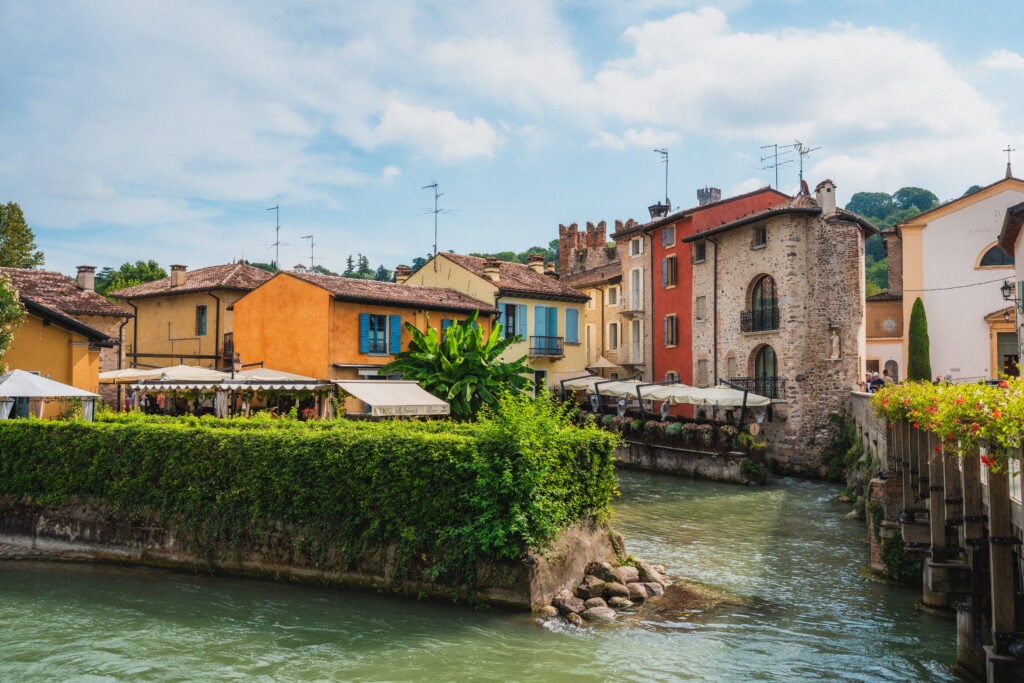
Borghetto is renowned for its picturesque medieval charm and its historic watermills. This quintessential Italian village is often described as a fairy tale hamlet, built on the Mincio River.
It is home to plenty of authentic culture, offering a slow-paced style of living; therefore, it’s perfect for those looking for a quiet retreat or romantic getaway. In fact, it’s recently been added to the club of “Italy’s most beautiful villages.”
But, Borghetto is most uniquely known for its special regional pasta called tortellini di Valeggio, which is also known as “Nodo d’Amore” (Love Knot). Their name and iconic knot shape are inspired by a 14th-century legend of a nymph and a soldier, whose love was sealed with a knotted silk handkerchief.
Each handmade, delicate pasta parcel is filled with a savoury blend of rich meats and is traditionally enjoyed in a rich broth or simply with butter and sage, celebrating the artistry and flavours of Italian culinary tradition. So, while in Borghetto, be sure to sample this local delicacy!
Best things to do in Borghetto
Wander the Old Town
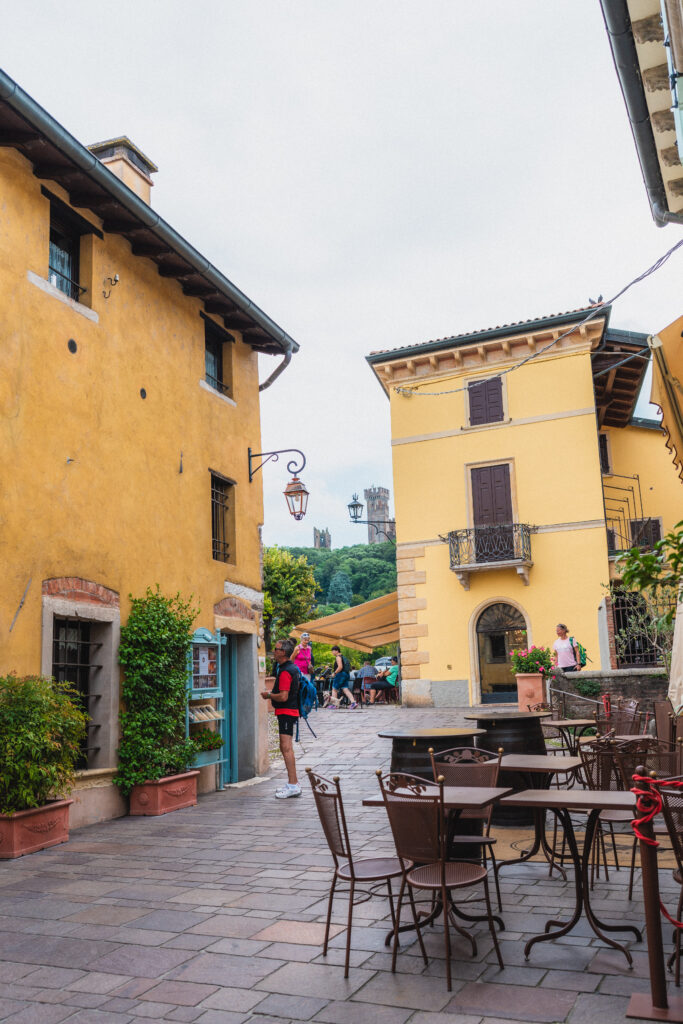
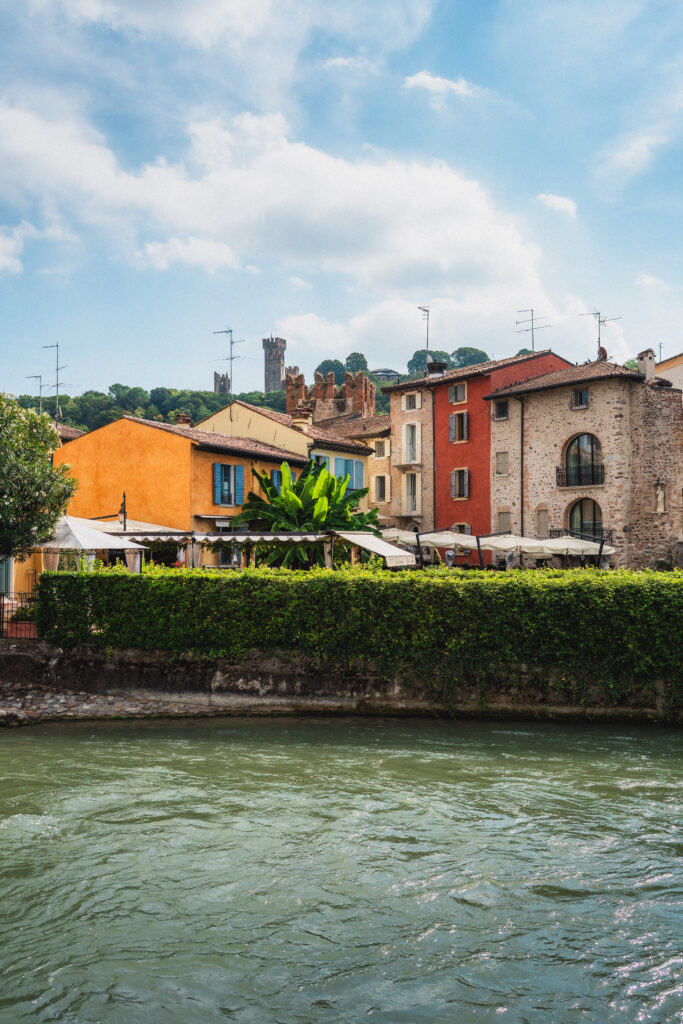
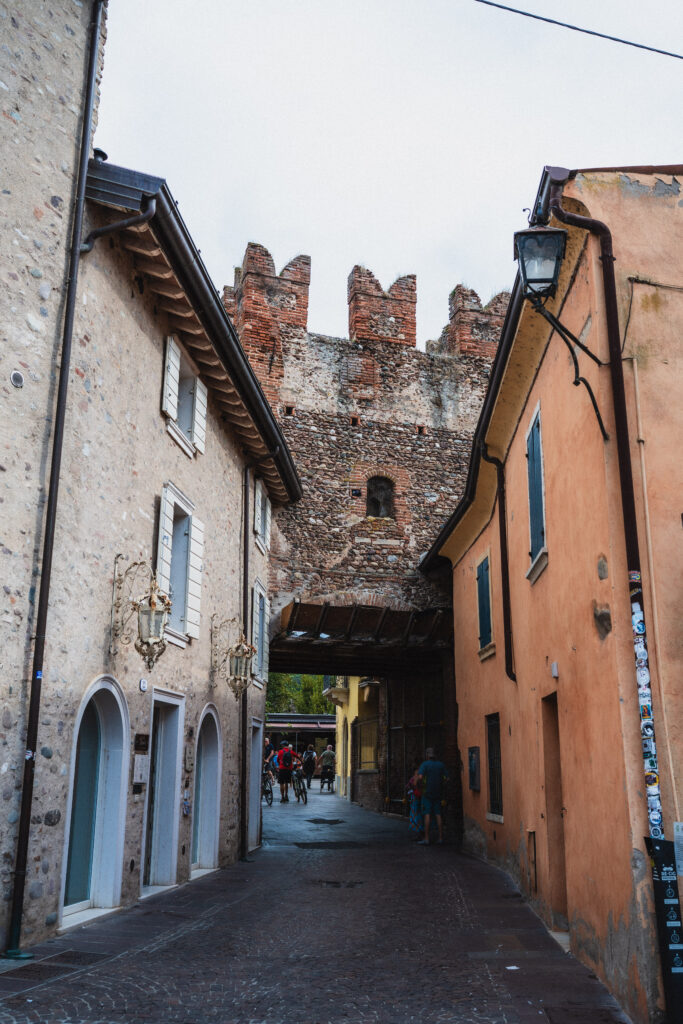
One of the best ways to experience Borghetto is to simply wander around the medieval settlement, soaking up its sunny facades and enjoying the rush of the river as it flows past.
The village’s architecture largely dates back to medieval times, with much of it carefully preserved, allowing visitors to experience it much as it appeared centuries ago. As the village is so small, it’ll only take around 30 minutes or so to explore it in its entirety.
Ponte Visconteo (Visconti Bridge)
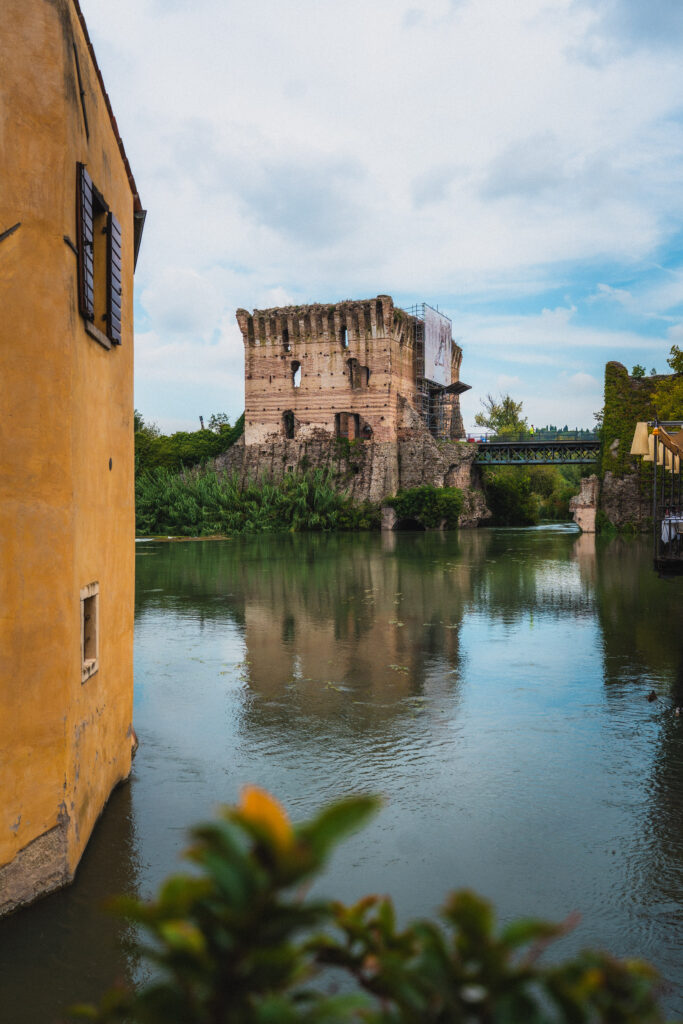
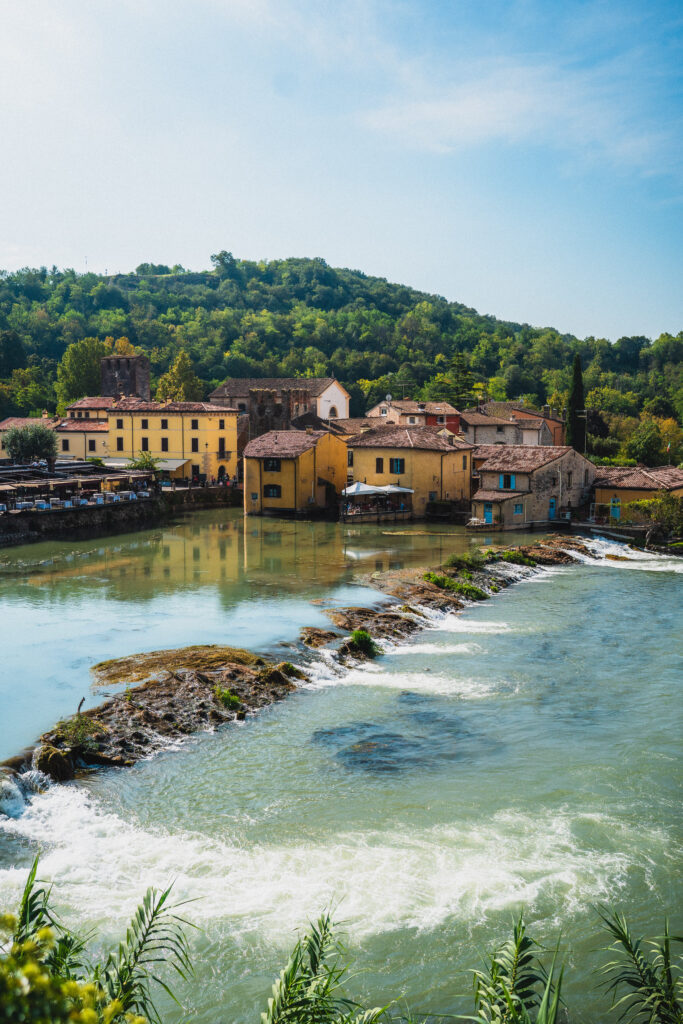
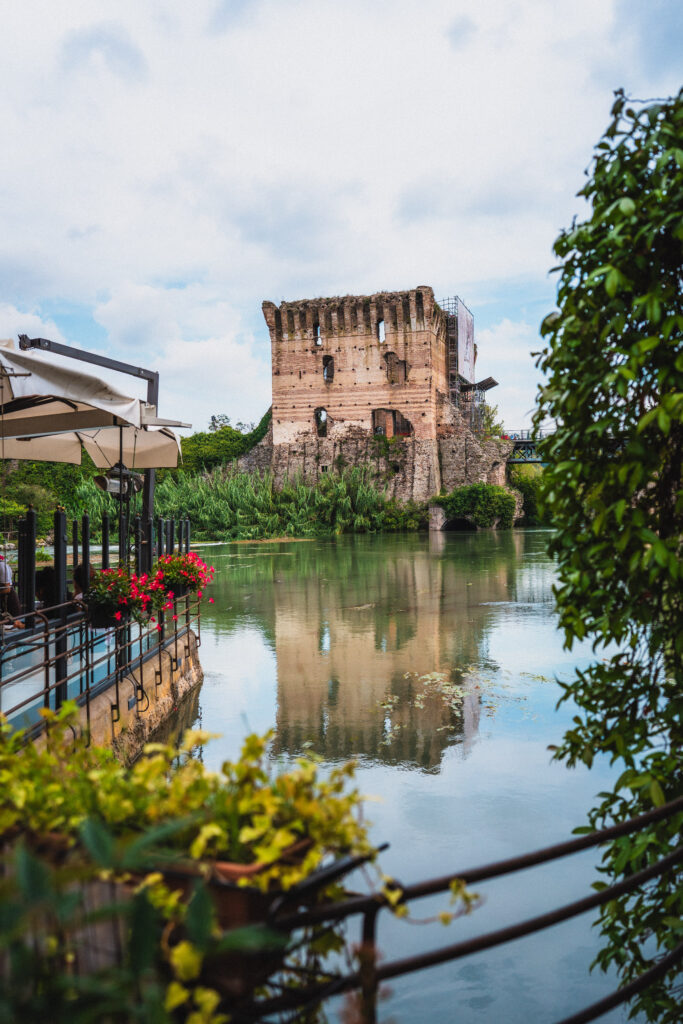
The Visconti Bridge is a historic viaduct that dates back to the 14th century and spans the Mincio River. However, it was initially conceived as a fortified dam to divert the Mincio water flowing to Mantua.
In 1393, after a falling out with Francesco I Gonzaga, lord of Mantua, Gian Galeazzo Visconti started building a dam on the Mincio River to change its course. The goal was to drain the three lakes around Mantua, which were fed by the river. Stopping the river’s flow would have left Mantua defenceless and almost uninhabitable…talk about petty!
Today, Ponte Visconteo serves as just a bridge, and it makes for a beautiful stroll across, overlooking the beautiful Italian landscape and beyond.
Medieval watermills
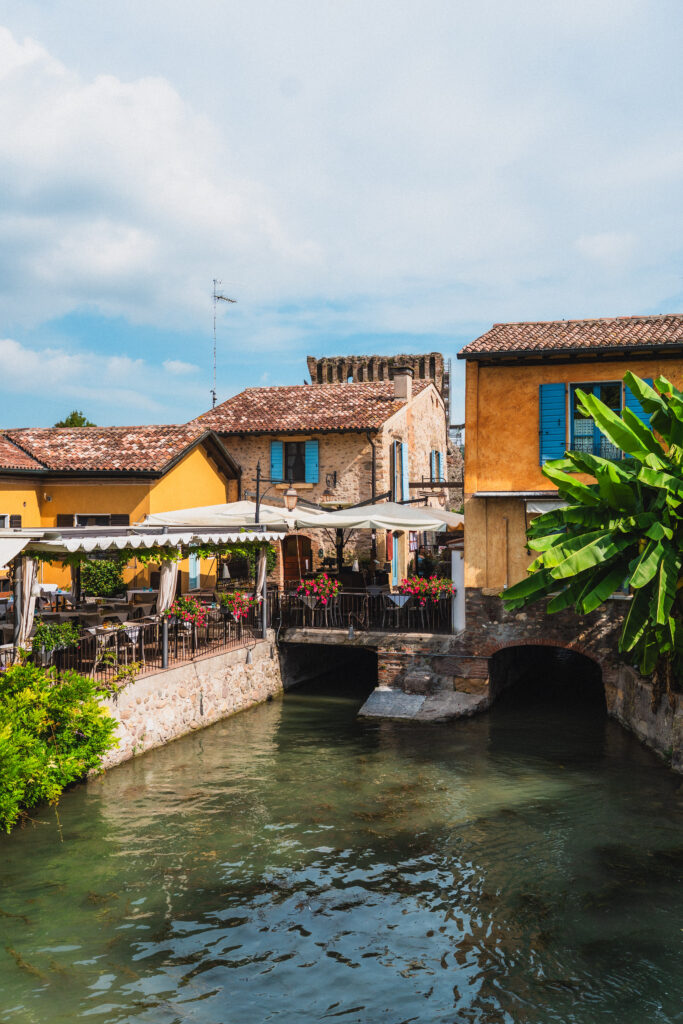
Much of Borghetto’s charm rests on its enchanting watermills that were built directly over the Mincio River. Revealing a glimpse into the village’s agricultural past, in times gone by, these mills would have been used for milling wheat and cereals.
While no longer in use for industrial purposes, many of Borghetto’s watermills have been converted into romantic restaurants, cafés, guesthouses, and artisan shops.
Church of San Marco Evangelista (Saint Mark the Evangelist)
Found in the heart of the village is an 18th-century neoclassical church with a simple facade. This small yellow ecclesiastical building is the spiritual heart of Borghetto, and while it’s very simplistic in design and features, it offers visitors a pleasant moment to soak up the settlement’s historic charm and serene atmosphere.
Soak up the sights from a café
Little cafés line the banks of the river, offering a moment to sit down, relax, and soak up the local ambience. As there are not a great deal of attractions to explore in the village, simply sitting down with a book at one of the local cafés and taking in the beautiful scenery is a highlight of anyone’s trip to Borghetto.
Enjoy local cuisine
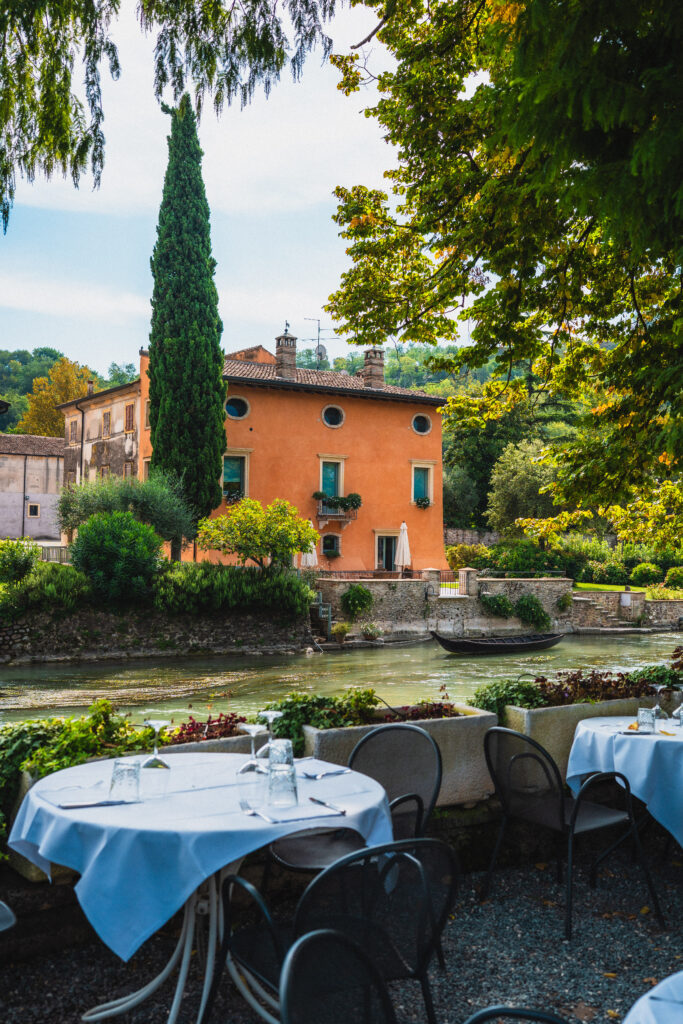
Of course, when in Italy, one of the best things you can always do is to sample local cuisine. And, when it comes to Borghetto, you have the picturesque scenery to match! The village has several charming traditional eateries, most of which can be found along the riverside.
Where to dine in Borghetto
As Borghetto is fairly small, there is a concentrated selection of restaurants that focus mainly on Veronese cuisine. Tortellini di Valeggio is the hamlet’s most famous dish, so I recommend making sure you try it while here. And, even if you are a vegetarian, you’ll find restaurants serving a similar dish of pasta filled with cheeses or seasonal vegetables. Here are some of the best spots to eat:
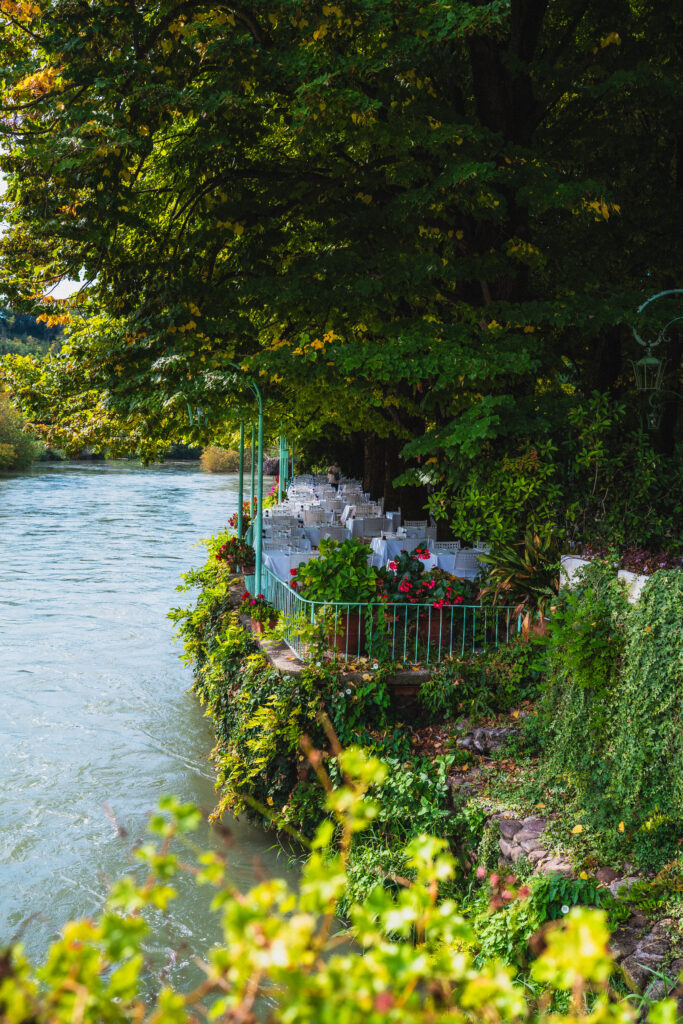
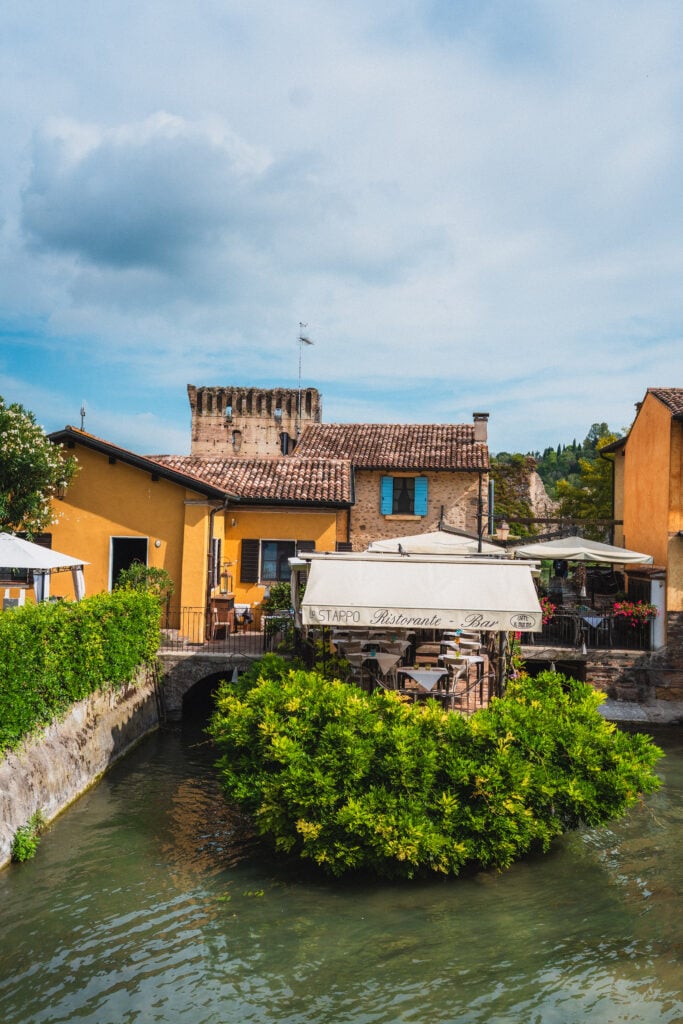
- Lo Stappo – Sit out on a terrace overlooking the Mincio River, whether that be enjoying a sip of wine or sampling the delicious, refined Italian cuisine served here.
- La Vecchia Bottega di Cappellaro Francesco & C. Sas – Snug and relaxed, this is the spot to head to for tortellini. The restaurant has a fireplace come wintertime, and outdoor tables for the summer just by the Mincio River.
- La Chiusina – Ristorantino di pesce – For the ultimate fine dining experience in Borgetto, head to this seafood restaurant.
- Grand Cafe San Marco – This stunning eatery is perched on the riverside and overlooks the nearby Visconti Bridge. They offer a rich and varied menu that focuses on locally sourced flavours.
- Giardini di Borghetto – Located on the outskirts of Borghetto, this charming restaurant serves classic Mediterranean dishes in a traditional setting. And, they offer cooking classes so you can tie your own tortellini!
Where to stay in Borghetto
There are several charming accommodations to choose from when it comes to staying in Borghetto. Though it should be noted, because of how small the village is, it’s certainly more expensive than staying in a nearby city like Verona. Here are a few options of where to stay (based on web-reviews):
Corte La Guarnigione – Situated within the village, this easy-going hotel has a large outdoor communal pool, a small garden, and the rooms are clean and comfortable. Check prices and availability here.
Corte Regia Relais & Spa – This luxury hotel and spa is situated close to the Mincio River and offers guests a relaxing and comfortable stay. There’s a beautiful outdoor swimming pool, bar, and restaurant. Check prices and availability here.
Enjoyed reading our guide to the Italian town of Borghetto? Pin this article now, and read it again later: