
Discover Ben Nevis: The UK’s Tallest Peak
Last Updated on 25th February 2025 by Sophie Nadeau
This post may contain affiliate links. Please check out my privacy policy for more information.
Over 250 years ago, Edinburgh botanist James Robertson made the first recorded ascent of Britain’s highest mountain. The summit sits 4,413 ft above sea level and is renowned for its unique and changeable climate. Today, Ben Nevis is Scotland’s most visited peak and draws in keen explorers from all corners of the world, hoping to take on the mighty Ben. Here’s your guide on discovering Ben Nevis and how to climb it, as well as top tips and what to see nearby!
Introducing Ben Nevis
Ben Nevis is an extinct volcano that can be found in the northwest Highlands, near the town of Fort William and close to the North Atlantic ocean. Renowned worldwide for its dramatic climb, Ben Nevis is a unique peak of the world wherein it’s possible to reach a high altitude in a pretty short space of time.
Each year, around 130,000 people tackle Ben Nevis, challenging themselves to climb Scotland’s highest mountain. The king of them all, it is in fact, the tallest peak in the UK and all of the British Isles.
“Ben Nevis” is a translation from the Scottish Gaelic name “Beinn Nibheis”. The word “Beinn” is Gaelic for “mountain”, and “Nibheis” translates as “poison” or “venom”. Translating Ben Nevis as a “venomous mountain”.
The first recorded ascent of Ben Nevis was made by James Robertson, a botanist from Edinburgh, on the 17th of August, 1771. The following recorded ascent was made in 1774 by John Williams, an avid geologist who provided detailed accounts of the Ben’s geological structure.
By 1883, a path leading to its summit and an observatory was built atop Ben Nevis. The Scottish Meteorological Society (SMS) built the observatory to collect invaluable meteorological data, allowing for a better understanding of weather. With scientists working all year round, the observatory operated for 21 years until its closure in 1904.
In 1911, Henry Alexander Jr (the son of Scotland’s first Ford dealer) drove a Model T Ford to the summit of Ben Nevis and back down again. After having walked up the mountain recently, this fact really shocked me. But, it was all in the name of a publicity stunt, to show that the mass produced American car was superior to that of the hand-crafted British ones… and Ford cars are pretty popular nowadays!
Flora & fauna
Similar to the rest of the Scottish Highalnds, Ben Nevis is a haven for all types of flora & fauna. Thanks to the ultra fresh air, the mountain is home to 75 species of lichen alone (some of which are considered very rare).
Some of the fauna include golden and white tailed eagles, red deer, pine martens, water voles and rare butterflies.
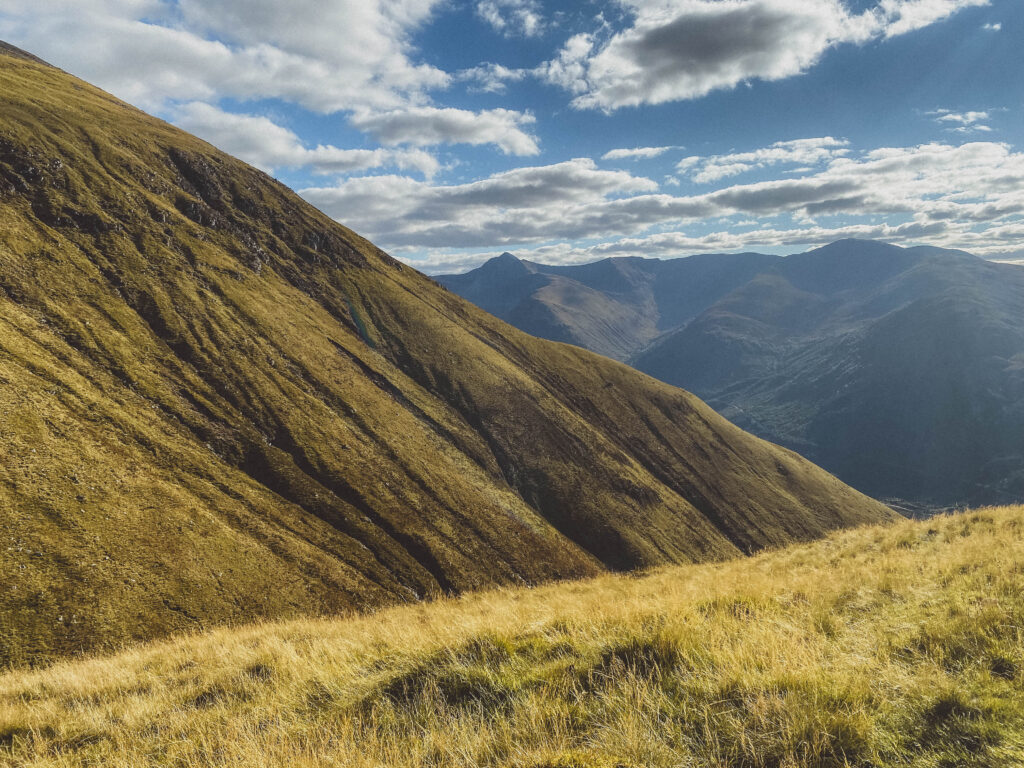
Today, Ben Nevis is renowned worldwide, not just for its height, but also for its sweeping landscapes. The breathtaking views from every point along the path make this walk one of the most memorable experiences for those who venture it.
The North Face side of Ben Nevis, which looms above Loch Linnhe, is particularly popular amongst the daredevil climbers and mountaineers of the world.
Along with this, Scotland’s iconic mountain is brooding, mysterious and truly wild. Thanks to its proximity to the Atlantic Ocean and, of course its high altitude, you can never be sure of what climate and weather awaits you!
Can a beginner walk up Ben Nevis?
To put simply, yes. Although you have to be reasonably fit and have a good stamina, Ben Nevis is unique in that it draws such a diverse range of people, from both the lower end of experience to the higher end, challenging themselves and successfully reaching its summit each year.
You might not believe it (I certainly found it hard to) but some people do in fact choose to run up Ben Nevis!
Ben Nevis is one of Scotland’s 282 Munros. A Munro is a mountain in Scotland that is over 3,000 feet tall. The name comes from Sir Hugh Munro, who published a list of the highest Scottish mountains in 1891. The “Munro Challenge” to climb as many of the Munros as possible has become a life goal for many!
How long will it take to walk up Ben Nevis?
If following the main route known as the Mountain Track, the average total is said to take between 7-9 hours (with an approximate ascent of 3.5 – 4.5 hours). That being said, it entirely depends on your fitness, how long you choose to take breaks, as well as what kind of speed you want to walk at.
On our recent trip, we were extremely fortunate with the weather conditions, plus hillwalking is a regular activity for us. We managed to make the ascent in 2.5 hours and descend in around 3 hours (this was done at a moderate to fast pace).
How to climb Ben Nevis
*Please note, in this guide we’ll be taking you through the classic Mountain Track route, which is the most popular way to climb Ben Nevis.
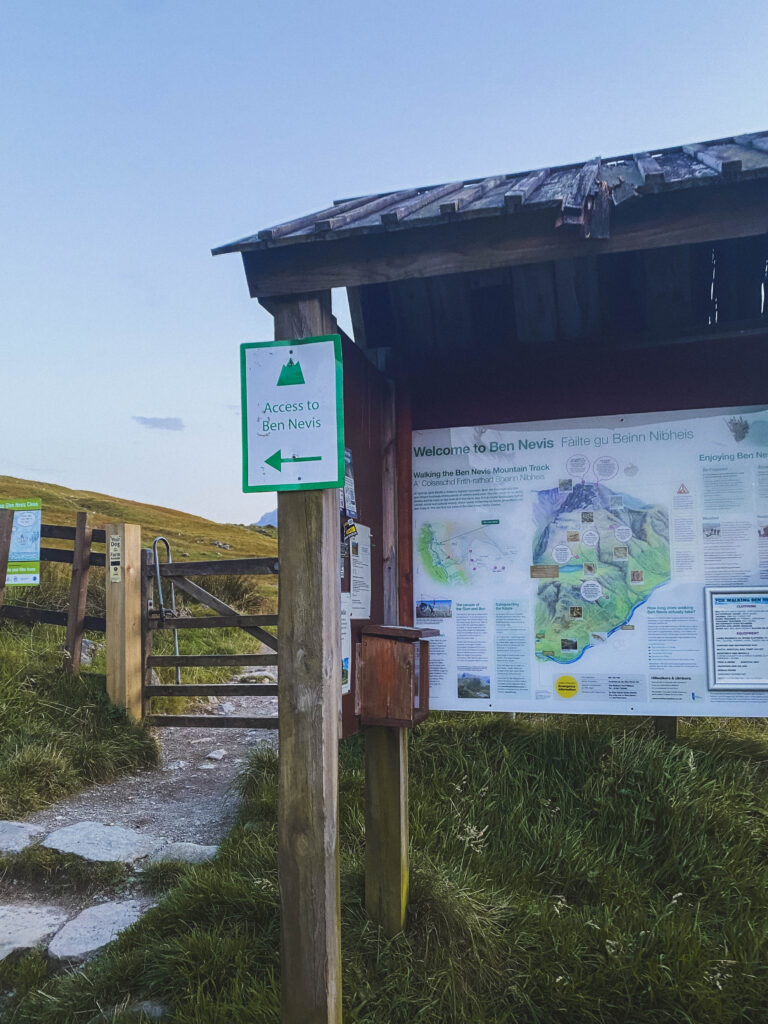
Ben Nevis Visitors Centre
Situated in the car park at the very start of the main route to Ben Nevis is its visitors centre. Facilities include toilets, a small shop with useful things for hiking, including energy based foods, and you’ll also find a small café where you can pick up a takeaway tea or coffee.
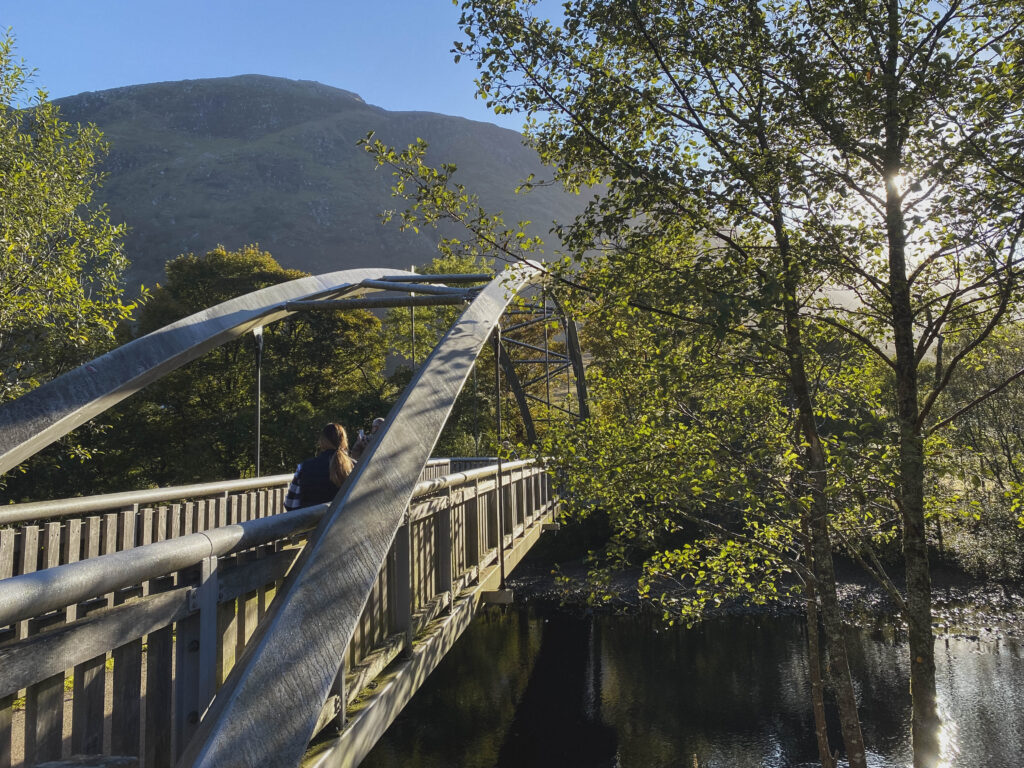
The visitors centre has plenty of helpful information, including maps and routes. The members of staff here are insightful and able to offer advice on what you should expect/prepare for on the day. After the visitors centre you’ll cross a bridge and your climb of Ben Nevis will commence!
The ascent
The initial ascent to Ben Nevis can appear benign, but don’t be fooled as it’s only the start of a rather a steep route ahead…
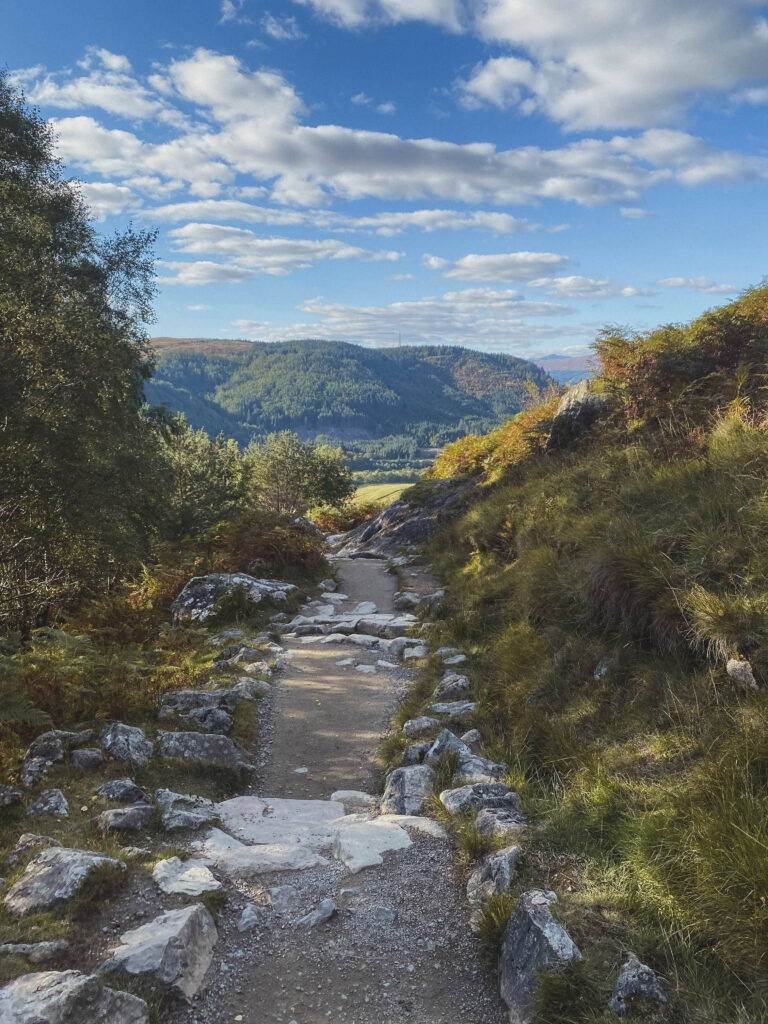
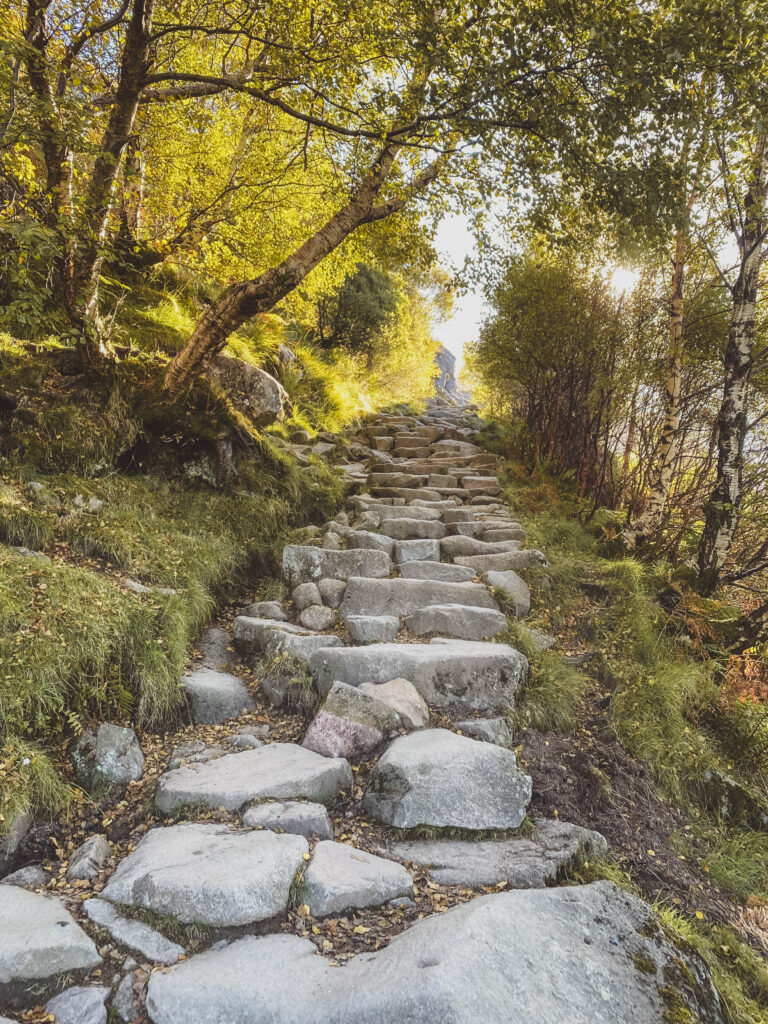
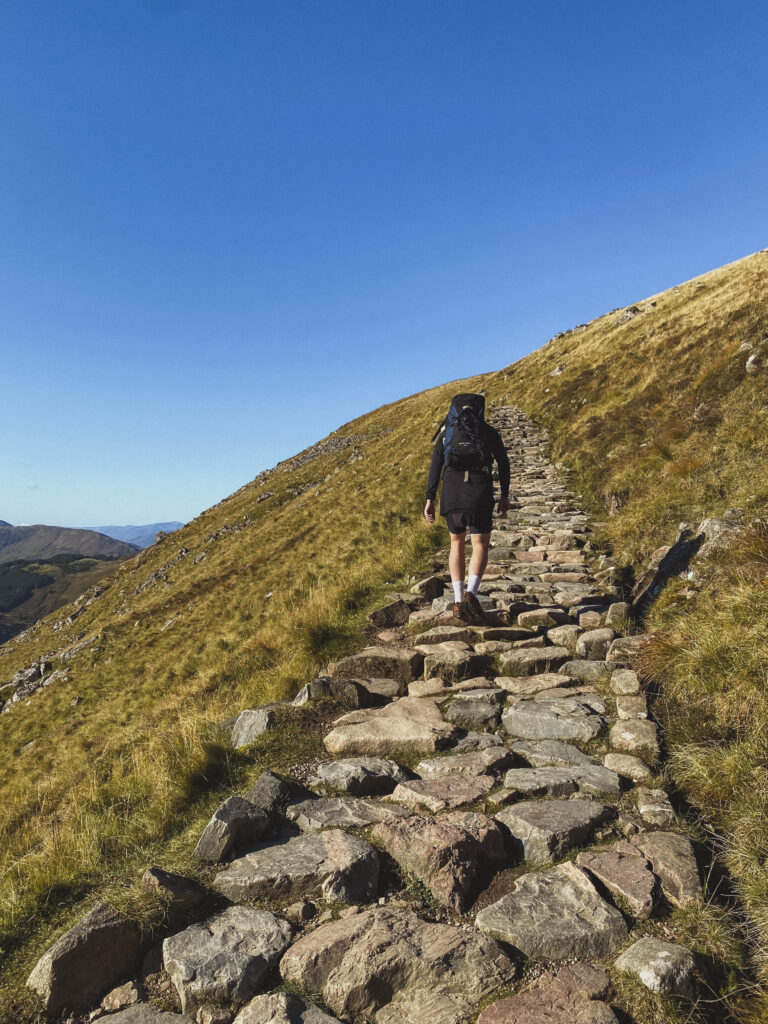
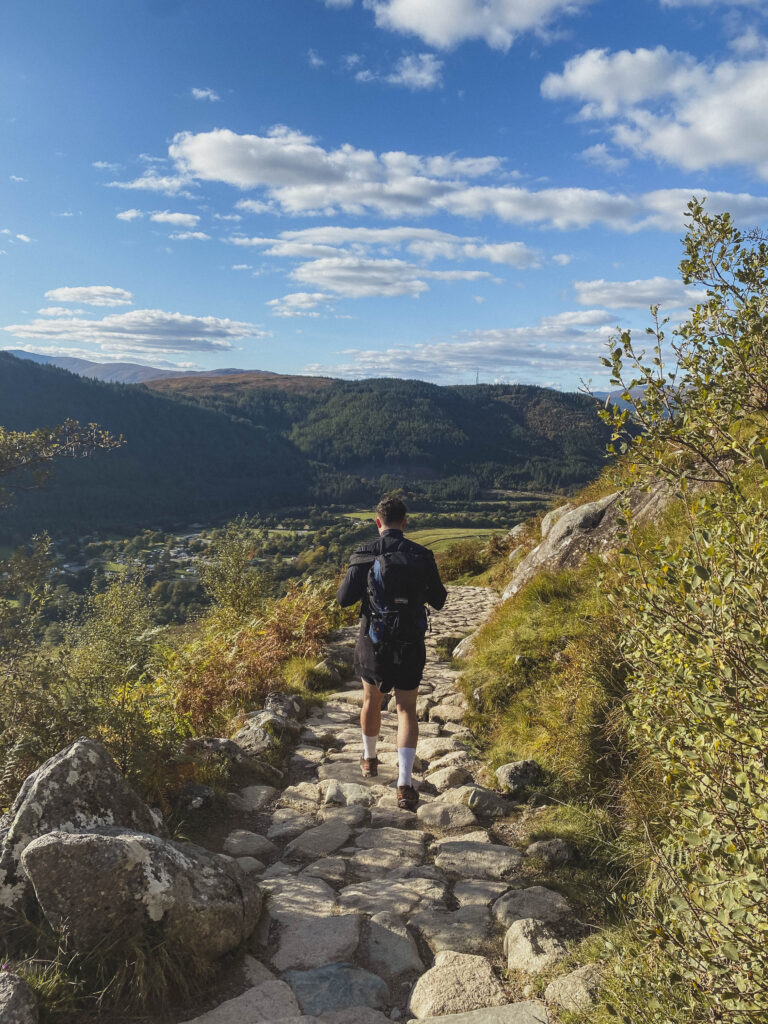
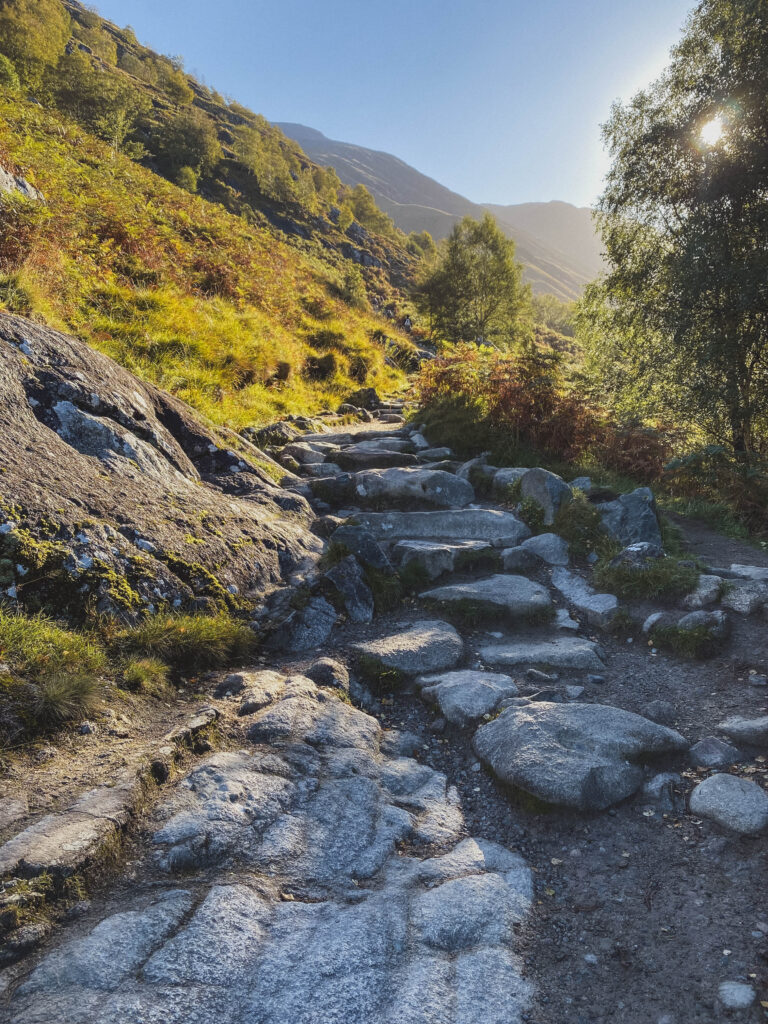
The first half of the climb is beautiful, in the sunshine it felt as if walking in The Shire (Lord of the Rings reference, google image if you need to!) Pretty, wooded and boasting stunning views overlooking the valley, it’s a scenic trail which is easily walked along. The path is well constructed, a little uneven at times, and starts to come a little steeper as you make your way to the halfway point.
When you start along the Mountain Path you should know that you can’t actually see Ben Nevis and it’s hidden around the corner of the first summit. You’ll only start to see the mountain itself once at the ‘halfway point’.
Halfway point
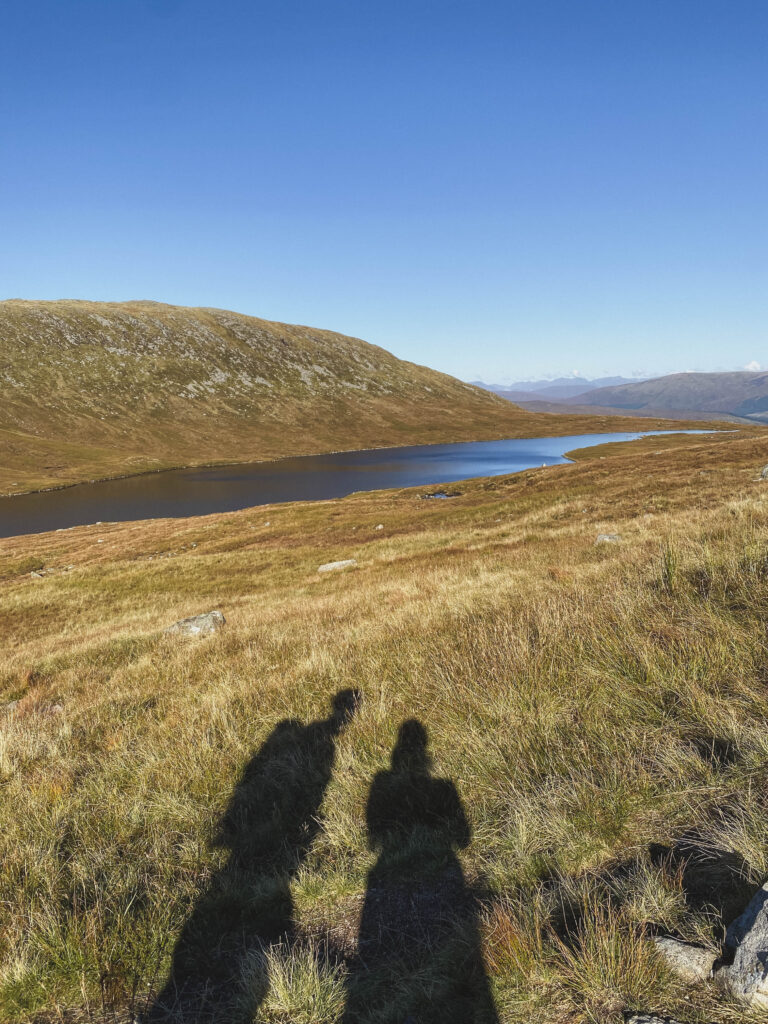
By this point you’ll have already reached an impressive height. The ‘halfway point’ is known as Lochan Meall an t-Suidhe, from here you can see a loch as well as a T junction. The T junction offers climbers the choice between the zig-zag route (the easier path) or the more challenging scramble which takes you towards the North side of the mountain. Unless you are prepared for rock climbing, you should opt to turn left.
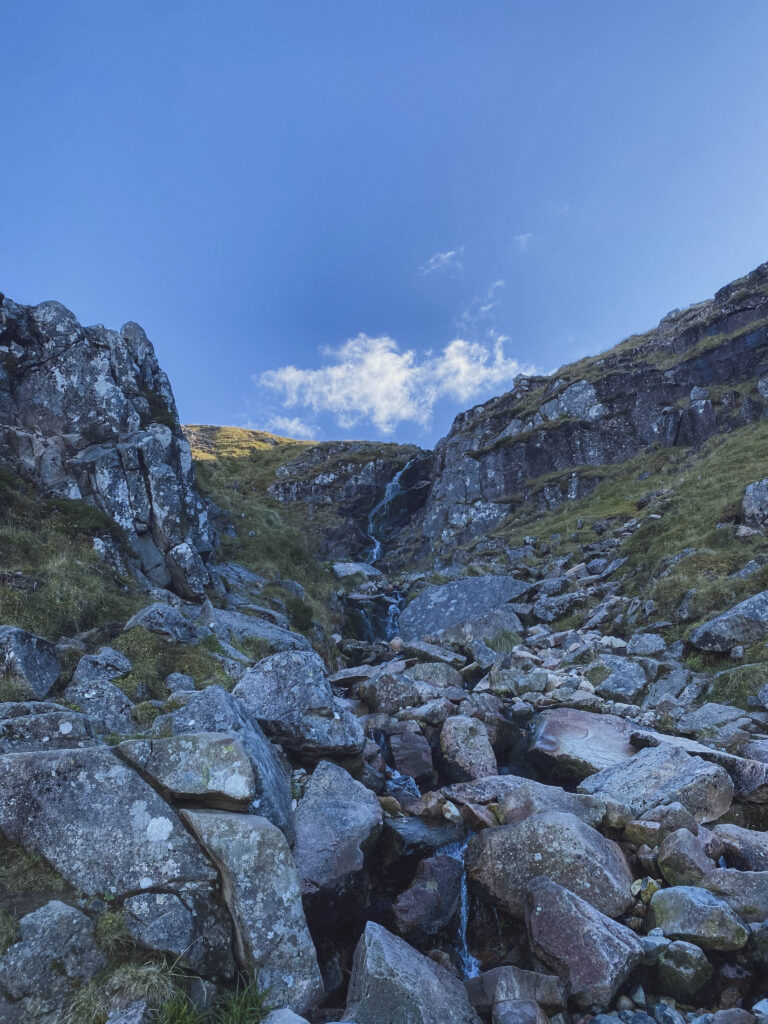
Once you’ve turned left you’ll pass by a beautiful stream of water that gently flows from the steep slope of the mountain. In Scotland they say that you can drink mountain water, and while it certainly will be super fresh, there are lots of signs at the visitors centre that warn it may also contain urine from the local wildlife and your fellow hikers…
The zig-zag path
The zig-zag path allows you to make a very sharp ascent in little time. However, this was by far the worst stretch of the path, purely because every turn you make feels like it could be the last, then you’re surprised by yet another path of the dreaded zig-zag.
There are also a lot of loose rocks which can mean for a little bit of a scramble at points, and because the terrain is that bit more difficult you can’t really look up to enjoy the views. It’s definitely the hardest part of the route, but also the final stretch of your climb.
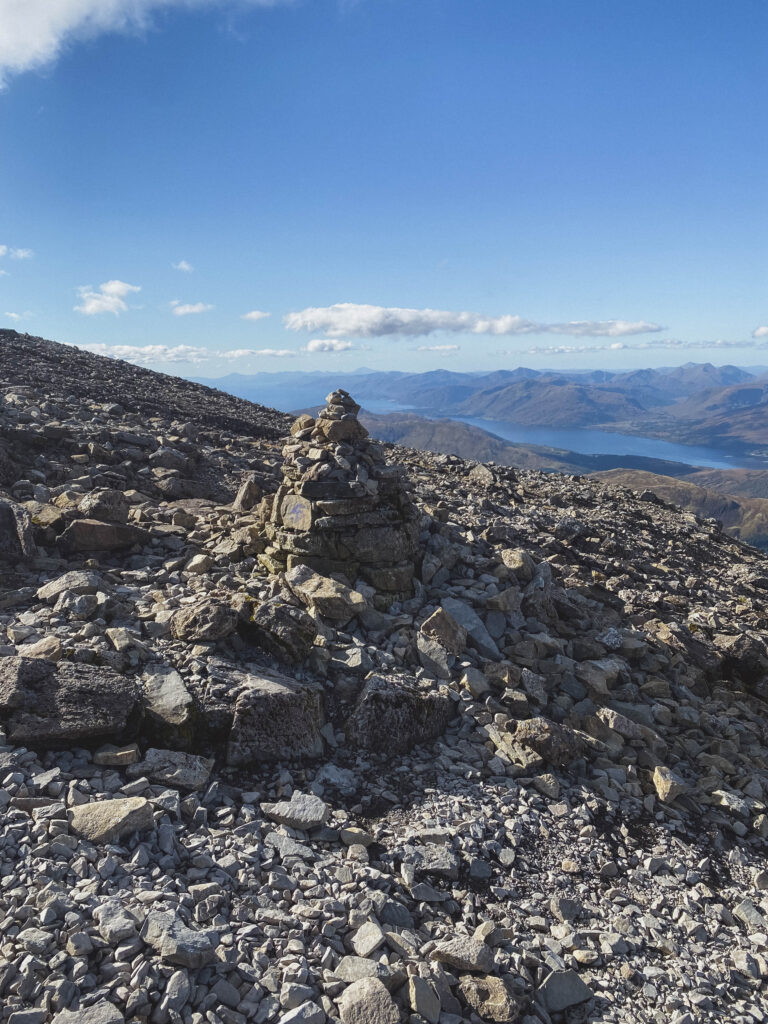
As you climb this final part you’ll start to notice manmade cairns, which have been built over time by walkers both to mark the path and hide litter. Ben Nevis has a well trodden path so it’s fairly easy to follow, but in harsher weather conditions these cairns come in handy.
The summit
If you make it this far, congratulations! The summit of Ben Nevis is no easy feat and anyone who reaches it should celebrate this fact.
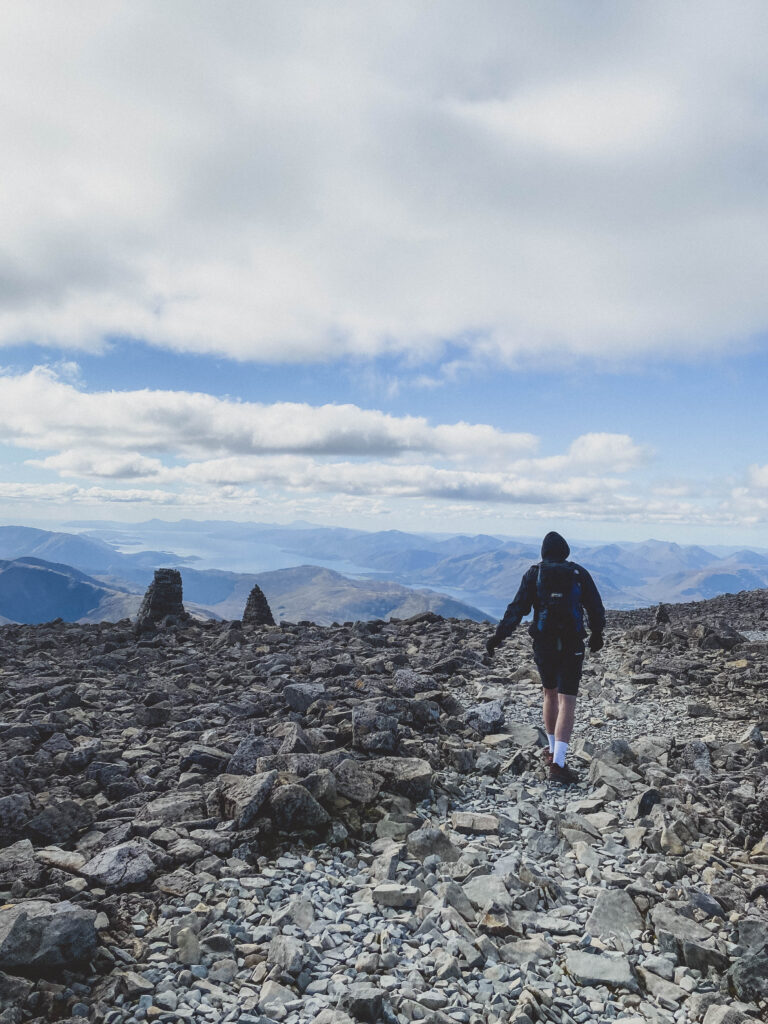
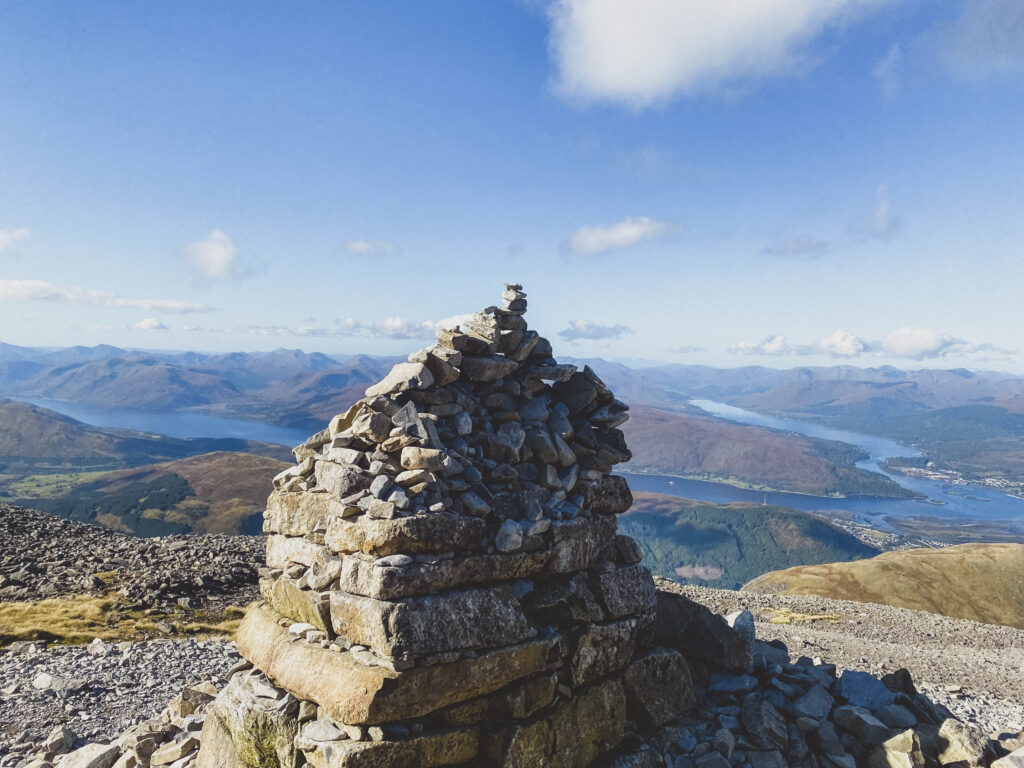
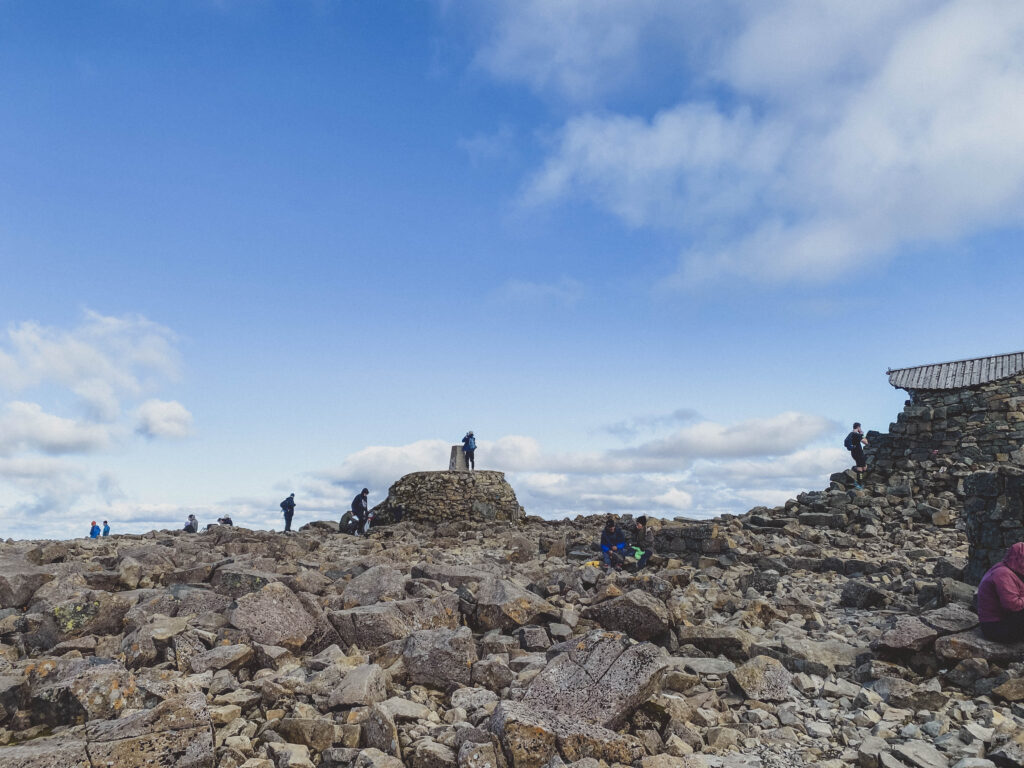
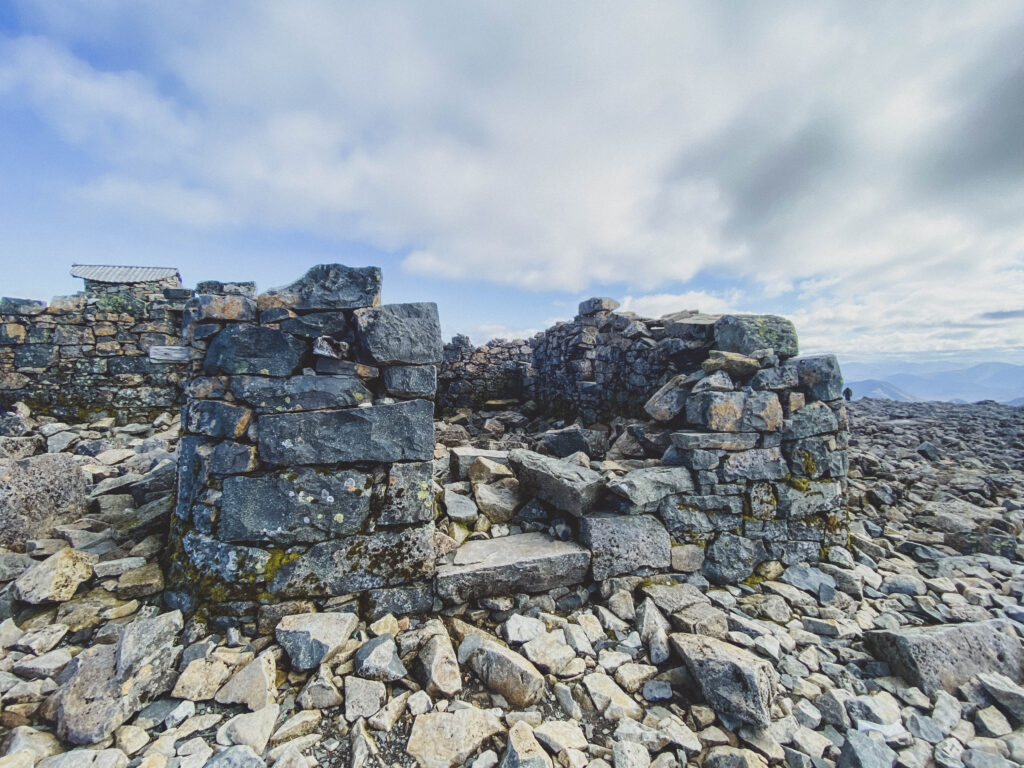
At the top you’ll be greeted by a nice flat plain where your legs will be thankful for a rest from the ascent. Remains of the former observatory walls can still be seen, as well as even more cairns.
The main point which signifies the highest part of the peak is the trig point, a small stone pillar marking the highest point of the mountain (also where climbers get their proof they got to the top photo).
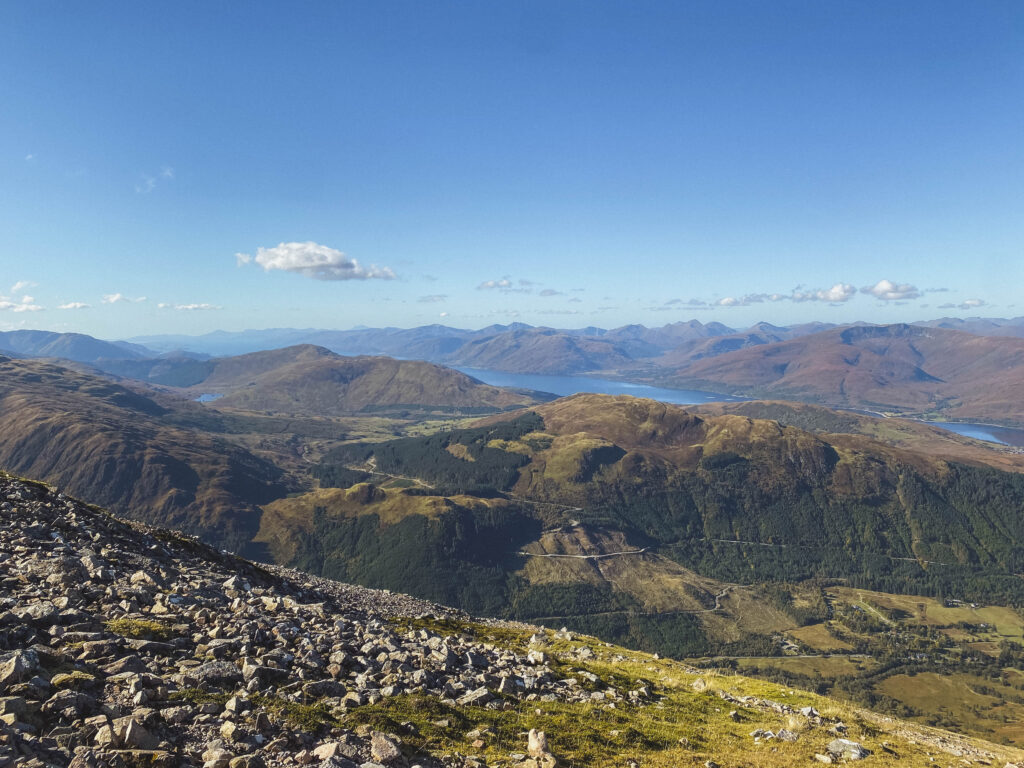
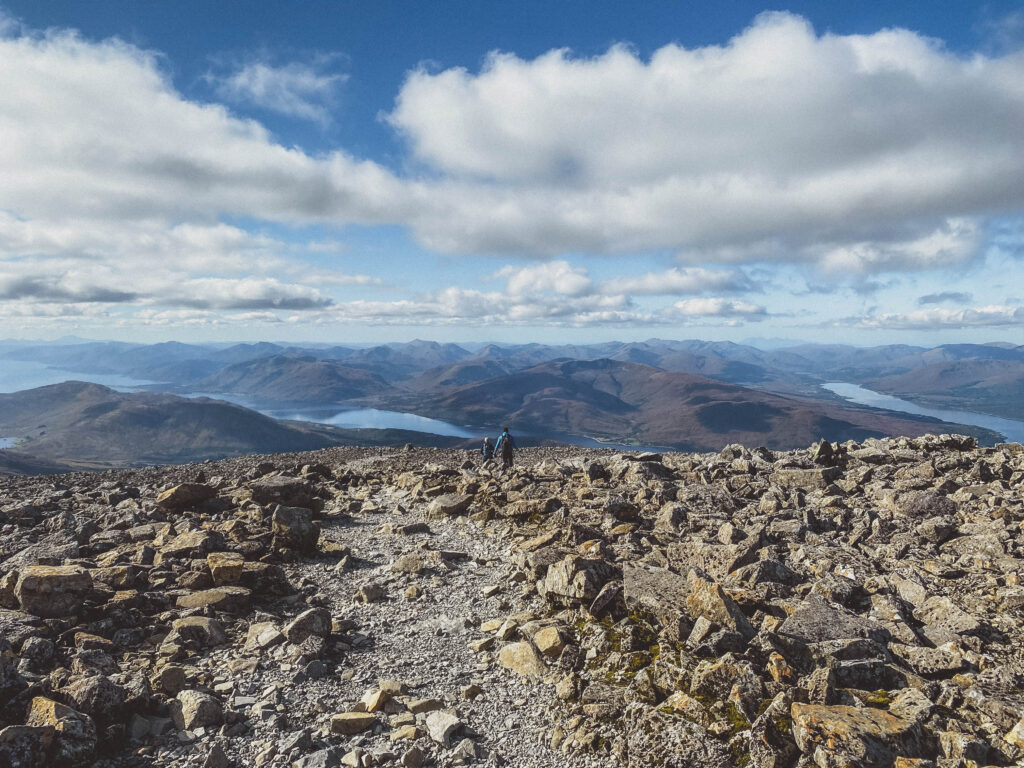
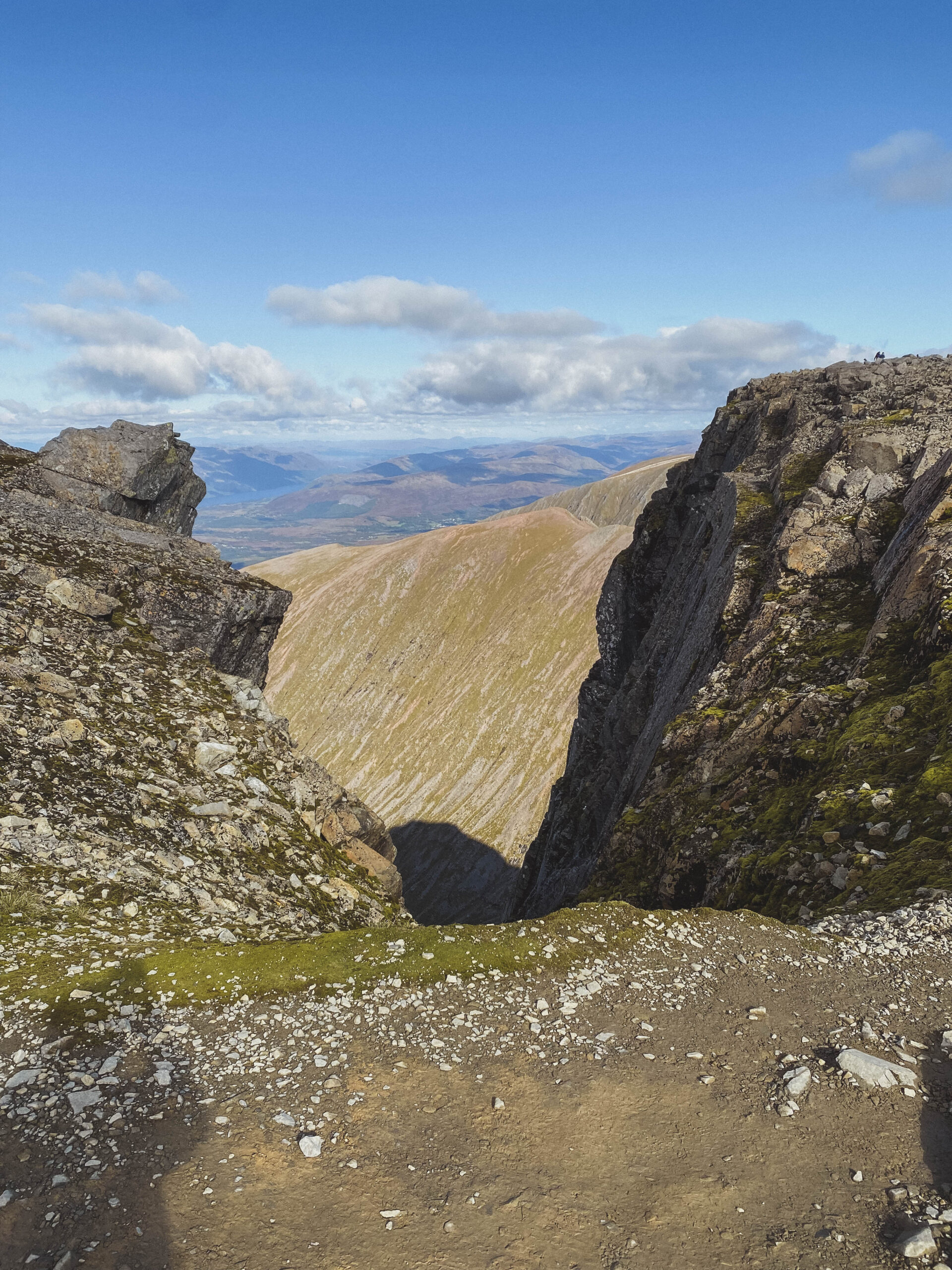
And, of course, the best part of reaching the summit is the spectacular views that surround you. If you’re lucky to visit when visibility is at it’s best then you can see sweeping panoramic vistas which stretch as far as Northern Ireland!
*Note of caution, when taking photos be careful not to get too close to the edge, it’s the quickest way down but not the safest.
The descent
*You’ll take the same path that you came up, to make your way down.
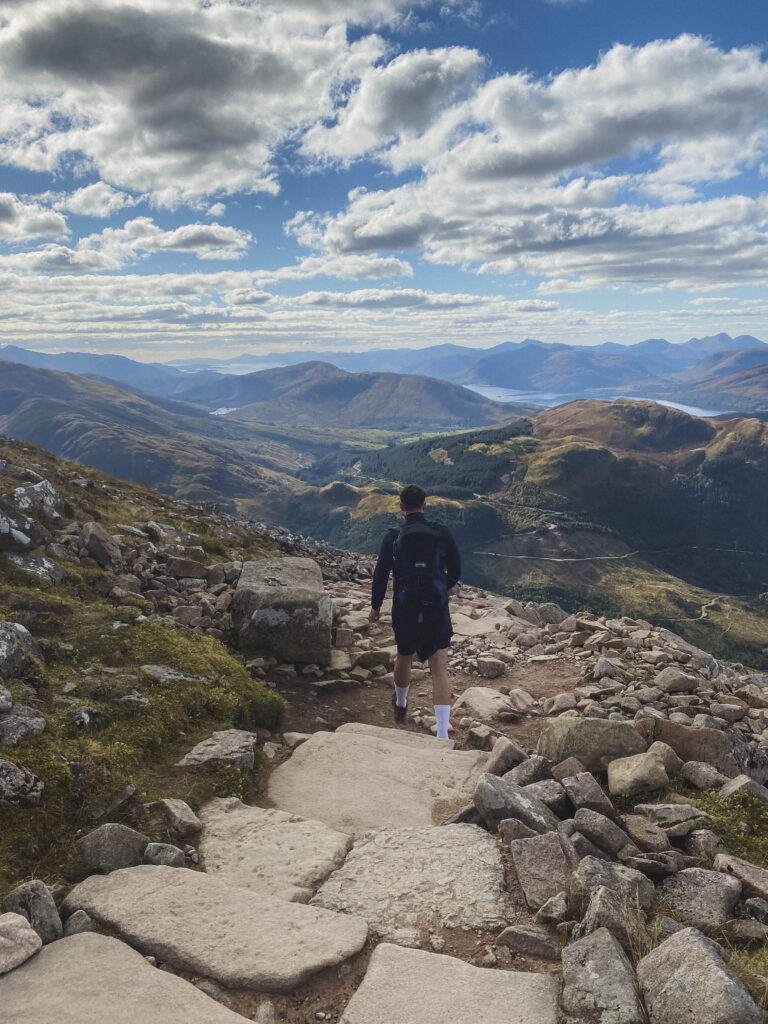
The descent is arguably one of the best parts of the walk as you are greeted with all the stunning views you weren’t able to see while climbing up. It’s also super satisfying to walk along the path and recognise just how much you achieved by getting to the top.
As you already know, the path is very steep, but walking down can put a lot of pressure on your knees. Take it steady, allow for perhaps more breaks than you took going up, and enjoy the mesmerising scenery in front of you for the last time (until you inevitably want to climb up again next year!)
Tips on how to prepare
These are simple suggestions to bear in mind before taking on Ben Nevis. When we climbed the summit we were extremely lucky with the weather, but I do recommend being prepared for any type of forecast as the mountain’s climate is unpredictable (you’ll see a lot of warnings, along with useful safety tips on boards around the visitors centre)
The main point of preparing in advance is so that you’re safe on the mountain, as well as being able to enjoy the wonderful experience of climbing the UK’s highest peak!
Best time to visit Ben Nevis
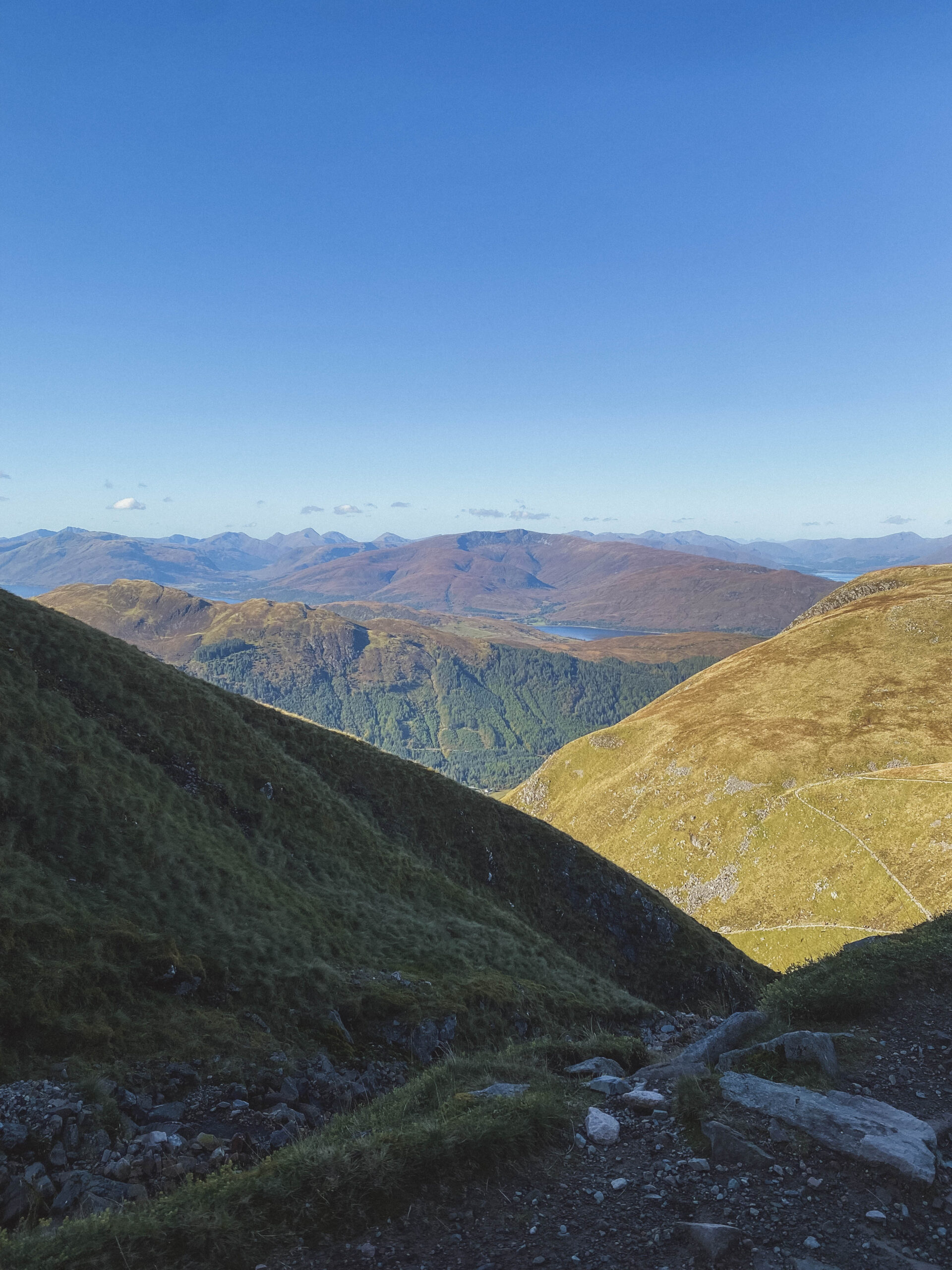
Between the months of June to September is said to be the best time to visit the mountain, it’s also when you’re most likely to be lucky with the weather. The pictures seen here are all taken in the first week of October, although a bit cooler, it was still warm enough to enjoy the walk.
After speaking to a local taxi driver, he pointed out that during the peak of Summer, the path up to Ben Nevis can become almost unbearably congested with people, so if speed is your priority this might not be the best time for you.
Climbing Ben Nevis come wintertime is certainly not for everyone, but it’s possible to navigate the snowy conditions. Be aware, this is a two-day venture wherein walkers should spend at least one day planning and preparing before ascending the summit.
Things to do nearby
Enjoy a pint (or whisky!) at Ben Nevis Inn
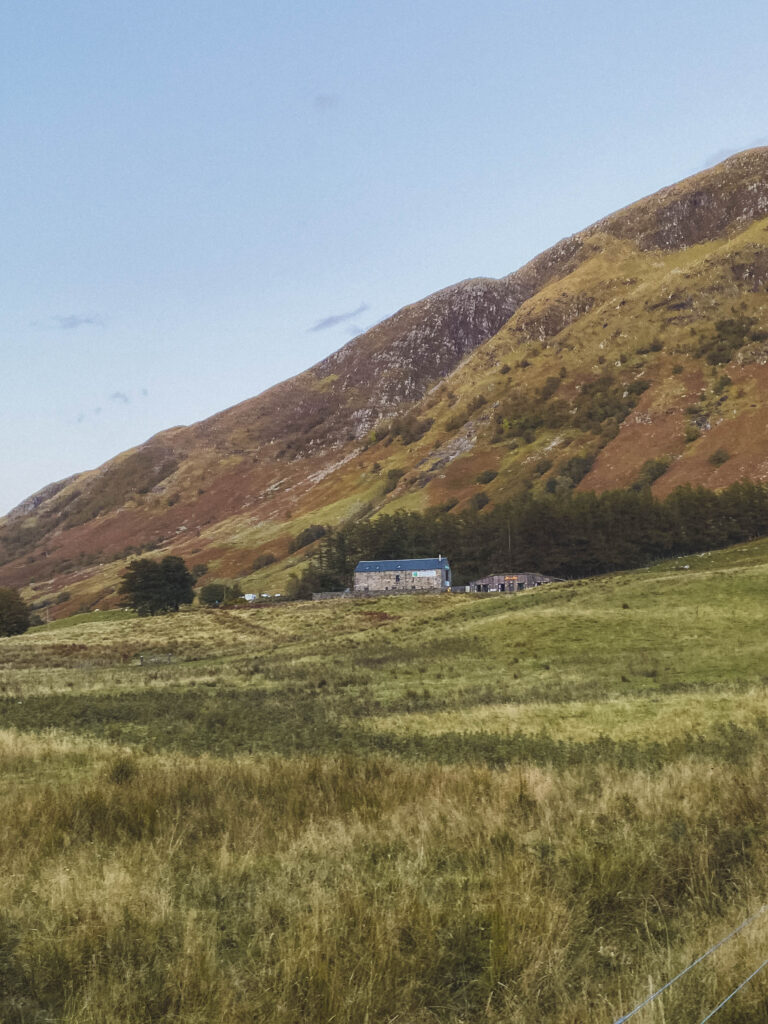
Quaint, cosy (and even more magical after the climb) situated at the start of the route is the Ben Nevis Inn, which is both a pub restaurant and place to stay. If considering here for dinner, it’s recommended to book in advance as it can get pretty busy.
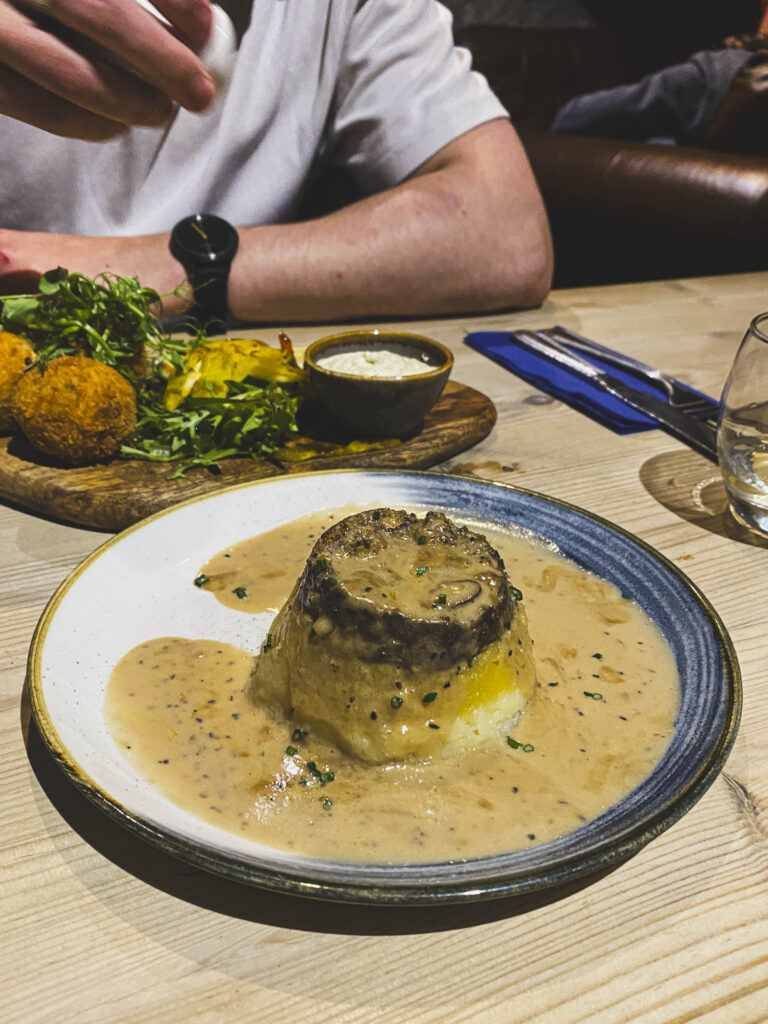
After our hike, we recovered for a little while at the campsite before returning to head to the Ben Nevis Inn for dinner. Yes, we had to climb the start of the route again, way too soon. However, they serve a delicious menu of hearty and traditional Scottish cuisine as well as plenty of craft real ales and a good selection of whisky, all of which is particularly warming after a long day of walking!
Explore Glen Nevis
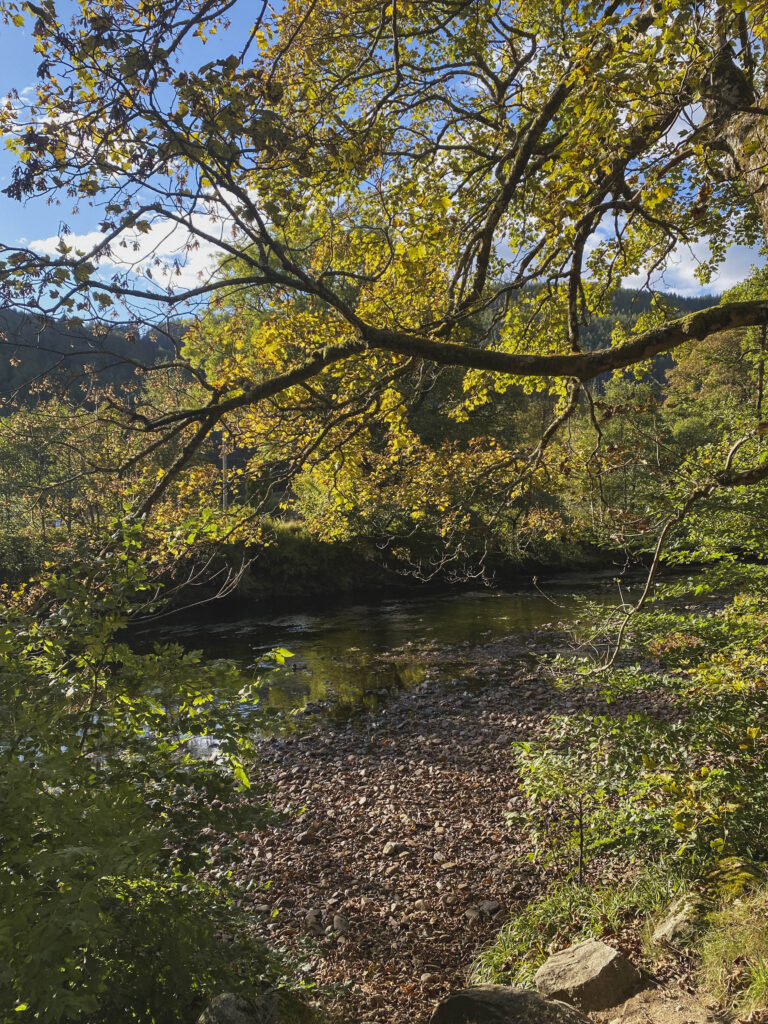
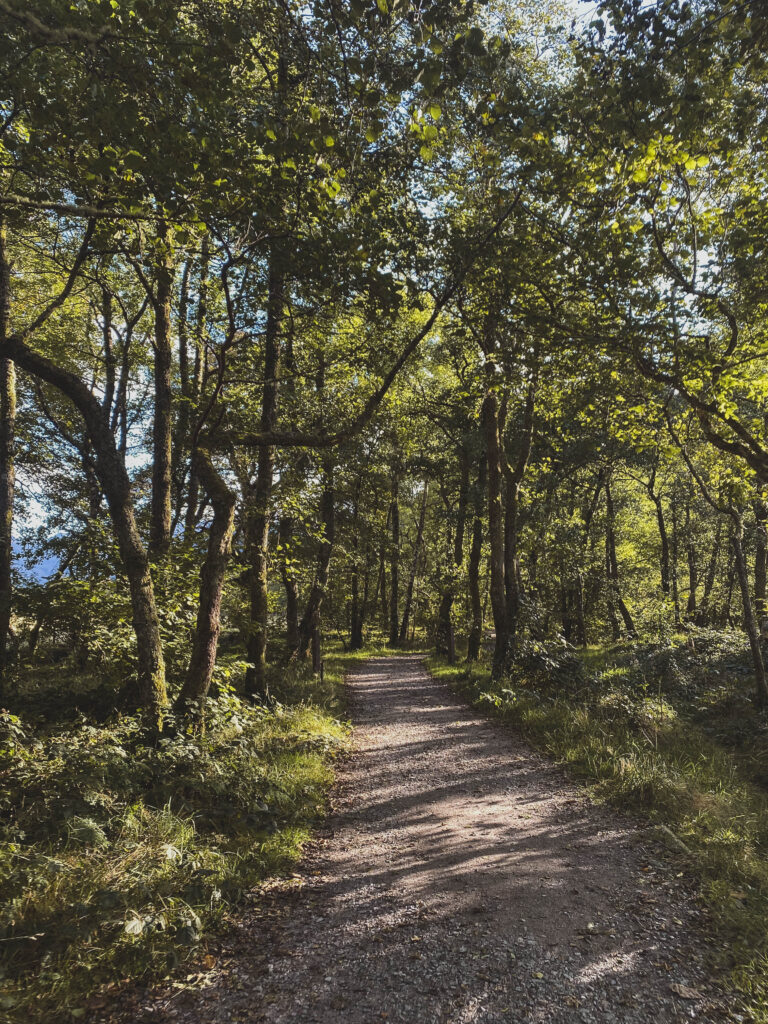
You’ll pass by Glen Nevis on your way to the start of the Ben Nevis route. Wandering through the woodland paths and into the forest, you can enjoy some of the enchanting flora and fauna of the Scottish Highlands. Some of the best sights to see include the Nevis Gorge and the mystical and secluded Steall Falls.
Steall Waterfall
Found within the parameters of Glen Nevis is the a beautiful waterfall. Steall Falls is the third-highest waterfall in Scotland, and you’ll likely hear it gushing out water long before you see it. Water cascades from the rock face and falls 105 metres down, making for an impressive sight.
Visit Fort William
Fort William is considered the “gateway to hillwalking” thanks to its proximity to Ben Nevis, along with several other Munros (Scottish mountains that are over 3,000 feet).
This small Scottish town can be found not too far from the shores of Loch Linnhe, where Ben Nevis looms in the backdrop, making up the iconic image you’ll most likely see on google image results.
While there’s not too much to see in Fort William, there are plenty of cosy cafés and pubs dotted along the High Street where you can grab breakfast or a small bite to eat. Before catching the bus home, we stopped for lunch at The Old Deli, which serves comforting toasted sandwiches and homemade soup.
One thing that Fort William is particularly great for is outdoors shops, serving the many hillwalkers and adventurers who pass by, with all the equipment you might need (or possibly forgot to bring!)
An interesting spot in town to visit is the impressive Neptune’s Staircase, which comprises a dramatic set of eight locks on the Caledonian Canal. Built between 1803 and 1822, Neptune’s Staircase is the longest staircase lock in Britain and was originally hand powered until it was converted to be used mechanically.
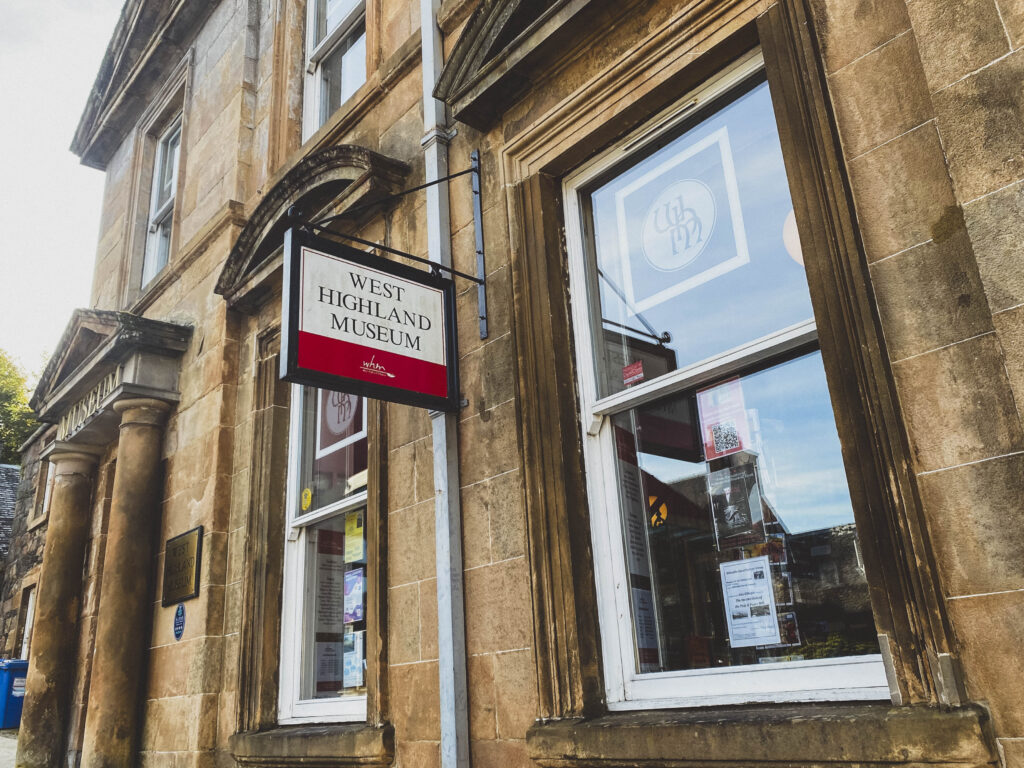
Uncover history at The West Highland Museum
Found within Fort William is the West Highland Museum, which is a small museum that details the local history of the Scottish Highlands and Islands through an exhibit of artefacts and stories.
Telling tales of the Highlands and Isles, the museum houses an impressive Jacobite exhibit and takes visitors through a history of some of Scotland’s most bloodthirsty battles. It’s definitely one of the more fascinating things to see in Fort William.
The West Highland Museum is free to visit, though they do rely on donations. Except for Sundays the museum is open daily from 10 am – 4 pm.
How to get there
The simplest way to reach Ben Nevis is, of course, by your own means of transport. There’s a car park with ample spaces right at the start of the main path, beside the Ben Nevis Visitor Centre. The main car park for Ben Nevis is a 10-minute drive from Fort William, and there’s a small fee of £4 per day to park.
Our recent trip to Ben Nevis was entirely reliant on public transport, which is very doable from Glasgow. The best option is to take a Citylink bus from Glasgow’s Bus Station, there are five buses running per day, this will take you to Fort William. From here, we chose to walk the 40 minutes along Glen Nevis to the campsite.
Where to stay
When it comes to choosing where to stay, it’s entirely dependant on what experience you want from your trip. For the full ‘countryside retreat’ you should opt to stay in a campsite or in one of the local inns which are remote, but close enough to walk to from Ben Nevis.
If you are looking for activity come nighttime, you’ll want to base yourself in or within walking distance from Fort William.
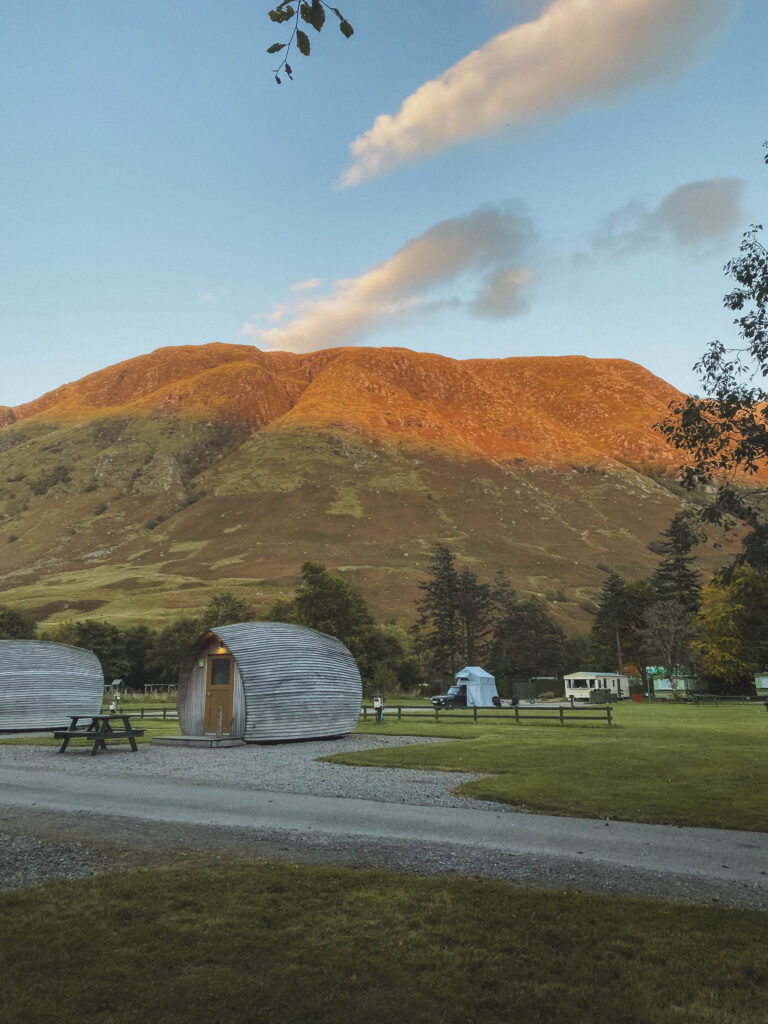
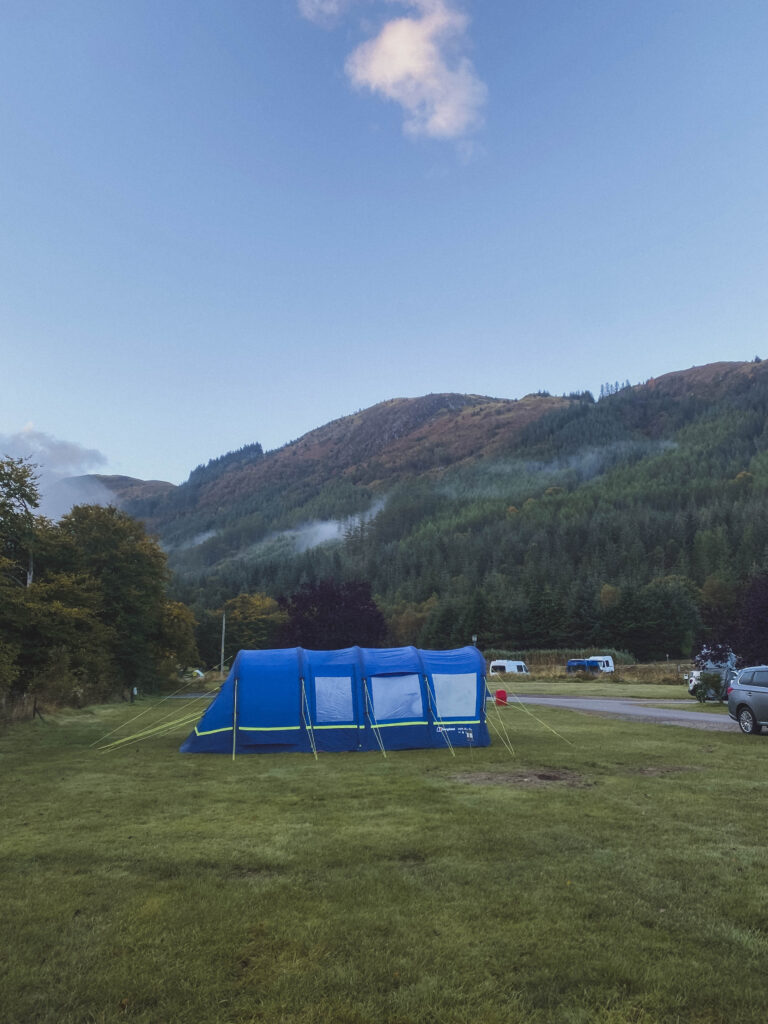
Glen Nevis Caravan & Camping Park – While camping isn’t for everyone, I wanted to recommend this as it’s where we chose to stay and we had such a great experience! It’s also very much a ‘glamping’ situation as there are showers and electricity, even for tent users. Plus, it’s minutes walk from the Ben Nevis main route!
If you don’t fancy camping, there are really cute camping pods or holiday caravans available too. Check their official website to book and for more information.
Here are some other suggestions of where to stay (based on web-reviews):
Ben Nevis Inn – Situated at the foot of the UK’s tallest mountain, this charming and rustic inn has rooms which boast stunning mountain views and sweeping vistas of the natural scenery. Set within a 200-year-old converted barn, this is the perfect place to base yourself if you love walking and waking up to the outdoors. Check prices and availability here.
The Garrison Hotel – Situated in the bustling town centre of Fort William, this hotel is situated just 300 metres from the West Highland Museum. Clean and modern rooms make for a comfortable and easy place to stay. Check prices and availability here.
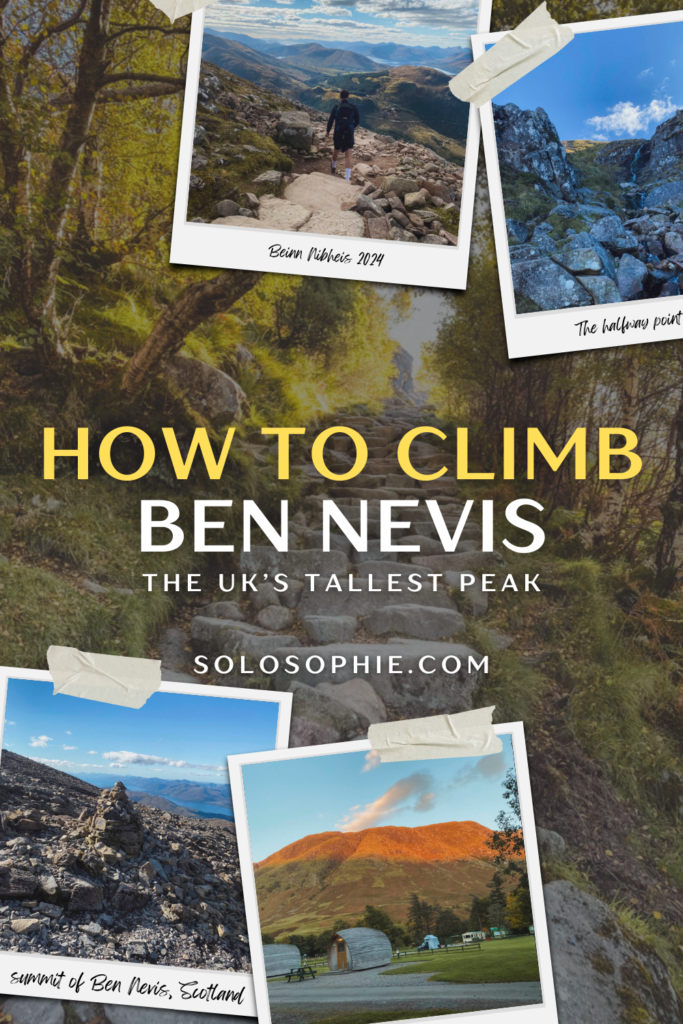
Enjoyed reading about Ben Nevis? Pin this article now, and read it again later:

> Edinburgh insider’s guide
Ultimate Guide to Edinburgh, Scotland
$19.95
Want more handy information to bring with you on-the-go? This is the ultimate travel guidebook filled with insider knowledge (from a local), the best go-to spots, practical tips and stress-saving hacks that will make your trip truly unforgettable!