
How to Spend 7 Perfect Days in The Highlands
Last Updated on 7th February 2026 by Sophie Nadeau
This post may contain affiliate links. Please check out my privacy policy and disclosure for more information.
The Scottish Highlands are a cinematic sweep of landscapes, from majestic mountain peaks to barren moorlands littered with endless forests, lochs and wildlife. The Highlands are one of the most sparsely populated areas in the entirety of Europe. An area of the UK boasting breathtaking natural beauty and steeped in a fascinating history of medieval castles and turbulent battles. Here’s you guide on how to spend 7 perfect days in The Highlands itinerary!

What are the Scottish Highlands known for?
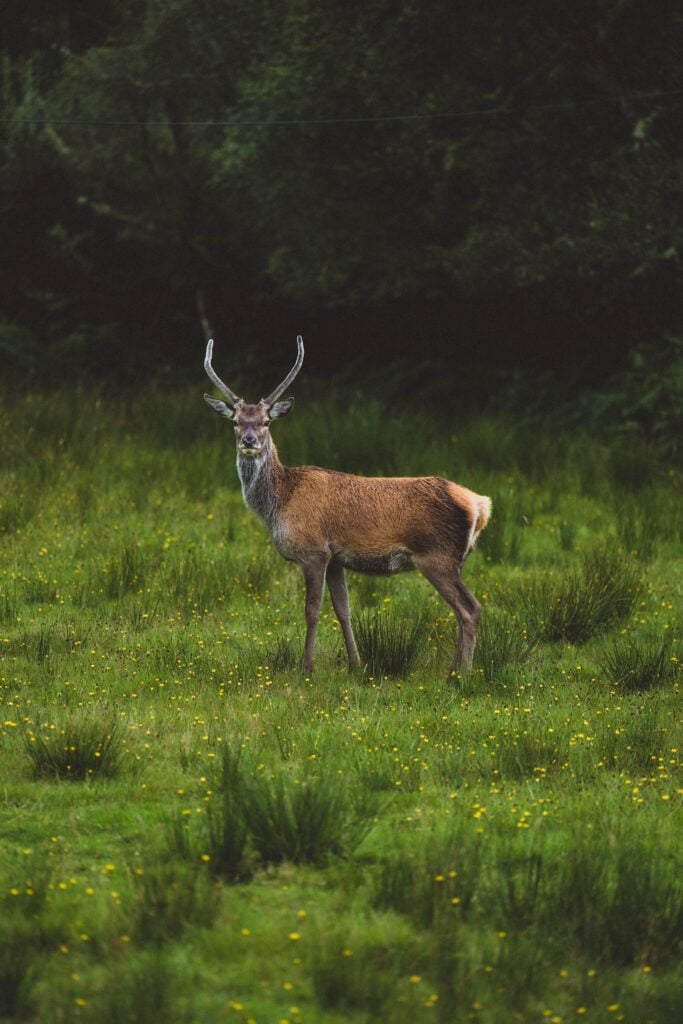
The Scottish Highlands are renowned for their enchanting landscapes of mountainous terrain, endless lochs (Scottish for lakes) and majestic wildlife. A sweeping and cinematic destination littered with castles, histories of clan battles and secluded stone bothies.
A particularly unique aspect of the Highlands is that it is the only area of the British Isles home to a taiga biome, featuring a concentrated population of Scots pine forest.
The Scottish Highlands are a hiker’s haven, a filmmakers’ paradise, and an area of outstanding natural beauty; simply put, every view is breathtaking!
Some of the most iconic films that are based in the Scottish Highlands include:
- Braveheart – An iconic 1996 film about Scottish rebel William Wallace. It’s shot around Loch Leven, Glen Nevis and Glencoe’s mountainous backdrop.
- Harry Potter – Plenty of beloved scenes from the series have been filmed in the Highlands, most popularly the Glenfinnan Viaduct & Jacobite Steam Train.
- Highlander – Shot throughout the Highlands, Eilean Donan Castle is the famous classic Scottish castle on a tidal island that features.
- James Bond (Skyfall, 2012) – Scenes of the film were shot nestled in the landscape between Glen Coe and Glen Etive.
- The Wicker Man – Scenes from this spooky horror were filmed in the highland village of Plockton and on the shores of Loch Carron.
What if you only have a long weekend in the Highlands?
If you only have a long weekend, you can still enjoy the scenic surroundings of the highlands; I suggest following the first half of this itinerary as it gives the best overview.
However, for the ultimate experience of the Highlands, you can easily spend up to a week or more here. From small charming settlements to historic castles, hiking up mountains, swimming in lochs and plenty more, there’s so much to be explored and enjoyed in the Scottish landscape (a lot of which is completely free too!)
Please note: This itinerary is fairly ambitious and best suited to those who like to be doing something at every moment of their day.
If you prefer to travel at a more leisurely pace, feel free to pick and choose from the following destinations mentioned.
Getting around
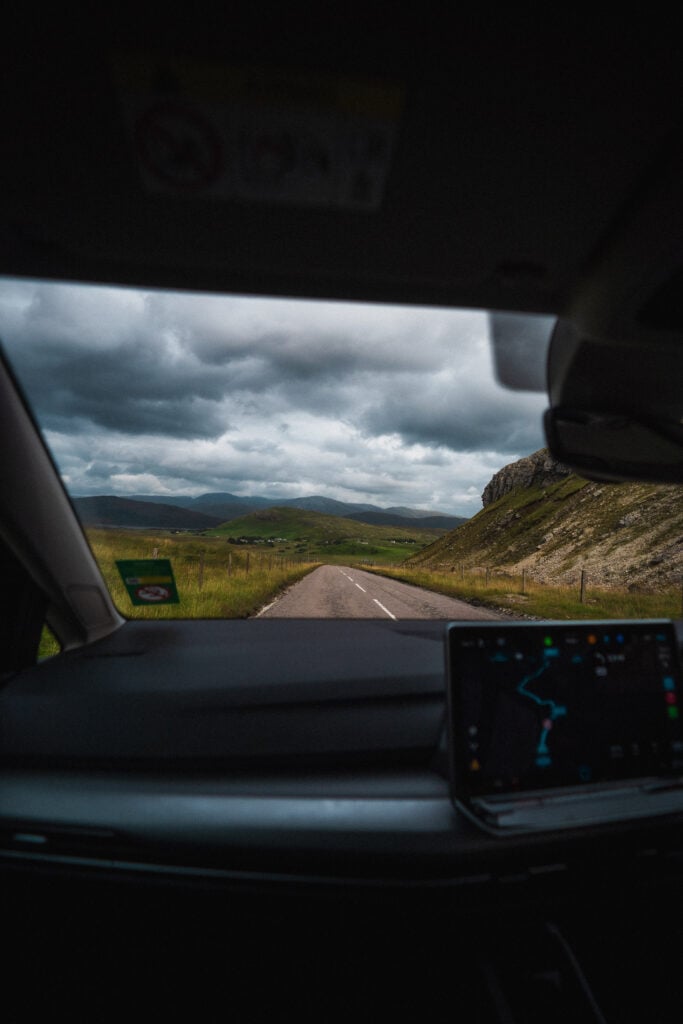
Although parts of the Highlands are well served by public transport of buses and railways, for this itinerary you’ll need your own means of transport.
The Scottish Highlands are easily one of the most magical places to drive, and to reach many of the more remote destinations mentioned here, you’ll need a car. Check car rental comparison prices here.
It’s also worth noting that while the Highlands may feel small when compared to other destinations, everything is so spread apart that it can take quite a lot of journey time to go between each location. Also, be aware of livestock! Sheep, cattle and deer roam where they like and can often wander onto main roads.
Day 1 suggested itinerary for the Highlands
Corrieshalloch Gorge
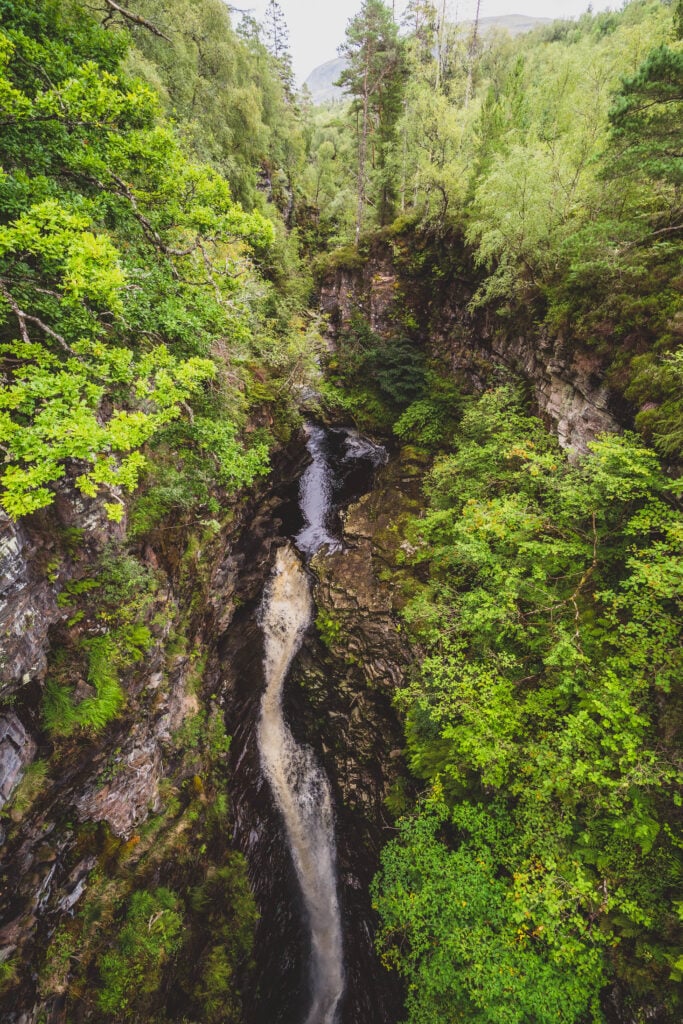
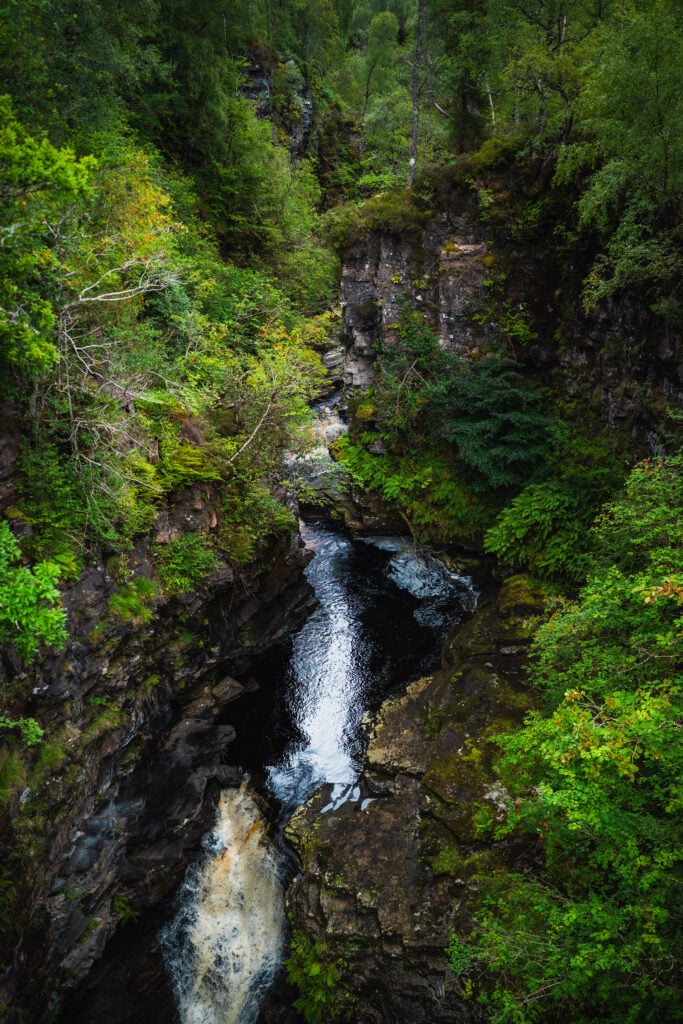
Corrieshalloch Gorge is a wonderful way to start your trip in the Highlands, exploring a series of nature paths filled with the scent of pine that will eventually lead you to the gorge and a remarkable Victorian suspension bridge boasting spectacular sights.
The name “Corrieshalloch” translates from the Scottish Gaelic to mean “ugly hollow”, though rest assured this destination is anything but.
Walking along the gorge pathways is simply stunning, the gentle sound of water streams and endless mossy woodland surround. The Corrieshalloch Gorge is among the most impressive of its kind in Britain, showing how glacial meltwater has carved away at the surface of Earth for millions of years, creating this deep pathway of water.
Thanks to the unique microclimate of the gorge, it’s known as “the gateway to nature” and offers the perfect opportunity to spy out various species, including several types of fern.
The Sir John Fowler’s suspension bridge dates back to 1874 and spans 25 metres. It was one of the first suspension bridges in the UK that used cables to distribute weight. However, because of its age, only six people are allowed on the bridge at any one time for safety reasons. It’s also worth noting, the bridge can wobble and is not suited to those who have an extreme fear of heights.
For the best view, further along the trail, you’ll come across a viewing platform where you can take in both the beauty of the gorge and the suspension bridge in all its glory. This magical setting offers a perfect glimpse into what’s to come from exploring the Scottish landscape!
When visiting Corrieshalloch Gorge, there is a car parking fee of £5.00. On site, there’s a visitors centre, public toilet, café and small gift shop, which you can visit. The café is open 09:30 am – 4 pm.
Ullapool
Drive around 20 minutes north and you’ll reach the small settlement Ullapool, which is often referred to as “the gateway to the Northern Highlands” thanks to its ease of access to the nearby mountainous area. It’s also the village from which a ferry departs to both the Isle of Harris and Isle of Lewis.
Maritime trade and the sea have played an important role in Ullapool’s history and heritage. The settlement seen today dates back to 1788, when it was commissioned as a fishing port by the British fisheries. It remains a thriving fishing town and is often where people choose to holiday and base themselves when visiting this part of Scotland.
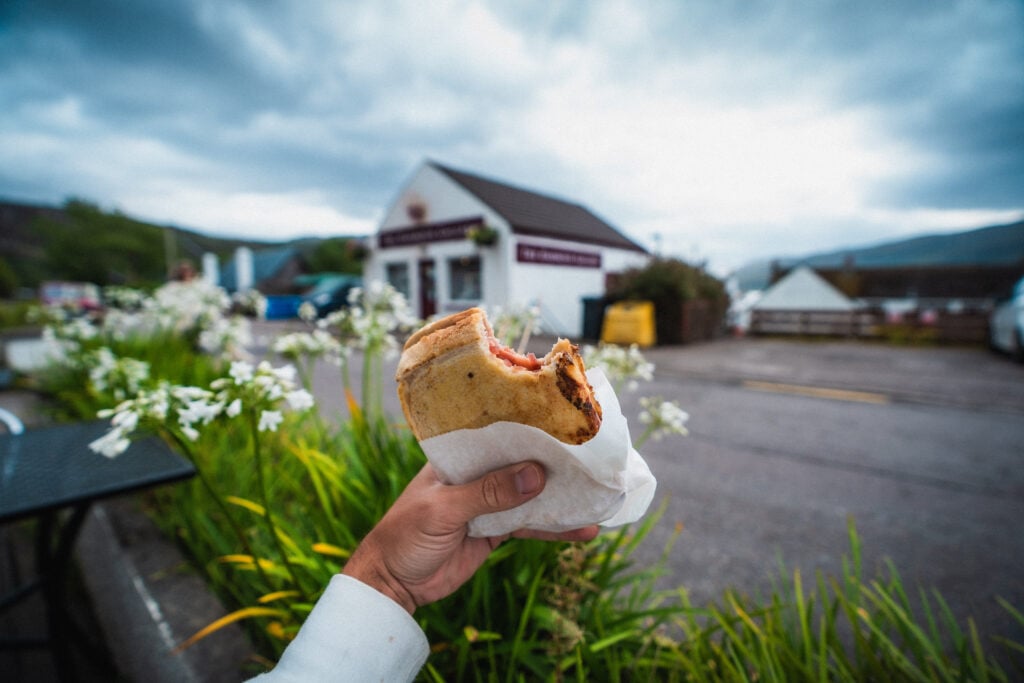
Along with this, thanks to it being a stop on the North Coast 500 (a stunning coastal route of 516 miles), there are plenty of cafés and spots in the village to pick up a bite to eat, including eateries and small delicatessens filled with homemade delights.
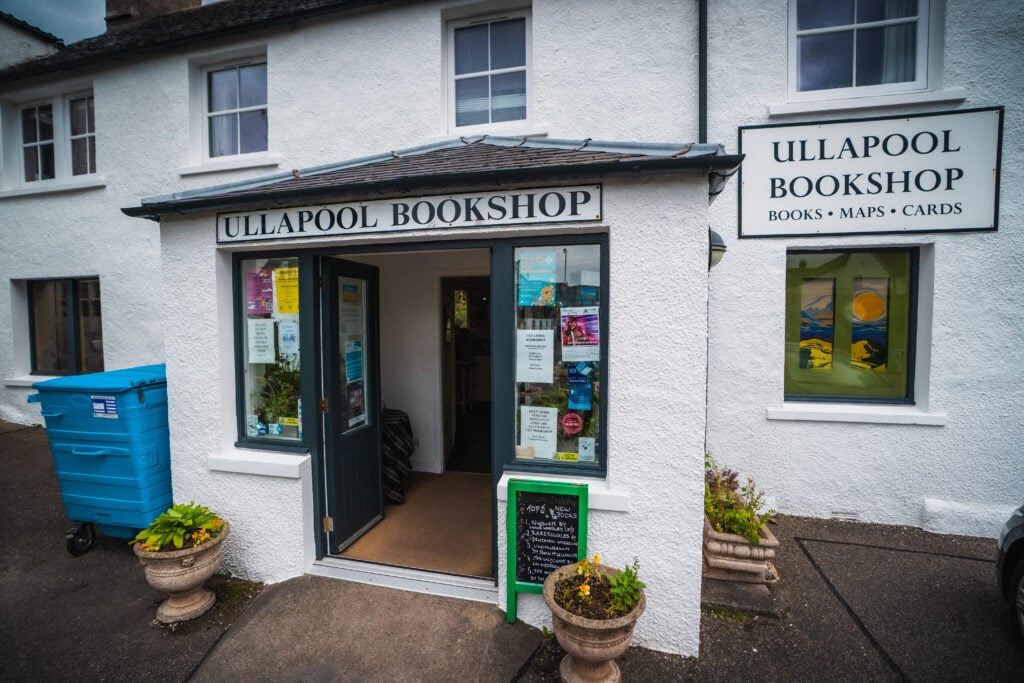
For those who want to learn more about local history or simply pick up a form of entertainment for your travels, the independent and family-run Ullapool Bookshop is stacked high with fascinating reads.
Elphin
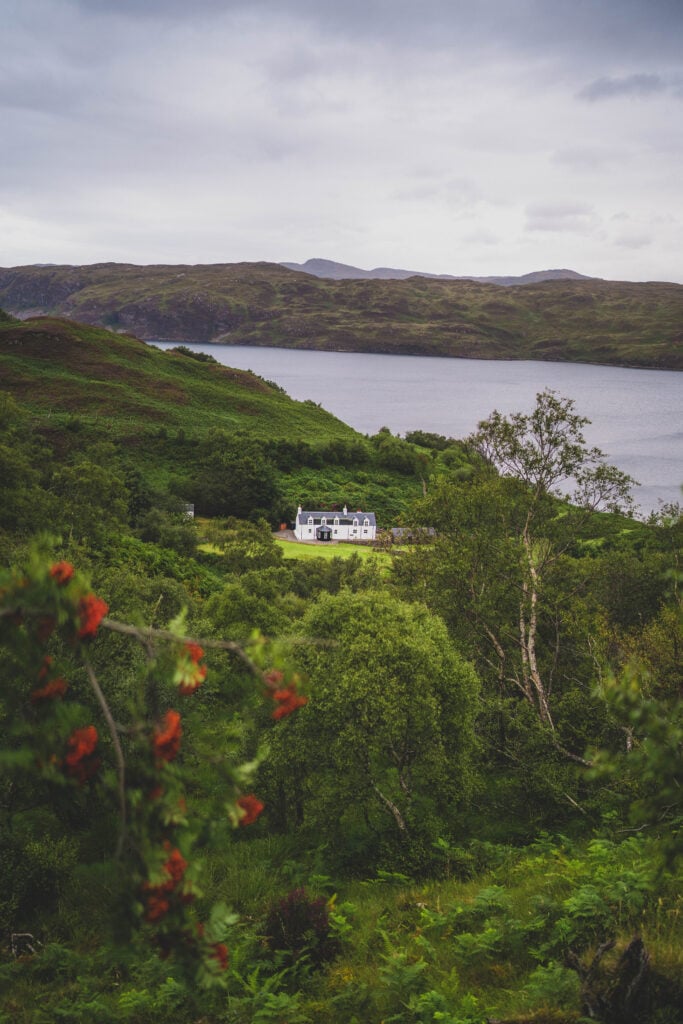
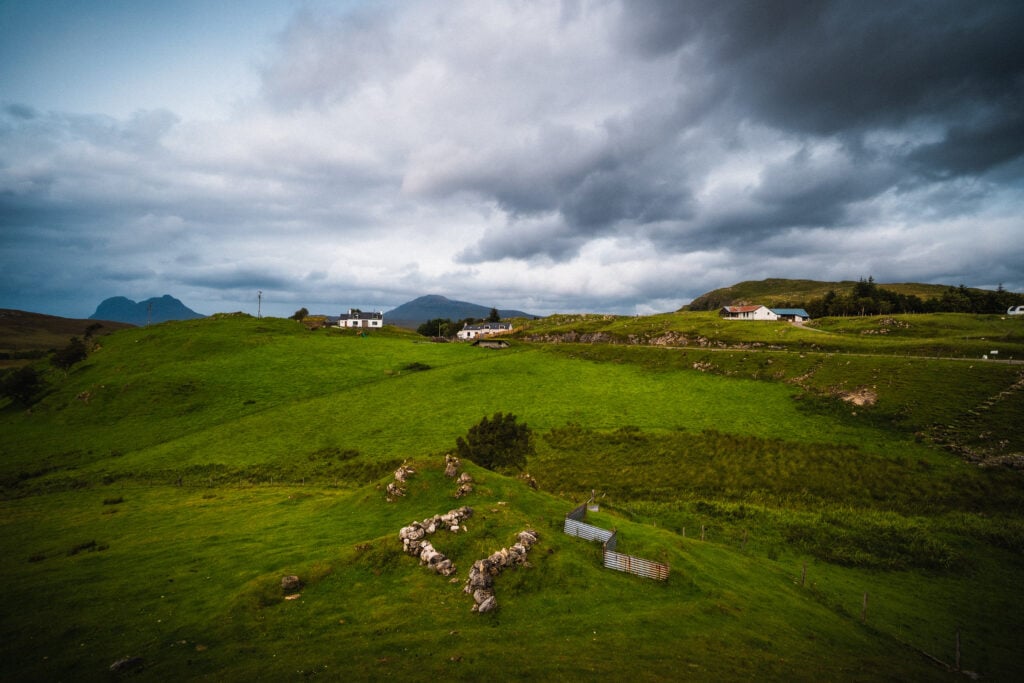
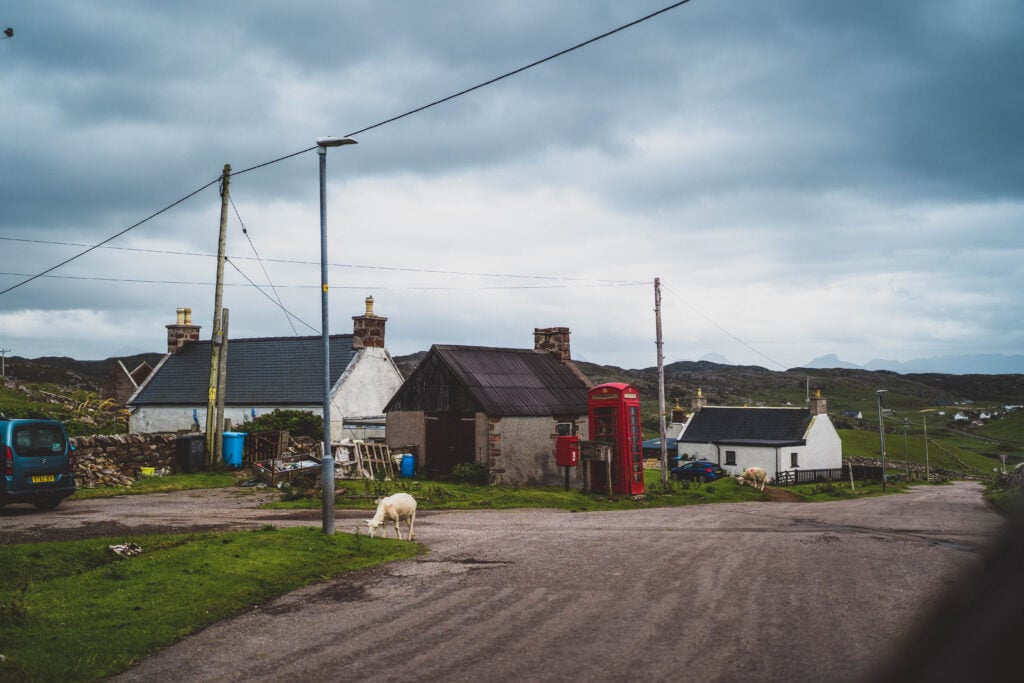
Another 20 minutes northwards is the tiny township of Elphin, which is home to around just 70 people. Located in Assynt, Sutherland, this quaint settlement of white houses is nestled amongst heather moorland and blankets of green, with mountains and hills looming in the backdrop, it appears as if plucked straight out of a fairytale.
While you might wonder why Elphin appears so much greener than other parts of the Highlands, this is because this landscape pocket sits atop limestone. The rock below makes for more fertile soil, which allows the grass to thrive.
Although there’s not much in terms of things to see and do in Elphin, its charm and picturesque scenery alone make it worth visiting. One particular spot in town to visit is the Elphin Tearooms, where you can enjoy delicious homemade cake and a warm brew with some of the most spectacular views imaginable!
Ardvreck castle
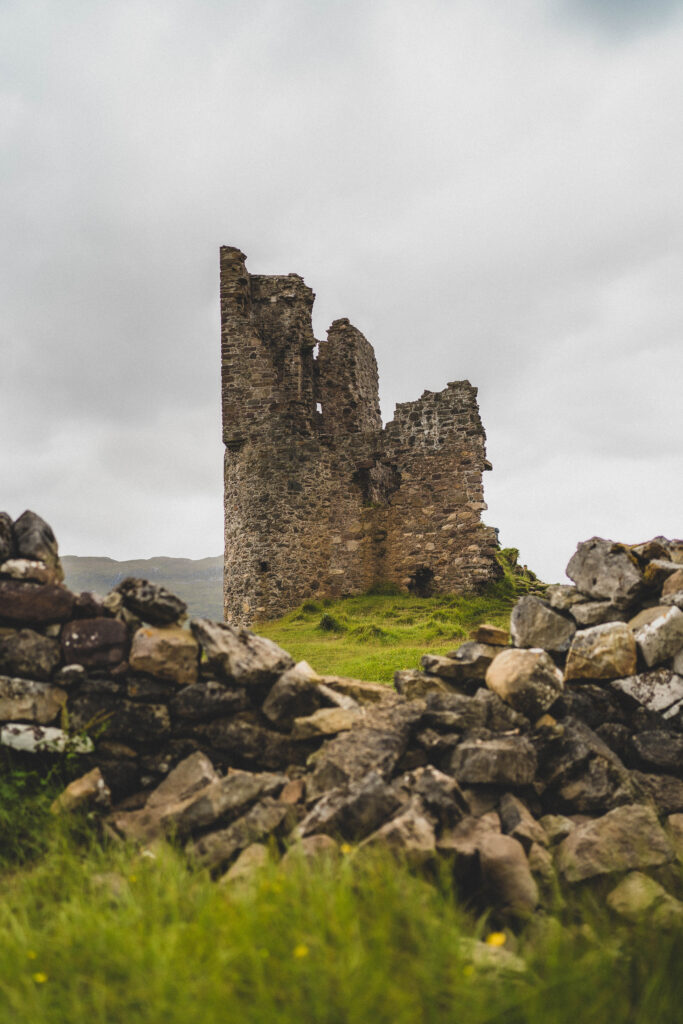
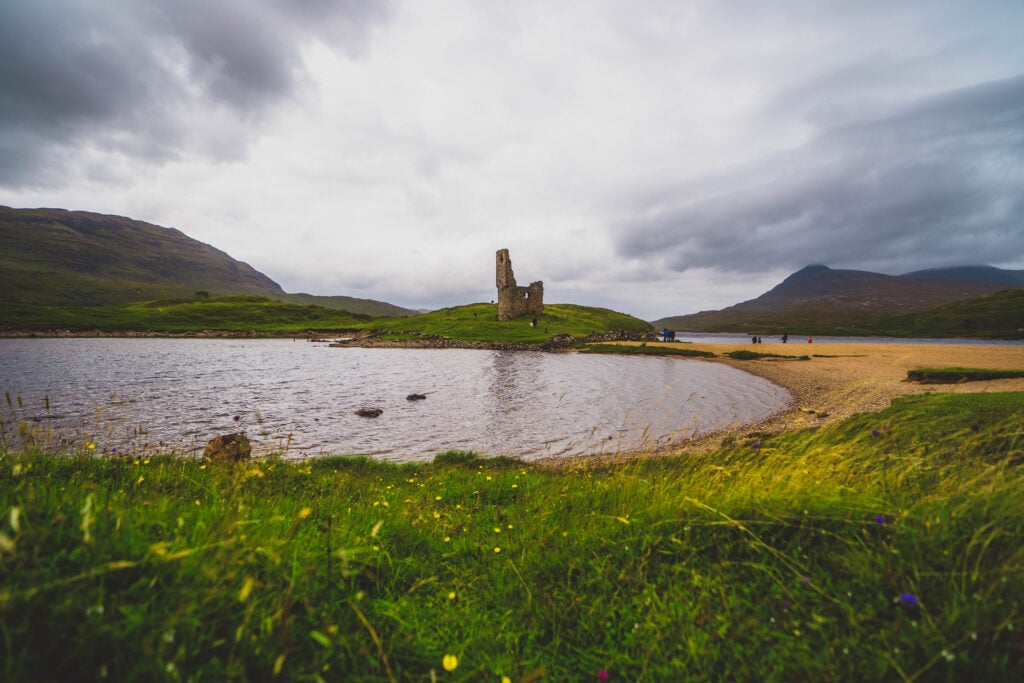
The crumbling ancient stone ruins of Ardvreck Castle stand silently perched upon a rocky promontory on the edge of Loch Assynt, nestled at the foot of the three dramatic summits of the Quinag mountain range.
Ardvreck Castles dates back to 1490, when it was the seat of the Macleods. It was besieged several times over the centuries, standing witness to a turbulent and often violent history. It was eventually abandoned by the 18th century after it was struck by lightning, almost burning down entirely.
Today, the castle is reputed to be one of the most haunted places in the area. Home to a Gray Lady, a weeping child and some other phantoms…Read our guide on how to visit Ardvreck Castle.
Drive around headland
Next, for (yet another) scenic drive, take yourself around the B869 Drumbeg Road, which passes several small villages and the most breathtaking views you can hope for. The road follows along the headland and you’ll want to drive along until you reach Achmelvich.
Hermit’s Castle
Found along the coastline of Achmelvich Bay is one of the most intriguing hidden gems of the Highlands, known as Hermit’s Castle. Often referred to as “the smallest castle in Europe”, this little stone structure is actually a bothy of Brutalist architecture, built from concrete.
Bothy – in Scotland, a ‘bothy’ refers to a small hut or cottage, traditionally used for housing farm workers or as a mountain refuge. Today, if you come across an empty bothy on your travels in the hills, they are free to stay in!
The story goes that back in the 1950s, an architect from Norwich by the name of David Scott chose this very spot to build a bothy. He built the one-sized person bothy over 6 months, bringing in materials by boat. Scott left the area soon after completion, allegedly staying for a week before never returning… perhaps finding it a bit tight.
Left to the elements, this intriguing and mysterious miniature castle is a hidden gem of the Highlands, and though no one quite knows much about it, it certainly adds to the charm of the landscape.

Day 2 suggested itinerary for the Highlands
Glen Affric
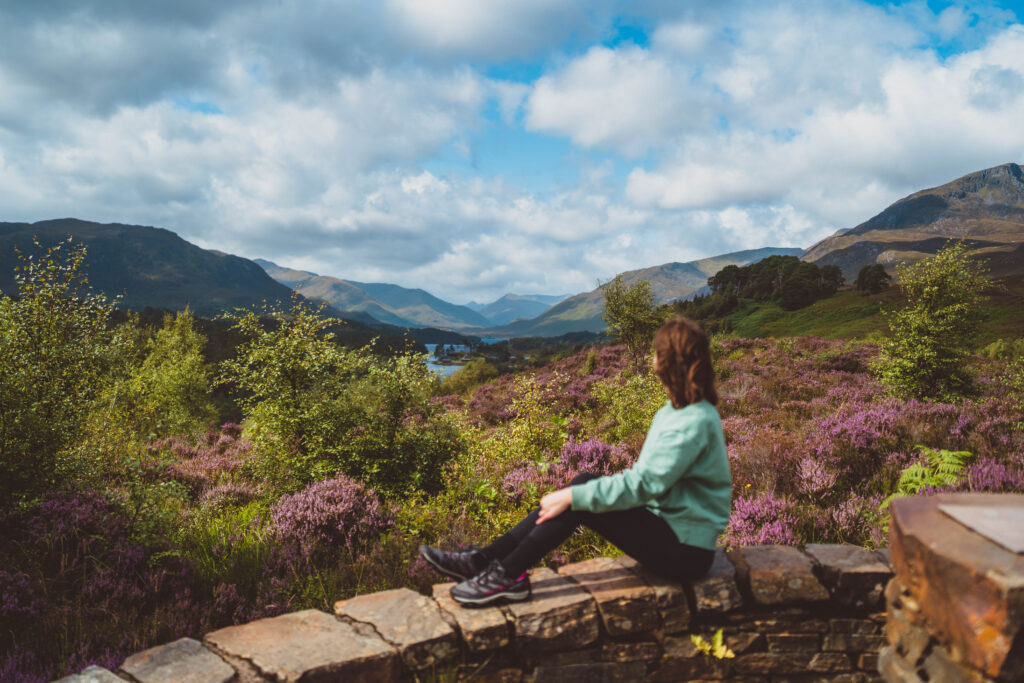
Start your second day in the Highlands in the beautiful National Nature Reserve Glen Affric, which is best known for being home to the oldest pine forest in all of Scotland. The ancient Caledonian pine forest spans 30 miles and some of the trees that inhabit the space are thought to be at least 565 years old.
Peppered with sparkling lochs and interspersed with nature trails that wind amongst the forest, the best thing to do while here is enjoy exploring the paths and soak up the natural beauty. The relaxing echoes of birds chirping and twigs crunching below your feet is likely the Scottish ASMR you’ve been dreaming of.
Some of the wildlife seen here include plenty of deer, the Scottish crossbill, pine martens, or, if you’re lucky, you may even spy a golden eagle.
Glen: a ‘glen’ is a deep, narrow valley which is commonly used as a reference in Scotland and Ireland.
Glen Affric is often considered the most beautiful glen in Scotland and it particularly comes to life during the fall months when the trees burn orange and golden umber tones.
Before visiting Glen Affric, it’s worth noting that there’s no phone signal, so you might want to consider downloading a map on your device or having a physical copy at hand. There are also no facilities, so be sure to have snacks or your own picnic along with you. And finally, you’ll need to bring cash to pay for parking here.
Loch Ness
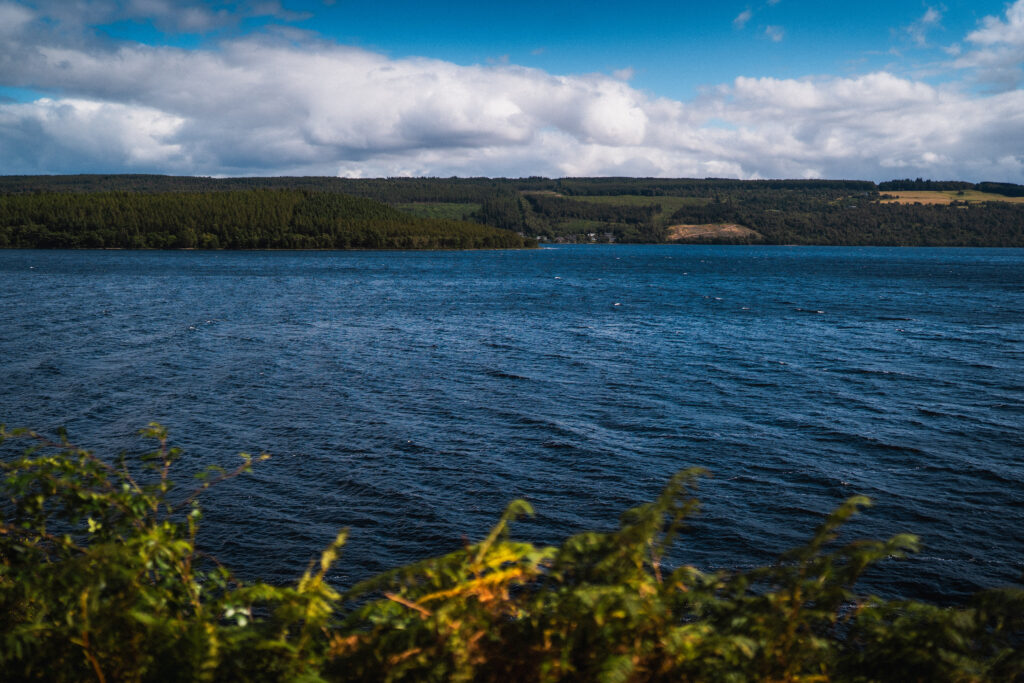
After a couple of hours exploring Glen Affric, head to Scotland’s most famous loch and the largest body of water in the UK, Loch Ness. This world-famous freshwater loch is indeed massive and contains more water than all the lakes in England and Wales combined!
However, Loch Ness is most famously known as being home to the large, mysterious and long-necked marine creature The Loch Ness Monster, or as the Scots refer to it, Nessie.
Although it’s believed to be a more modern phenomenon, sightings and tales of monsters have been prevalent in the local area for thousands of years. Further evidence of such monsters can be seen through stone carved depictions of a mythical creature with flippers which were made by The Picts (a group of people from the Firth of Forth Scotland in the Middle Ages).
Whether or not Nessie exists has been at the centre of debates for years now, and though photographs have been taken, they have been proved to be hoaxes. Nevertheless, this doesn’t stop around 1 million visitors flocking to the loch each year, with hopes to spot the mysterious creature for themselves.
Because of its famous monster and natural beauty, it has to be said that Loch Ness is much more touristic than other lochs in the Highlands. It’s for this reason that you might find the eateries and shops in the area to be a little more expensive.
Abriachan Gardens
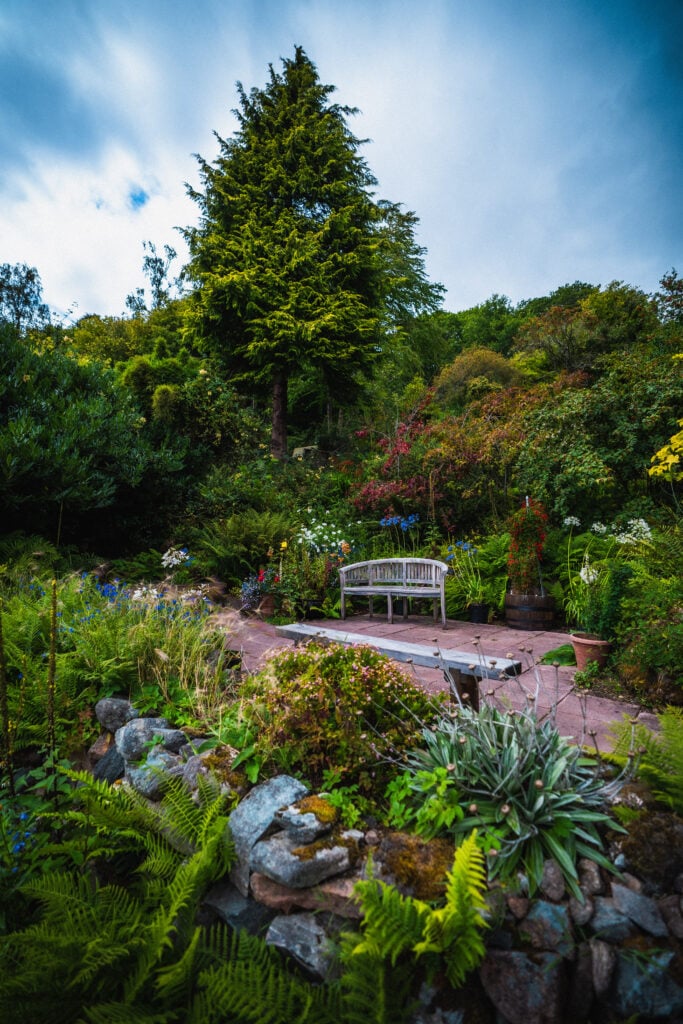
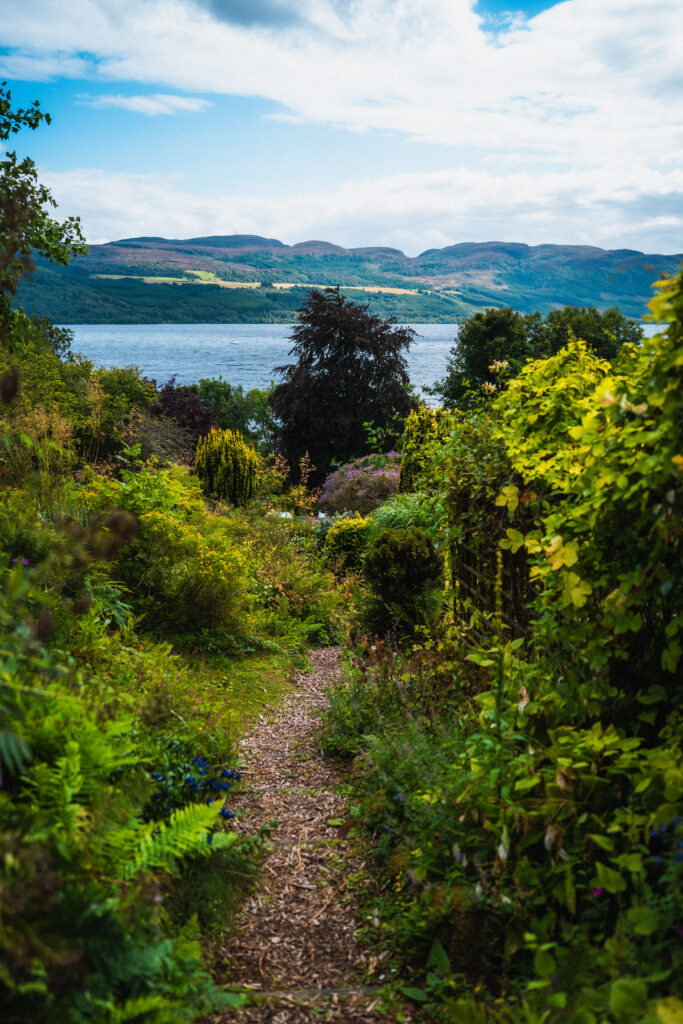
While visiting, be sure to check out the Abriachan Gardens, which are somewhat of a hidden gem and overshadowed by the more touristic spots surrounding Loch Ness. Situated on the shores of the loch, this glorious woodland garden and plant nursery is open all year round.
There’s a small entry fee of £4 per person (children go for free), which is to be paid in the ‘honesty box’ or potting shed, and there are two hectares of gardens to explore. There is also a collection of plants for purchase if you feel inspired by green fingers to buy one or two.
While exploring this tranquil space, which is especially luscious in the summer months, you can soak up excellent views overlooking the famous loch… and may even spy Nessie out for yourself!
Castle Leod
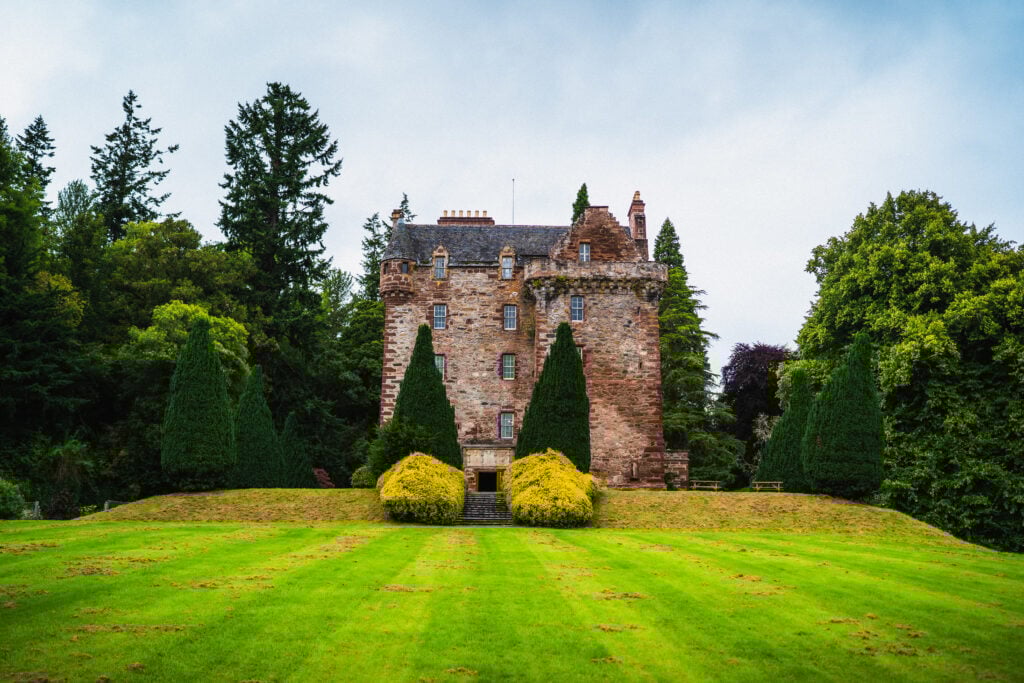
Castle Leod is a 14th-century historic Scottish tower house, and it has been the seat of the Mackenzie Clan since its construction. Though most of what can be seen today dates back to the 17th century, it’s a site steeped in history and is believed to have been originally built upon an ancient Pictish fort that dates before the 12th century.
One particular highlight to see while visiting is the Eagle Stone, or as it’s known in Gaelic, ‘Clach an Tiompain’ which translates to ‘Sounding Stone’. This impressive stone can be found standing in a fenced enclave by a field and is well-signposted. It is a finely carved Pictish stone that is thought to date from the 7th century AD.
Before heading here, be sure to check out the opening times, as Castle Leod is only open to the public for a few days per month from May to September.
Fairy Glenn Falls
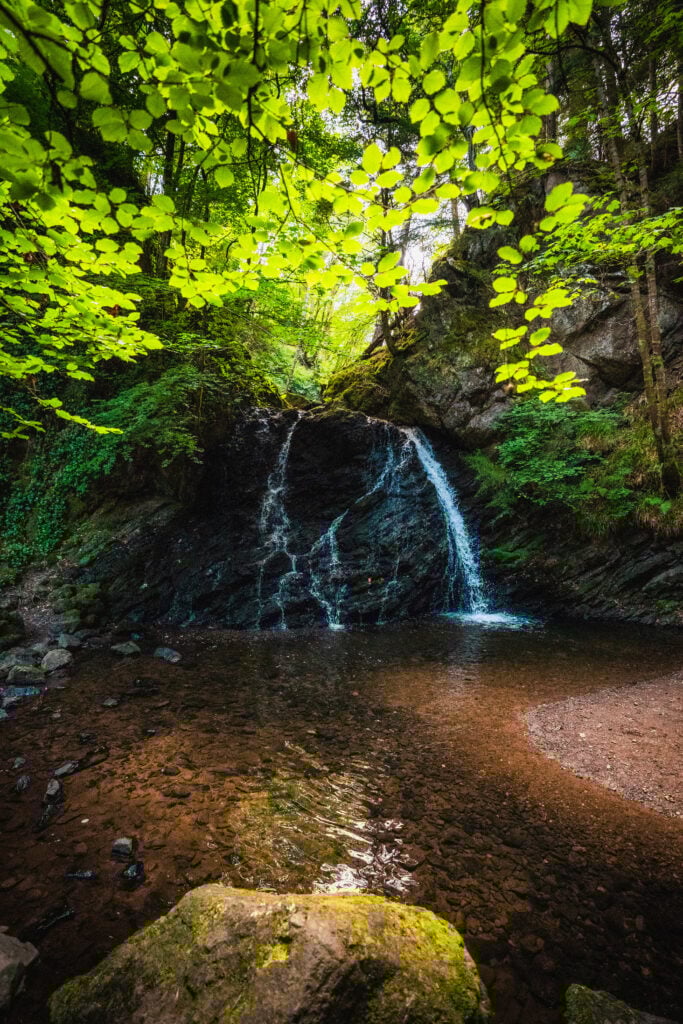
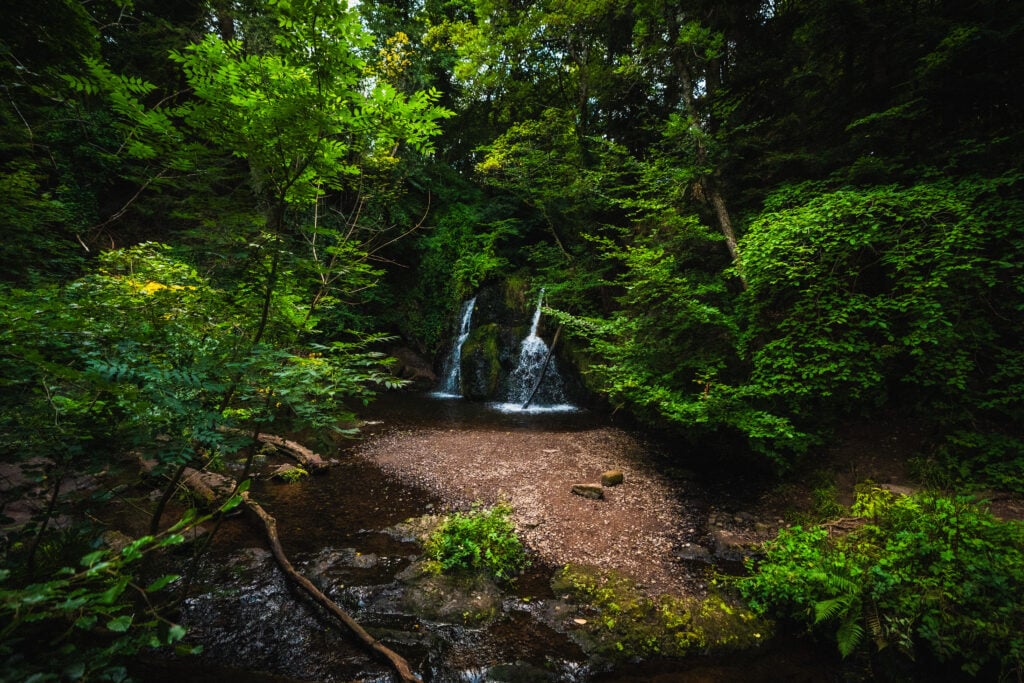
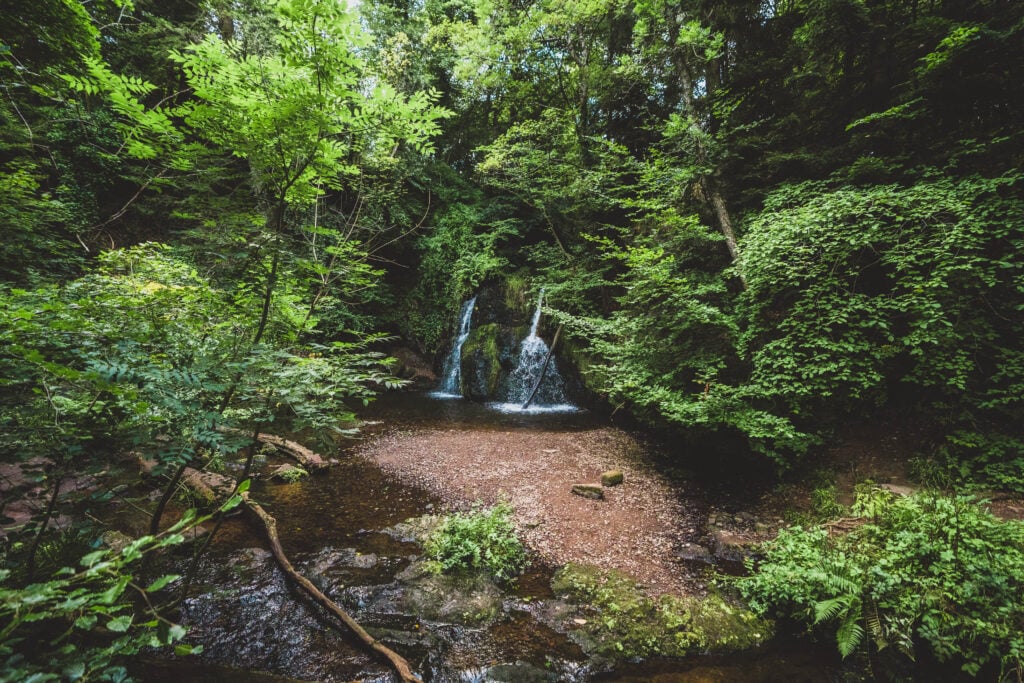
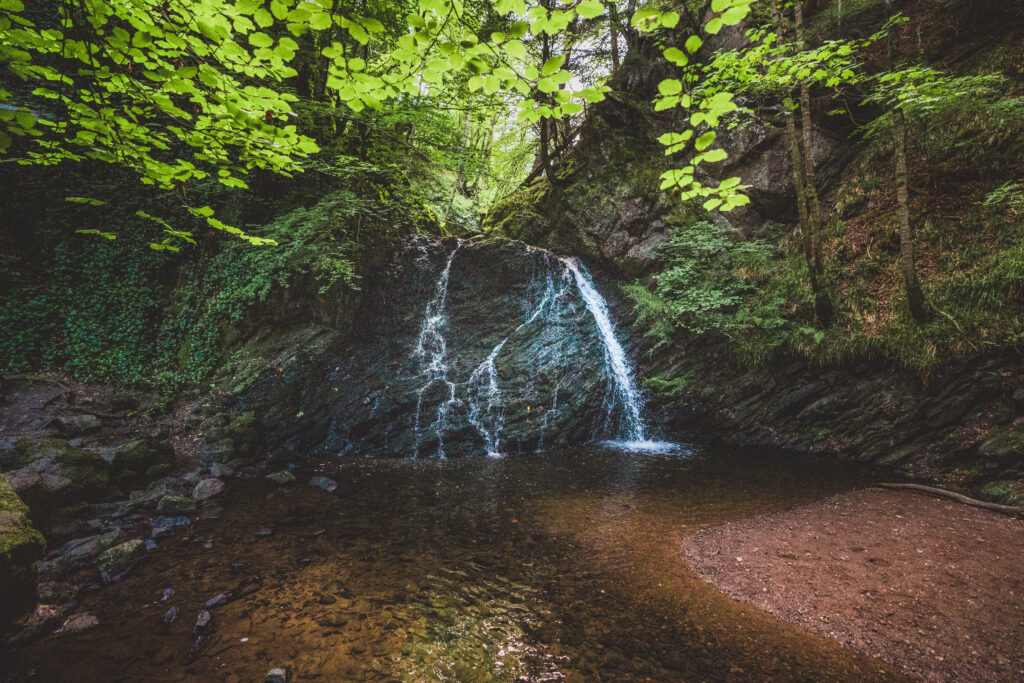
The final stop of your second day venturing around the Highlands is the enchanting Fairy Glenn Falls, which can be found in the woodlands close to the village of Rosemarkie.
Two paths meander through the forest, both of which will eventually lead you to the secluded pair of waterfalls that pour and babble into the depths of a rocky pool below.
If visiting during the summer months, you’ll find the forest is soft and glows warm in the evening light. Though it has to be said, this is also the time of year when the midges will be out swarming the air like piranhas!
Fairies have been part of Scottish folklore for centuries, known as “little people” or “fair folk”, they are believed to be deeply connected to nature and considered the guardians of the woodlands, waterways and the sea.
With fairies so intertwined with Scottish folklore, it may come as no surprise that Scotland’s national animal is a unicorn. The mythical creature has been linked to Scotland for centuries and in Celtic mythology the unicorn was a symbol of both innocence and purity, as well as masculinity and power.
One of the more unusual sights you’ll see along the walk is ‘The Money Tree’, which is a small tree stump that has had hundreds of old coins hammered into it, as offerings to the fairies. However, the nature reserve has asked that people no longer do this as it’s bad for the trees.
Day 3 suggested itinerary for the Highlands
Dunrobin Castle
Rainfall is fairly common in the Highlands, and although this can make for a more dramatic atmosphere, it can feel disheartening having travelled far to be here. However, one of the best things about the Highlands is that there are plenty rainy activities to do, including visiting castles, exploring towns and heading into a whisky distillery.
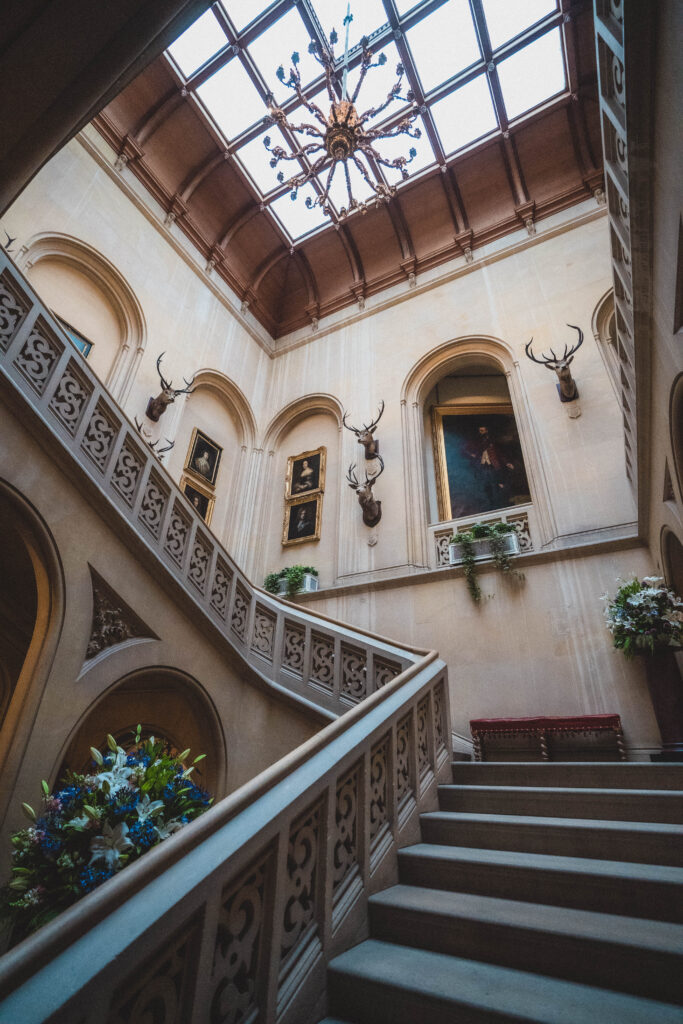
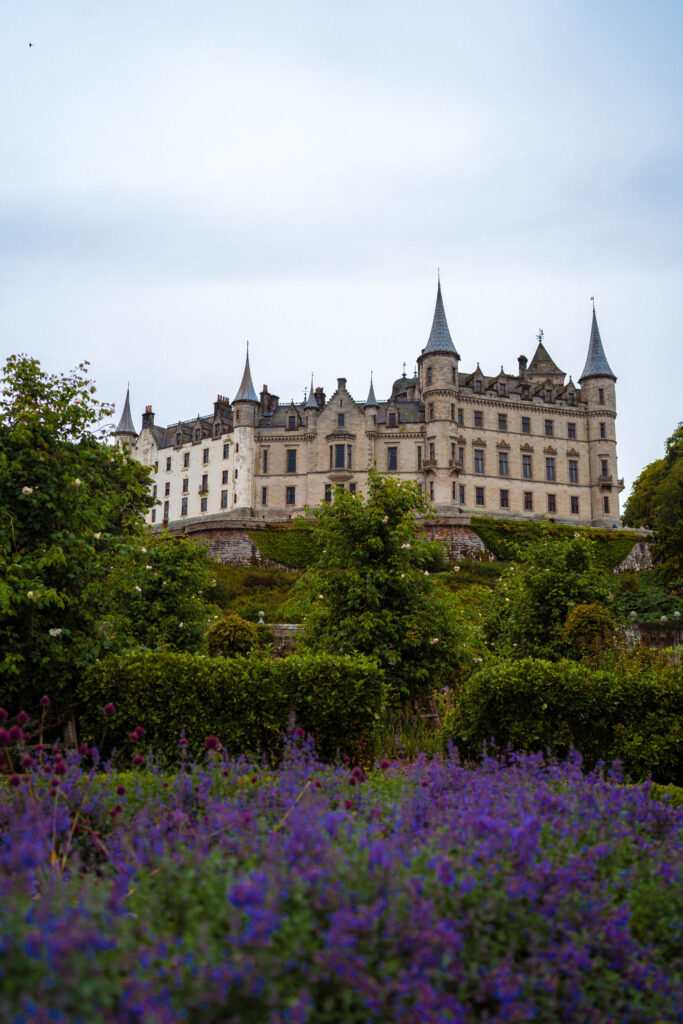
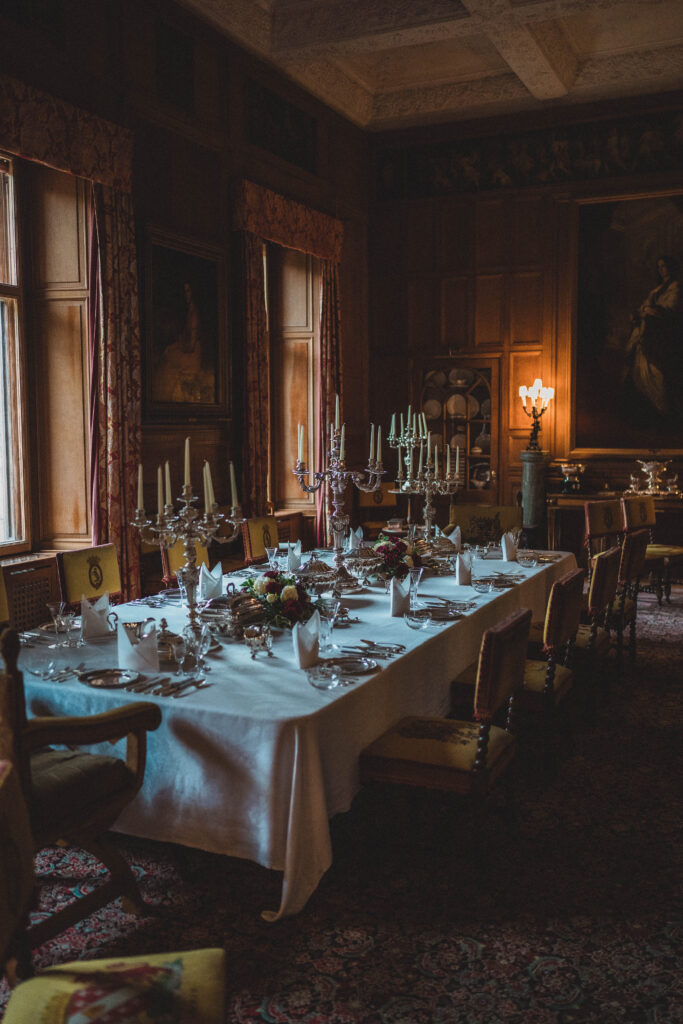
Start the morning of your third day by exploring the largest and most northern of Scotland’s great houses, Dunrobin Castle. This enormous French château-inspired castle has a long and storied history that spans over 800 years and is often hailed as “a jewel of The Highlands”.
There’s so much to see here, so you’ll want to set aside at least 2-3 hours, if not more, to visit all the rooms, learn about the history and possibly even enjoy a morning coffee and cake in the castle tearoom.
Steeped in history, Dunrobin Castle is also known to have played a huge role in the Highland Clearances in the early 19th century. It’s easily one of the most impressive sights to visit in this part of Scotland and has been witness to quite the turbulent past.Read our guide on how to visit Dunrobin Castle.
Whisky distillery
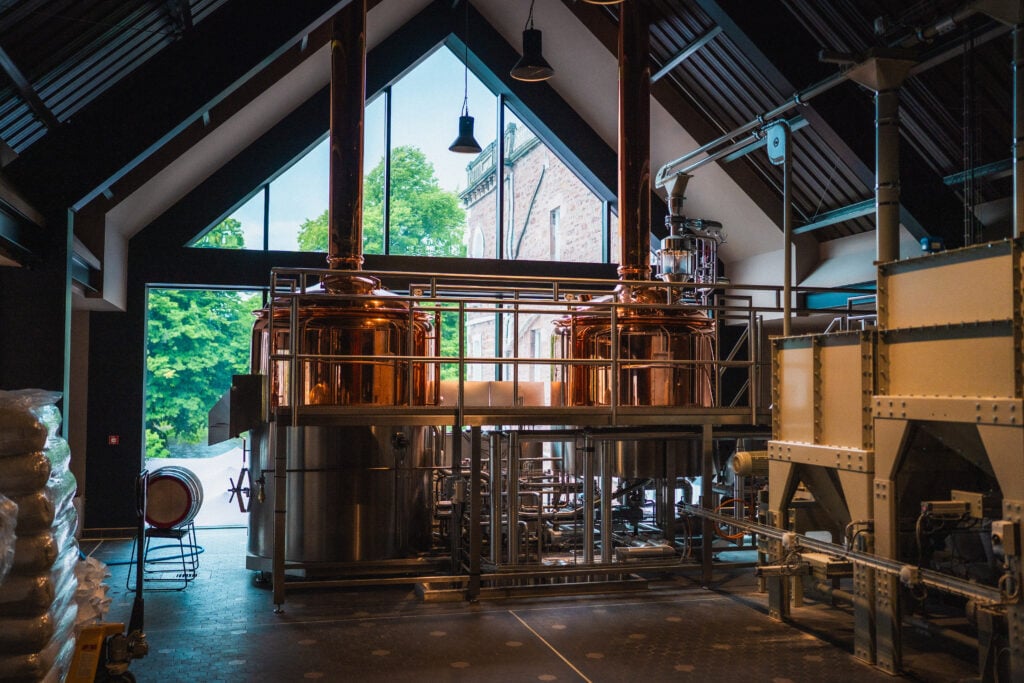
While exploring the Highlands, or any part of Scotland for that matter, one of the best ways to get a taste of Scottish heritage and its biggest export is by visiting a whisky distillery.
There are around 150 active whisky distilleries in Scotland, and the Scottish whisky industry accounts for 77% of the country’s food and drink exports (2022). The golden liquid is cherished and treasured and has been crafted and distilled for centuries. The earliest recorded dates of distillation date back to 1494, but it’s known to be well before this (just not legally speaking).
Even if you don’t like whisky as such, the huge scale production and history of Scottish distilleries is truly fascinating and well worth a visit. Experiencing the magic of whisky through a guided tour and then possibly tasting some for yourself straight from the cask is only best when in Scotland.
You’ll also find whisky to purchase, which is only exclusively available at the distillery itself.
Suggestions of Highland distilleries to visit:
- Clynelish Distillery
- Dalwhinnie Distillery
- Balblair Distillery
- Ben Nevis Distillery
- The Singleton Distillery
Inverness
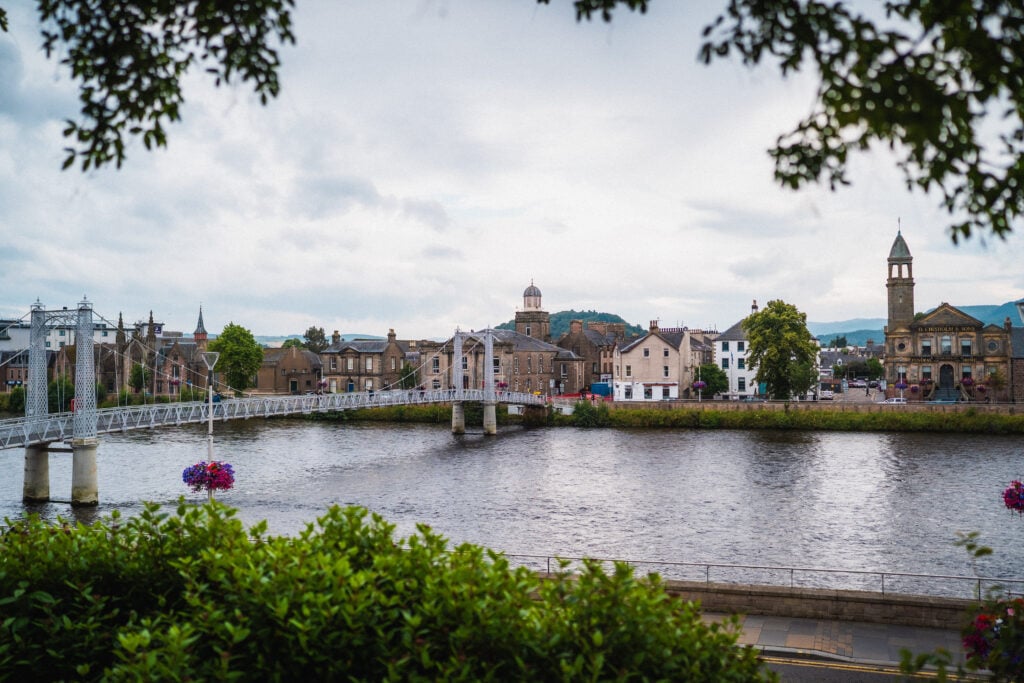
Widely regarded as the unofficial capital of the Highlands, Inverness is the biggest town in northern Scotland and was granted city status in 2000. As the cultural capital and gateway to the Highlands, this small city is packed with charm and surrounded by breathtaking natural beauty and historic intrigue.
The city is situated at the mouth of the River Ness, which flows from the nearby Loch Ness. Some of the best things to do while exploring Inverness include wandering through the Victorian Market, peeking at Inverness Cathedral and visiting Leakey’s Bookshop. Read our guide on how to spend one day in Inverness, for top suggestions!
Day 4 suggested itinerary for the Highlands
Fort William
If Inverness is the “gateway to the Highlands”, then Fort William can be considered the “gateway to hillwalking” thanks to its proximity to the UK’s highest peak, Ben Nevis, along with several other Munros (Scottish mountains that are over 3,000 feet).
This small Scottish town can be found in the western parts of the Highlands on the shores of Loch Linnhe, with Ben Nevis looming in the backdrop. Of course, the majority of outdoor activities that surround Fort William can be day trips in themselves, but while in the charming town you can head for breakfast or visit some of it’s interesting sights.
Home to the West Highland Museum, as you can imagine, this small museum details the local history of the Scottish Highlands and Islands through an exhibit of artefacts and stories.
Another spot in town to visit is the impressive Neptune’s Staircase, which comprises a dramatic set of eight locks on the Caledonian Canal. Built between 1803 and 1822, Neptune’s Staircase is the longest staircase lock in Britain and was originally hand powered until it was converted to be used mechanically.
Glenfinnan Viaduct
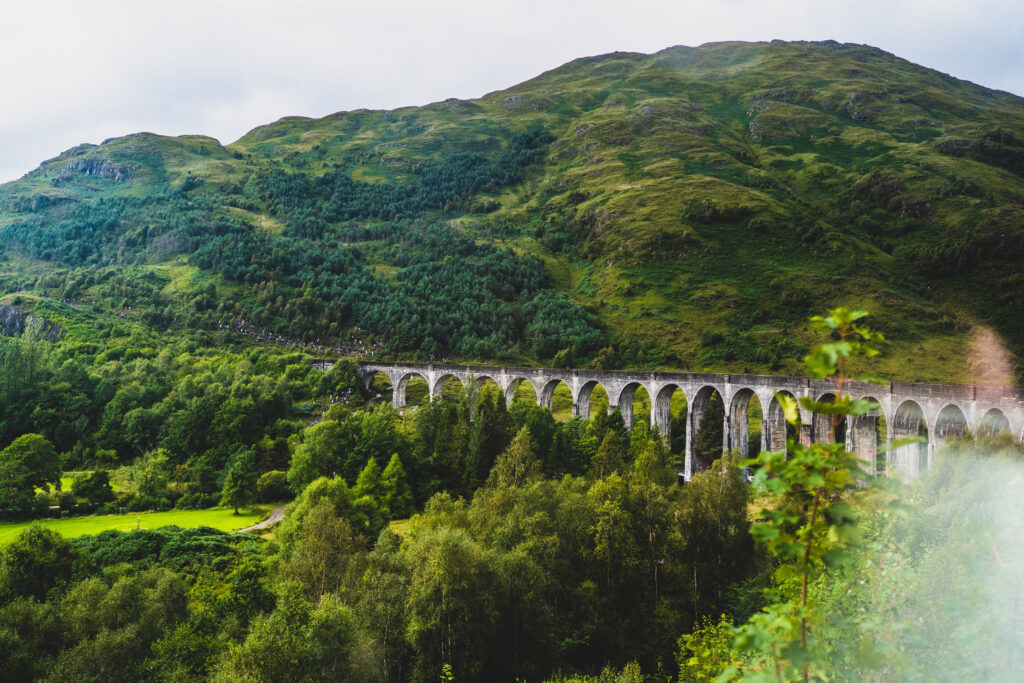
Next, head along to the renowned piece of Victorian engineering and the longest concrete railway bridge in Scotland, the Glenfinnan Viaduct. This bridge dominates the Glenfinnian landscape, spanning across the river and boasts one of the most scenic train rides in the world!
Over time, the Glenfinnian Viaduct has come to be a cinematic icon and treasure of Scotland. Indeed, it’s the very bridge which has become synonymous with Harry Potter thanks to its feature in the films as the route which the Hogwarts Express takes. Read our guide on how to visit Glenfinnan Viaduct.
Glen Nevis
End your day by taking a long and leisurely walk around Glen Nevis, which is one of Scotland’s most accessible glens and also where much of the iconic 1995 movie Braveheart was filmed.
Near the main car park for Ben Nevis, you’ll find the Glen Nevis Visitor Centre, which has facilities like toilets, a shop and of course offers walking advice and information about the surrounding area.
There’s lots to see around the glen without having to tackle the UK’s highest mountain. Wandering through the woodland paths and into the forest, some of the sights to see include the Nevis Gorge and the mystical and secluded Steall Falls.
Steall Falls is the third-highest waterfall in Scotland, and you’ll likely hear it gushing out water long before you see it. Water cascades from the rock face and falls 105 metres down, making for an impressive sight.
You’ll want to set aside a couple of hours, if not more, to explore and walk around the landscape here, spending time soaking up the beauty of Scotland’s natural landscape that sits at the foot of Ben Nevis.
Day 5 suggested itinerary for the Highlands
This day is particularly aimed at those who love hiking, hillwalking and spending plenty of time breathing in the fresh Scottish Highland air.
Kinlochewe
Kinlochewe is a quintessential rugged Scottish Highland village that can be found in Wester Ross in the northwest. The village is nestled at the foot of Beinn Eighe and is perhaps best visited for its nature reserve and the beautiful Loch Maree.
From picturesque scenery, a range of accessible walking paths that meander through Fisherfield Forest and a couple of shops and places to stay, Kinlochewe is a perfect base point and scenic place to visit in the Highlands for those who love the great outdoors.
Five Sisters of Kintail
The five sisters of Kintail were originally seven. Indeed, the tale goes that two Irish princes washed ashore during a storm in Scotland and fell in love with two sisters of a local chief. They married the sisters and promised that they would send over their brothers to marry the remaining five. However, upon returning to Ireland they were never seen again.
This Scottish folklore took a dramatic twist when the five sisters asked the local wizard to turn them into mountains so that they could wait forever, thus preserving their beauty and awaiting the eventual return of their princes.
Today, the Five Sisters of Kintail remain standing as a well-known mountain range, looming above the shores of Loch Duich. The mountain trail is moderately challenging and can take 7 hours or more. Alternatively, you can admire the mountains from below and enjoy the scenic views of the loch as you wander around the feet of the five sisters.
Eilean Donan
While exploring Loch Duich you’ll come across the iconic tidal island Eilean Donan, which is known as the “gateway to the Isle of Skye” and recognised as one of the most iconic images of Scotland thanks to its castle and the breathtaking scenery that surrounds.
The island takes its name most likely after the 6th-century Irish Saint, Bishop Donan, who came to Scotland around 580 AD. However, the fortifications that can be found here date back to the 13th century and were constructed to protect the lands of Kintail against the Vikings.
Eilean Donan Castle also played a role in the Jacobite rising in the 17th and 18th centuries, which ultimately led to its destruction. For almost 200 years it lay in ruins, abandoned and left to the elements.
It wasn’t until 1911 when the island was bought by John MacRae-Gilstrap, who dedicated 20 years of his life to rebuilding and reconstructing the castle as close to its original form, which is what can be seen today. The building works were completed by 1932.
Today, the tidal island and its castle are a unique spot to visit and even more so to get married! It’s for this reason that you’ll need to check the opening times ahead of visiting. There’s an entry fee and tickets can only be purchased on-site, for security purposes you may be asked to open your bag for a small check.
Day 6 suggested itinerary for the Highlands
Isle of Skye
The Isle of Sky, or as it’s known in Scottish Gaelic, “Eilean a Cheo” (The Island of Mist), is a Hebridean treasure characterised by its dramatic and dreamy landscapes, so surreal you feel as though walking straight into a cinematic movie.
This otherworldly island is brimming with folklore, and legends say the Isle of Skye was once a land of Giants and home to mischievous fairies. The enchanting landscape is scattered with hidden, curious treasures, and everywhere the eye sees is simply breathtaking. Read our guide on the best things to do on the Isle of Skye.
It’s worth noting that the Isle of Skye is pretty far out to reach, so you might consider making this a separate trip entirely or dedicating 2 to 3 days spent here.

Day 7 suggested itinerary for the Highlands
Cairngorms National Park
Hillwalking, wildlife and natural beauty are things that you won’t be able to get enough of in the Scottish landscape, particularly when exploring the Highlands. Home to the UK’s largest national park, The Cairngorms National Park covers 4,528 square kilometres of the north east of Scotland.
Described as a “natural playground”, this active hotspot is filled with walking and cycling routes, brimming with wildlife and sweeping vistas of breathtaking beauty. There are also several castles and historic spots to be explored within the parameters of the park. Spend half, if not, a whole day dedicated to exploring this unparalleled landscape.
Rothiemurchus
Found in the heart of Cairngorms National Park is a special place that was once described by Sir David Attenborough as “one of the glories of wild Scotland” – need we say anymore?
Rothiemurchus is a privately owned Highland Estate which is situated along the River Spey and is home to a 13th-century island castle. Today, the estate largely caters to visitors who love outdoor pursuits and there are a wide variety of activities available.
Much like the rest of Cairngorms National Park, the outdoor possibilities are endless, from gentle walks, water sports, quad trekking, archery and axe throwing to falconry and fishing.
The busy tourist season at Rothiemurchus takes place between April and October, and regular tour buses take to the estate to embark on the multitude of activities on offer.
Balmoral Castle
Though it takes the name of a castle, Balmoral is rather a large estate house and the second Scottish residence of the British royal family, after Holyrood Palace in Edinburgh. Found in Aberdeenshire, this majestic estate was first bought by Prince Albert and Queen Victoria in 1852.
The castle is built in the Scottish baronial architectural style and is classified by Historic Environment Scotland as an A-listed building. The estate is constantly developing as each of its successive Royal owners have enjoyed running and improving the property and grounds.
A visit to Balmoral Castle is as you might expect, wandering through the impressive grounds and castle rooms offers a glimpse into how the wealthy holiday and it is home to a remarkable collection of fine arts and crafts.
Balmoral Castle is typically closed to the public during August and September as The Royal Family is in residence. However, throughout the rest of the year, visitors are welcome to explore on certain days, be sure to check the opening times in advance.
Staying in the Scottish Highlands
The following are merely suggestions of where to base yourself to best follow our itinerary, there are plenty of options for where to stay when it comes to exploring Scotland. Whether you wild camp, choose to find a bothy or opt to stay in accommodation, here are some of our suggestions of where to stay (based on web-reviews):
Nights 1 – 3, base yourself close to Inverness
Inverness is a great place to base yourself, especially if you’re relying on public transport for travel, as it’s well connected to various pockets of the Highlands. That being said, there are far prettier spots to stay just outside of the city and you may even find it slightly cheaper to do so, but these are the ones found on booking.com:
Ardross Glencairn – Situated in the centre just a 5-minute walk from the River Ness, this easygoing hotel is set within beautiful Victorian buildings which are joined together. Warm and welcoming, they offer a great breakfast option too! Check prices and availability here.
Blackfriars – This beautiful hotel is situated just 300 yards from the centre, which makes it a little more expensive but the ideal location to explore from. Guests have commented on the staff being both helpful and really friendly and the hotel itself is comfortable and clean. Check prices and availability here.
Night 4 stay near Fort William
If you happen to have camping gear with you while exploring the Highlands, there’s a well-equipped campsite at the foot of Ben Nevis, which you can pay to pitch up at. However, there are also a few options when it comes to accommodation:
The Garrison Hotel – Situated in the bustling town centre of Fort William, this hotel is situated just 300 metres from the West Highland Museum. Clean and modern rooms make for a comfortable and easy place to stay. Check prices and availability here.
Ben Nevis Inn – Set at the foot of the UK’s tallest mountain, this charming and rustic inn has rooms which boast stunning mountain views and sweeping vistas of the natural scenery. Set within a 200-year-old converted barn, this is the perfect place to base yourself if you love walking and waking up to the outdoors. Check prices and availability here.
Night 5 – 6 stay on the Isle of Skye
Thanks to its rural nature, pretty much all of Skye feels like an escape from the hustle and bustle of busy modern life. Here are some of our top picks for where to stay on the island (based on location, affordability, and beauty):
Wild Camping: A fun experience for the more adventurous out there is to go wild camping. There are a myriad of wild camping spots across Skye, though some of the more memorable include Coral Beach and Neist Point. Just follow local rules and leave no trace. Find out more about wild camping in Scotland here.
Kinloch Lodge: Opt to stay in this four-star hotel and you’ll feel as if you’ve stepped right back in time thanks to the architecture of this former 17th-century hunting lodge turned family-run hotel and restaurant. Highlights include a spa and wellness centre, free WiFi, and room service. Check prices and availability here.
Watch our Scottish Highlands vlog
Enjoyed reading our 7-day itinerary for the Scottish Highlands? Pin this article now, and read it again later:


