
A Beginner’s Guide To Travelling More Mindfully
Last Updated on 9th November 2024 by Sophie Nadeau
This post may contain affiliate links. Please check out my privacy policy for more information.
“Very demure, very mindful” is a trend that goes beyond TikTok and should seep into many aspects of life, including how we travel. Travelling is a privilege, and for the most part, it has become more accessible, which can only be a good thing!
However, the rise of travellers comes at a cost and if we don’t collectively travel better, the fundamental character, culture and traditions of some of the world’s best destinations will be lost forever.
No matter where you go or how long for, making small changes to how you travel can elevate your personal experiences and positively impact the places and people of the destinations you visit. Here’s your guide on how to travel more mindfully, offering helpful suggestions on how to make travelling more sustainable!

A very brief history of travel
Since Antiquity, people have had an interest and passion for travelling; the thrill of seeking out and experiencing new sights, sounds, smells and cultures unfamiliar to their own is simply addictive.
Historically, travel was restricted to the wealthiest of people. And while there’s certainly an increase in those who have the opportunity to cross between countries, discover cultures and see outside of those that they were raised in, it’s important to note that travel is a privilege and only a very small percentage of the world’s population do indeed partake in travelling.
Understanding the effects of over-tourism
To understand how you contribute to the impact, you first need to understand the effects of over-tourism; after all, even if you tend to avoid crowded places, you are still a tourist and, therefore, contributing to the problem.
Over-tourism is the phenomenon in which a destination is overwhelmed by its amount of visitors, leading to detrimental effects on both the environment and its inhabitants.
From pollution, littering and general disregard for the environment, tourists are also known to disrespect local cultures and customs, which is not only insulting to the people who live there but is a threat to the loss of traditions which have made the place what it is.
When a place relies on tourists, it doesn’t mean they want the disruption, overcrowding, defacement of historical sights and price increases that come with over-tourism. Indeed, prices reach extortionate heights, especially in housing, which can end up displacing all the locals, removing all the unique character and life from a destination.
Another pet peeve of over-tourism is the fact that restaurants and souvenir shops often cater to tourists, whether this means changing the traditional style of foods, selling cheaply made products, or places being taken over by big chain companies, taking away any profits that could have been made for local people to sustain a living.

What is the meaning of sustainable travel?
Sustainable travel is a way of travelling that takes into consideration the environmental, economic, and social impacts of tourism, essentially minimising the negative impacts of tourism in general.
Please note that the tips listed in this travel are merely suggestions of how to travel with mindfulness. After all, a little change can go a long way.
Tips for mindful travel
Getting around
Travelling by any means is inevitably going to grow your carbon footprint. However, there are some measures you can take into account when exploring.
When possible, travel using public transport. Travelling by rail is one of the greenest ways to travel (though it has to be said, unfortunately this is not always the most budget friendly). Buses are also a great option when it comes to travelling more green, it’s estimated that one fully loaded double decker bus is the equivalent of 75 cars off the road.
For example, when travelling around Europe (if you are a European citizen), the best option is to choose the Interrail Pass.
Travelling green is currently easier said than done. For the most part, you’ll likely need to get a plane to your destination and, as mentioned, the greener option tends to be more expensive. My suggestion for this, is when possible, try to choose the sustainable option if you can!

Support local businesses
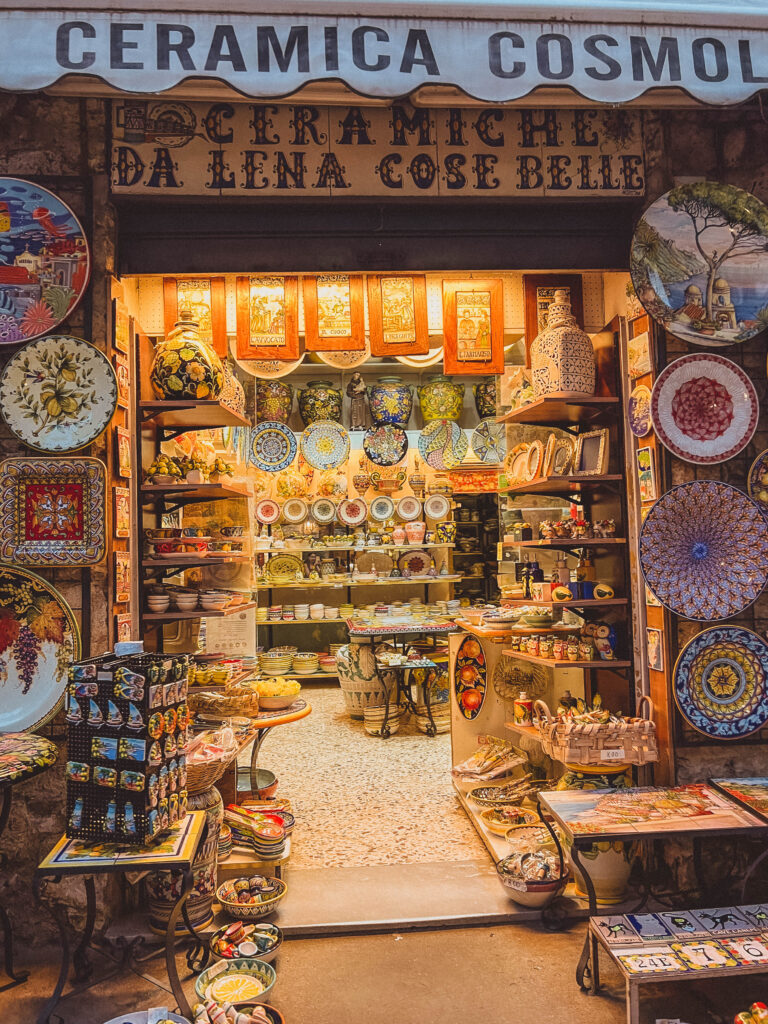
Whether it’s shopping for local souvenirs or eating out in restaurants, when and where you can, you should always try to support locally owned businesses in favour of the larger chain companies. And, for the most part, particularly when it comes to food, they cost the same (one is just helping out a local instead of a huge company, that definitely doesn’t need it).
Shopping for souvenirs is commonplace when it comes to searching for a present or that perfect something for you to remember your trip by. In almost every destination across the world you’ll find local artisans who have honed in on their craft through generations, creating unique objects which tell a story of tradition.
Though these items tend to be more expensive, if purchasing a souvenir, surely the point is to have a piece of that place rather than a cheaply made souvenir, which likely wasn’t even made there.
When it comes to eating out, it’s almost the same (if not cheaper) to eat out at locally-run restaurants. Food is a language that allows you to better understand culture and tradition, it connects people and creates a shared experience. And, luckily nowadays, many more restaurants across the world are better at catering towards a variation of dietary requirements.
You may not think about it at the time, but every penny spent in a small local business goes a long way, and every time you do, you make a small positive impact along the way.

Be mindful
There are a couple of things that come to mind when I say this. The first is being mindful of your noise levels, especially if travelling in a bigger group.
It’s so easy to get caught up in the excitement of travelling (especially when in a group), that the noise you make tends to be much louder than you might realise. Remember, most of the streets in the destination visited are likely to be residential properties.
Another important thing to keep in mind is different cultures and traditions. Be aware of your surroundings, respect personal space and be culturally sensitive. The best balance between showing interest in other cultures is having appreciation as well as curiosity.
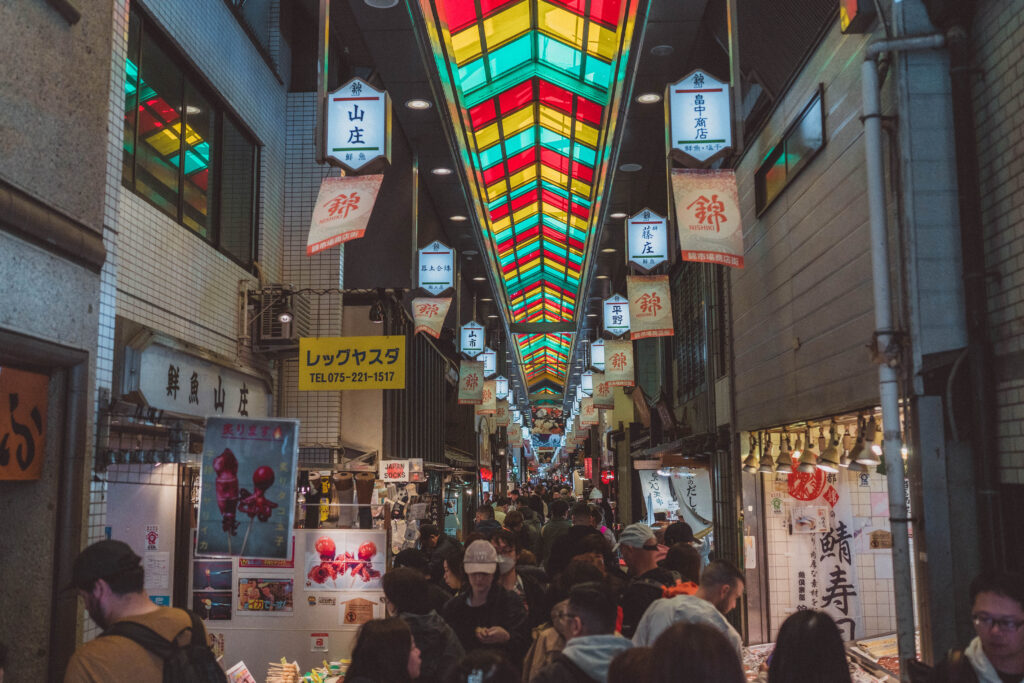
When travelling in Japan, there are several customs that I either researched or had to learn while there. For instance, when visiting the Nishiki Market, (or any other market in Japan) it’s considered rude to eat while walking around. You must either eat at the same stall you bought it from or eat outside away from the market.
Do your research
This is perhaps the most important aspect to being more mindful when you travel, and encompasses many of the suggestions mentioned.
Before visiting a destination, you should always try to do your research, whether its learning about the history, culture, traditions, the most mindful thing you can do is to learn a little about a place before you go.
Two examples come to mind when thinking of the history:
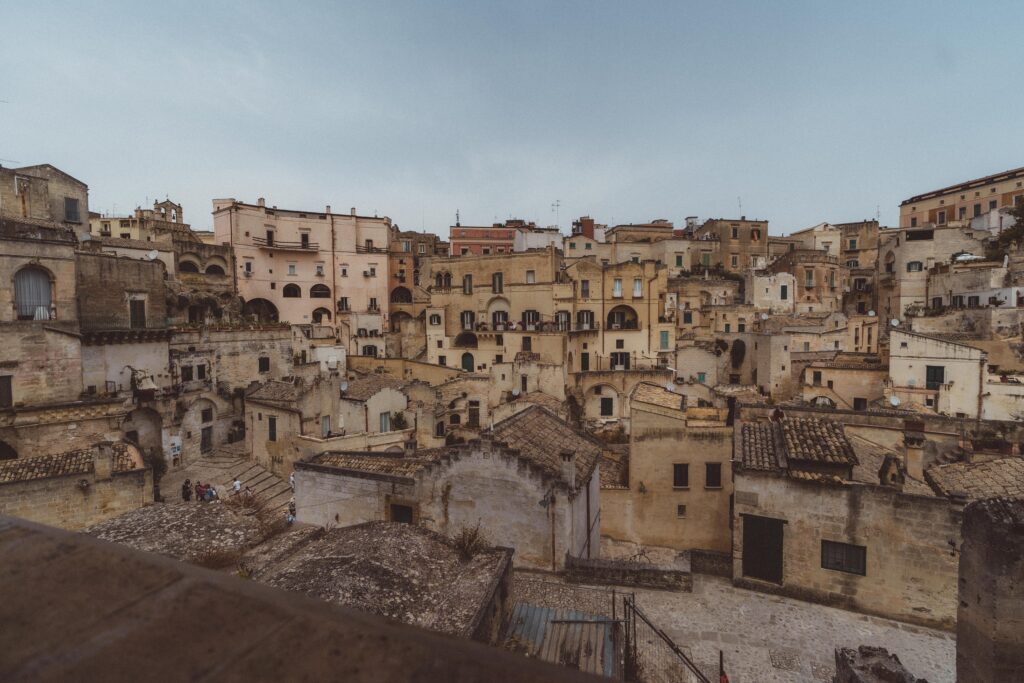
Matera is one of those destinations where poverty and hardship are a recent memory, and it’s important to know this before visiting. The ravine city was once dubbed ‘the shame of Italy’, and was a place where less than 70 years ago people were crammed into cave houses, dying of hunger and disease.
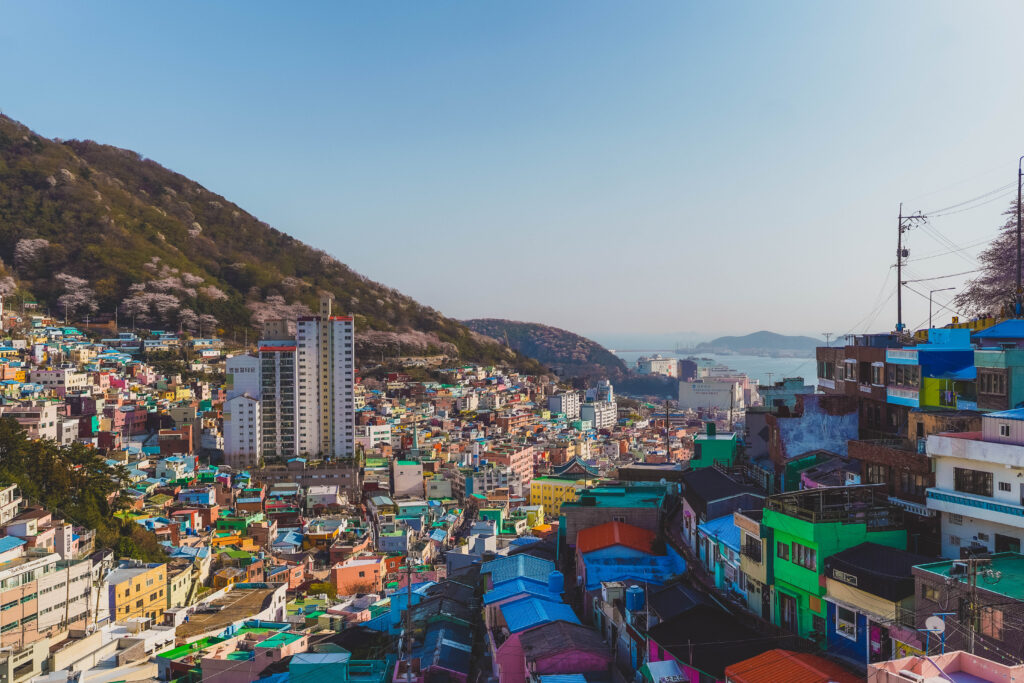
Similarly, Gamcheon Culture Village, which is nicknamed “Korea’s Santorini” and the “Machu Picchu of Busan”, is a destination where the village’s painful past certainly doesn’t reflect in the beauty seen here today.
Both of these cities (and many more across the world) have been pumped with money by the government to make them “worth visiting” and while exploring such destinations brings money to the area, you should always keep in mind the context of a place you are stepping foot in.
Where to stay
This falls under the same lines of doing your research. If there’s a housing crisis in the area you are visiting, be sure not to book a whole apartment out for yourself. Instead, opt to book a room within a hotel, hostel or B&B. Alternatively, you could book a spare room in someone’s house, or a small guesthouse that’s an extension of a property.
One personal example that comes to mind is when visiting Puglia, we rented out a guesthouse on the family’s farm property. This helped them without taking space from others, and we had a beautiful place to stay!
The main culprit for changing and having damaging effects on local neighbourhoods is the online home rental platform Airbnb, a phenomenon which is now referred to as “The Airbnb effect”. Some examples of these effects include:
- Housing affordability – The demand for short-term lets tends to skyrocket prices, making a destination only affordable for a certain bracket of people who typically don’t even live here and end up renting out their home for more income.
- Community displacement – The increase in rental prices and, in general, the place changing because of over-tourism is bound to push out locals.
- Altered neighbourhood character – People make a place, so without local community, the shift from a destination you wanted to visit changes to a destination just like any other that is drowning in over- tourism.
- Strain on resources – The more people, the more pressure there is to have enough resources to be shared around. And, it’s more likely that holiday goers will buy more food, drinks, products etc than they actually need.
- Noise and disturbances – Bigger groups can bring a lot of noise to a neighbourhood, this encourages others to make noise and makes it a living hell for the locals.
Photography
It’s too easy to become snap-happy when venturing around a new place, and of course, it’s always good to have visual memories. However, there are a few things you should bear in mind when capturing moments from your travels.
One of the most important things to remember when photographing a place is remembering where you are; for example, if you are visiting a memorial site, this is not the appropriate place to take selfies.
Be respectful of the people in the places you visit; this means if you are planning on taking a photograph of someone, (if it seems appropriate) ask for their permission and gain trust. Never take photographs of minors.
When taking photographs of ecclesial sights, find out if photography is allowed. Typically, with most sights regularly visited by tourists, there will be signage with rules on photography, or some churches may even ask for a small donation in return.
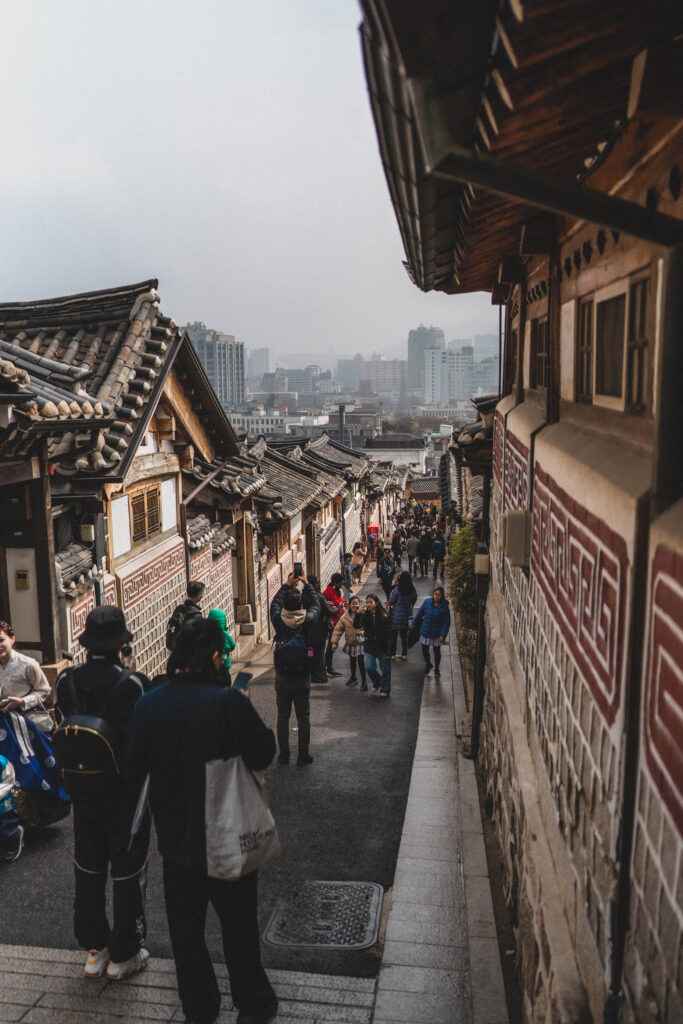
A recent example of where photography (and the general behaviour of tourists) has led to the ban on tourists along certain streets, is in the geisha district of Gion, in Kyoto.
Geisha are traditional Japanese female entertainers and performing artists, in other words, people at their place of work. So, as you can imagine, for tourists to photograph them, even if it is genuine curiosity, it can come across disrespectful, and rude.
Photography on the private roads leading off of the main stretch of the Gion district is now strictly forbidden; this decision was made by the residents and local shop owners.

Leave no trace
This particularly applies when exploring the outdoors and the natural landscape of destinations. It goes without saying that by now, we all know the harmful impact of litter on wildlife and the flora surrounding it.
Leave no traces behind. Any litter or plastic waste you may have, be sure to dispose of it in any bins provided or take it back with you.
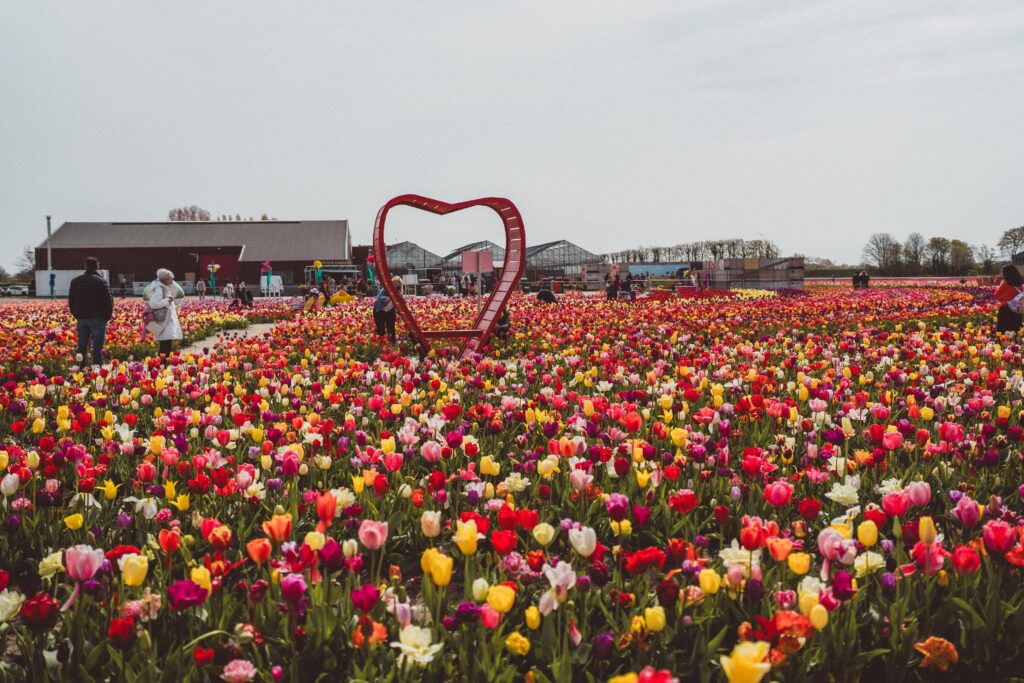
Another thing is to avoid trampling or disturbing places you visit. It’s surprising how many people forget to respect nature when it comes to getting that perfect Instagram shot. In the Netherlands, they have called out tourists for “responsible flower viewing”, asking for simple measures to be taken into consideration so we can all continue to enjoy the colourful fields of tulips.
The only way we can expect to enjoy the thriving flora and fauna of our world is if we collectively make the effort to keep it safe.
Avoid destinations that don’t want visitors
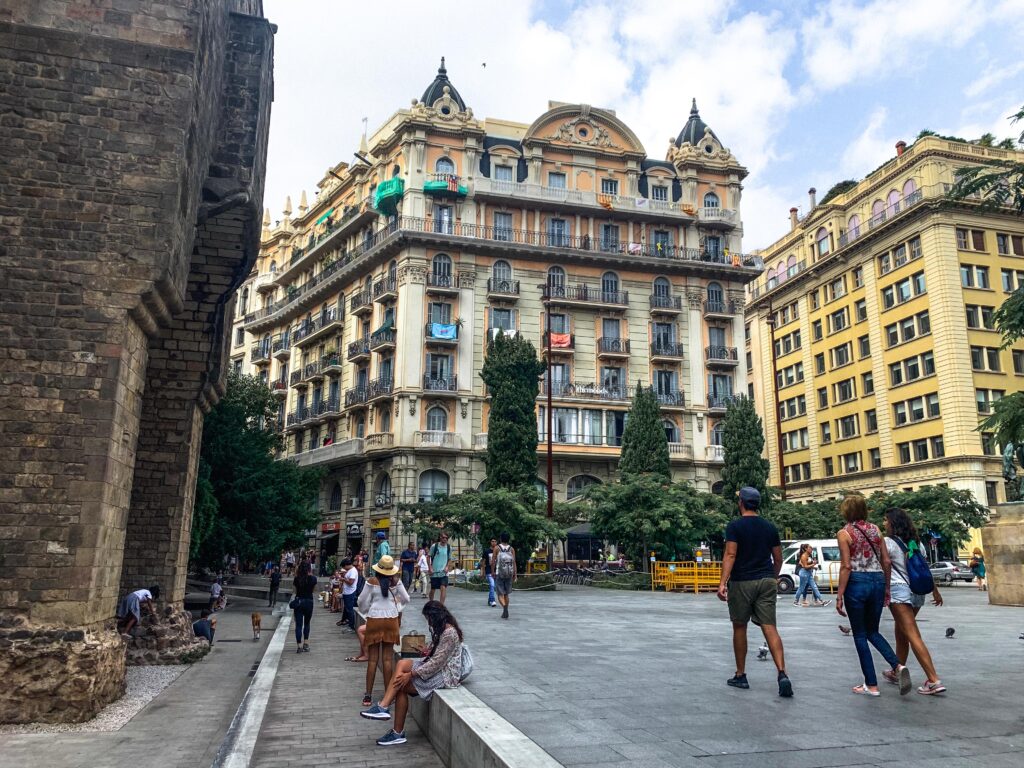
If you kept up with the news in July 2024, you might have seen that in Barcelona and the Canary Islands this year, locals are fed up and, as such, are fighting back.
Anti-tourism protesters sprayed visitors with water guns in an attempt to push the government into implementing a sustainable model for the city and potentially limiting the amount of visitors who travel there. In 2022 alone, over 10 million visitors flocked to Barcelona.
Avoiding destinations that can’t handle the pressure of visitors doesn’t necessarily mean you have to miss out on experiences you want to have. Consider looking at areas which offer a similar vibe.
Not only will your experience be bettered thanks to avoiding the crowds, but you’ll be able to have a more “authentic” experience of the place (I hate to use the word authentic, but in this case, you understand what I mean).
It’s easy to fall into the trap of discovering new places on social media, after all, content is created to sell you the dream. I suggest (again) doing your research and making sure that the destination and things to see align with your interests.
What do you like about visiting a new place? What activities or sights catch your interest? Are you visiting this destination for the right reasons?
There are destinations to visit for all kinds of reasons, just be sure that you know exactly what you’re getting into. Often, when people see a place on social media, the post has been tailored to show you the ideal version, when in reality it’s not the same. Use social media to inspire your trip, but don’t let it dictate your travels.
Don’t fill your trip up with things that don’t mean something to you personally. Curiosity is what drives us to explore, allow your own curiosity to lead you and not the trending video you saw on your explore page.
A final note
Travelling and exploring the world is one of the greatest joys; experiences, places and people are what we remember. As someone who shares a love for travel, and at the same time promotes it, I am aware of the impact this contributes to tourism. Which is why I make a conscious effort to leave positive impacts along the way where possible.
Small changes go a long way, and collectively, they can go even further!
Enjoyed reading our beginner’s guide on how to travel better? Pin this article now, and read it again later: