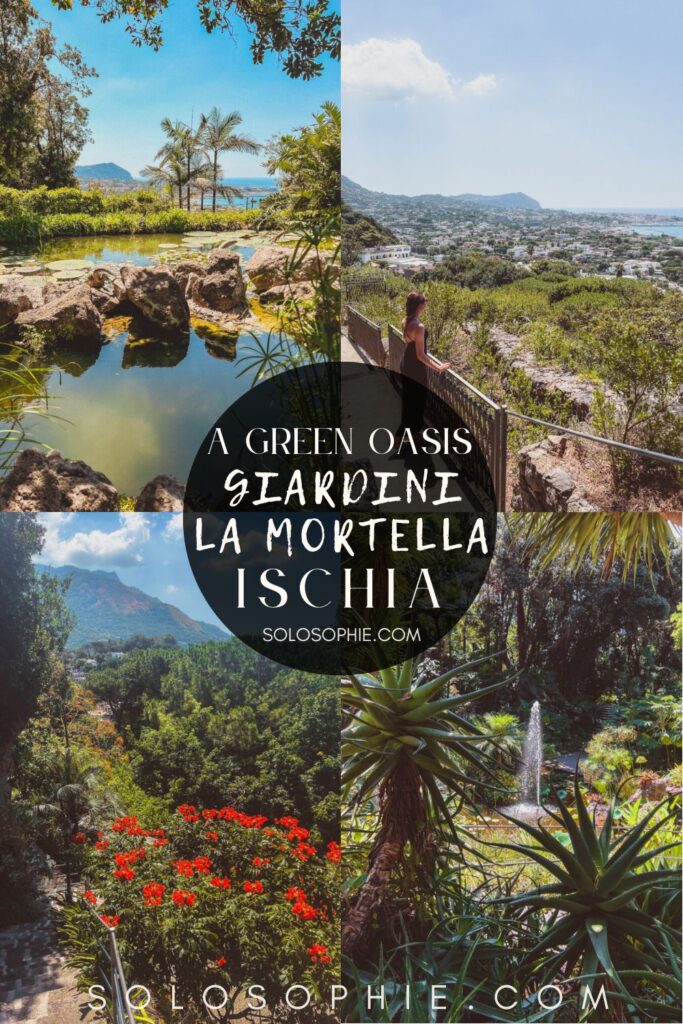
How to Visit Giardini la Mortella (Mortella Garden) Ischia
Last Updated on 22nd August 2024 by Sophie Nadeau
This post may contain affiliate links. Please check out my privacy policy and disclosure for more information.
A luscious green oasis of tropical and Mediterranean planting, this garden is hands down one of the most beautiful in all of Italy! Laid out and developed since 1956 by Lady Susana Walton, the Mortella Gardens (known as Giardini la Mortella in Italian) aren’t simply just a passion project, but rather a love letter to nature.
Here’s how to visit Mortella Gardens, as well a brief history of this vibrant little pocket of paradise and highlights you’ll want to make sure you see when visiting.
A history of Giardini la Mortella
Created in 1958 by Lady Susana Walton, an Argentinian born lover of nature who was married to the famed British composer, Sir William Walton. Giardini la Mortella has quite literally flourished into a gem of the island Ischia, drawing visitors in worldwide for their beauty!
Having moved to the island of Ischia with her husband, they initially lived in a converted convent, that was until Susana sought out a plot of land (which ended up being the remains of a quarry) to build a house of their own.
The idea and plans for this botanical masterpiece started to develop in 1956. Help for the designs of the Valley Garden came from Russel Page, the well known British gardener. Walton herself worked tirelessly on the rocky volcanic outcrop, planting, moving rocks and rubble and shaping it into the wonder that thrives today.
A project which developed for over 50 years, Walton sadly lost her husband in 1983 and it wasn’t until 1991 that she decided to open her garden to the public.
Little did Walton know just how popular her work of genius would be, actual cruise ships full of people visiting Ischia, with Mortella Gardens top of their list of spots to visit!
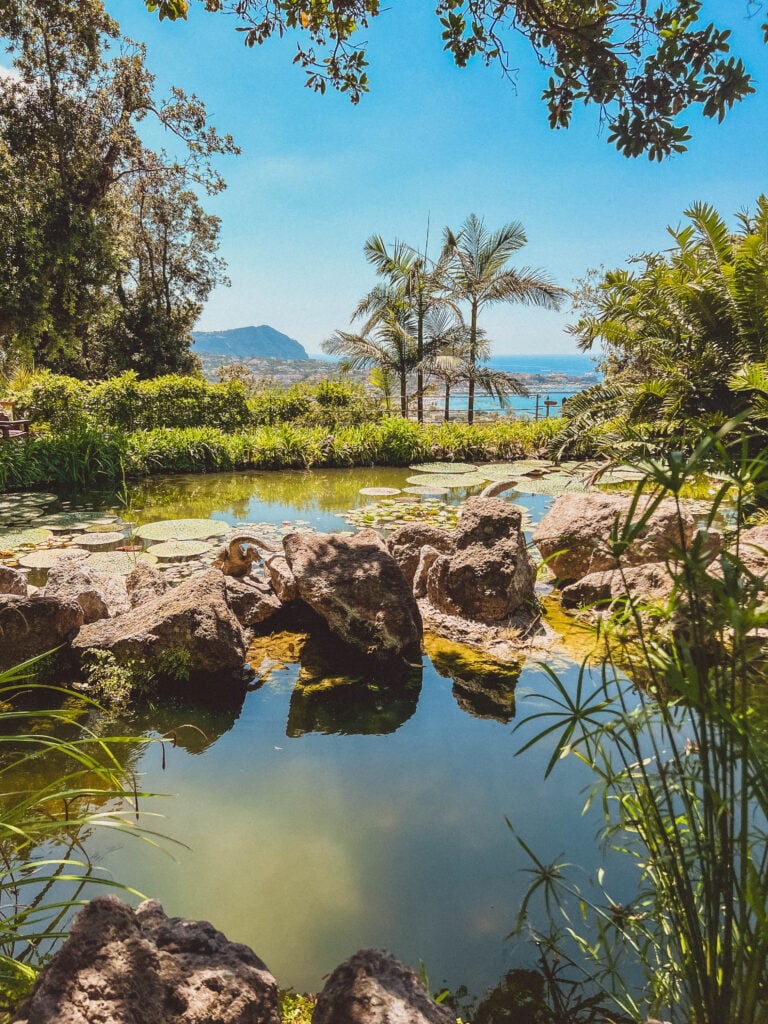
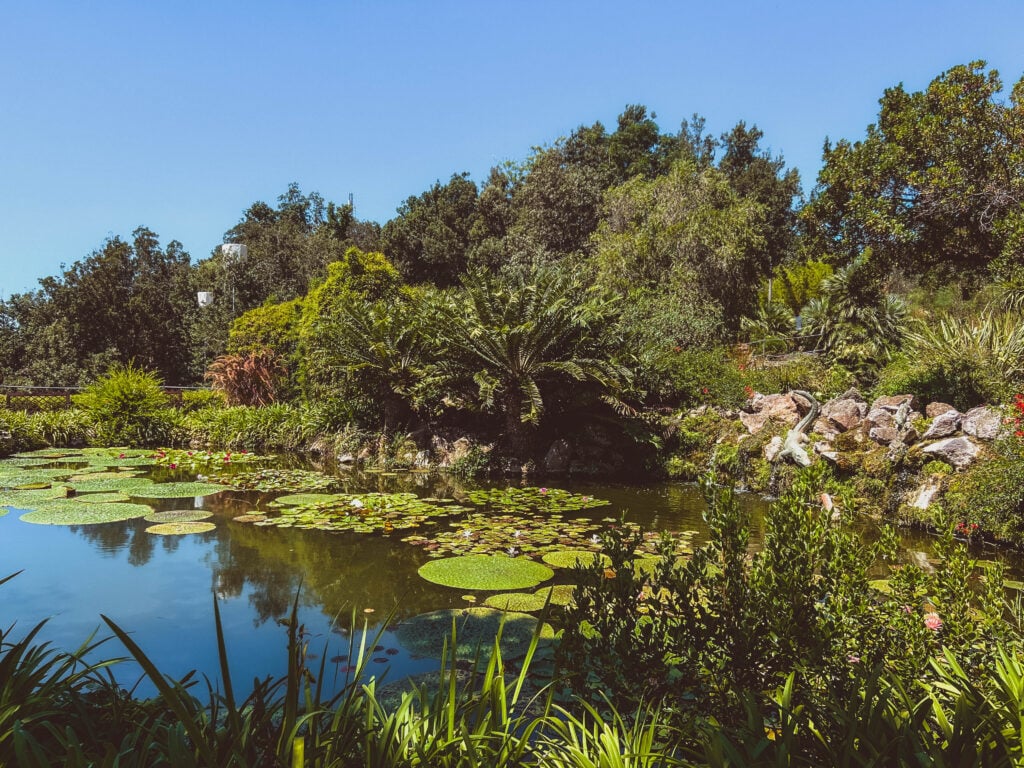
The garden is spread over approximately 2 hectares of land and is home to a magnificent and diverse collection of rare and exotic plants. Scattered with fountains, ponds and streams which also allow for the cultivation of water-loving plants too! And, as with flora of this kind, you can probably imagine its a small haven for insects.
In 2003 Walton entrusted the gardens to the Italian Foundation, transitioning the land from privately owned to a non-profit cultural organisation aimed at the public benefit. Sadly Susana Walton passed away in 2010, after living a long and fascinating life, she lives on in her life’s work, having created of one of the world’s greatest gardens!
When visiting the gardens you can read a plaque in memorial of Susana Walton, it reads: “This green arbour is dedicated to Susana, who loved tenderly, worked with passion and believed in immortality”
Highlights of the Giardini la Mortella
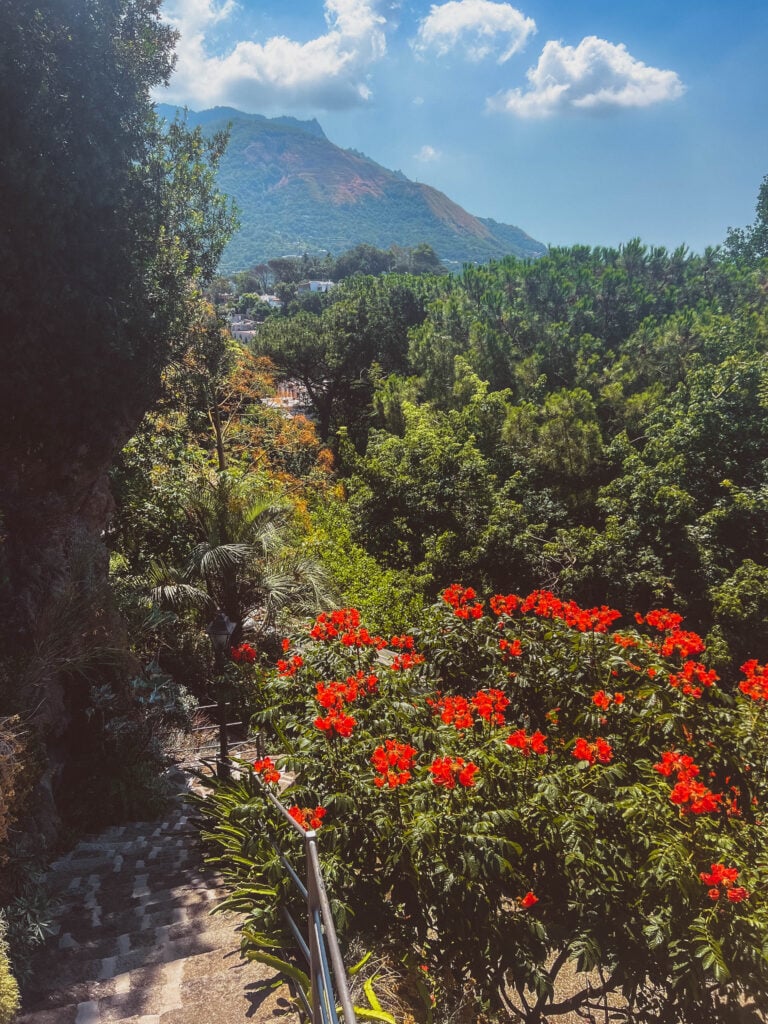
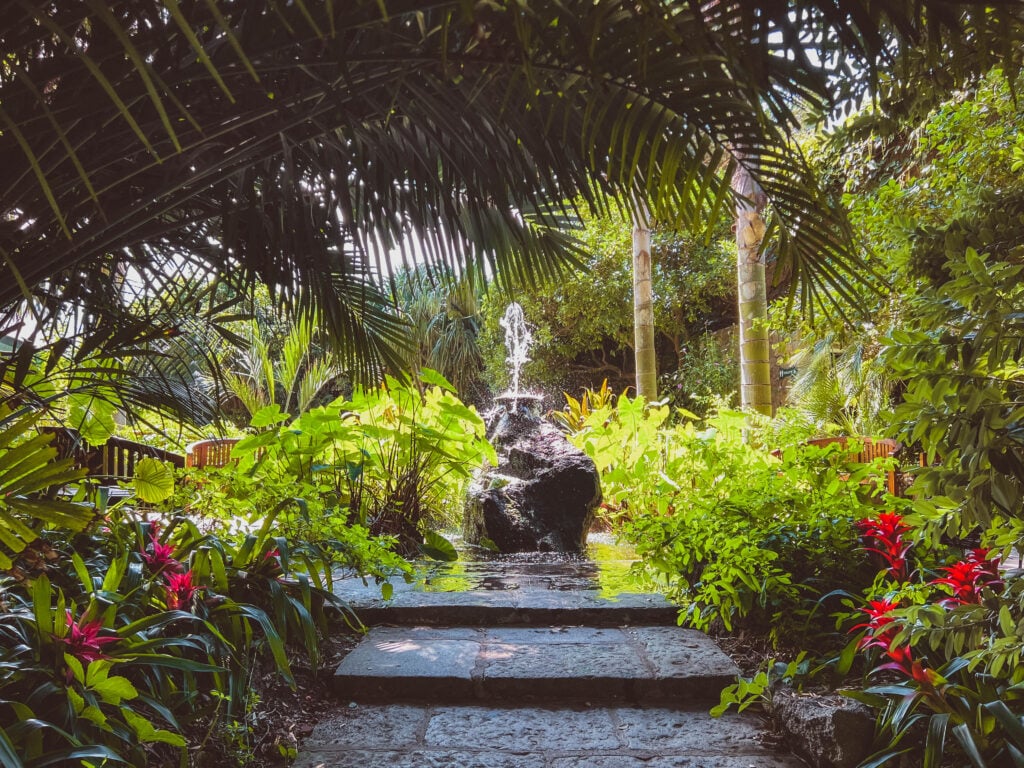
Giardini la Mortella is divided into two parts the lower garden (The Valley) and the upper garden (The Hill), which are linked together by a series of winding paths and steps.
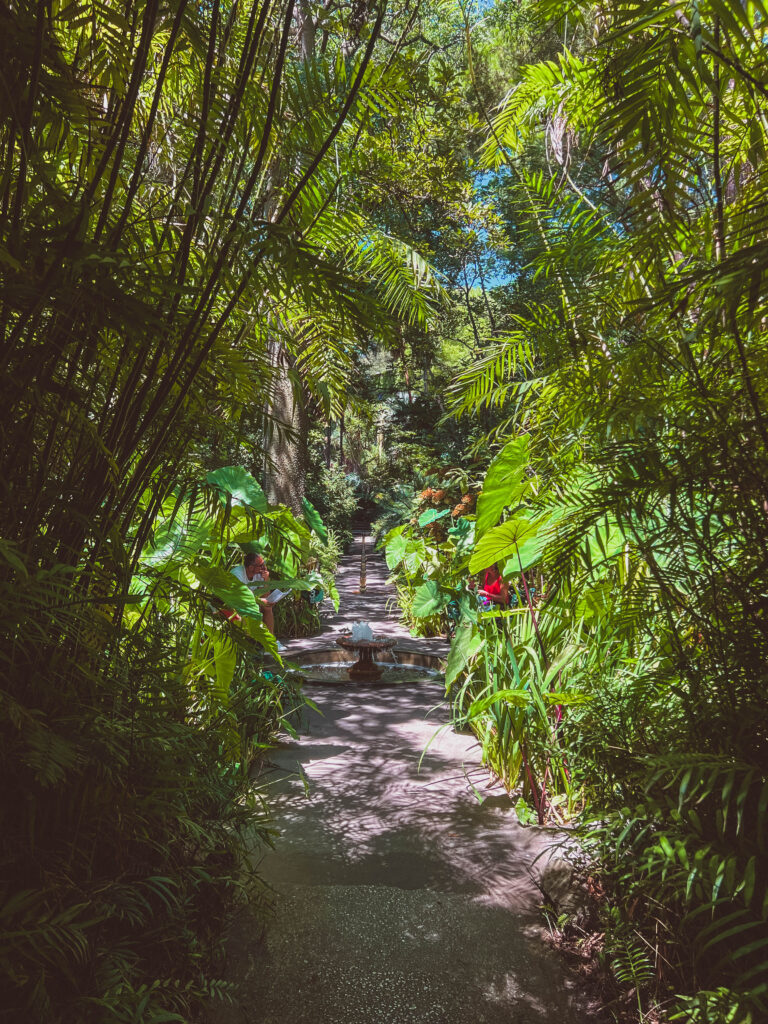
When visiting, I recommend just soaking up the serene ambience of this green paradise, there are seating areas scattered all over the garden inviting visitors to sit, relax and absorb the nature that surrounds. Truly, there’s nothing more peaceful!
Valley Garden
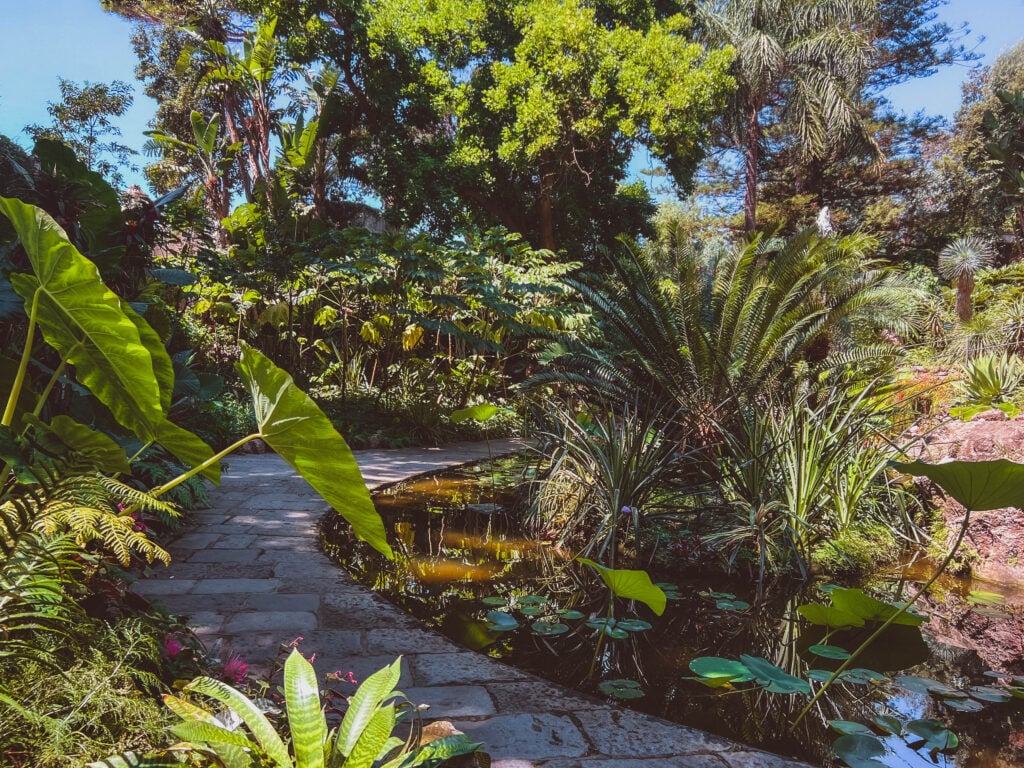
As mentioned, this lower garden and the entrance to Mortella was designed with the help from Russel Page. Home to four different fountains of the garden, the role of water plays as an important feature in his design. Also be prepared to see the biggest water lilies of your life!
Lower and Octagonal Fountain
The first of many fountains you’ll see in the gardens, this octagonal pool was actually designed as a present for Sir William Walton’s 80th birthday! Russel Page came up with the idea in 1982, using a form based on the number 8 (the luckiest number in Chinese culture), the fountain of eight sides sits in the centre of an eight sided terrace.
Main Jet & Smaller Jet
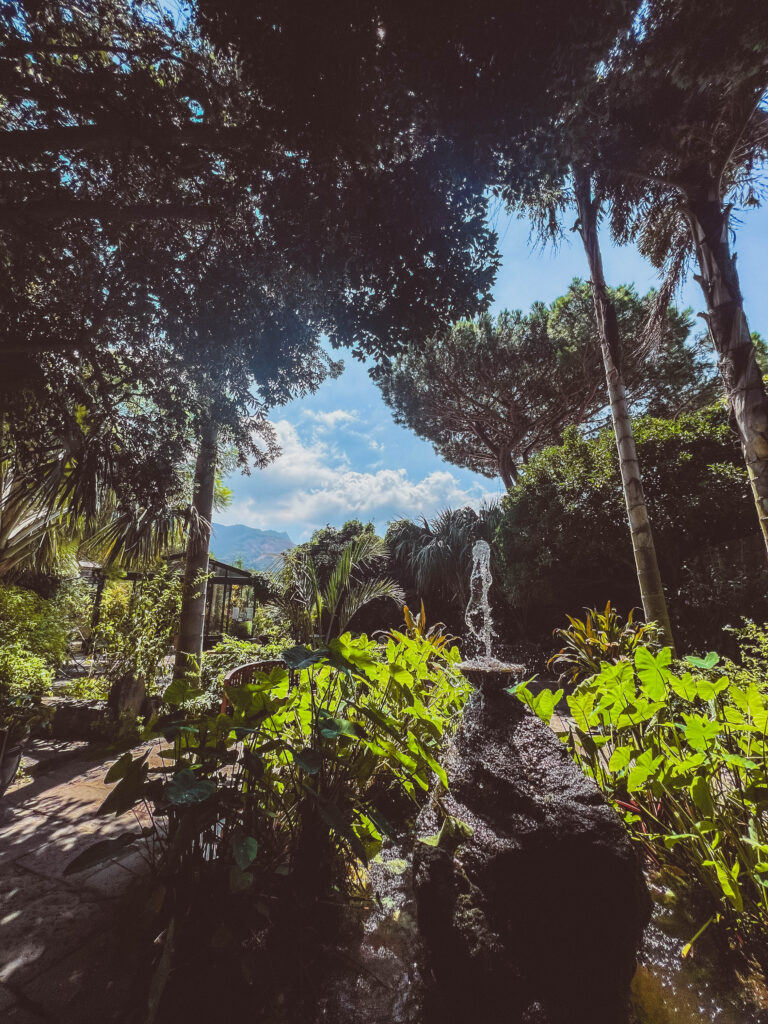
The main fountain and first to be built, situated at the foot of the house, this impressive jet of water shoots up high into the sky, with the stream of the fourth fountain rising behind and slightly above it (the two fountains are connected by a few stone steps).
Dug deep into the volcanic rocks, these fountains give the impression of erupting volcanoes as they burst with lively water, shooting into the air and then sprinkling down amongst this green paradise.

Victoria House
Named after the water lily species, Victoria Amazonica, that are housed within. The second largest in the Nymphaeaceae family, these ‘Queen of waterlilies’ are truly a sight to behold, with their enormous round leaves sometimes reaching up to two and a half meters in diameter!
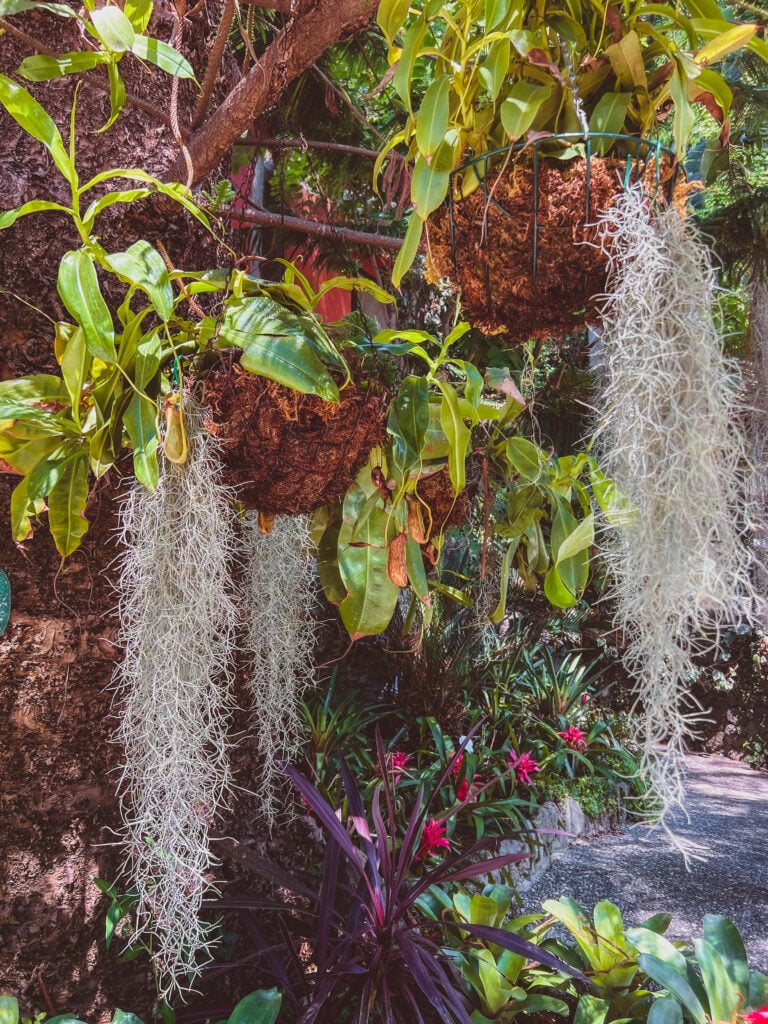
Inside the greenhouse you’ll also see cultivated orchids hanging as they naturally like to, as well as an array of other vibrant exotic plants.

Hill Garden
The upper garden was designed and put together in 1983, the year Sir William Walton passed away. Designed and developed entirely by herself, Susana Walton crafted that of a different feel to the more humid, tropical feel of the Valley Garden.
Climbing into the hillside of the mountain, you’ll be surprised by architectural elements as well as discovering even more species of flora, thriving in the Mediterranean sunshine!
Garden of Aloes
What was once a small collection, ended up growing exponentially when Carlo Riccardi (an Aloe collector) needed to find a new home for his aloe collection of nearly 150 different species of aloes!
So not only have these aloes impressively made it all the way from Rome, but they have been passed on from one loved home to another. Happy endings all around! Carlo Riccardi has been promised that he’s able to visit his aloes at any time he wishes, just to check on how they are doing.
William’s Rock
On the day the land was purchased, Sir William Walton had declared this rock to be “his rock”.
A memorial to her beloved husband, this is where the famous composer’s ashes are interred. Situated at a viewpoint that overlooks the gloriously green garden, to get to it you must walk through a carved stone arch amongst olive trees. Once there, the rock sits with mesmerising views of the gardens and sea behind.
Temple of the Sun
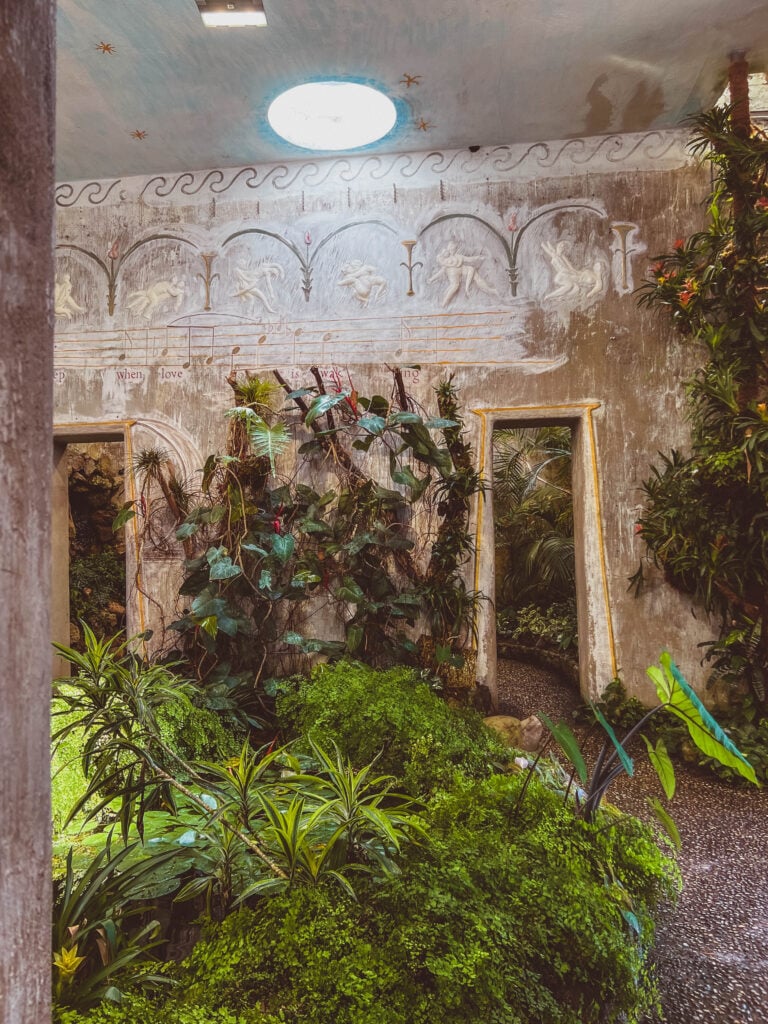
A large and imposing stone structure that you can reach via a stone staircase, the Temple of Sun is home to a sun-dappled garden where the rays illuminate the space. Filled with symbolism and scenes from Greek myths, the words from one of William Walton’s operas adorn the interior walls.
Crocodile Pool
Located above the Temple of the Sun, this gorgeous pool of water is almost at the summit of the mountain, surrounded by purple blooming Agapanthus campanulatus. Although you won’t see any real crocodiles here, there’s a bronze sculpture of the reptile sitting just beside on the rocks.
Thai Pavillion
Surrounded by bamboo and lotus flowers, this Oriental style area is situated near the highest point of the Hill of Zaro (the mountain on which Mortella Gardens sit) and is possibly the most remote part of the garden.
With a feeling of being completelt isolated, this is a perfect pocket that reflects tranquility as a light breeze blows through the wind-chimes that hang nearby to the small wooden shelter.
Greek Theatre
A recent addition to the garden, this amphitheatre style theatre is tucked into the hillside and has become the main venue for concerts that are held at the gardens. As a tribute to William Walton’s life as a composer, the concerts are hosted by the William Walton Foundation, with the intention to aid young musicians with opportunities.
Also, the views from this part of the hillside are truly breathtaking, so be sure to make it to the top!
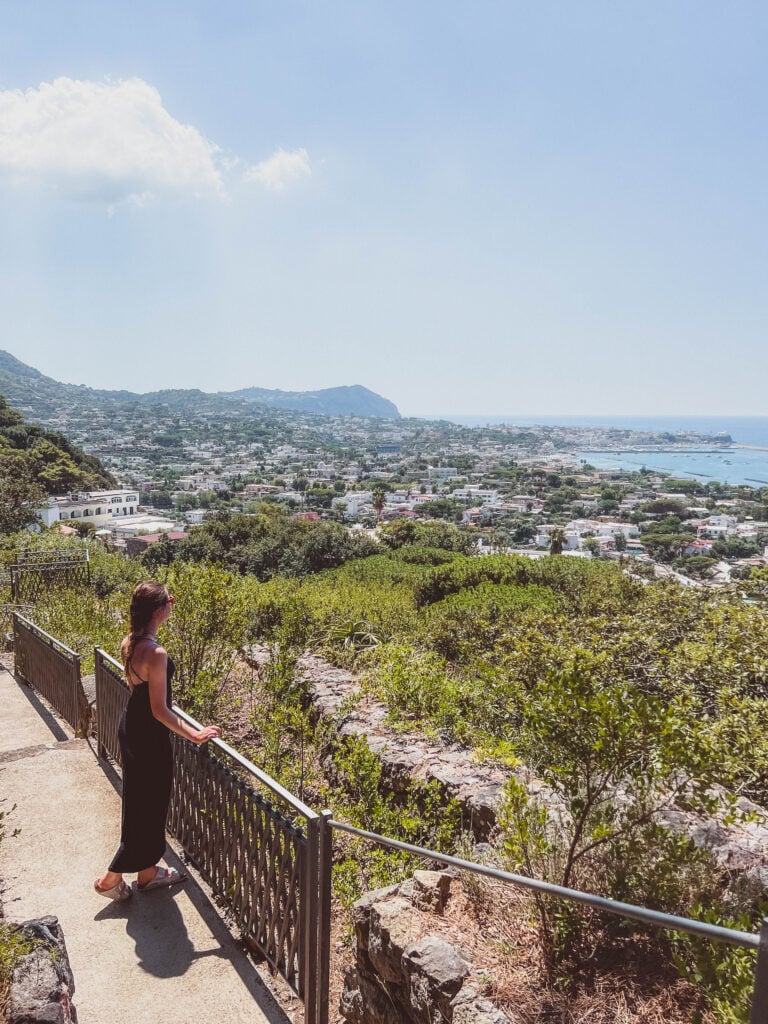
Feeling inspired to hop on a ferry and visit Ischia? If yes, read our guide on the best things to do in Ischia, a hidden gem that lies in the Bay of Naples, Italy. Or better yet, we’ve planned it for you! Read how to spend the perfect 2 days in Ischia itinerary here.
Enjoyed learning about Giardini la Mortella in Ischia? Pin this article now, read it again later: