An Insider’s Guide to the Best Things to Do in Siena
Last Updated on 14th January 2024 by Sophie Nadeau
This post may contain affiliate links. Please check out my privacy policy and disclosure for more information.
A unique pearl in the region of Tuscany, the historic city of Siena is a must to discover during any trip to northern Italy. Whether you visit Siena as a day trip from Florence or Pisa or make it a destination on its own, there are incredible things to do in Siena to make the best of the trip and discover the essence of Italy’s most famous wine-making region.
Where is Siena and How to Get to Siena
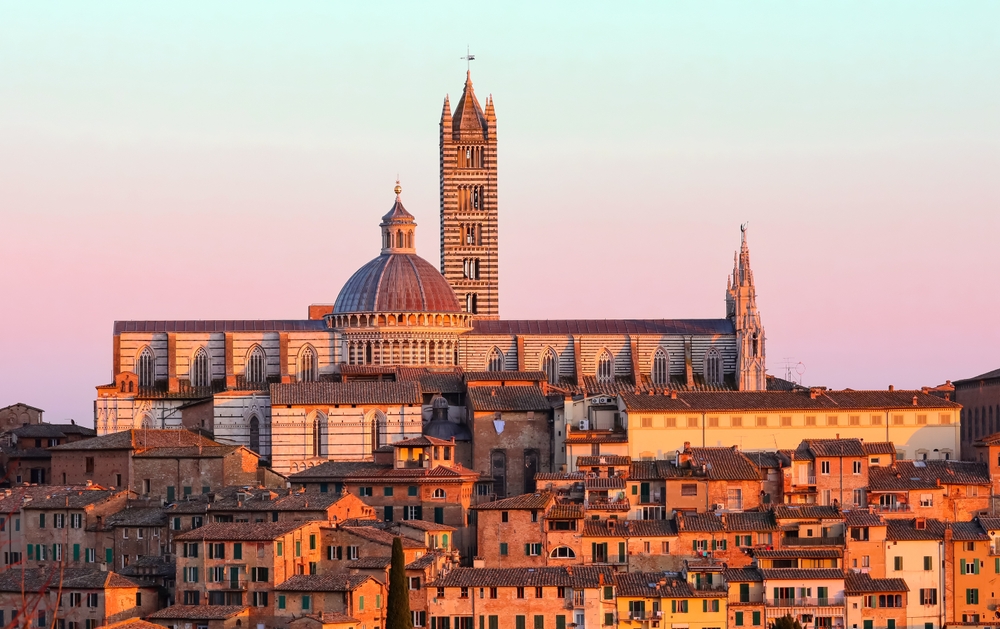
Siena is located in the central part of the country, within the fantastic wine region of Tuscany. If you’re planning to spend more time in the area, then be sure to check out our suggested Tuscany itinerary.
It’s approximately 70 kilometers south of Florence, the capital city of the Tuscany region, and nestled in the picturesque countryside of rolling hills and vineyards.
You can get to Siena from Florence by bus which operates the route frequently. The journey takes from 1.5 to 2 hours and buses depart from the SITA bus station in Florence, near the Santa Maria Novella train station.
Although there is no direct train service from Florence to Siena, you can take a train to the nearby town of Empoli and then transfer to a regional train to Siena.

Trains from Florence to Empoli run regularly (the journey takes bout half an hour). From Empoli, regional trains to Siena depart frequently, and the travel time is about 1 hour.
Renting a car and driving from Florence (or any other Italian city) to Siena is ideal for those who prefer the flexibility of exploring at a slower pace. The journey from Florence takes about 1.5 hours. Keep in mind that, in Siena, most of the center is pedestrianized and parking can be limited.
Finally, there are several guided experiences to explore Siena. There are many different day trips available, some of which also include visits to nearby wineries and wine-tasting experiences like this one.

Best Time to Visit Siena
All seasons in Siena offer something different to experience. In Spring, when the weather is not so cold nor so hot, the city is adorned with blooming flowers and days begin to get longer. Tourists still don’t flock to Siena, making it easier to wander the historic center, visit museums, and enjoy outdoor activities.
Summer is the peak tourist season all over Tuscany, the weather is warm and sunny and there are plenty of festivals and events, including the famous Palio horse races in July and August. This means also that summers are crowded and prices go up
Visiting in autumn is a good alternative because it’s still not very cold and tourists are fewer if compared to the summer months. The countryside surrounding Siena displays stunning autumn colors, and it’s a great time for wine enthusiasts to explore the nearby vineyards.
Winter is a quiet period, with plenty of availability for accommodation and cheaper prices. The weather can be chilly and it might snow.
During this season, you can experience the city’s festive atmosphere at Christmas and New Year, and explore the museums and attractions without the crowds.

Best Areas to Stay in Siena
When choosing a place to stay in the city, consider that the most significant part of the old town is pedestrian and parking is not always allowed. For those visiting Siena for the first time, I suggest the following parts of town:
Historic City Center: Perfect to be close to Siena’s main attractions, such as the Piazza del Campo and the Duomo. Here there’s a huge variety of hotels, guesthouses, and apartments, offering convenient access to the city’s sights, restaurants, and shops. Suggested hotel: Hotel Palazzetto Rosso
San Domenico: This neighborhood is located just outside the city walls, offering a quieter and more residential atmosphere. It is still within walking distance of the city center and provides a more tranquil setting with charming streets and local amenities. Suggested hotel: Hotel Alma Domus
Surrounding countryside: If you prefer a more rural and picturesque setting, you can look for accommodations in the surrounding countryside. There are charming agriturismos (farm stays) and country villas that offer peaceful retreats with views of Tuscany’s hills and vineyards. Keep in mind that staying in the countryside may require a car for transportation.
Best Things to Do in Siena
These are some of the things you cannot miss in Siena during your trip, take a look!
Piazza del Campo and the Palio of Siena
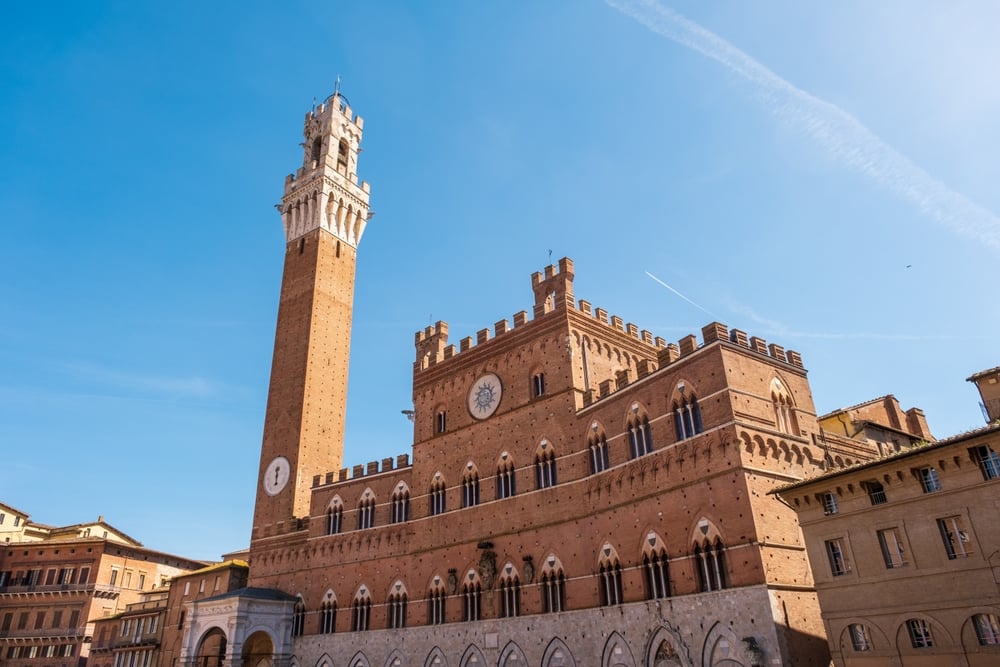
The best point from where to begin exploring Siena is Piazza del Campo, the city’s main square and a UNESCO World Heritage Site. Built in a surprising shell shape, the area features traditional cafes and trattorias. Pick a place to sit and relax while you soak in the medieval atmosphere and enjoy the views of the city.
This historical square is also the site of the thrilling Palio horse race that is held twice a year and is one of the main reasons why tourist flock to Siena.
The Palio: Although there are many Palio horse races held in the country, Siena’s is the most famous of all. The Palio of Siena is a centuries-old horse race that takes place twice a year in Piazza del Campo Square of Siena.
The thrilling and highly anticipated event is a competition between the city’s 17 contrade, or neighborhoods. Each contrada is represented by a horse and jockey (or fantino), who ride bareback in the race. The race itself is only three laps around the Piazza del Campo.
Although the race is intense and often chaotic, it’s also very fast (about ninety seconds only!), but it’s filled with rivalry and excitement.
Deeply rooted in Sienese history, tradition, and culture, the Palio represents the pride and identity of the contrade, and winning the Palio is considered a significant honor.
The city prepares for the race with processions, pageantry, and colorful festivities leading up to the event. If you plan to attend, it’s advisable to arrive early to secure a good spot and immerse yourself in the excitement of this centuries-old tradition.
Stroll Through the City’s Narrow Streets
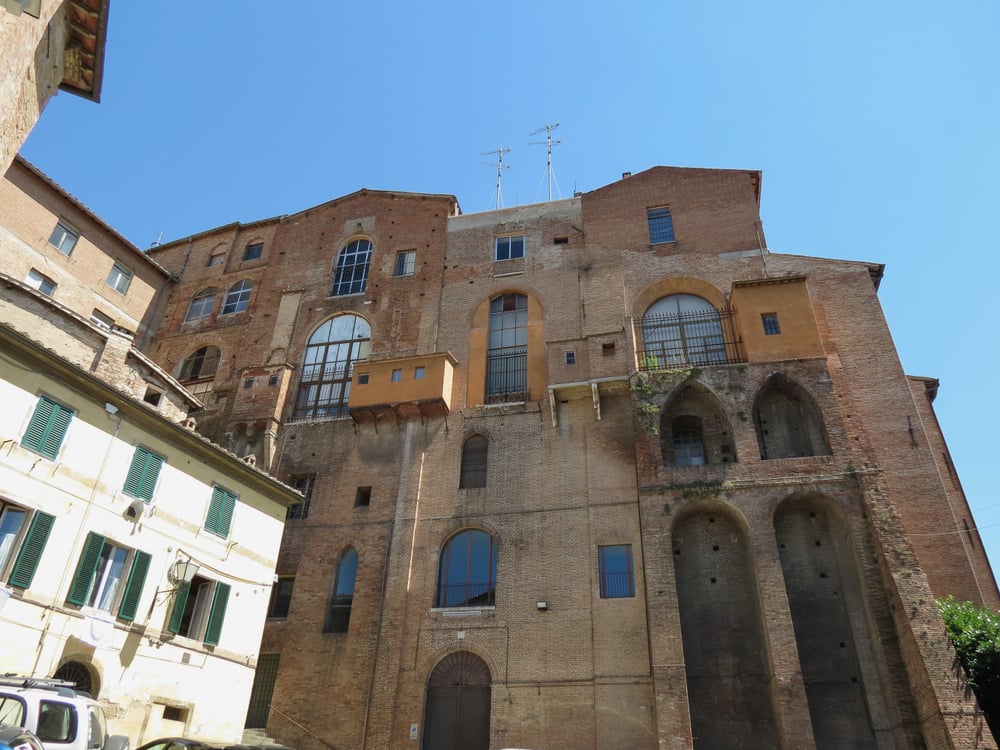
Siena’s historic center is a maze of charming narrow streets and alleys. Wander through the medieval streets, discover hidden corners, and enjoy the picturesque views of the city. Be amazed at the colorful neighborhoods and the spectacular Medieval flair of the town.
Duomo di Siena
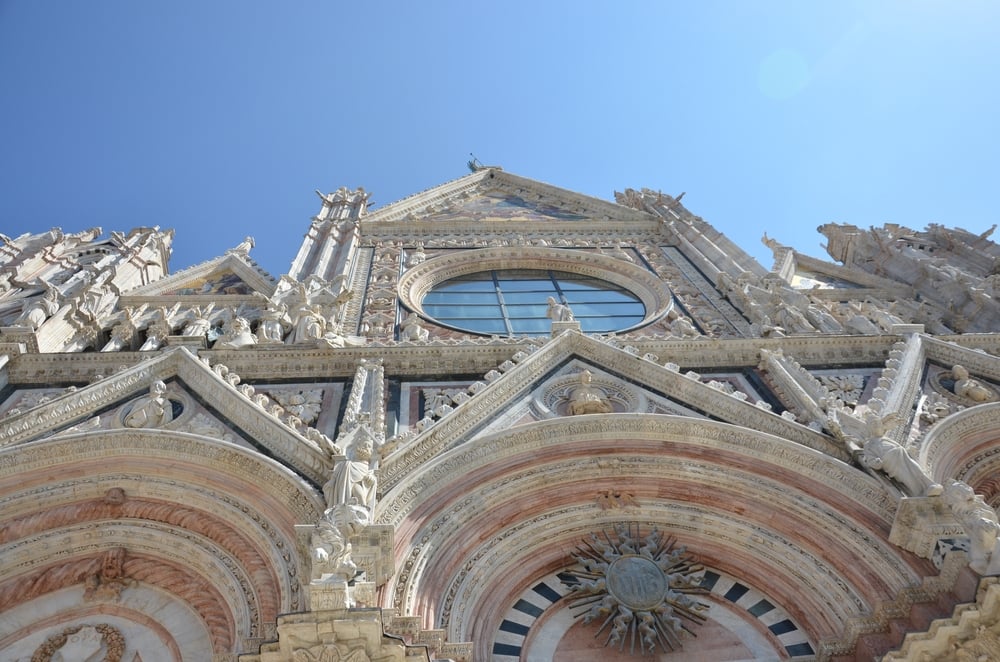
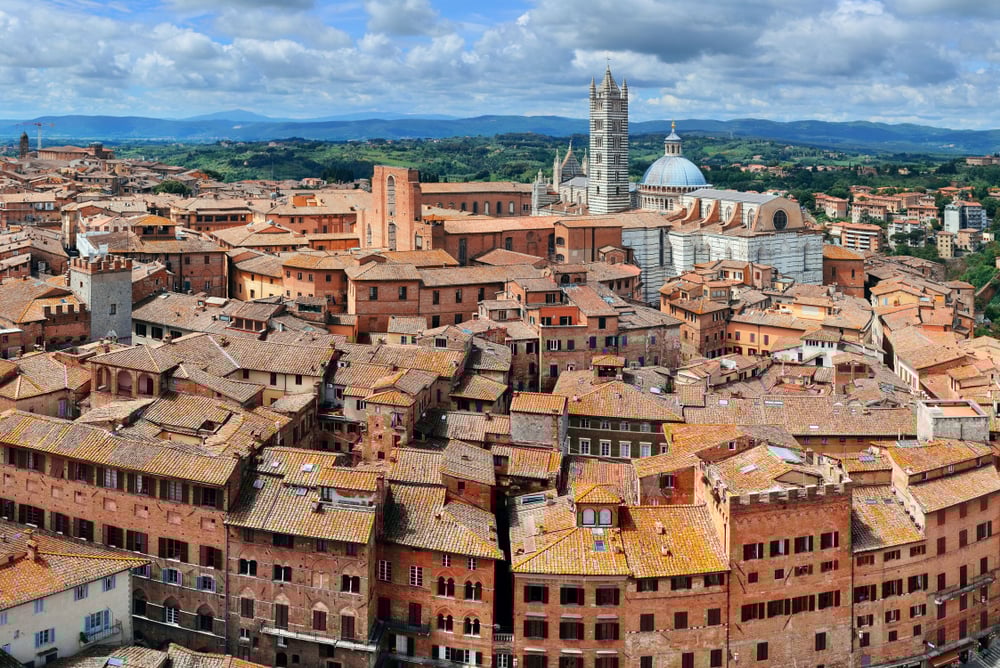
Another incredible site to visit is the Siena Cathedral, a magnificent Gothic church dedicated to the Assumption of Mary and featuring an intricate facade and ane stunning interior, including works by famous artists like Donatello and Michelangelo.
Considered one of the most remarkable examples of Italian Gothic architecture (and placing Siena on the map as one of the top Gothic cities in Europe), the Duomo is also a UNESCO World Heritage Site that blends unique Gothic highlights with Romanesque elements. The exterior facade is adorned with white and greenish-black marble and decorated with sculptures and biblical scene
The cathedral’s breathtaking interior features a nave lined with columns and a notable floor with intricate marble mosaics showcasing more than 50 panels depicting biblical and allegorical scenes.
Adjacent to the cathedral, you can visit the Baptistery of San Giovanni, a separate structure known for its octagonal shape also decorated with Renaissance artwork, including bronze panels depicting scenes from the life of John the Baptist.
If you want to see all highlights of the Cathedral, consider purchasing a fast-track OPA SI Pass, which will also give you access to the Crypt, the Baptistery, Piccolomini Library, the Museo dell’Opera, the Oratory, and the Facciatone viewpoint. Check prices here.
Check out the Piccolomini Library
Located within the cathedral, the Piccolomini Library is a small but remarkable space housing a collection of illuminated music books. It’s decorated with beautiful frescoes that depict scenes from the life of Pope Pius II, who was born in Siena.

Climb the Torre del Mangia
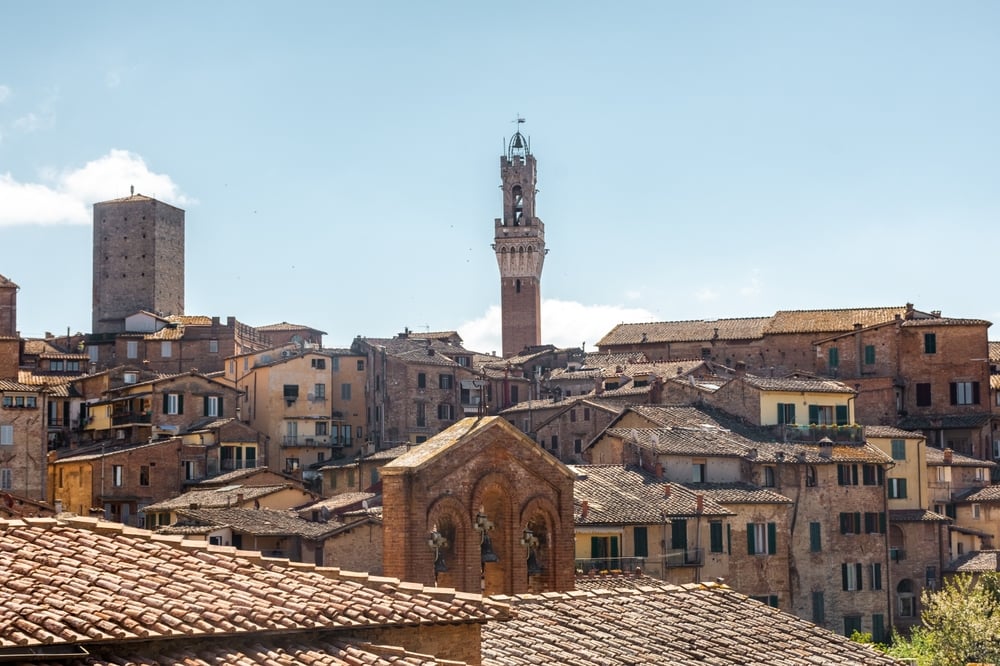
For a breathtaking panoramic view of Siena and its surroundings, you can also climb the Torre del Mangia, the tall bell tower located next to the cathedral.
From the top, you can enjoy breathtaking vistas of the city’s rooftops, the Piazza del Campo, and the dreamy surrounding landscape of the Tuscany region.
Check out the Metropolitan Opera Museum
Locally known as the Museo dell’Opera Metropolitana, this important city exhibition is also near the cathedral and houses various works of art and religious artifacts that belong to the history of the Duomo.
Inside the museum, visitors can see masterpieces, such as sculptures by Donatello, and explore the history and artistic heritage of the cathedral.
Palazzo Pubblico and Museo Civico
Another interesting place to visit in Siena is the local town hall or Palazzo Pubblico which also houses the Museo Civic (Civic Museum).
During the visit, don’t miss checking out the Sala della Pace, the museum’s centerpiece which is a beautifully decorated room adorned with frescoes by various Renaissance artists that depict allegorical and historical scenes celebrating the power and prosperity of the former Republic of Siena.
One of the most famous artworks in the museum is Ambrogio Lorenzetti’s fresco cycle called The Allegory of Good and Bad Government, a masterpiece that portrays the effects of good and bad governance on the city and its inhabitants and that is considered a significant work of political and allegorical art.
Finally, the museum also houses a collection of Sienese artworks from the Middle Ages and Renaissance periods including religious paintings, sculptures, and decorative arts.
Historical artifacts that provide a glimpse into Siena’s past such as medieval armor, weapons, ceremonial objects, and medieval documents are also part of the exhibition.
Explore Siena’s Contrade
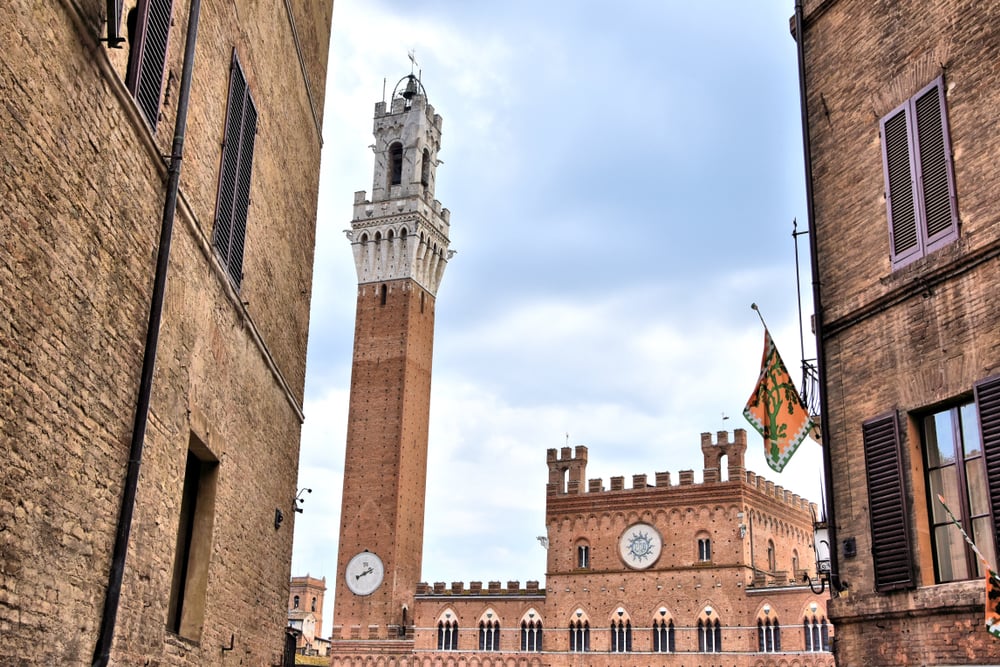
Siena is divided into 17 distinct neighborhoods called contrade which are a unique and integral part of the city’s cultural and social fabric.
These districts have distinct identities, histories, and traditions, and they play a significant role in Sienese life. For a better insight into their history, you can take a walk through the streets of different contrade, each with its emblem, traditions, and history, or visit the Contrada Museum, not far from the Duomo.
The contrade have ancient names, such as Aquila (Eagle), Bruco (Caterpillar), Chiocciola (Snail), Civetta (Little Owl), Drago (Dragon), Pantera (Panther), Selva (Forest), or Torre (Tower), among others.
Their origins can be traced back to medieval times when they served as military companies and evolved over time into distinct neighborhoods with strong community ties.
Each contrada has its church or oratory, where religious ceremonies and events take place. The contrade also organizes neighborhood festivals, dinners, processions, and events throughout the year.
Finally, it’s interesting to note that every contrada has its unique emblem and colors, which are displayed prominently through flags, banners, and fountains in each neighborhood.
Visit the Basilica of San Domenico
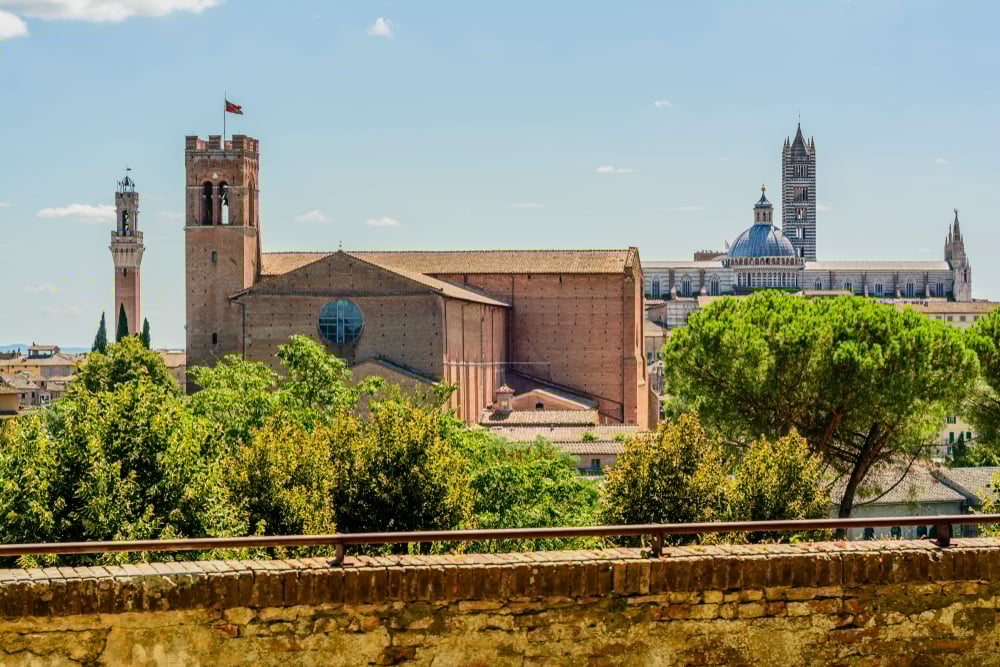
Another unmissable place in Siena is the Gothic-style basilica of Saint Dominic which houses the relics of Saint Catherine of Siena, one of Italy’s patron saints. It is a beautiful building with an impressive interior.
Most visitors head to the basilica every day to visit the Chapel of Saint Catherine to pay respects to the saint who is one of the most venerated saints in the country.
Santa Maria della Scala
A popular place to visit in Siena is this former hospital complex that has been transformed into a museum and cultural center.
Other than being an important meeting point for locals, here it’s possible to see historical exhibits, archaeological remains, and art collections, and learn about the role of the hospital in Siena’s past.
Don’t Miss the Local Cuisine
Tuscany is a region known for its rich and hearty cuisine, featuring plenty of meat, seasonal vegetables, simple and tasty pasta dishes, and delicious Tuscan wine. As well as heading to eateries for yourself, you can also consider taking a cooking class like this one or embarking on a walking food tour with a guide like this one.
Visiting Siena offers you the opportunity to taste some of the staples of the local cuisine some of the following dishes:
Pici: This thick, hand-rolled pasta similar to spaghetti is typically made with just flour and water and often served with a simple tomato sauce or a ragù made with local meat.
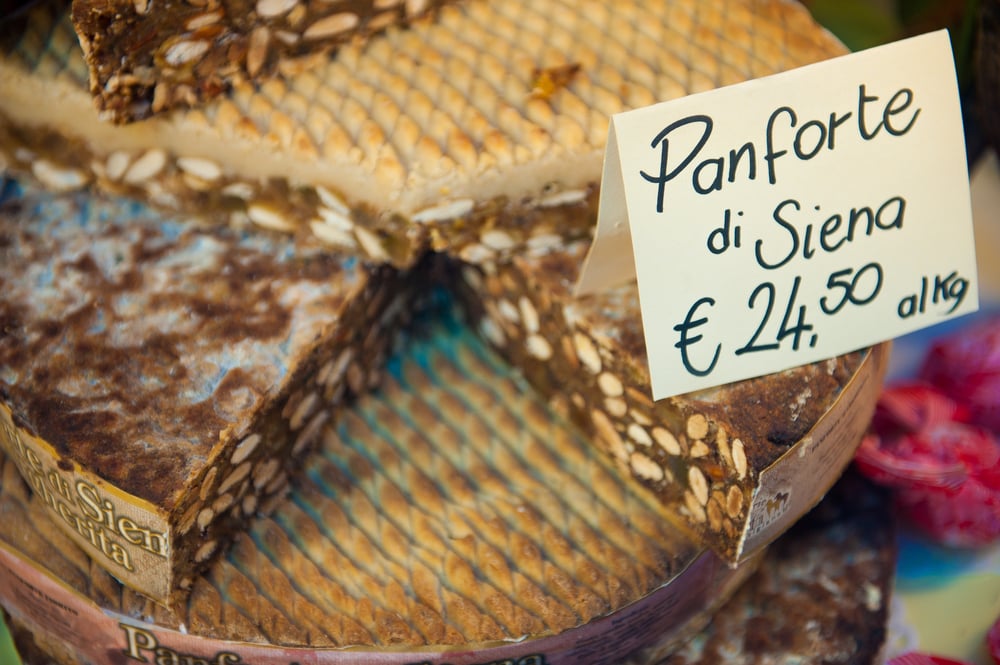
Panforte: A traditional Sienese dessert that dates back to medieval times, panforte is a dense, fruit and nut cake made with honey, almonds, candied fruit, and a blend of spices, and it is often served enjoyed during the Christmas season.
Ribollita: A hearty Tuscan soup that originated in Siena and is made with leftover bread, cannellini beans, vegetables (kale, cabbage, and carrots), herbs, and spices.
Cinta Senese: Cinta Senese is a prized breed of heritage pork native to the Siena area and known for its extraordinary tenderness. This meat is often used in traditional Sienese dishes, such as cured salami, prosciutto, and slow-cooked stews.
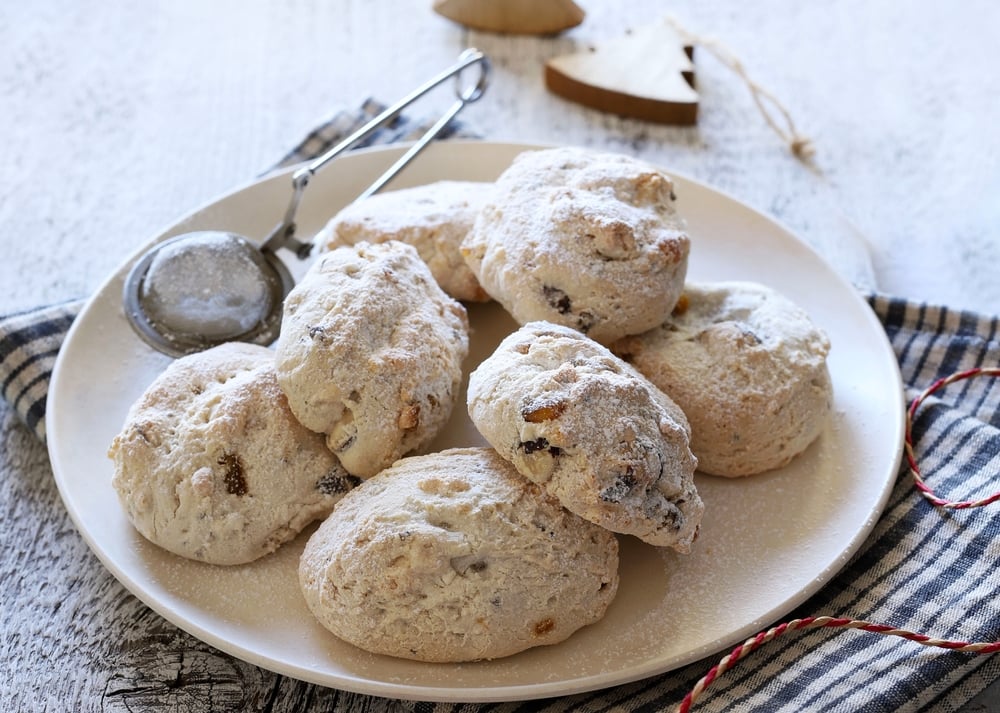
Cavallucci: These are traditional Sienese cookies made with honey, candied fruits, nuts, and spices like anise and coriander, they are often enjoyed alongside a cup of coffee or a glass of Vin Santo, a sweet dessert wine.
Siena’s gastronomy shines inside the several local restaurants and trattorias scattered all over town.
A final note on planning a trip to Siena
These are just a few highlights of Siena’s many things to do and see. The city’s rich history, stunning architecture, and vibrant culture will capture you and allure you with its incredible wealth of experiences to enjoy.
Enjoyed reading about the best things to do in Siena? Pin this article now, read it again later:
Gabi Ancarola is a journalist and travel writer who has lived over 20 years in Italy, and has been living in Crete for the last five years. She hosts culinary tours, translates and writes for her Crete travel blog The Tiny Book. She’s written for Greek Reporter and published several travel guides about Greece.