
A Guide to the Best Things to do in Besse-et-Saint-Anastaise
Last Updated on 8th September 2022 by Sophie Nadeau
This post may contain affiliate links. Please check out my privacy policy for more information.
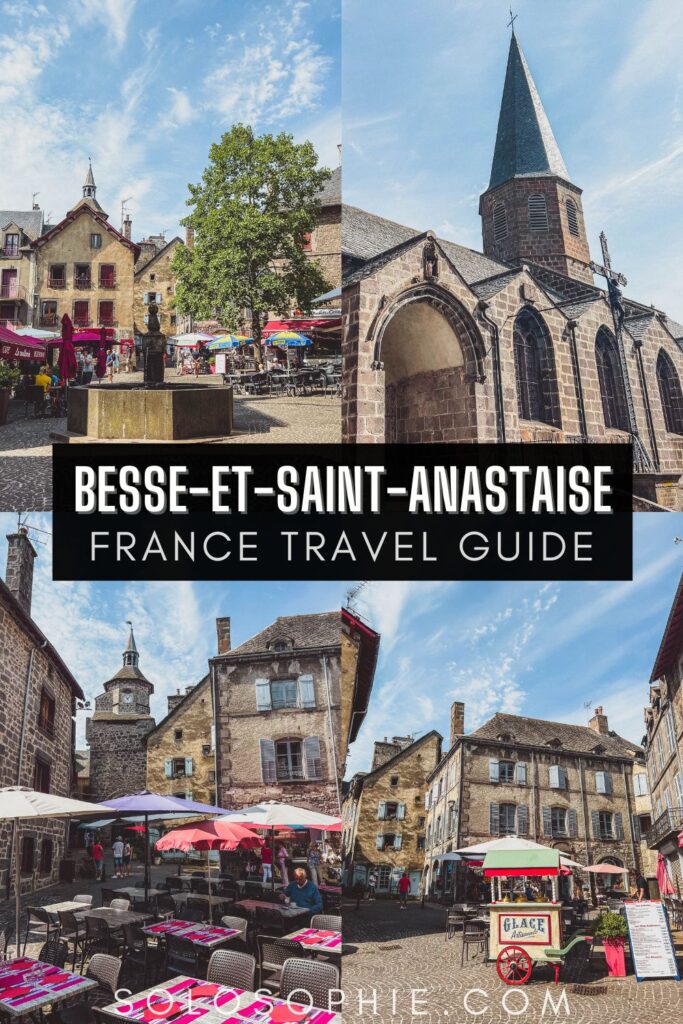
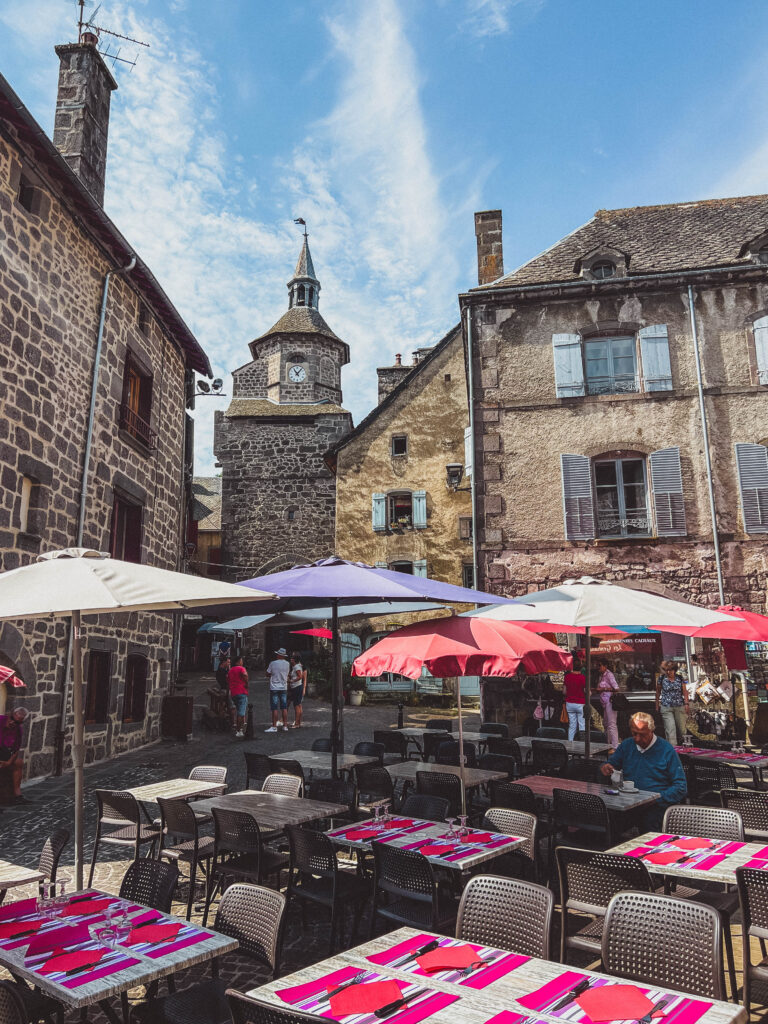
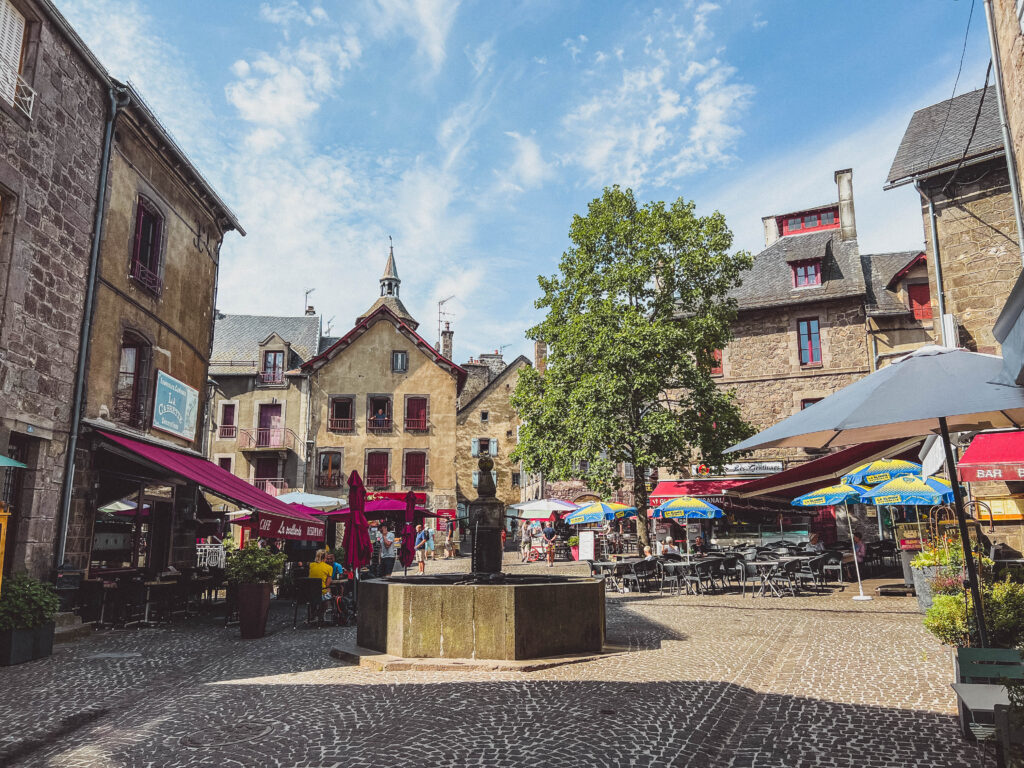
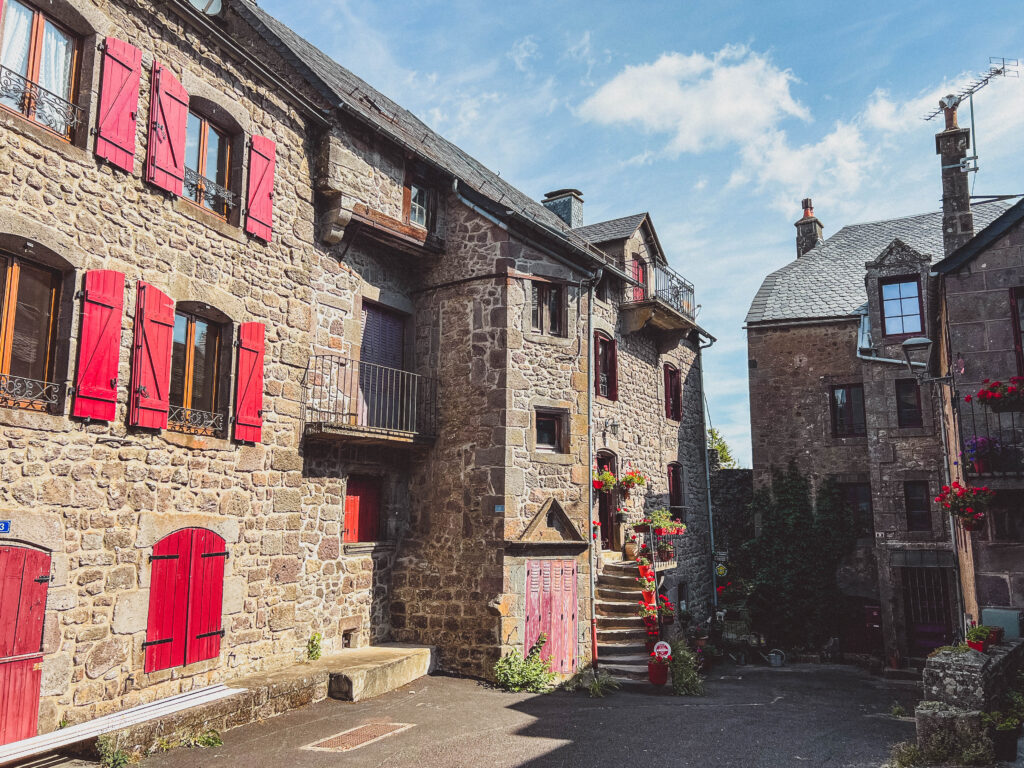
Nestled in the heart of the Central Massif mountain range in central France, Besse is a beautiful medieval and Renaissance town which is famed for its well-preserved fortifications, belfry, black lava houses with blood red shutters, and cobbled town centre. A must see on any trip to Auvergne, here’s a guide to the best things to do in Besse-et-Saint-Anastaise.
Please note that until 1961, the town was known simply as Besse. Between 1961 and 1973, the Auvergne town was known as Besse-en-Chandesse. Since 1973, the medieval town has been known as Besse-et-Saint-Anastaise.
Where is Besse-et-Saint-Anastaise?
The town of Besse is located in the area of the Sancy Mountains, a former chain of volcanoes that have been dormant for several millennia. Located at 1050 metres above sea level, the landscape surrounding the town is leafy, green, and particularly beautiful.
Today, the French settlement is characterised by its lava stone houses which have been constructed on a solidified lava flow, and lies in the department of Puy-de-Dôme within the region of Auvergne-Rhône-Alpes.
Between the 11th and 16th-centuries, Besse was the property of the family of La Tour d’Auvergne and is now touted as a Small Crater Town. Eight of the buildings of Besse are listed as Historic Monuments. The nearby resort of Super-Besse is popular for those who wish to partake in both summer and winter sports.
Things to do in Besse-et-Saint-Anastaise
Belfry (Beffroi de Besse)
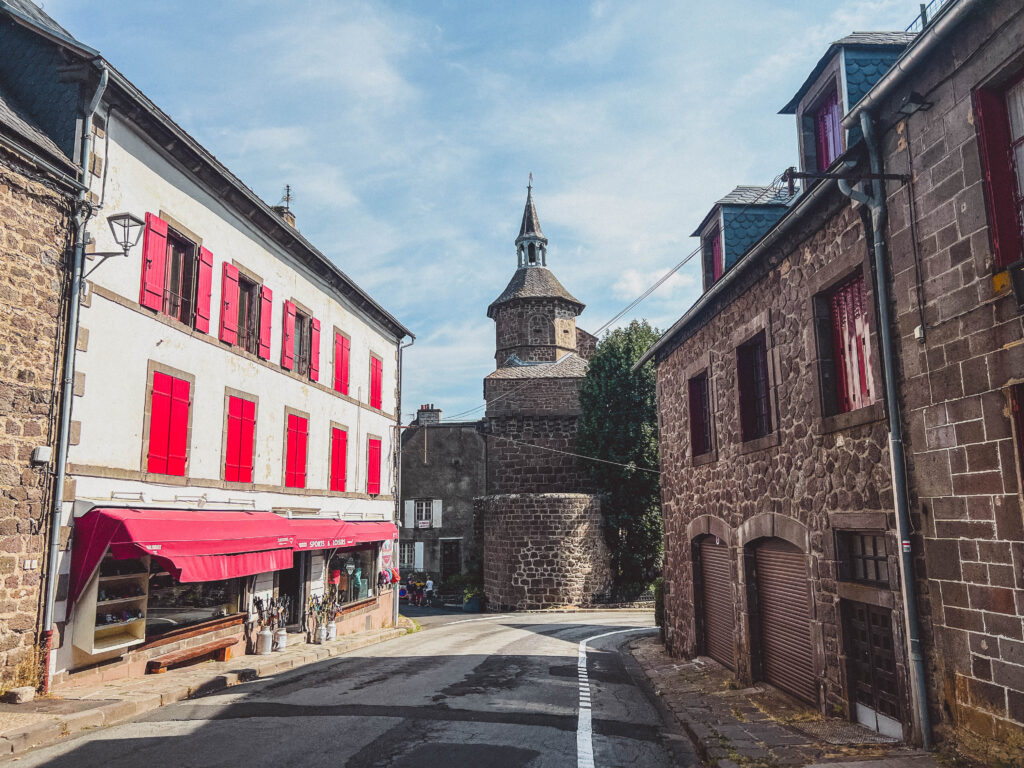
Known as a Belfroi in French, the Belfry of Besse towers above the rest of the town and dates back to the Middle Ages. Due to its strategic position and relative wealth, Besse was a target for English soldiers throughout the Hundred Years War.
As such, the residents of Besse asked permission from Charle VI to build a wall around the town so avoid such attacks by the English. It wasn’t until the middle of the 15th-century that the residents were granted permission to construct fortifications around Besse.
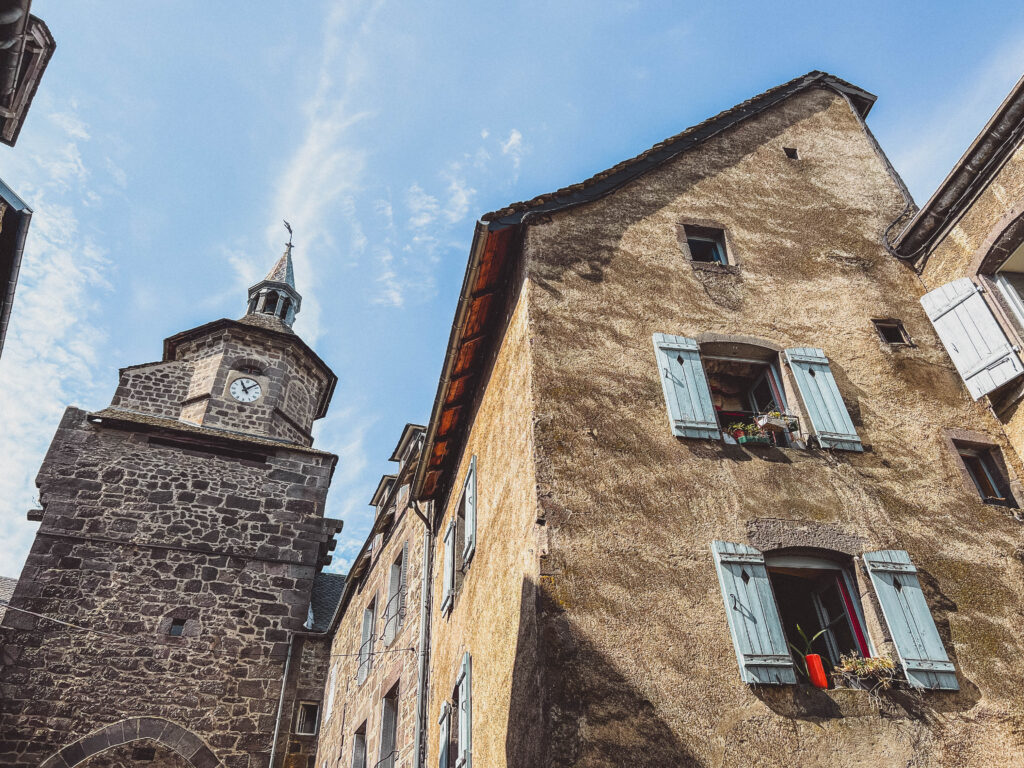
Today, the only remnant of the former town fortifications can be seen in the form of the Belfry tower, which also acts as a gate to access the town. The Belfry was constructed in the 15th-century, though much of it was renovated during the 16th.
Wander around the town
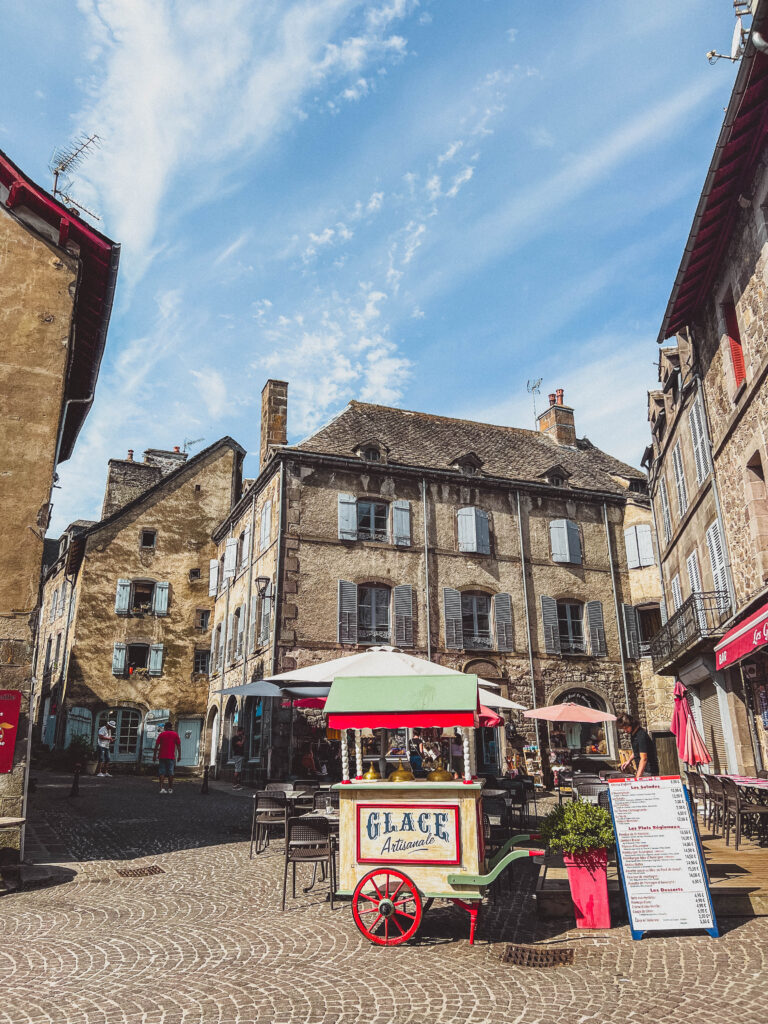
As with many medieval towns in France, one of the greatest joys of a visit to Besse is to simply wander around the town and allow the French settlement to reveal itself to you. Most of Besse is pedestrianised, as well as cobbled so be sure to wear comfortable shoes.
Much of the town can be visited over the course of a few short hours, though if you wish to stop for a drink or bite to eat in one of the many eateries scattered across town, you’ll want to set aside a little extra time. More information about the town and local area can be gained in the form of leaflets in the tourist office.
Castle of Baill
One of the more significant slices of cultural heritage in the town is the Castle of Baill, which is known in French as le château du Bailli lies on a road behind the church. Formerly used as the home of the bailiffs (whose job was to secure the town and collect taxes), the château dates back to the 15th-century.
House of Queen Margot (Maison de la Reine Margot)
Like the rest of the village, the black lava stone of La Maison de la Reine Margo is decorated with the deep red shutters that are so synonymous with Besse. The Queen’s House was built in the 15th-century.
The name of the building is a bit of a misnomer as the house actually belonged to a wealthy merchant. However, local legend tells that in October of 1586, Queen Marguerite de Valois stayed for a night in the building hence the building’s name.
Church of Saint Andrew of Besse-et-Saint-Anastaise ( Église Saint-André)
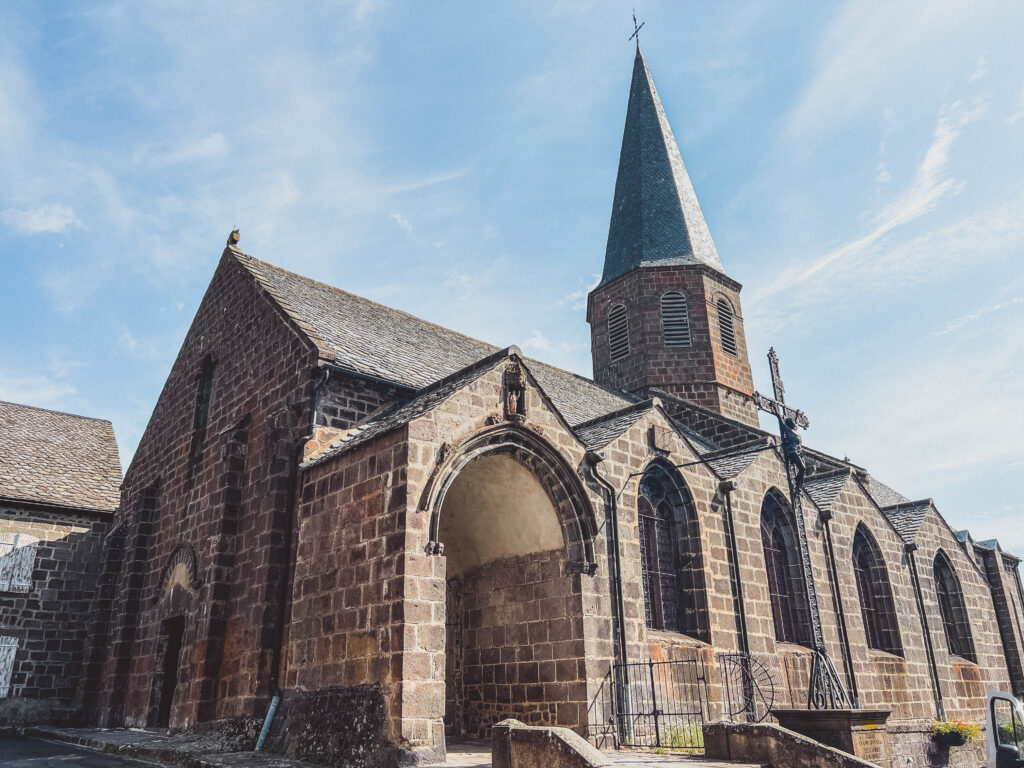
The main town’s church lies in the heart of the pedestrian centre and is known as Église Saint-André in French. Construction of the church began in the 12th-century, though many of the key elements of the ecclesiastical building date to a few centuries later, including the 16th-century choir.
Side chapels were added in the 17th and 18th centuries respectively. Free to visit, the church is built in the Gothic and Romanesque styles and has been classed as a historic national monument since 1886.
Ski Museum (Musée du Ski)
One of the more unusual attractions in town is the Ski Museum, which is located on Rue Boucherie. The small yet informative museum displays several exhibits which show the history of skiing (from 2500 CE right up to the present day). Among the collection are ski sets from all over Europe.
Pavin Lake (Lac de Pavin)
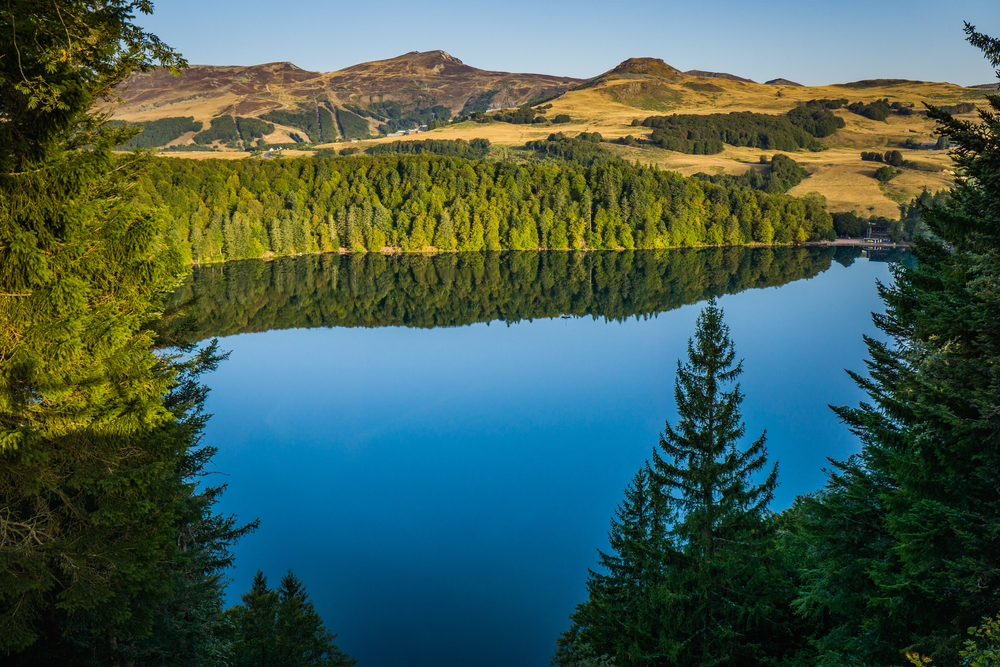
A short drive away, visitors will find themselves on the shores of the Lake of Pavin. This natural lake is nestled within a crater (technical term: meromictic crater) and is the result of volcanic activity some 6000 years ago.
The lake is 93 metres in depth, making it the deepest in Auvergne. Today, the Lac de Pavin is particularly popular during the summer months, when visitors from far and wide visit to go hiking in the dense forest surrounding the water.
Chiloza Waterfall (Cascades de Chiloza)
Located a couple of kilometres from the town centre, one of the more popular attractions in the area is a beautiful waterfall. Free to visit, you can admire the wildlife and snap photos of the cascading water.
Where to stay in Besse-et-Saint-Anastaise
Mildiss: For a more luxurious option, this four-star hotel offers amenities such as a spa, a restaurant on-site, free parking, and free Wi-Fi. Check prices and availability here.
Enjoyed reading about the best things to do in Besse-et-Saint-Anastaise? Pin this article now, read it again later: