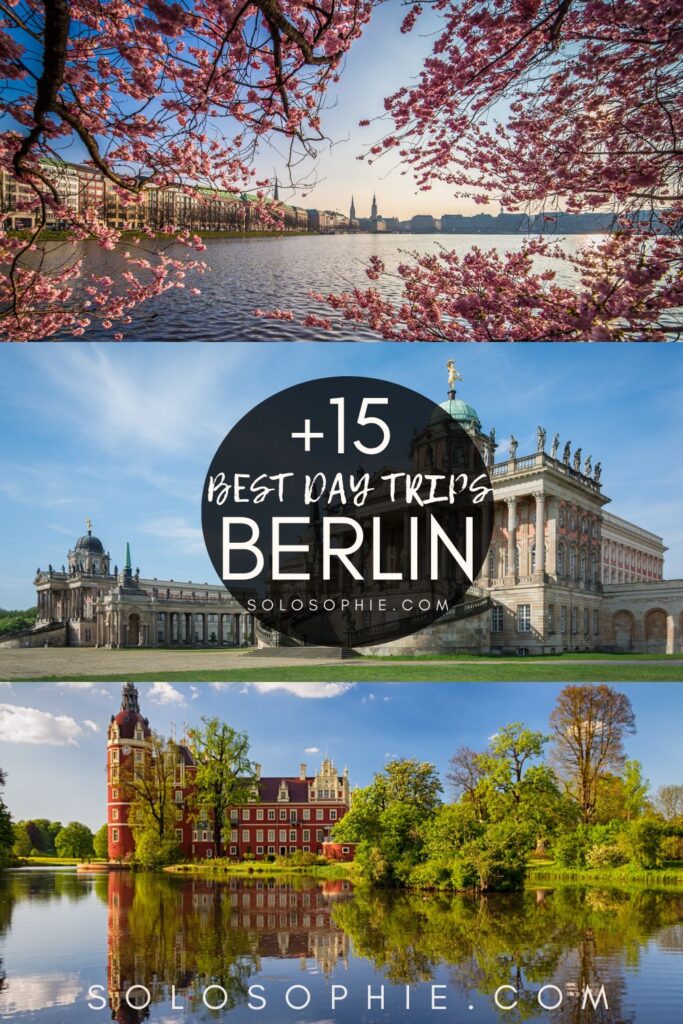

15+ Best Day Trips from Berlin
Last Updated on 26th June 2024 by Sophie Nadeau
This post may contain affiliate links. Please check out my privacy policy for more information.
Berlin is a unique city, unlike anywhere else in Europe. Steeped in history and famed for its buzzing nightlife, vibrant culinary culture and cool sense of fashion, it makes for is an intriguing place to visit.
While day trips may not be at the top of your mind when visiting this city full of wonders, if you have more than 4 days here, you should certainly consider taking a day trip or two beyond the city boundaries to see the beauty of Germany. From fairytale gardens, free roaming peacocks, to historic castles and divided cities. Here’s your ultimate guide to the best day trip from Berlin, as well as top tips and how to travel there.
If you’re headed to the German capital anytime soon and looking for more travel tips, be sure to check out our hidden gems and secret spots in Berlin or if you want planning made easier, why not read our suggested perfect 2 days in Berlin itinerary.
Best day trips from Berlin
Bad Muskau
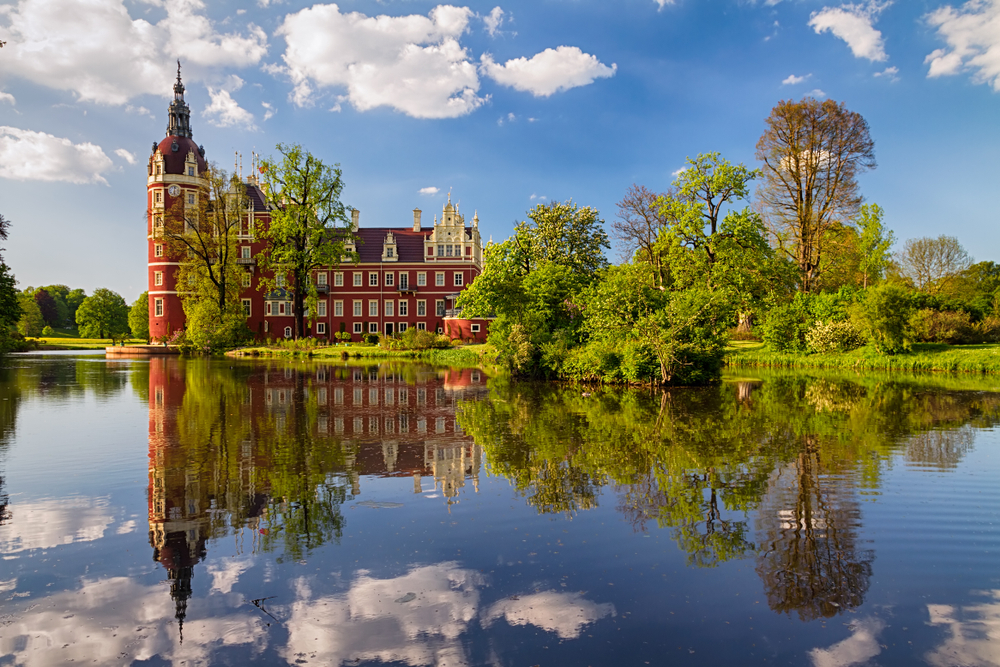
A spa town situated in the historic Upper Lusatia region, Bad Muskau, officially known as Muskau Park, is considered to be one of the most beautiful landscape parks in Europe!
Named a UNESCO World Heritage Site in 2004 (following a joint application from both Germany and Poland) the park has been hailed for its sheer natural beauty. The fairytale Neo-Renaissance Muskau palace sits along the Lusatian Neisse river that runs through the park, making this destination feel even more magical.
A gorgeous example of a 19th century English-style landscape design, the park spreads over the border, with half of it being owned by its neighbouring country, Poland. Luscious and vibrant with multiple shades of green, this tranquil pocket of paradise offers a completely different setting to that of the hustle and bustle of Berlin.
To be honest, the simplest way to reach Bad Muskau from Berlin is to drive, this takes around 2 hours. That being said, aside from exploring the natural landscape there’s not lots to do, so consider pairing your trip with Weißwasser (more information about this below) and explore its nearby attractions.
You can easily get a train from Berlin to Weißwasser which is around 2 hours (with one transfer) and then take a taxi to Bad Muskau, which is a 10 minute drive from the station.
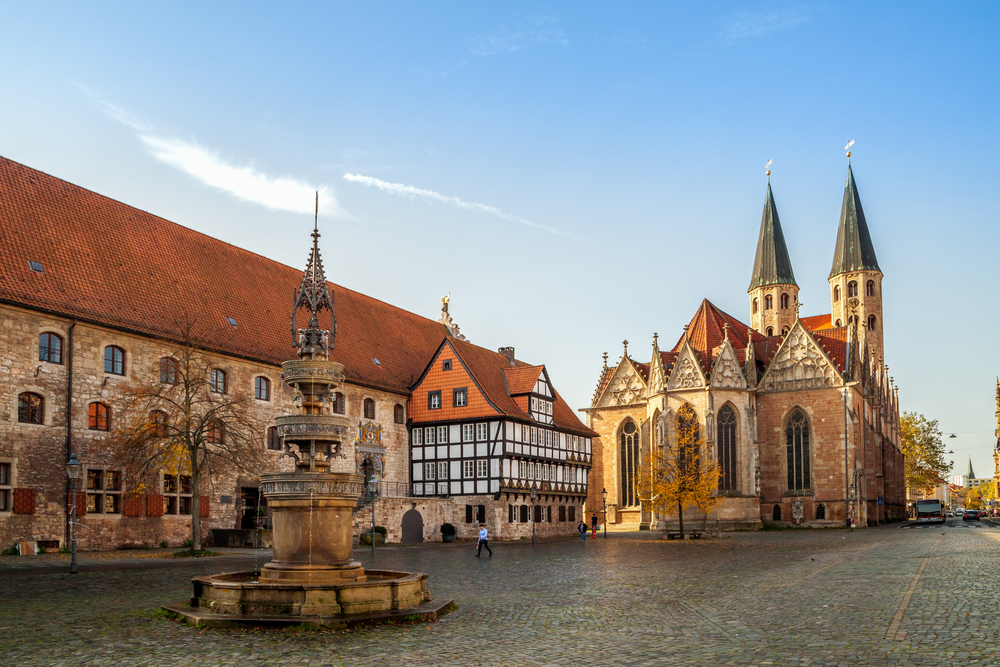
Braunschweig (Brunswick)
Braunschweig, also known as Brunswick, is situated in the heart of Germany, and with a population of over quarter of a million, it is the second largest city in Lower Saxony after that of Hanover. Brunswick makes for the idyllic day trip for those who love immersing themselves in medieval history.
The best known landmark in Brunswick is the medieval bronze sculpture, the Brunswick Lion which was created between 1164 and 1176. Also home to an abundance of museums, art galleries, Brunswick Cathedral and a Saxon lowland castle, Dankwarderode, you won’t be short of history and culture to explore in this city!
Something, or rather someone, for which Brunswick is known worldwide for is the legendary medieval joker, Till Eulenspiege. The character taken from German folklore is known for his trickery, said to have been born in Brunswick and may well in fact be based on a real person who lived during the 14th century.
The easiest and fastest way to get from Braunschweig to Berlin is by train. You can take a direct train from Berlin Central, the journey will take around 1 hour 30 minutes one-way.
Bremen
This beautiful Hanseatic port city is a cultural and economical hub of northern Germany. Situated along the country’s longest river, the River Weser (which actually flows the entire length Germany). The city is best known for its deep roots in maritime heritage.
Bremen has a population of over 500,000, so as you can imagine, due to its sheer size there is a lot to see in this historic gem. Although you could easily spend a few days visiting, it’s certainly possible to see most of the main sights within a day.
Filled with architecture and statues as if from a fairytale, in fact you can visit a statue which pays tribute to a fairytale written by the Brothers Grimm of four neglected domestic animals who decide to run away and become town musicians in the city of Bremen.
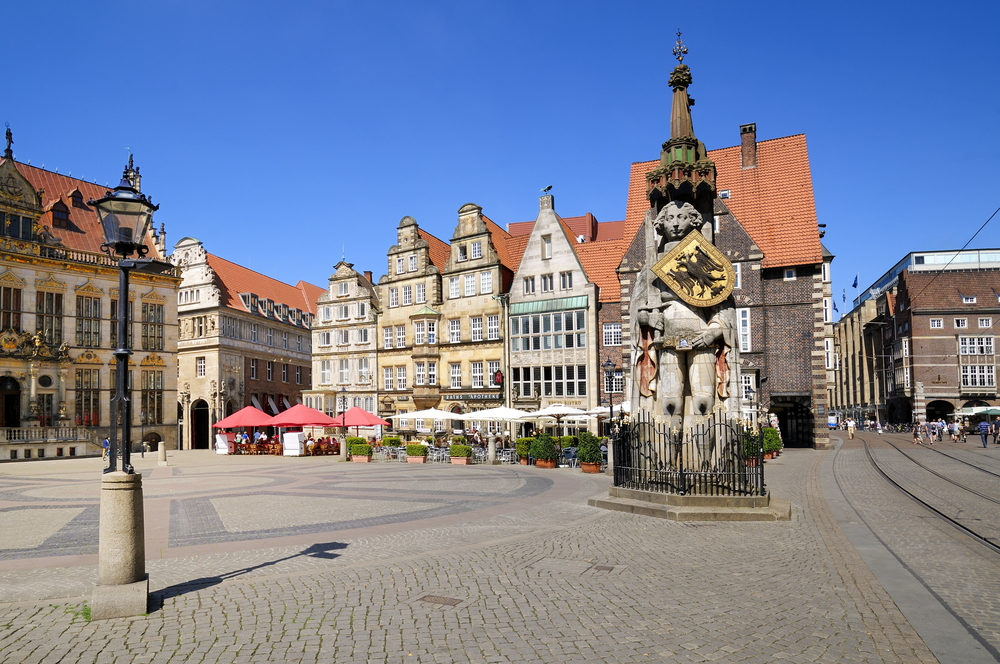
The gem of the city is the iconic, Bremen town hall, a beautiful Renaissance Gothic style building that dates back to the 15th century. Alongside you’ll find the statue of Roland, named as a UNESCO World Heritage Site, this impressive landmark stands proudly in the marketplace and dates back to 1404!
The medieval district of the city (and oldest part) is the Schnoor neighbourhood, a magical pocket of historic intrigue and narrow cobbled paths! Truly, one of the best ways to experience the city and ensure you don’t miss out on anything is by booking a guided walking tour of Bremen.
Also filled with an abundance of museums, galleries, a windmill, marketplace, cosy cafes and restaurants serving traditional cuisine like, Kohl und Pinkel (a delicacy of Bremen, this is a dish consisting of kale and smoked sausage) there’s plenty to explore/.
Bremen makes for the perfect day trip for those who are fascinated by history! The easiest way to get from Berlin to Bremen is via train, with the quickest journey taking just over 3 hours one-way (including one transfer at Hamburg). Alternatively the drive takes closer to 4.5 hours.
Dresden
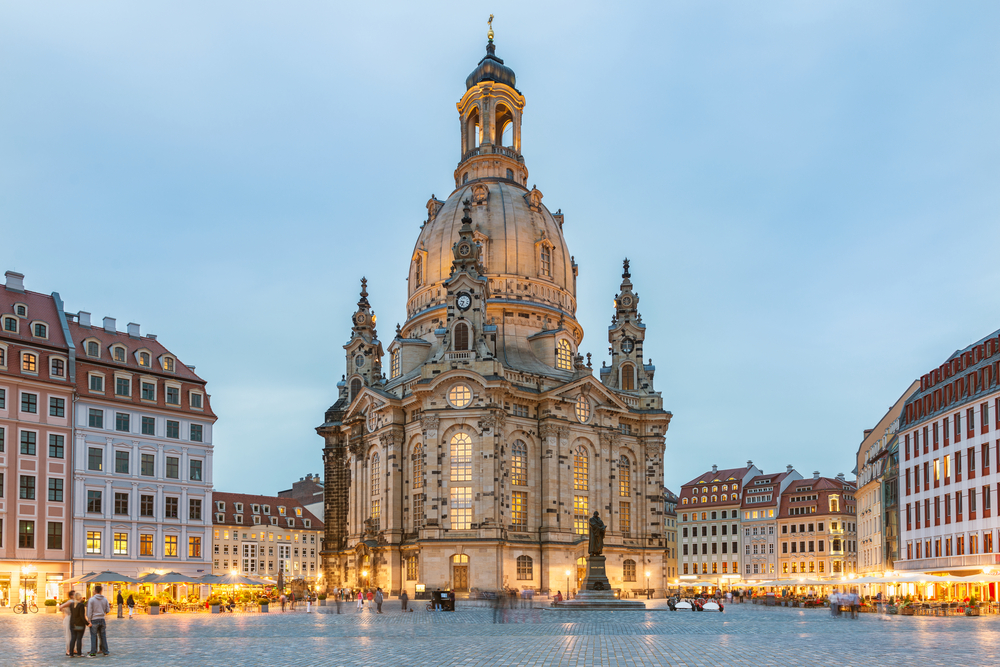
One of the most visited cities in all of Germany and for good reason, Dresden is often nicknamed “Florence on the Elbe” after the river in which it is situated along, and for reflecting a magnificent display or art and culture through its famous landmarks and architecture, similar to that of Florence, Italy.
However, it’s important to note that Dresden suffered severe bombing during WWII in a joint effort between the British and Americans to encourage Germany to surrender. Therefore, although filled with history, much of the city had to be rebuilt.
Some of the city’s most notable landmarks include:
- Zwinger Palace – Considered to be a masterpiece of baroque architecture, this remarkable palace was built in 1709 and remains to be one of the most important attractions in all of Saxony.
- Semperoper, Opera house – A magnificent concert hall which is also home to the Semperoper Ballet, it compromises of an eclectic mix of architectural styles making it truly unique! Although most of this historic building was destroyed in war bombings, it’s built almost identical to its original.
- Frauenkirche church – Originally known as ‘the Church of Our Lady‘ it is considered to be one of the largest sandstone buildings in the world! Intricately carved, its a remarkable example of Protestant sacred architecture and has a notably large church dome.
- Dresden Castle – One of the oldest buildings of the city, built in a blend of Baroque to Neo-renaissance architecture, for almost 400 years it was home to the electors and kings of Saxony, as well as Kings of Poland.
- Fürstenzug – This larger than life painted mural is made up of over 23,000 tiles and depicts a procession of the rulers of Saxony.
History aside, Dresden is also home to shops, restaurants and an abundance of cosy cafes, one of the sweet treats that is popular among the locals is the German delight, Quark Pfannkuchen (fluffy pancakes smothered in apple sauce and more quark!) And, during the festive season, Dresden puts on a magical Christmas market.
If you have time, a unique way to experience Dresden is from the water by taking a guided boat tour along the river Elbe like this one. To reach Dresden from Berlin, you can take a direct train which takes just under 2 hours one-way, making it an ideal spot to get there and back easily within a day.
Görlitz
Gorlitz is the easternmost city in Germany and one of its hidden gems. Not many tourists come here in comparison to the more popular German cities, so it offers a quieter city for which to soak up its history!
Most people know of Berlin being divided post WWII, but whats unique about Gorlitz is that it was also divided, with half of the city being annexed to Poland, upon visiting you can cross a bridge and step foot into another country. Also, Gorlitz is rare in that it’s one of the more preserved towns to have survived the war bombings.
This city is notable not only for the fact that it is divided between the two countries. It is also a popular filming location for Hollywood movies, Around the World in 80 Days, The Grand Budapest Hotel, and many other iconic movies were filmed in Gorlitz!
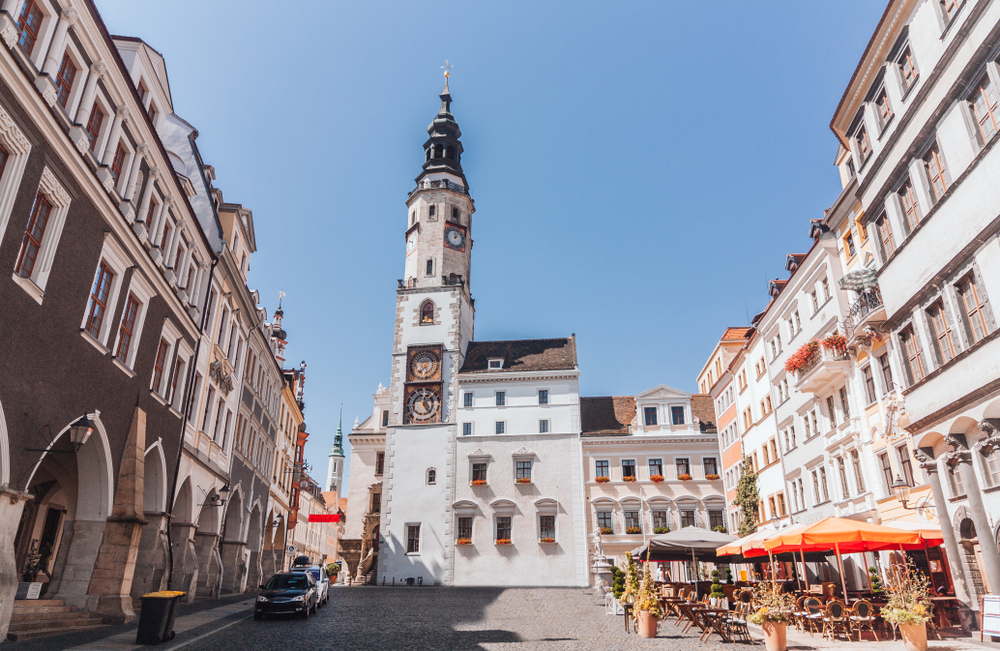
One of the best things to do while visiting is simply to wander around the maze of narrow cobbled paths and seeing what you stumble across. Charming and quaint, the historic old town of Gorlitz is filled with treasures such as the Holy Trinity Church, Reichenbach Tower, Obermarket (upper market) and Untermarkt (lower market).
Gorlitz is the perfect day trip, not only do you get to see a blend of two cultures, but you can experiecne a slower and more peaceful ambience to that of the bigger cities. The drive takes just under 3 hours to get to Gorlitz from Berlin, with the fastest train taking around 2 hours 30 minutes (with one transfer).
Hamburg
Located alongside the River Elbe in the north of the country lies one of Germany’s biggest cities, Hamburg. Vibrant and modern, the city is filled with unique architecture, plenty of history, and a surprising amount of water for a city dozens of miles away from the sea.
Characterised by its harbour area, many museums, and during spring each year, its beautiful sakura (cherry blossom trees that were given as a symbol of friendship from the citizens of Osaka in Japan).
To name a few, here are just some top suggestions of what to see and do in Hamburg:
- Walk along Binnenalster – One of two artificial lakes within the Hamburg city limits and boasts beautiful views onto the TV tower. It’s a tranquil spot to stroll along and soak up the city ambience.
- Miniatur Wunderland – As the name suggests, this is a miniature wonderland set within a tiny museum and is an absolute must-see if, it’s a fascinating exhibition recreated scale model replicas of cities and towns from all over the world.
- Town hall (Rathaus) – Situated on the main plaza, this 19th century building is a must-see.
- Reeperbahn – The Red Light District of the city, and the area where The Beatles performed their first live performance in Indra Club! Known for its nightlife, theatres, and adult entertainment area.
- St Michaels Church – A gorgeous example of Baroque architecture, St Michael’s Church is free to visit and is one of the most important churches in Hamburg today.
- Deichstrasse – One of the most picturesque streets of the city, and the oldest surviving street of the Altstadt (old city). During the summer months you’ll find an array of cafe and bar terraces spilling out onto the street, filled with people enjoying a drink in the sunshine.
The list of things to do in Hamburg is endless, so for more travel inspiration we recommend reading our how to spend one perfect day in Hamburg itinerary to make the most out of your travels!
Trains run frequently between Berlin and Hamburg, making it easily accessible to visit for a day. That being said, be sure to reserve your train tickets ahead of time (at least a couple of weeks) as you’ll save a fair bit of money rather than booking directly on the day. If you take the Intercity Express train you can get from city to city in as quick as 46 minutes.

Köpenick
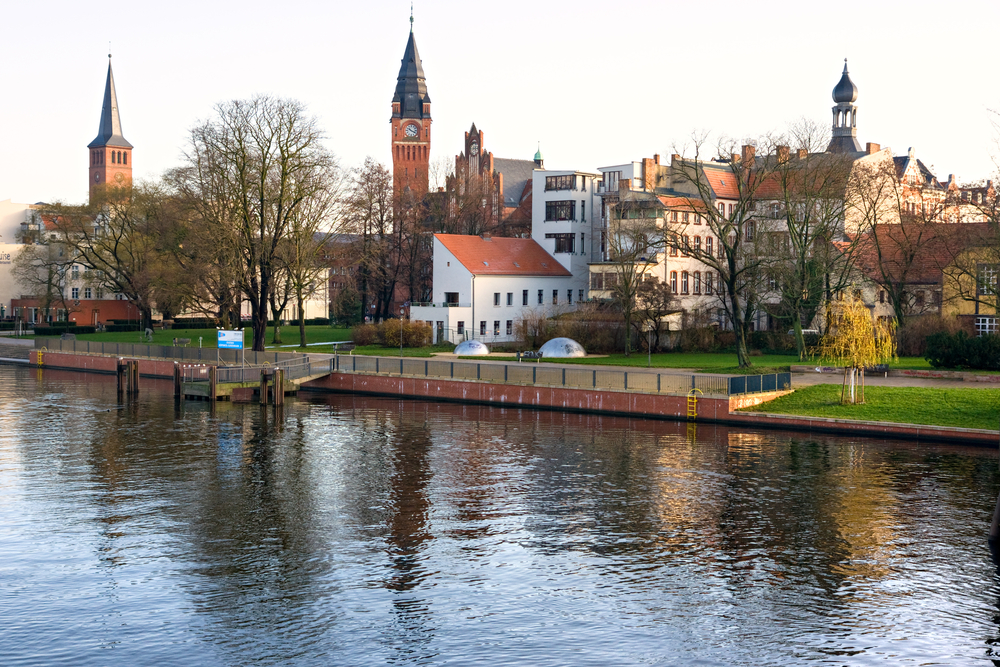
This quaint historic town is actually situated within Berlin city, making it an easy spot to spend an afternoon while visiting the capital.
Life in Köpenick moves at a slower pace than that of the hustle and bustle of Berlin, but there’s still plenty to explore and see. Home to Köpenick Palace, a Baroque palace which stands on its own island in the Dahme River and is surrounded by a tranquil English-style park.
Köpenick is actually Berlin’s largest borough in terms of area, almost 70% of the district is made up of forested and water areas, making it the perfect place to immerse yourself in nature and explore the German countryside.
Thanks to its location, Köpenick is easily reached from the centre of Berlin by a 20 minute tram ride or a 35 minute car drive.
Peacock island
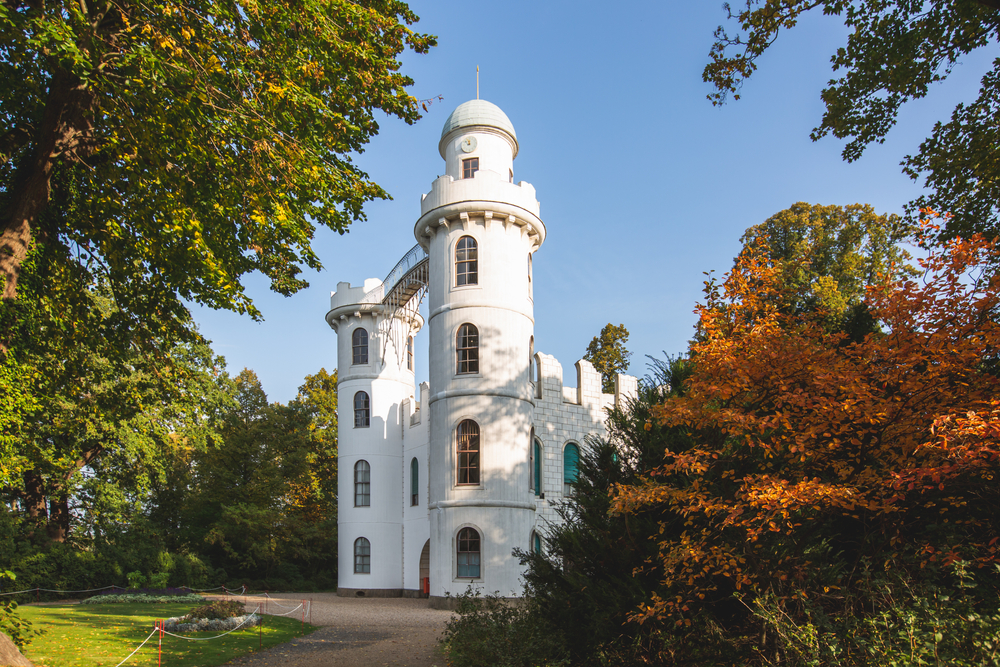
Named Pfaueninsel in German, this enchanting island, with a unique history, is situated in the southwest of Berlin and is home to a muster of vibrantly coloured Indian peafowls that roam around freely.
Formerly known as Kaninchenwerder (rabbit island), after a Duke of Prussia set up a rabbit breeding station in the late 17th century… it was then considered the ideal location for chemist and glass-maker Johannes Kunckel to conduct experiments in making glass, but after a fire (possibly arson) he left and the island was left abandoned for 100 years.
That wasn’t until 1793, when the Prussian king Frederick William II acquired the island and had a small fairytale white castle built for him and his mistress, to be used as somewhat of a romantic retreat.
From 1821-1834, the successor of the island, Frederick William III, turned the land into a model farm and introduced all kinds of animals! From wolves, crocodiles, monkeys, kangaroos and peacocks, to all kinds of exotic birds, there was a point where the number of animals peaked at over 900, from over a 100 species.
Shortly becoming a public attraction, the island was open to visitors 3 days a week. In fact, public interest remained so high that trains from Berlin would be filled to the brim! However, in 1842 the animals were transferred to Berlin Zoo, leaving only the peacocks remaining.
Today Pfaueninsel island is named as a UNESCO World Heritage Site and is protected for its beautiful array of flora and fauna. It makes for a romantic spot to visit, you can see oak trees over 400 year old, the oldest rose garden in Berlin and enjoy immersing yourself in the serene ambience of this natural space as you wander down different paths and take in the spectacular views across the Havel River.
To get to Peacock island you’ll need to get a bus to Wannsee. Outside, to the west of Wannsee S-Bahn station, is the pier where you get the ferry. Please note, no dogs or bicycles are allowed on the island.
Potsdam
Exuding elegance, Potsdam is filled with magnificent palaces and grand luscious gardens. So beautiful in fact that it was deemed a UNESCO World Heritage Site in 1990 and named as one of the most beautiful cities in all of Europe!
There are so many architectural gems to visit, here are a few notable landmarks you won’t want to miss:
- Sanssouci Palace – Built by Prussian King Frederick the Great as his summer palace, this beautiful grounds is often compared to the Palace of Versailles. (read more about this spot below)
- Babelsberg Palace – Boasting of stunning views over the river Havel, this impressive English Tudor style palace is surrounded by terraces of mosaics, sculptures, flowerbeds and a gothic fountain.
- Dutch Quarter – A quaint neighbourhood filled with red bricks in the Dutch style it’s also known as ‘Little Amsterdam’ and was where the Dutch community lived during the 18th century. Today you can see shops, galleries, workshops, antique dealers and an abundance of cosy cafés.
- St. Nicholas’ Church – An impressive 77-metre-high church that towers above Potsdam skyline.
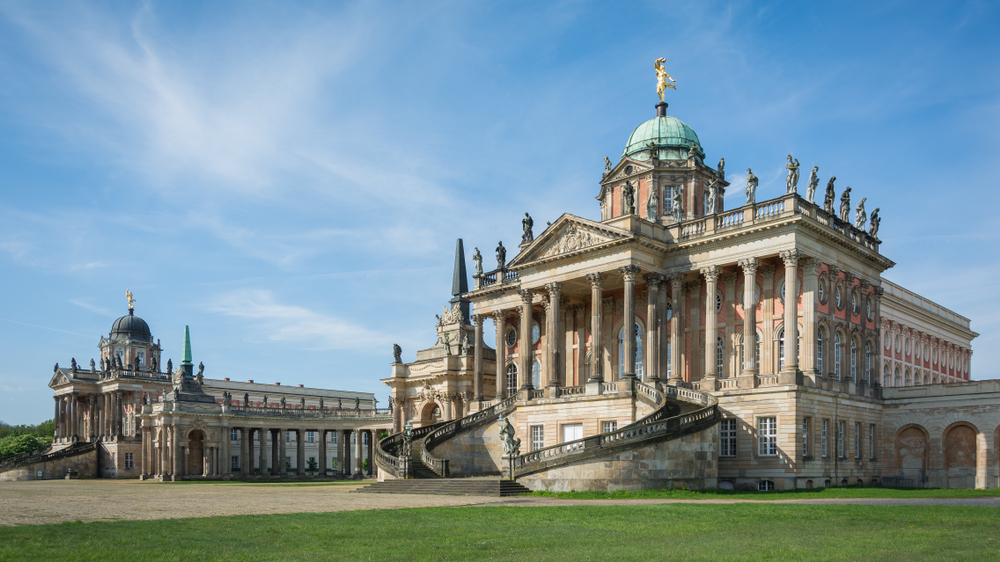
- Neues Palais – Also known as ‘new palace’, an enormous pink coloured Baroque palace, considered to be the last great Prussian Baroque palace.
- Cecilienhof Palace – Built with the layout of a typical Tudor manor house, it was the place in which the Potsdam Conference of 1945 took place. Today it is both home to a hotel and museum.
- Charlottenhof Palace – A beautiful and elegant small neoclassical summer residence located to the southwest of Sanssouci. It was a former royal residence of Crown Prince Frederick William.
In fact, you may well recognise the name Potsdam from history lessons. This was in fact the meeting place of ‘The Big Three’ where Truman, Stalin and Churchill met to negotiate terms for the end of WWII.
Potsdam is relatively small so you only need a day to explore, and thanks to its close proximity it makes for the perfect day trip from Berlin. The train from Berlin to Potsdam takes approximately 40 minutes, but you can also get the regional express train which only takes 20 minutes.
Sachsenhausen Concentration Camp
There’s a lot to be learnt about the atrocities committed in WWII, and of course in Berlin itself you’ll find several memorials and museums dedicated to teaching the dark past of the war. However, if you have a chance to, an important place to visit and see for yourself is visiting one of the concentration camps in order to fully understand the Holocaust.
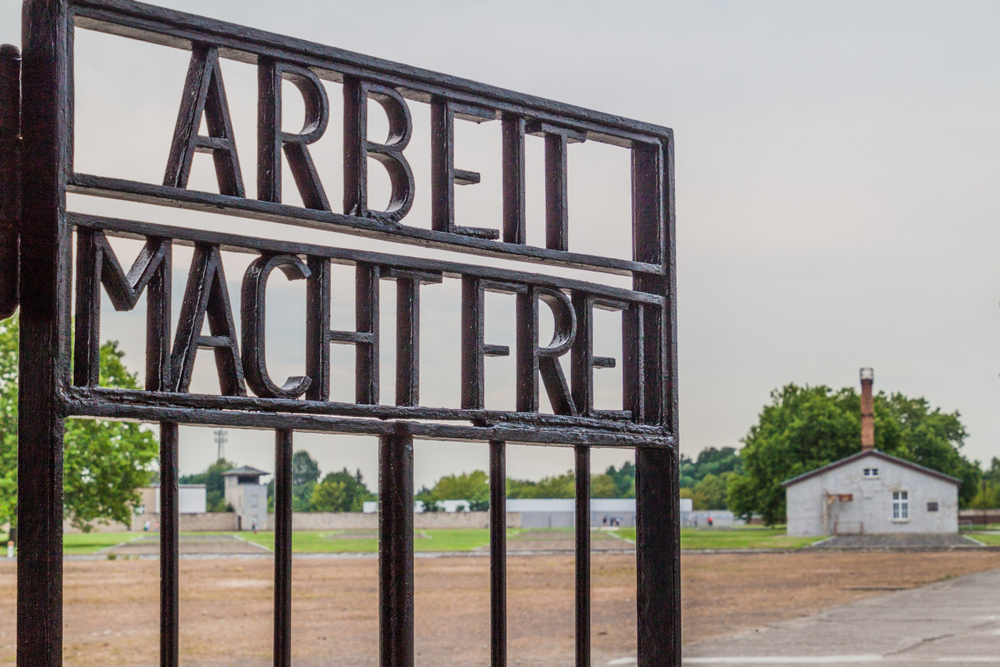
Sachsenhausen was one of the German Nazi concentration camps, siturated in Oranienburg, it was used from 1936 until 1945. Today Sachsenhausen is a free memorial and museum where you can visit, while also honour the victims. The aim of encouraging people to visit these concentration camps is to ensure that the Holocaust is never forgotten, and that history does not repeat itself.
Important to note: When visiting you must be respectful, this is a memorial and place where you should behave with solemnity and respect. This means, no smoking, no eating on the grounds and don’t take selfies (yes, people have actually done this…) and visit quietly. You are allowed to take photos, just be sure to do so in the right way.
You aren’t allowed to bring your own vehicle. You can take a train from Berlin to Sachsenhausen (with one transfer) which takes around 45 minutes. Alternatively, you could book a day trip tour like this one.
Sanssouci Palace
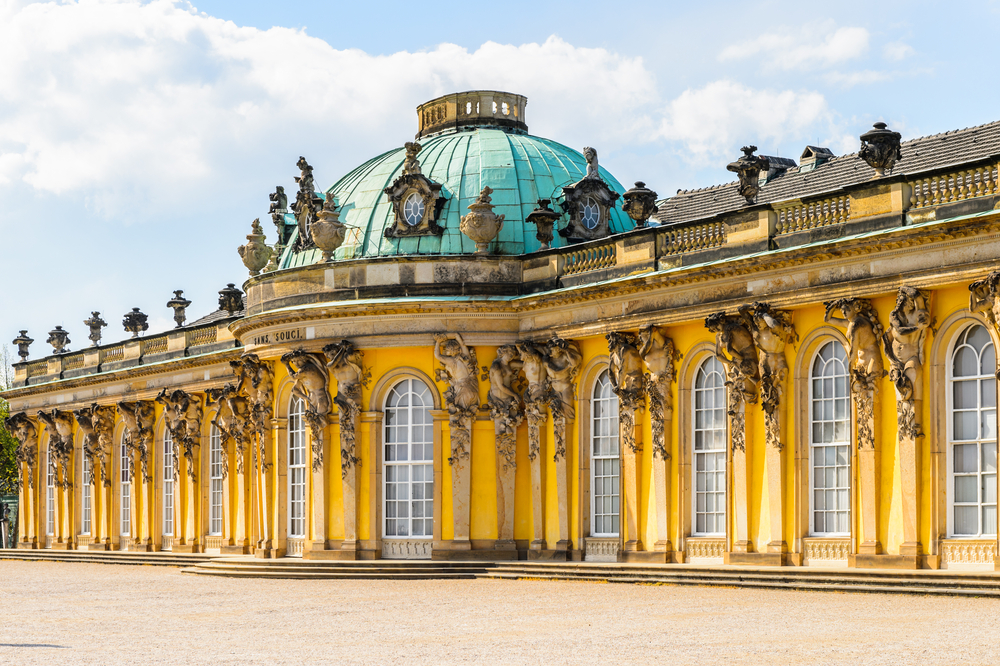
Situated in Potsdam, Sanssouci Palace (built between 1745- 1747) is an extensive park and grounds which is named a UNESCO World Heritage Site and was King Frederick the Great’s favourite summer escape!
The palace’s name is actually a French phrase ‘sans souci’ meaning “without worries” or “carefree“, emphasising the fact that the palace and grounds were for the purpose of ultimate relaxation. The golden glow and green dome that twinkles on top is sure to blow you away, it’s truly an architectural masterpiece.
Often compared to that of the baroque Palace of Versailles (although far smaller than its French counterpart) it’s built in an intimate Rocco style and notable for the abundance of temples and follies that it houses in its surrounding grounds.
To visit the palace interior you’ll need to pay a small fee, but it’s worth it to see the richly decorated rooms filled with paintings, decadent furniture and silverware. The gardens are free to visit, filled with vineyards and winding paths that leave you feeling as though you are starring in a period drama or Bridgerton even!
Take a guided tour to Sanssouci Palace from Berlin like this one.
Saxon Switzerland
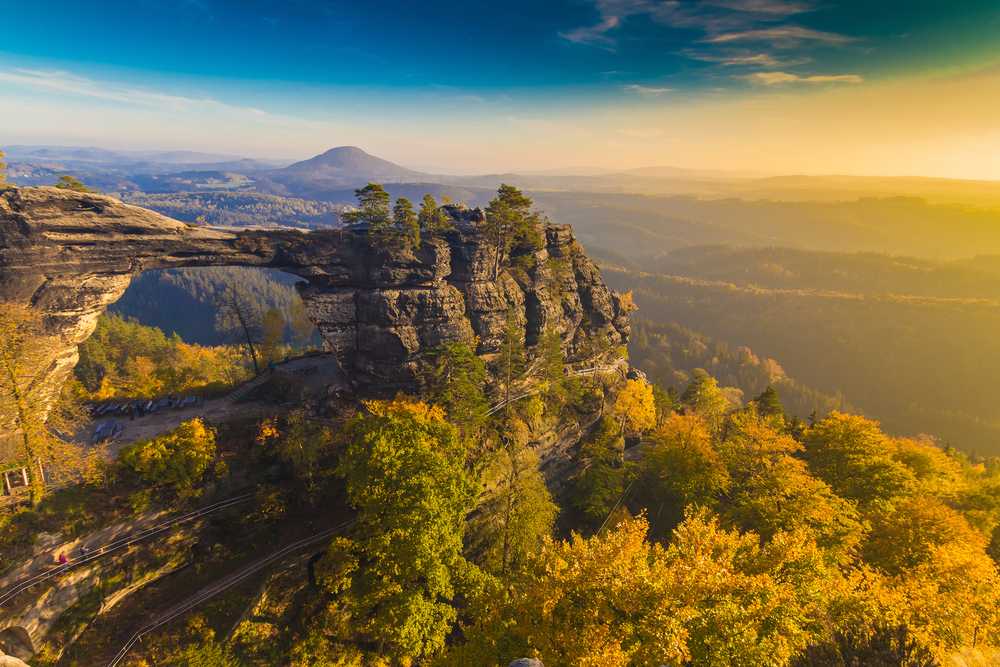
To experience exploring the natural landscape of Germany, one of the best places has to be that of Saxon Switzerland, a gorgeous national park named so after its picturesque mountainous scenery.
This hilly climbing area is situated in the Elbe Sandstone Mountains, boasting of sweeping romantic views over the Elbe river and beyond, it’s the perfect spot for those who love a long hike or like to go rock climbing.
To get from Berlin to Saxon Switzerland I highly recommend renting a car, the drive takes just over 3 hours. However, if this isn’t an option you can take a train from Berlin to Dresden and then from Dresden you get a bus to reach the national park, this journey takes almost 4 hours.
Spandau Citadel
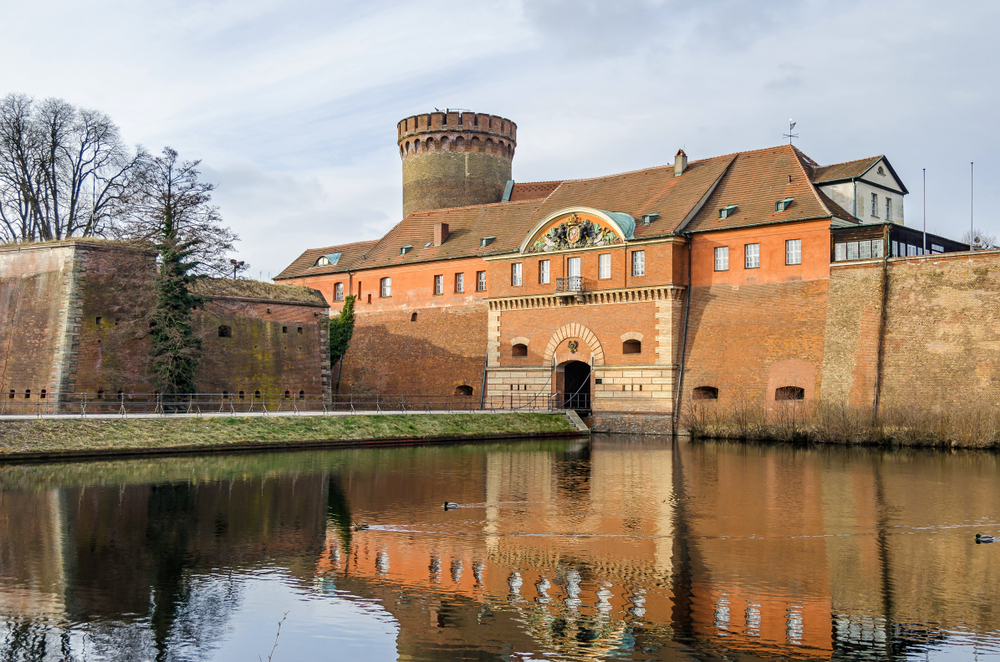
Spandau fortress is one of the best-preserved Renaissance military structures in Europe! Dating back to the mid-15th century this medieval fort is situated on its own island where the Havel and Spree rivers meet.
Aside from it being an architectural gem, the citadel is a remarkable place to visit filled with notable attractions. Boasting of panoramic views overlooking Berlin from the viewing deck, there’s also a museum which details the citadels history, displaying previously used weaponry and telling stories of its former prisoners.
The best way to fully appreciate the citadel’s historical significance is by opting for a guided tour. Experts will guide you through the most fascinating parts of the fortress. Alternatively, there are audio guides available in multiple languages for those who prefer self-guided exploring.
This once military fortress has been transformed into a modern cultural centre where you can also sometimes attend festivals, concerts, puppet theatre, as well as medieval and jousting festivals take place!
Easy to reach, to get from Berlin to Spandau you can take a train which takes around 30 minutes and then a short walk or bus. Alternatively, the drive takes just over 30 minutes.
Spreewald
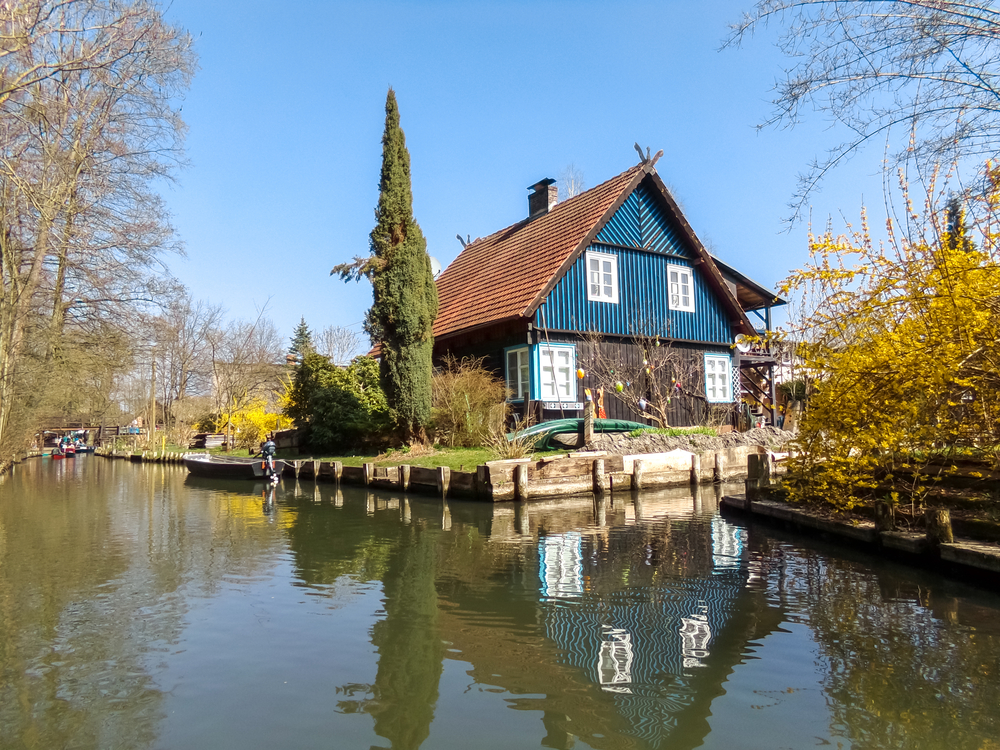
For a different and more unique experience of Germany, a day trip to Spreewald makes for the perfect escape into nature and a tranquil retreat from city life.
Filled with streams, canals, forests and quaint traditional villages, this charming and idyllic pocket of nature was in fact named a UNESCO Biosphere Reserve in 1991 thanks to its abundance of plants and wildlife. Described as ‘where the forest is reflected in the water’, Spreewald is situated in the state of Brandenburg with the closest town being Lübbenau.
One of the best ways to experince Spreewald is by water. You’ll find several places renting out kayaks and canoes which you can take for an hour or two and immerse yourself in nature.
To get from Berlin to Spreewald you would be best to take the train from Berlin to Lübbenau which takes around 1 hour. To drive there would take 1.5 hours.
Wannsee Lake
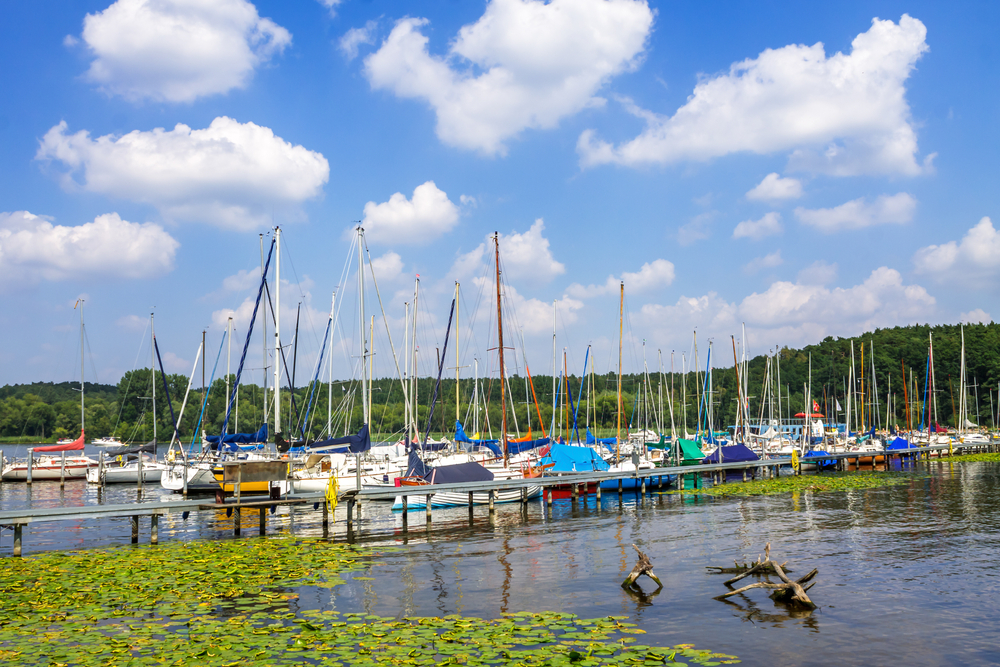
Situated in the westernmost locality of Berlin is the sparkling lake of Wannsee, which also happens to be one of Europe’s largest outdoor swimming areas on inland waters, making it an idyllic day trip from Berlin if you happen to be visiting during the summer months.
Situated at the shore of Lake Wannsee is the museum and former summer residence of the German painter Max Liebermann, where you can visit a collection of his paintings as well as the house gardens.
Wannsee is actually home to Pfaueninsel island (peacock island). You can get from Berlin to Wannsee Lake by taking the train (with one transfer) which usually takes around 40 minutes. The drive takes around the same time.
Enjoyed reading about the best day trips from Berlin? Pin this article now, read it again later: